1/5
‘Furniture flipping’: the next big trend in home sustainability?
The article explores 'furniture flipping' as a growing trend in home sustainability, offering a practical and environmentally conscious approach to interior design. With sustainability gaining prominence, a significant majority of people are prioritizing eco-friendly practices. Repurposing and upcycling furniture emerges as a key method to reduce waste and contribute to a greener lifestyle, alongside more traditional actions like recycling and donating items.
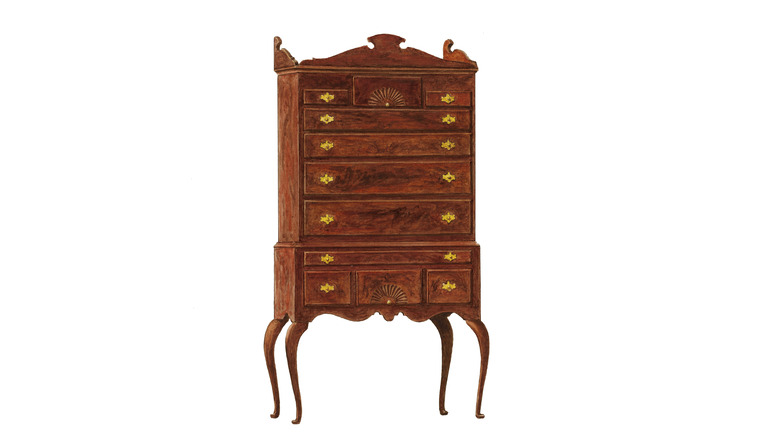
Furniture flipping involves transforming pre-owned, vintage, or even damaged furniture into refreshed pieces. This method not only promotes sustainability but also allows individuals to infuse their homes with unique character. Experts from Essential Living and vintage specialist Kate Beavis provide valuable tips for undertaking furniture flipping projects, starting with the core concept of repurposing and upcycling.
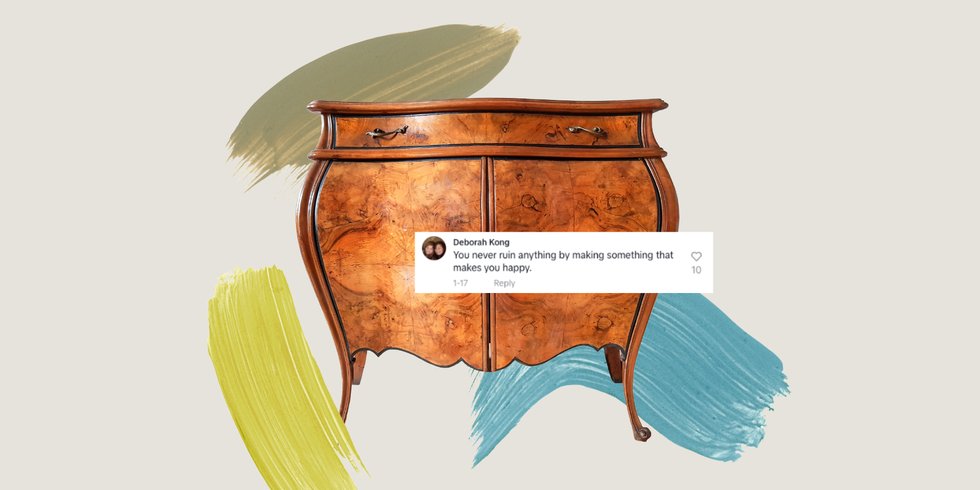
Repurposing extends beyond mere aesthetic changes; it involves using an item in a new way or altering its initial appearance to better suit a contemporary space. For instance, an old Victorian bookcase, traditionally used for books, can be reimagined as a stylish bar cabinet for spirits and glasses. However, Beavis advises careful research, particularly regarding the material, as thin veneer wood can be easily damaged during sanding, necessitating painting as a corrective measure.
Simple fixes for common furniture ailments are highlighted as an accessible entry point into furniture flipping. Issues like wobbly legs or damaged drawers often require only basic tools like a screwdriver for tightening or replacing components. For minor chips or holes in wood, wood filler is recommended, while clear nail polish can be used for small spot repairs. For scratches on dark wood, especially mid-century furniture, liquid gold or teak oil can effectively fill and disguise imperfections. Rust on chrome can be removed using crumpled tin foil.
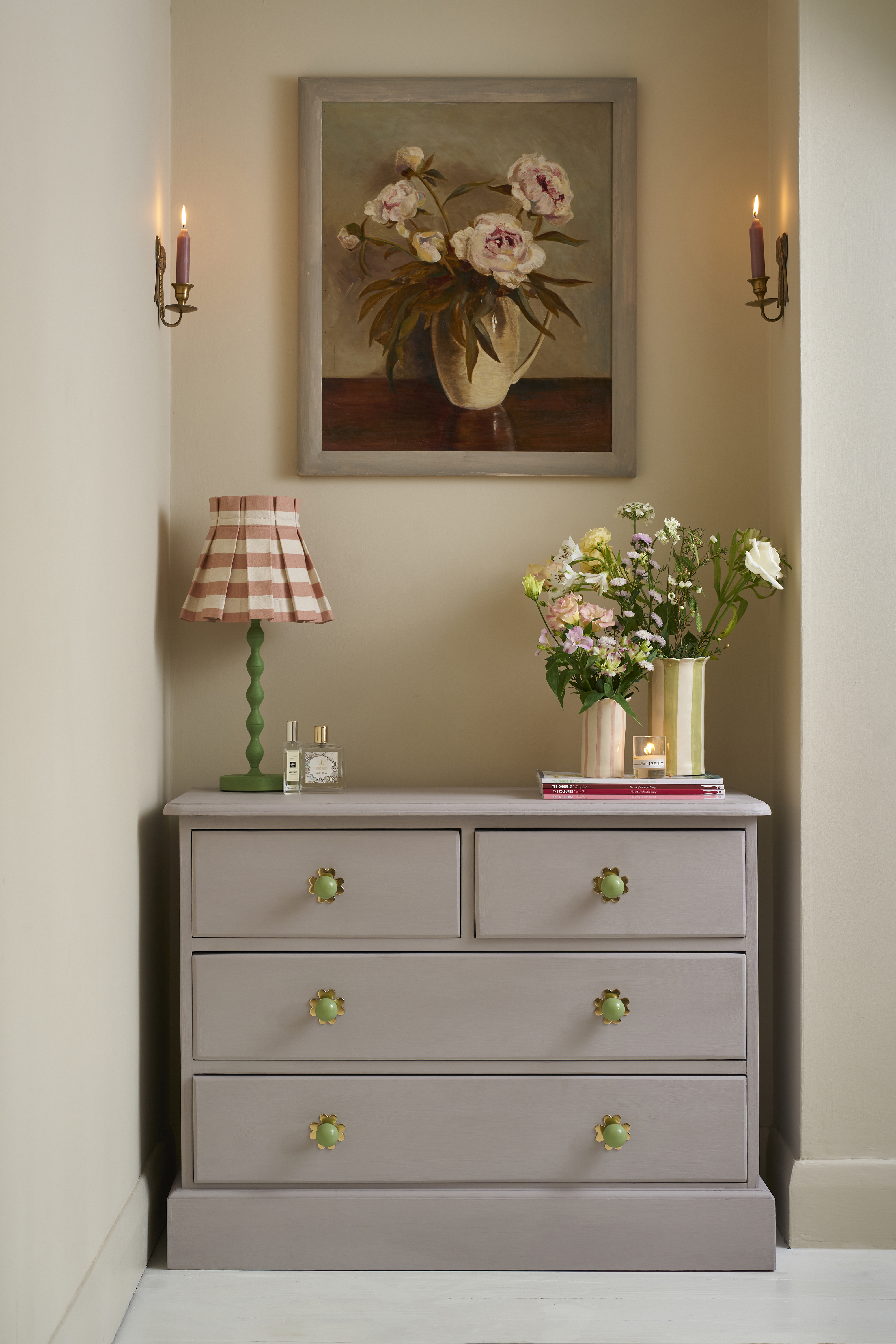
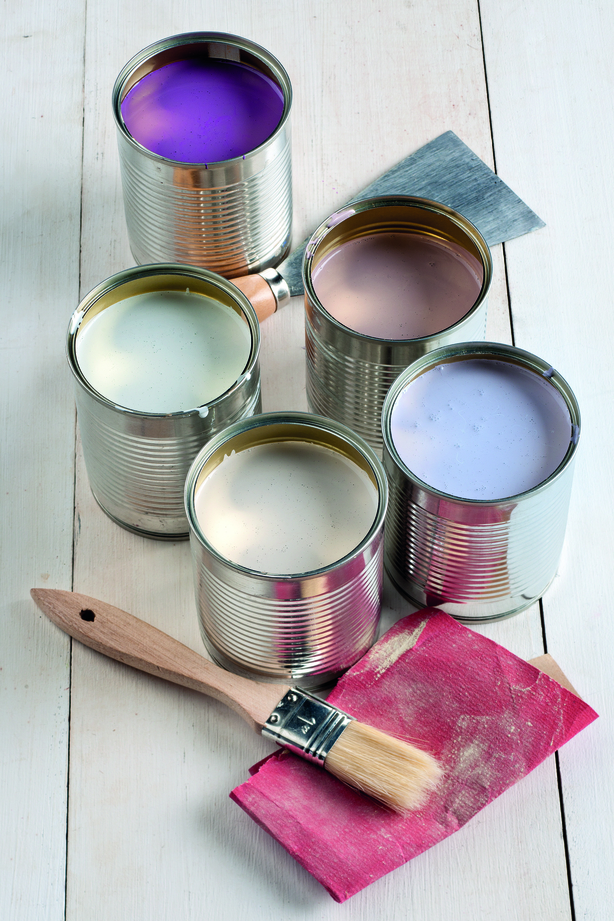
Painting is presented as one of the most popular and straightforward methods for furniture transformation. Proper preparation is crucial for a successful paint job, involving thorough sanding, cleaning to remove dust and grease, and priming. The type of primer depends on whether the furniture is bare wood or has been previously painted or varnished, with multi-surface primers suitable for the latter. When painting, starting with finer details like edges, mouldings, and inlay panels before moving to the main surface ensures an even coat. The article notes that while shabby chic and muted tones remain popular, dark colors like navy, green, or dark grey are currently on-trend, complementing accessories in ochre or blush pink.
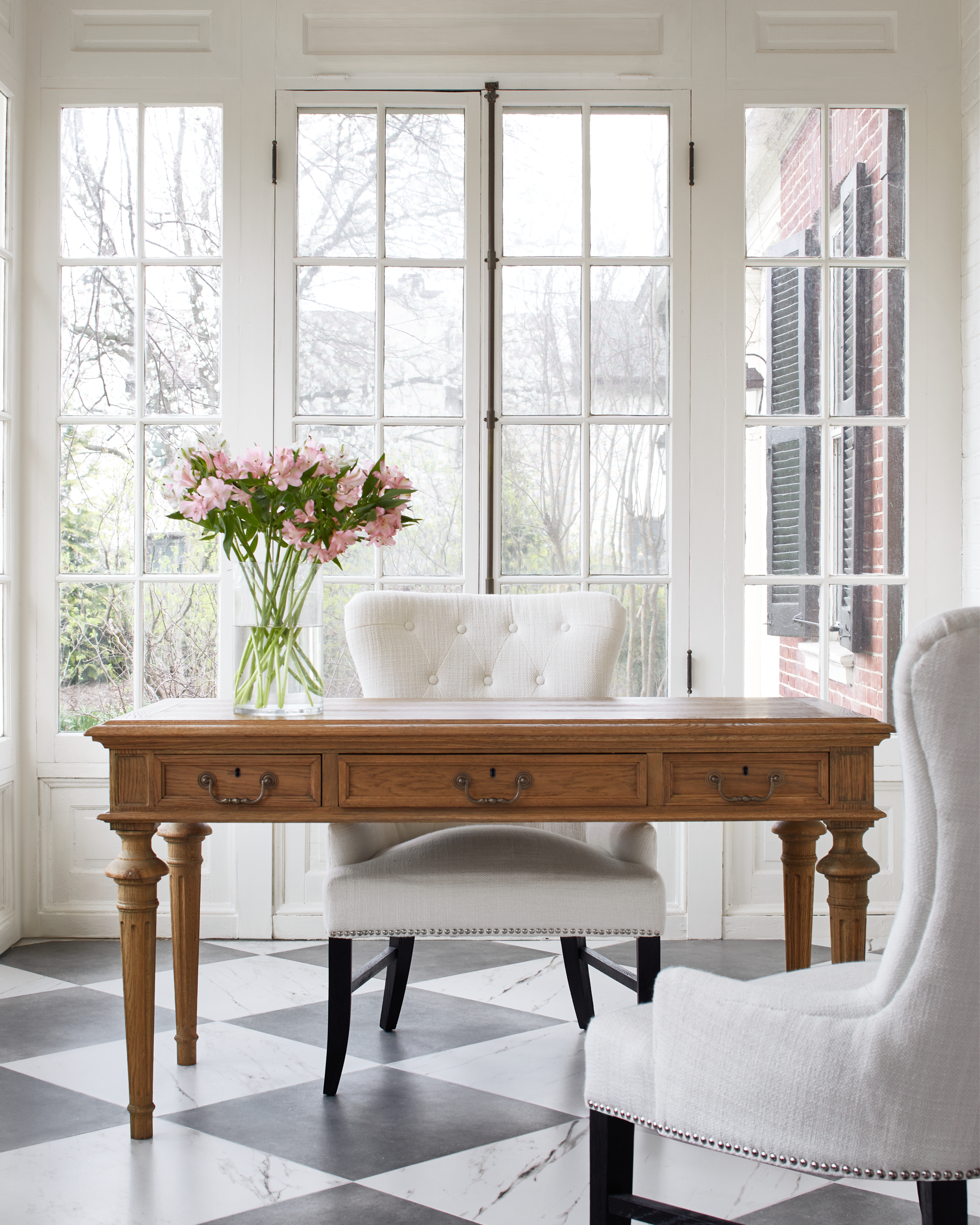
Another impactful way to update furniture is by replacing handles and legs. This can dramatically alter the appearance of drawers, shelves, and cabinets. For damaged angular legs, wood glue and clamps can easily reattach veneers. When replacing handles, consistency and choosing a style that complements the piece or aligns with current trends are important considerations.
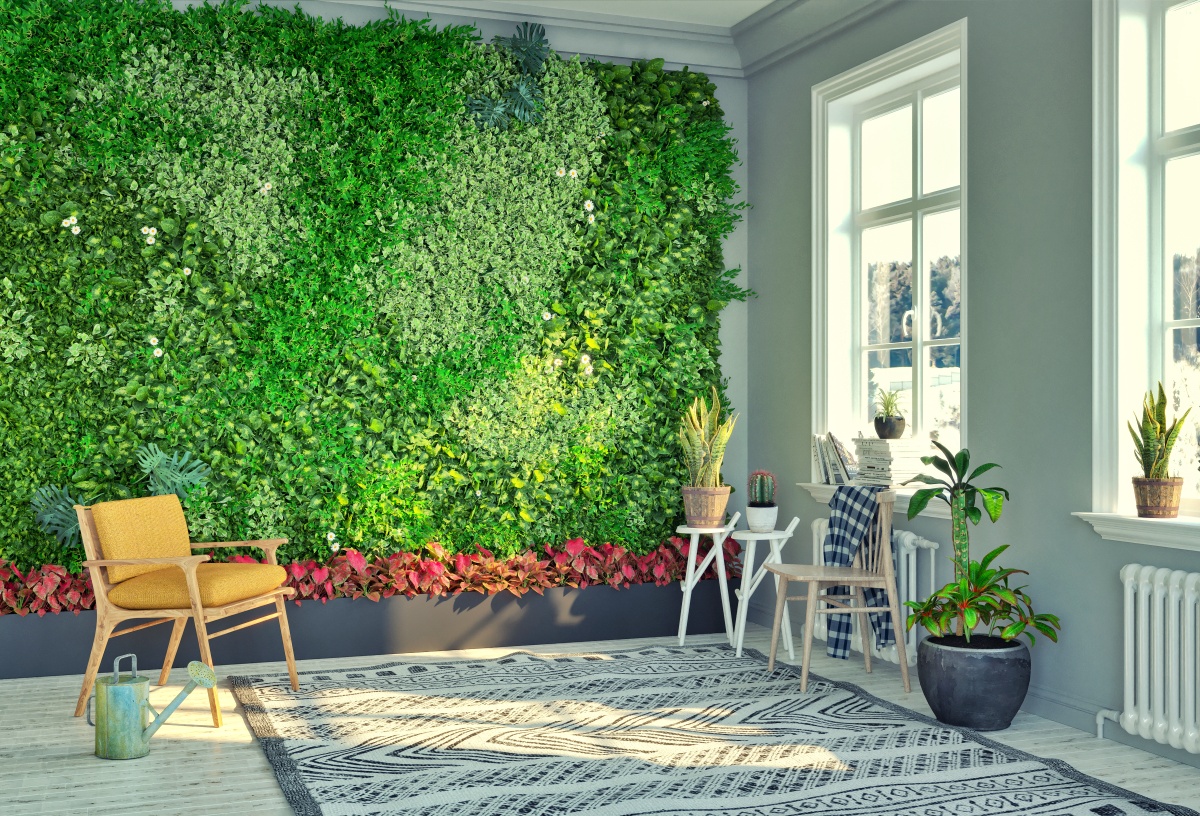
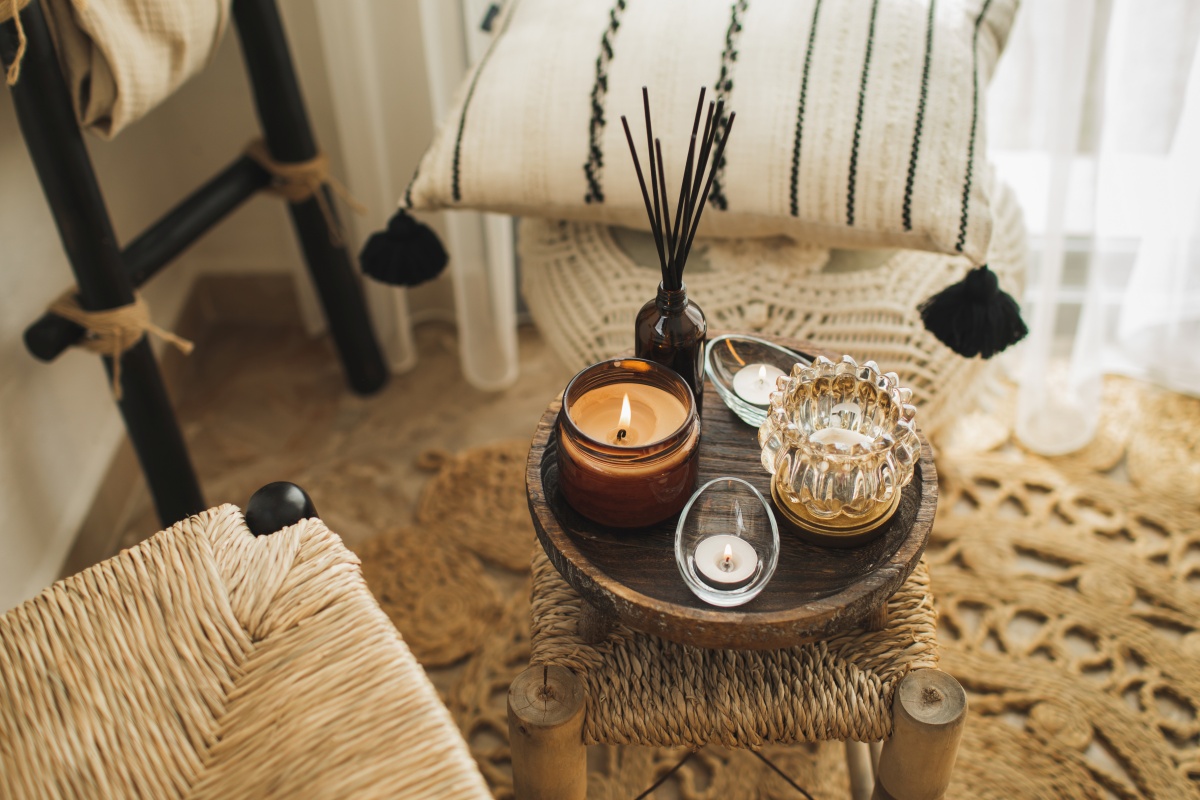
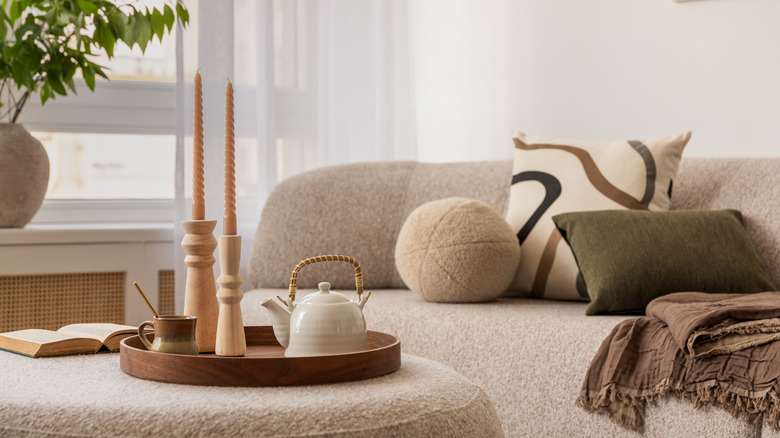
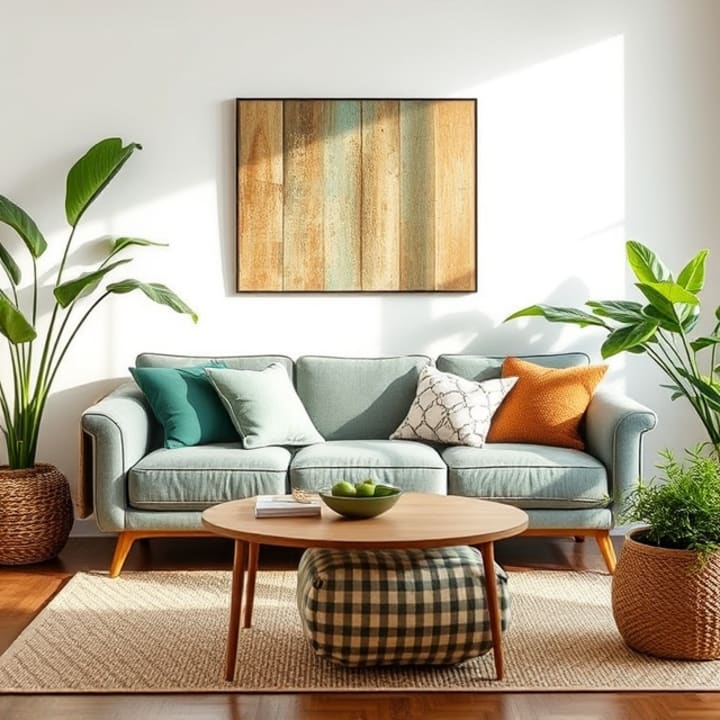
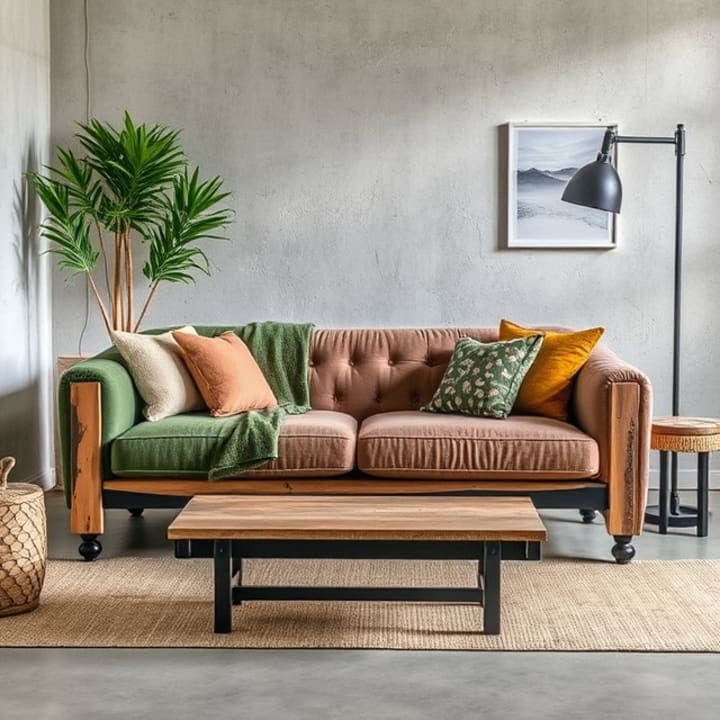
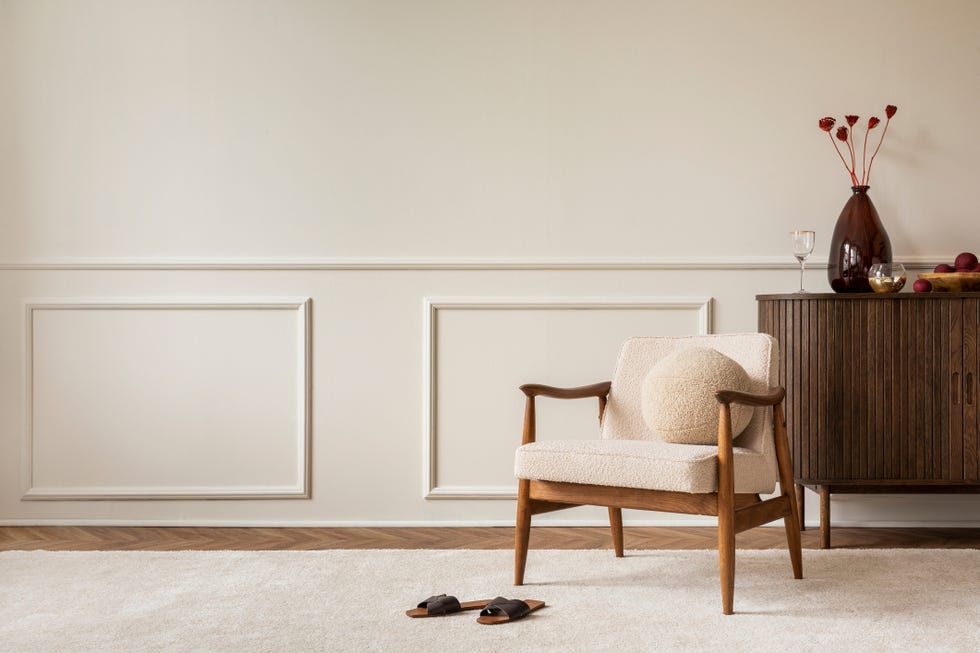
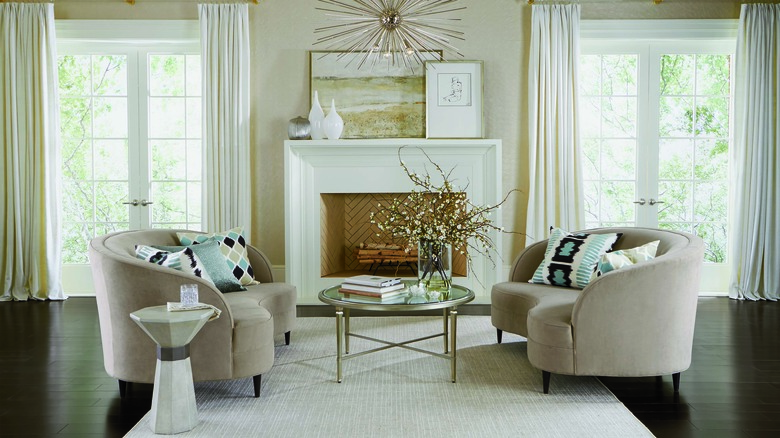
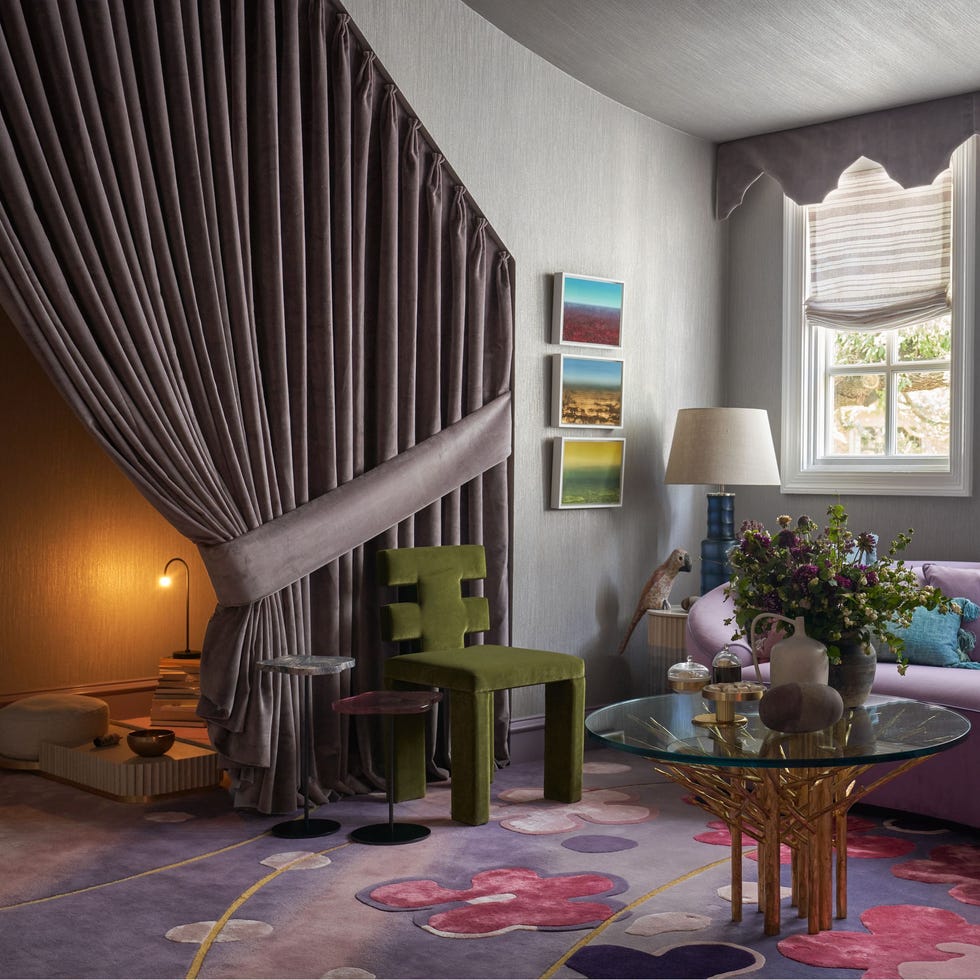
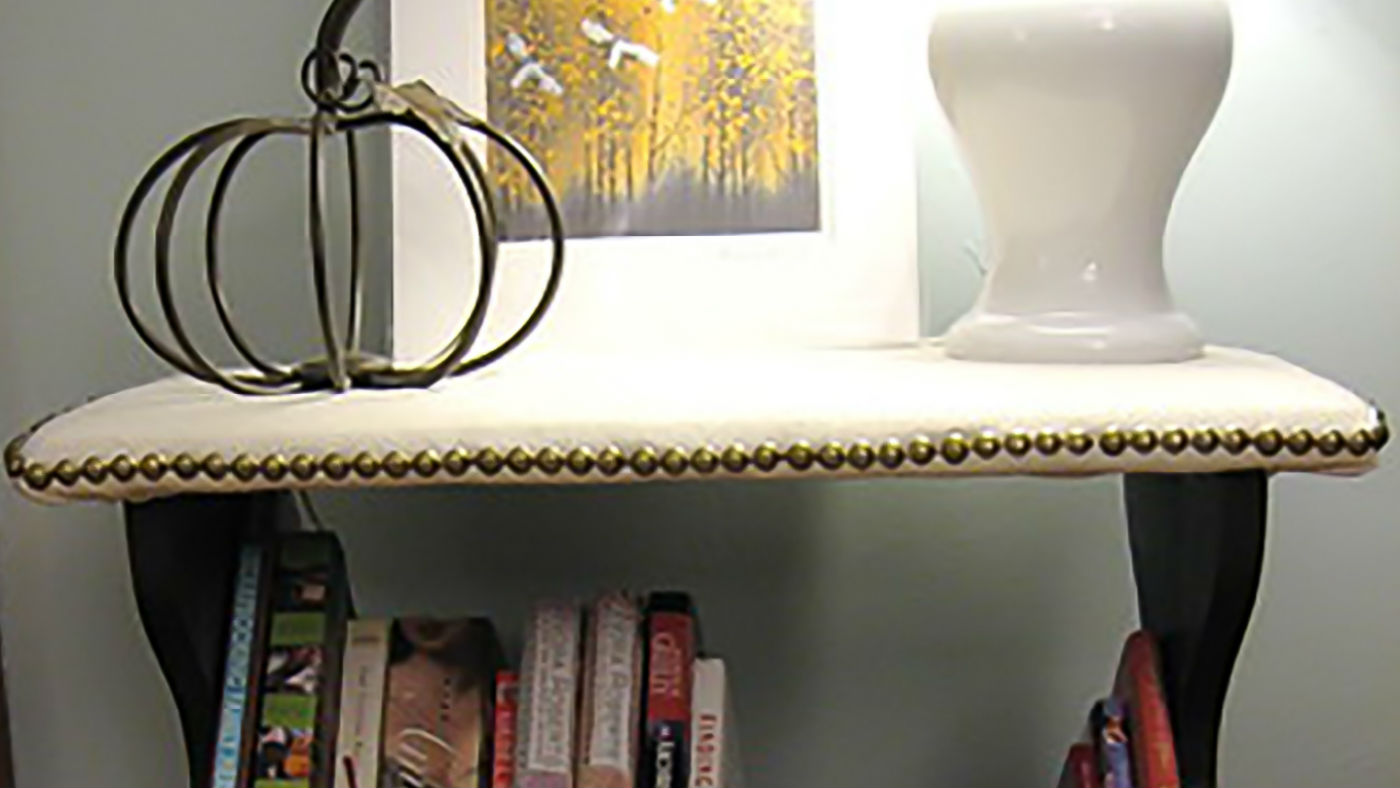
Finally, the article addresses situations where furniture might be beyond simple repair, suggesting interior accessories as a solution. For severely damaged tabletops, covering them with patterned cloth secured by an electric staple gun can create a new surface, with optional embellishments like nailheads. For sofas with rips or stains, throws can provide an instant cover. Additionally, strategic placement of cushions, vases, fresh flowers, plants, and rugs can enhance the overall aesthetic of a room, drawing attention to the furniture without overwhelming it. The overall message underscores that furniture flipping is a skill developed through practice, offering a sustainable path to refreshing home interiors.
#FurnitureFlipping #HomeSustainability #UpcyclingFurniture #DIYHomeDecor #InteriorDesignTrends #EcoFriendlyLiving #RepurposingFurniture #VintageFurniture #HomeImprovement #FurnitureFlipping #HomeSustainability #UpcyclingFurniture #DIYHomeDecor #InteriorDesignTrends #EcoFriendlyLiving #RepurposingFurniture #VintageFurniture #HomeImprovement
0 comment in total
 No comments yet
You may also like
Tired Furniture Trends That Are Now Becoming A Thing Of The Past
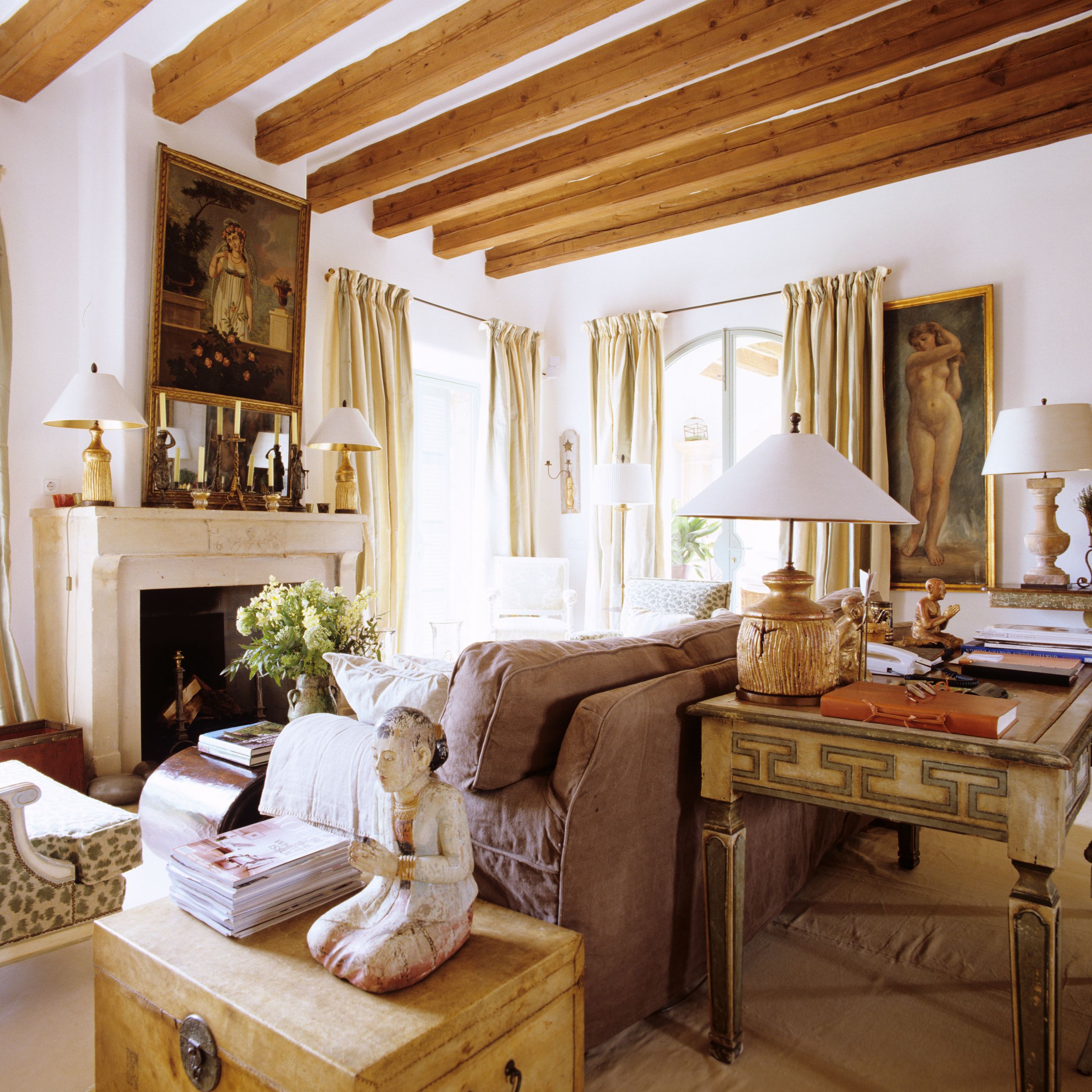
What’s Old Is New Again: Vintage Furniture Is The Hottest Home Decor Trend
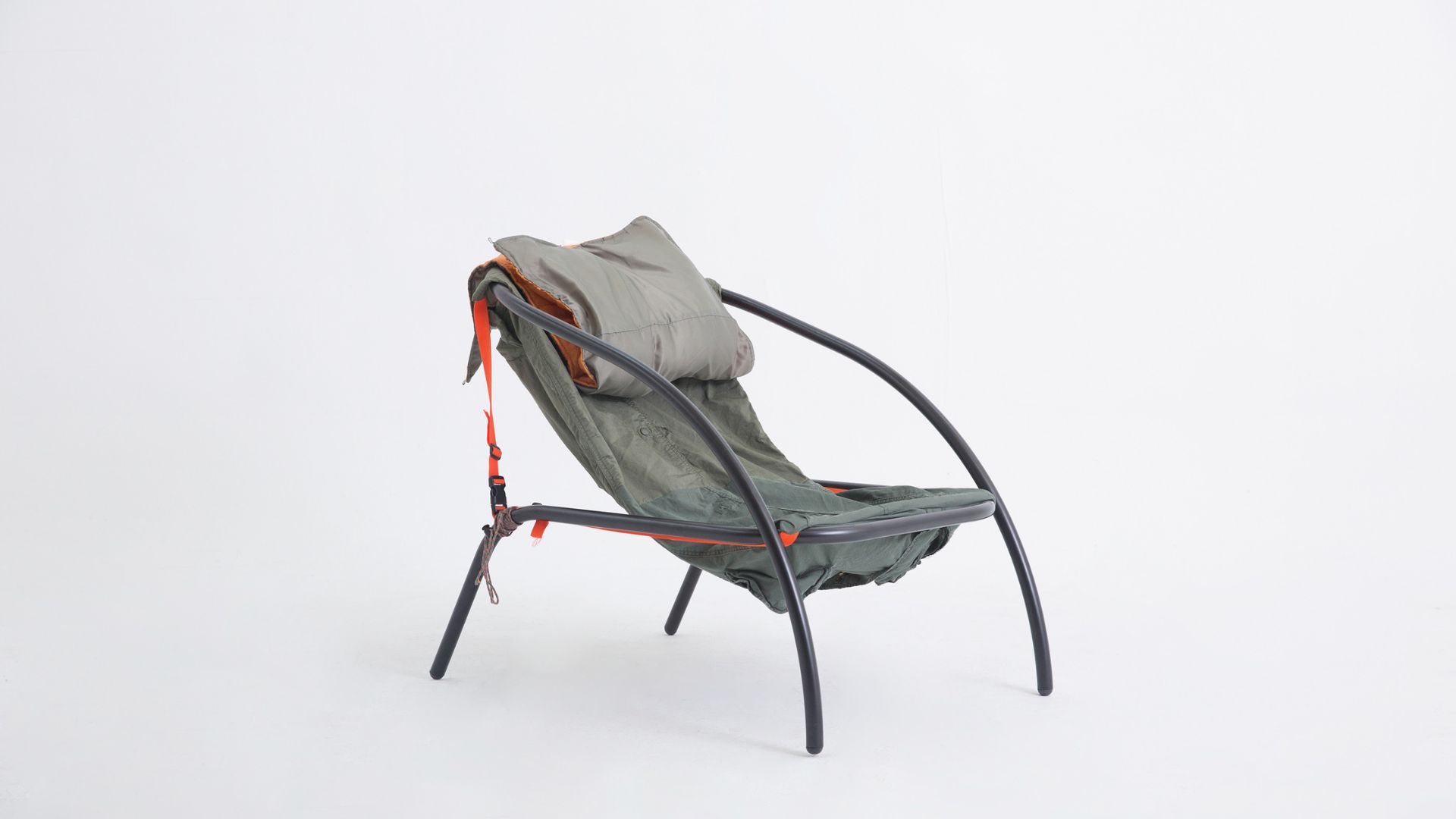
The Reborn project creates furniture using old clothes

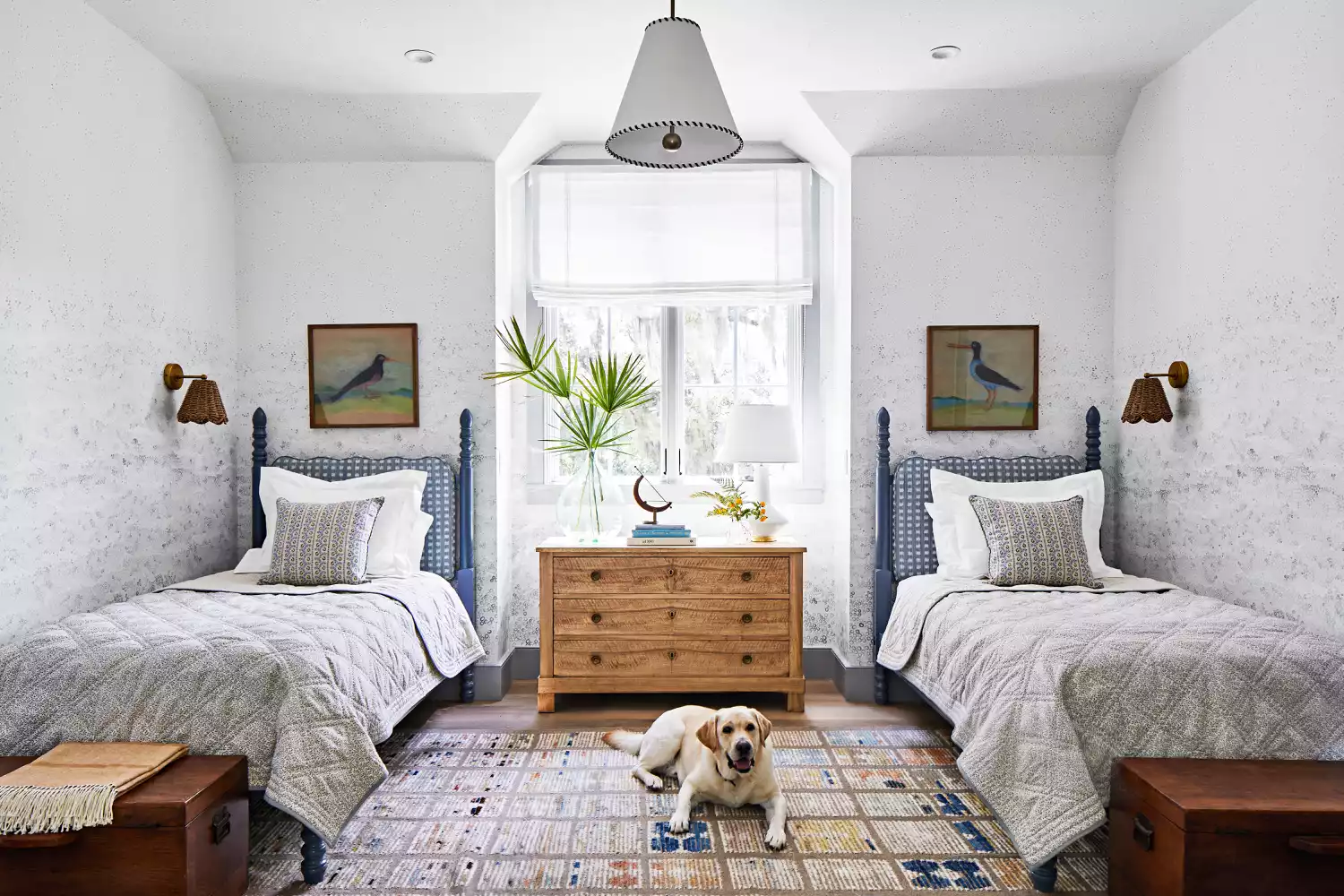
5 Furniture Trends You'll See Everywhere In 2025, According To Designers

To Flip or Not to Flip: Have Antique Furniture Revamps Gone Too Far?
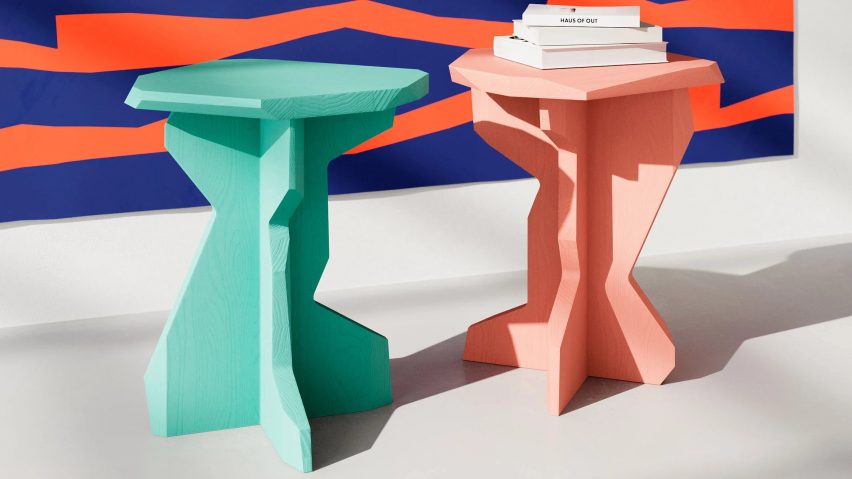
Ten furniture designs made from sustainable materials
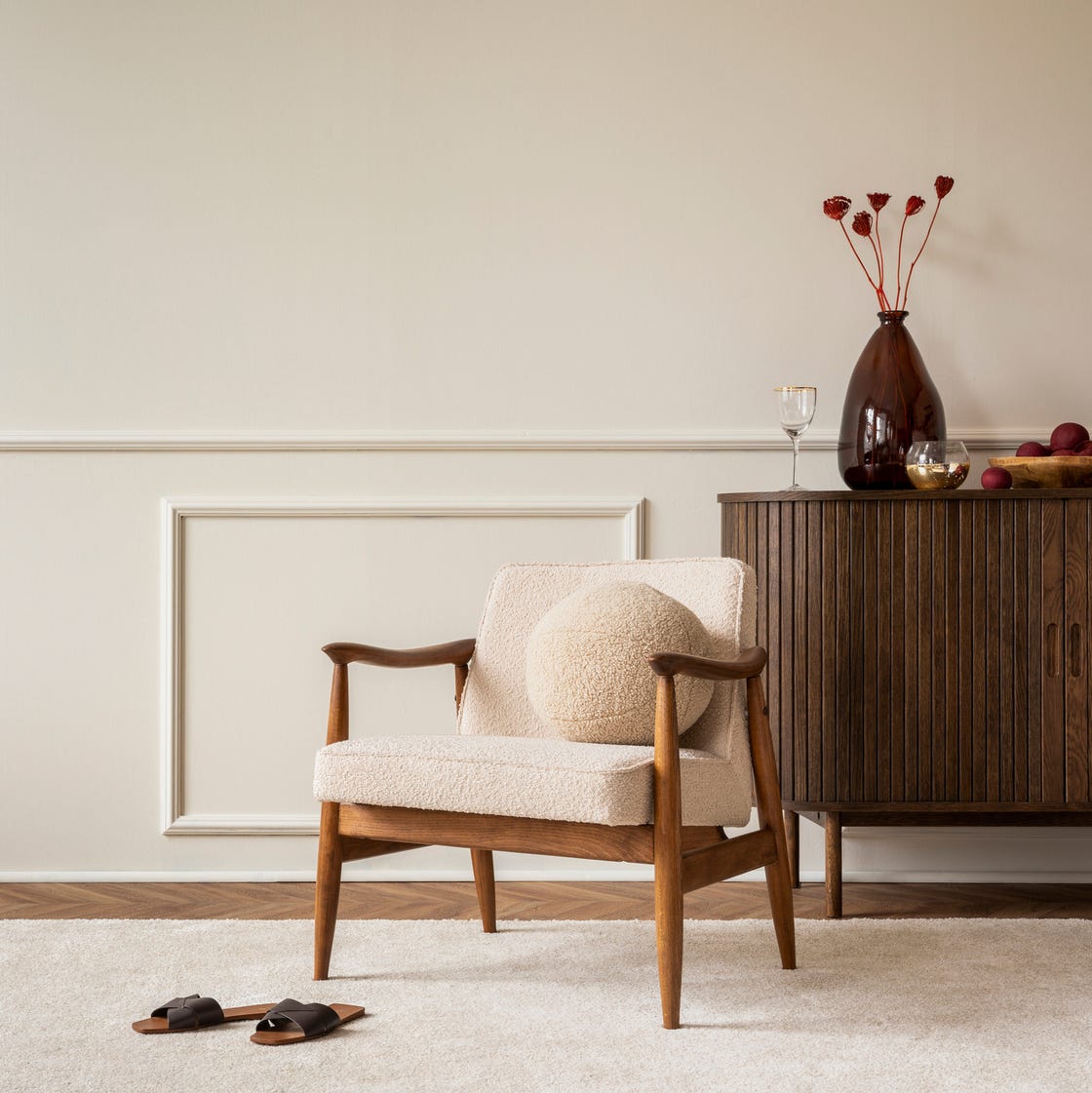
5 Decor Items Worth Reconsidering, According to Designers


Home Rescue's Dee Coleman on the six R's of sustainable interior design
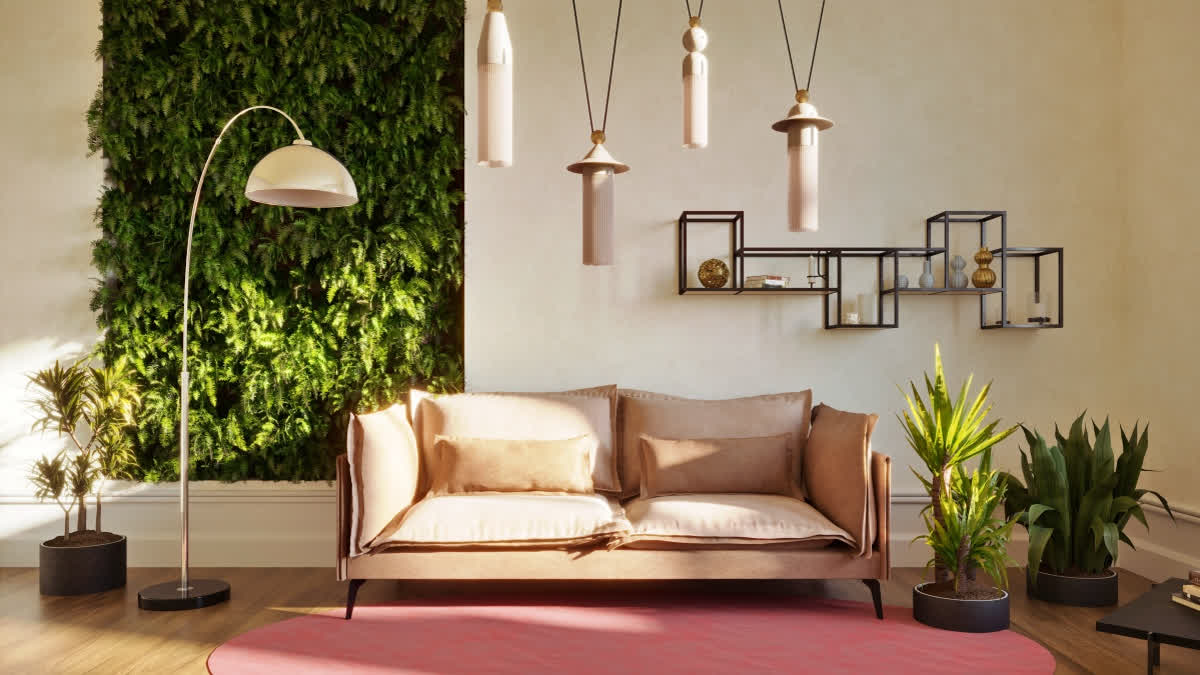
Earth Day 2025: Biophilic Design, Modular Multifunctional Furniture And Other Sustainable Home Trends That Are Here to Stay
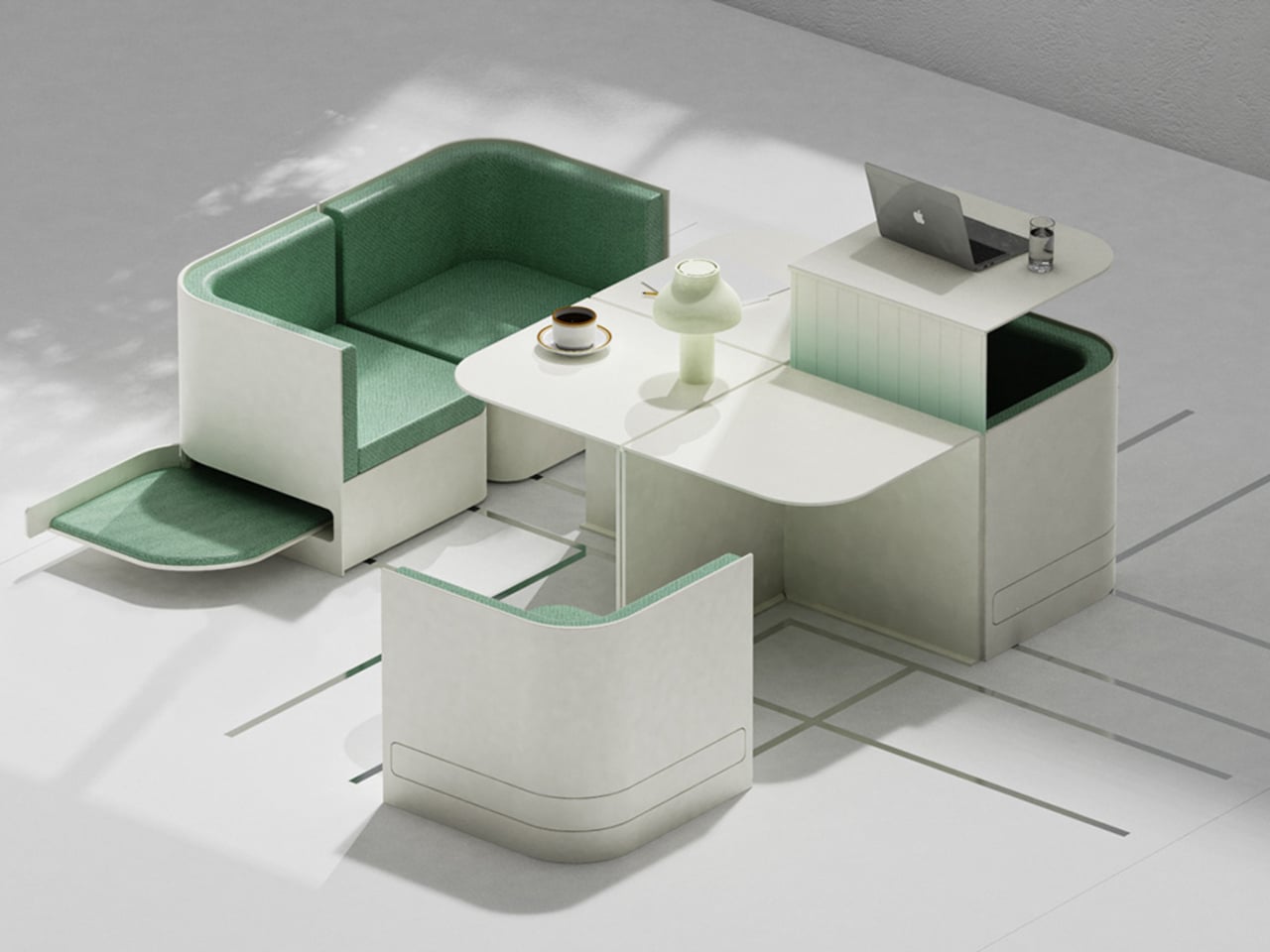
Design Forward: 7 Cutting-Edge Modular Furniture Trends of 2024

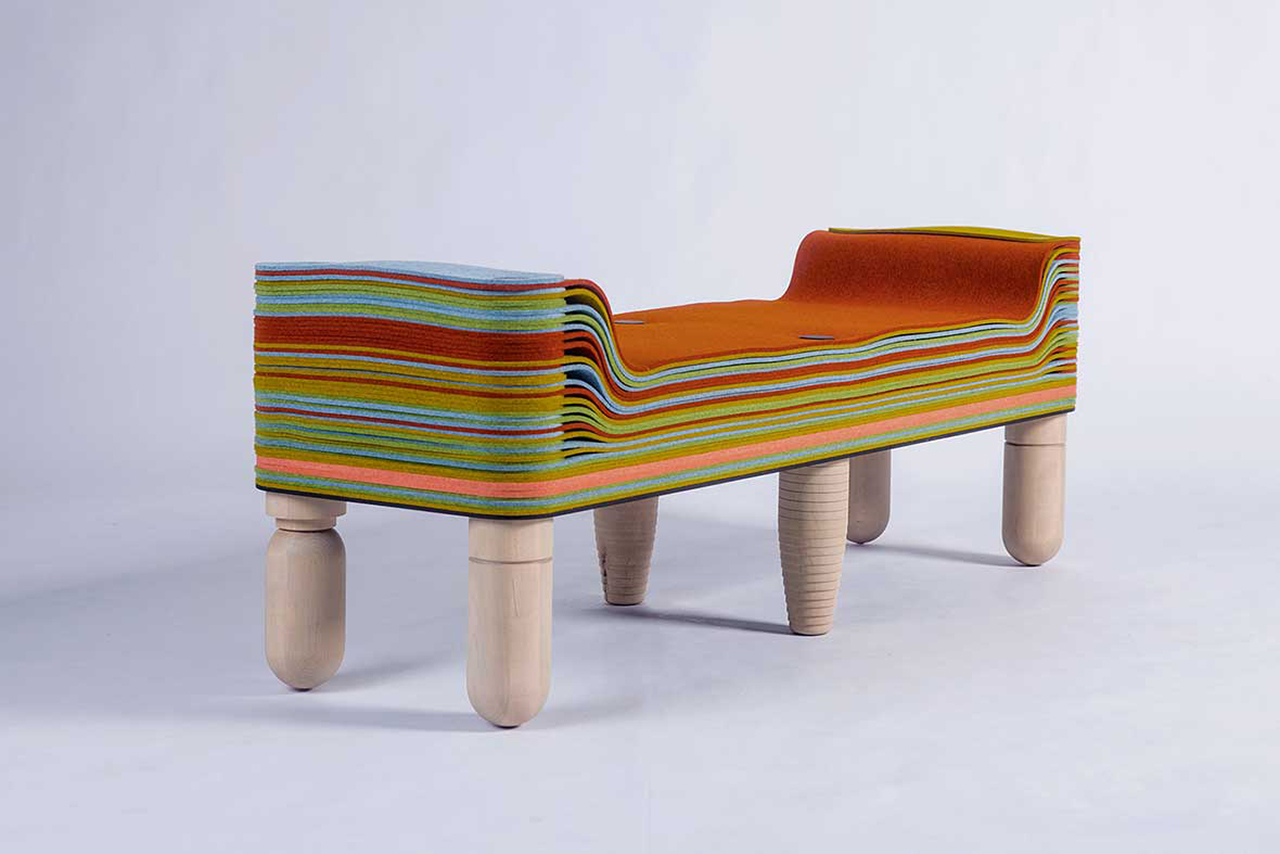
Stackabl Felt Furniture Is Turning Waste Into Wonder
The 8 Renovation Trends Designers Say Will Shape Homes in 2025 and Beyond

Say Goodbye To Exaggerated Furniture Shapes: The 2026 Trend Coming To Replace It
TRASHY Transforms Recycled Styrofoam Into New Furniture Collection
Outdated Furniture Pieces That Are Having A Comeback

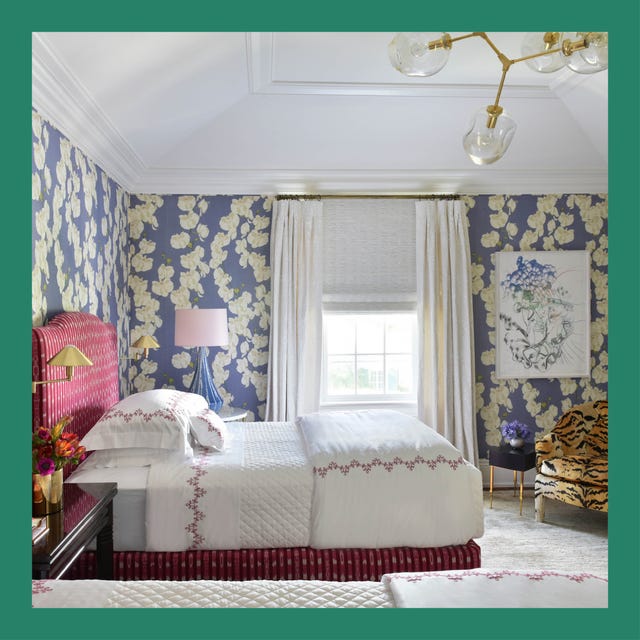
These Are The Top Design Trends Worth Trying
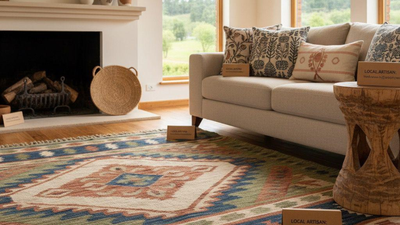
Sustainable Home Décor: Eco-Friendly Interior Design Trends to Watch

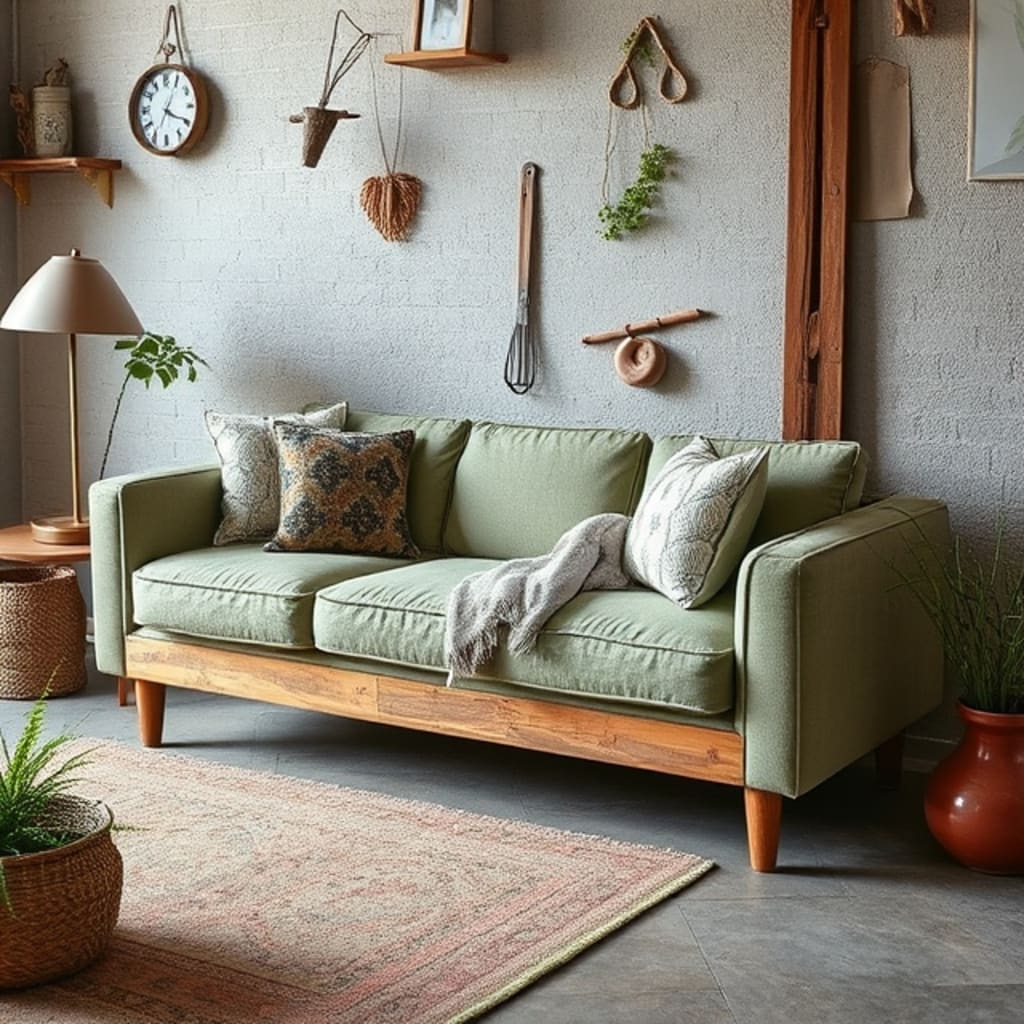
2025 Sofa Trends: Eco-Friendly Styles for a Sustainable Future
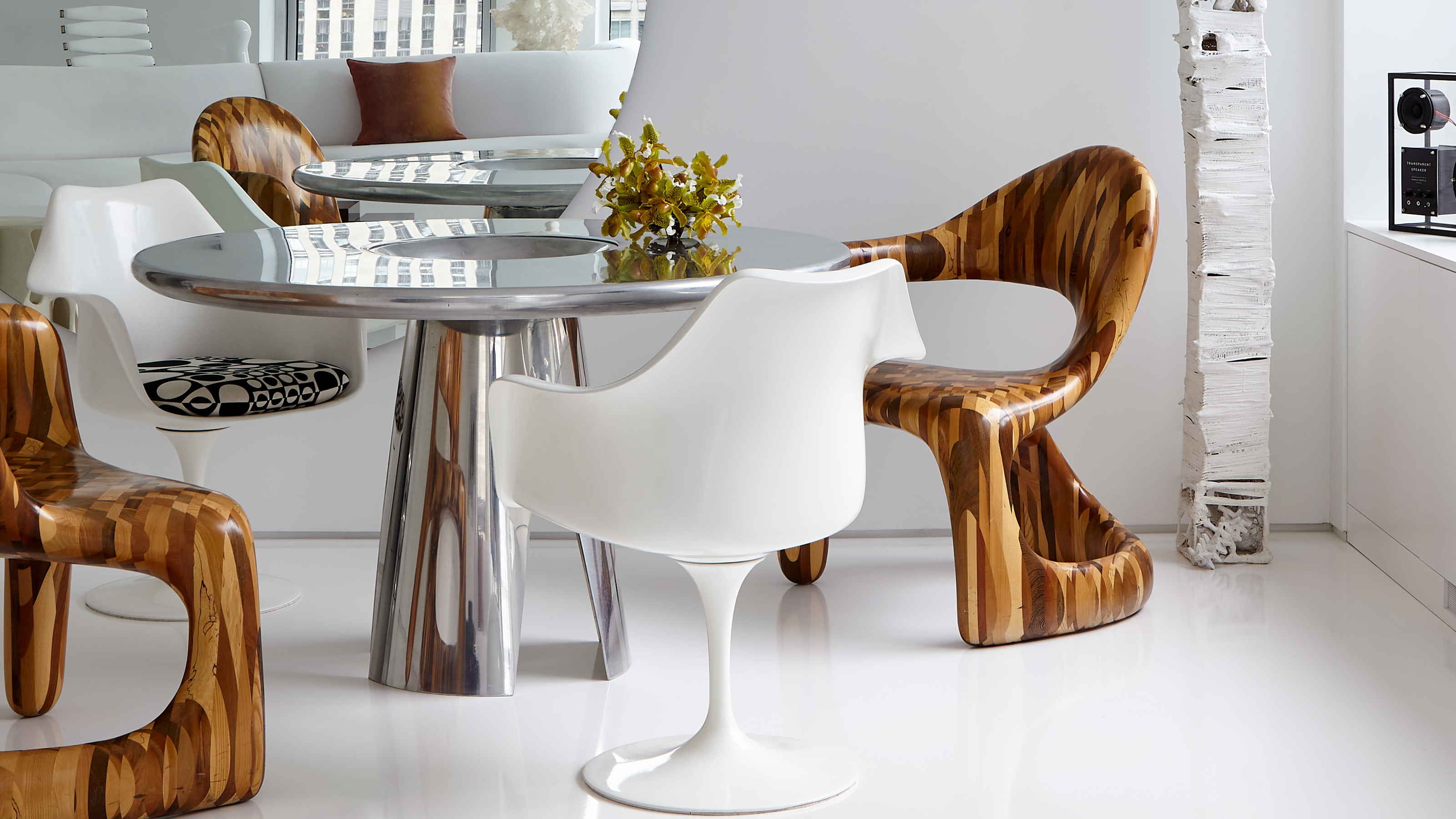
How to Flip Furniture — And Sell It for Profit, According to a 'Professional Thrifter'

Timeless Eco-Friendly Home Decor for a Sustainable Living