1/10
Experts warn against these 9 mistakes that are making your kitchen feel cold – what to do instead
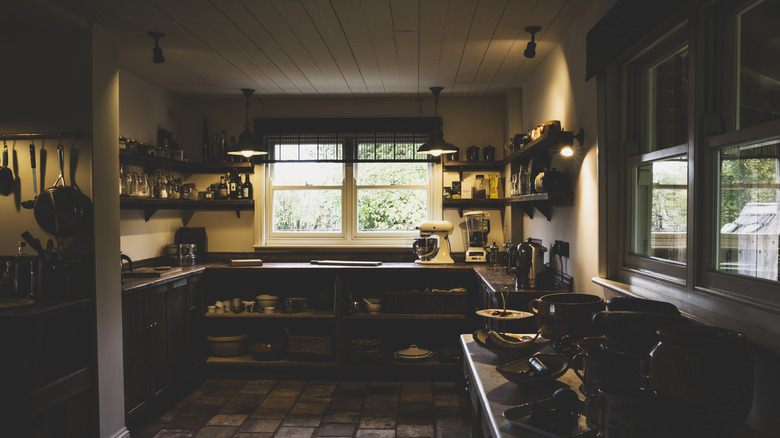
The kitchen, often considered the heart of a home, can inadvertently feel cold, not just in temperature but in its overall ambiance, due to certain design choices. This article highlights nine common mistakes that contribute to a chilly and uninviting kitchen atmosphere and offers expert advice on how to rectify them, transforming the space into a warm and welcoming hub.
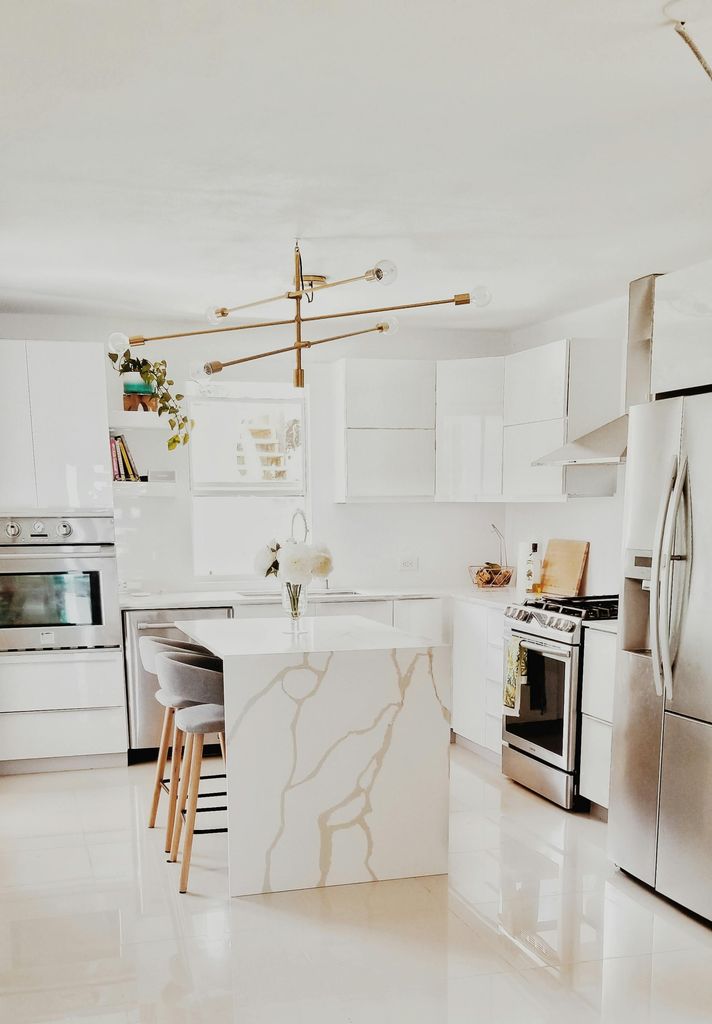
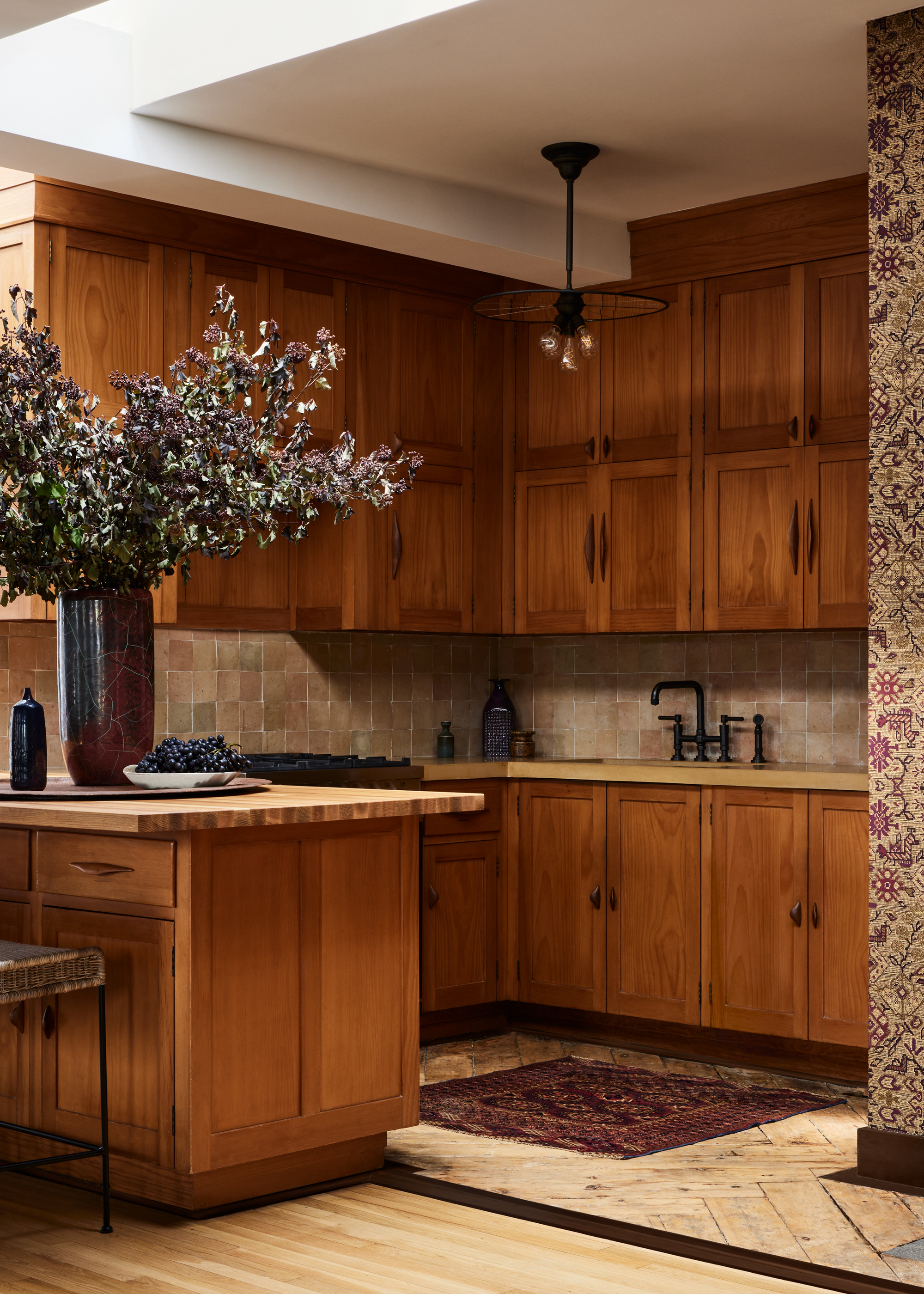
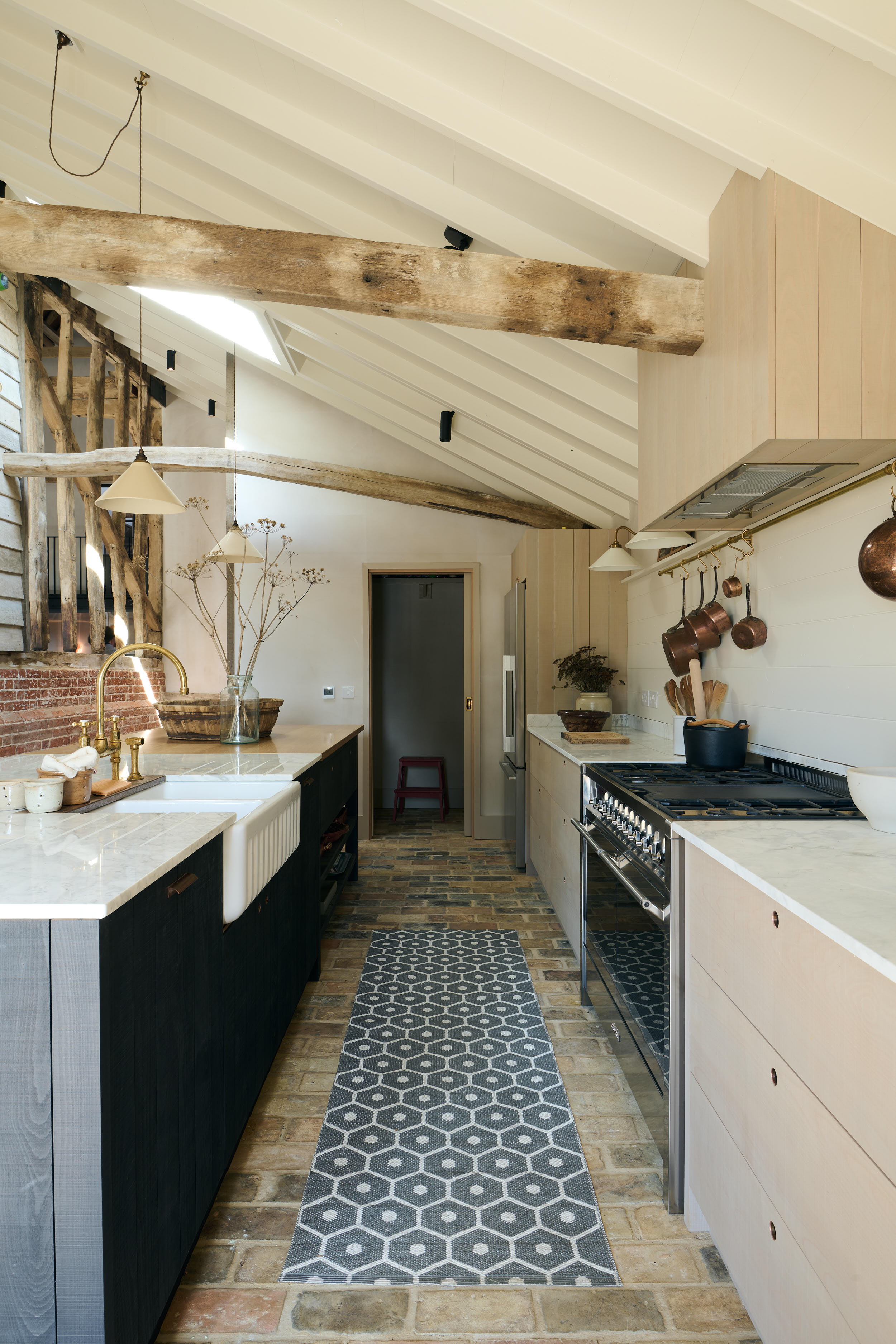
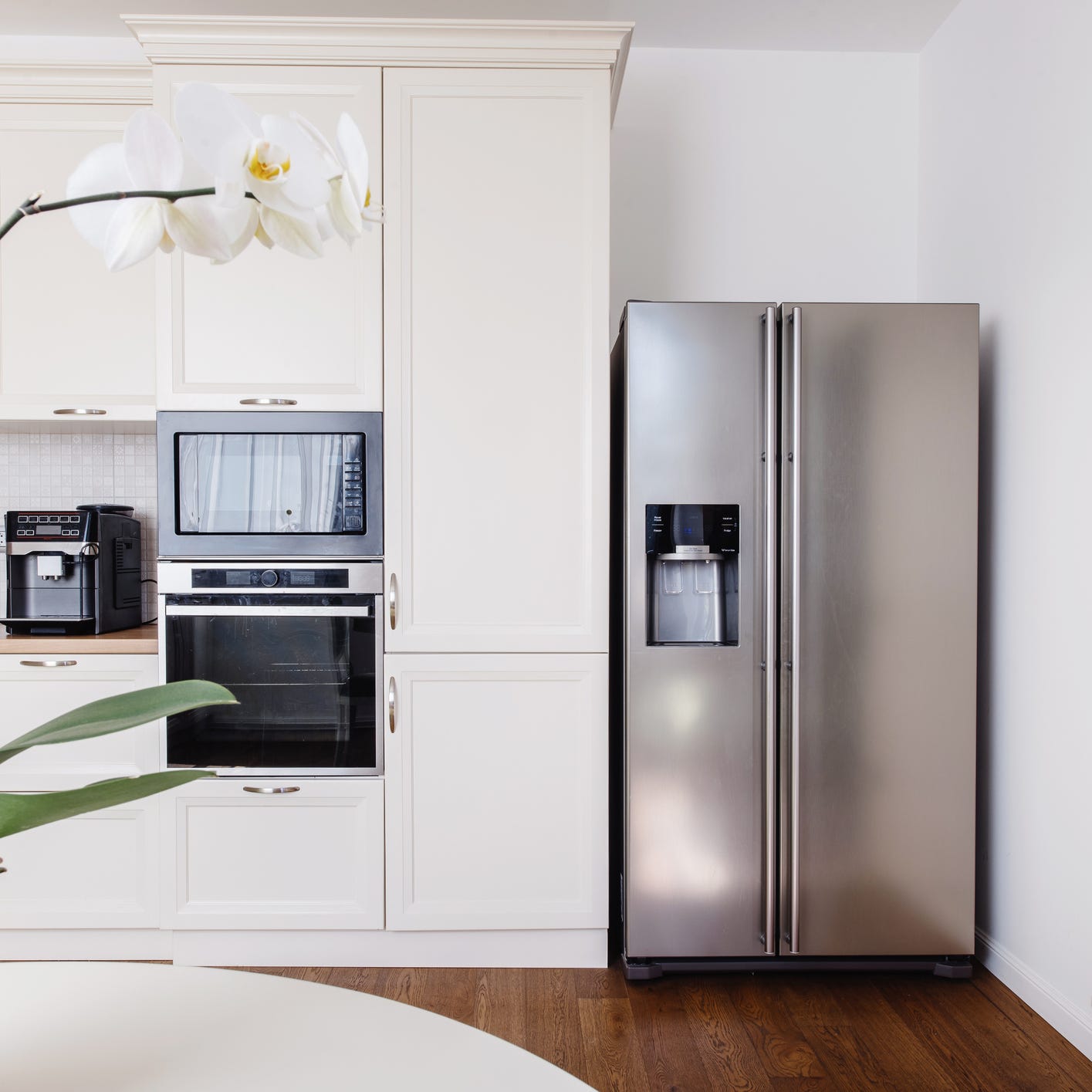
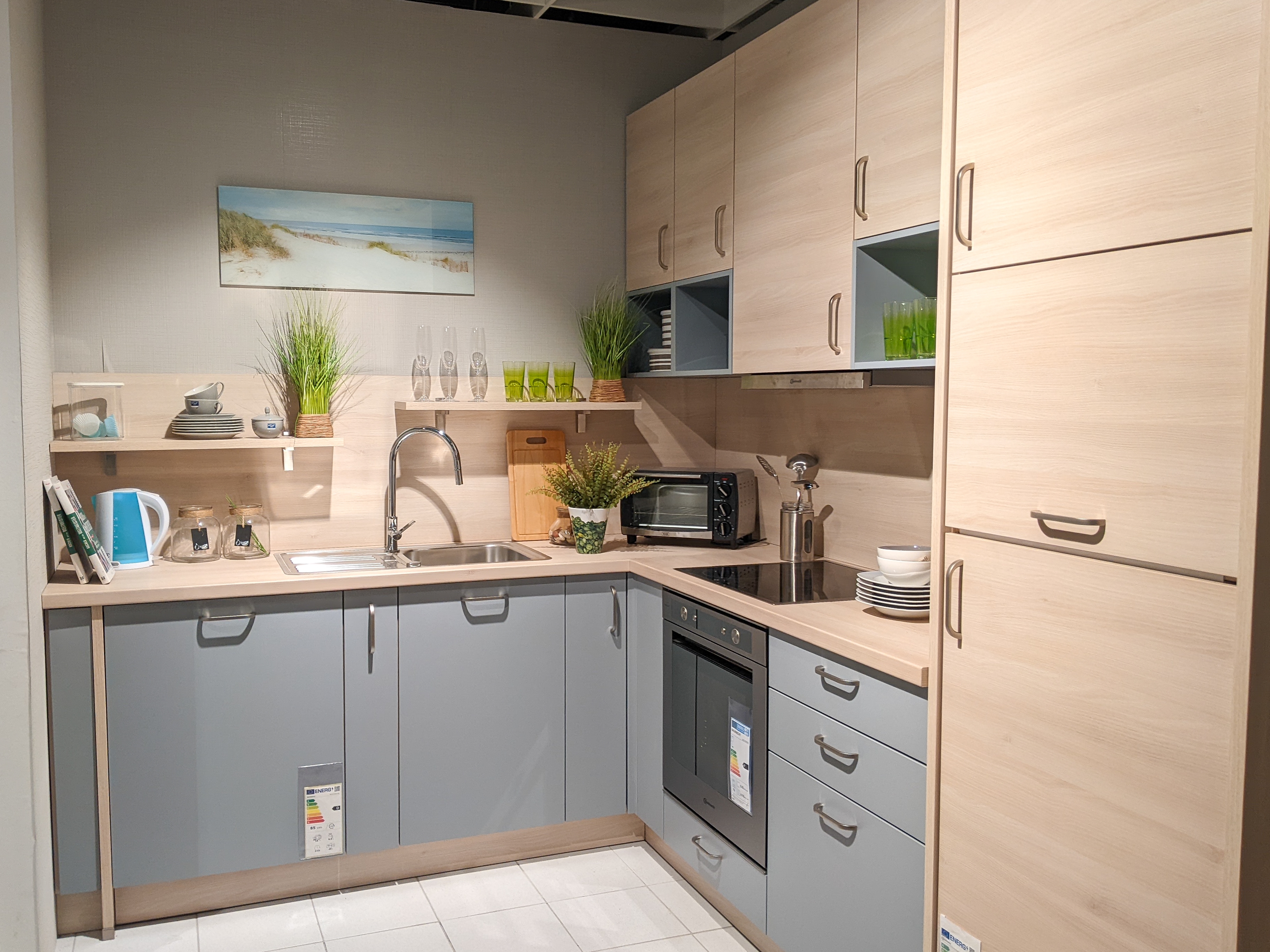
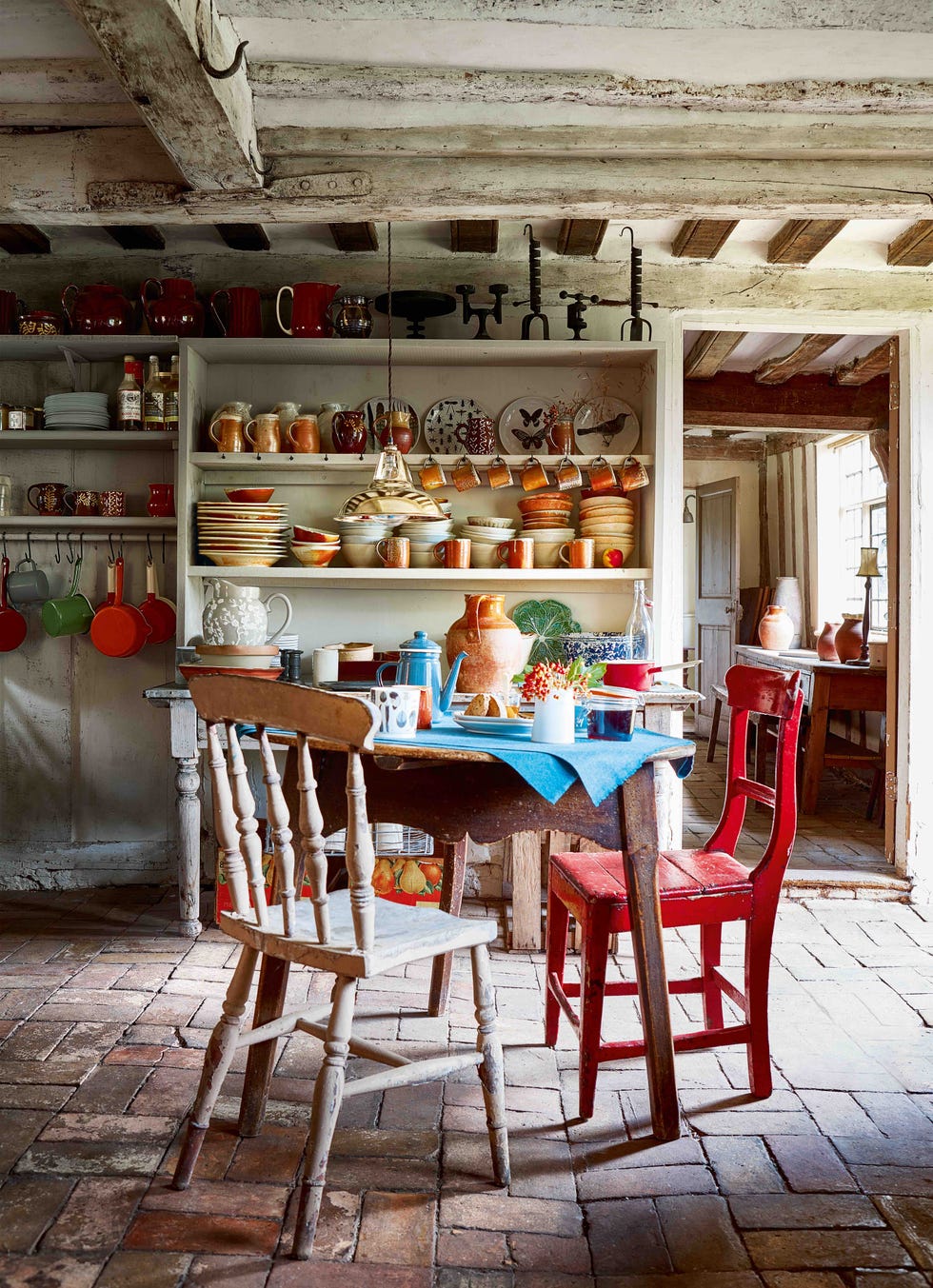
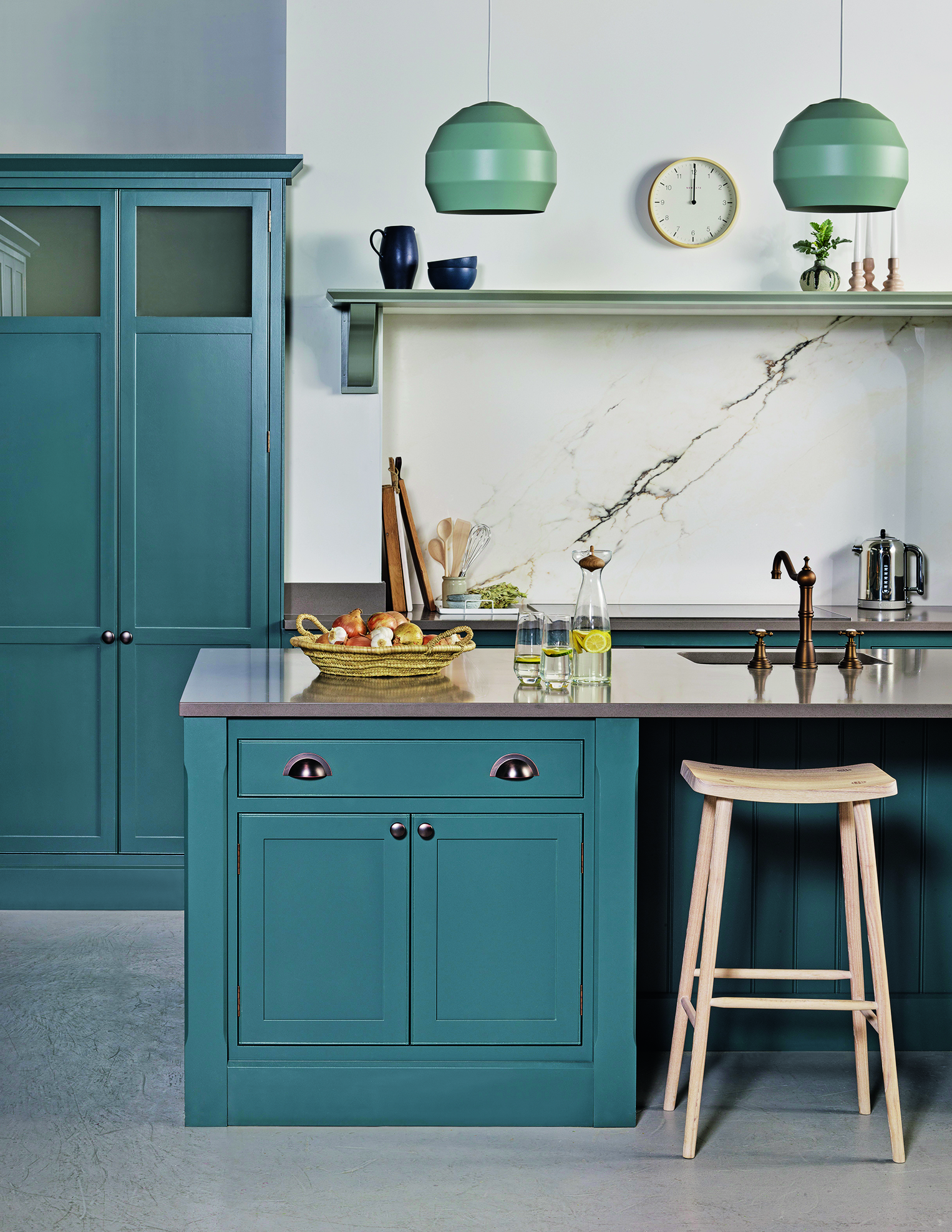
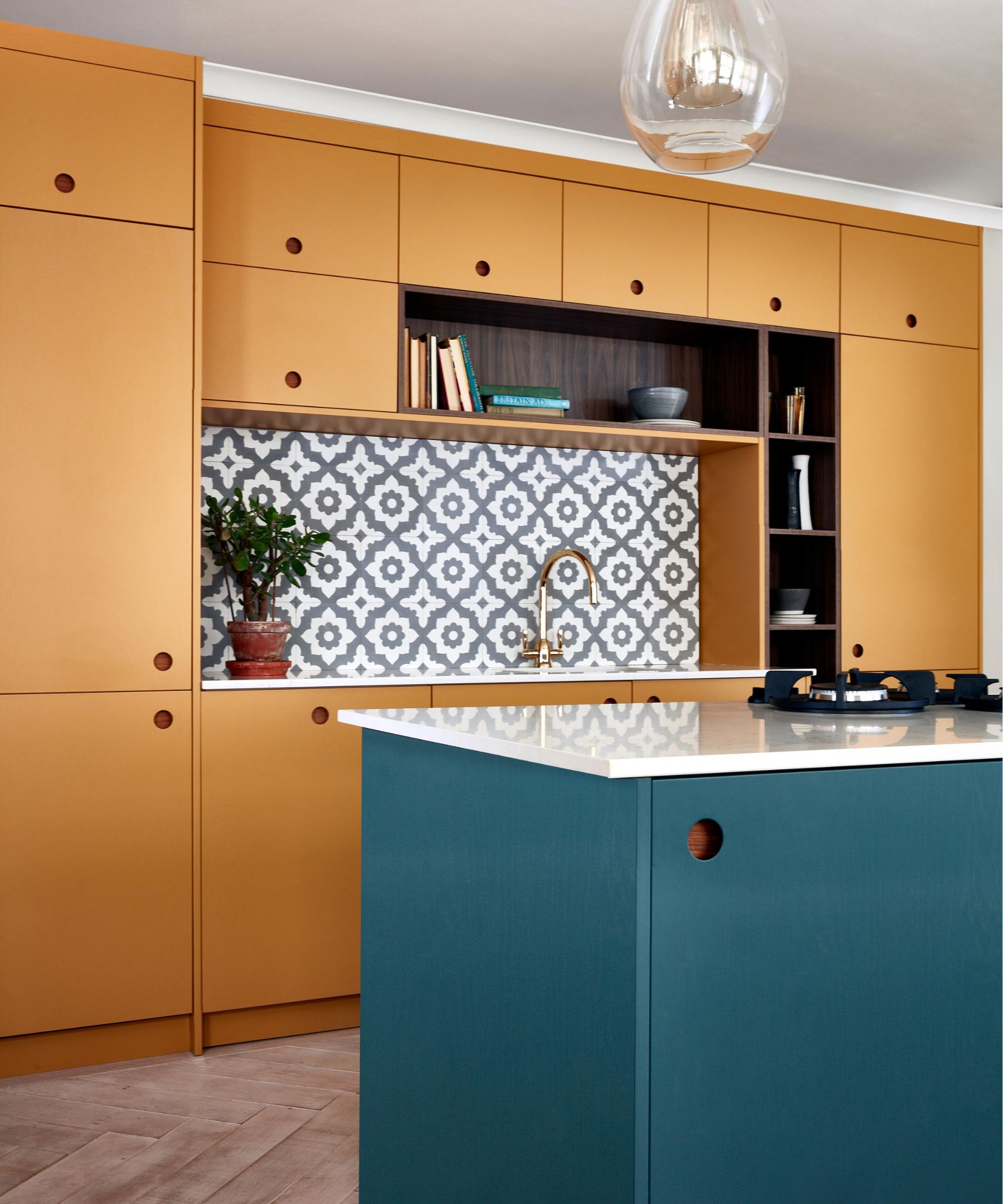
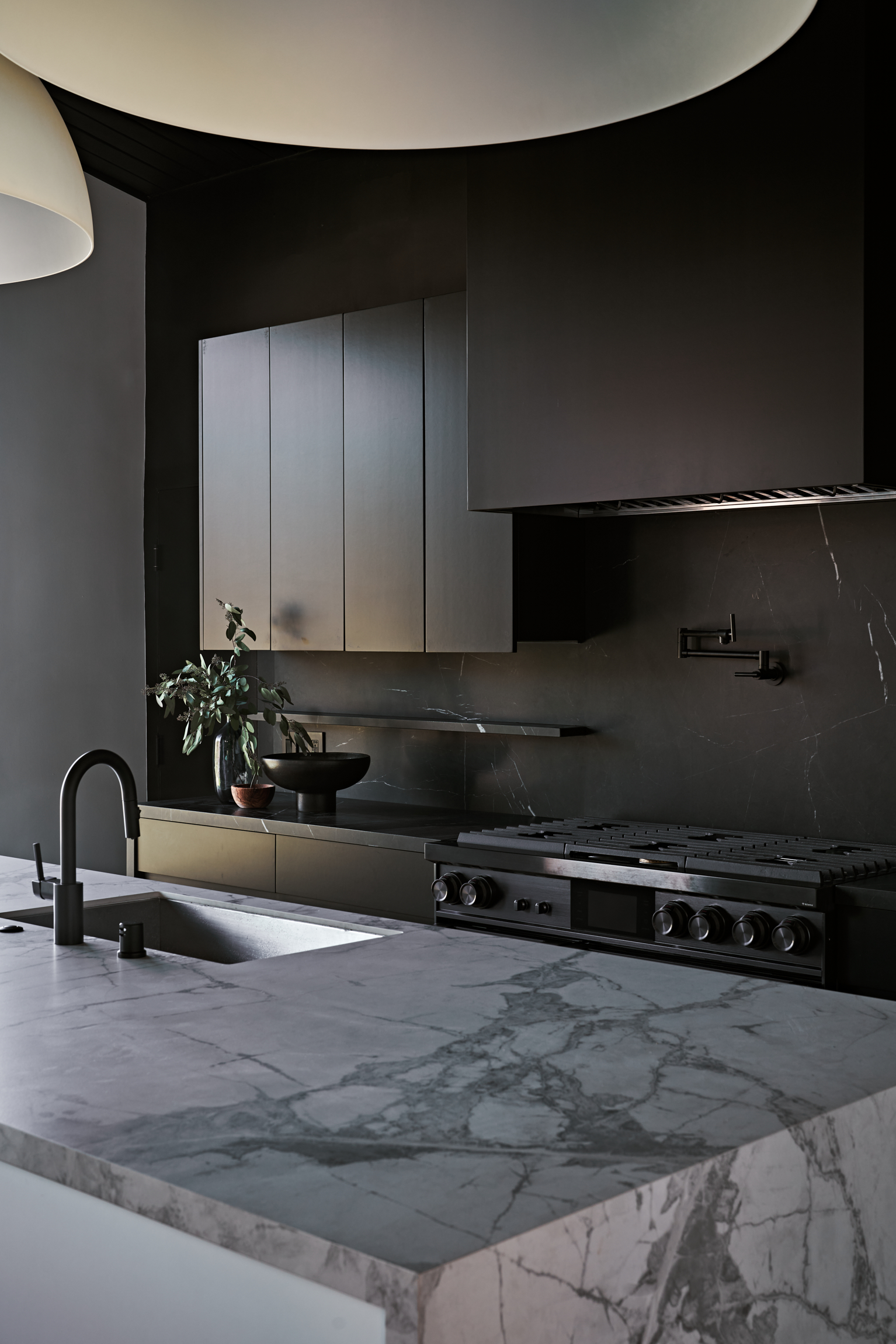
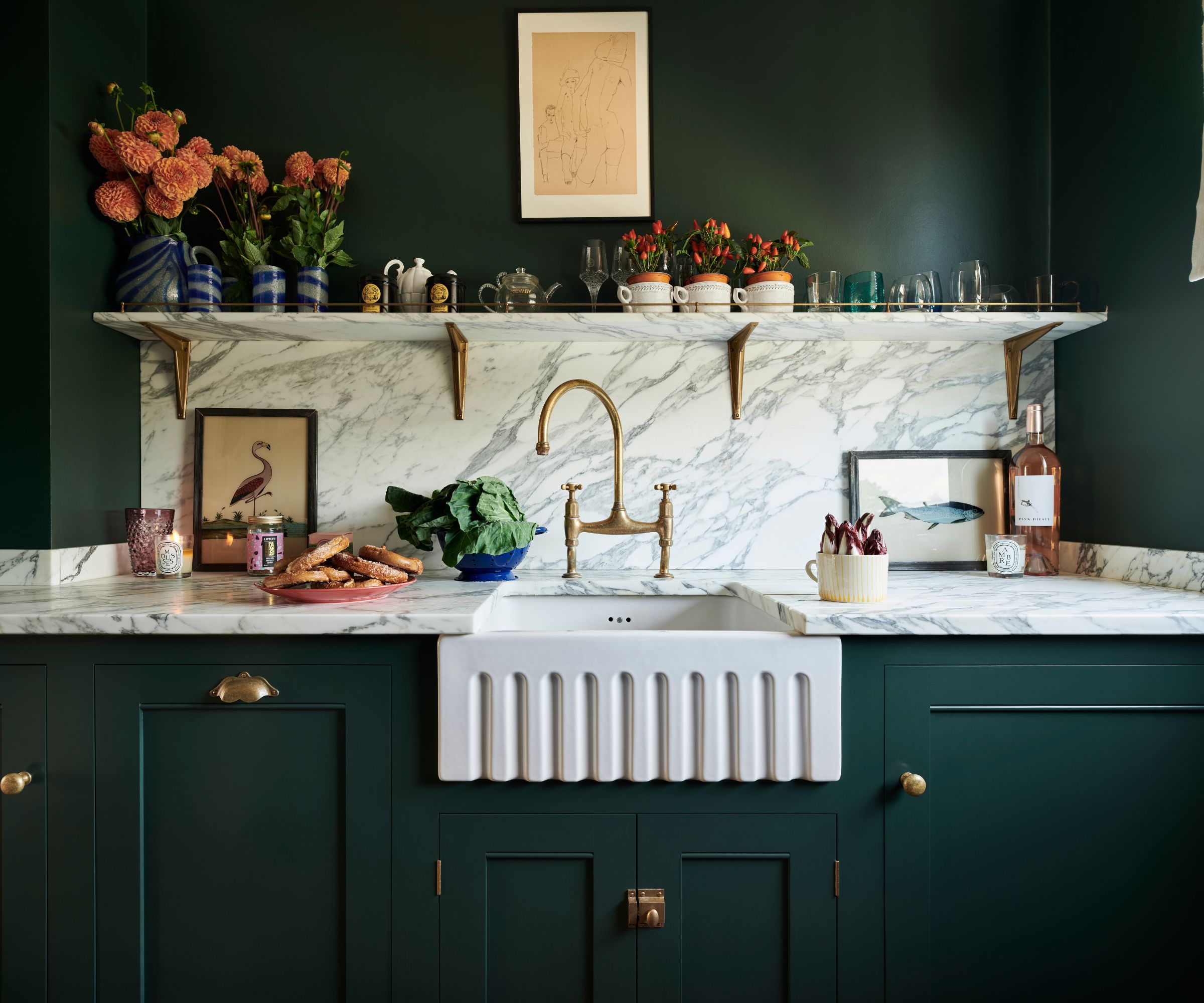
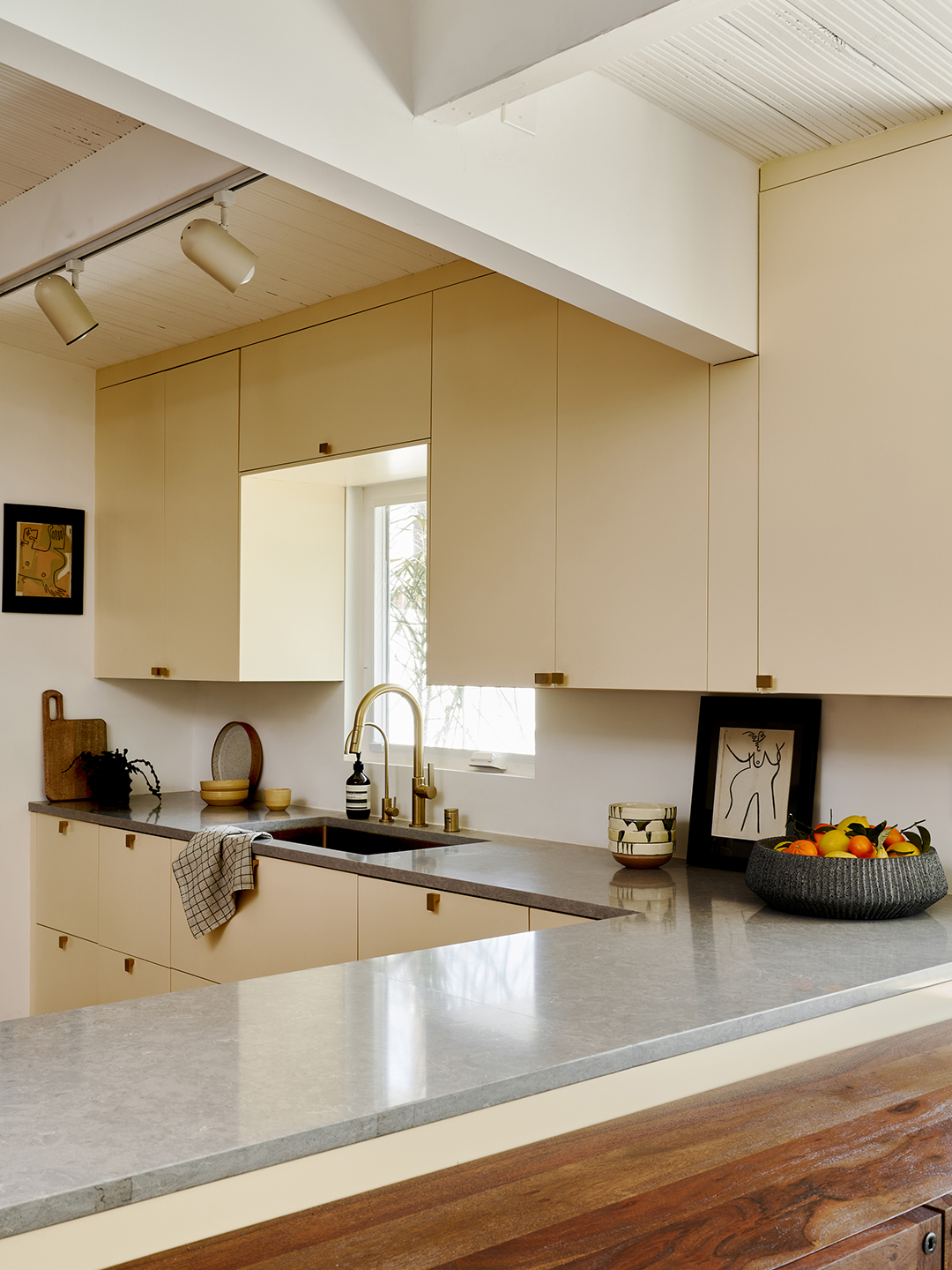
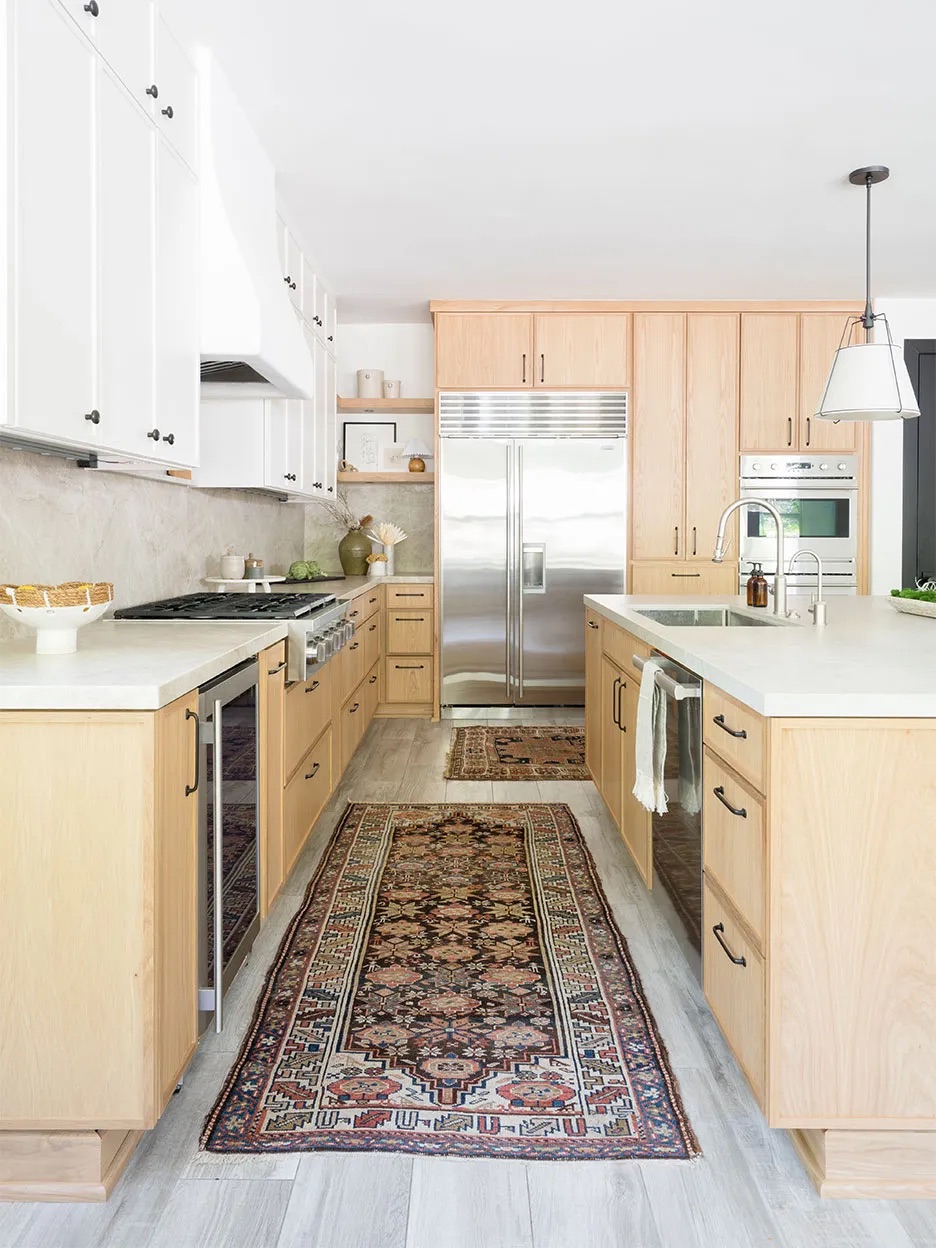
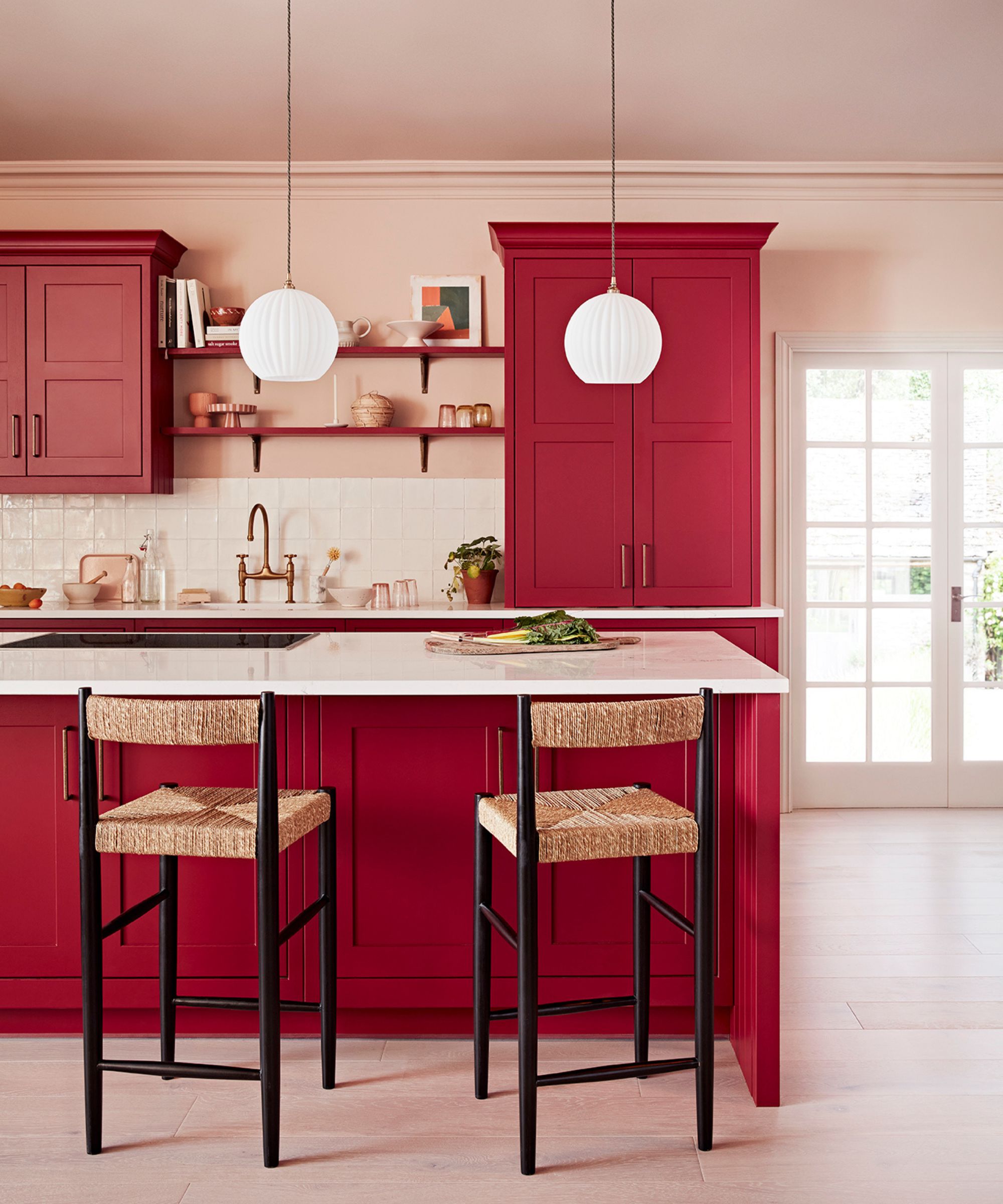
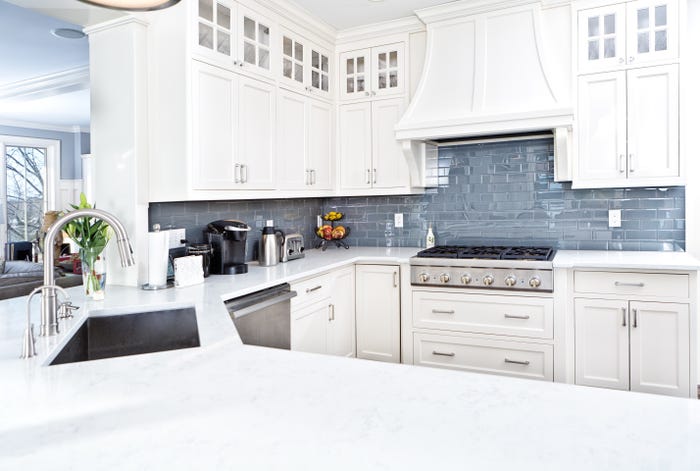
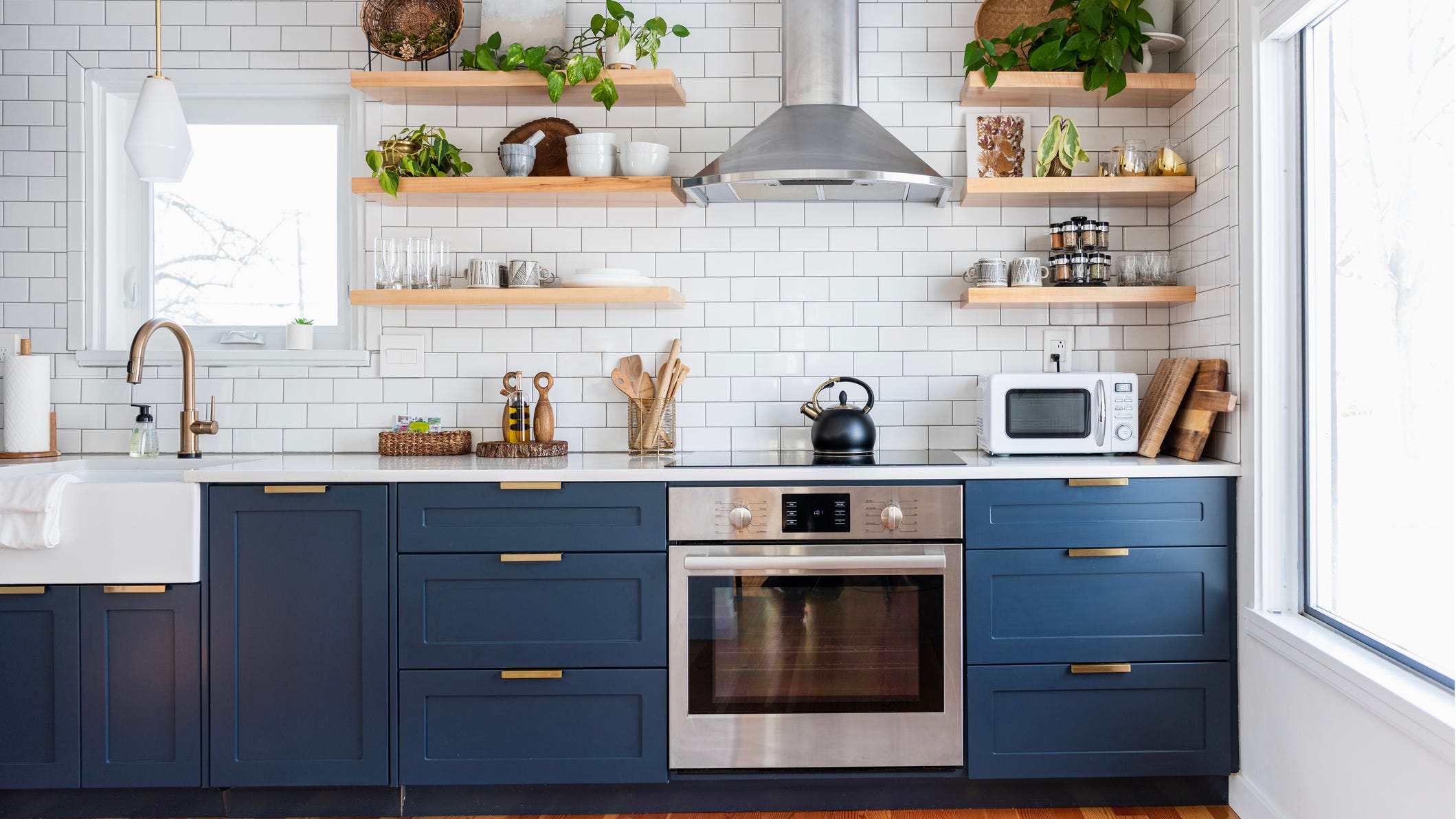
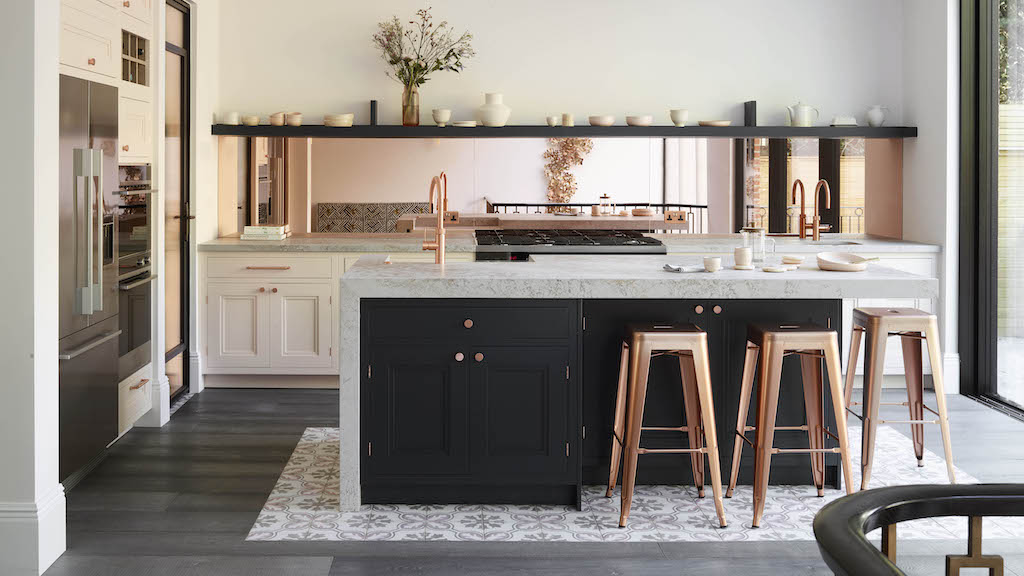
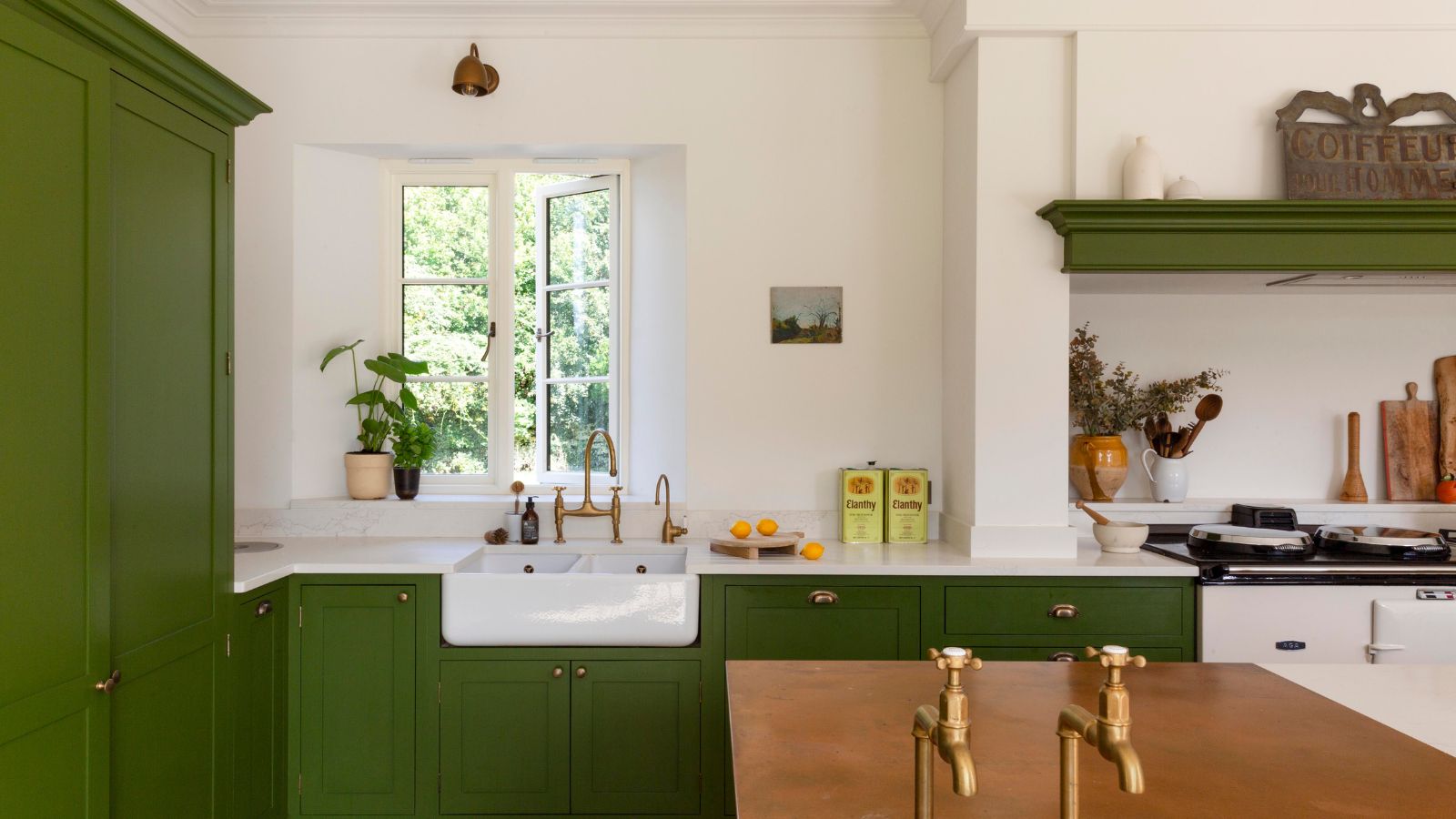
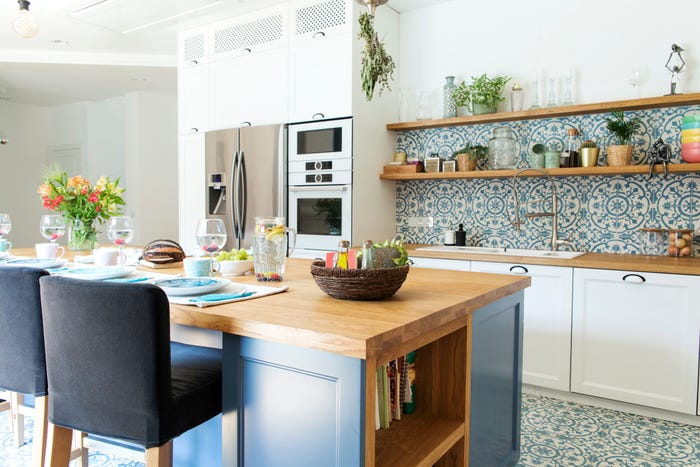
One significant error is opting for a block of cold colors. While white kitchens are popular for their clean aesthetic, an overuse of white or cool blues and grays can make the space feel clinical. Experts suggest introducing warm accents such as yellows, oranges, browns, or earthy greens through accessories, artwork, natural wood, stones, or ceramics like terracotta to balance cool tones and create a calming atmosphere.
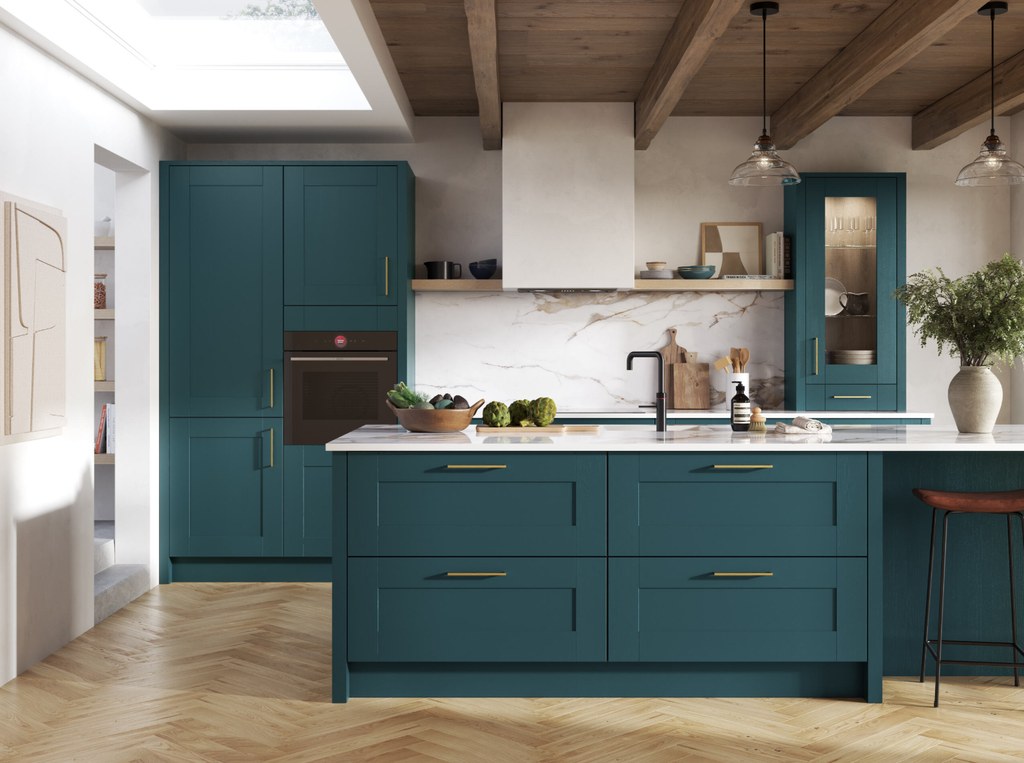
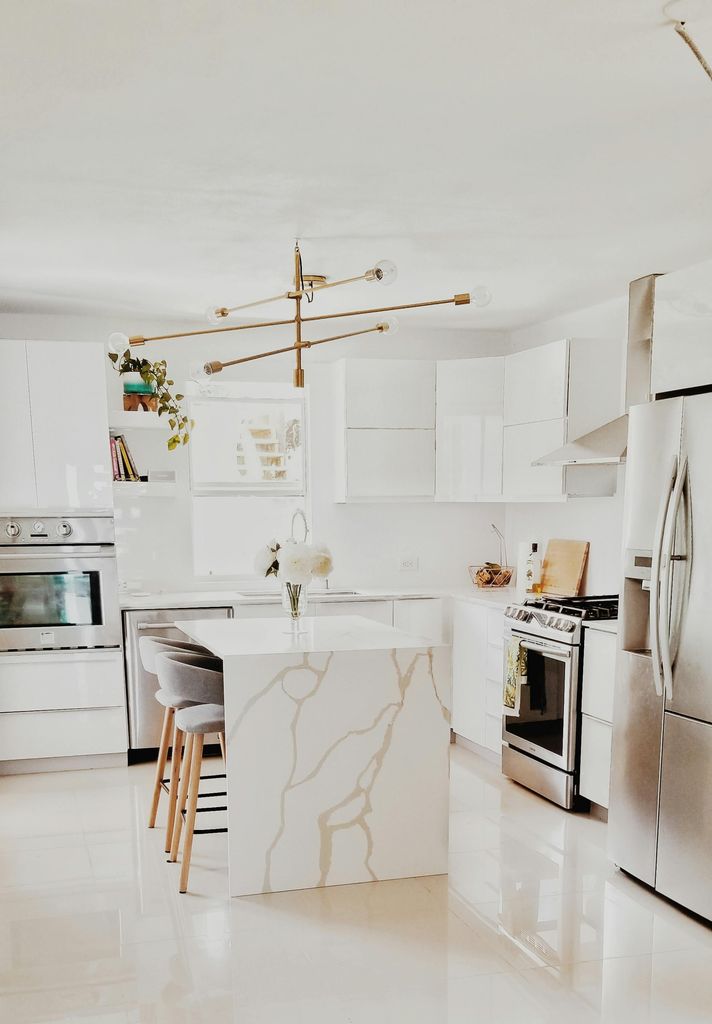
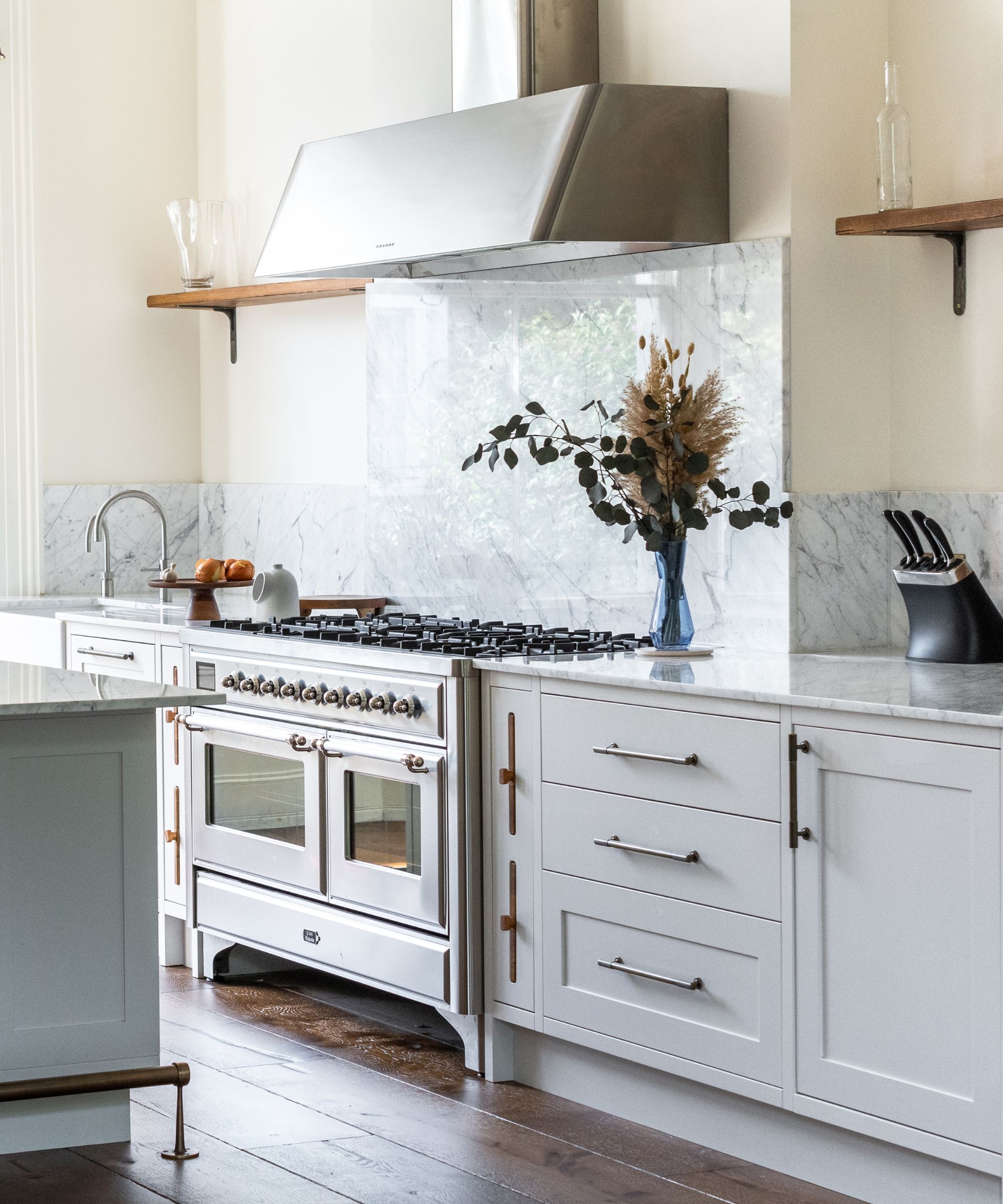
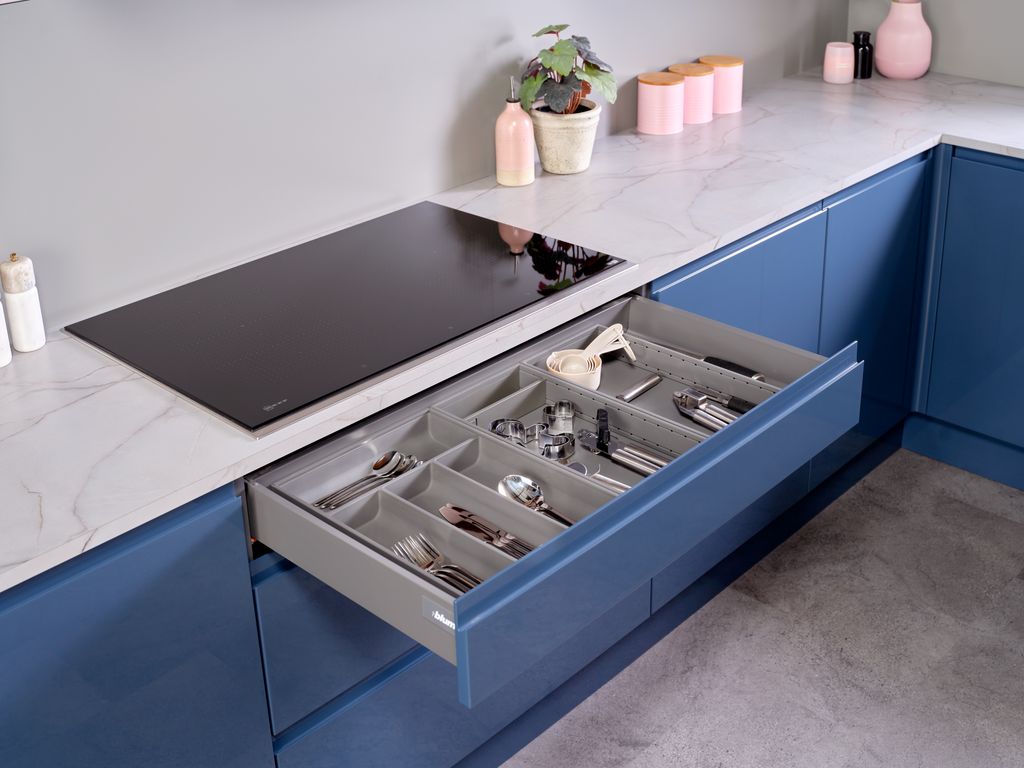
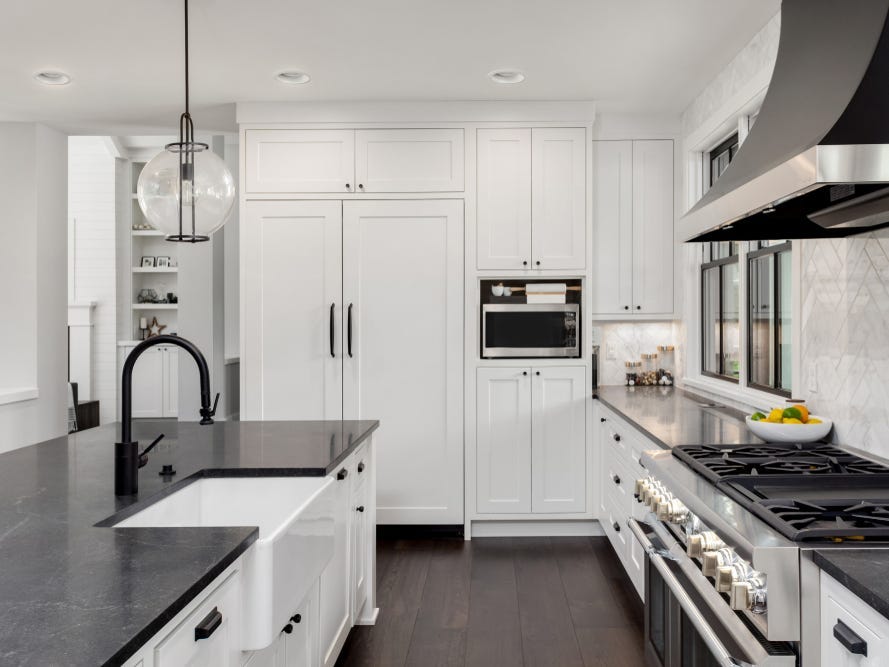
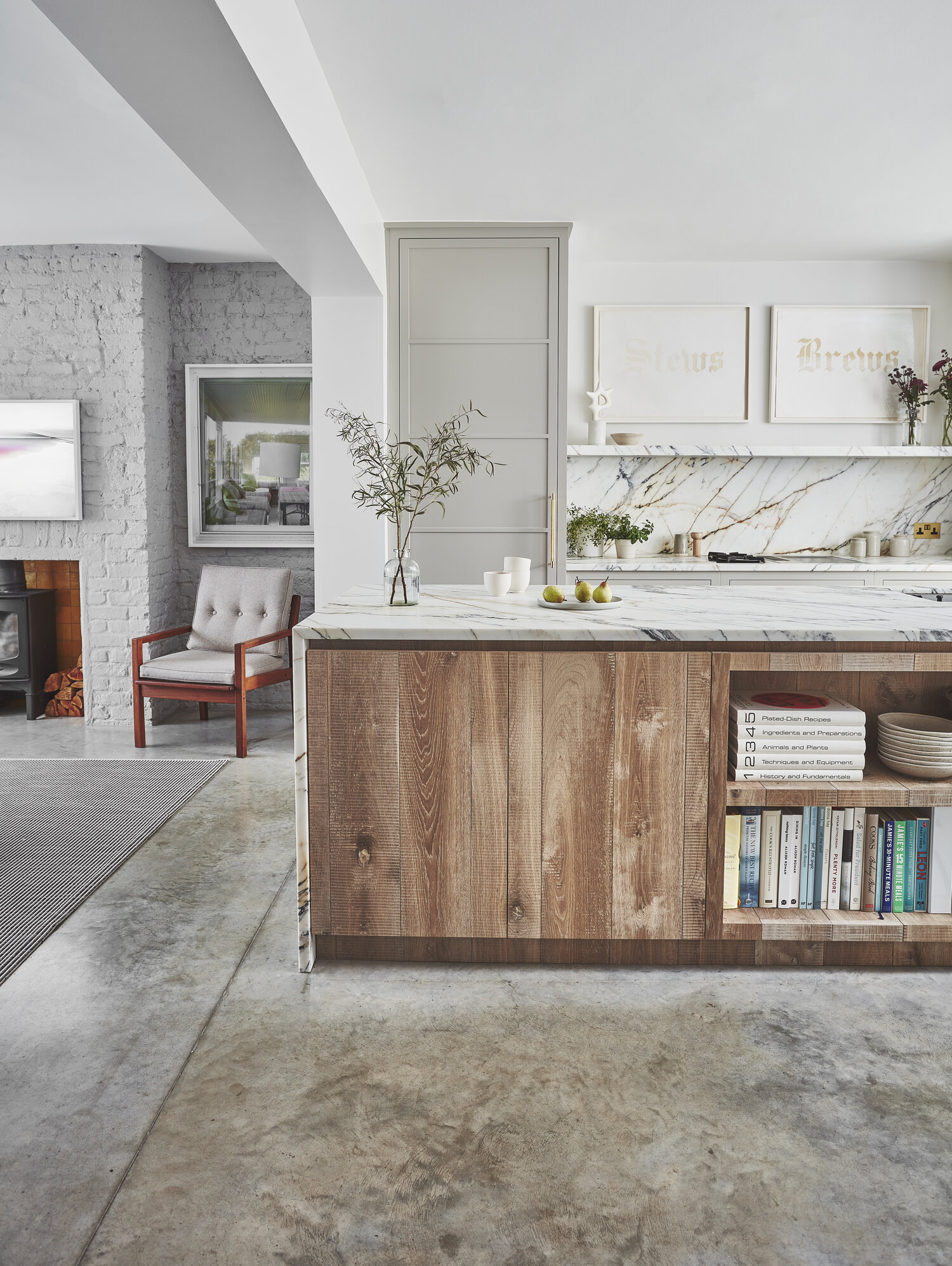
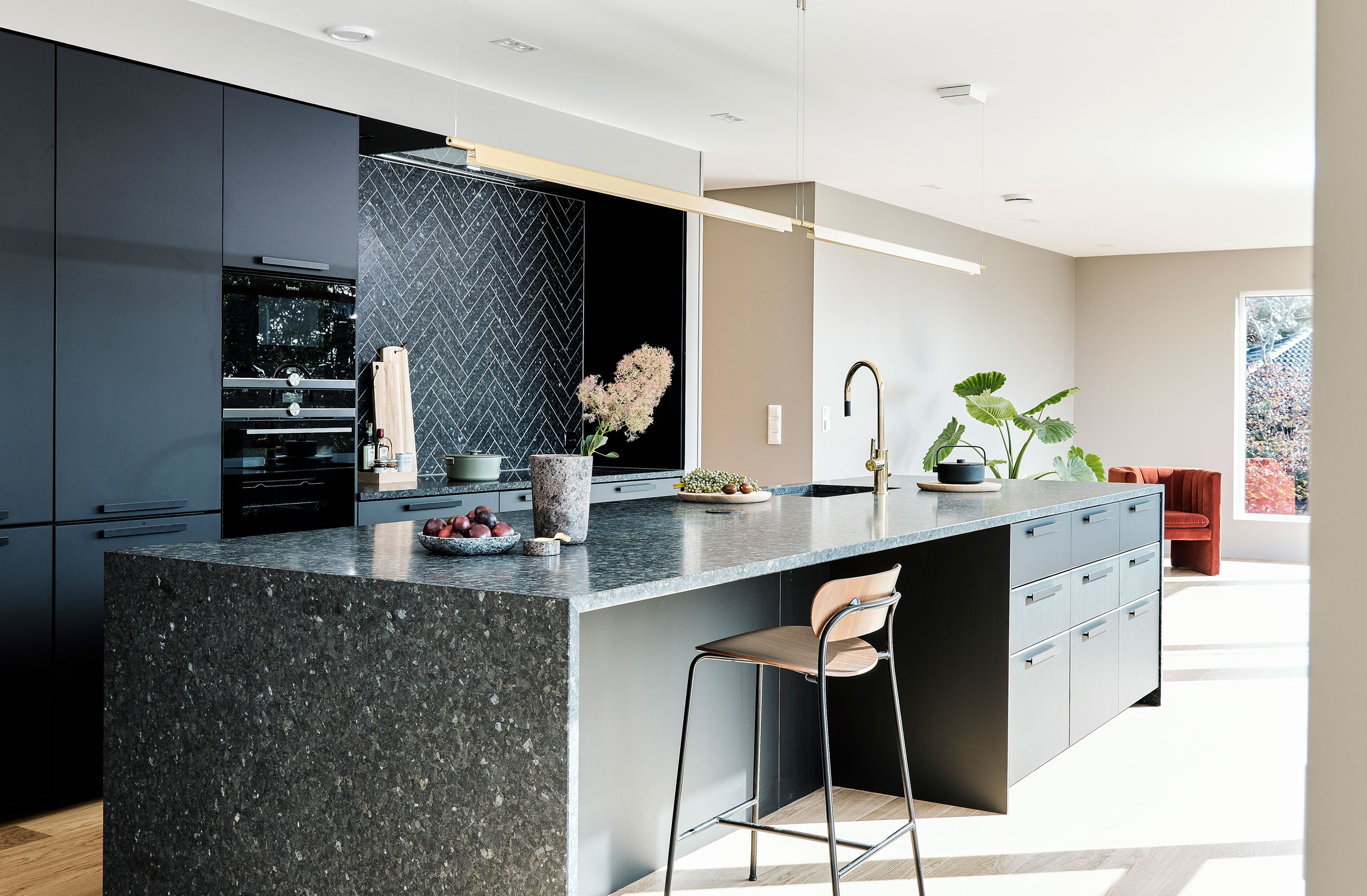
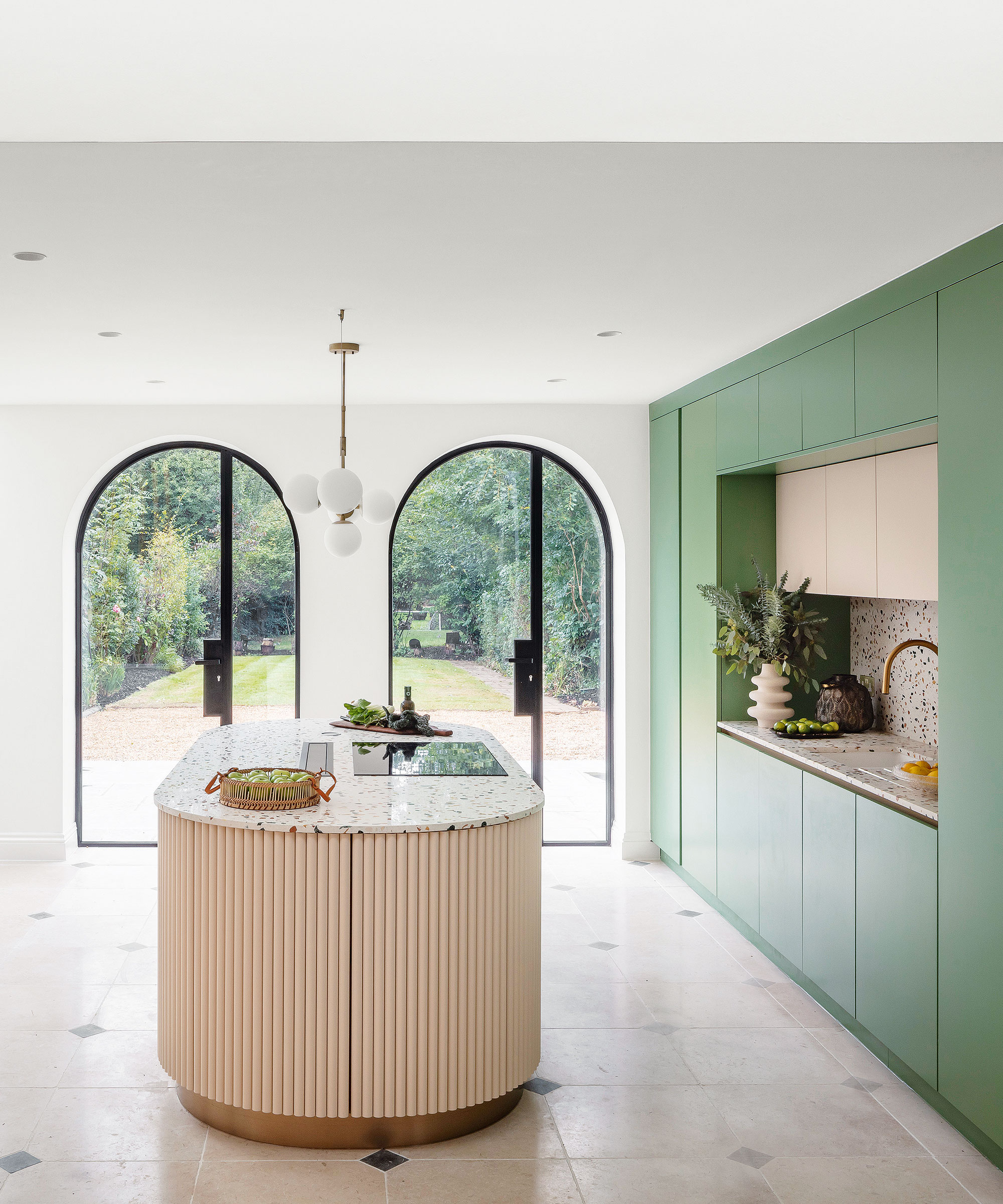
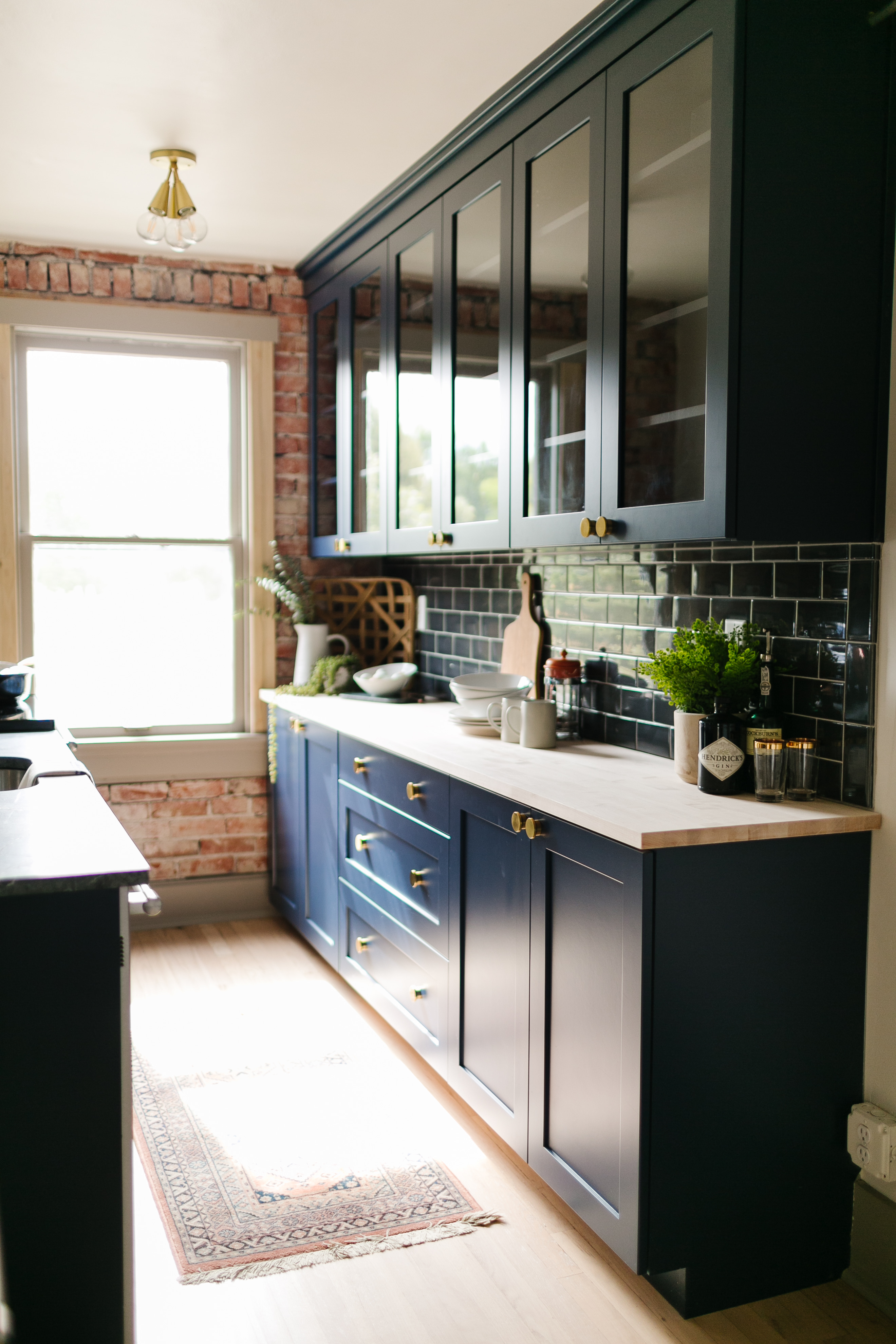
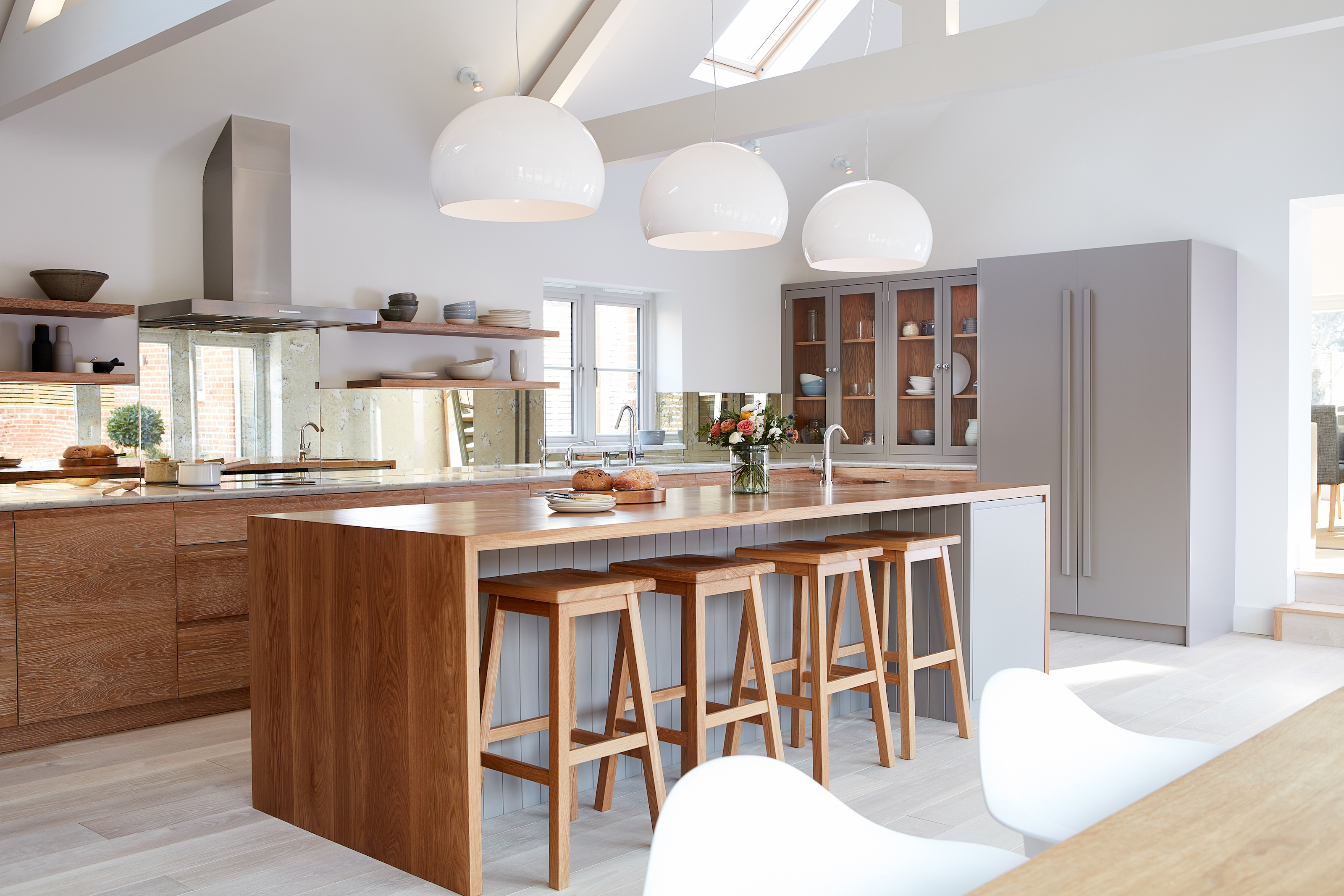
Another mistake is choosing ultra-glossy finishes. Highly reflective surfaces, especially when used extensively on both cabinets and tiles, can make a kitchen feel cold. The recommendation is to opt for matte finishes, shaker style cabinetry, or natural wood, which introduce warmth and texture, making the space more inviting.
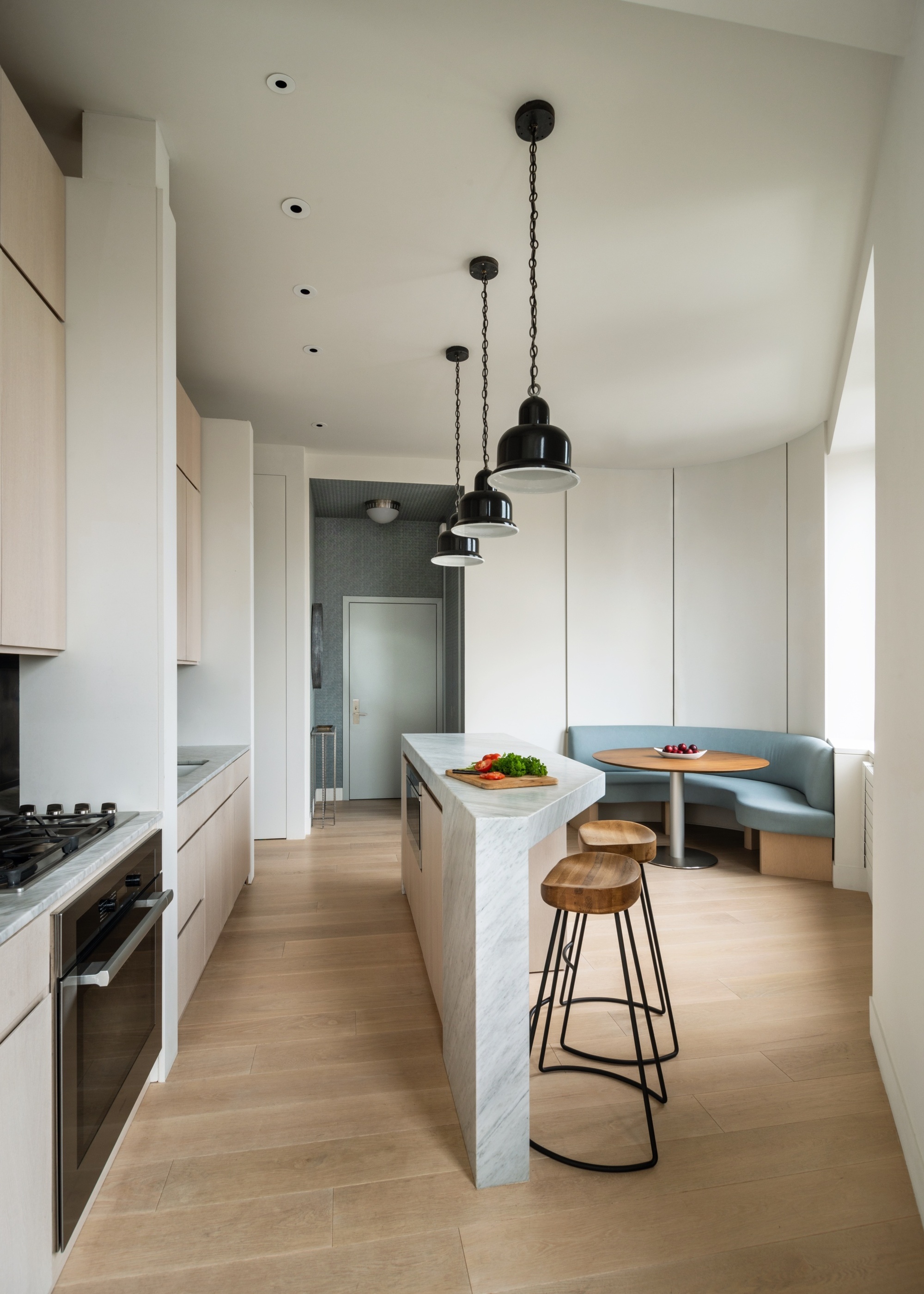
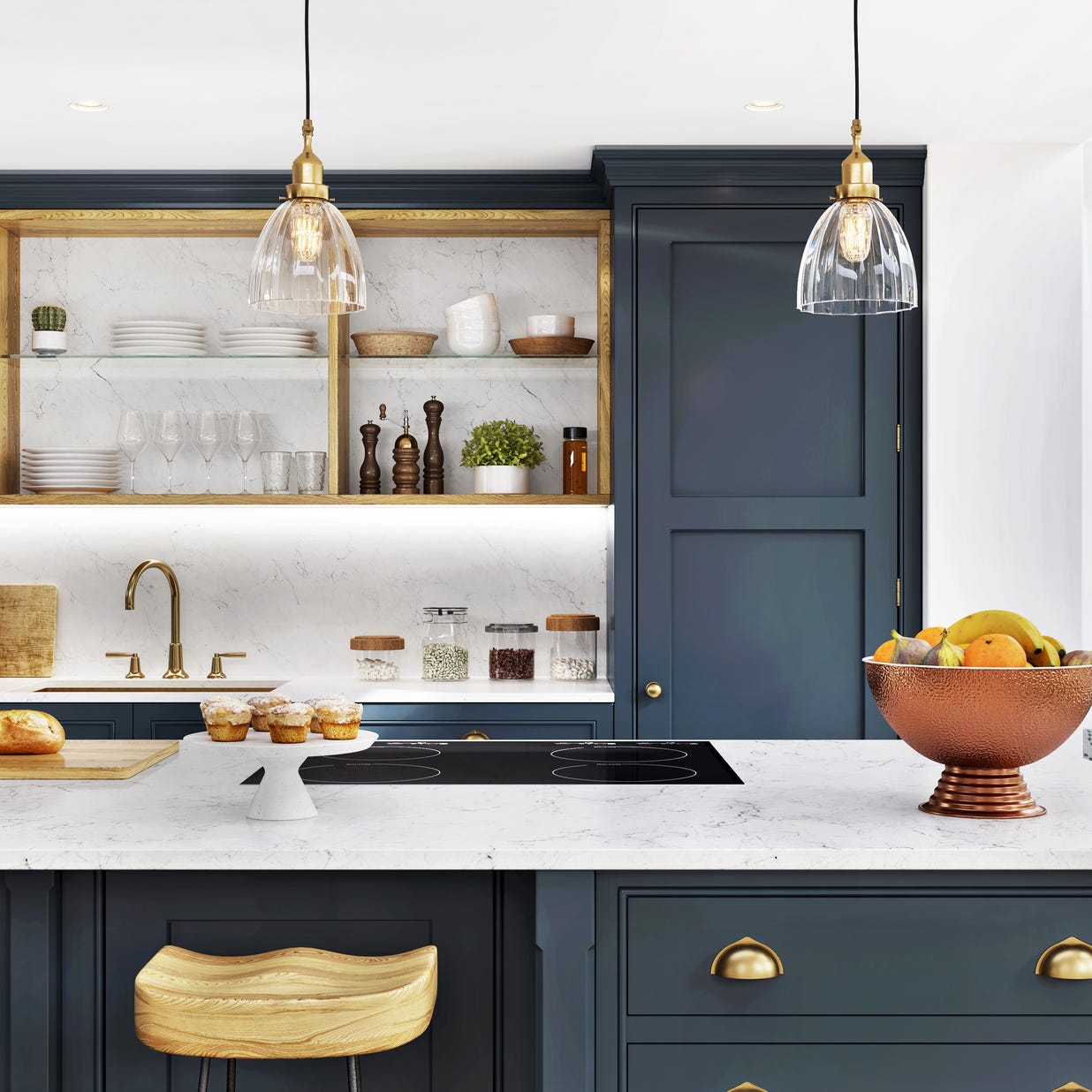
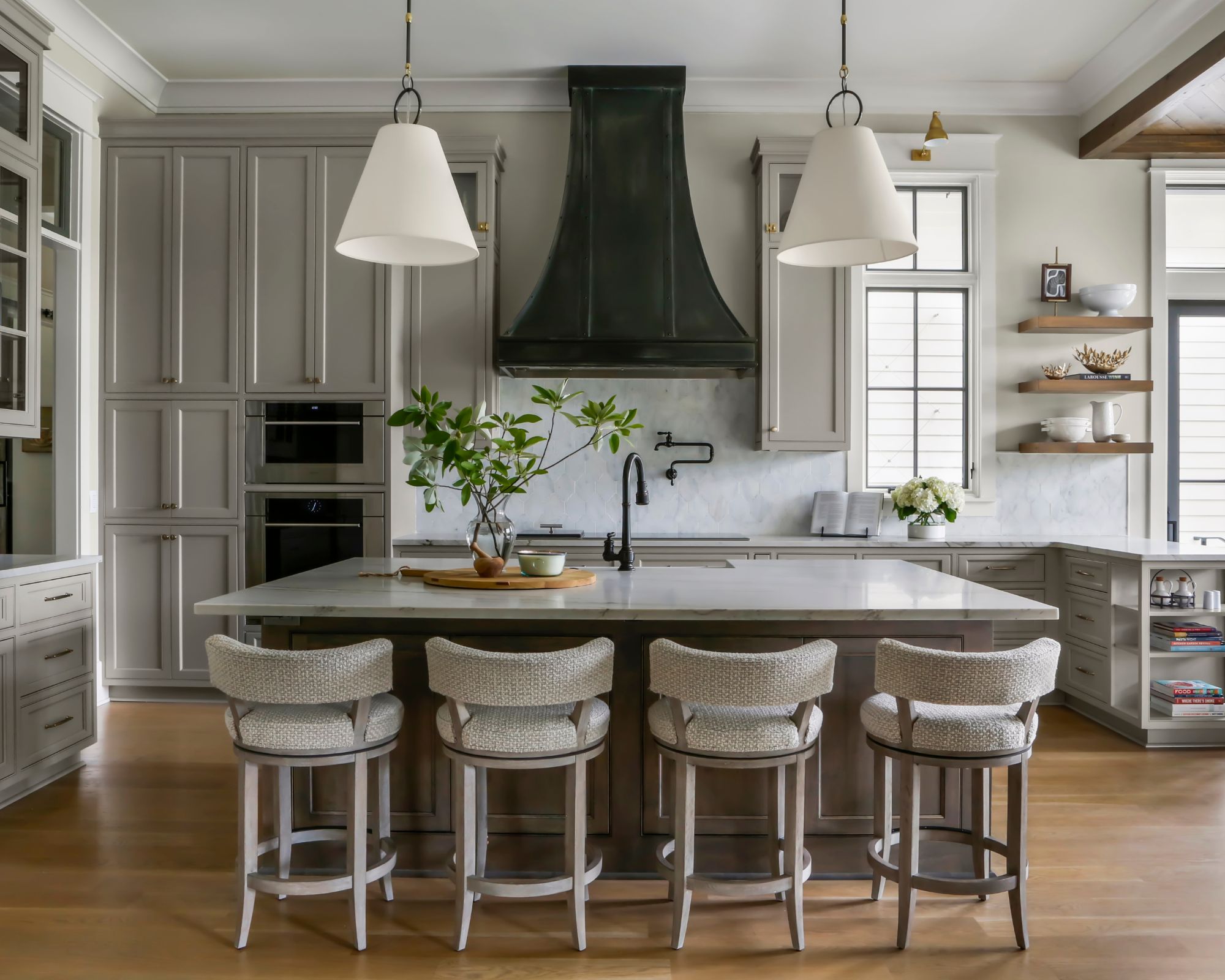
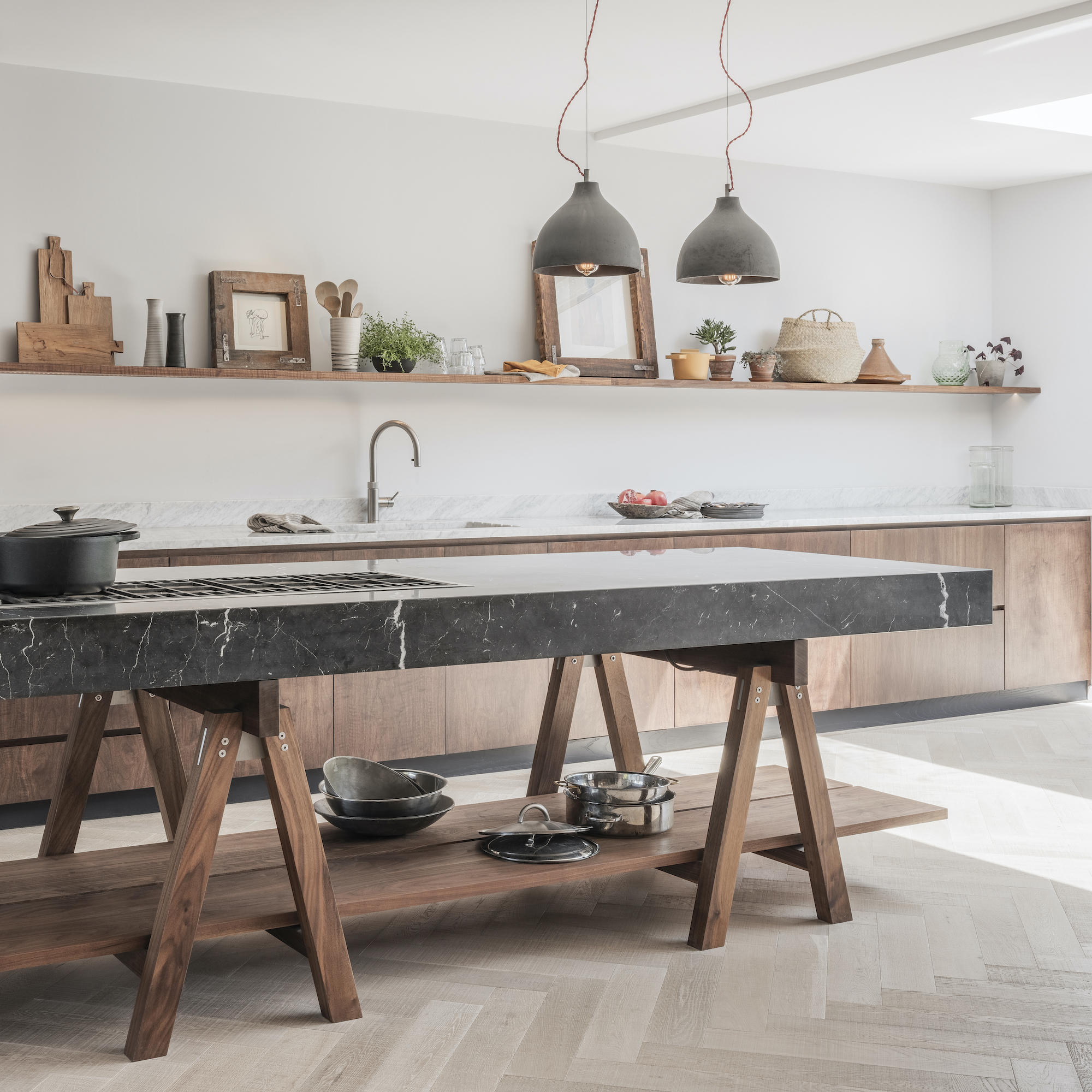
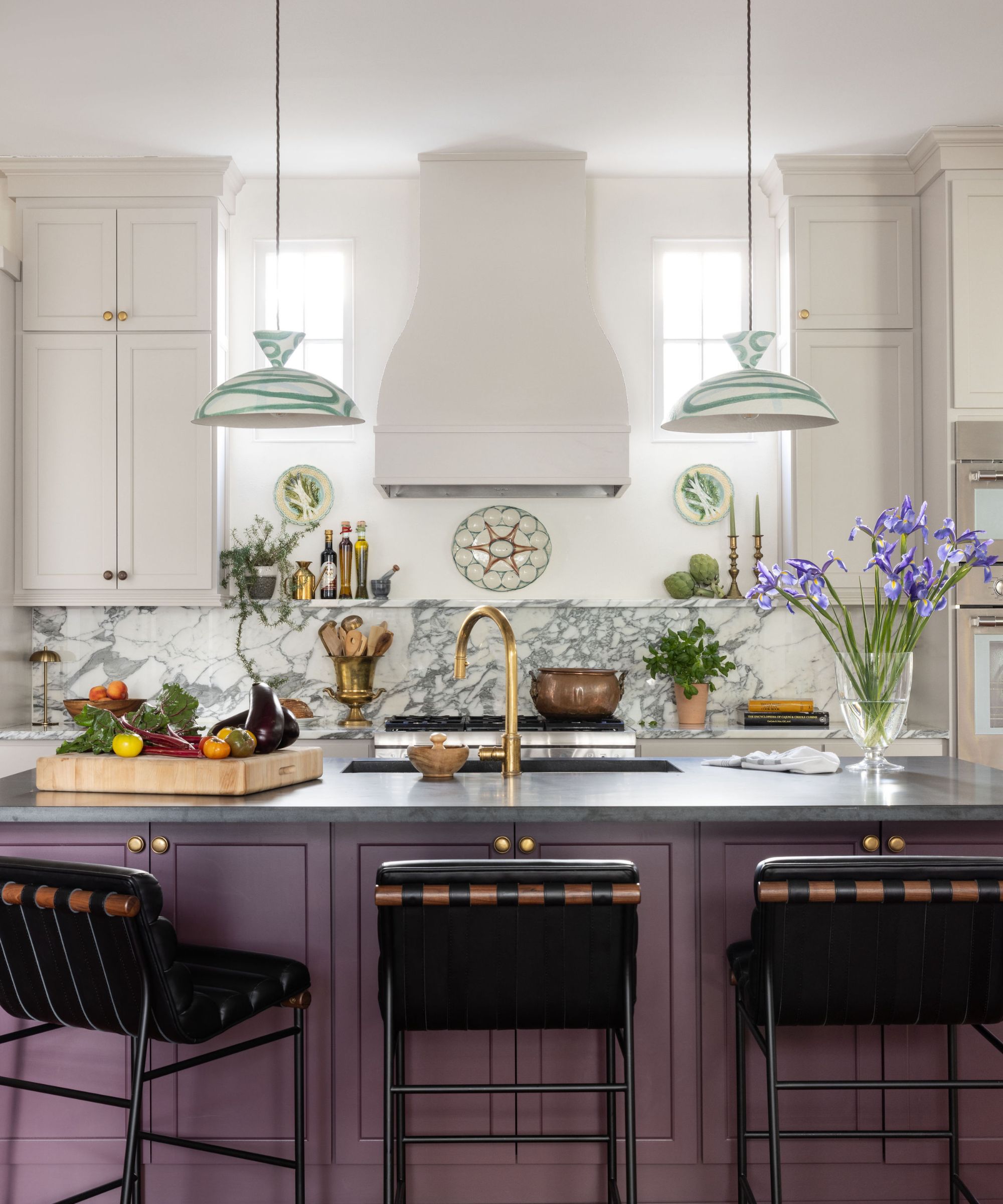
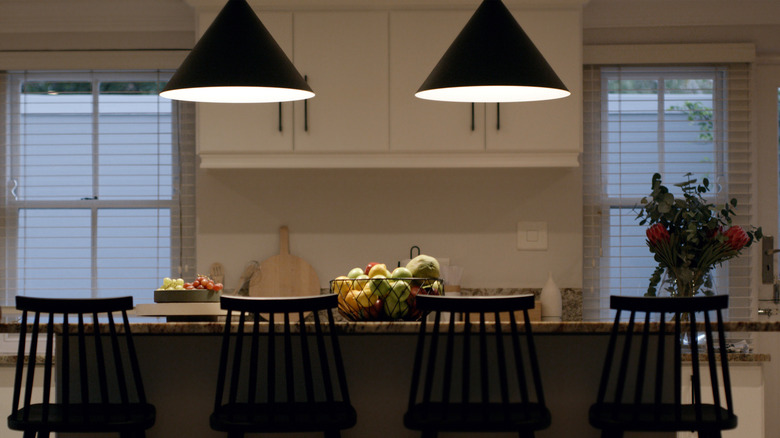
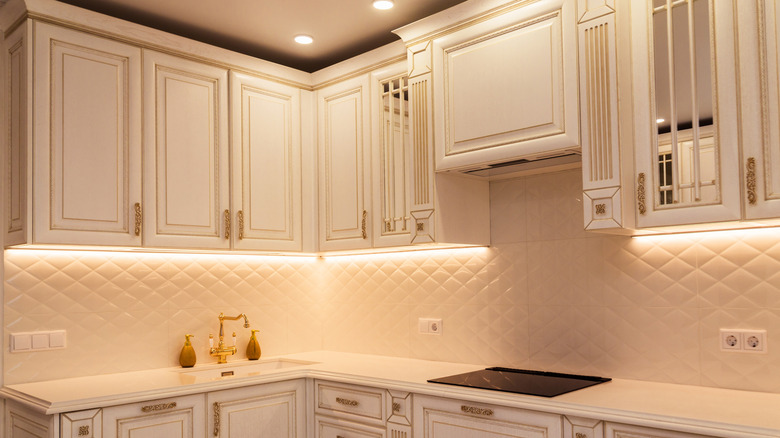
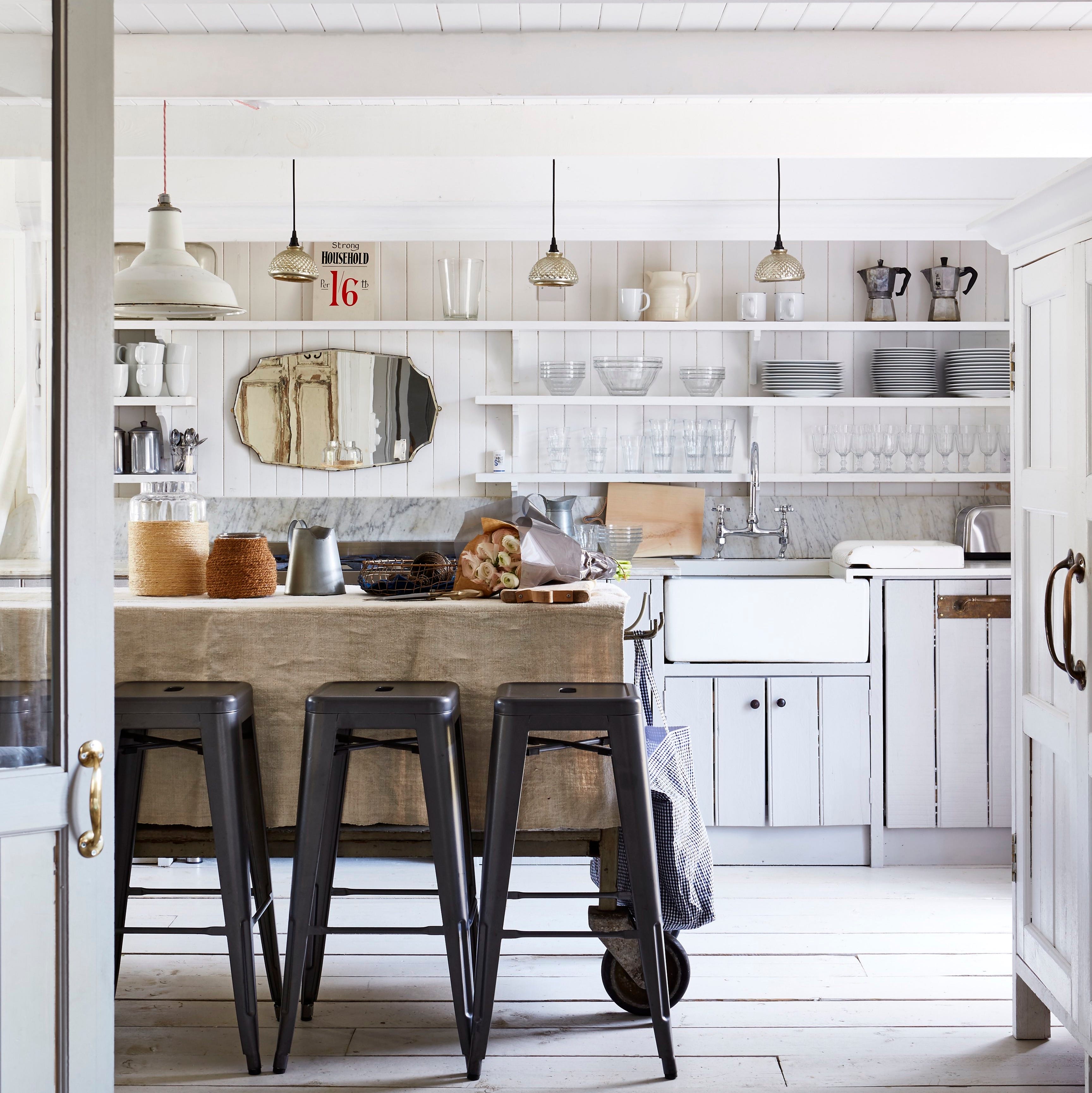
Poorly placed or harsh bright white lighting is also identified as a common issue. Relying solely on overhead lights can give a kitchen a clinical feel. Instead, a combination of ambient, task, and accent lighting is advised. Pendant lights over an island or under-cabinet lighting can provide a softer, more welcoming glow.
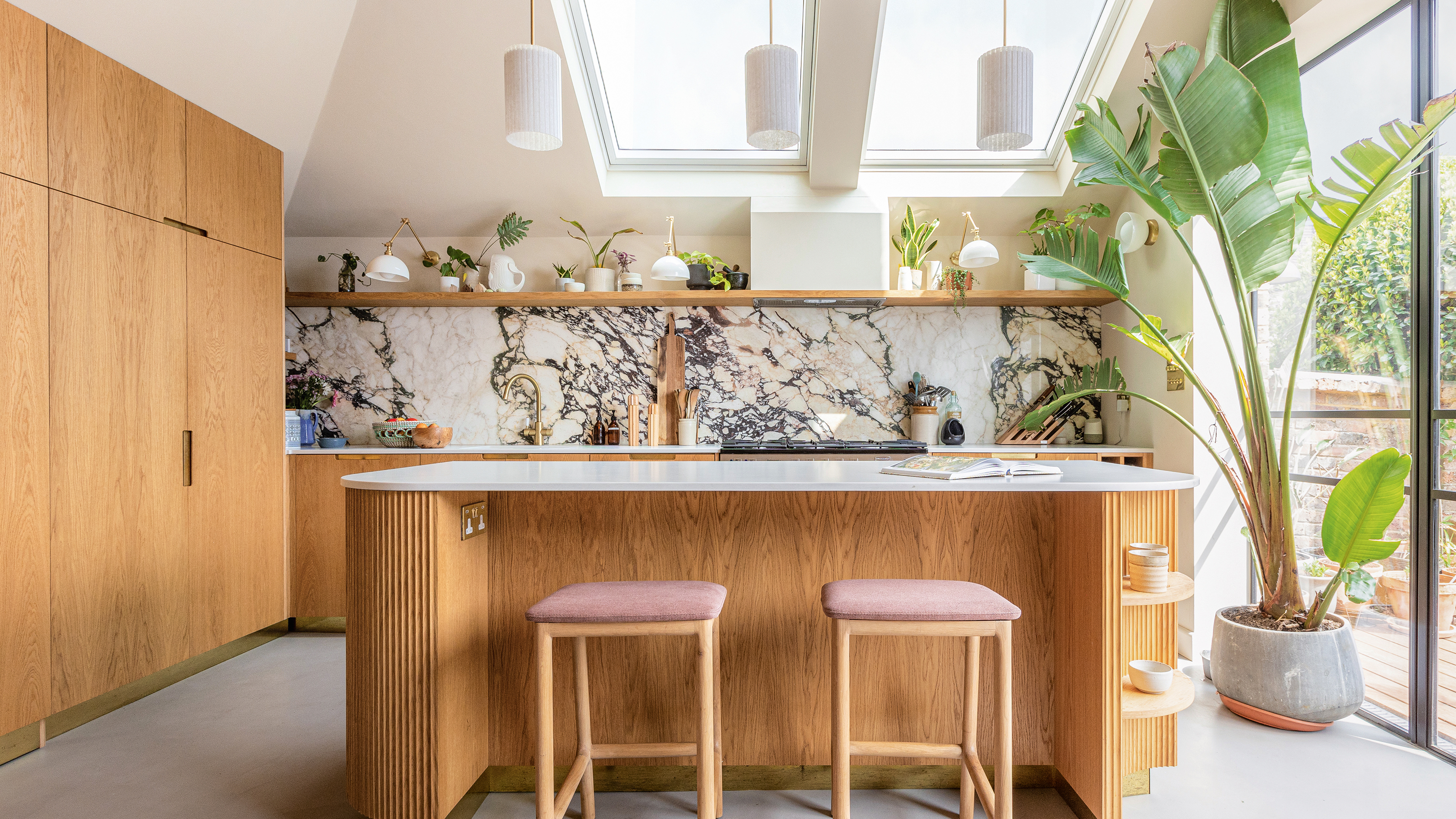
Neglecting to maximize natural light is a crucial oversight. Natural light is essential for a warm and inviting living area. While large windows and bifold doors are excellent for this, internal glazing or strategically placed mirrors, including mirrored splashbacks, can help reflect and distribute natural light in kitchens that lack extensive external windows.
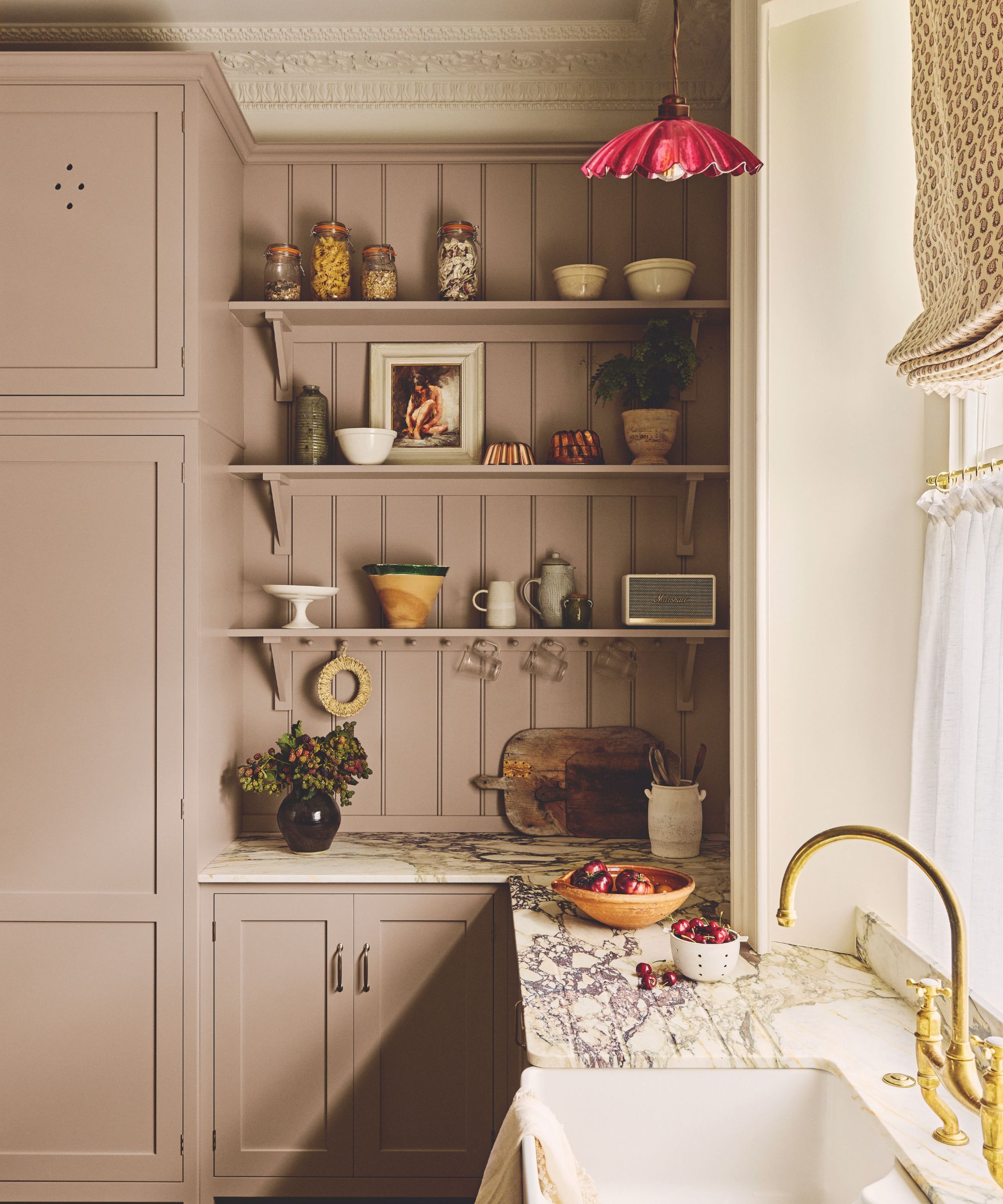
Skipping window dressings is another mistake. Curtains and blinds not only add visual interest and layering to a room but also help regulate temperature by preventing heat loss and blocking drafts. Thermal or blackout linings can further enhance insulation and coziness.
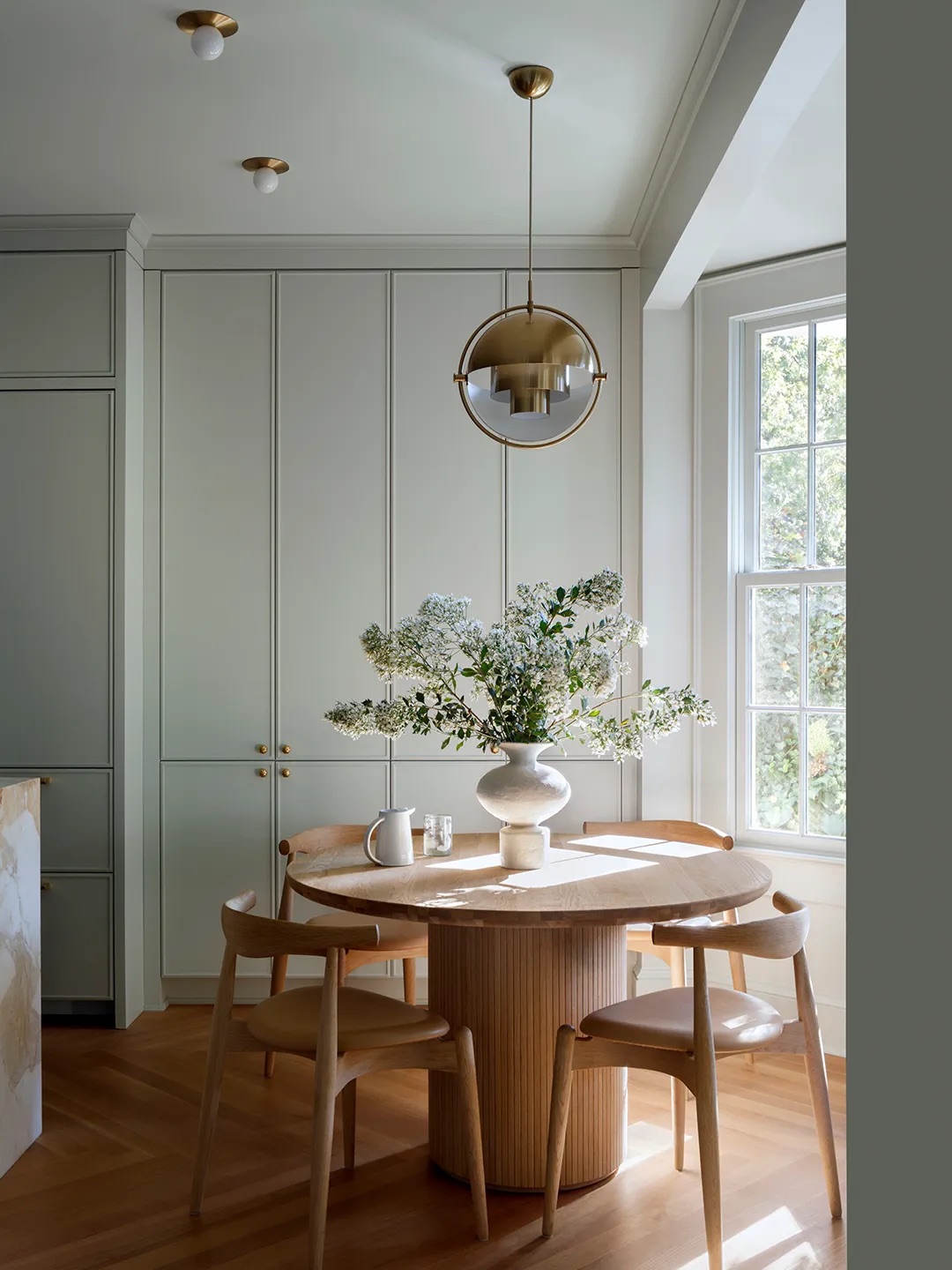
Having too much empty space can also contribute to a cold feeling. In open-plan kitchens or dining areas with sparse furniture, adding sideboards, chairs, bookcases, or decorative accessories like lamps and large vases can fill out the space and make it feel more lived-in and comfortable.
Forgetting about soft furnishings is a common oversight. Kitchens typically feature hard, solid surfaces. Introducing accessories like tablecloths, seat cushions, and floor rugs can add literal warmth, soft textures, and visual layers, infusing personality and character into the space.
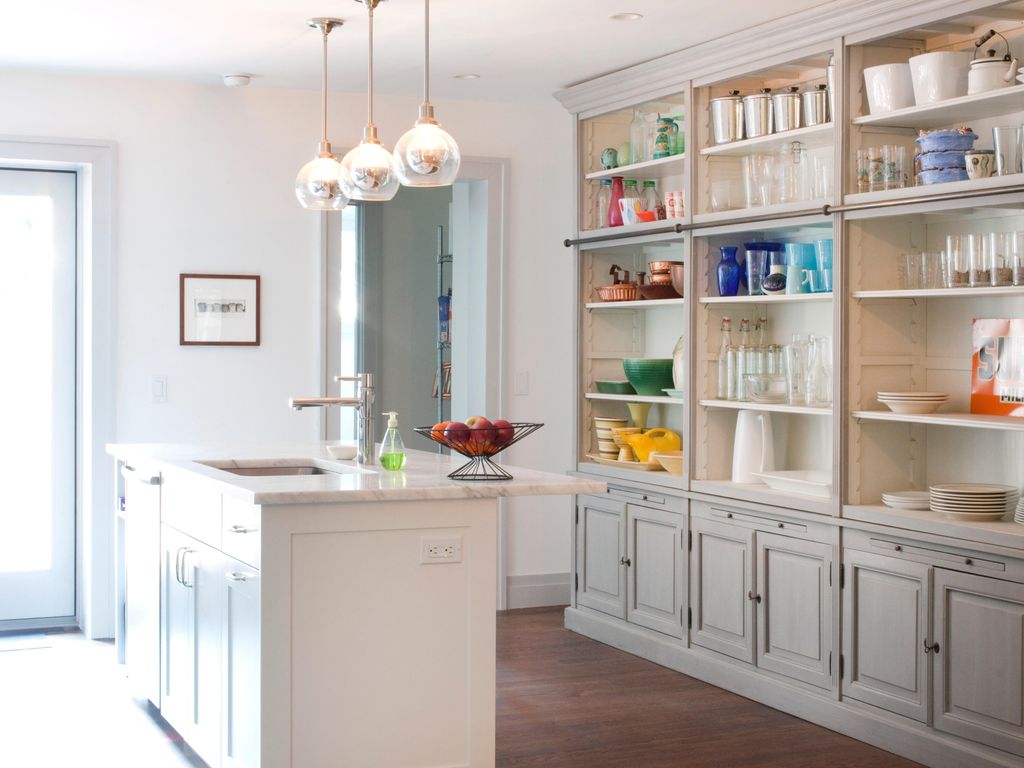
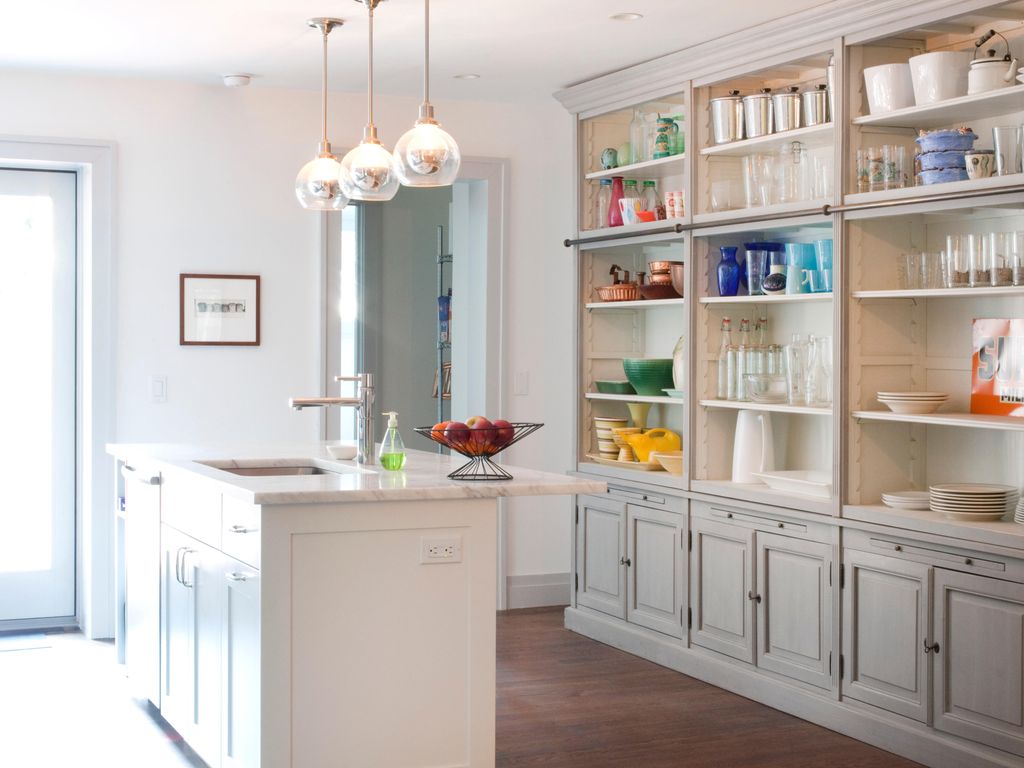
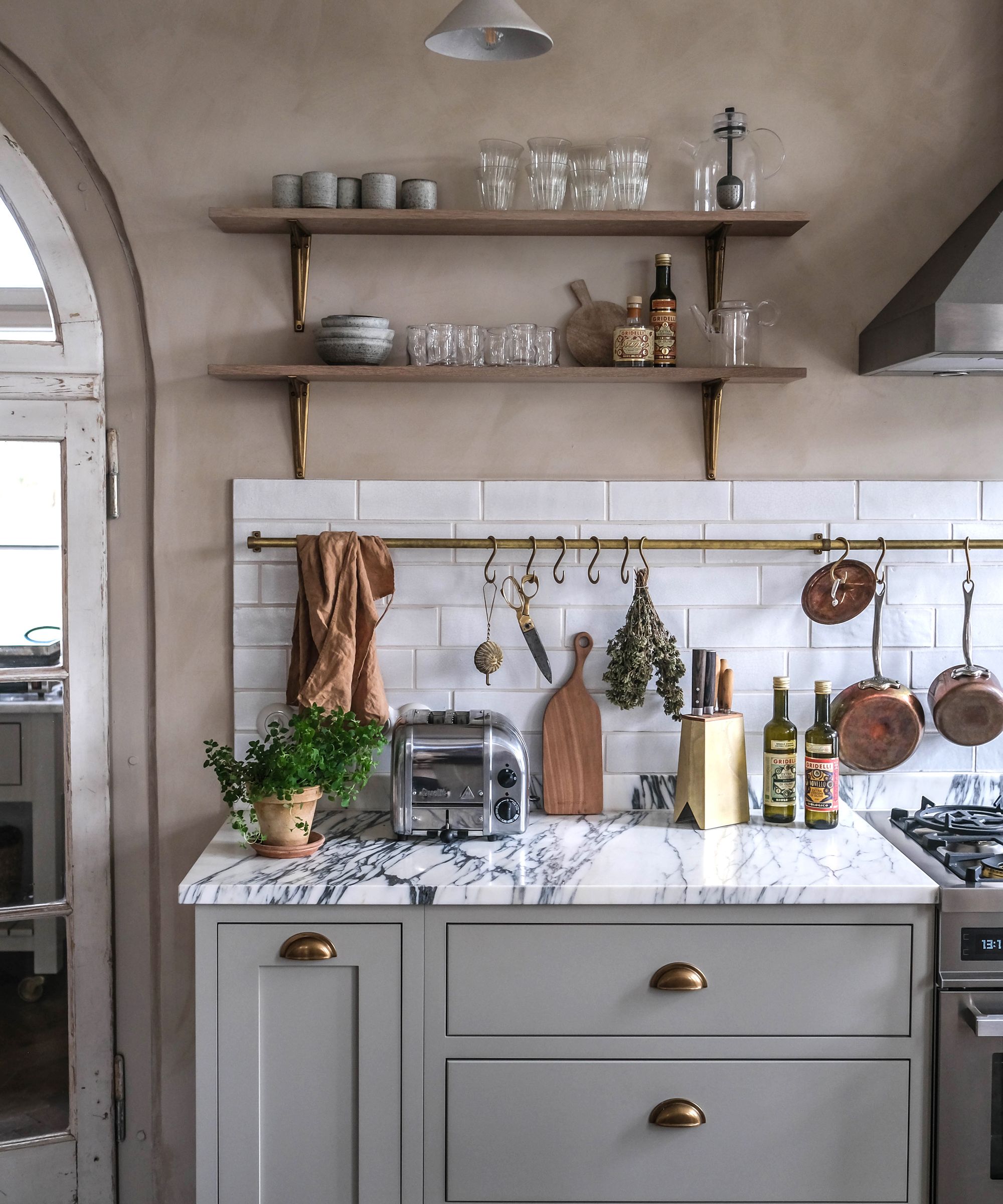
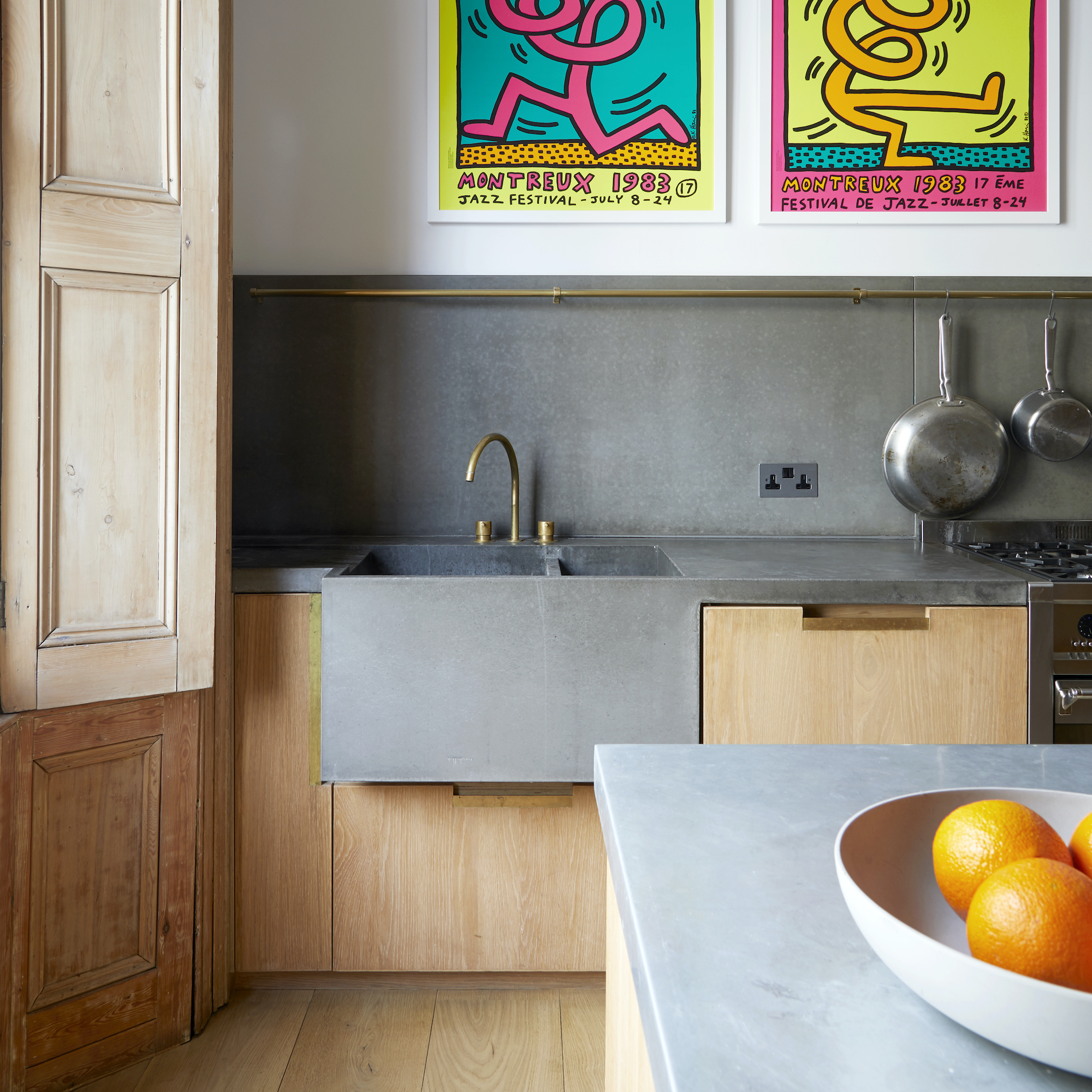
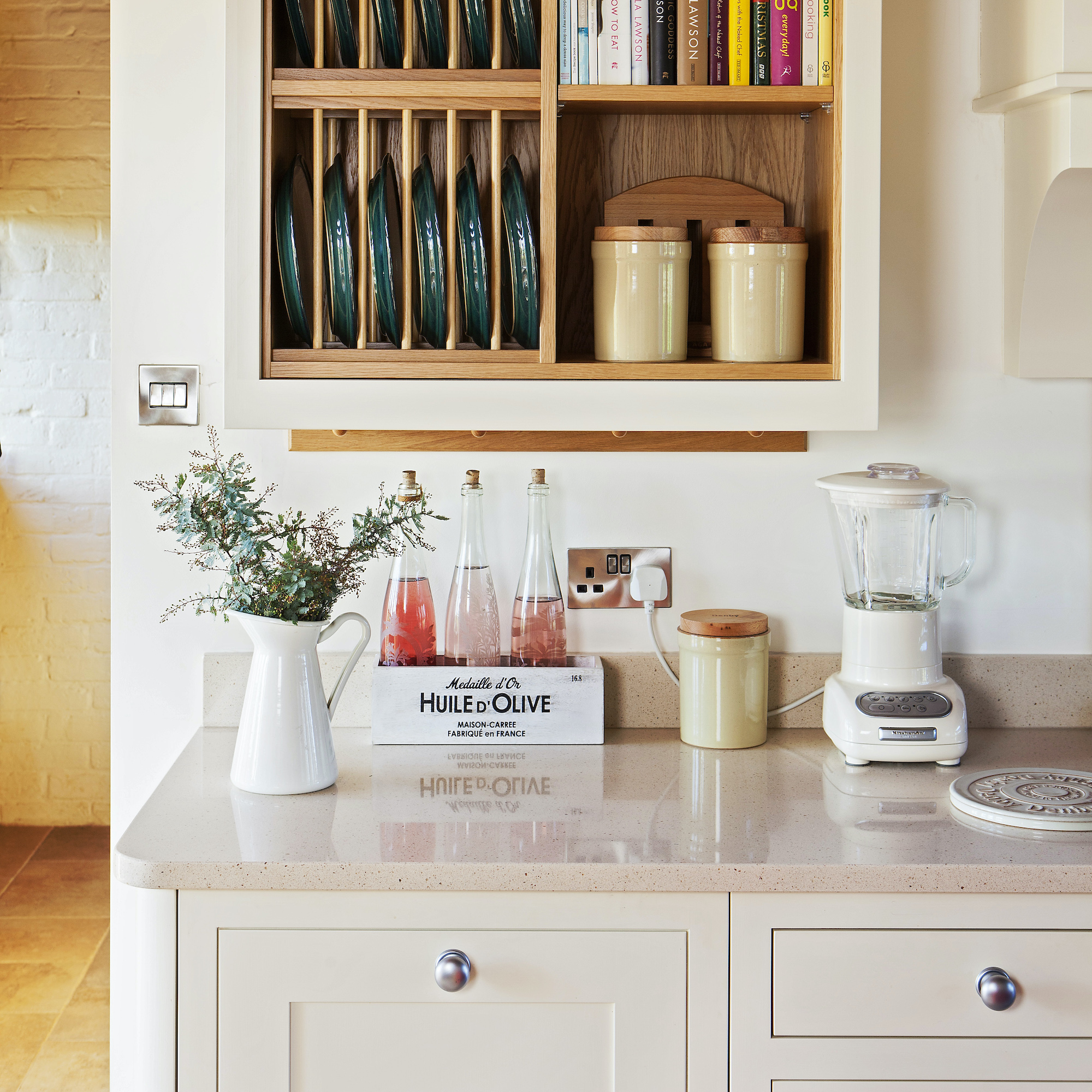
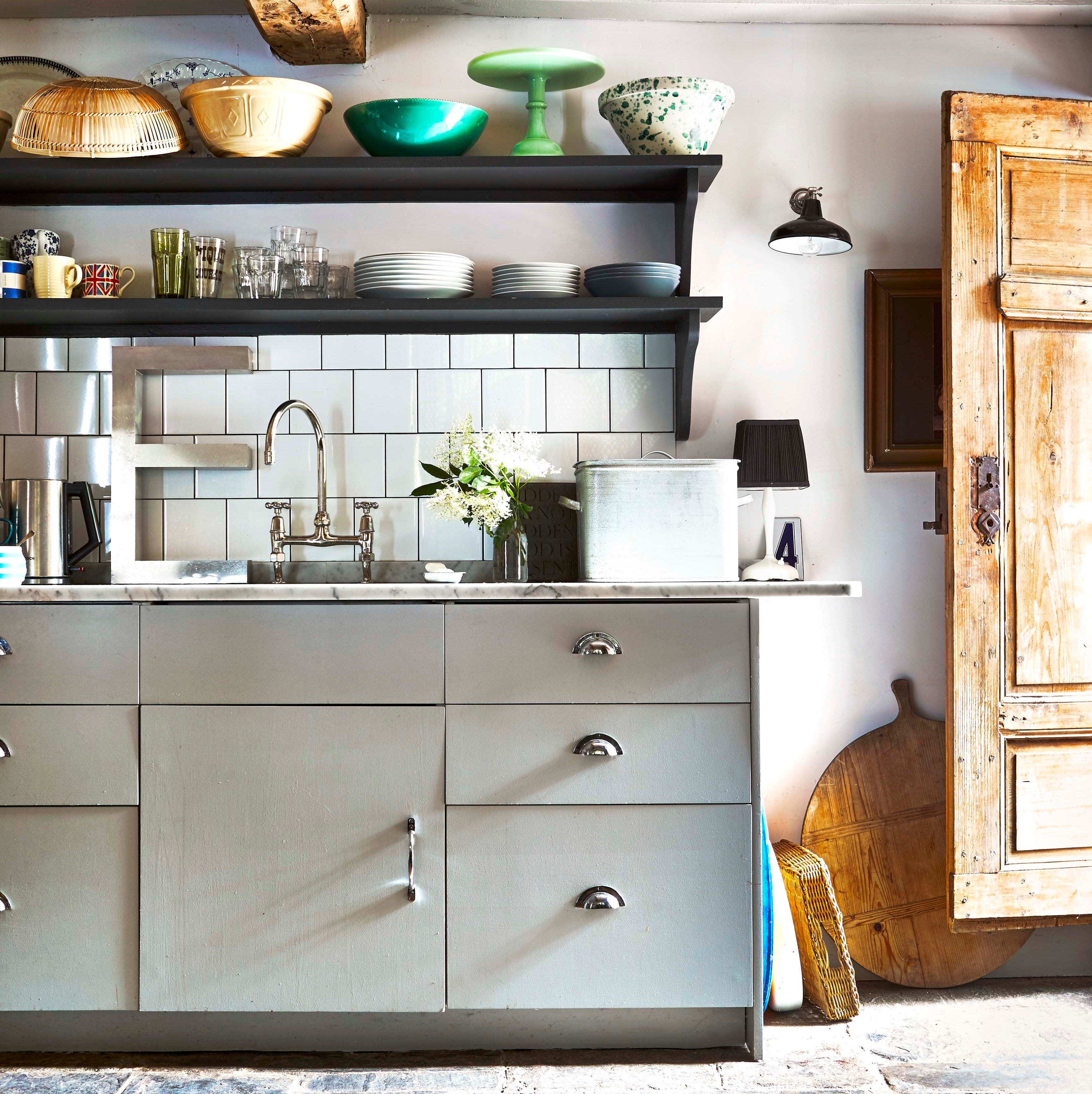
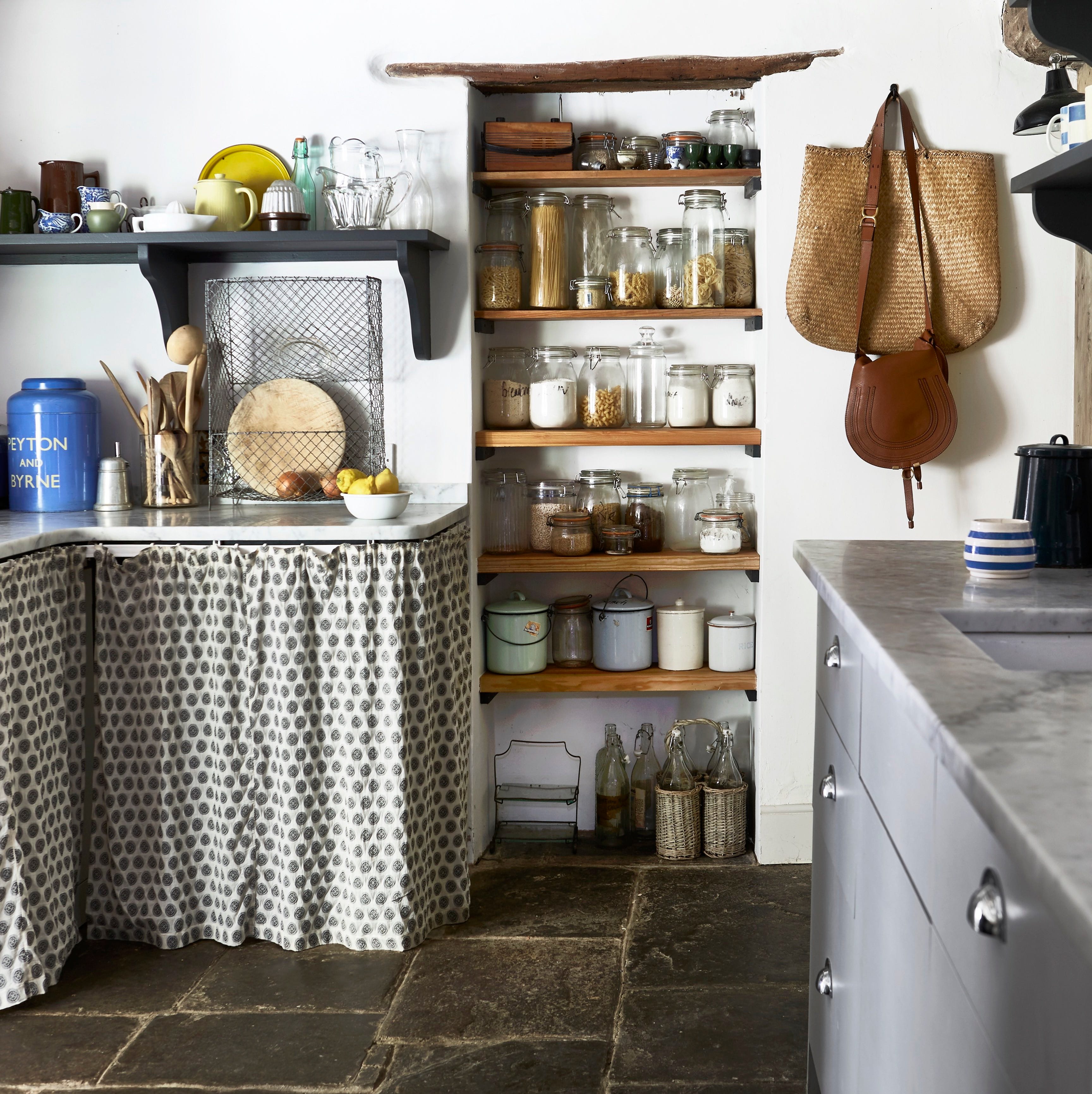
Bare walls are another factor that can make a kitchen feel unwelcoming. Adding artwork, photographs, or utilizing kitchen shelving ideas to display colorful glassware, dishes, or cookbooks can introduce visual interest and a homely touch.
Finally, not integrating plants into the kitchen is a missed opportunity. Beyond their aesthetic appeal, plants can make a space feel warmer and help control humidity levels, especially beneficial in a kitchen environment. For modern kitchen designs, incorporating metallics like copper and brass subtly through light fittings, sinks, or cabinet handles can add warmth without being overwhelming. To keep a kitchen warm without relying heavily on heating, area rugs can provide insulation, and effective window dressings can trap heat on chilly evenings, collectively contributing to a more inviting and comfortable kitchen atmosphere.
#KitchenDesign #HomeDecor #WarmKitchen #InteriorDesignMistakes #ColorPsychology #LightingDesign #NaturalLight #SoftFurnishings #KitchenPlants #KitchenDesign #HomeDecor #WarmKitchen #InteriorDesignMistakes #ColorPsychology #LightingDesign #NaturalLight #SoftFurnishings #KitchenPlants
0 comment in total
 No comments yet
You may also like
8 shockingly common kitchen design mistakes according to a pro

3 most common gray kitchen mistakes – and what designers advise to do instead

7 kitchen storage mistakes you're making – and how to fix them
7 Kitchen Details That Always Give Designers the Ick—and What to Do Instead

8 shockingly common kitchen design mistakes according to a pro

8 small kitchen design mistakes to avoid, according to an interior designer

Interior-design experts share 12 kitchen trends you'll probably regret in a few years
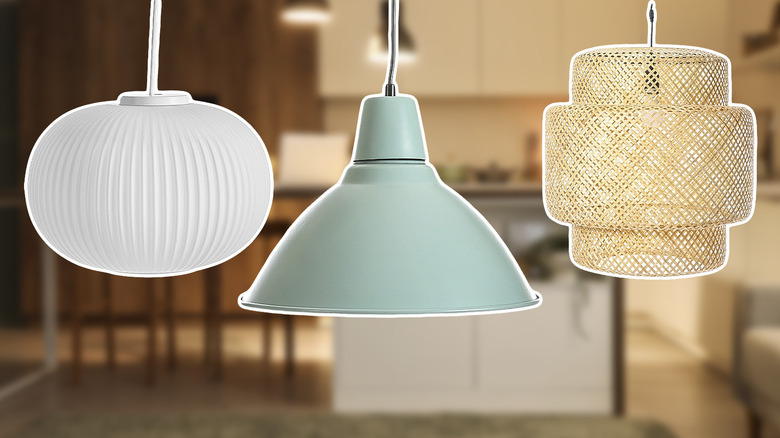
12 Kitchen Lighting Mistakes (And How To Avoid Them)

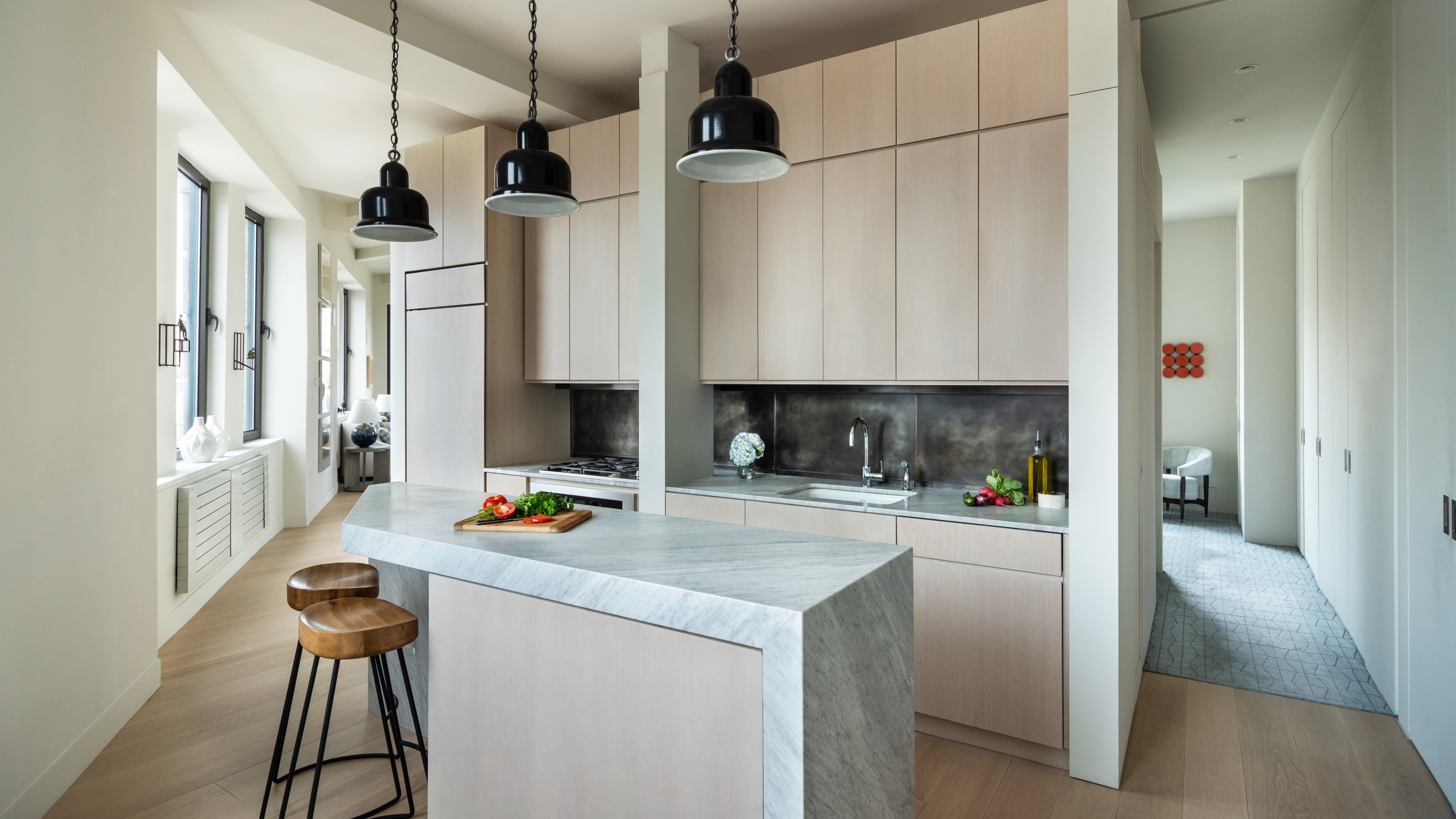
10 Small Kitchen Layout Mistakes Designers Will Always Urge You to Avoid for a Better Working Space


Local Announcement: What Are the Top Mistakes to Avoid During Kitchen Remodeling?

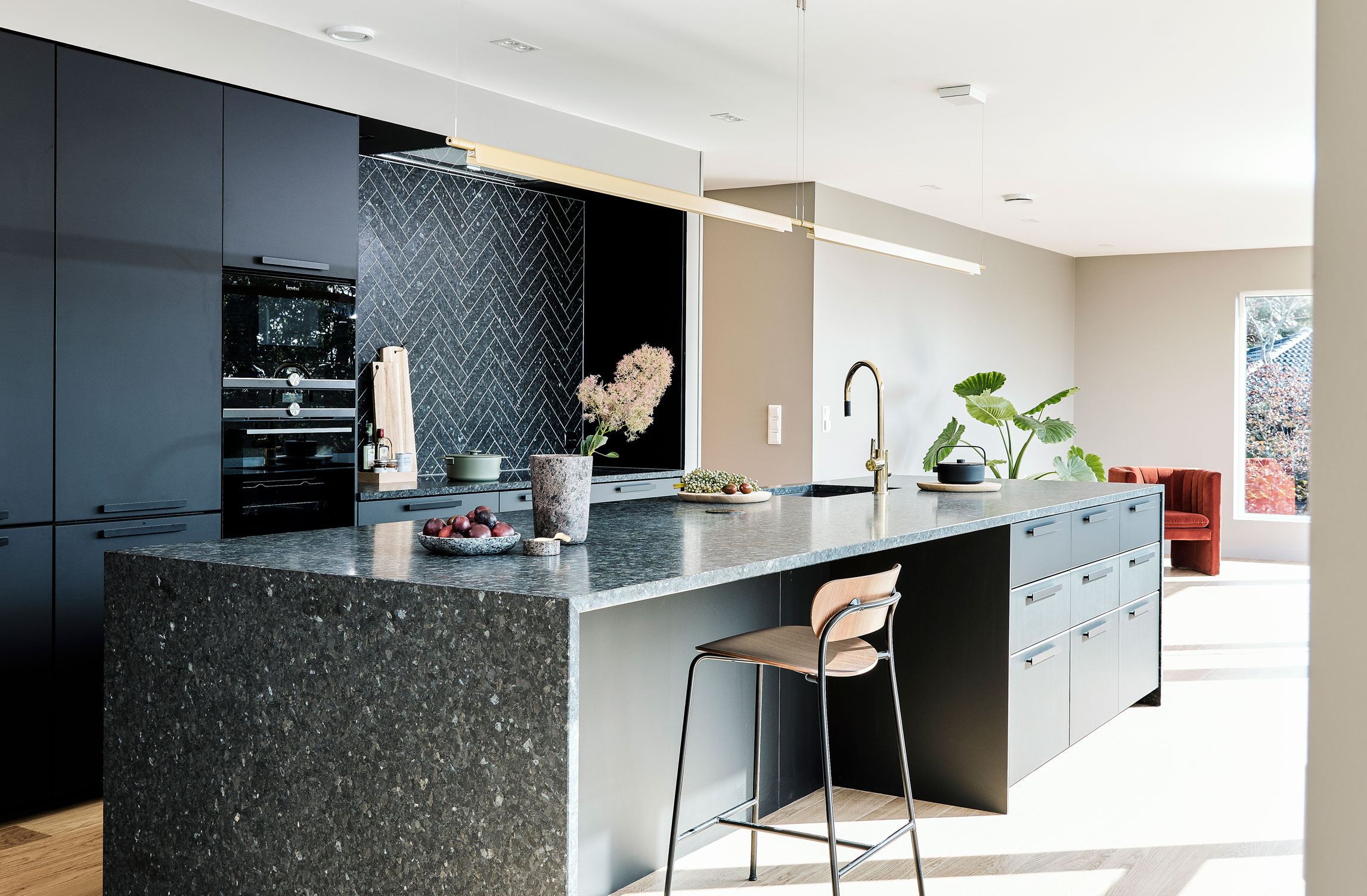
Kitchen island mistakes – and how to avoid them
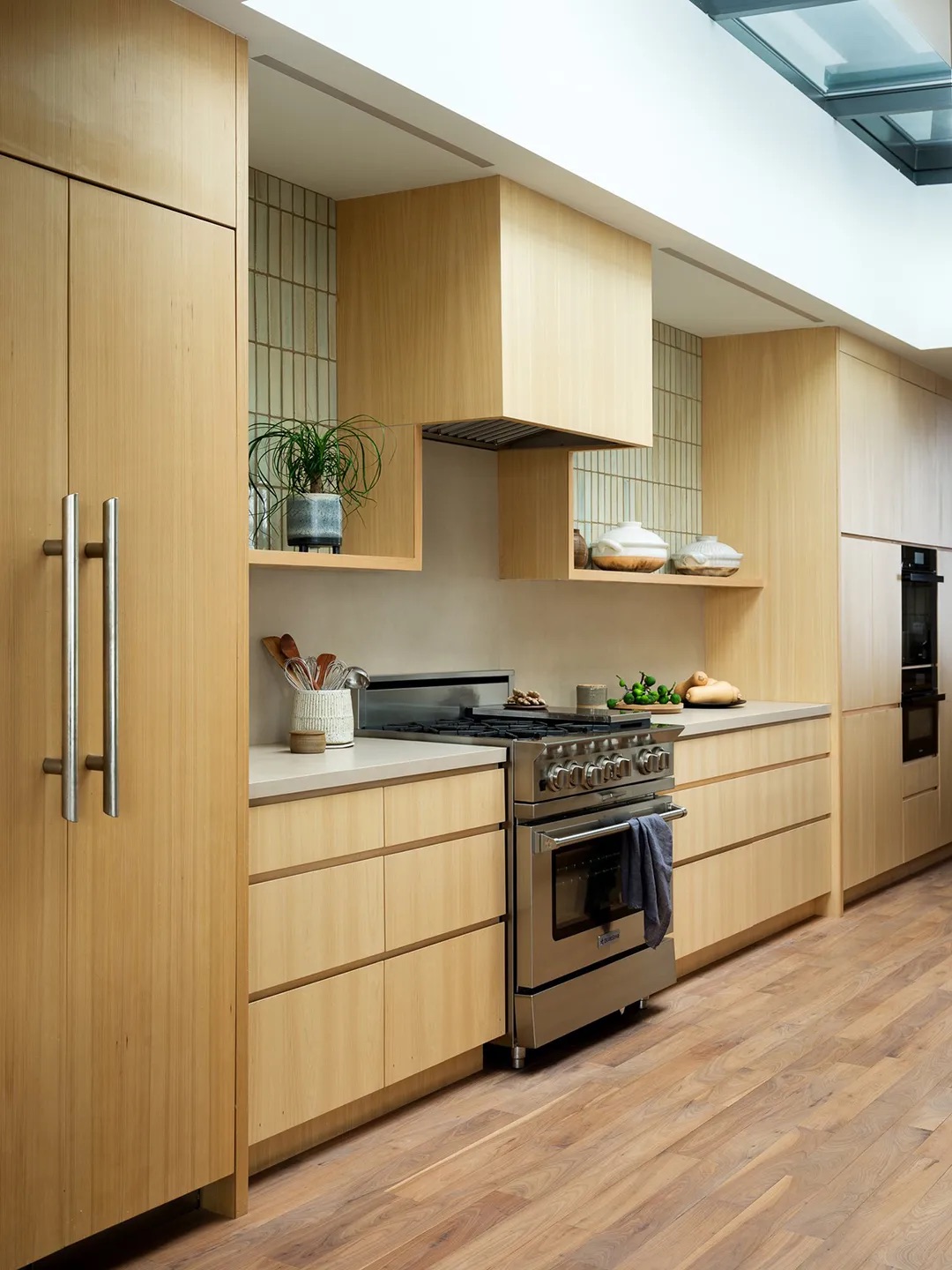
Kitchens Are Becoming the Ultimate Chill Zone This Fall

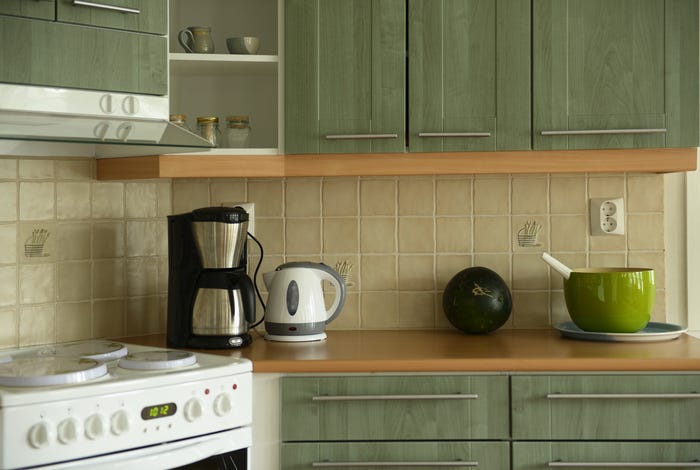
Interior designers reveal 9 things in your kitchen you should get rid of
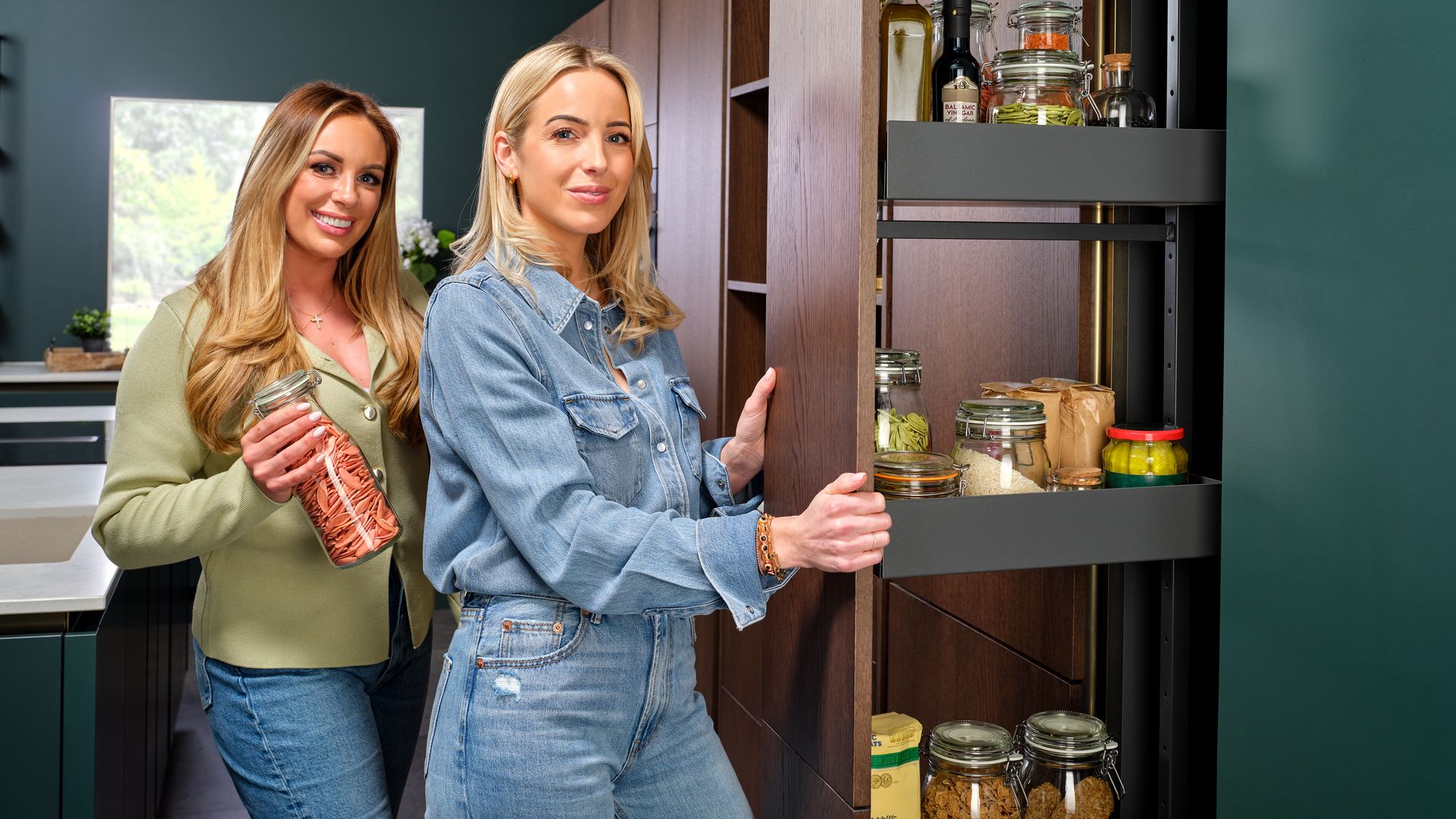
Exclusive: Style Sisters reveal the biggest kitchen organisation mistakes you're making
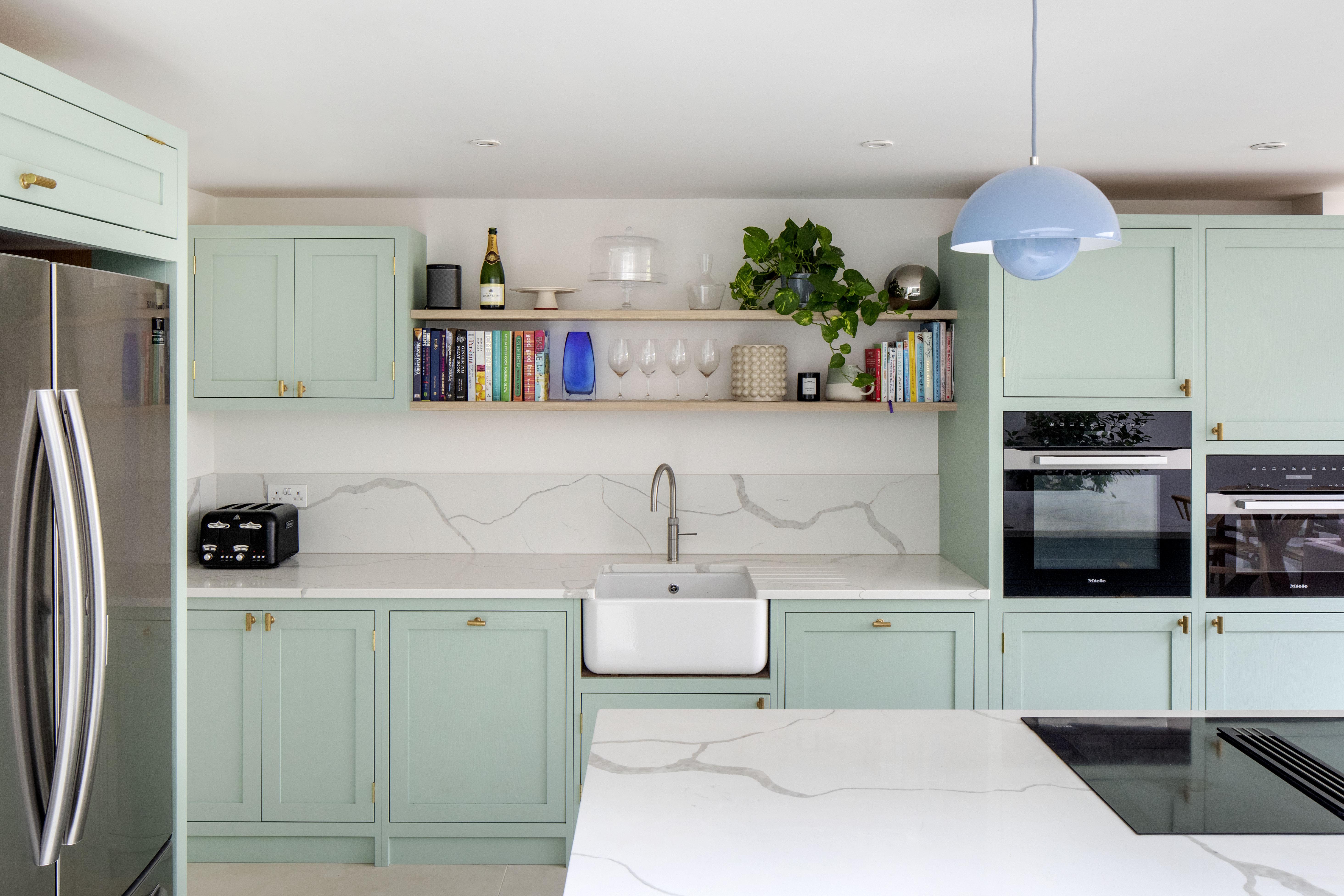
10 kitchen cabinet color mistakes to avoid for a cool and contemporary result

11 kitchen layout mistakes – frustrating to live with, they make your space look smaller too
11 WORST Kitchen Design Mistakes You're Probably Making

Experts reveal the kitchen worktop mistakes to avoid - ignore at your peril
5 kitchen countertop mistakes designers warn to avoid
Interior designers share the 10 things in your kitchen you should get rid of