Crazy Houses: 7 upside down homes from around the world
This article explores a collection of unconventional, upside-down houses and structures from around the world, highlighting their unique designs and purposes. These structures challenge traditional architectural norms, offering a whimsical and often disorienting experience, reminiscent of concepts found in "Alice in Wonderland."
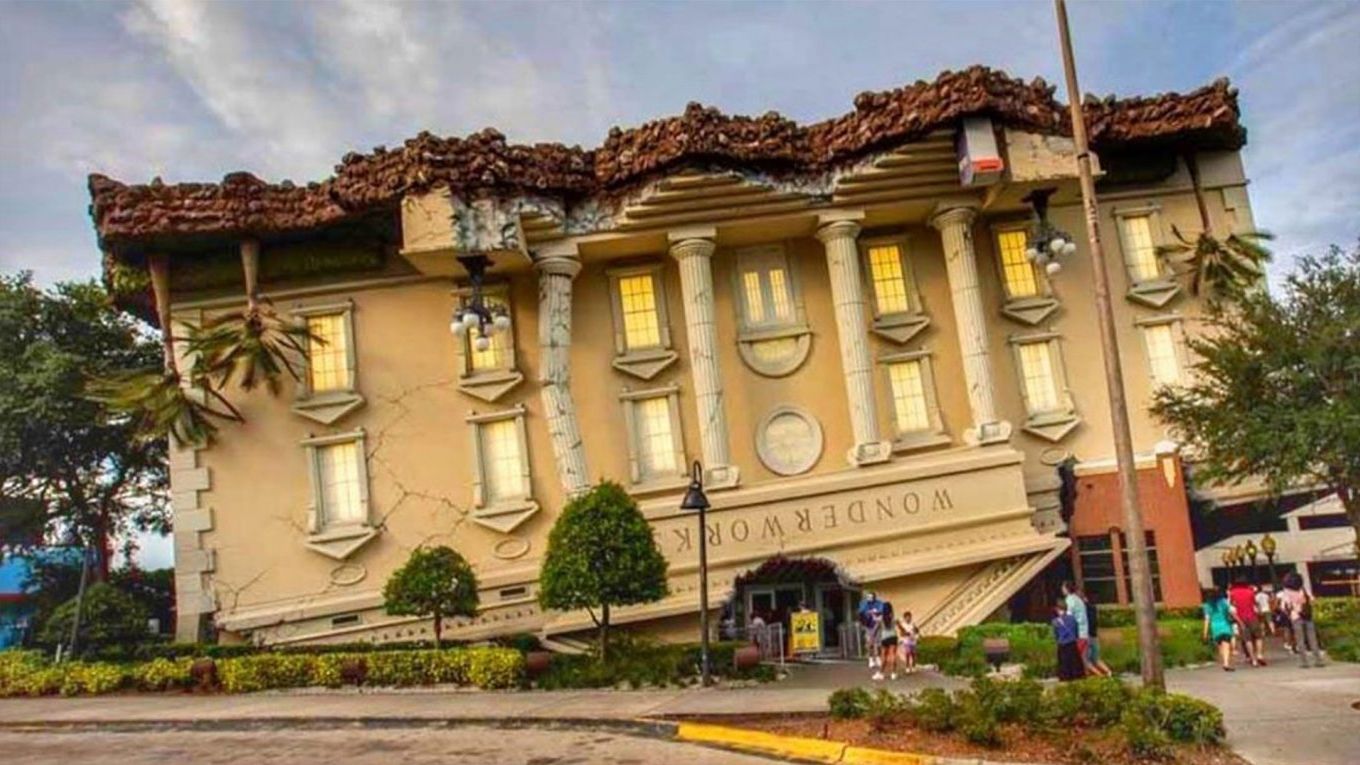
The article begins by featuring Wonderworks, an indoor amusement park in Orlando, Florida. This attraction is designed as an inverted mansion with fake palm trees and a roof that appears to be the base, creating a whimsical and quirky atmosphere for visitors. Following this, the 'Upside Down House' in Northern Poland is presented, notable for standing on its roof. This particular house is decorated in a 1970s socialist style, allowing visitors to walk on the ceilings and experience everyday objects from an inverted perspective, offering a unique historical and architectural immersion. Germany's 'Die Welt Steht Kopf' (Upside Down World) is another example, not only inverted but also designed to appear as if it's on the verge of toppling over. This property features an upside-down bench and a cartwheel, adding to its eccentric appeal.
The piece also discusses American artist Dennis Oppenheim's ‘Device to Root Out Evil’ in Canada, originally titled ‘Church.’ This controversial structure features a church steeple firmly placed in the ground, with the main body inverted. Initially installed for the 1997 Venice Biennale, it later found a home in Vancouver and then the Glenbow Museum in Calgary, serving as a significant piece of conceptual art. The House of Katmandu in Spain is introduced as an upside-down interactive park that offers various fun activities, including a unique, inverted zombie attack experience for both children and adults.
Further examples include UK artist Alex Chinneck’s installation ‘Miner on the Moon’ in London. This artwork transforms an 18th-century stable building on Southwark Street by presenting a familiar architectural scene in an inverted manner, prompting viewers to appreciate the historical buildings in a new light. Lastly, Erwin Wurm’s ‘House Attack’ from 2006 is detailed. This inverted house, seemingly attached like a bomb to the Vienna Museum of Modern Art (Kunst), functions as a striking piece of conceptual art, complementing the museum's collection of 20th and 21st-century artistic works.
Each of these structures serves different purposes, ranging from tourist attractions and amusement parks to conceptual art installations, all united by their defiance of conventional architectural orientation. They represent a global trend of embracing eccentricity and challenging perceptions through inverted designs, offering novel experiences and perspectives on spaces and structures.
#Architecture #UnconventionalHomes #UpsideDownHouses #TouristAttractions #ConceptualArt #ArchitecturalDesign #GlobalStructures #Architecture #UnconventionalHomes #UpsideDownHouses #TouristAttractions #ConceptualArt #ArchitecturalDesign #GlobalStructures
0 comment in total
 No comments yet
You may also like
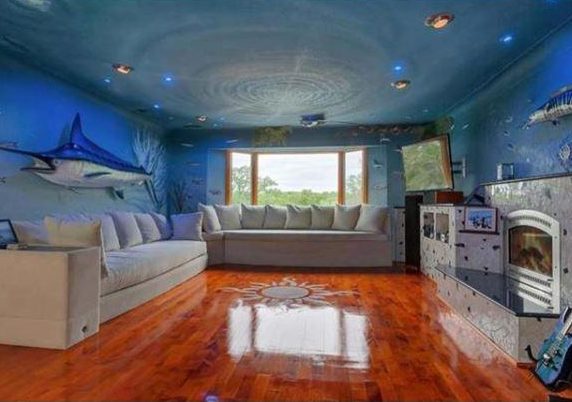
Instagram account dedicated to world's 'ugliest homes' features interior designs ranging from the terrifying to the absurd
10 Gravity-Defying Cantilevered Homes

13 curious homes with secret rooms hidden inside | loveexploring.com


38 of the world's most colourful homes | loveproperty.com

7 breathtaking sustainable homes around the world
New American Home Design Features "Upside-Down" Layout

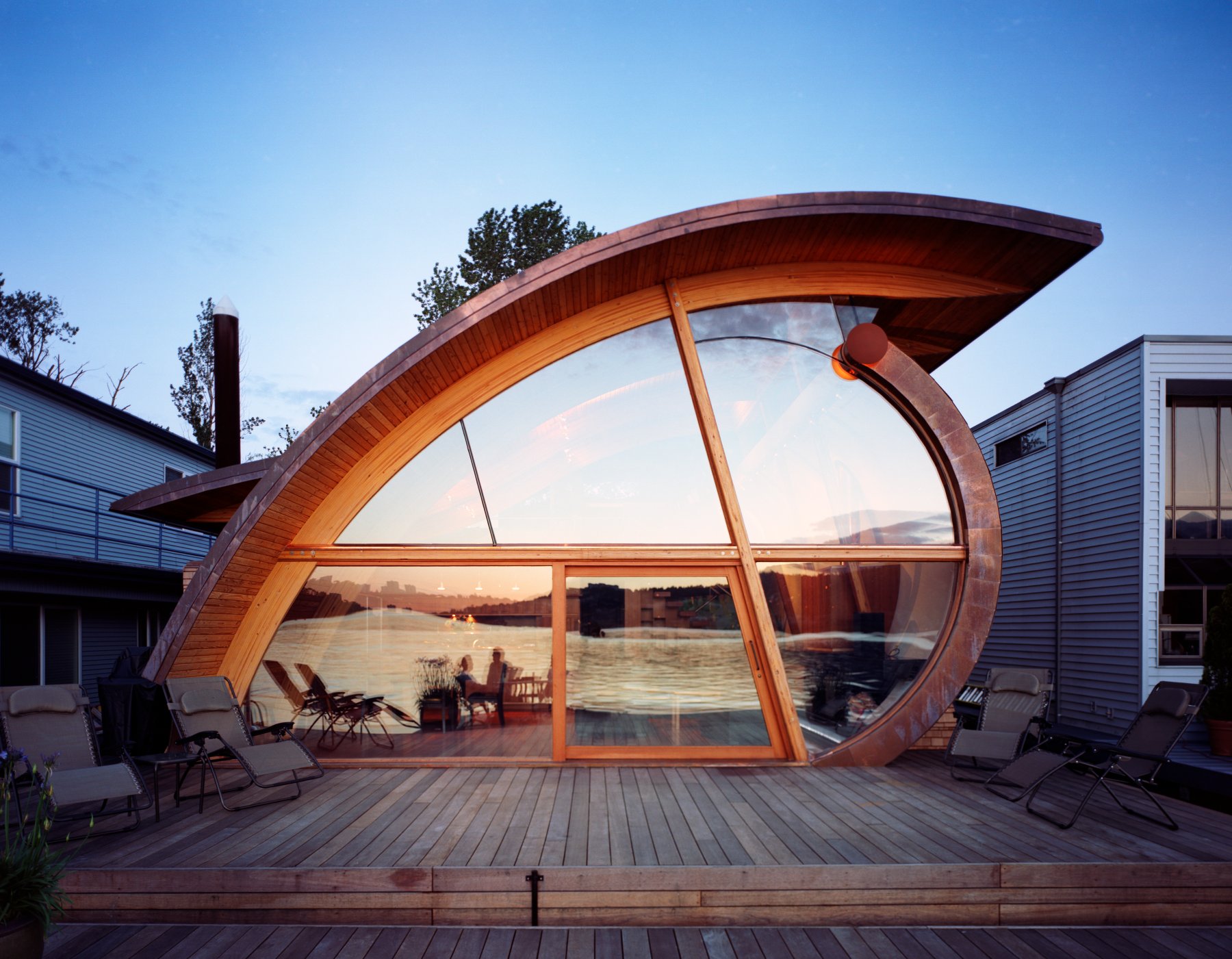
7 Floating Homes That Will Make You Want To Live on Water
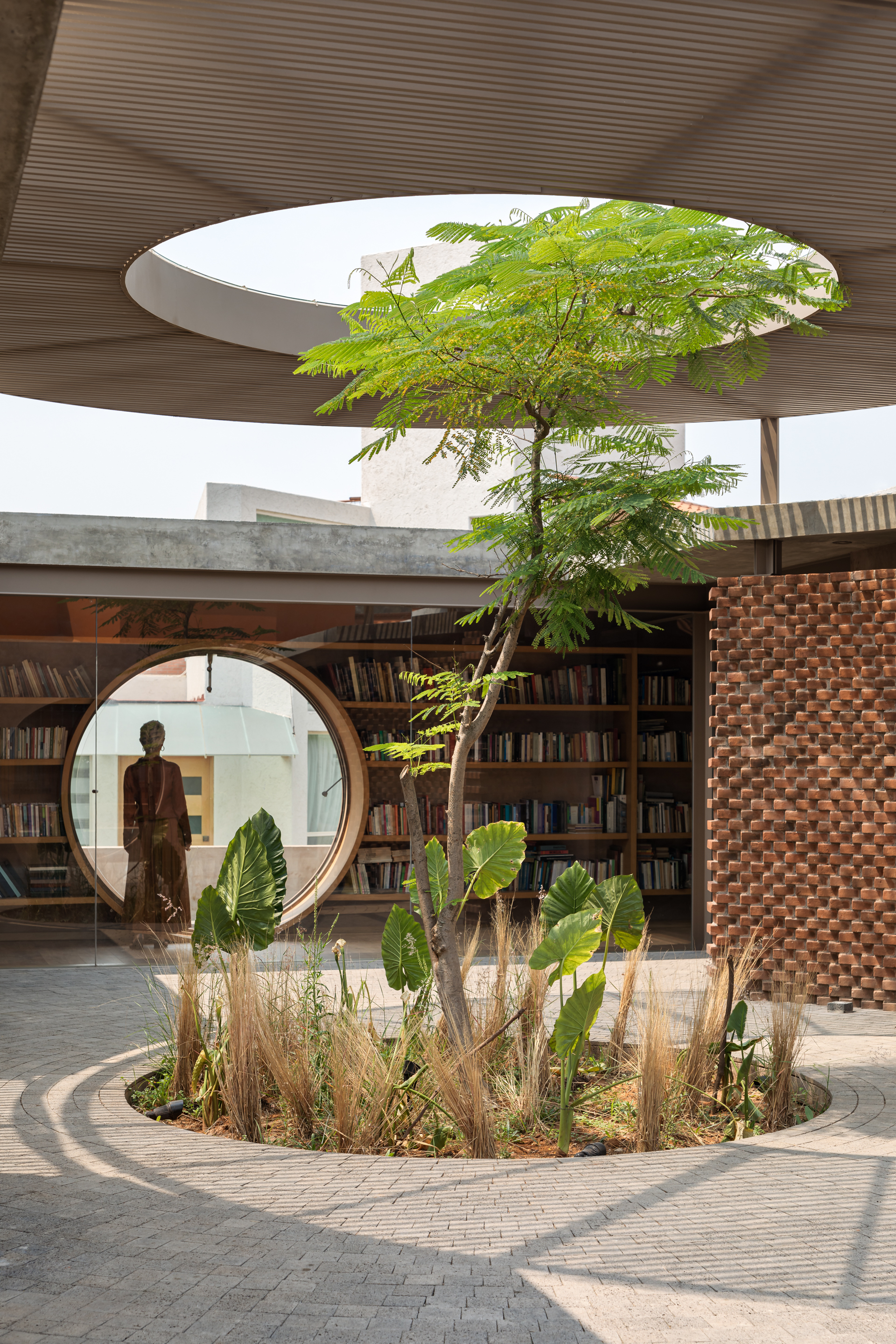
20 Eye-Catching Homes That Make Use of Circular Motifs
Eight of the world's most remarkable homes
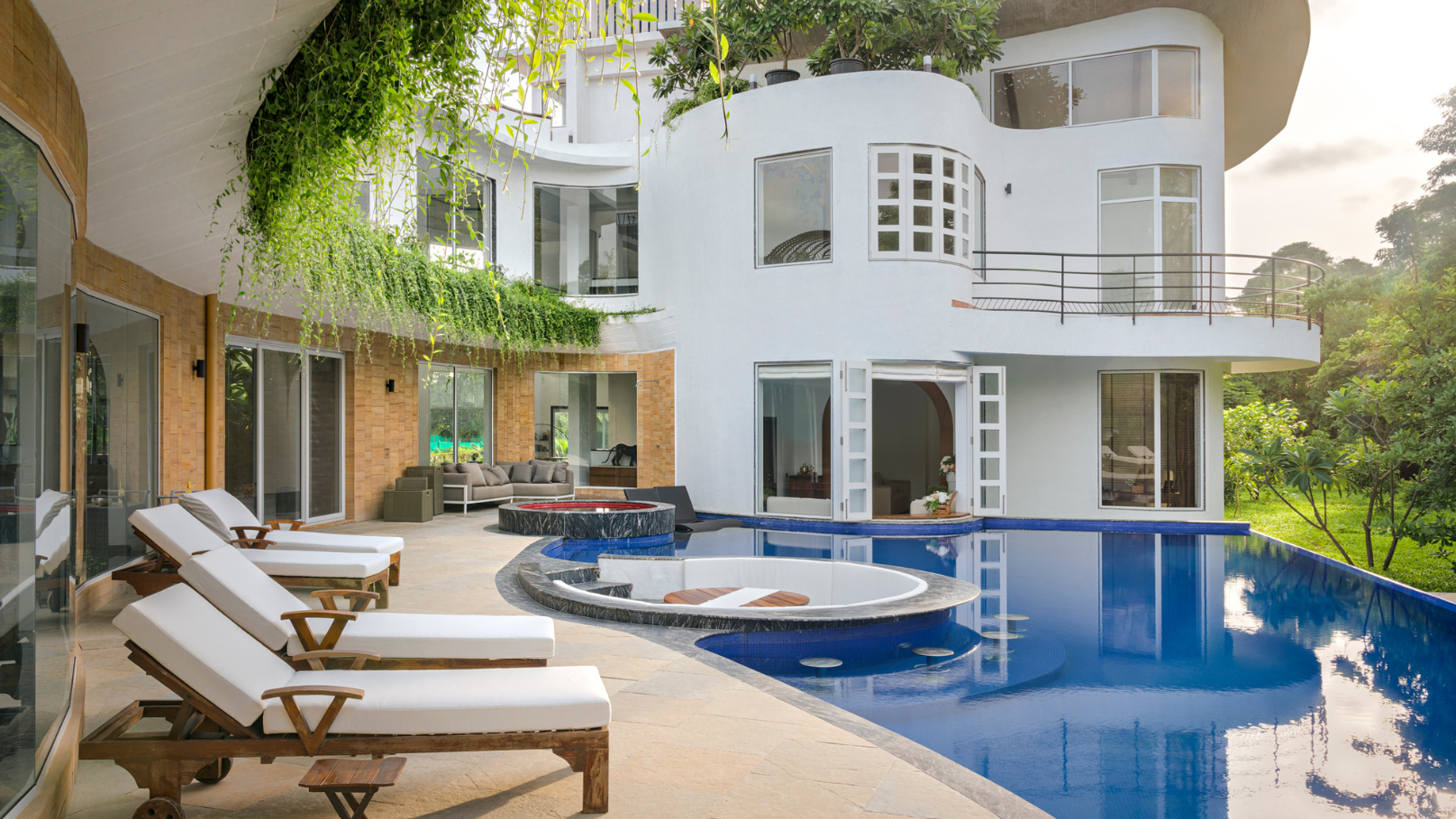
6 eclectic Indian homes inspired by the unexpected
Peek inside these artists’ amazing houses
7 DIY projects that will elevate your home
29 Contemporary Homes for a Fresh Take on Your Next Dream House
6 eye-catching rounded homes


Eight floating homes around the world

7 home design trends to skip (and what to do instead)

Ten houses with weird and wonderful floor plans

Ten gravity-defying homes that are raised up on stilts
These ADORABLE Tiny Houses Will Make You Rethink Your Entire Home Setup

10 Horrifying Home Design Trends: 2022 Edition