1/11
Ten gravity-defying homes that are raised up on stilts
This blog post compiles ten distinct residential projects that utilize stilts to elevate their structures, showcasing a variety of architectural solutions to challenging topographies and environmental considerations. The article emphasizes how this architectural approach enables construction in otherwise uninhabitable sites such as lakes, steep slopes, and coastal areas, thereby fostering a closer connection between inhabitants and nature while minimizing environmental impact. The piece also highlights the increasing relevance of stilt architecture in the face of climate change, particularly in enhancing resilience against rising sea levels and more frequent flooding, as indicated by recent reports from the Intergovernmental Panel on Climate Change (IPCC).
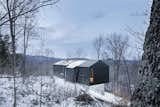
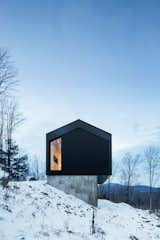
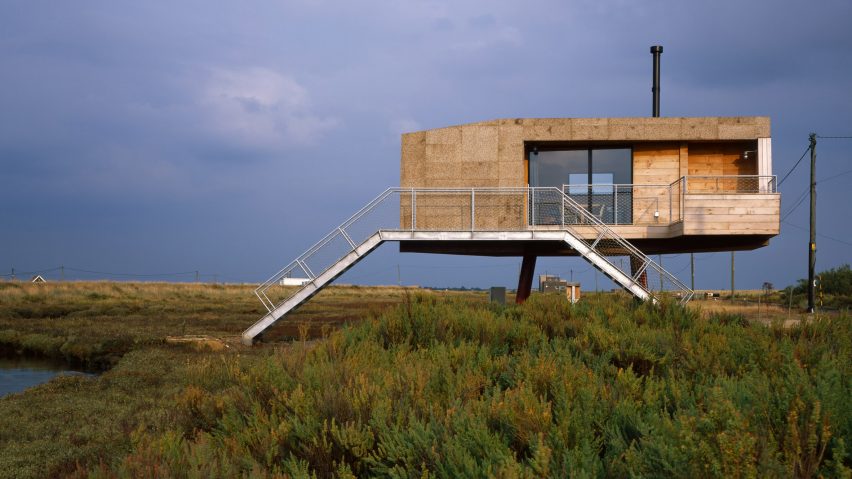
The first example, Redshank in the UK by Lisa Shell, features a cross-laminated timber cabin protected by untreated oak and cork panels, elevated on three galvanized steel legs painted red, a tribute to the local wading bird. Stepping Stone House in the UK, by Hamish & Lyons, is an extension built over a lake, allowing swimmers beneath its white corrugated floor deck, supported by Y-shaped glue-laminated timber columns and featuring exaggerated eaves. In the Czech Republic, Šépka Architekti's House in the Orchard is a three-storey, bulbous home propped on a reinforced-concrete stalk and covered in polyurethane to resemble a rock formation, with a birch plywood interior.
Cabin Lille Arøya in Norway, by Lund Hagem, is a boat-accessible summer home on a small island, balanced on slender stilts to navigate craggy boulders. Its black exterior blends with the surroundings, while the interior uses raw concrete and rough-sawn pine. Malan Vorster's Tree House in South Africa consists of four cylindrical towers on stilts, offering forest views from a sloped site, with Corten steel legs acting as structural columns and red cedar battens adorning the exterior.
Viggsö in Sweden, by Arrhov Frick Arkitektkontor, is a timber-framed cabin lifted into the treetops by wooden legs, providing views of the Stockholm archipelago and featuring a white corrugated metal roof extending to a translucent plastic-covered terrace. The Building Descending the Stairs in Italy, by ElasticoFarm and Bplan Studio, is an apartment block elevated on angular metal stilts, designed to maximize sun exposure and offer views of the Venetian Lagoon, with each of its 47 flats having a private outdoor space.
Brillhart Architecture's Stewart Avenue Residence in the USA addresses rising sea levels by integrating stilts as a deliberate architectural element, using a combination of skinny galvanized steel pipes and hollow concrete columns for utility rooms. Manshausen 2.0 in Norway, by Stinessen Arkitektur, comprises raised holiday cabins in the Arctic Circle, perched on metal stilts above a rocky coastal outcrop to withstand projected sea level rises, with aluminium panels protecting the CLT frame.
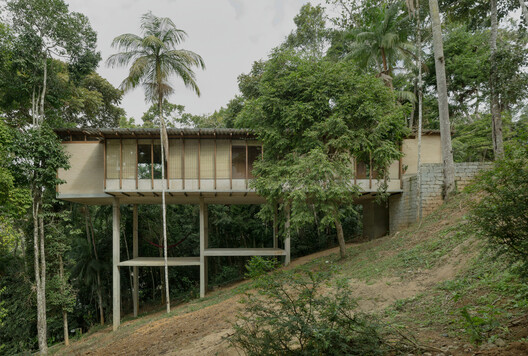
Finally, Dock House in Chile, by SAA Arquitectura + Territorio, is a pine-clad home near the Pacific Ocean, elevated on a structural wooden plinth and diagonal pillars that vary in height to maintain a level floor on uneven terrain, providing ocean views. These projects collectively demonstrate the versatility and environmental benefits of stilt architecture, offering innovative solutions for diverse geographical and climatic challenges.
#StiltArchitecture #ResidentialDesign #ClimateChangeResilience #SustainableArchitecture #CoastalHomes #InnovativeHousing #EnvironmentalDesign #ModernArchitecture #BuildingOnSlopes #StiltArchitecture #ResidentialDesign #ClimateChangeResilience #SustainableArchitecture #CoastalHomes #InnovativeHousing #EnvironmentalDesign #ModernArchitecture #BuildingOnSlopes
0 comment in total
 No comments yet
You may also like
10 Gravity-Defying Cantilevered Homes

Ten homes where flooring enhances the connection between indoors and outdoors
9 curved kitchen islands that double as sculpture

6 homes with walls that have the exposed brick look
Ten homes with staircases that have statement balustrades
A Minimalist Home Full of Clever Design Tricks Appears to Levitate Above the Earth
House Tours: 6 homes with spiral staircases
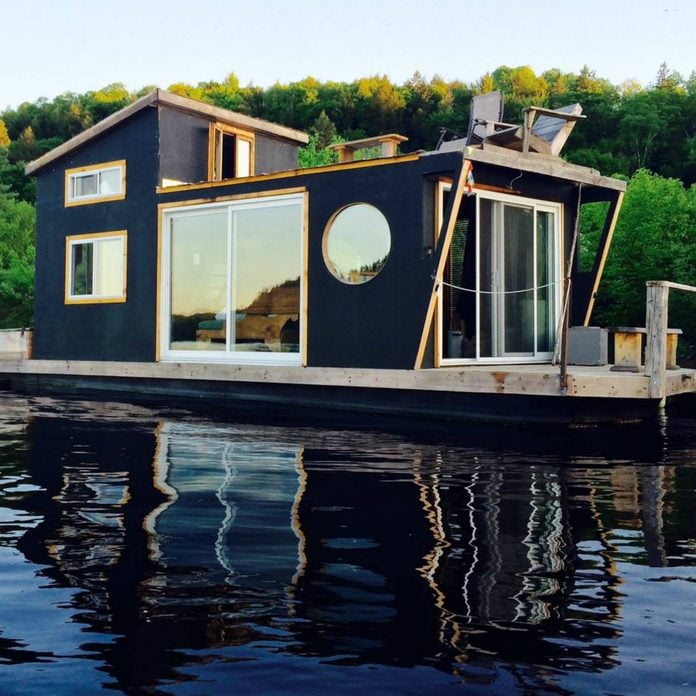
50 Tiny Houses That Actually Float


Eight floating homes around the world


Crazy Houses: 7 upside down homes from around the world

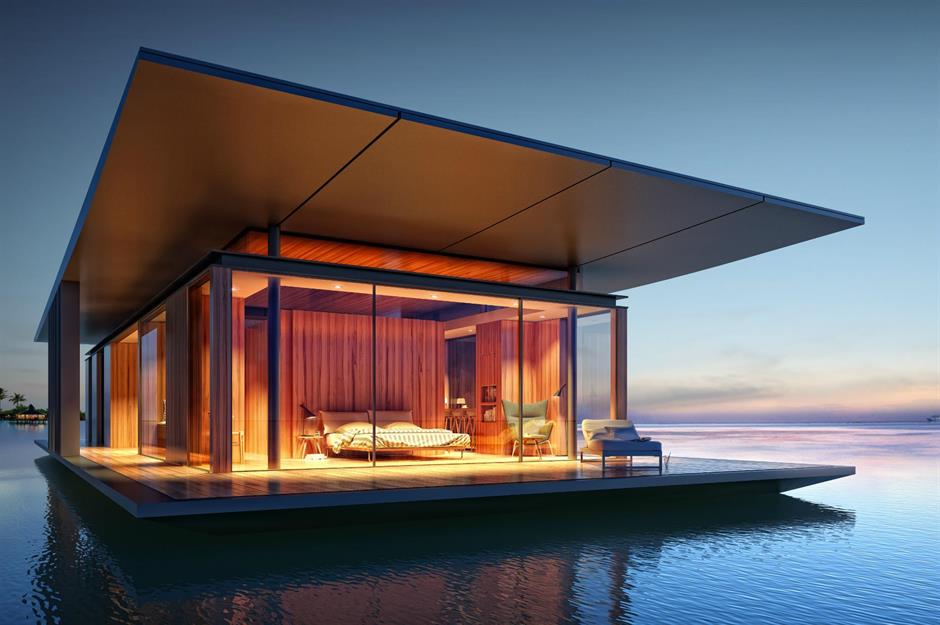
11 fabulous floating homes that you’ve never seen before | loveproperty.com

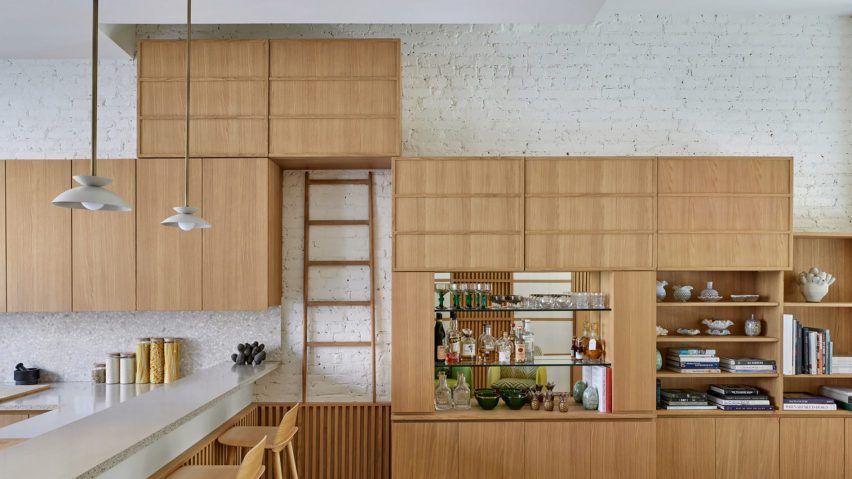
Eight interiors that are stepped up by the addition of ladders
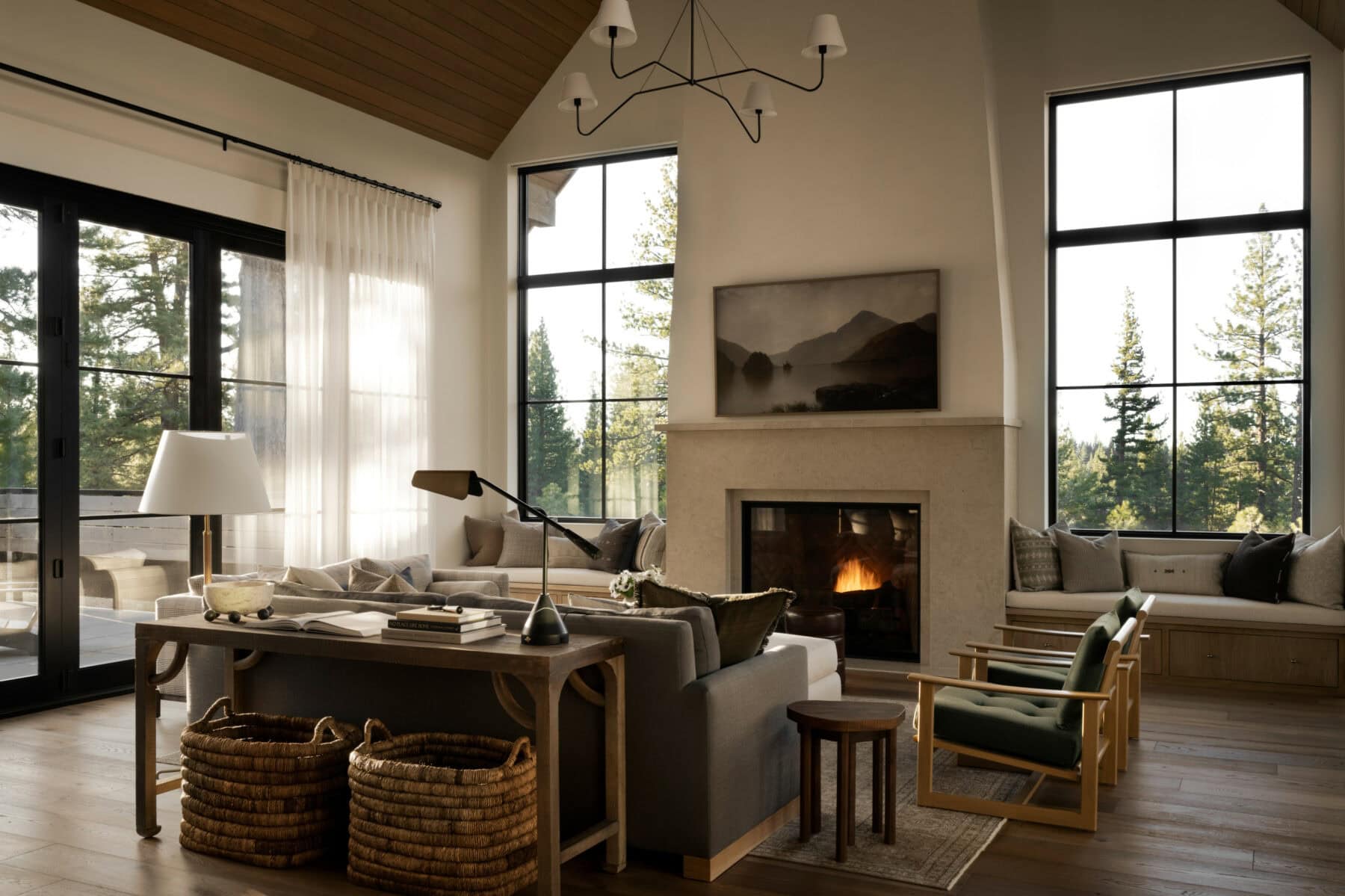
Soaring Ceilings & Wrapped Windows
13 Boldly Textured Homes That Bet Big on Oriented Strand Board
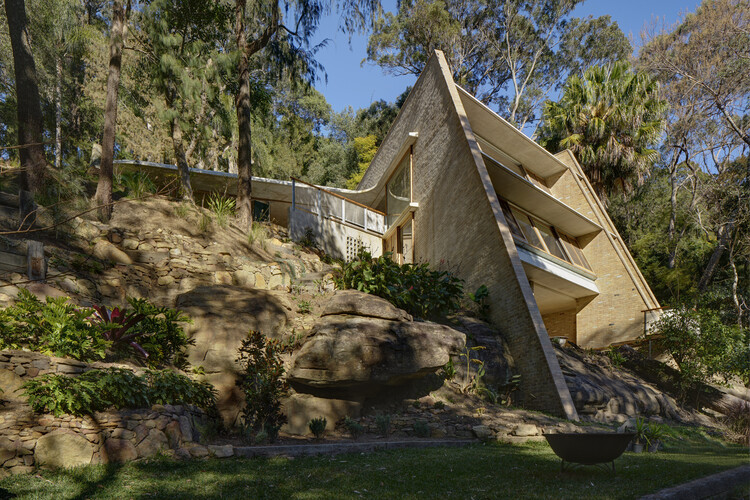
Sloped to Fit: 14 Homes That Embrace the Hill as a Catalyst for Their Design

Eight homes with hardwearing and decorative terracotta floors
11 homes that embrace concrete
Ten built-in beds that are embedded into the fabric of the building
7 Floating Homes That Will Make You Want To Live on Water
Top 10 tiny homes on wheels designed for sustainable architecture advocates