
1/10
Eight floating homes around the world
This article explores the growing trend of living on houseboats, presenting eight unique examples from around the globe. It highlights the appeal of houseboat living, which often stems from a desire for adventure, a connection to nature, and a sense of community. The article also touches upon the practical challenges and environmental considerations associated with these unconventional dwellings, including their potential as a sustainable housing alternative in the face of rising sea levels due to climate change. The author, Portland Mitchell, in her book "Making Waves: Floating Homes and Life on the Water," emphasizes the diversity in design and the individualistic spirit of boat-dwellers.
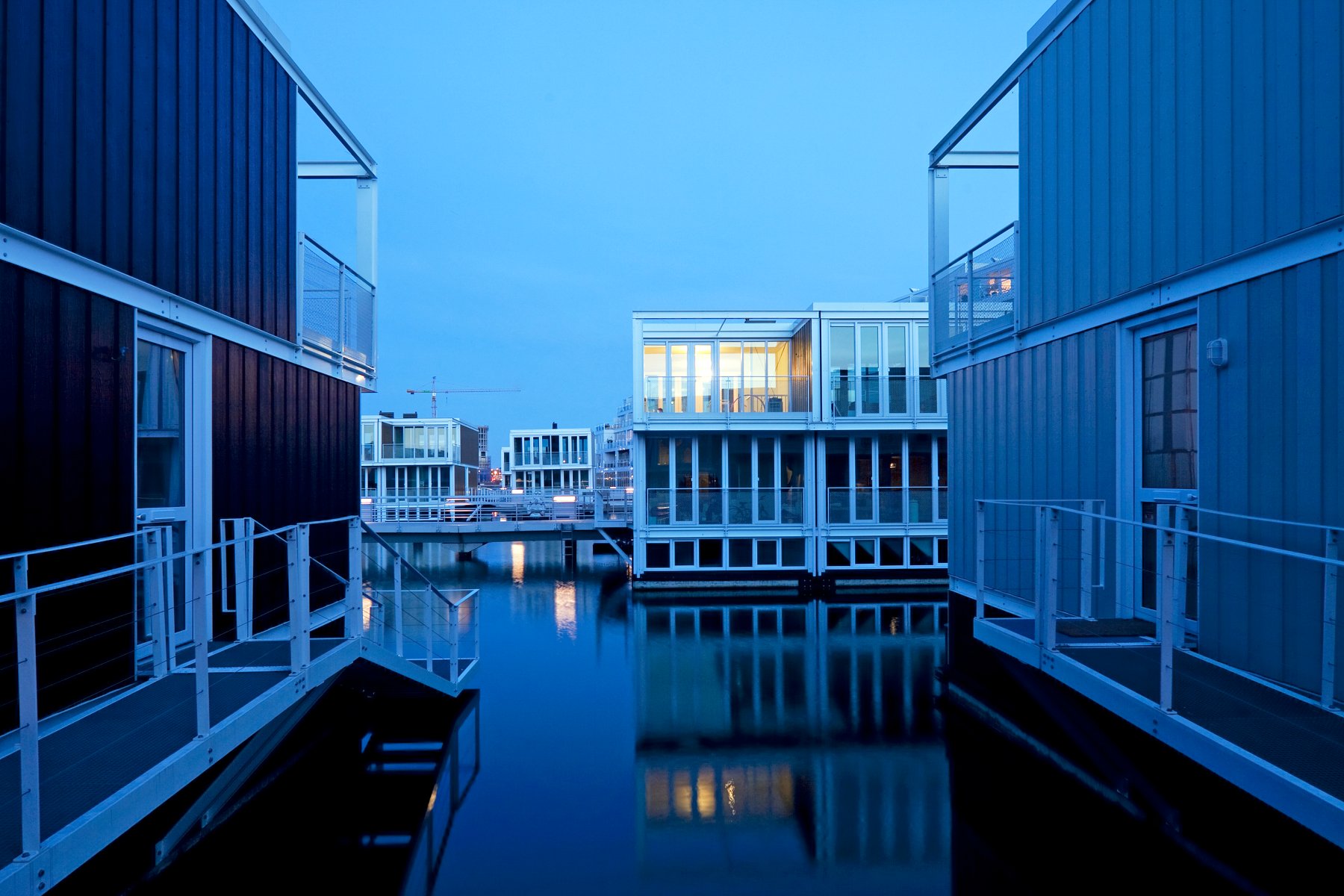
The featured houseboats showcase a range of styles and origins. In the UK, Max McMurdo's "Reetainer" demonstrates the innovative reuse of a shipping container, transformed into a mortgage-free home on the River Ouse. His design incorporates space-saving solutions like a concealed bath and dining table, alongside sustainable features such as solar panels. In France, Agnès Combes Bernageau resides in "Le Cid," a historic transport barge moored in central Paris. Her move from a conventional flat was driven by a desire for a less impersonal life, and she has since fostered a strong community spirit among fellow boat-dwellers. The barge's interior has been elegantly converted into an open-plan living space.
Anibal Guiser Gleyzer's "Mini" in Argentina exemplifies a move towards self-determination and an eco-conscious lifestyle. Built from environmentally friendly materials like ferro-cement and wood, his floating home in the Paraná and Uruguay rivers delta is part of an ecological community. In the Netherlands, Jeanne de Kroon's "Zazi Houseboat," a wooden vessel from the 1970s in Amsterdam, reflects her vibrant personality through its saffron and crimson interior. She values the community aspect of boat life, including shared activities and gift exchanges.
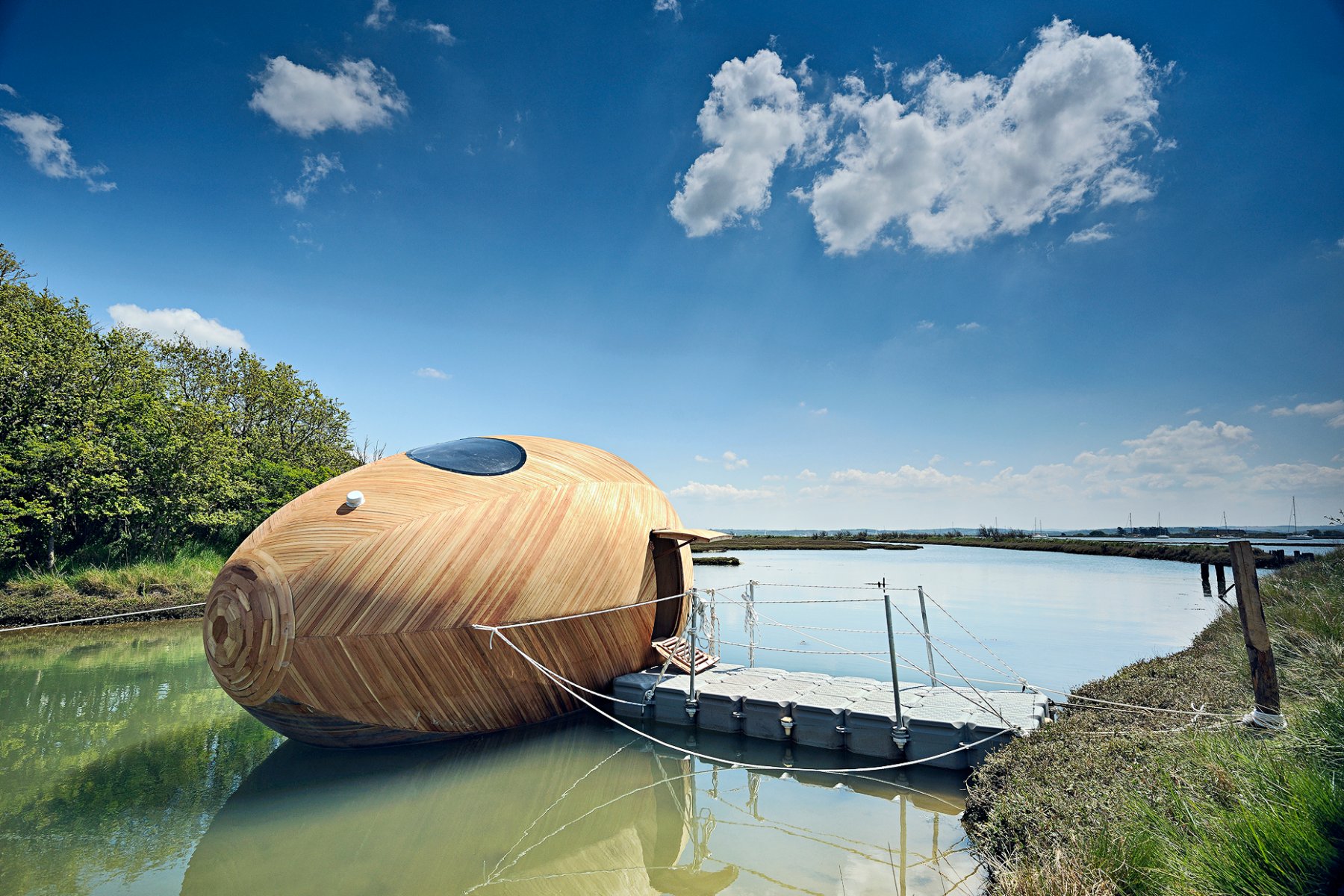
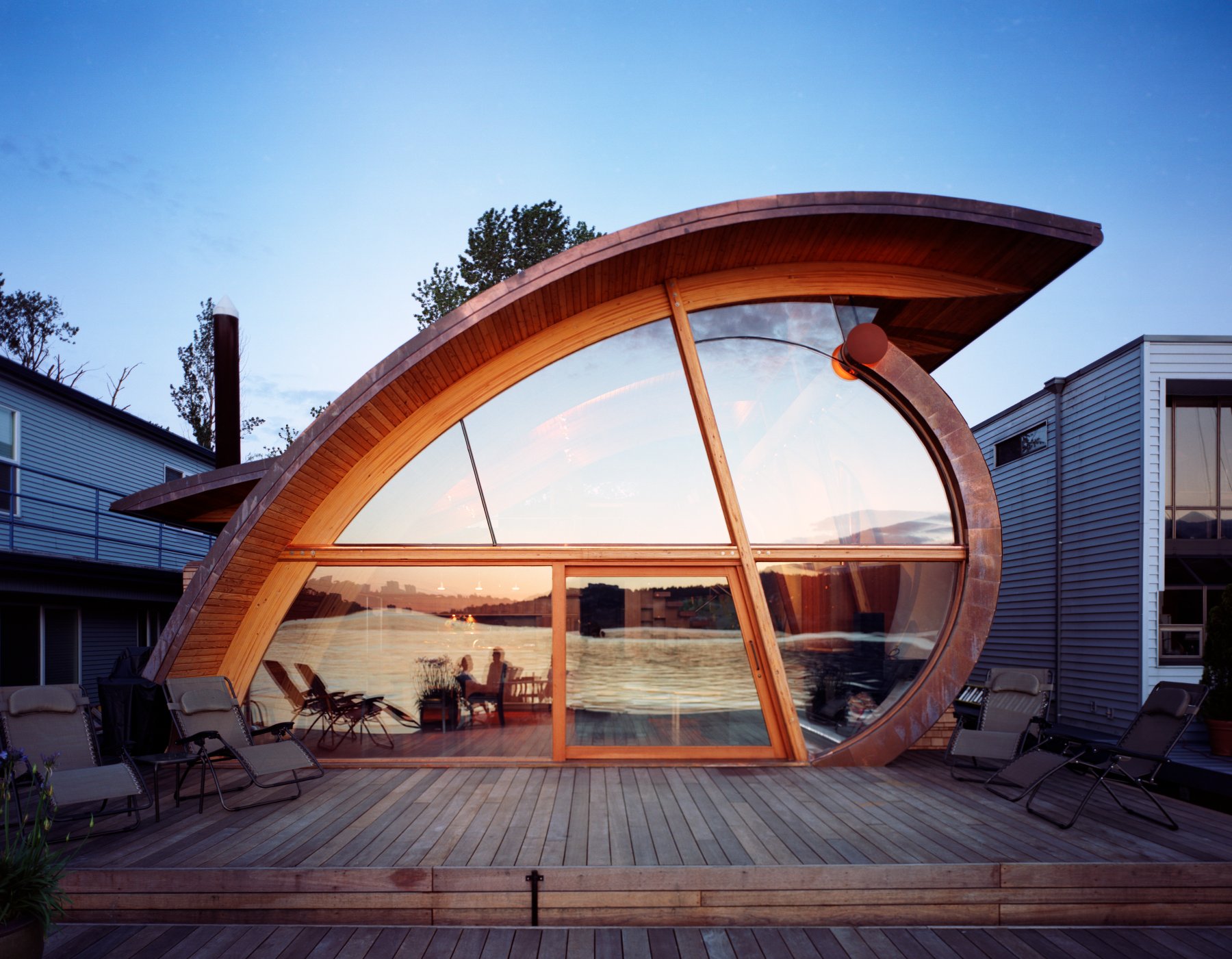
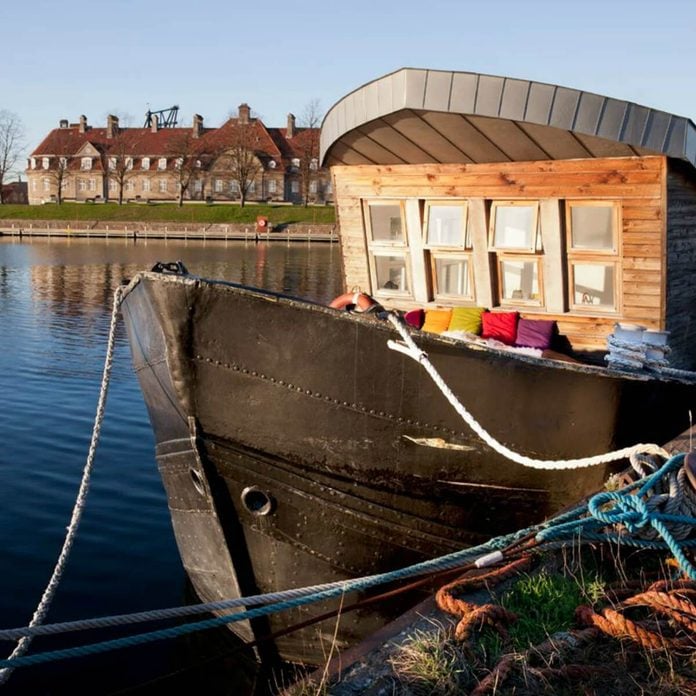
The Danish couple Lis and Ove Nilsson found their ideal home in "Oldenburg," a 1908 houseboat, which they renovated to include a spacious dining area and comfortable, minimalist interiors, reflecting Lis's childhood experiences on a fishing cutter. In the US, Siva Aiken's "Soggybottom Shanty" is a whimsical pontoon-based boat crafted from recycled and discarded materials, inspired by her childhood fascination with a Disneyland ride and the history of American river people. This houseboat fosters a laid-back lifestyle, with Aiken enjoying playing the banjo on its porch.
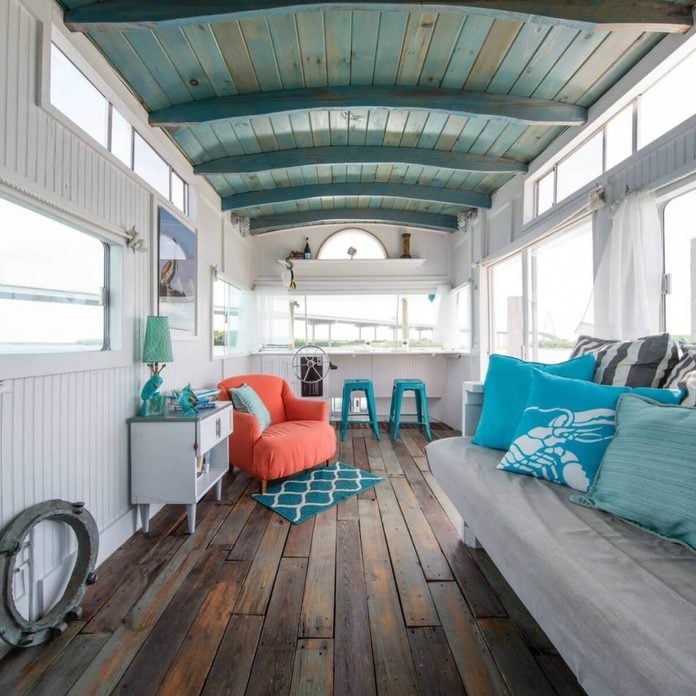
Rodrigo Martins' "Altar" in Brazil serves as an eco-friendly, off-grid retreat on the Jaguariuna reservoir. This compact yet spacious prefab structure, designed by sysHaus, is made from recyclable materials and features floor-to-ceiling windows, solar panels, natural ventilation, and advanced water-treatment systems, offering a minimalist Scandi-chic aesthetic. Finally, "De Walvisch," a Dutch sailing clipper in East London, is home to artists Zatorski & Zatorski. They have restored the boat with reclaimed materials, such as a submarine washbasin and a porthole from a torpedoed liner, and use it as a creative space for art installations and salons, embodying a life "under the radar" within a cooperative moorings community. The article concludes by highlighting that living on water offers diverse experiences, from eco-conscious retreats to community-focused urban dwellings, all reflecting a unique approach to home and lifestyle.
#FloatingHomes #HouseboatDesign #SustainableLiving #AlternativeHousing #EcoConsciousHomes #WaterfrontLiving #CommunityLiving #ArchitecturalInnovation #OffGridHomes #FloatingHomes #HouseboatDesign #SustainableLiving #AlternativeHousing #EcoConsciousHomes #WaterfrontLiving #CommunityLiving #ArchitecturalInnovation #OffGridHomes
0 comment in total
 No comments yet
You may also like
7 Floating Homes That Will Make You Want To Live on Water
Ten gravity-defying homes that are raised up on stilts
8 New Launch Condos With High Ceiling Loft Units

Parachute Is Officially Launching Furniture — And Of Course It Includes Beds

10 Gravity-Defying Cantilevered Homes

Prefab Pods Create a Super-Efficient Floating Apartment That Shape-Shifts at Sea
8 Beautiful Homes Featured in Avenue This Year

Pura Vida Is a Modern Floating Home on Seattle’s Portage Bay
11 fabulous floating homes that you’ve never seen before | loveproperty.com

House Tours: 6 homes with spiral staircases
5 holiday homes with infinity pools that are perfect for basking in the summer sun

6 eye-catching rounded homes

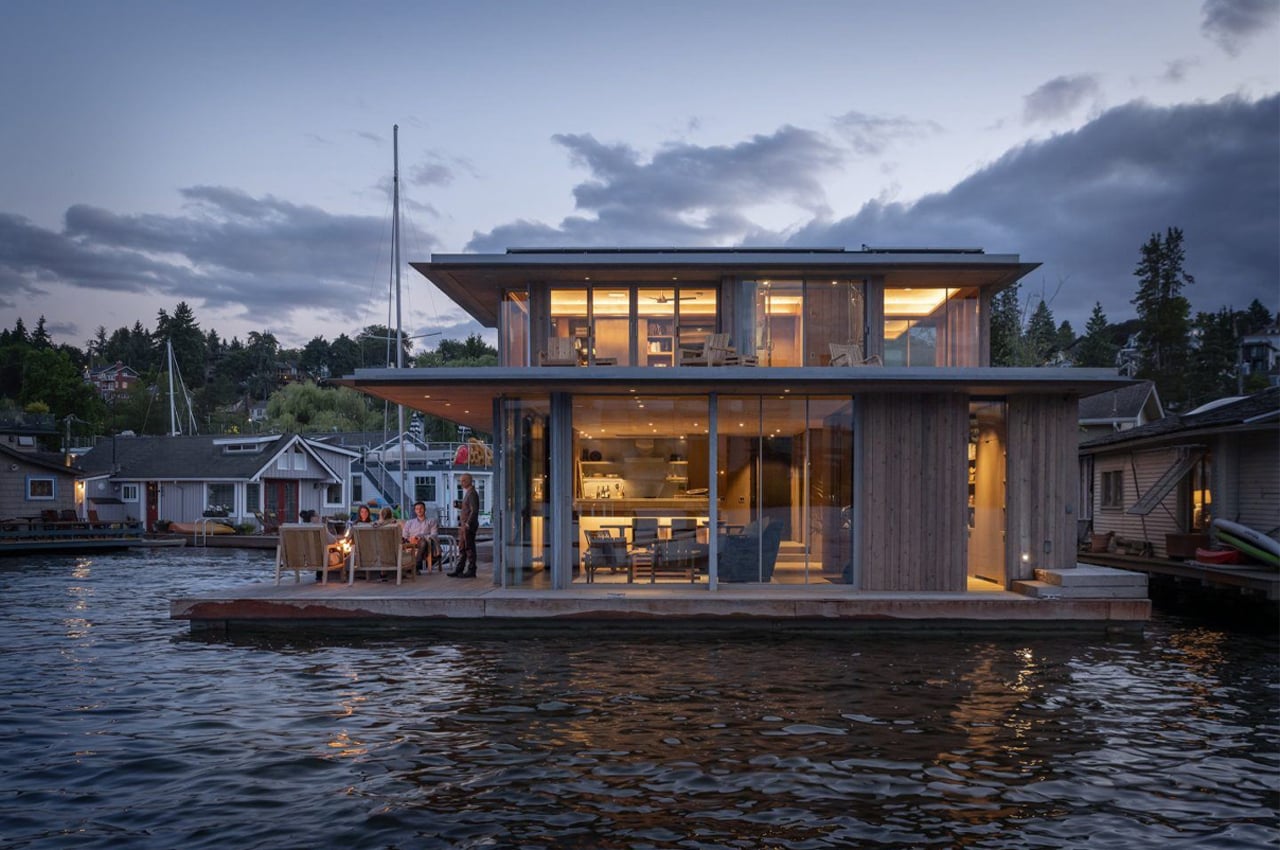
Seattle's floating home community makes room for a new wooden houseboat

Eight of the world's most remarkable homes
Eight monolithic houses coated in earth-toned plaster and render
See inside: 8 of the most varied owner's cabins

50 Tiny Houses That Actually Float

Essential guide to gorgeous overwater bungalows around the world

Underfloor Heating, a Wine Room, Floor-to-Ceiling Windows—in a Houseboat?

Nirvana: On board the 88.5m floating paradise island by Oceanco