1/15
A 1925 Colonial Home Gets an Uber-Modern Facelift
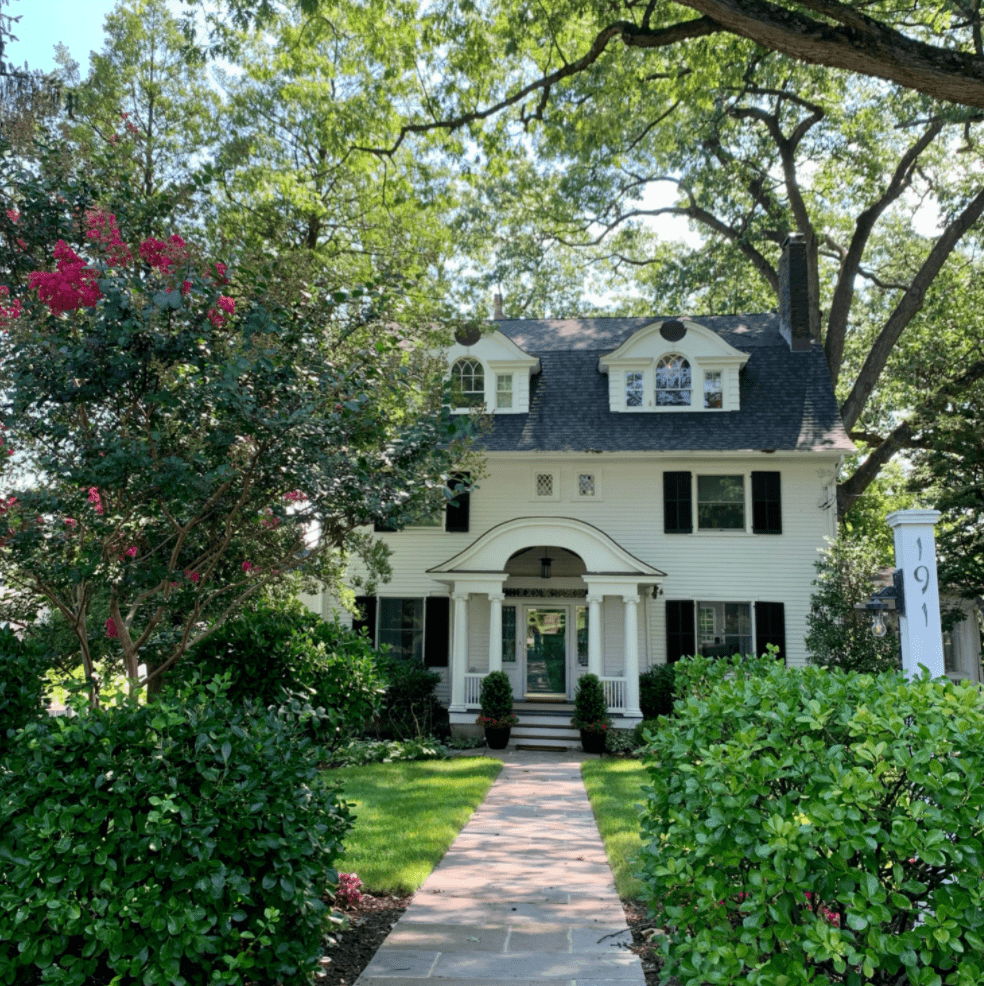
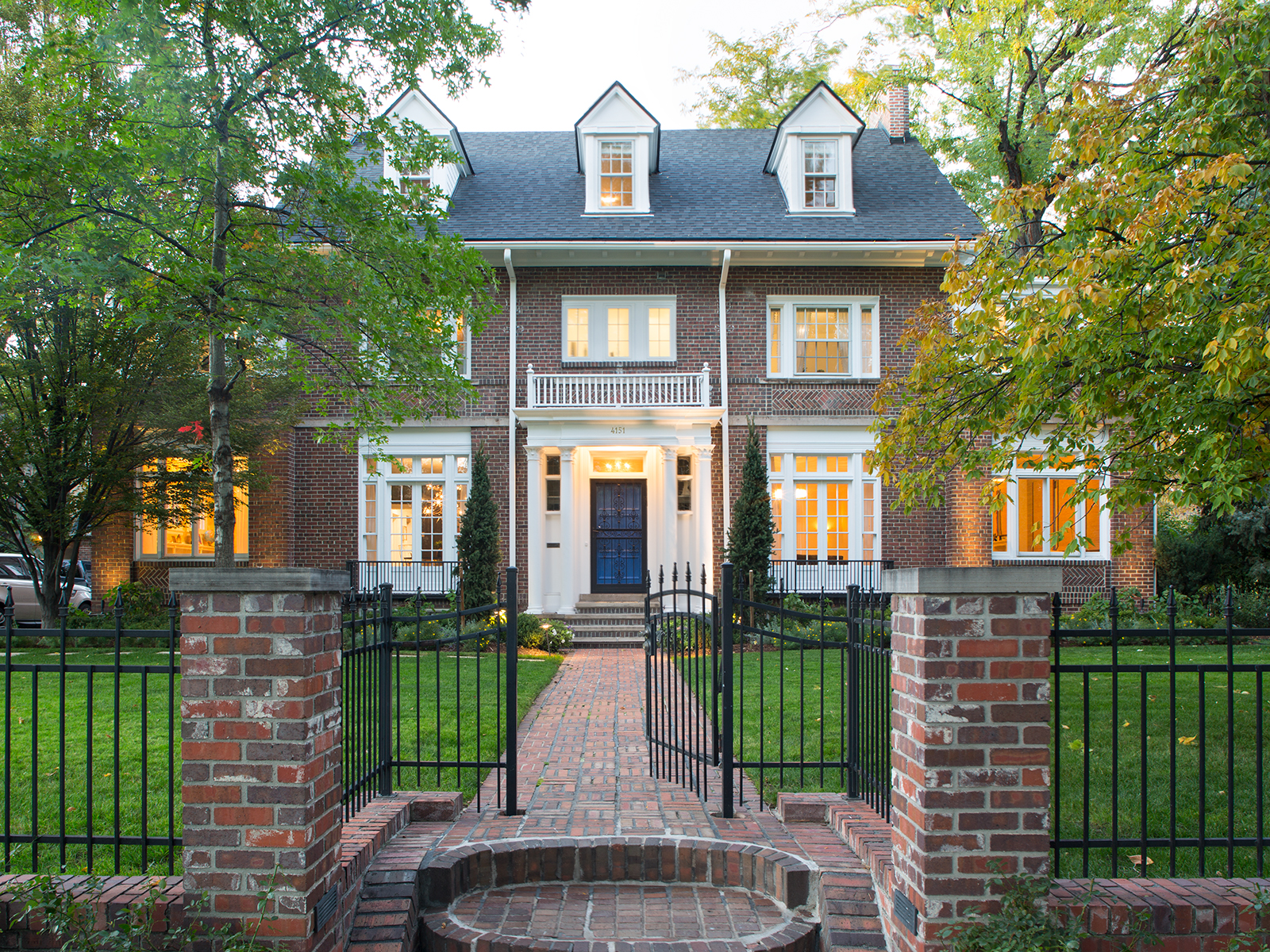
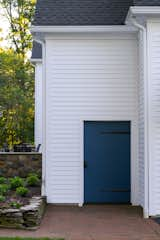
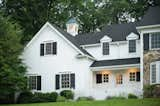
This article details the transformation of a 1925 Colonial home in Seattle's Montlake neighborhood, owned by Sally and Anders Zwartjes. The couple purchased the 3,000-square-foot house in 2016, drawn to its charm but recognizing the need for significant updates to accommodate a family of four, particularly the limited one and a half bathrooms and outdated features. Designer Casey Keasler of CASEWORK, a family friend, was enlisted to lead the extensive renovation.
The project spanned a year and a half and involved both cosmetic changes, such as new flooring and fresh paint, and dramatic structural modifications. A 500-square-foot addition was integrated into the home, expanding its overall footprint. The primary goal was to modernize the living space for a contemporary family while respectfully preserving the colonial style and original architectural elements. Keasler emphasized the importance of functionality, collaborating with architect Paul Crowther to secure permits before focusing on the aesthetic details.
A key aspect of the renovation involved altering the home's original layout to better suit the family's needs. This included the decision to convert one of the four original bedrooms into a full second bathroom, prioritizing utility over adherence to traditional room counts. This strategic choice highlights a flexible approach to renovation, where individual family requirements dictate design decisions rather than rigid conventions.
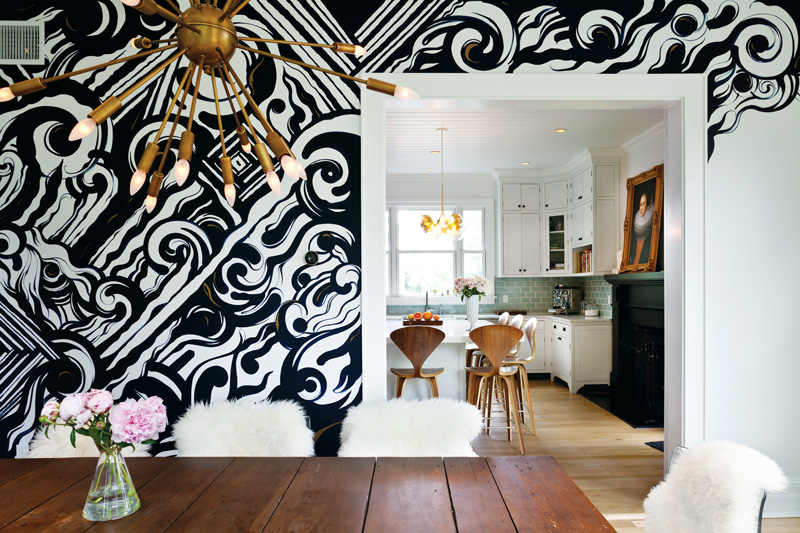
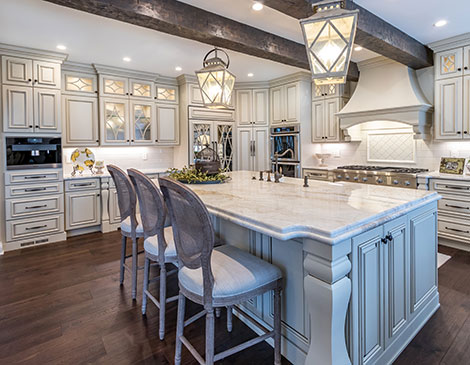
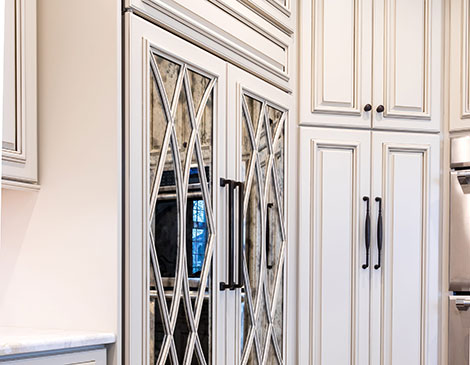
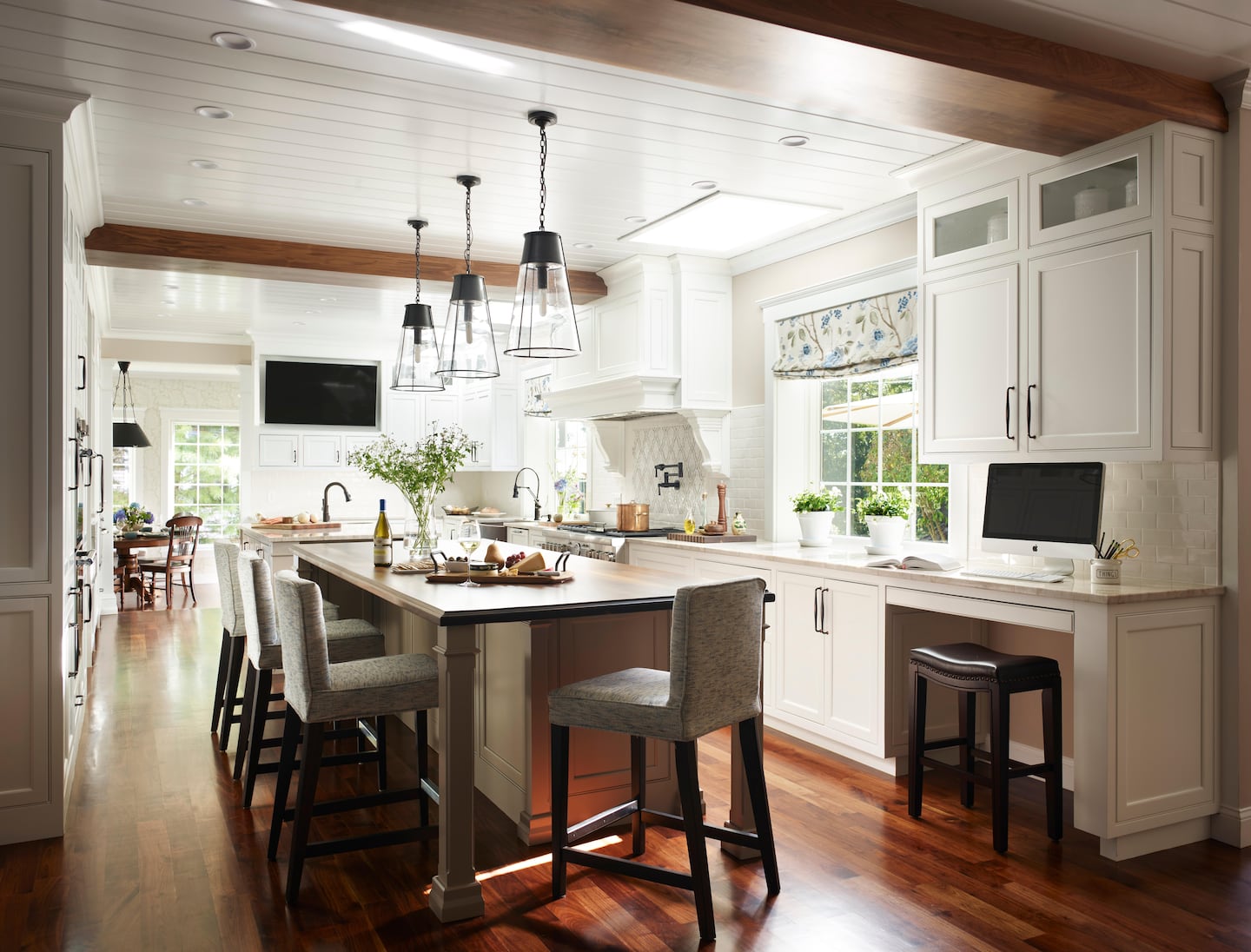
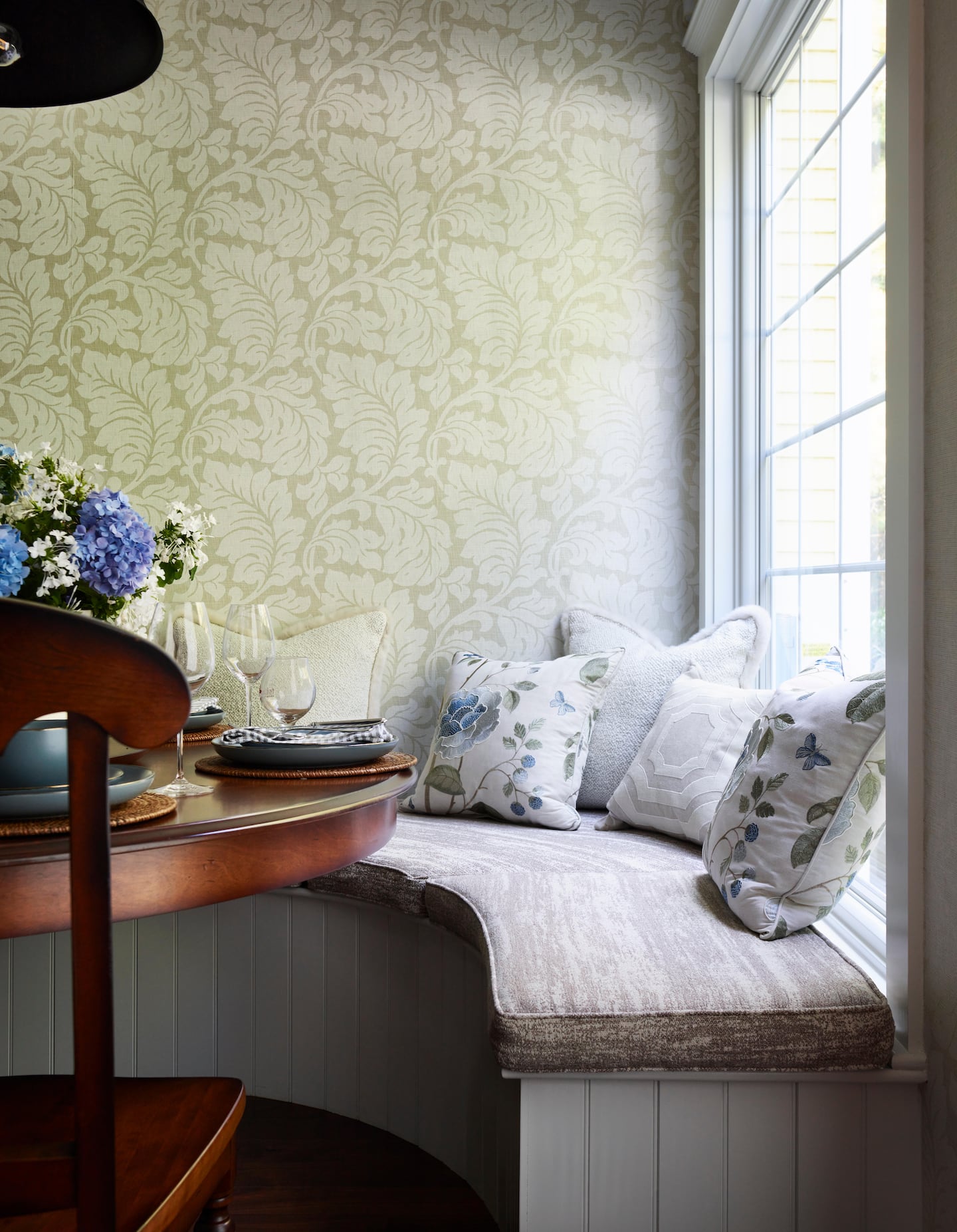
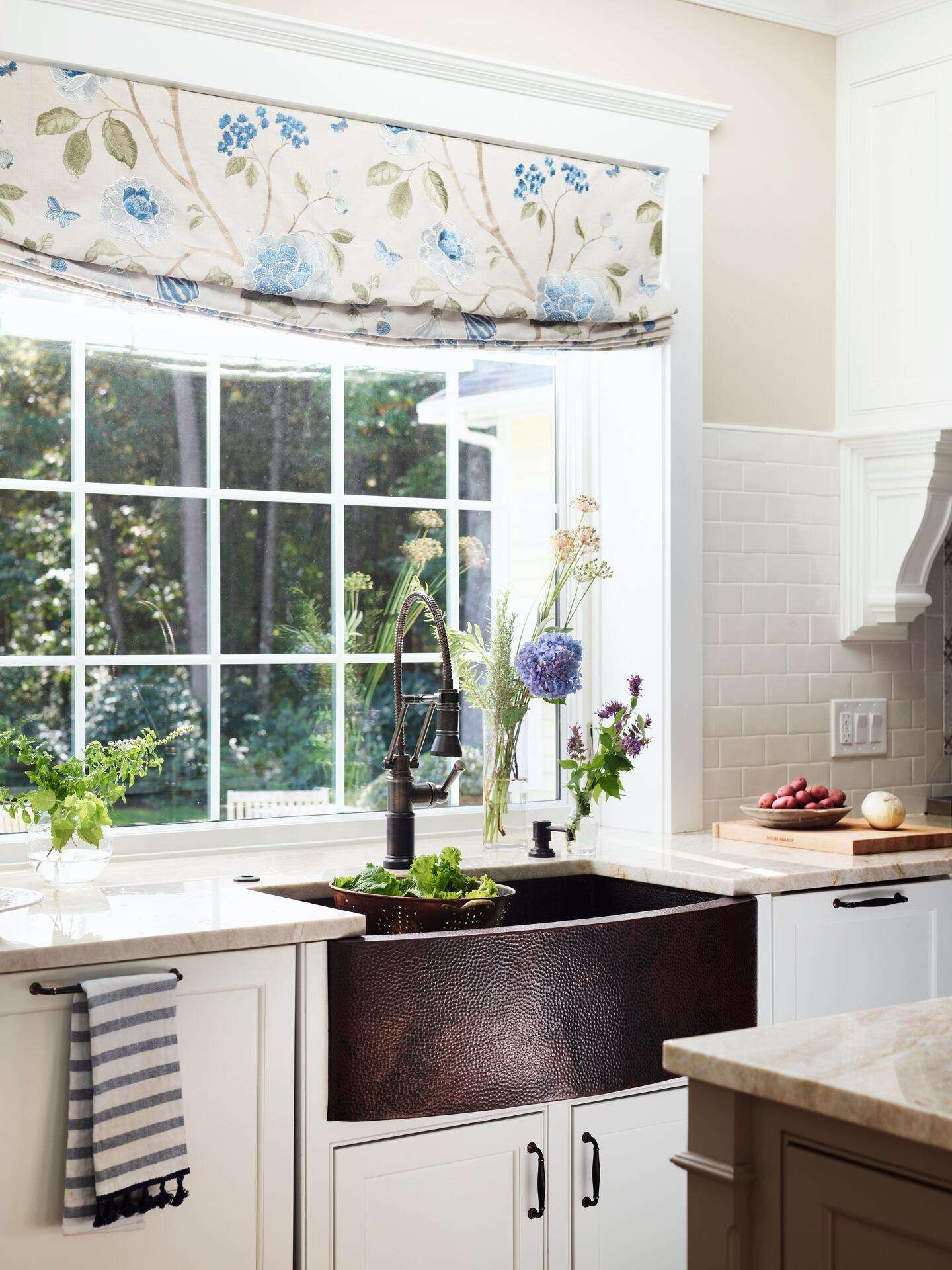
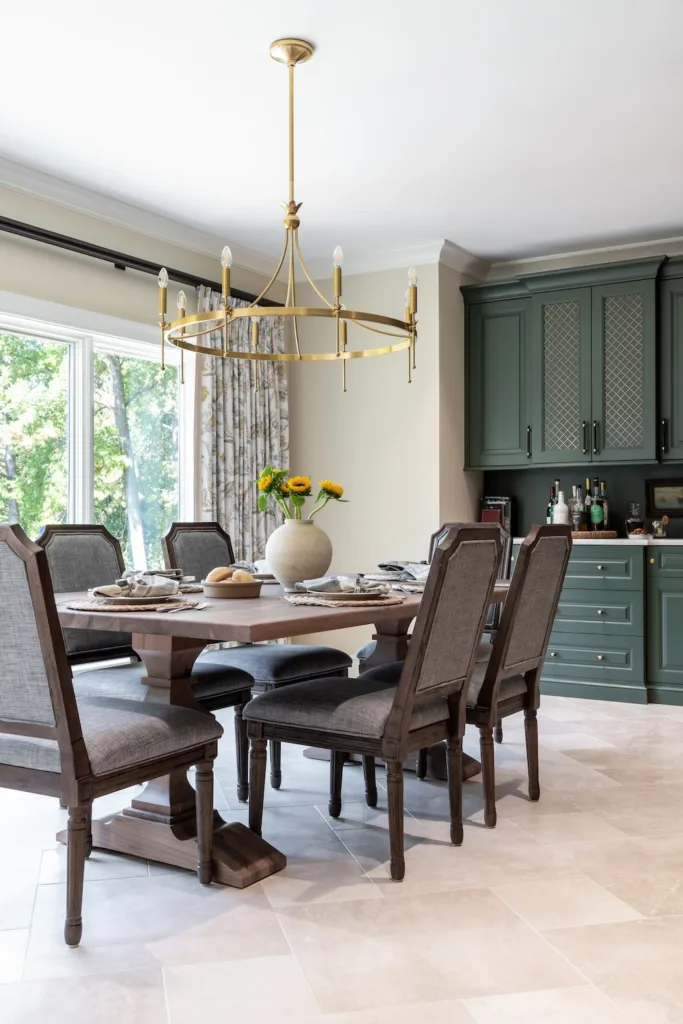
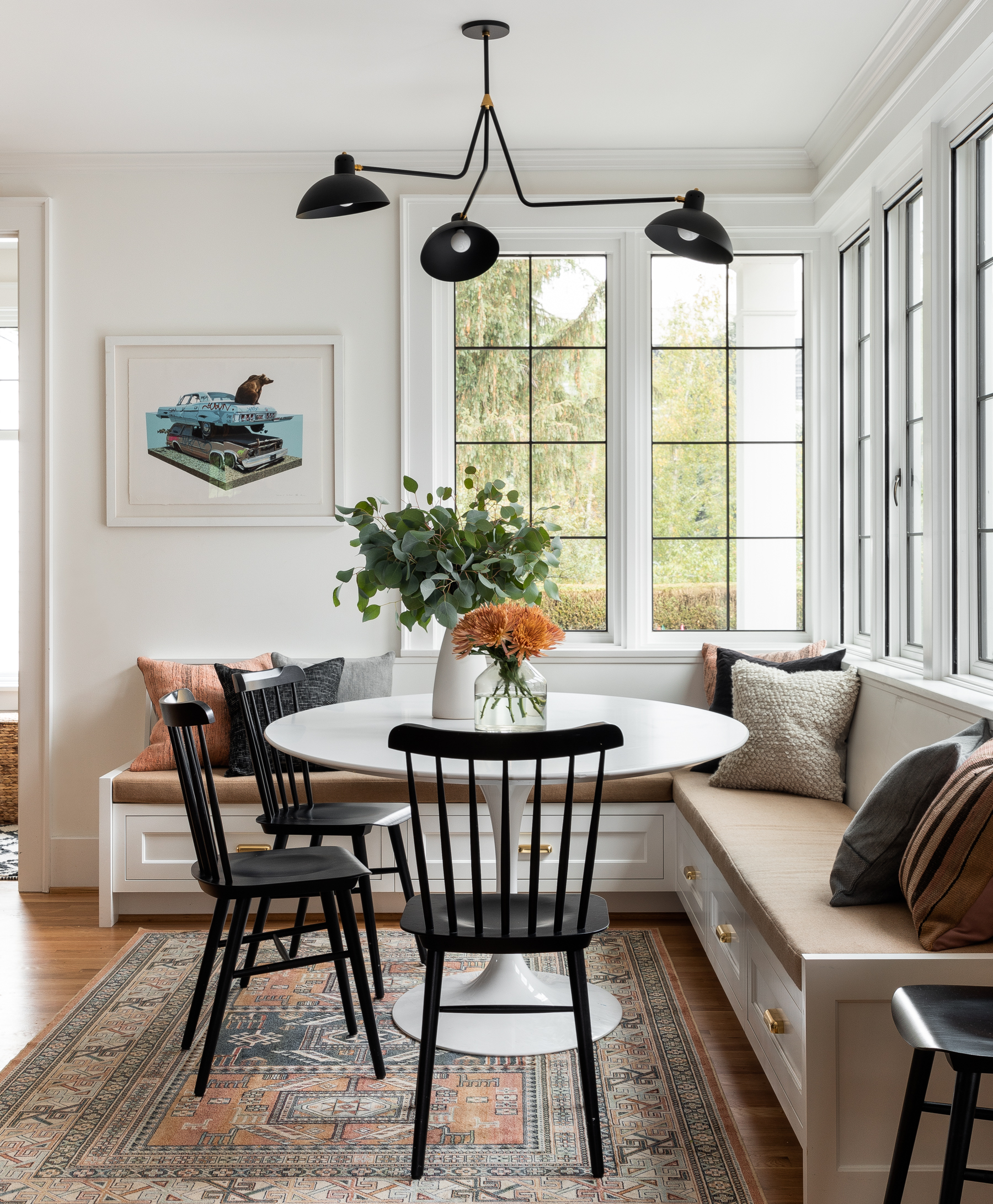
The addition also included a larger kitchen, a significant item on Sally and Anders' wish list. This new kitchen features a classic white design, a breakfast nook, a pantry, and a mudroom, contributing to a brighter and more open feel throughout the home. The window-lined breakfast nook, in particular, was designed as a central gathering space for the family.
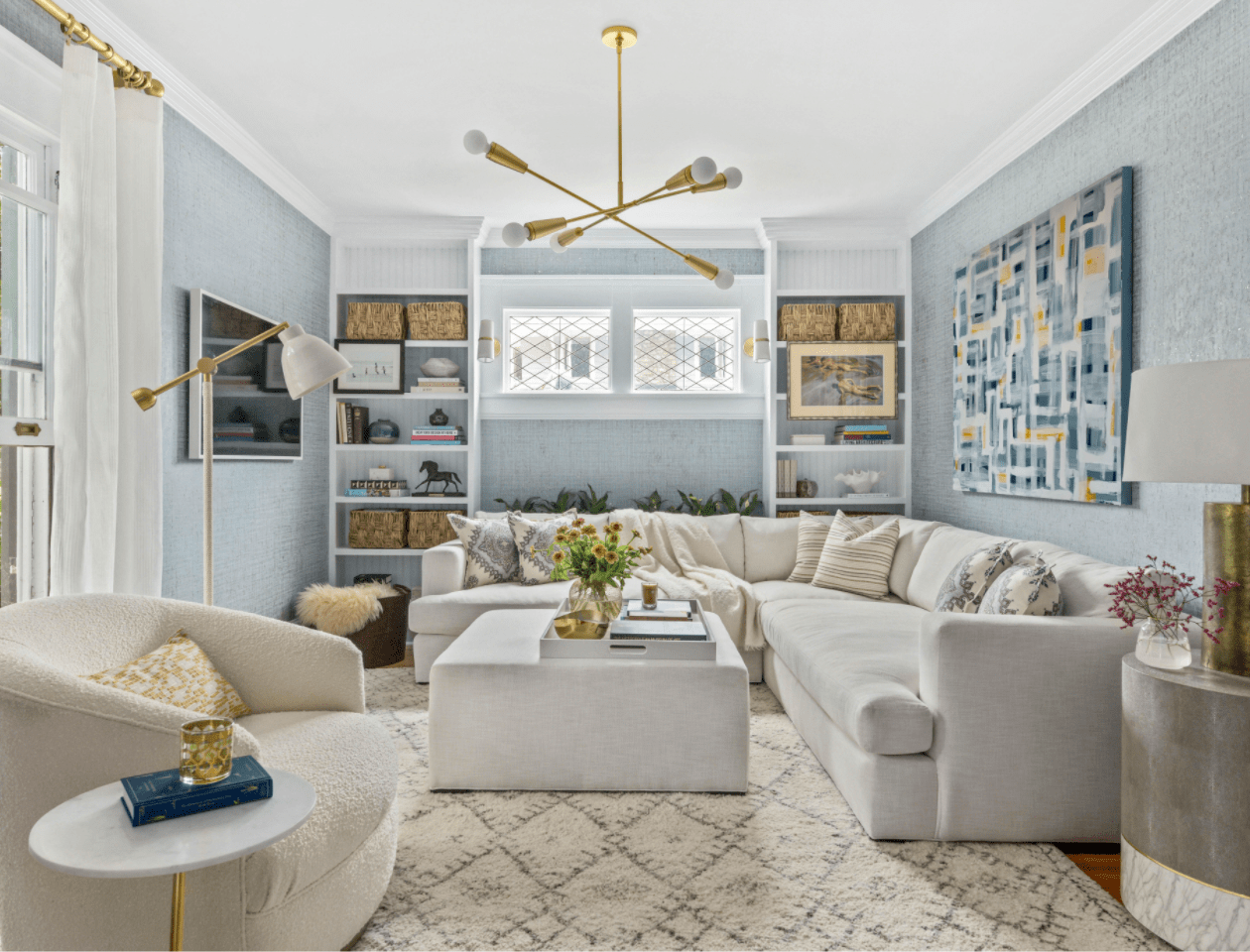
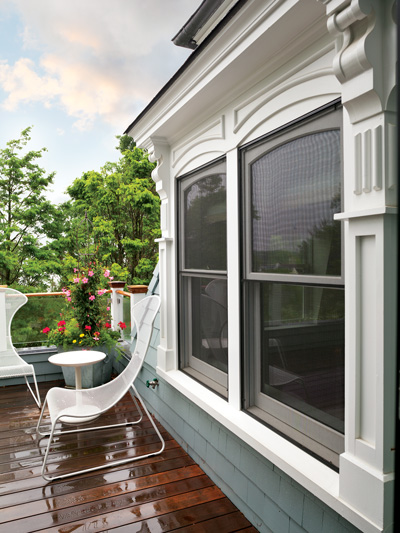
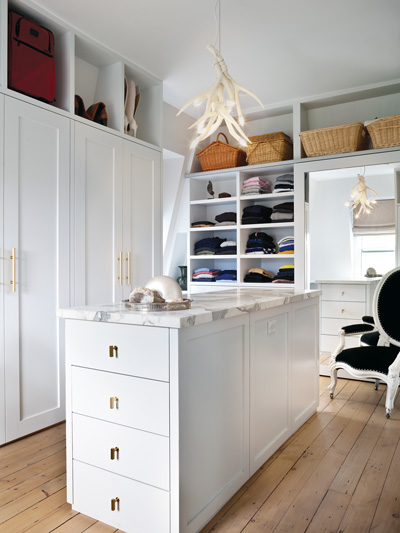
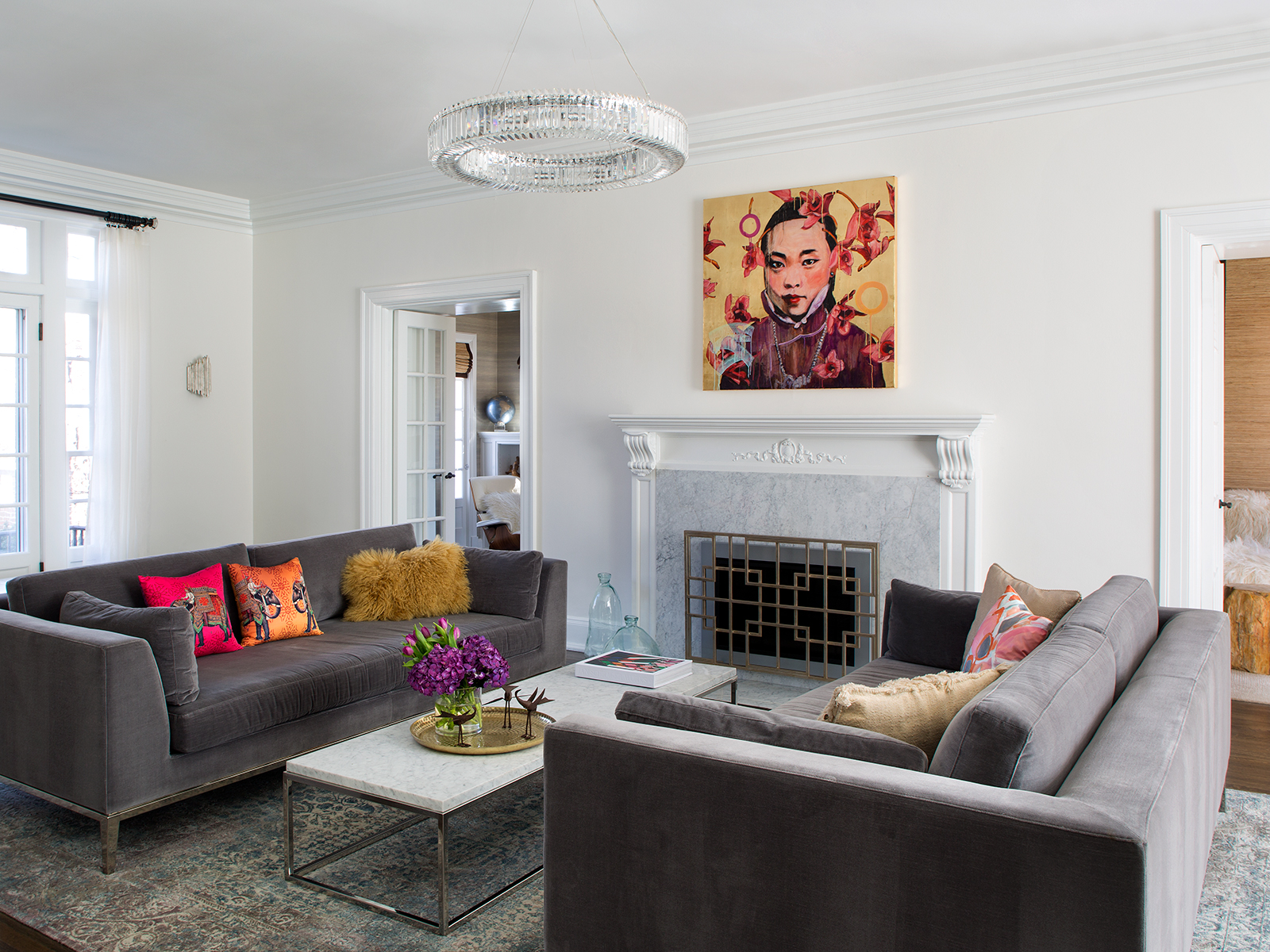
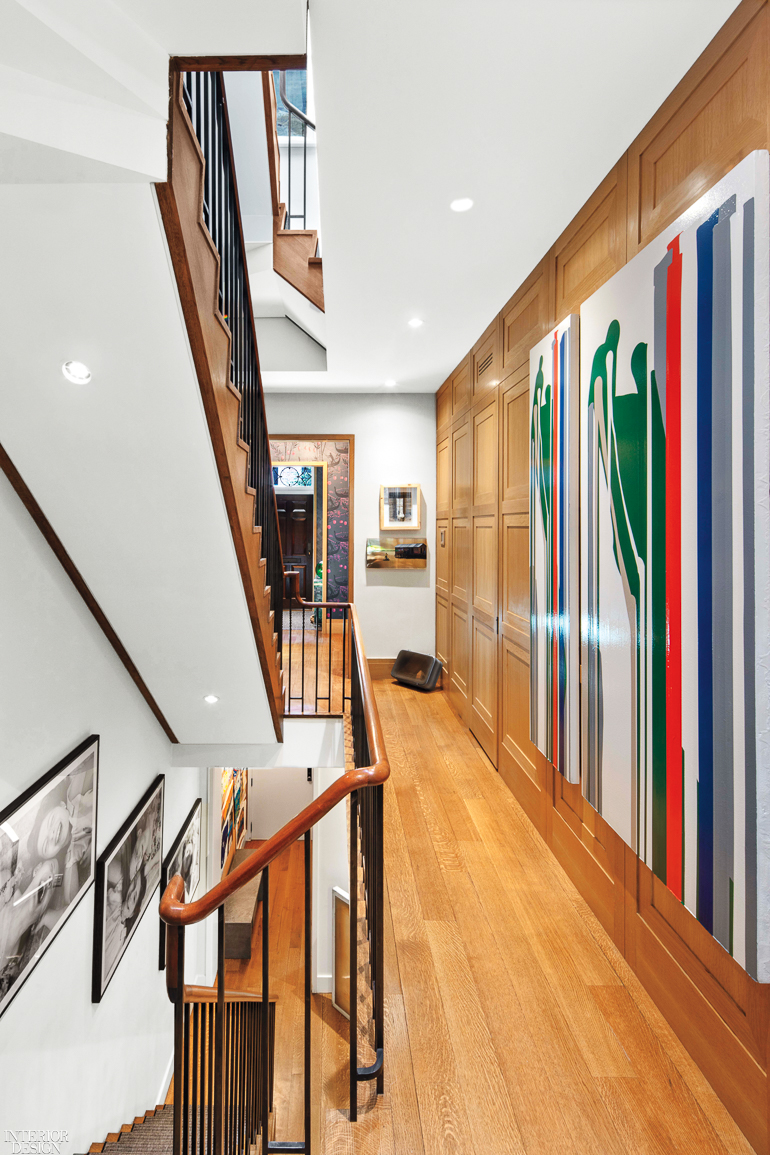
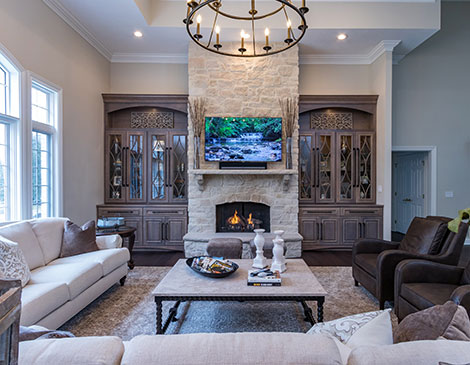
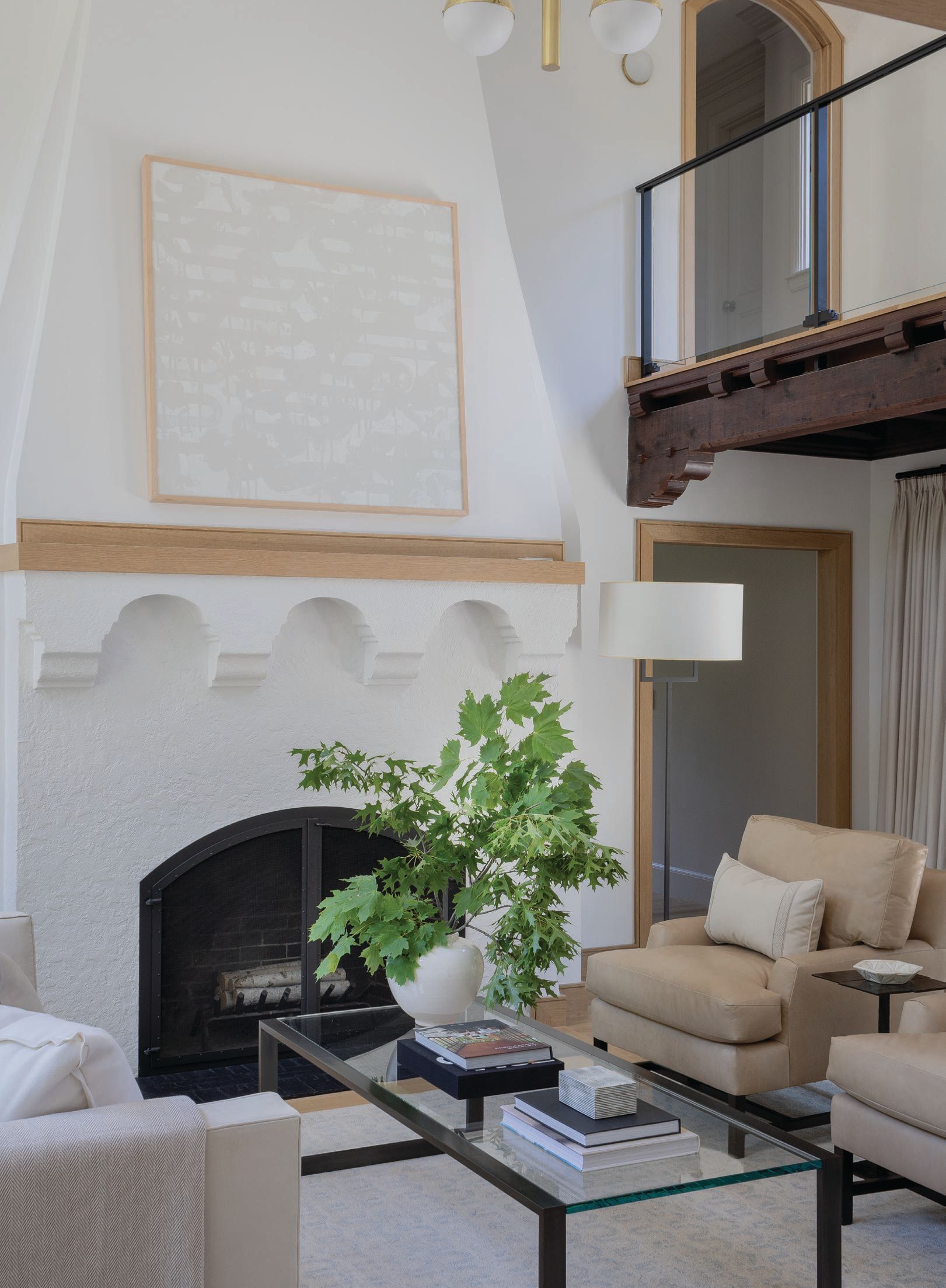
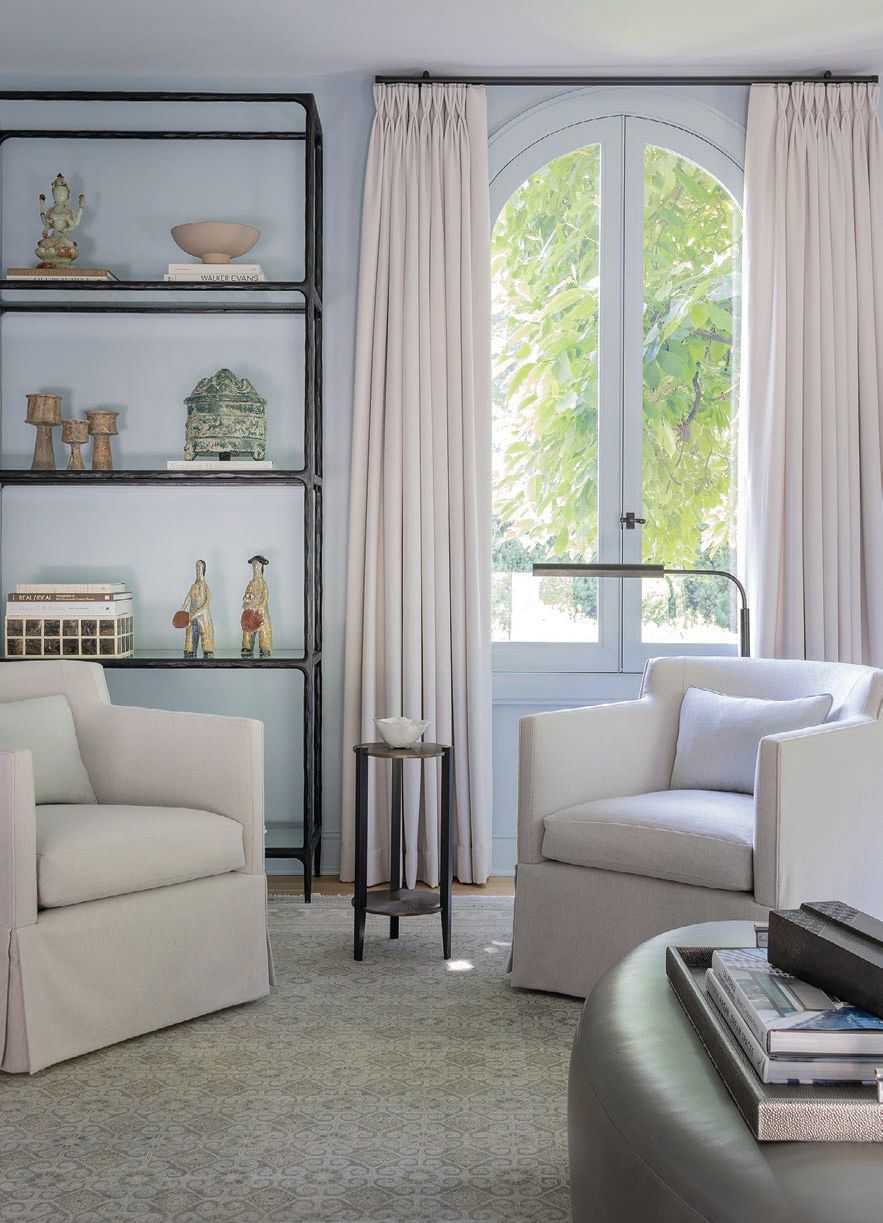
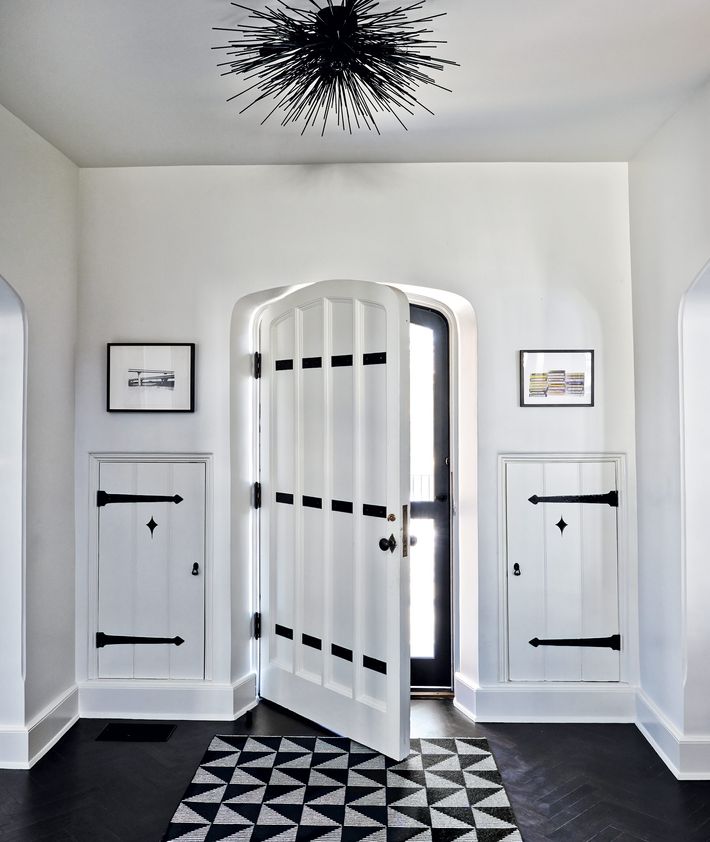
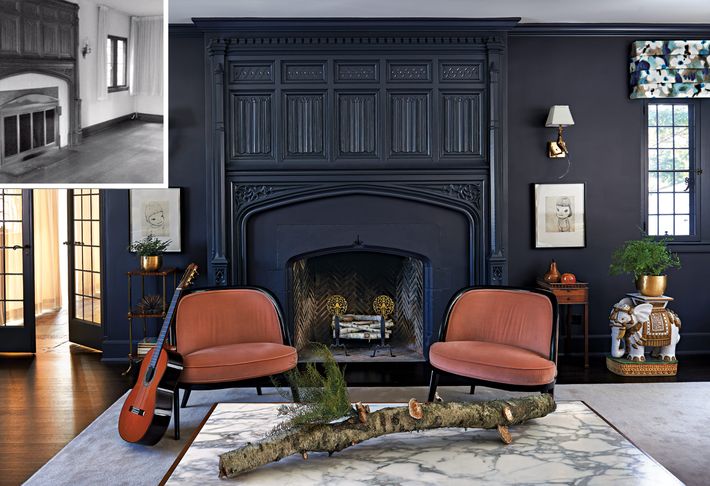
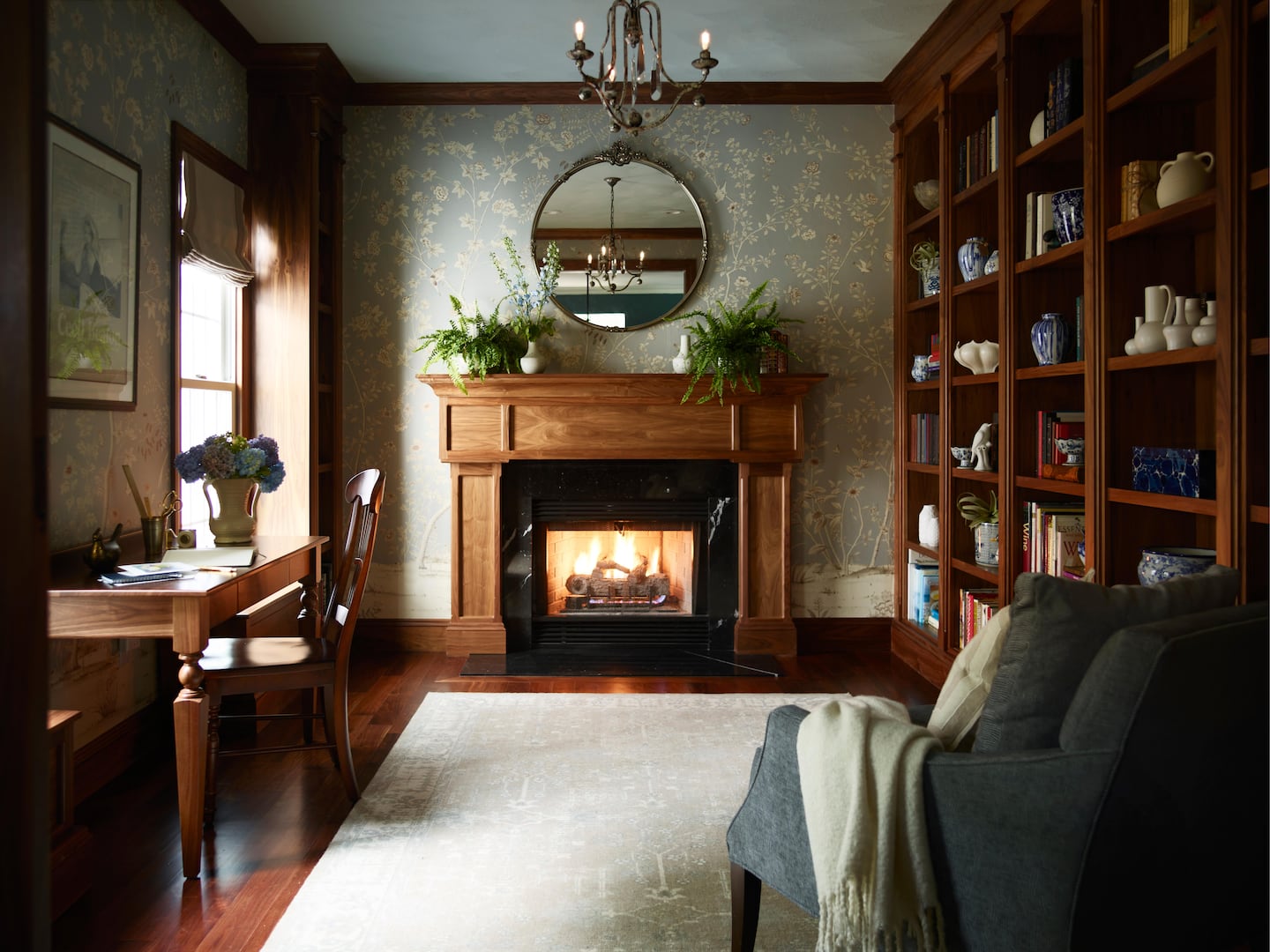
Keasler aimed to balance the inherent seriousness and symmetry of colonial architecture with a more relaxed, Northwest aesthetic. This equilibrium was achieved through deliberate contrasts. Existing period details such as built-ins, cove ceilings, crown molding, and oak floors were maintained and refreshed. The millwork and built-ins, for example, replicated the intricate details of the original cabinetry, including the bead on the inside cabinet panels, ensuring consistency with the home's historical character.
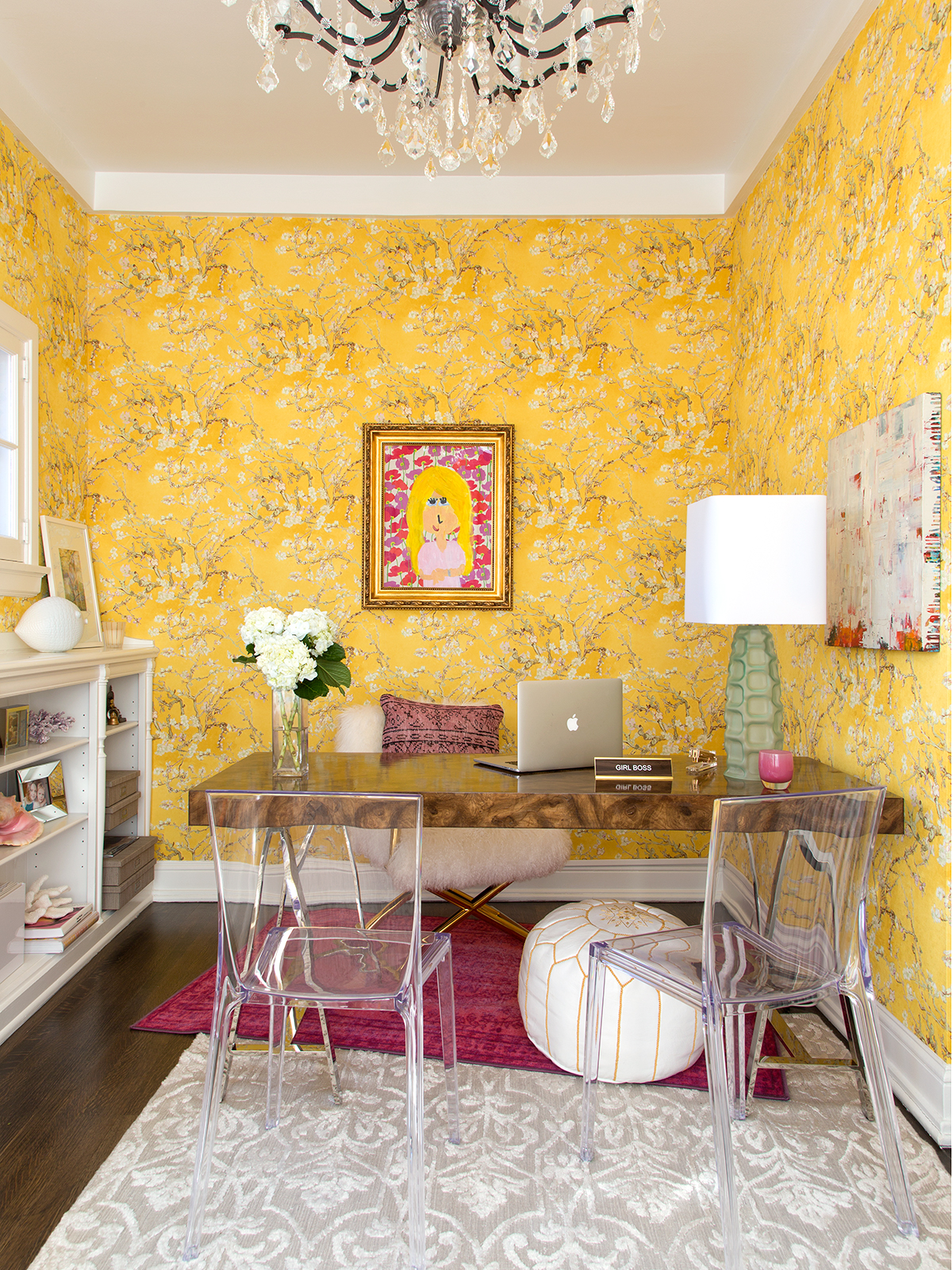
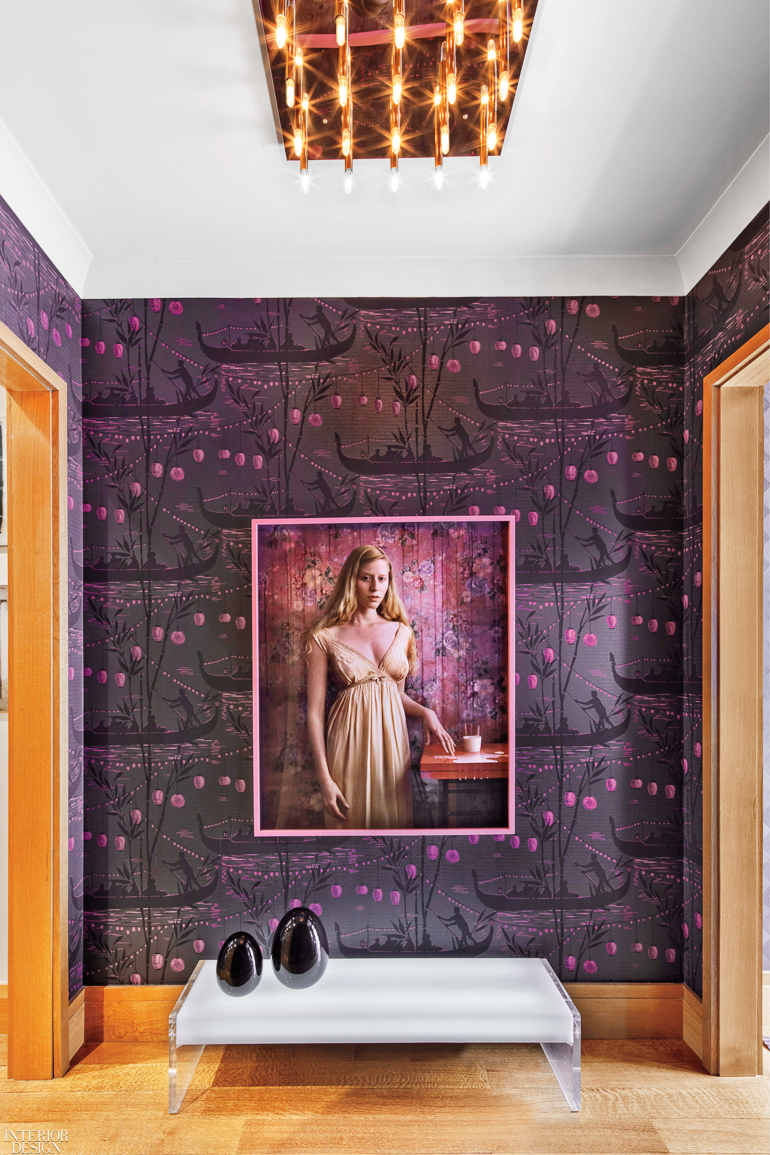
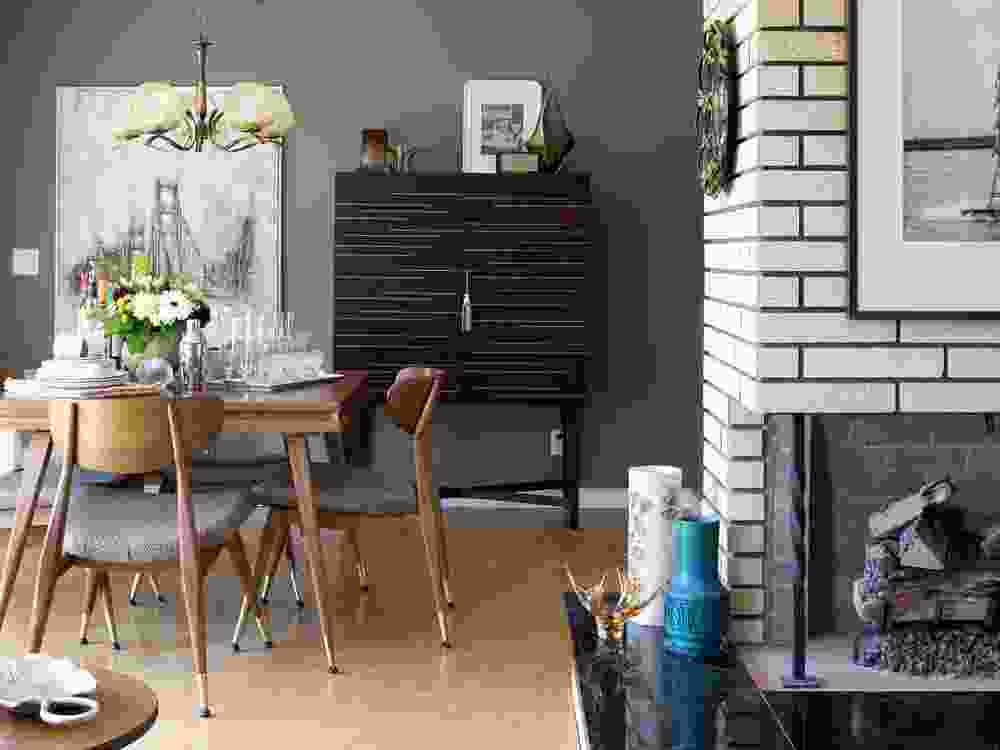
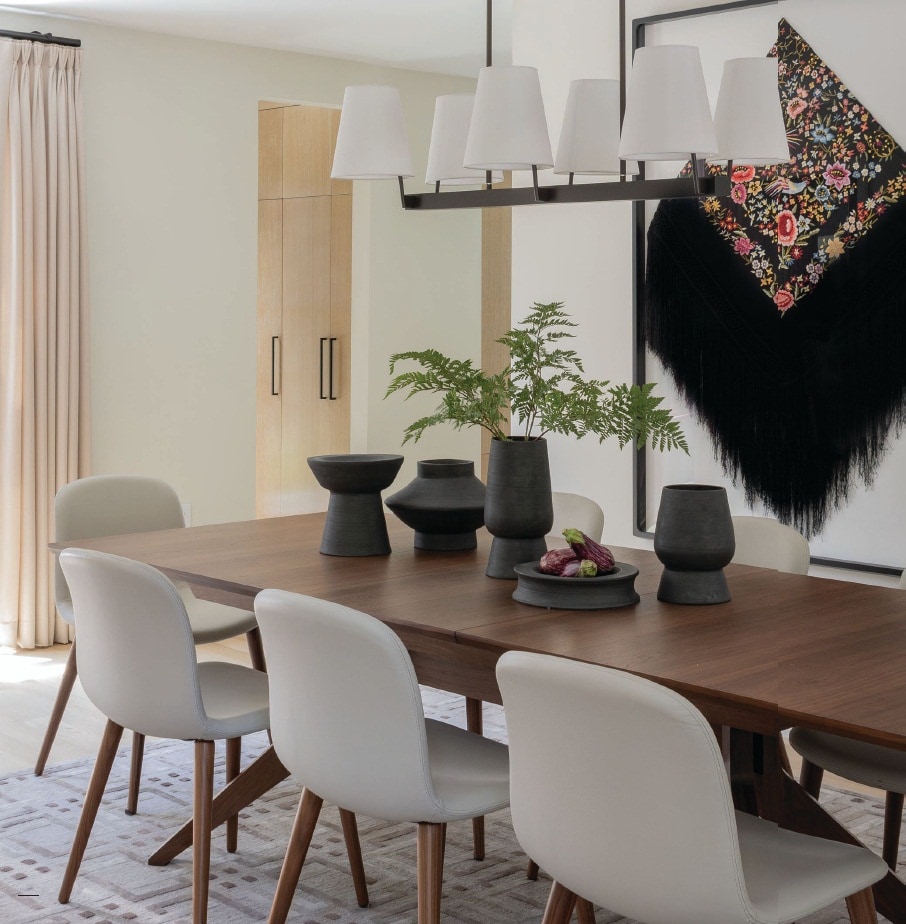
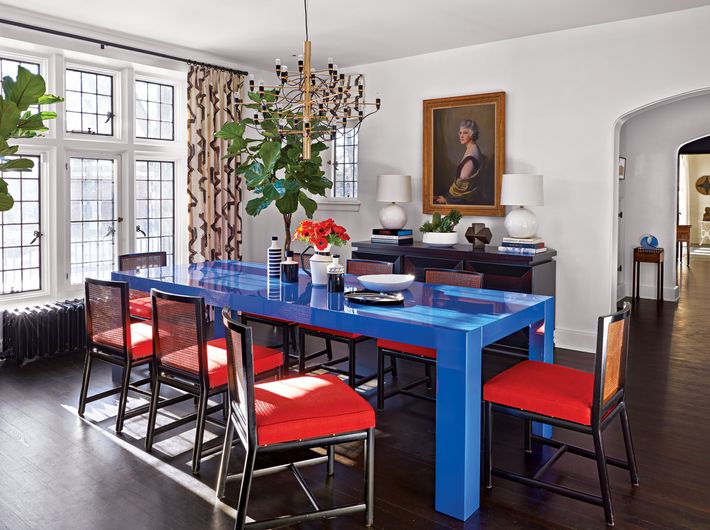
To introduce modern elements and create visual interest, Keasler incorporated contemporary furniture and light fixtures, often in mid-century, Scandinavian, or modern styles. Graphic-style rugs were also used to provide a modern accent against the traditional backdrop. The designer's tips for blending old and new include maintaining consistency with metal finishes, refreshing existing features like built-ins with new paint and hardware, and unifying the home's trim and molding with a consistent color and varying sheens to achieve a modern look. This project demonstrates that a careful integration of historical preservation and modern functionality can create a home that is both charming and highly livable.
#ColonialHome #HomeRenovation #ModernFacelift #InteriorDesign #SeattleRealEstate #HistoricalPreservation #StructuralChanges #KitchenDesign #ContemporaryLiving #ColonialHome #HomeRenovation #ModernFacelift #InteriorDesign #SeattleRealEstate #HistoricalPreservation #StructuralChanges #KitchenDesign #ContemporaryLiving
0 comment in total
 No comments yet
You may also like
19th Century Montclair Home Undergoes Stunning Makeover

A Rustic, 5,300-Square-Foot Aurora Remodel Steals The Show

See how this South County residence was reimagined with unique and tailored lighting fixtures

A 1950s Ranch-Style Home Gets A Dramatic Renovation
Old Versus New: Victorian Home Gets Modern Update

With Happy Pinks, Greens, and Blues, a Designer Totally Transformed a Quirky Colonial Revival

Traditional Elements Get a Modern Makeover in This Manhattan Beach Home

Drawing inspiration from modernist icons, this home rises organically from its landscape

Peek Inside: A Century-Old Park Hill Home Gets a Major Facelift

A Historic Home Gets A Modern Update With The Color Drenching Trend: 'Gorgeous'

A mid-century modern Burnaby home gets an update

Reviving a 1927 Spanish Colonial Home for Modern Living
18th-Century Lumberton Farmhouse Gets an Eclectic Makeover
A thoughtful renovation brings a 100-year-old home into the 21st century
Redesigned McLean Home Couples Old-World Charm with Coastal Vibes
A Very Traditional Tudor Gets an Avant-garde Interior Renovation
SPAN Architecture Renovates 19th-Century Town House into Modern-Day Family Home

A formal center-hall Colonial gets a homey makeover

A Colonial-Style Home Gets a Second Life Without Losing Its Charm


For Sale: A Custom-Designed Home Marries Old and New