1/12
SPAN Architecture Renovates 19th-Century Town House into Modern-Day Family Home
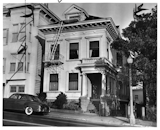
This article details the transformation of a 19th-century Federal-style town house in New York’s West Village by SPAN Architecture, converting it from multi-family apartments into a single-family residence. The original structure, an 1820s building, presented challenges such as deep lots leading to dark interiors, insufficient natural light on lower floors, and low ceilings. Recognizing these limitations and the absence of significant period details for restoration, principals Peter Pelsinski and Karen Stonely opted for a comprehensive gut renovation.
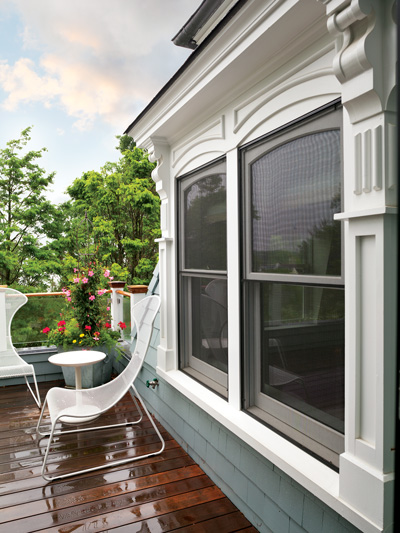
A key aspect of the renovation capitalized on the property’s 60-foot backyard, enabling the architects to extend the first two floors by 30 feet while preserving ample outdoor space. To enhance the connection to the garden, the rear facade was removed, a second-floor terrace was added, and full-height windows were installed facing north, integrating modern design elements while respecting the historic lines of the surrounding houses. Internally, the building lacked a cellar, prompting excavation to create one. The roof was also leveled, increasing interior height by nearly eight feet, which required careful restructuring of ceilings to align with the existing front facade windows. The result is a 5,800-square-foot, four-bedroom home spanning five levels, featuring ceilings over ten feet high on the parlor floor, yet maintaining an unaltered exterior appearance.
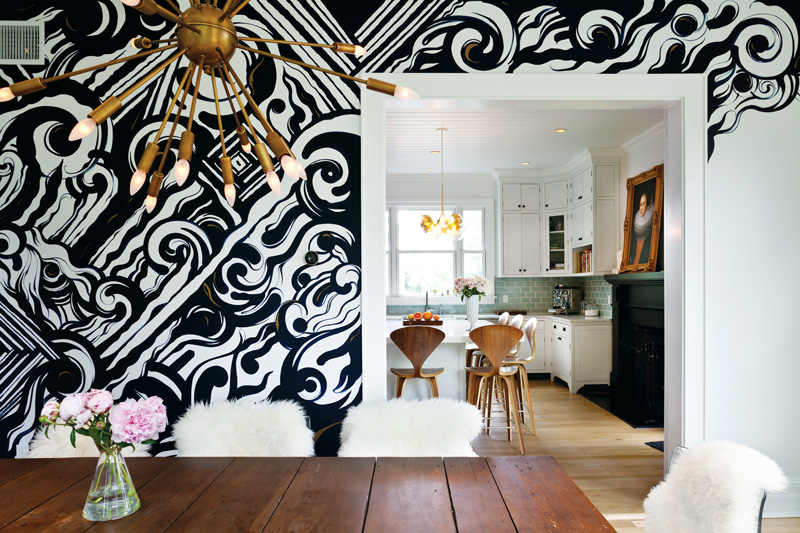
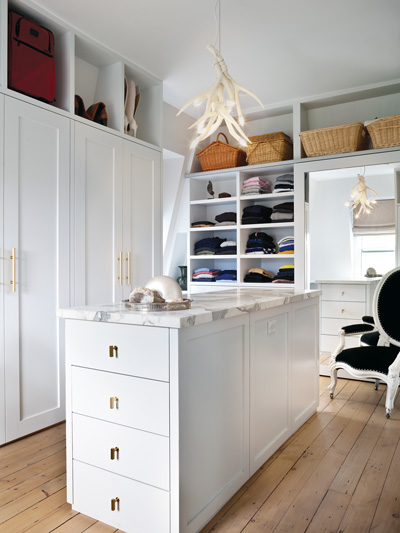
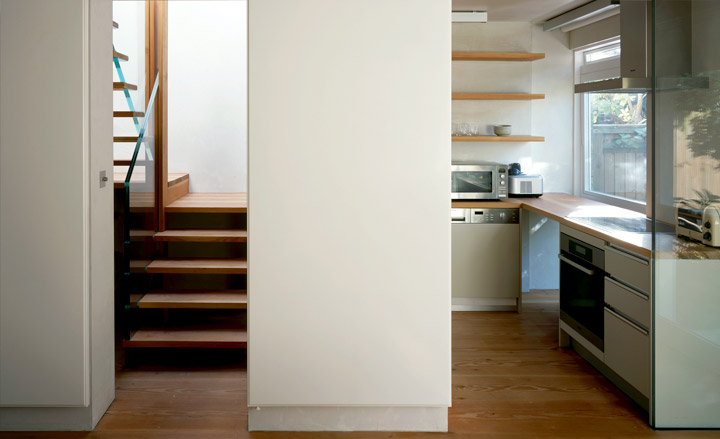
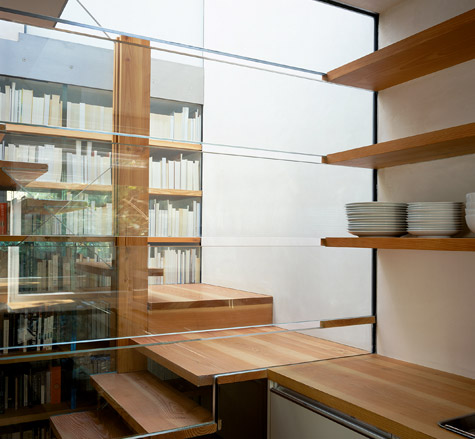
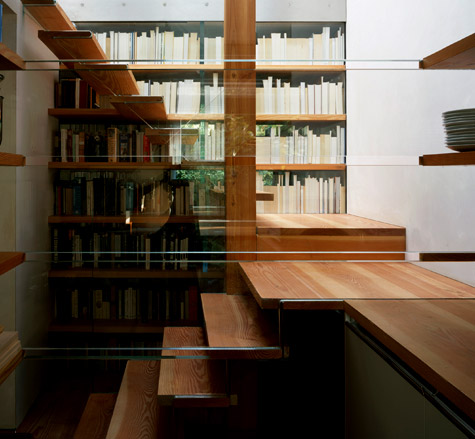
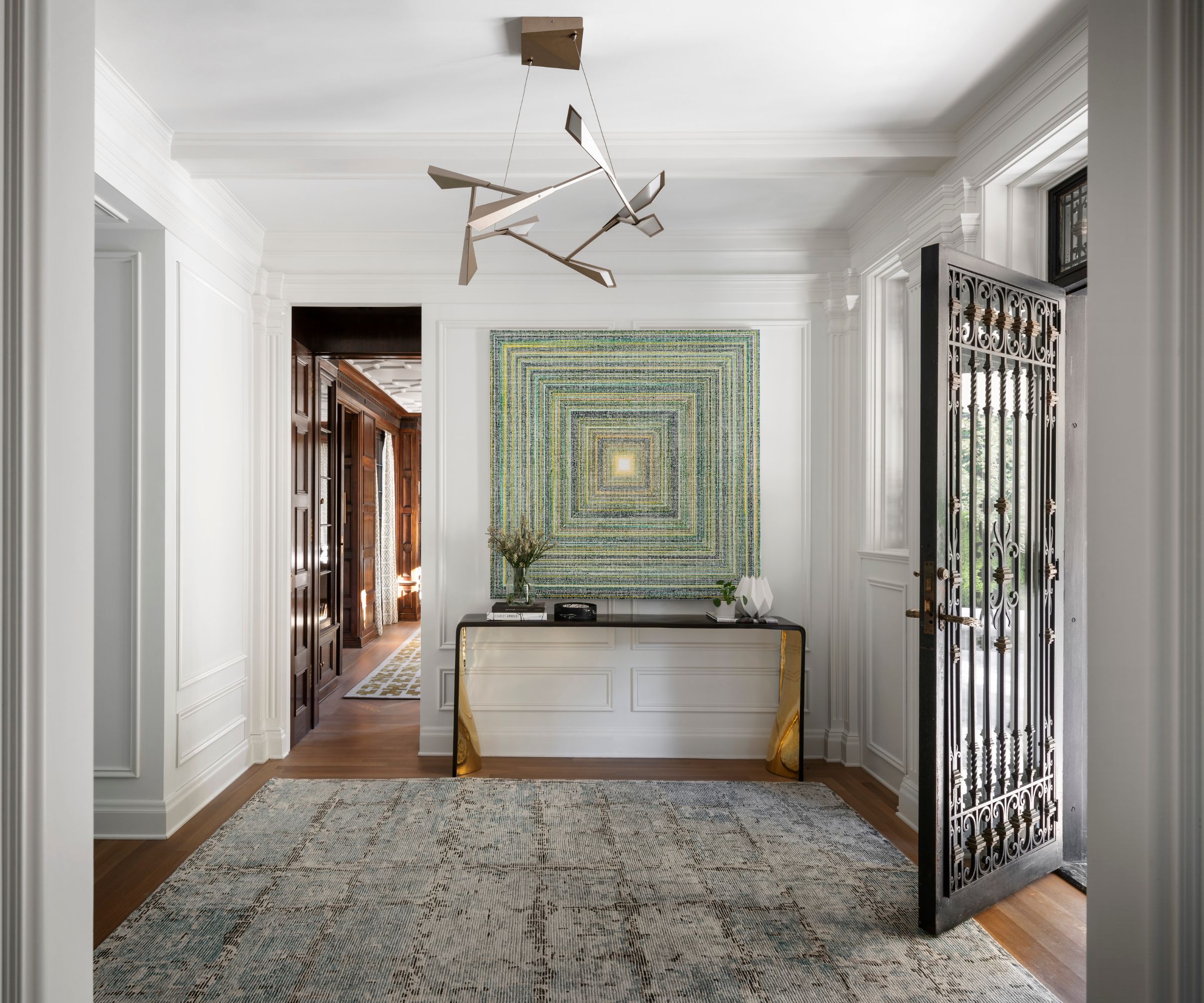
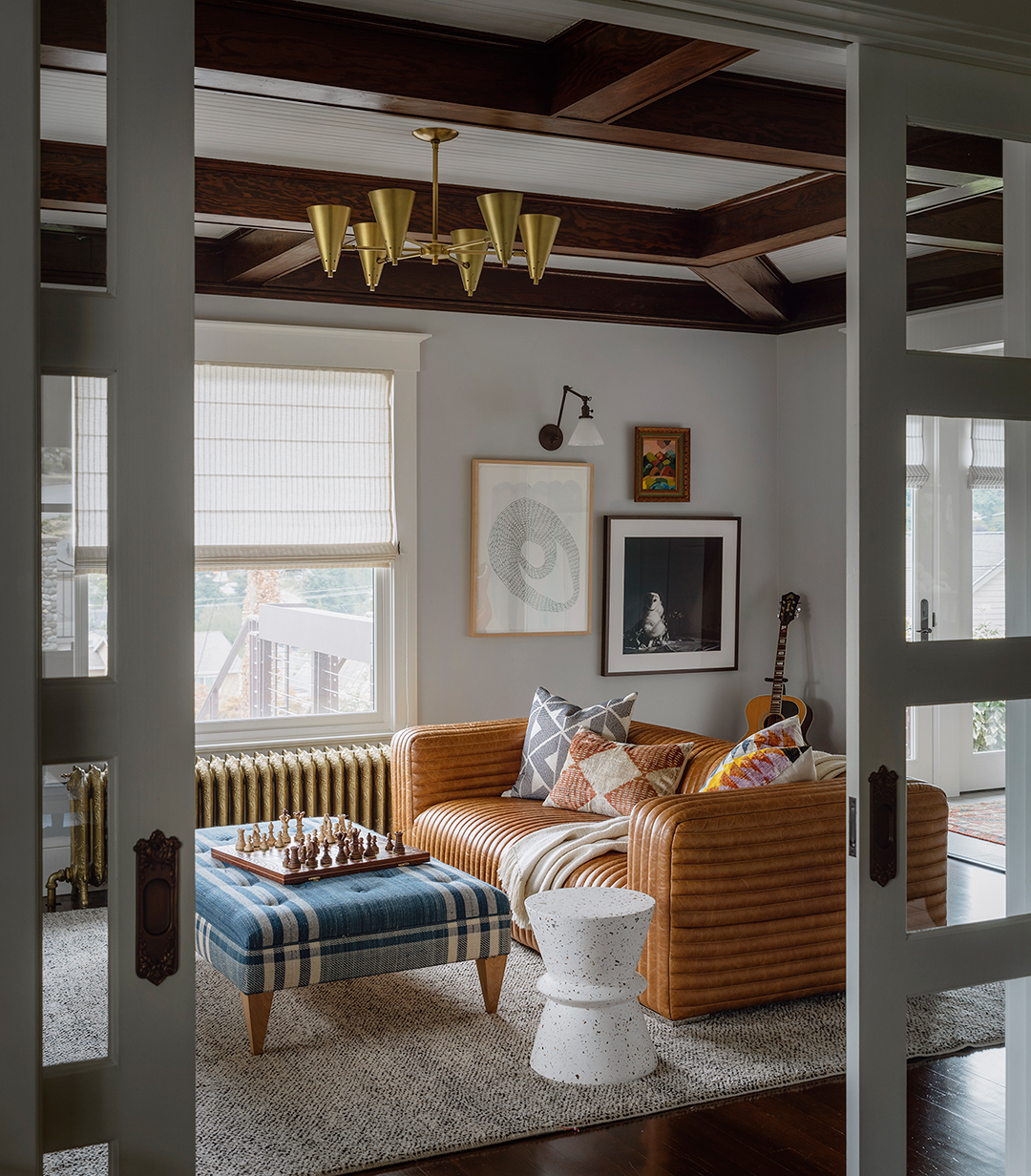
The interior design consciously blends traditional and contemporary aesthetics. Given the project's spec nature, a neutral palette was chosen, featuring white oak floors that establish a fluid connection between spaces. Subtle historical references are incorporated through baseboards, trim, and crown moldings. The steel-and-oak staircase, while traditional in form, lacks nosing and respects the original footprint, complemented by skylights that draw natural light deep into the lower levels, giving the house an “extroverted character” as Pelsinski describes.
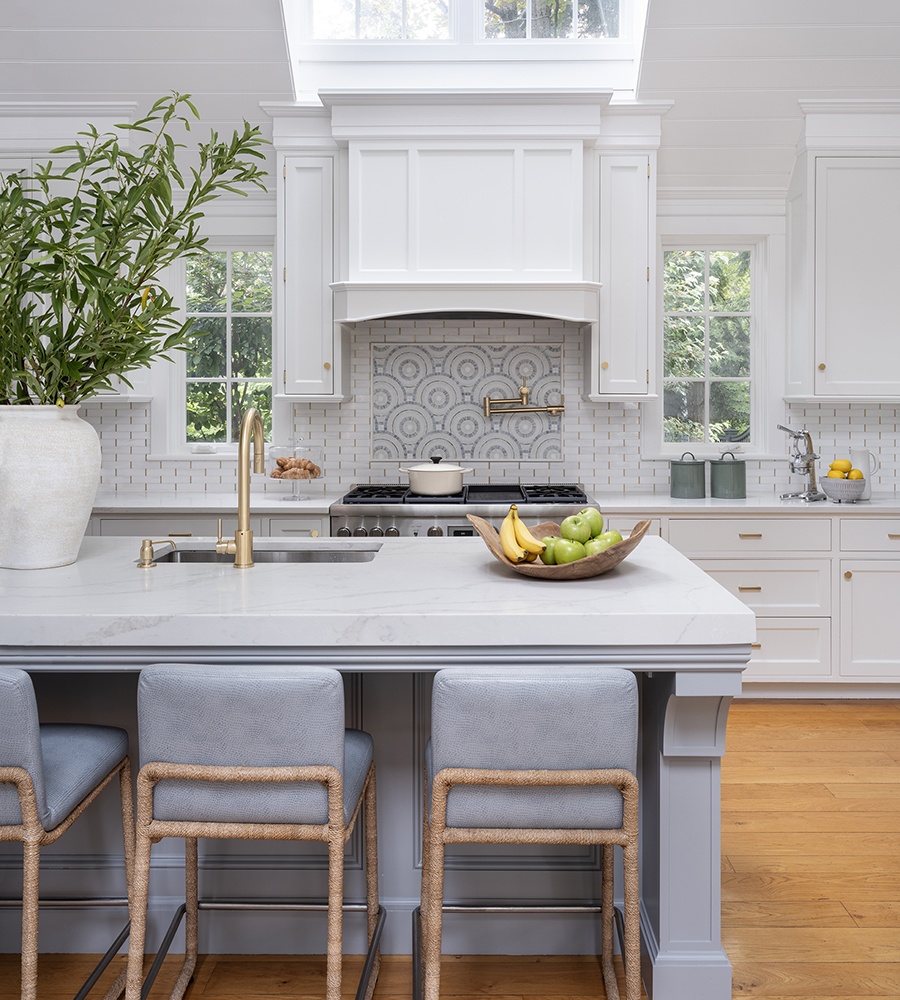
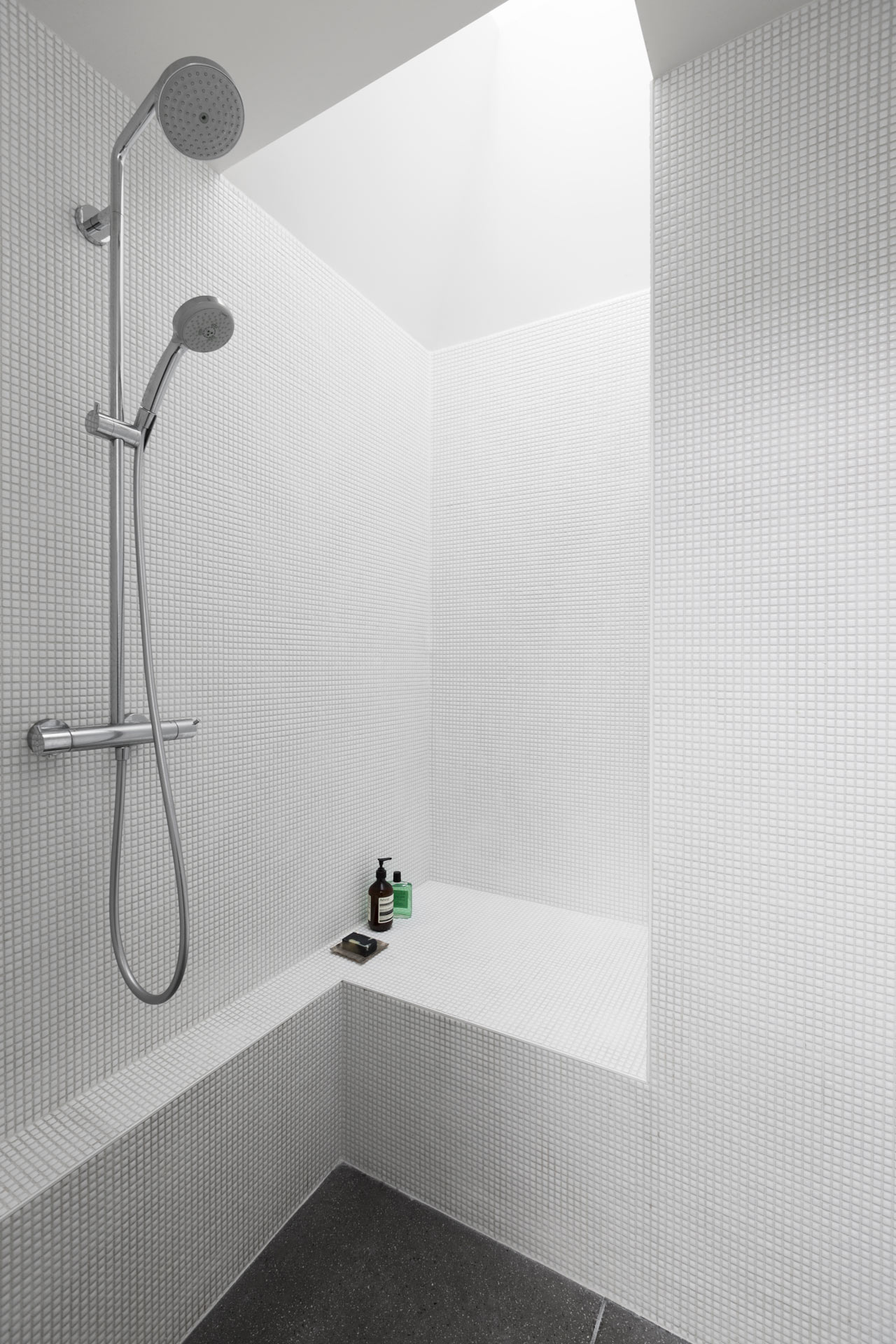
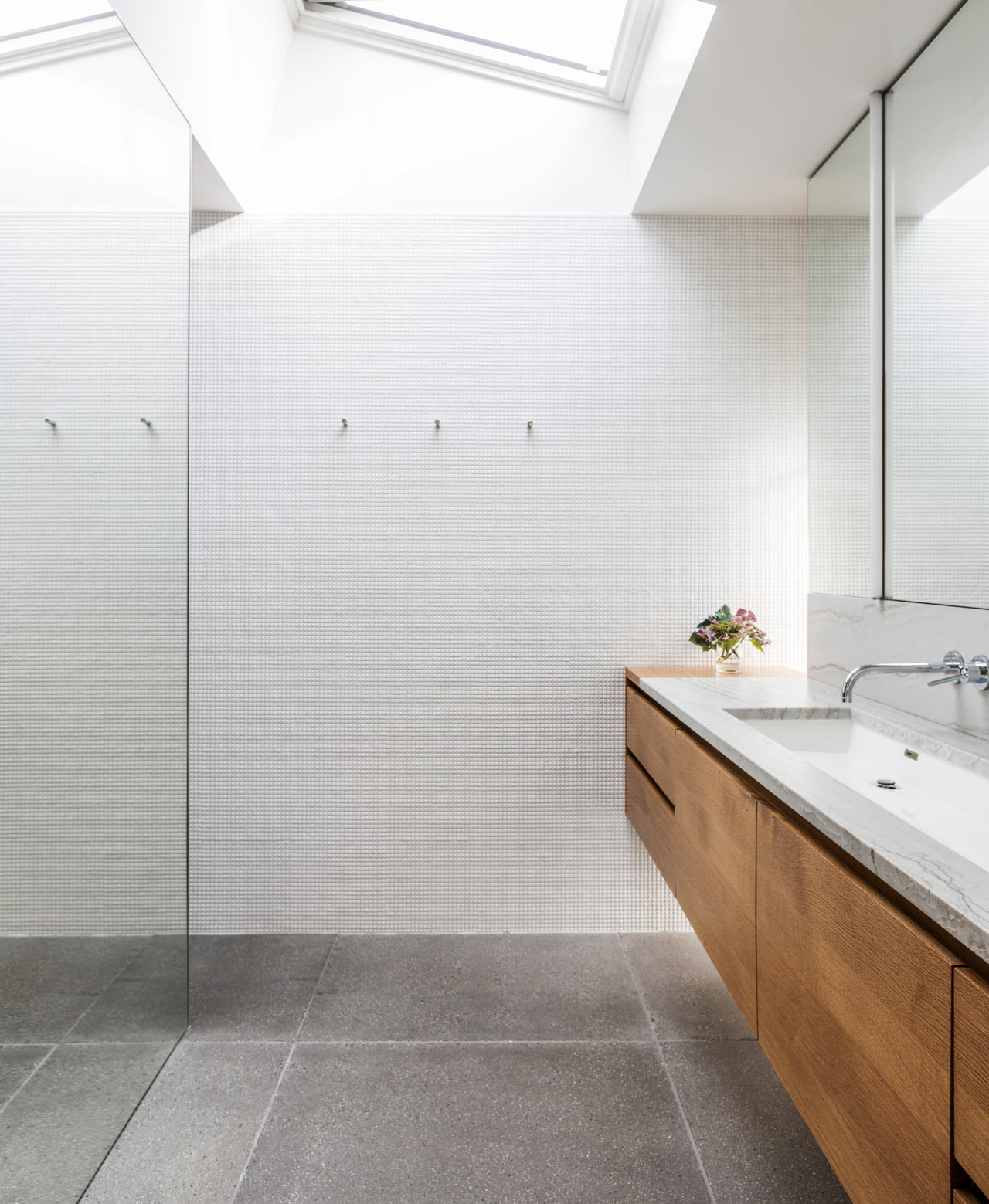
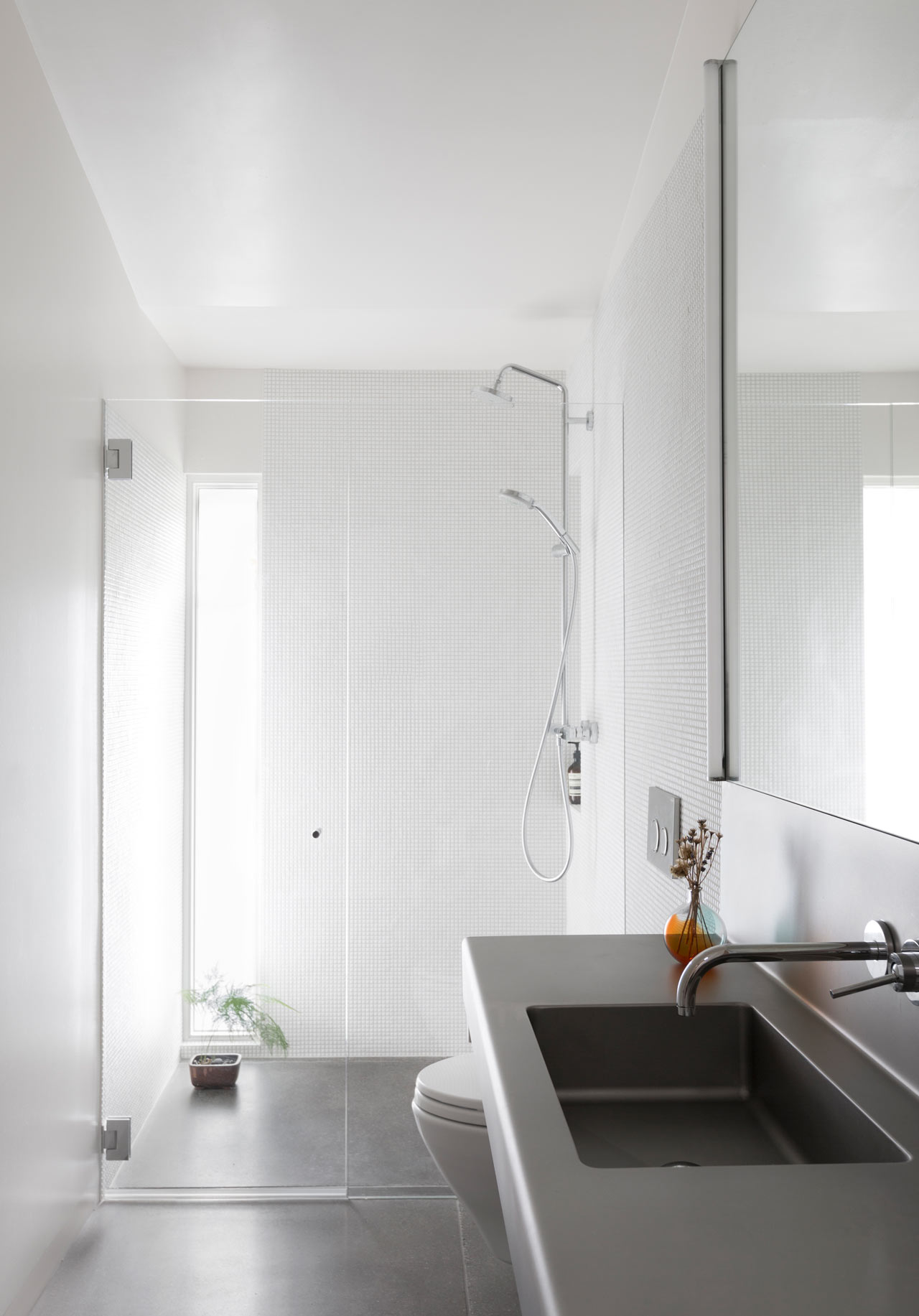
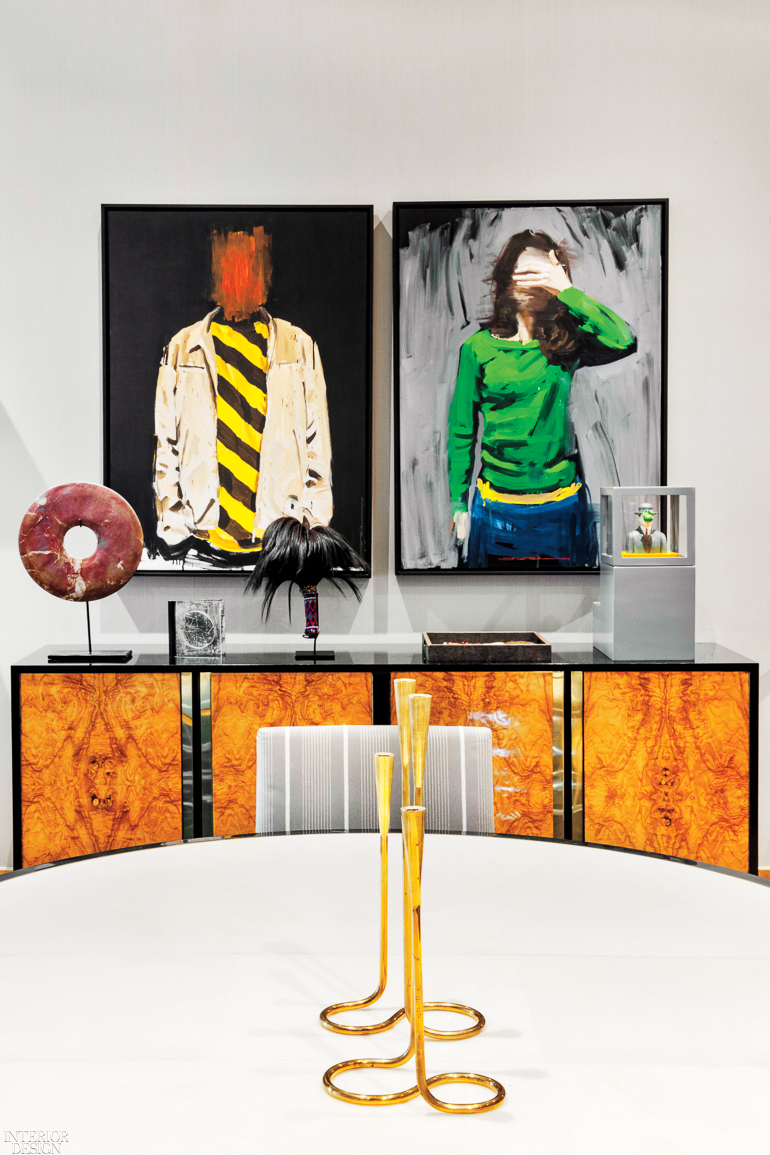
The property was acquired by a young family who enlisted Moises Esquenazi of Waowig Studio for interior decoration, providing him considerable artistic freedom. Esquenazi focused on creating inviting spaces that would complement the family’s art collection. His design approach included bold choices, such as a fuchsia-colored den, intended as a lively focal point upon entry. This vibrant room sets a playful tone for the rest of the home, which integrates contemporary Latin American art with pieces by mid-century designers like Milo Baughman and Pierre Guariche. Esquenazi also designed custom furnishings, including a lacquered-goatskin dining table, drawing inspiration from the 1970s. Two years after the family moved in, SPAN Architecture was re-engaged to modernize the kitchen and expand the master bathroom into a spa-like retreat, concluding a decade-long project. The revitalized town house now offers a bright, open living environment, seamlessly integrated into its urban setting while providing ample personal space.
#TownHouseRenovation #SPANArchitecture #WestVillage #HistoricHome #ModernInteriorDesign #ResidentialArchitecture #NaturalLight #InteriorRenovation #LuxuryHomes #TownHouseRenovation #SPANArchitecture #WestVillage #HistoricHome #ModernInteriorDesign #ResidentialArchitecture #NaturalLight #InteriorRenovation #LuxuryHomes
0 comment in total
 No comments yet
You may also like
A thoughtful renovation brings a 100-year-old home into the 21st century

A Dilapidated Pueblo-Style House in Santa Fe Gets a Modern Makeover

Interactive floor plan: Span House, London

For Sale: A Custom-Designed Home Marries Old and New
19th Century Montclair Home Undergoes Stunning Makeover


A Historic Victorian in San Francisco Is Meticulously Transformed Into a Modern Family Home
A Thoughtful Renovation Preserves The Beauty And Character Of This Sullivan's Island Home
SHED Restores a 1959 Ranch House in Seattle

Peek Inside: A Century-Old Park Hill Home Gets a Major Facelift

A 1950s Ranch-Style Home Gets A Dramatic Renovation
Redesigned McLean Home Couples Old-World Charm with Coastal Vibes
Do modern designs and comforts work in historic homes? This Seattle residence says a definite yes

18th-Century Lumberton Farmhouse Gets an Eclectic Makeover
Old Versus New: Victorian Home Gets Modern Update

Old Meets New in this Newton Family’s Home Renovation
This Bed-and-Breakfast–Turned–Family Home Never Stopped Being a Retreat | domino

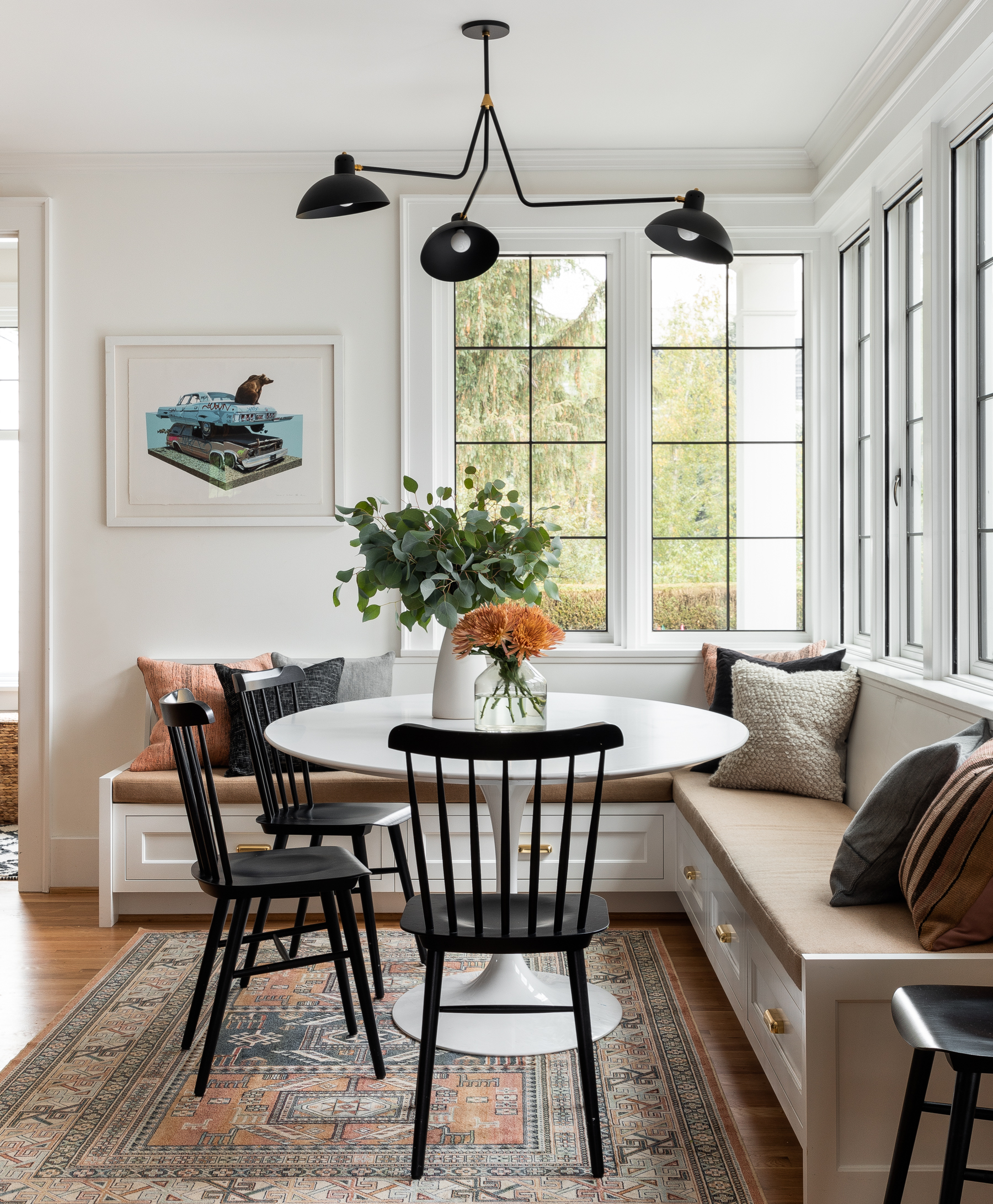
A 1925 Colonial Home Gets an Uber-Modern Facelift
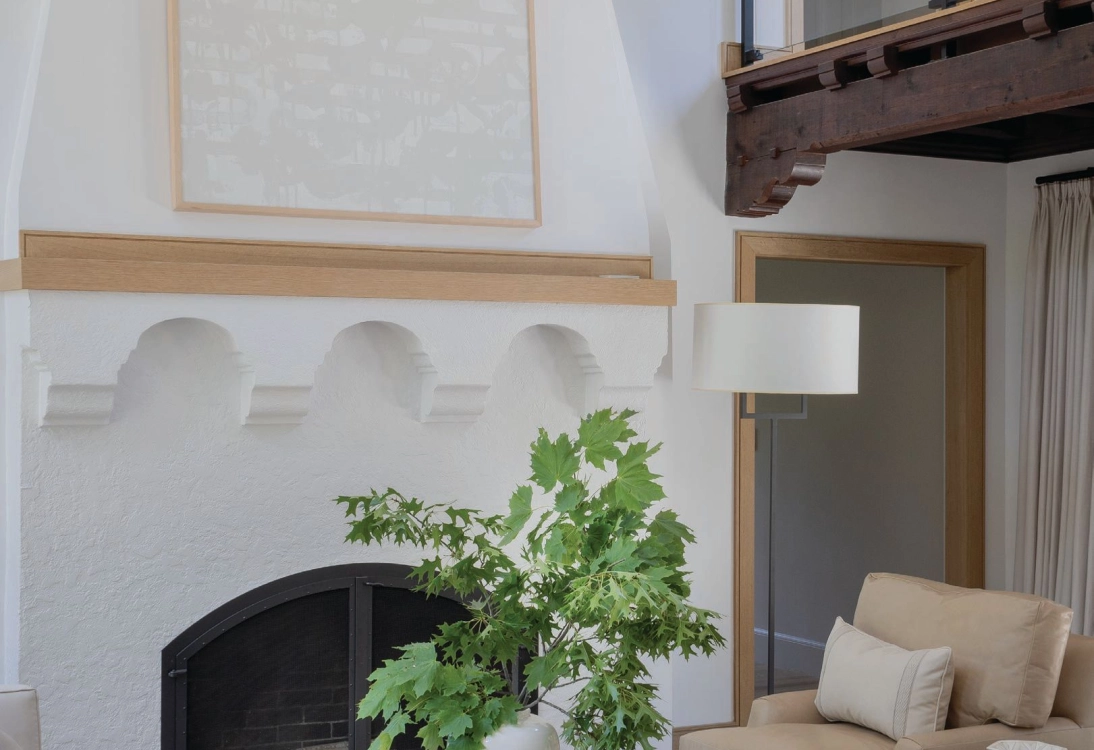
Reviving a 1927 Spanish Colonial Home for Modern Living
A Dramatic Mockingbird Park Midcentury Modern Ranch Renovation

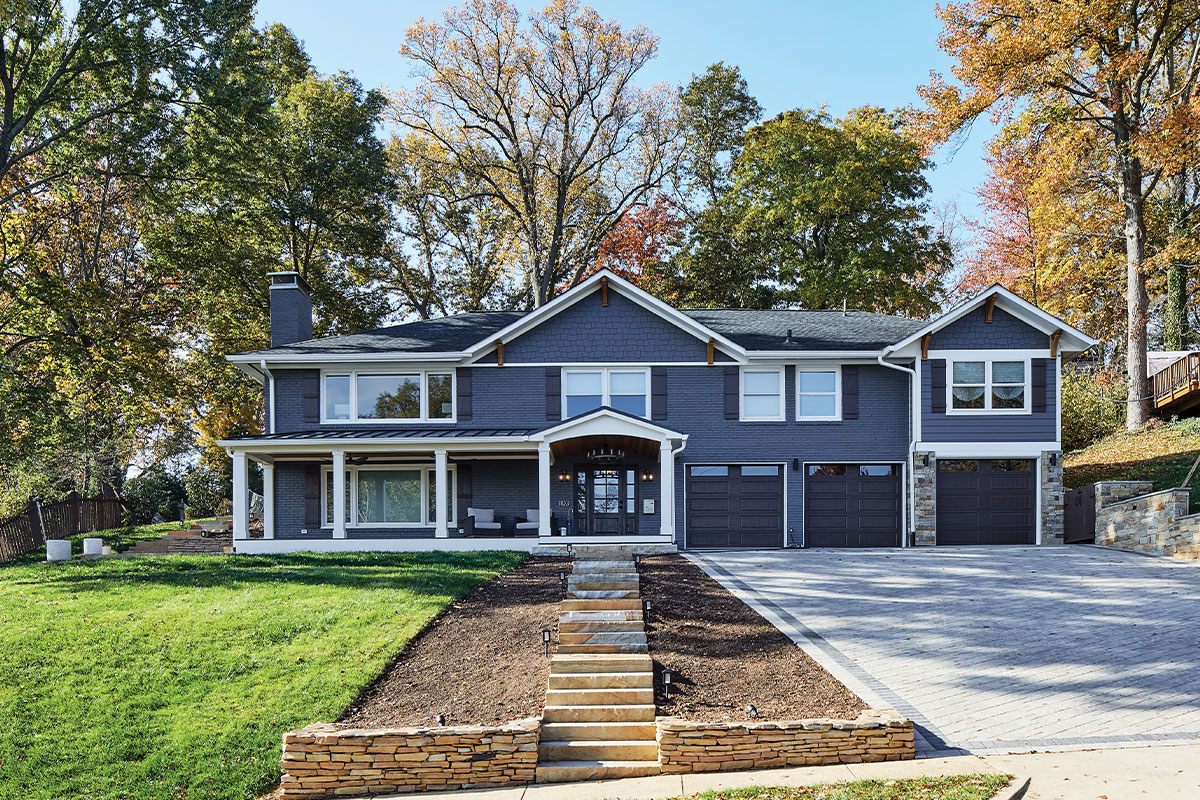
This Fairfax County Home Remodel Created Space for the Whole Family