1/15
Unwrapped Interiors: A Case for Material Authenticity and Clarity
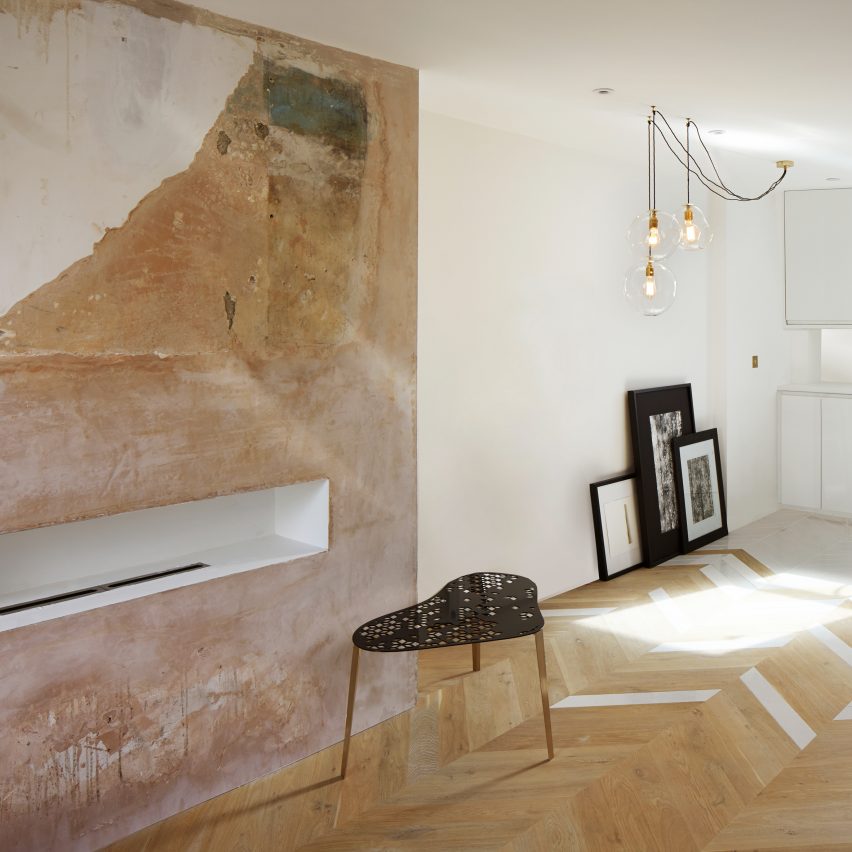
The article explores the architectural concept of material authenticity in interior design, advocating for an approach that prioritizes the inherent qualities and performance of materials over superficial surface treatments. It begins by establishing materiality as a central concern in design, influencing aesthetics, functionality, and longevity, and highlights how the discourse has shifted from structural substance to decorative layering. The author posits that this shift has led to a focus on "decorating" spaces through the application of various finishes, often concealing the base building fabric.
The discussion then delves into historical precedents, referencing classical architecture such as Gothic churches, the Parthenon, and Japanese temples, where materials like stone, marble, and timber served both structural and aesthetic purposes. These examples illustrate a coherent and honest architectural expression, where beauty and durability were achieved simultaneously. The article extends this historical perspective to the modern era, citing architects like Mies van der Rohe, who celebrated the inherent elegance of materials like marble, glass, and steel, and the Brutalism movement's embrace of exposed concrete as both structure and a philosophical stance. These traditions underscore material honesty as a fundamental principle rather than a mere style.
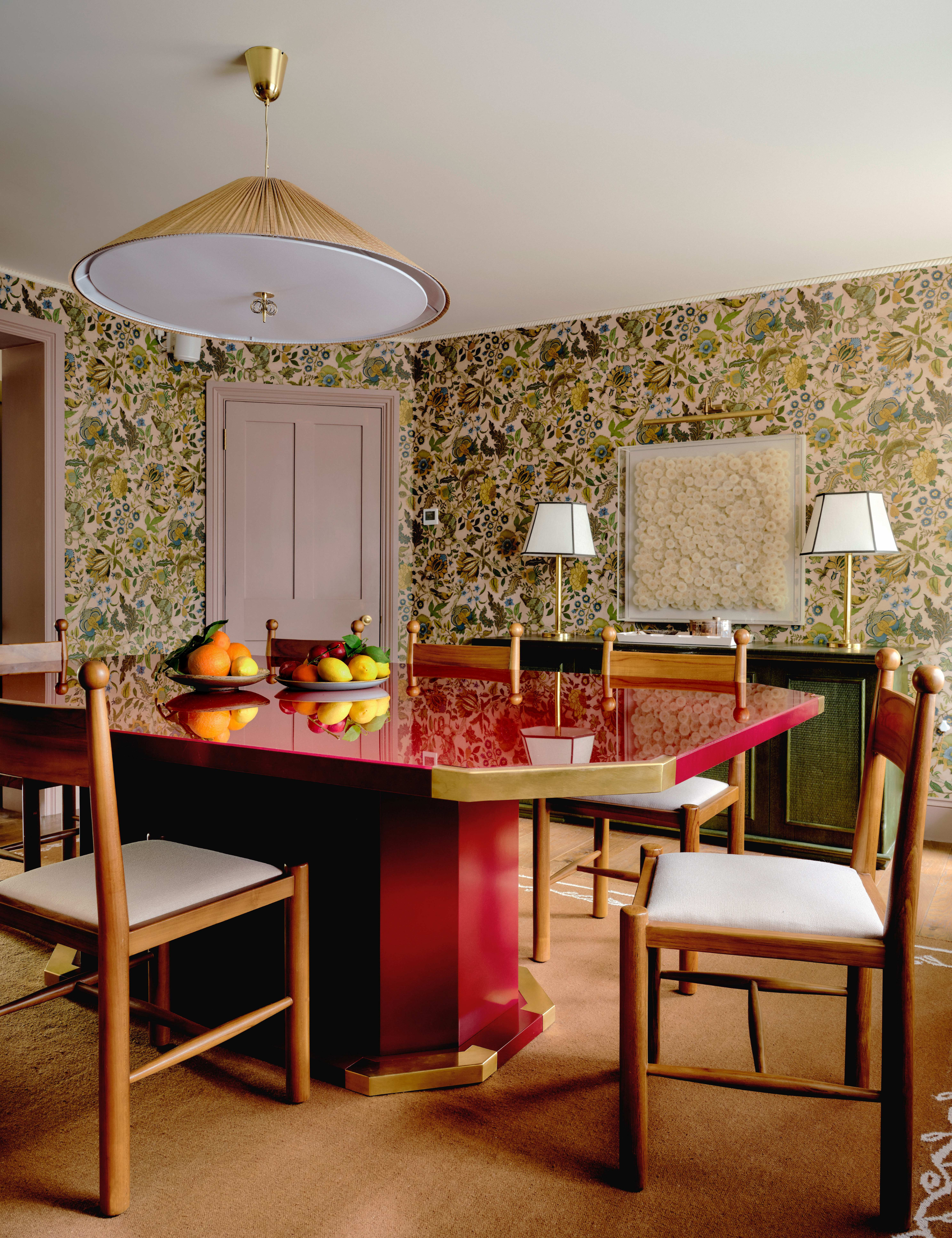
Conversely, the article critiques contemporary interior architecture's reliance on synthetic finishes and decorative layering. It points out the widespread use of paint, wall furring systems with synthetic boards, and drop ceilings. The advancements in product design, manufacturing, and digital fabrication have enabled highly realistic imitations of natural materials, such as laminates mimicking wood grains and foam panels replicating stone textures. While these solutions might offer benefits in terms of budget, lead times, and construction simplicity, the article argues they come with hidden environmental costs, including the production of chemical wastes and disposable materials, questioning whether these practices truly constitute architecture or merely surface application.
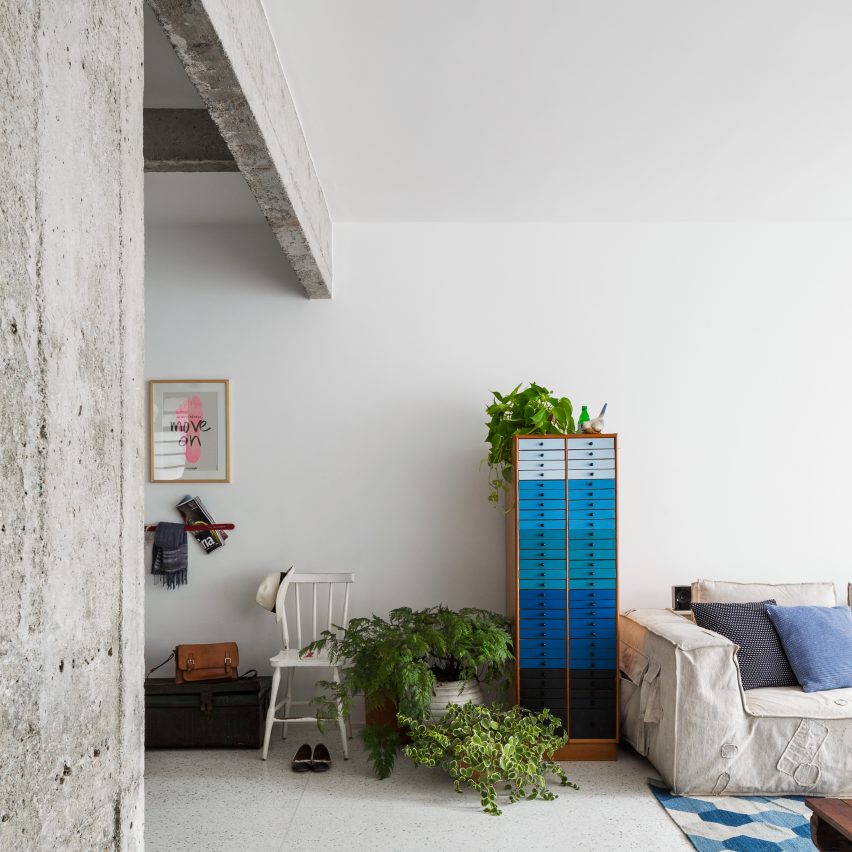
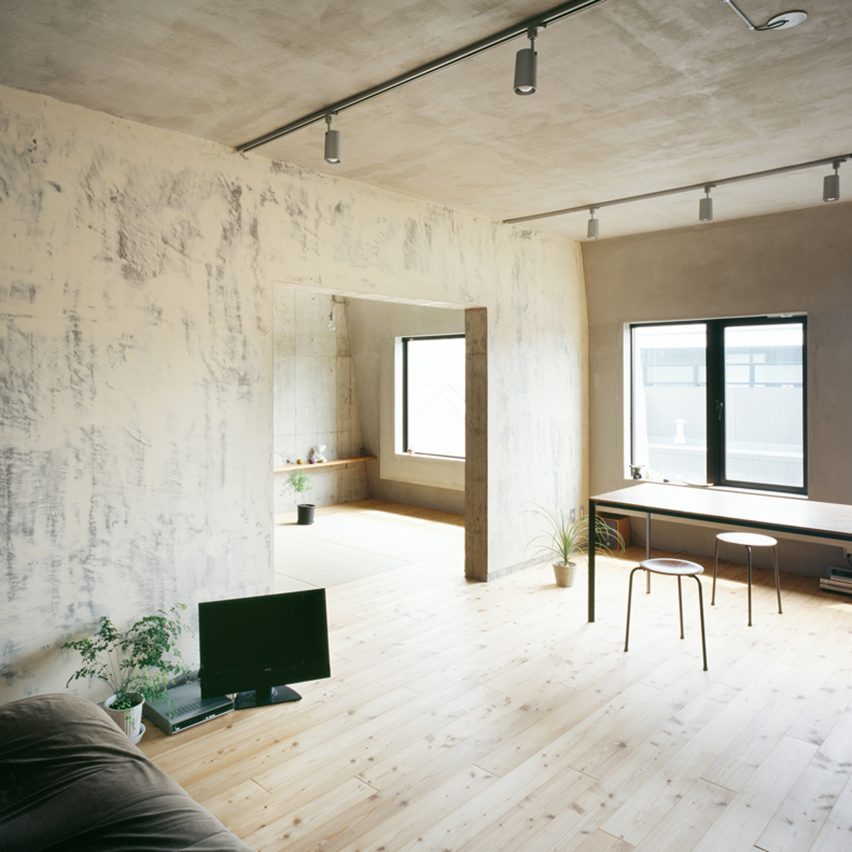
The author advocates for the authentic use of materials, emphasizing that such an approach demands a higher level of precision and design integrity, as there is no room for "covering up" mistakes. This rigor, celebrated during the modernist period, leads to more durable spaces that age gracefully and develop character. Crucially, authentic materials often eliminate the need for additional processes and products like wallpaper, paint, adhesives, or veneers, thereby significantly reducing waste. It highlights that the absence of decorative claddings makes spaces more flexible and reusable, as future occupants are not burdened with stripping away previous finishes, which minimizes demolition and material disposal.
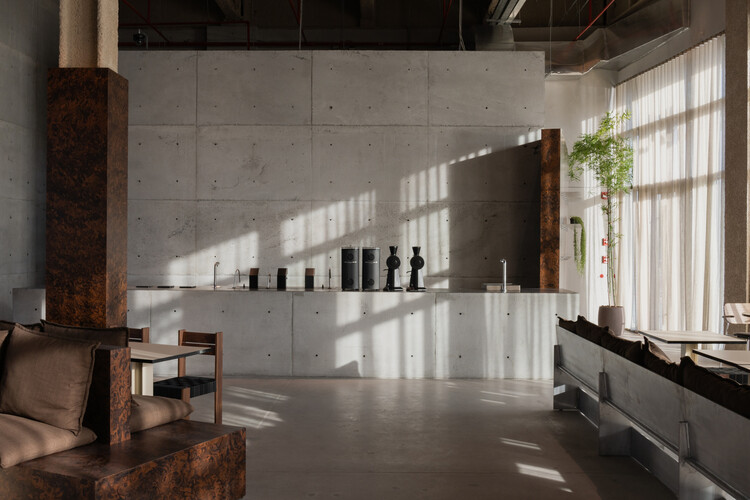
Examples of contemporary projects are provided to illustrate material authenticity in practice. The Impact Hub Berlin Office Interiors by LXSY Architekten showcases how exposed plywood can become a central visual and tactile element. Similarly, Apartment V by NAKI Atelier integrates plywood with other refined materials without relying on surface treatments, creating a sophisticated interior. OURIO Coffee by NDB DESIGN further exemplifies this approach by using timber and steel in their natural states to create an elegant atmosphere, where exposed ductwork is thoughtfully integrated. The article concludes by suggesting that while decorative materials cannot be entirely eliminated, minimizing reliance on additive finishes and celebrating the inherent character of structural materials leads to a more sustainable design practice. This shift promotes spatial richness through thoughtful planning, detailing, and tectonics, reasserting the value of the designer's expertise and crafting interiors with lasting quality and depth.
#InteriorDesign #MaterialAuthenticity #SustainableDesign #ArchitecturalMaterials #DesignPrinciples #Modernism #Brutalism #WasteReduction #ArchitecturalHistory #InteriorDesign #MaterialAuthenticity #SustainableDesign #ArchitecturalMaterials #DesignPrinciples #Modernism #Brutalism #WasteReduction #ArchitecturalHistory
0 comment in total
 No comments yet
You may also like
10 stripped-back home interiors that are deliberately unfinished
Why curtains are the year's biggest – and most unexpected – interior design trend

Is your home feeling lifeless? 5 layering hacks to make the interiors warm and inviting | Hindustan Times

The Interior Home Trend Designers Are Happy To Put Down, And Why It's For The Best

What’s the most underused design element?

“Newsworthy” Wall-Covering is Made Entirely of Newspaper

Interiors | A tale through textures
Products

The Power of Texture in Interior Design – 6 Ways Designers Use It to Shape the Look (and Feel) of Every Room

Marbé Briceno Velázquez’s grounding assortment of aged brass, charcoal boucle and deep red marble tile

Interiors: In praise of pattern
Amia chair by Miniforms among 10 new products on Dezeen Showroom
The Home Trend Interior Designers Hope Never Comes Back—and What to Do Instead
Wilsonart adds neutral tones and textures to its Solicor Laminate surfaces
Designer Laura Gonzalez’s Mix-and-Match Maximalism
Eight interiors that feature reclaimed and recycled materials
The One Thing to Add to Your Gallery Wall This Spring Isn’t a Painting or Portrait

Home & Design | A World of Interiors
Celebrated Designer Vincent Celano Tackles Eclectic Projects


Jessica Shaw creates ‘beautiful tension’ with her mix of fringed fabric, metallic meshes and plaster wallcoverings