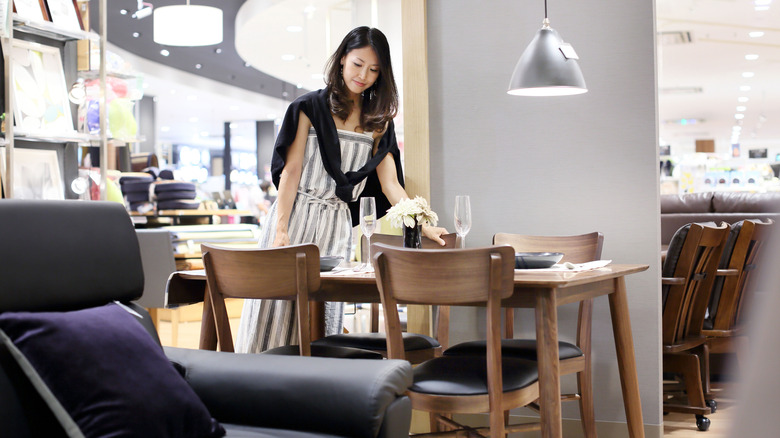
1/2
The Interior Home Trend Designers Are Happy To Put Down, And Why It's For The Best
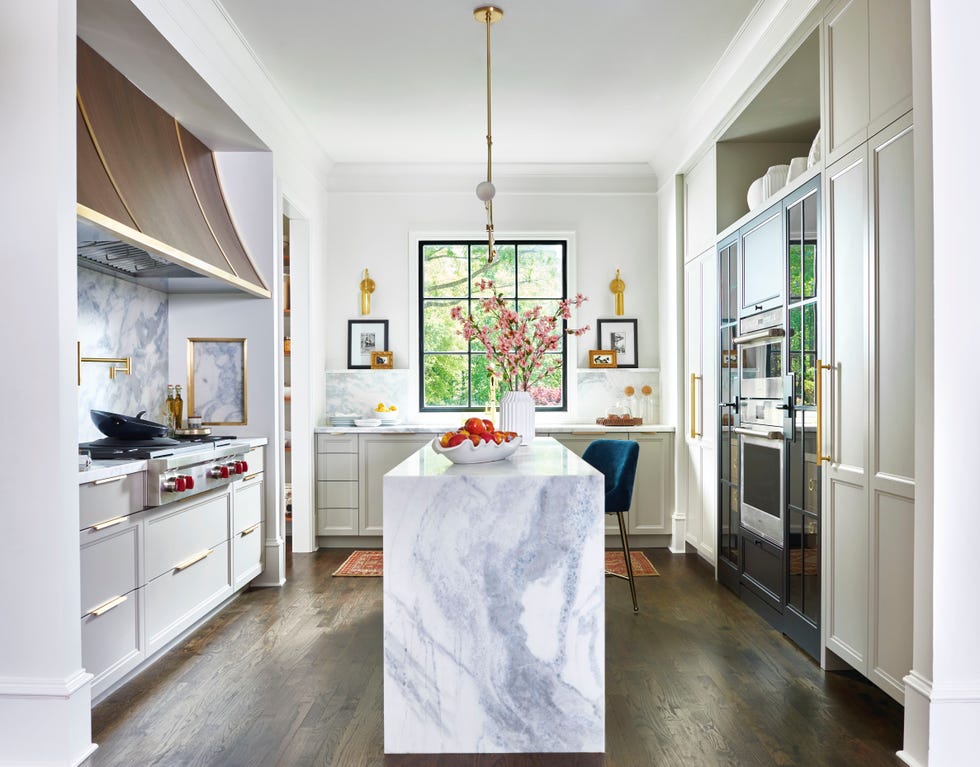
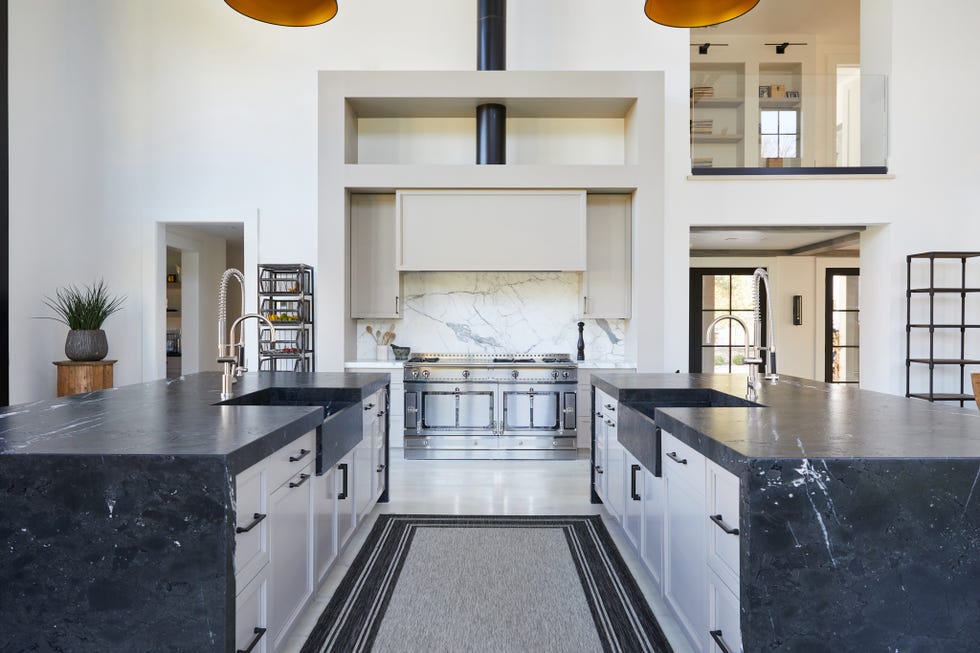
The article discusses the growing trend of using faux materials in home interiors and explains why designers advocate for a return to natural materials. While faux materials such as fake marble countertops, synthetic stone, and vinyl faux wood flooring offer a seemingly more affordable upfront cost, they come with significant drawbacks. These alternatives often lack the durability of their natural counterparts, being prone to damage like chipping and cracking. Beyond aesthetic and longevity concerns, some faux materials, particularly particleboard and certain types of laminate or vinyl flooring, are known to release harmful Volatile Organic Compounds (VOCs), including formaldehyde, which can negatively impact indoor air quality.
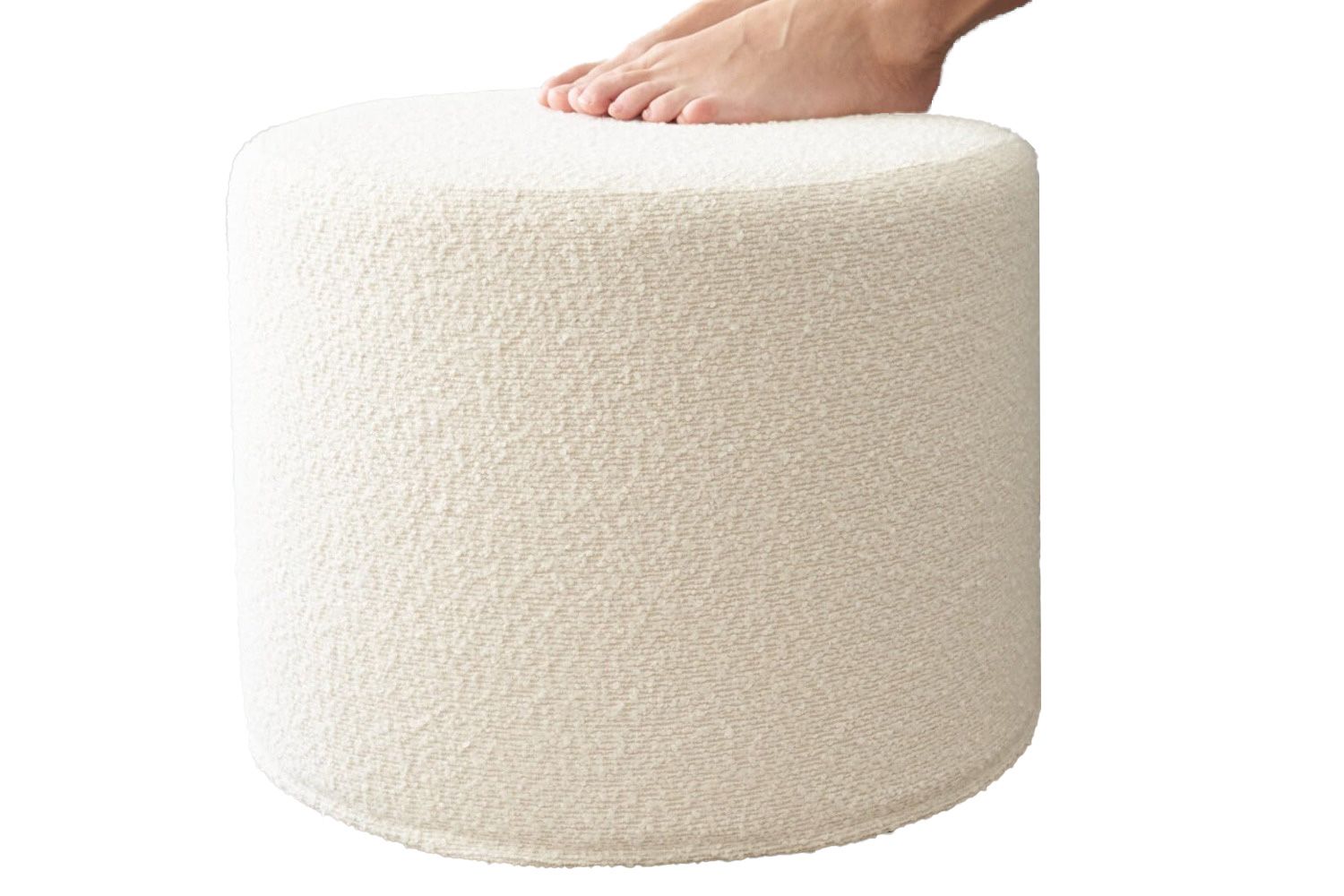
Home designer and therapist Anita Yokota emphasizes the psychological and physiological benefits of natural materials, noting that their micro-irregularities and tactile depth activate the parasympathetic nervous system, fostering feelings of groundedness and safety. Materials like real wood, stone, linen, and clay offer subtle variations that are absent in synthetic alternatives. Despite the drawbacks, the market for faux materials, such as particleboard used in faux wood furniture, is projected to continue growing, driven by a demand for affordability.
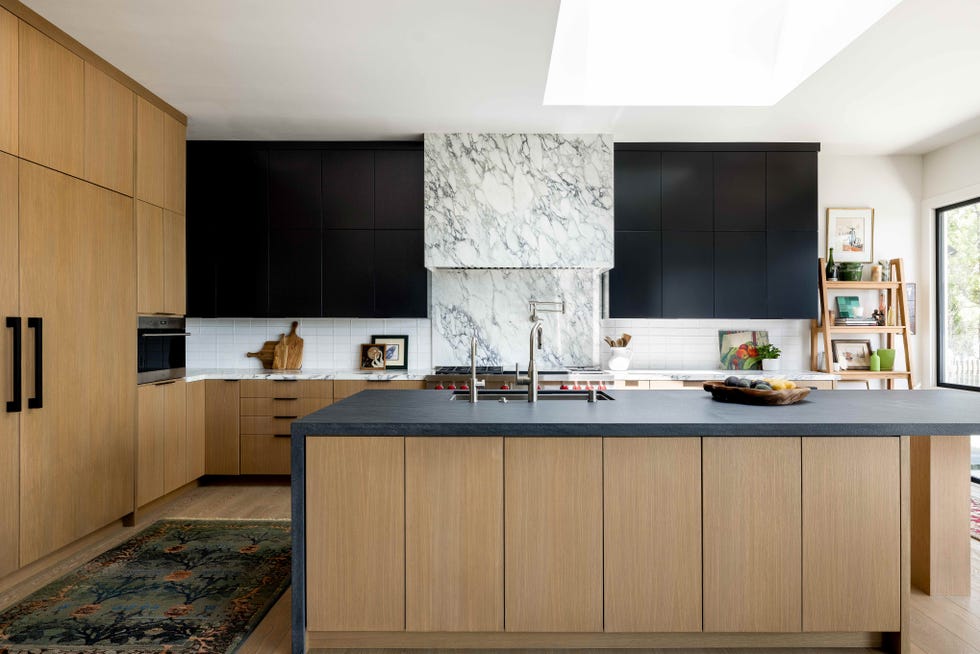
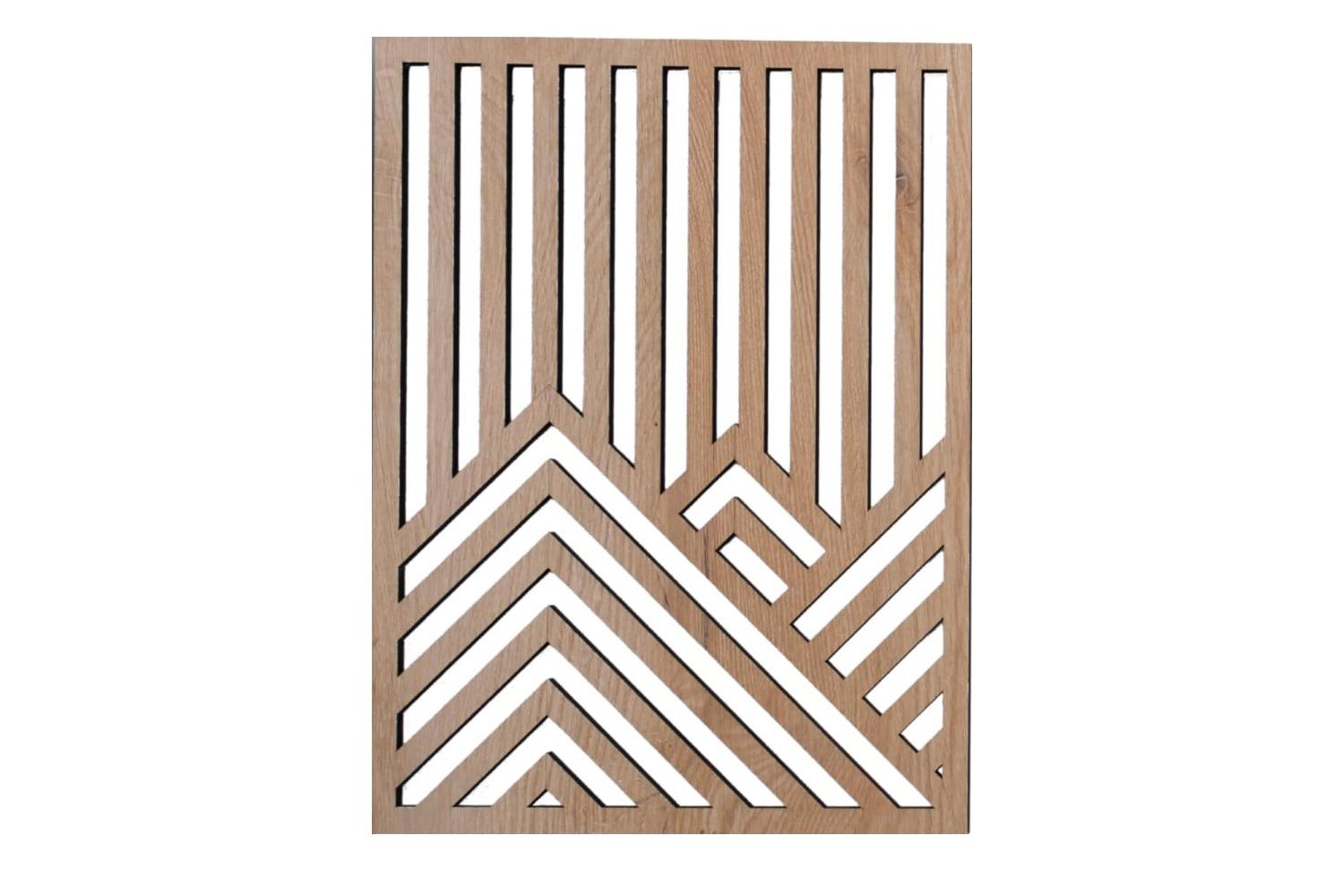
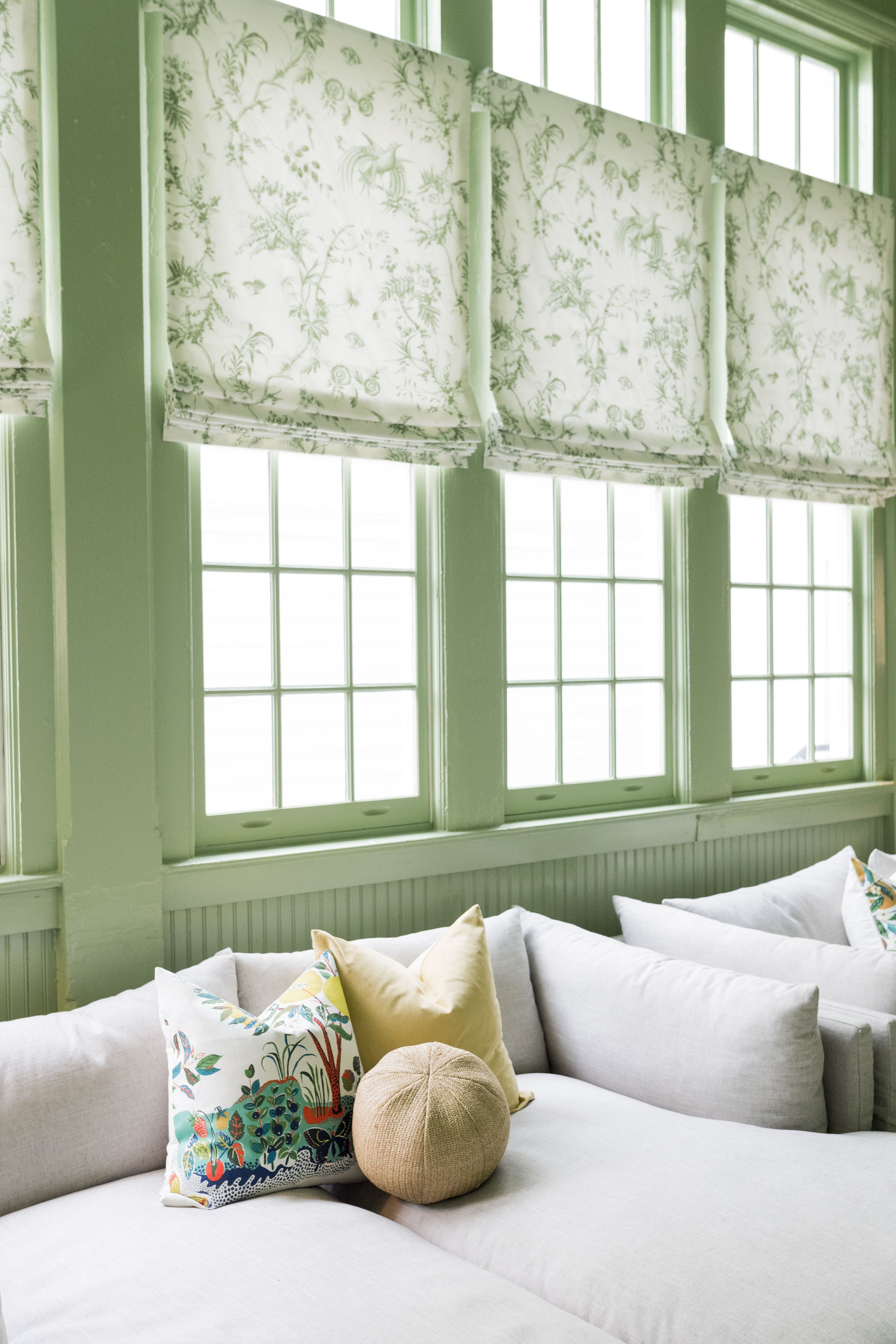
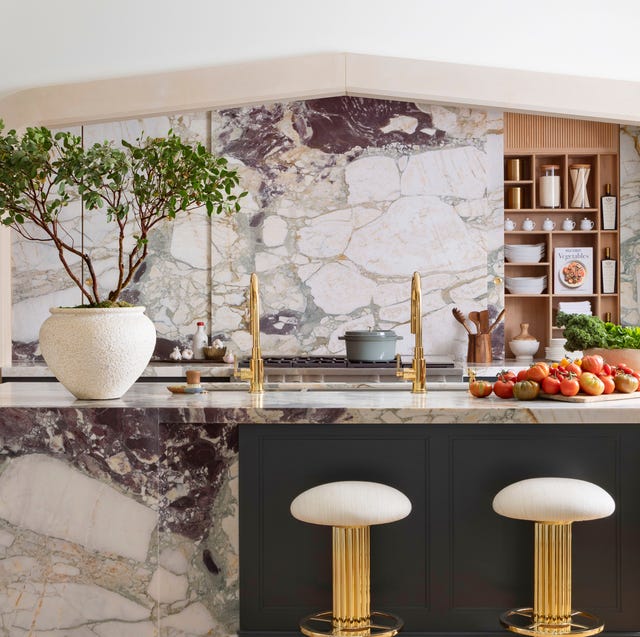
However, the article suggests that there are affordable natural alternatives available. For instance, instead of expensive marble or cheap faux replicas for countertops, real wood butcher block offers a natural, more budget-friendly option that also contributes to a soothing interior aesthetic. Similarly, embracing natural fabrics like cotton, linen, or wool for items such as blankets, curtains, and pillows is recommended over synthetic options. For furniture, vintage real wood pieces can be sourced affordably from thrift stores and given a new life through DIY upcycling.
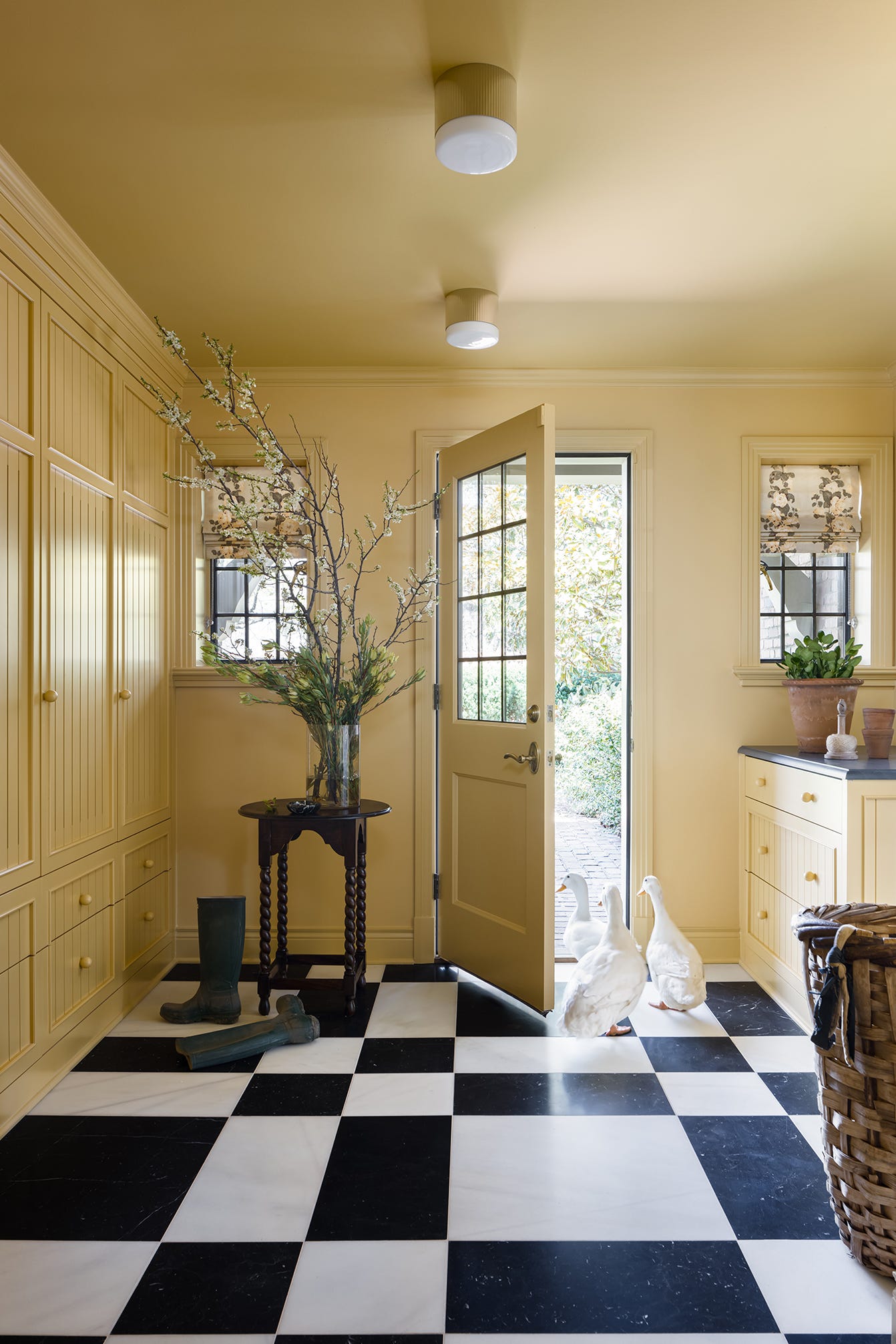
Ultimately, the piece advocates for a mindful approach to material selection in home design, prioritizing the long-term benefits of natural materials in terms of durability, aesthetic quality, and positive impact on well-being and indoor air quality, even when initial costs might seem higher than their synthetic counterparts. The ongoing popularity of faux materials is largely attributed to cost-effectiveness, but designers consistently prefer natural options due to their superior qualities and benefits.
#InteriorDesign #HomeDecorTrends #NaturalMaterials #FauxMaterials #HomeDesign #SustainableDesign #IndoorAirQuality #MaterialSelection #InteriorDesign #HomeDecorTrends #NaturalMaterials #FauxMaterials #HomeDesign #SustainableDesign #IndoorAirQuality #MaterialSelection
0 comment in total
 No comments yet
You may also like
10 Interior Design Mistakes Experts Avoid In Their Own Homes

These Trendy Home Additions Will Look "Dated" in 2026, According to Designers

Designers Reveal the Surprising Home Trend That's Taking Over Right Now

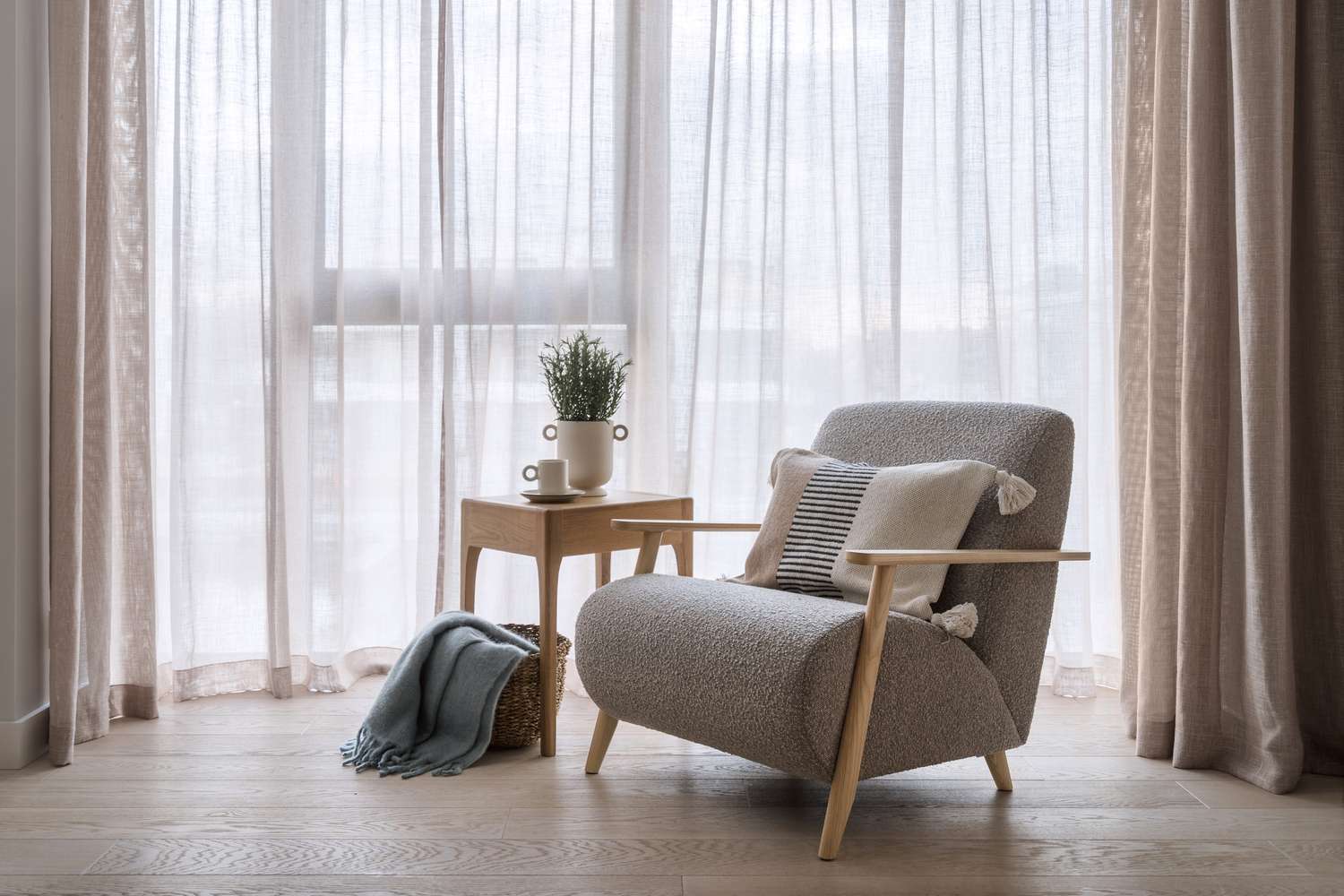
The Home Trend Interior Designers Hope Never Comes Back—and What to Do Instead
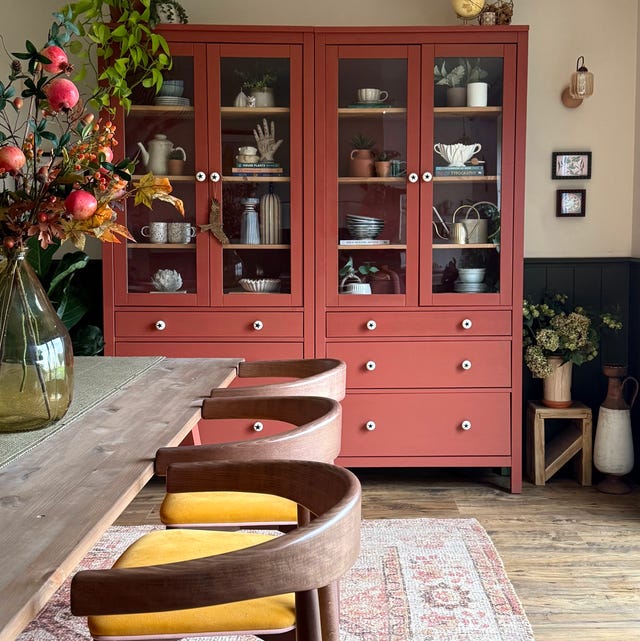
Copy-And-Paste Interiors: Repeating A Look Isn’t Lazy — It’s Clever
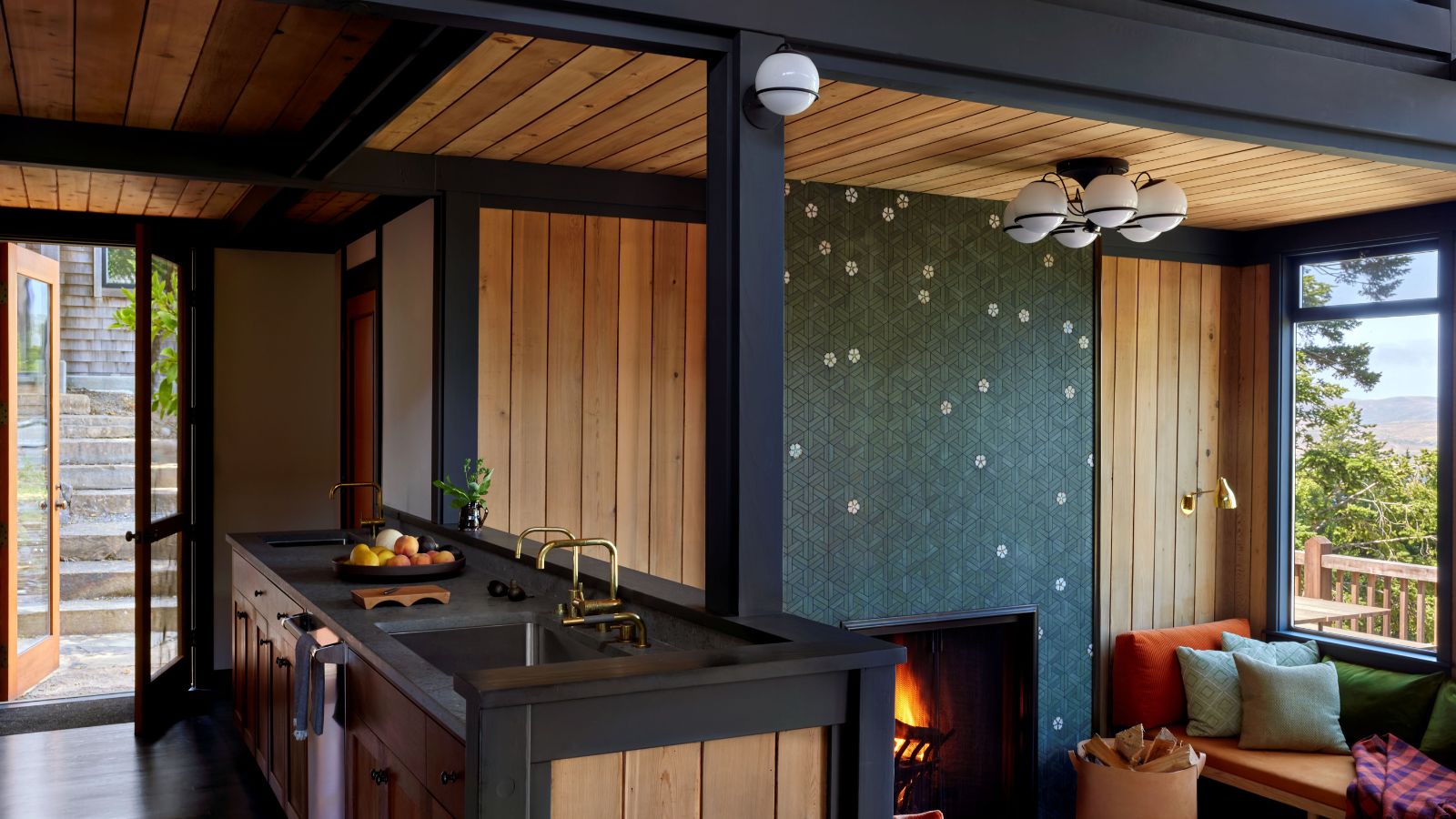
Designers definitely approve of this statement trend that elevates a cozy room
"I Regretted It After Two Weeks": Homeowners Are Revealing The Popular Home Fads That Aren't Worth Trying Out
The best interior designers
10 Horrifying Home Design Trends: 2023 Edition
I'm an interior designer. Here are 10 trends I won't be wasting money on in 2025.
“It Instantly Becomes Tacky": 22 Home Design Trends That Are Mega-Popular For Reasons Many People Will Never Understand

Why Interior Designers Are Ditching Pretty for ‘WTF Moments’

17 Trends That Need to Disappear Forever , According to Interior Designers

If You Have These 10 Traits, You'd Probably Be a Great Interior Designer
People Are Defending The "Unpopular" Home Design Trends That Actually Make A Lot Of Sense In Their Own Homes
Is It Time to Shut the Door on Open-Concept Living?
10 Horrifying Home Design Trends: 2022 Edition
Designers Say These 4 Decor Trends Are Super Outdated—Update Your Home With These 8 Finds Instead

Year in review: top 10 design stories of 2022, selected by Wallpaper* design editor Rosa Bertoli

People Are Getting Real About The "Infuriating" Home Design Trends That Should Stay In 2023