1/5
Small bedroom layouts – how to get your floorplan design right
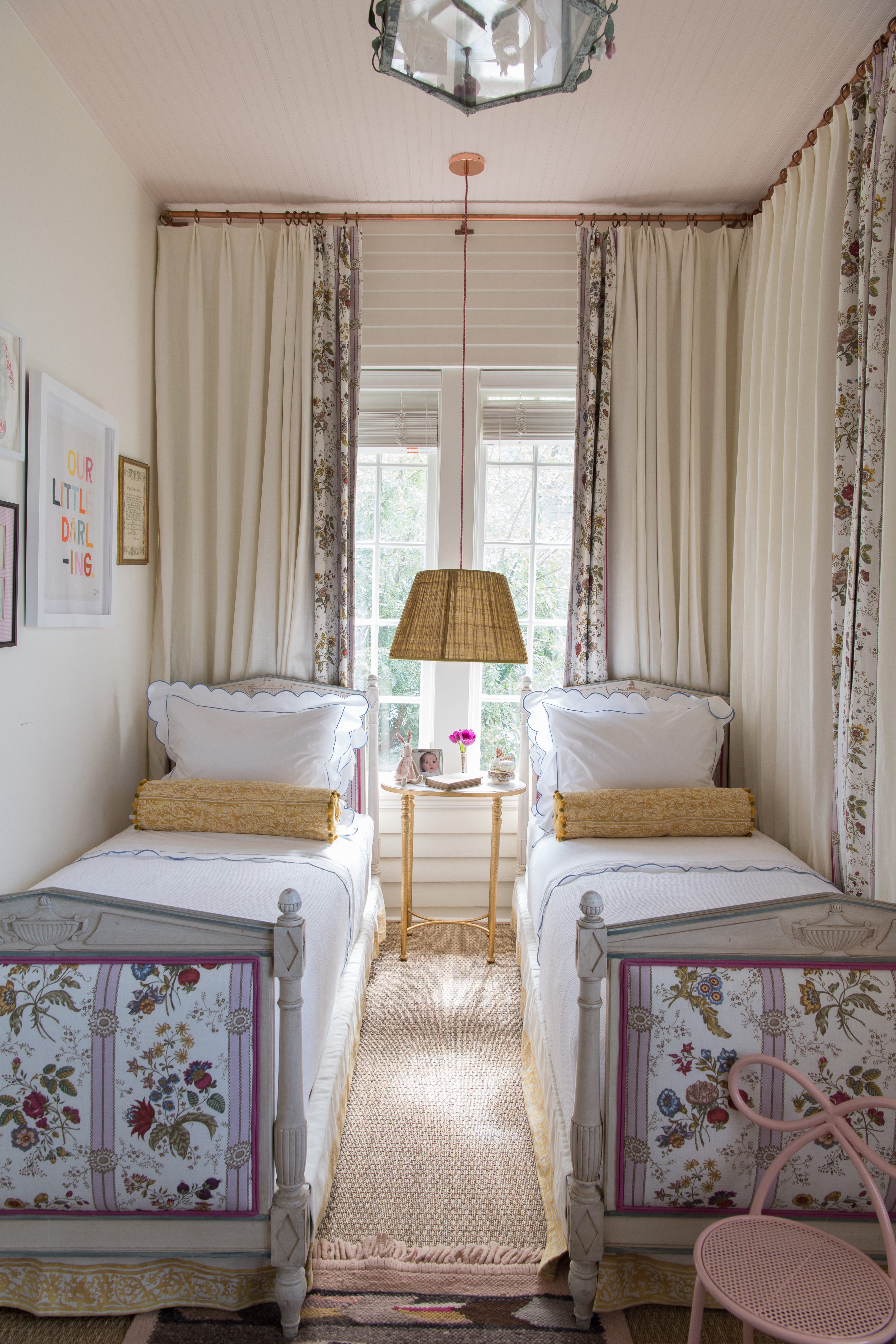
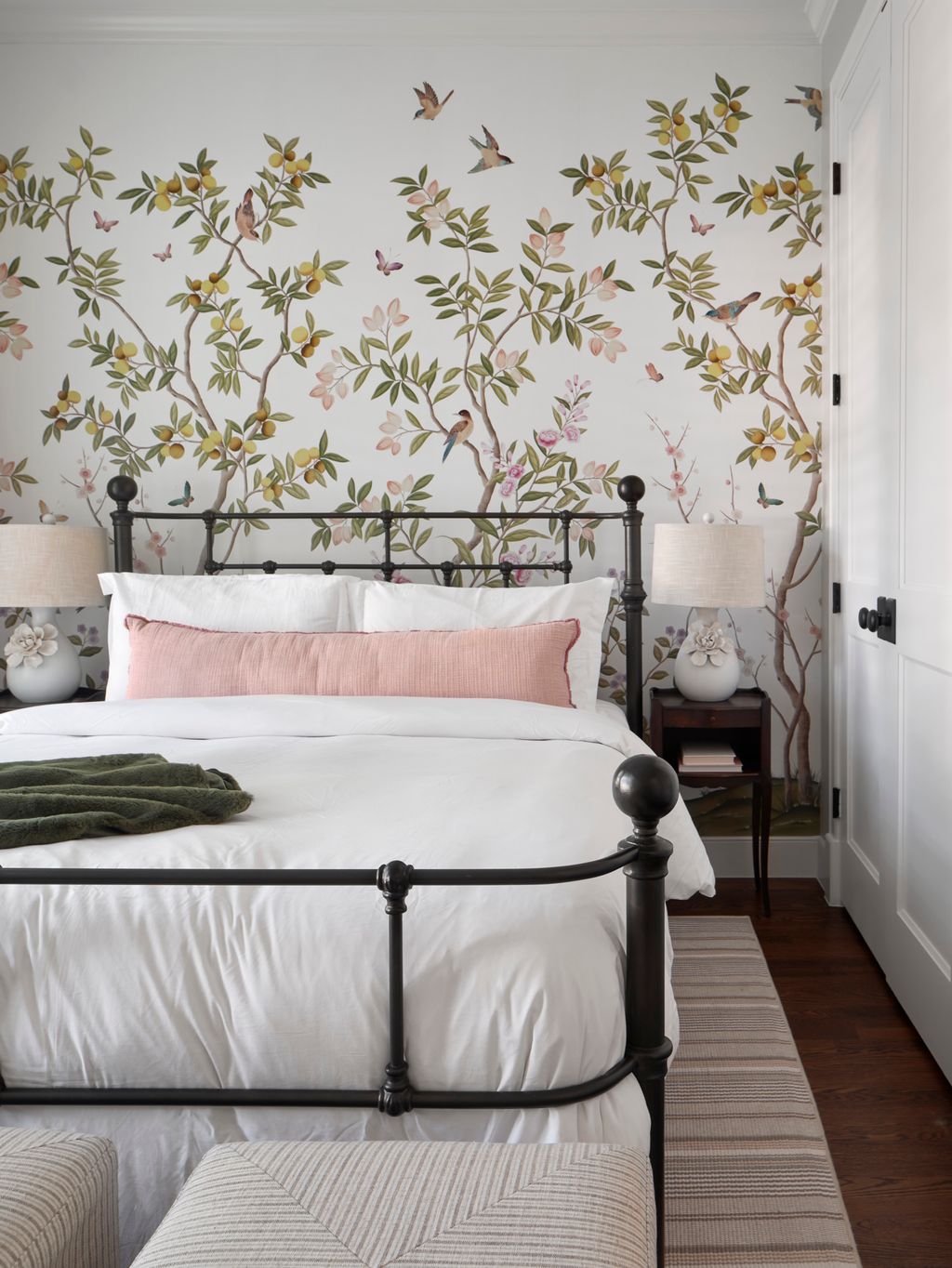
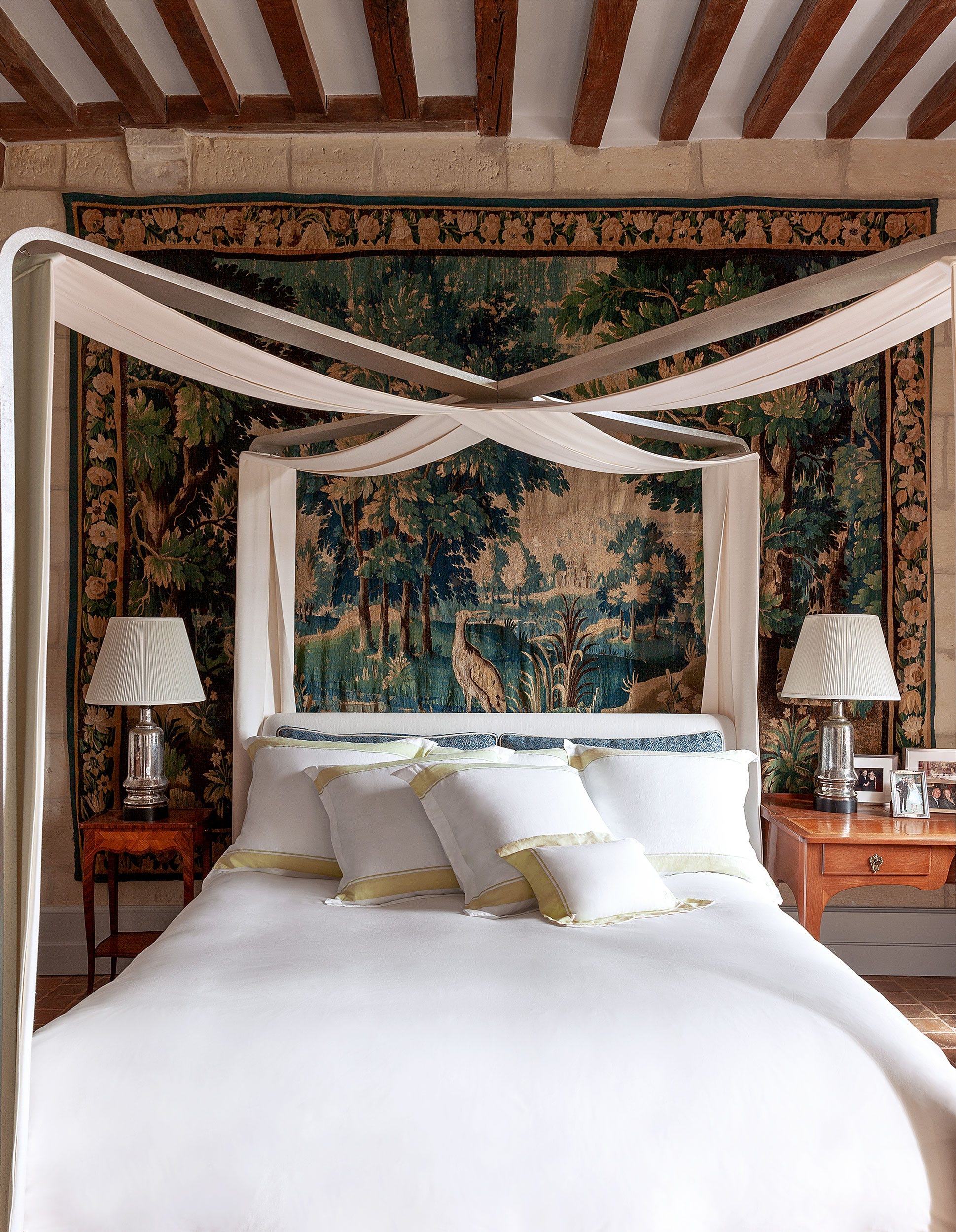
The article emphasizes the critical importance of creating a well-thought-out floor plan for small bedrooms to maximize functionality and comfort. Designers unanimously agree that a scaled layout is essential due to the inherent limitations of smaller spaces. Measuring accurately, including often-overlooked details like base molding, is crucial, as even half an inch can impact furniture placement and overall room flow. Bedrooms frequently serve multiple purposes beyond just sleeping, encompassing dressing areas and sometimes even desk spaces, making a comprehensive plan vital for accommodating these diverse needs and ensuring appropriate furniture scale.
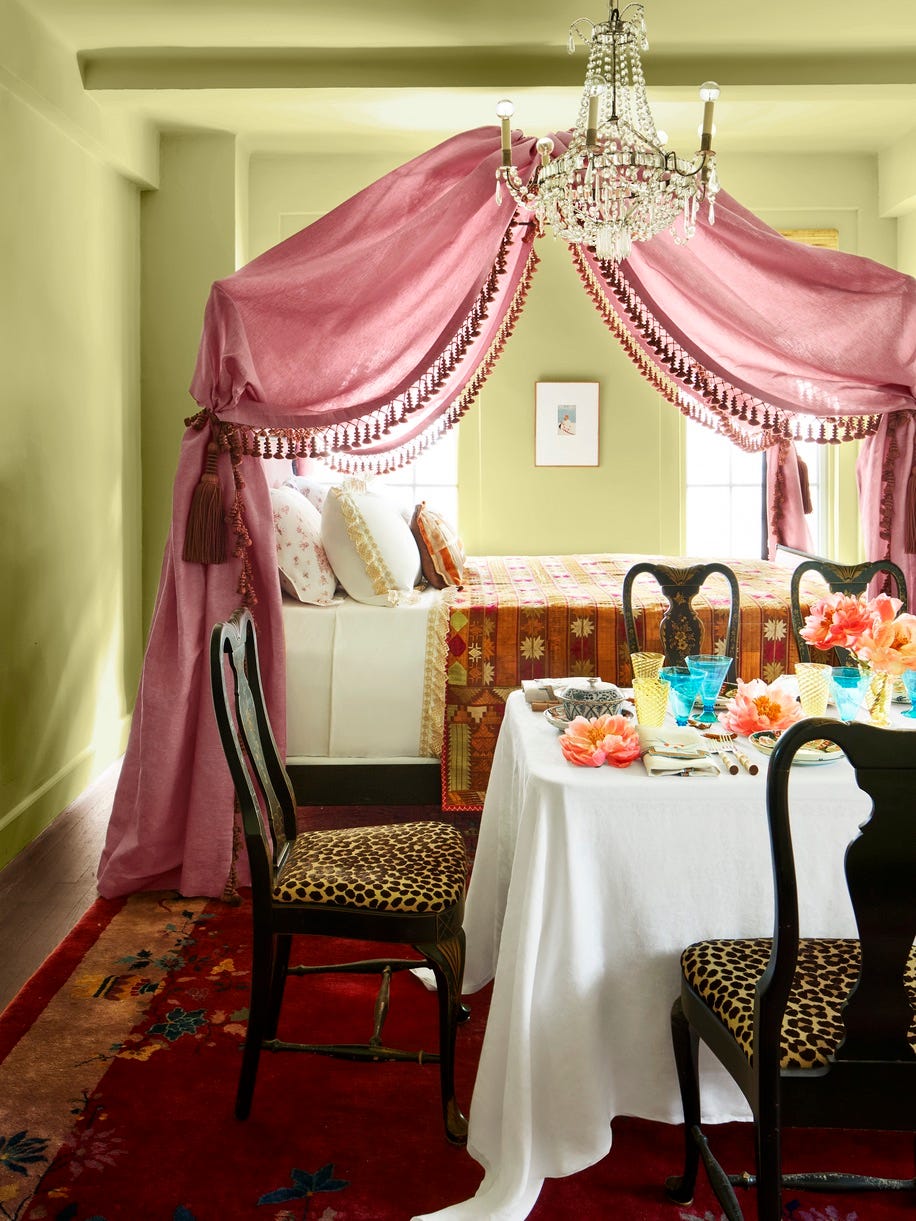
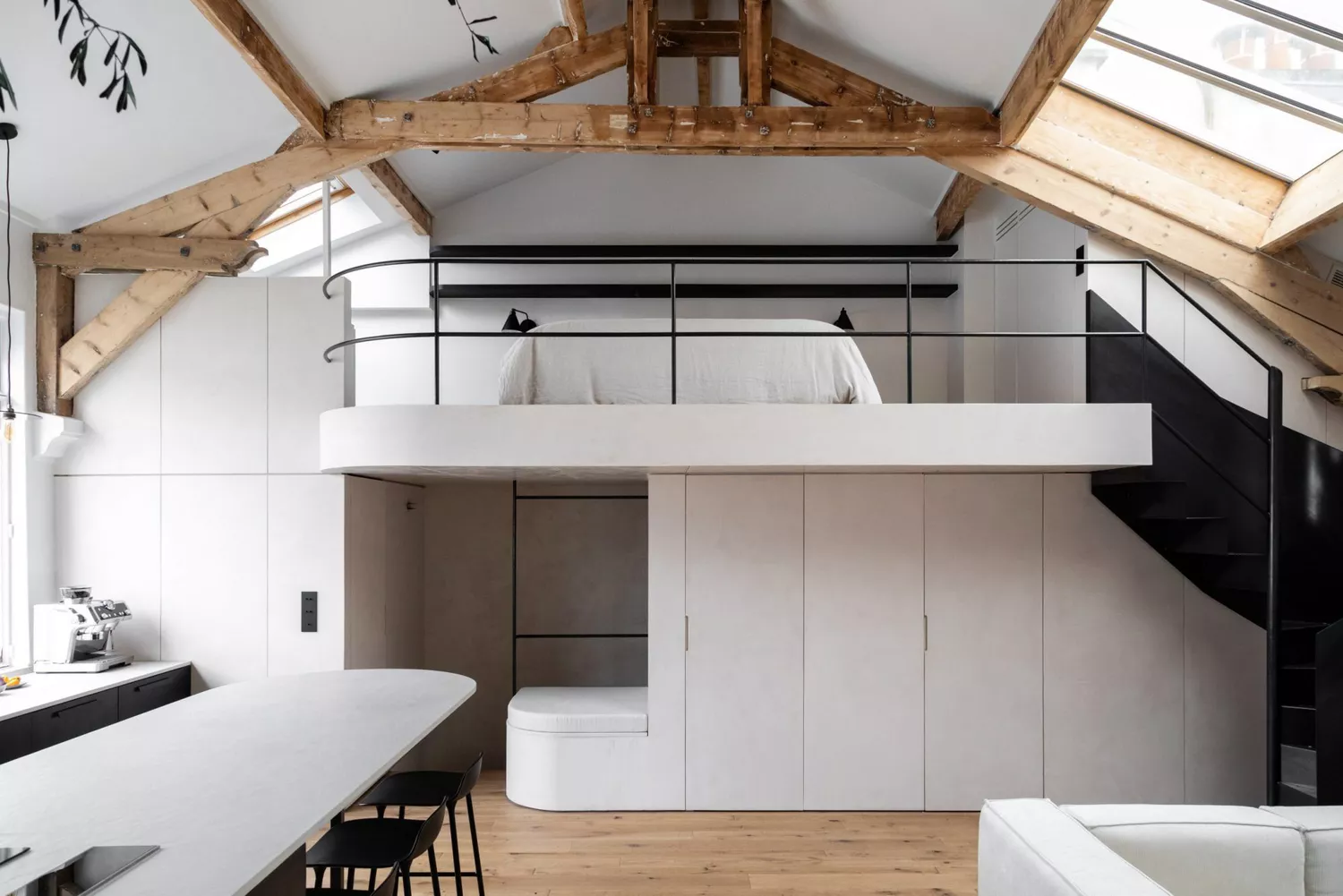
Key factors to consider when planning a small bedroom extend beyond just bed size. These include incorporating effective bedroom lighting, ample storage solutions, and functional elements that cater to activities other than sleeping. Designers suggest considering seating options, dedicated desk areas, blackout curtains for privacy and light control, and sound mitigation strategies. The article also highlights the potential benefit of space-saving solutions such as Murphy beds. The overarching goal is to transform the bedroom into a sanctuary for relaxation and renewal, which can be achieved through the careful selection of soft textures and soothing color palettes. Ultimately, the bedroom should be a peaceful environment where belongings have designated places, preventing clutter and promoting a sense of calm.
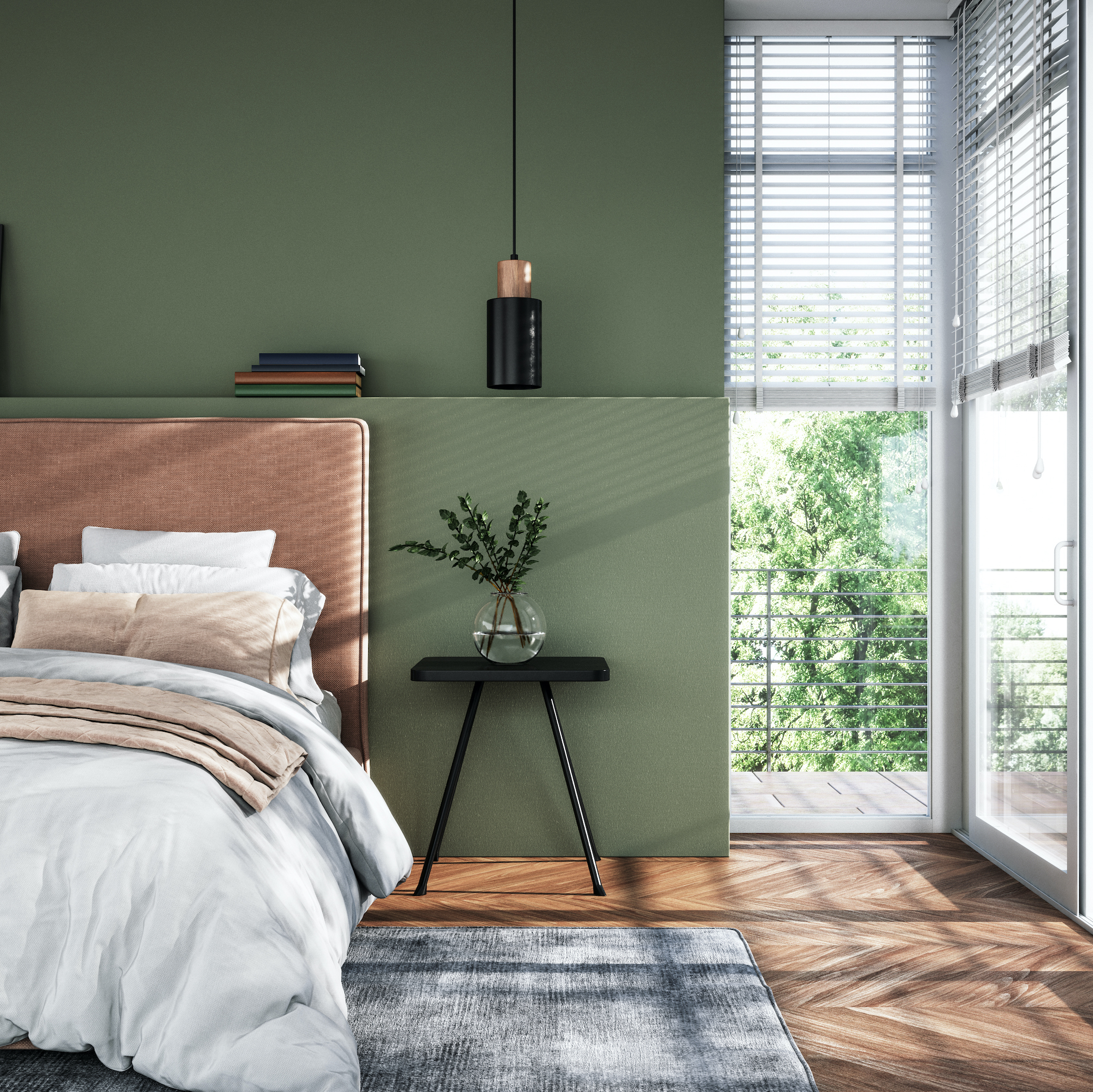
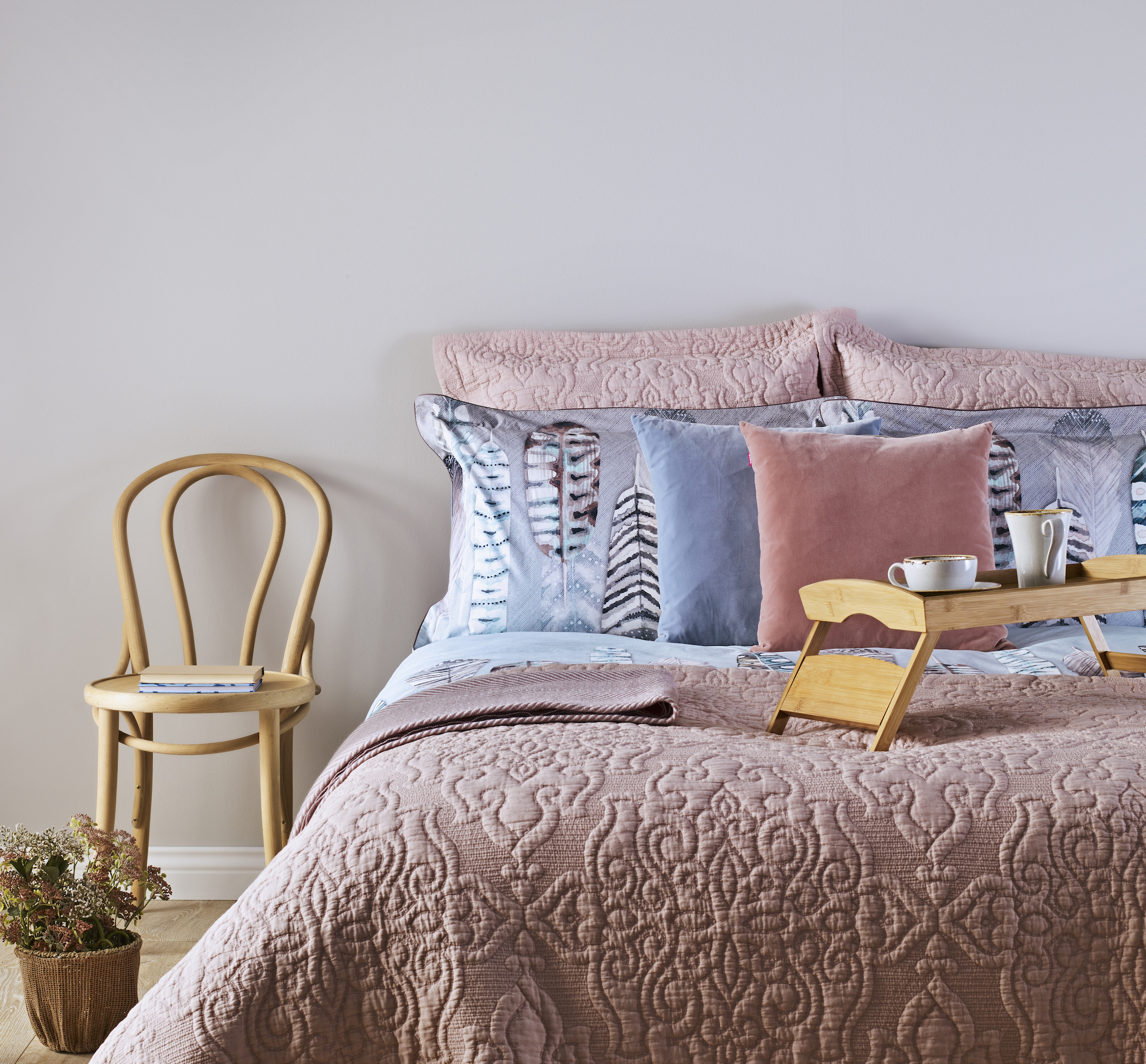
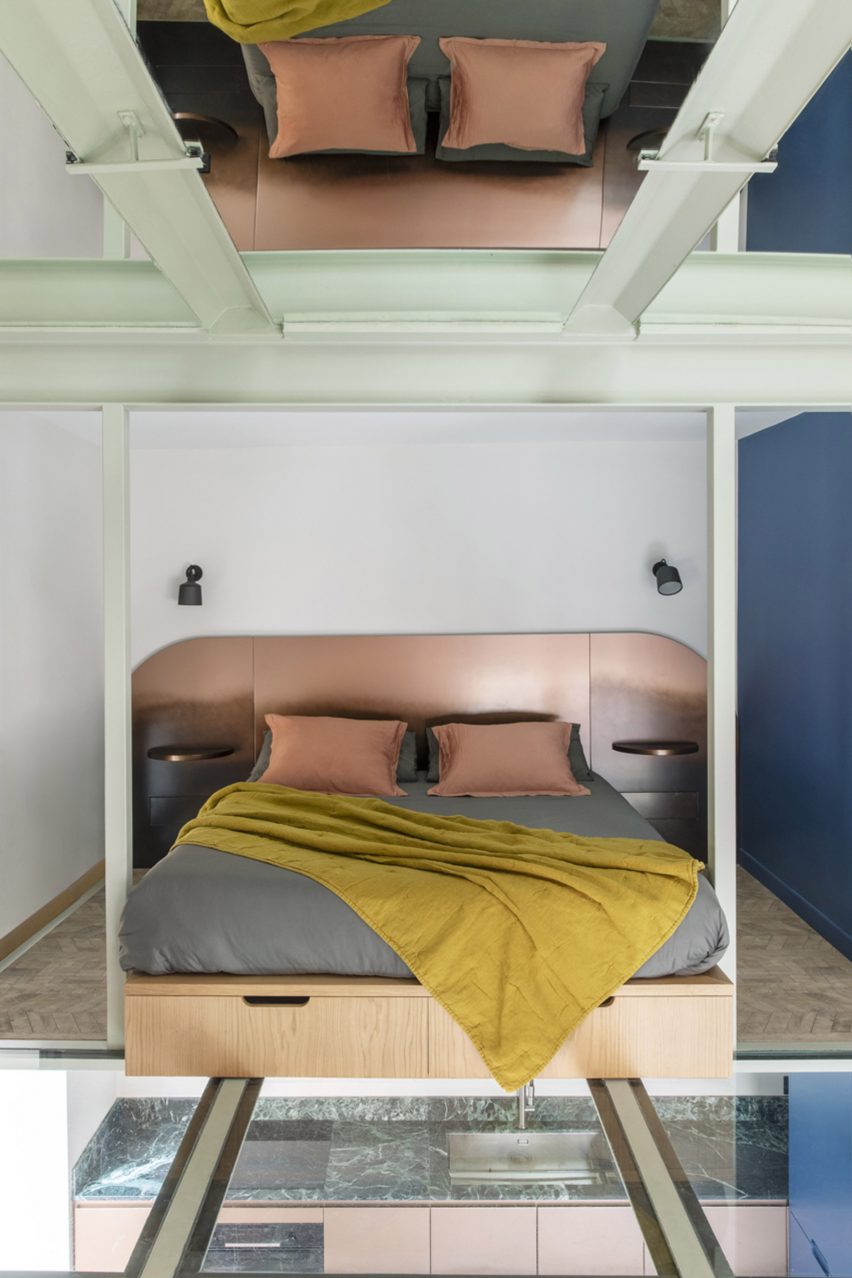
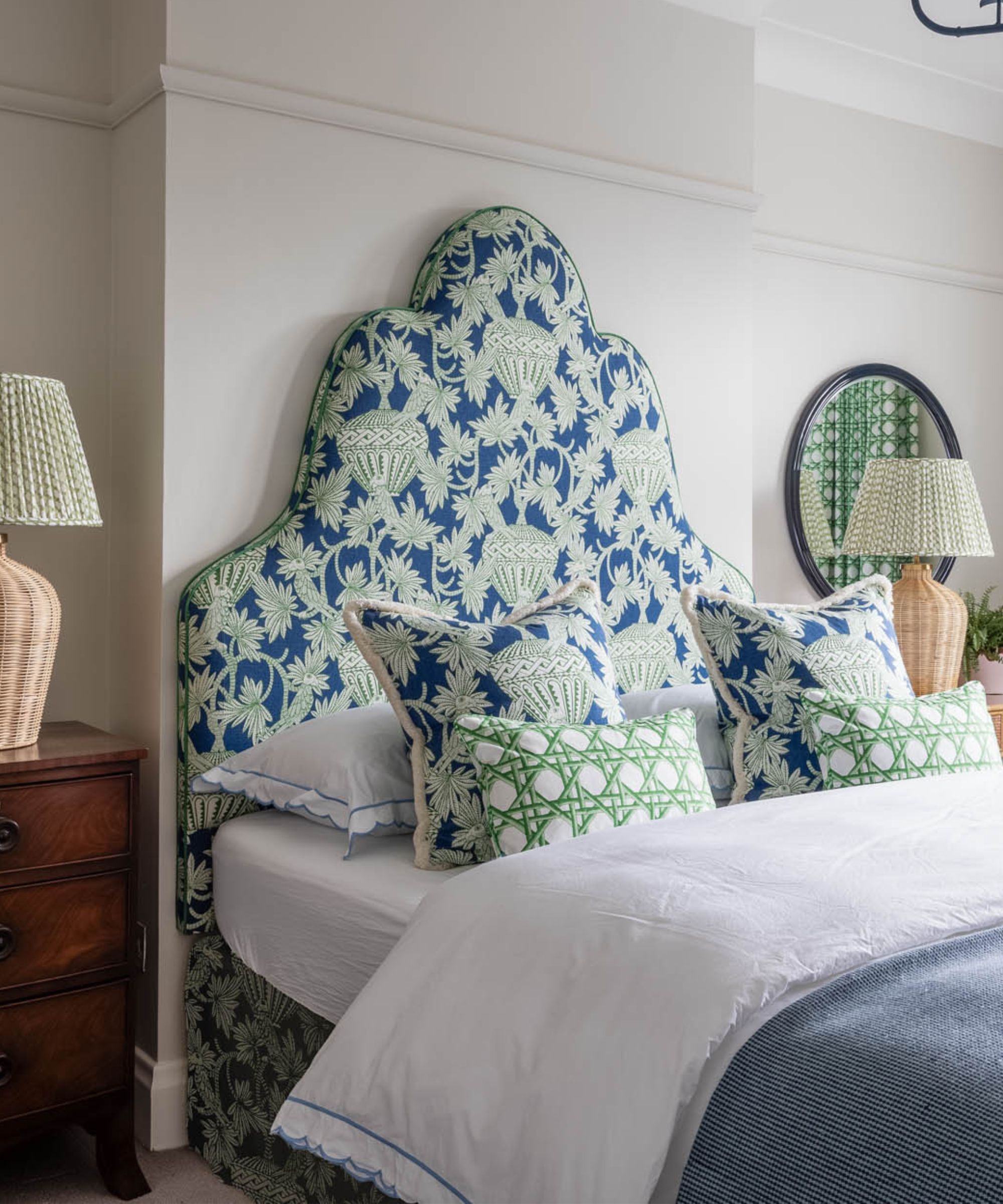
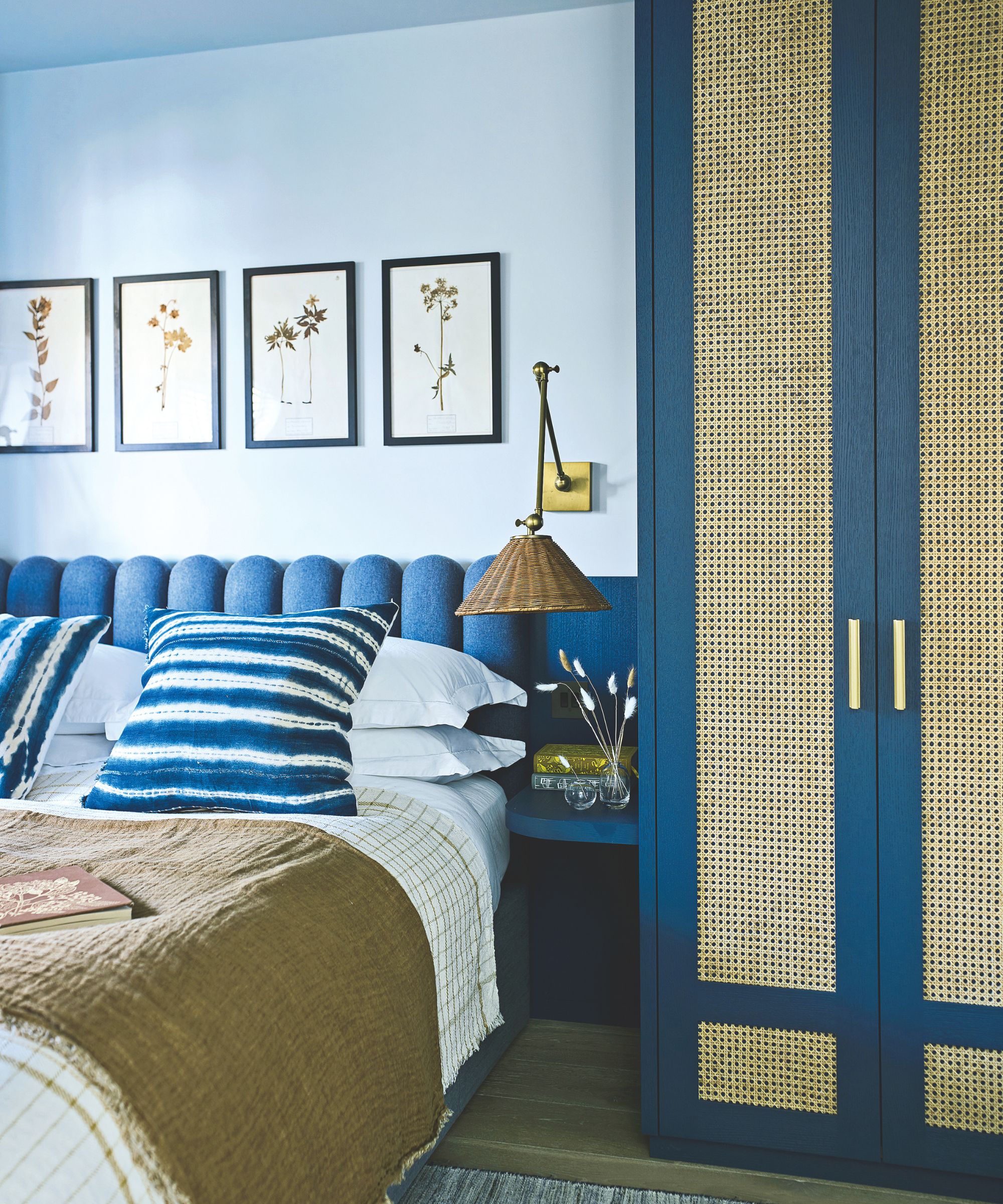
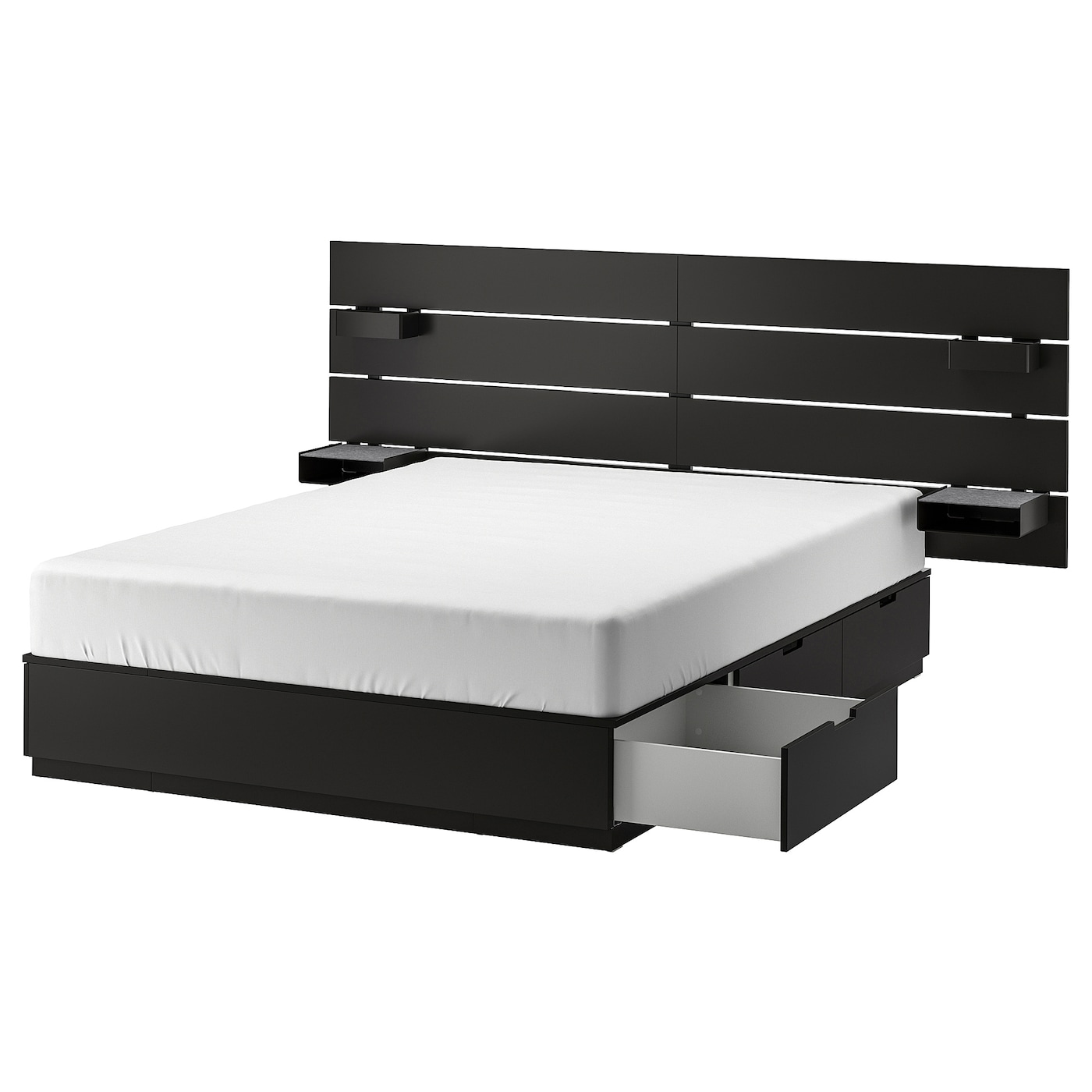
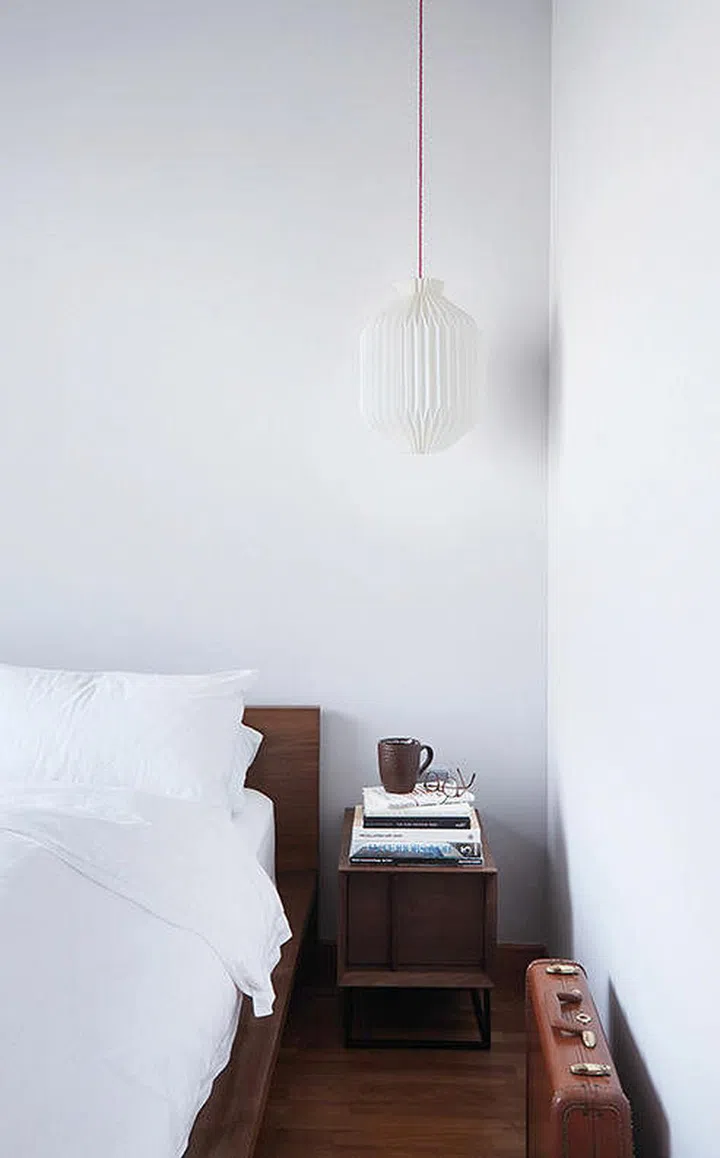
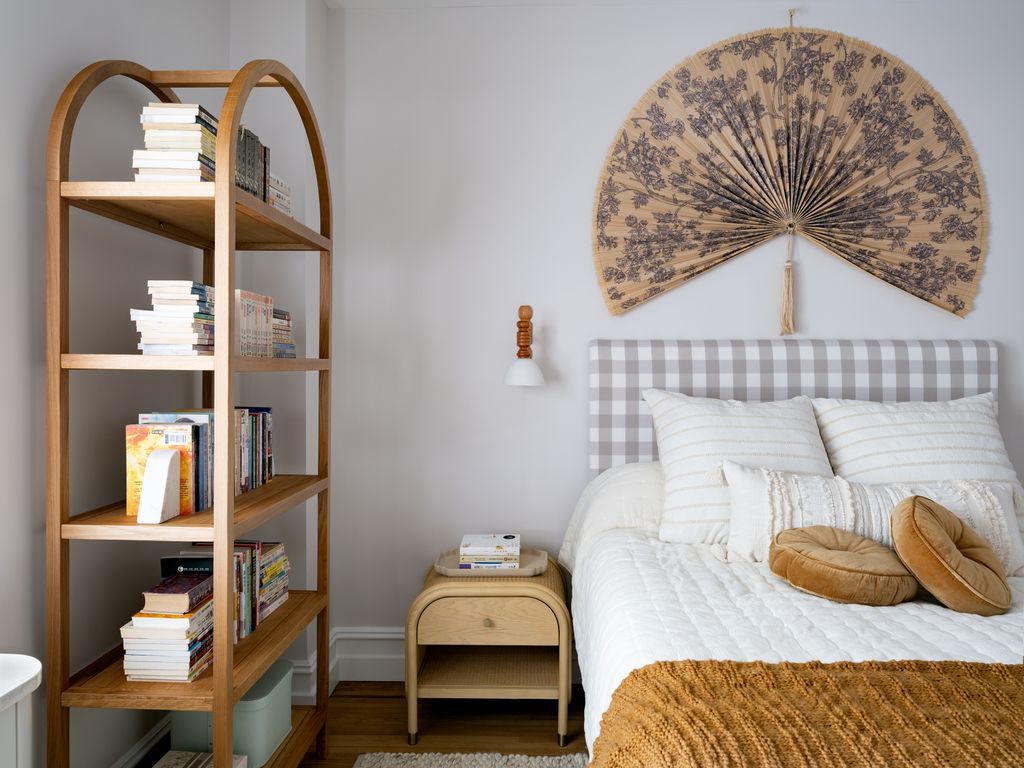
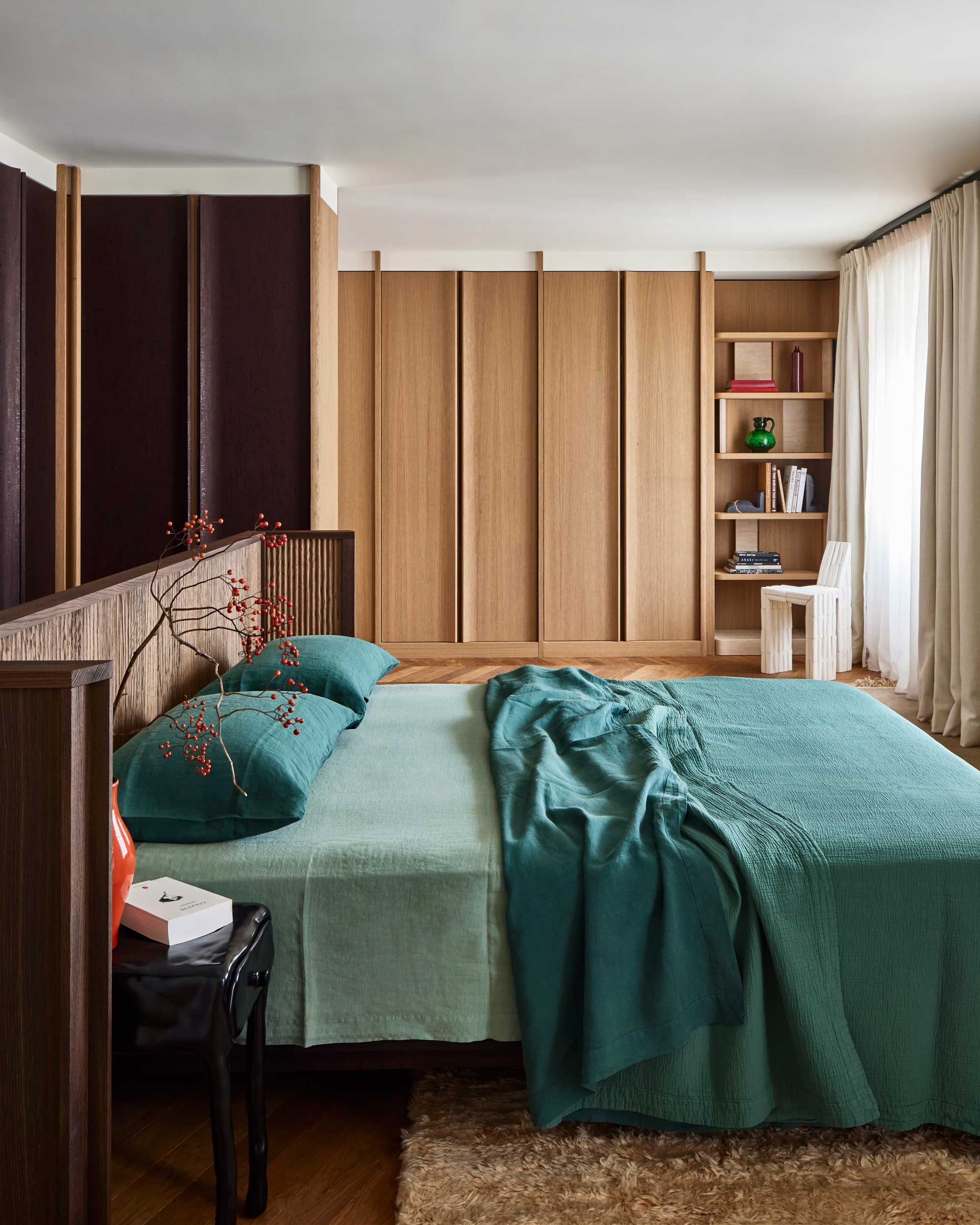
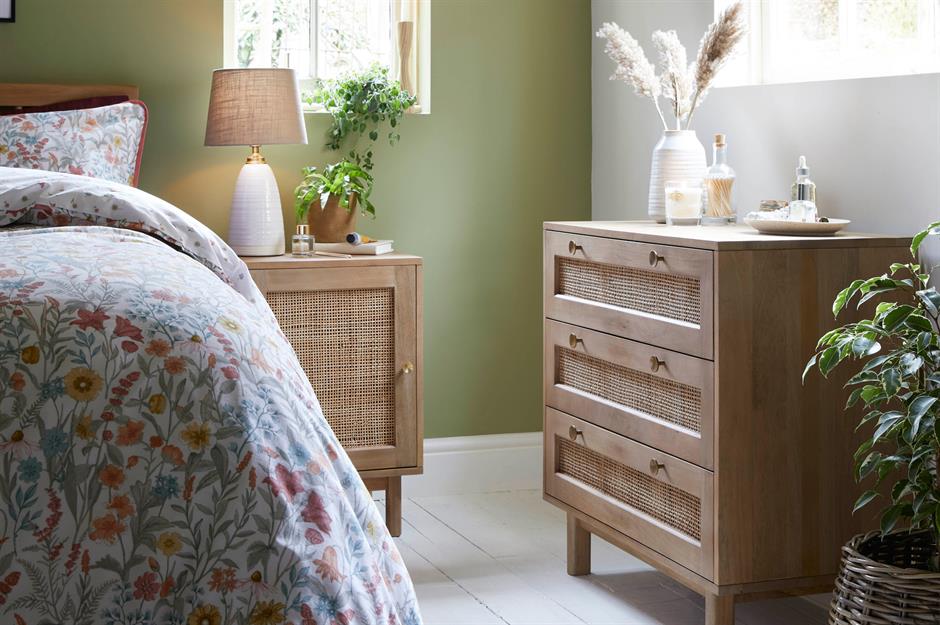
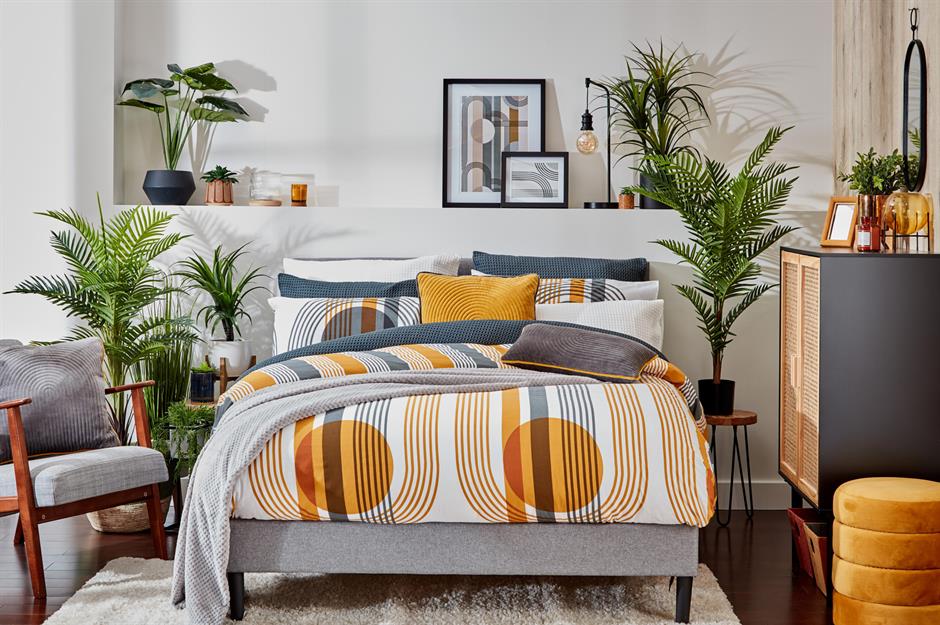
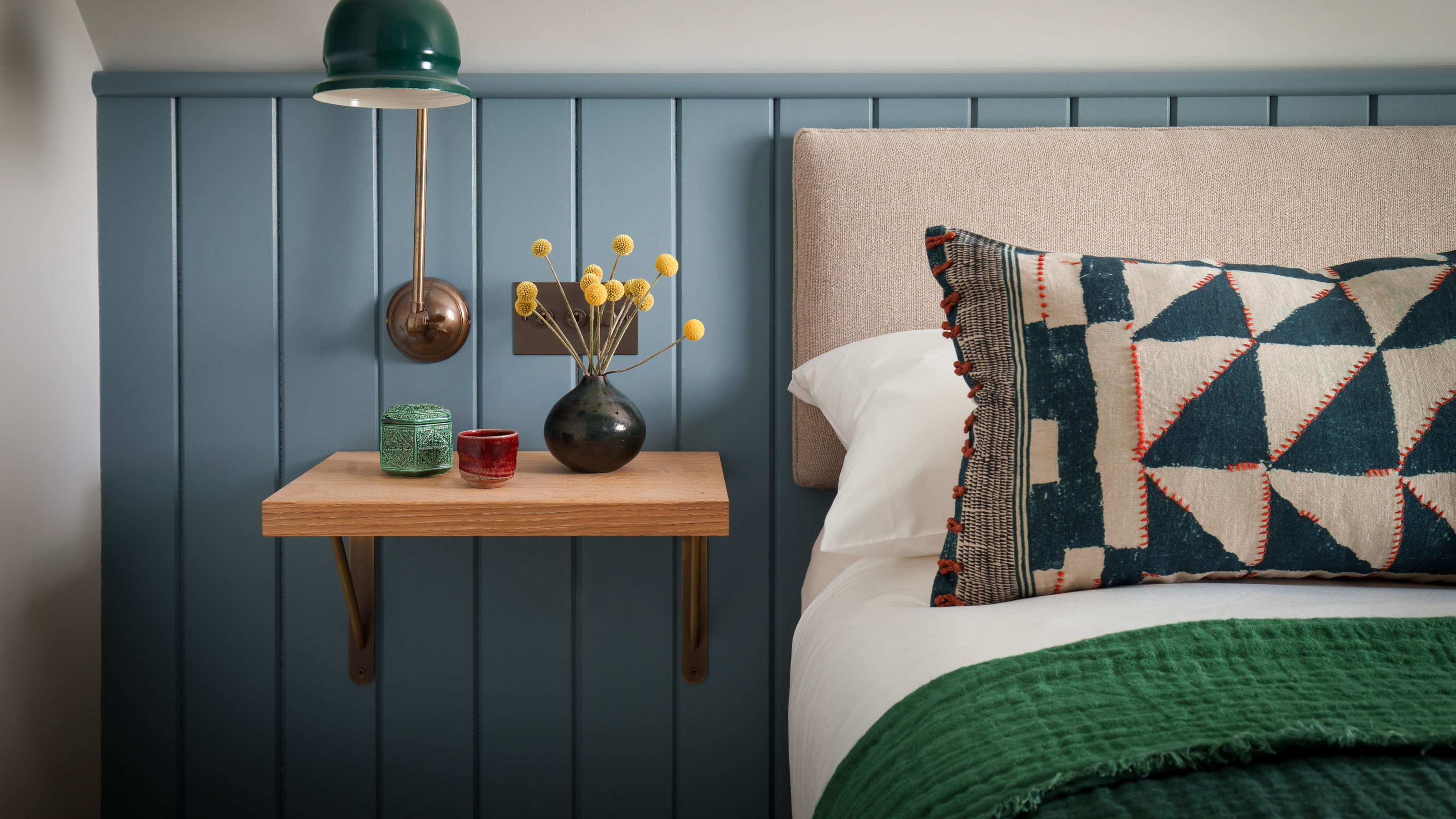
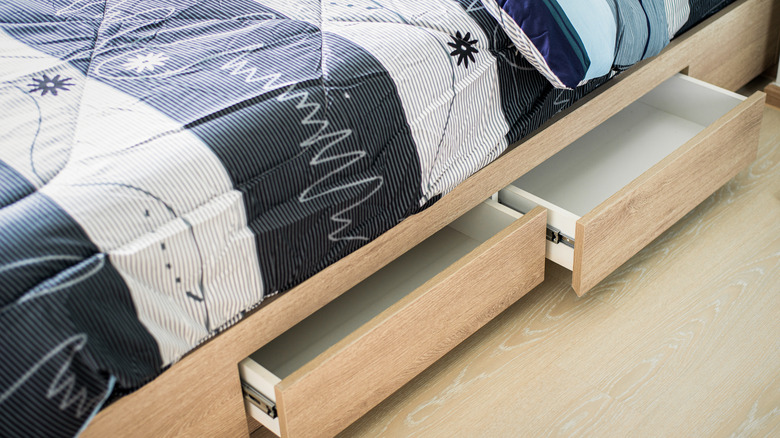
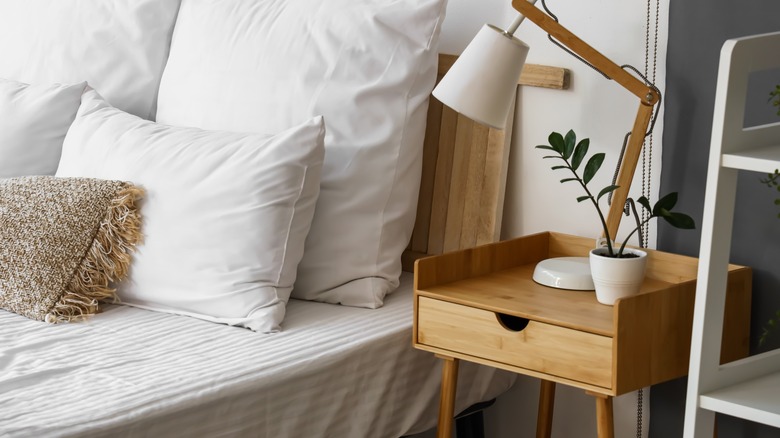
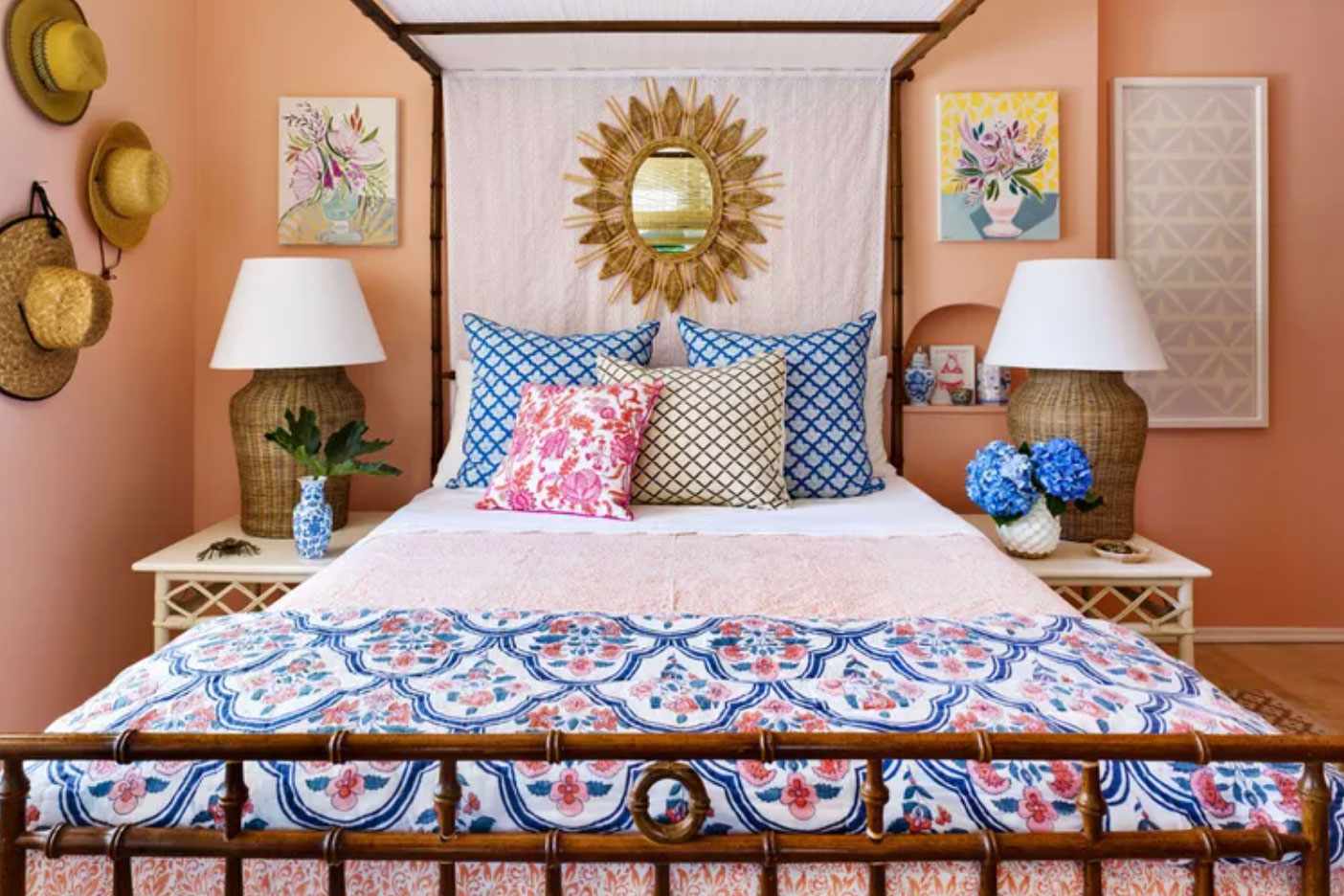
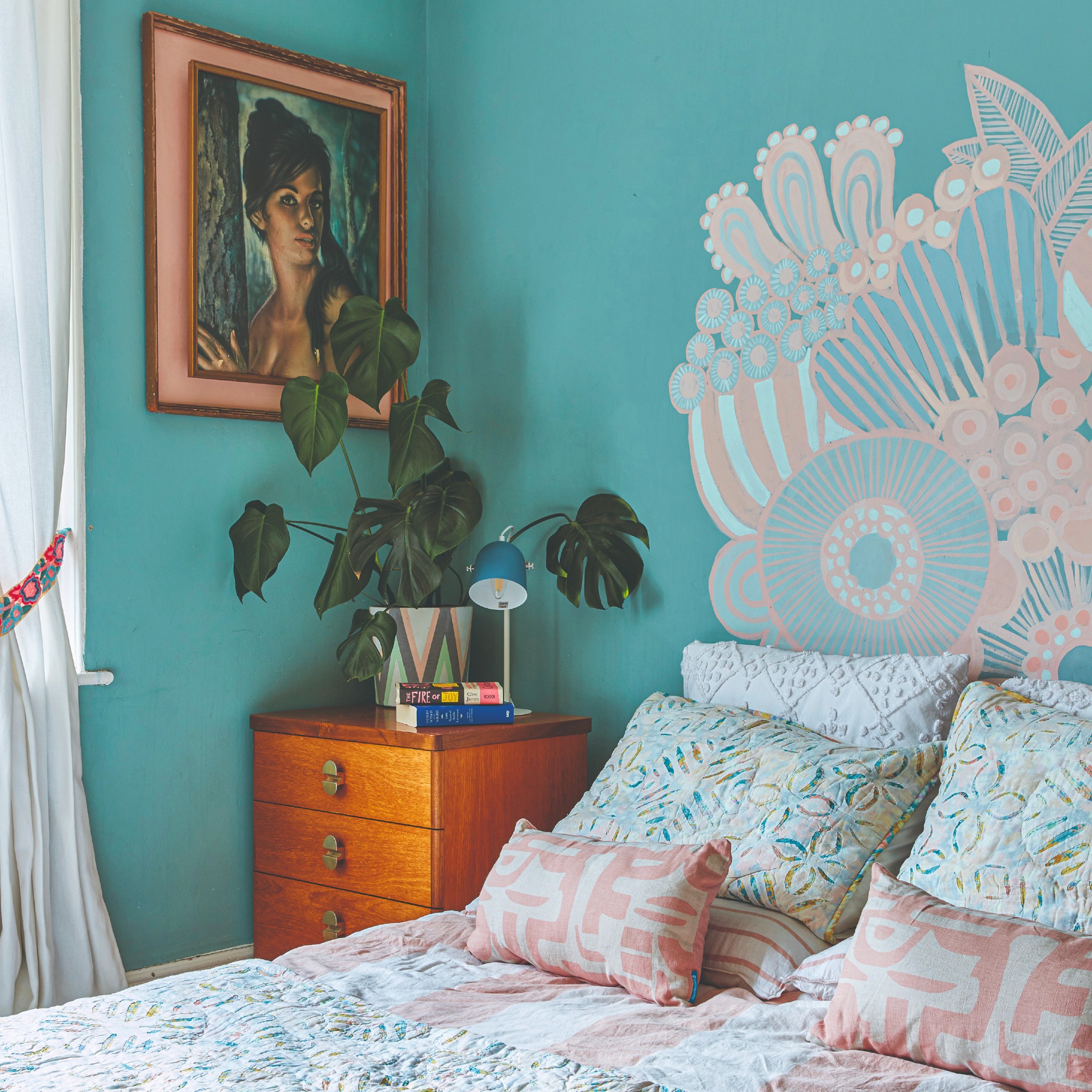
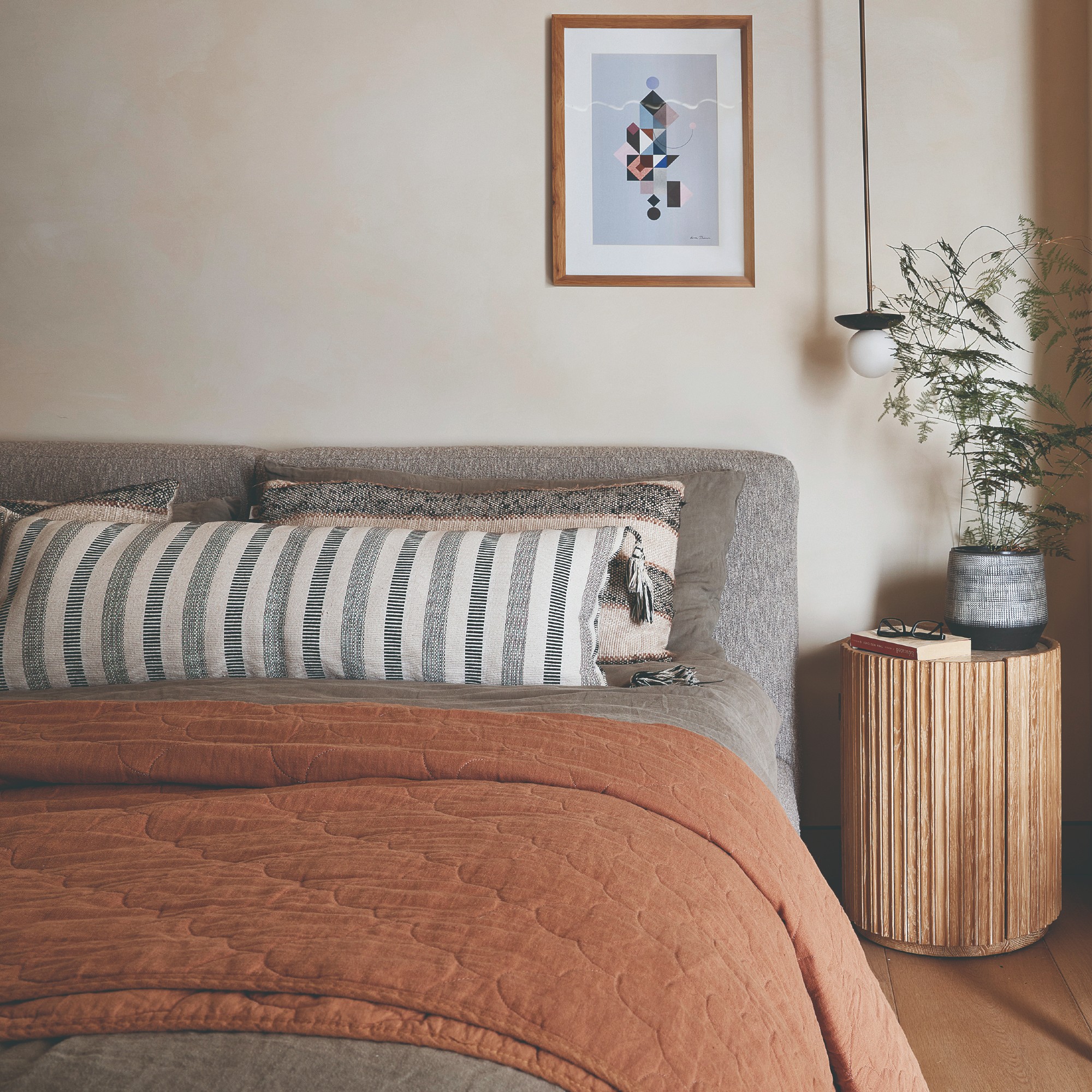
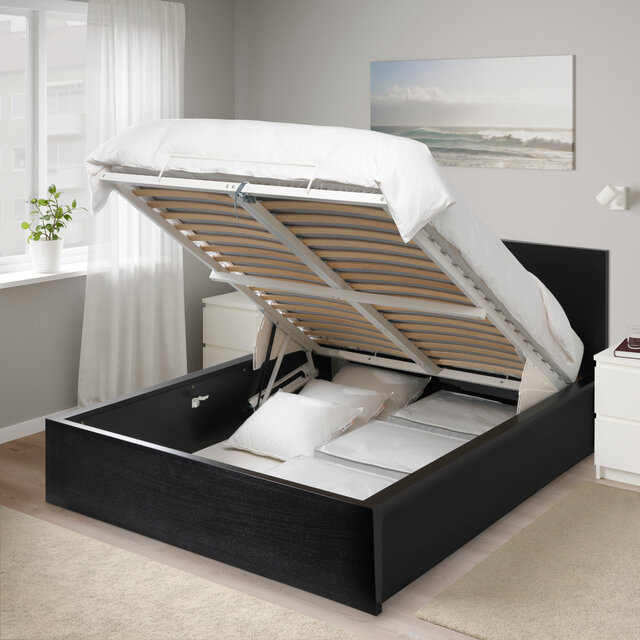
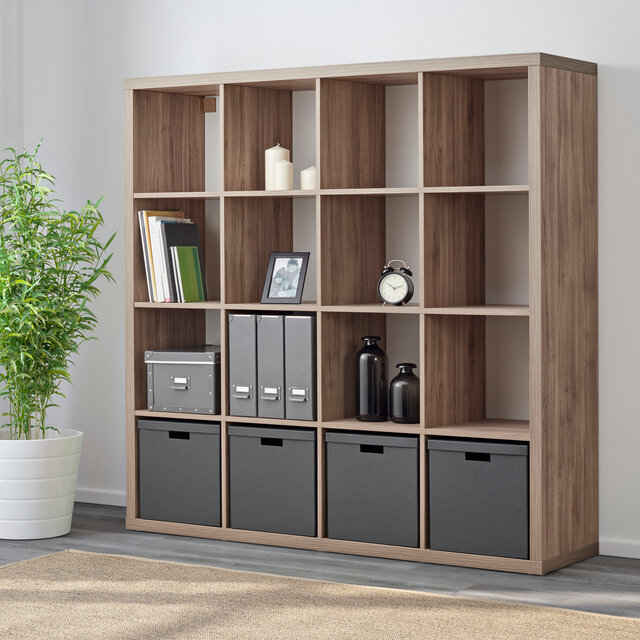
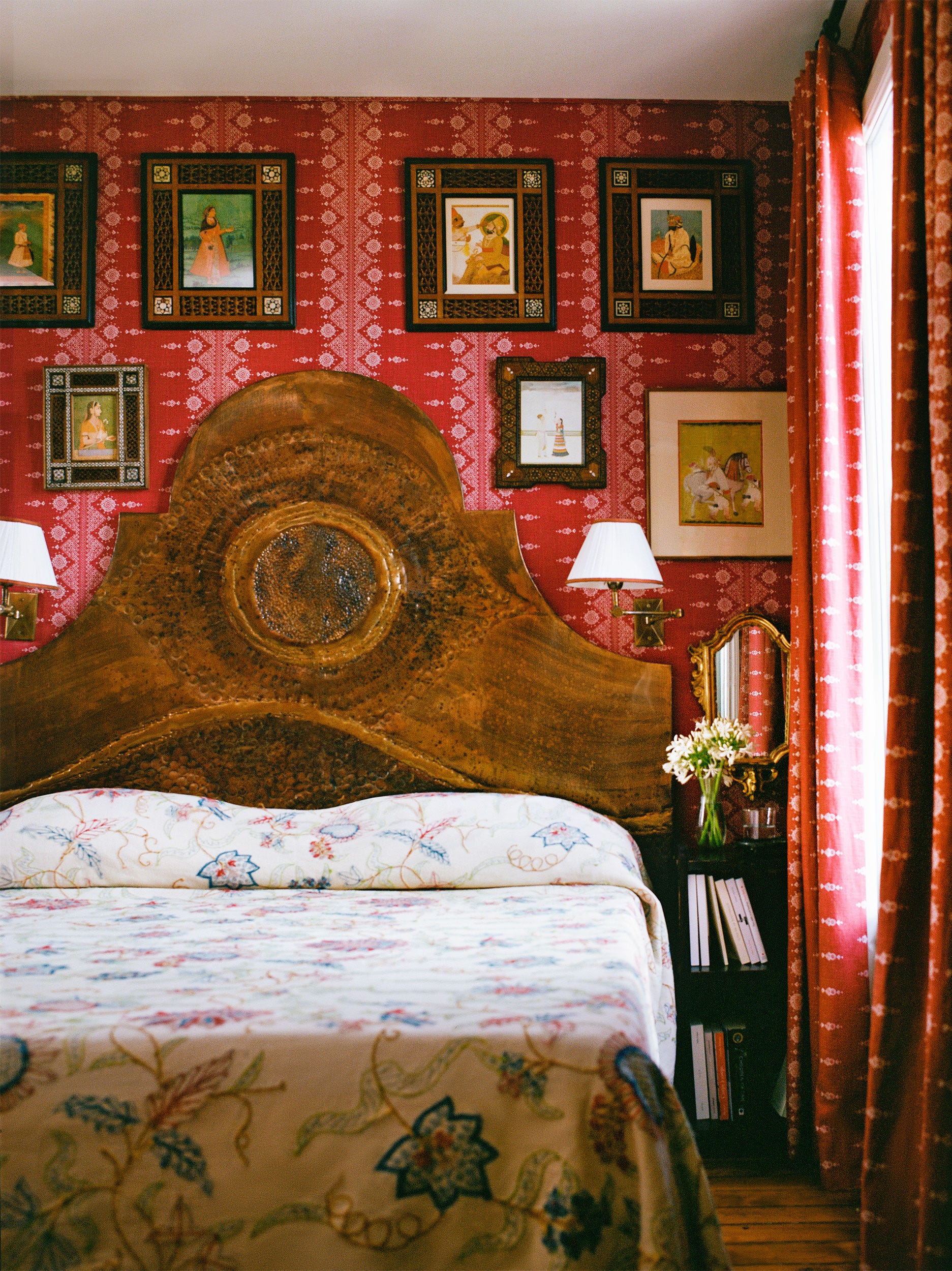
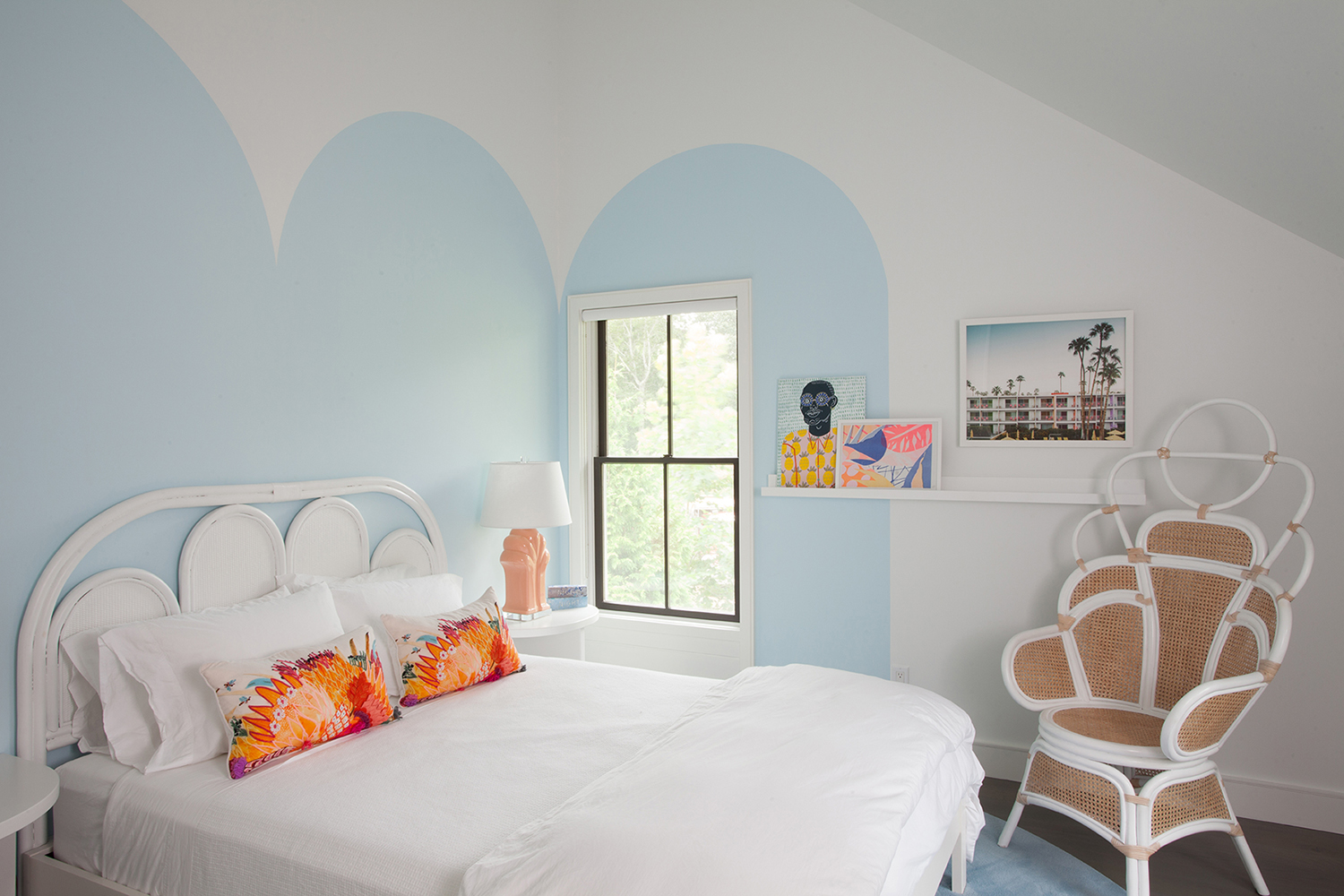
Storage is identified as a paramount element in small bedroom design. Designers recommend prioritizing case pieces, closets, and built-ins over under-bed storage to maintain a tidy aesthetic. Utilizing chests with drawers as nightstands rather than traditional tables offers both surface area and discreet storage. Regarding aesthetics, the article advises a calculated approach to patterns and colors, suggesting that a few bold statements are more effective than overwhelming the space. Sticking to either warm or cool shade palettes helps achieve a harmonious look, complementing existing decor like flooring. Accessories are also important for personalizing the space and making it feel lived-in and inviting.
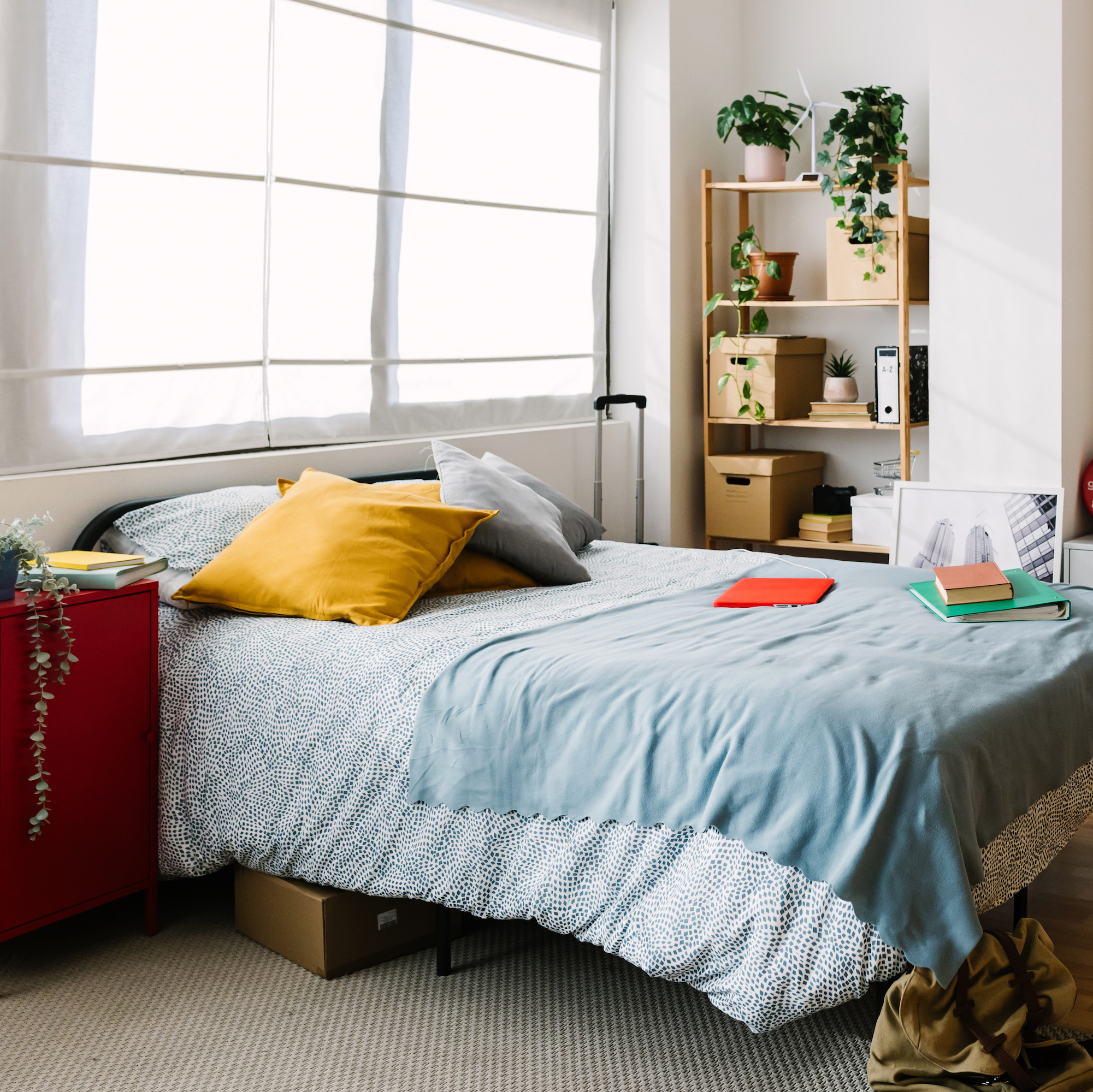
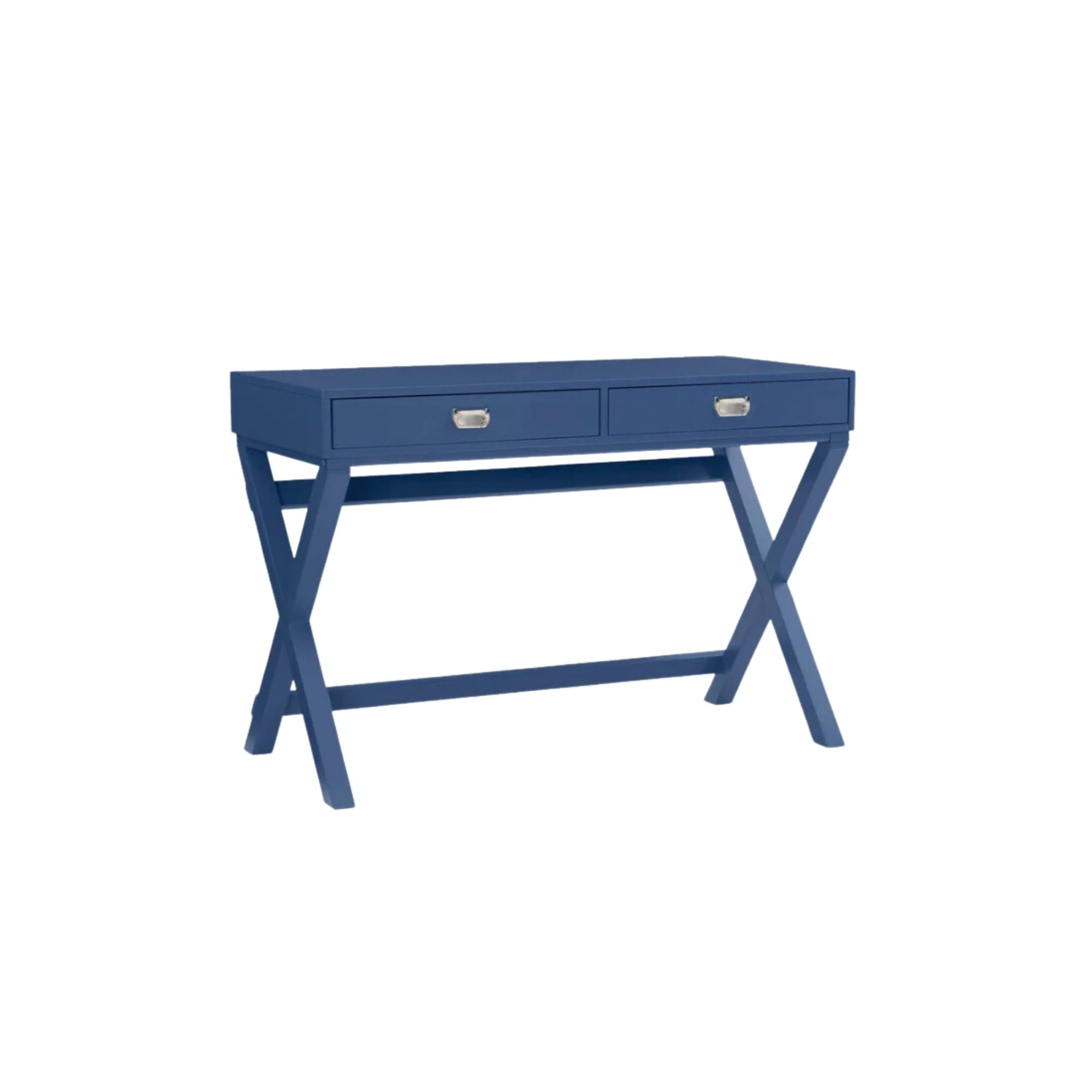
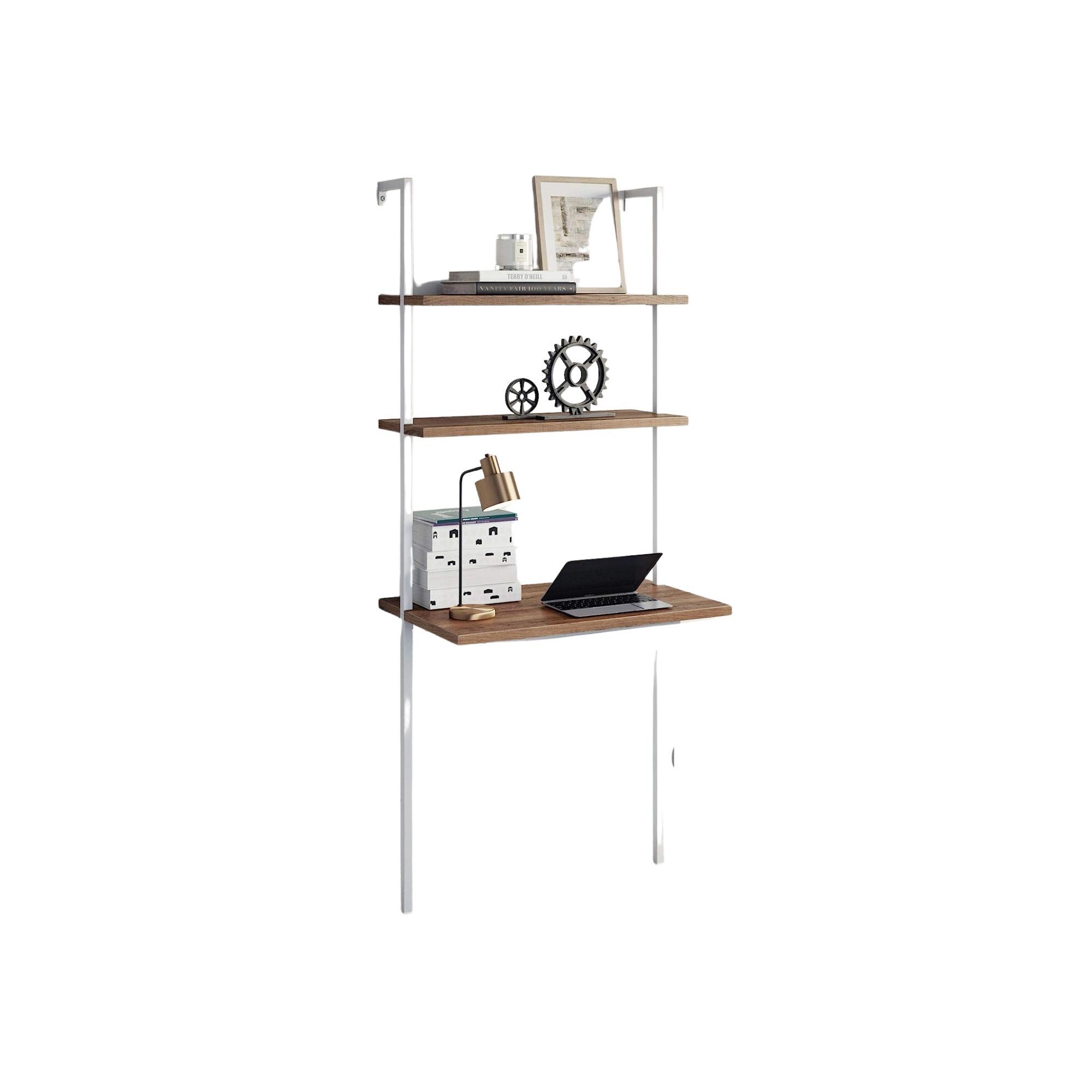
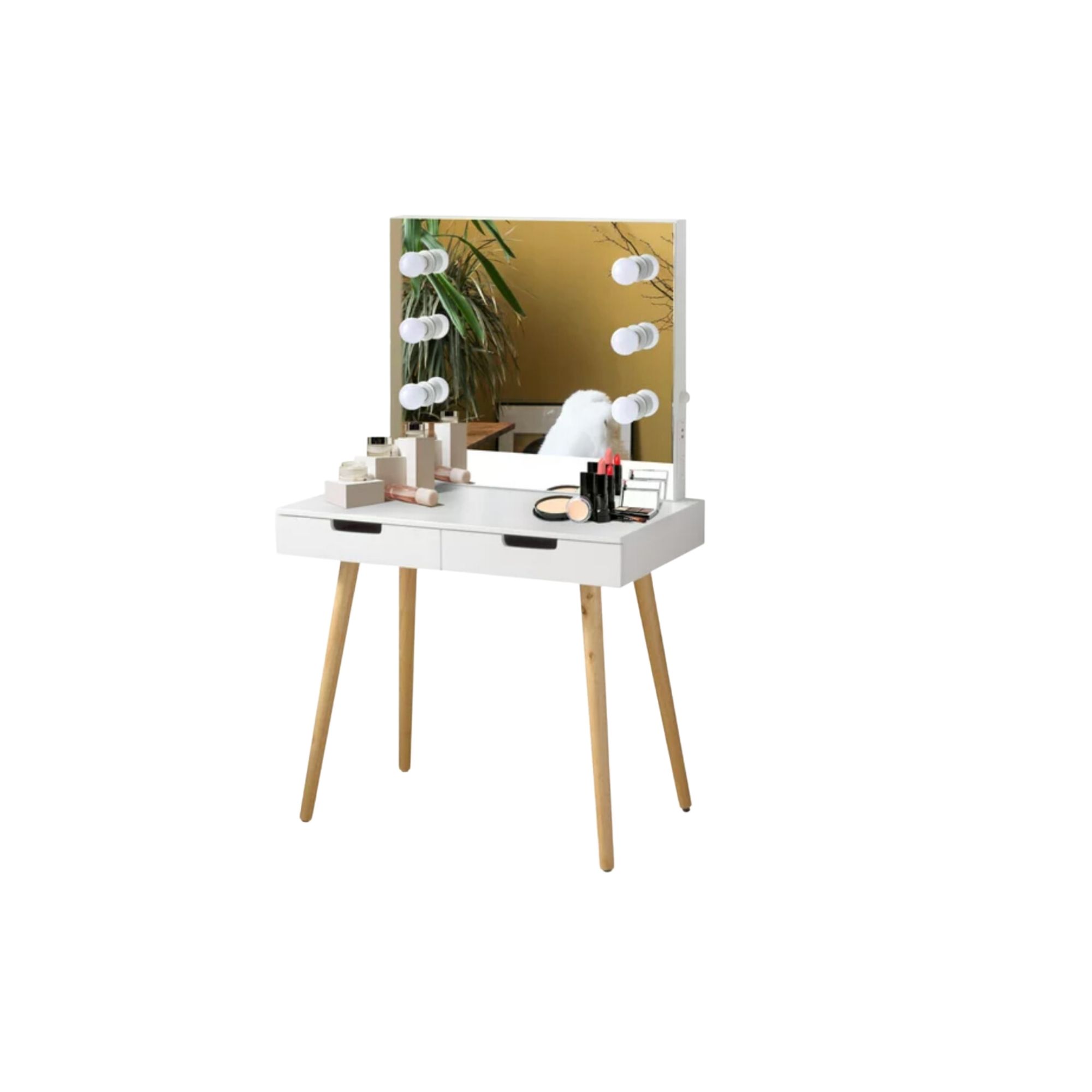
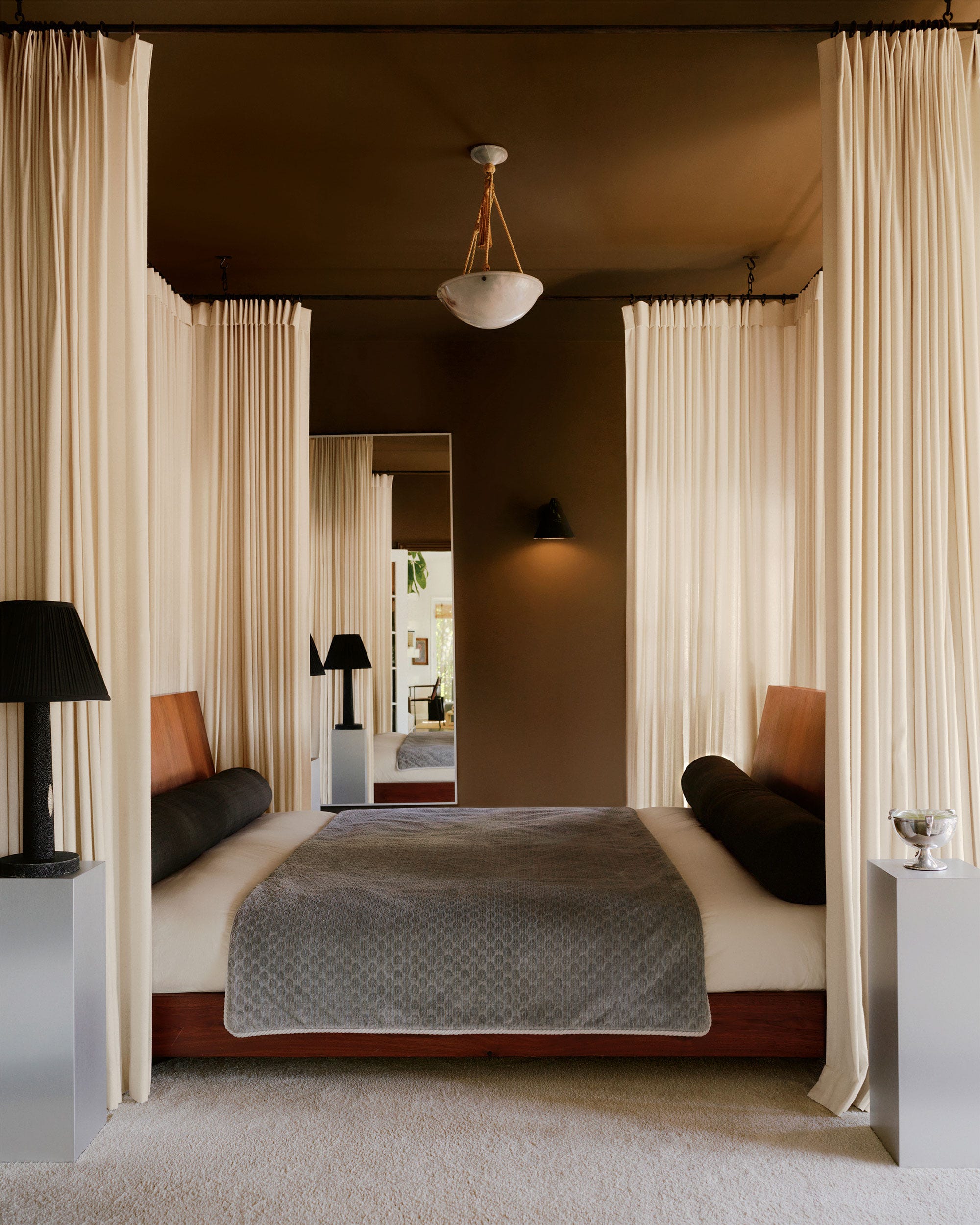
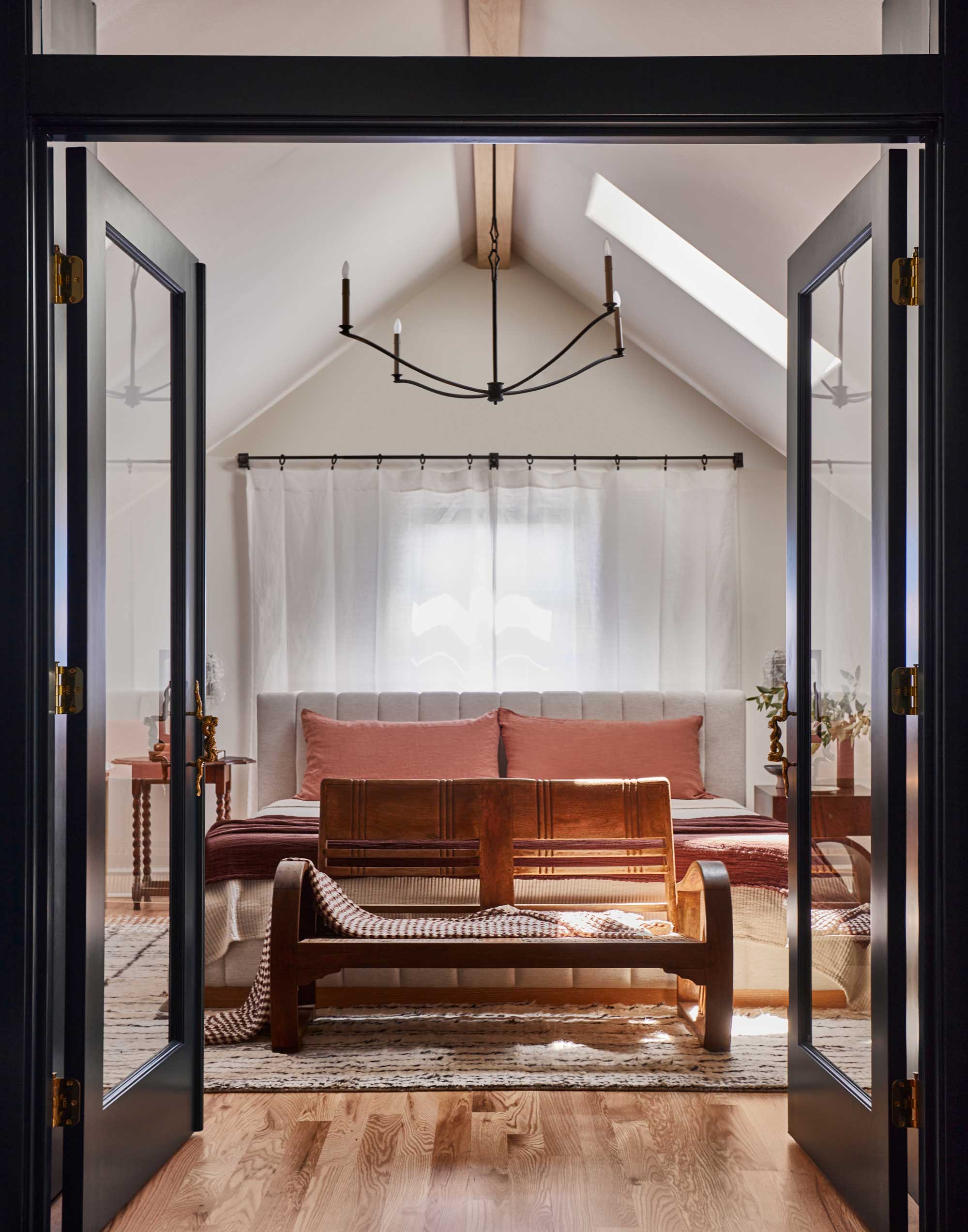
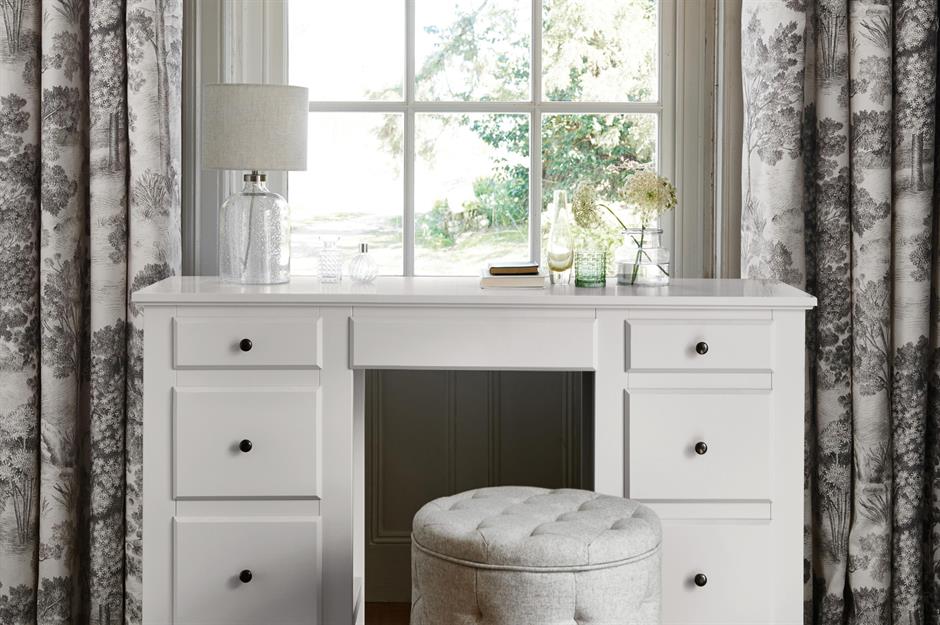
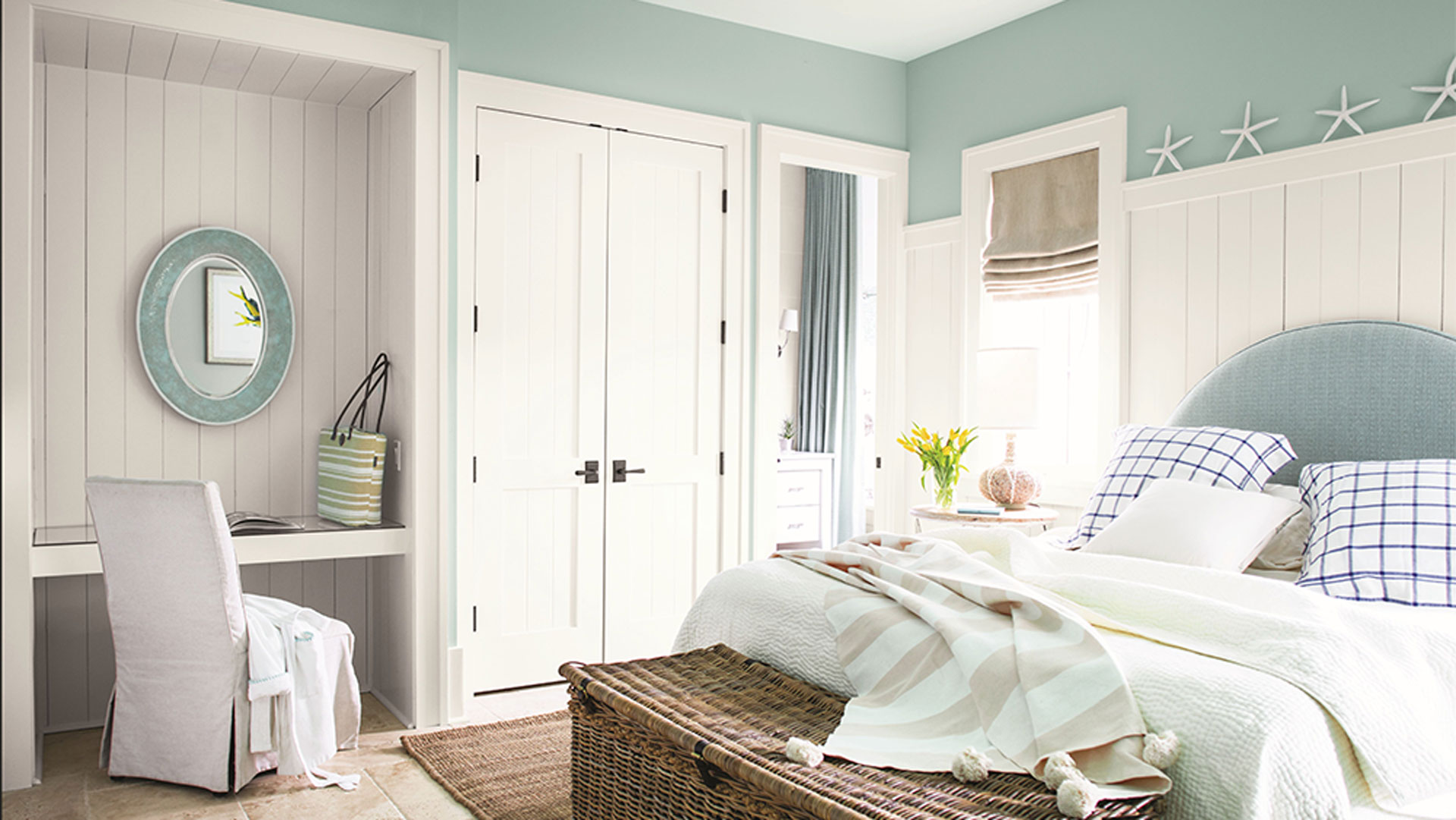
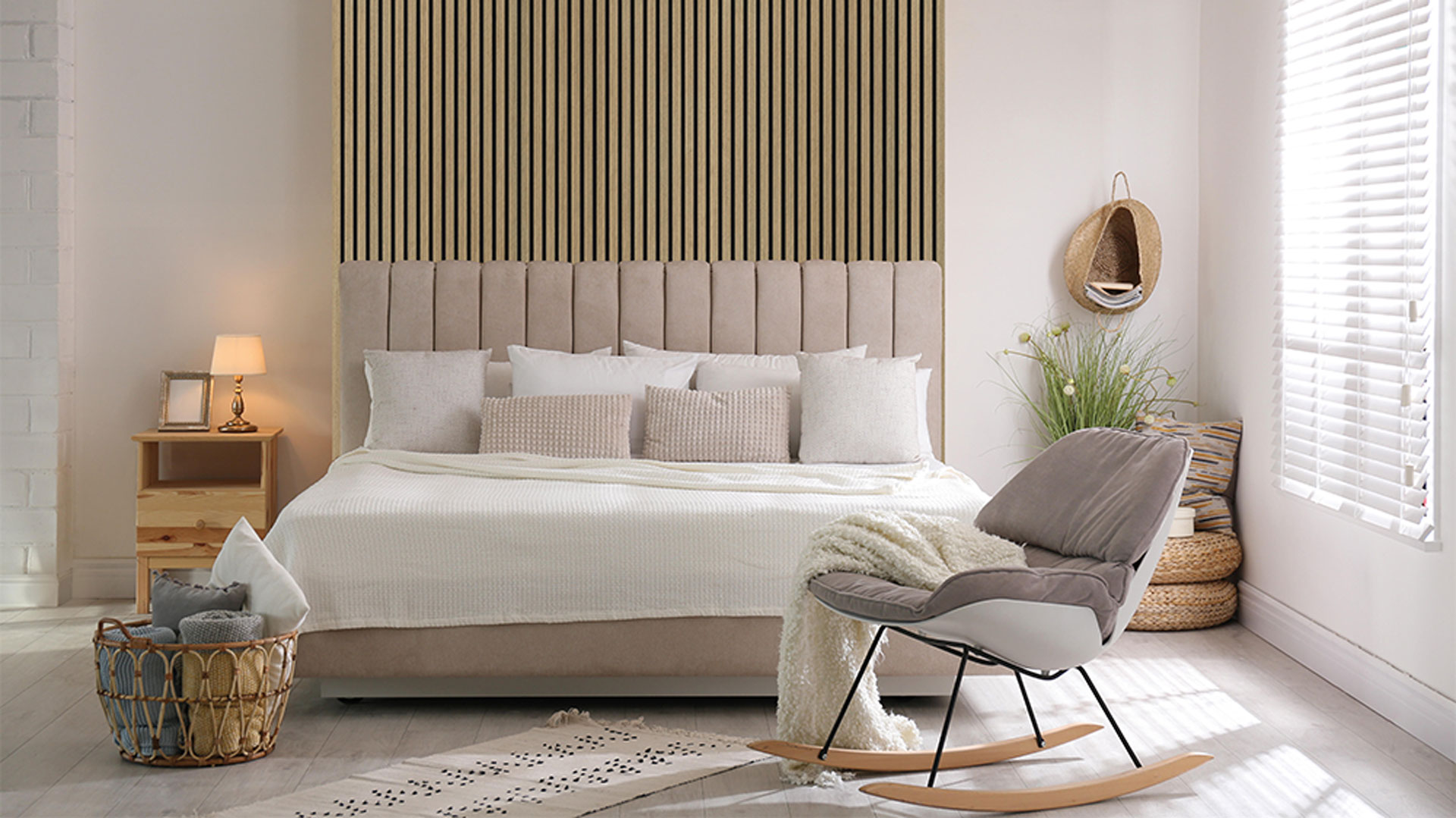
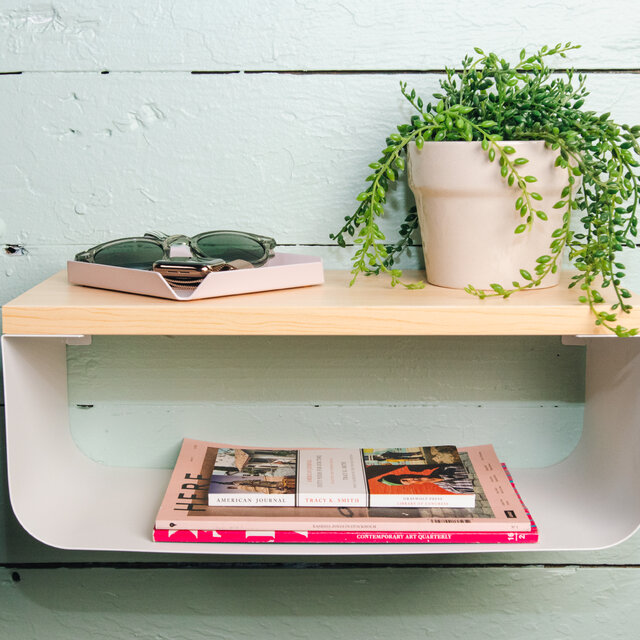
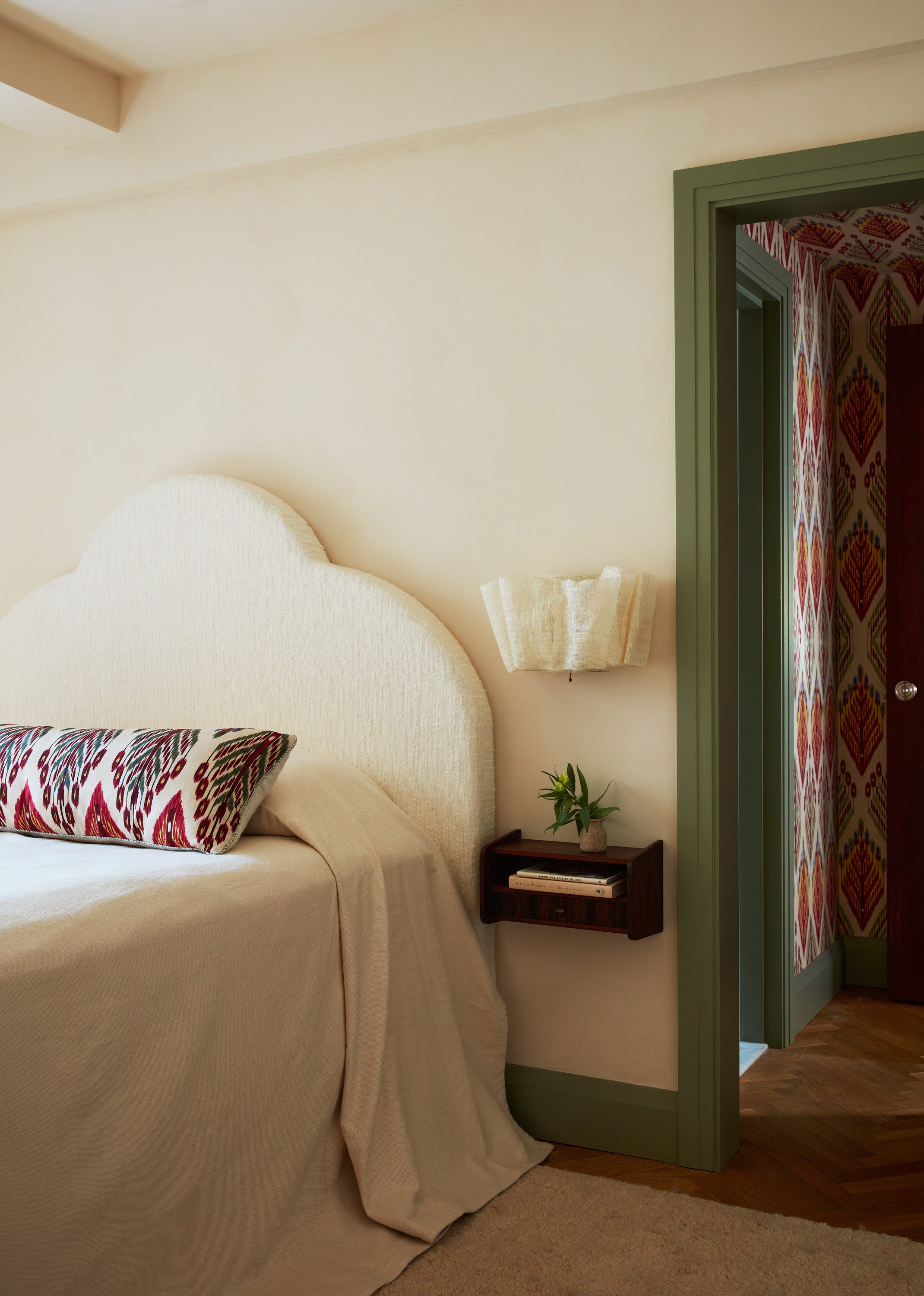
Essential elements for a properly functioning small bedroom include bedside storage, an appropriately sized rug, a dresser, bedside lamps, and a side chair if space permits. A desk or vanity can also be necessary depending on individual needs. A small, comfortable chair is considered a valuable investment for reading, dressing, or working. Shelves offer additional storage and display opportunities. For rooms lacking space for a dedicated seating area, a storage bench or ottoman can serve a dual purpose. Upholstered beds are recommended over wooden platforms with sharp edges for safety and comfort in tight corners.
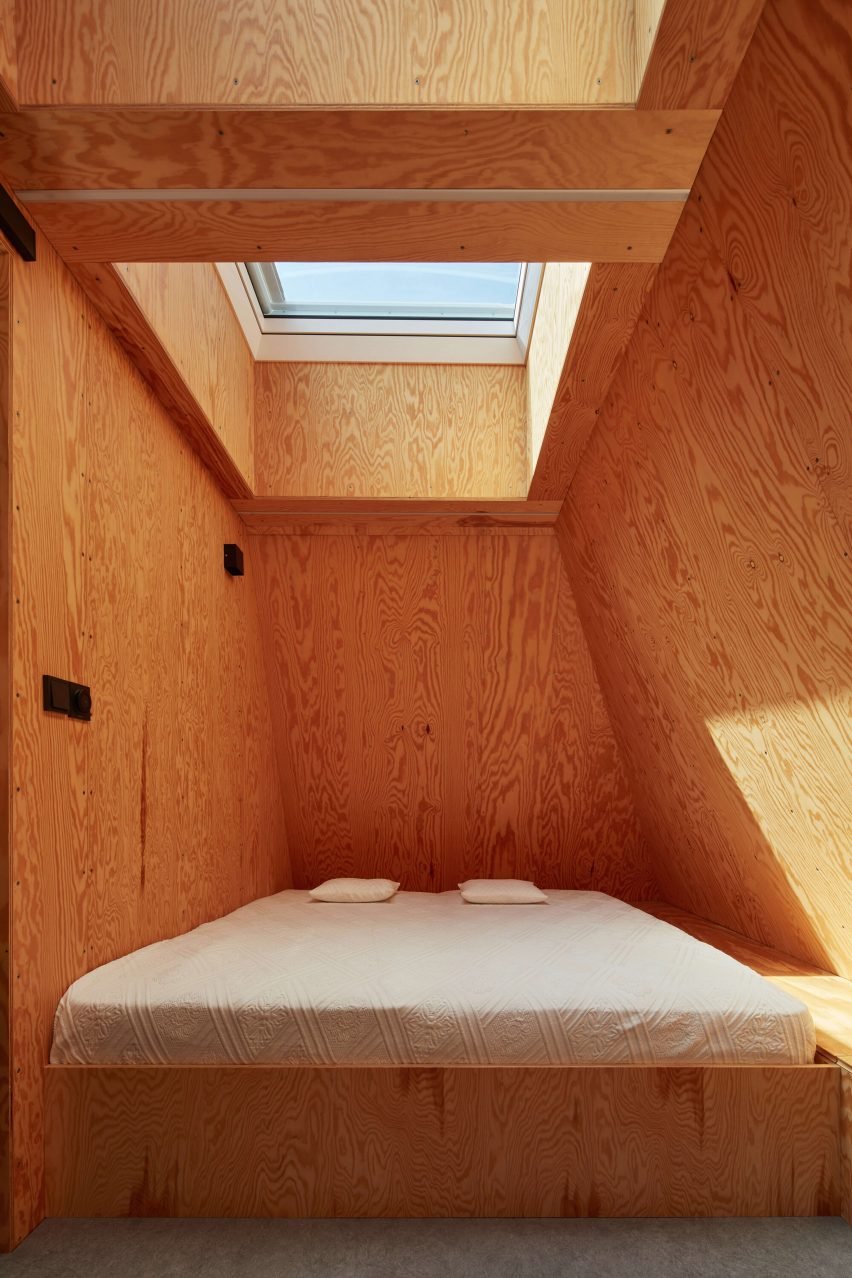
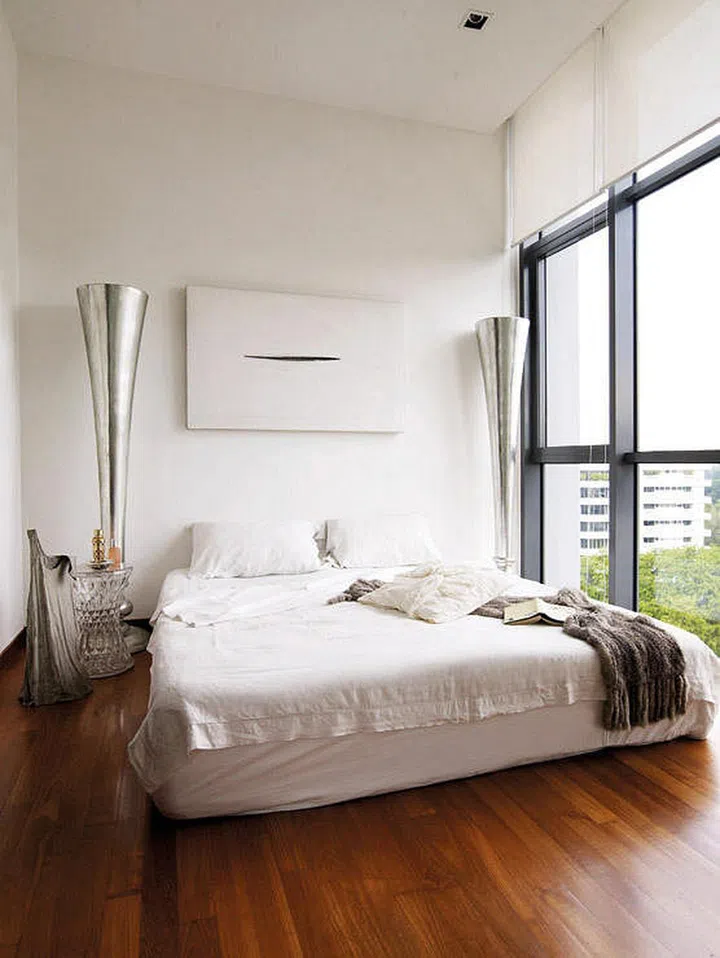
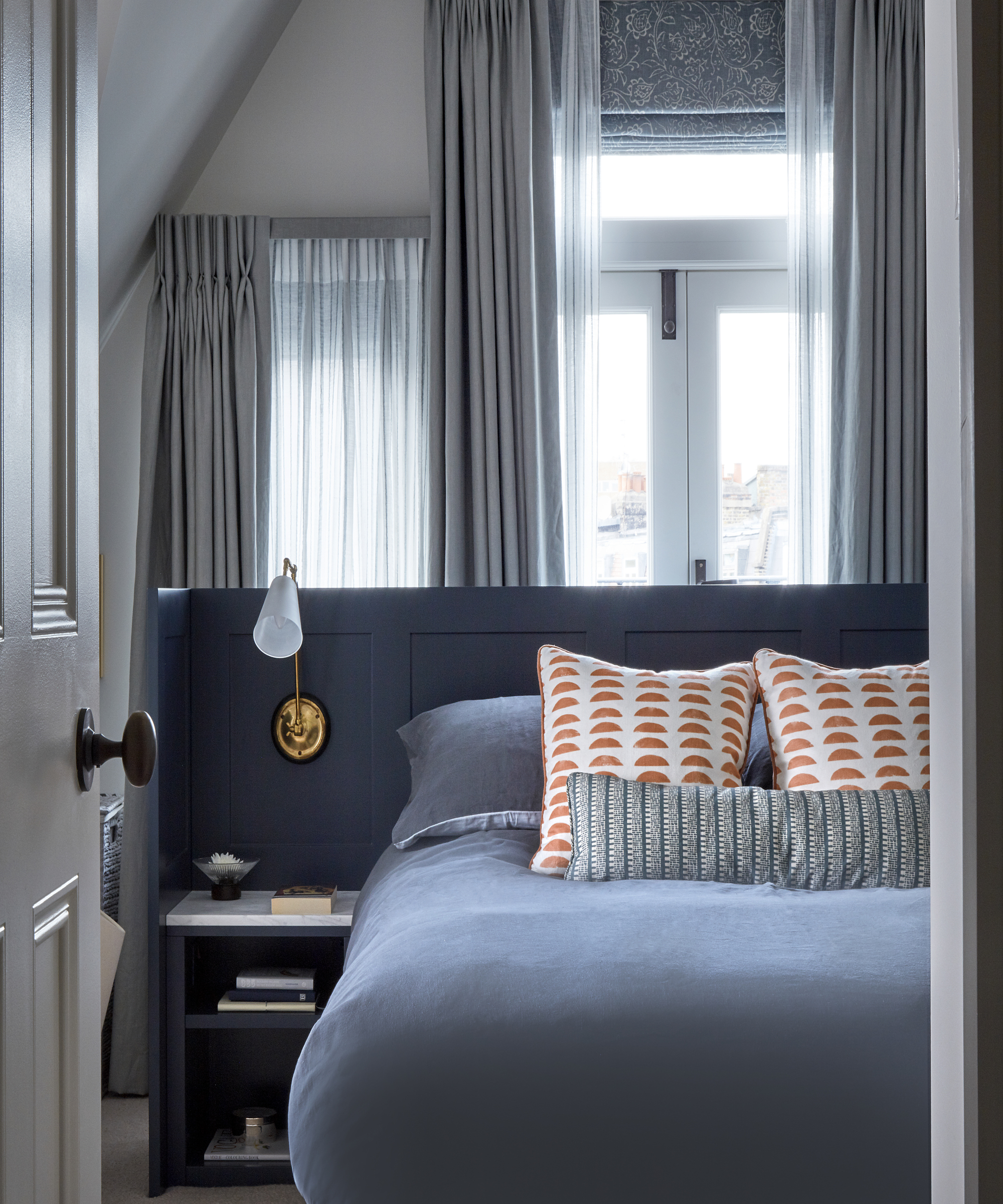
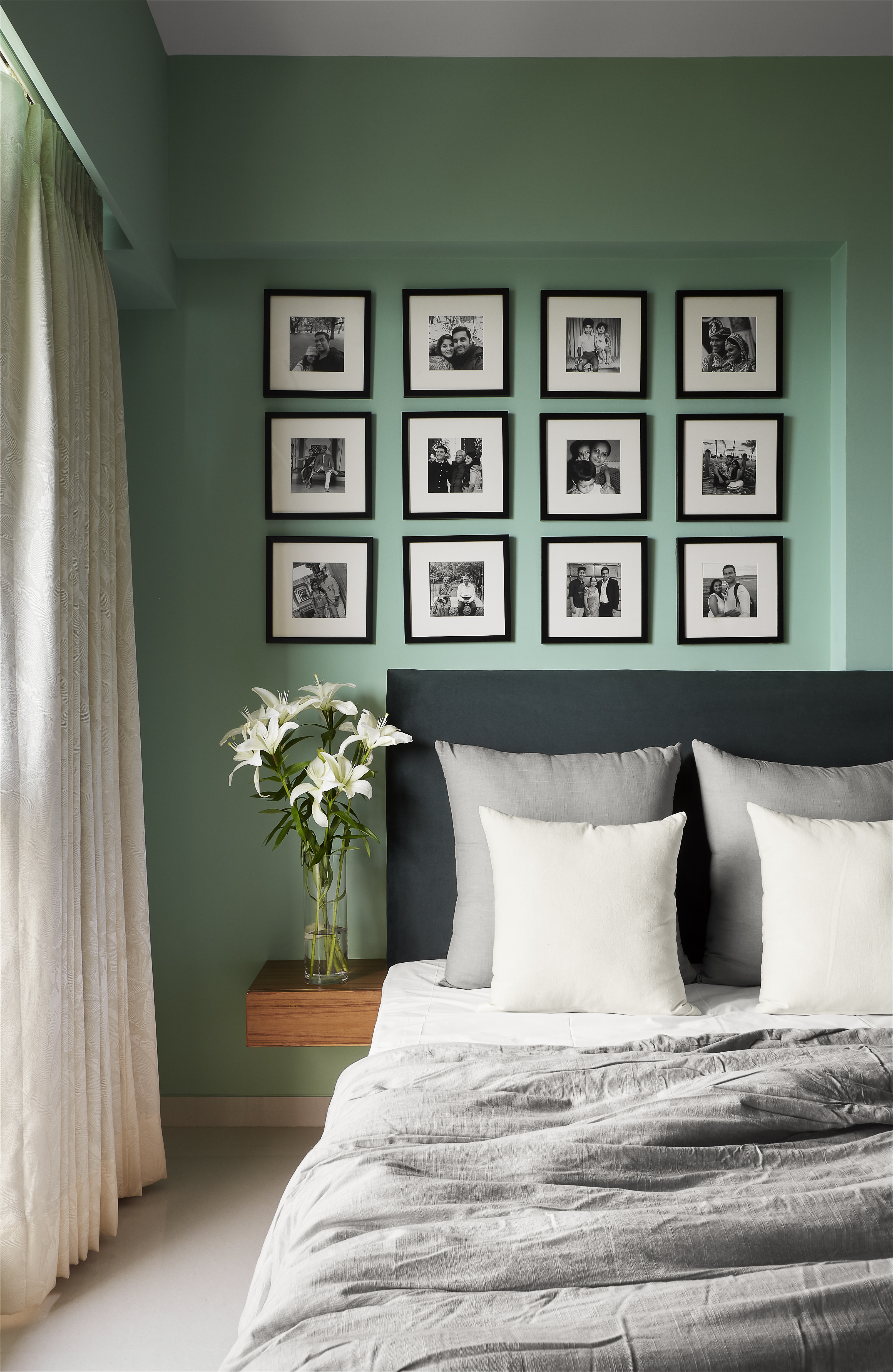
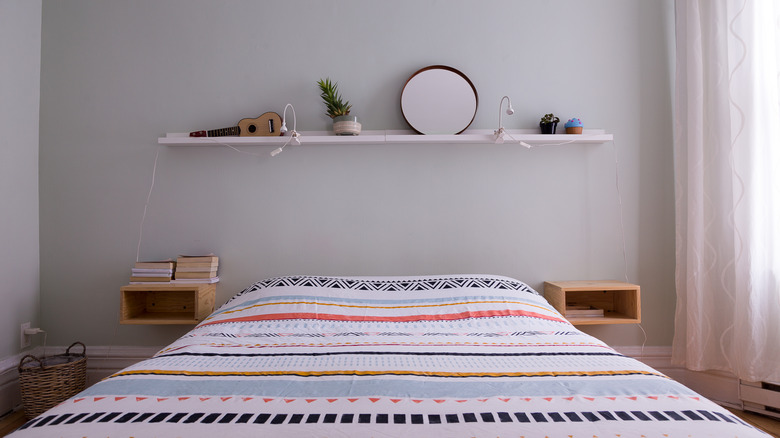
For optimal space utilization, placing the bed against a wall in a single-occupancy room can free up floor space and create a perception of a larger room. Cabinets or desks can function as bedside tables, provided they match the bed's height. Upon entering the room, the bed should ideally be positioned on the opposite wall for a direct view. Using sconces instead of table lamps maximizes surface area on small nightstands, and the space under the bed should be utilized for storage. Creating a compelling view, ideally towards a window or a beautifully appointed wall, can make the room feel more expansive. Sufficient space on either side of the bed for necessities like a phone charger, book, and light is crucial, and the rug should frame both the bed and bedside tables.
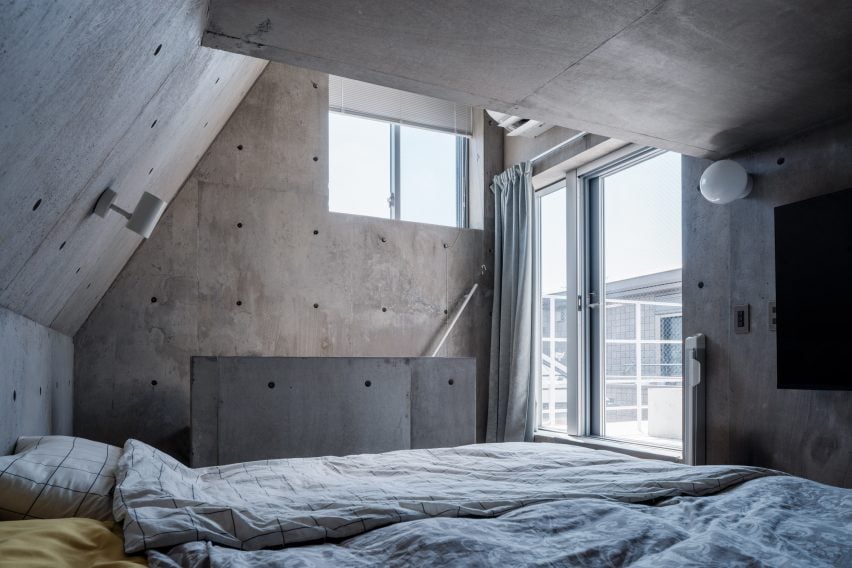
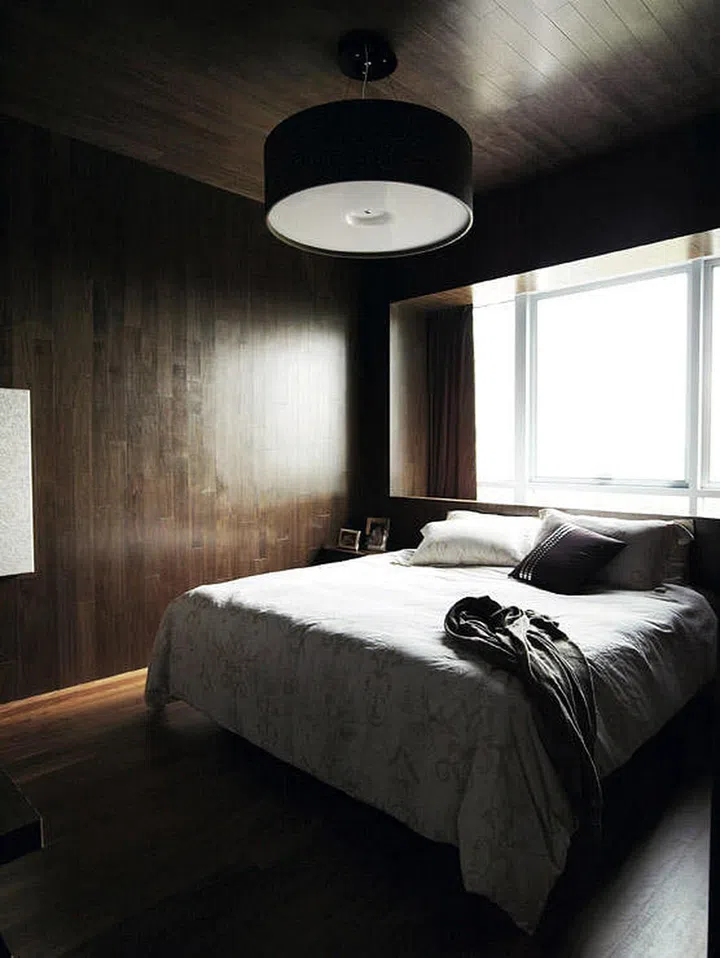
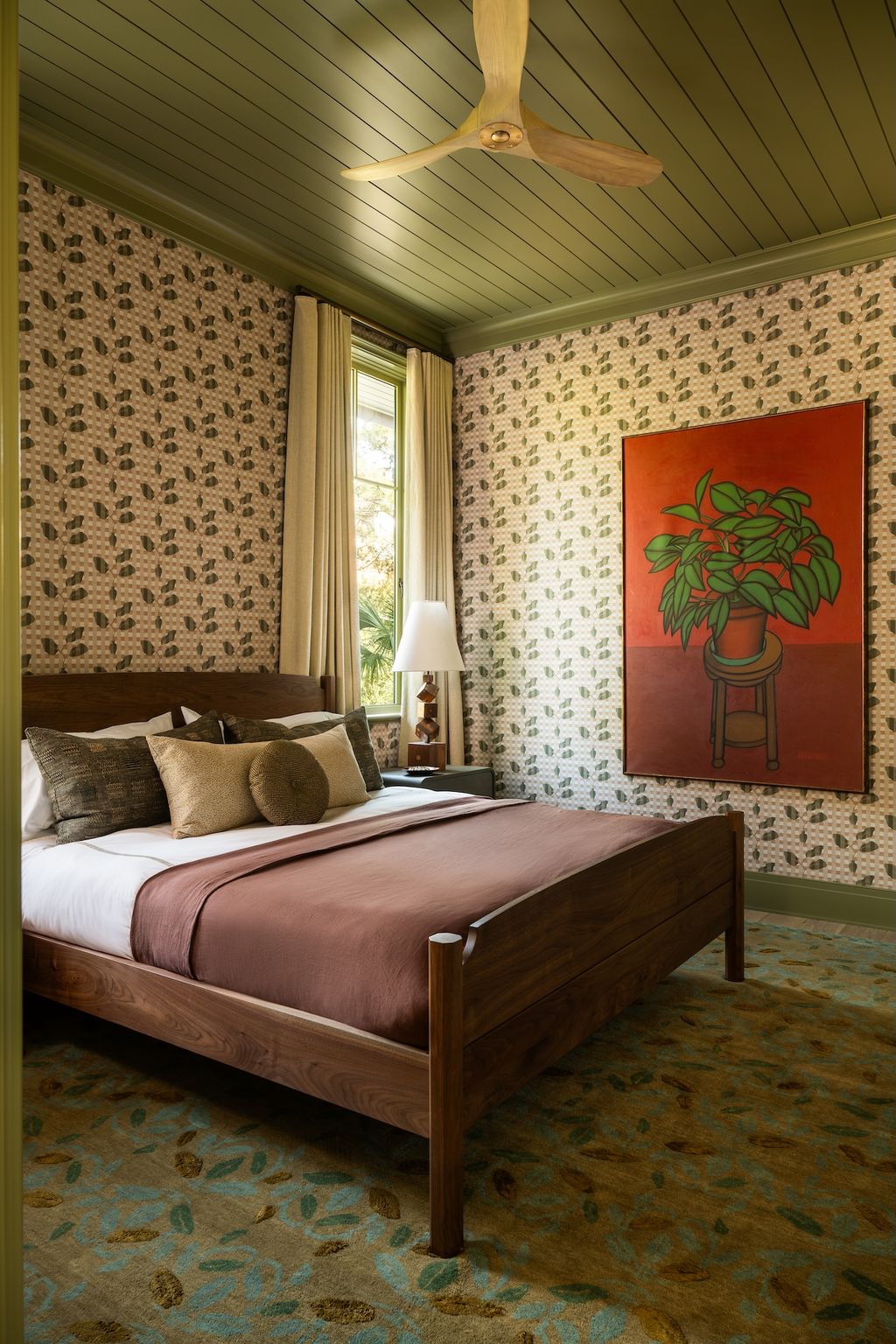
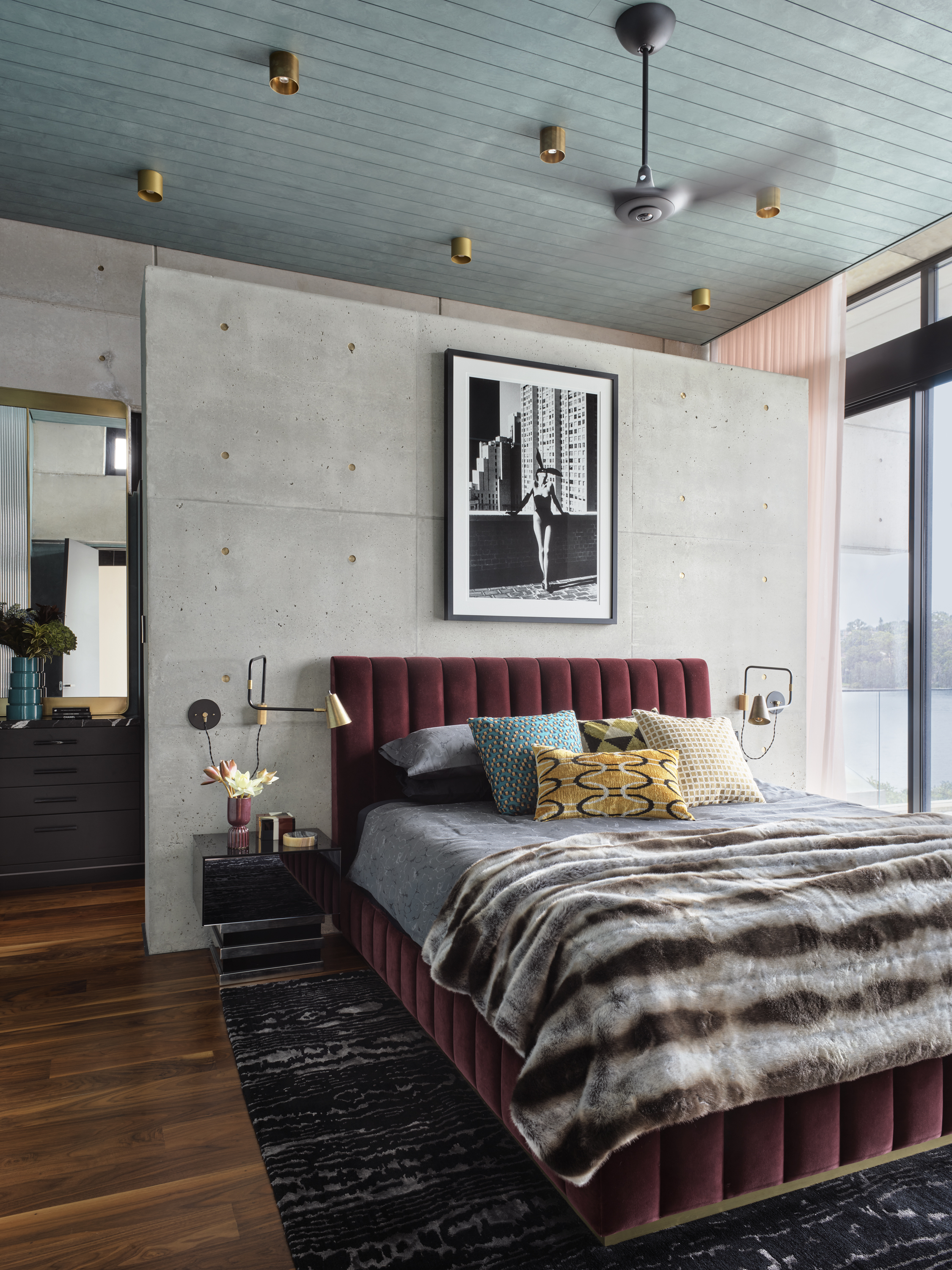
The article also addresses common mistakes in small bedroom design. A misconception is that dark colors make a small room feel smaller; in reality, deep shades can add depth. Failing to ensure adequate circulation space and misjudging the scale of furnishings are frequent errors. While a miniature bed is not necessary, selecting a bed design that fits harmoniously, such as a lower bed or a clean-lined style, is important. Over-cluttering with too much furniture, pattern, or color can overwhelm the space. Design should be thoughtful and largely minimal, with carefully chosen pops of excitement. Finally, a failure to measure accurately and allow sufficient breathing room between furnishings can lead to a cramped and dysfunctional layout.
#SmallBedroomLayouts #InteriorDesign #SpaceOptimization #FurniturePlacement #BedroomStorage #ColorPalette #HomeDecor #FloorPlanning #ExpertAdvice #SmallBedroomLayouts #InteriorDesign #SpaceOptimization #FurniturePlacement #BedroomStorage #ColorPalette #HomeDecor #FloorPlanning #ExpertAdvice
0 comment in total
 No comments yet
You may also like
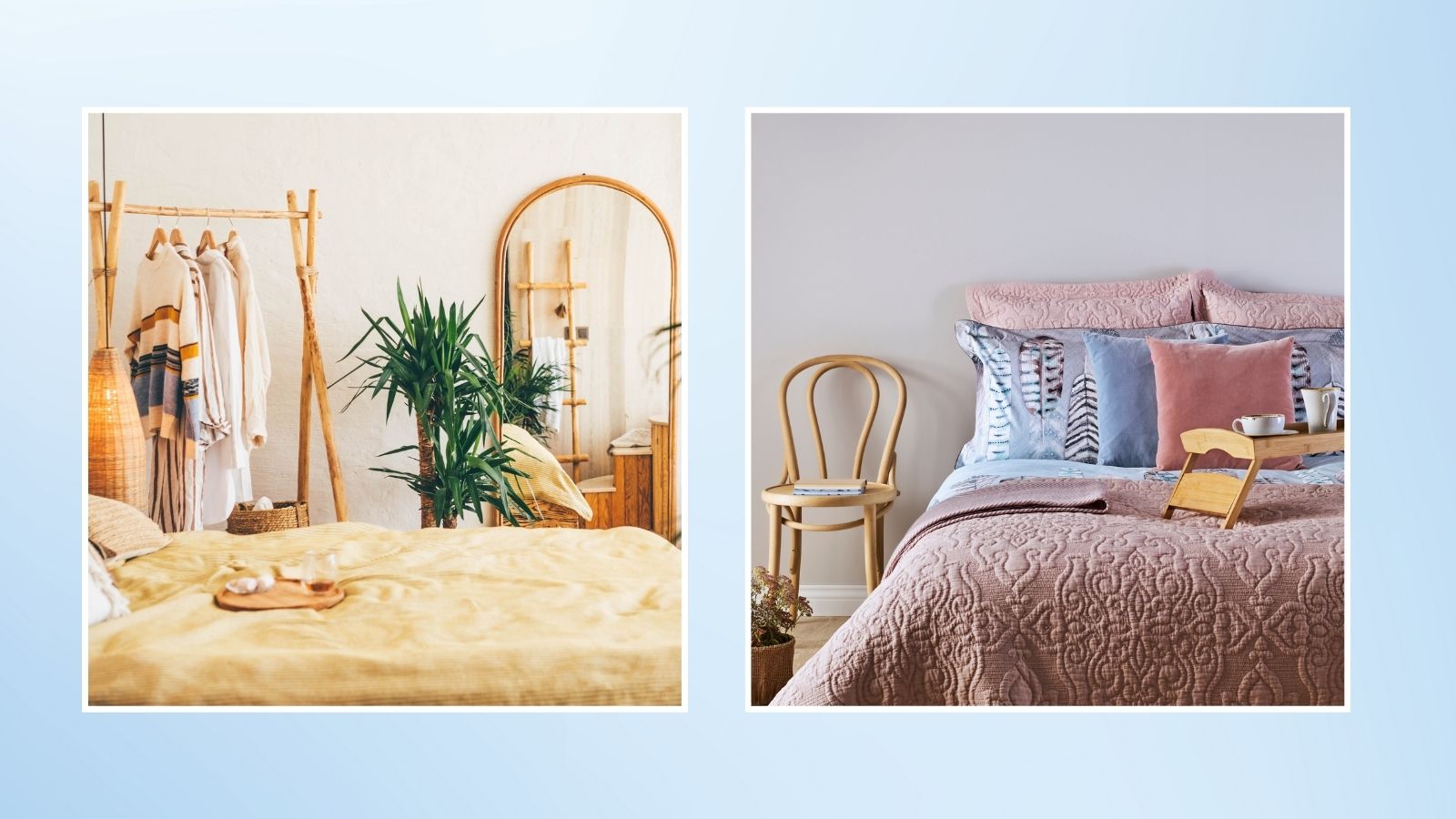
Small bedroom flooring ideas from design experts that will maximize your space

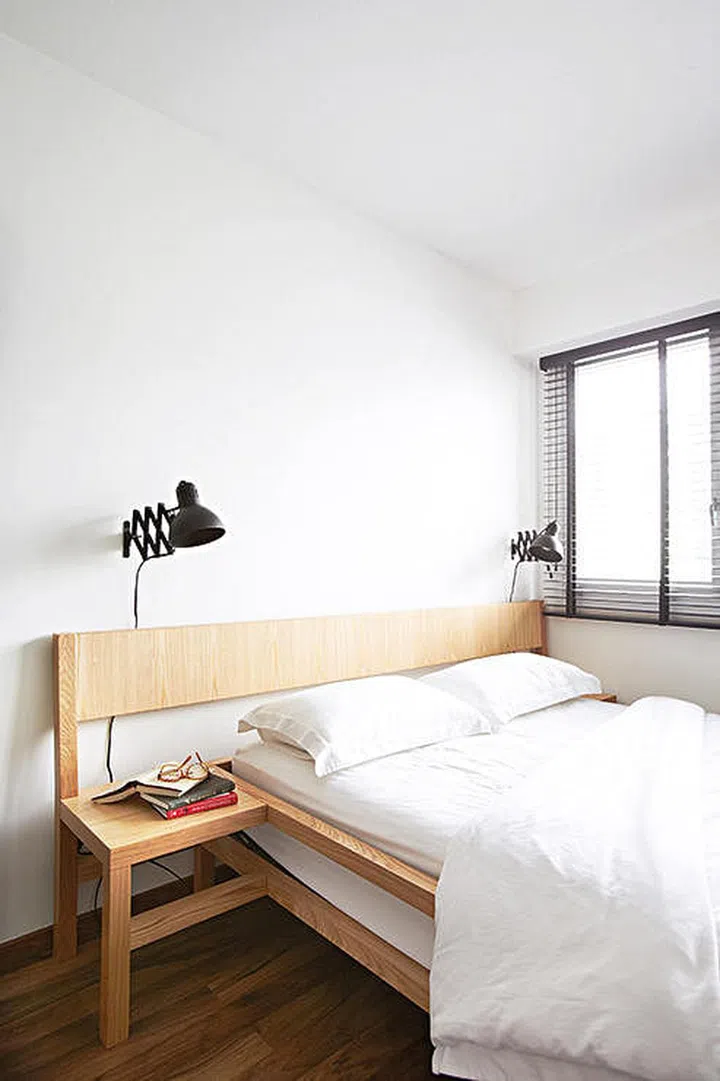
Bedroom design ideas: 6 small, simple and stylish spaces
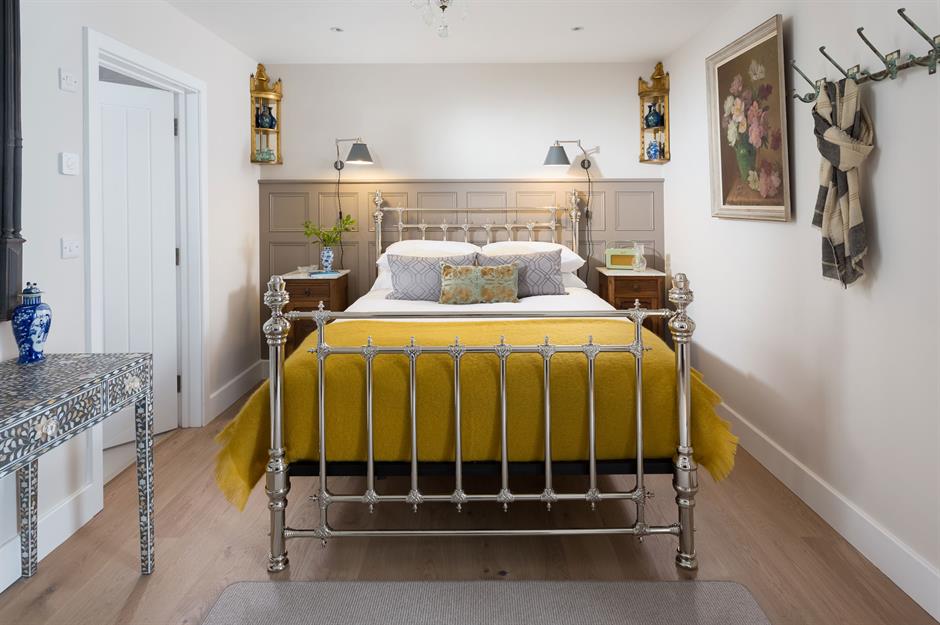
Small bedroom ideas with effortless style | loveproperty.com
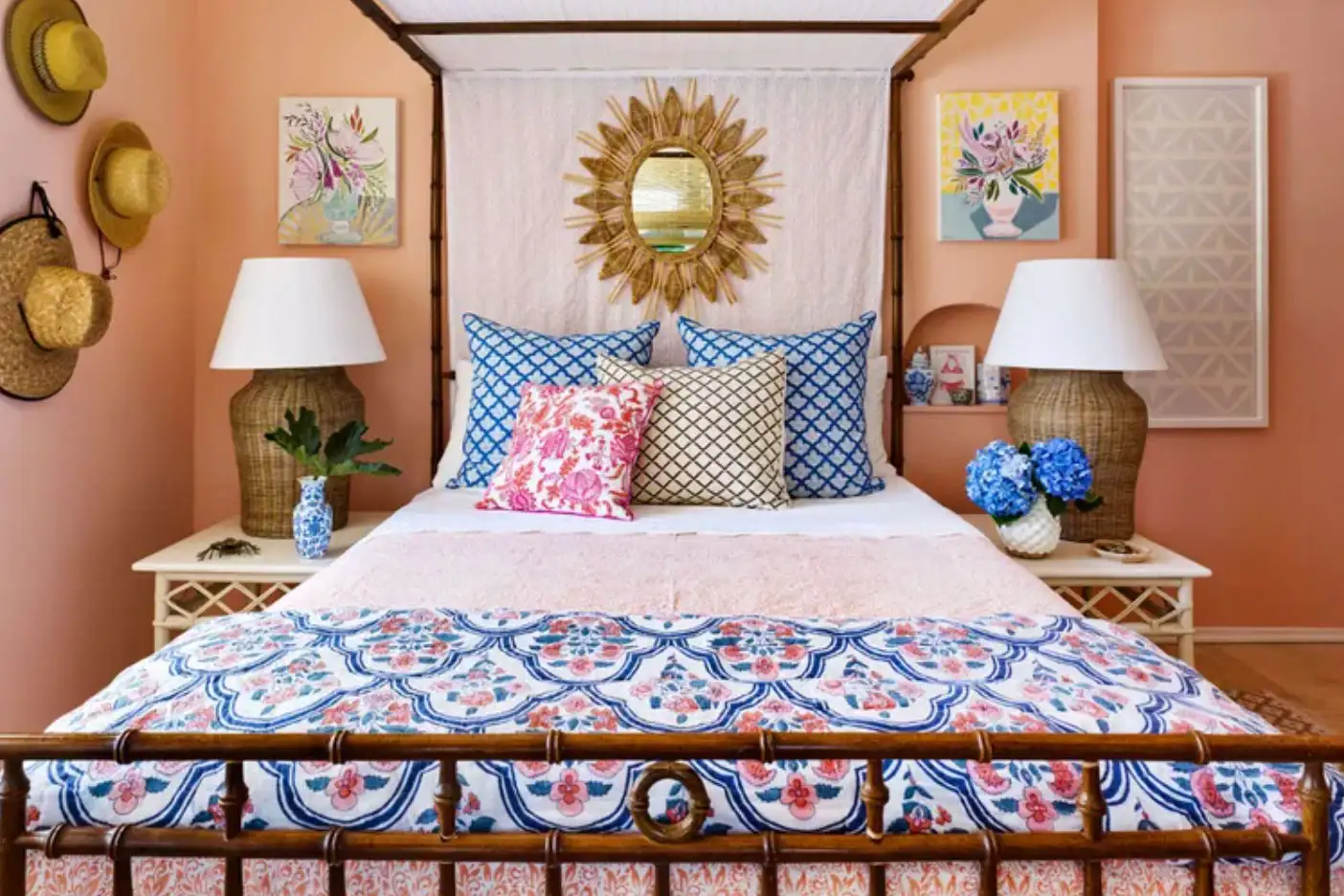
7 Designer Tricks That Make A Small Bedroom Feel Spacious
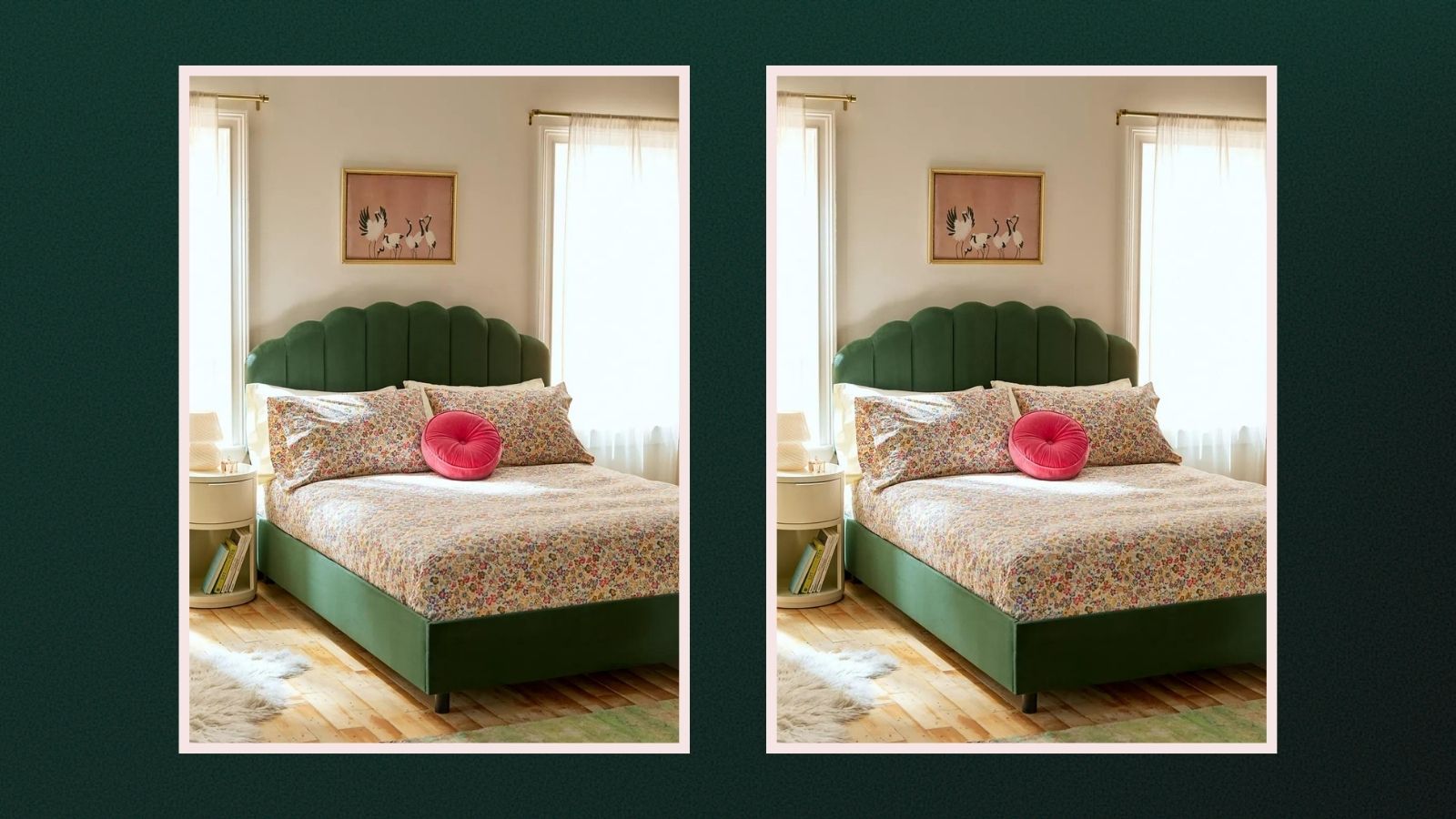
Small bedroom layout ideas — 9 ways to utilize your space

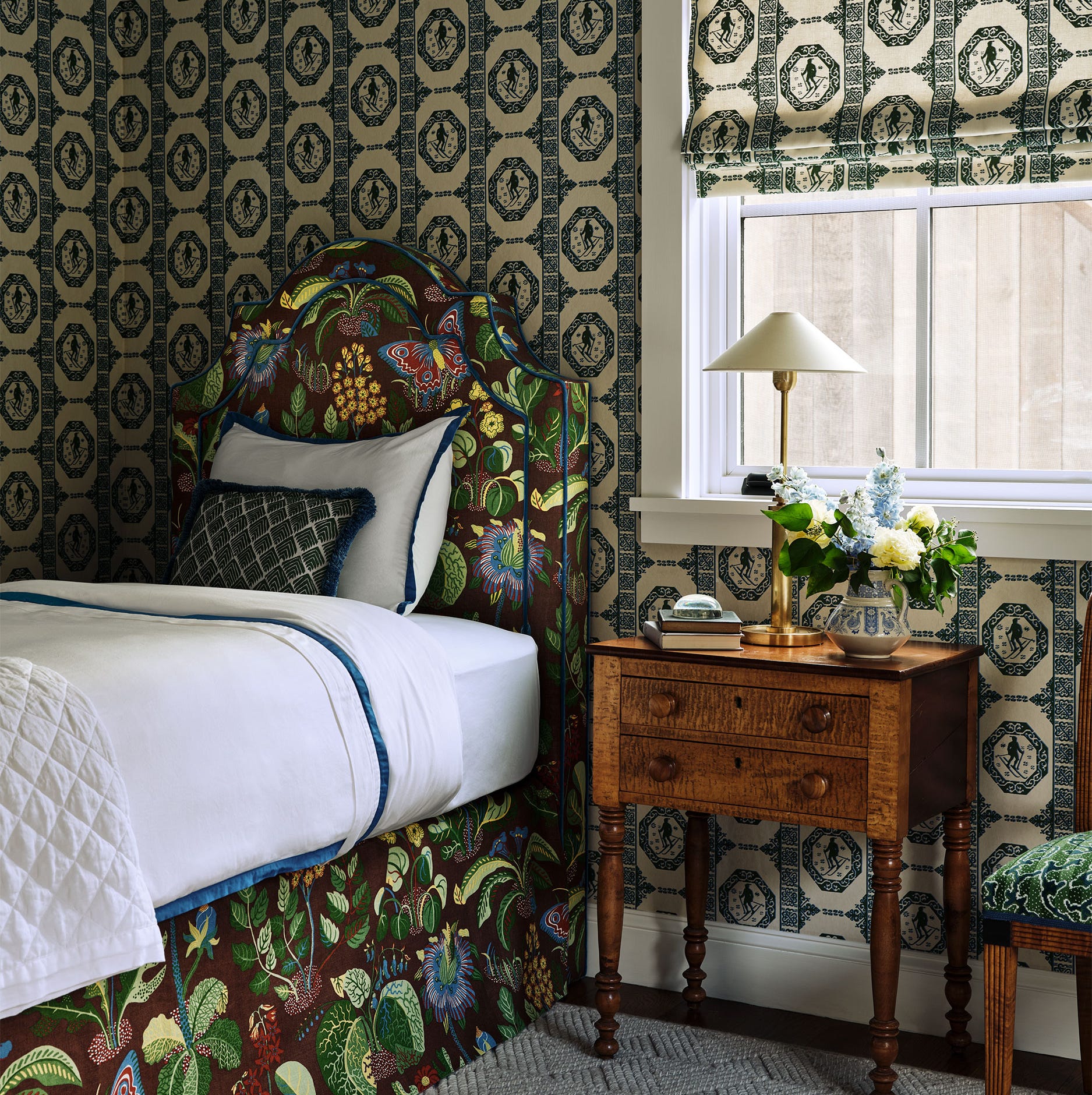
These Small Bedroom Ideas Prove That Small Is the New Big

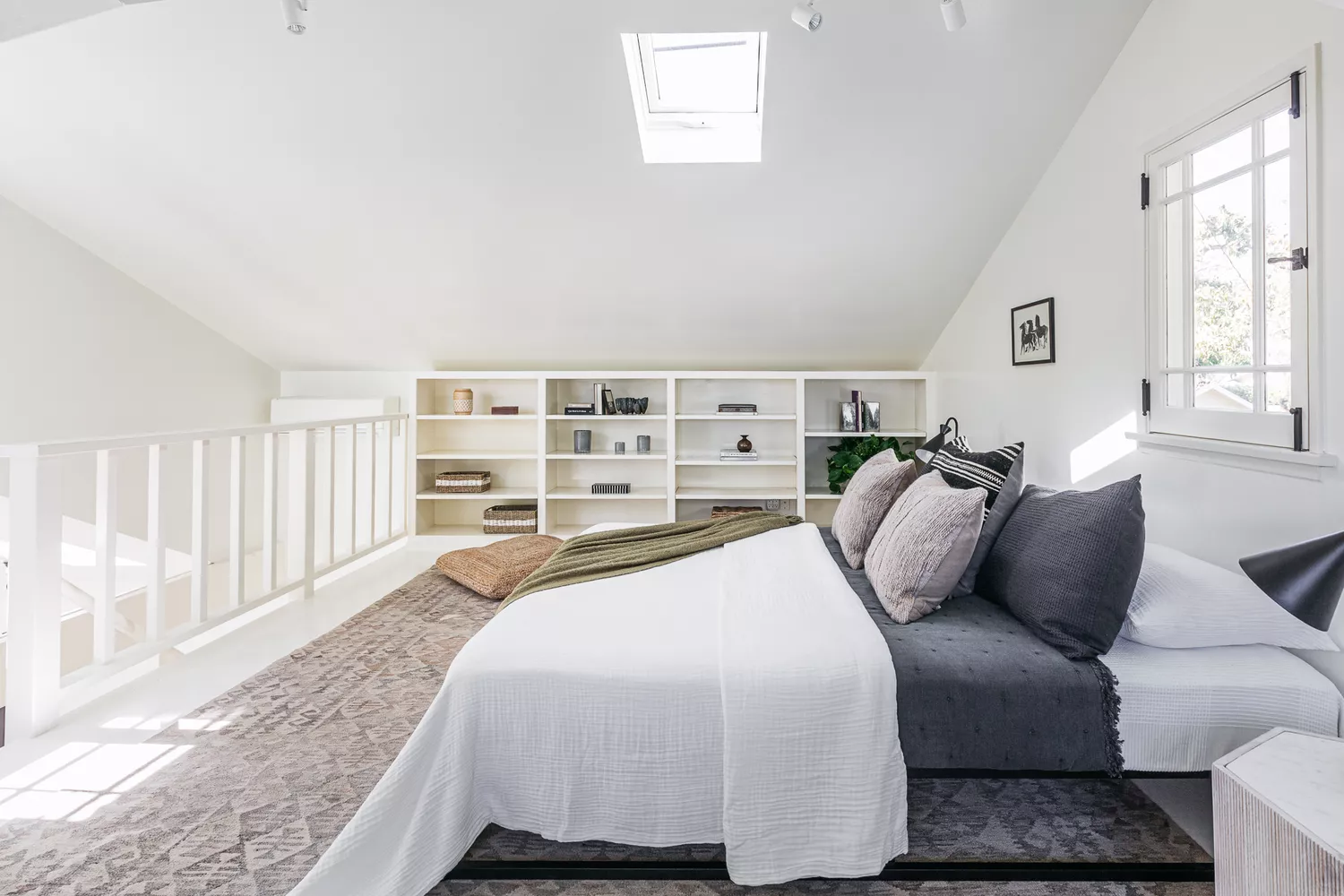
28 Loft-Style Bedroom Ideas to Elevate and Maximize Your Space

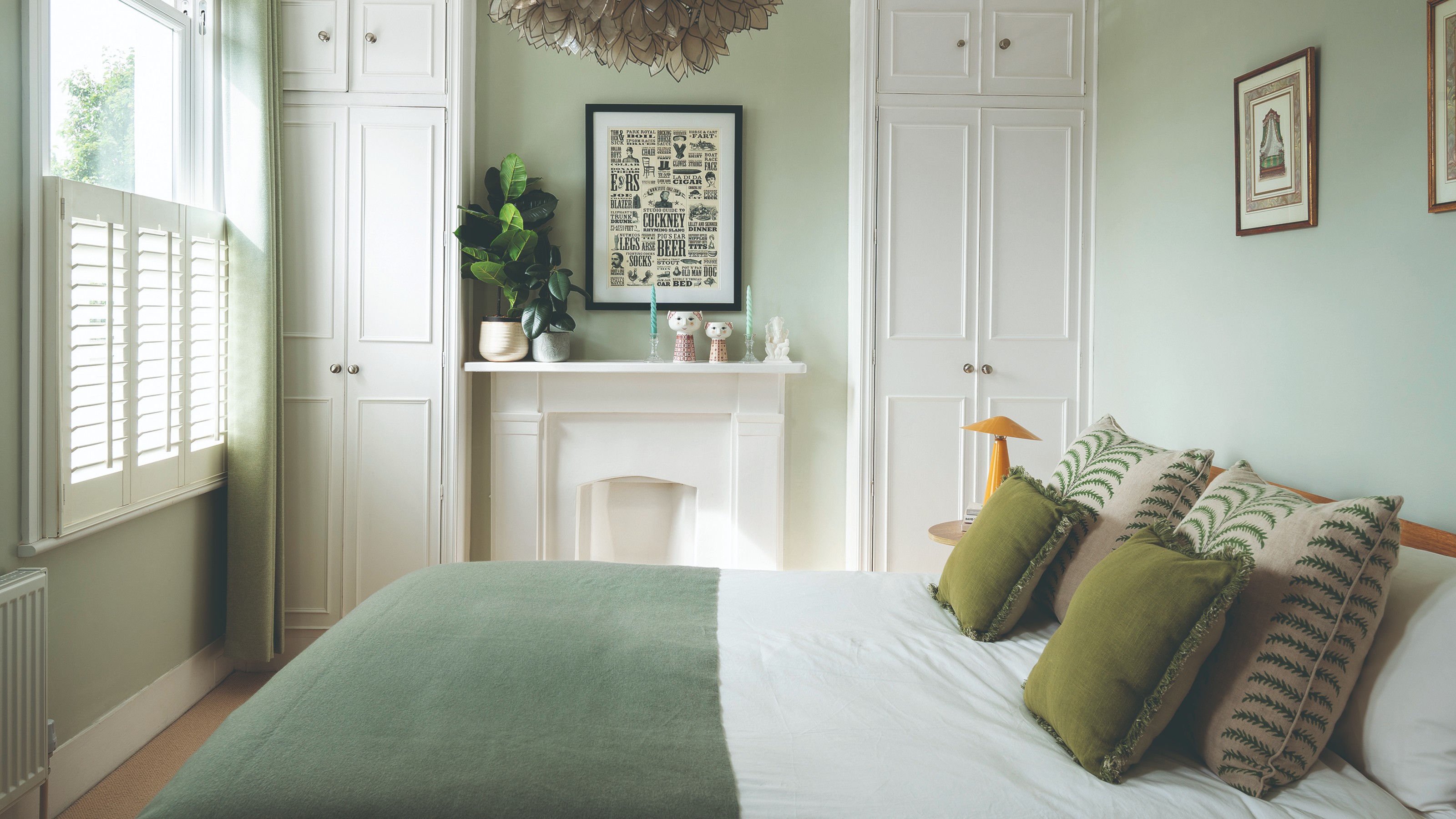
30 clever small bedroom ideas to elevate your tiny sleeping space and make it both stylish and practical
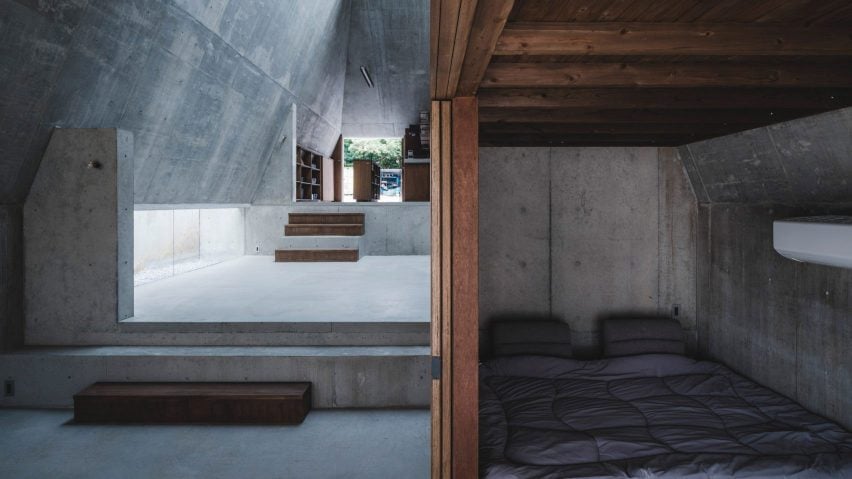
Eight compact bedrooms that make the most of small spaces
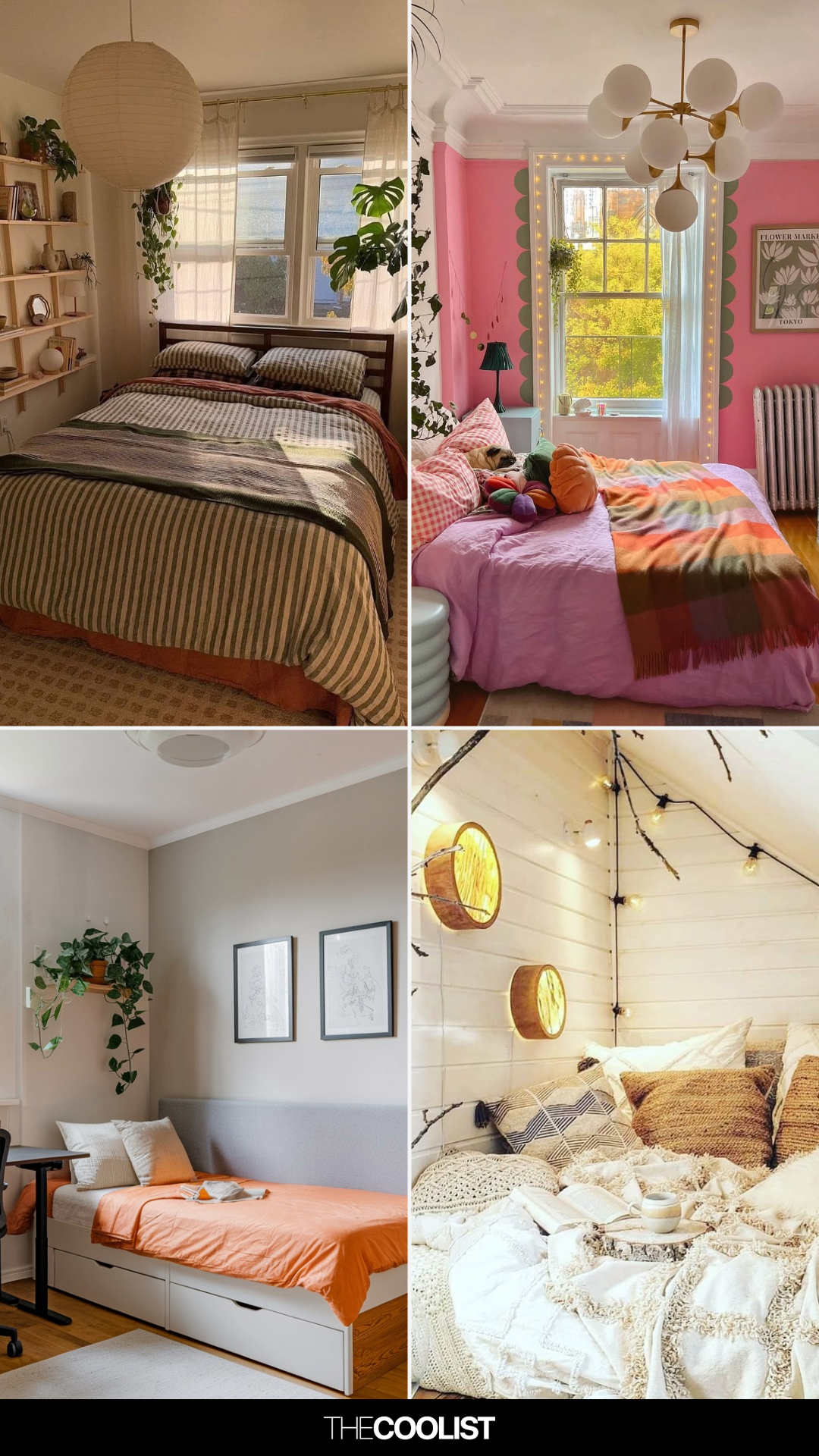
26 Small Bedroom Ideas for Women Who Make Tiny Spaces Feel Curated, Not Cramped
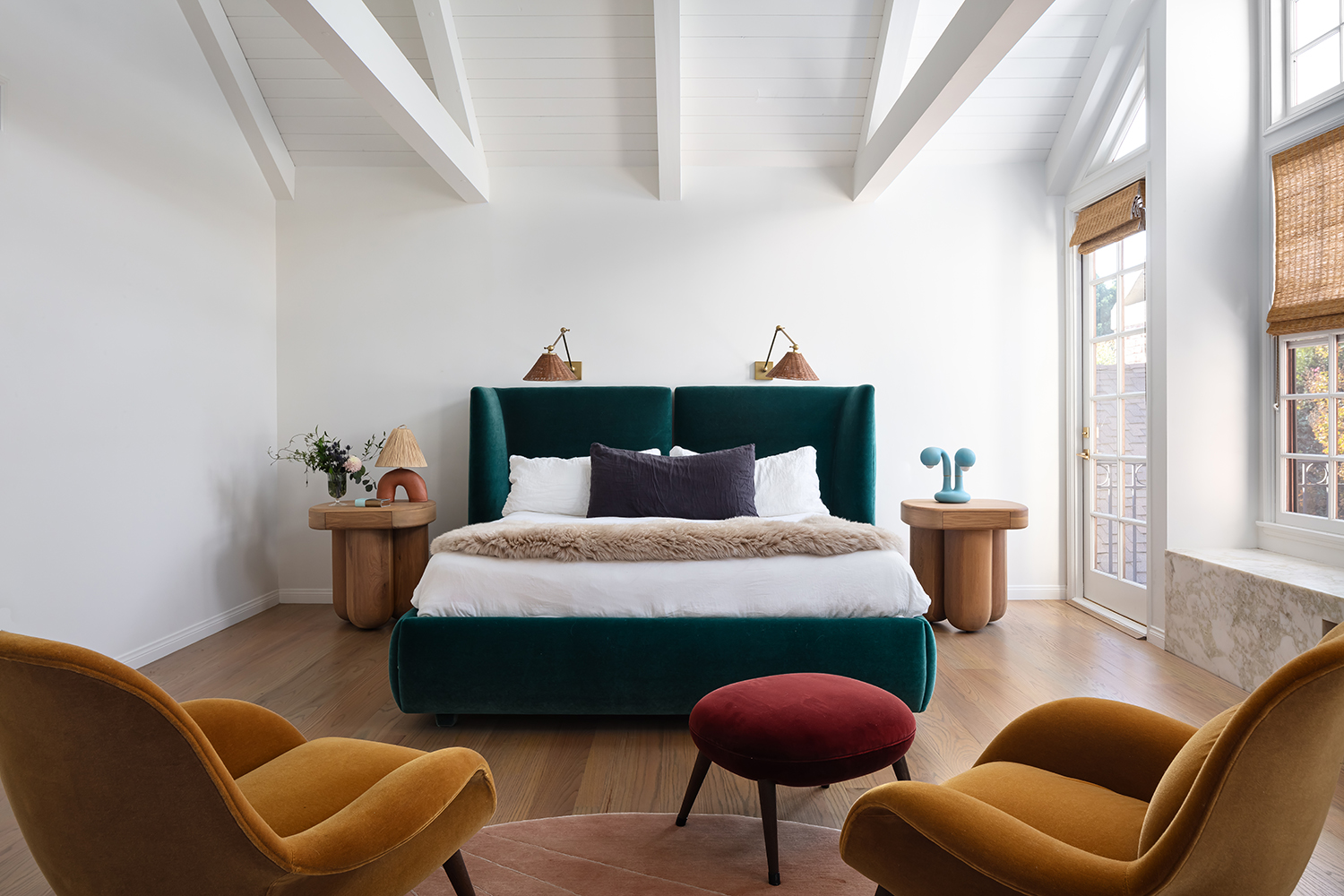
7 of the worst bedroom layout mistakes and how to avoid them
The Best Ways to Maximize Your Small Bedroom
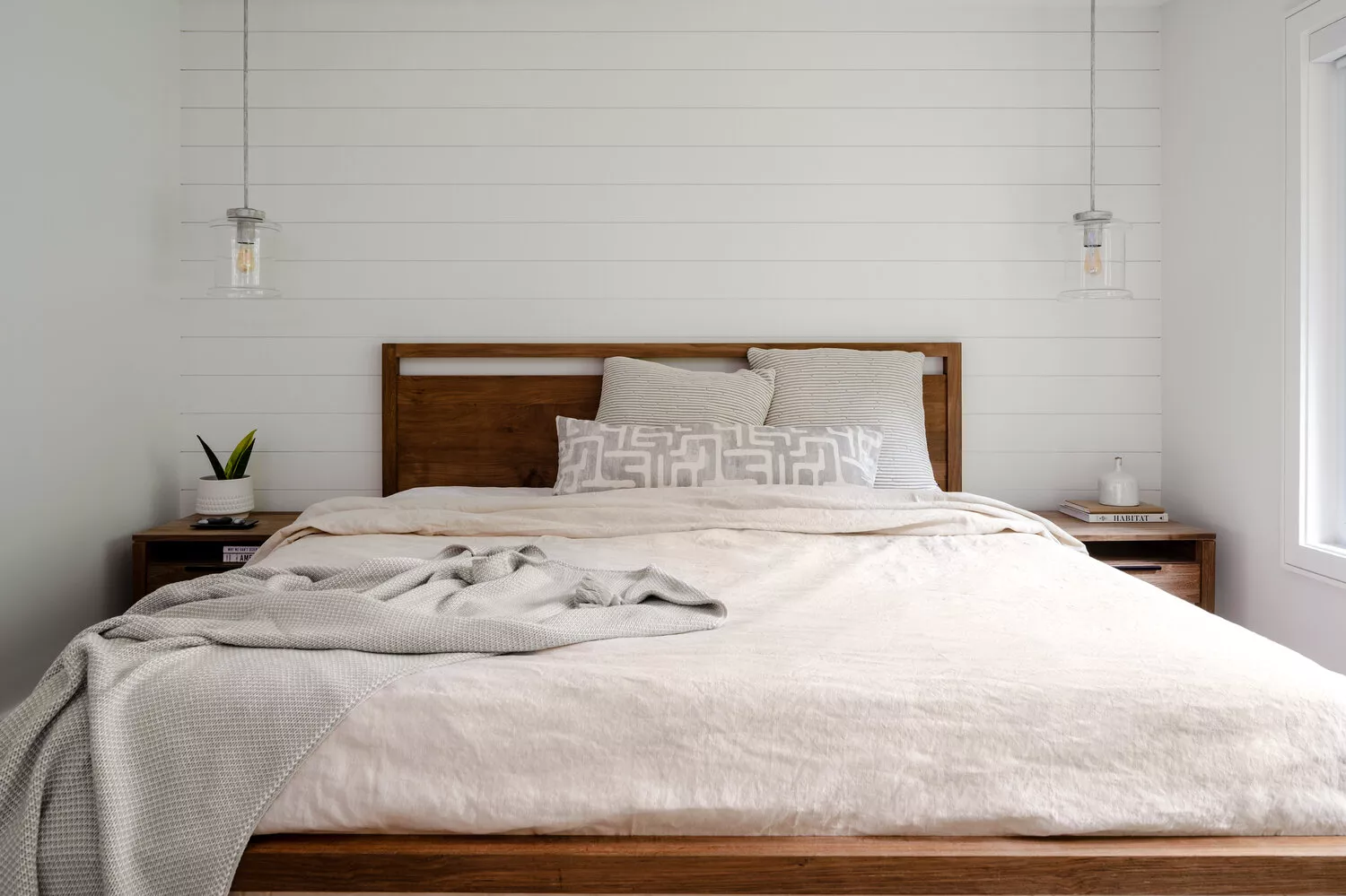
We Asked a Designer How to Make a Small Bedroom Feel Bigger and It's Actually So Easy
46 Small-Bedroom Ideas for When Your Bed Takes Up the Whole Damn Room

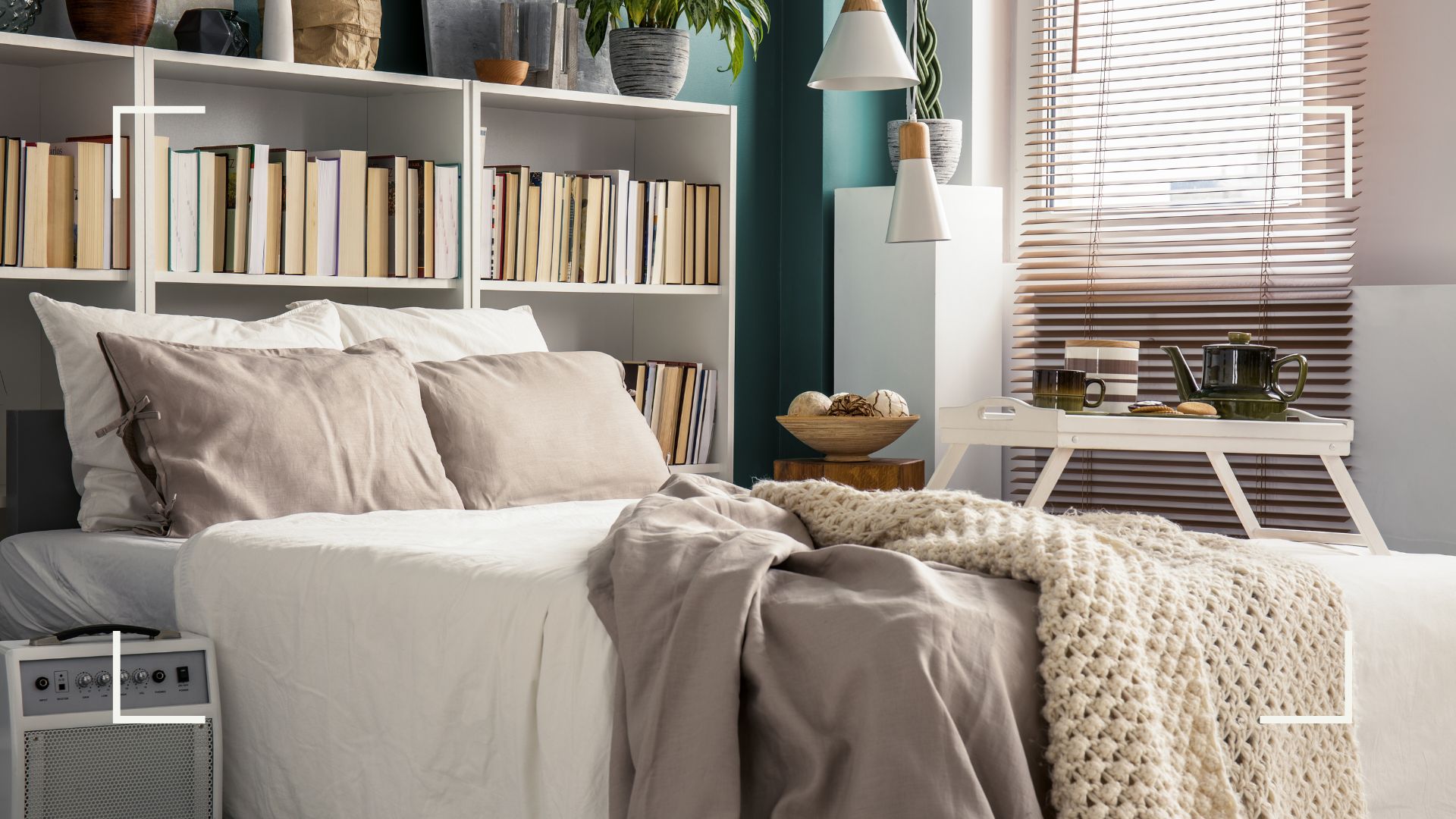
How to make a small bedroom look bigger - 12 clever tips and tricks to maximize space

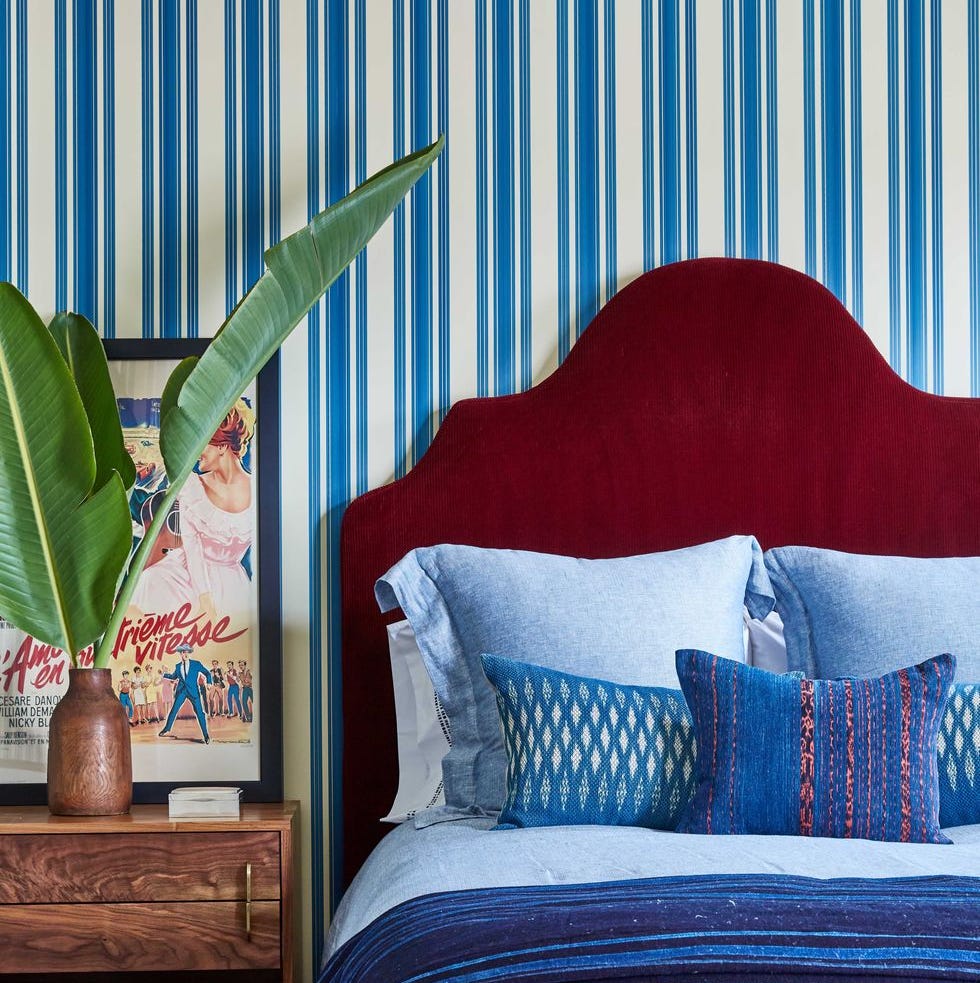
45 Big Ideas for Your Small Bedroom
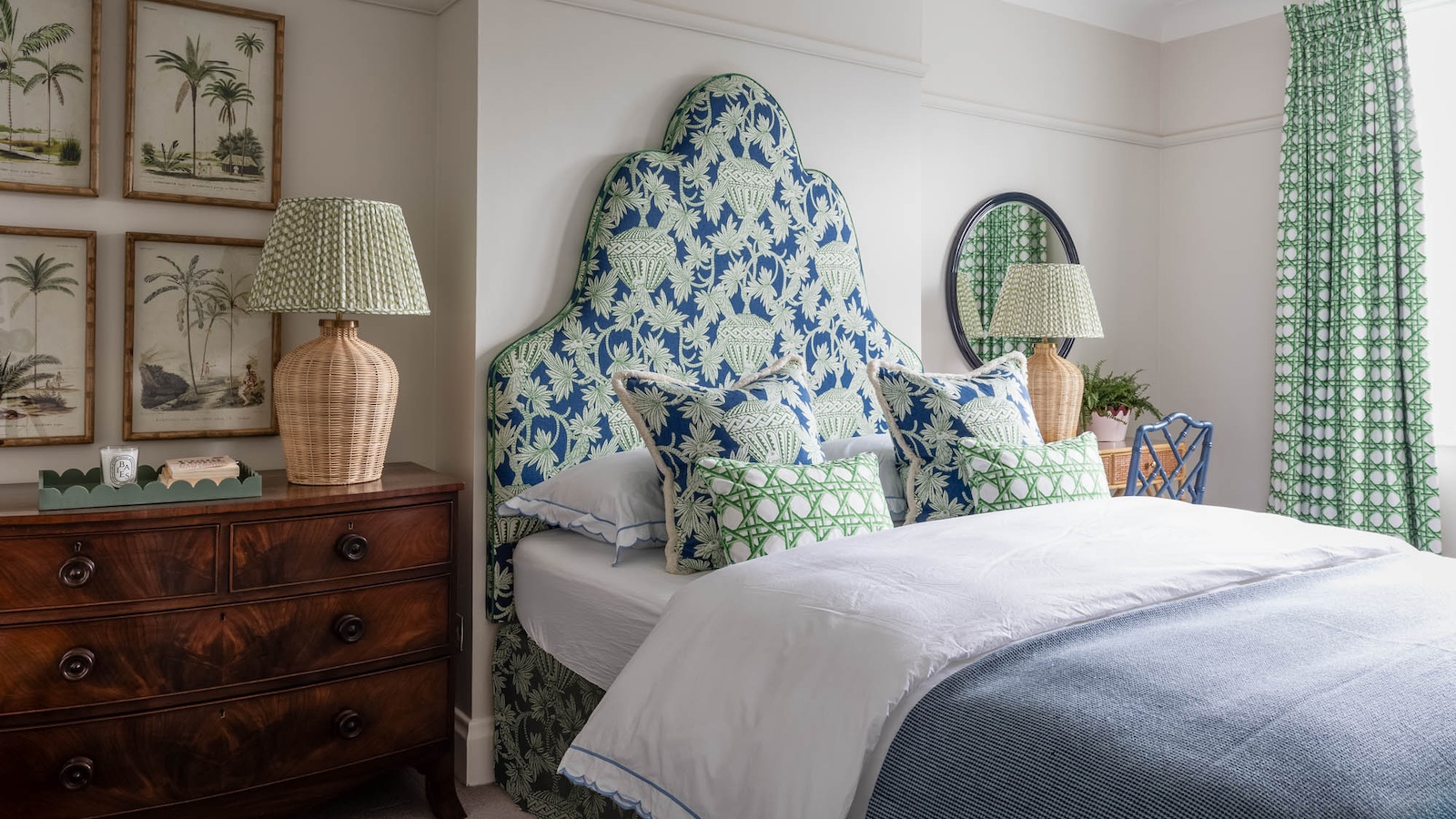
8 of the biggest small bedroom layout mistakes designers see time and time again


This architect's trick for positioning a bed in the middle of a room makes me want to be braver with my bedroom layout
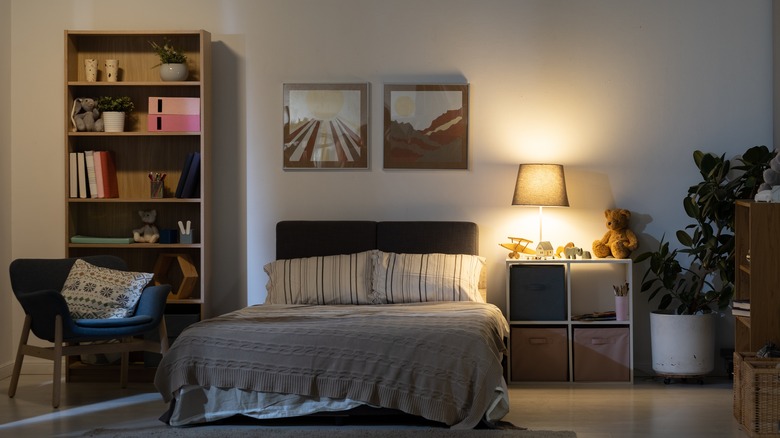
An Expert Explains The Best Ways To Organize Your Small Bedroom
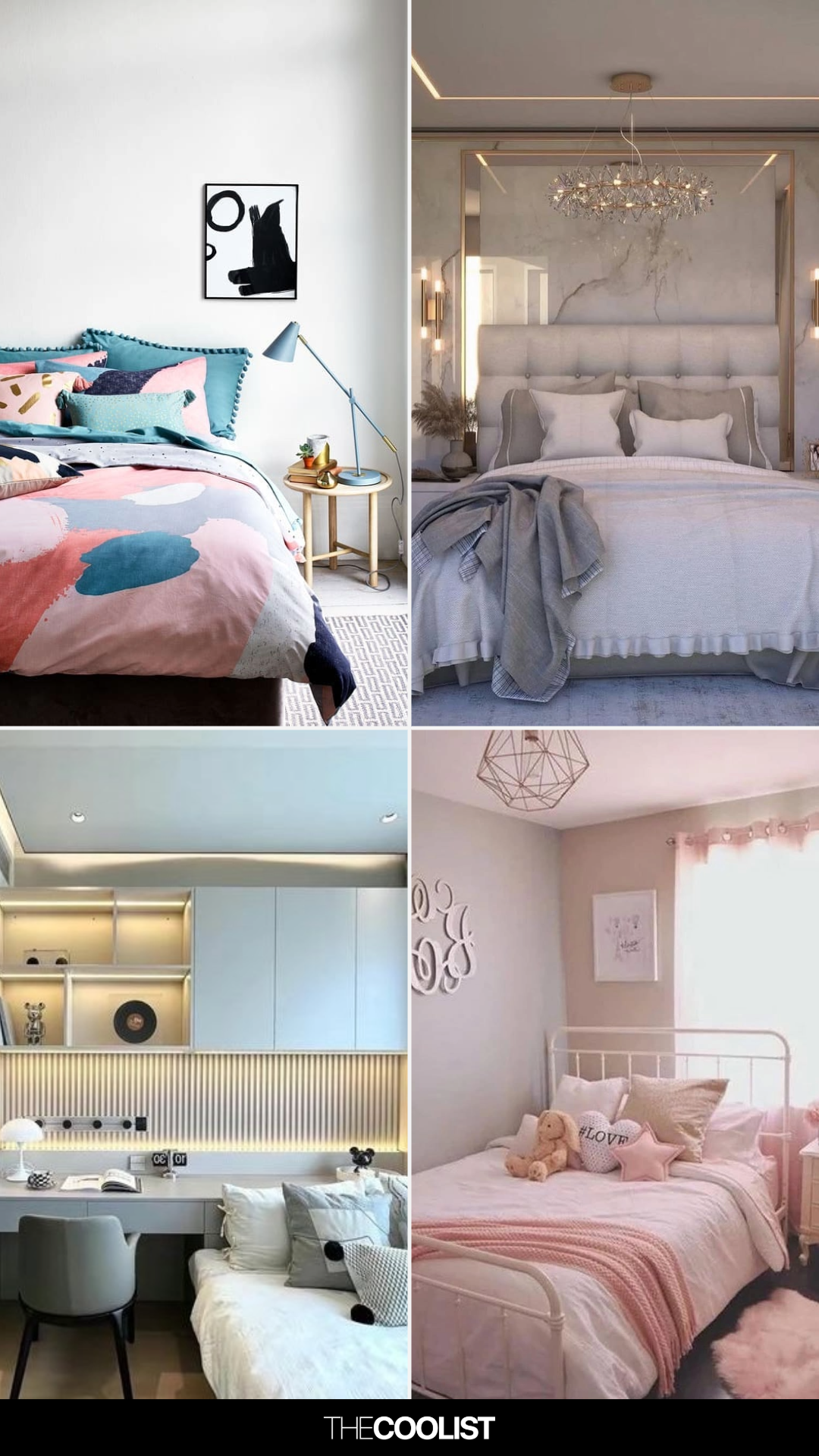
38 Insanely Genius Bedroom Ideas for Small Rooms That Instantly Maximize Space