We Asked a Designer How to Make a Small Bedroom Feel Bigger and It's Actually So Easy
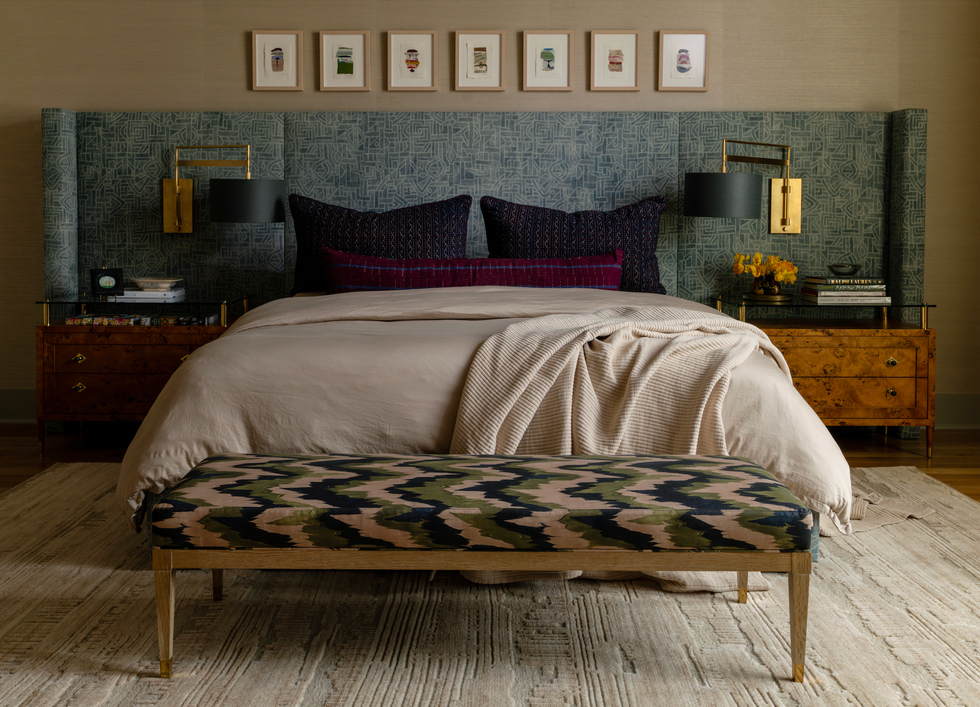
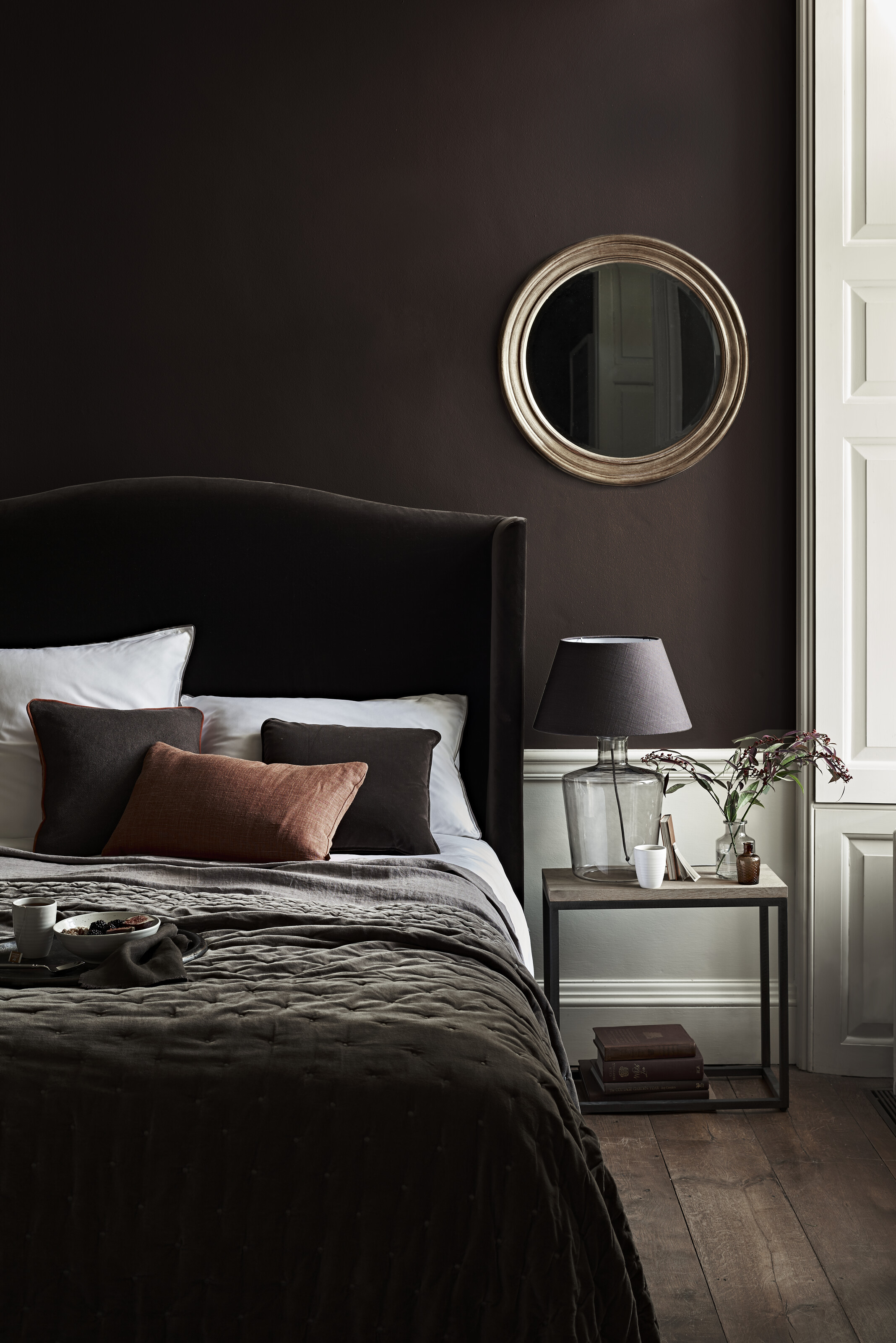
Styling a small bedroom presents unique challenges, yet it can be transformed into a functional and aesthetically pleasing space, much like its larger counterparts. Interior designer Lauren Saab emphasizes that a well-designed small bedroom can evoke intimacy, a cocoon-like comfort, and a sense of calm. She contrasts this with larger bedrooms, which can easily become chaotic, suggesting that a smaller room, when properly executed, feels purposeful, with every element serving a distinct role.
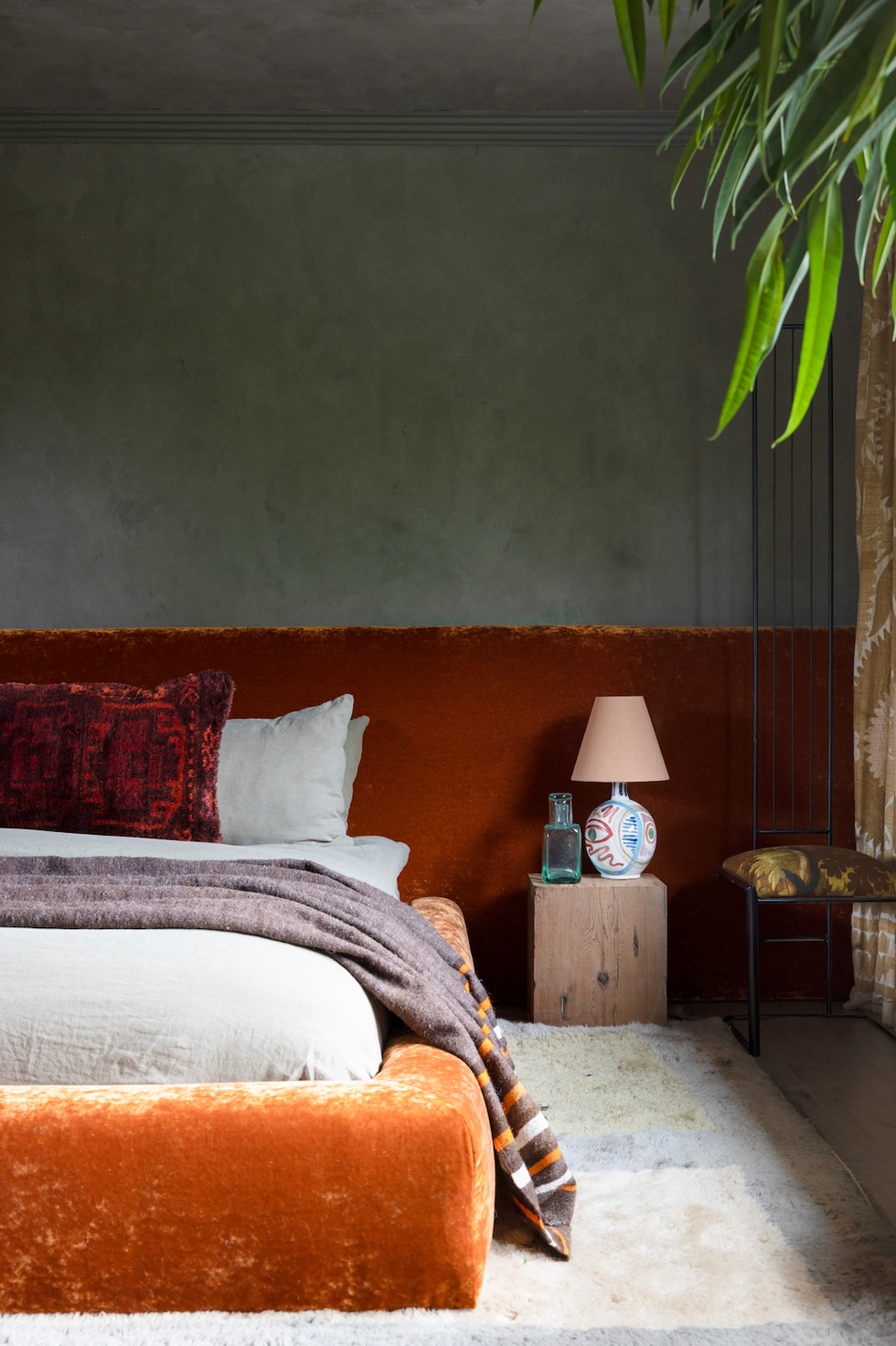
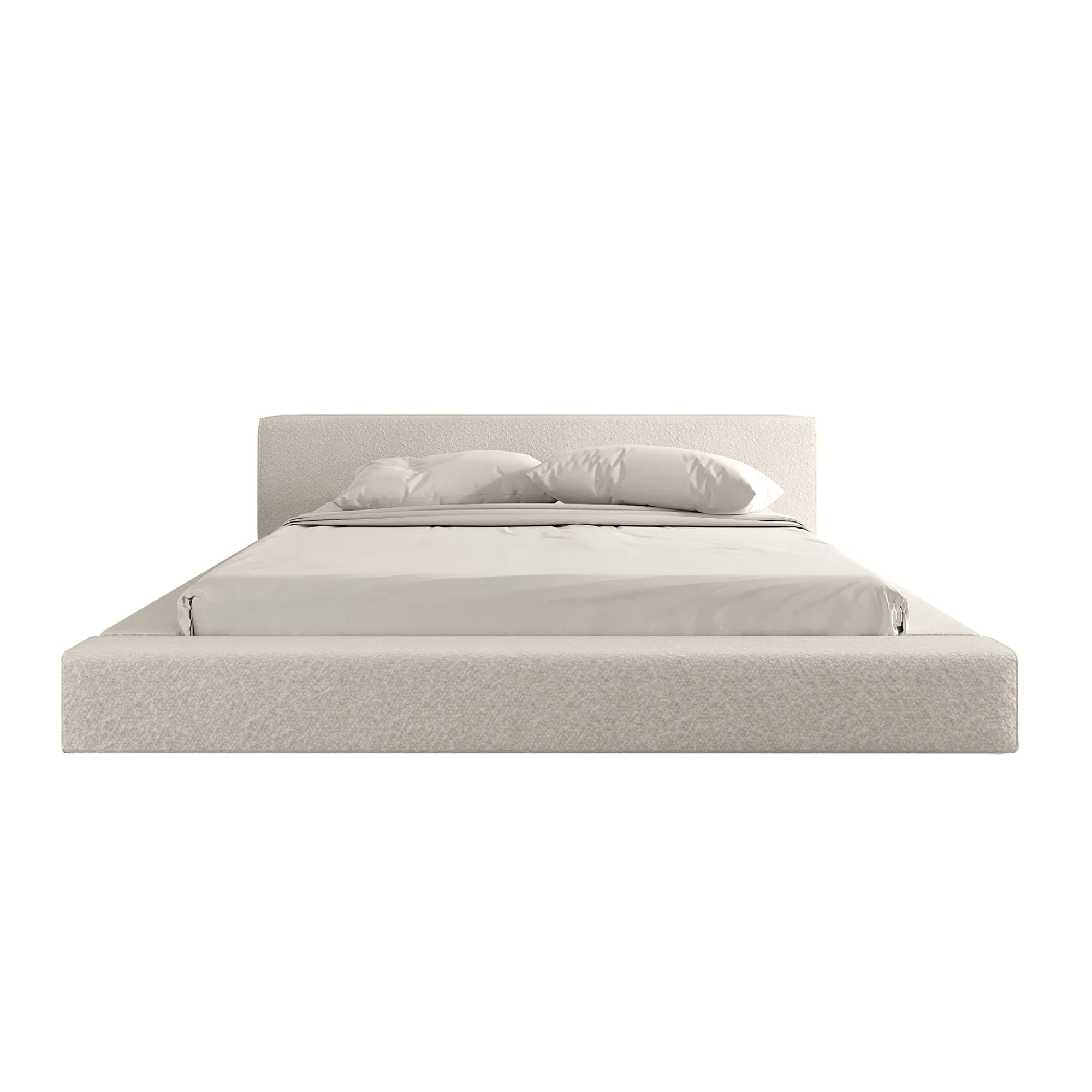
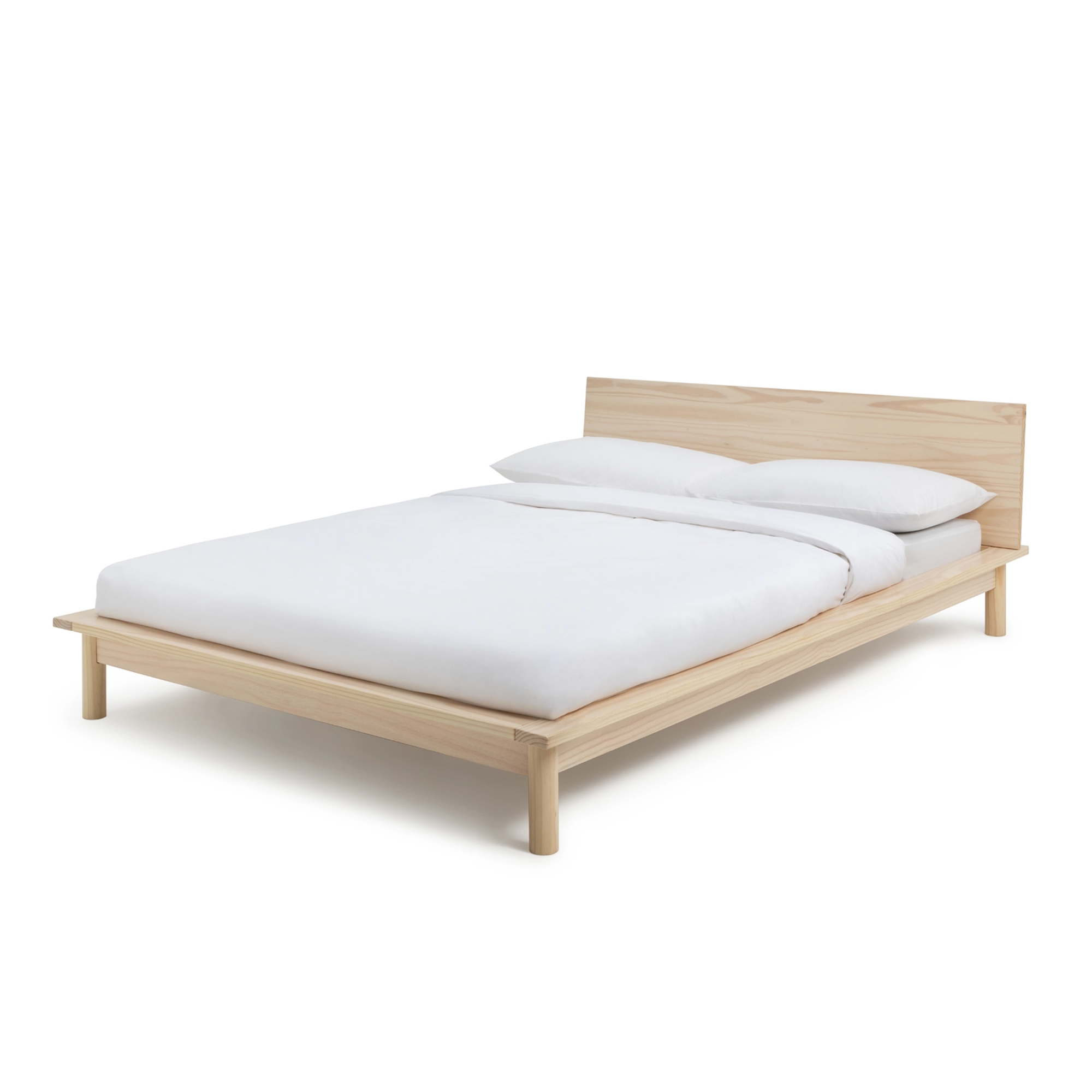
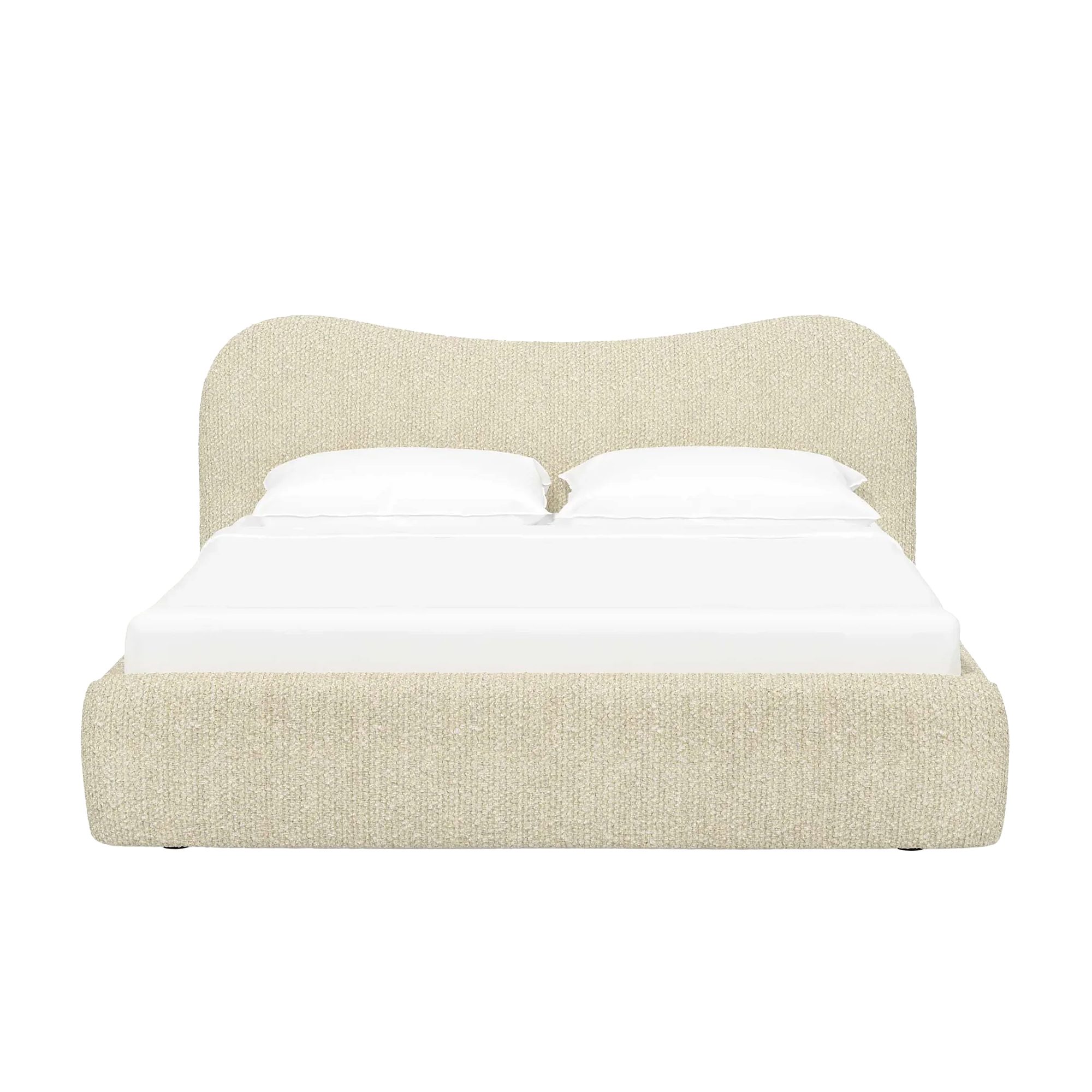
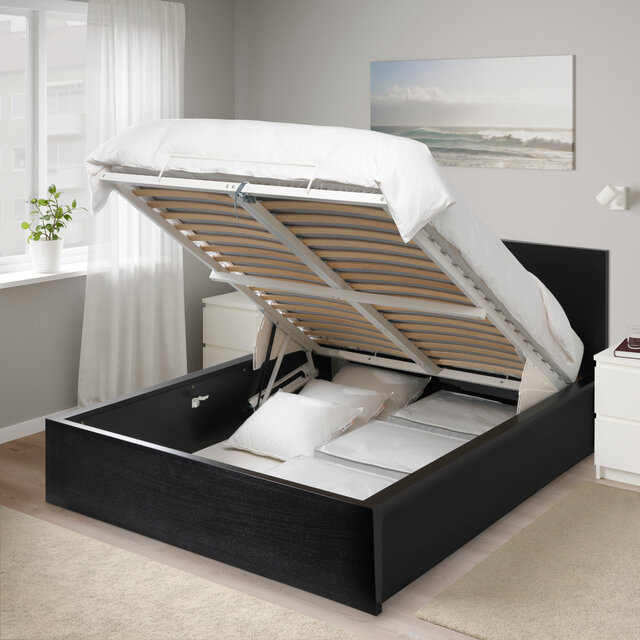
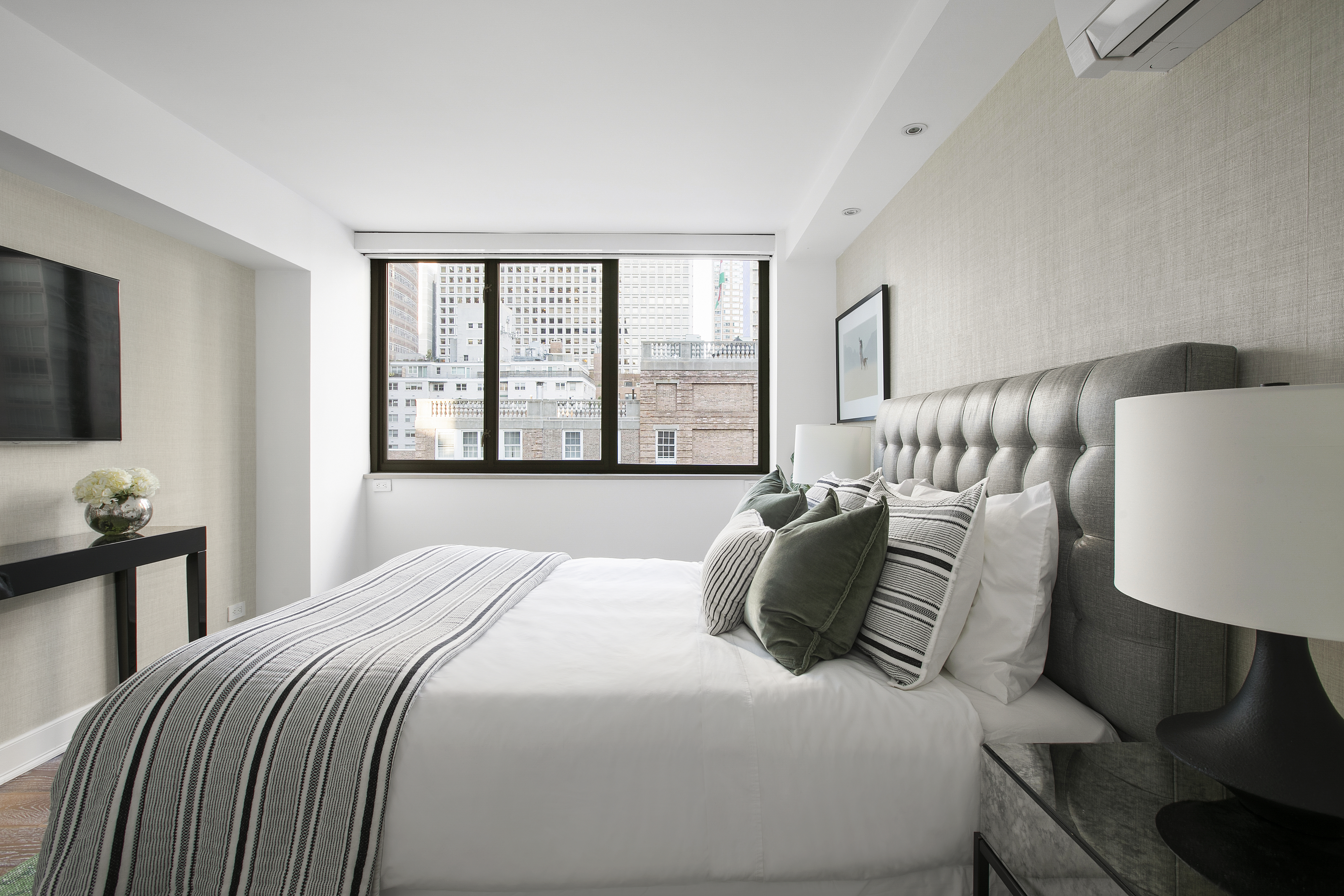
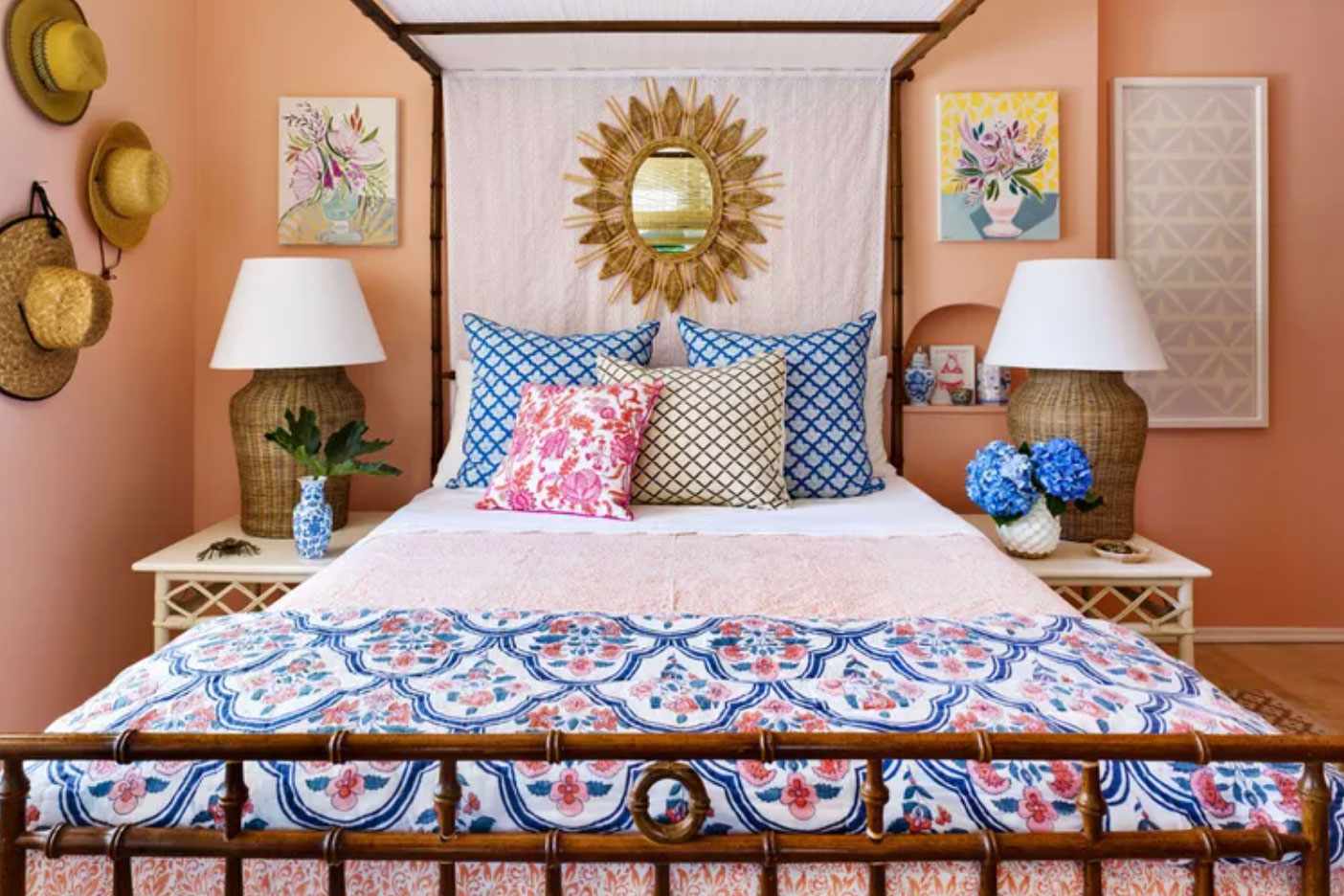
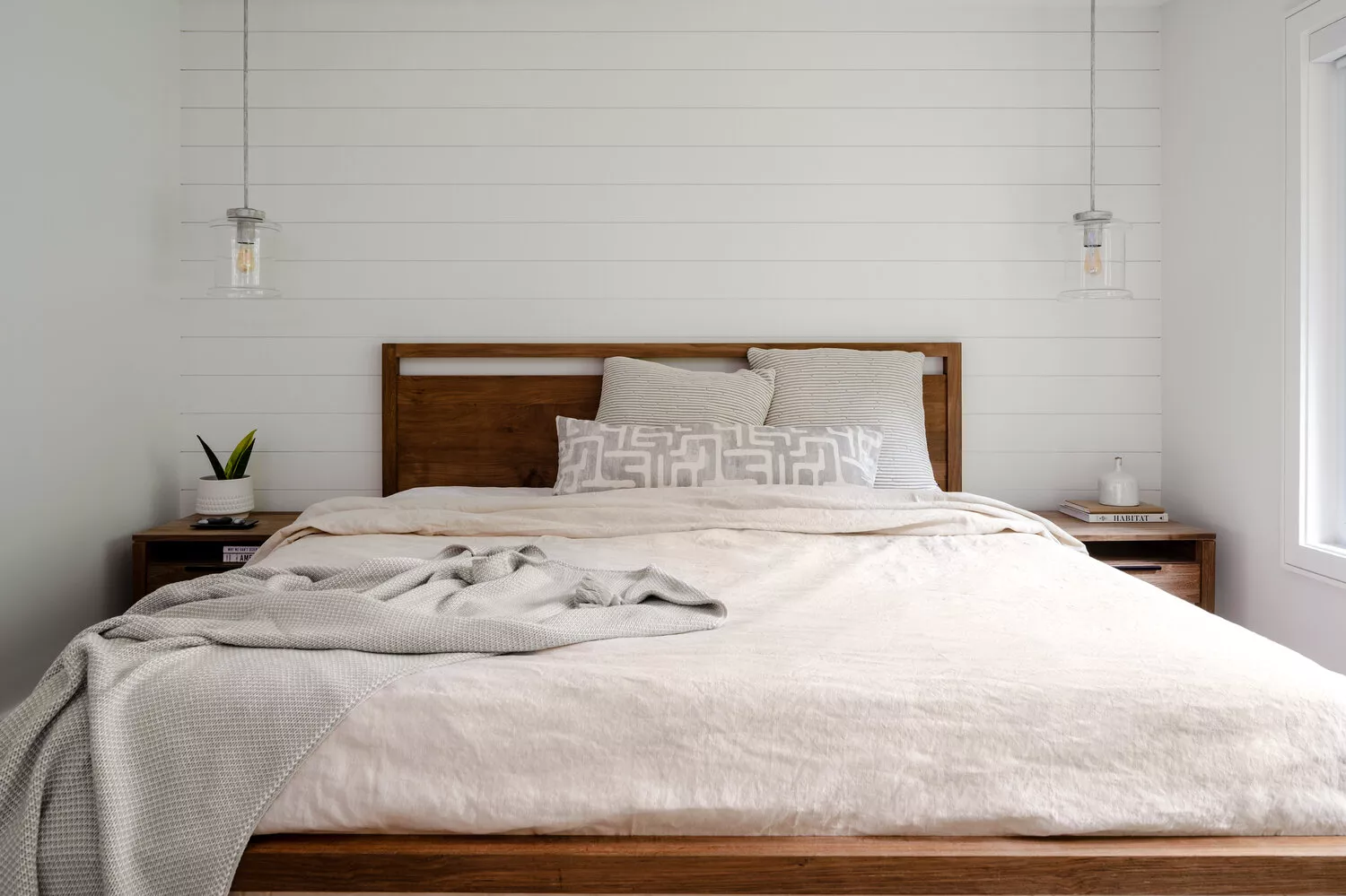
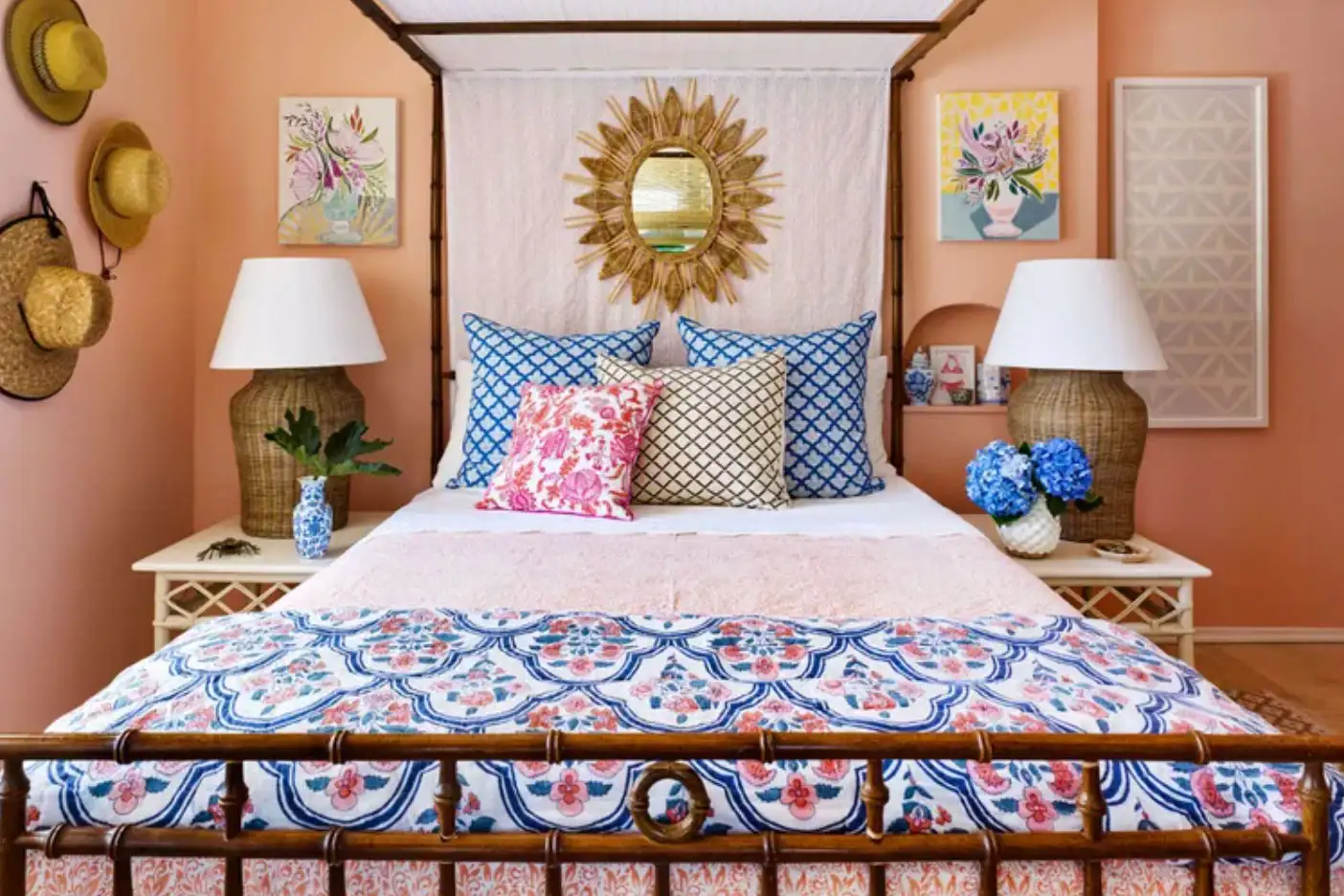
Saab provides several key recommendations to enhance the perception of space in a small bedroom. The most significant piece of furniture, the bed, should be chosen with care to prevent it from dominating the room. She advises against bulky platform beds and dust-ruffled frames, instead recommending bed frames with slimmer legs and open space underneath. This approach, she explains, visually doubles the floor area and allows the room to 'breathe,' making it appear larger and lighter.
Another critical consideration is mattress size. A common mistake in small bedrooms is selecting the largest possible mattress, such as a king size, which can consume the entire floor space and create a claustrophobic environment. Saab suggests scaling down to a queen or full-size mattress to free up walking room, thereby making the bedroom feel more expansive and less confined. The design philosophy for a small bedroom, according to Saab, is less about restricting desires and more about thoughtful curation, where each item must justify its presence.
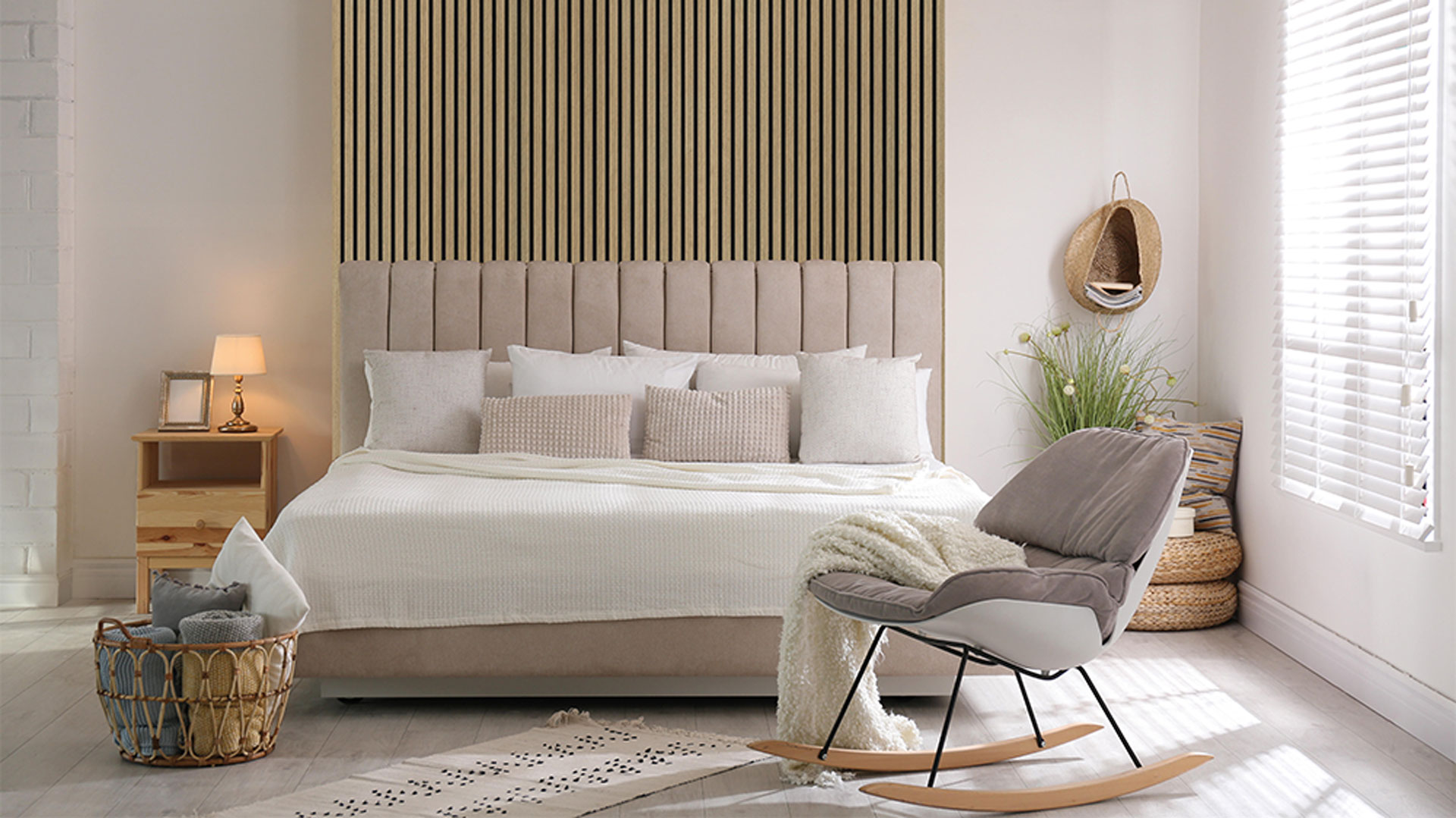
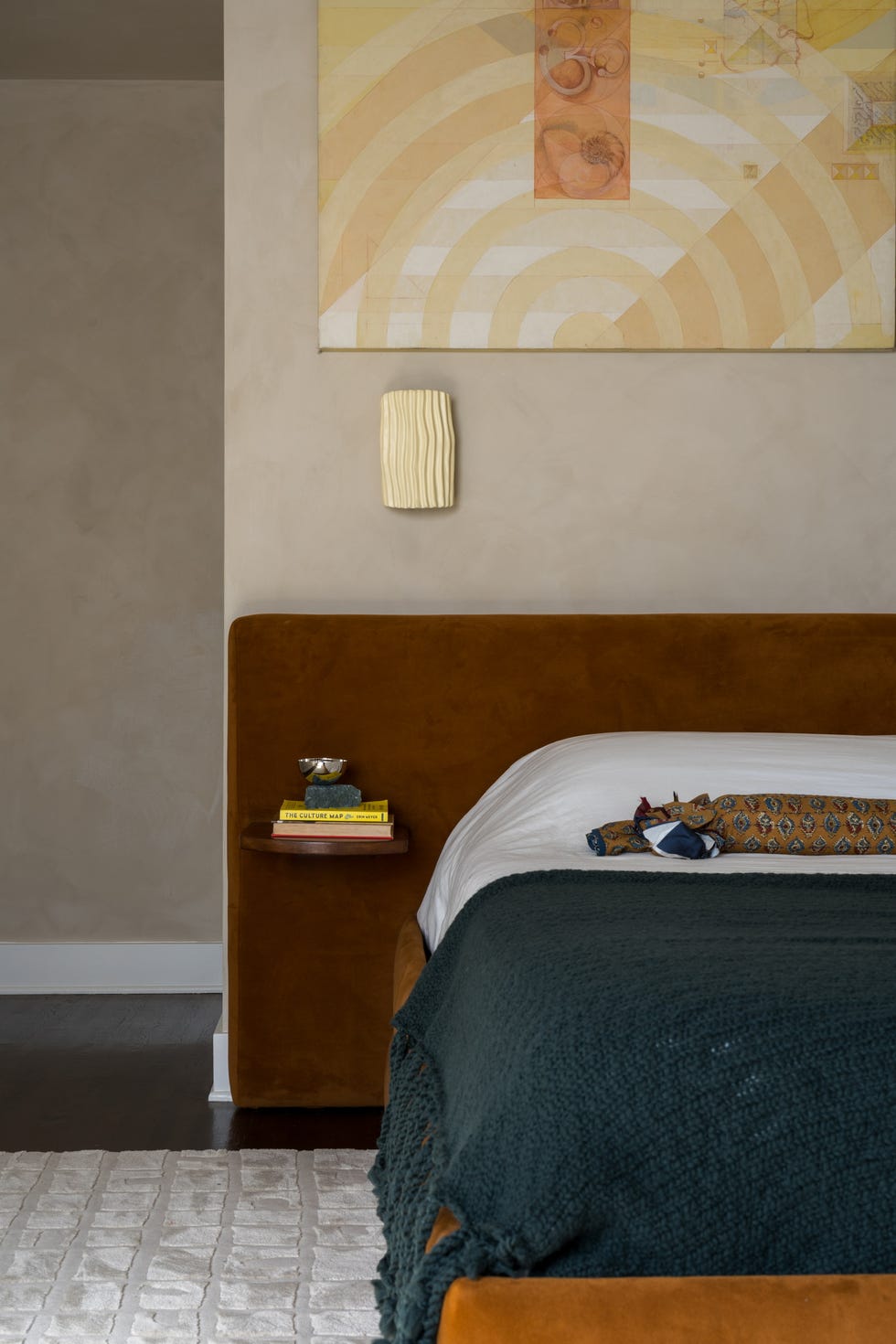
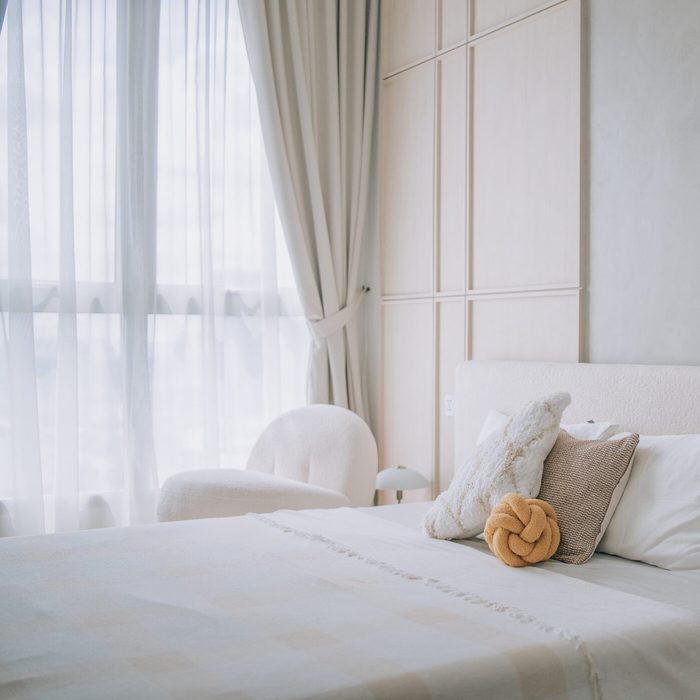
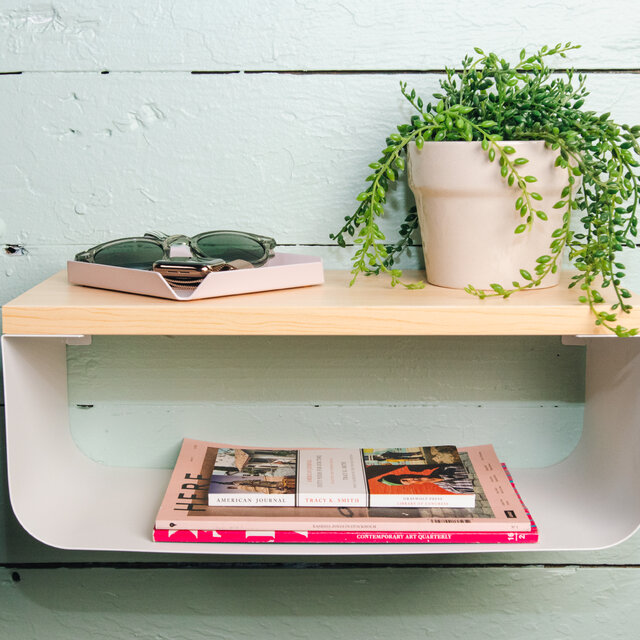
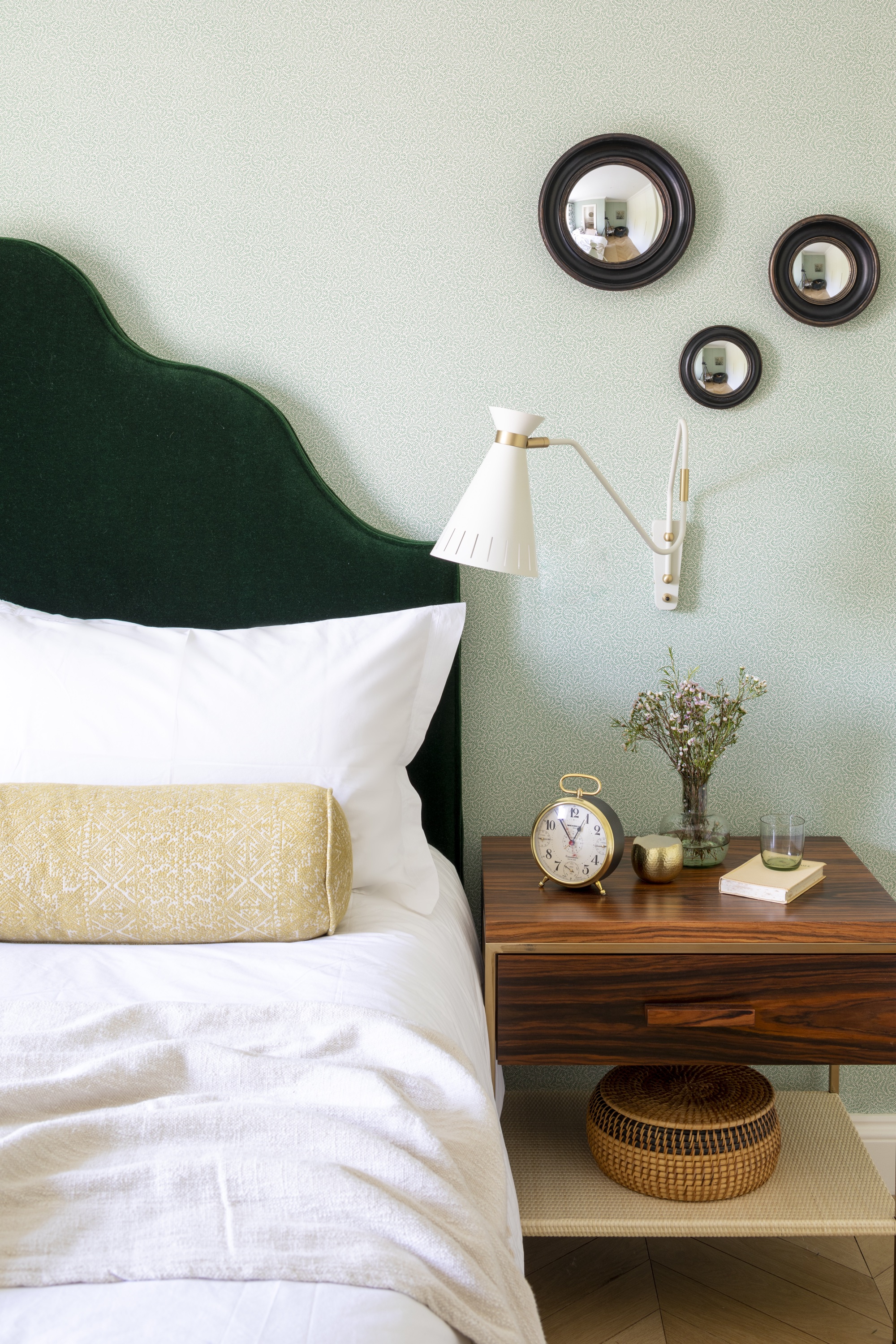
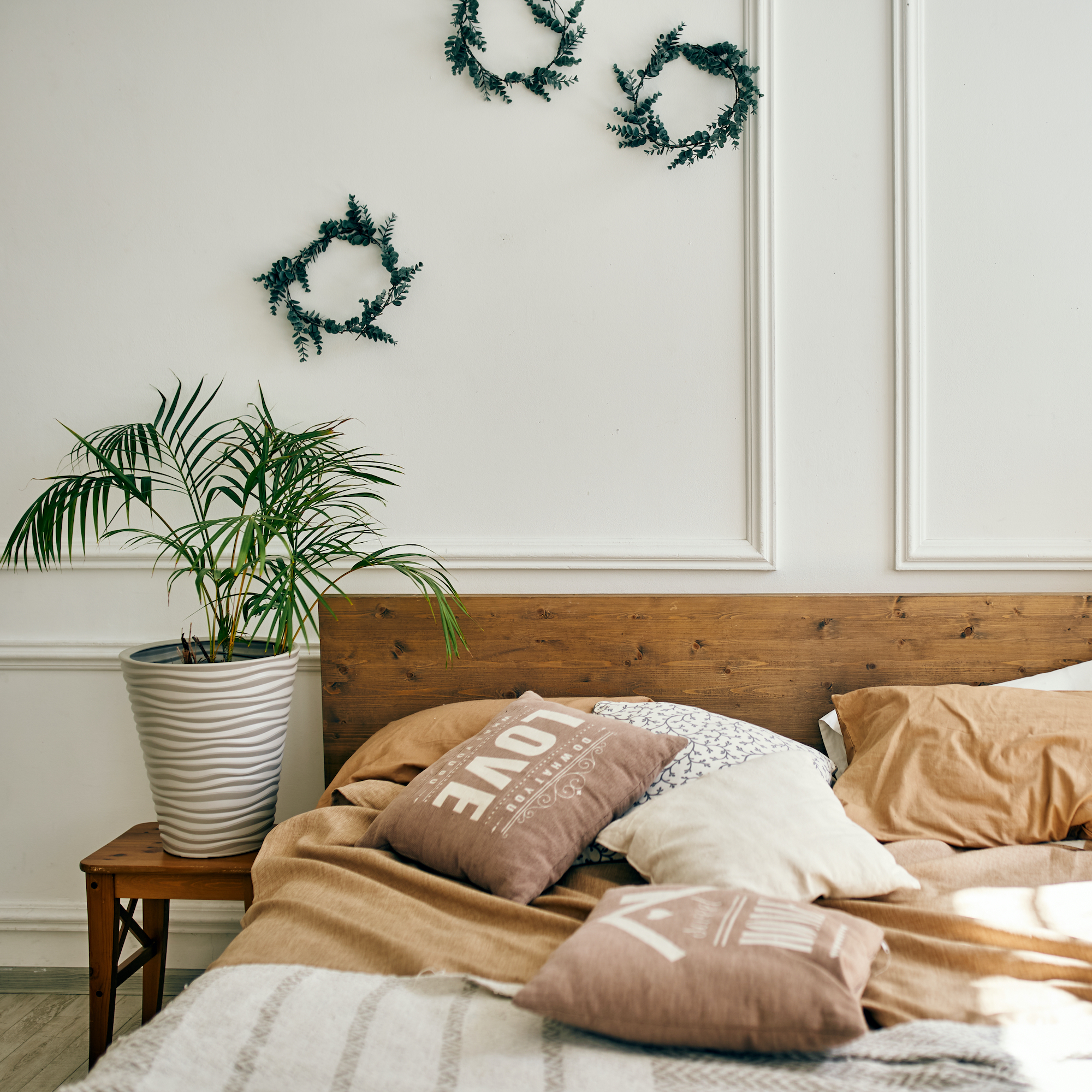
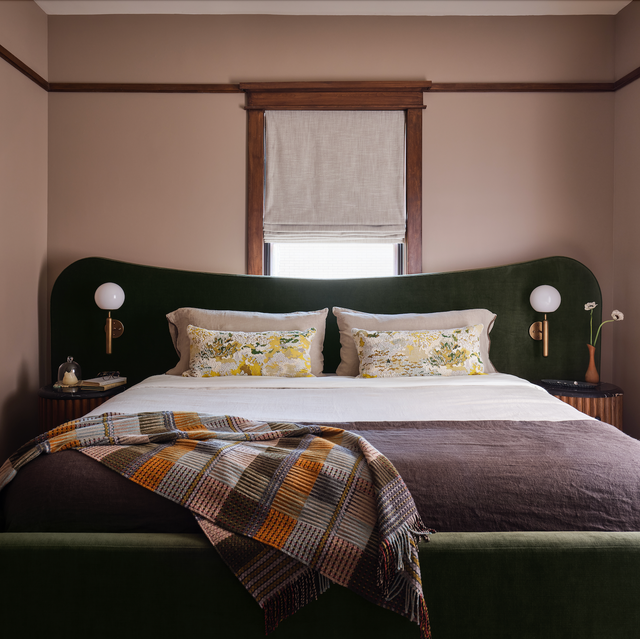
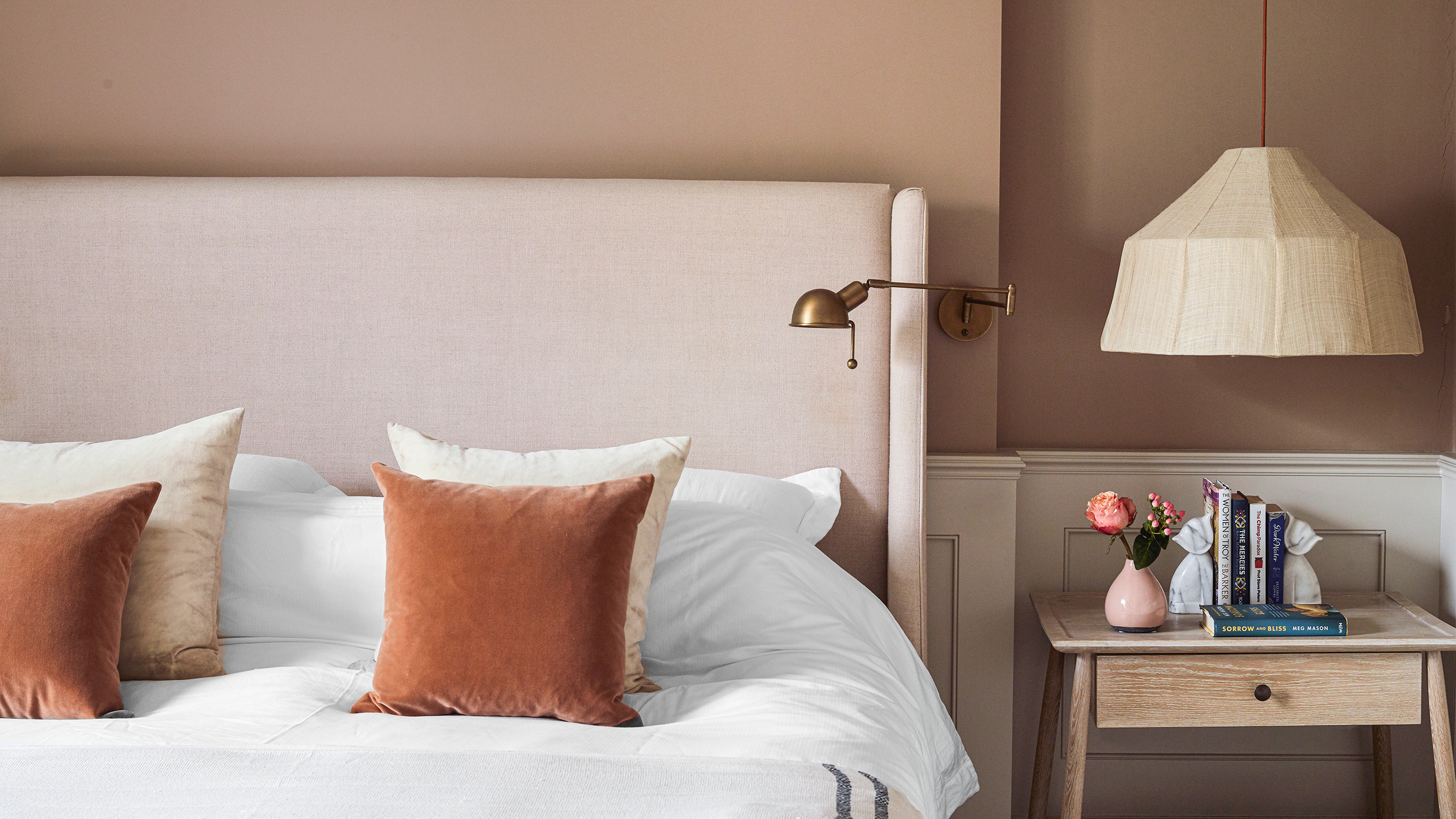
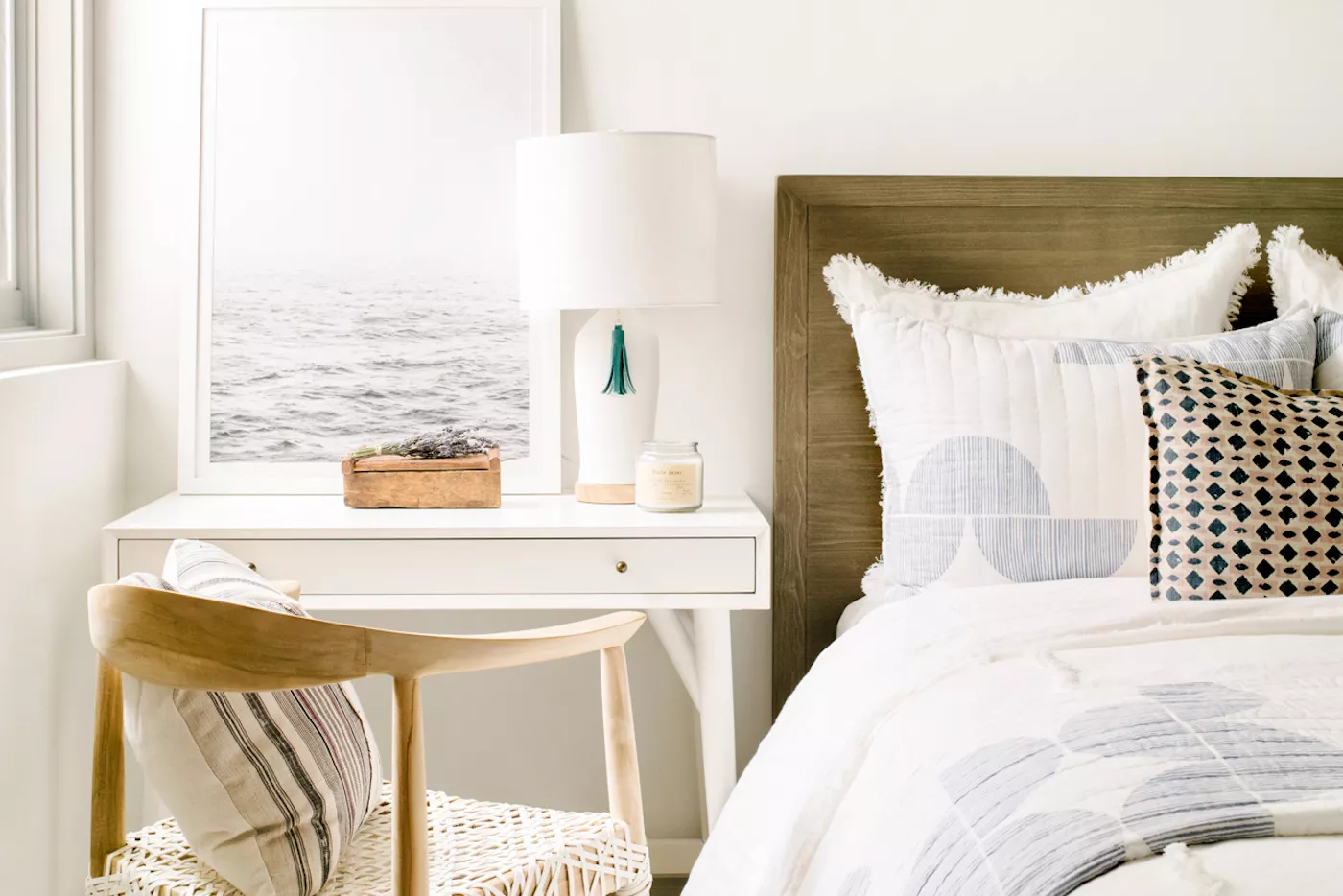
Minimalist bedding is also crucial for creating an open feel. Saab warns against overstuffing the bed with numerous layers and pillows, which can make the entire room seem heavier. Excessive cushions and bulky duvets can visually reduce square footage, turning the bed into a barrier rather than a welcoming retreat. She recommends using crisp bedding with only two or three carefully selected pillows to maintain an open, inviting, and proportionate look. Floating nightstands are another practical solution, as bulky bedside tables can weigh down a small bedroom. Wall-mounted shelves, by keeping the floor clear, instantly add visible floor area, making the room appear larger, brighter, and more open.
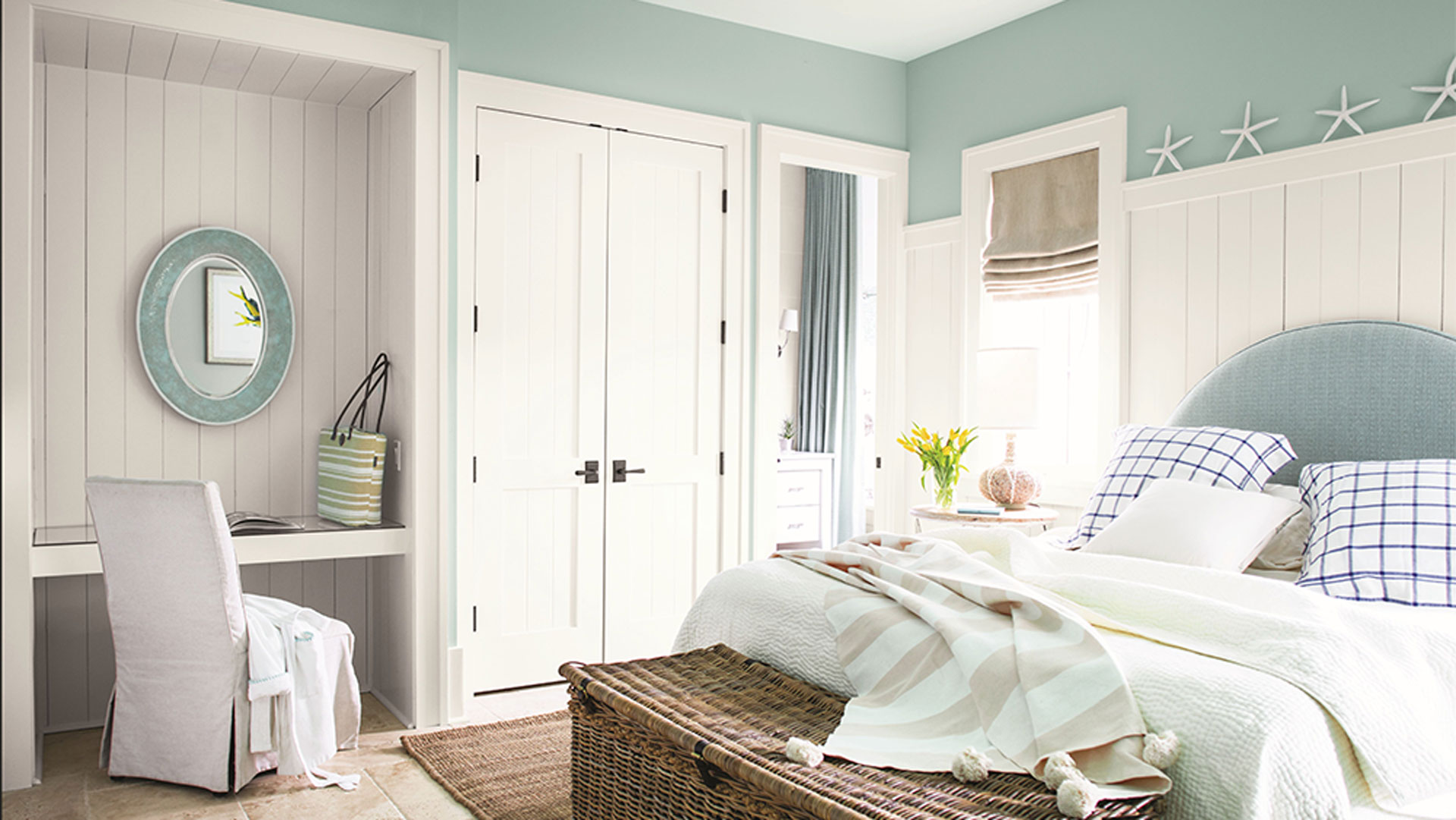
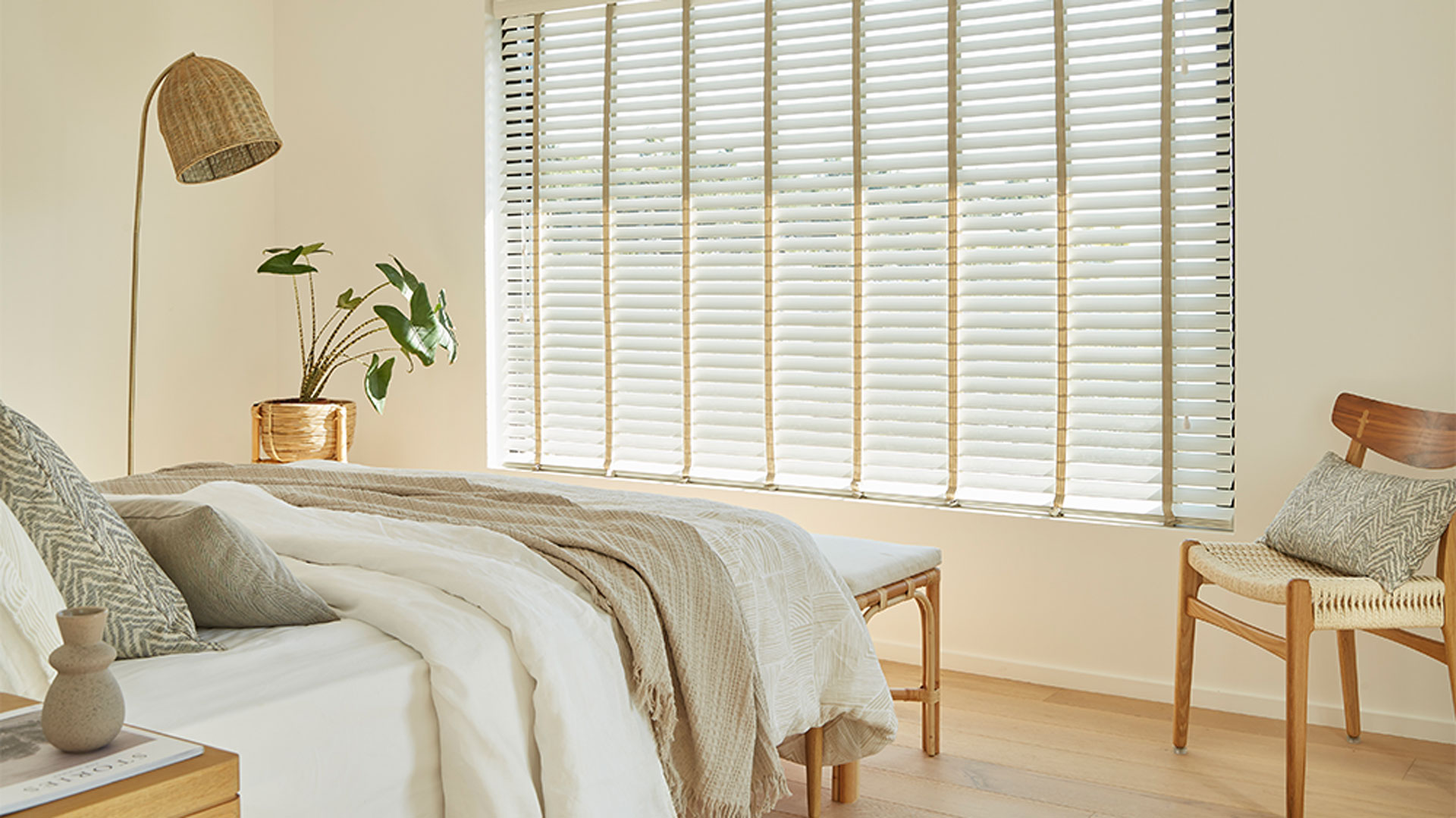
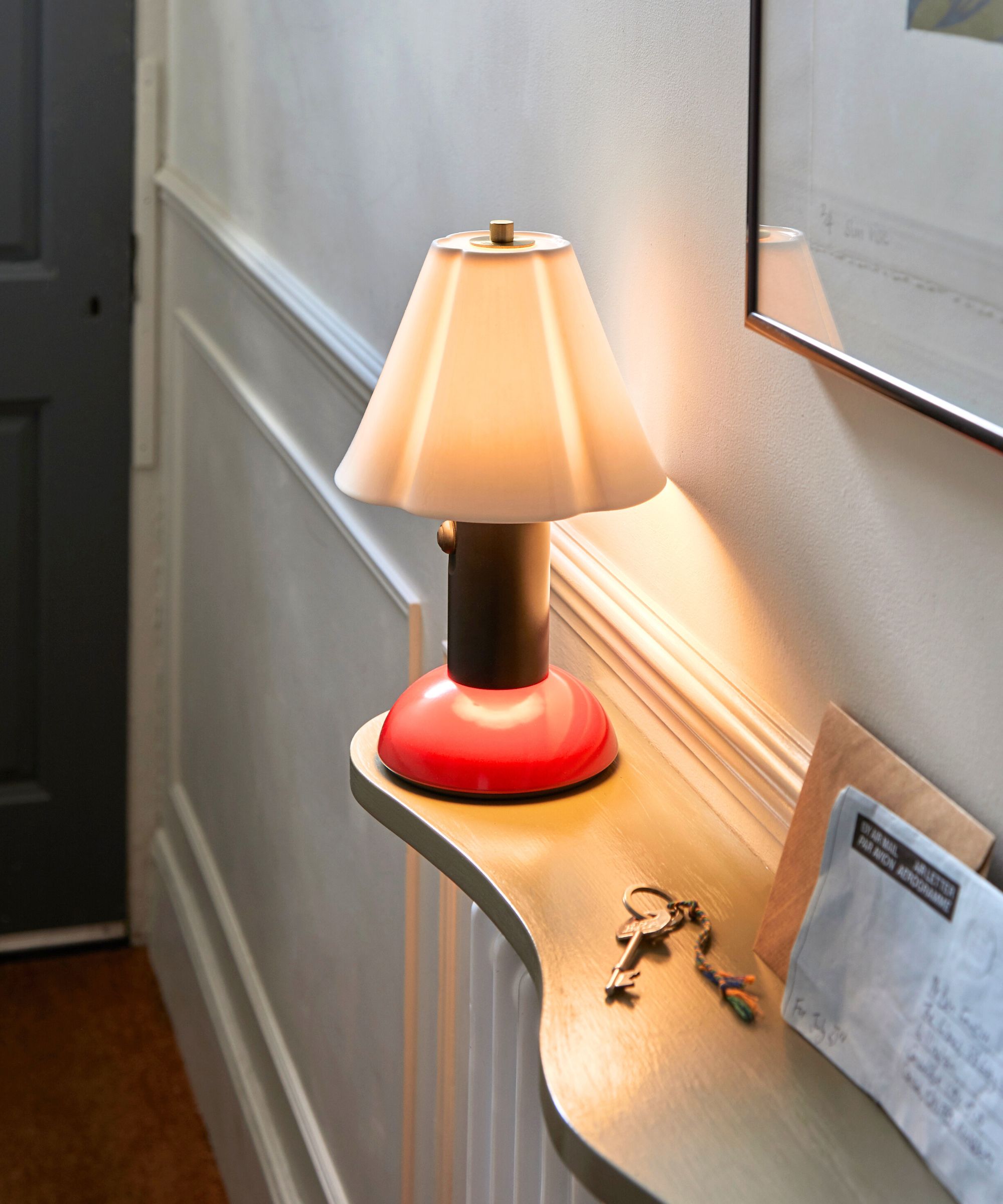
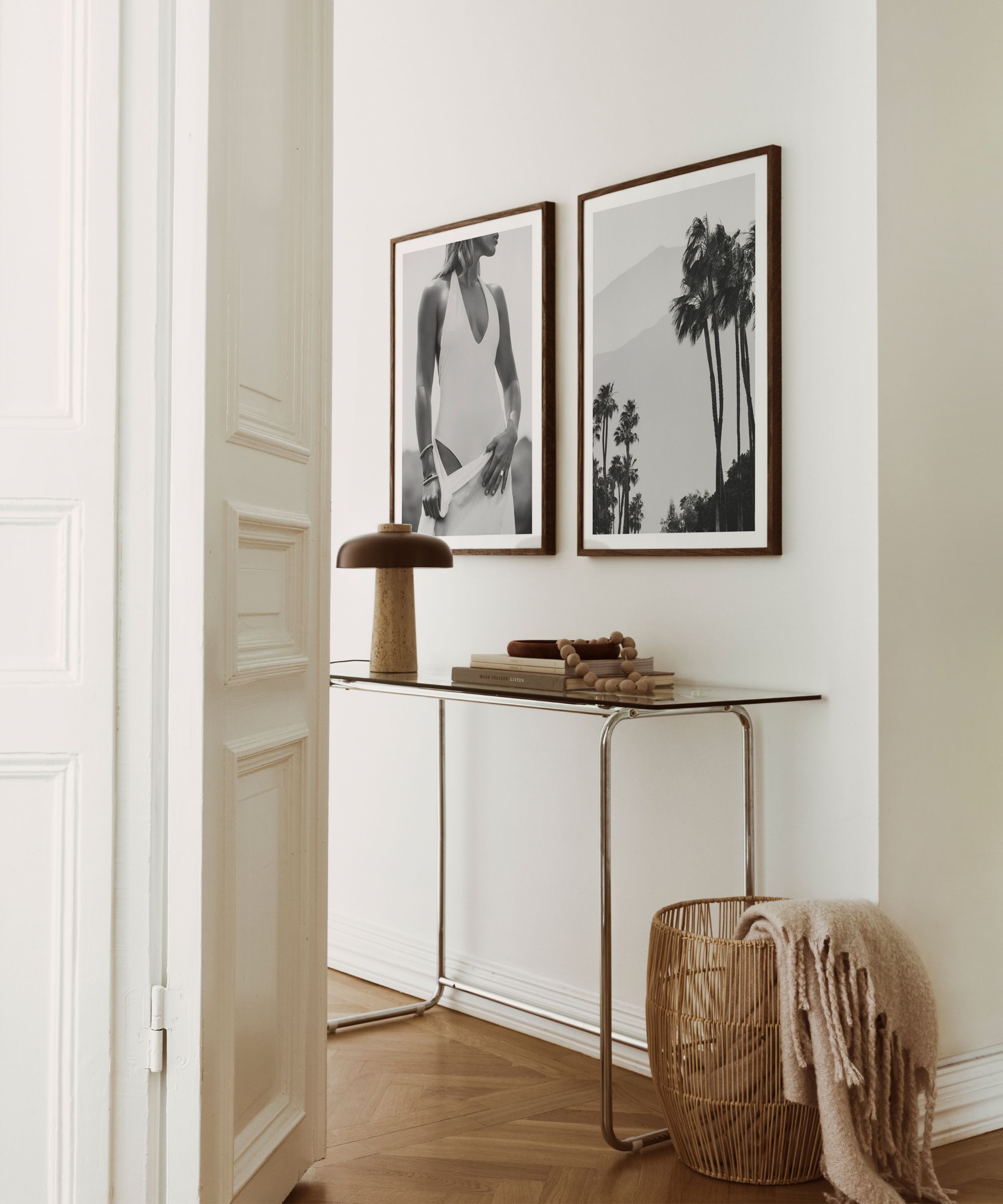
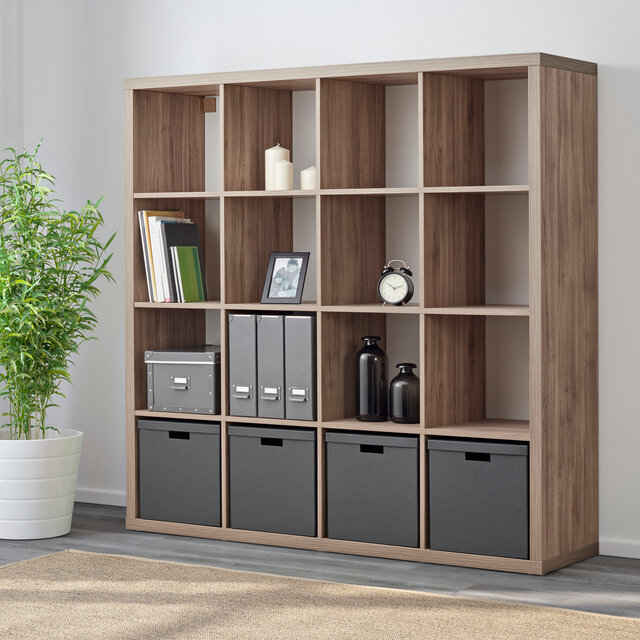
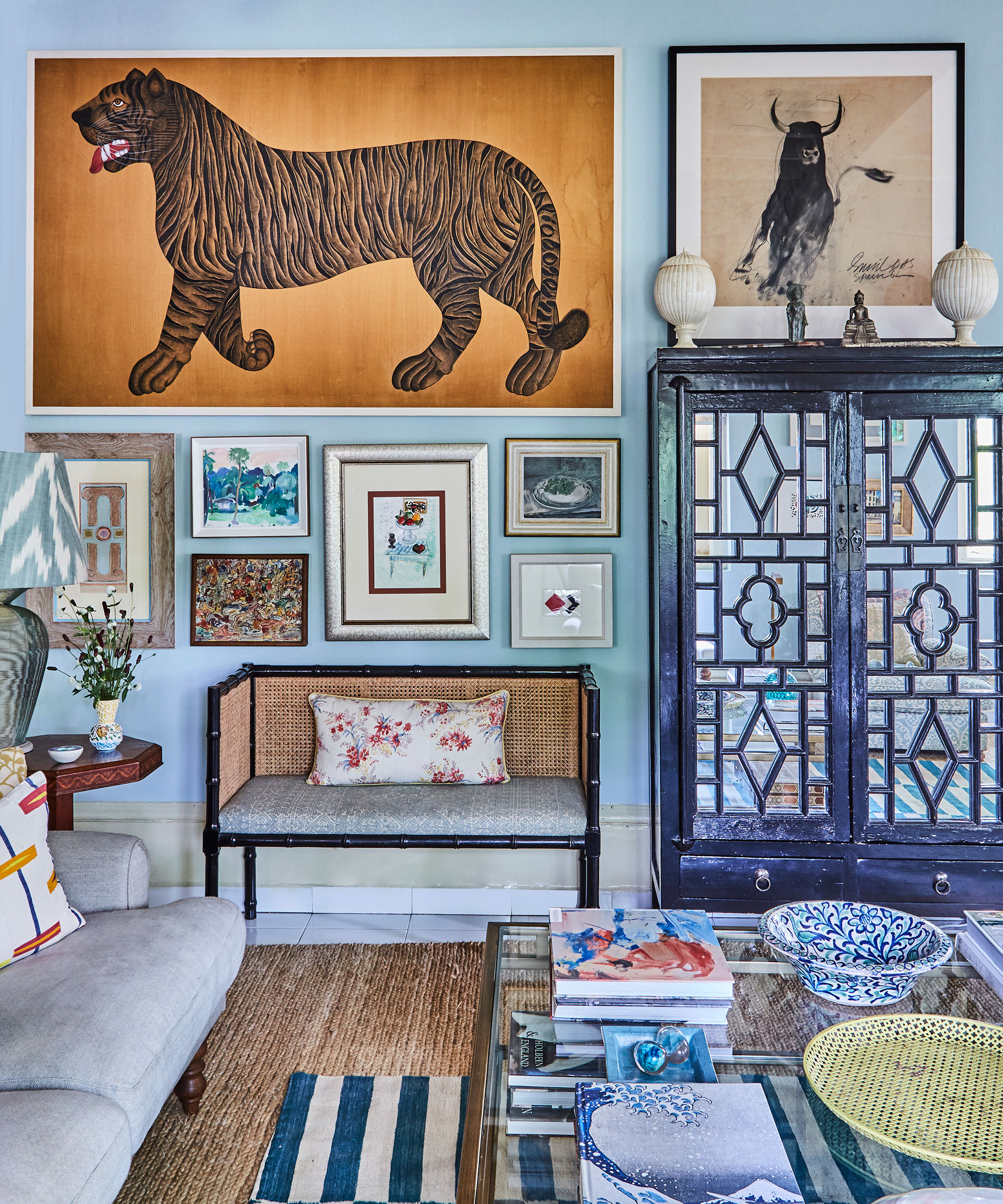
Further styling tips include mounting or hanging light fixtures, such as wall sconces or pendant lights, to avoid cluttering nightstands and contribute to a lighter, more open feel. Maximizing vertical storage with bookcases, cabinets, or hooks draws the eye upward, enhancing the perception of height. Placing a mirror opposite the door entrance can visually extend the entry point and make the entire room seem bigger from the moment one enters. Adopting a tonal color palette, by layering wall paint and textiles in similar hues, can trick the eye into perceiving the space as more generous. Hanging curtains at ceiling height also makes the room appear taller. Finally, Saab advocates for streamlined wall art, suggesting that one oversized piece has more impact and feels more deliberate and expansive than a collection of smaller frames, which can contribute to clutter. Lighter, softly reflective finishes are preferred over heavy, matte colors, as they amplify natural light and visually expand the walls. Ultimately, editing possessions rigorously ensures that every item in the small bedroom serves a purpose and contributes to the overall aesthetic of spaciousness and tranquility.
#SmallBedroomDesign #InteriorDesignTips #SpaceSaving #HomeDecor #BedroomIdeas #MinimalistDesign #HomeImprovement #DesignerAdvice #SmallBedroomDesign #InteriorDesignTips #SpaceSaving #HomeDecor #BedroomIdeas #MinimalistDesign #HomeImprovement #DesignerAdvice
0 comment in total
 No comments yet
You may also like
How to make a small bedroom look bigger - 12 clever tips and tricks to maximize space

How to make small spaces look bigger
How do you make a small entryway look bigger? This is how designers tackle tiny, dark spaces

7 Designer Tricks That Make A Small Bedroom Feel Spacious
This Everyday Item INSTANTLY Makes Small Bedrooms Feel Bigger, According to Designers

Abigail Ahern's trick to making a small bedroom look bigger
Interior Designer Shares How to Make 1-Bedroom Apartment Look Bigger
Experts reveal the one furnishing that will instantly make a small hallway feel bigger
Designers swear by this small living room layout - 'it makes the space feel bigger'
We Asked Designers How to Make a Small Living Room Look Larger Instantly—And We're Trying This ASAP
The Best Ways to Maximize Your Small Bedroom
Aesthetics that work in a small bedroom — experts sound off, and we're officially obsessed

We Asked a Designer How to Make a Small Living Room Feel Bigger and It's Actually So Easy
Maximize Your Space: 19 Tips to Make a Small Room Feel Bigger

Do low beds make a bedroom look bigger? 5 expert tips on getting bedroom furniture height right in a small space

My Designer Friend Told Me This Is the Easiest Way to Make Any Room Feel Complete
14 clever ways to make small rooms look bigger

How to make a small entryway look bigger, according to interior designers
10 things designers do to make rooms look bigger – strategies for success from the experts
How to Arrange a Small Bedroom to Give the Illusion of More Space, According to Experts