How to Arrange a Small Bedroom to Give the Illusion of More Space, According to Experts
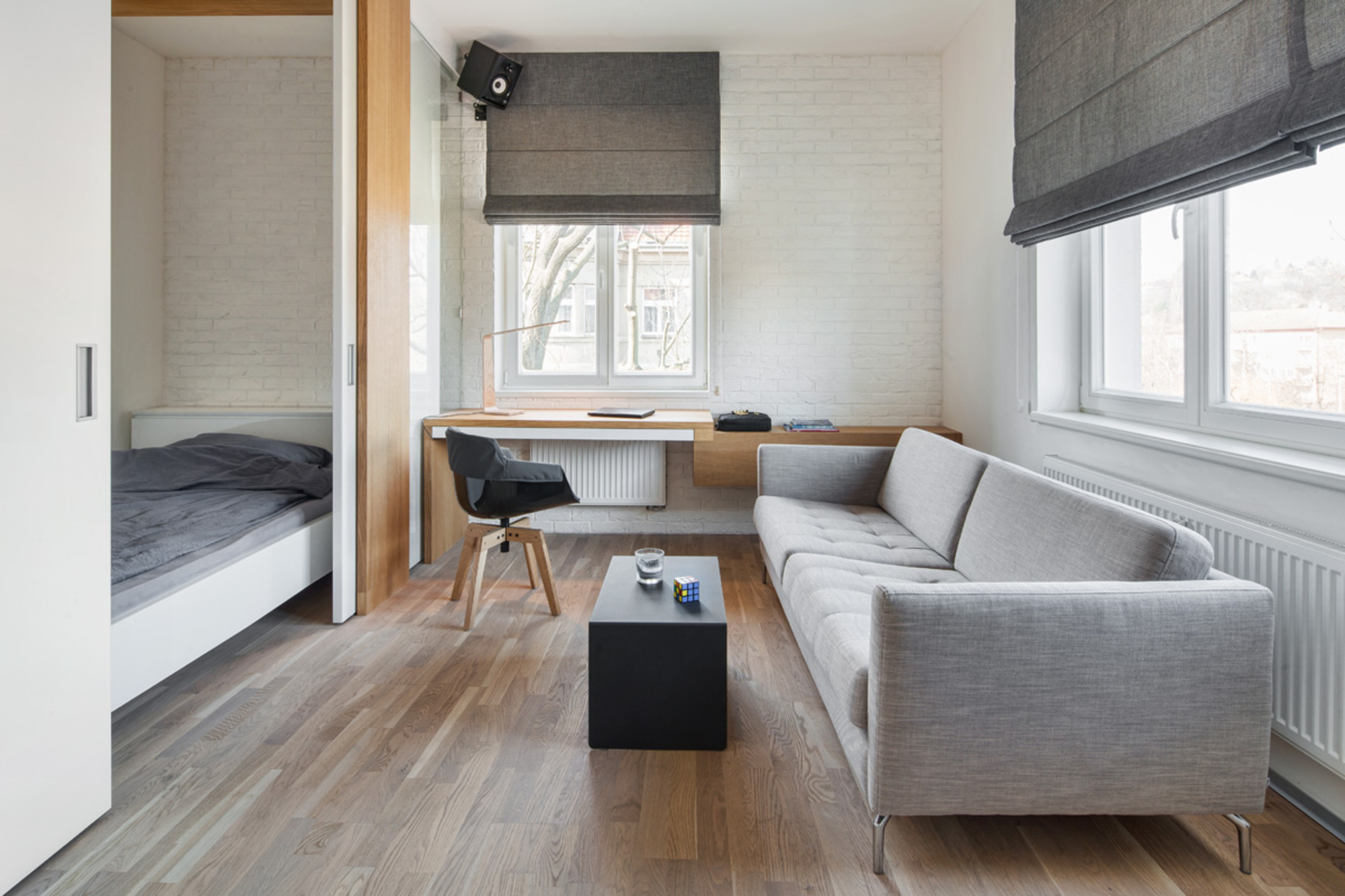
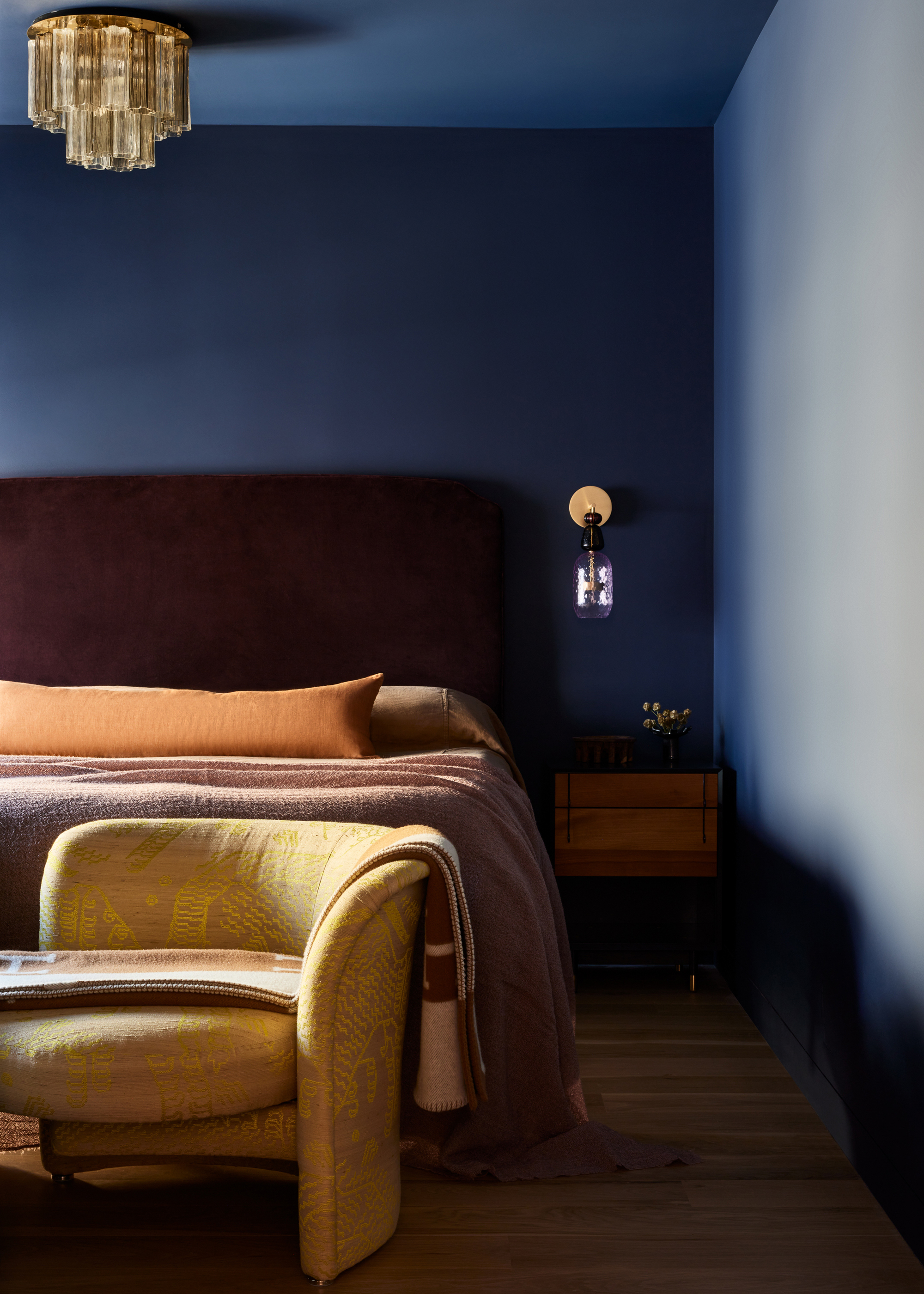
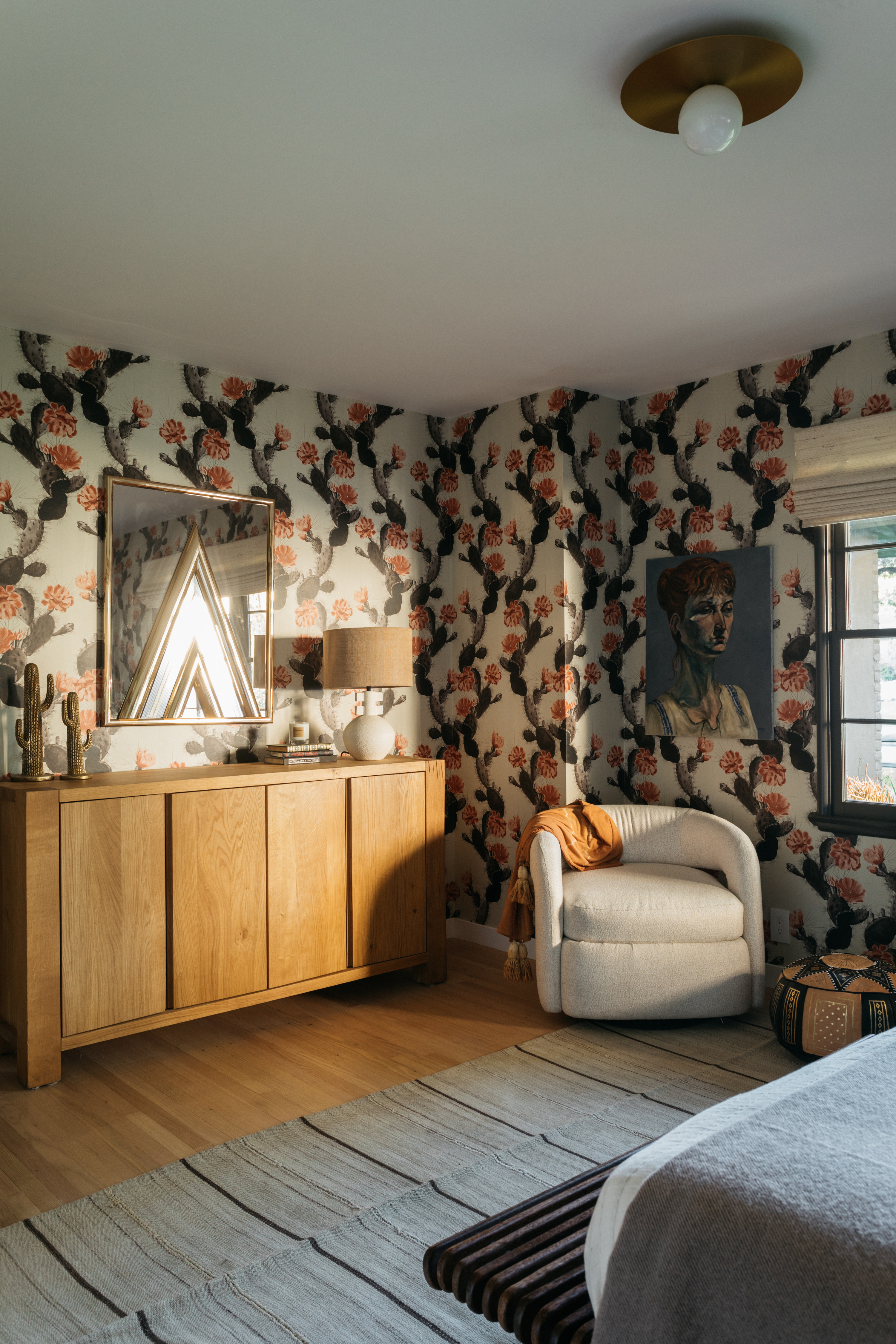
A well-organized and thoughtfully designed small bedroom can transform a cramped space into a comfortable sanctuary. The key to achieving this lies in strategic organization and clever design choices that create an illusion of greater space. Professional organizers and interior designers emphasize that every element, from furniture placement to decor, contributes to the overall perception of size and comfort in a small bedroom. The article outlines several expert-backed tips to maximize space and enhance the aesthetic appeal of compact sleeping quarters.
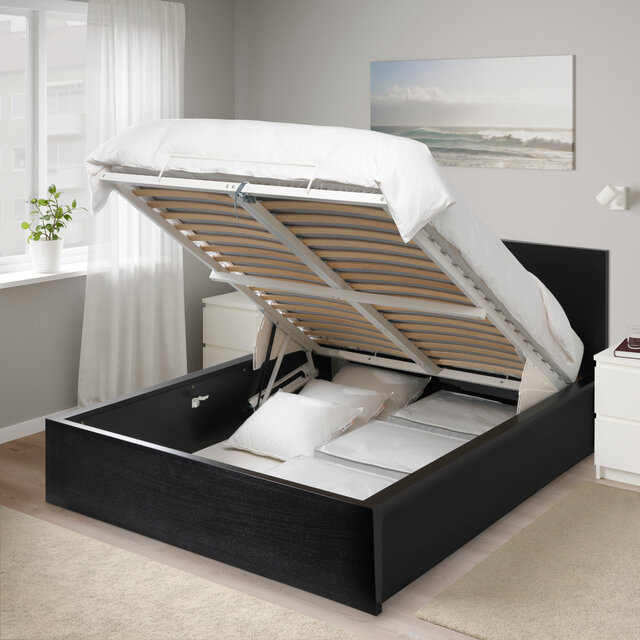
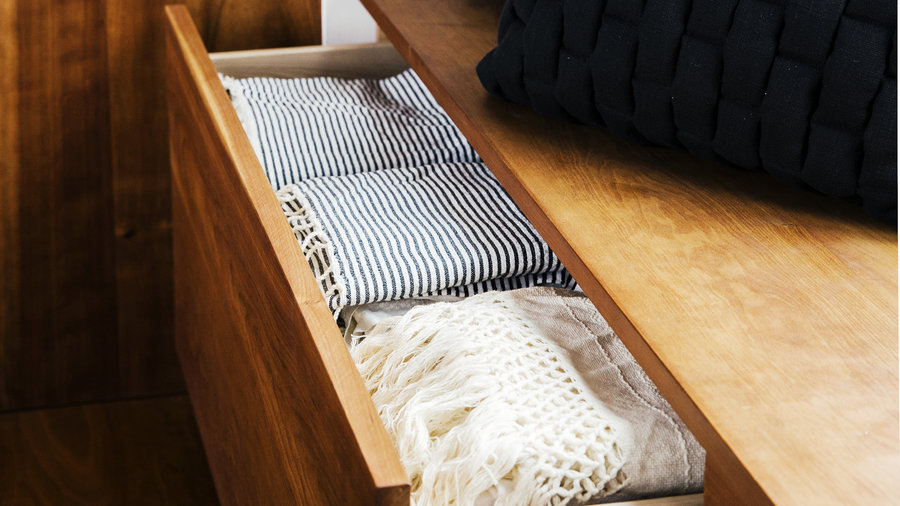
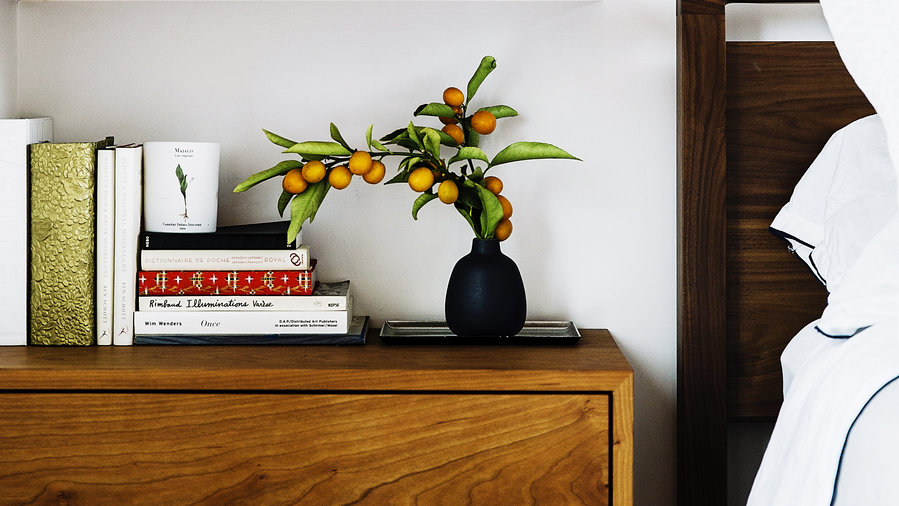
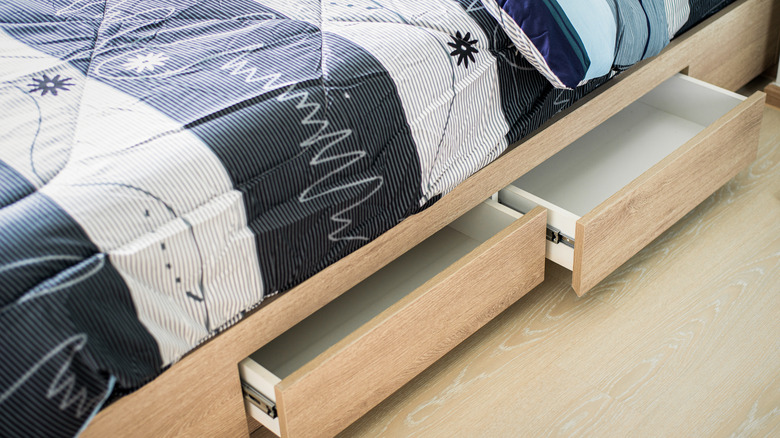
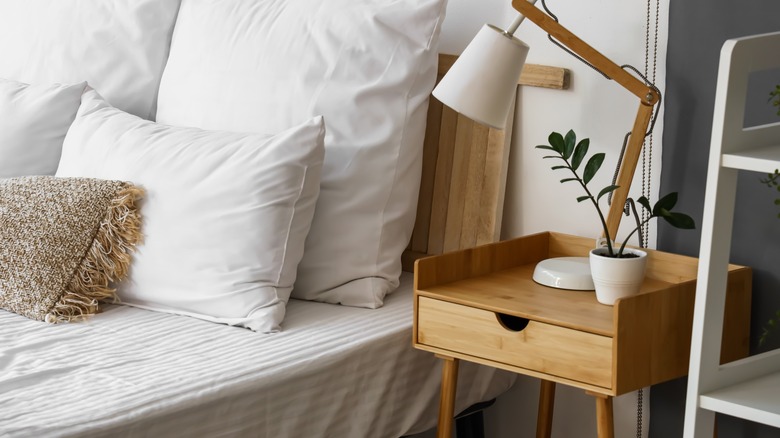
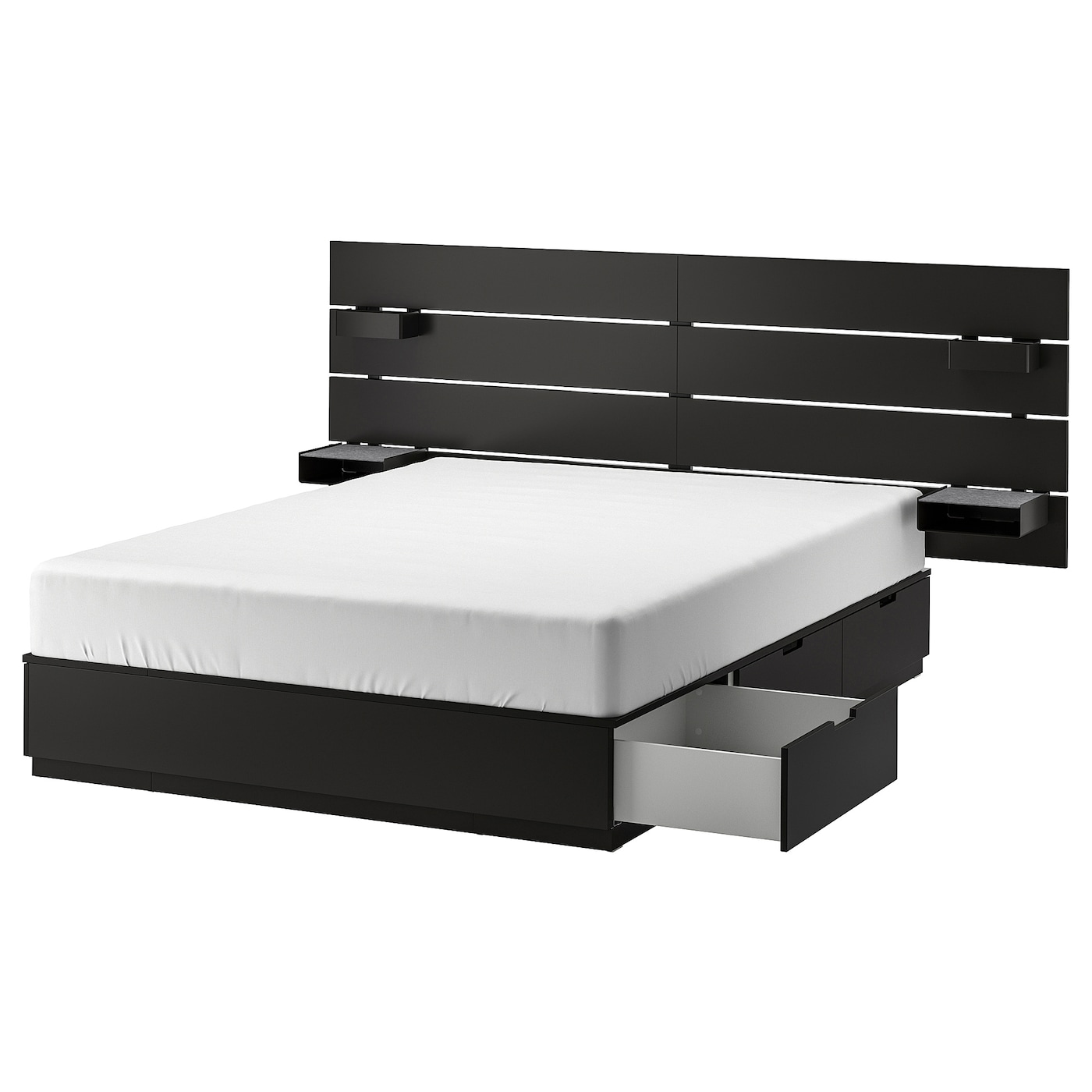
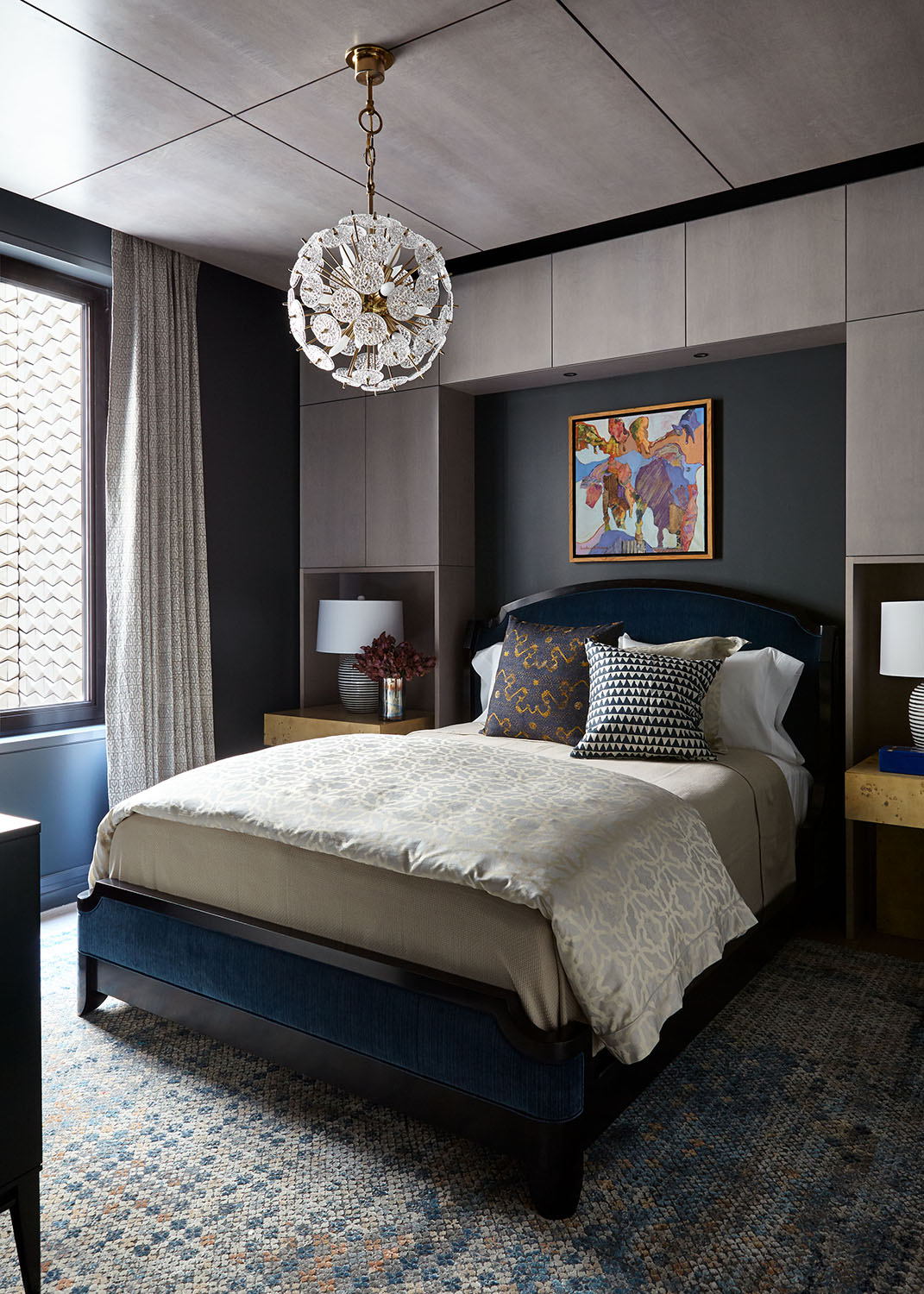
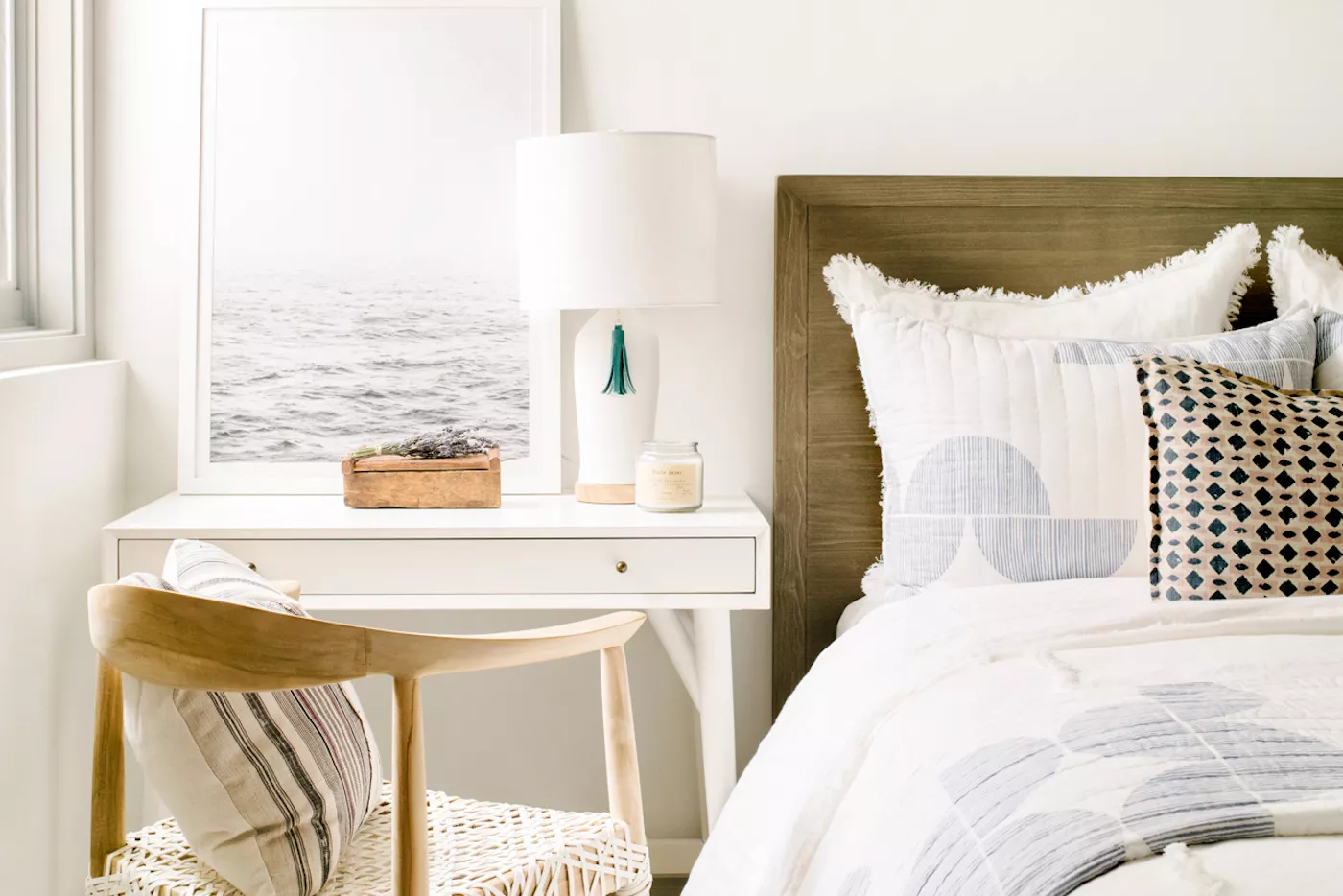
Optimizing storage is paramount in a small bedroom. Multipurpose furniture, such as a captain's bed with built-in drawers, can significantly increase storage capacity without consuming additional floor area. Under-bed storage boxes, especially those with wheels, offer a practical solution for stowing seasonal items or extra linens, provided they are cohesive with the room's aesthetic to avoid a cluttered look. Nightstands with drawers can serve as efficient storage for small items that often contribute to mess, potentially eliminating the need for a separate dresser. Additionally, a desk can double as a nightstand, providing a functional surface for both work and bedside essentials.
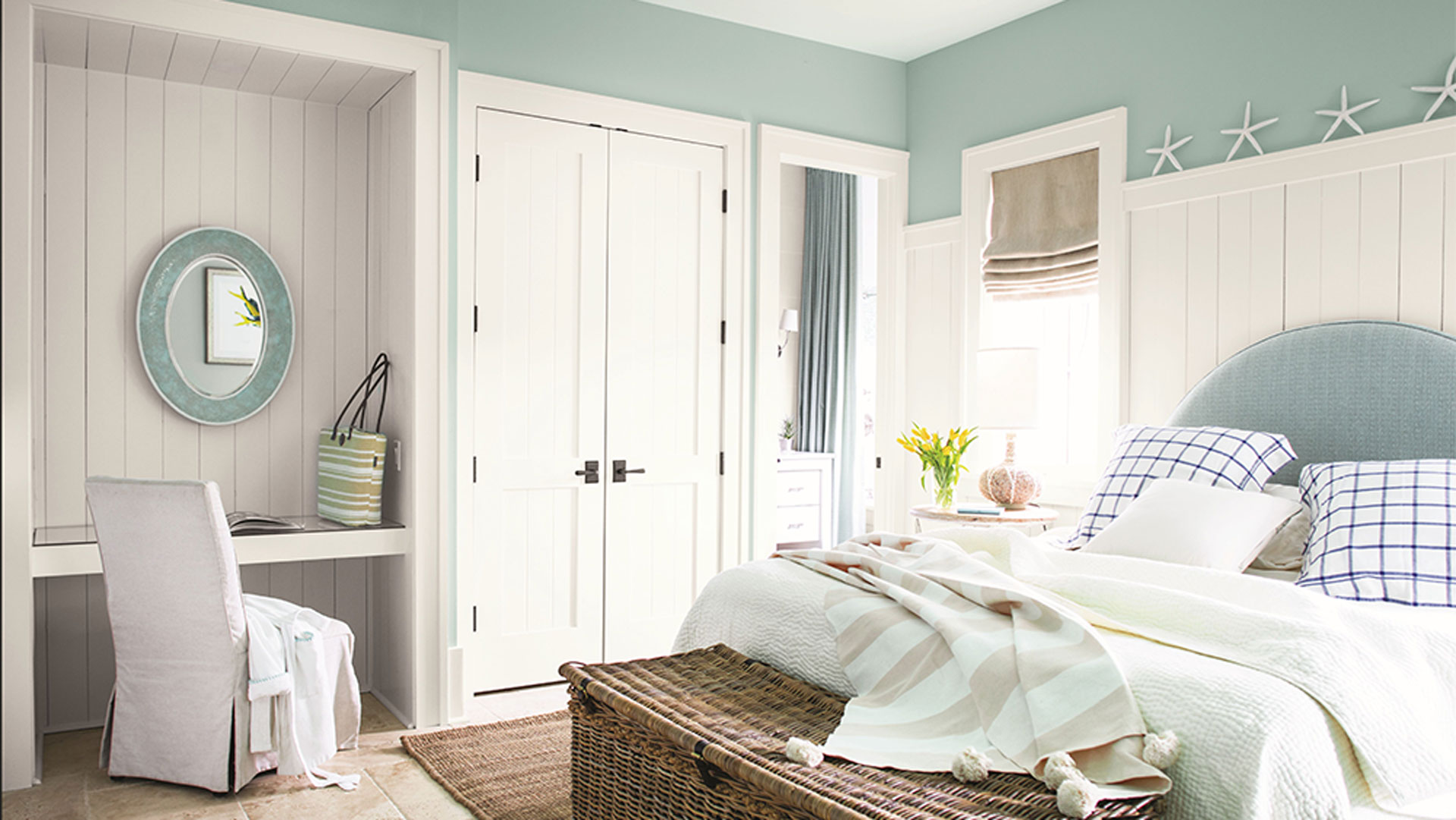
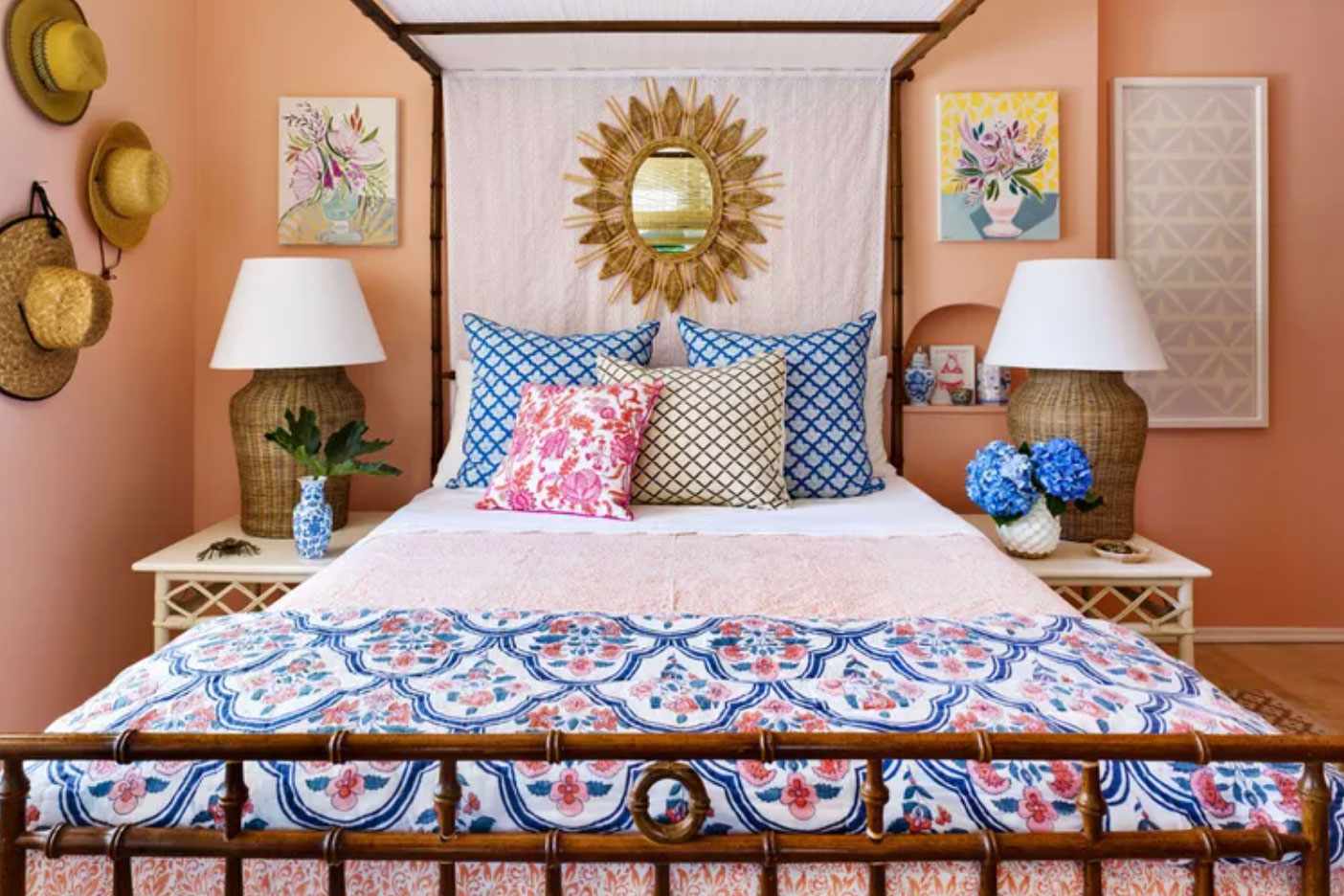
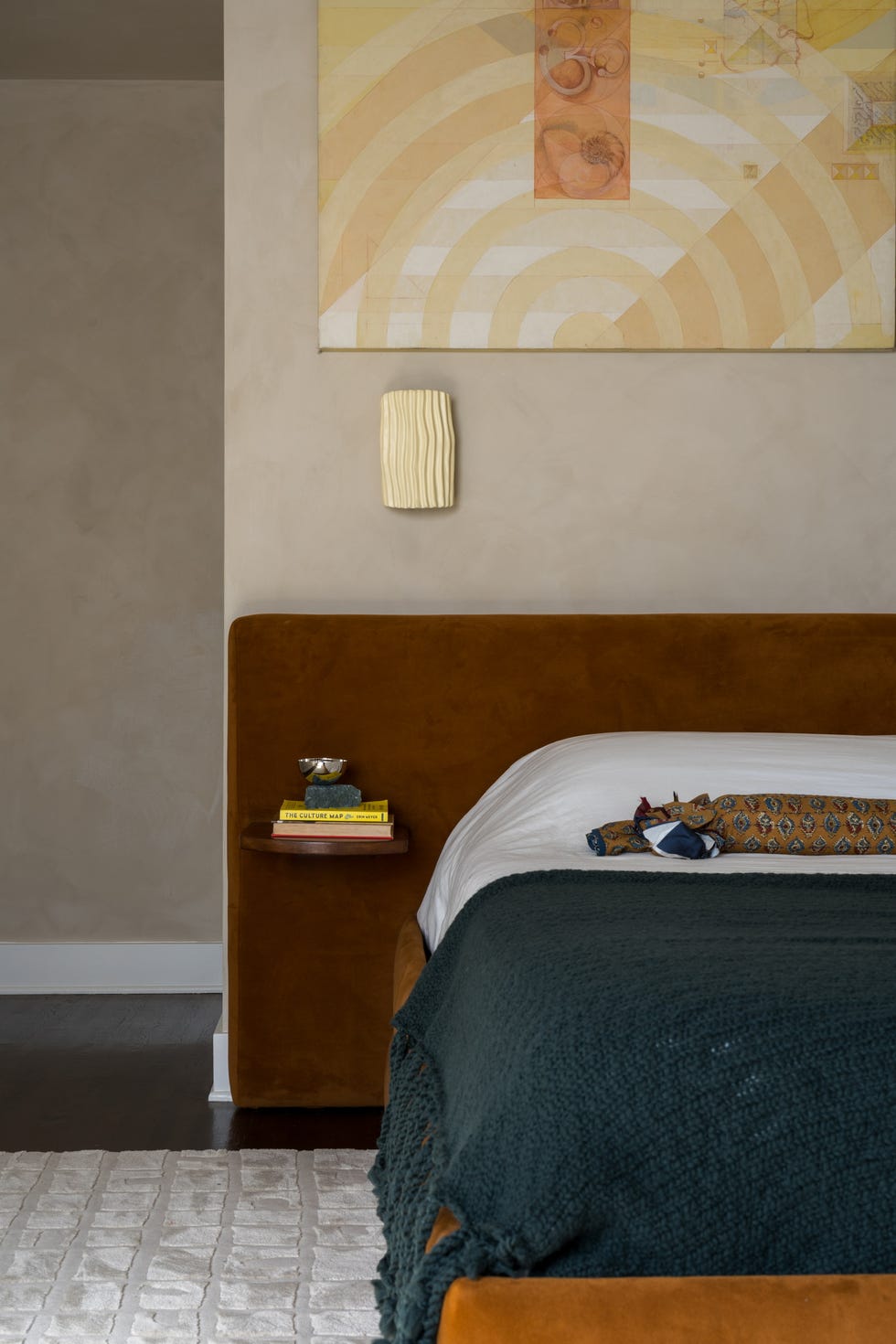
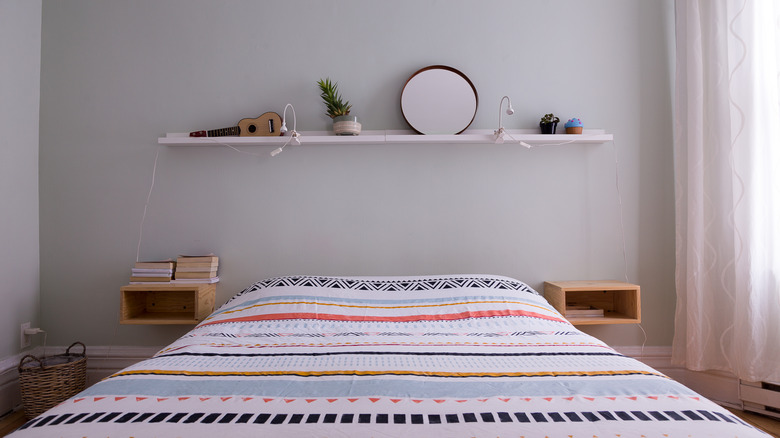
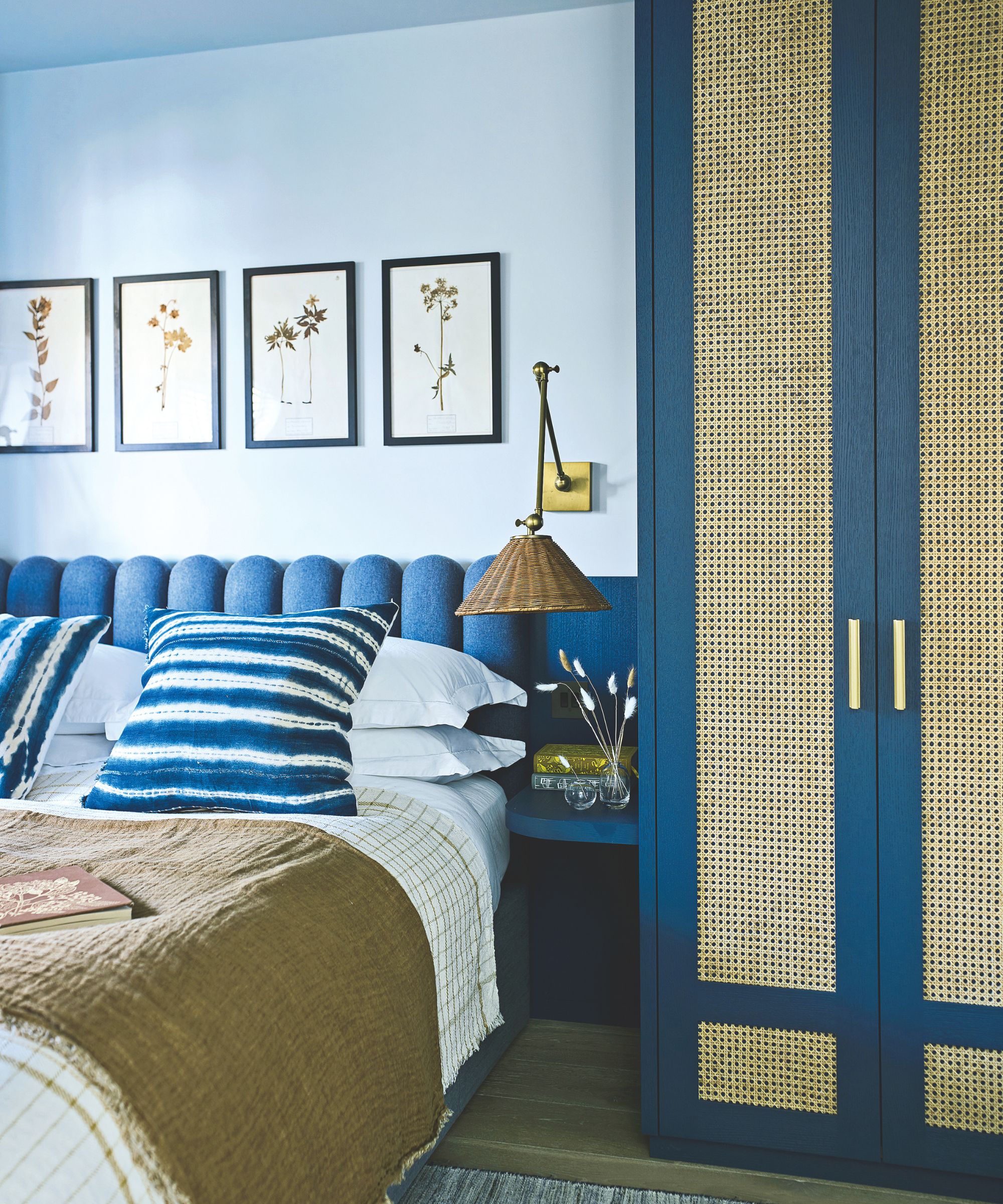
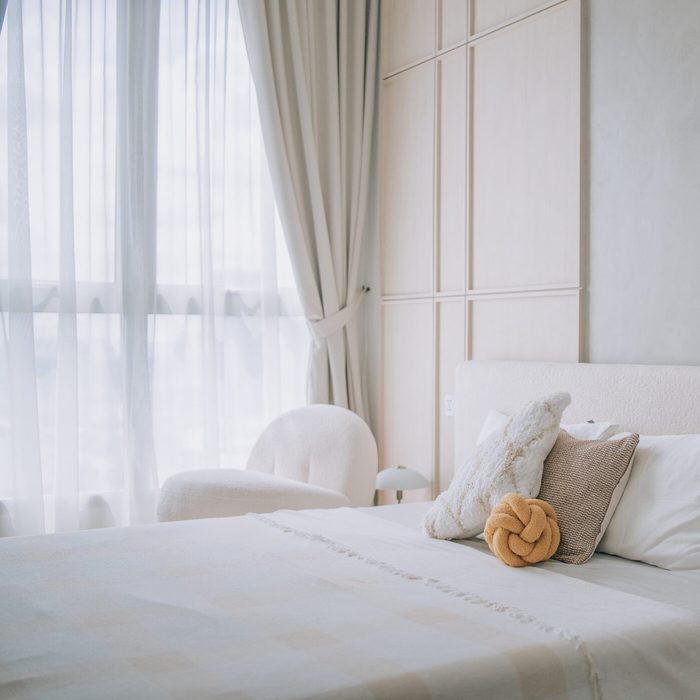
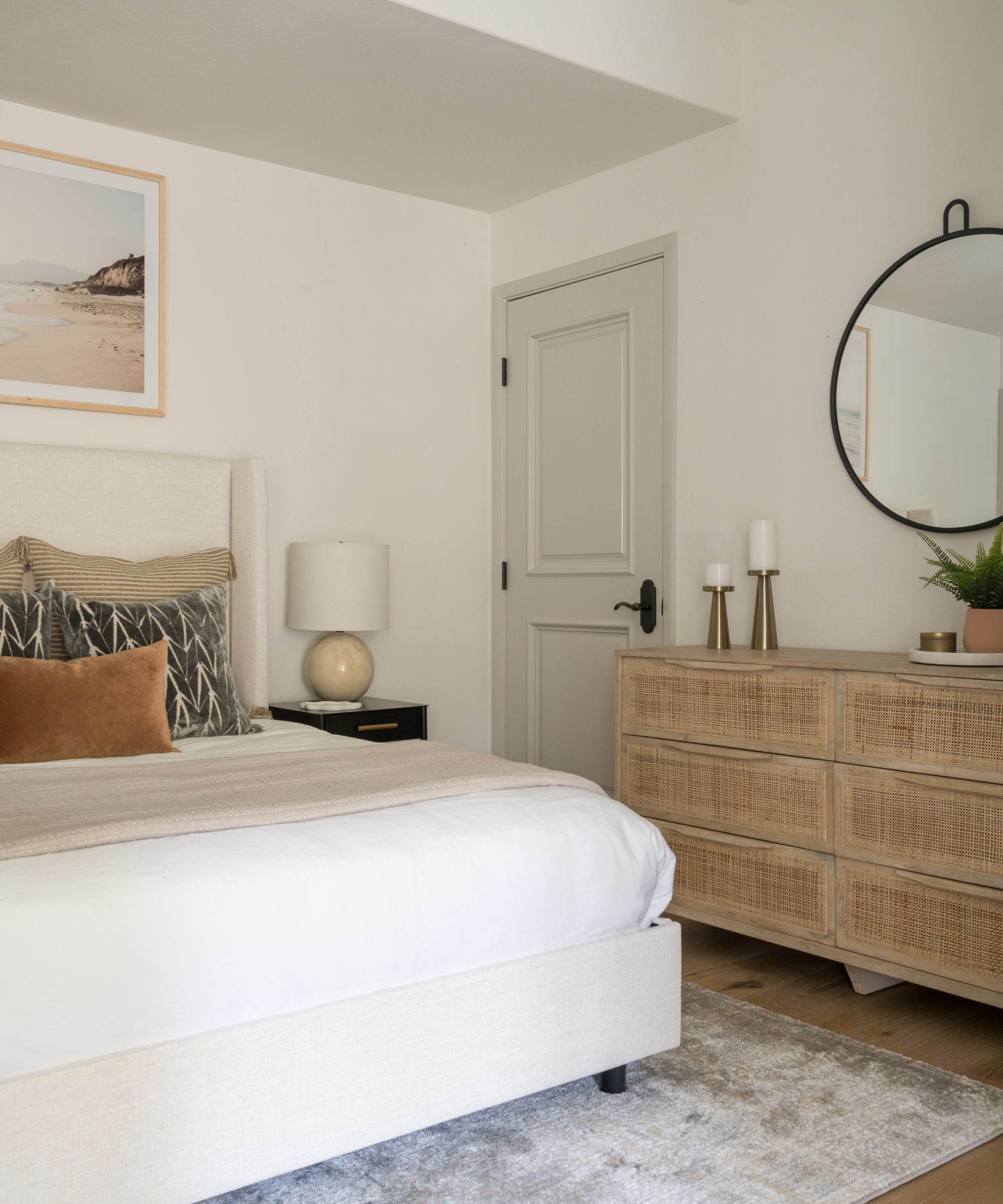
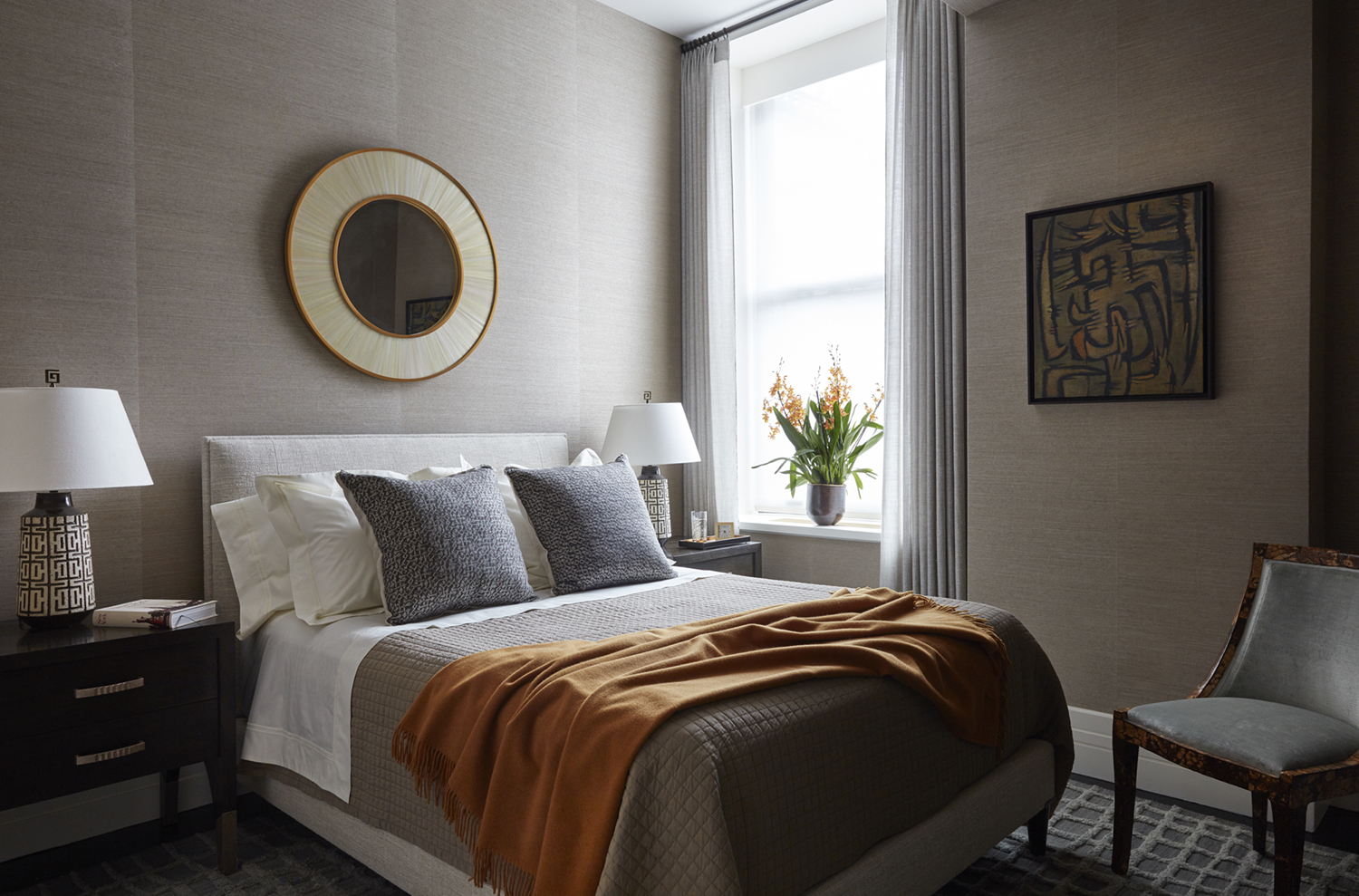
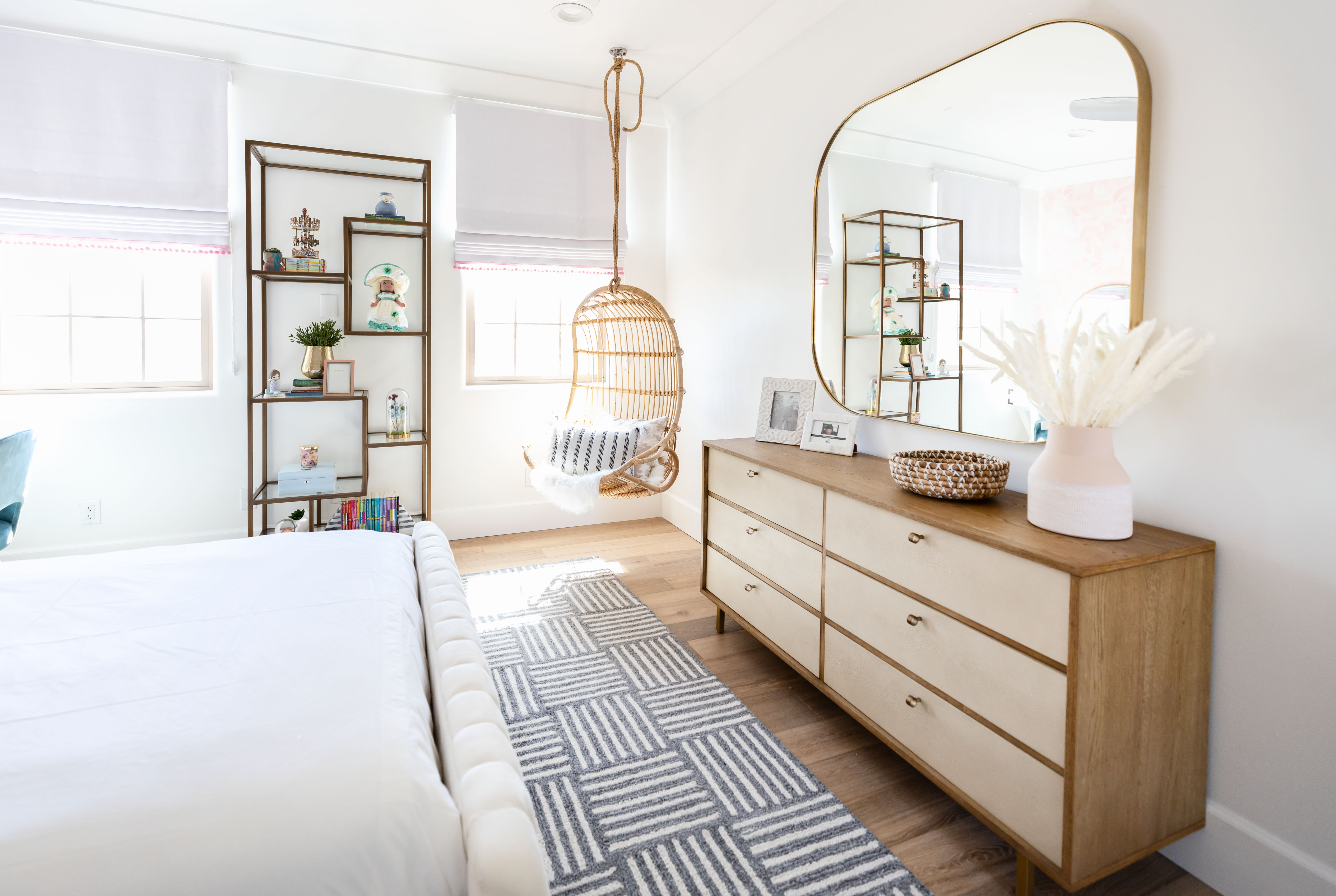
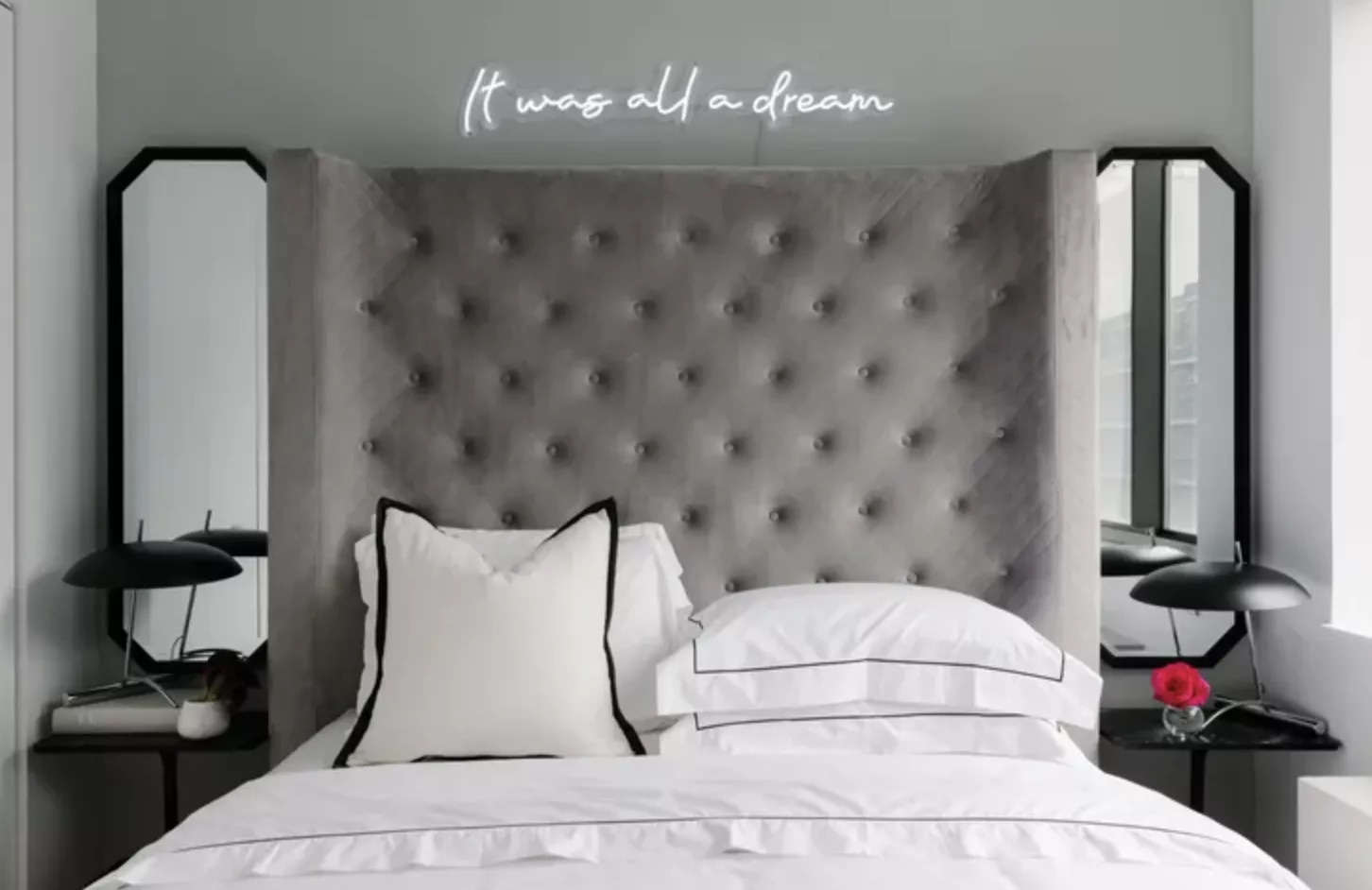
Creating the illusion of more space involves strategic use of mirrors, lighting, and patterns. Placing mirrors across from windows reflects natural light and outdoor views, making the room appear larger. Incorporating various lighting options, such as indirect cove lighting, dimmable pin-point art lighting, and small recessed downlight fixtures, can broaden the sense of scale. Wall-mounted lights are preferable to floor lamps to free up precious floor space. Playing with lines, such as stripes in floor and wall coverings, can visually expand the room by disrupting the feeling of constriction. Vertical, horizontal, diagonal, or organic patterns all contribute to this effect.
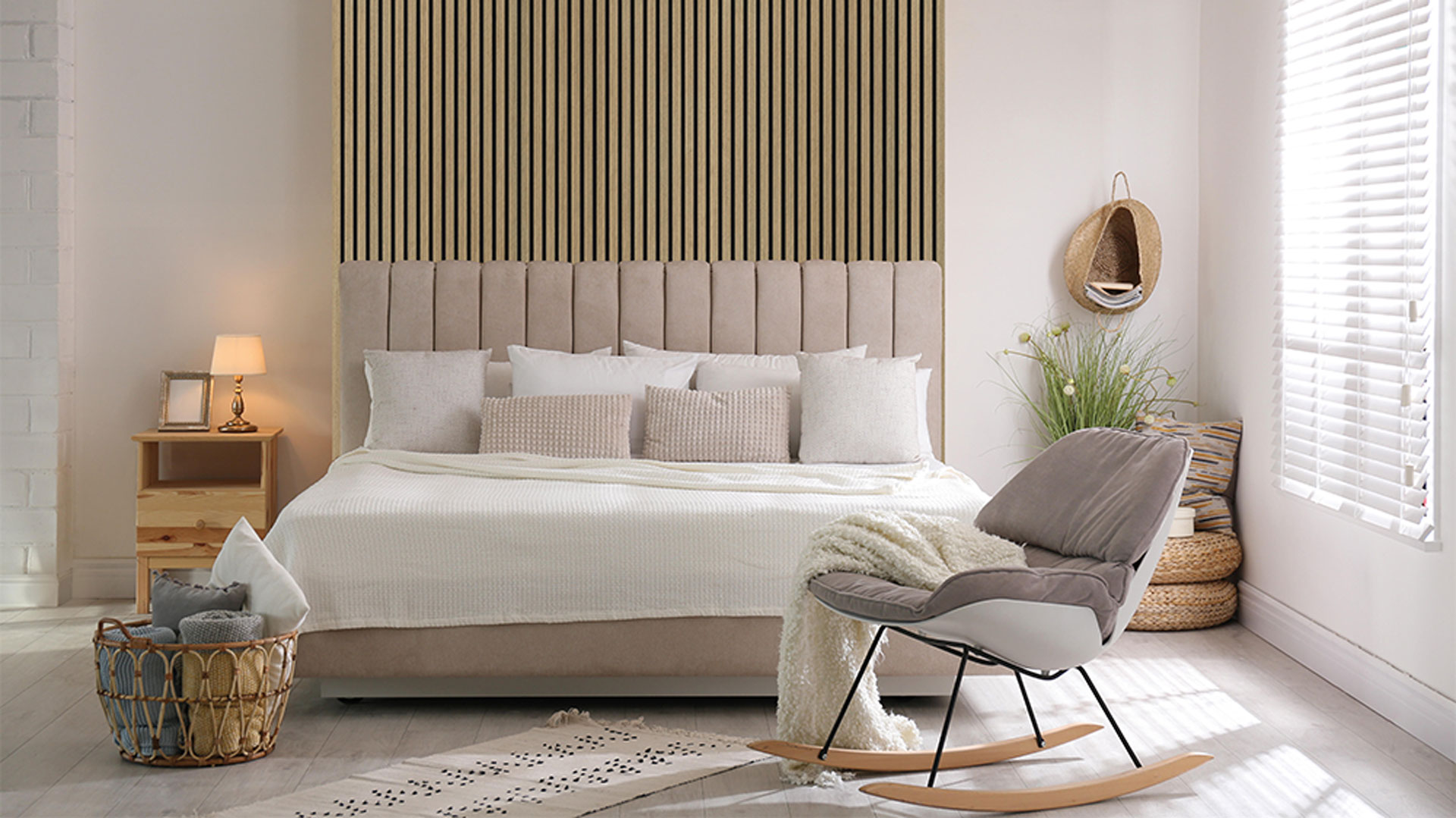
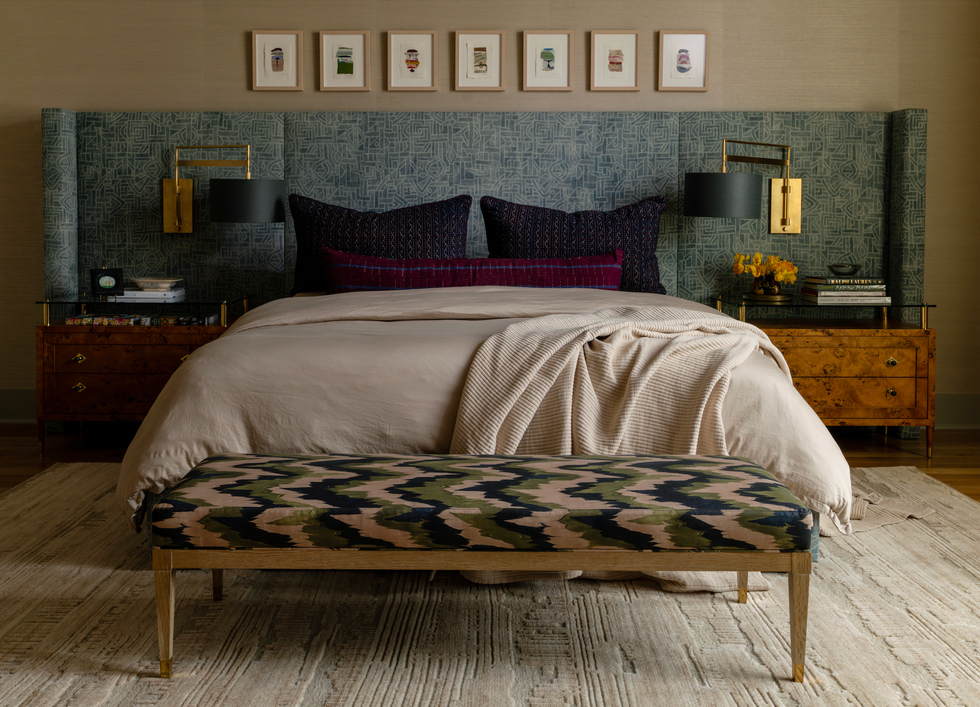
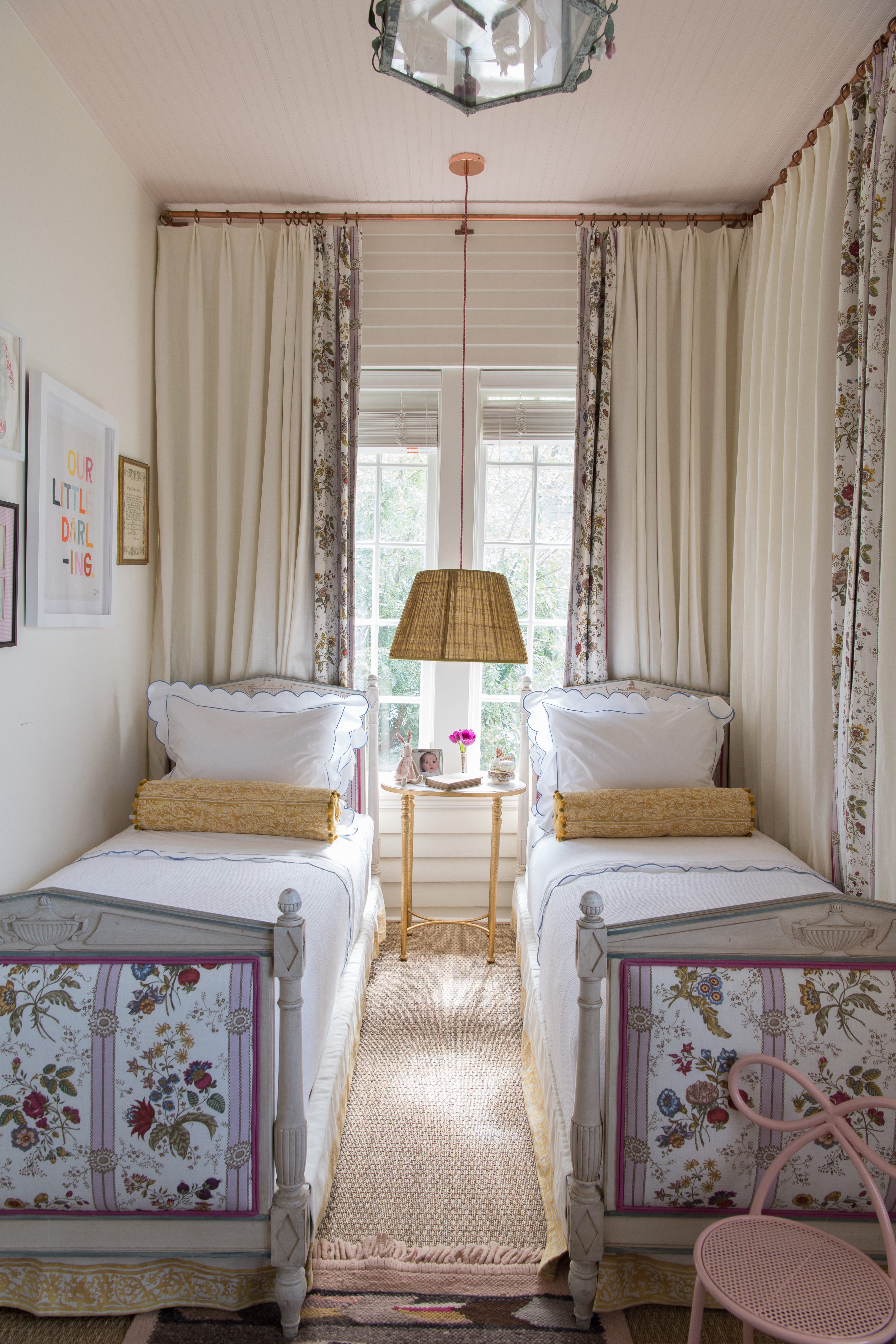
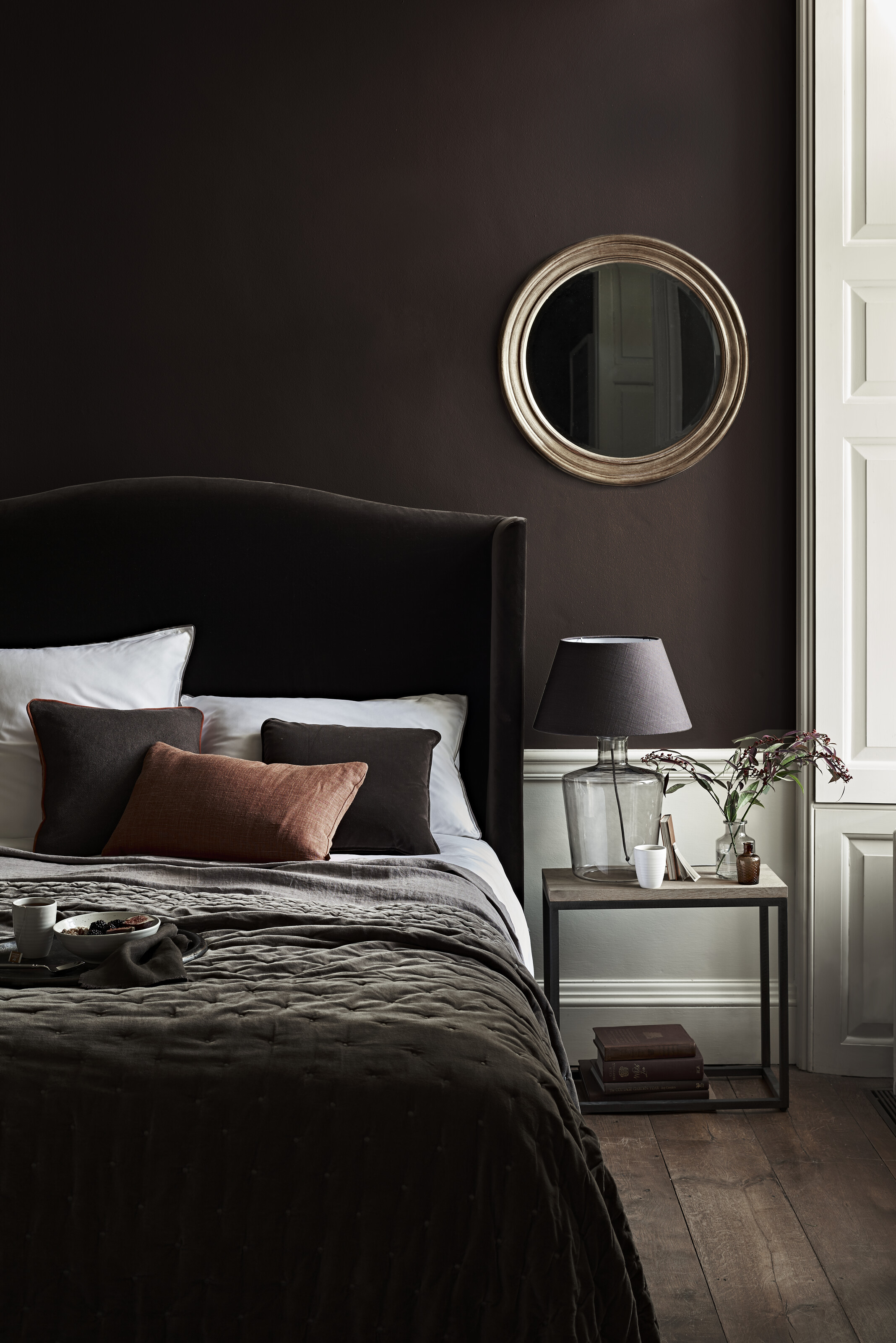
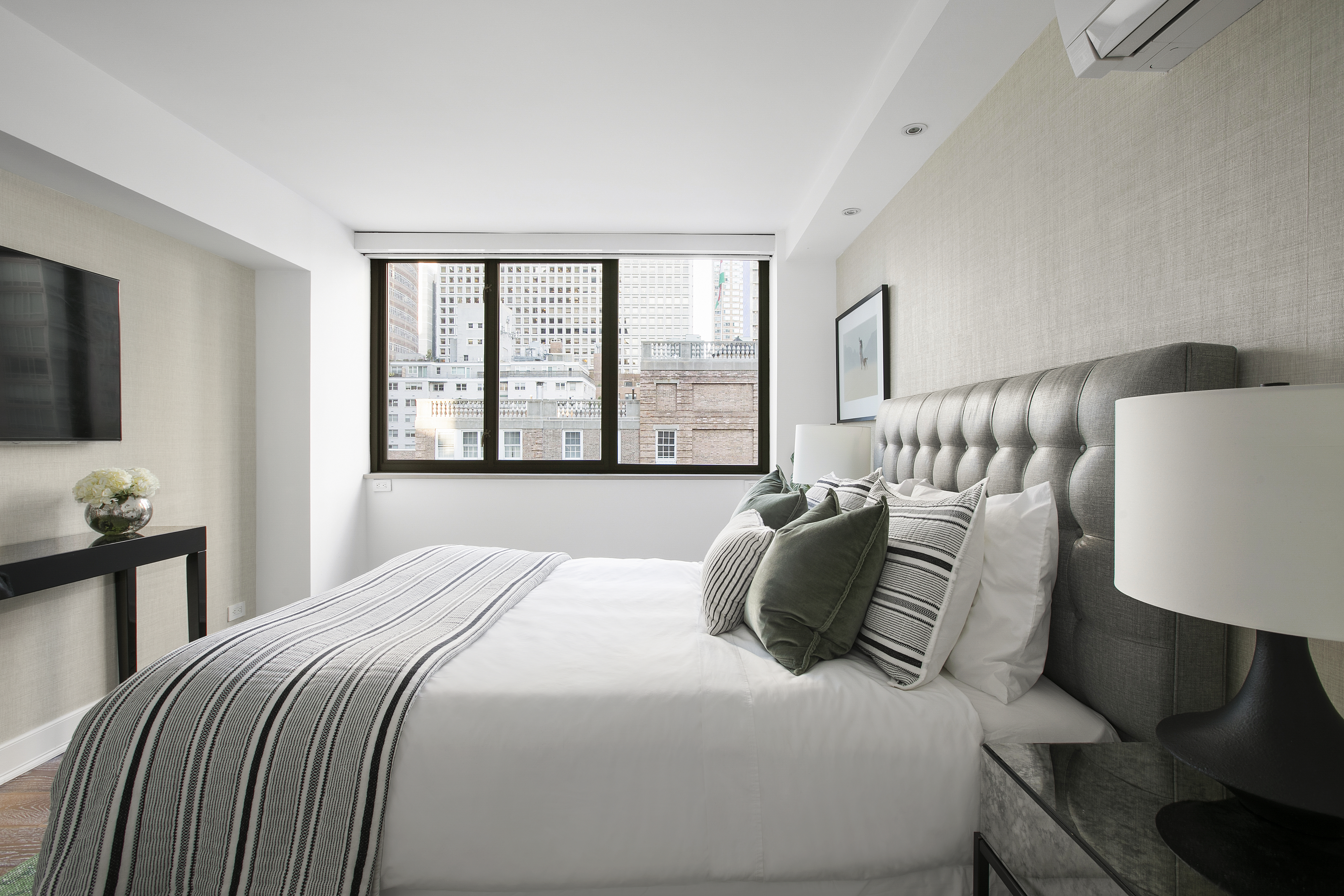
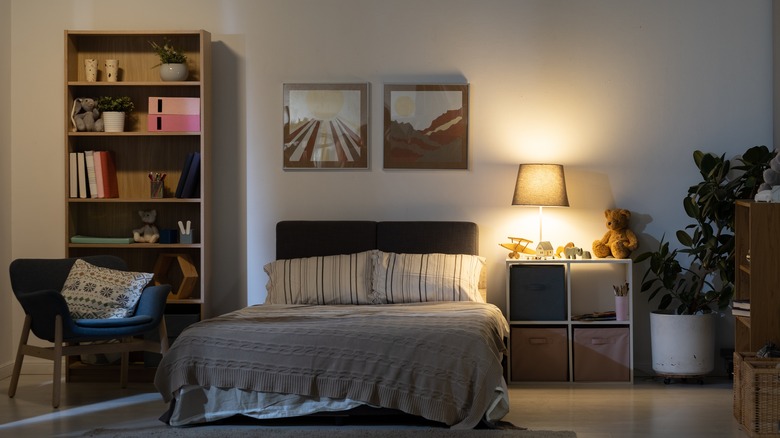
Symmetry plays a crucial role in making a small space feel tidier and more relaxing. Arranging furniture symmetrically helps the brain process the visual information more easily. Centering the bed is a common way to achieve this; if one side must be against a wall due to space constraints, balancing the opposite side with a substantial piece like a desk or dresser can maintain proportion and symmetry.
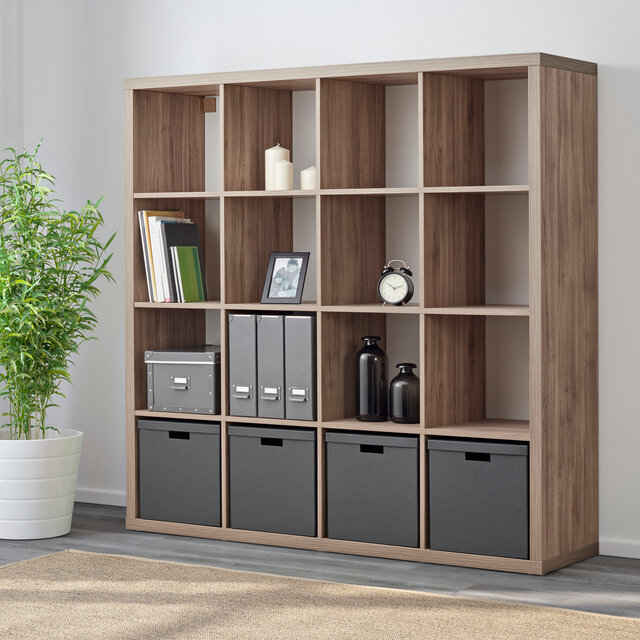
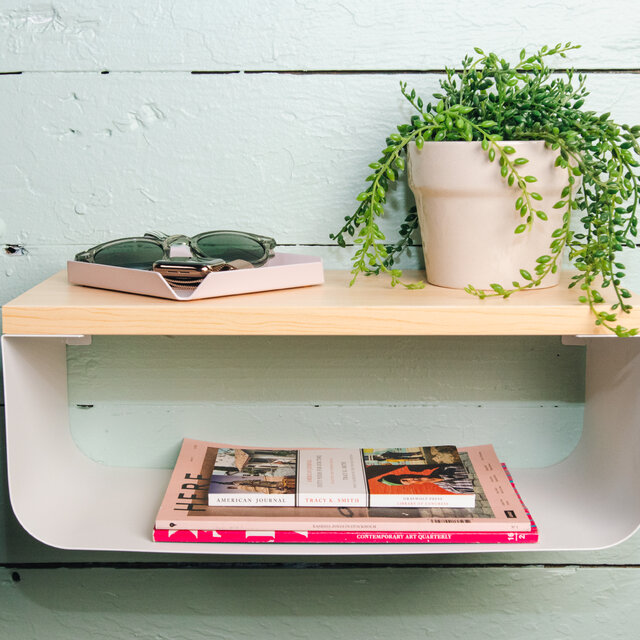
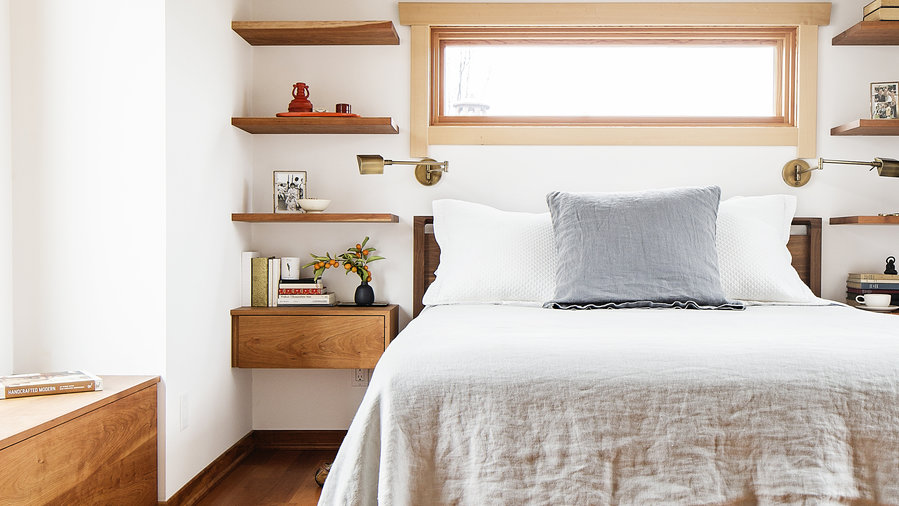
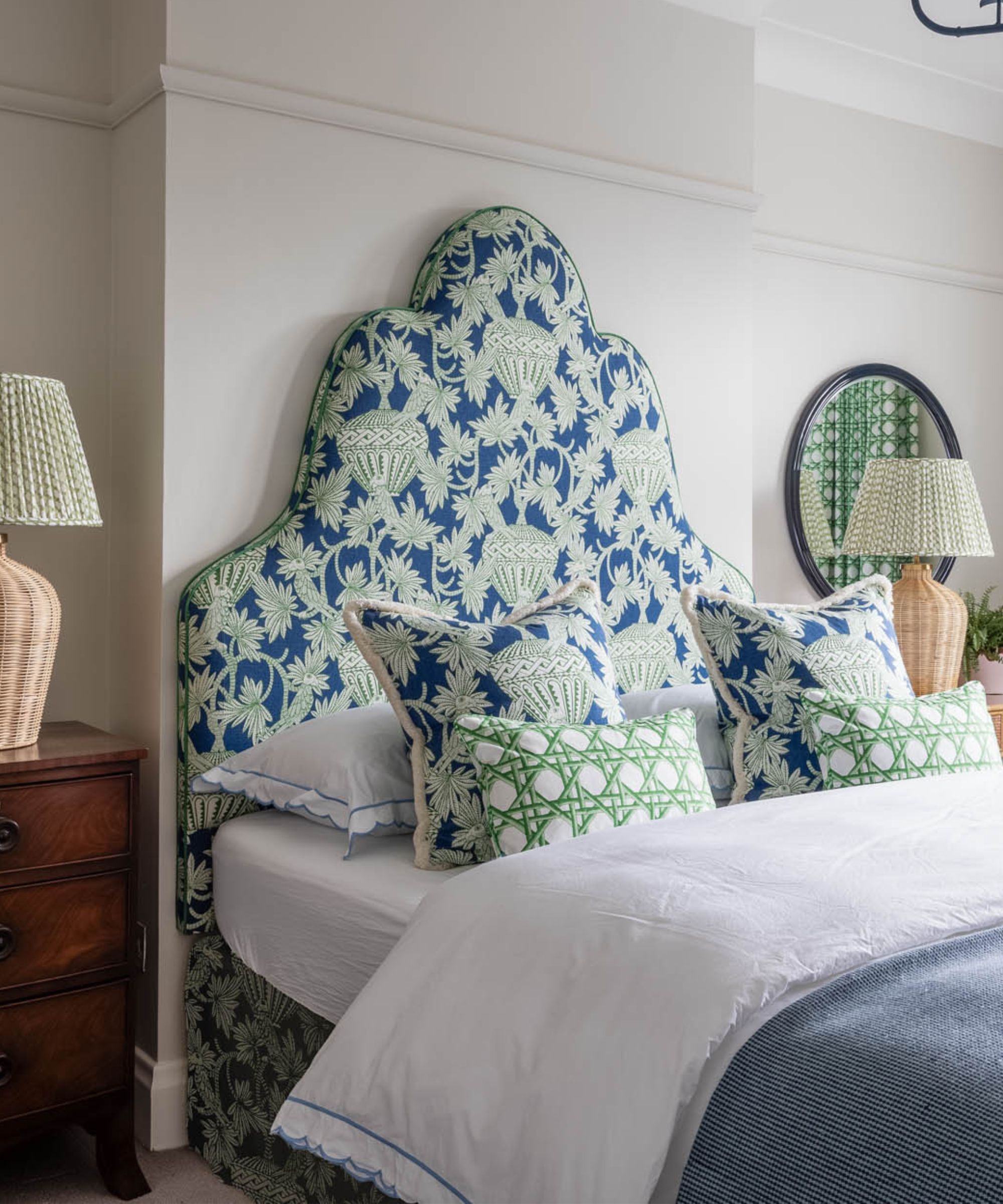
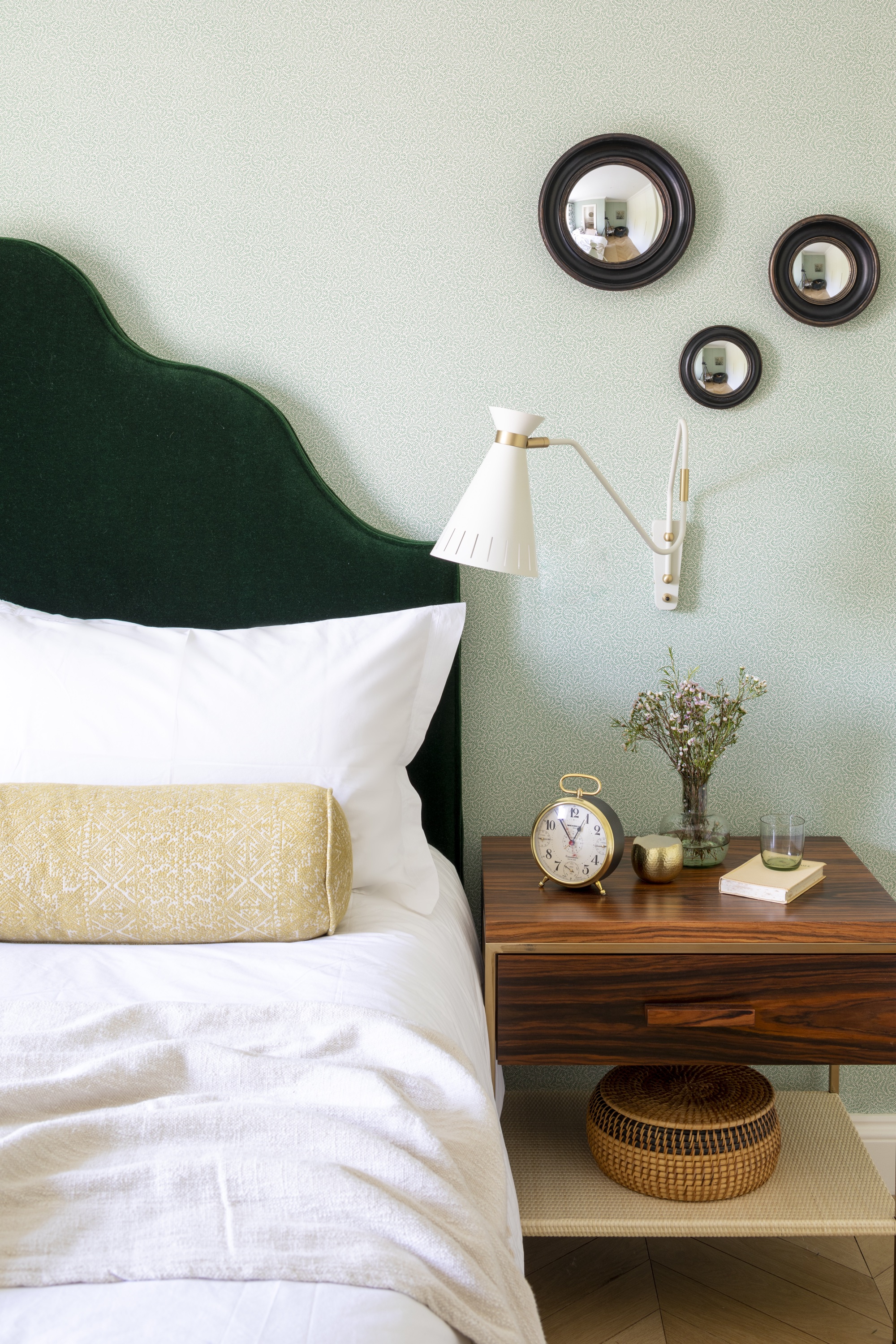
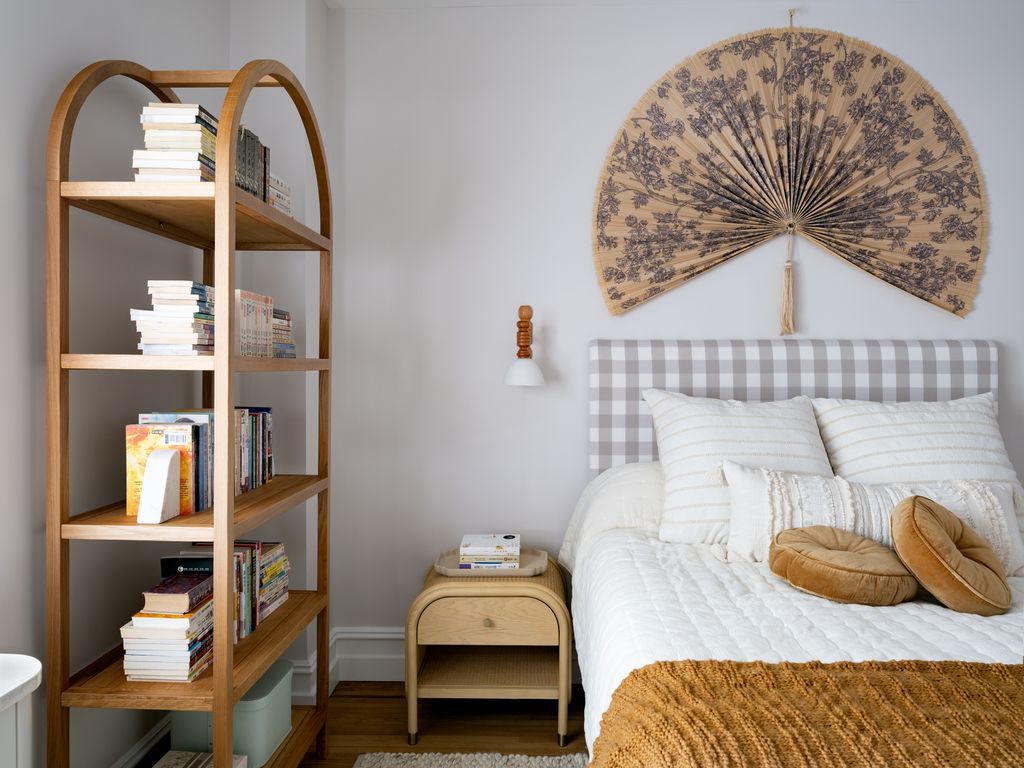
Opting for smaller furniture is another effective strategy. Many brands offer 'apartment-sized' beds and dressers designed to fit smaller footprints. Downsizing existing furniture, such as choosing a full-sized bed instead of a queen, can also make a significant difference. Maximizing vertical space is crucial for both storage and visual expansion. Hanging clothes in closets or on vertical racks saves floor space that would otherwise be occupied by dressers. Installing shelves provides elevated platforms for displaying cherished items, books, and decorative accents, further freeing up floor space and contributing to an open feel. Finally, the article suggests removing auxiliary seating like extra chairs or benches. Since the bed is typically the most comfortable spot, focusing on making it suitable for both sleeping and relaxed seating, perhaps with an upholstered headboard, can eliminate the need for additional furniture that would overwhelm the small area.
#SmallBedroom #HomeOrganization #SpaceSaving #InteriorDesign #BedroomDecor #StorageSolutions #IllusionOfSpace #MultipurposeFurniture #SmallBedroom #HomeOrganization #SpaceSaving #InteriorDesign #BedroomDecor #StorageSolutions #IllusionOfSpace #MultipurposeFurniture
0 comment in total
 No comments yet
You may also like
How to make a small bedroom look bigger - 12 clever tips and tricks to maximize space

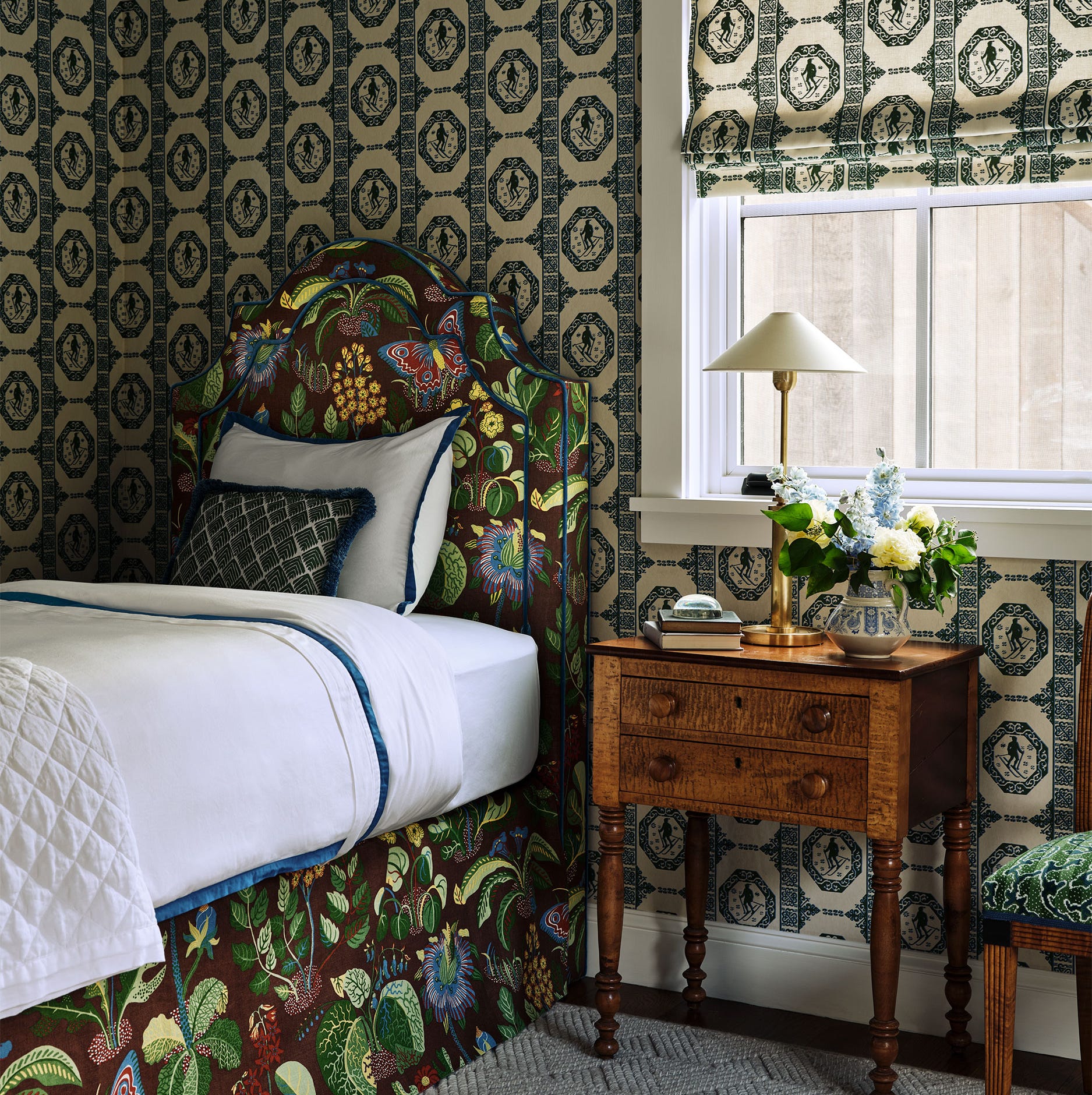
These Small Bedroom Ideas Prove That Small Is the New Big

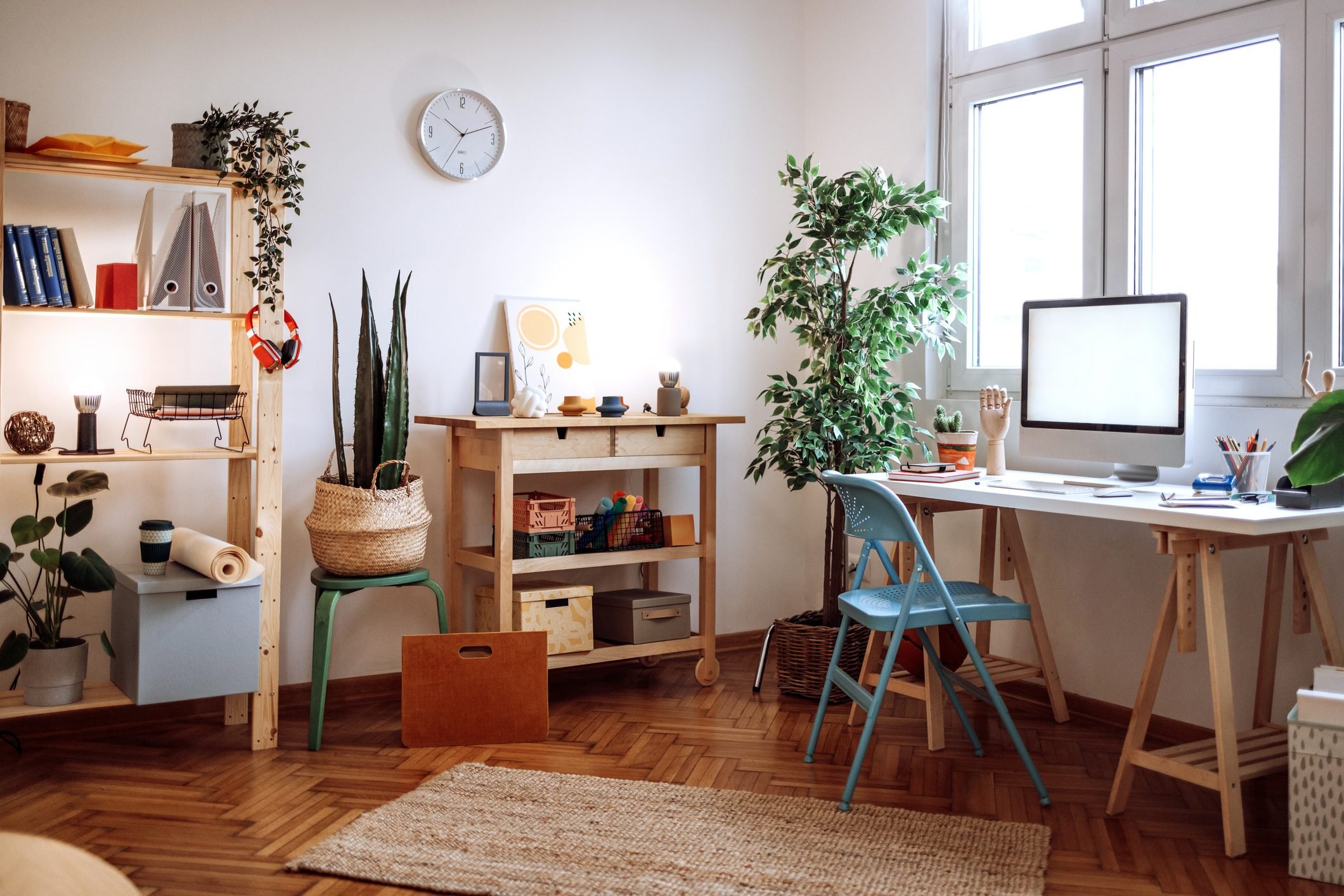
Maximize Your Space: 19 Tips to Make a Small Room Feel Bigger

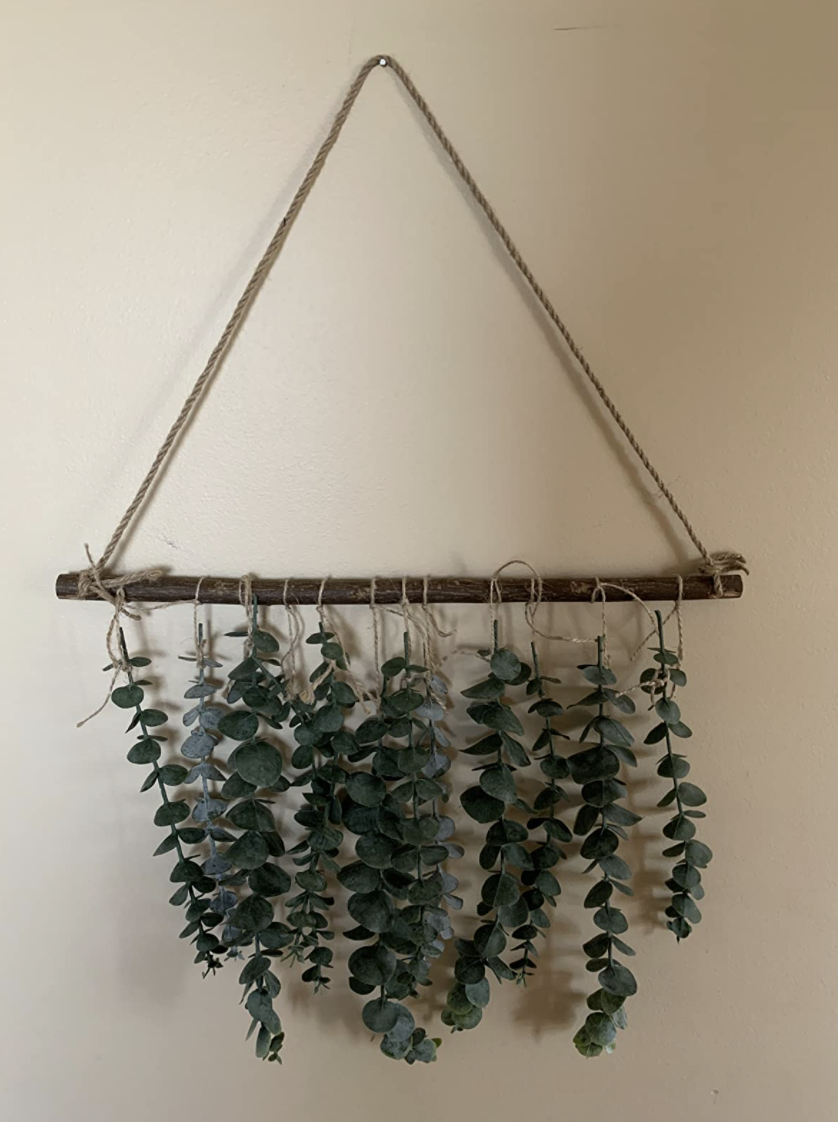
51 Things To Upgrade Your Bedroom Situation That Don't Cost Much Money
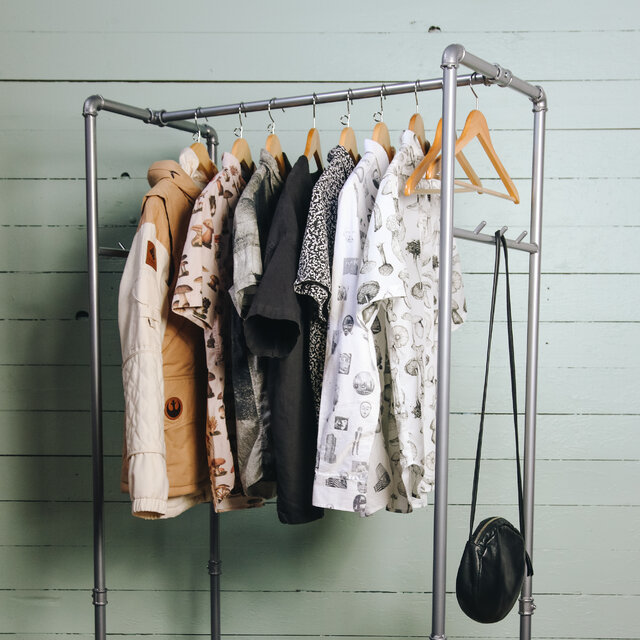
The Best Ways to Maximize Your Small Bedroom
An Expert Explains The Best Ways To Organize Your Small Bedroom
Interior Designer Shares How to Make 1-Bedroom Apartment Look Bigger
Small bedroom layouts – how to get your floorplan design right

5 Ways to Maximize Bedroom Space
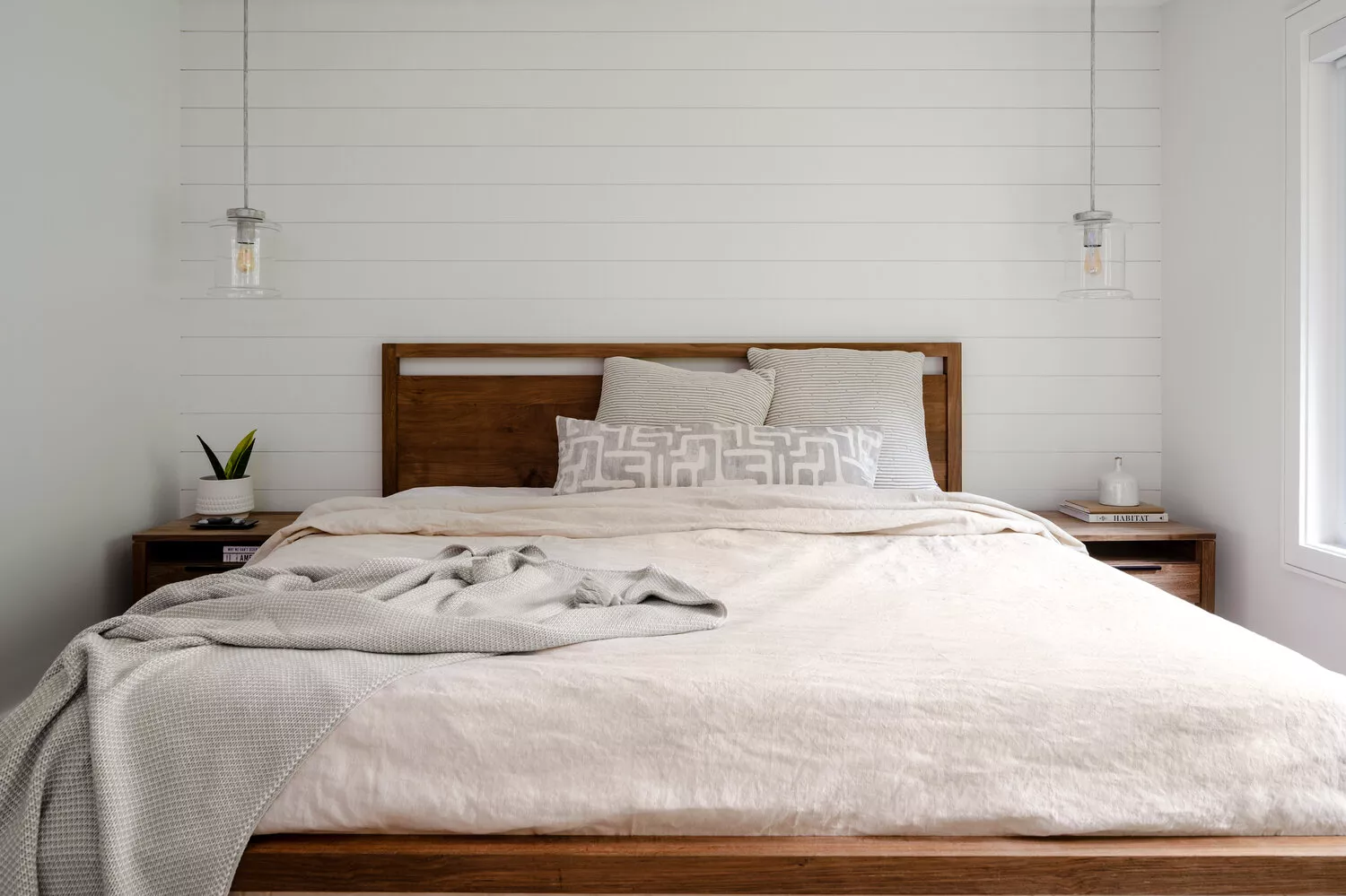
We Asked a Designer How to Make a Small Bedroom Feel Bigger and It's Actually So Easy

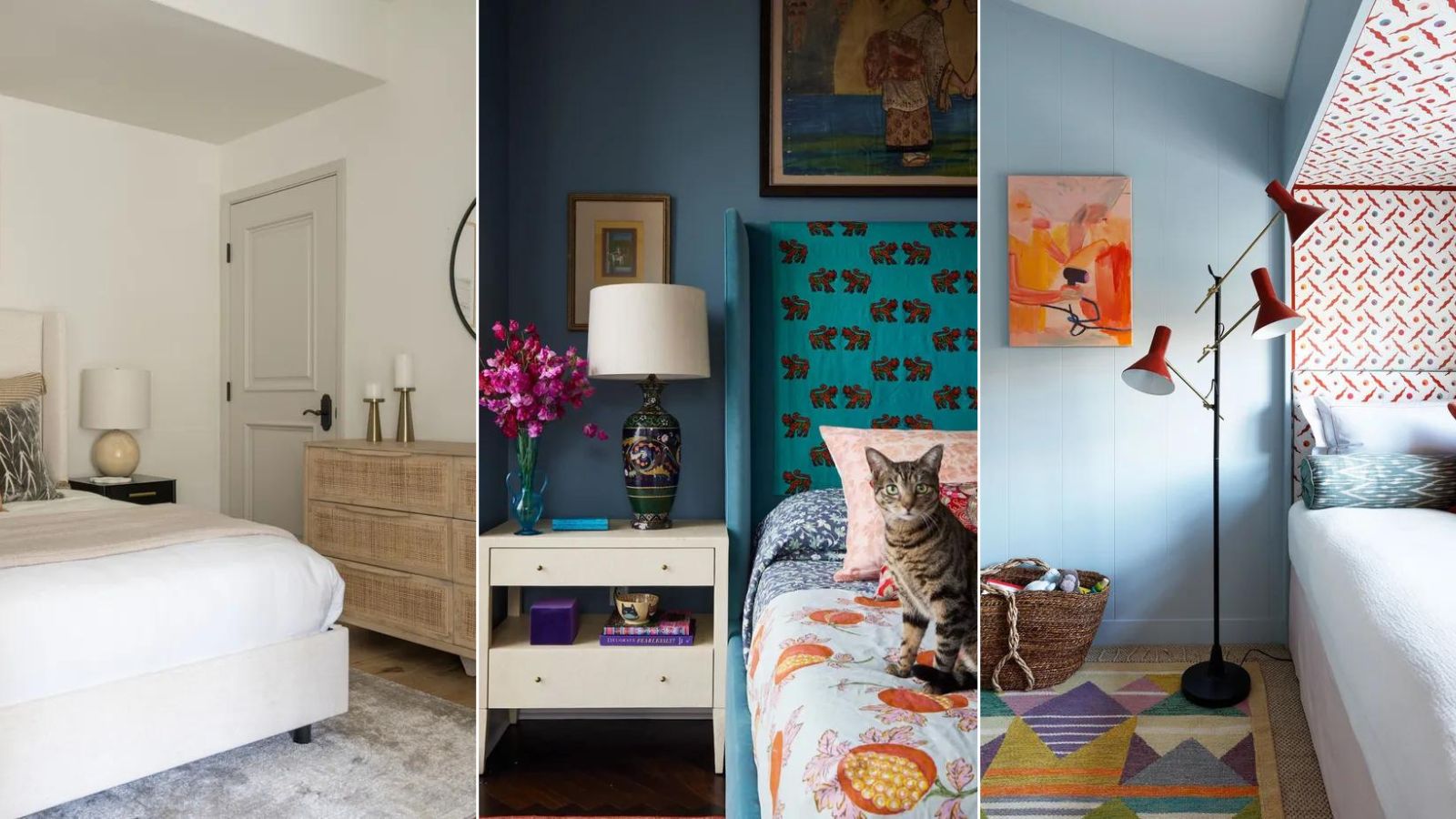
12 small bedrooms that prove size doesn't need to limit style

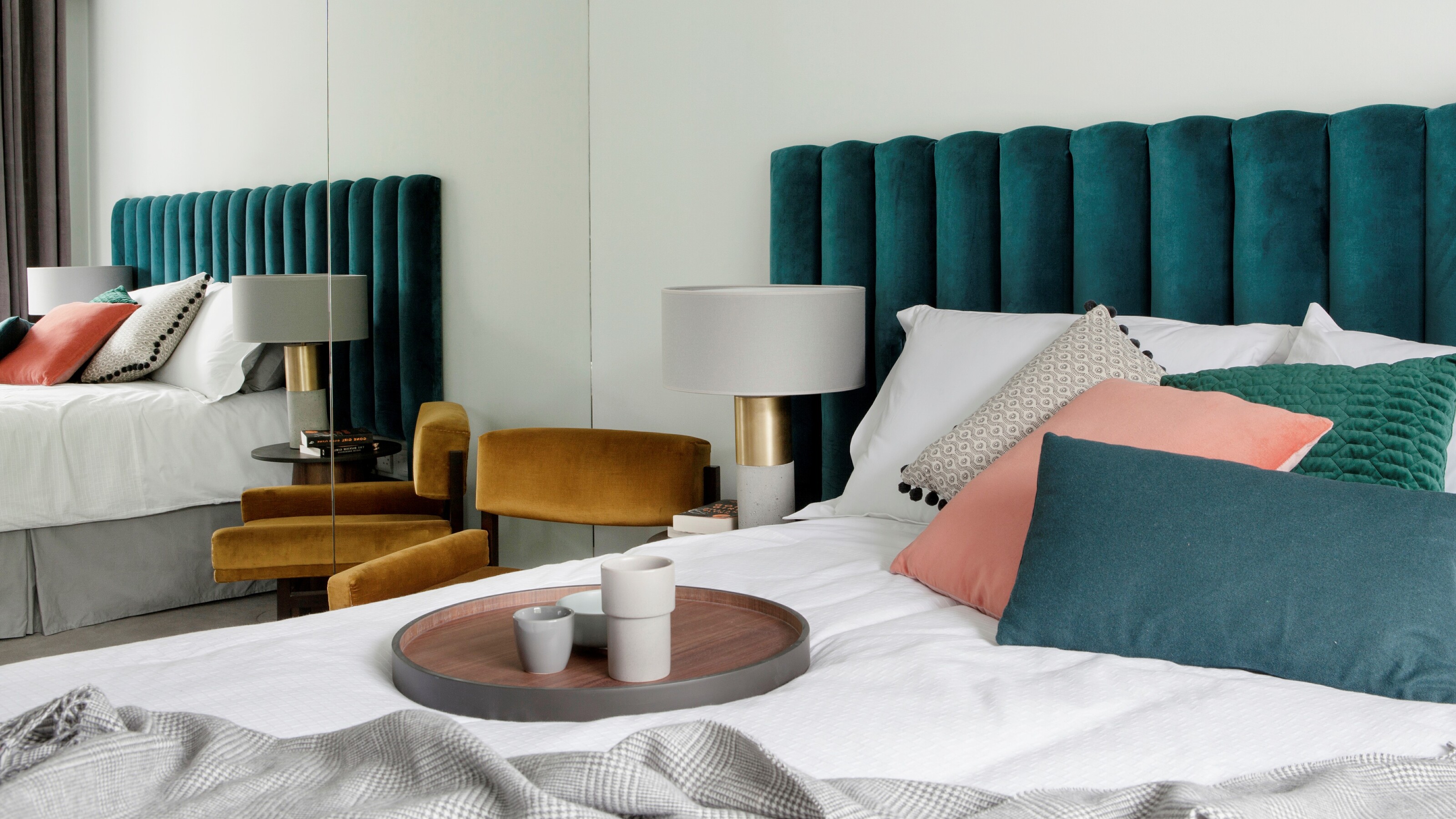
Small bedroom ideas – smart ways to maximize space without compromising on style |
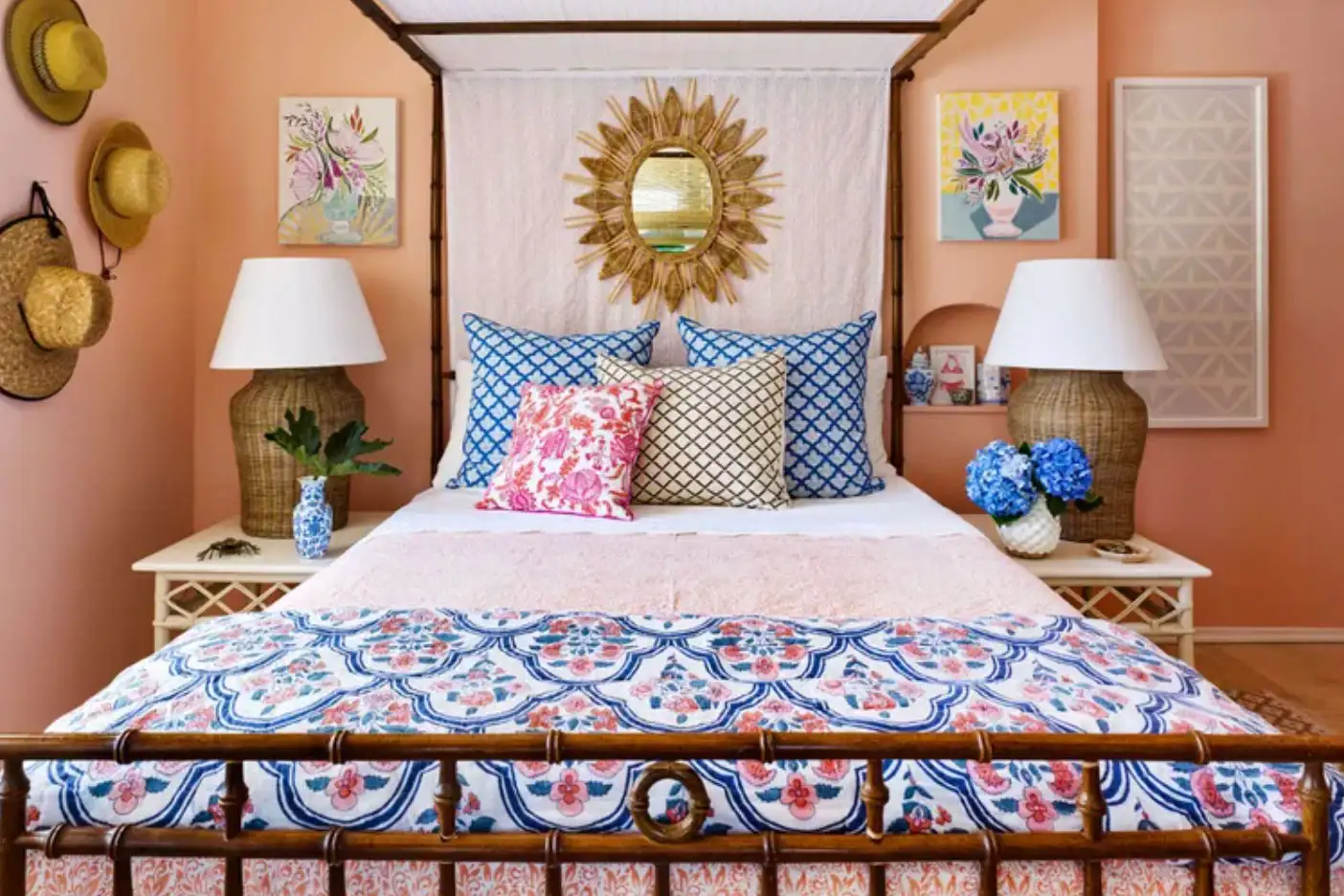
7 Designer Tricks That Make A Small Bedroom Feel Spacious
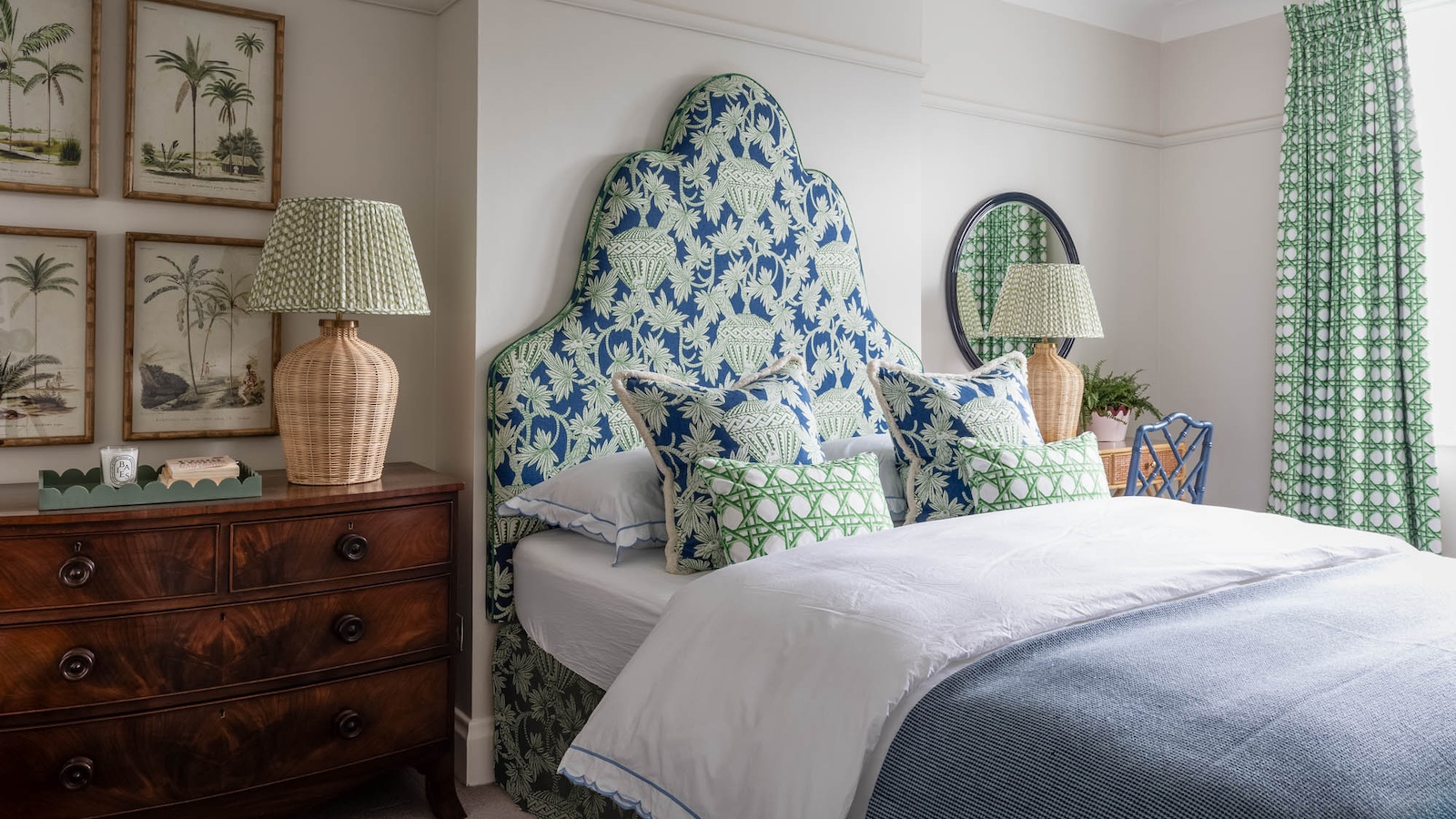
8 of the biggest small bedroom layout mistakes designers see time and time again
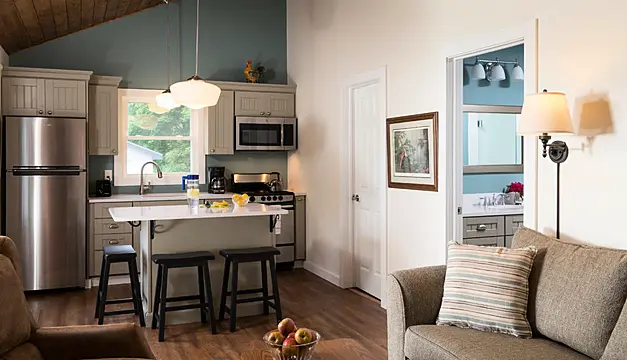
14 clever ways to make small rooms look bigger

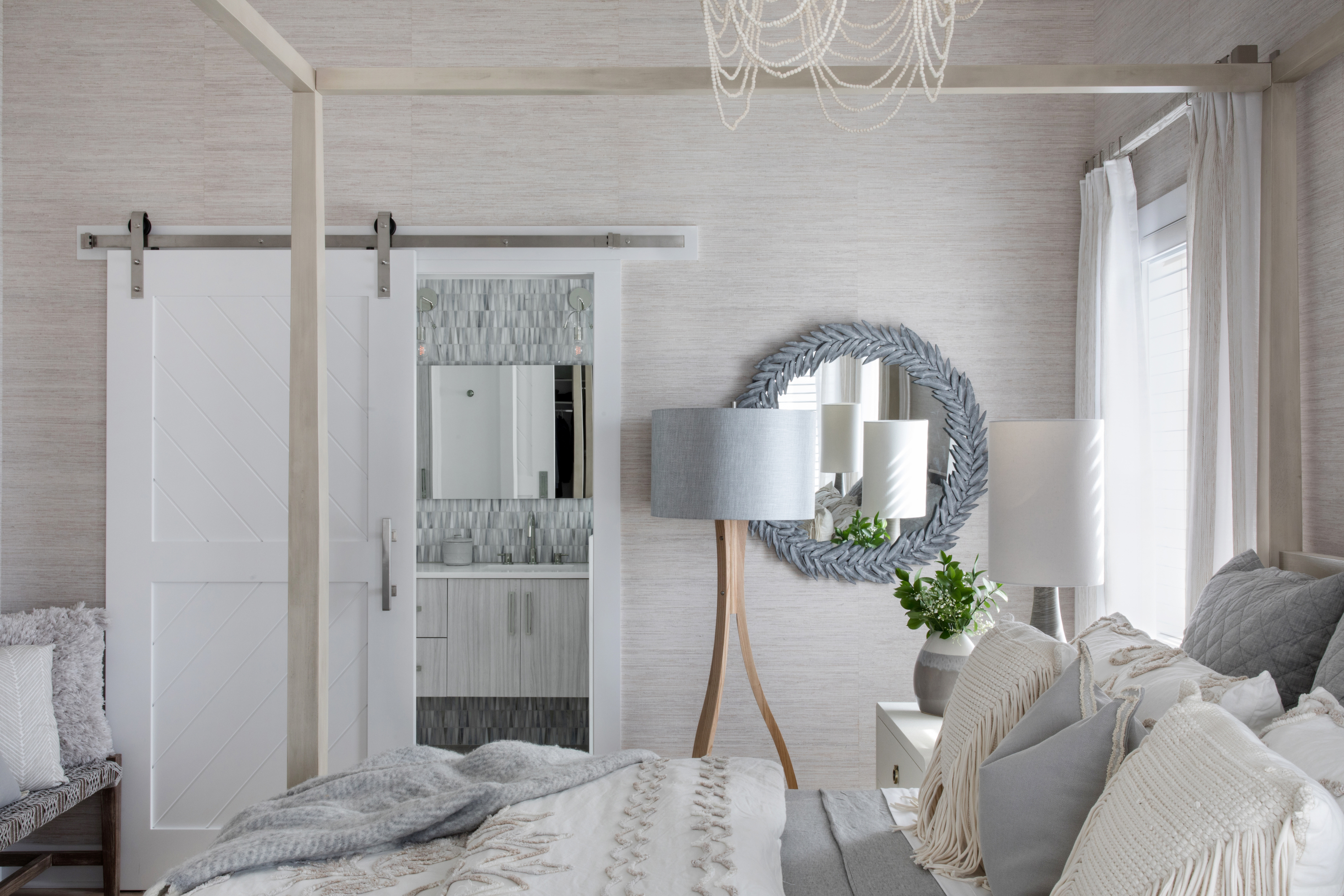
Bedroom mirror ideas – 12 ways to amplify light and space with this magic piece of decor
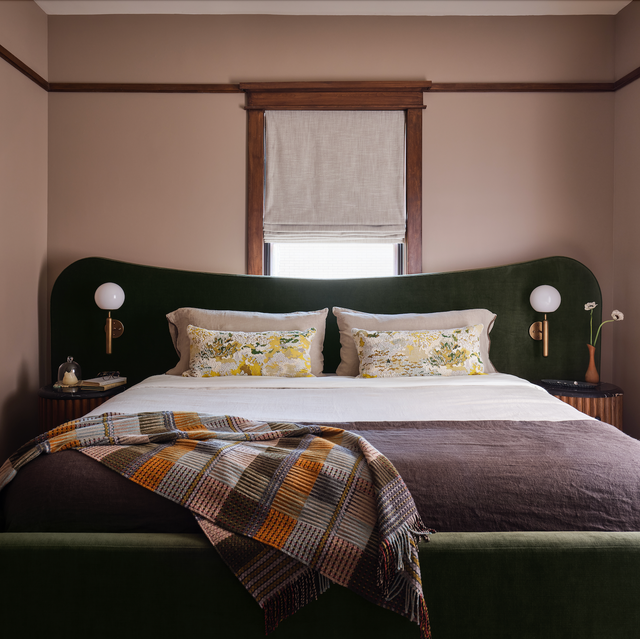
This Everyday Item INSTANTLY Makes Small Bedrooms Feel Bigger, According to Designers

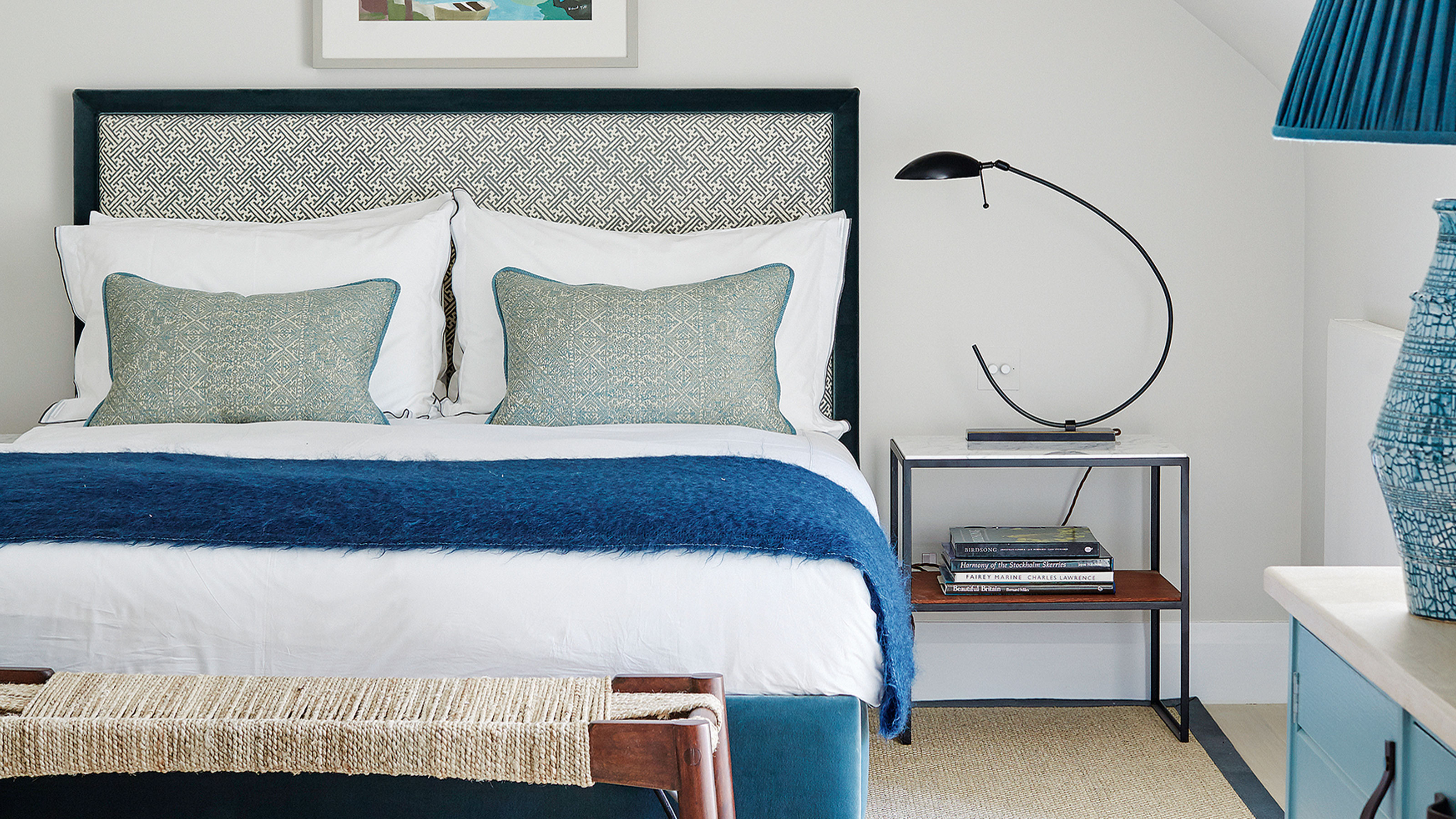
Do low beds make a bedroom look bigger? 5 expert tips on getting bedroom furniture height right in a small space
46 Small-Bedroom Ideas for When Your Bed Takes Up the Whole Damn Room

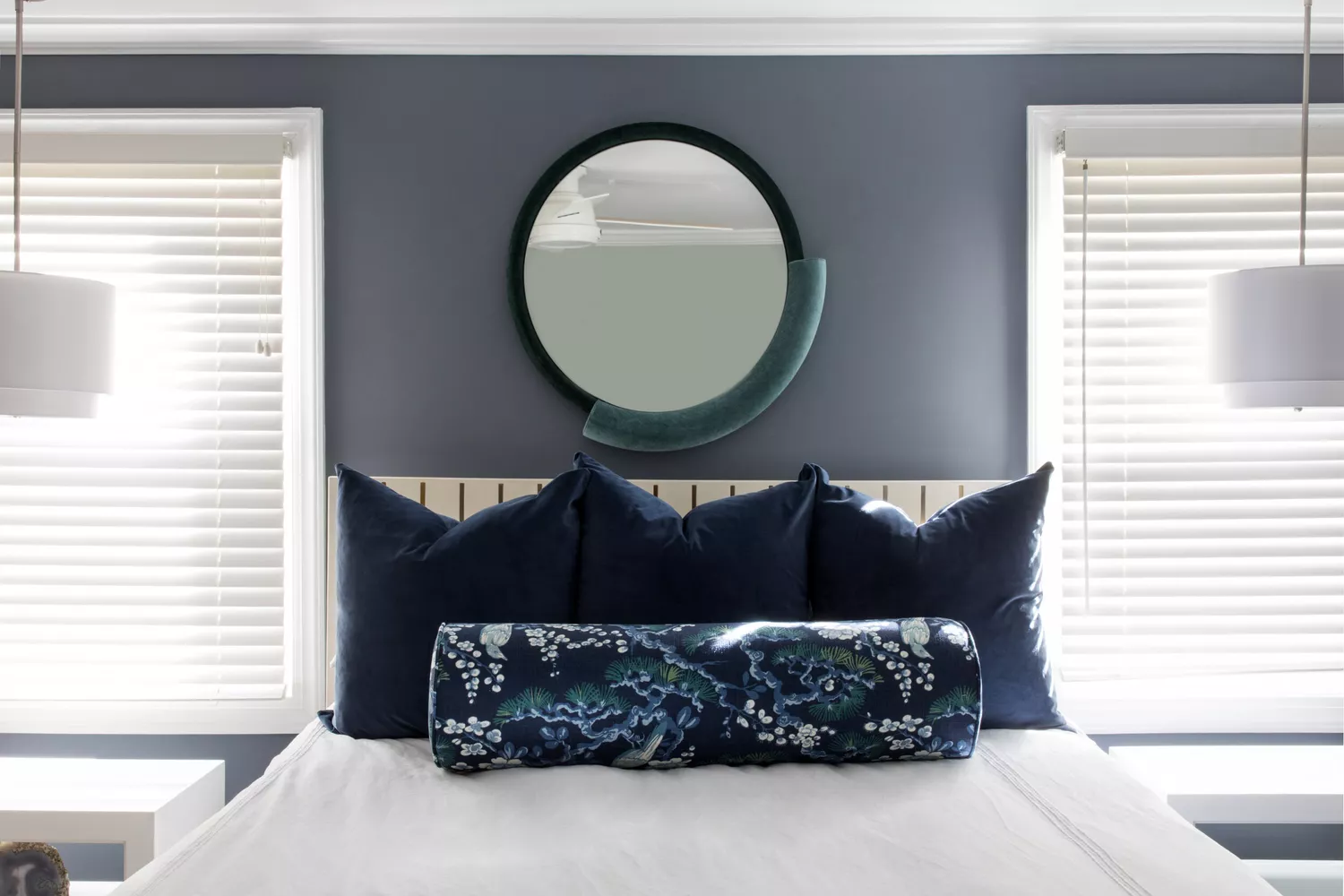
Mirrors Are the Secret to Making A Small Bedroom Feel Huge—15 Tips to Get the Look