These Micro Trends Look Good Online—But Designers Say You'll Regret Them
The article addresses the rapid rise and fall of interior design micro-trends, often amplified by social media platforms like TikTok, and advises homeowners on how to avoid investing in fleeting fads that lead to long-term regret. Interior designer Darci Hether highlights that trends are often gimmicky and can quickly make a space feel dated, making them unsuitable for real-life design. Research conducted by interior design expert Danielle Castagna at Level Frames indicates that interior design trends have an average lifespan of only 10 months. This conclusion was drawn by analyzing Pinterest Trends Reports and tracking the popularity of trends using Google Trends and Google Keyword Planner, covering a 20-year span and recent search volumes.
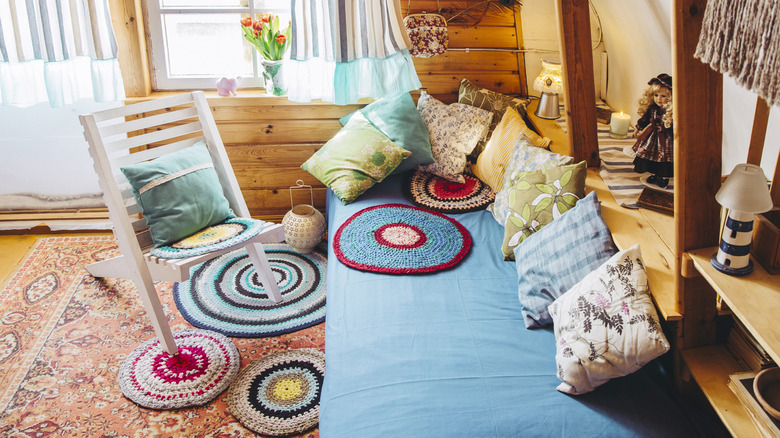
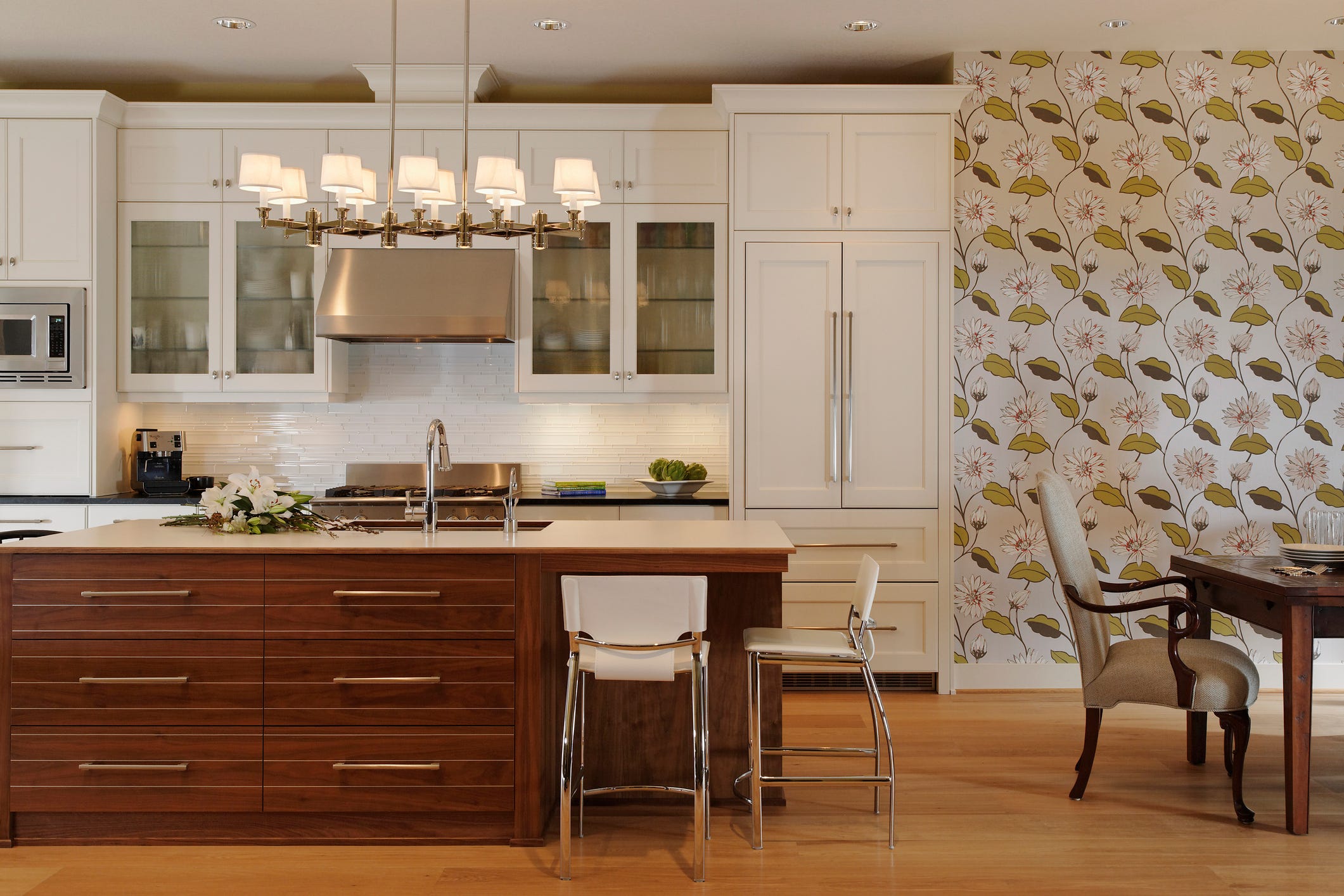
Designers advise caution against trends characterized by a “-core” naming convention, which tend to be one-dimensional and lack staying power. Cottagecore is specifically criticized for its excessive use of florals, lace, and ruffles, which can make a room feel outdated if not balanced with cleaner architectural lines or tailored upholstery. Lauren Saab, another designer, emphasizes that true style works with existing items and evolves naturally, rather than demanding a complete overhaul. Castagna's research further reveals that 'Weirdcore,' a psychedelic trend, experienced a significant decrease in consumer interest, dropping over 17% in the last year.
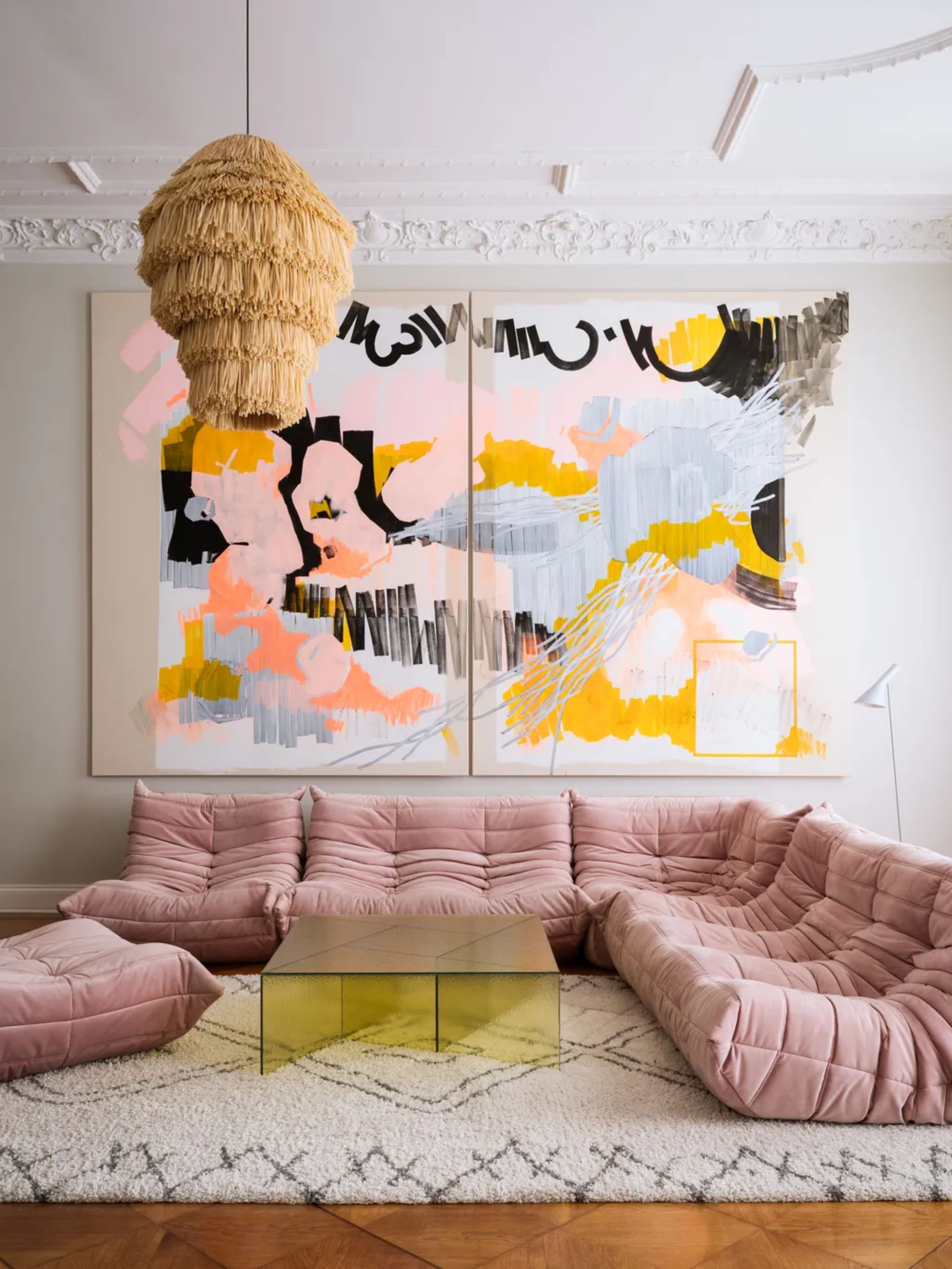
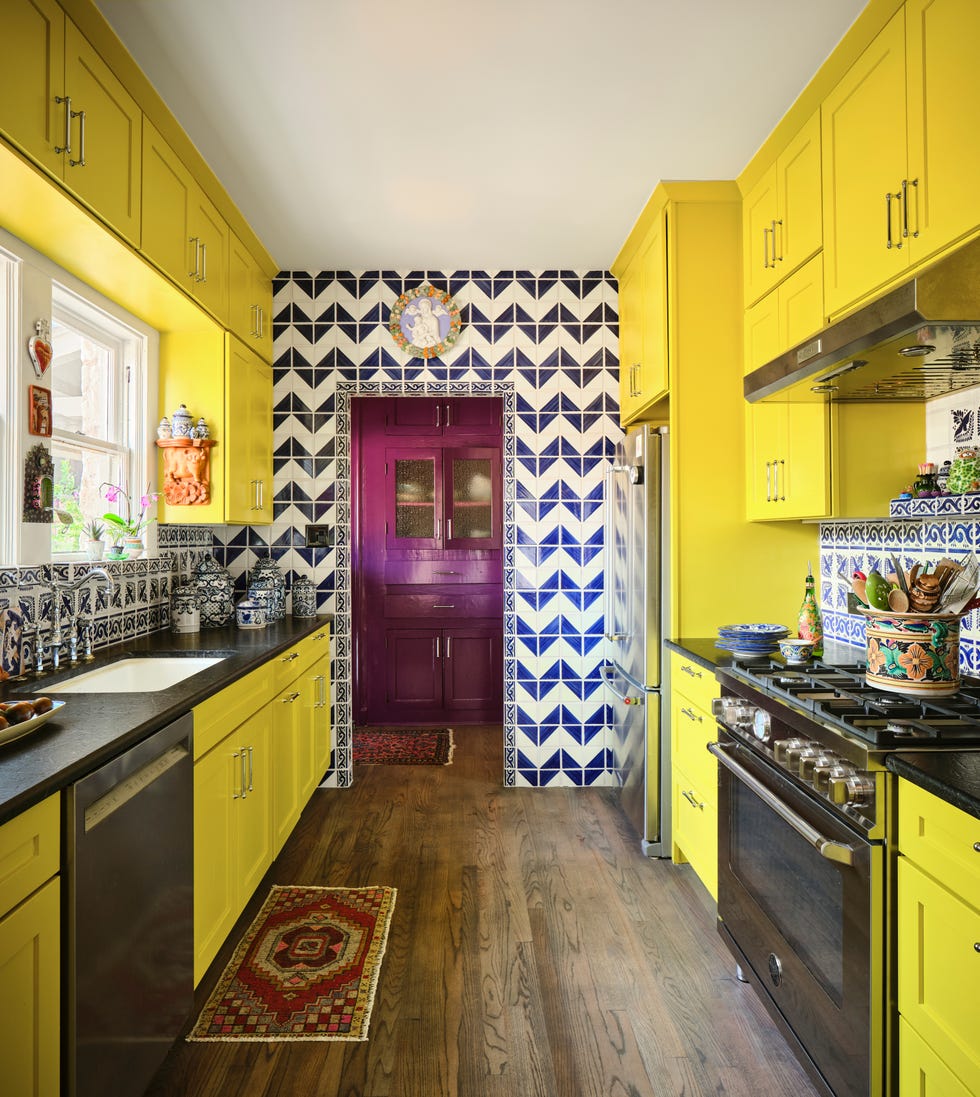
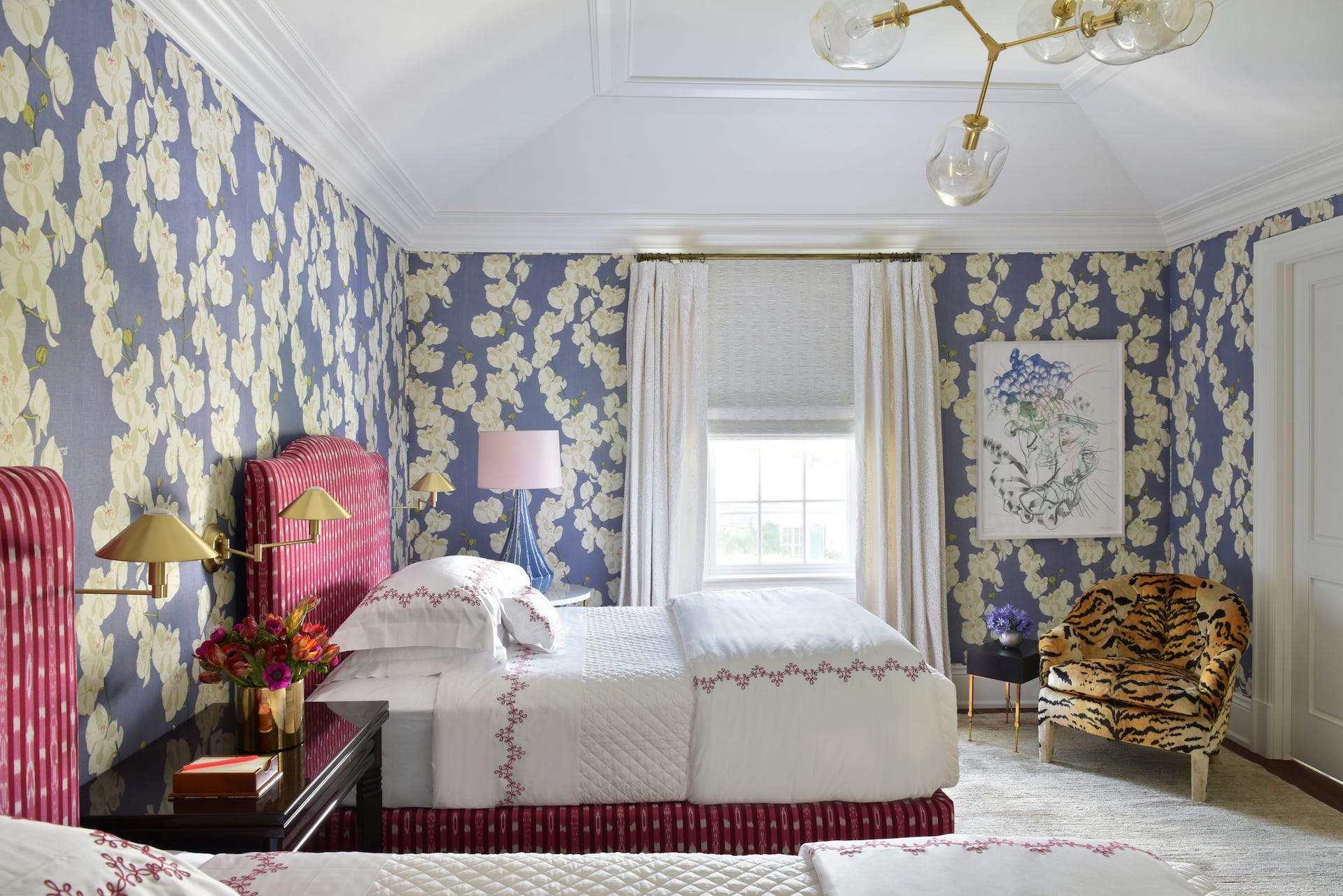
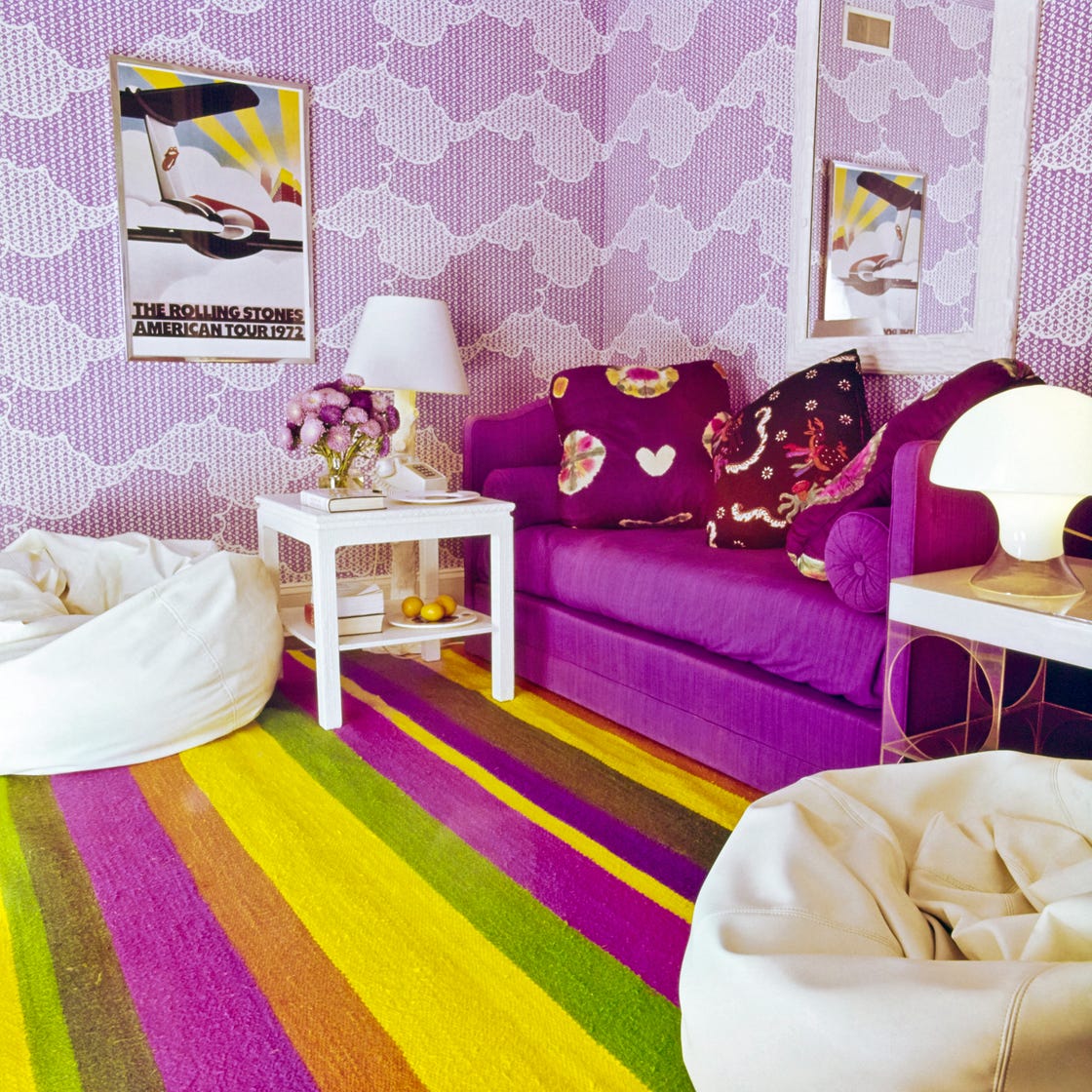
The article also discusses the issues with 'dopamine decor' and 'overstimulating maximalism.' Courtney Cole, an interior designer at TileCloud, notes that while dopamine decor aims to boost mood with bright colors and designs, it often results in visual clutter and chaotic spaces that prioritize quantity over quality. Similarly, maximalism, popular on TikTok, can easily cross the line into a cluttered and overwhelming environment if not executed thoughtfully. Tina Montemayor differentiates between a genuinely collected, layered home and one artificially curated for social media, stressing the importance of negative space and selective choices to maintain balance and avoid chaos.
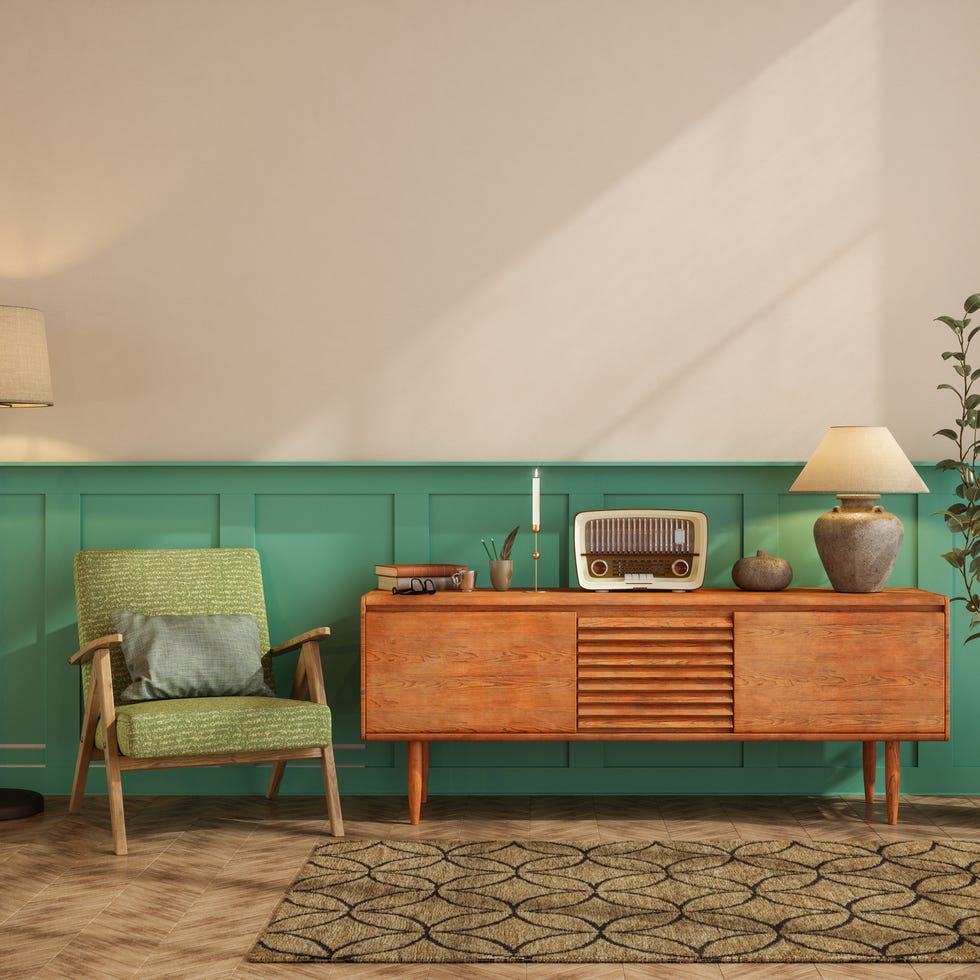
Food-themed decor is identified as another micro-trend with little staying power due to its literal interpretations. Examples like “sardine girl summer” quickly shift from charming to kitschy. Saab explains that such trends are tied to cultural moments rather than timeless appeal, leading to rapid obsolescence. The mushroom trend, despite a longer initial lifespan, has seen the steepest decline in popularity, with a search decrease of over 33%. To navigate these short-lived trends without committing fully, designers suggest strategic incorporation. Benjamin Vandiver advises against redecorating an entire home for a trend, recommending a more playful, less committal approach.
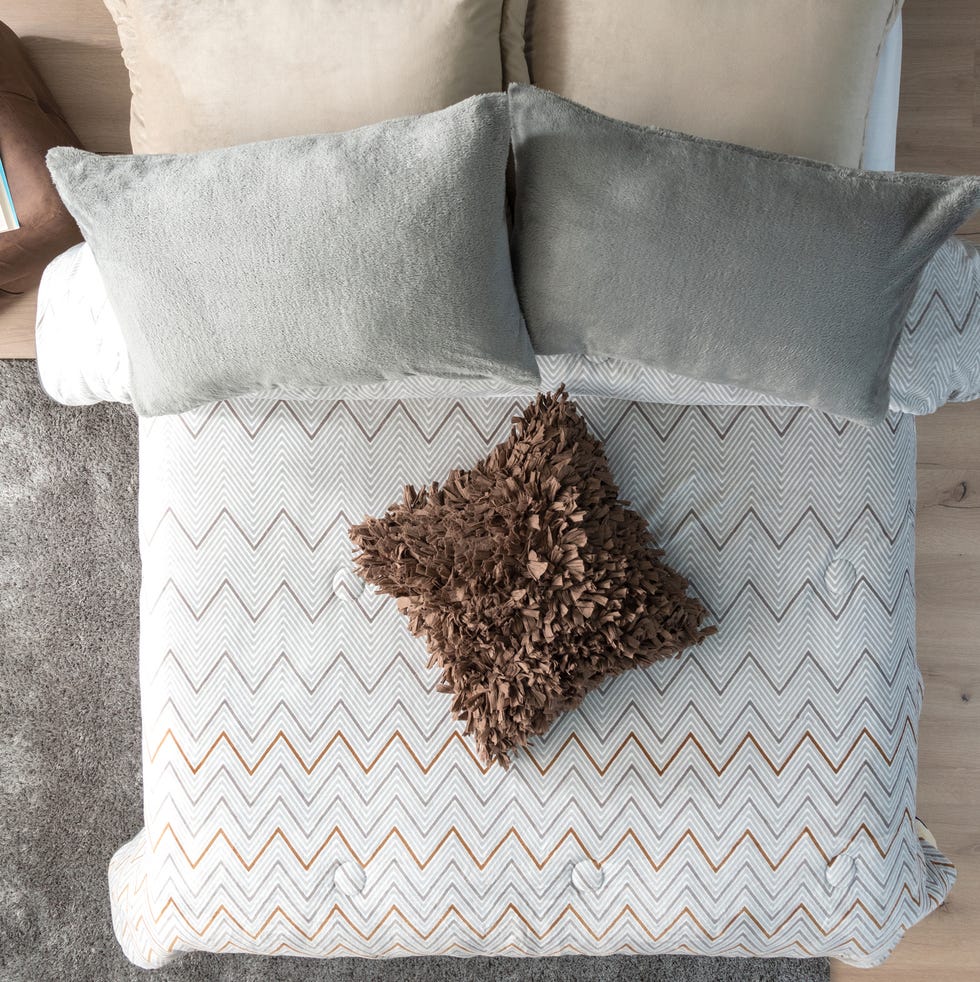
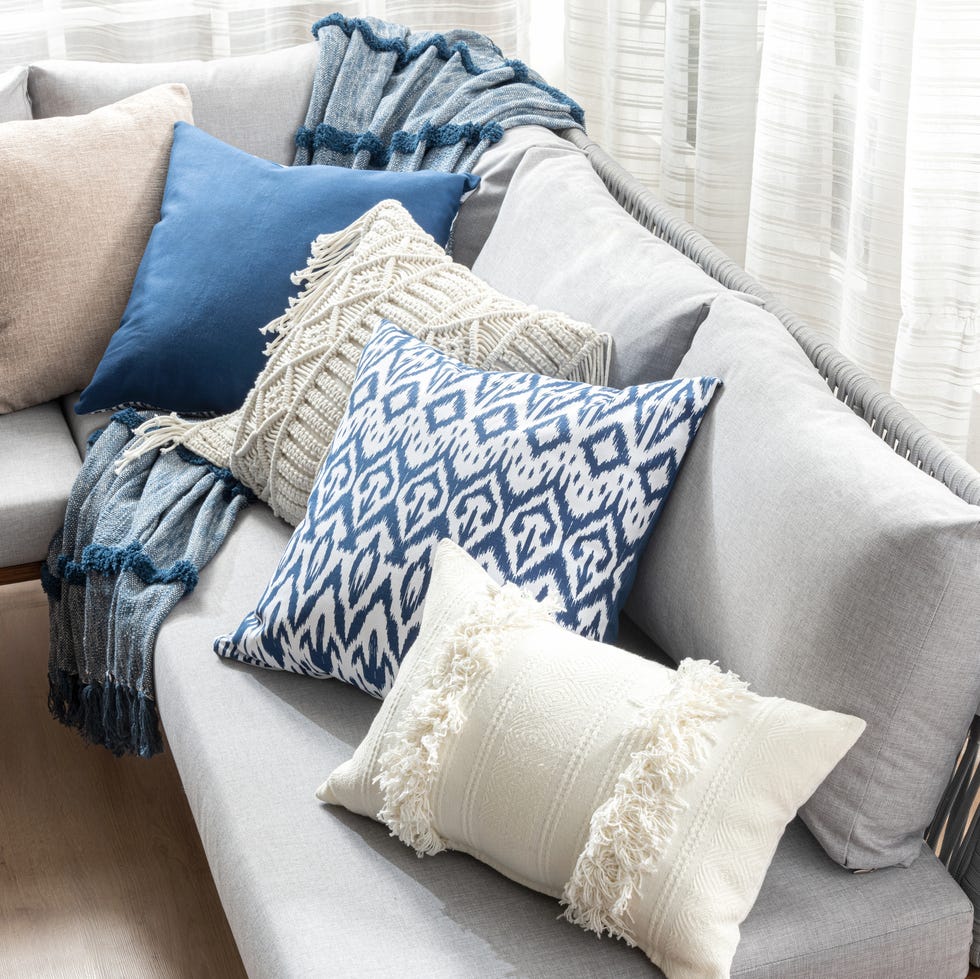
Margaret Naeve offers a practical solution: homeowners should introduce popular elements cautiously, starting with small investments like pillows or side tables instead of making drastic changes to large furniture pieces or permanent fixtures. This approach helps avoid buyer's remorse within a few years. The overarching advice from designers is to cultivate an authentic personal style that transcends algorithmic influences, allowing design choices to reflect timelessness and a unique point of view rather than chasing transient online popularity.
#InteriorDesignTrends #MicroTrends #SocialMediaInfluence #HomeDecor #DesignLongevity #Cottagecore #DopamineDecor #Maximalism #FoodThemedDecor #InteriorDesignTrends #MicroTrends #SocialMediaInfluence #HomeDecor #DesignLongevity #Cottagecore #DopamineDecor #Maximalism #FoodThemedDecor
0 comment in total
 No comments yet
You may also like
The unexpected 'microtrends' that designers say are actually timeless

Once-Trendy Design Trends To Avoid, According To Chip And Joanna Gaines
People Are Defending The "Unpopular" Home Design Trends That Actually Make A Lot Of Sense In Their Own Homes

"I Regretted It After Two Weeks": Homeowners Are Revealing The Popular Home Fads That Aren't Worth Trying Out
5 trends that look good right now but interior designers warn they won't last

People Are Exposing The Home Decor Trends That'll "Completely Fade Out" Sooner Than You'd Think
The One Design Trend You Should Try, Designers Say (and It's Not Color Drenching)

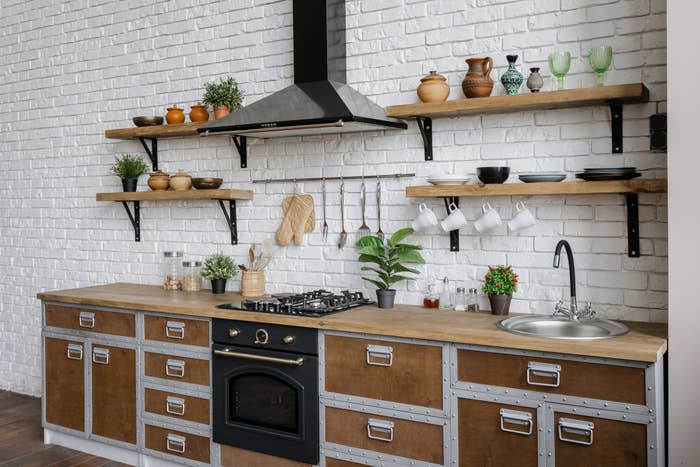
"Frankly, It's Tacky": People Are Revealing Common Interior Design Trends They Can't Stand
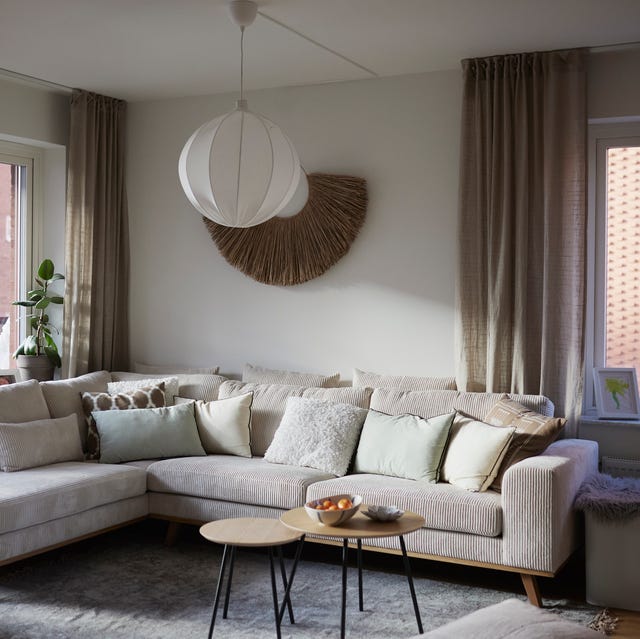
9 CONTROVERSIAL Decor Choices Designers Secretly Wish You’d Stop Making

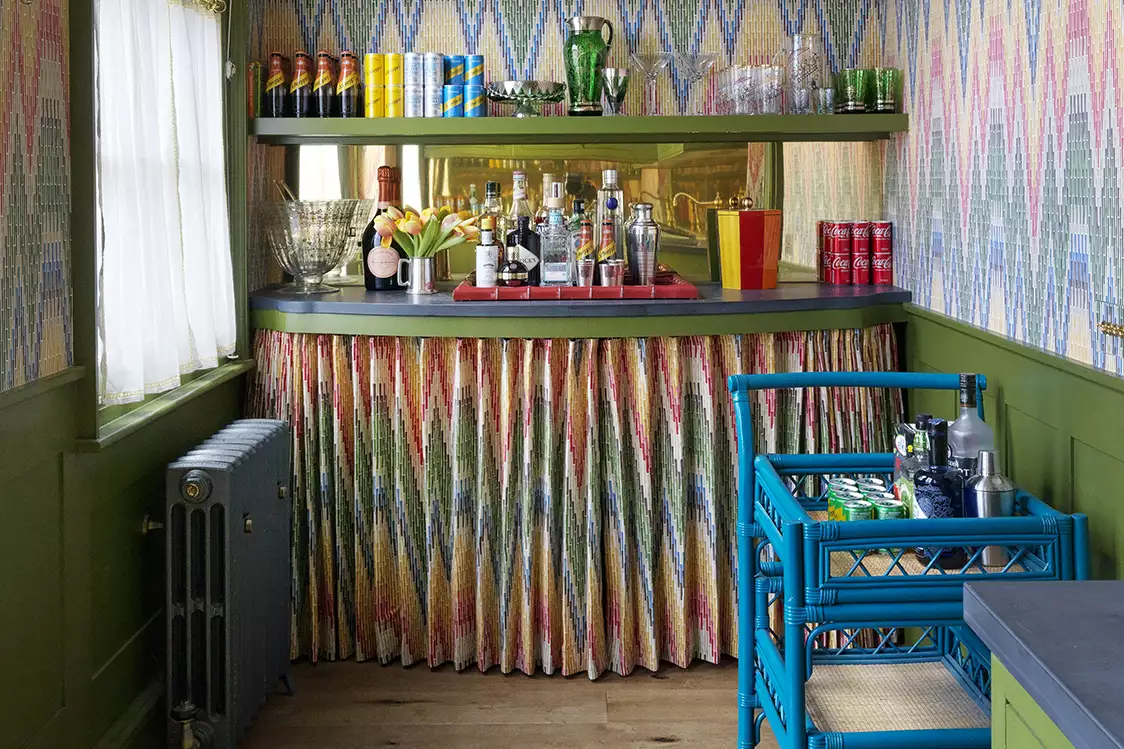
This Throwback Trend Is Coming Back in Style—and Designers Have Mixed Opinions

People Are Defending The "Unpopular" Home Design Trends That Actually Make A Lot Of Sense In Their Own Homes
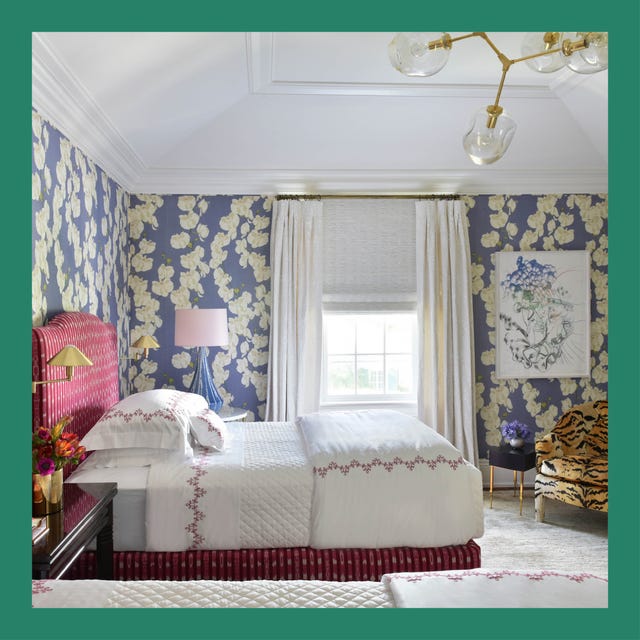
These Are The Top Design Trends Worth Trying
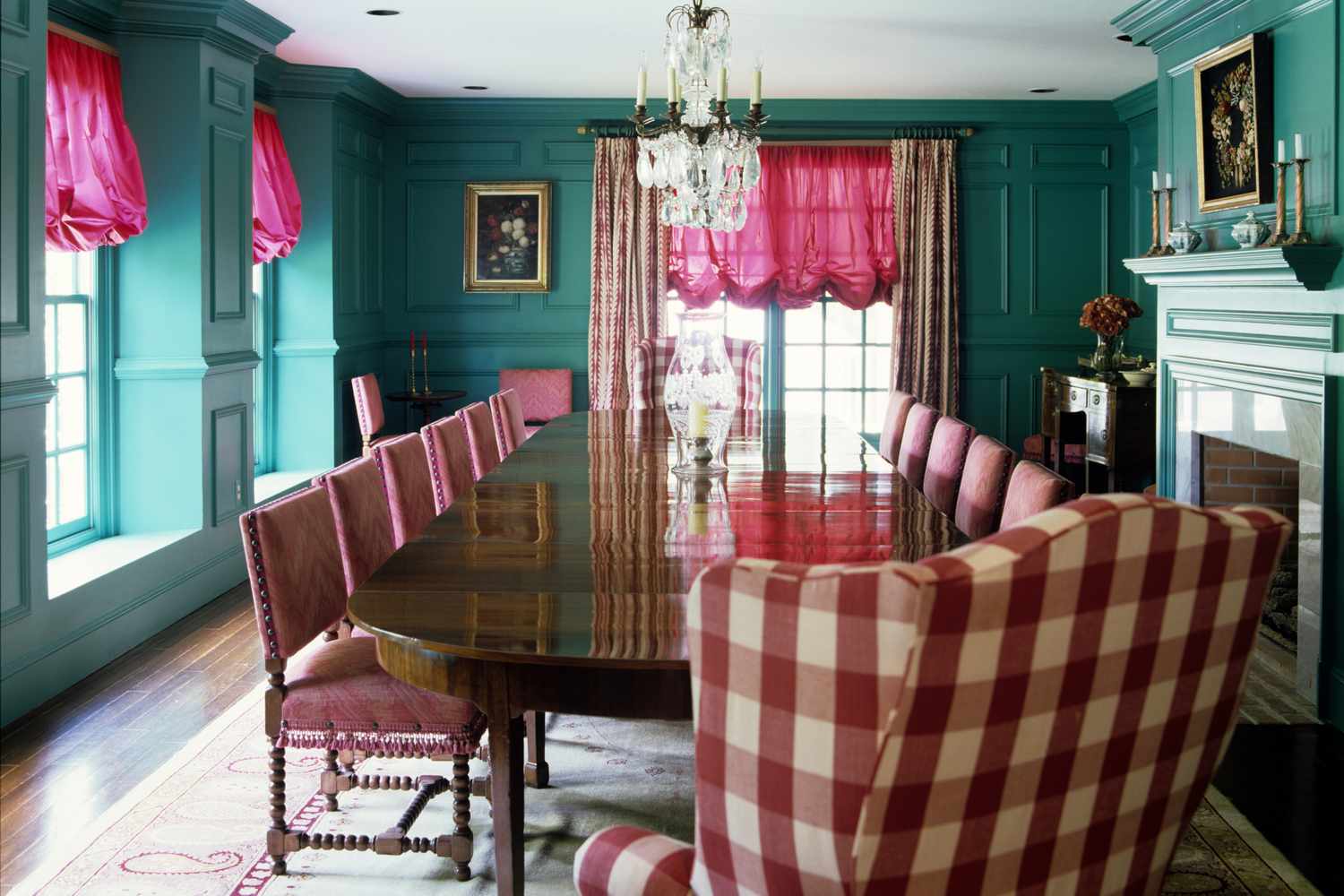
7 Home Décor Trends Designers Say Are a Waste of Money
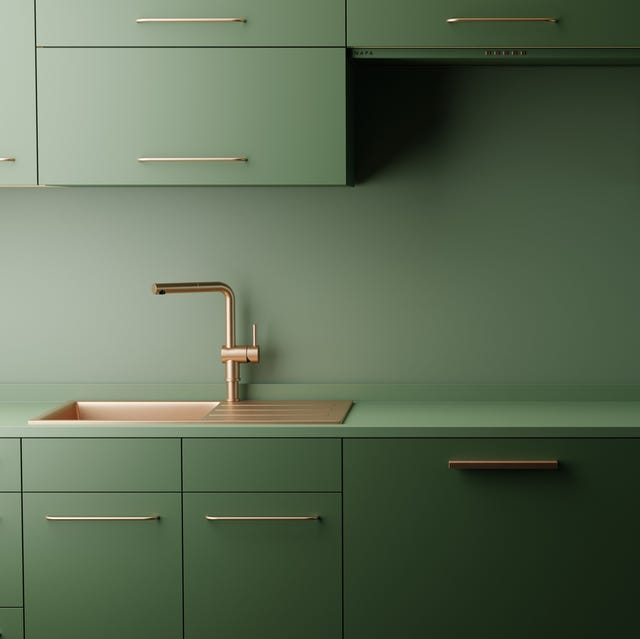
The #1 Home Trend You Should Avoid, According to Designers

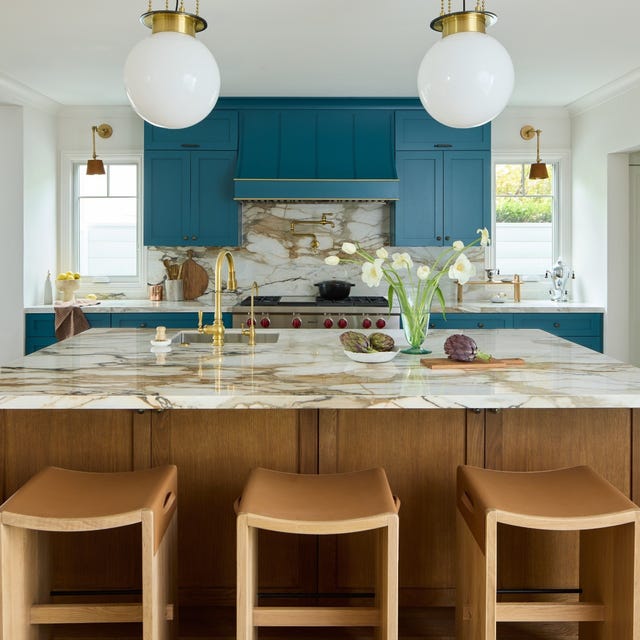
Designers Are Ditching the "Rule of Threes" for THESE Genius Styling Alternatives
8 Tacky Home Trends That Designers Say Are TRAGICALLY Dead
9 Popular Home Trends Interior Designers Say Won't Age Well
I Asked Interior Designers to Share the Worst Decorating Trends They've Seen on Social Media

Viral TikTok Design Trends Designers Actually LOVE
"It Ended Up Being A Major Mistake": 15 Popular Home Design Trends People Tried But Ultimately Regretted