1/18
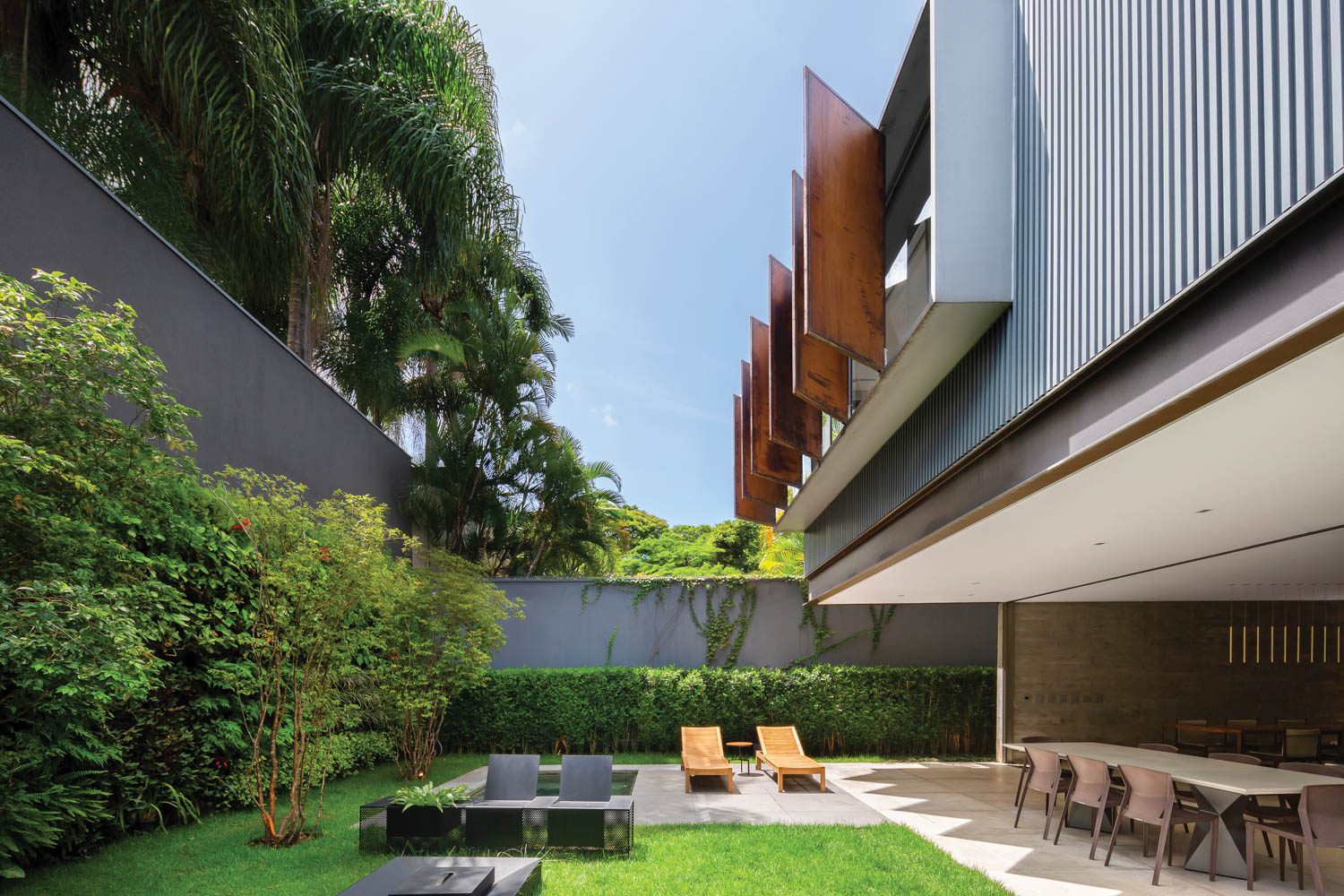
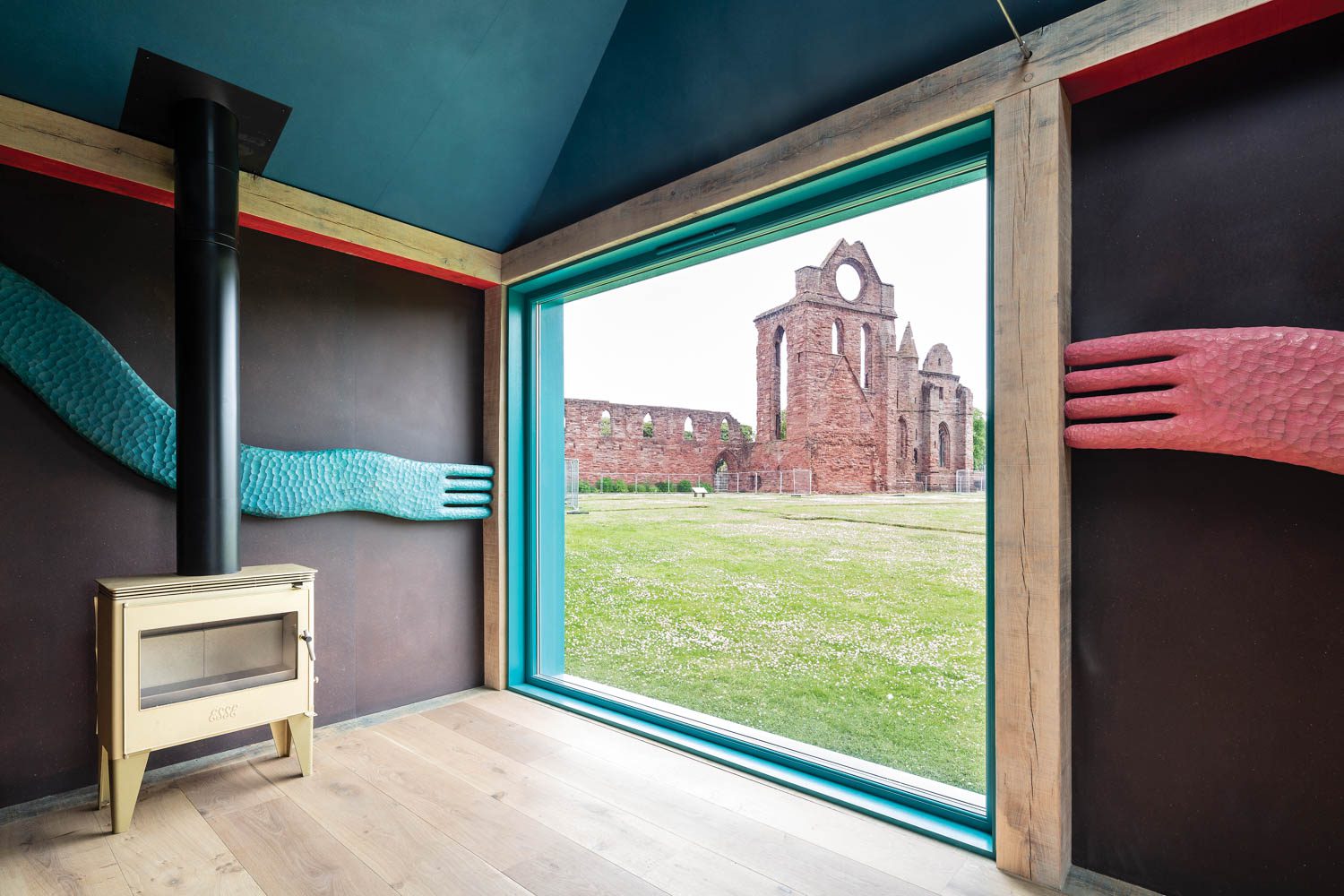
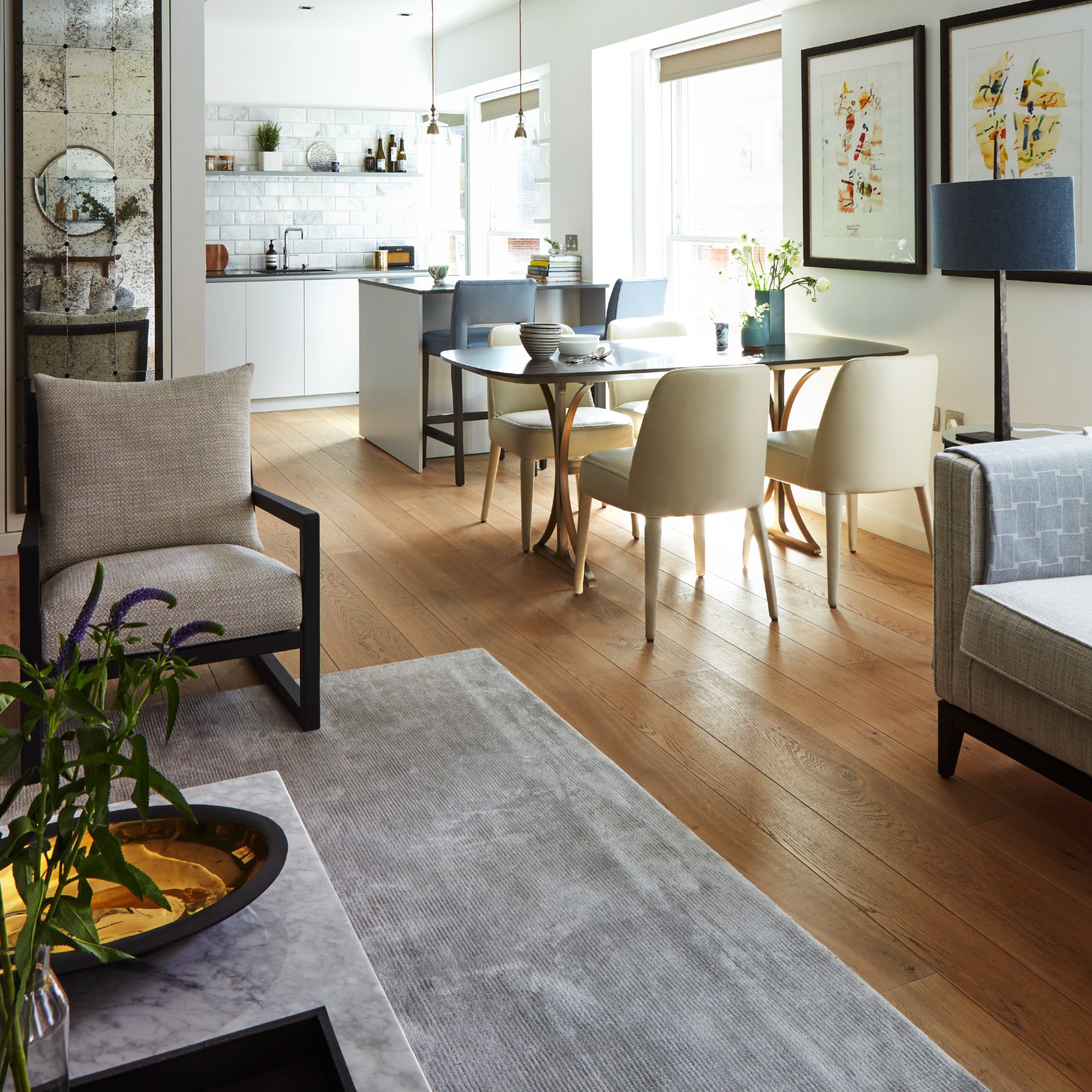
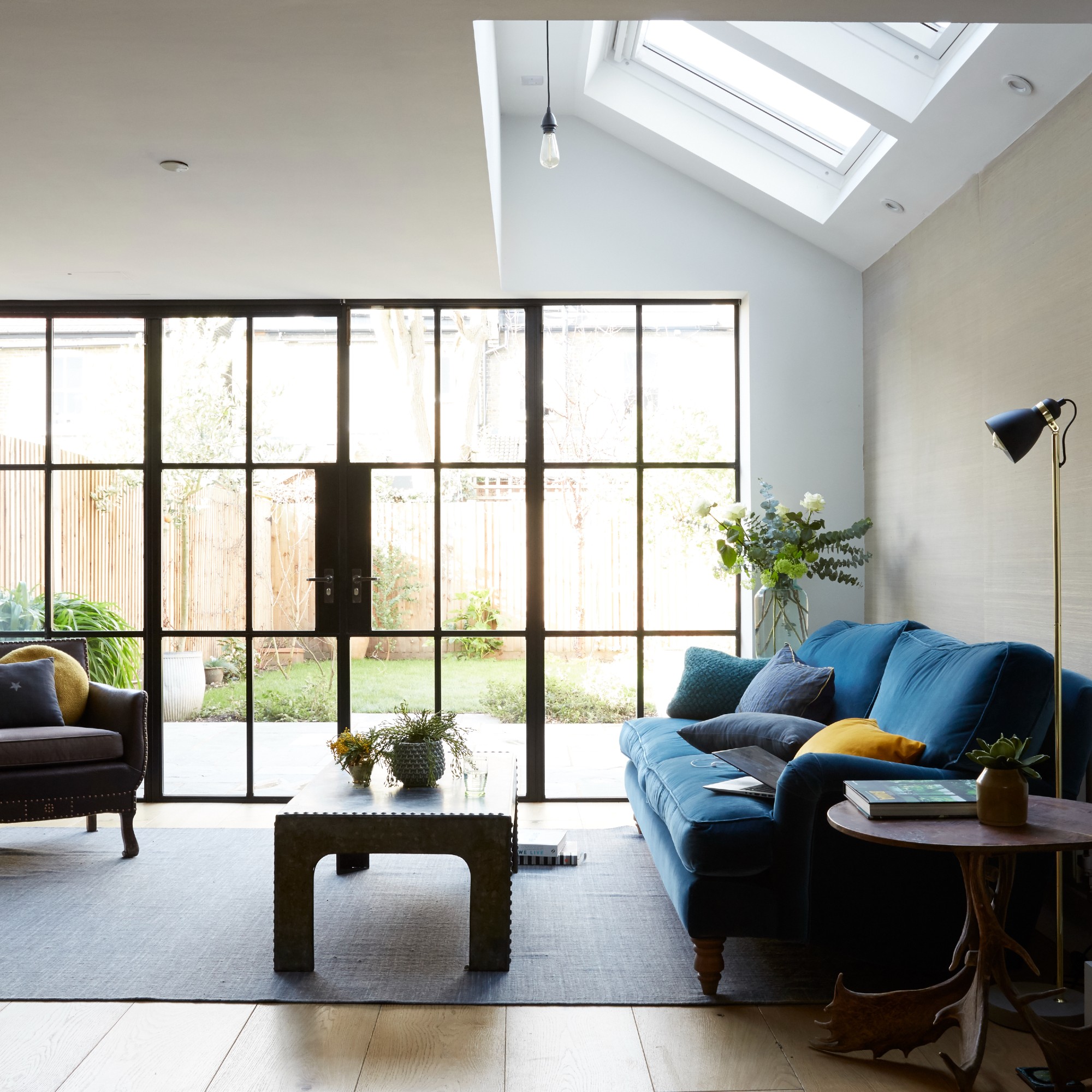
15 Open Living Rooms that Connect Inside and Outside
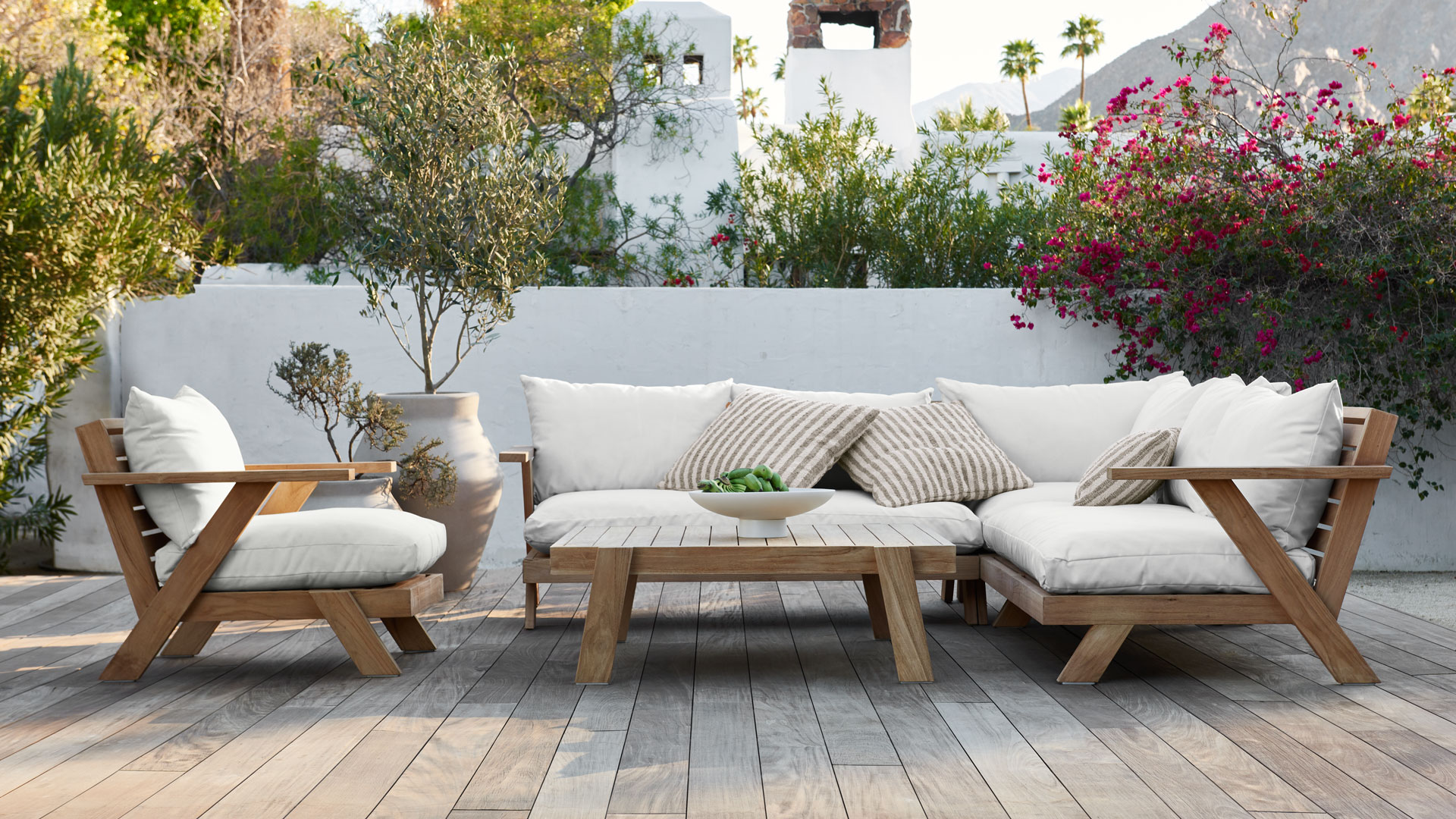
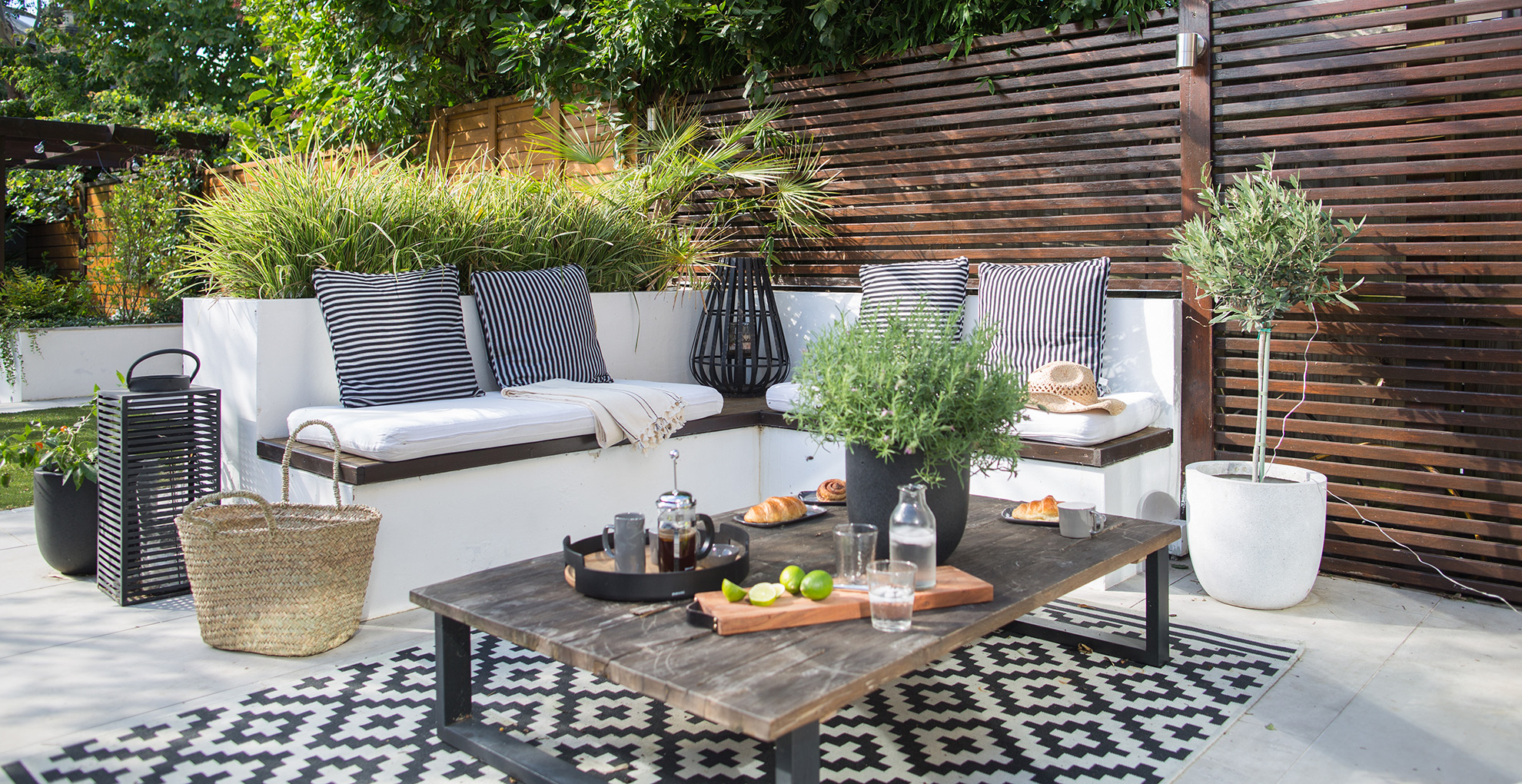
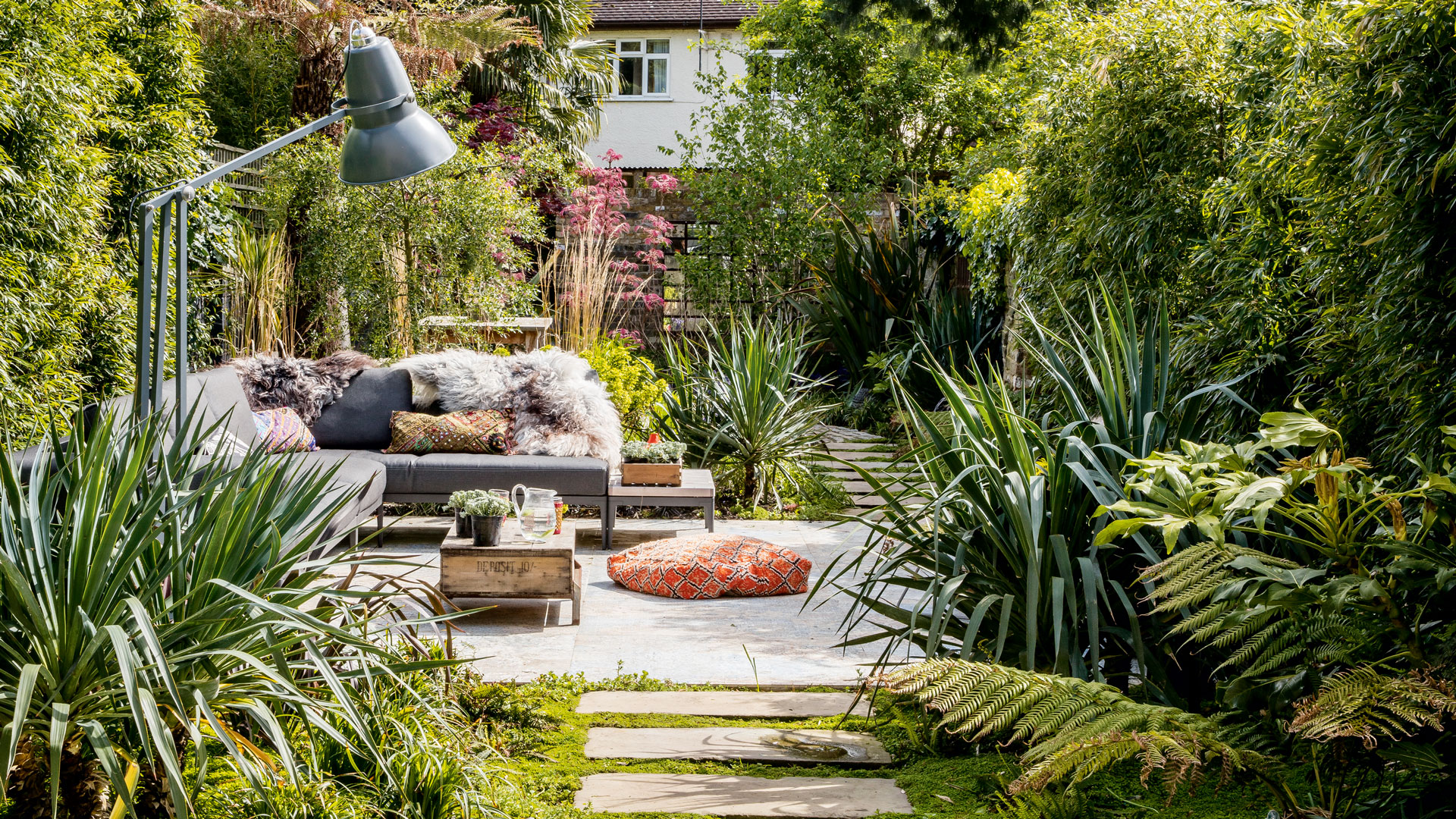
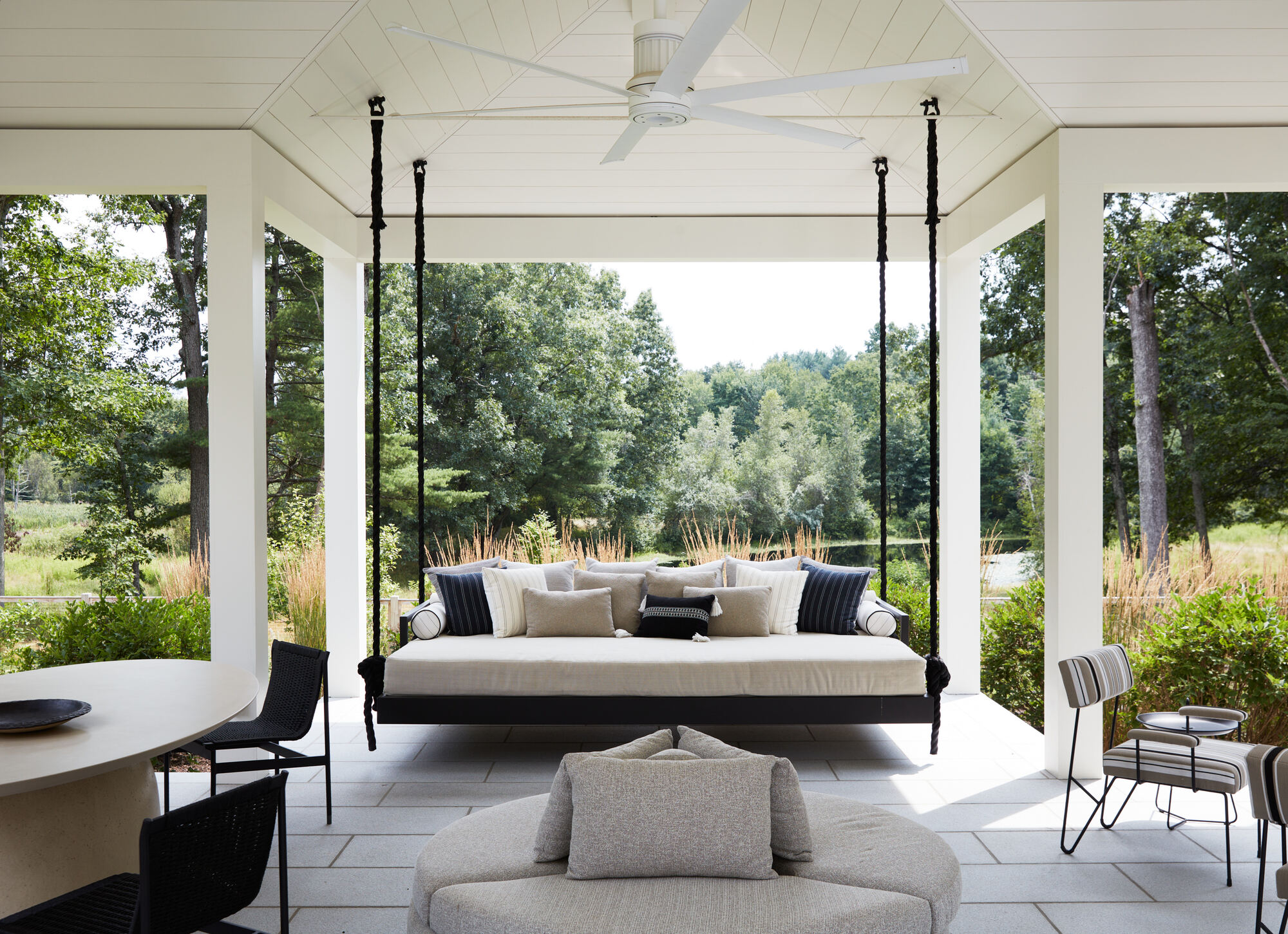
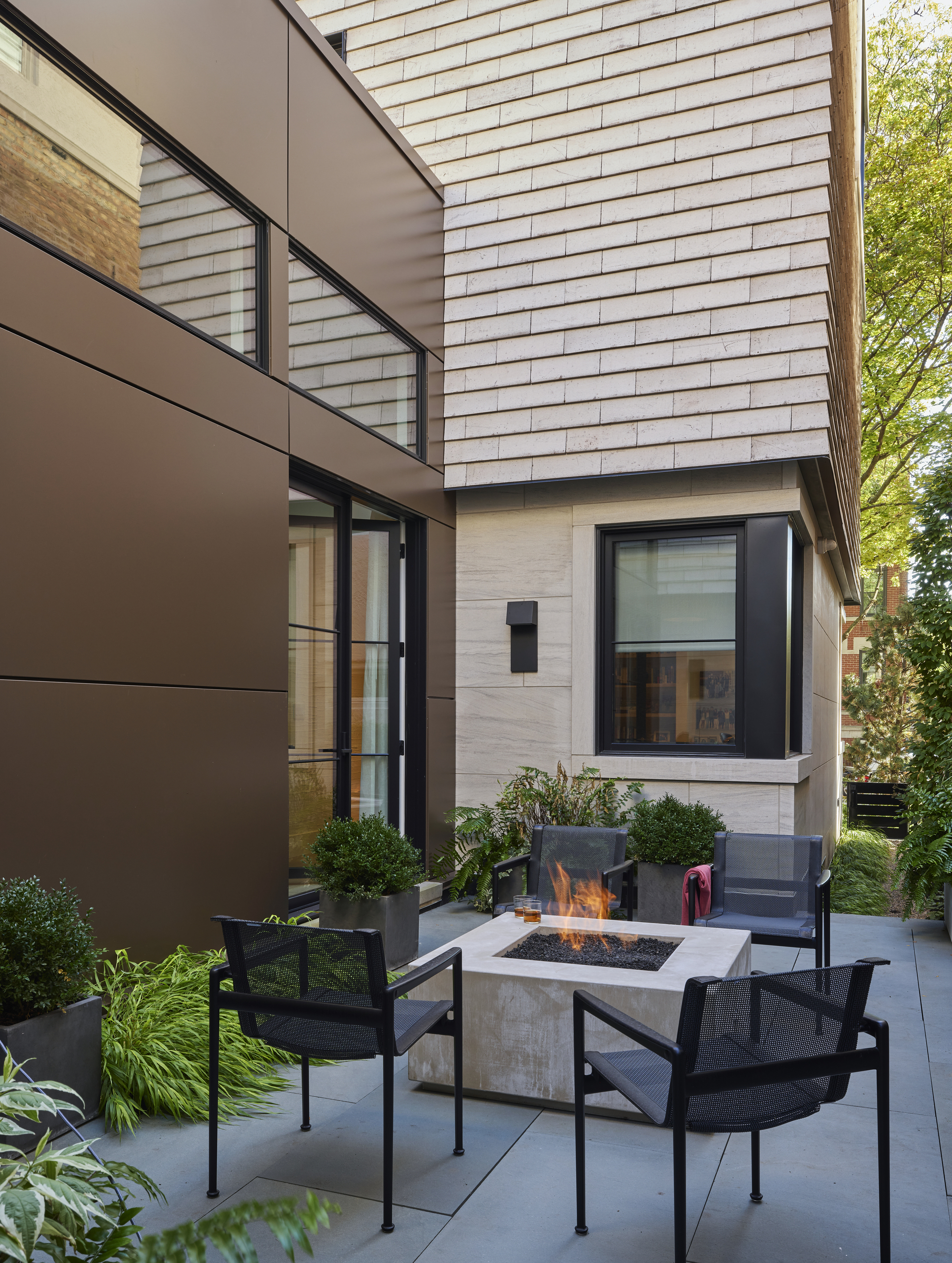
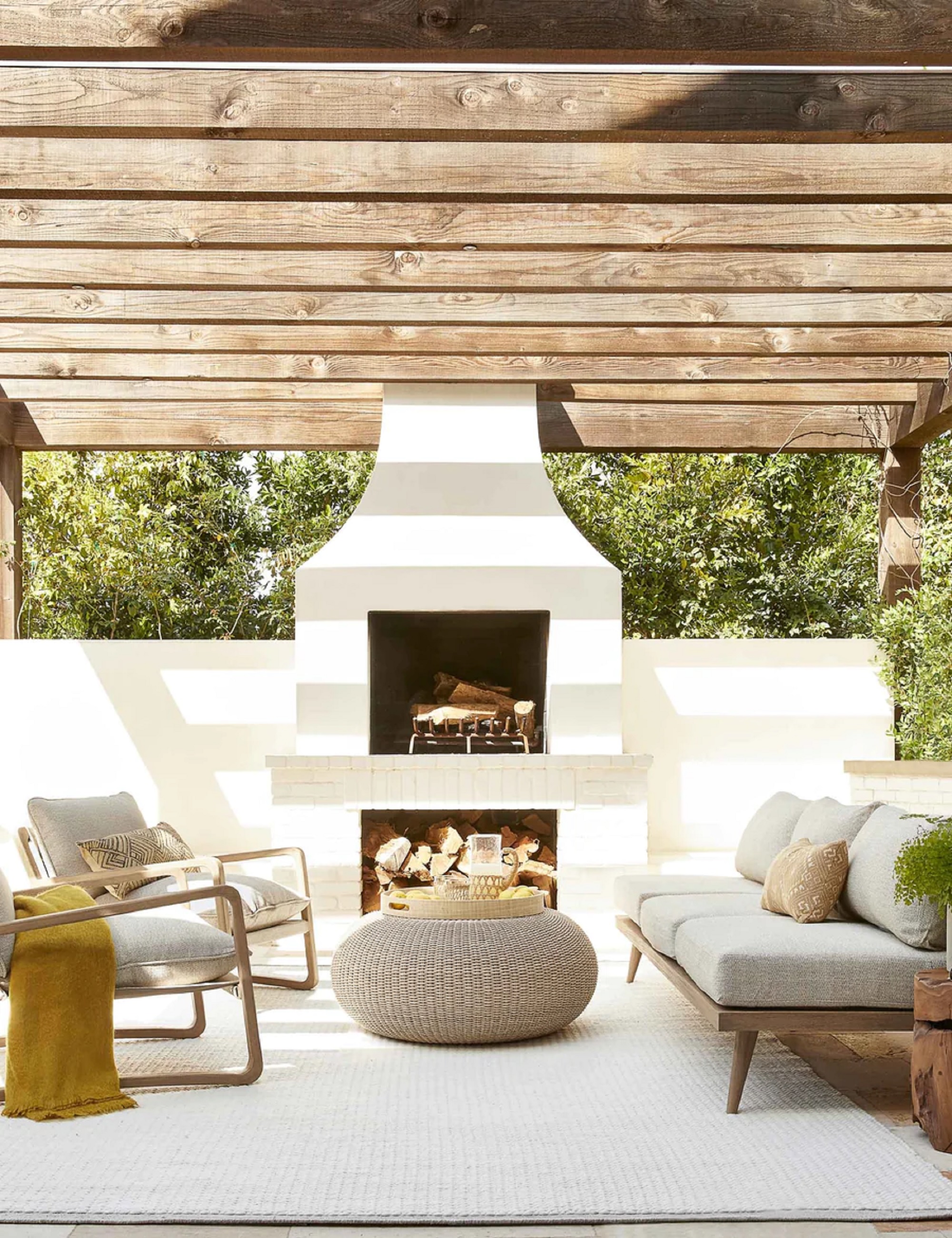
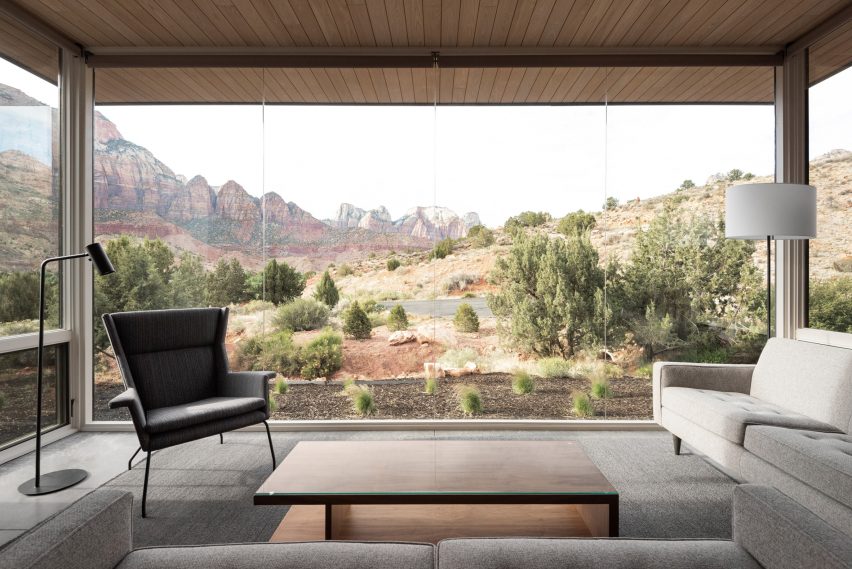
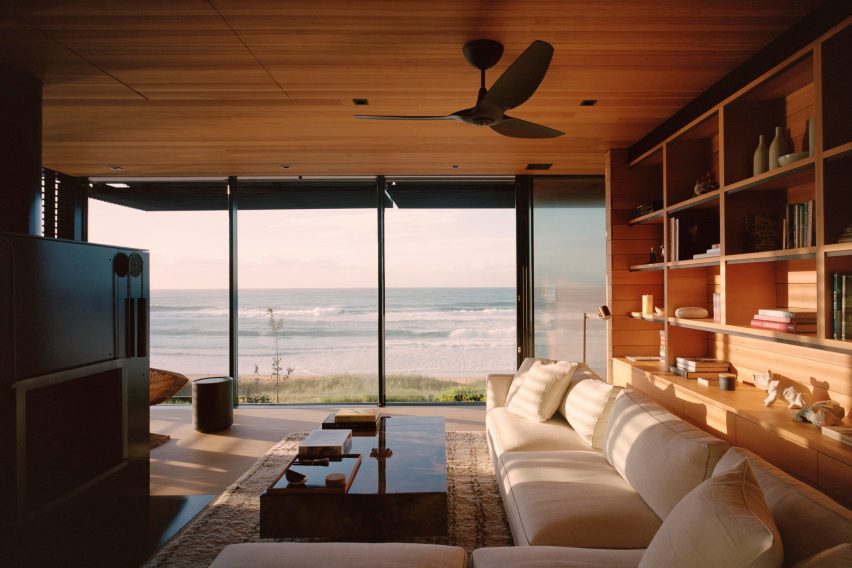
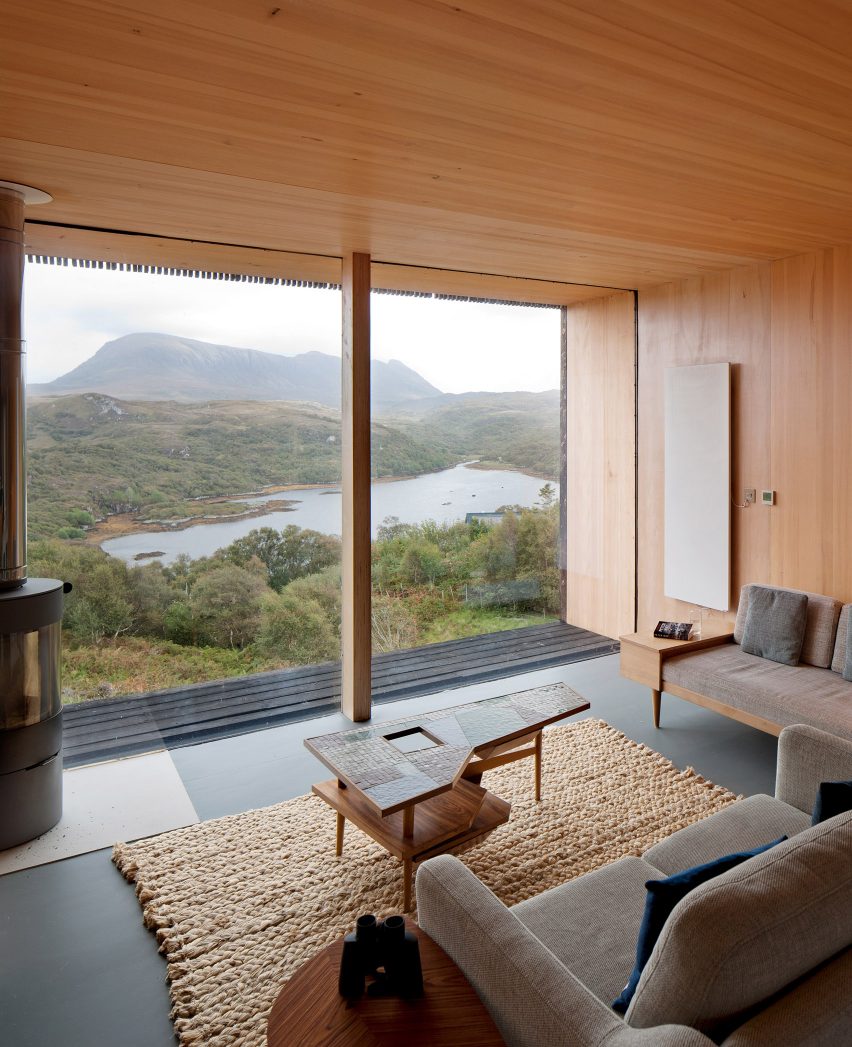
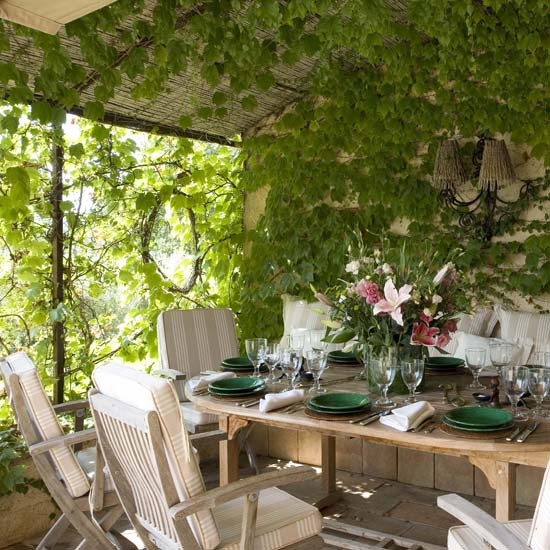
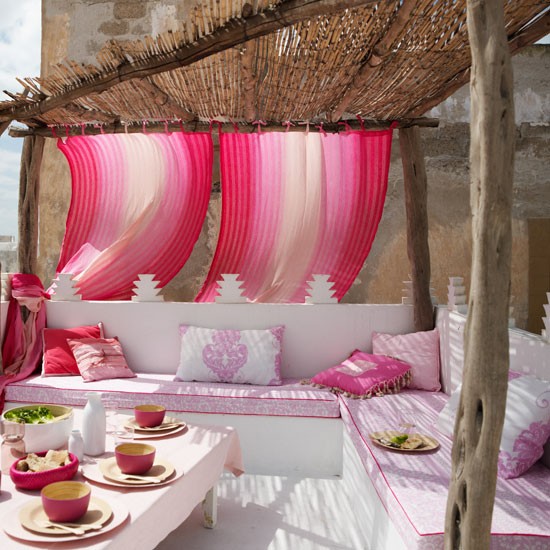
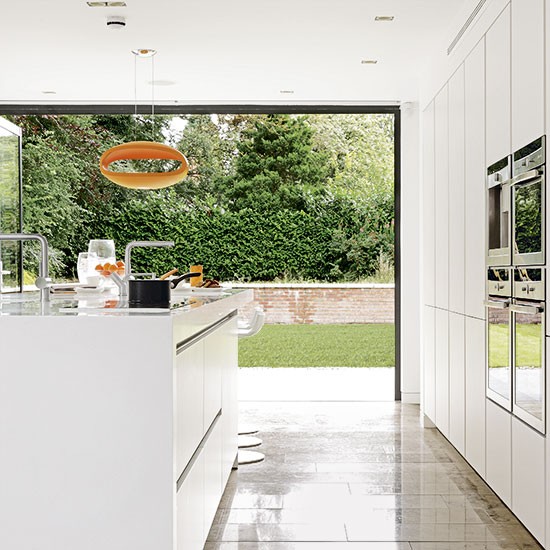
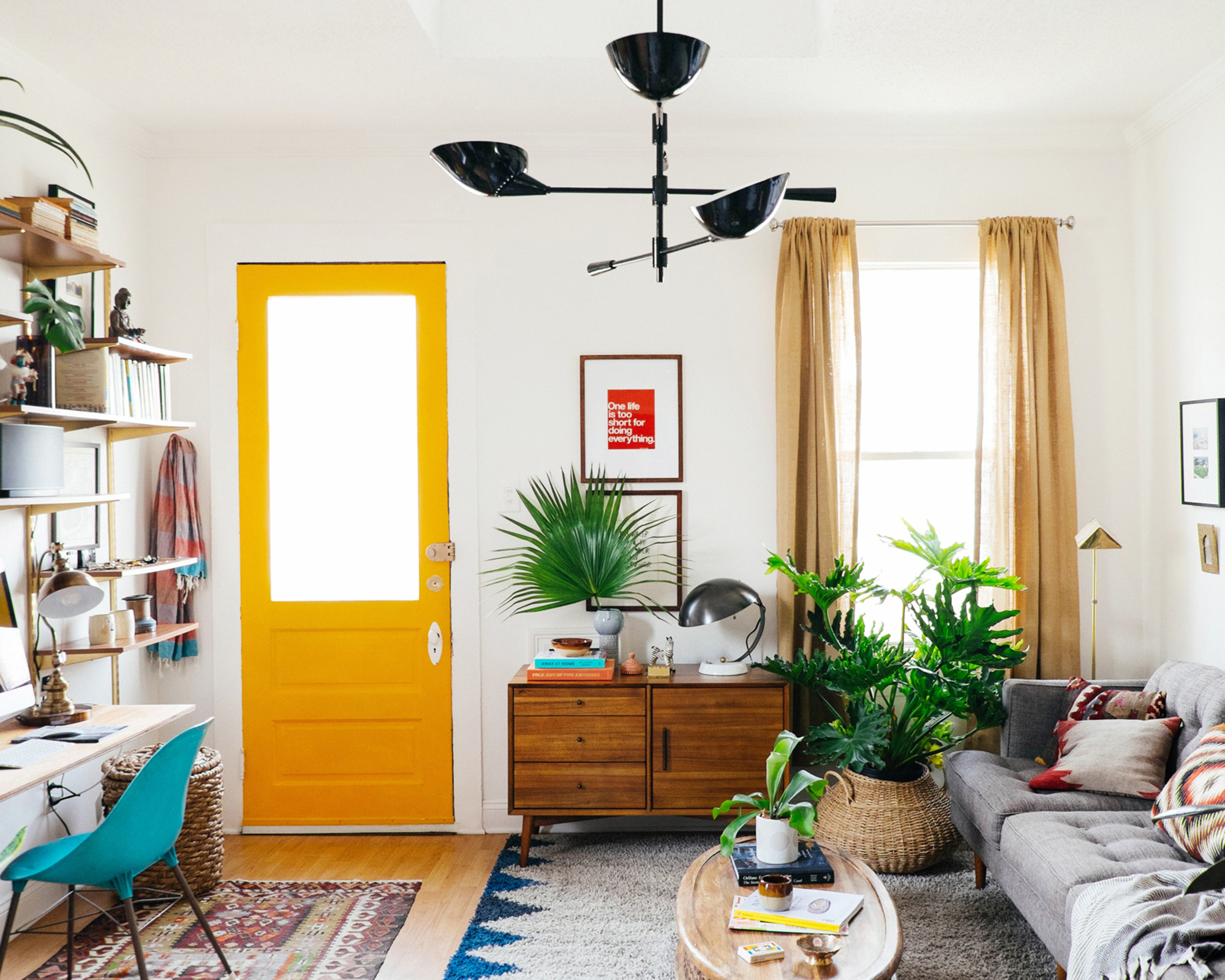
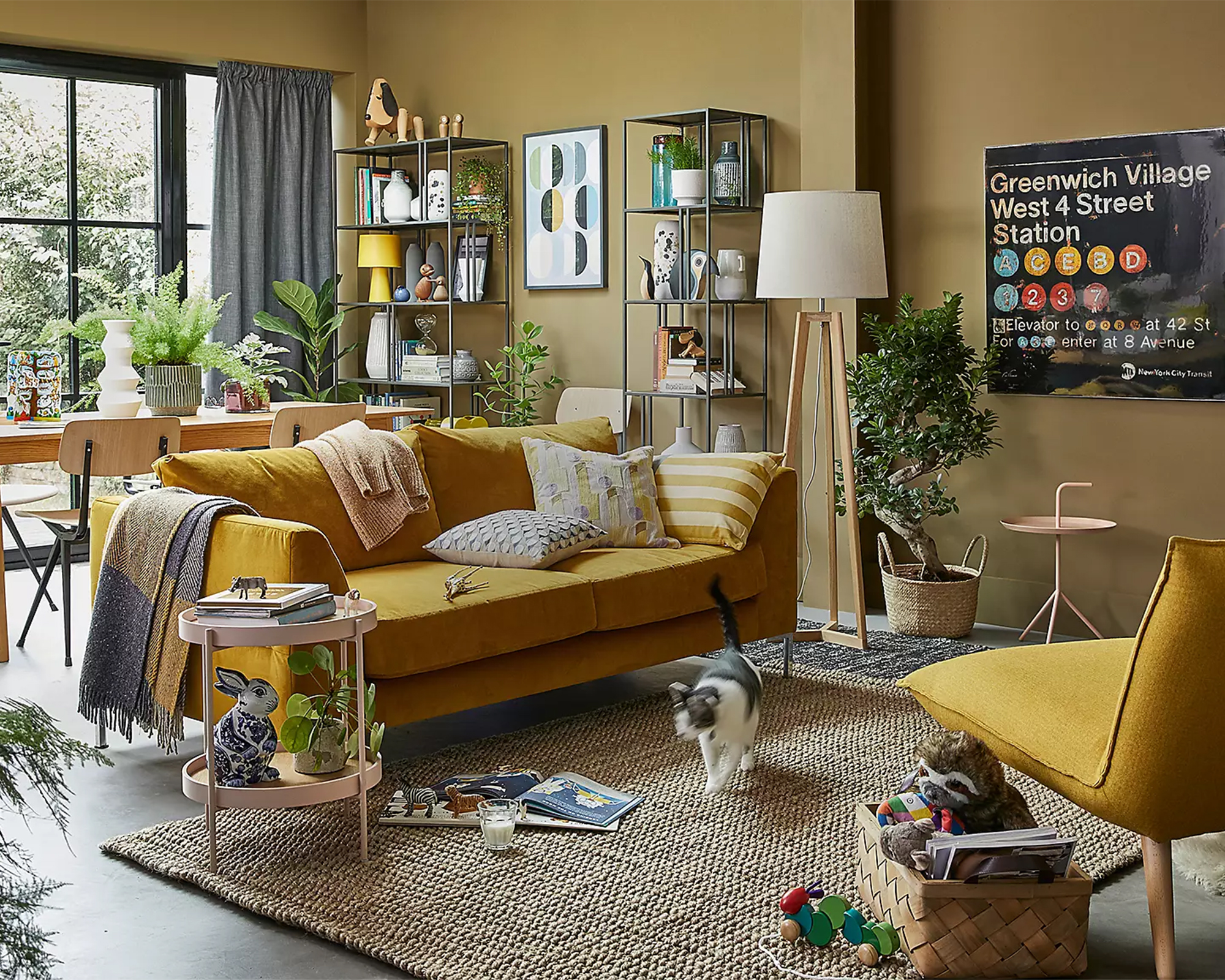
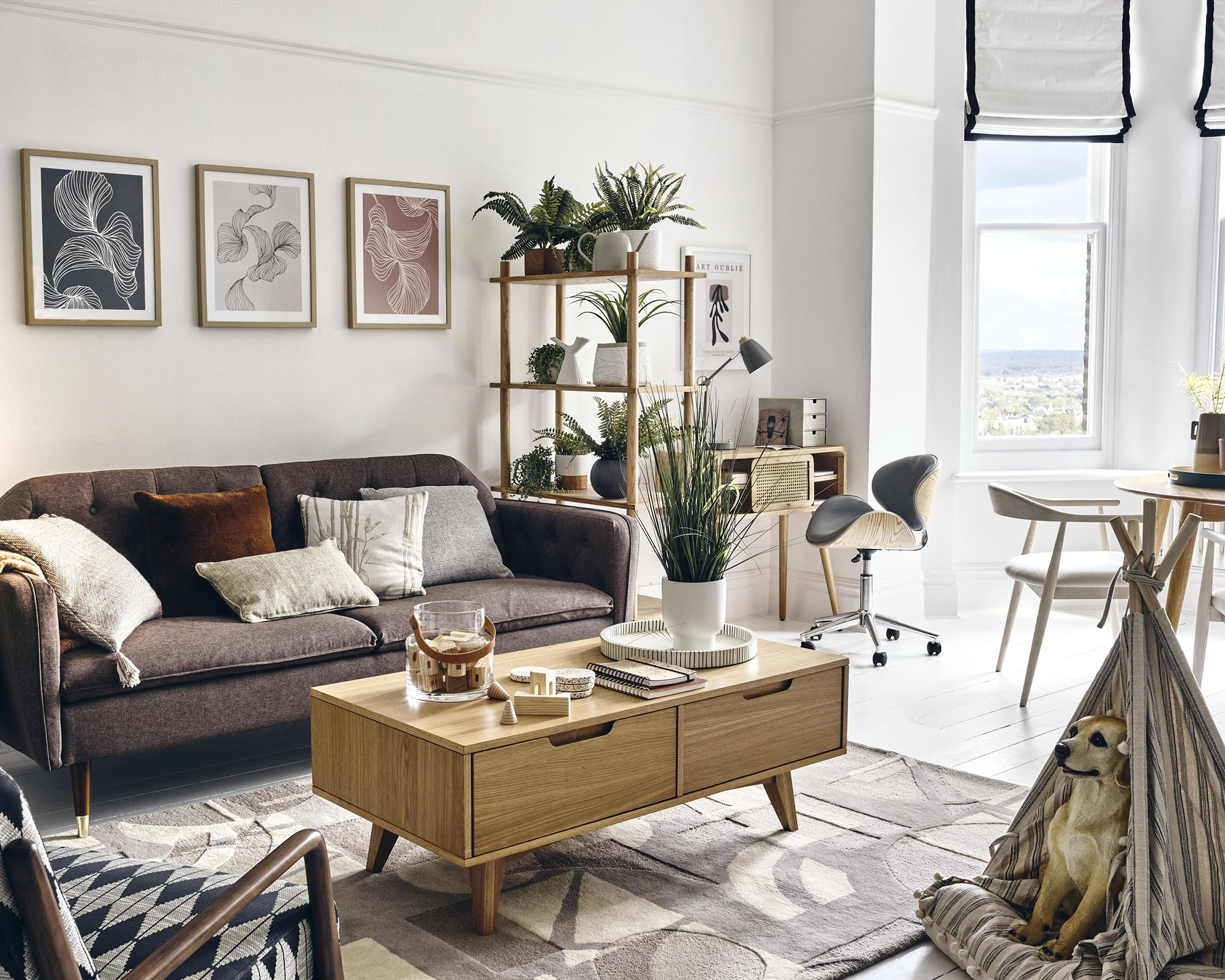
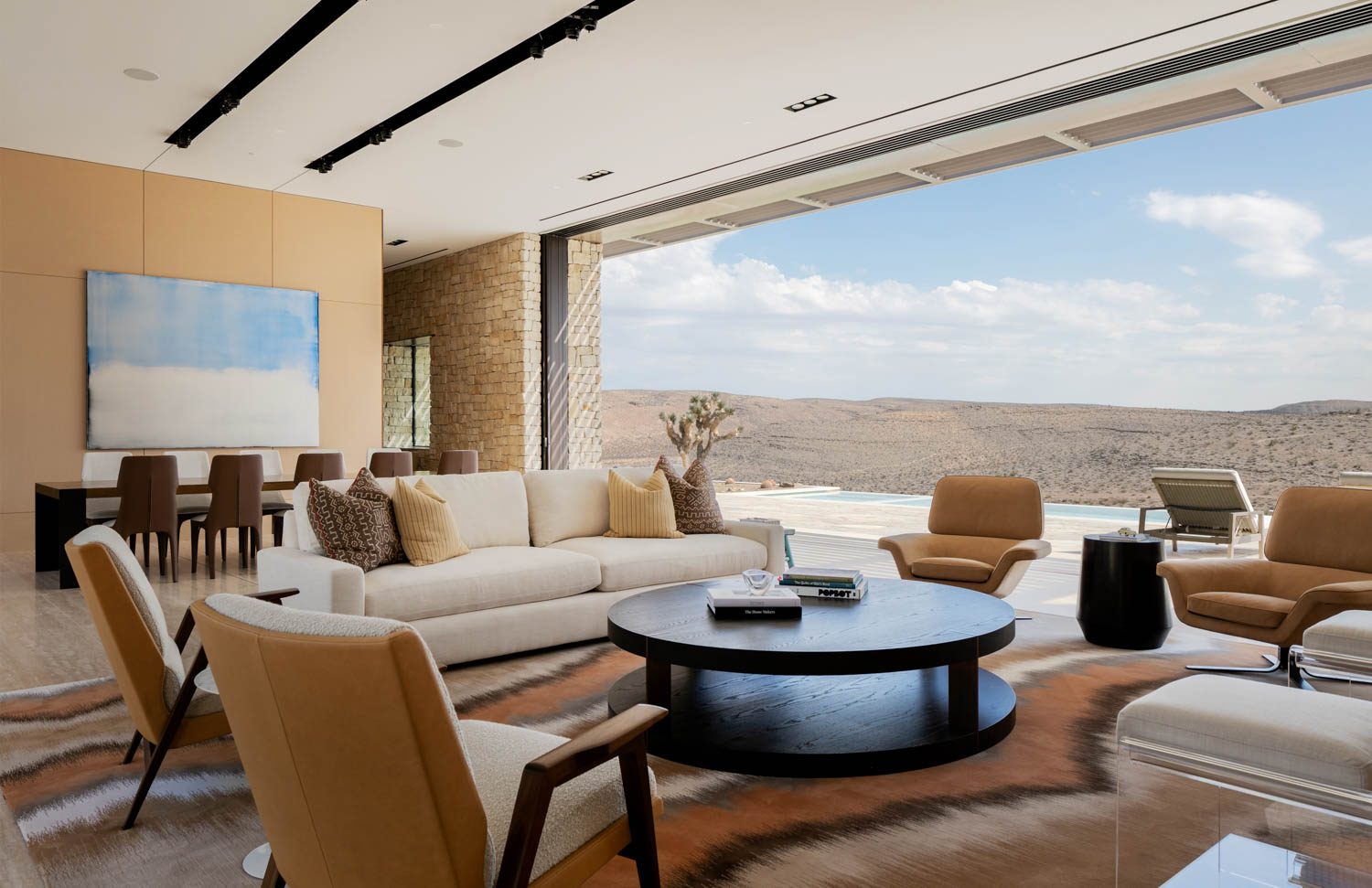
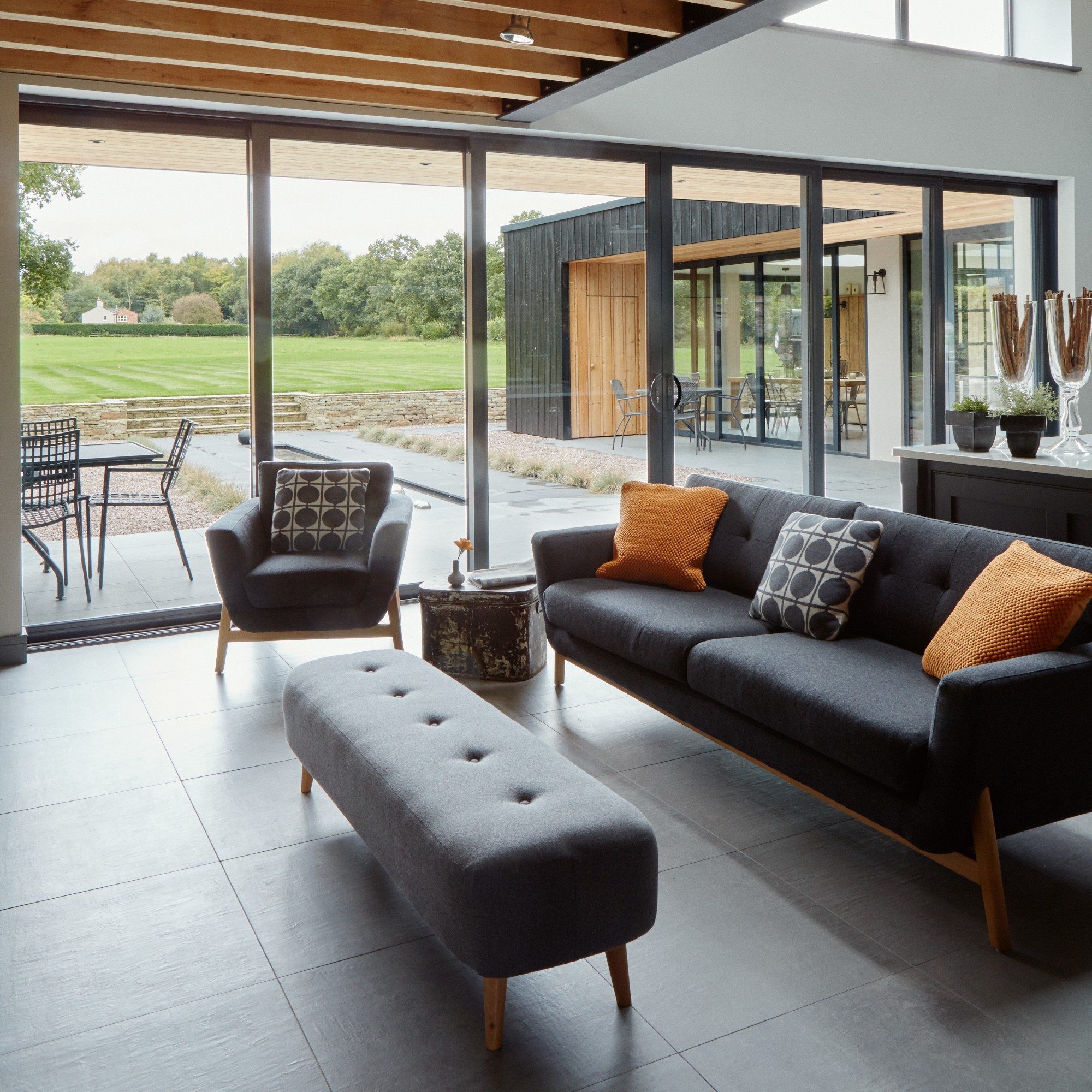
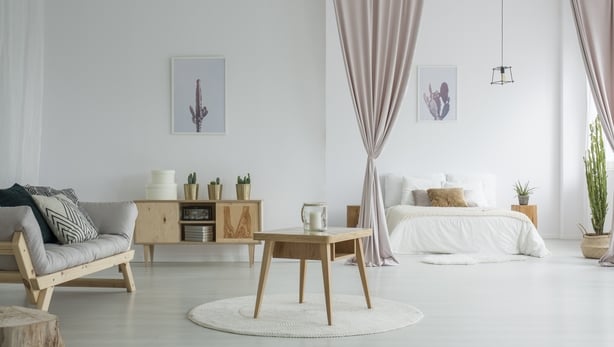
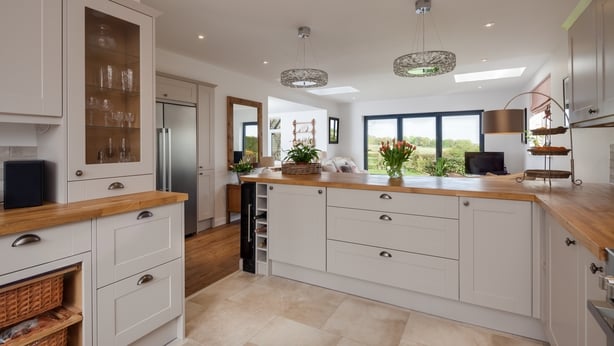
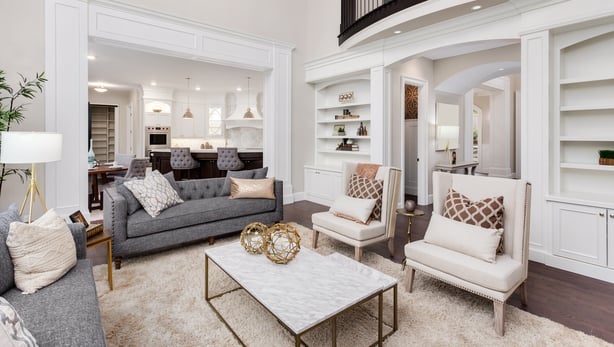
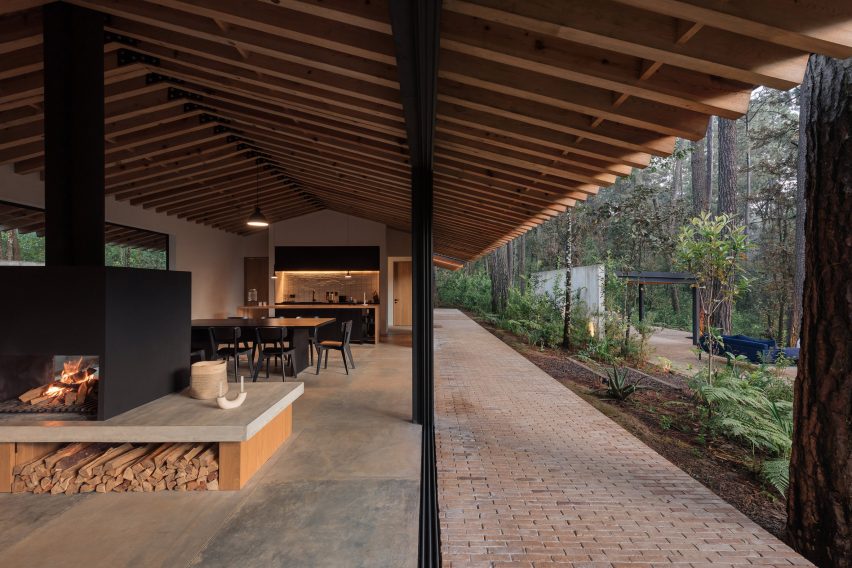
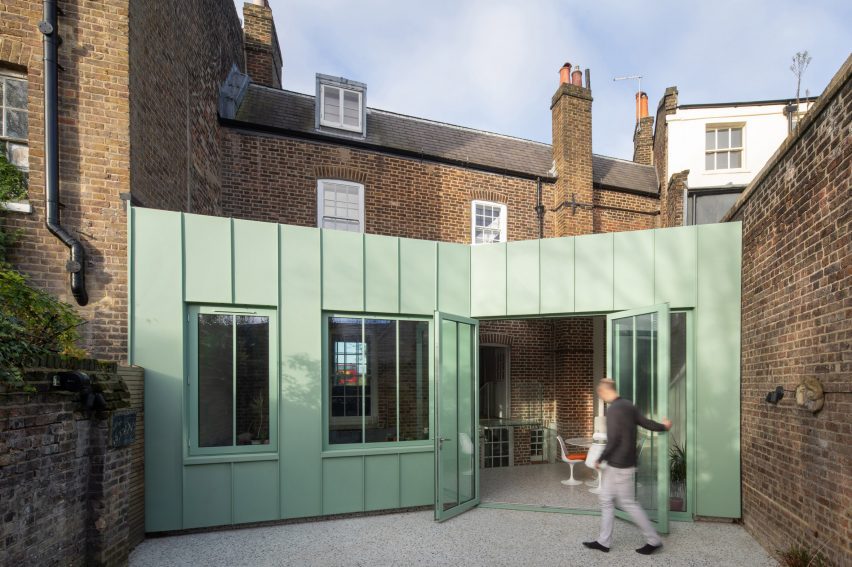
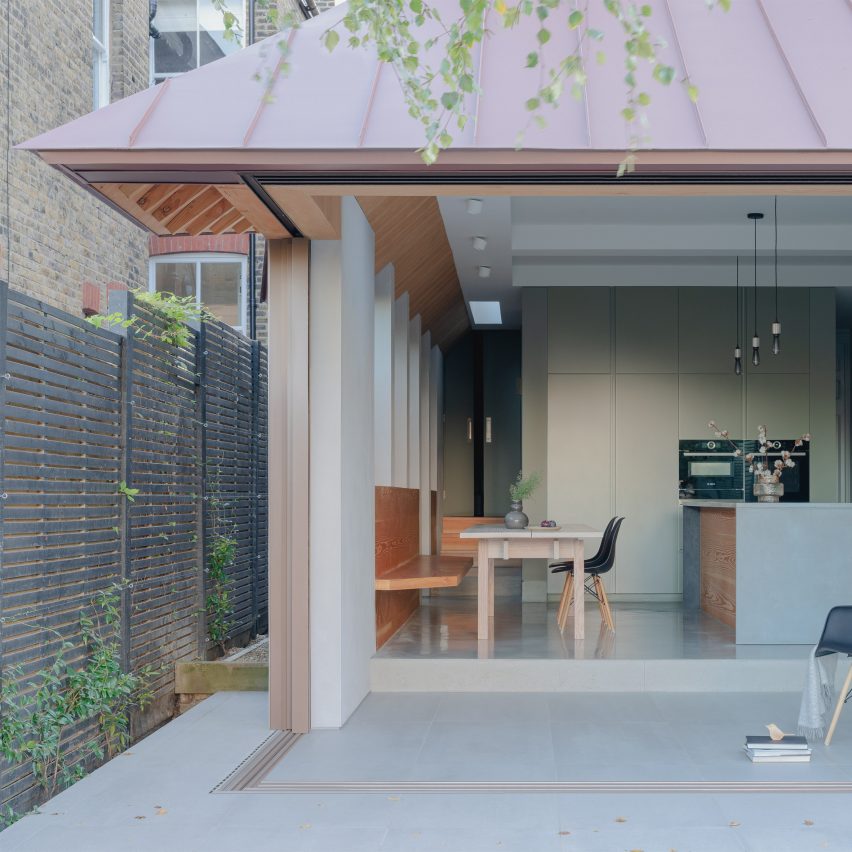
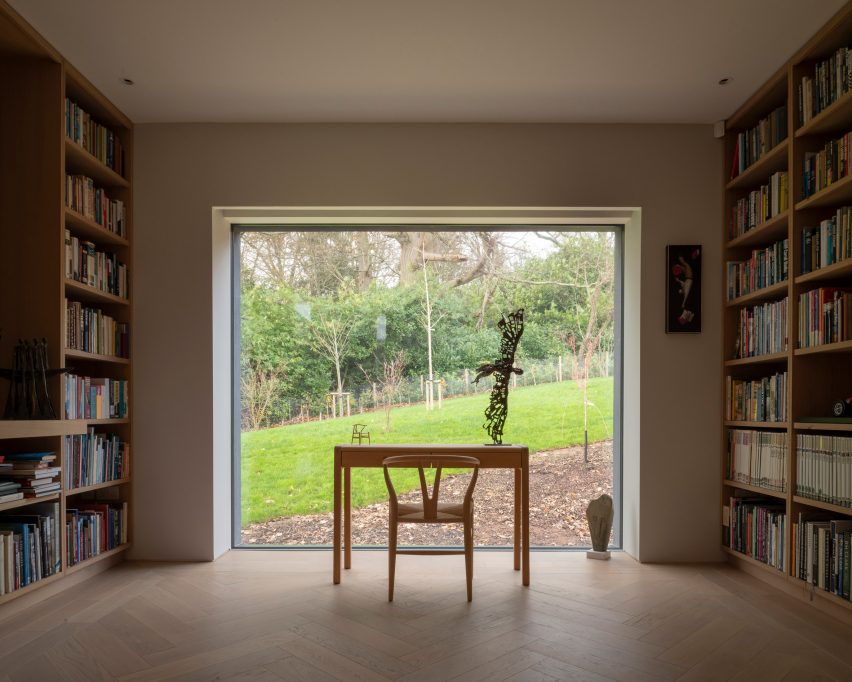
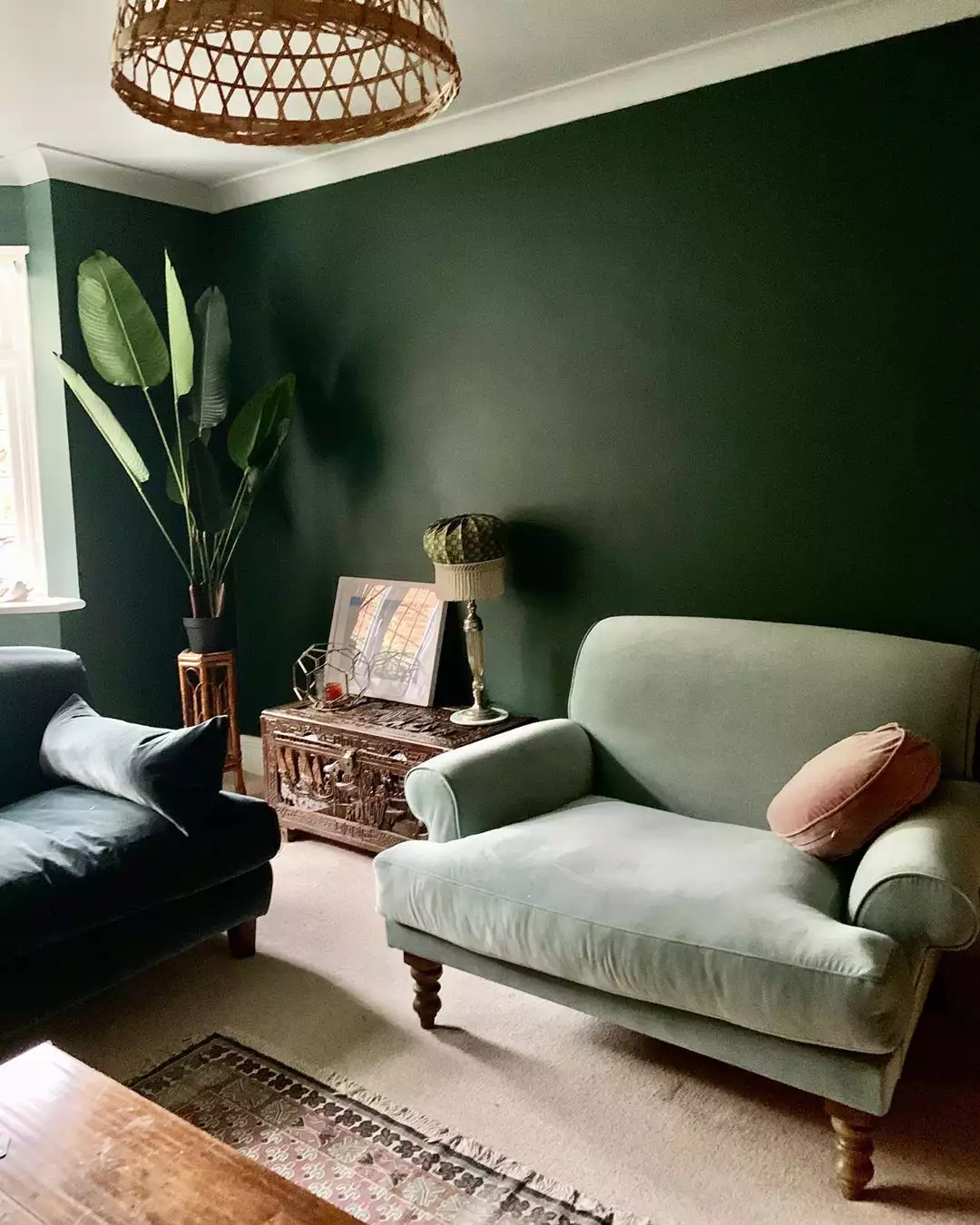
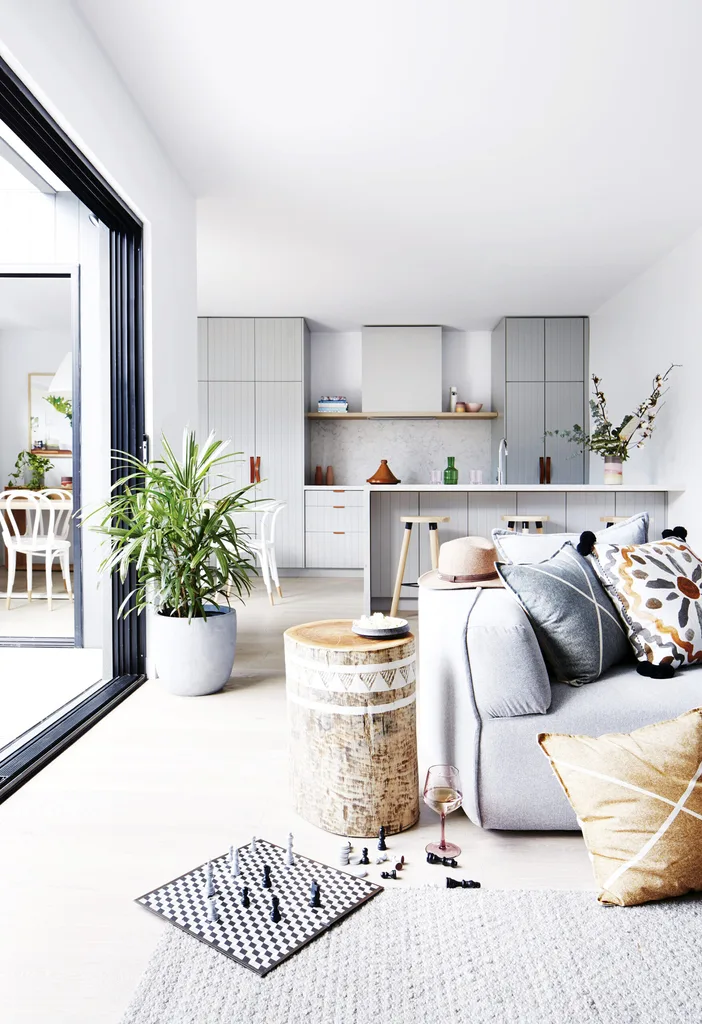
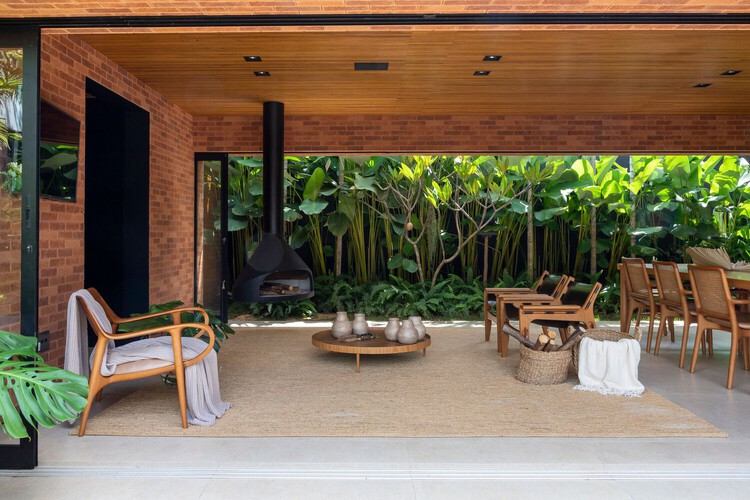
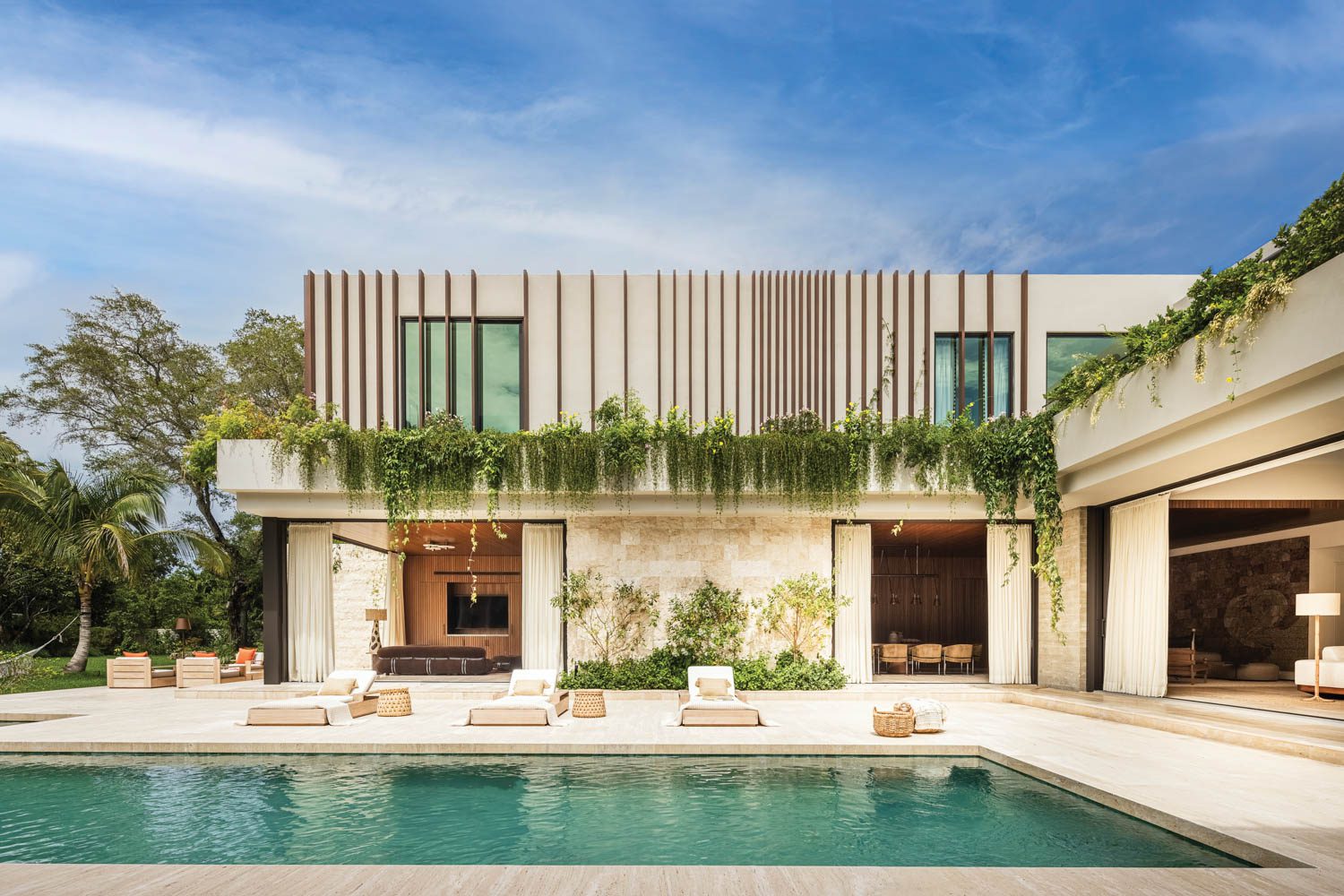
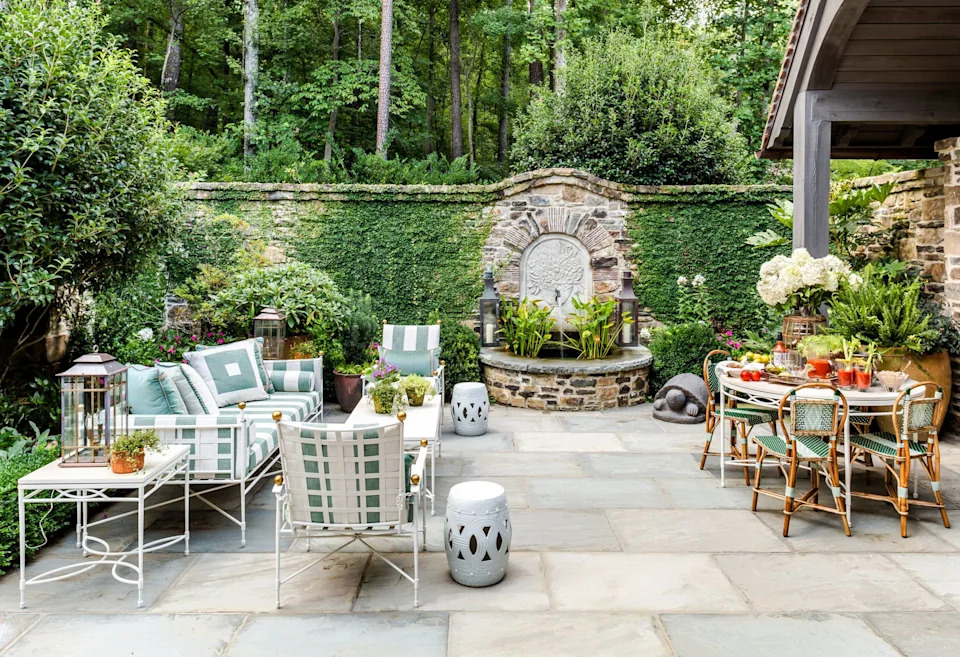
The article showcases 15 architectural projects that highlight the desired quality of connecting interior and exterior spaces, specifically focusing on living rooms. This connection is achieved through various design strategies, including the selection of outdoor coatings, the incorporation of large glass panels, strategic landscaping, appropriate furniture choices, and permeable facades. The examples presented demonstrate how detailed and inventive design can enhance the functionality and aesthetic appeal of living and meeting areas by blurring the boundaries between indoor and outdoor environments.
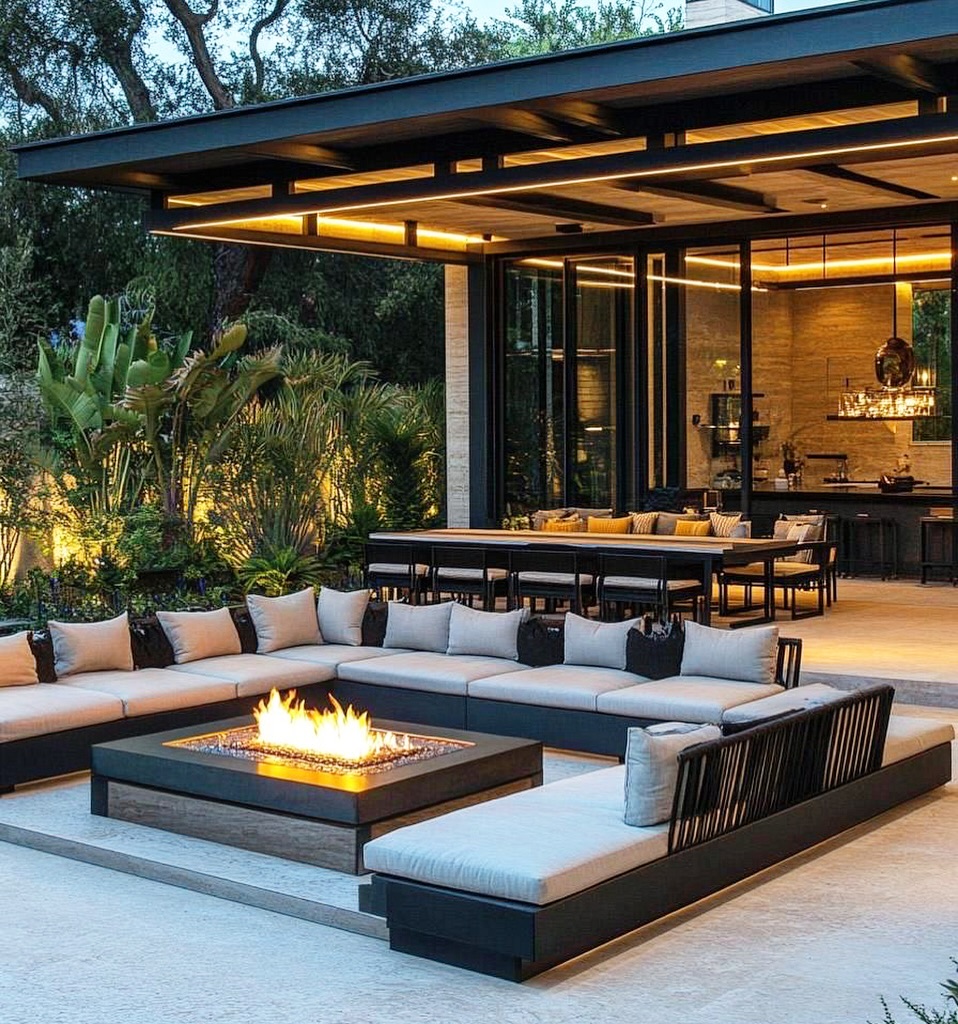
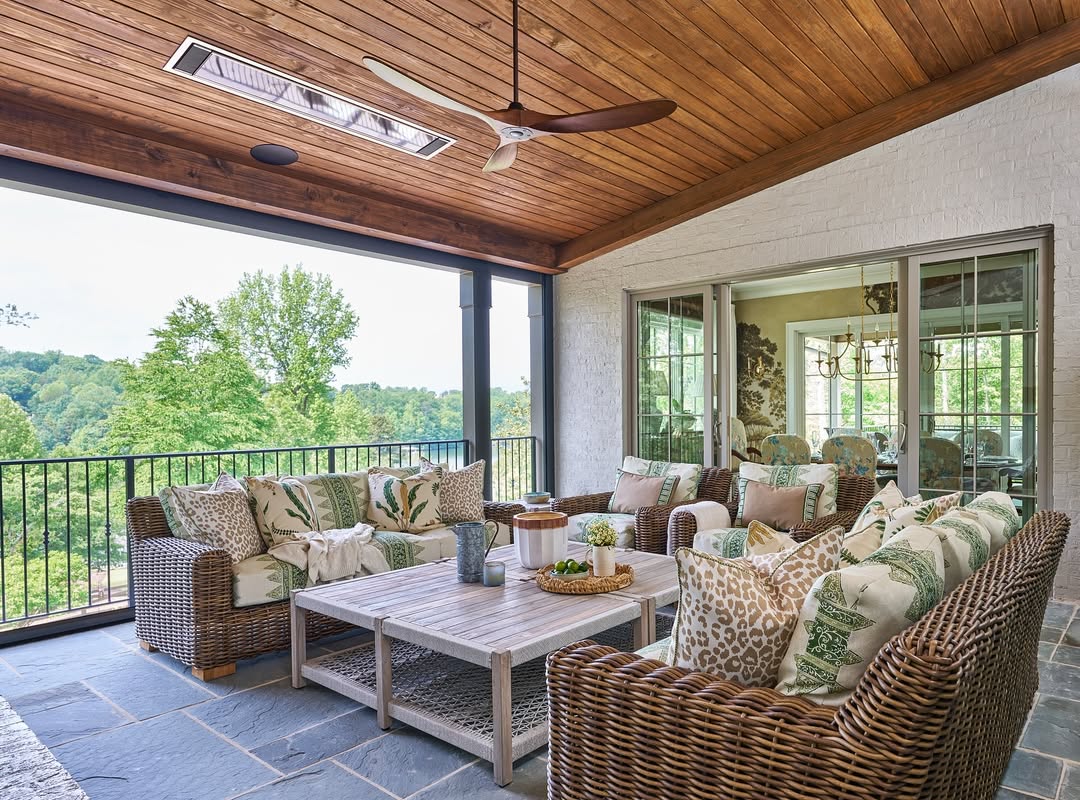
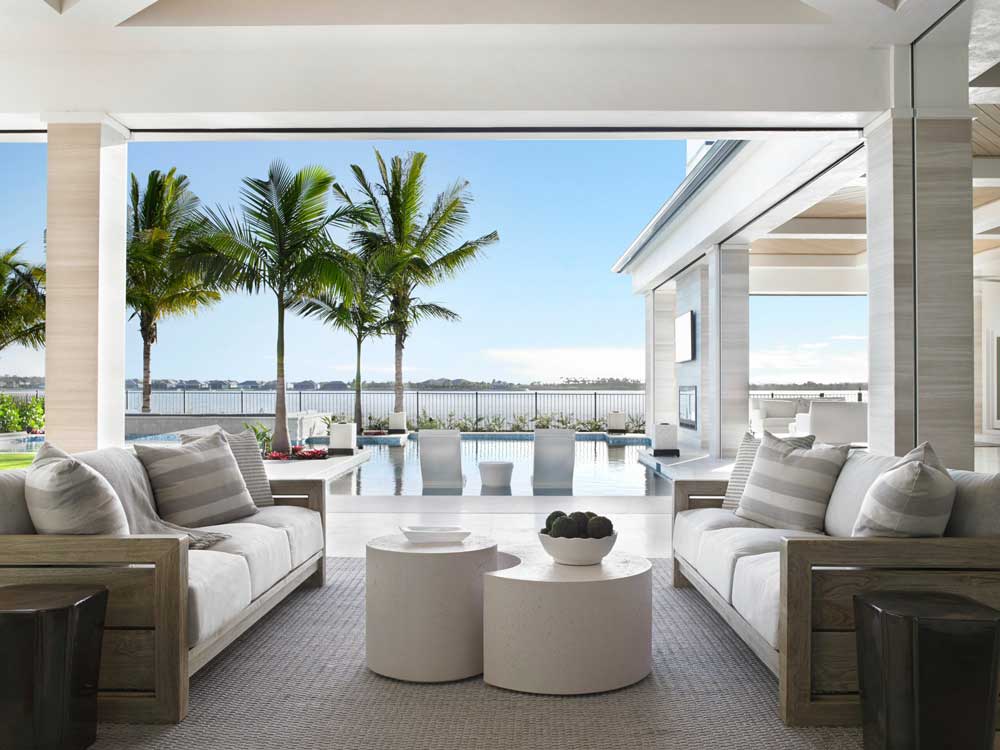
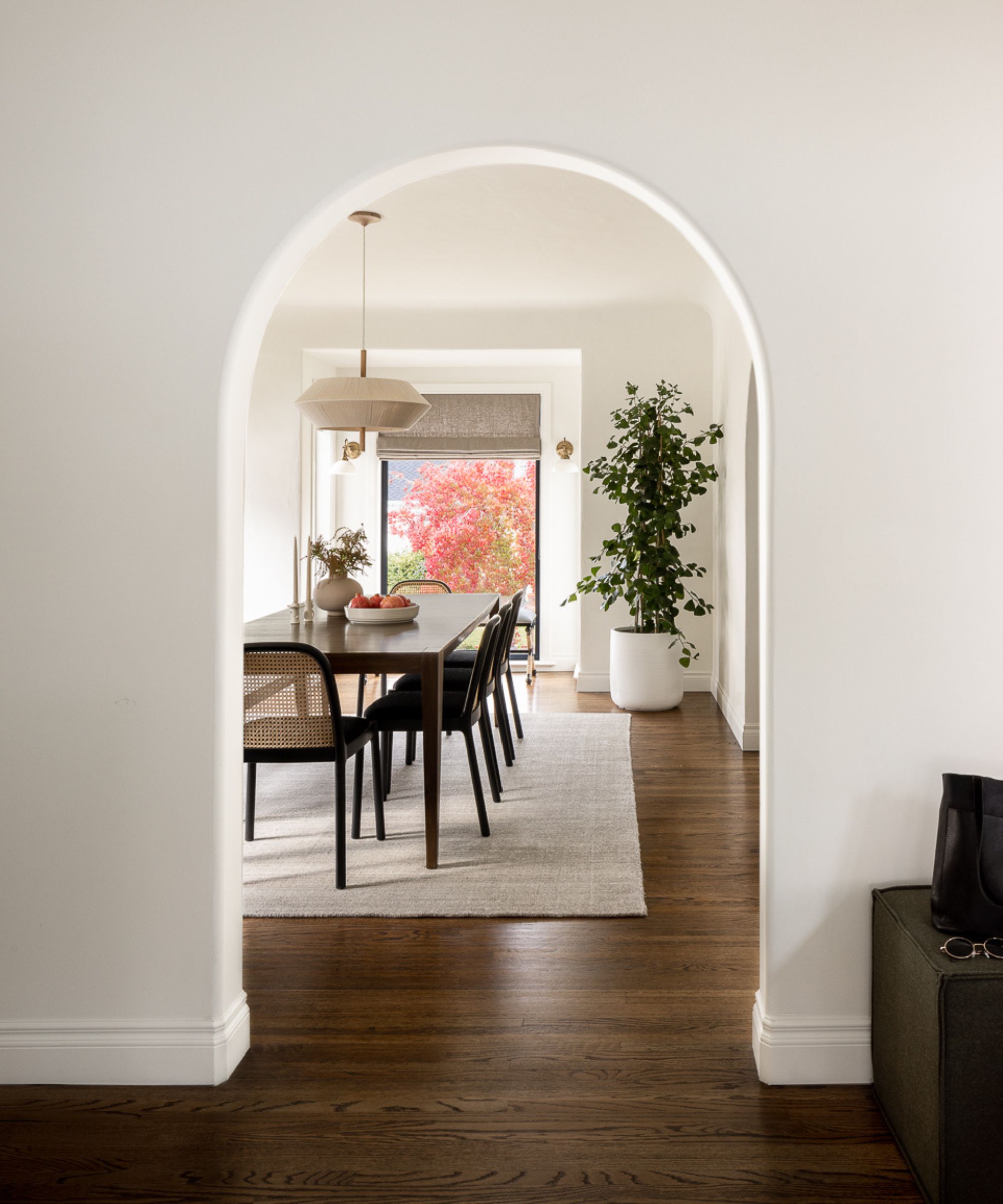
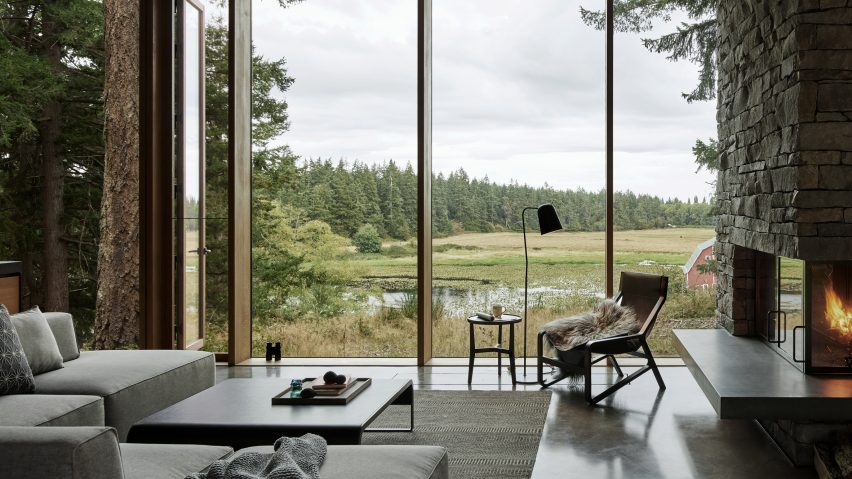
The featured projects illustrate diverse approaches to creating seamless transitions. For instance, some designs utilize expansive glass walls or sliding doors that, when opened, fully merge the living room with an adjacent patio or garden. Others integrate natural elements directly into the living space, such as indoor courtyards or plant features that extend outdoors. The use of consistent flooring materials between indoor and outdoor living areas is a common technique to create visual continuity, reinforcing the sense of an enlarged, unified space. Additionally, the strategic placement of outdoor furniture mirroring indoor arrangements can further dissolve the distinction between the two zones.
Landscaping plays a crucial role in these designs, often acting as an extension of the interior aesthetic. Thoughtfully designed gardens, water features, or patios immediately adjacent to the living rooms contribute to the overall ambiance and provide a natural backdrop. Permeable facades, whether through slatted screens or adaptive louvers, allow for controlled ventilation and natural light while maintaining a connection to the outside world. The selection of materials also contributes to this integration, with many projects opting for natural finishes that harmonize with both the indoor decor and the surrounding landscape.
The article emphasizes that achieving this interior-exterior connection is not limited to specific room types, noting its presence in bathrooms and kitchens as well. However, in living and meeting spaces, this design principle gains significant importance due to these areas often serving as central hubs for relaxation and social interaction. By thoughtfully considering elements such as material palettes, fenestration, and the immediate outdoor environment, architects can create dynamic and inviting living spaces that maximize natural light, ventilation, and a sense of openness.
Each of the 15 projects serves as a case study, demonstrating unique solutions tailored to specific site conditions and client preferences. These examples collectively illustrate the versatility and impact of design decisions aimed at fostering a strong relationship between the built environment and nature. The overarching theme is the enhancement of the living experience by bringing elements of the outdoors inside, thereby creating more serene, spacious, and visually stimulating environments for occupants.
#LivingRoom #InteriorDesign #Architecture #Interiors #IndoorOutdoorLiving #ArchitecturalDesign #ResidentialArchitecture #LivingRoom #InteriorDesign #Architecture #Interiors #IndoorOutdoorLiving #ArchitecturalDesign #ResidentialArchitecture
0 comment in total
 No comments yet
You may also like
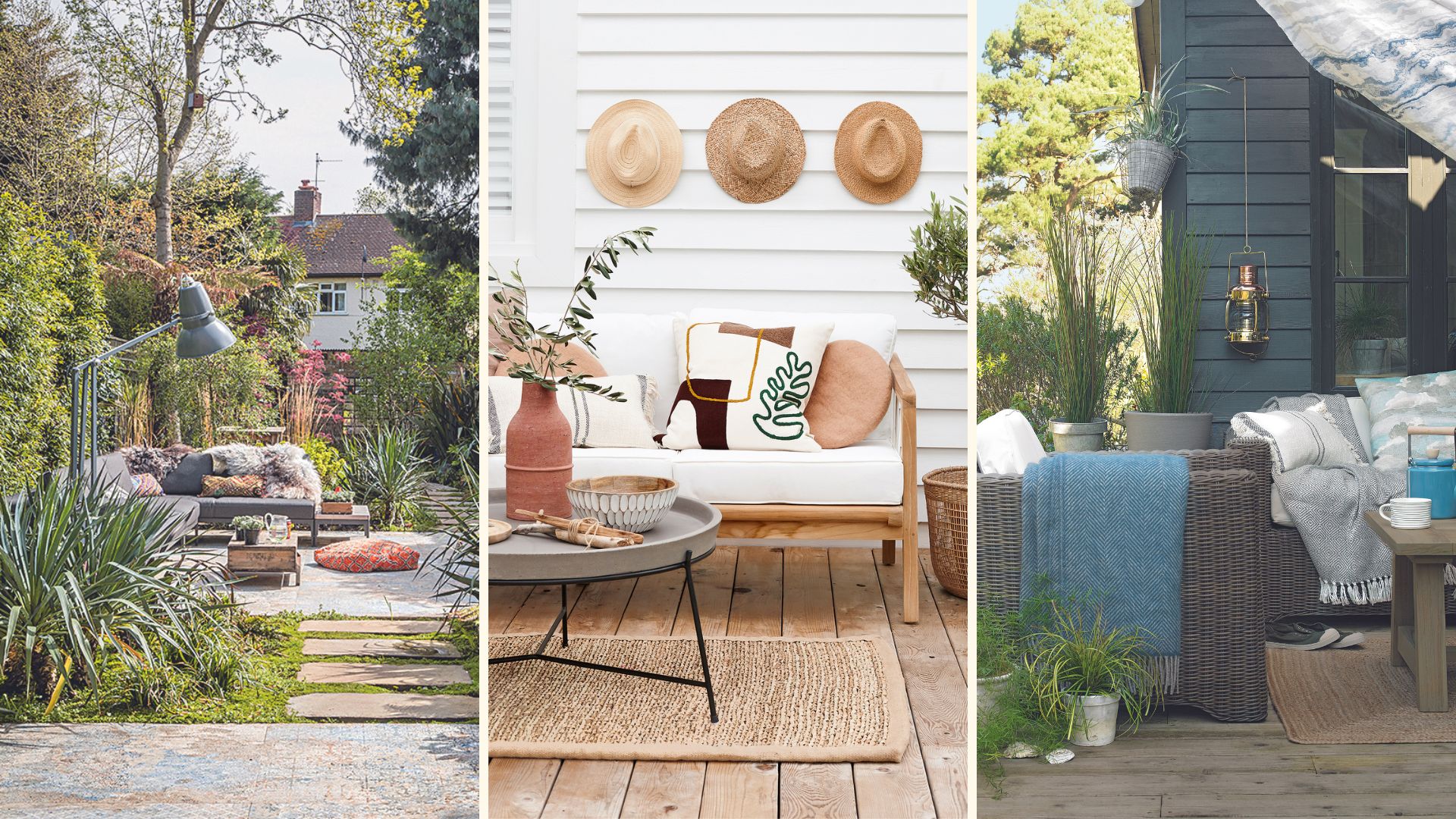
Outdoor living room ideas: 15 ways to maximise any outdoor space

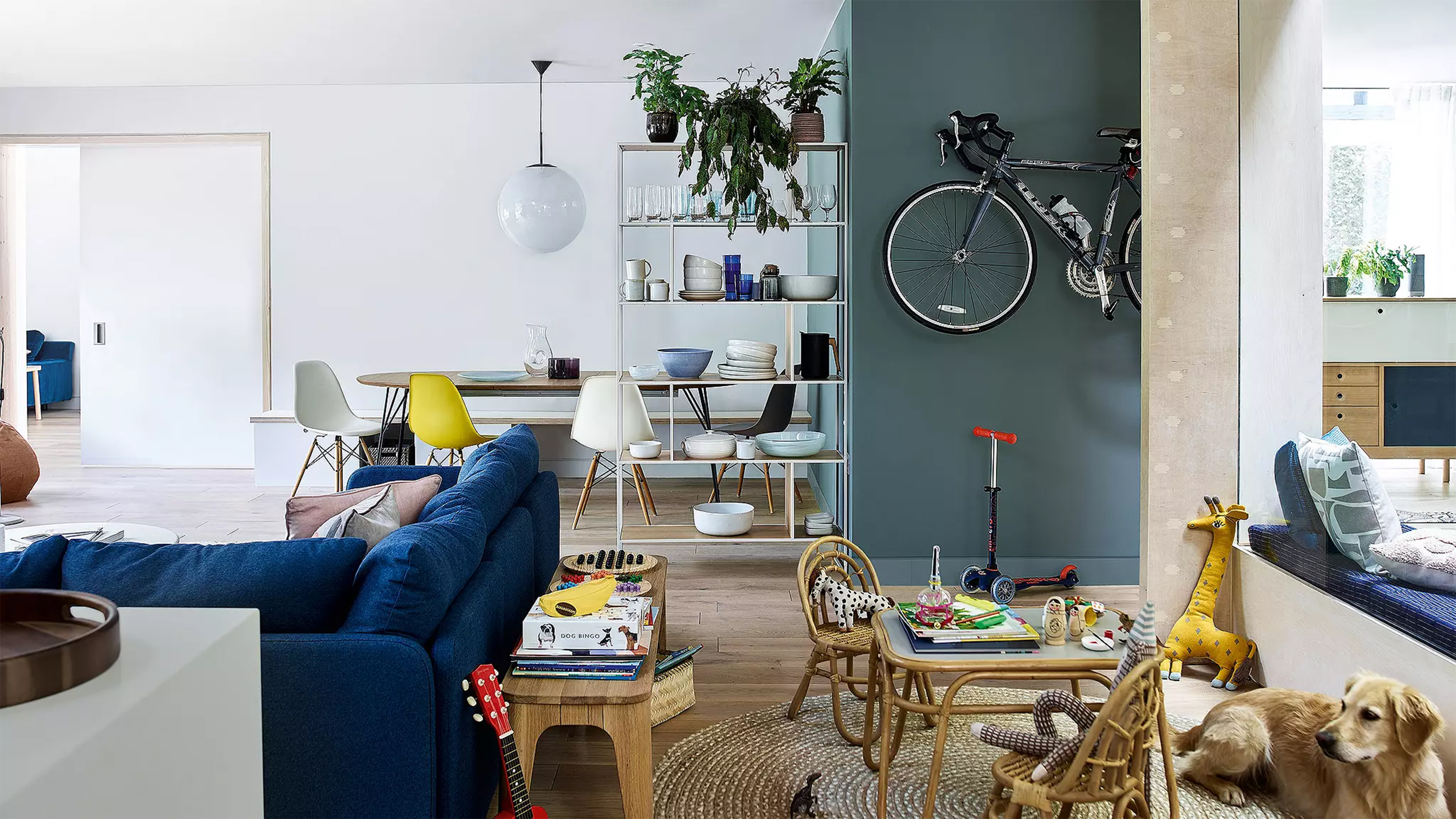
11 open plan living room ideas – seamless and stylish spaces

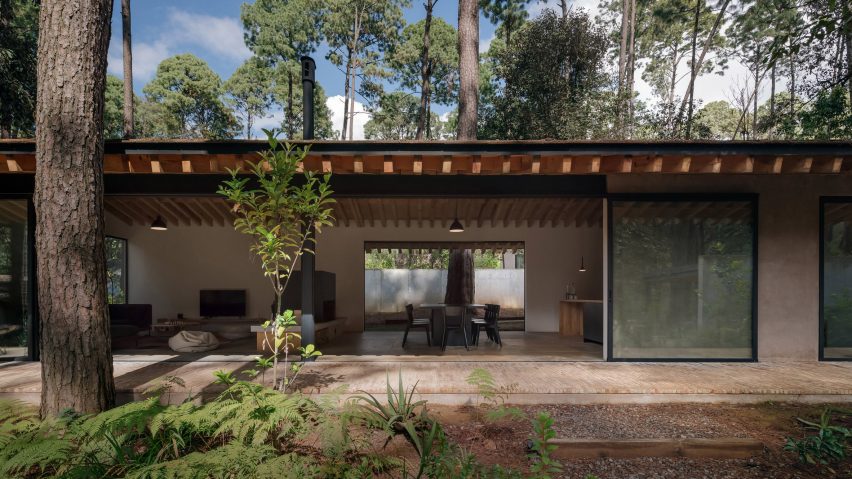
Ten homes where flooring enhances the connection between indoors and outdoors
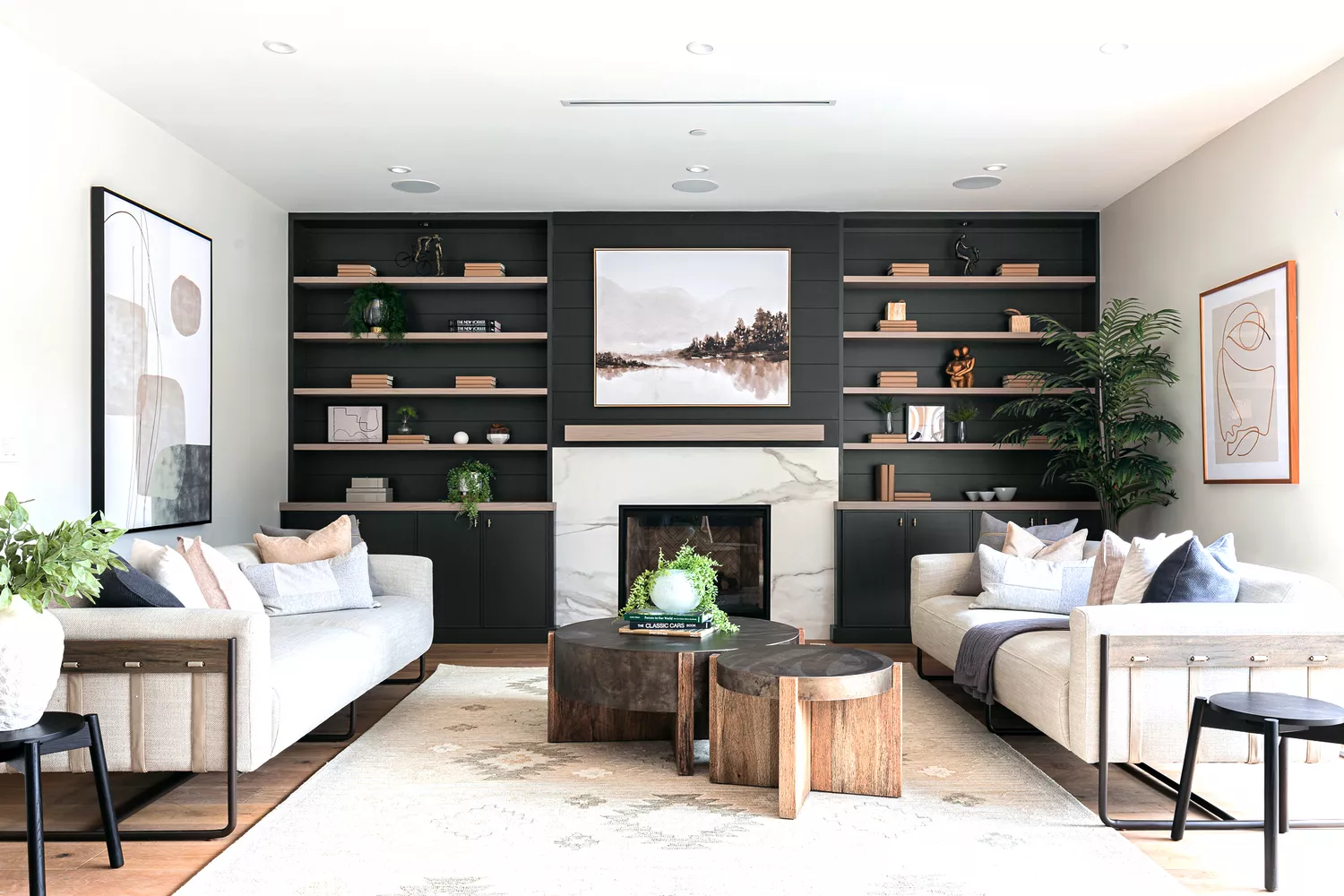
30 Green Living Rooms That Bring the Outdoors Inside

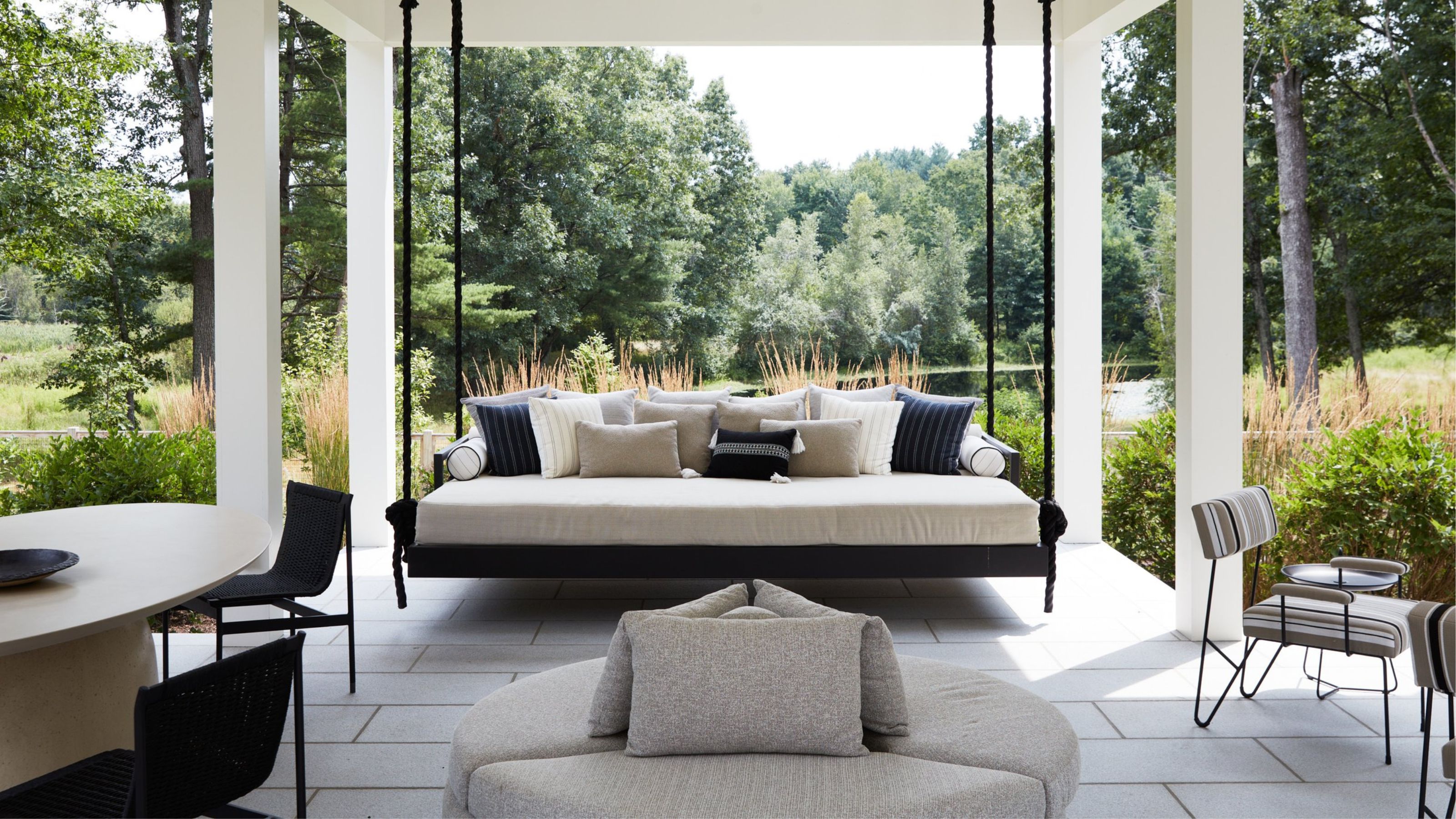
11 Outdoor Living Room Ideas That Blur the Line Between Inside and Out

20 Homes With Striking Indoor-Outdoor Living Spaces

Outdoor living room ideas

3 open-plan layout tips from interiors expert Shannon Vos

Ten living rooms that use floor-to-ceiling glazing to bring the outdoors in
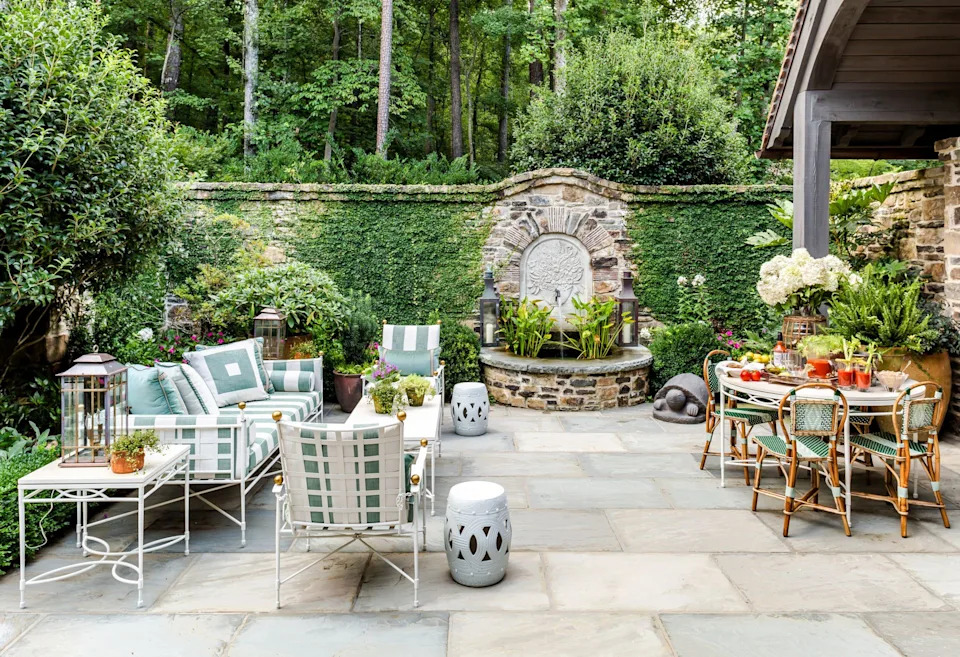
Outdoor living room ideas

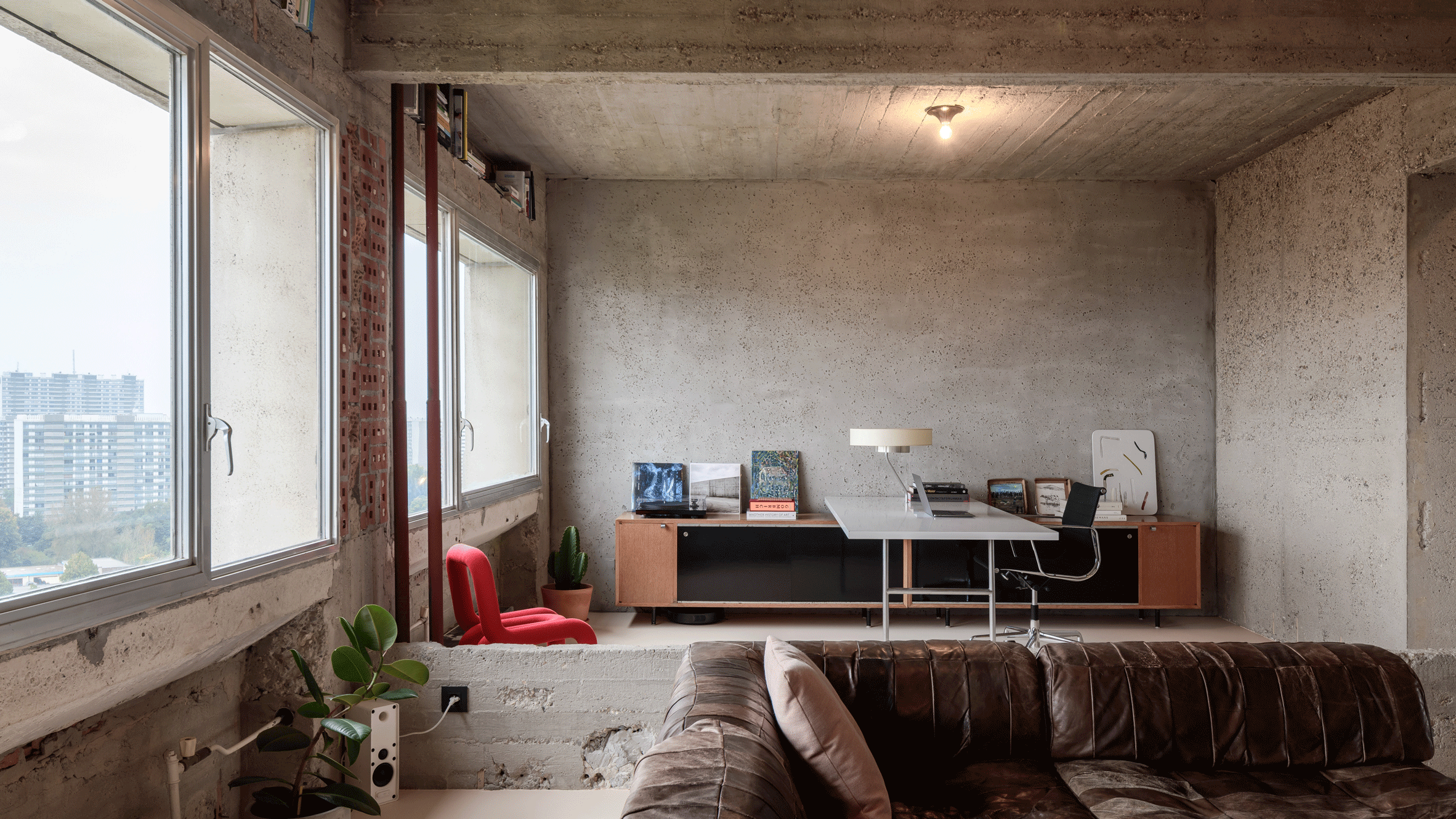
Ten residential interiors with spacious open-plan studies
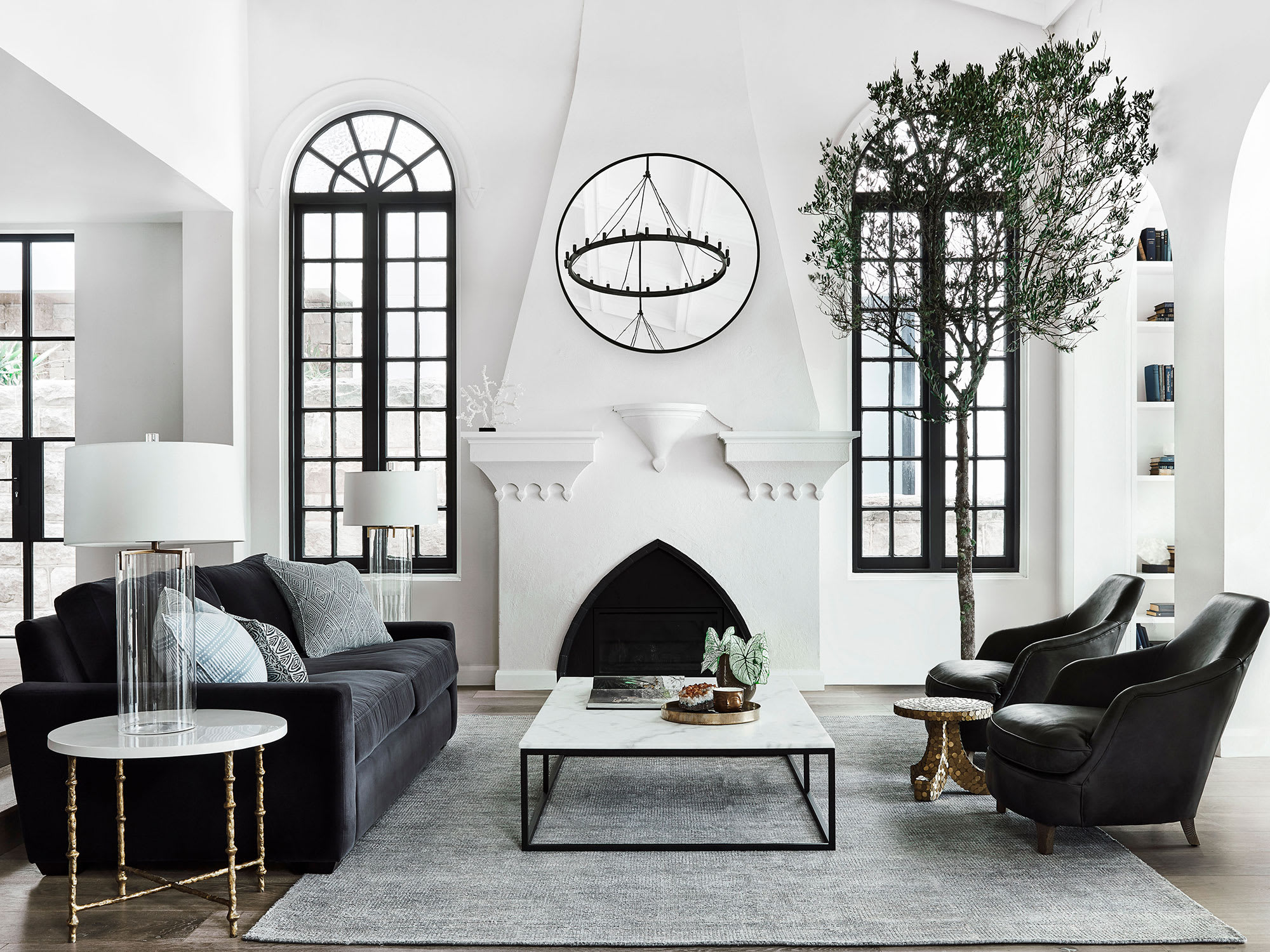
8 Beautiful Living Room Ideas
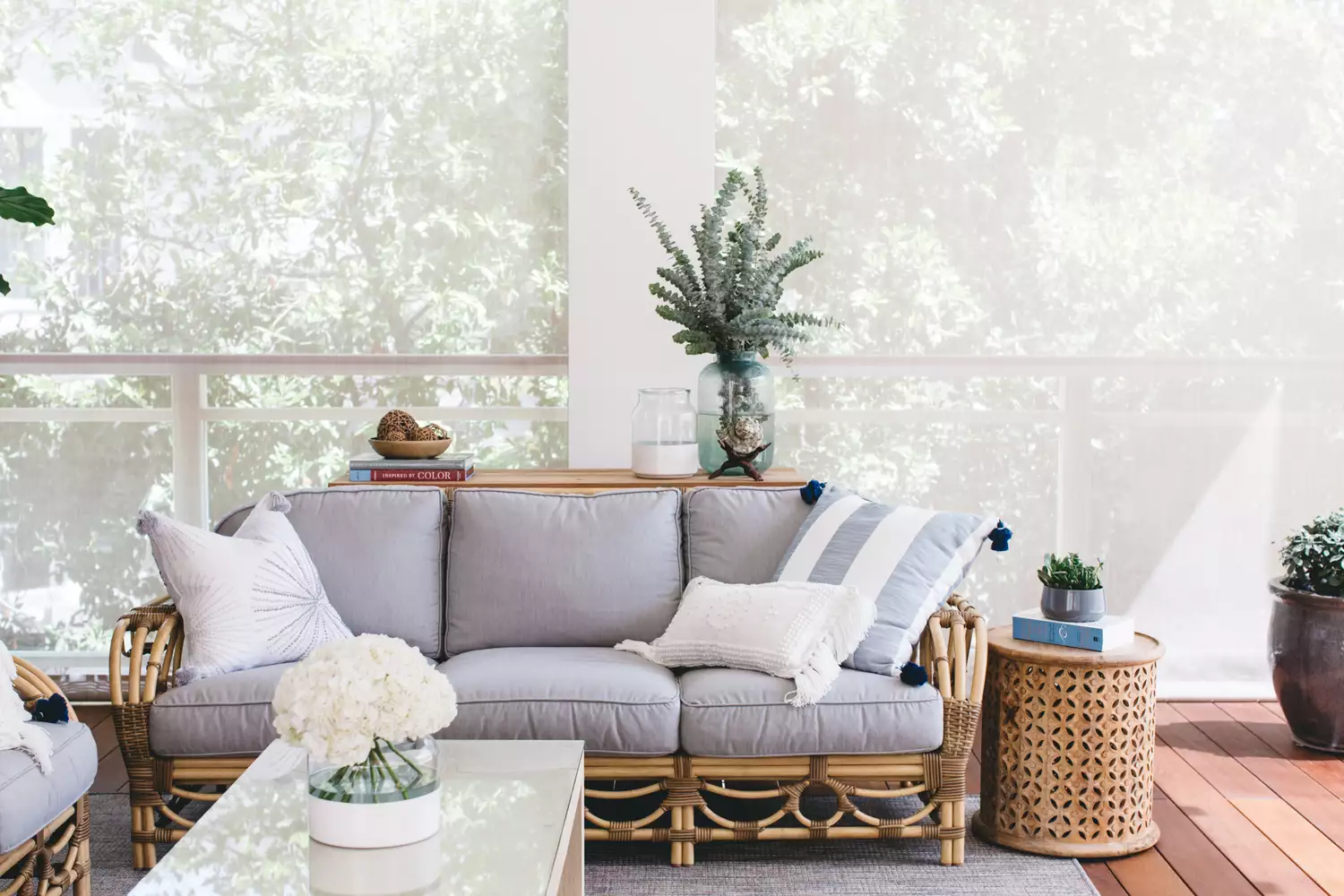
45 Outdoor Living Rooms That Will Make Your Indoor Living Room Jealous

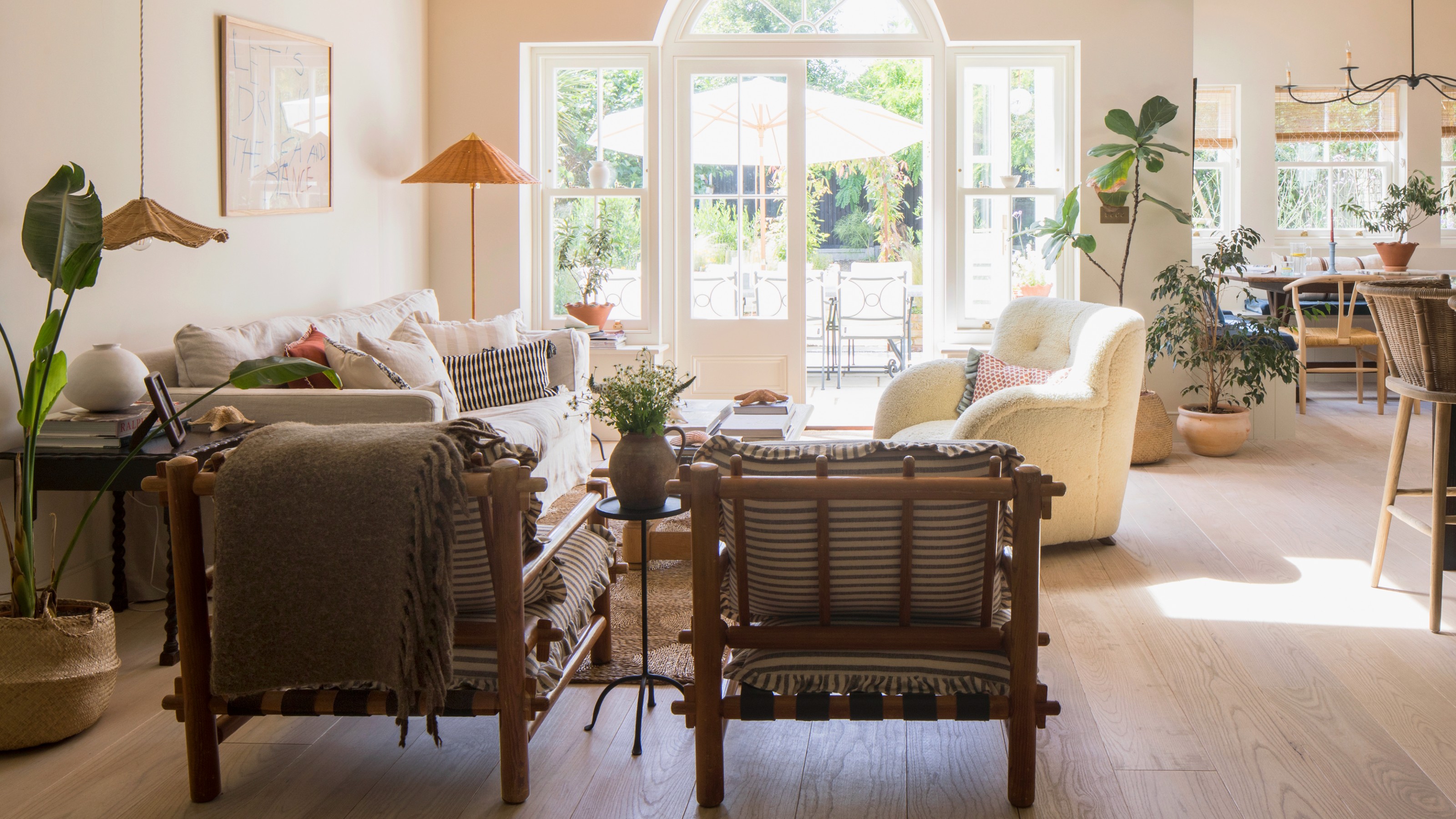
29 open-plan living room ideas to lay out, zone and decorate
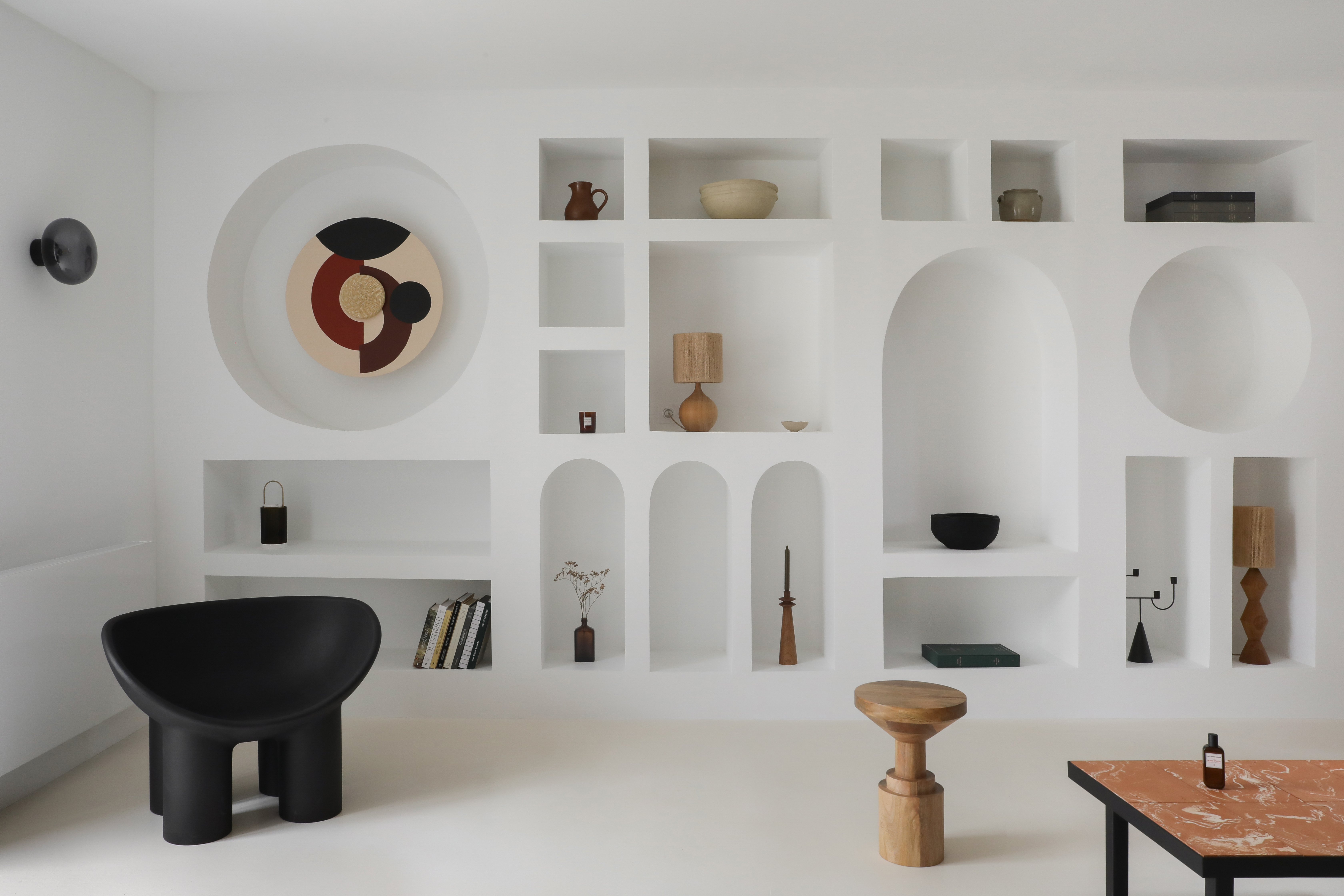
10 living rooms with creative open shelving that helps bring their owners' personality to these spaces
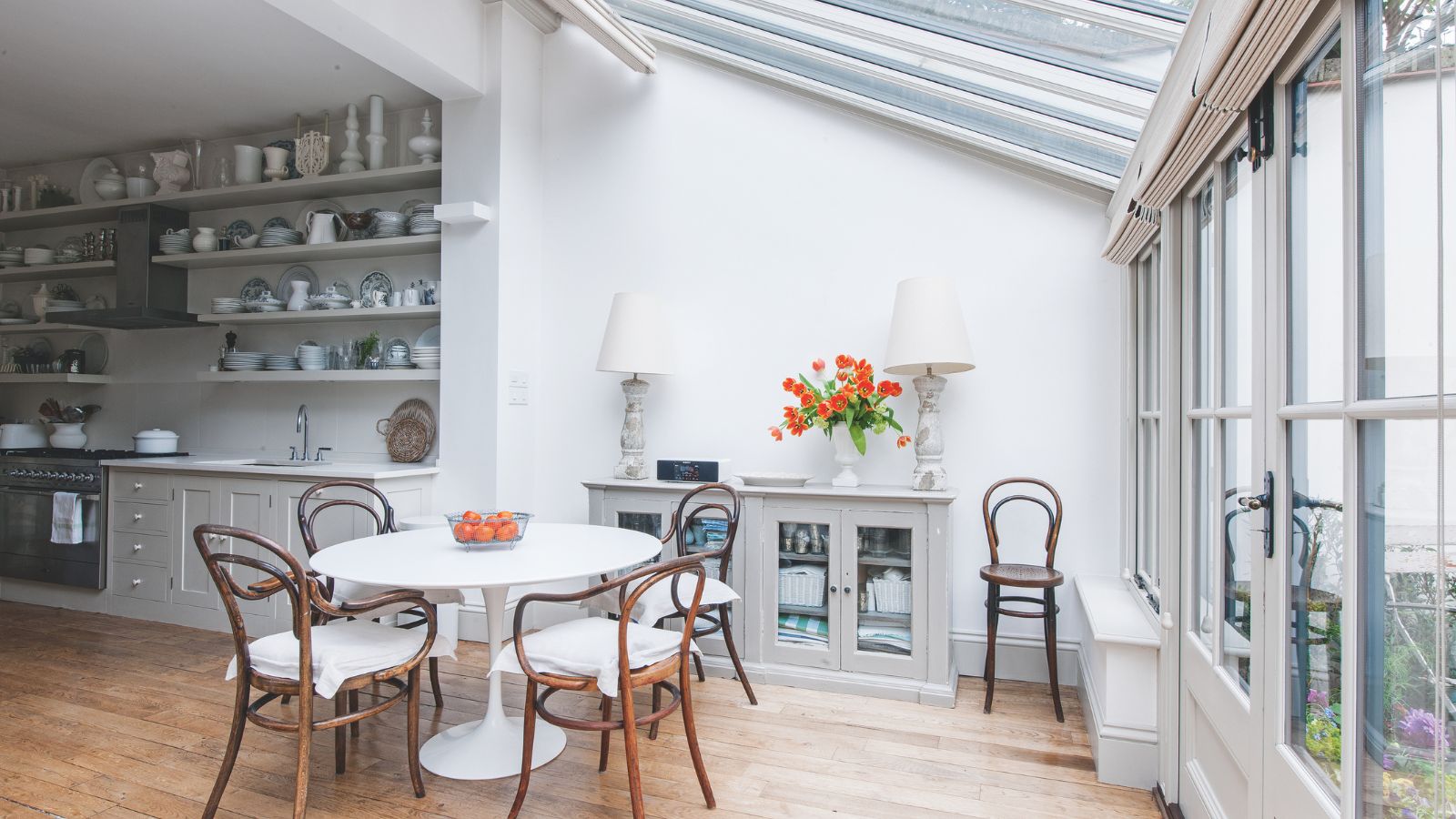
Is open plan going out of style? Experts weigh on whether this once-loved layout is starting to date

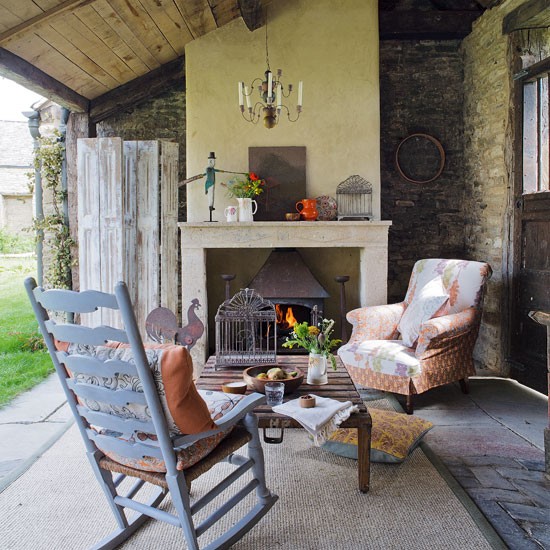
11 indoor-outdoor rooms to fall in love with
Open plan living: The new normal or passing trend?

44 Absolutely Gorgeous Outdoor Living Room Ideas That Fix Boring Backyards Fast

Lewis Hamilton's clever living room layout has many benefits