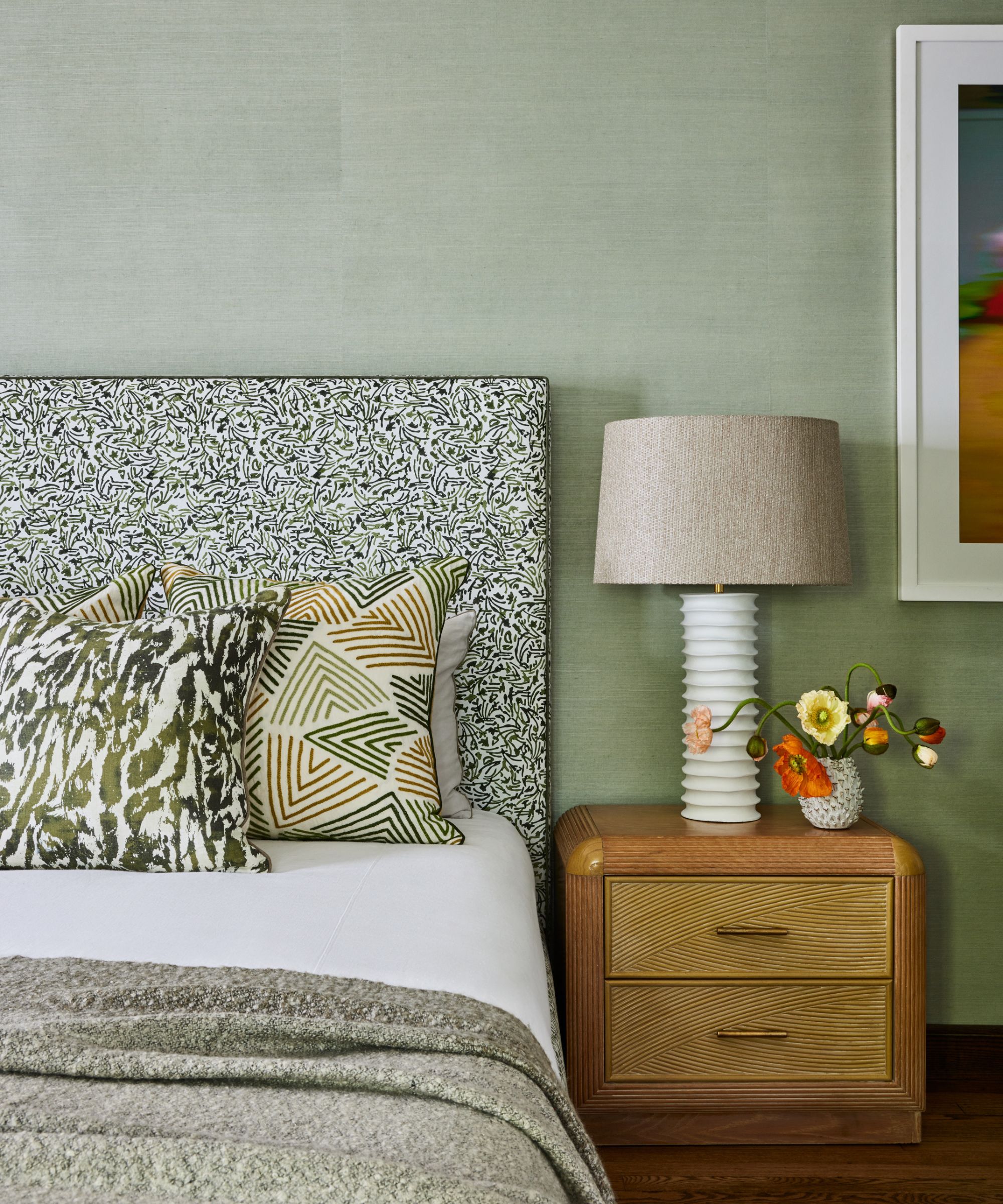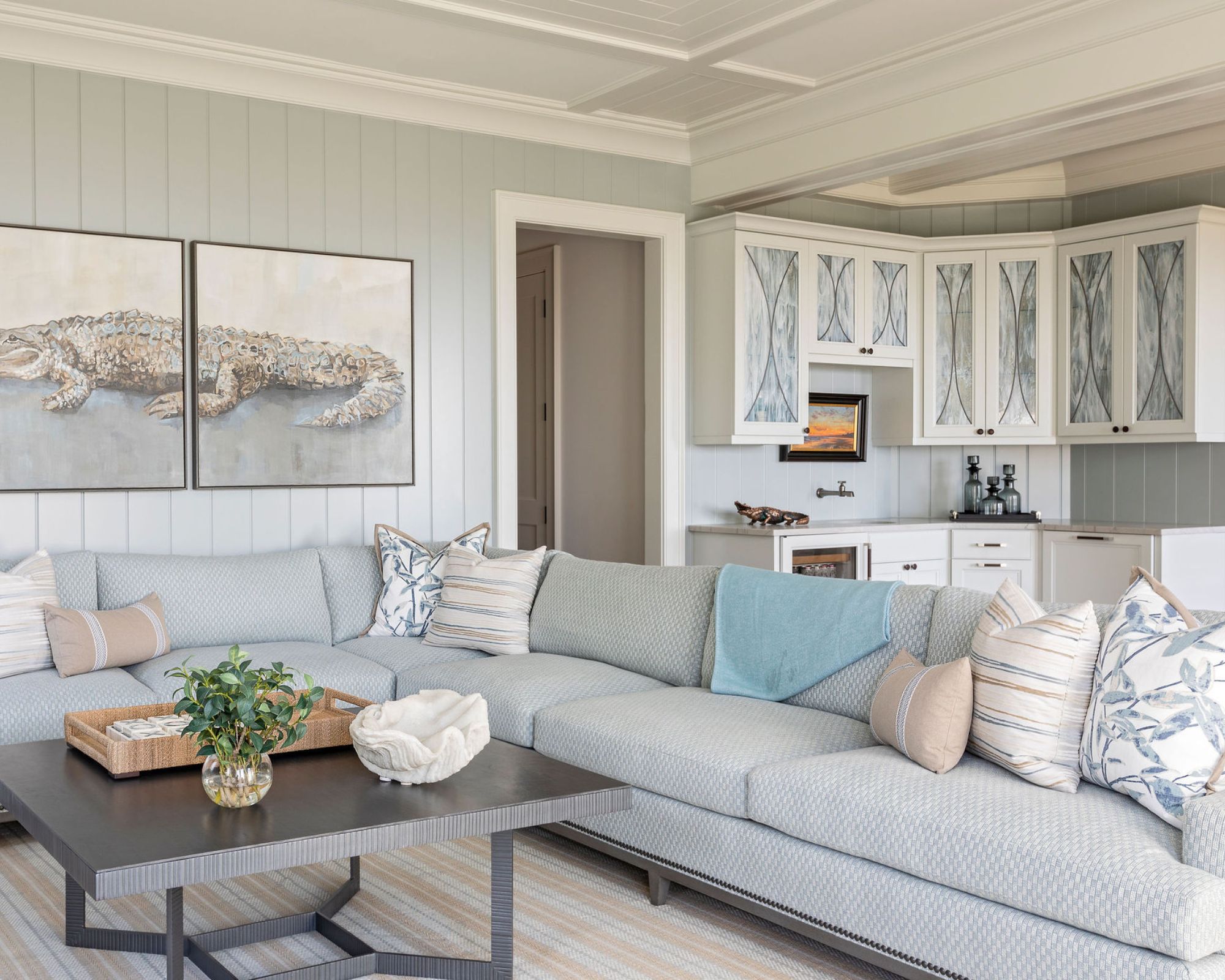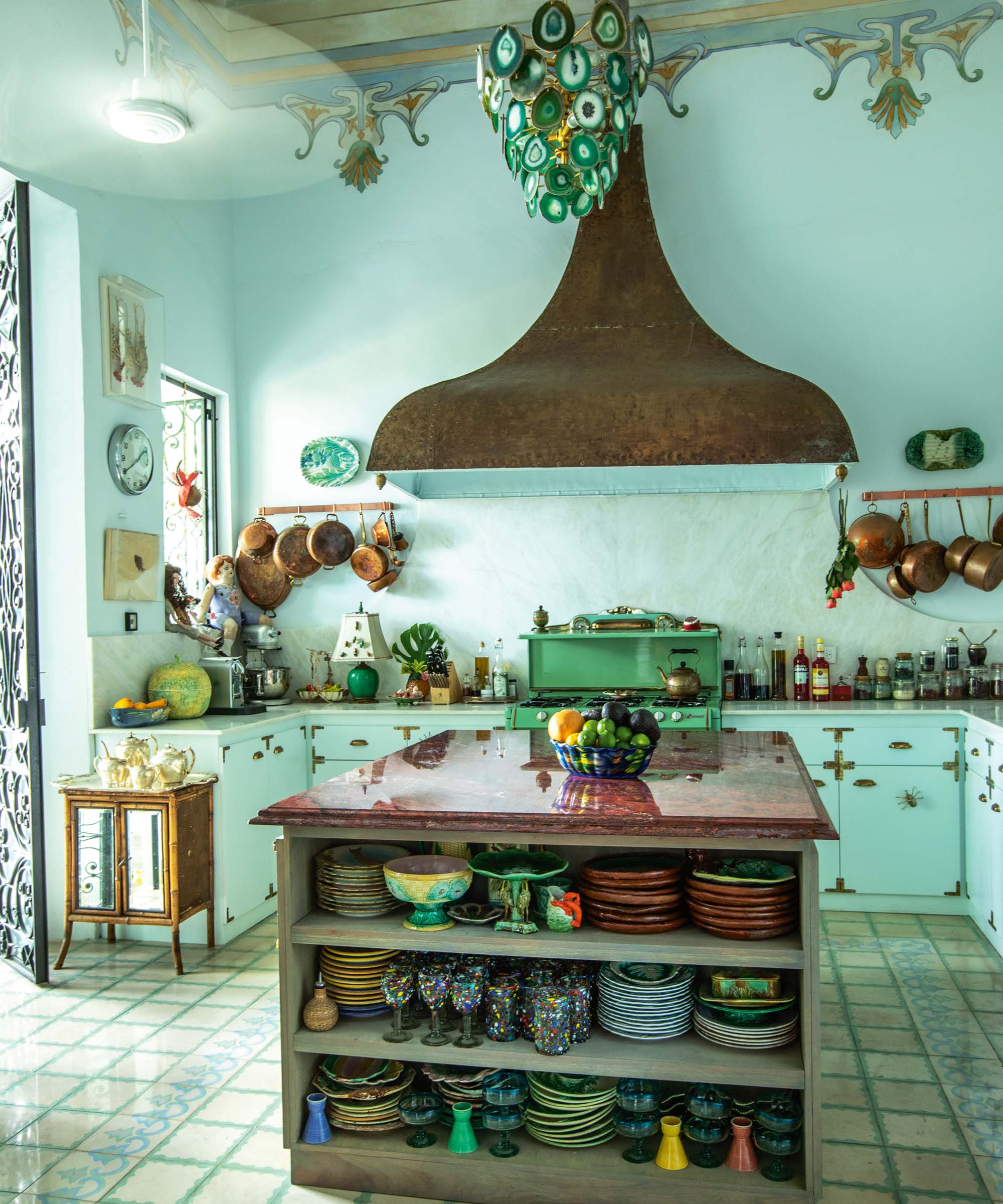
1/2
It’s A Brat Green Summer: What’s The Appeal Of The Hue?
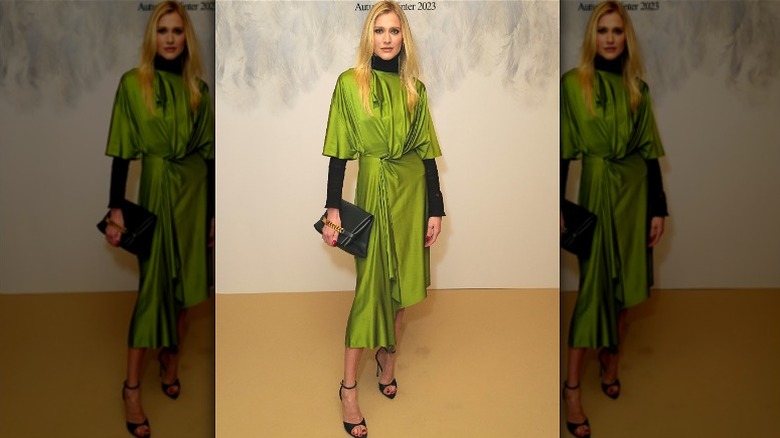
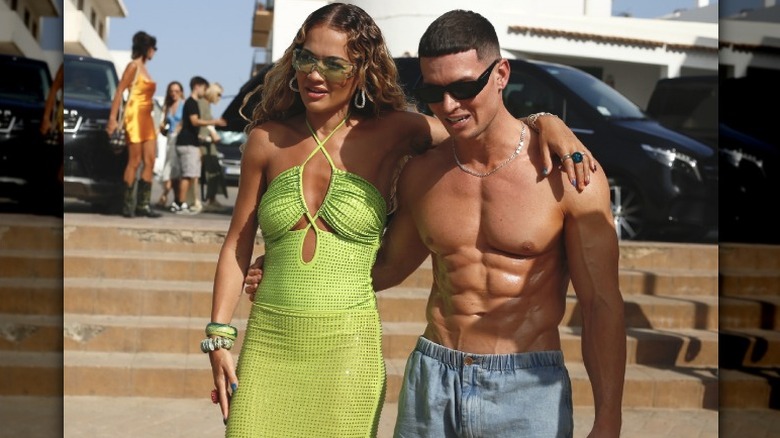
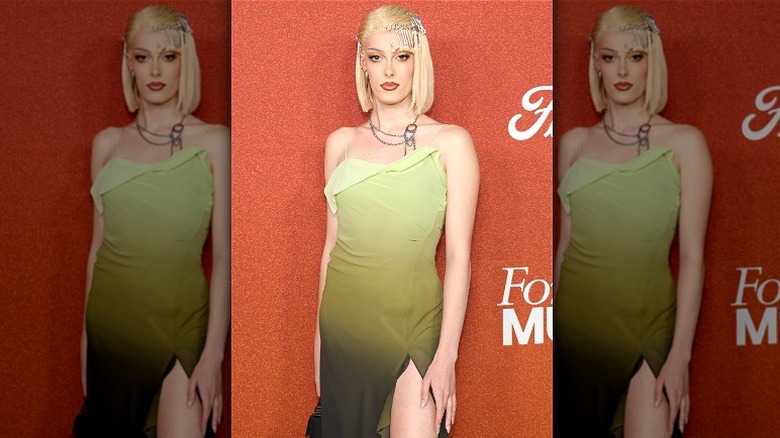
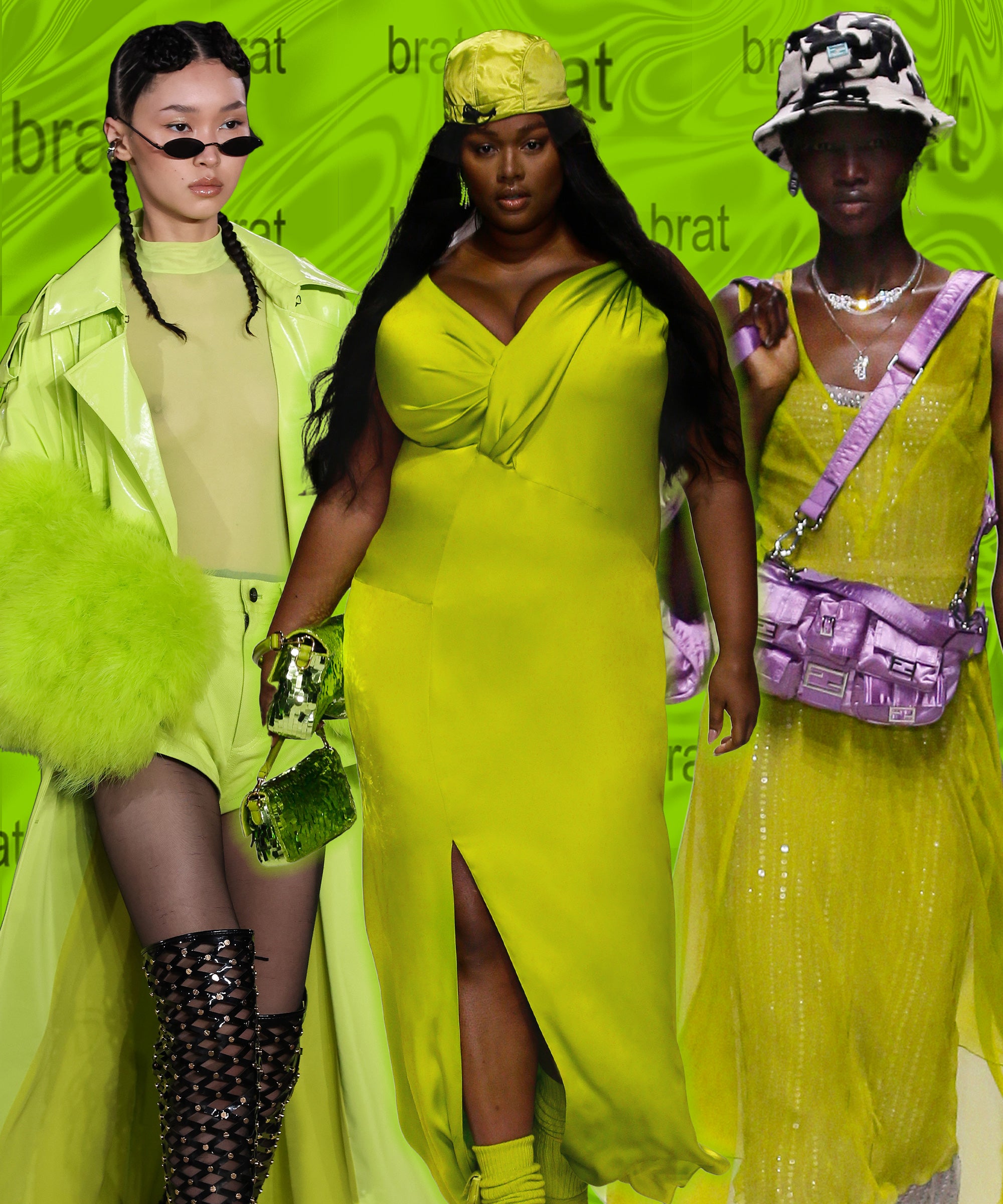
The article explores the sudden popularity of "Brat Green," a vibrant shade of green that has gained significant traction in pop culture and fashion, largely influenced by Charli XCX's album, _Brat_. The color’s recent surge into political discourse, exemplified by Kamala Harris's campaign adopting a similar aesthetic, further highlights its widespread appeal. The author notes that while the color's popularity may seem sudden, various vibrant green hues like lime green, chartreuse, and slime green have been recurring trends in fashion and home decor for nearly a decade.
The piece traces the historical presence of similar vibrant greens, mentioning instances such as Billie Eilish's signature neon green hair in the _When We All Fall Asleep, Where Do We Go?_-era, Etsy naming chartreuse its color of the year in 2020, and Fendi's 2023 spring collection featuring yellowish-green pieces. Brands like Lilly Pulitzer and Marc Jacobs have also consistently incorporated such shades into their designs, showcasing the color's versatility across different aesthetic styles, from preppy to punk. Despite previous trends like Barbie pink and Gen Z yellow, the author acknowledges a distinct freshness in Brat Green.
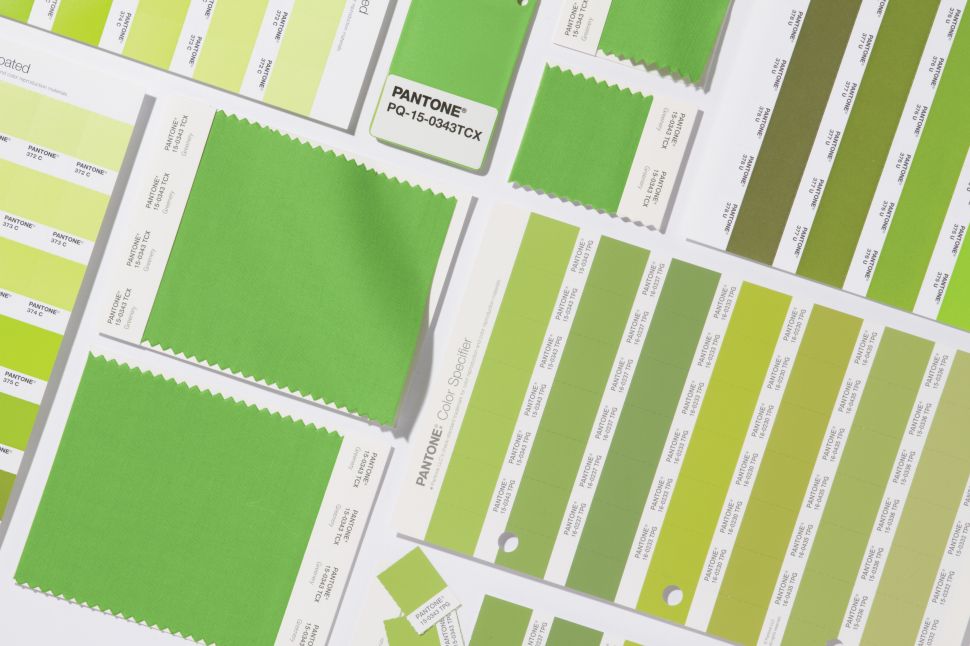
The article delves into the specific characteristics of Brat Green, describing it as a shade very close to lime green, with slightly more yellow and less blue than traditional lime, positioning it closer to apple green. It is an updated, heavily saturated chartreuse, distinct from its vintage counterparts of the late 1800s, 1920s, 1960s, and 1990s. Unlike deeper, more complex greens that derive dimension from ochre, Brat Green is characterized by its brilliant, intense, and straightforward flatness, reminiscent of Nickelodeon's slime green. This simplicity makes it well-suited for digital contexts, such as chat icons and streaming service branding, and environments like black light dance parties and color field paintings.
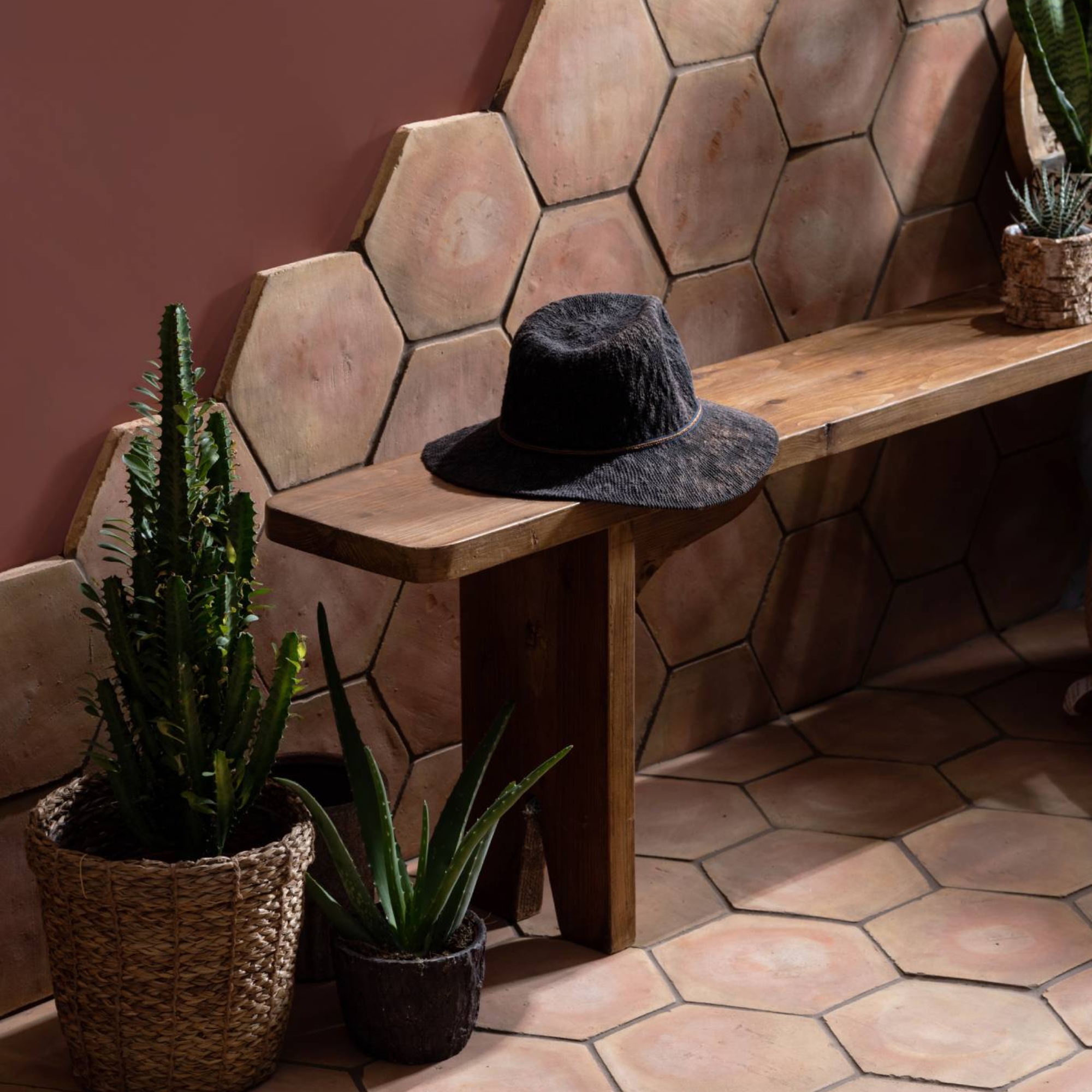
The natural world also hosts similar shades, contributing to the color's appeal. The article draws parallels between Brat Green and the color of summer lawns, popsicle stains, and plants like spurge and pencil cactus, which exhibit vibrant, somewhat rough green hues. The author associates this green with the tropics, where such vibrant greenery is abundant, unlike the fleeting sap green in colder climates. This connection to a warm, lively environment suggests that the color's popularity reflects a collective embrace of the "heat and chaos of the 21st century."
Brat Green's accessibility is another key factor in its widespread adoption. It is readily available across a diverse range of retailers, from mainstream brands like Dolls Kill to niche designers like Doen, and can be incorporated into various aspects of life, including fashion, home decor, food, and recreational items. The article concludes by reflecting on the inherently simple and relatable nature of color trends, likening them to childhood preferences. While companies often drive these trends, the ultimate appeal lies in the collective joy of adopting a new favorite color, a phenomenon that remains as engaging for adults as it is for children.
#BratGreen #ColorTrend #FashionHistory #PopCulture #Chartreuse #LimeGreen #Style #DigitalAesthetics #BratGreen #ColorTrend #FashionHistory #PopCulture #Chartreuse #LimeGreen #Style #DigitalAesthetics
0 comment in total
 No comments yet
You may also like
The colour trend taking over our gardens for summer holiday vibes all year round
Summer color trends for 2025 – 8 bang on shades interior designers can't get enough of

These Are the Top 6 Color Trends We’ll Be Sporting This Summer
6 Feel-Good Paint Colors That Are Suddenly Everywhere This Summer
Here's how designers decorate with a soft summer color palette – 5 ideas for a toned-down take on summery hues
Designers Predict These Color Combinations Will Be EVERYWHERE This Summer

14 Best Green Paint Colors

7 Colors Designers are Painting Outdoor Furniture in 2024

The 6 must-have colors to bring into your home this June
Pantone’s Color of the Year is Green—a Vastly Underappreciated Color

The subtle color tricks in ‘The Summer I Turned Pretty’ that can transform any room into a soothing coastal retreat
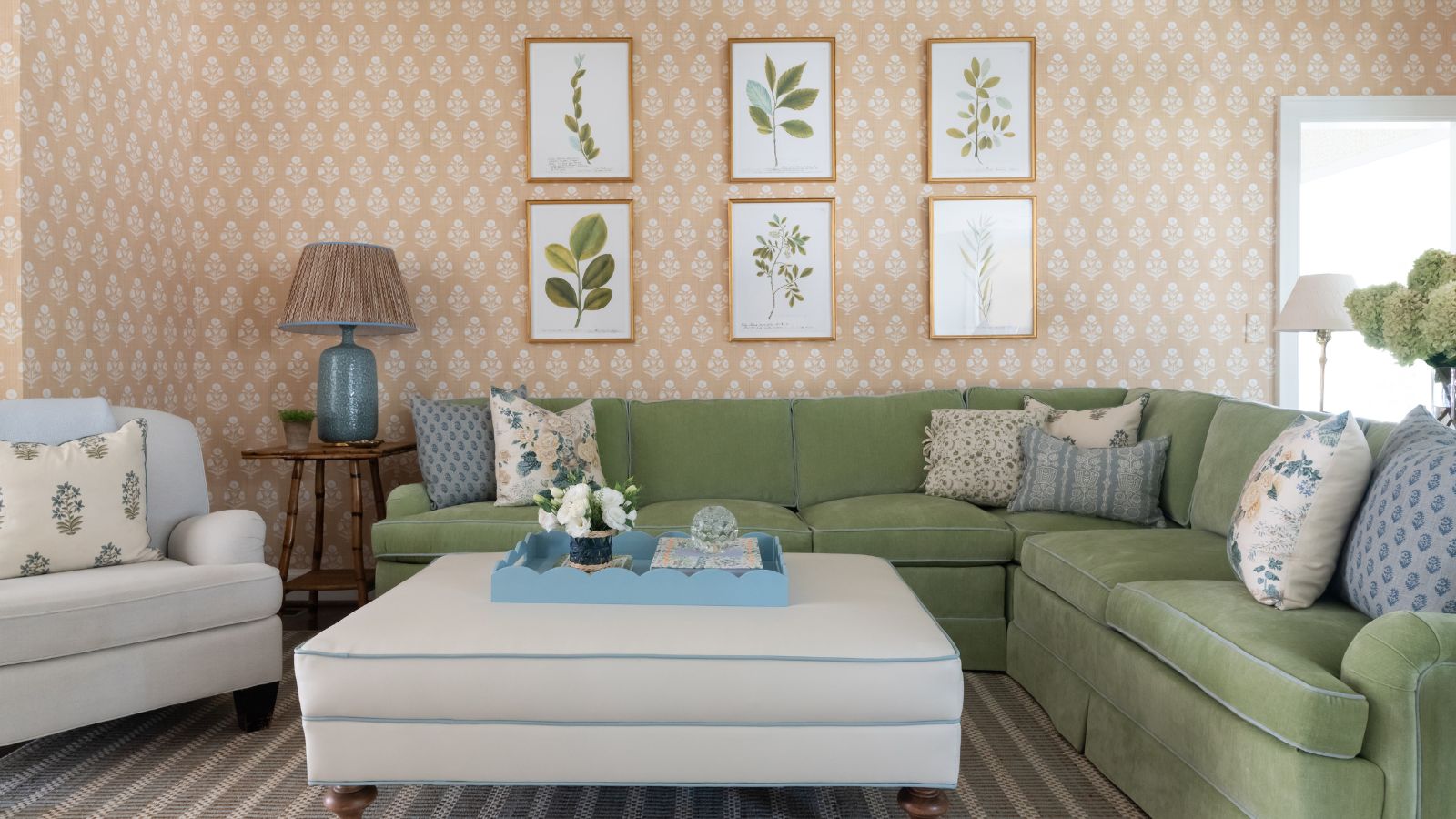
Designers say these are the best colors to pair with pistachio green – 7 hues that flatter this on-trend shade
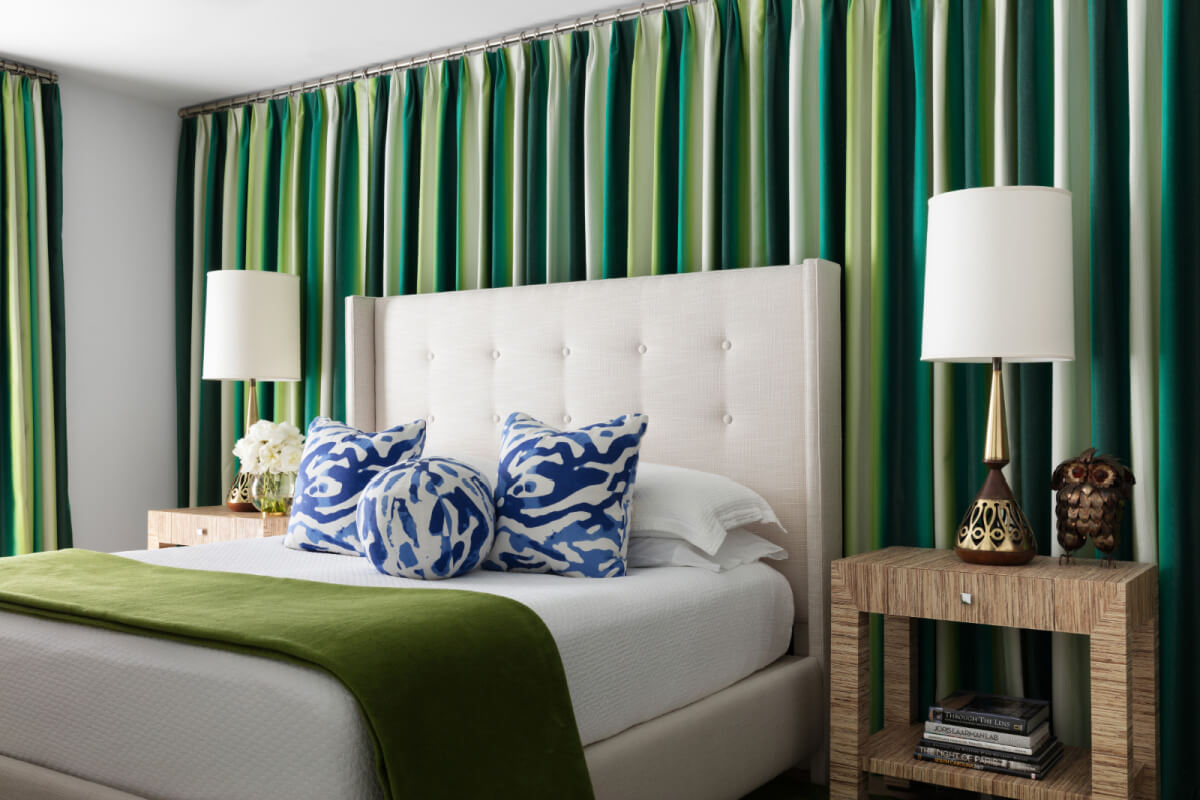
Going Green: Inside This Year’s Color Craze
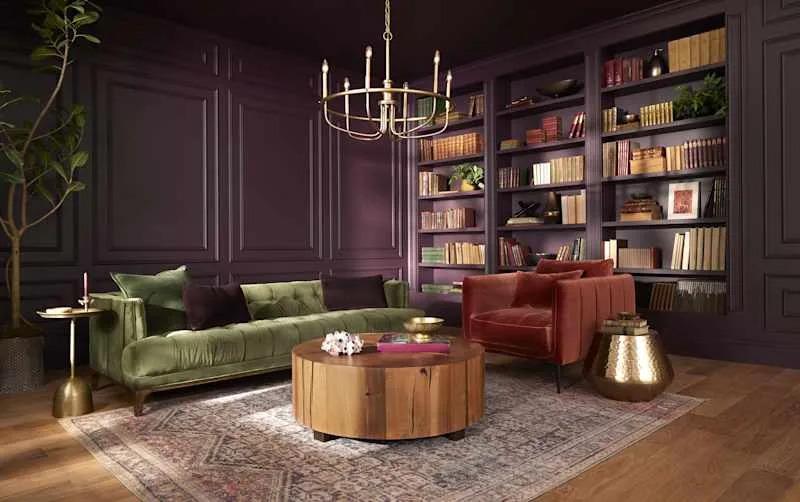
“Purple Basil” Is the Paint Color That Looks Shockingly Good with Brat Green

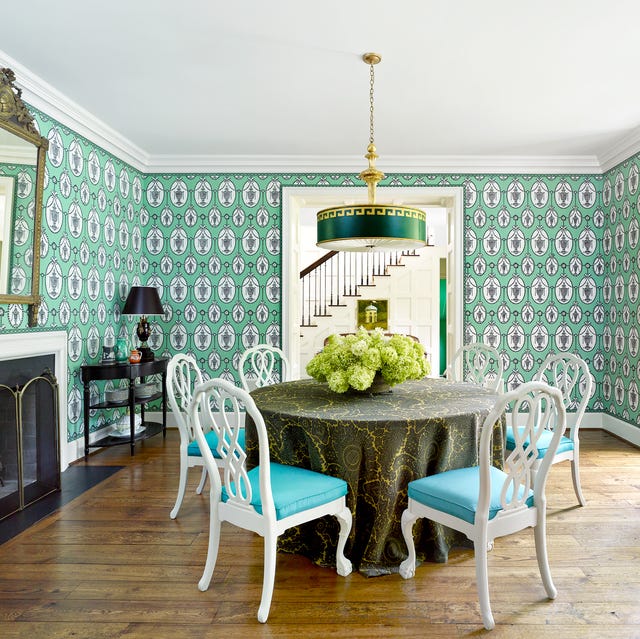
The Versatile Color That'll Cheer You and Your Home Up All Year Long

Olive green is the fresh new colour trend of this spring
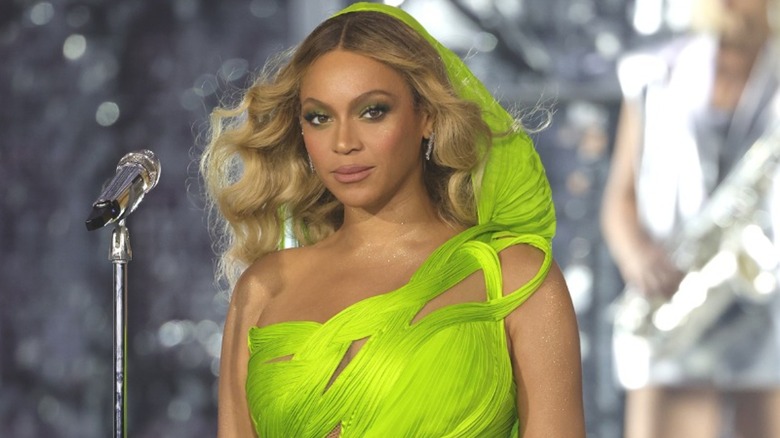
Vibrant Green Is The Color Trend That Comes Celeb Approved

Pistachio green is the go-to color for spring and summer 2025
6 Fresh Color Trends To Inspire Your Summer 2023 Style
Colour analysis by season: Spring, characterised by warmth and liveliness