1/15
Create a Feng Shui Kitchen With These Expert Design Tips
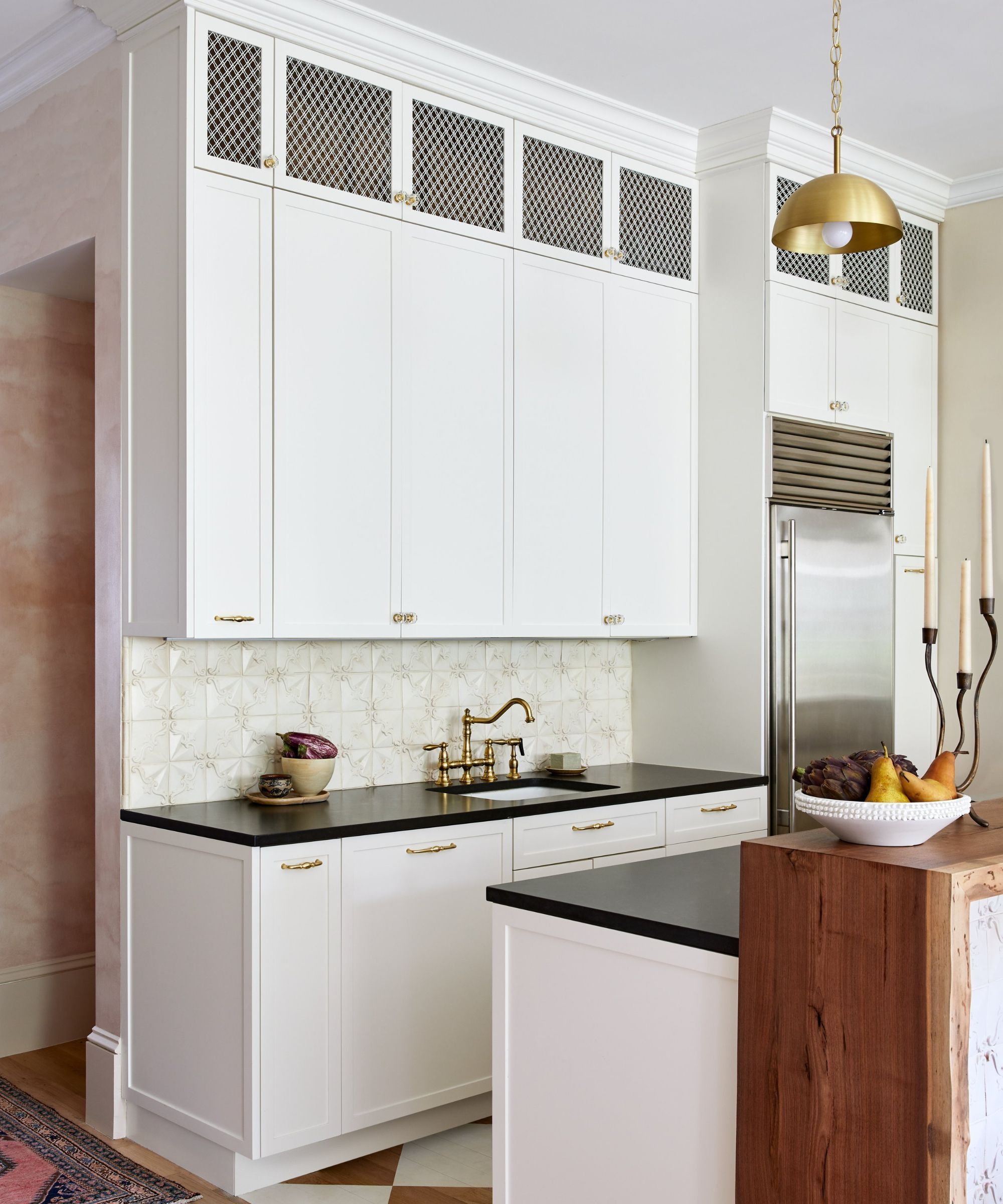
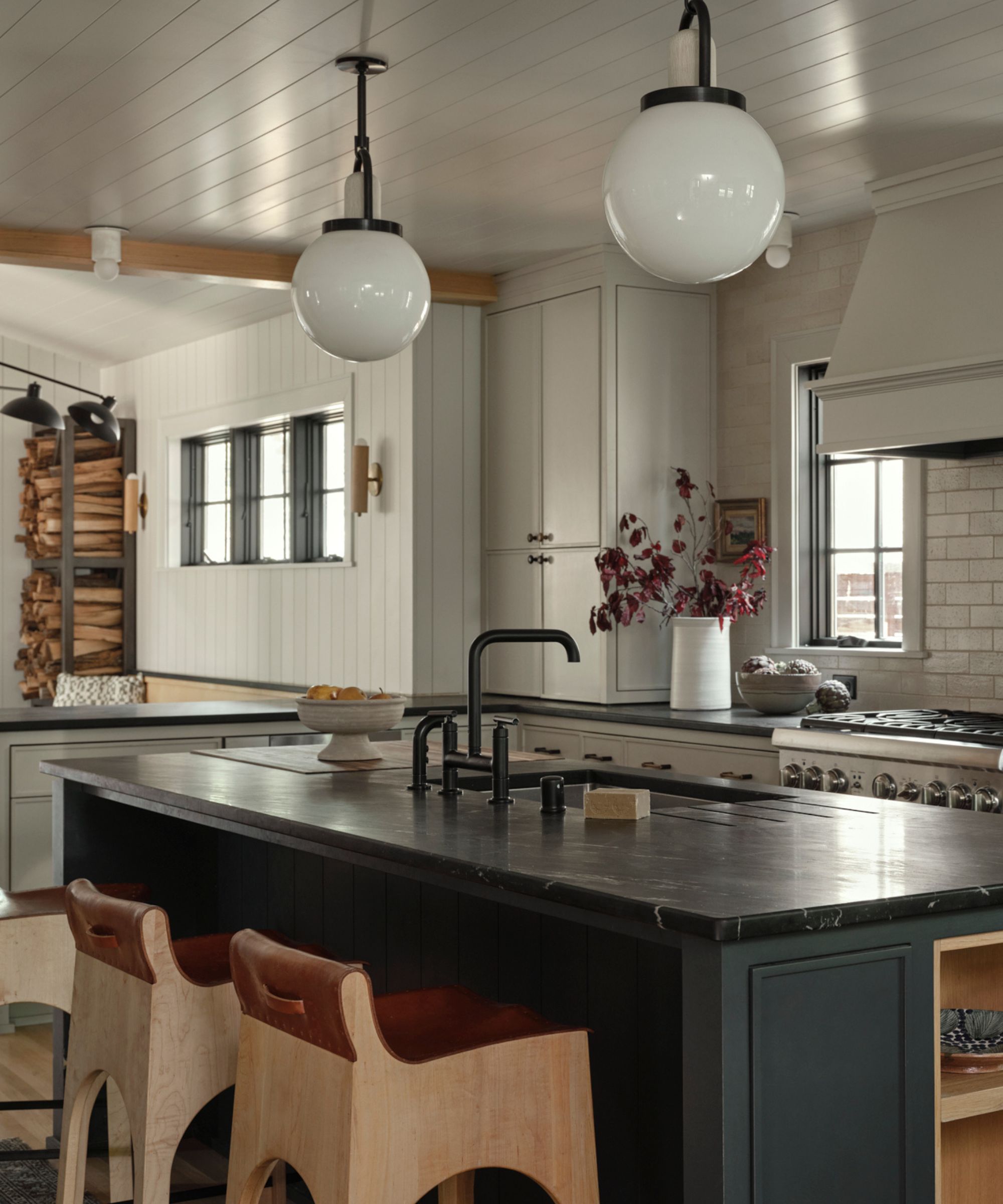
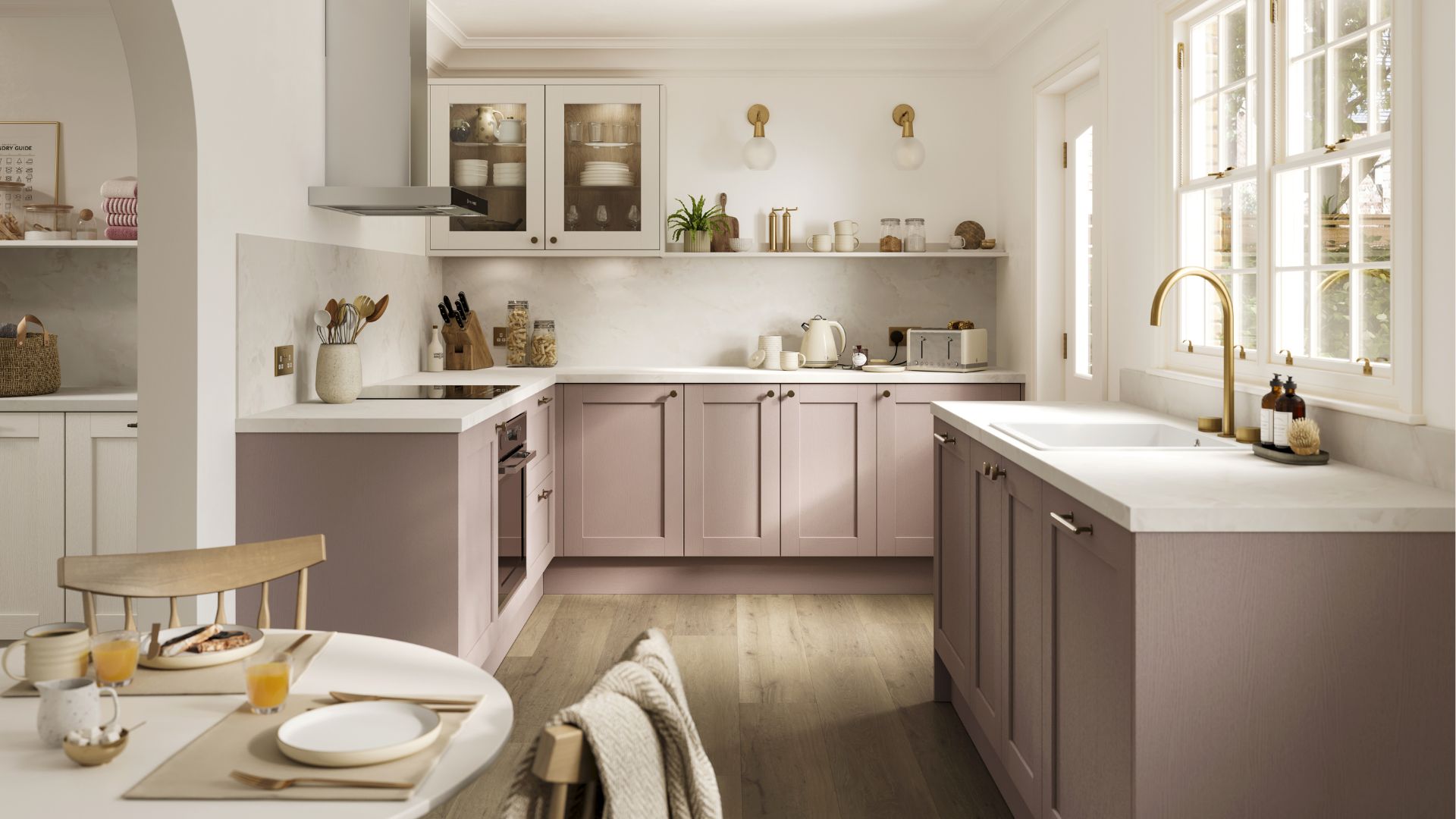
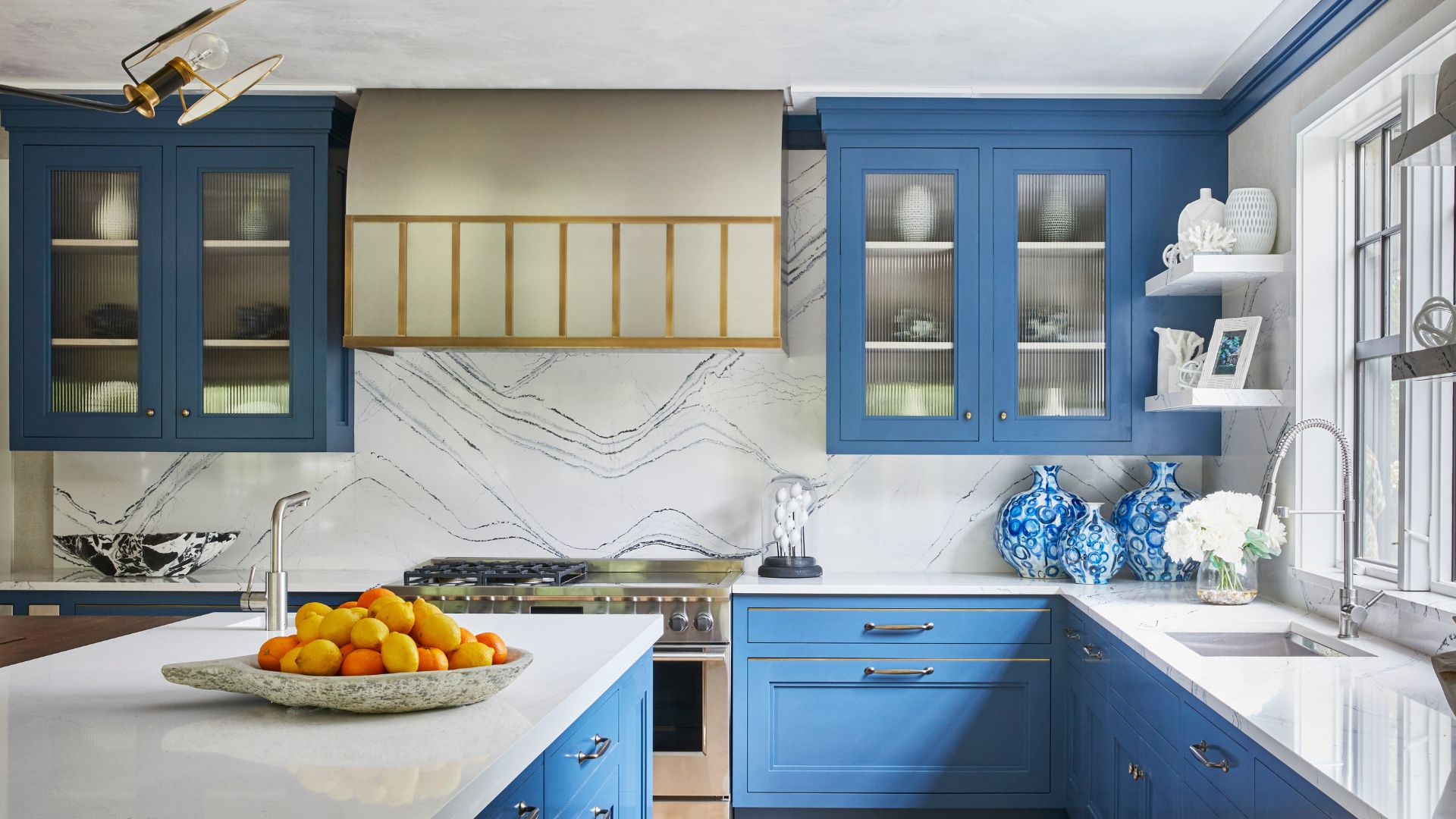
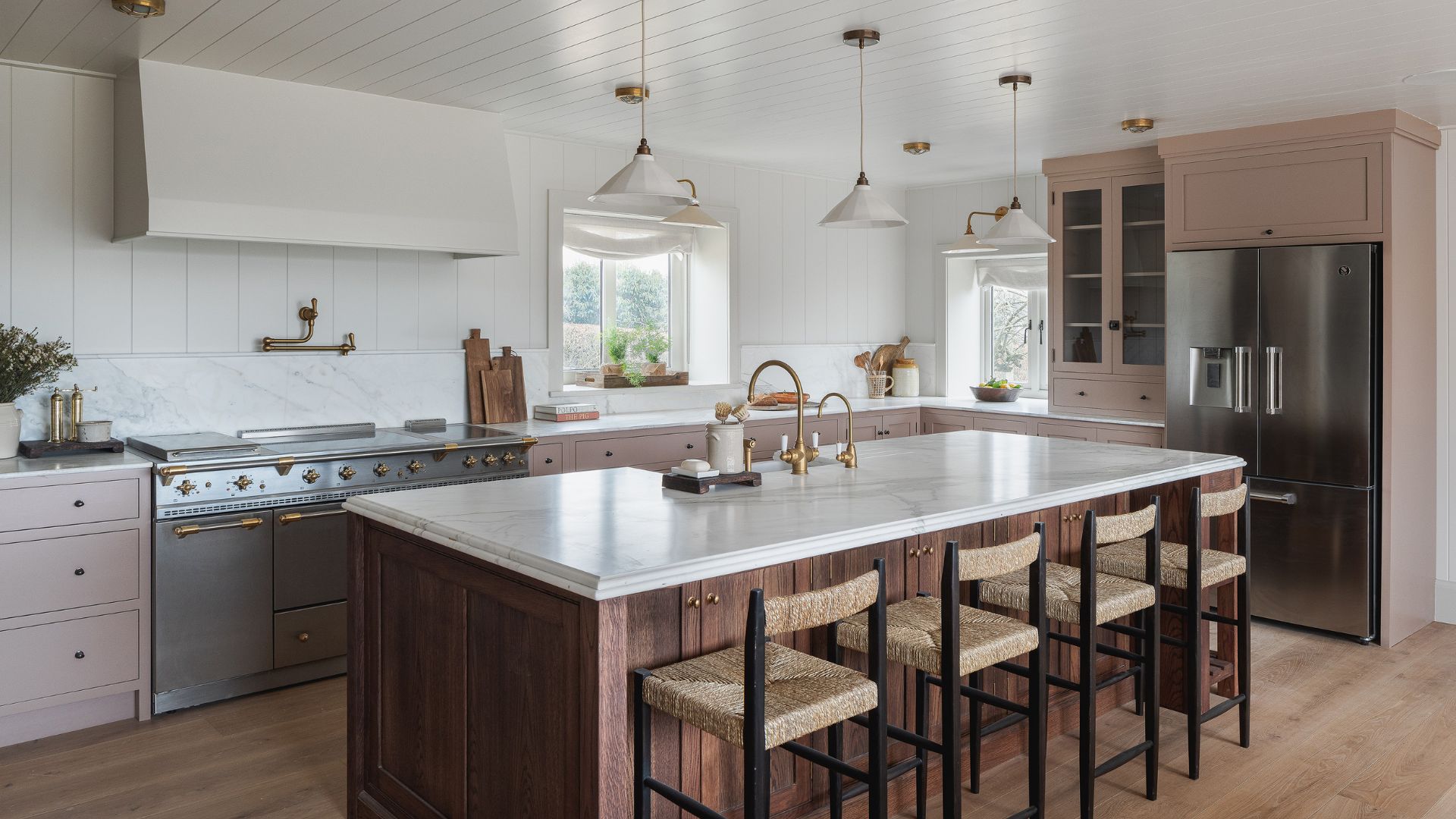
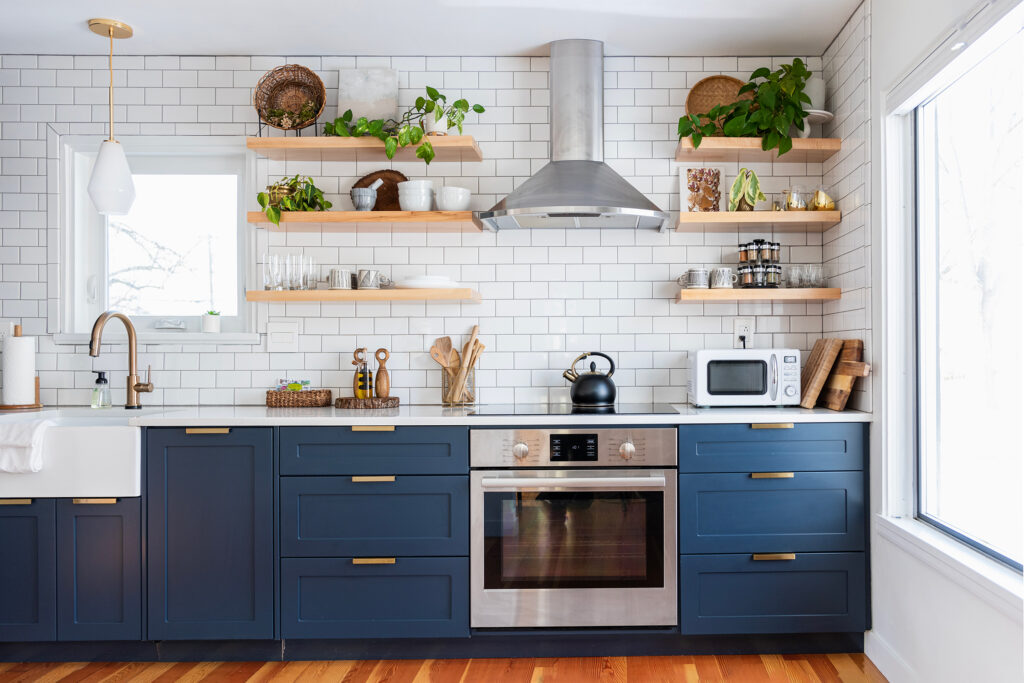
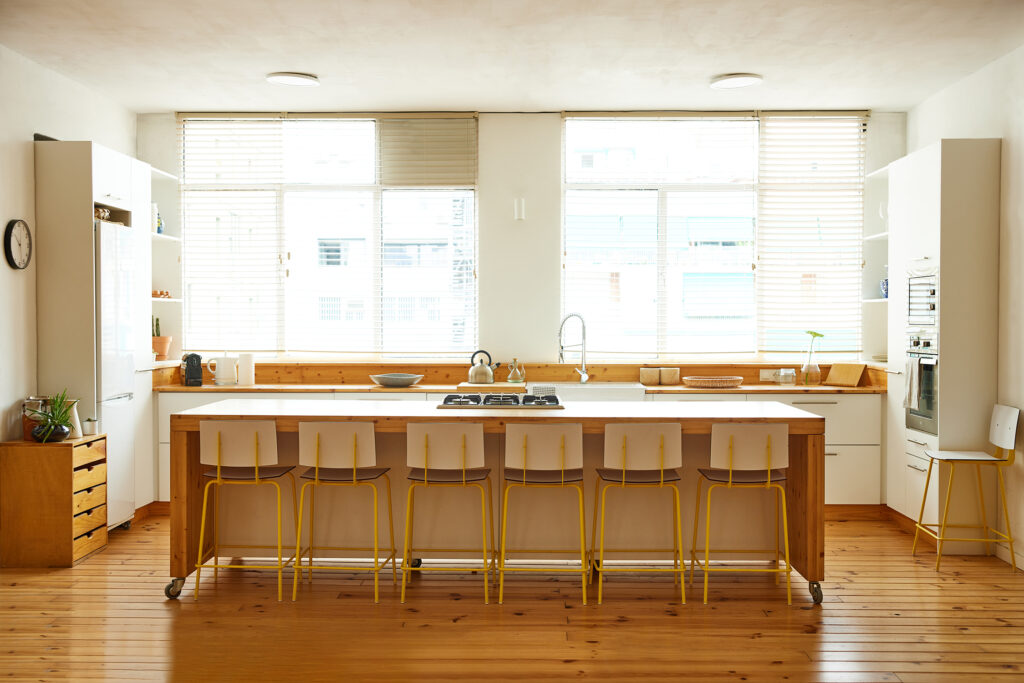
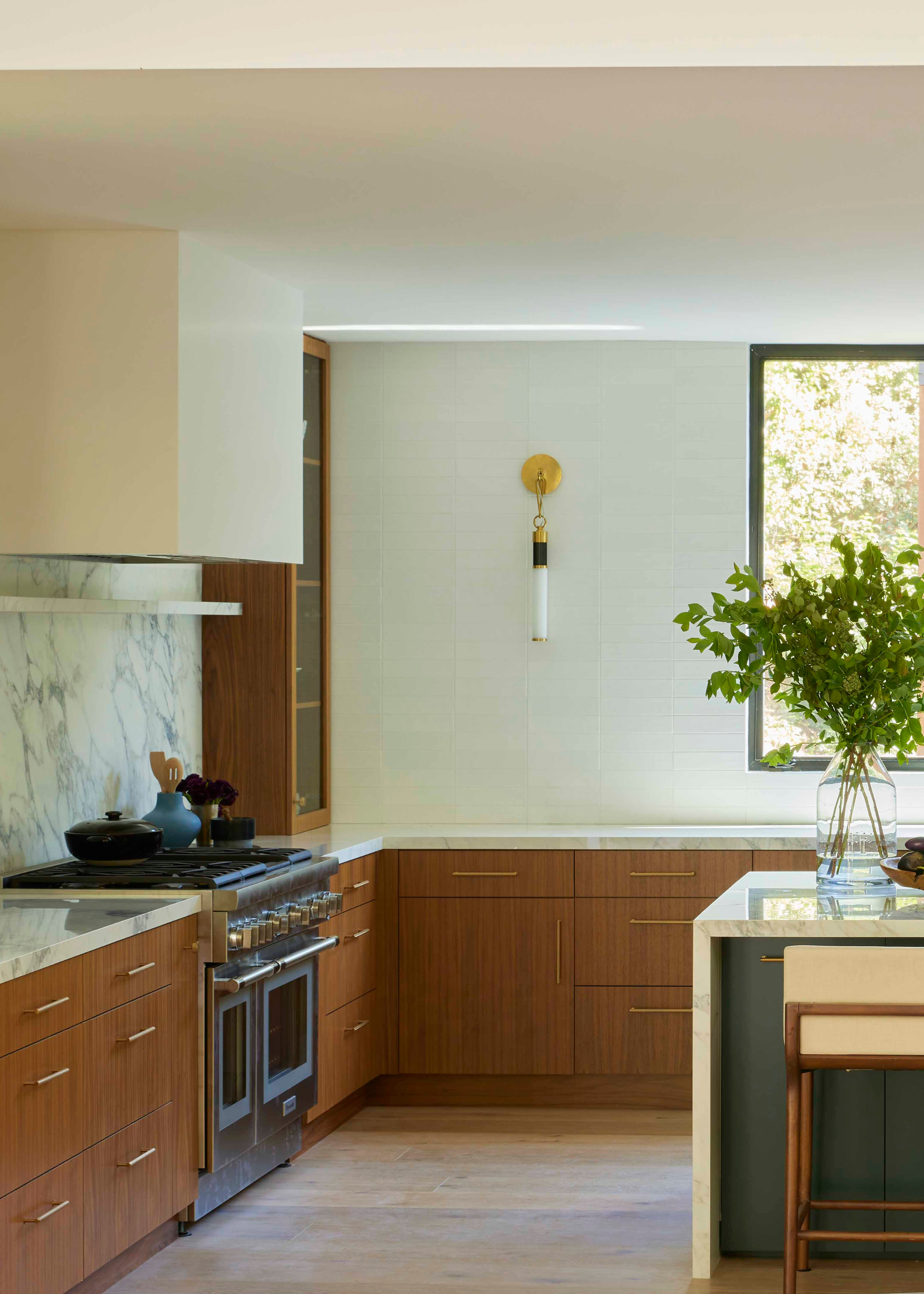
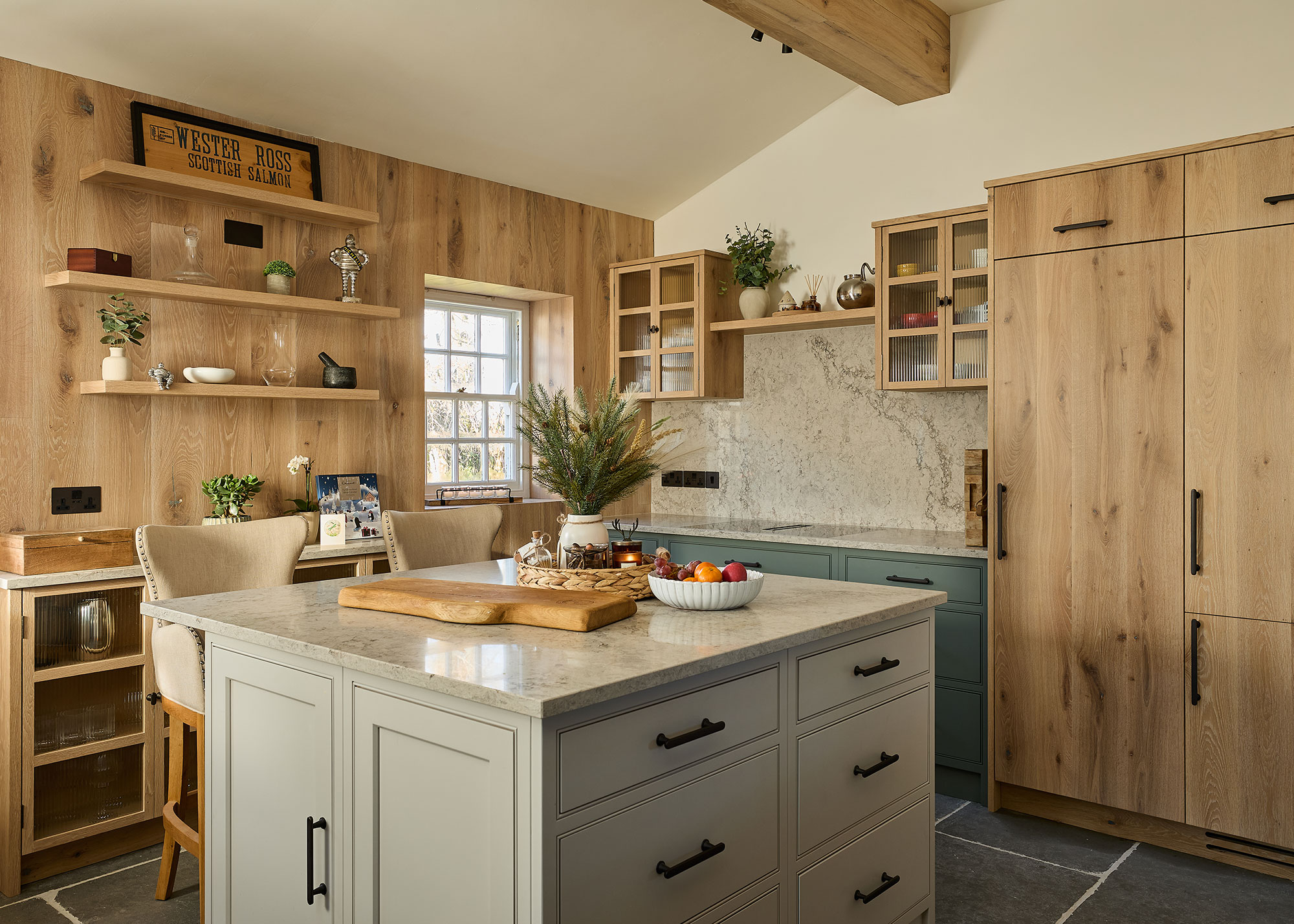
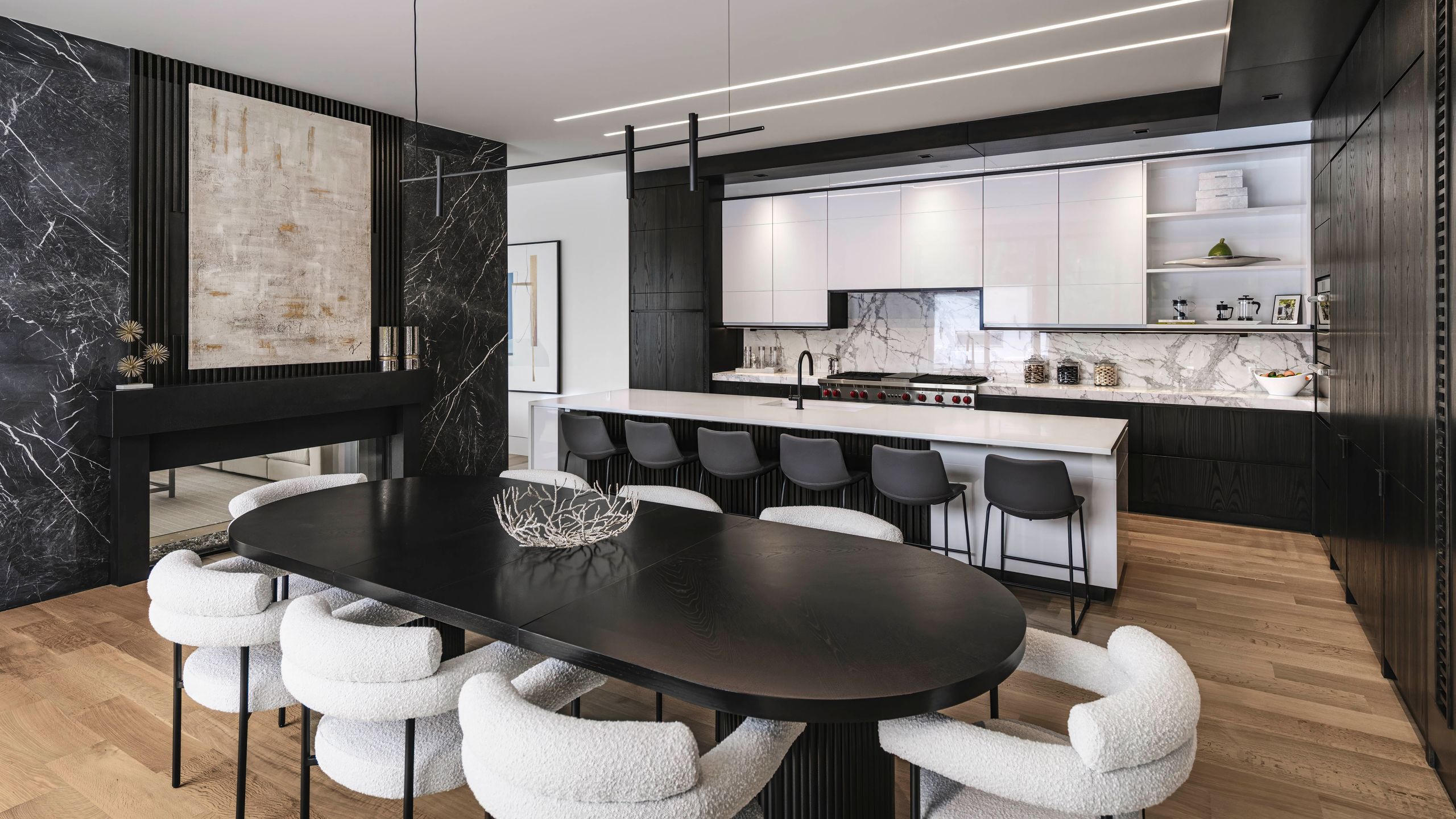
Feng Shui, an ancient Chinese practice, aims to foster happiness, abundance, and harmony within a home. In the context of kitchen design, the placement of the kitchen, as well as the materials and colors used, are crucial for optimizing the flow of "Qi," or natural energy. To simplify the process of incorporating Feng Shui into kitchen redesigns, experts and interior designers have shared their top tips.
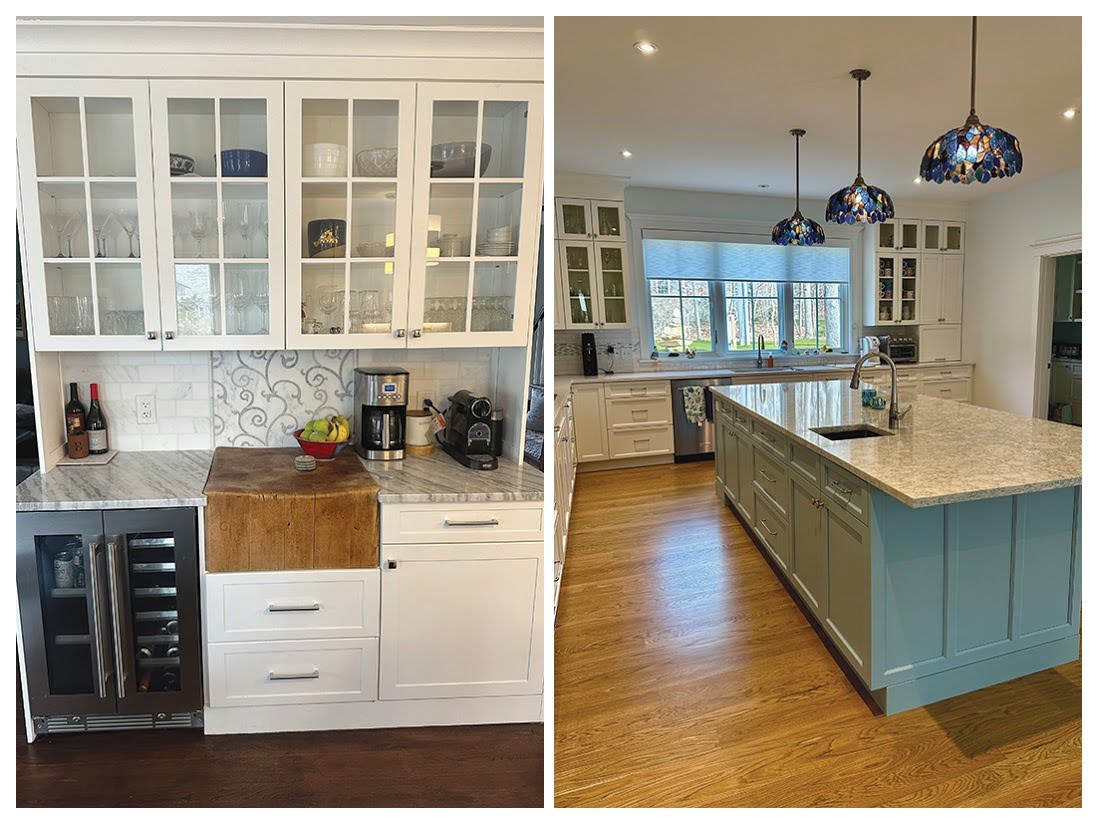
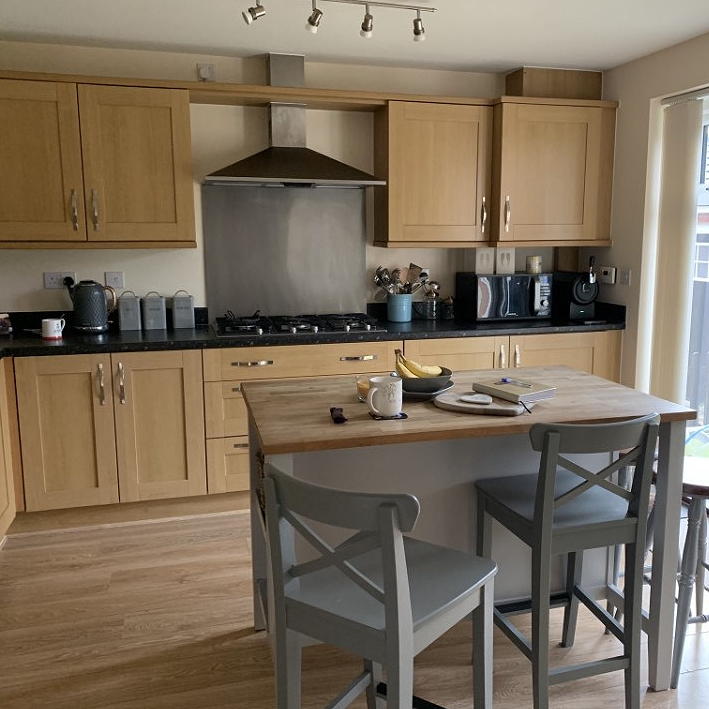
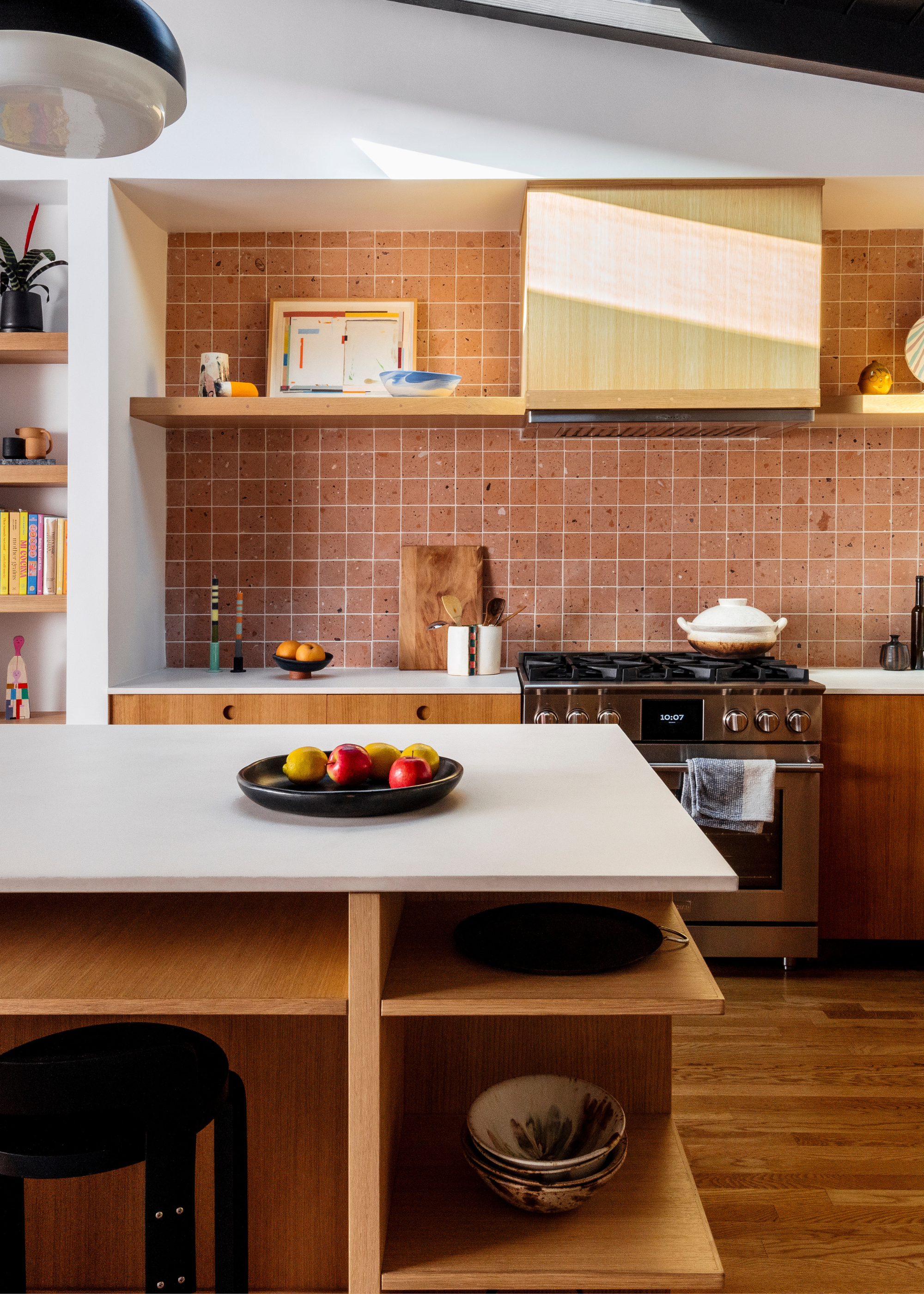
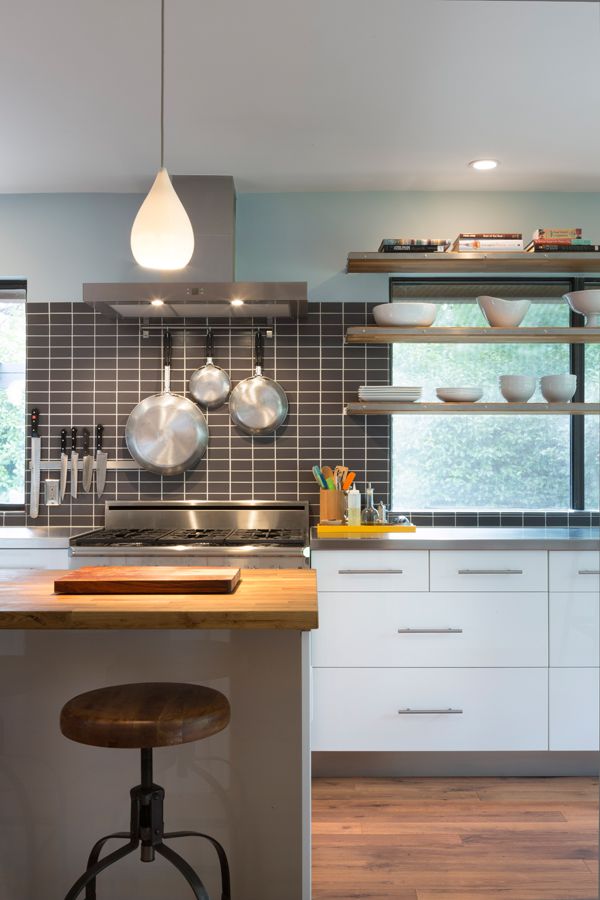
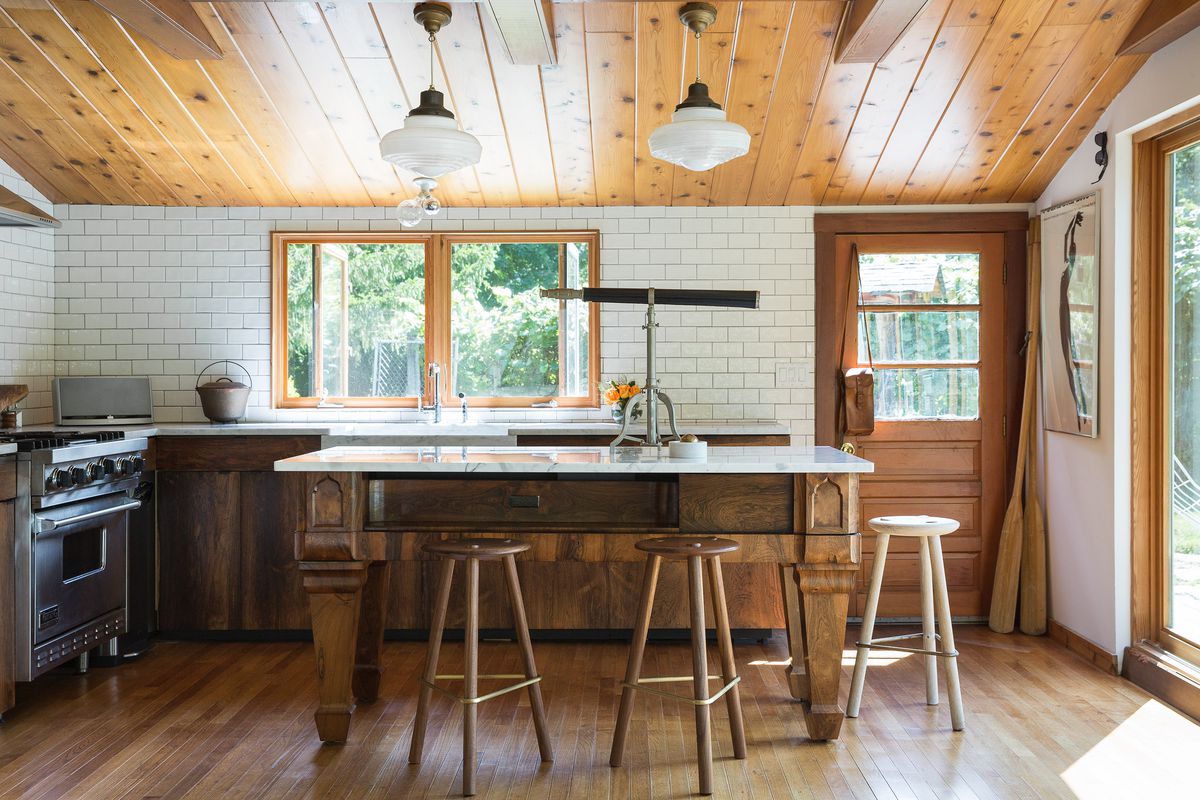
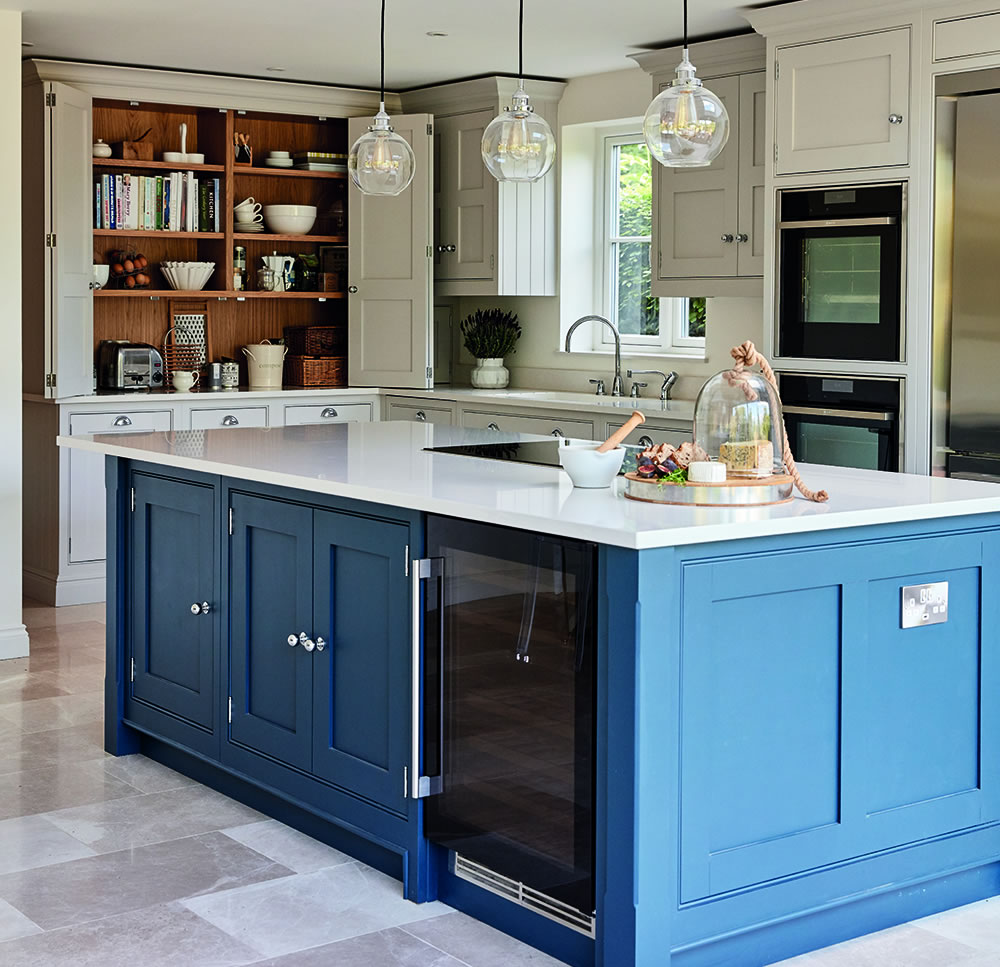
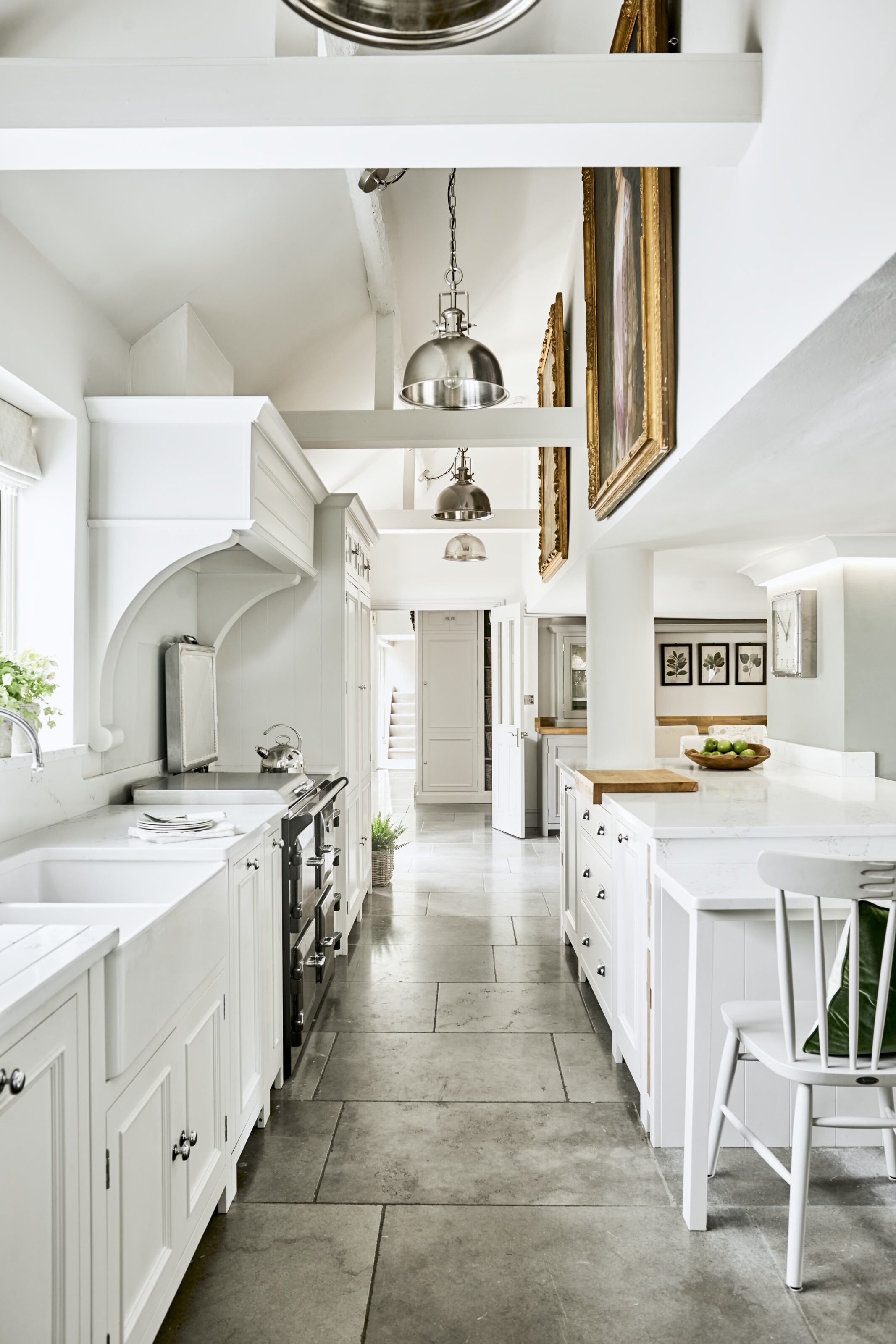
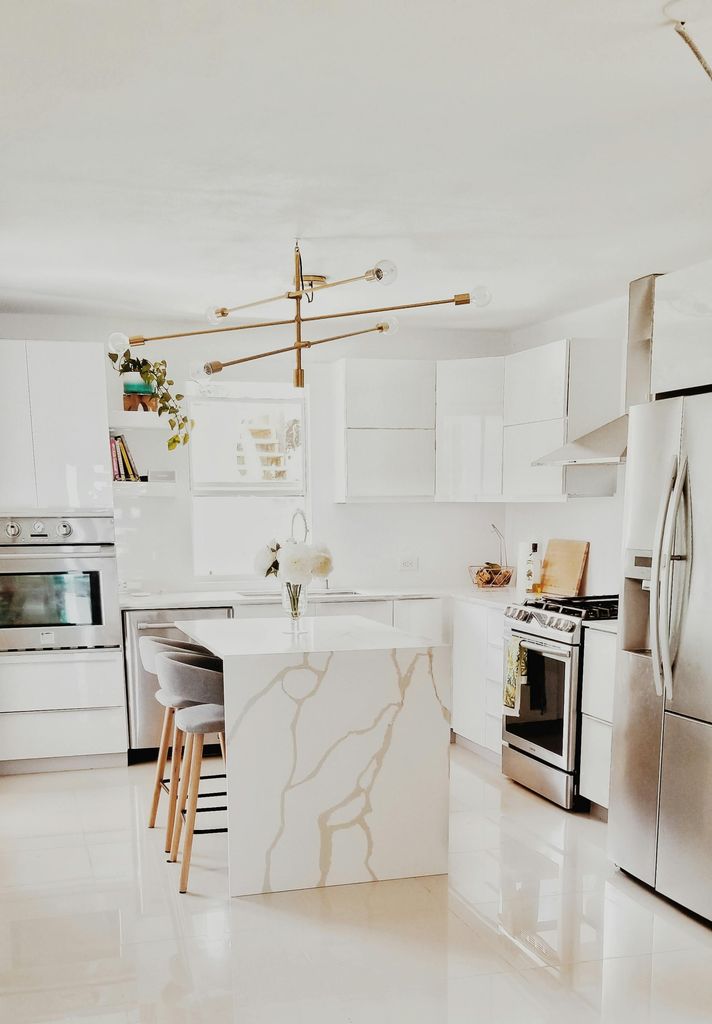
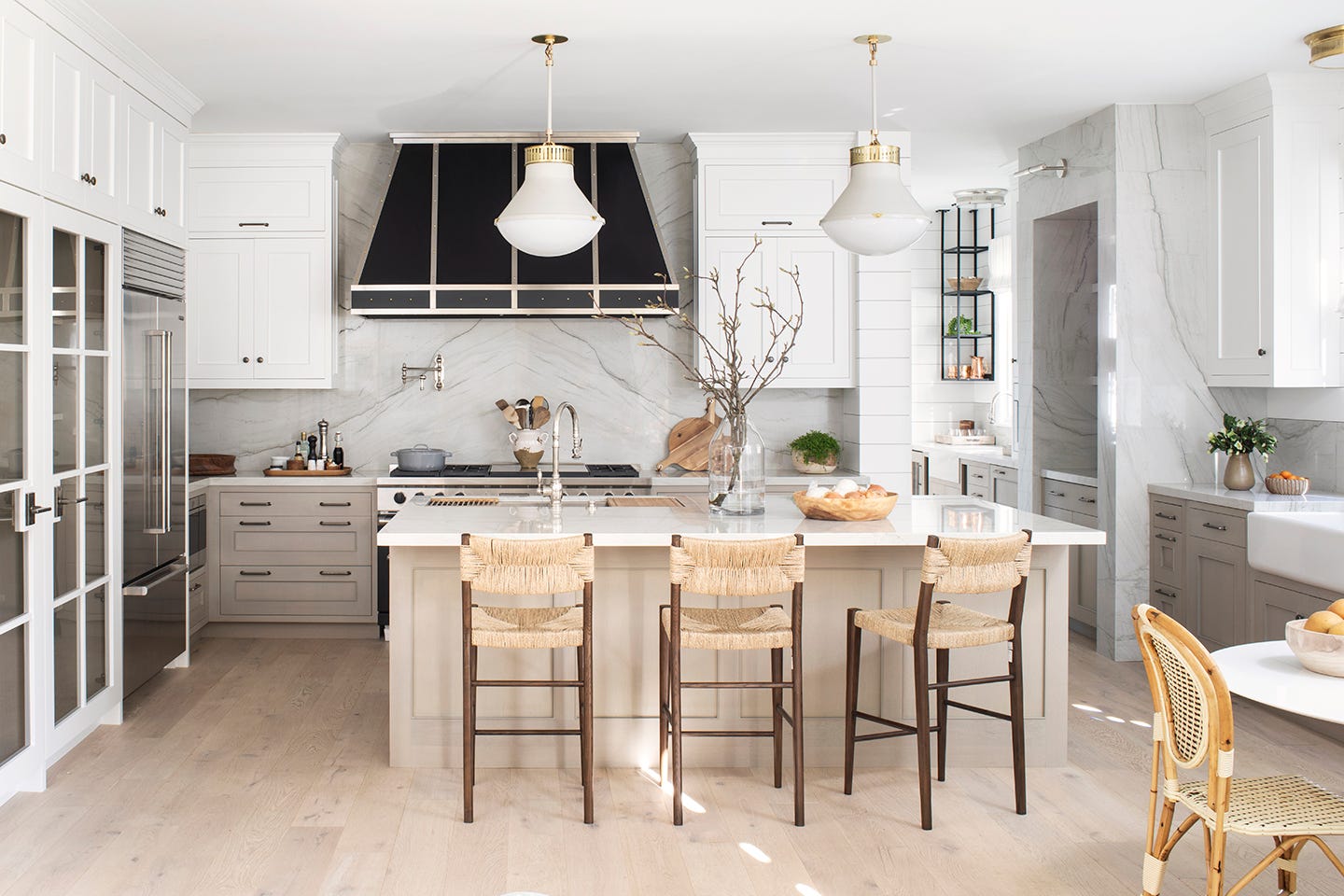
One fundamental principle is to adhere to the traditional kitchen triangle rule, which positions the sink, refrigerator, and range at the points of a triangle. Ideally, there should be a six-to-eight-foot distance between each appliance to ensure maximum convenience and minimize unnecessary movement. Establishing balance in the kitchen is also important; designers often consider how clients utilize their kitchen space to organize and design it for fluidity. This includes incorporating windows by the sink to create an indoor-outdoor flow, providing a designated landing area for groceries, and maximizing natural light.
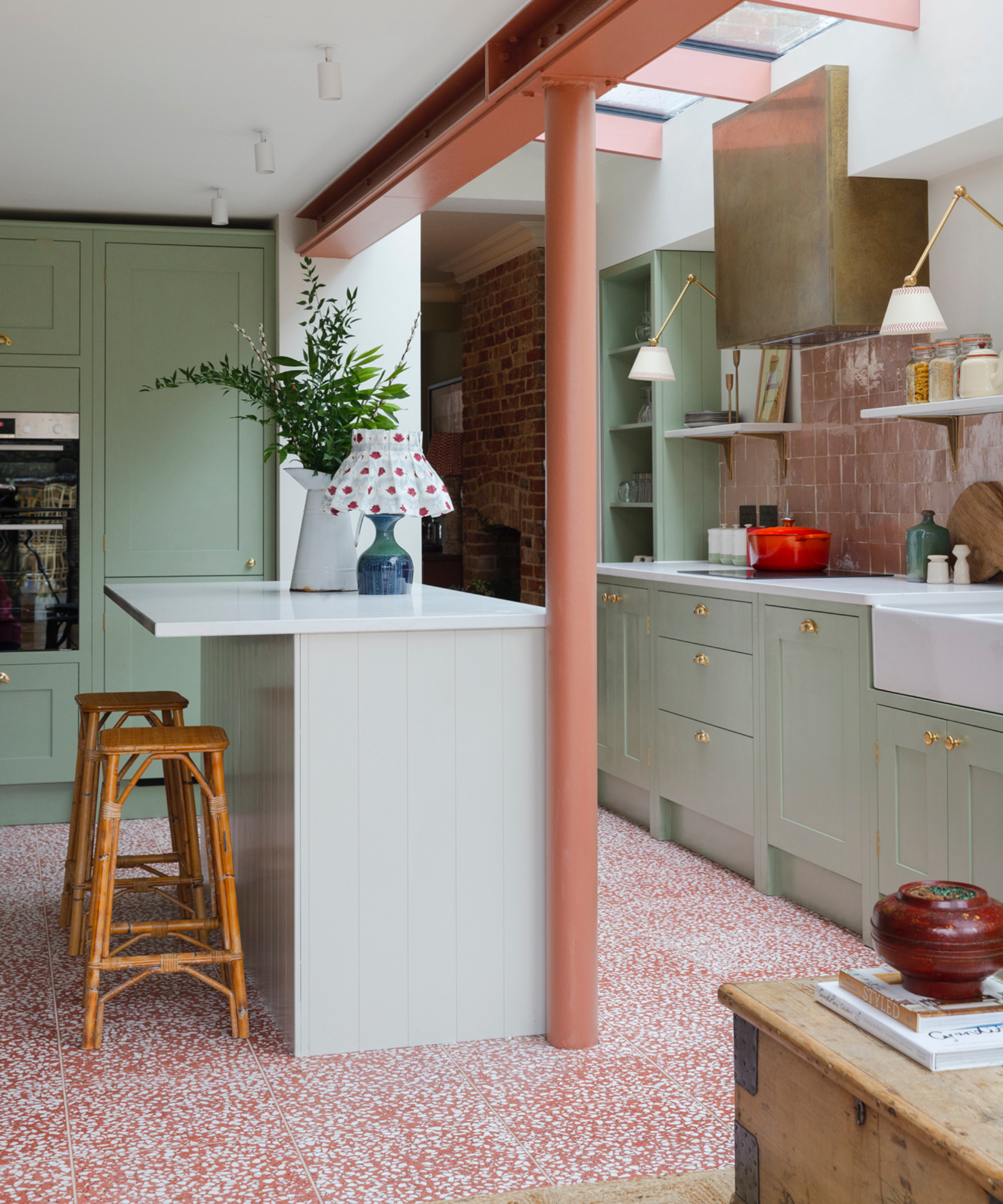
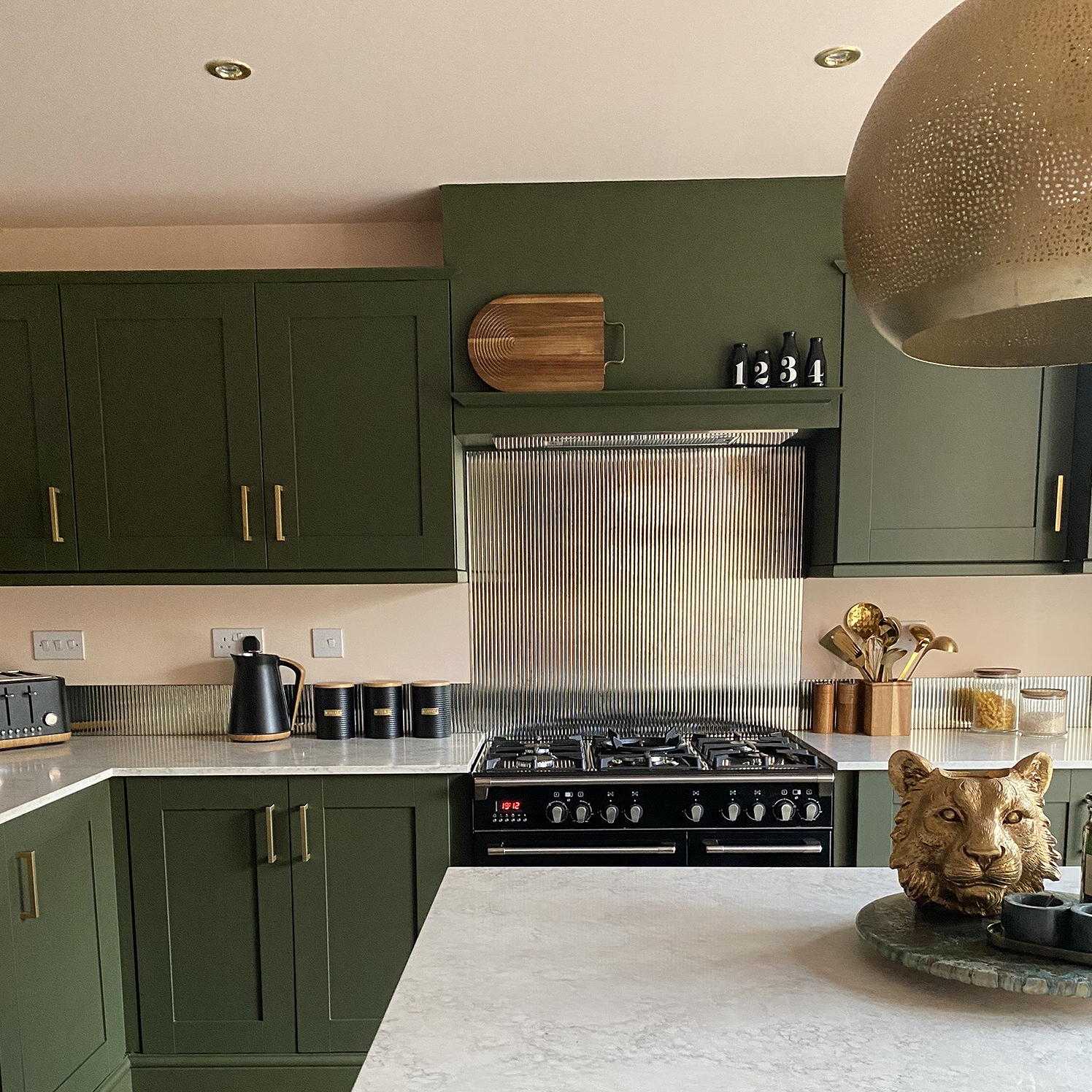
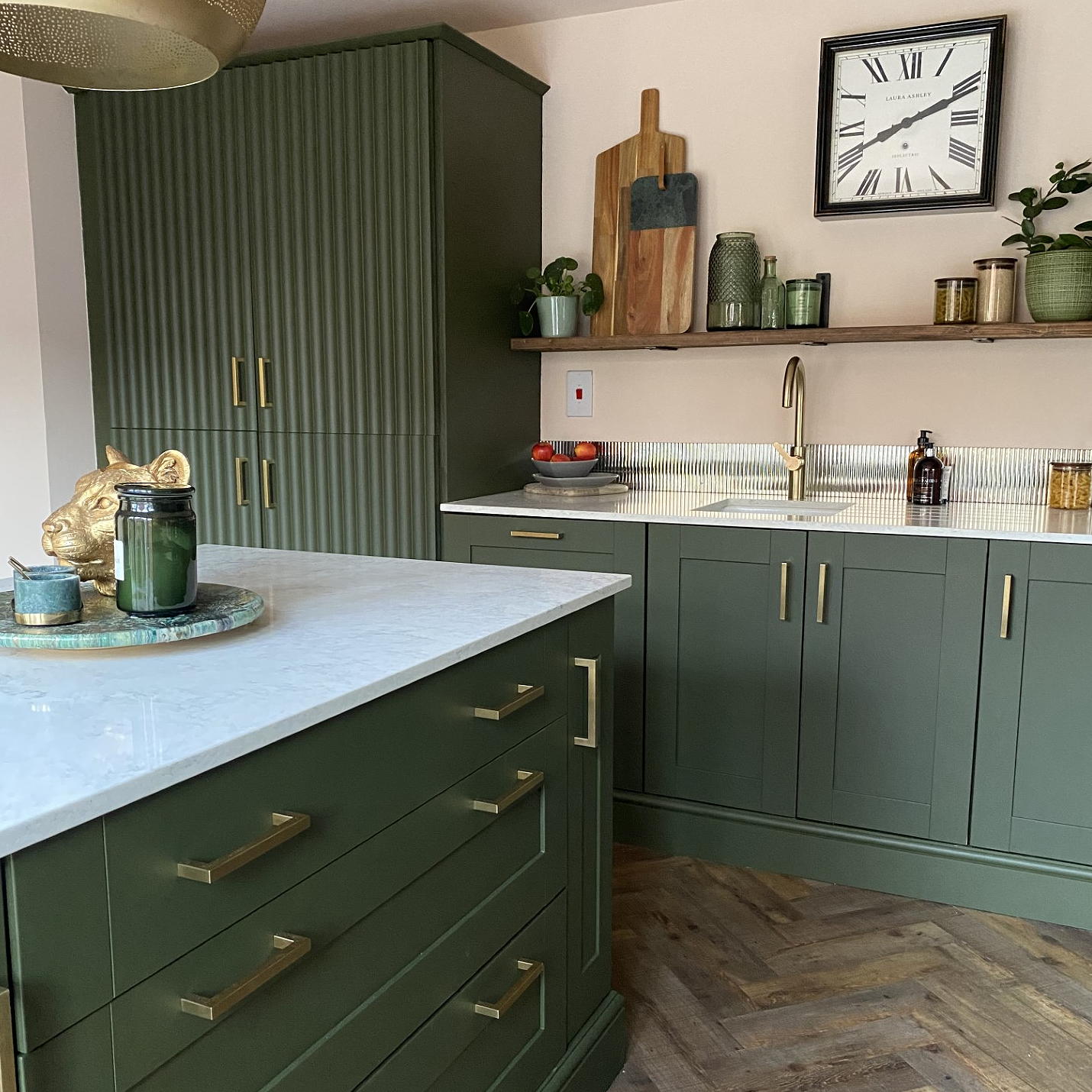
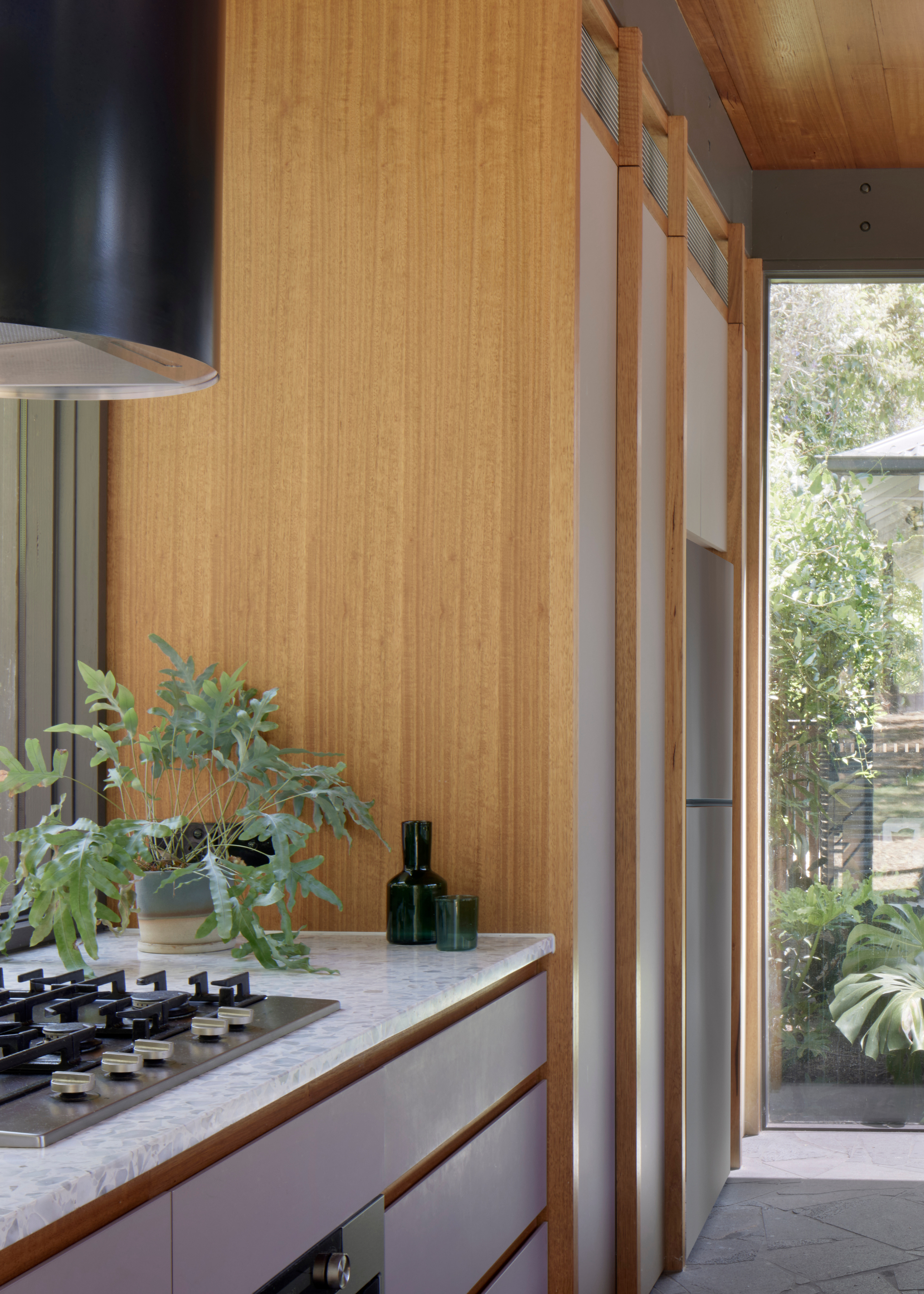
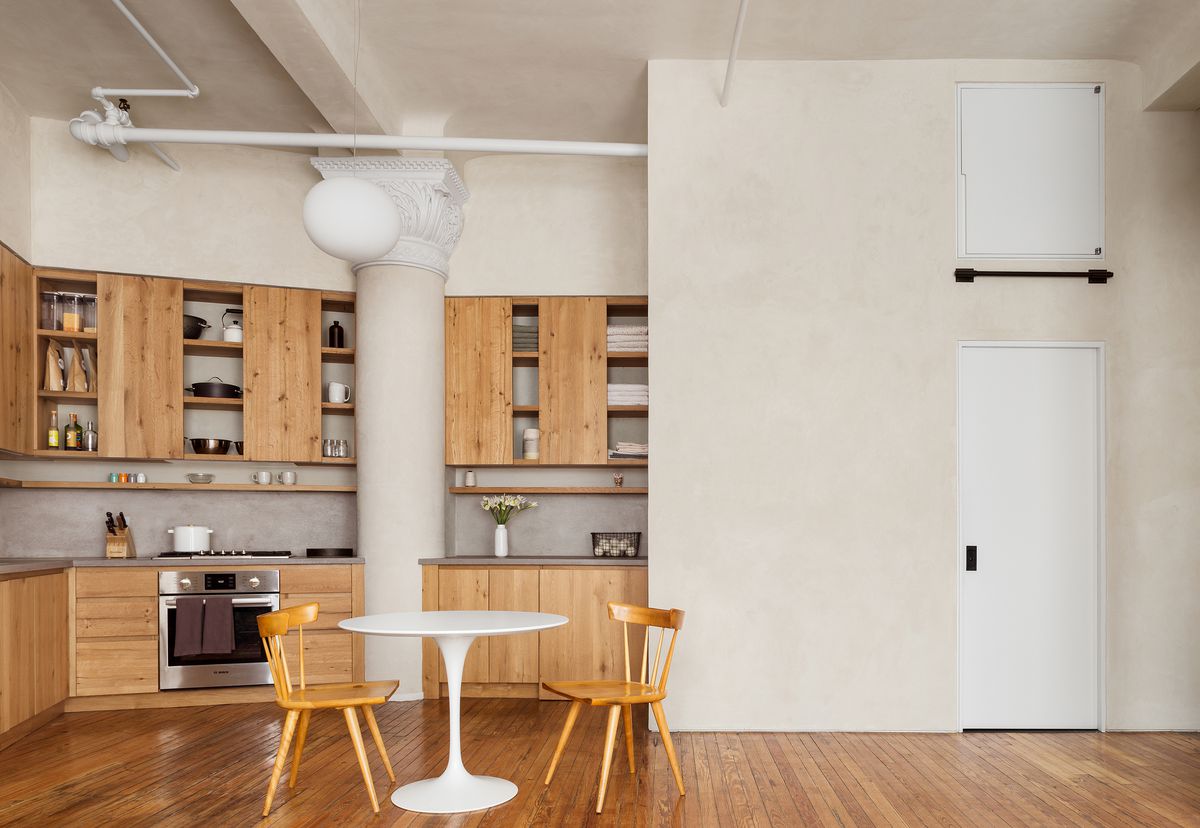
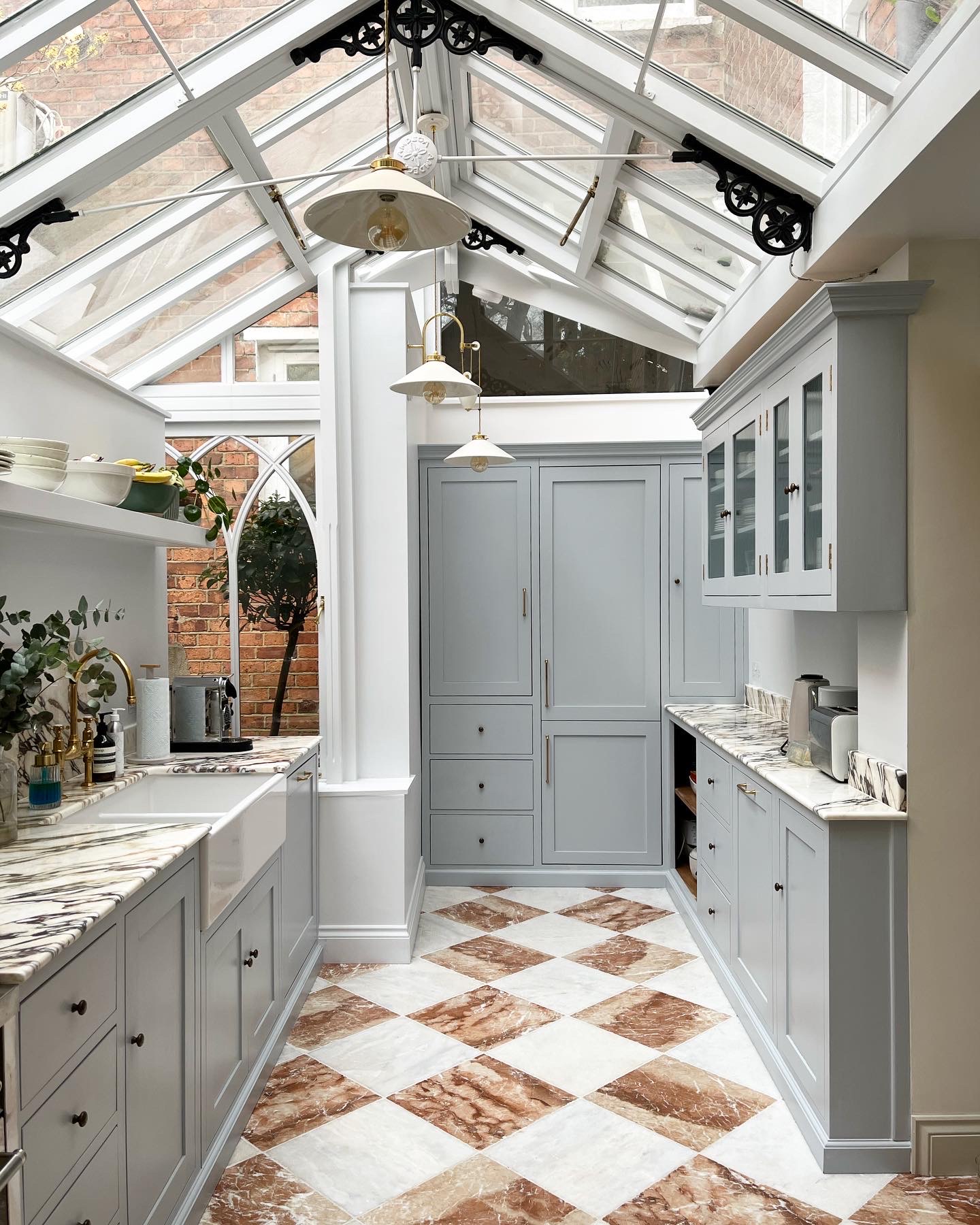
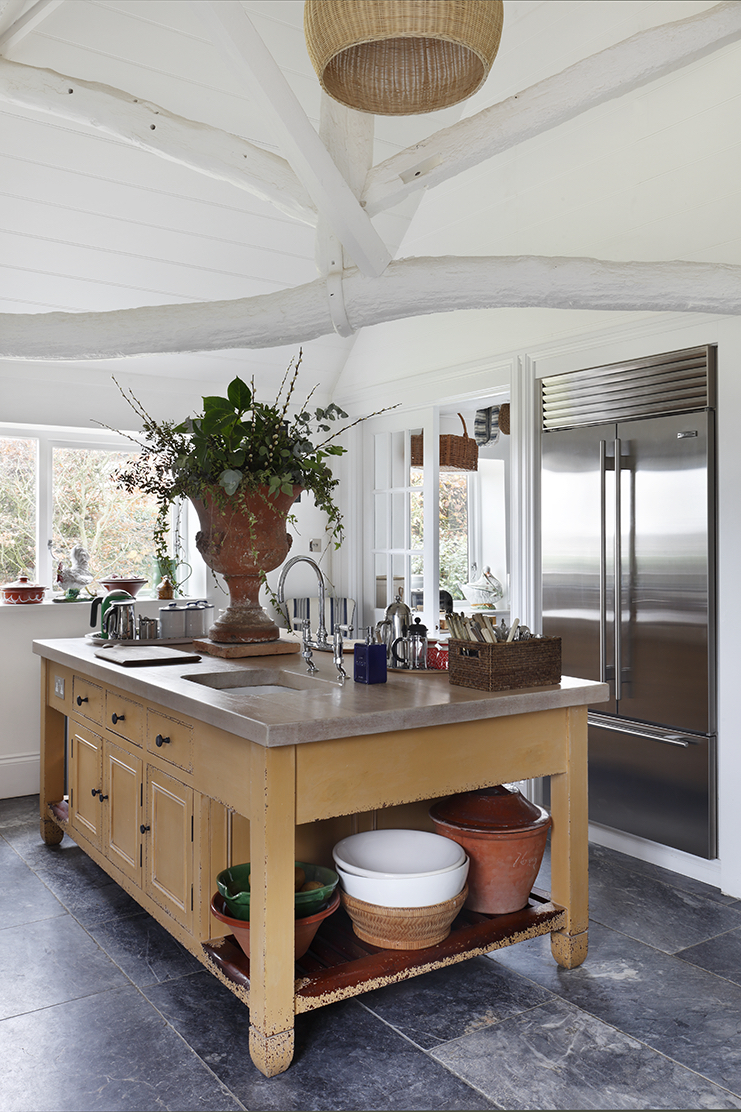
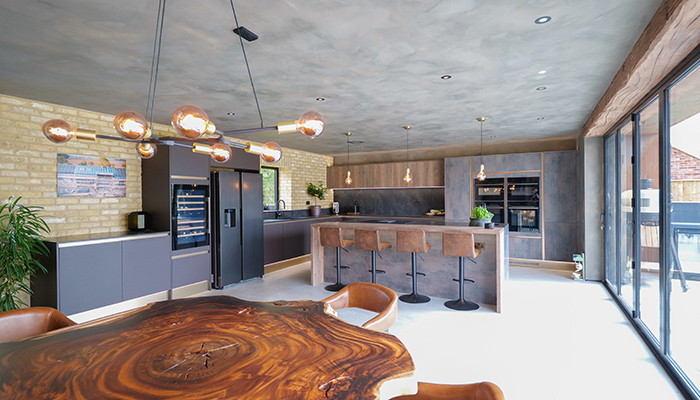
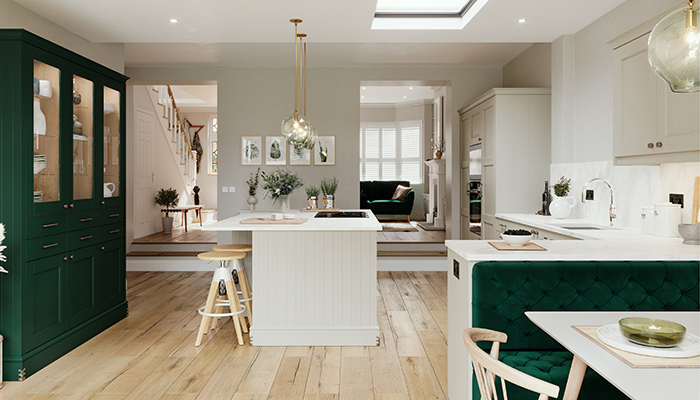
The five elements—Water, Fire, Wood, Metal, and Earth—form the foundation of Feng Shui. It is important to arrange these elements harmoniously, for example, by avoiding placing water (sink) directly next to fire (stove). Incorporating living plants or an herb garden is recommended to introduce the stronger energy of "living wood." The elements can be represented through various kitchen components: the sink for Water, the stove for Fire, cabinetry or wood tables for Wood, appliances and hardware for Metal, and marble or granite counters for Earth.
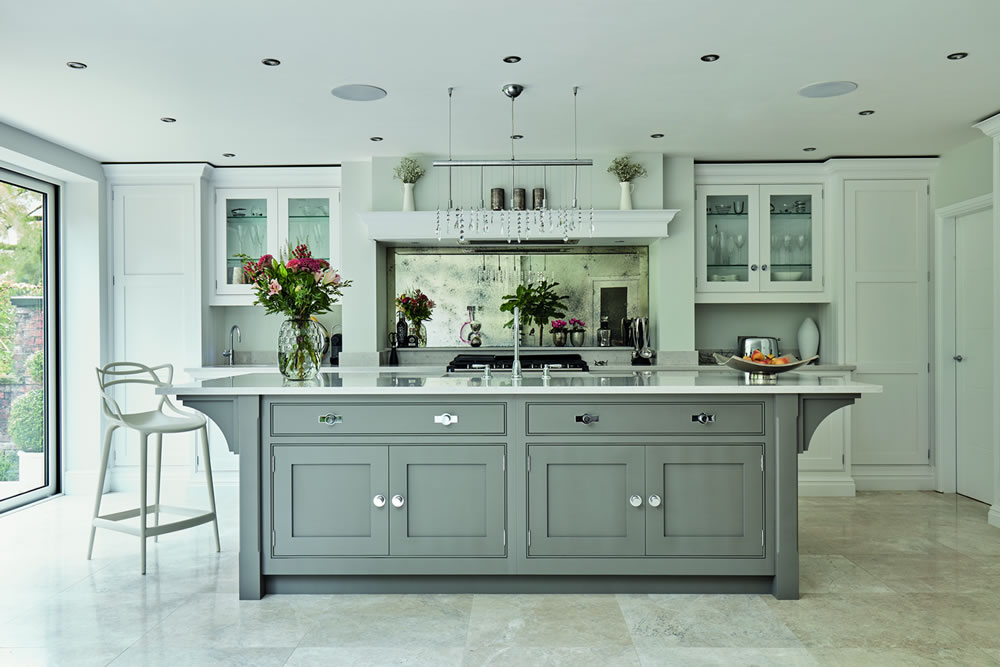
Regarding kitchen placement within a house, ideally, the kitchen should be located at the back rather than at the entry point. A kitchen at the front can lead guests to leave quickly after eating, whereas a kitchen at the back encourages them to explore the home and stay longer. The stove's placement is particularly significant; it is best positioned where the cook can see people. If the stove faces a wall, a mirror can be hung above it to reflect the room and symbolically "double wealth," as the number of burners on a stove represents prosperity.
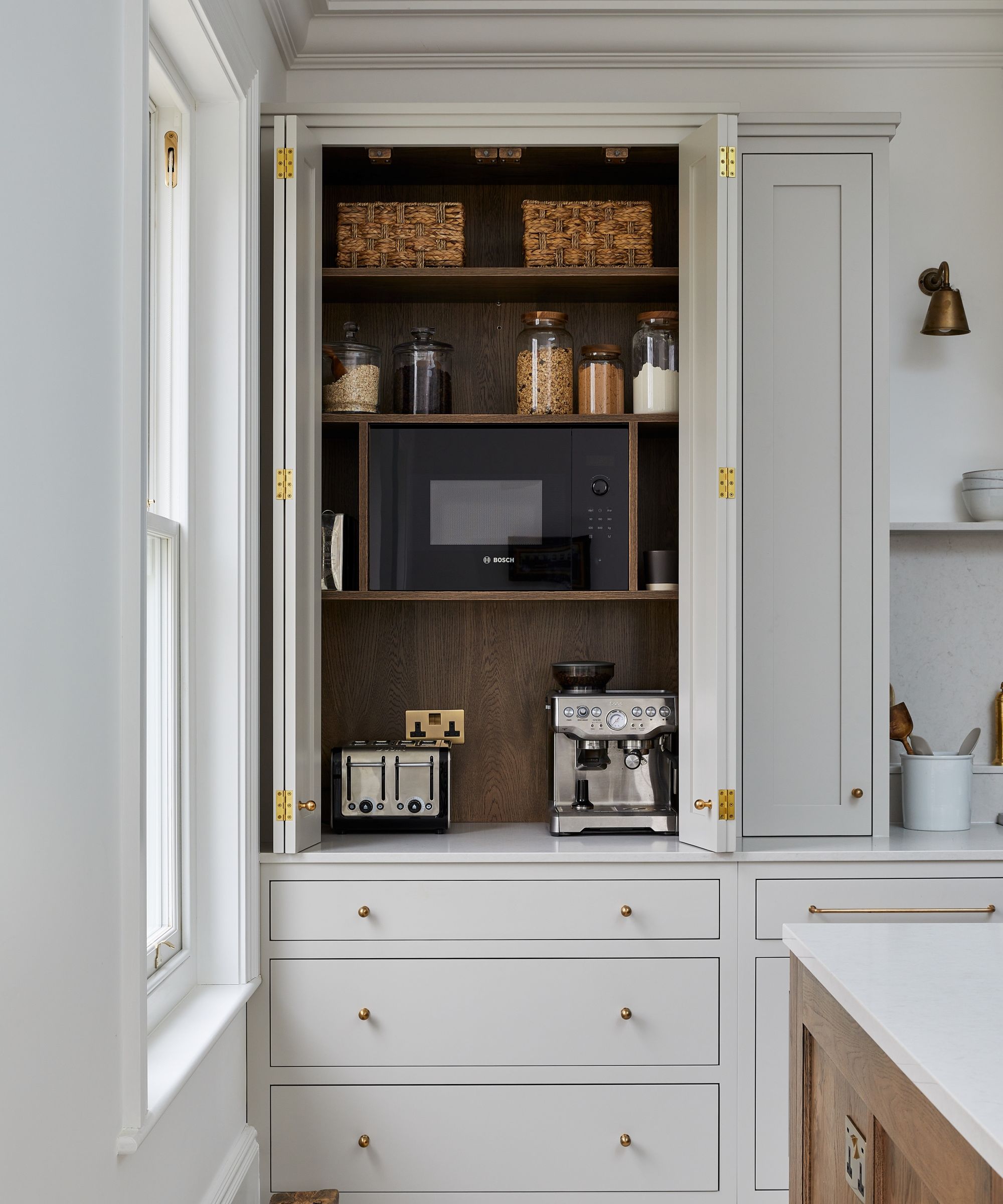
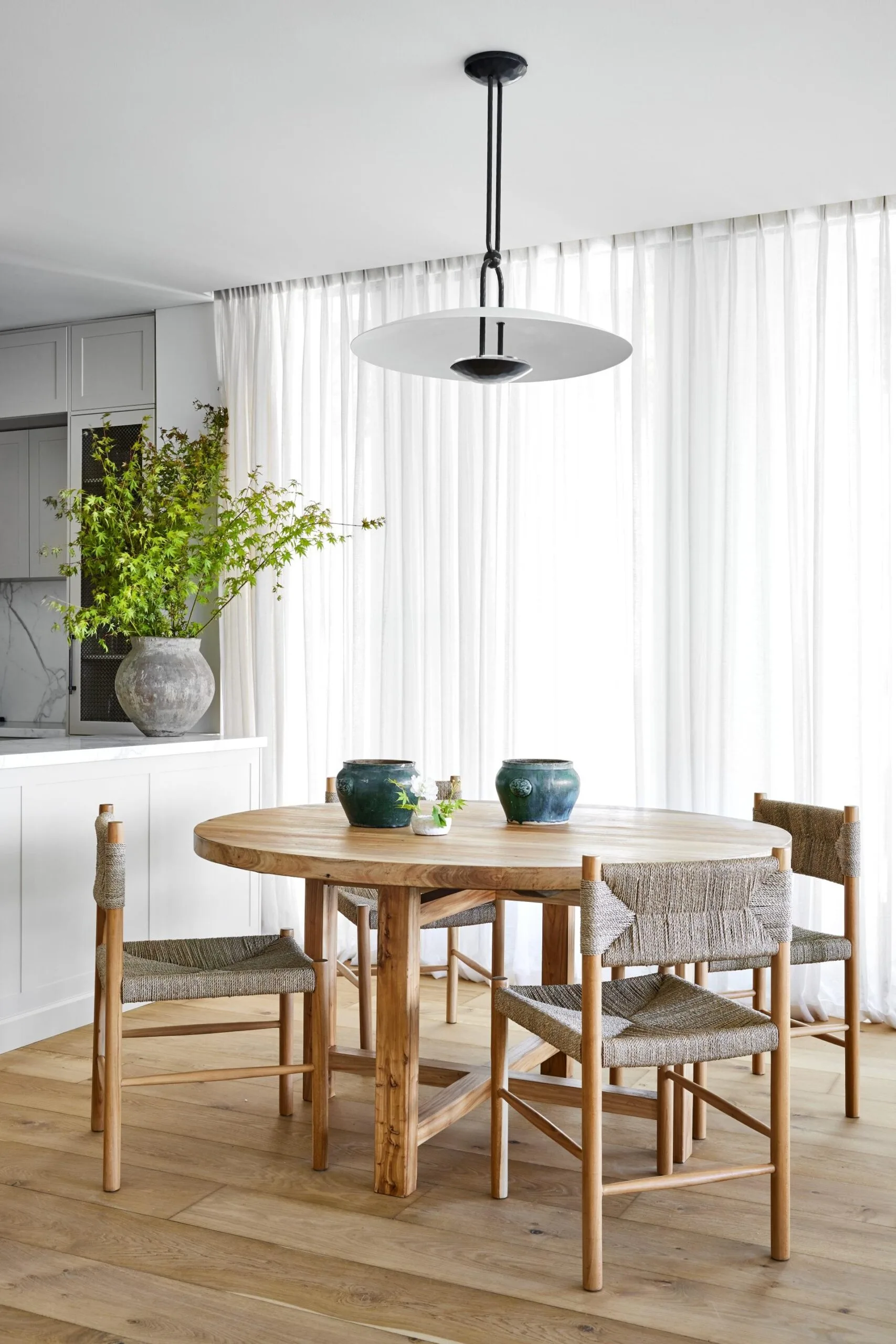
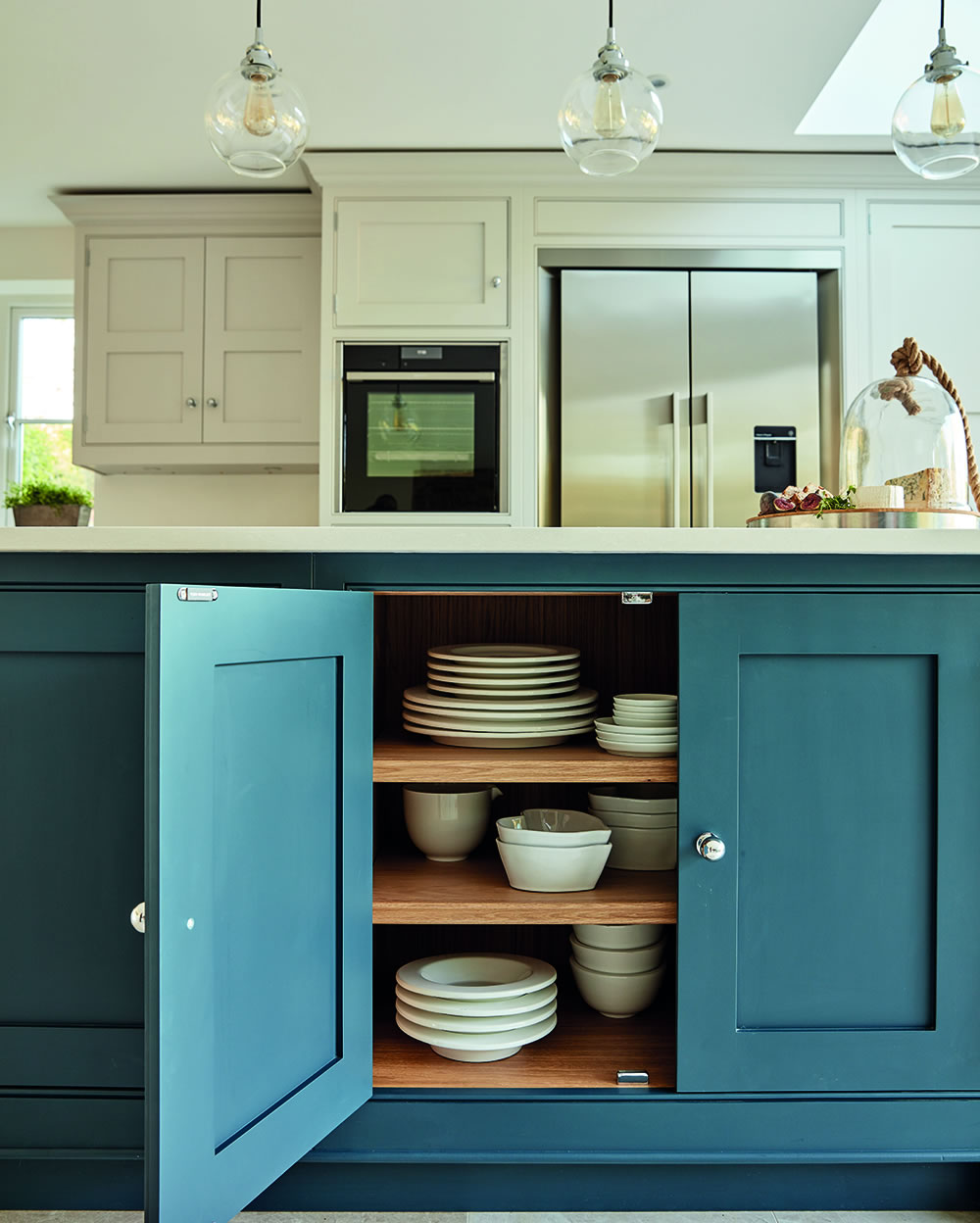
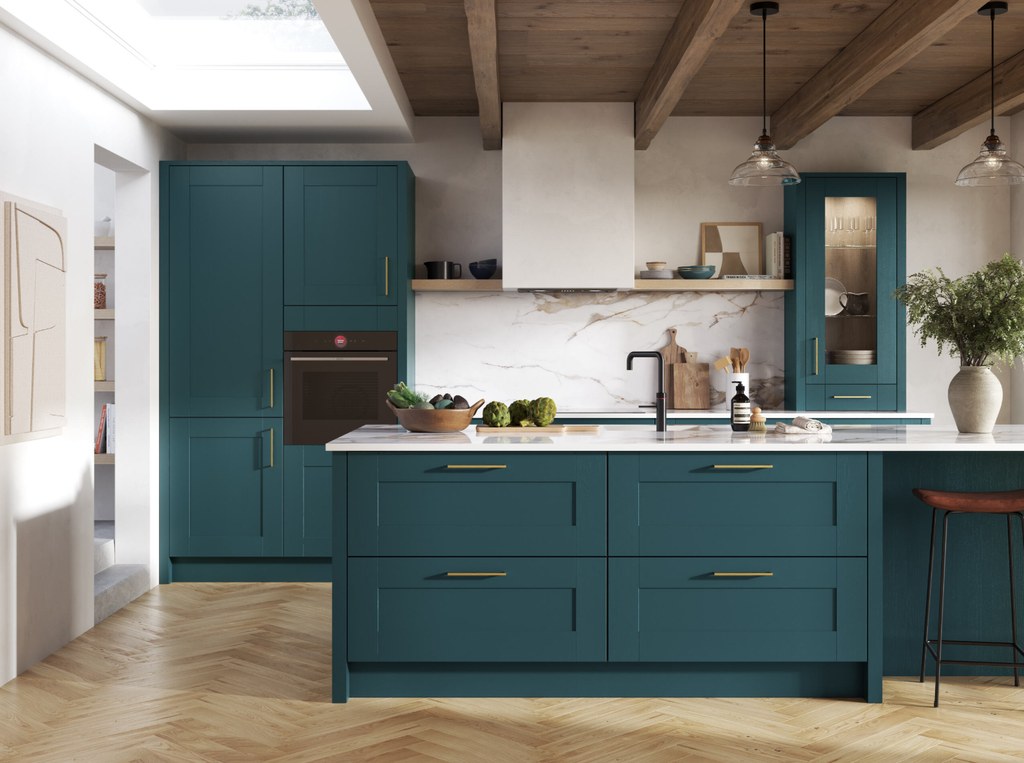
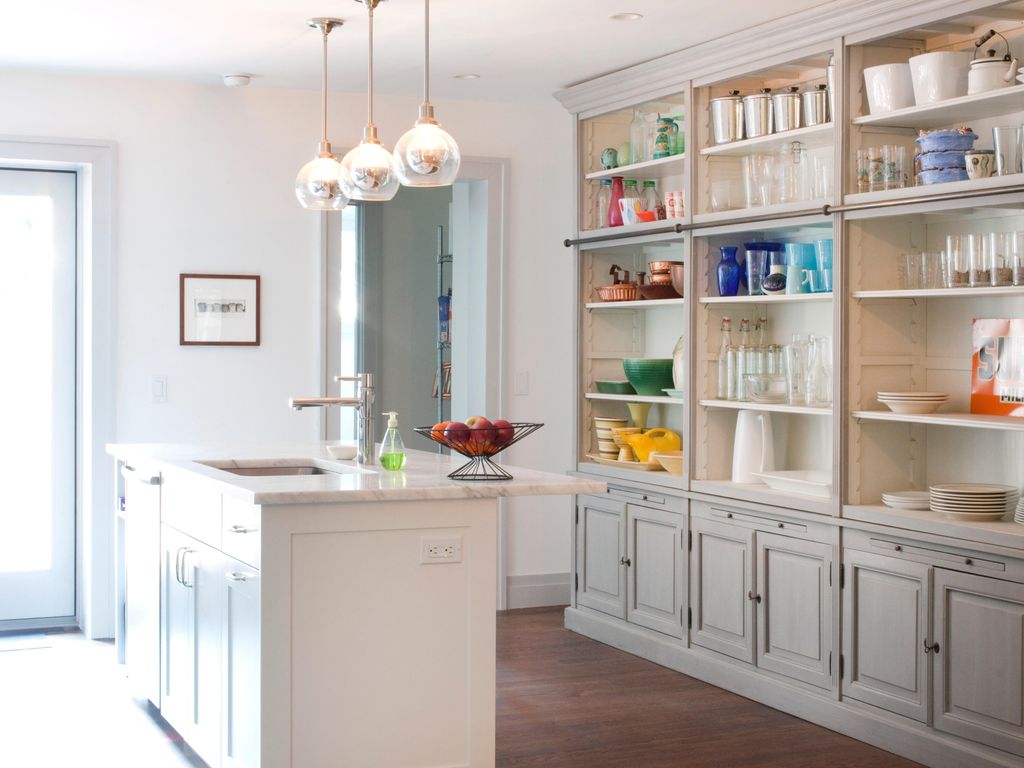
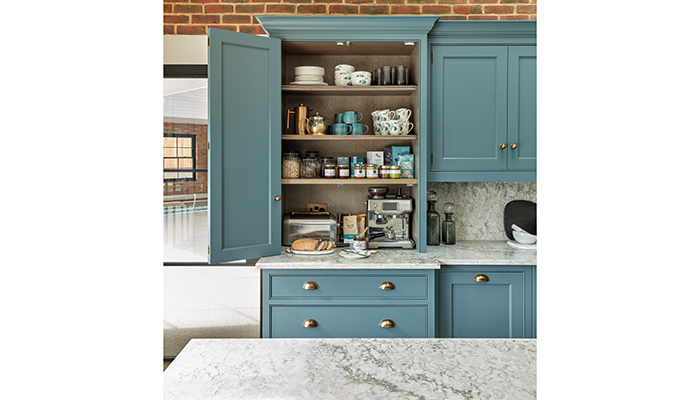
Achieving a balance of Yin and Yang energy is another key aspect. Light represents Yang energy, which is essential for keeping the cook motivated, visible, and able to read recipes. Task lighting near work areas, overhead lighting, and mood lighting options like small lamps are suggested to create a well-lit and comfortable environment. Maintaining an organized and clutter-free kitchen is considered crucial for prosperity and a vibrant energy flow. This extends beyond surface tidiness to include organized pantries, refrigerators, drawers, and cabinets. Layering different types of lighting—task, accent, and ambient—is also vital for an uplifting atmosphere and practical cooking. Lastly, decorative elements like lush plants, concrete or marble countertops, metallic surfaces, gold or silver fixtures, and raw wood can further integrate Feng Shui principles, enhancing both aesthetics and energetic balance in the kitchen.
#FengShui #KitchenDesign #InteriorDesign #HomeDecor #EnergyFlow #FiveElements #Lighting #Organization #ColorPalette #SpatialArrangement #FengShui #KitchenDesign #InteriorDesign #HomeDecor #EnergyFlow #FiveElements #Lighting #Organization #ColorPalette #SpatialArrangement
0 comment in total
 No comments yet
You may also like
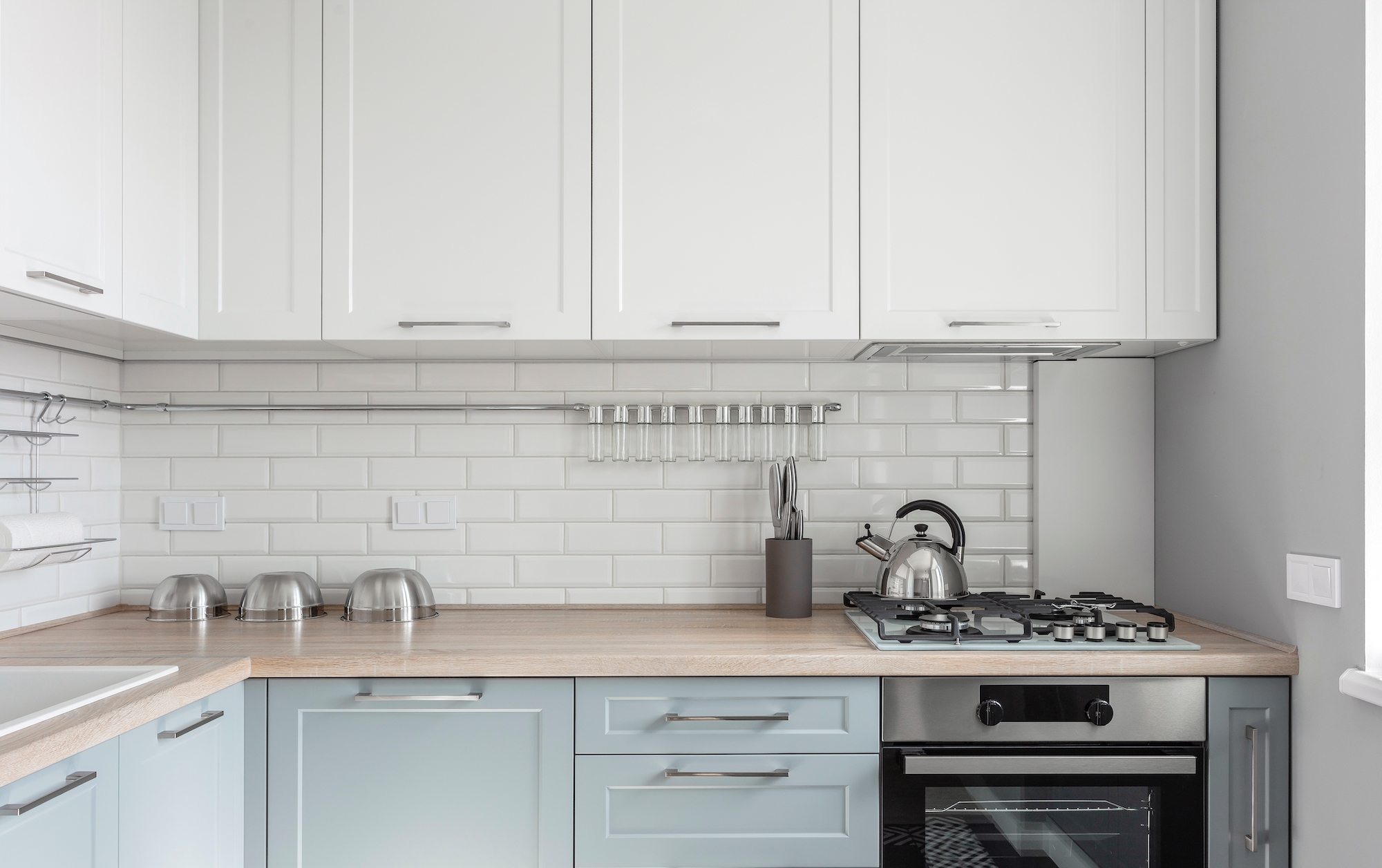
8 small kitchen Feng Shui tips for all the good vibes

10 things every kitchen needs, according to interior designers

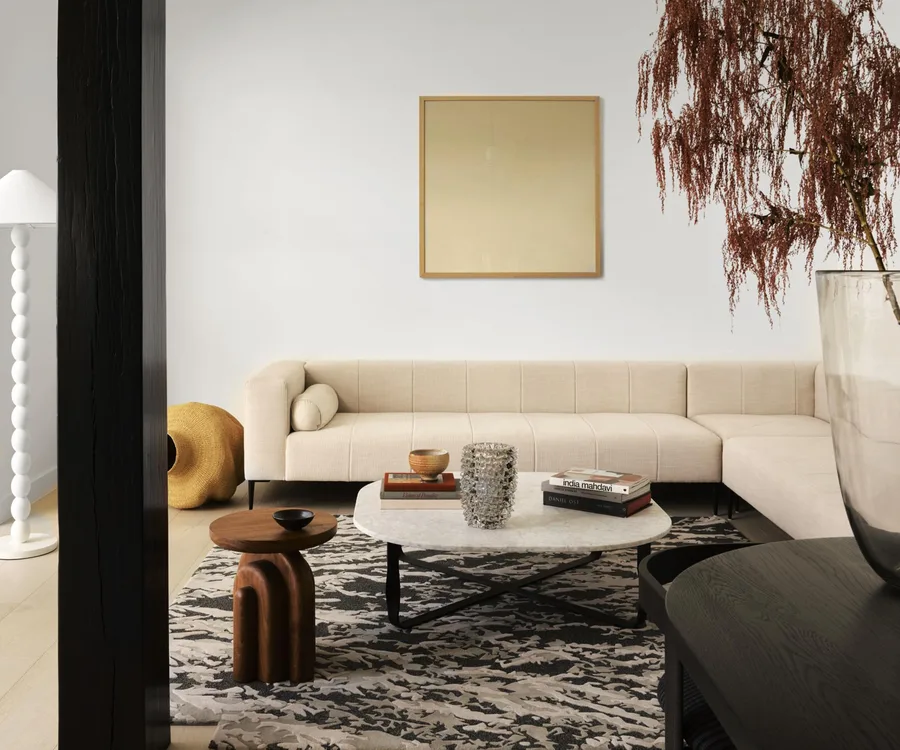
How to master the layout of your home, according to Feng Shui

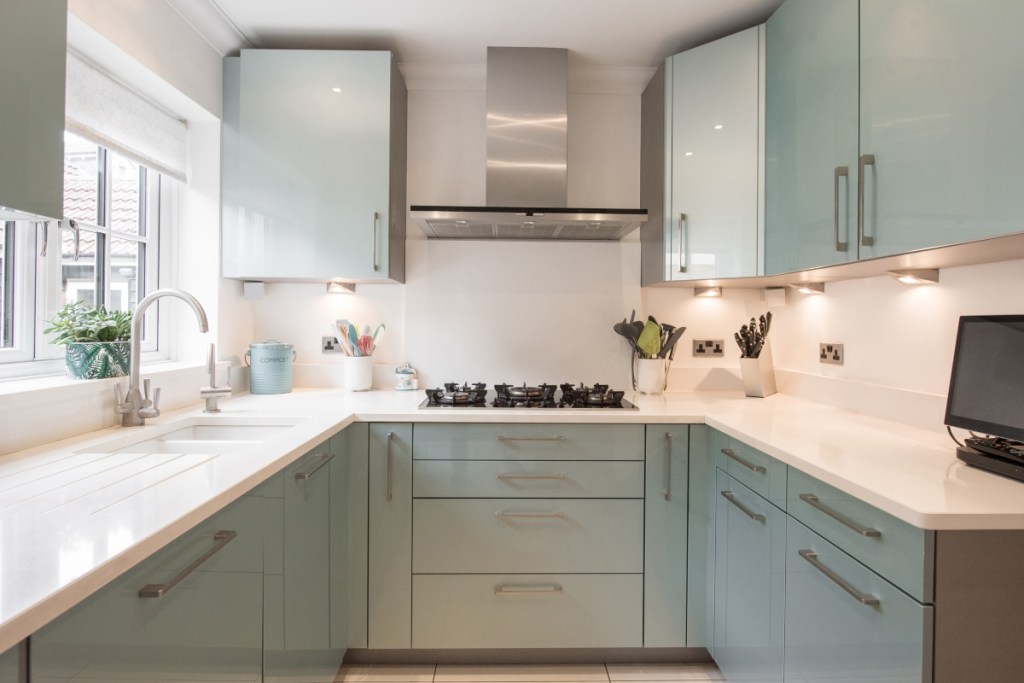
How to make your kitchen design more functional, according to experts
The Kitchen Design Guru

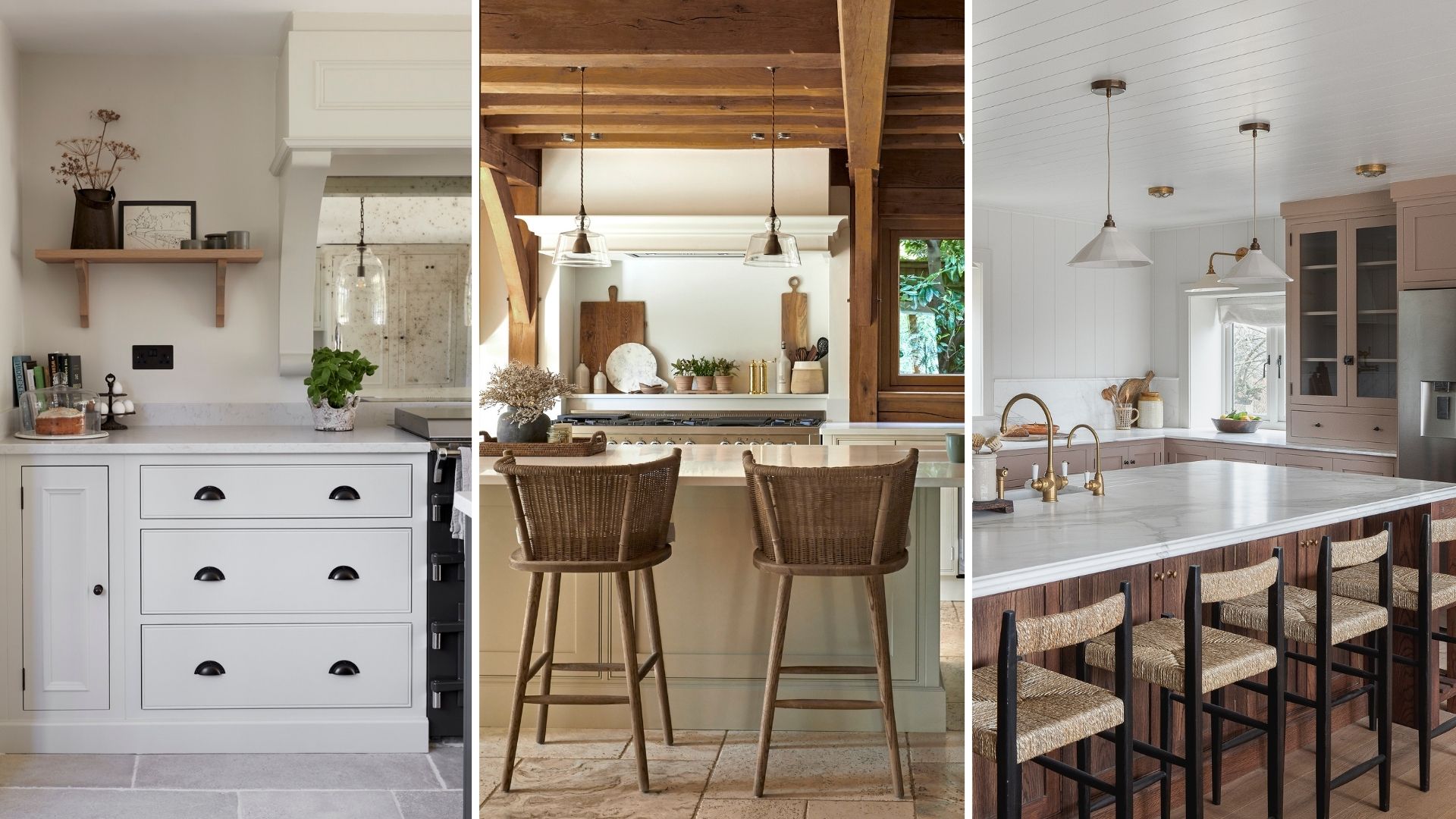
6 design rules worth breaking for a more characterful kitchen

7 Common Kitchen Features That Actually Give Designers the "Ick"

8 shockingly common kitchen design mistakes according to a pro

5 of the best feng shui kitchen colors for a relaxing space according to experts
The Ultimate Kitchen-Design Hack
How to design your perfect kitchen
How wellbeing in kitchen design is now a priority for homeowners

Feng Shui Tips for Every Room in Your Home
7 Kitchen Design Trends Chefs Say Are Totally Bogus
Kitchen island design: The design tips you should know

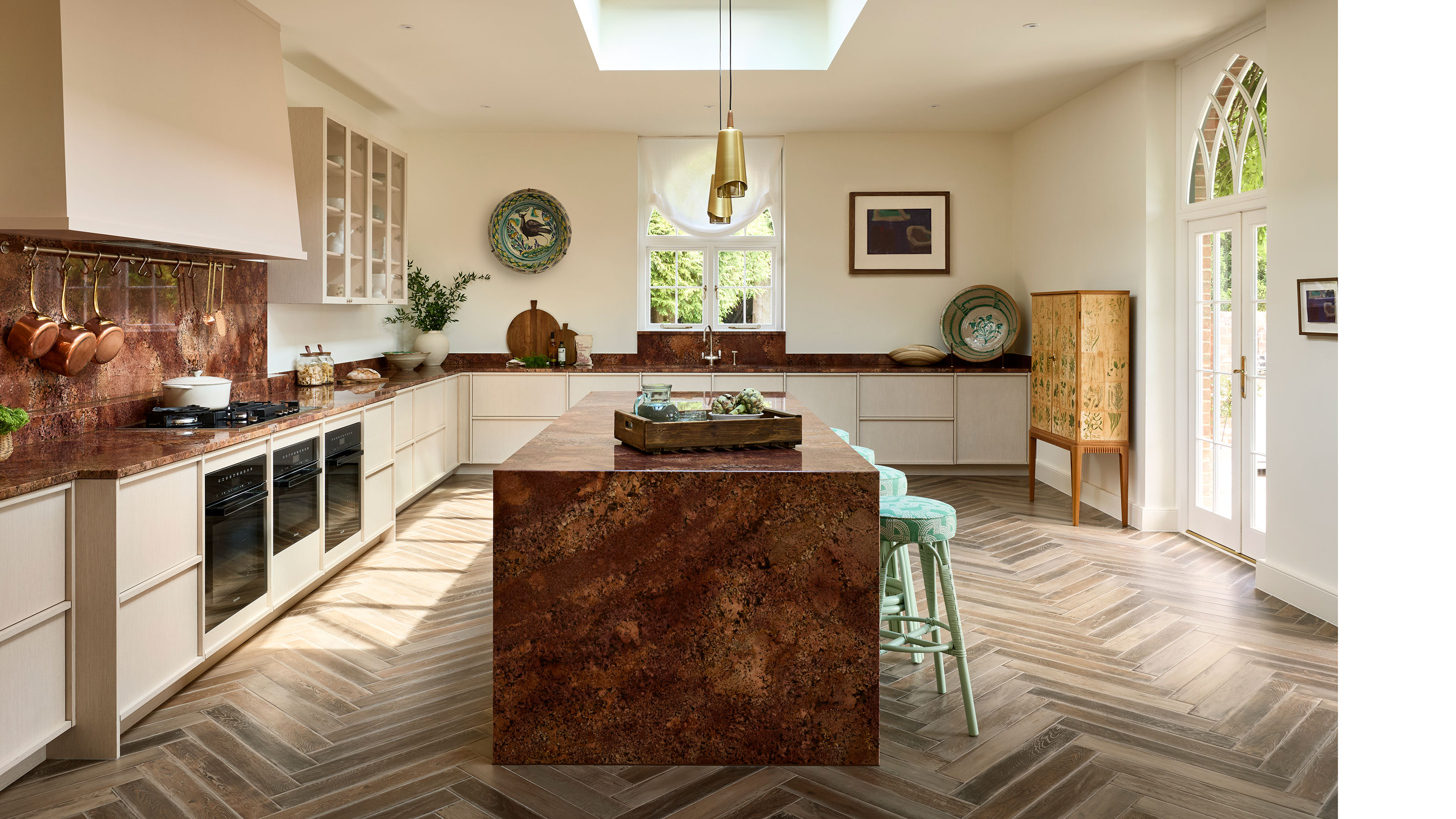
Should a Kitchen Island Be Centered? "There Is No One-Size-Fits All" Solution, Say the Experts

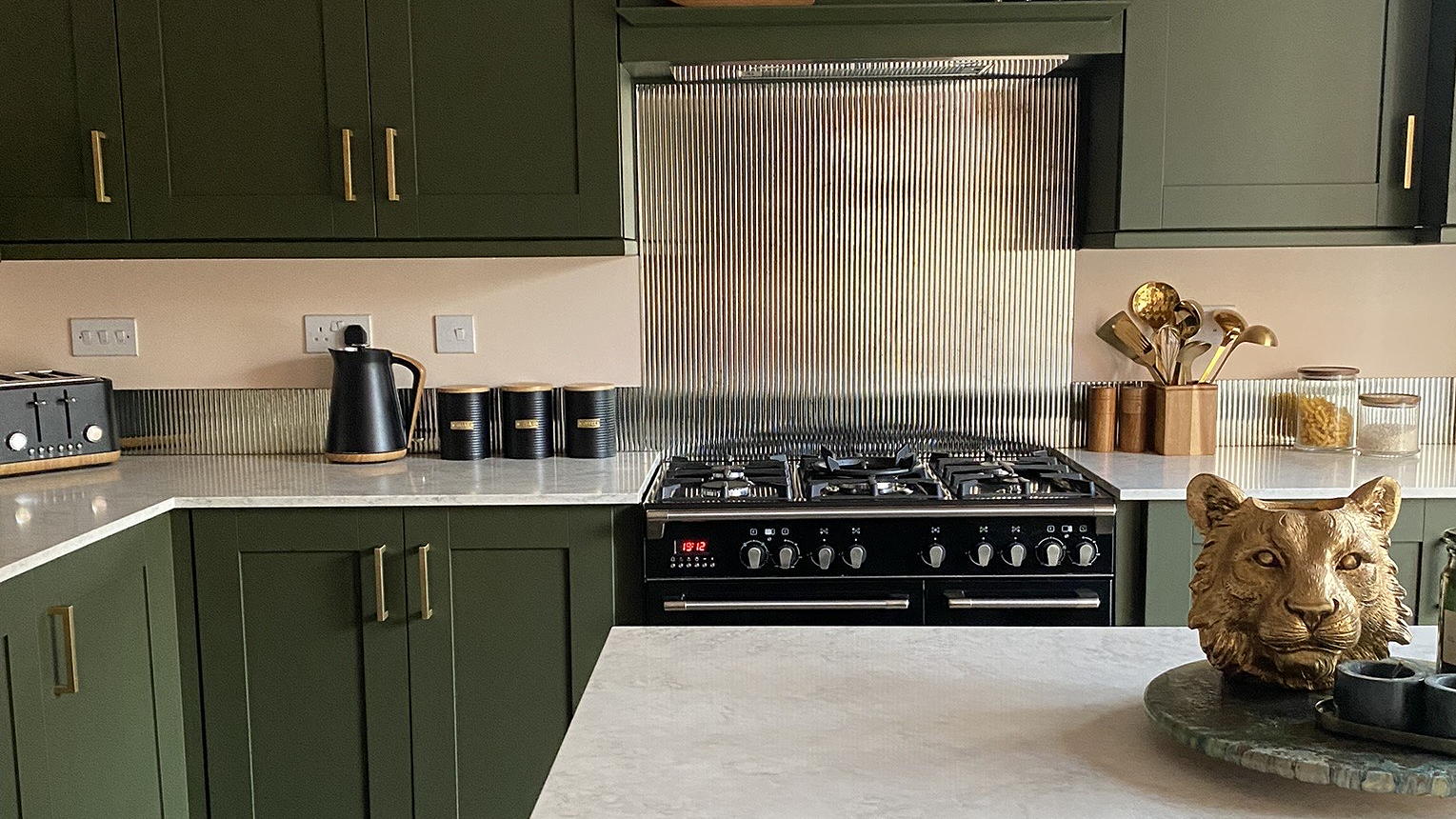
Feng Shui principles and Frenchic paint transformed this kitchen into a luxury space
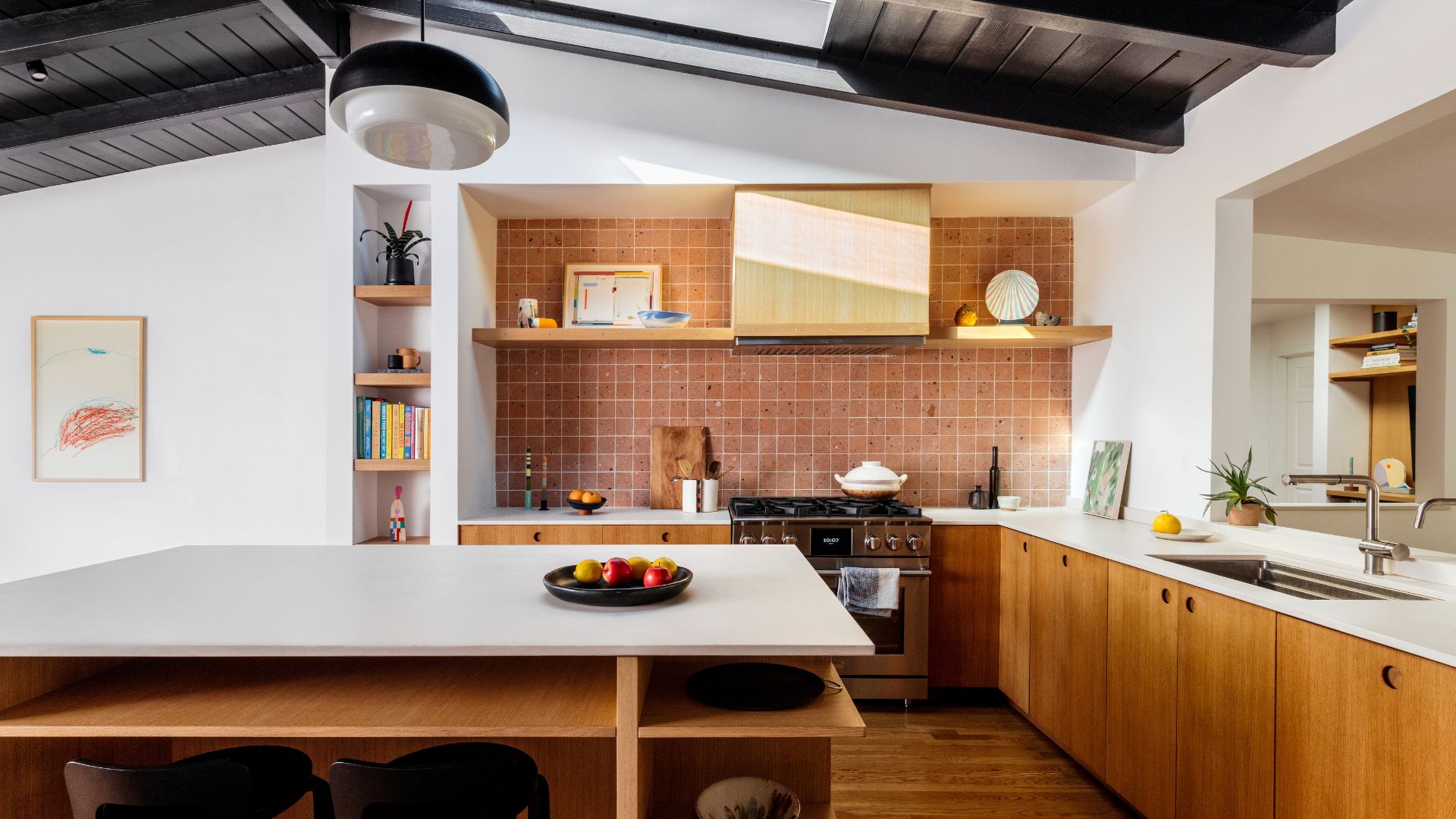
6 Mistakes With Your Kitchen Stove's Feng Shui to Avoid
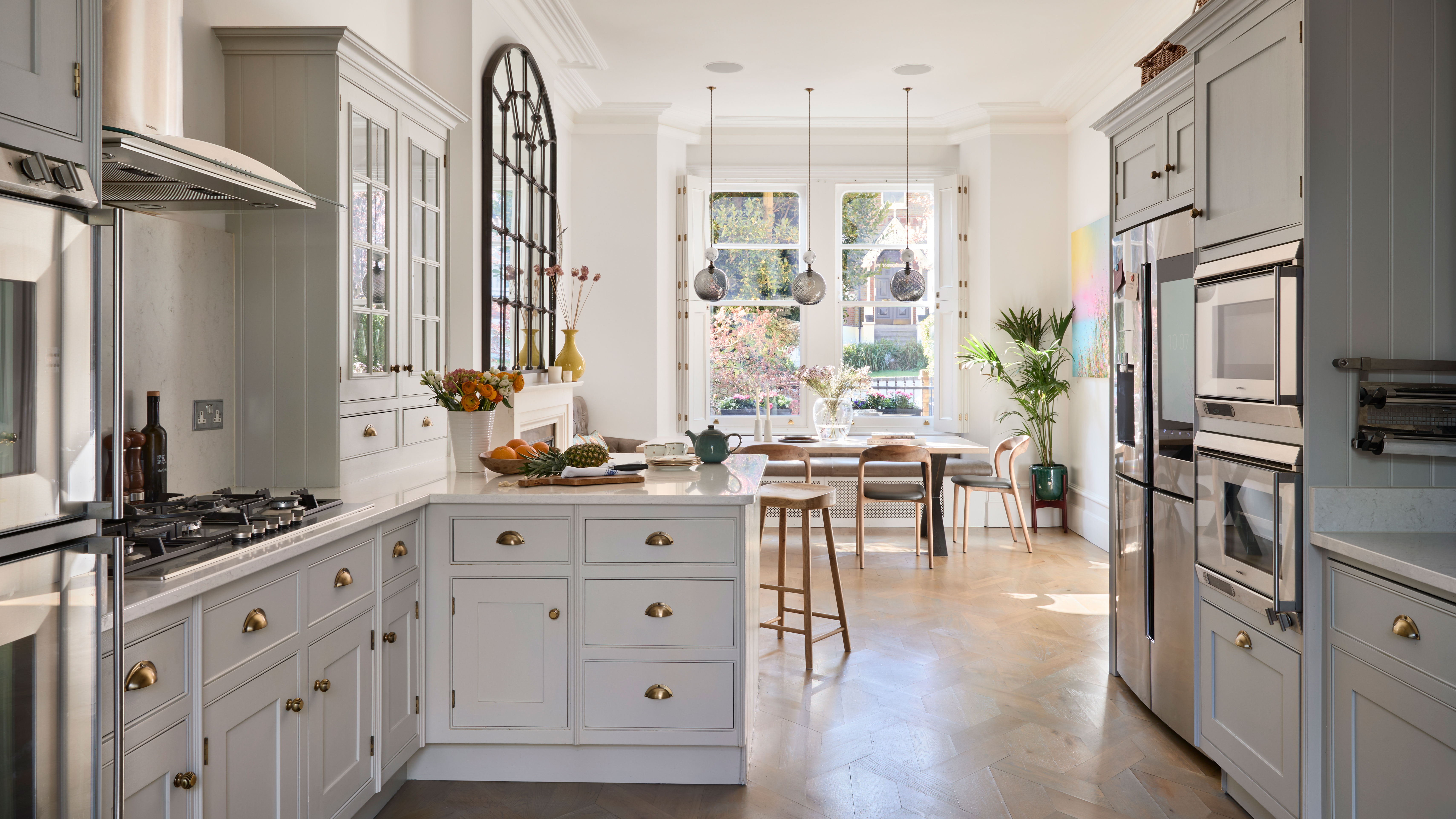
How to make a kitchen more relaxing – 12 designer tips to create a zen-like space
What Makes a Great Kitchen? An Expert Shares His Best Design Tips