Reflection: Gardens and Community on Campus
This article explores the multifaceted significance of gardens on a college campus, delving into their historical and personal impact, their role in academic projects, and their contribution to community building and well-being. It highlights how gardens, from the ancient concept of the Garden of Eden to contemporary urban green spaces, have consistently symbolized rebirth, healing, and the cycle of life. The author reflects on their personal connection to gardening, recounting childhood experiences of nurturing plants and participating in environmental conservation, and noting a renewed engagement with nature during their college years.
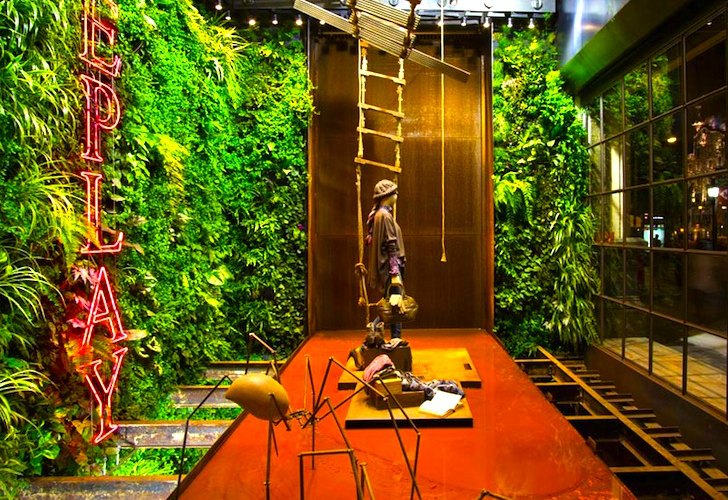
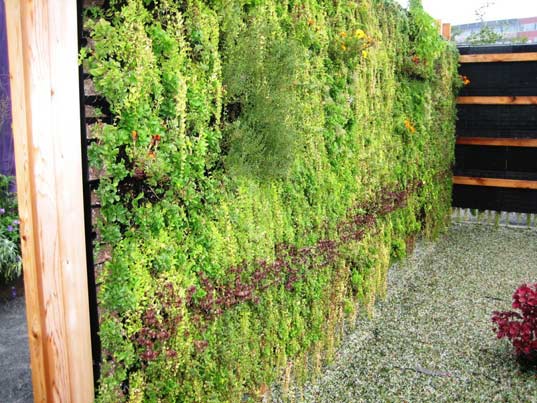
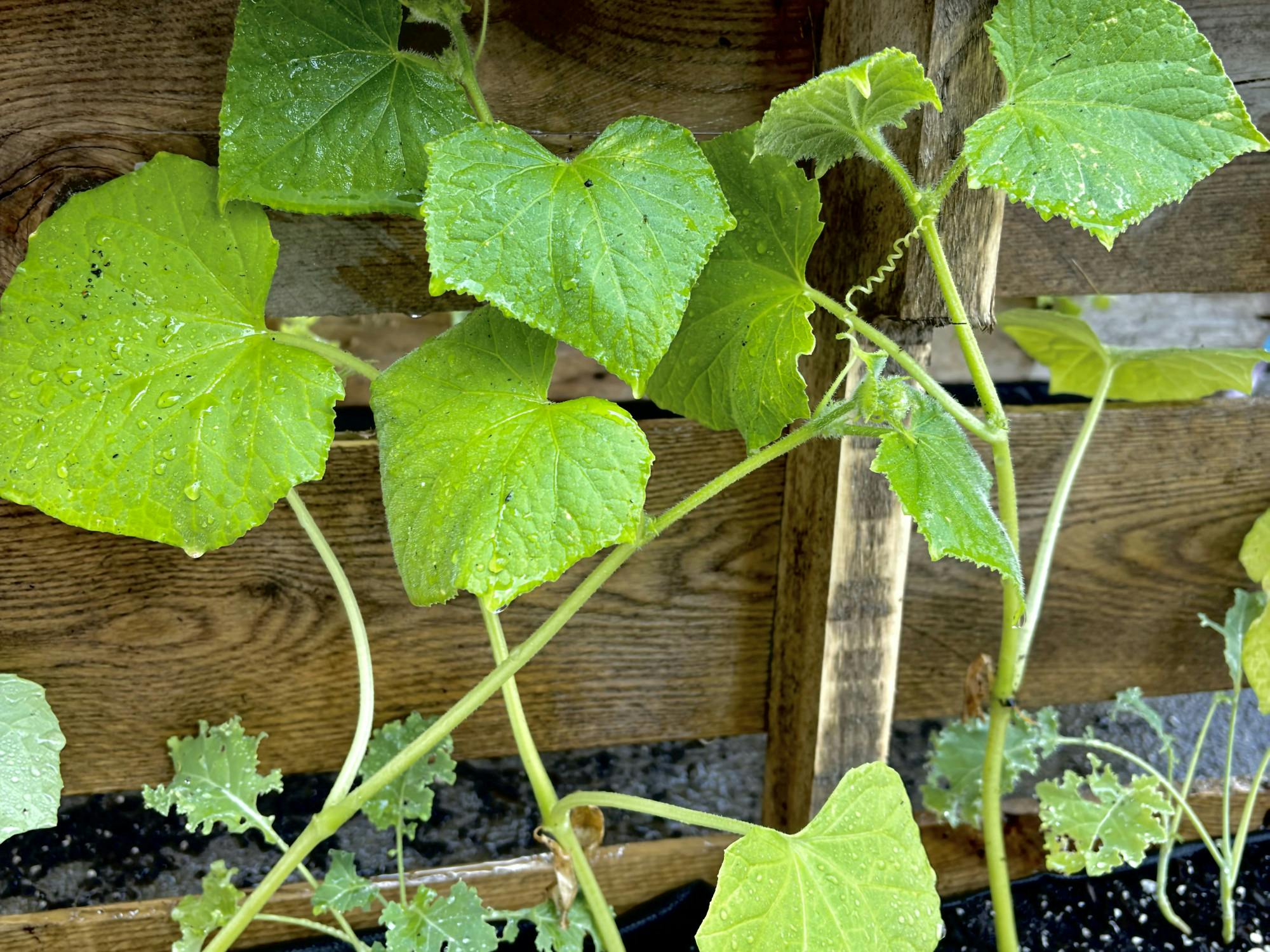
The narrative describes a specific architecture class where students design and construct vertical gardens from recycled pallets. The instructor, Jack Wilson, emphasizes that these projects aim to reconnect individuals with the natural world, fostering a primal response to growth and nature that is often overshadowed by modern life. Students in the class, like Ramina Askarova ’26, reported feeling a profound connection to nature and their "inner child" through the hands-on experience of planting and caring for various herbs and vegetables.
Beyond academic settings, the article introduces "Little Green," an on-campus community garden located around the Cube at Dartmouth. This initiative, pioneered by Daysia Charles ’25, School House program coordinator Erin McMahon, and Allen House coordinator Rosalyn Goveia, was inspired by Charles's previous experience with the 'Neighborhood Grow Plan' in Massachusetts during the COVID-19 pandemic. That program focused on providing container gardens and seedlings to Boston residents, fostering interaction with nature, promoting food accessibility, and building community connections during a period of isolation. Charles brought this ethos to Dartmouth, aiming to create a similar environment for students to connect through gardening, whether by working with their hands or enjoying fresh produce.
The "Little Green" project serves several critical functions: enhancing wellness, promoting food accessibility, and strengthening community bonds on campus. It offers a more accessible alternative to the Dartmouth Organic Farm, which is located off-campus and can be challenging for some students to reach. By being centrally located, the Little Green acts as a hub for plant-fueled joy and a source of healthy food. The creators envision its expansion into a campus-wide food forest, aligning with a broader goal to encourage students to engage with growing their own food and consume fresh, beneficial produce, counteracting the prevalent culture of fast food.
The article concludes by encouraging readers to seek out and appreciate the various green spaces across campus, such as the School Street meditation garden, wildflowers planted by the Pollinator Project, gardens along Webster Avenue, and flowering planters near the Class of 1953 Commons and the Collis Center. It underscores that these natural areas offer opportunities to reconnect with senses, find grounding in nature's harmony, and experience the simple yet profound joy of gardening. The overall message reinforces that gardens are not merely decorative elements but vital spaces for personal well-being and community interaction, bridging the gap between humanity and the natural world.
#CampusLife #CommunityGardens #Sustainability #StudentWellbeing #UrbanGardening #EnvironmentalConnection #FoodAccessibility #Dartmouth #CampusLife #CommunityGardens #Sustainability #StudentWellbeing #UrbanGardening #EnvironmentalConnection #FoodAccessibility #Dartmouth
0 comment in total
 No comments yet
You may also like
Innovative landscape architecture and garden design around the world

Porch Life Is Back! 5 Reasons Why Your Front Yard Is the New Outdoor Living Room
6 Luscious Living Vertical Gardens That Bring A Breath Of Fresh Air Indoors

Create an Eco-Friendly Outdoor Space with Expert Garden Design

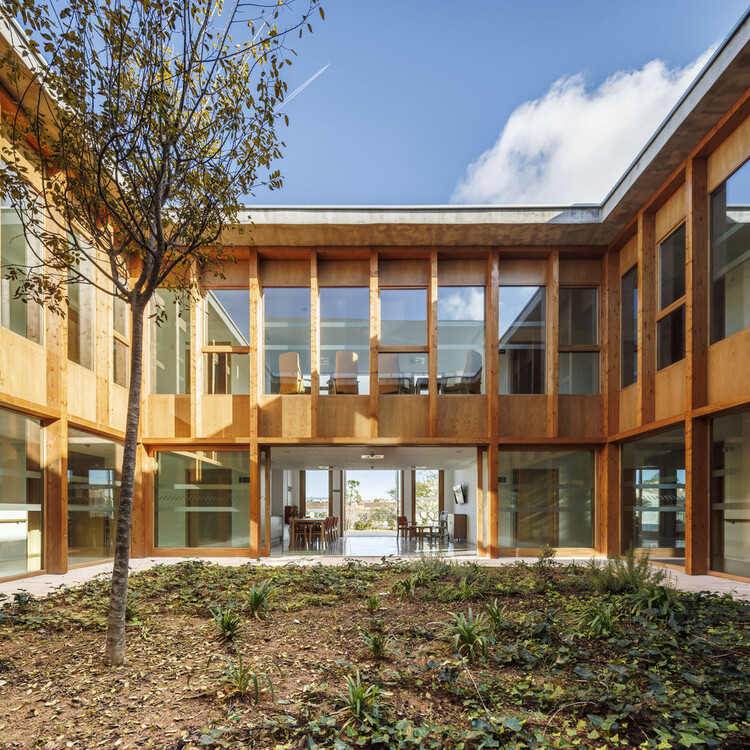
Courtyards, Gardens, and Terraces for Seniors: Residences that Integrate Community Life into the Natural Environment

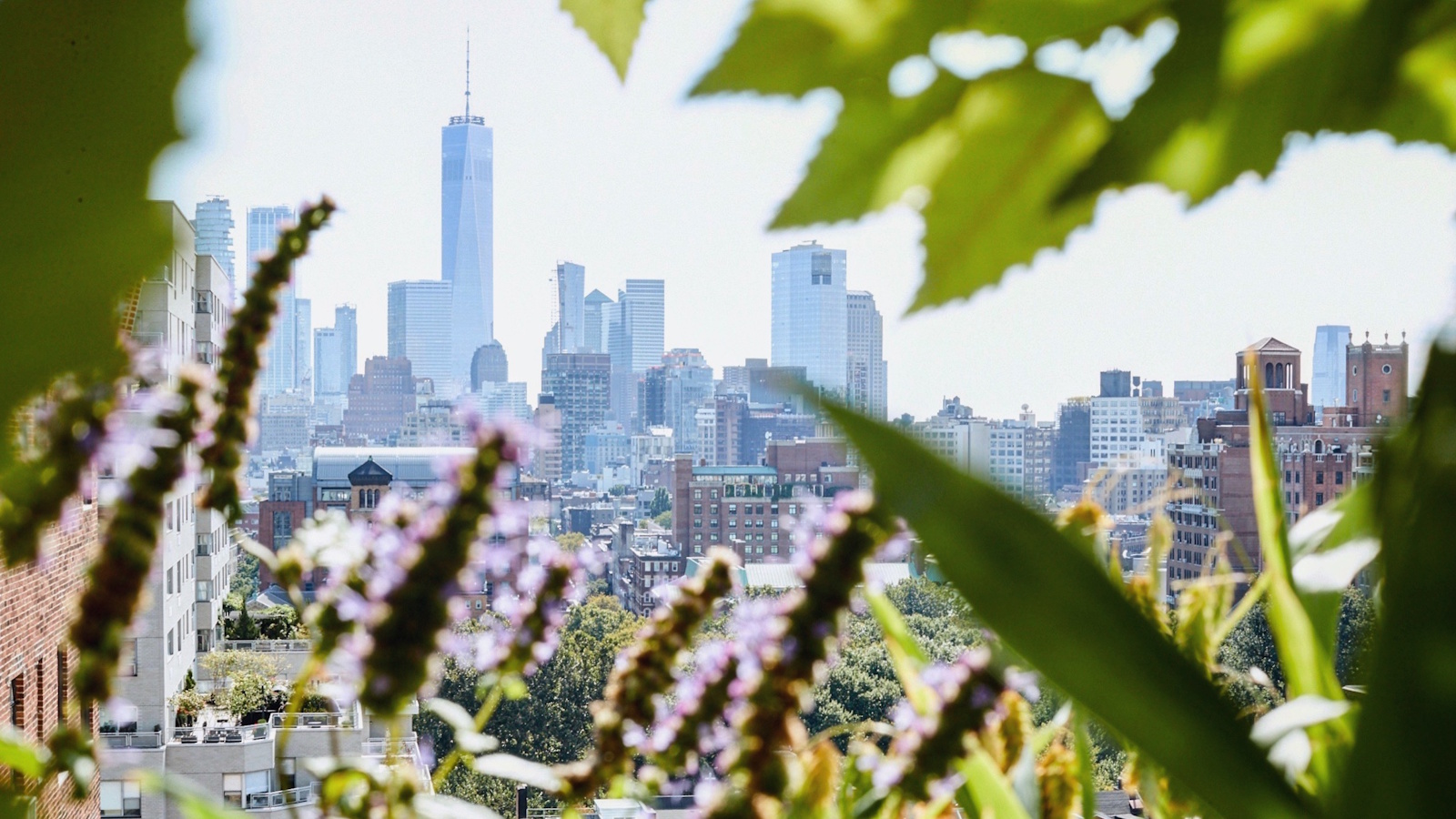
Sanctuaries in the city – NYC garden designer reveals how to transform urban rooftop gardens into green oases


The Most Well-Designed Gardens in the World
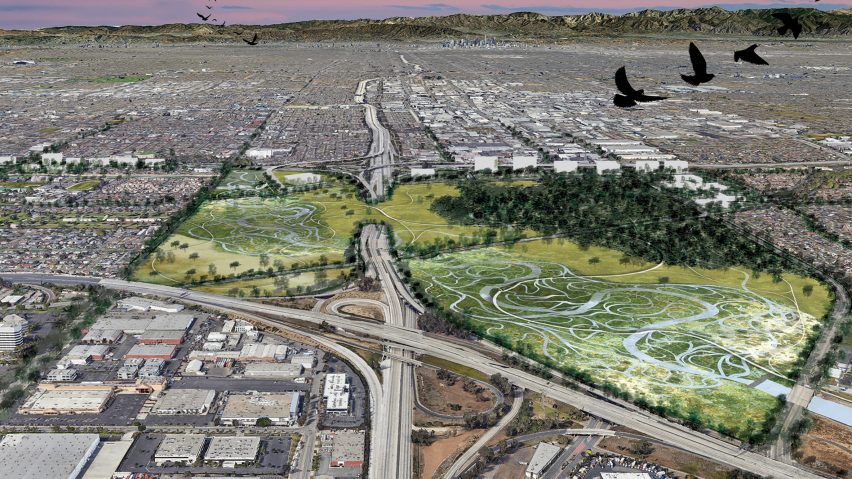
Ten landscape architecture projects by students at University of Southern California

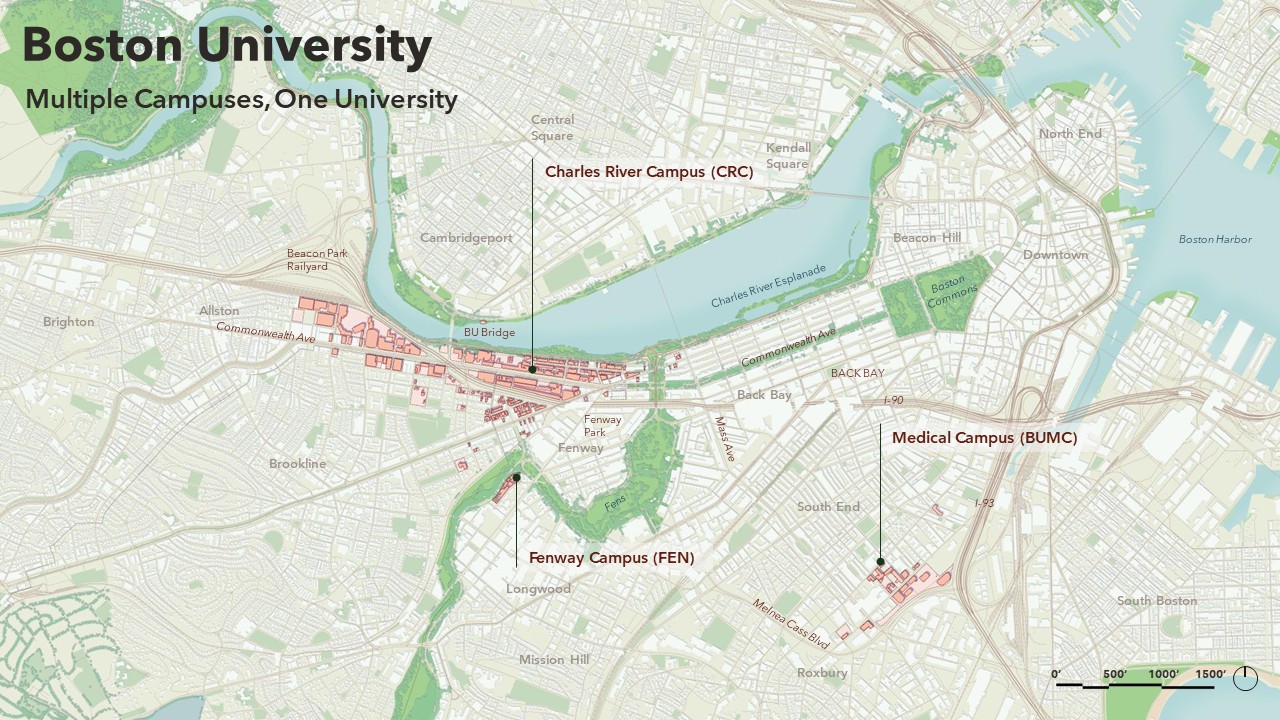
Campus Framework Plan


The green wall revolution: how vertical gardens are purifying urban air


Residence Life | Living on Campus
9 inner-city garden ideas to inspire


The Most Well-Designed Gardens in the World

Undergraduate Residence Life
Cultivating Green Apartments: A Guide to Integrating Nature in Small Urban Spaces

ELT EASY GREEN LIVING WALLS
15 Urban Garden Ideas That Will Make Even Busy City Spaces Feel Like a Retreat

Vertical plants: Plant design of Living walls – evaluation of 34 perennials in a textile based Living wall over a three years experiment
Exploring the Integration Between Colour Theory and Biodiversity Values in the Design of Living Walls
Trend Alert: Living Walls Add a Pop of Nature to Urban Honolulu Spaces