1/11
Ten landscape architecture projects by students at University of Southern California
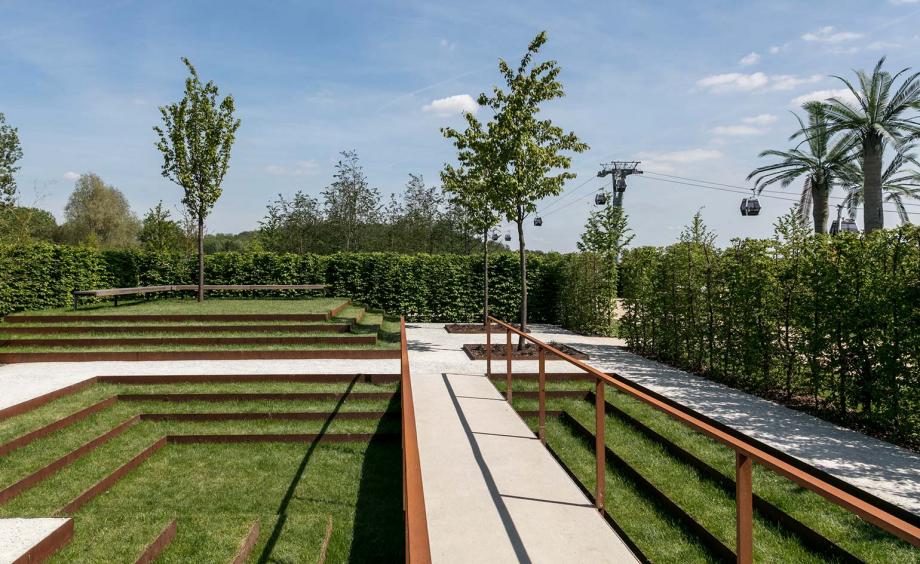
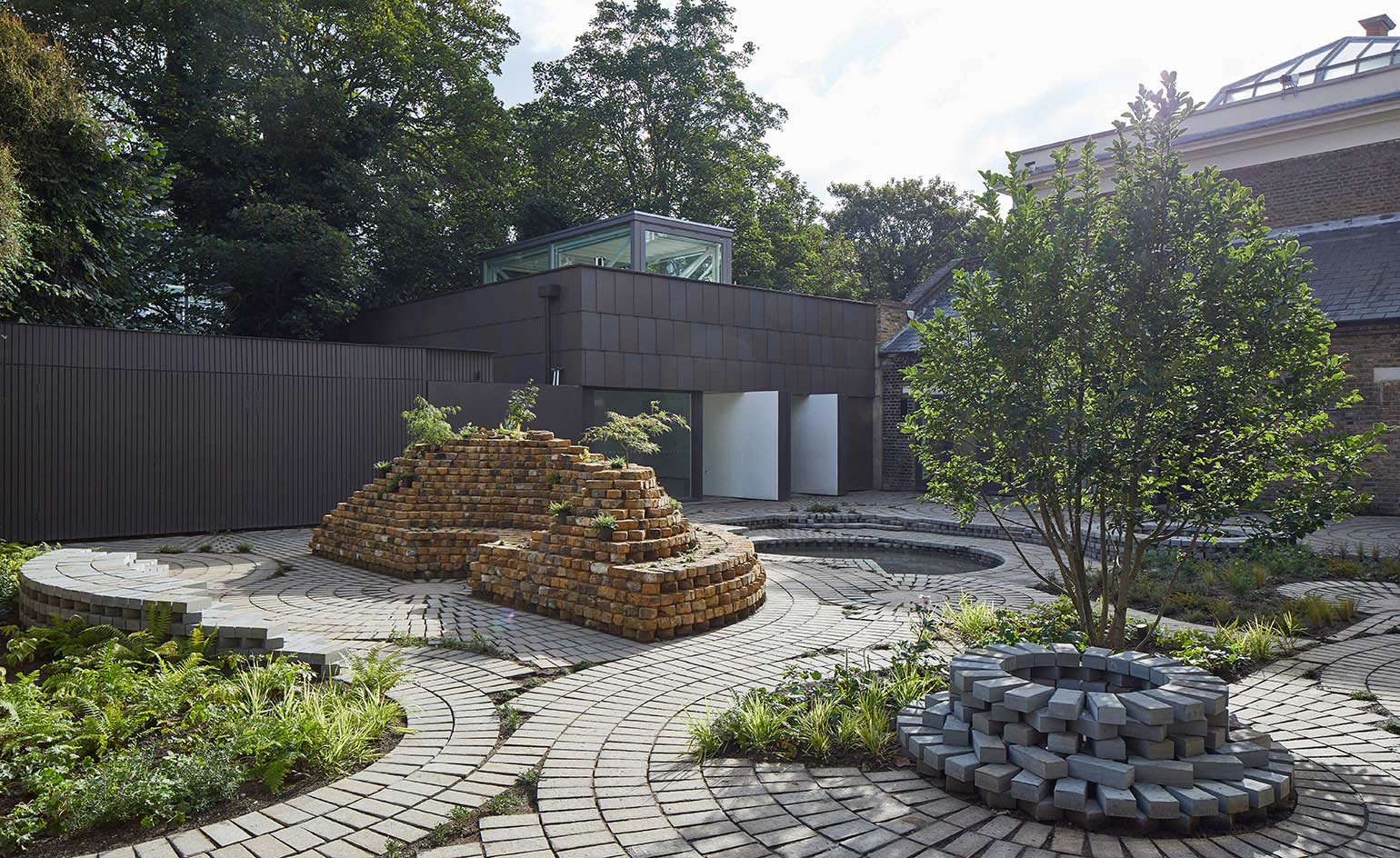
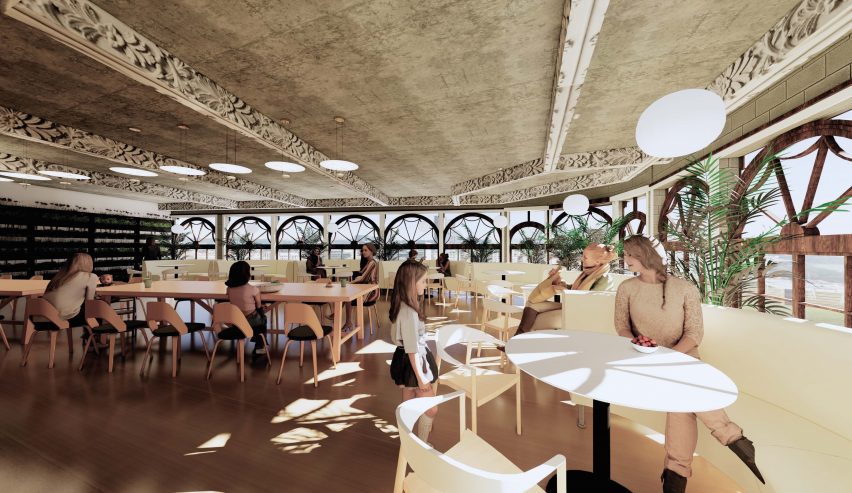
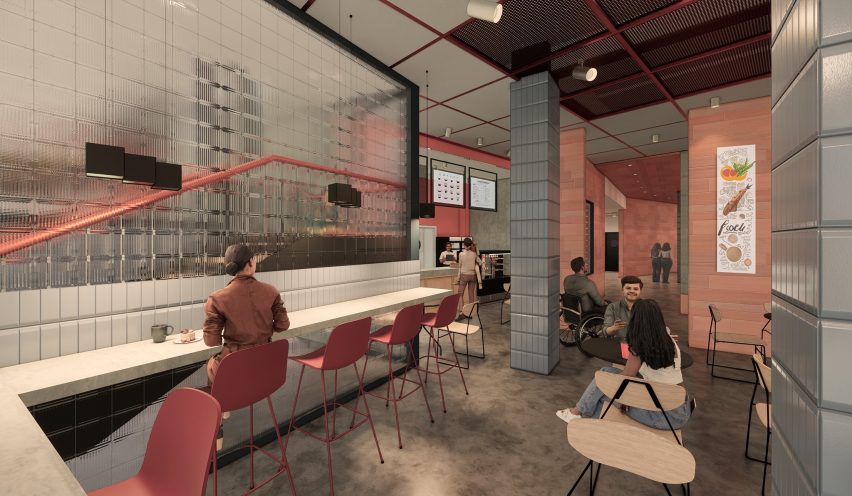
This blog post showcases ten landscape architecture projects developed by students at the University of Southern California's (USC) School of Architecture, specifically within the Master of Landscape Architecture and Urbanism (MLA+U) program. These projects address contemporary challenges related to climate change, environmental injustice, and sustainable development, focusing on diverse scales from site design to territorial responses. The MLA+U program at USC emphasizes the dynamic interplay of natural systems, sociocultural forces, and constructed environments, preparing students to become leaders in designing and planning landscapes.
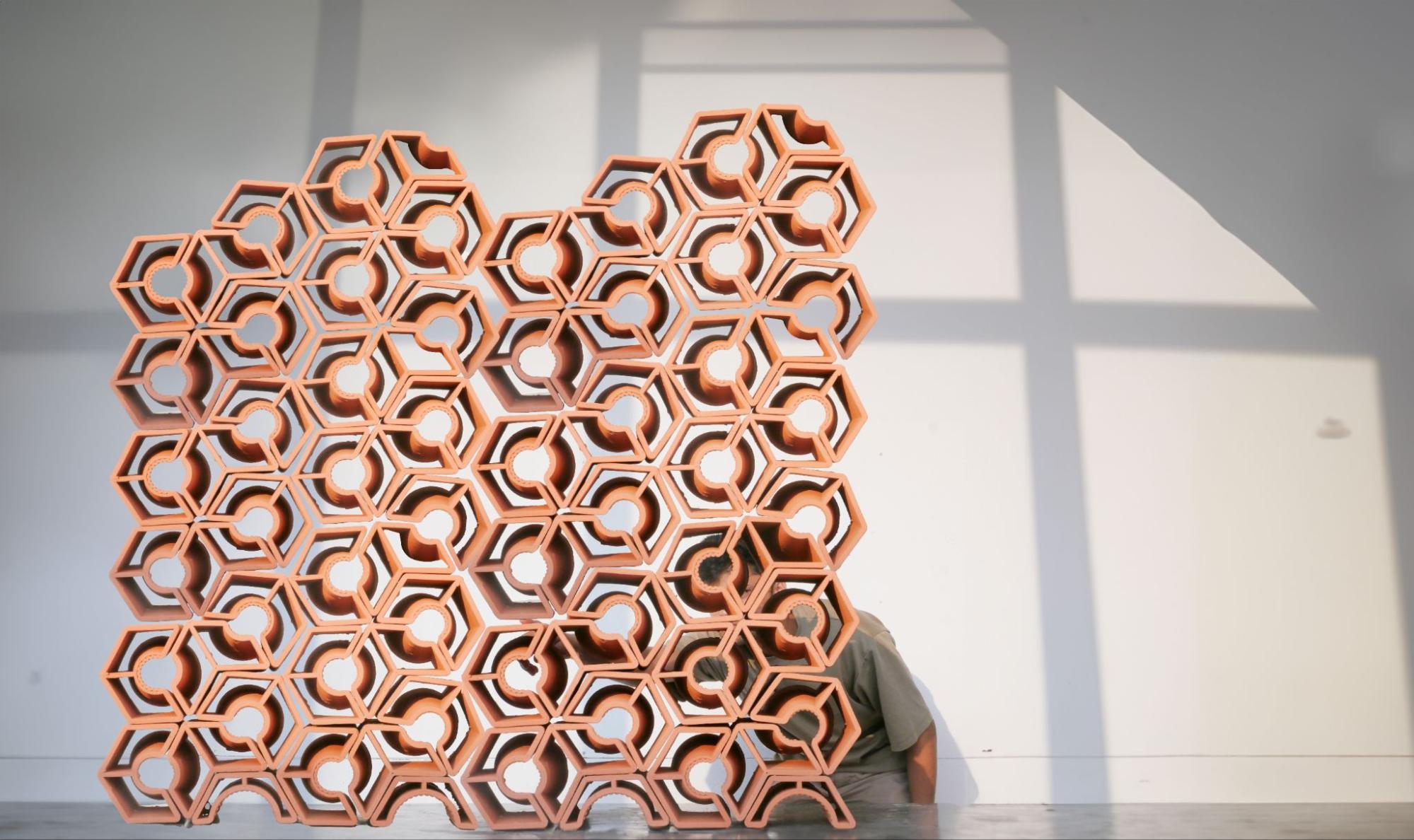
The featured projects demonstrate a proactive approach to environmental and social issues. One project, "Textile Landscapes" by Anna Avdalyan, explores the use of cotton as a material for the sustainable restoration of the Tulare Lake, a region historically impacted by unsustainable agricultural practices. This project reimagines cotton cultivation within a circular material ecology, focusing on habitat restoration and water quality improvement through biocomposites derived from cotton's secondary cellulose. Another significant project, "Fallows No More" by Viraj Chauhan, addresses the adverse effects of agricultural land fallowing in California's Central Valley, a consequence of the Sustainable Groundwater Management Act. Chauhan's work proposes a strategic framework using traditional and advanced technology tools to investigate alternative agricultural practices, aiming to maintain local employment and food security while simultaneously protecting natural systems, replenishing groundwater, and increasing flood capacity.
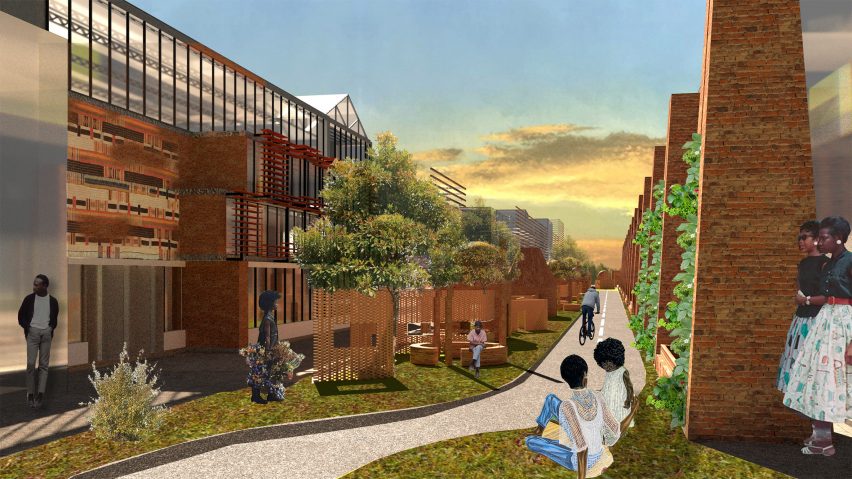
Nina Weithorn's "Allensworth Agricultural Experiment Station" focuses on holistic and community-based techniques for food-producing landscapes in Allensworth, the first community in California founded, financed, and governed by Black Americans. This project repurposes waste materials to enhance food sovereignty and utilizes agricultural research for soil revitalization, aiming to restore the town's historical role as a center for agricultural innovation. Kavya Gudihal's "Unveiling Metal Marvels and Global Garbage Games" delves into restoration strategies for landscapes scarred by metal and rare earth mining. This project explores soil remediation, phytoremediation, water reclamation, and innovative uses of subterranean voids to transform former wastelands into productive and healthy ecological systems.
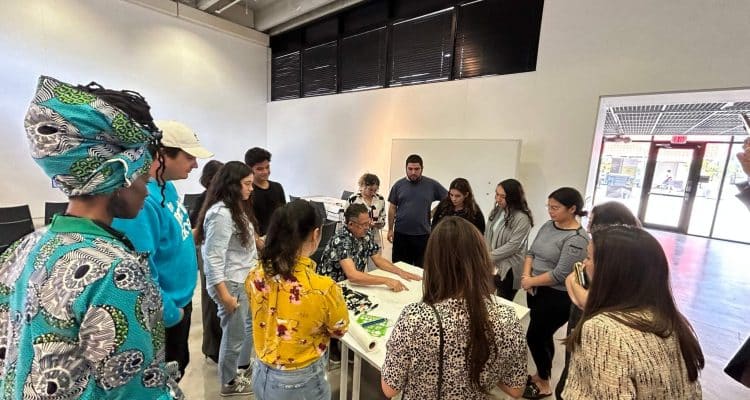
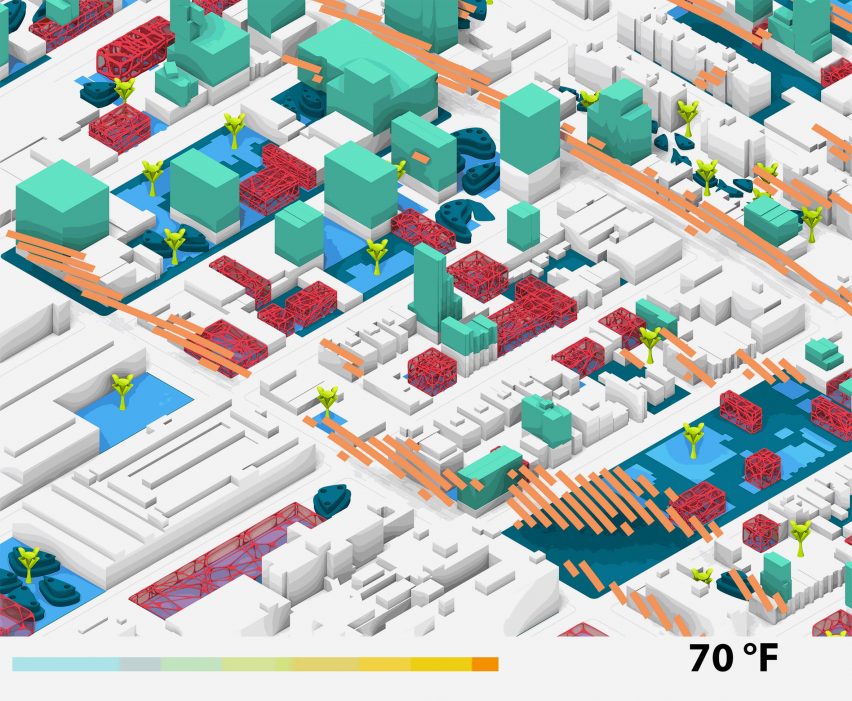
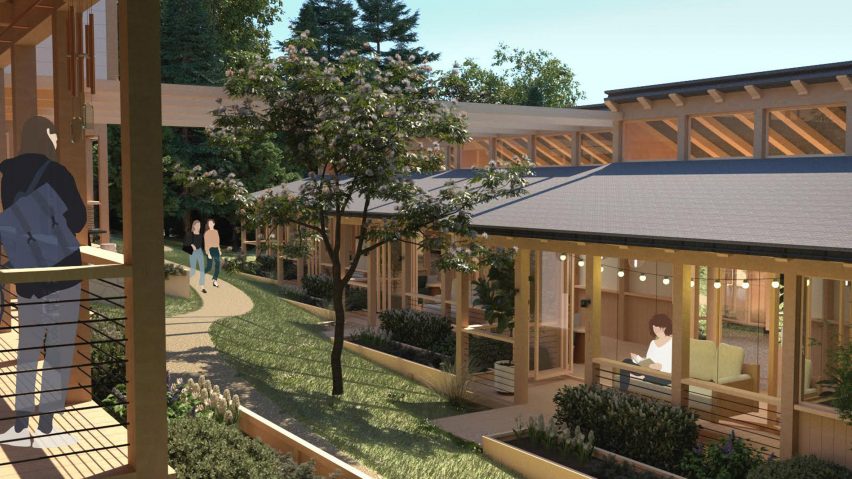
Other projects highlight technological integration and community engagement. Jordan Fucci's "Sun Study Thermal Comfort Analysis" uses Grasshopper and generative AI to develop customized tools for site analysis and design, enabling students to model and visualize topography, hydrology, and ecological simulations. Eva Malis's "Gateway to Payhhuunadu" addresses the historical water diversion from Owen's Valley to Los Angeles, aiming to tell the complex story of water in the valley and incorporate indigenous knowledge. Yinshan Wang's "USC Village Sustainable Landscape Design" proposes high-performance, low-water-use, native, and edible sustainable futures for a land-banked parcel at the USC campus, serving both the university and the surrounding community. A collaborative project, "Akuutet Learning Nursery – Community-Based Improvements," involved students working directly with community members to design native gardens, outdoor learning areas, picnic spots, and bioswales, emphasizing local plant palettes for biodiversity.
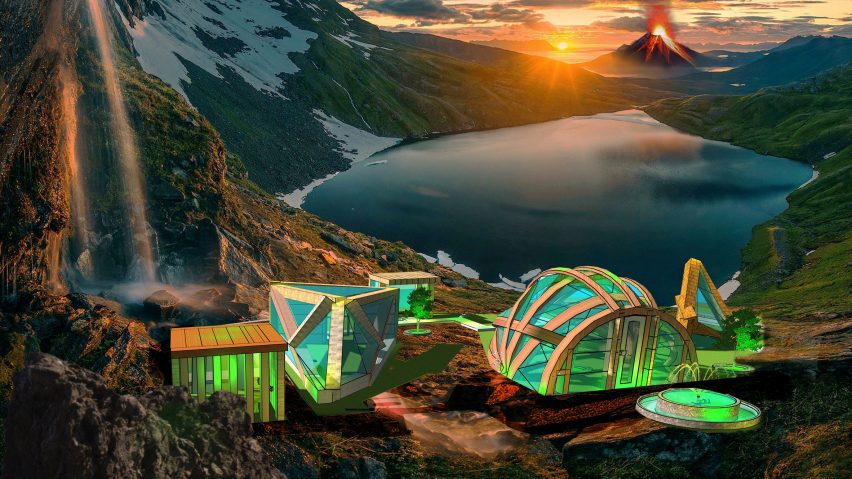
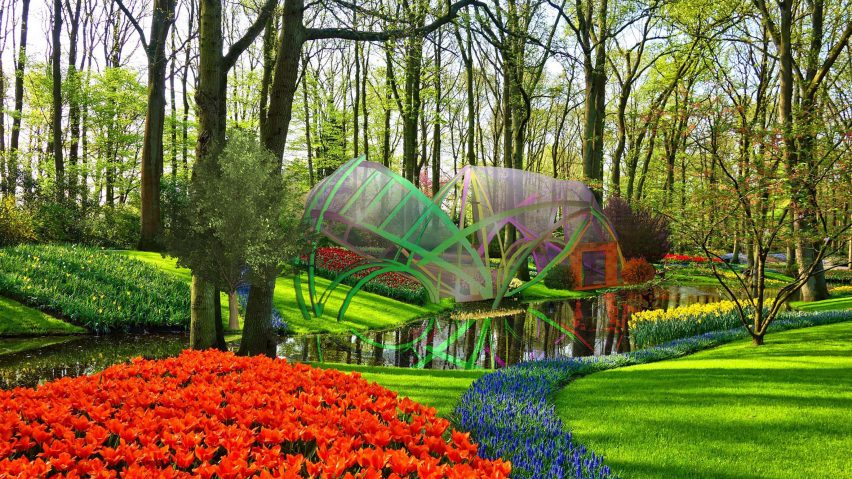
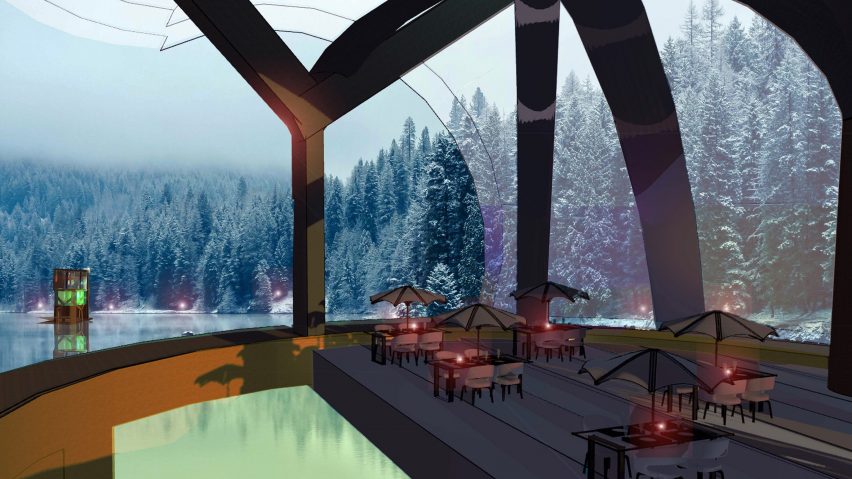
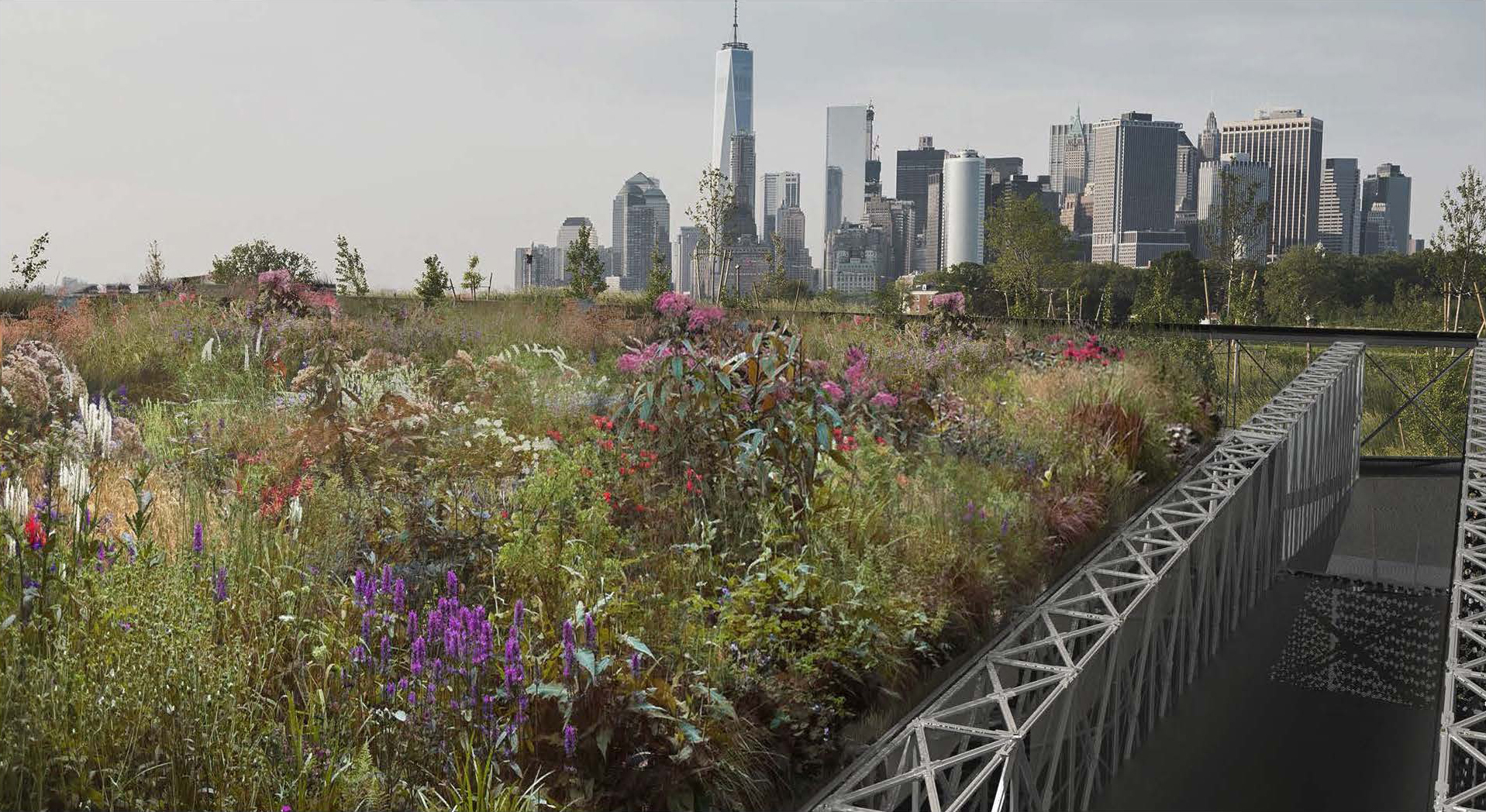
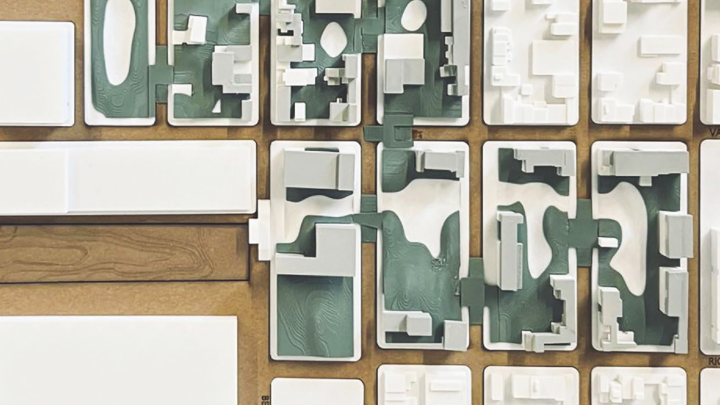
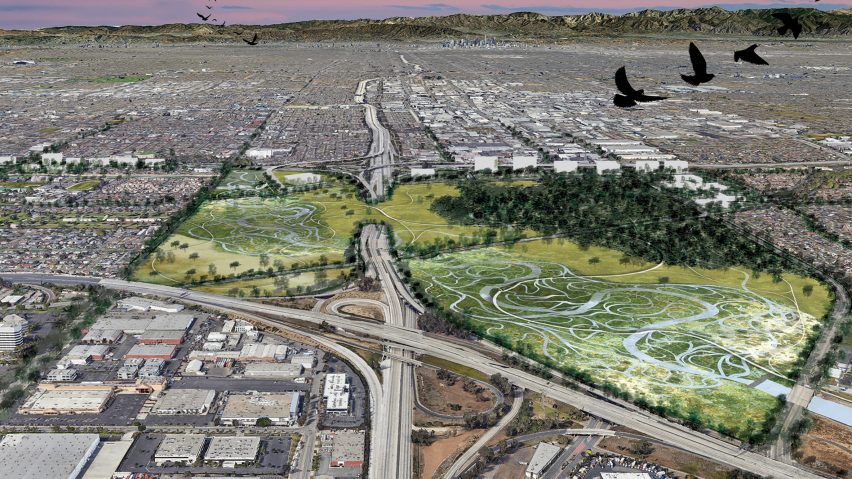
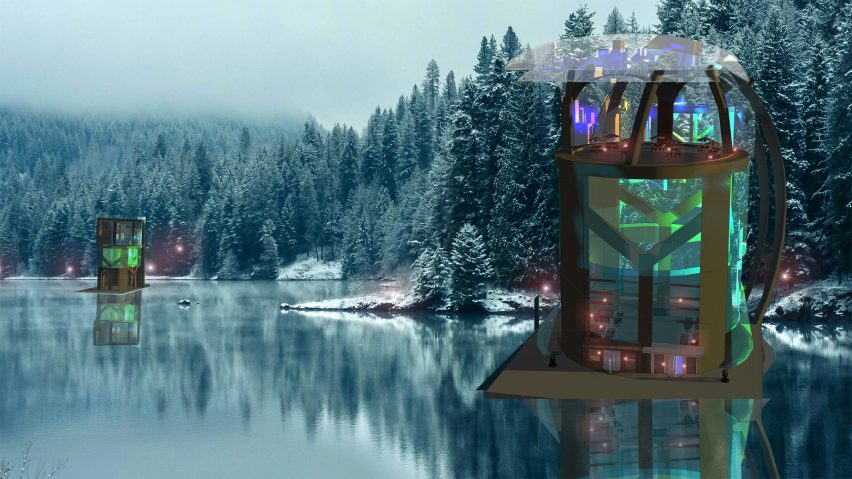
Viraj Chauhan's second project, "Dream Office Mumbai India," uses Midjourney to envision an ideal practice environment for a multidisciplinary firm, combining urban connectivity with serene work environments. Finally, Mark Reid's "Lungs of the Dominguez Watershed" explores a landscape framework of nature-based solutions for the Dominguez watershed in Carson, California, focusing on developing civic spaces that enable the community to adapt to urban flooding and climate change, particularly in heavily impacted and diversely populated areas. The USC program emphasizes environmental, social, and climate justice through initiatives like the Landscape Justice Initiative, Test Plot, and the Landscape Futures Lab, providing students with practical tools and research opportunities to address global climate stress impacts on vulnerable populations and natural systems.
#LandscapeArchitecture #SustainableDesign #Urbanism #ClimateChange #EnvironmentalJustice #CommunityDesign #UniversityOfSouthernCalifornia #StudentProjects #Biodiversity #LandscapeArchitecture #SustainableDesign #Urbanism #ClimateChange #EnvironmentalJustice #CommunityDesign #UniversityOfSouthernCalifornia #StudentProjects #Biodiversity
0 comment in total
 No comments yet
You may also like

My ArchiSchool spotlights 10 architecture and design projects
West Dean College spotlights ten interior design student projects
Every Room Gets Its Own Garden in This Classic California Indoor-Outdoor House

Projects with Passions: Three Landscape Architecture Analysts Nationally Recognized

My ArchiSchool presents 10 architecture and design projects
Ten architecture projects by students at the City College of New York
Digging Into Trends in Commercial Landscape Design

The art of landscape architecture: Troy Rhone designs some of Alabama’s most beautiful gardens

Graduate Architecture, Landscape Architecture, and Urban Design
ZEN Associates Designs and Builds Inspired North Shore Landscapes

New Talent: Seven Innovative Design Studios to Watch

H&G Top 50 Rooms 2018: outdoor rooms

Landscape Architects Host Real-World Design Workshop for FIU Students
How a century-old willow anchored a Toronto backyard transformation
Nine design projects from The New School's Parsons School of Design students
2025 Sunset Western Home & Design Awards: Best Landscape Design and Architecture
Innovative landscape architecture and garden design around the world

11 Revolutionary Female Landscape Designers and Architects Everyone Should Know

Landscape Architects Design to Please the Senses in Palm Springs

12 Best Free Landscape Design Software for Architects in 2024