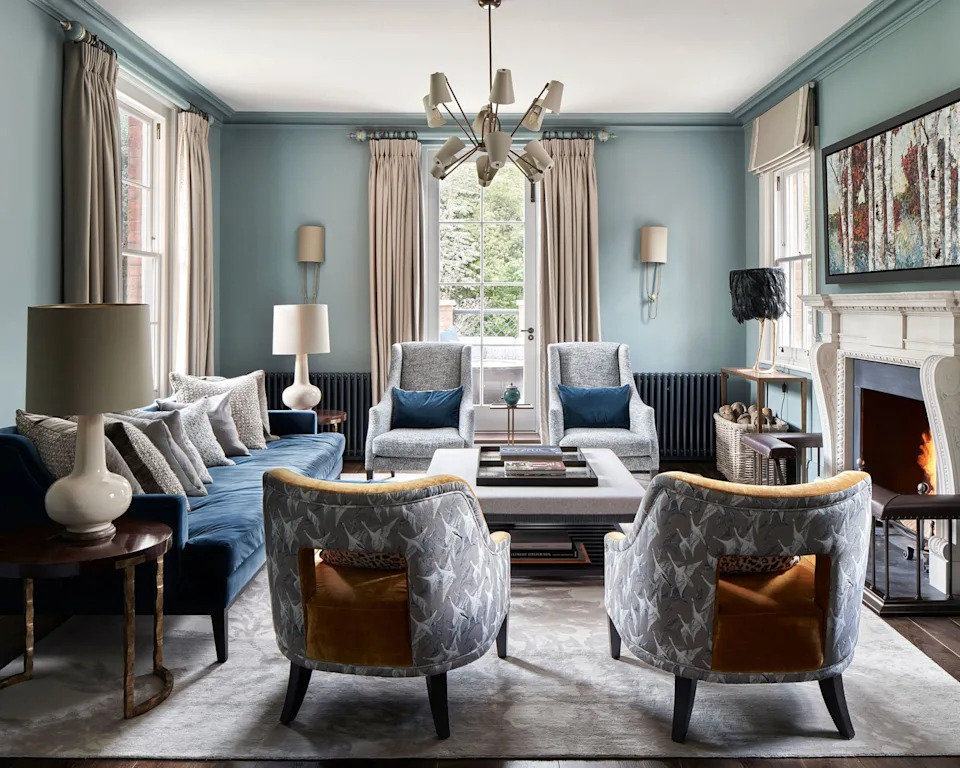
Living room paint ideas – stylish ways with paint
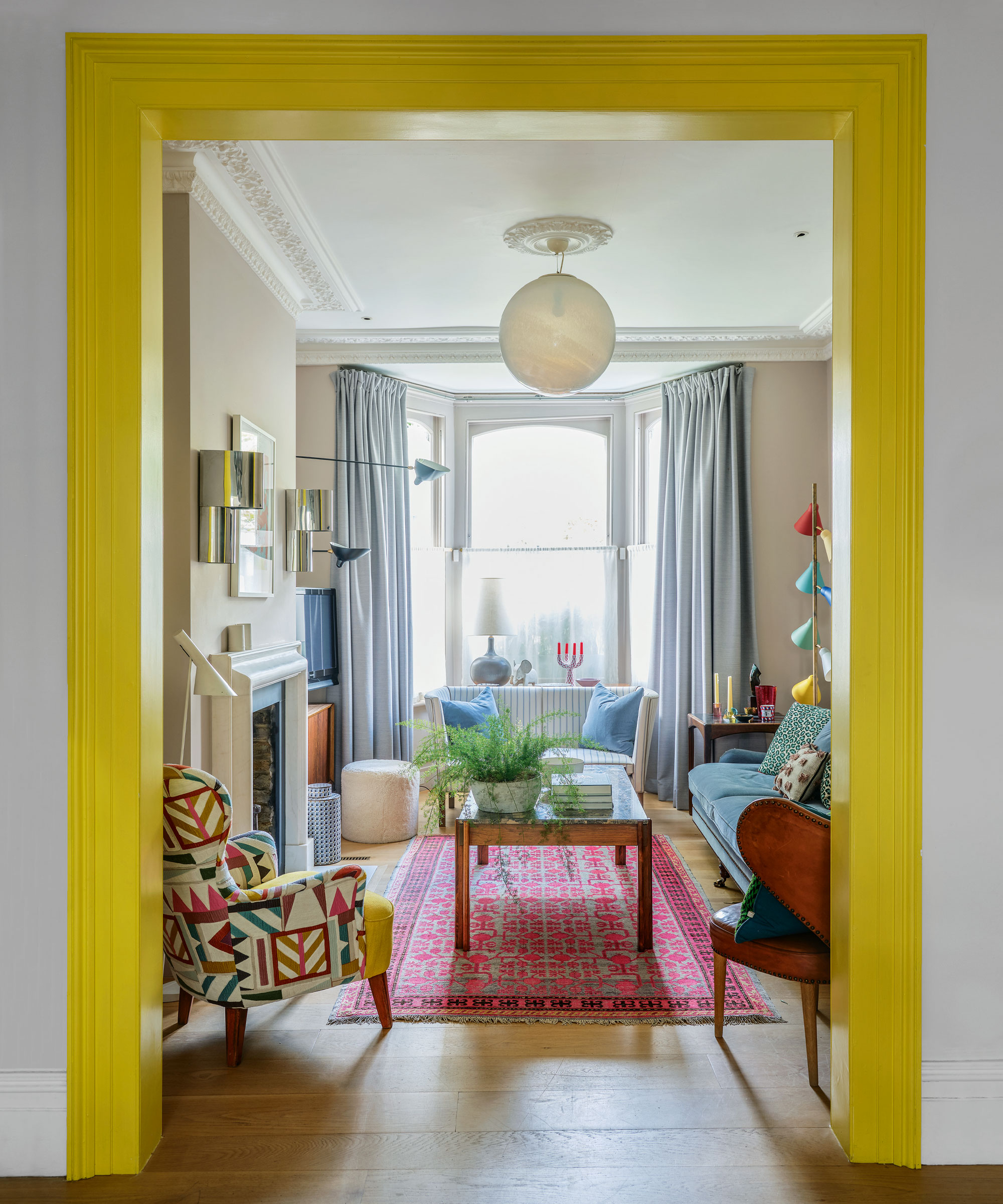
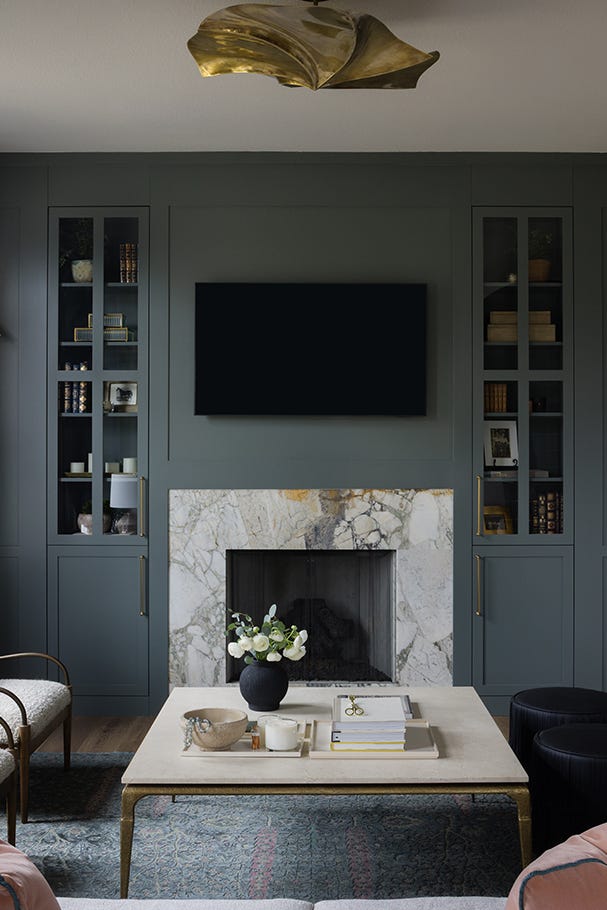
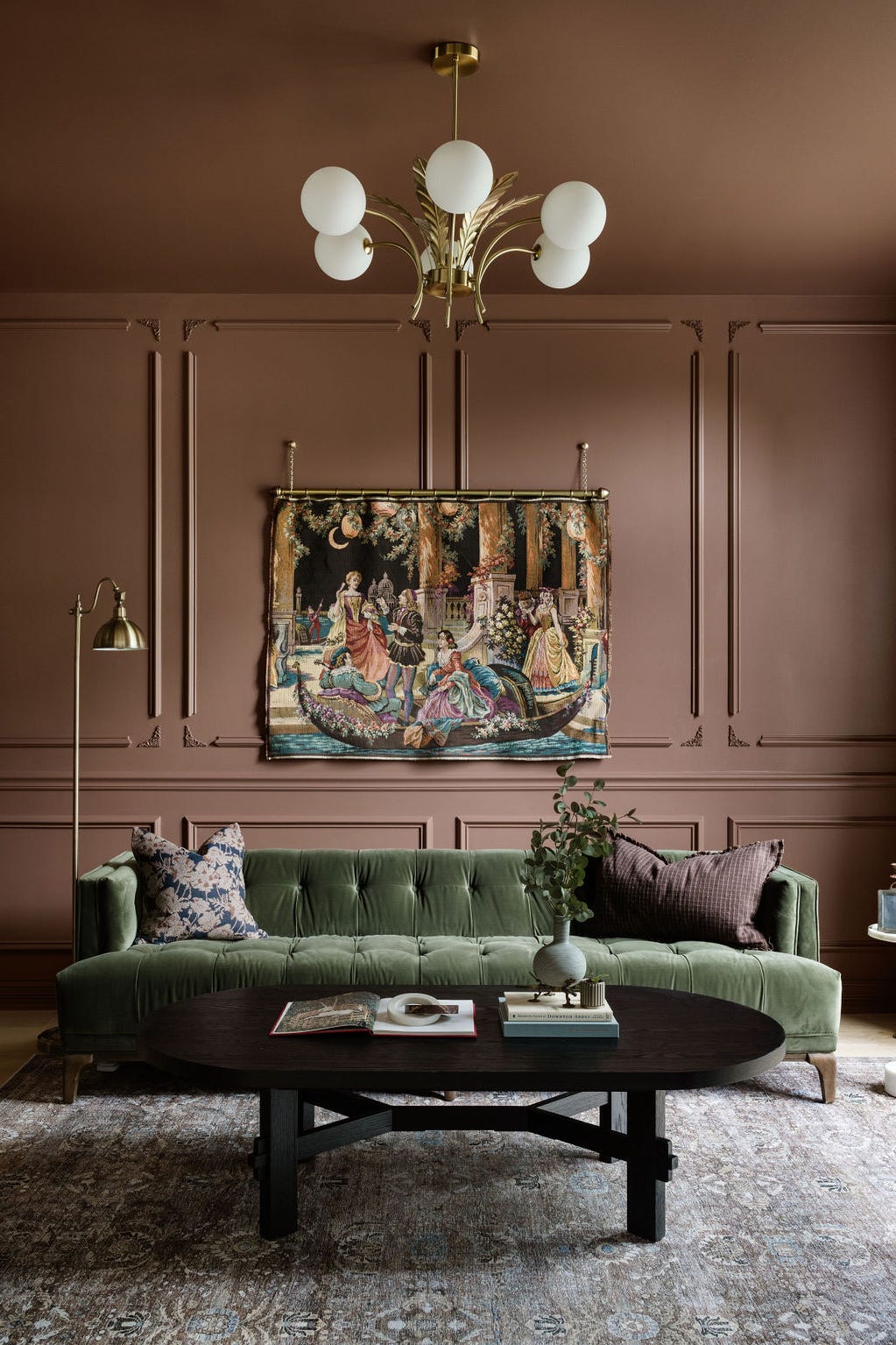
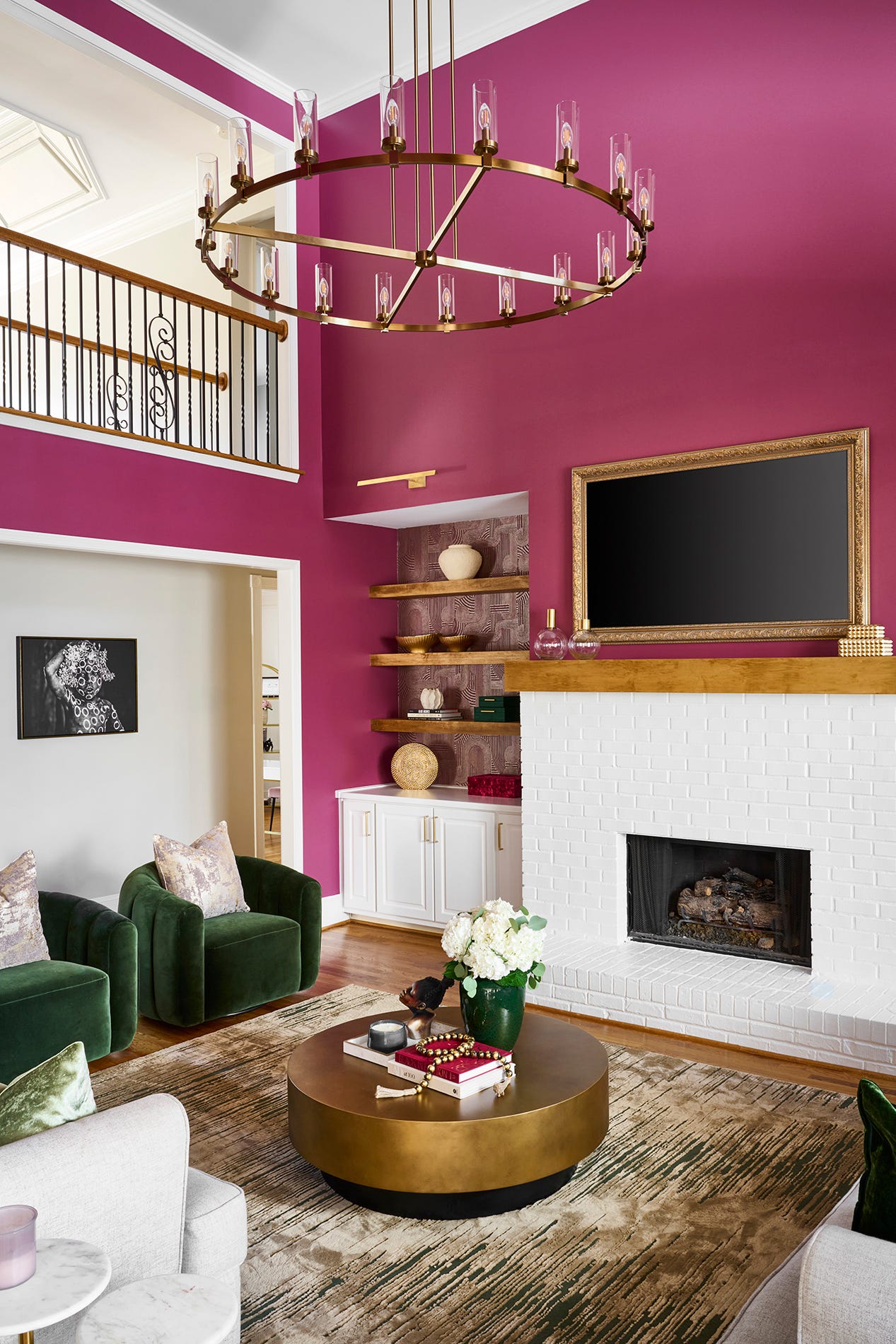
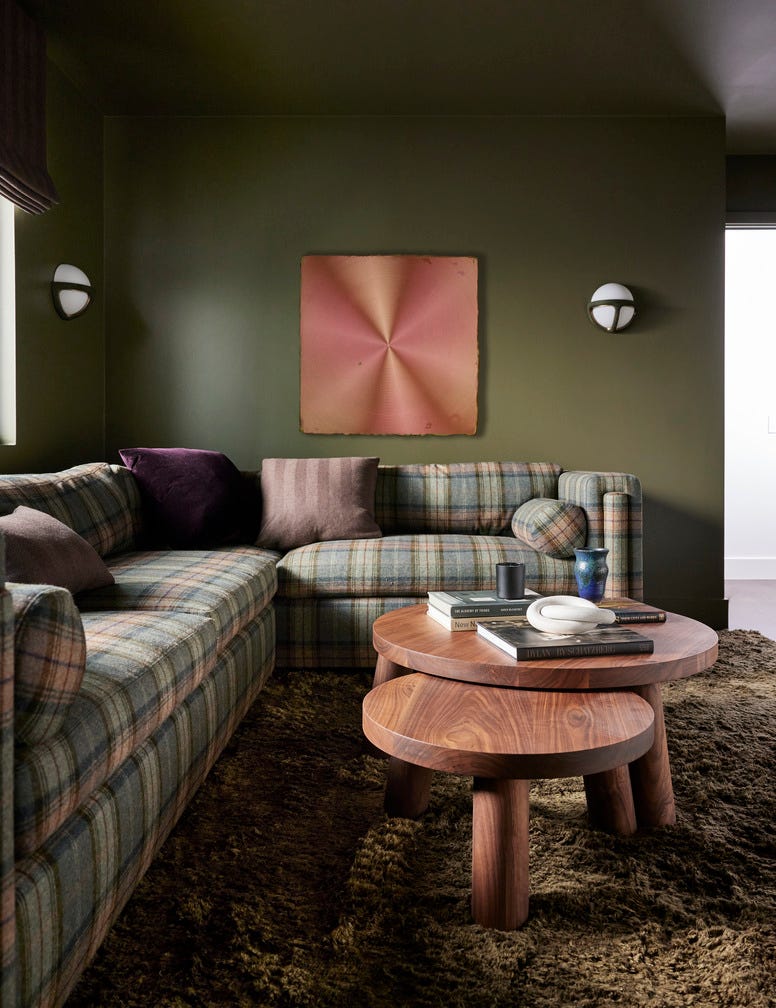
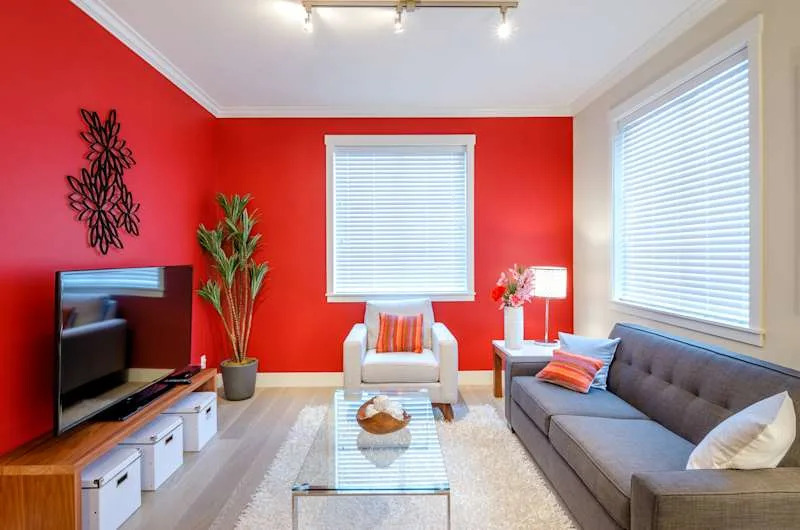
Adding color with paint is a quick and easy way to add style and personality to a living room. Whether your living room is an oasis of calm or home to a house full of children, nothing can transform a space like paint. This article provides brilliant living room paint ideas to inspire your own decorating scheme.
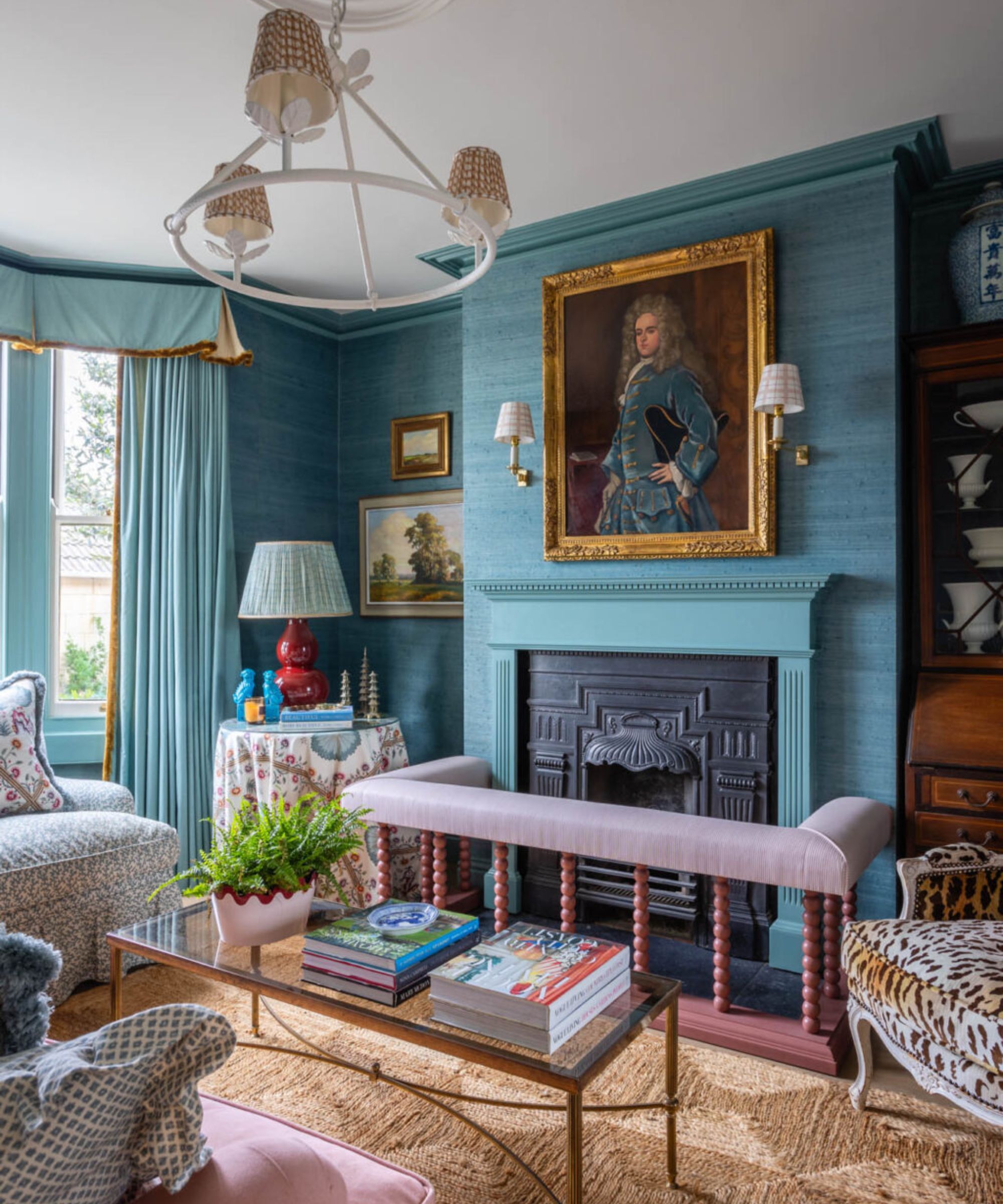
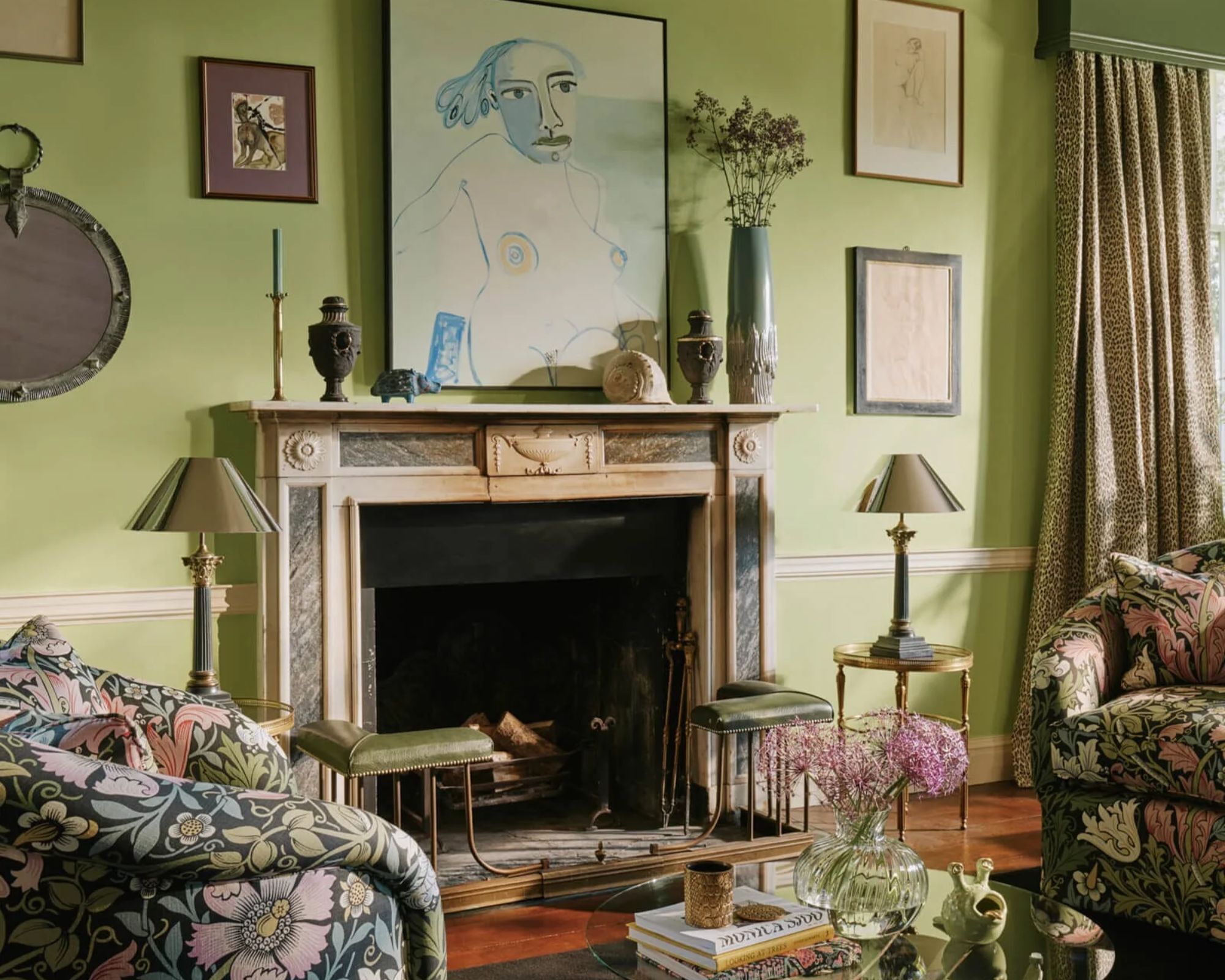
Color, even if neutrals are preferred, should be the primary consideration for living room design. To ensure chosen hues are suitable, testers of paint should be applied to sheets of white paper and attached to each wall where the color is being considered. These testers should remain for a few days to observe how light affects the color at different times of day and to check their compatibility with other elements like curtains or couches.
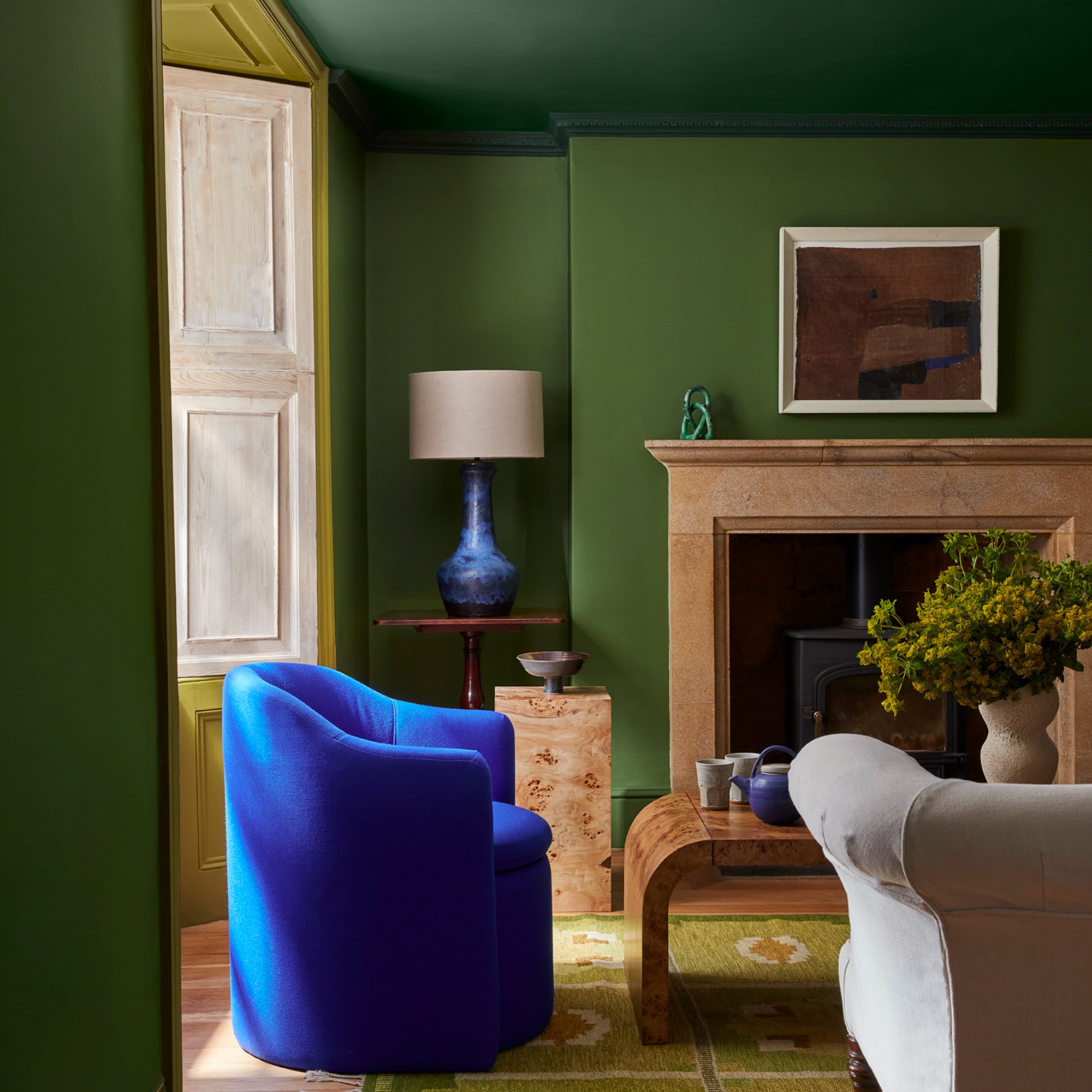
For those uncertain about color schemes, relying on pre-selected palettes from paint brands or following advice on tonal, harmonizing, and contrasting colors is recommended. The paint ideas presented in this article are selected for their suitability for living rooms, their trendiness for the upcoming year, and their timeless appeal.
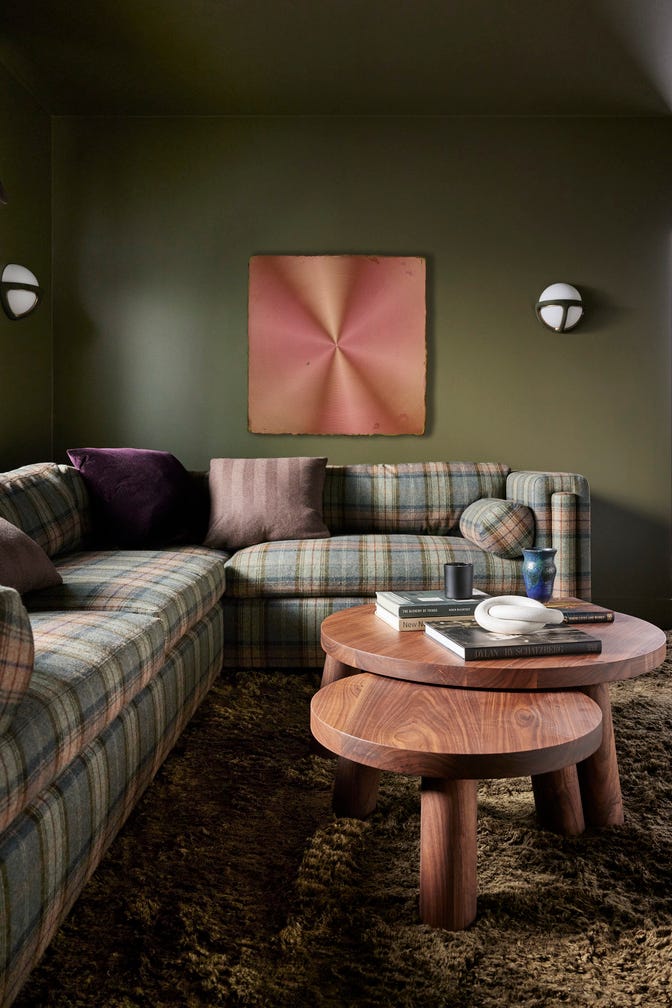
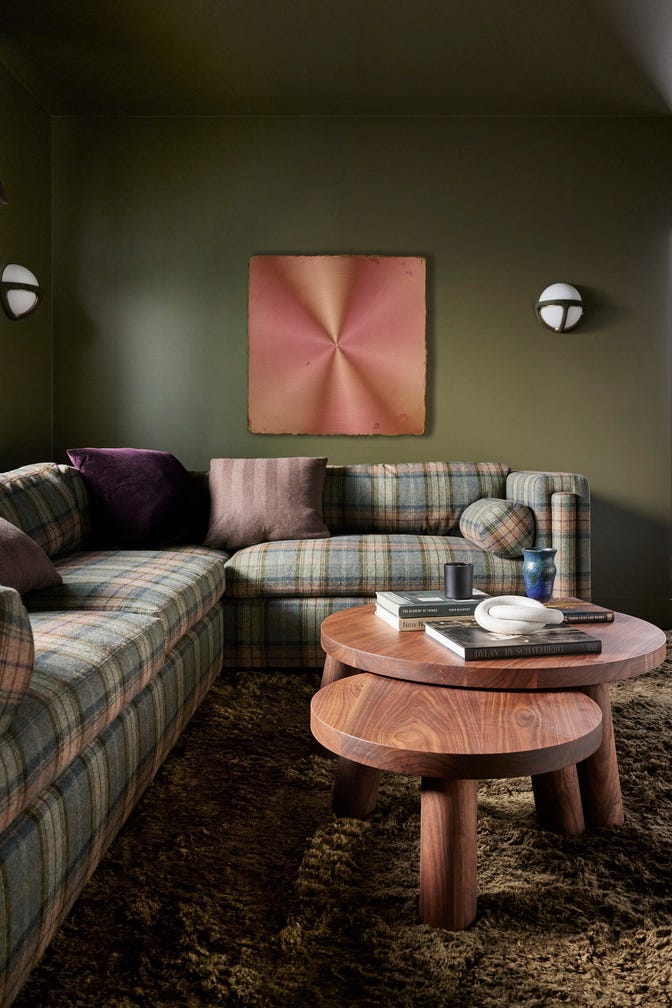
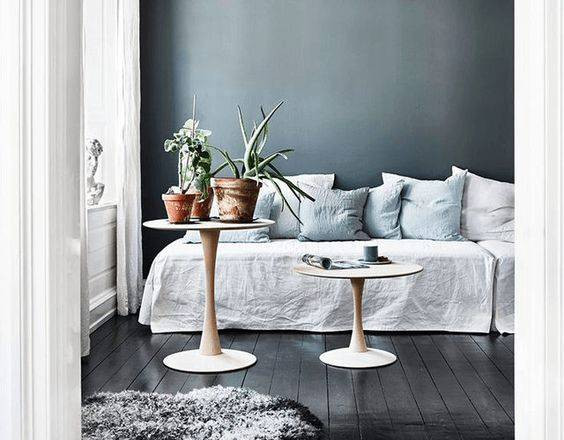
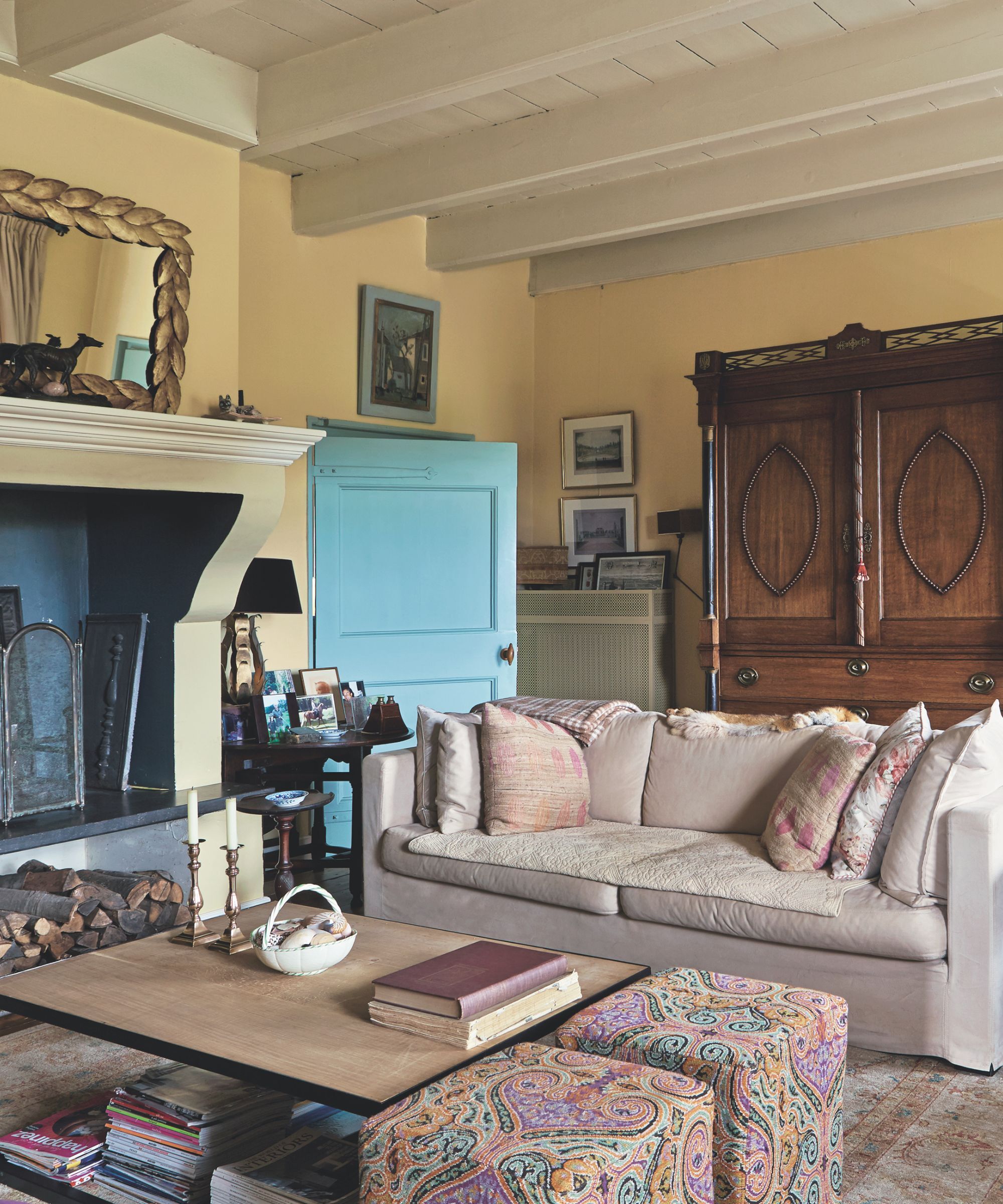
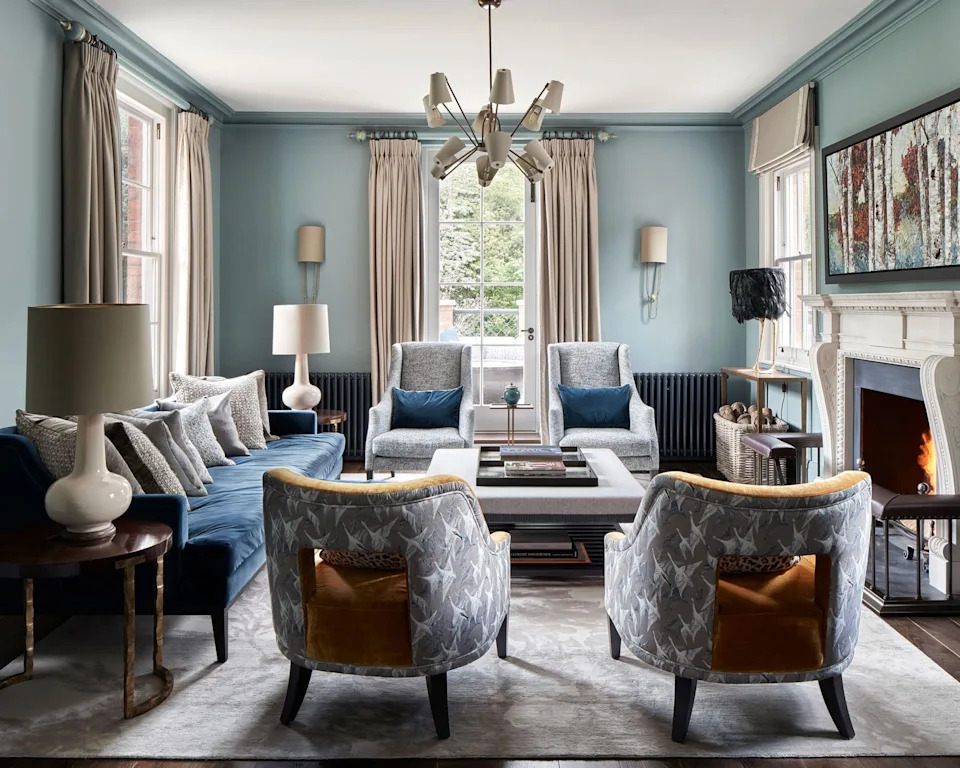
Room orientation is crucial in selecting the right tone. East- and north-facing living rooms typically require warmer shades, while south- or west-facing rooms can accommodate cooler tones. Similarly, poorly lit rooms benefit from lighter shades, unless a deliberate choice is made to create a dark and cozy atmosphere.
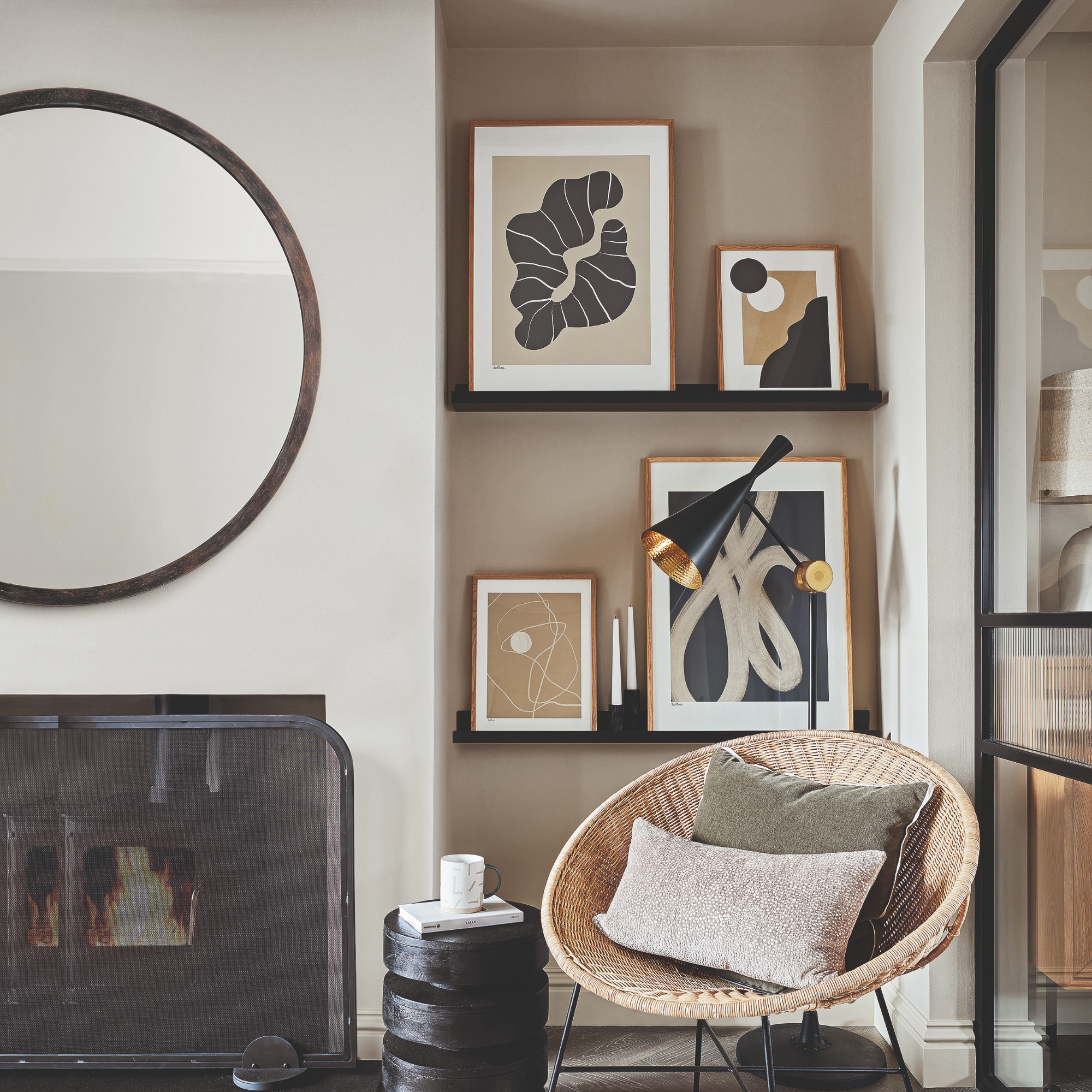
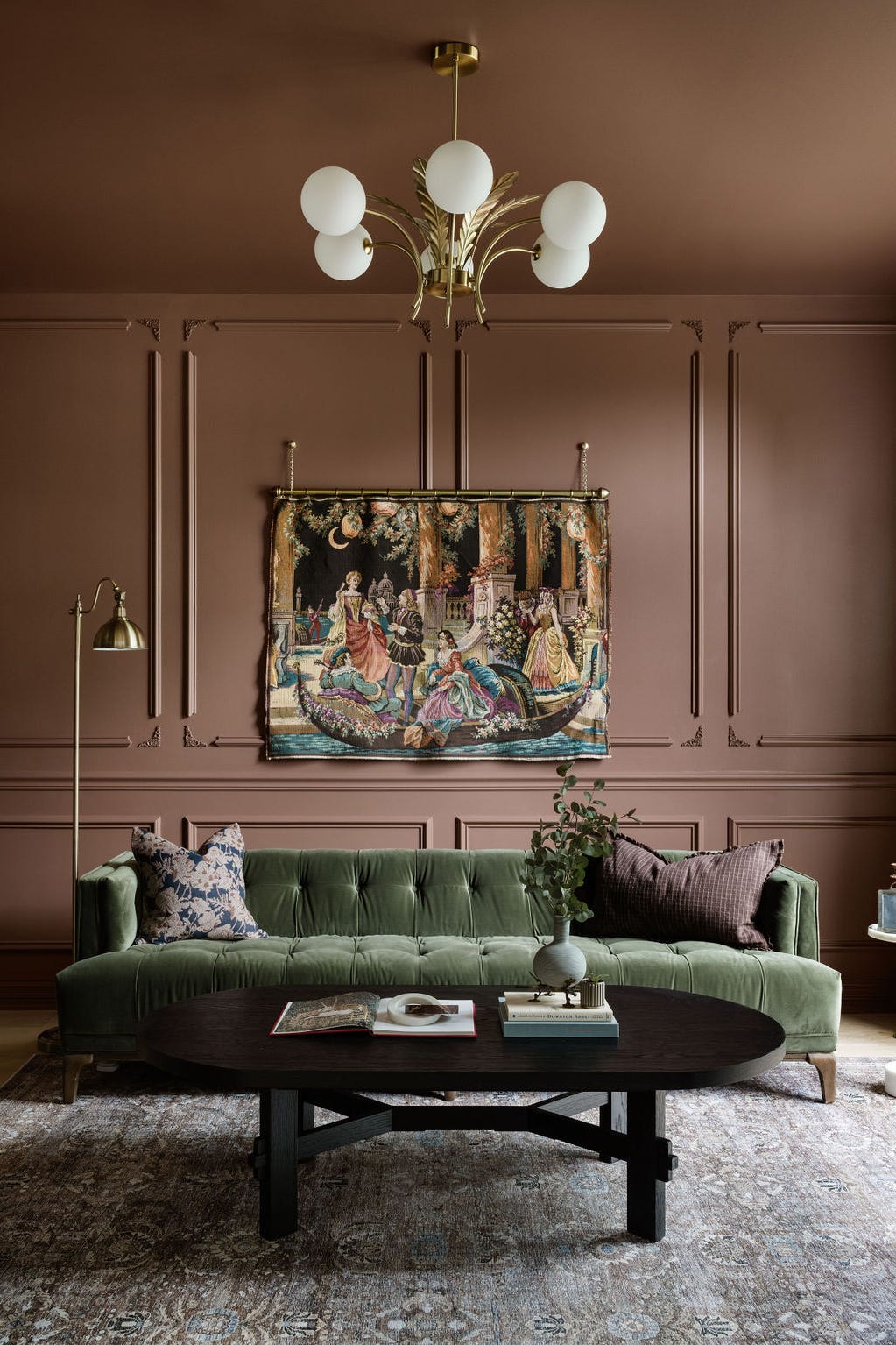
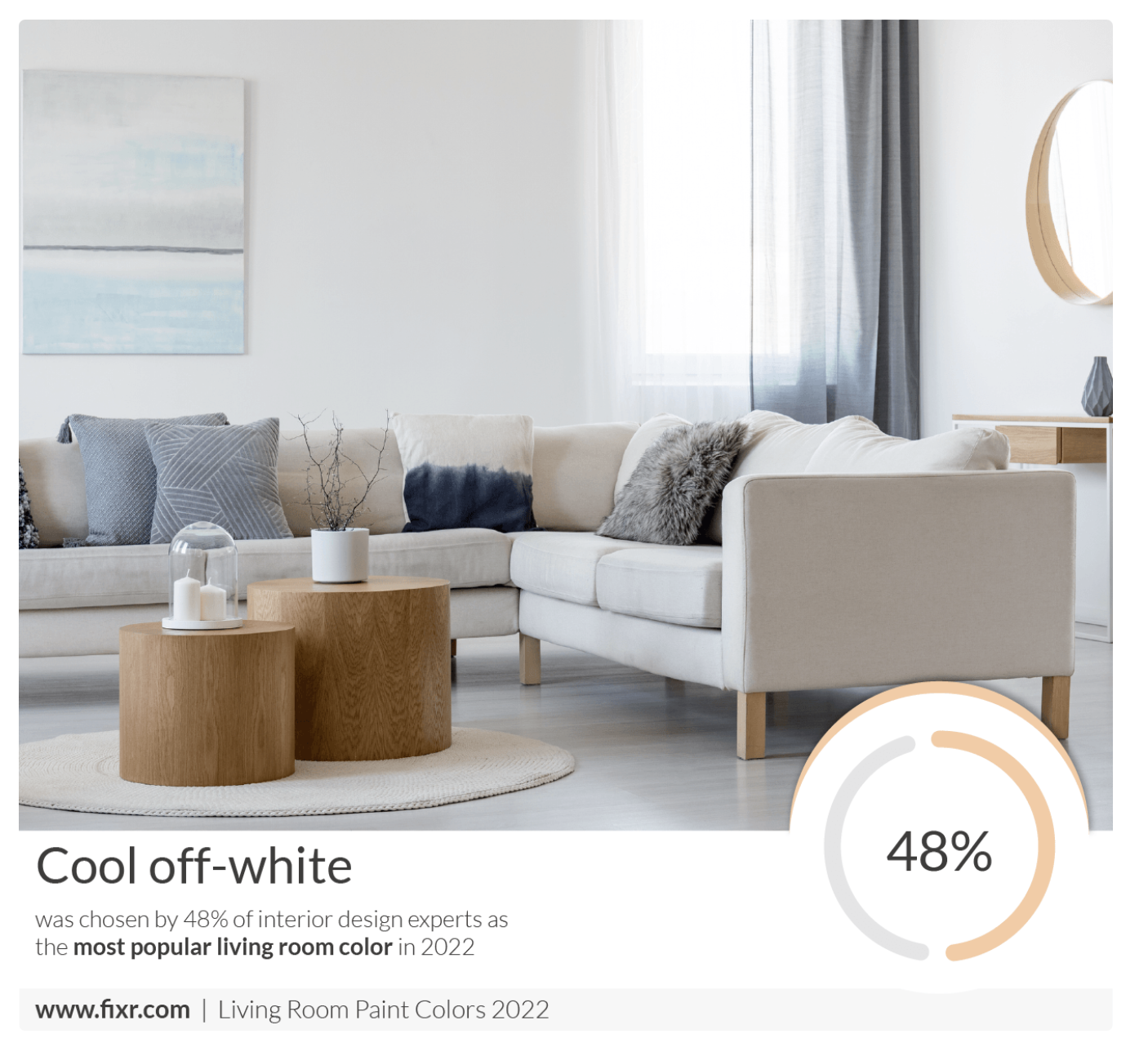
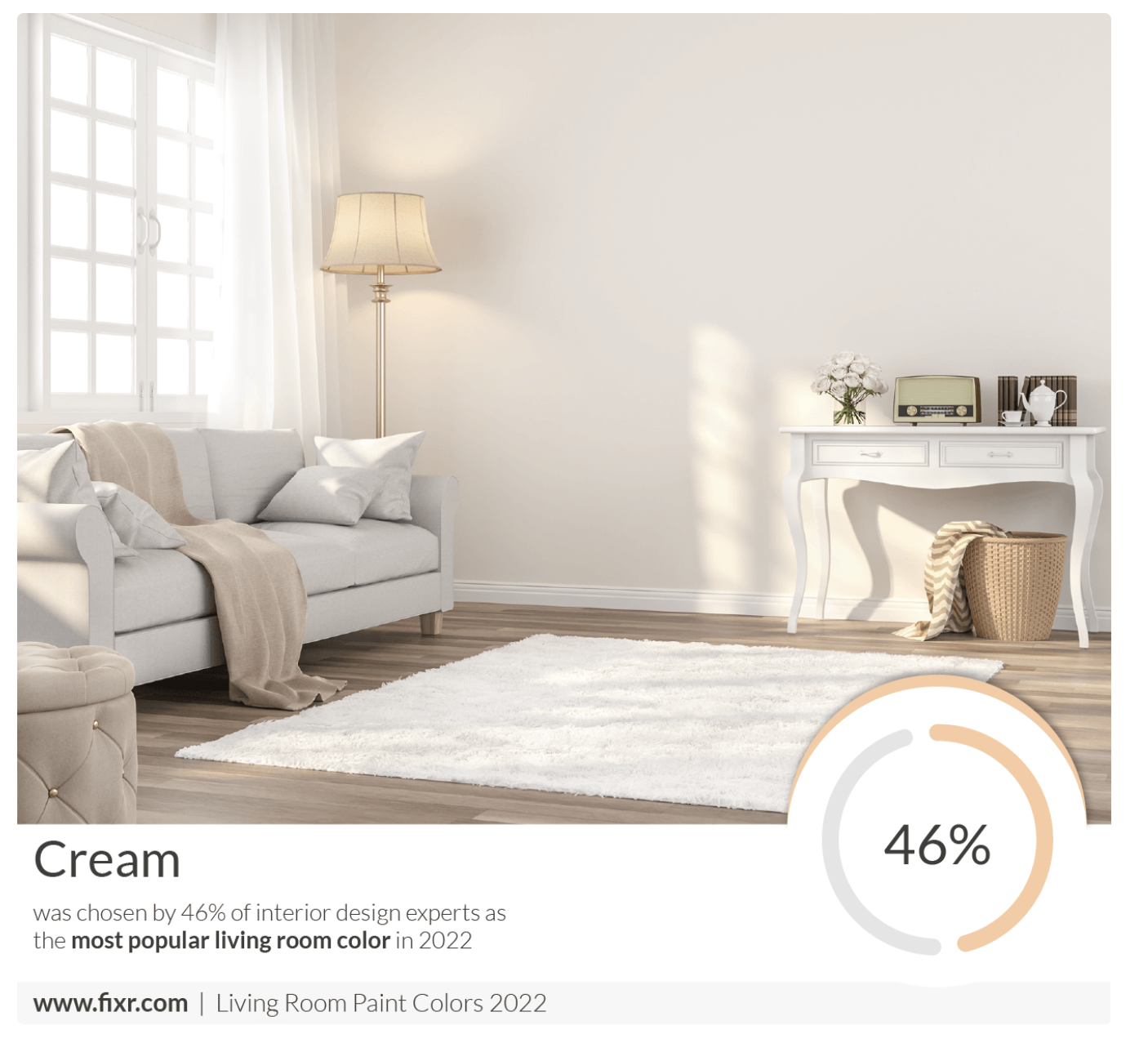
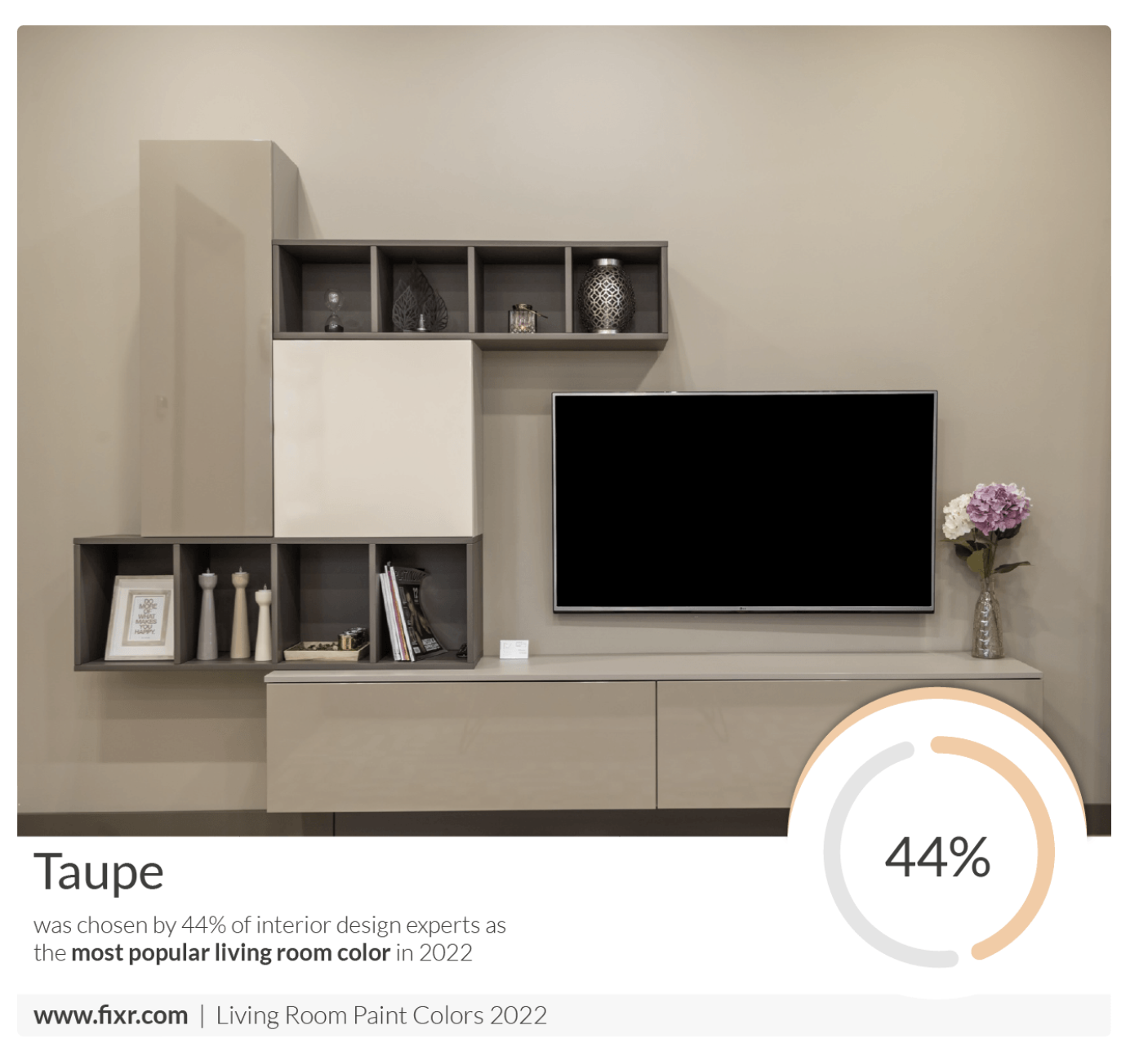
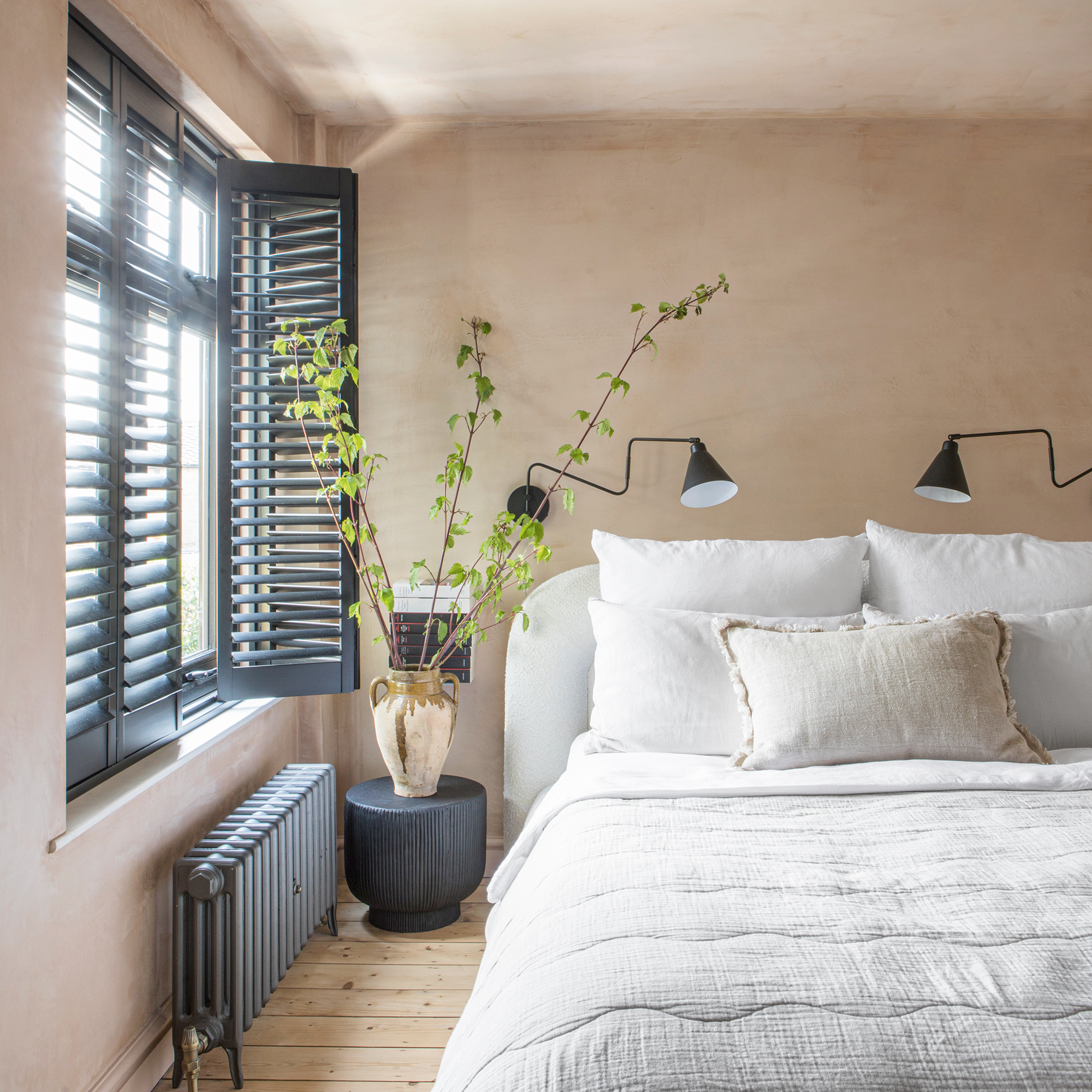
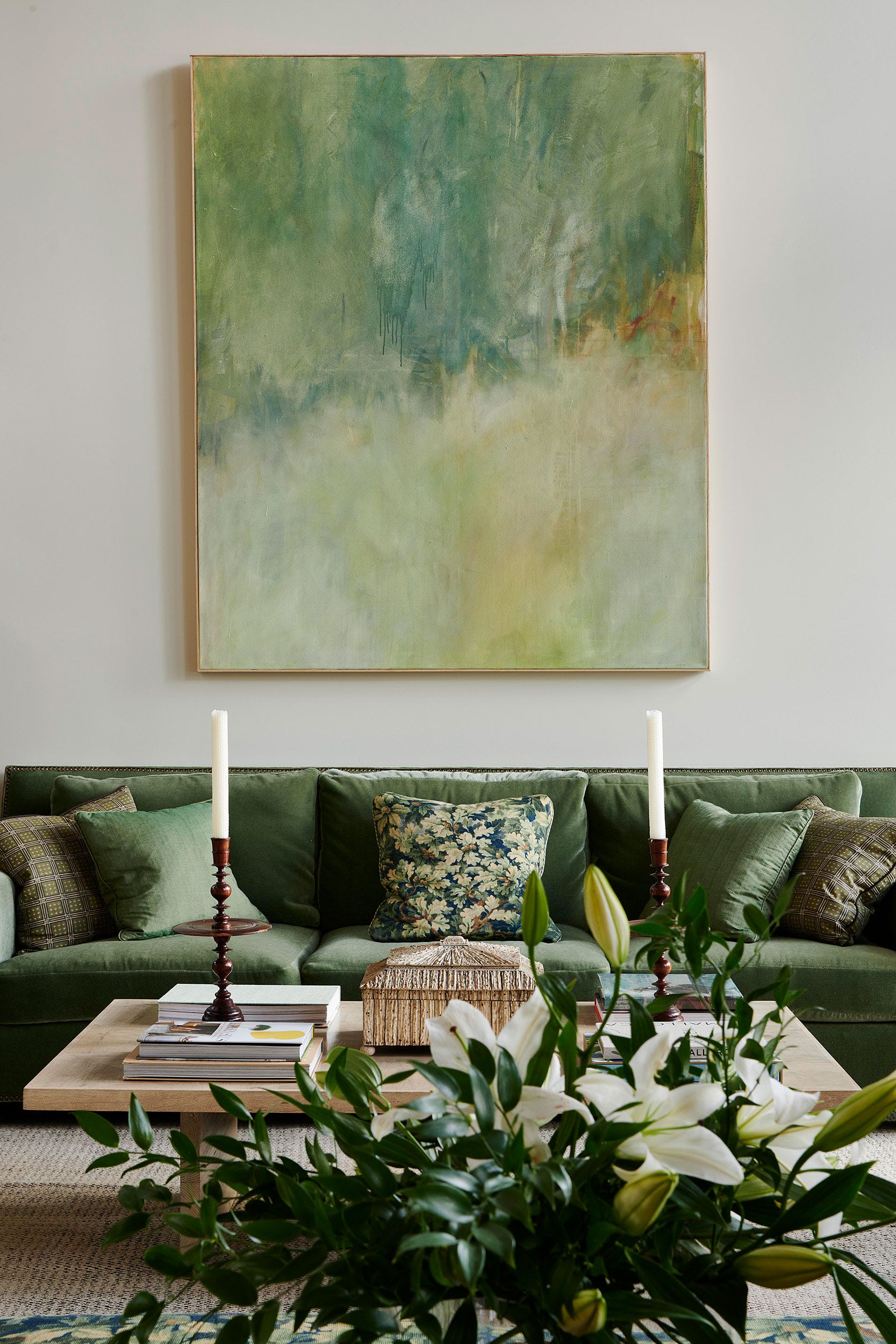
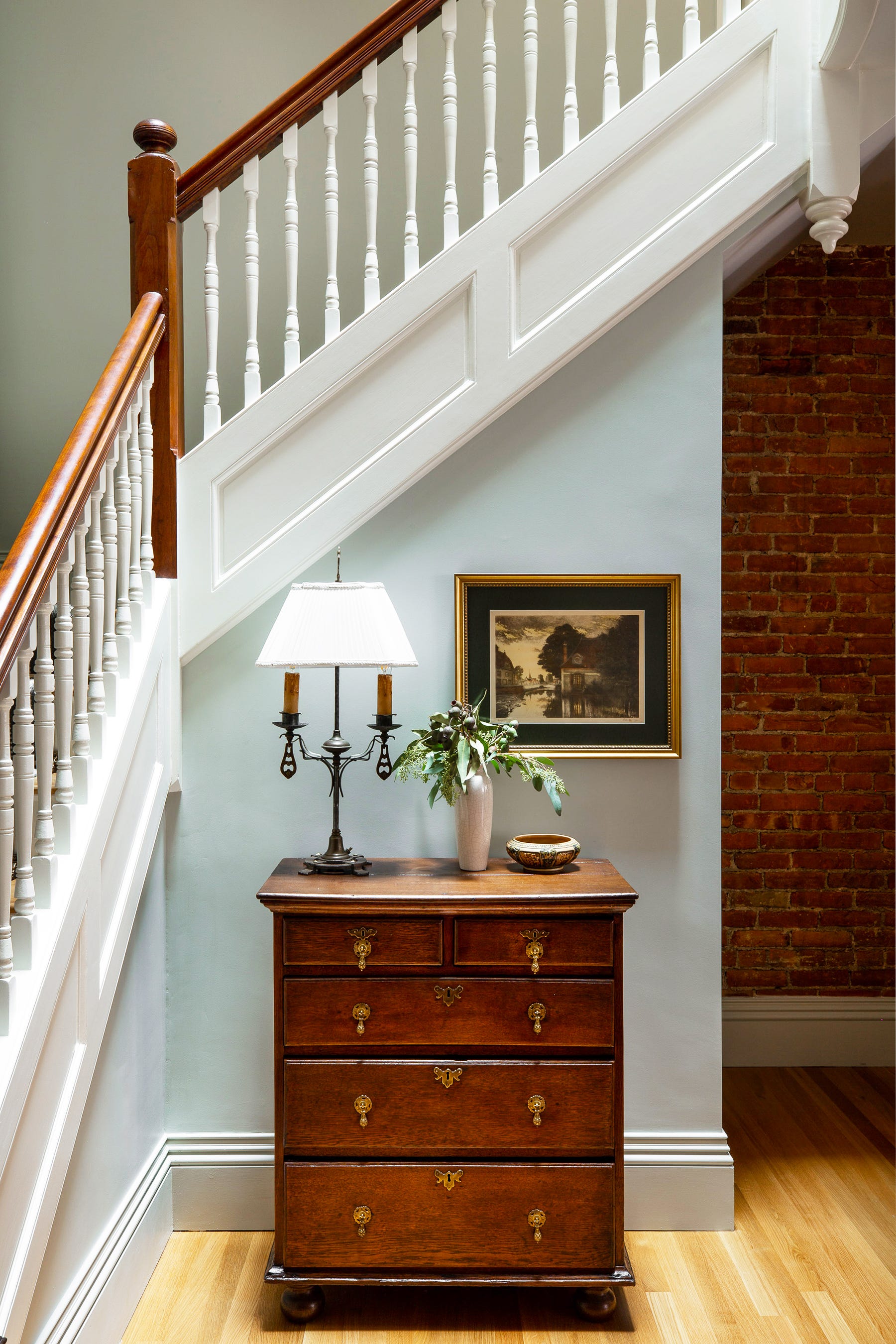
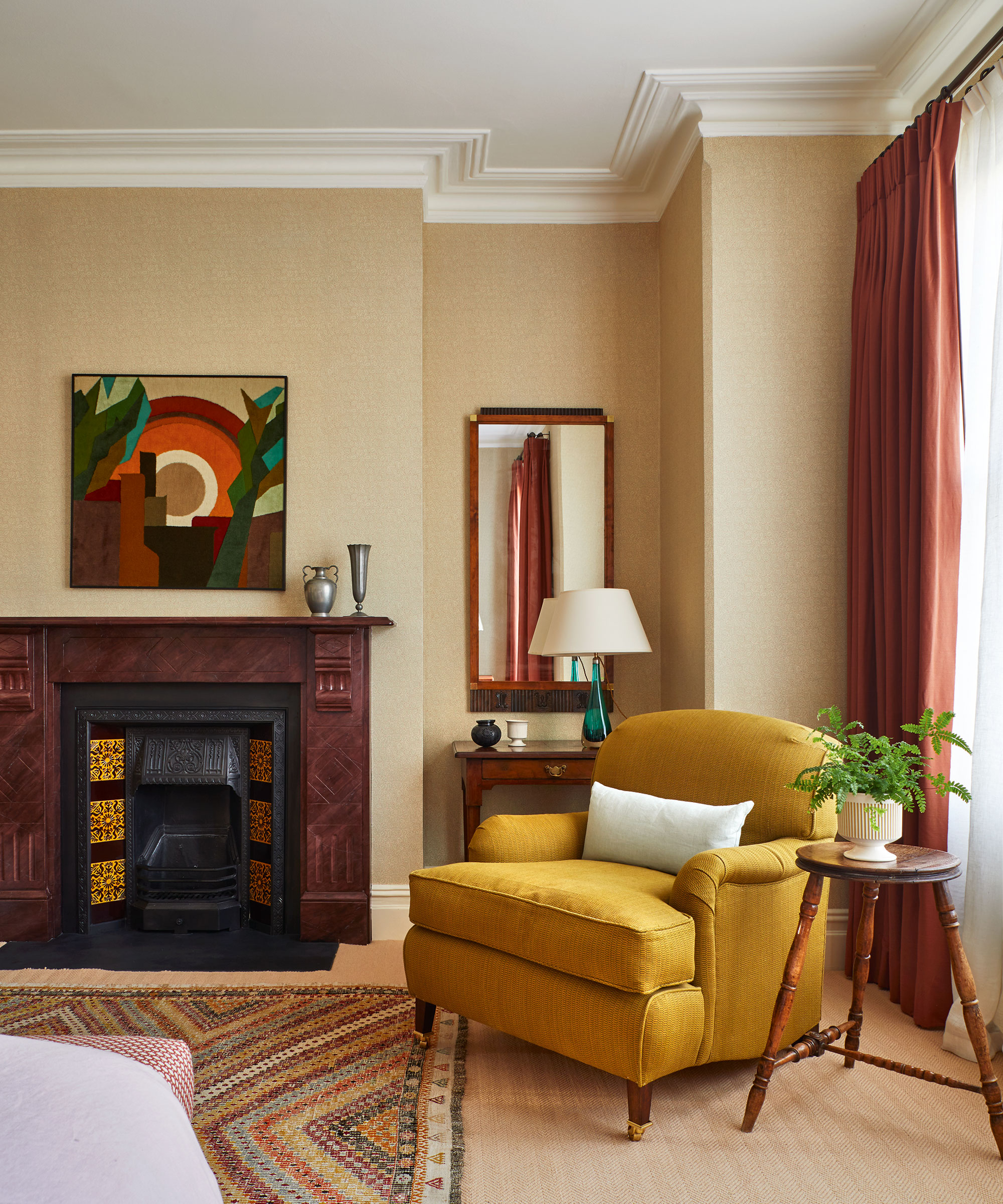
Beige with ochre undertones can be an appealing color, especially for north-facing rooms, as its warming properties can counteract the chill. Neutral room ideas that incorporate colors mimicking natural elements like stone and mushroom tend to have a calming effect. Extending these colors to blinds and curtains, and adding accents of grass green, can create a fresh feel, aligning with nature's palette.
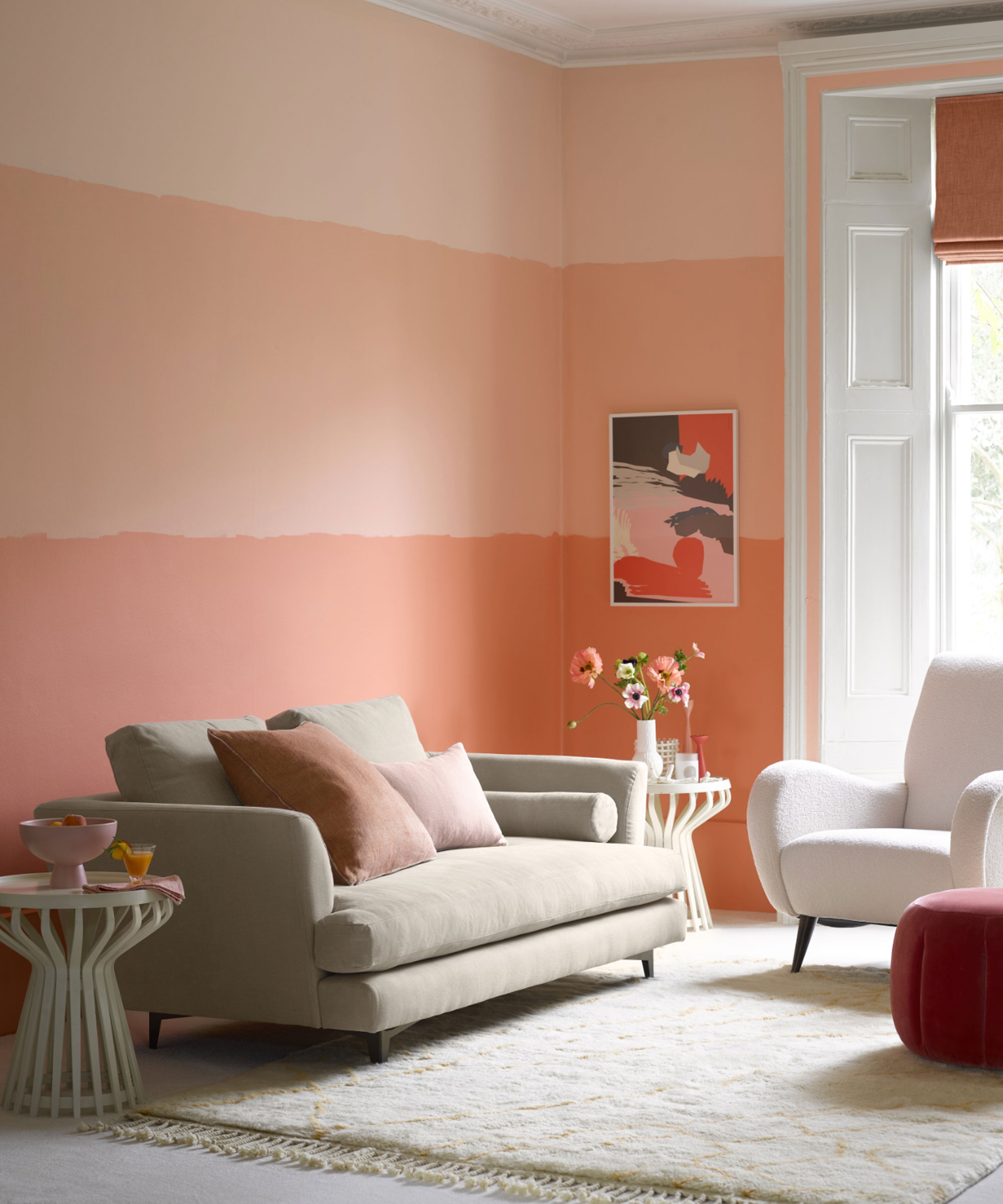
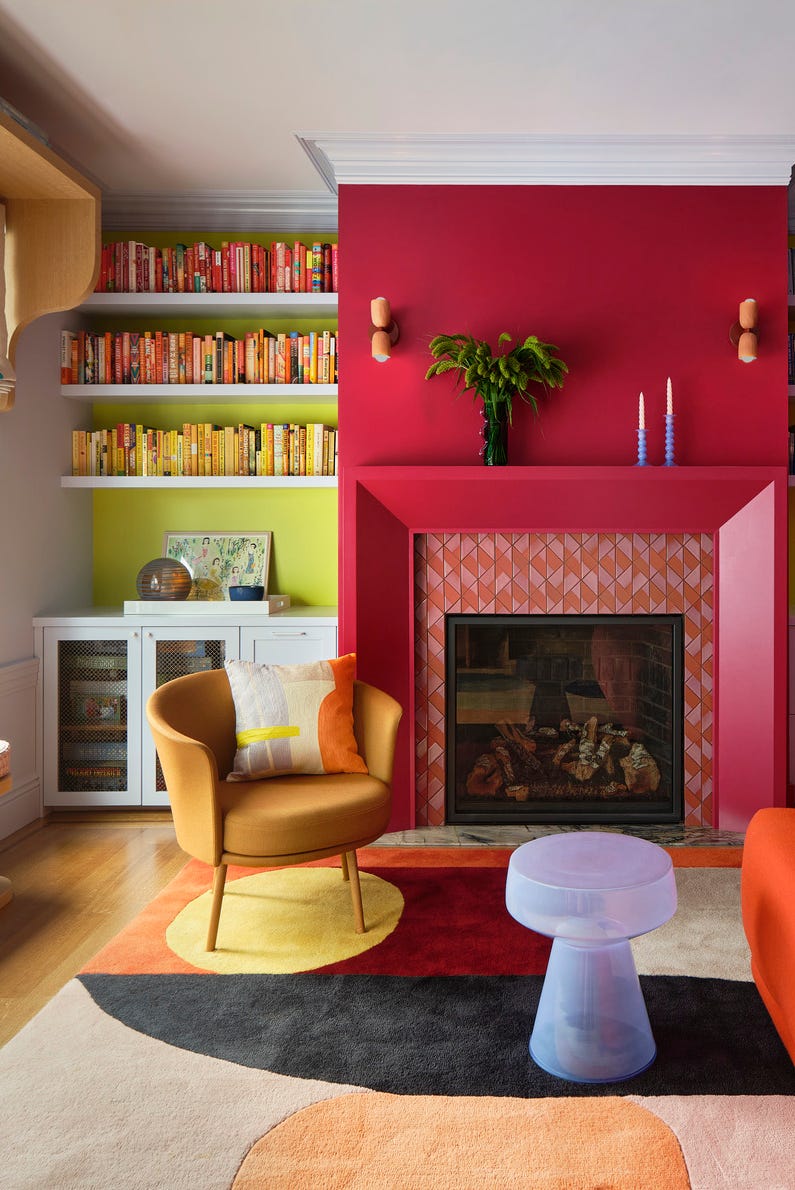
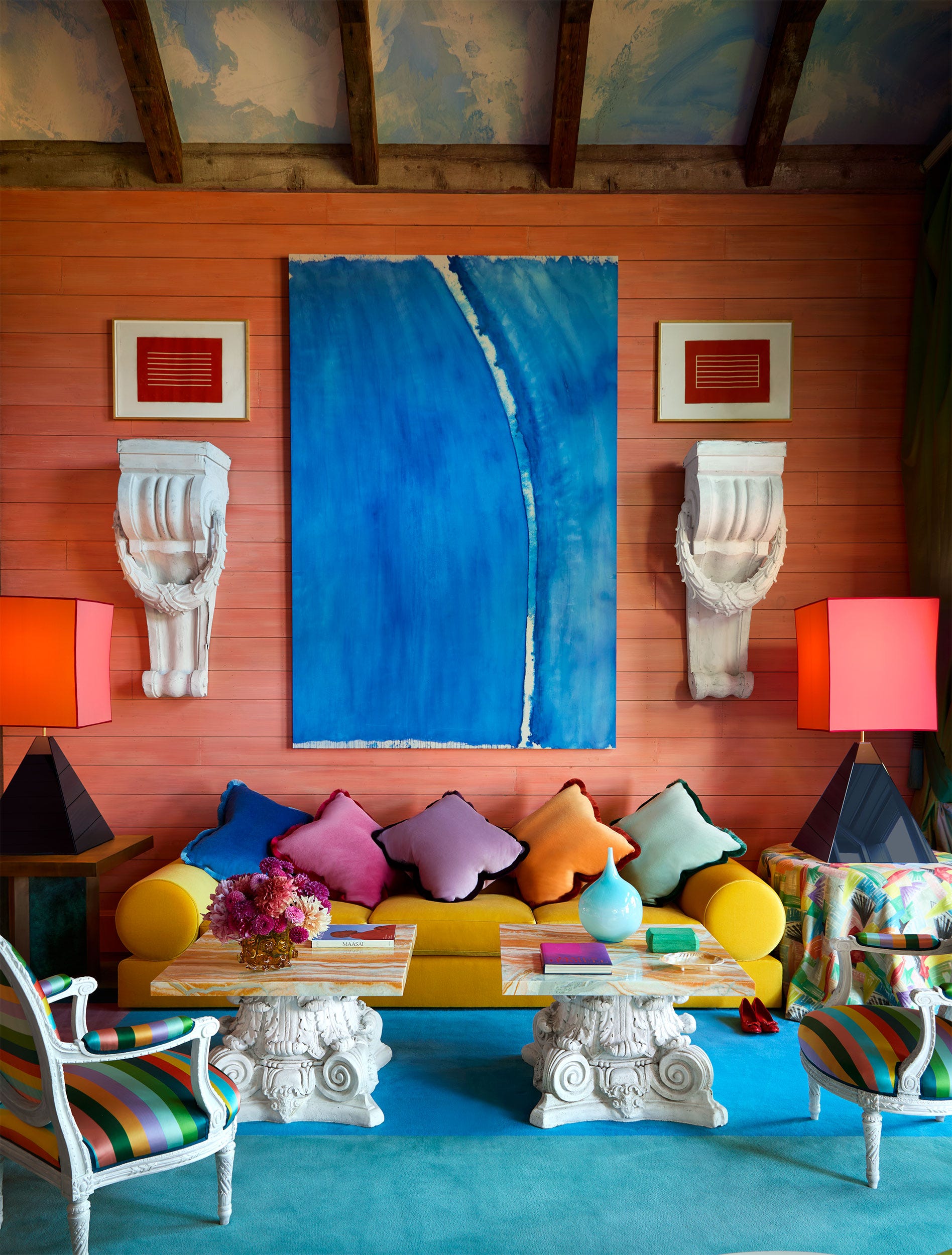
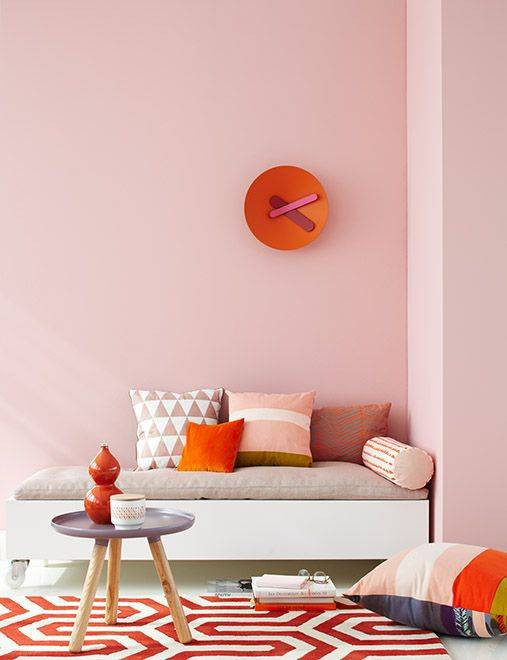
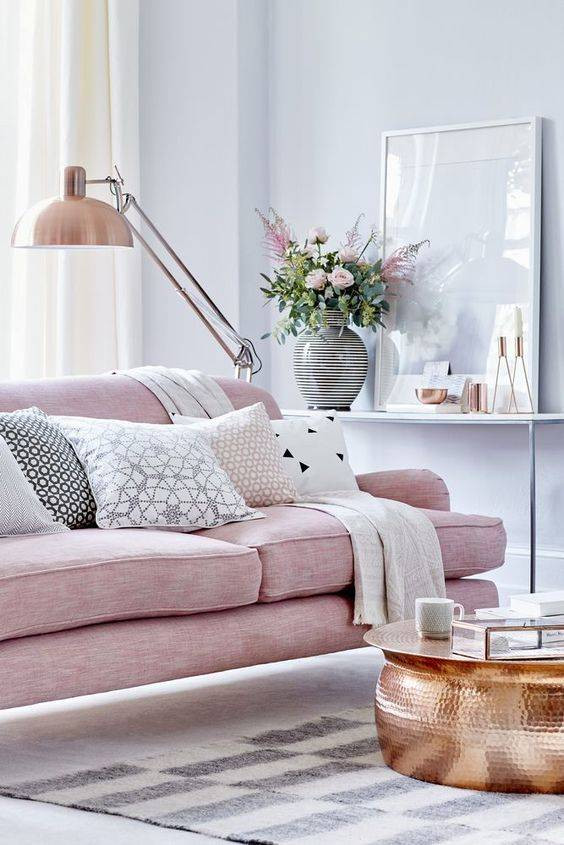
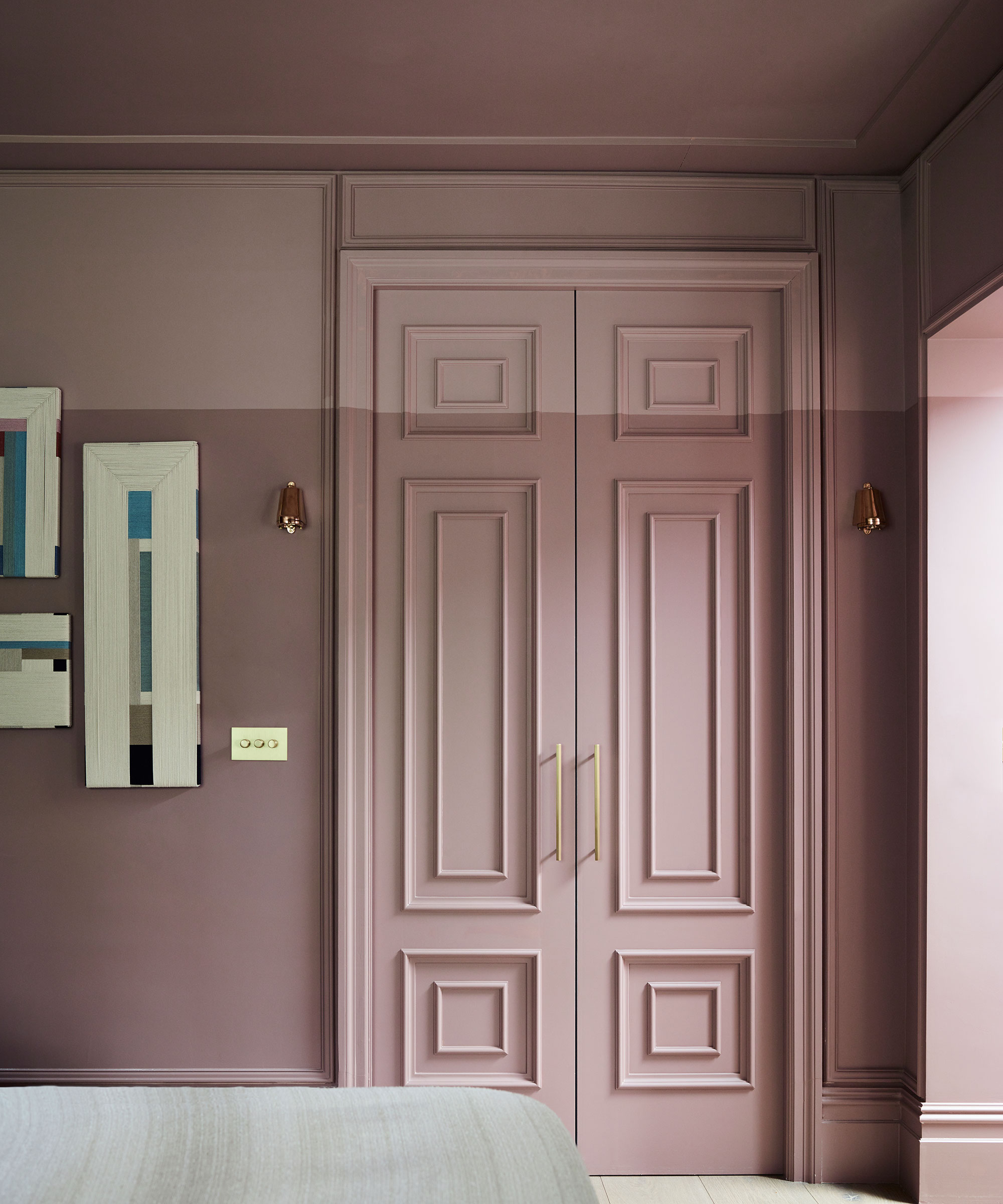
Coral has gained significant popularity as a shade. Helen Shaw, UK Director at Benjamin Moore, attributes this to corals and pink peach tones' ability to create a rich, warm, and welcoming ambiance with undertones of red, orange, and pink. Coral works well as an accent to a grey scheme or as a statement wall color. Neutral, natural plaster tones or light terracotta shades can evoke an earthy feel, particularly striking in well-lit spaces and when combined with natural materials or painted wood.
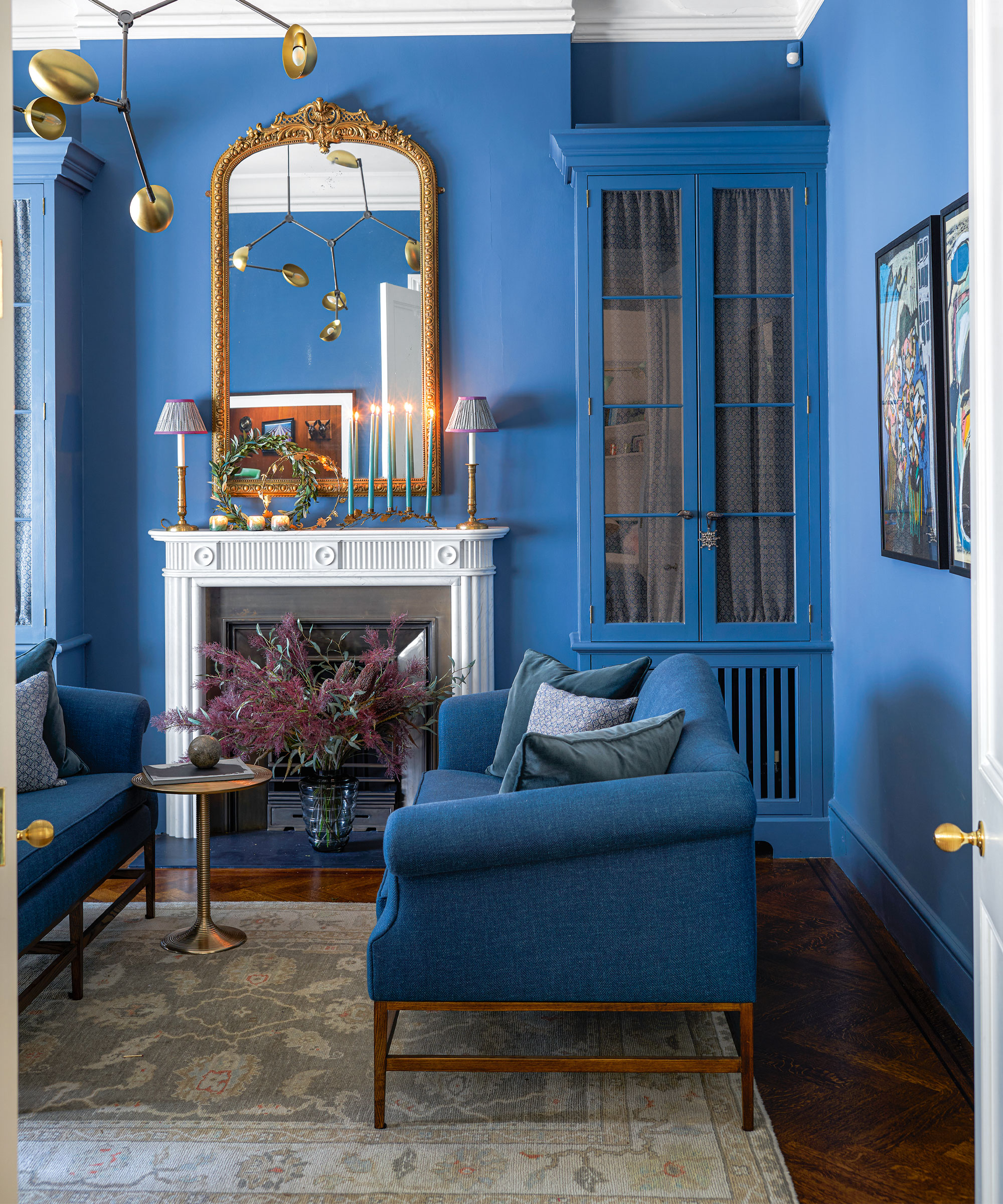
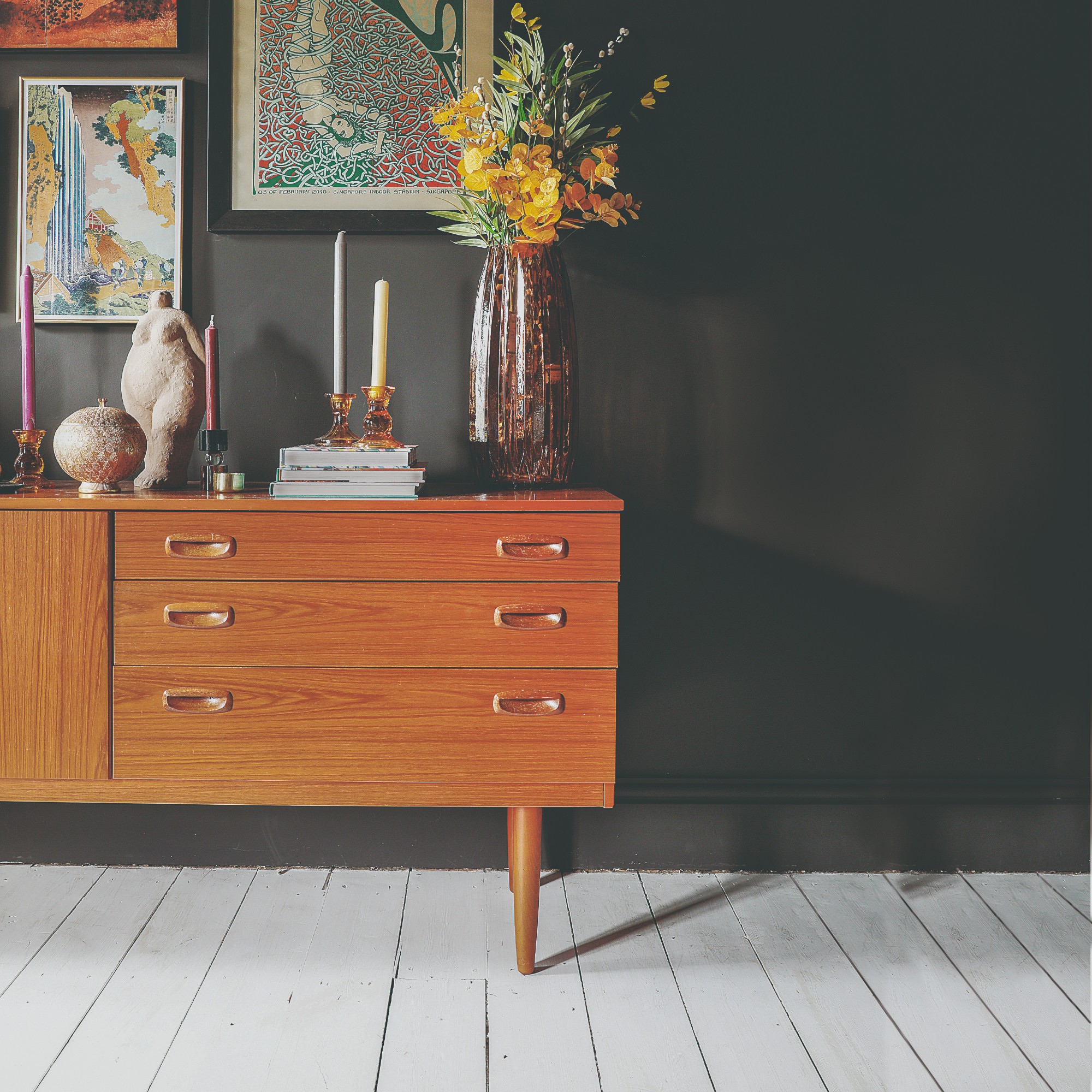
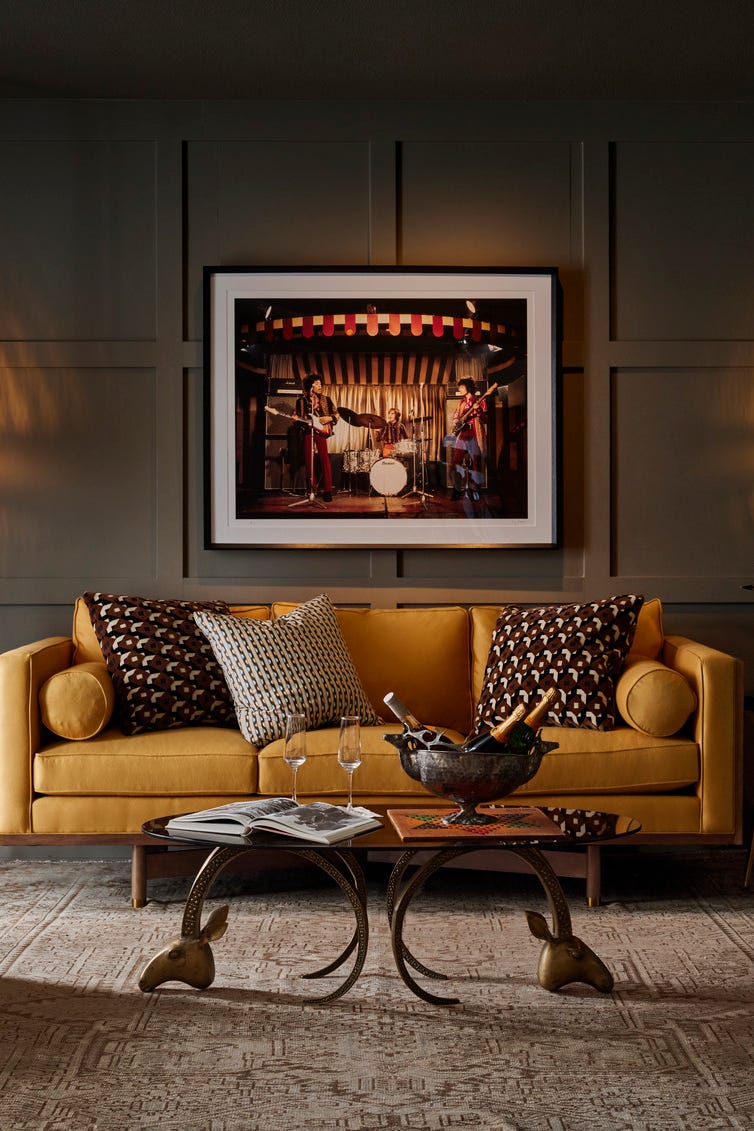
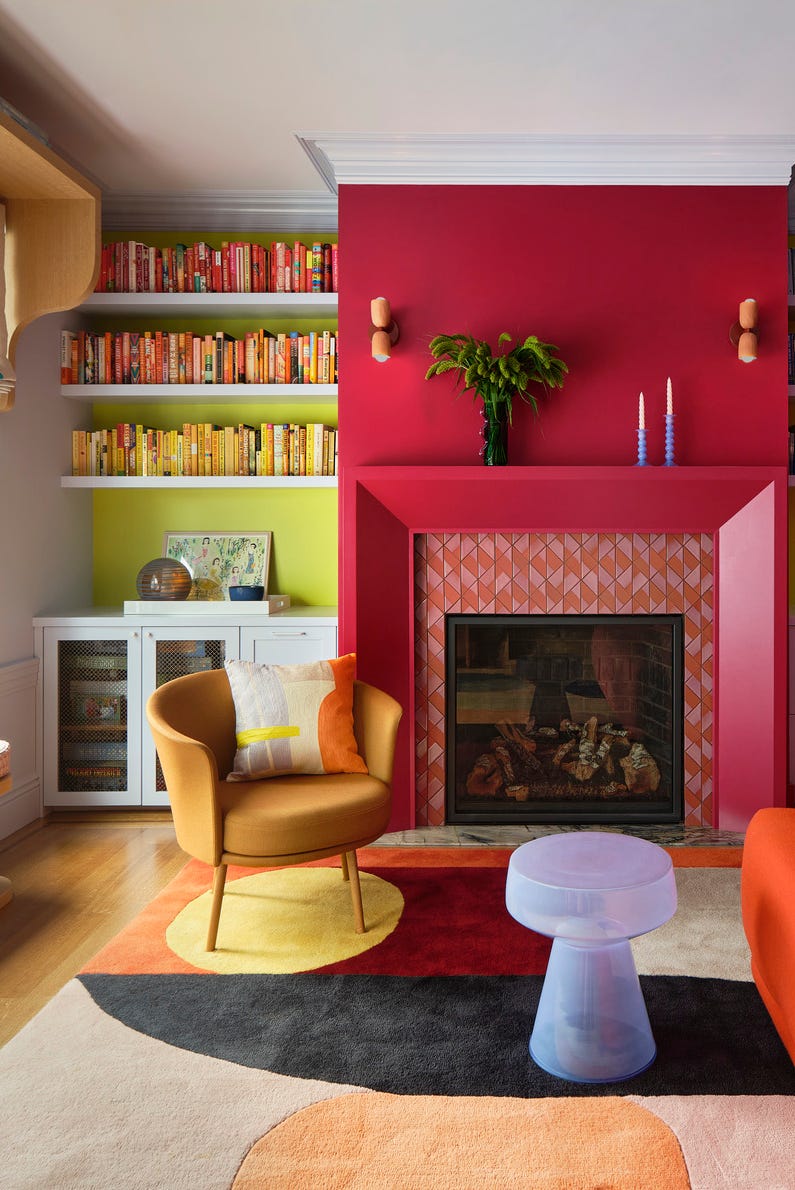
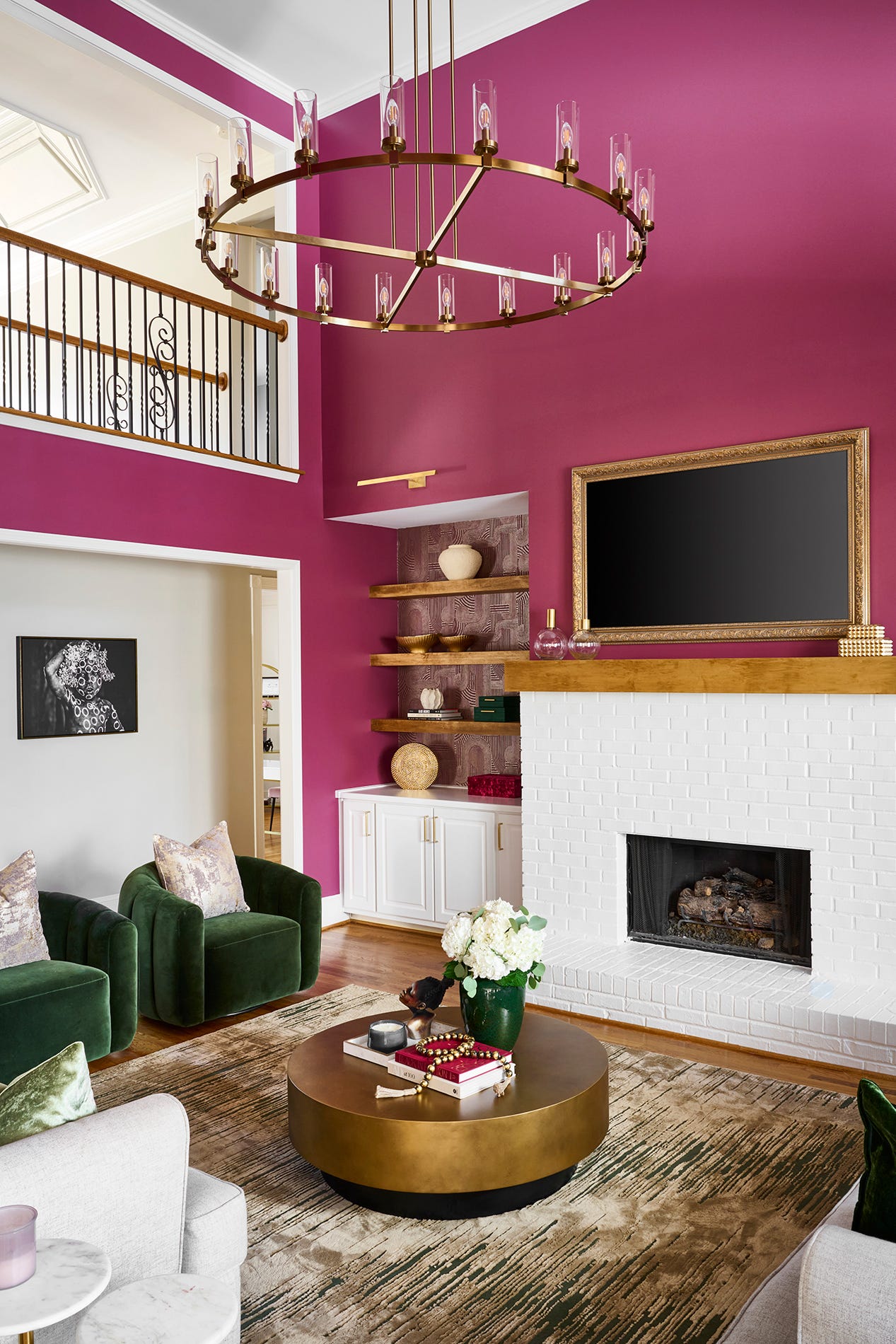
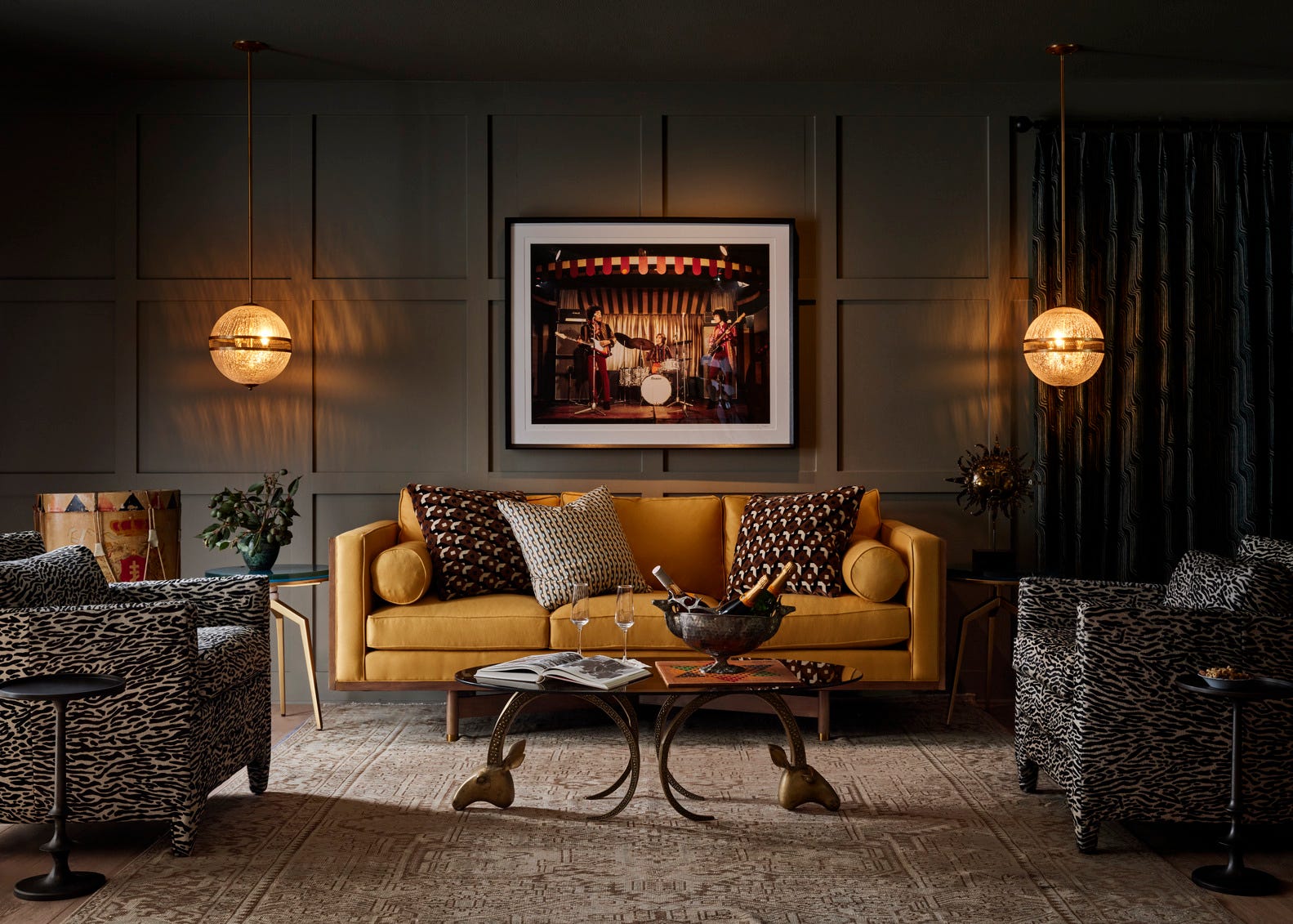
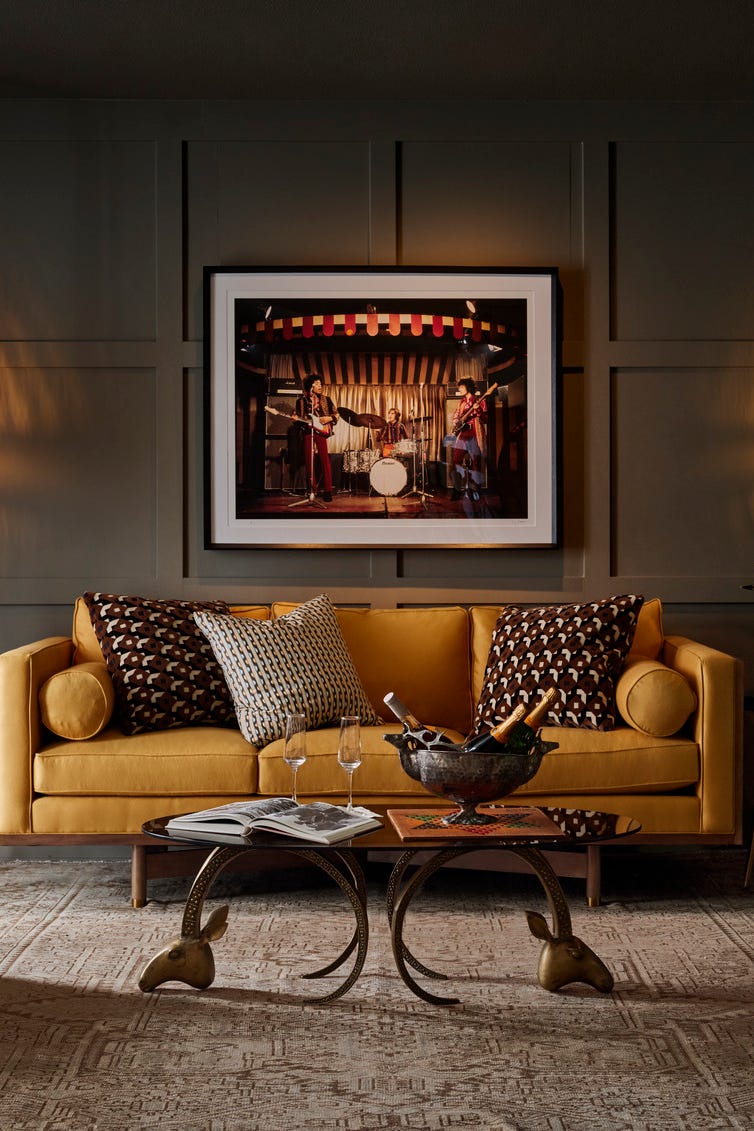
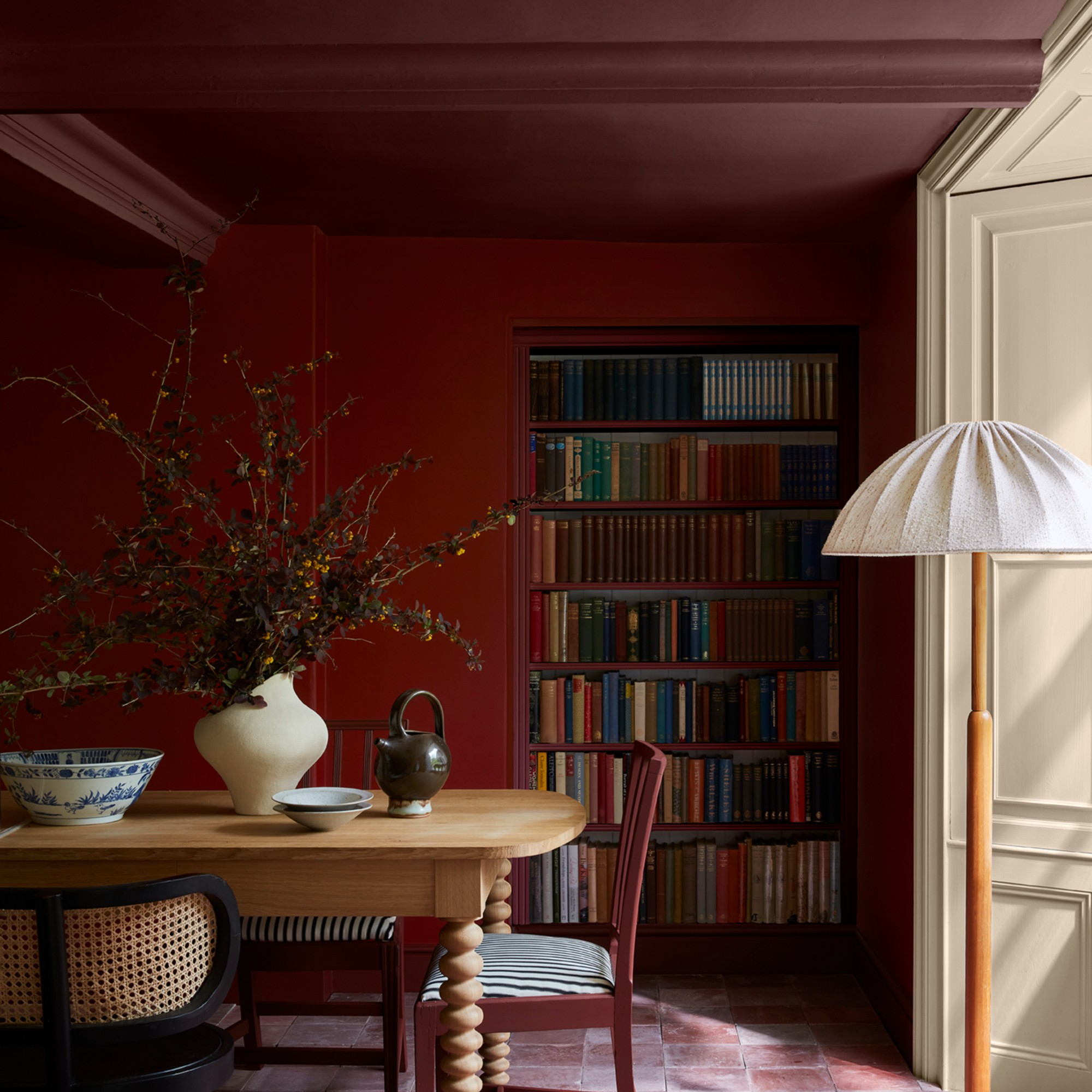
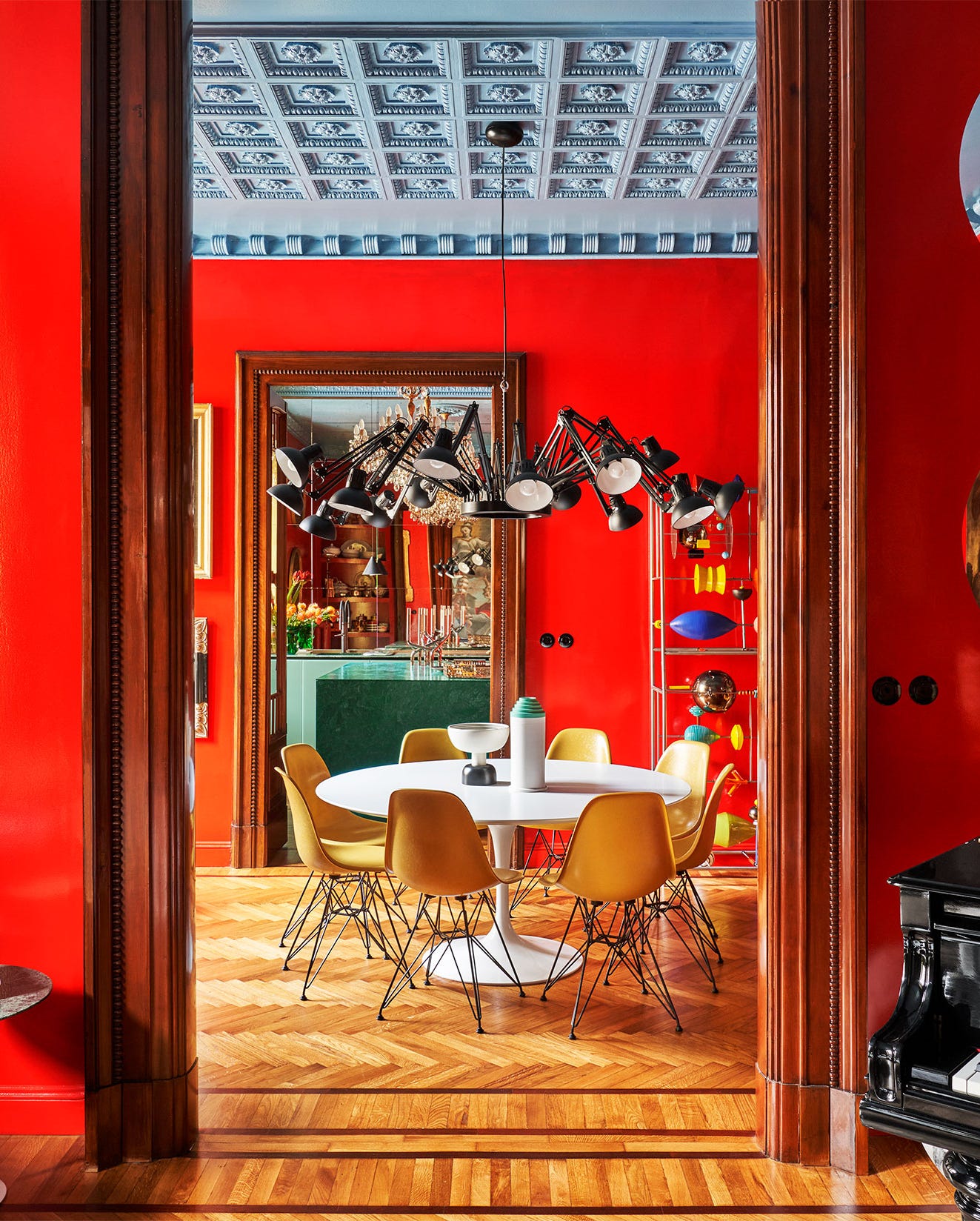
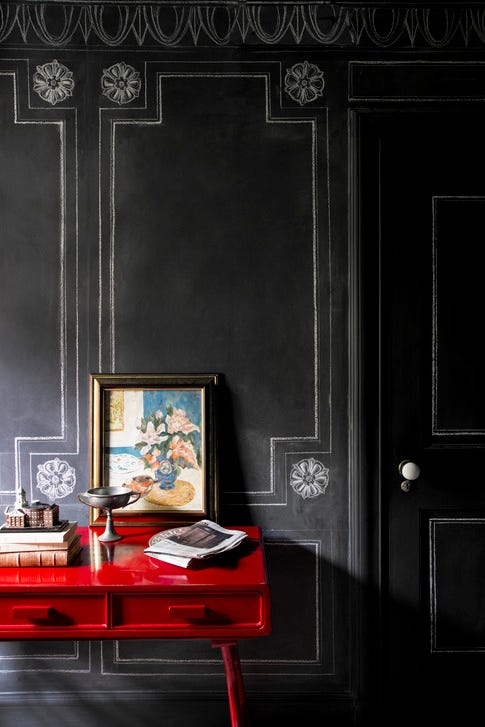
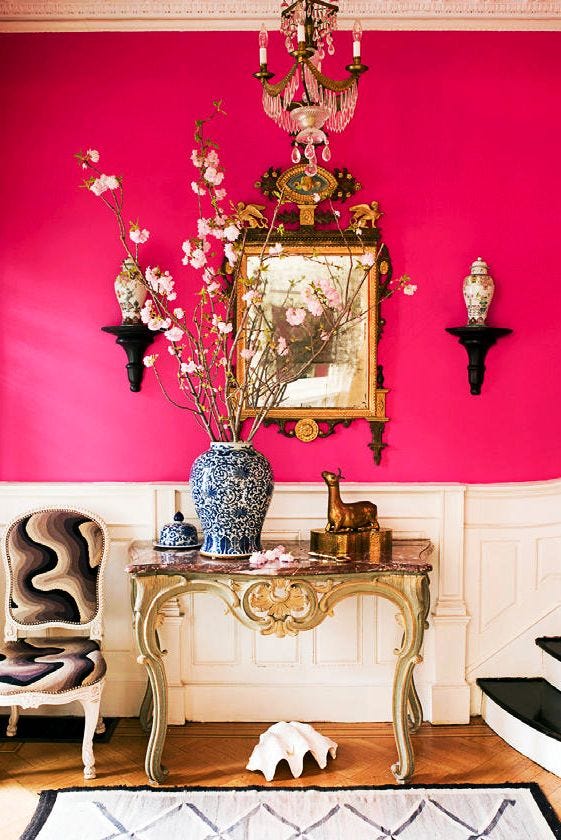
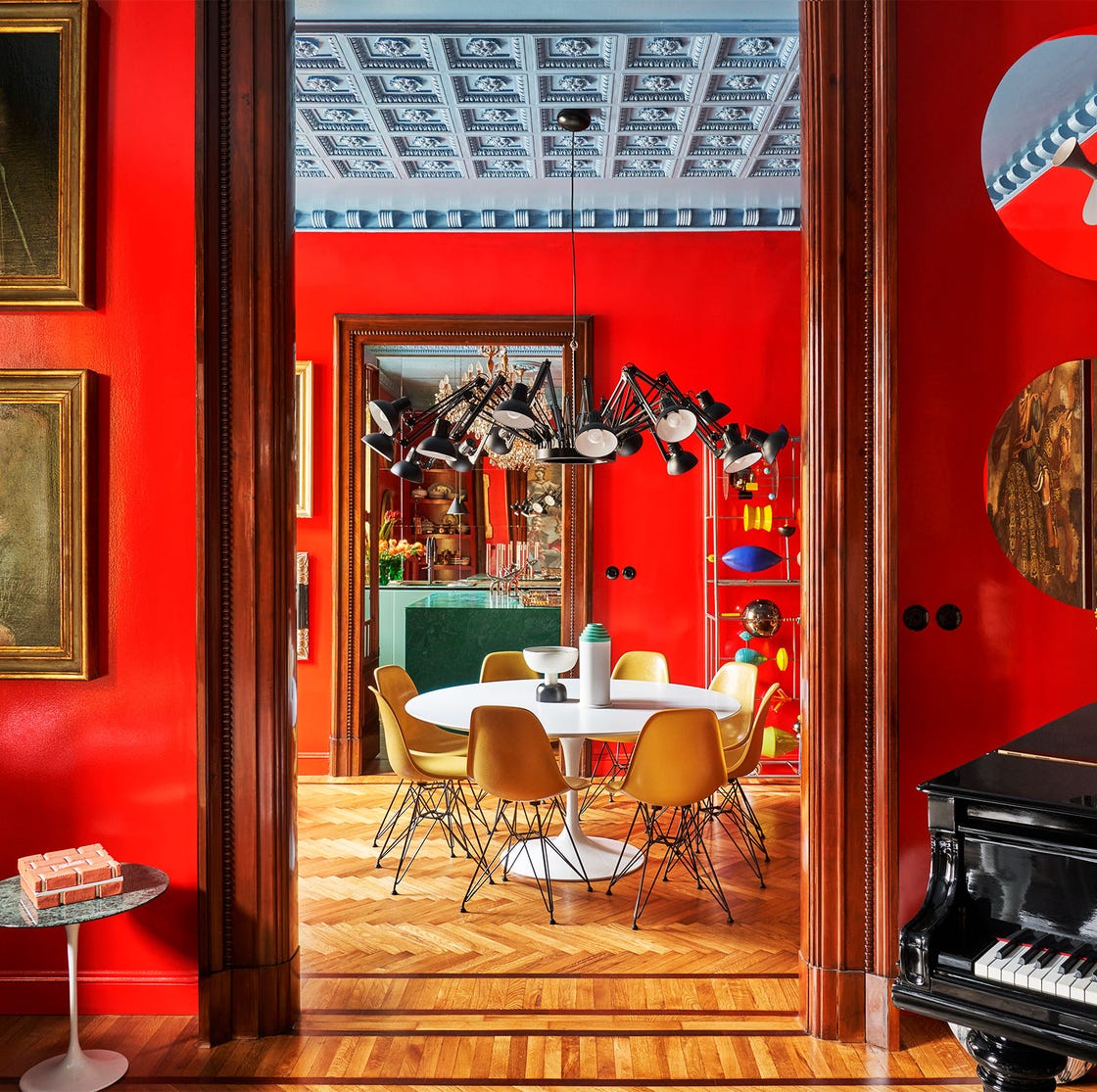
Beyond color, the paint finish also plays a significant role. New York-based interior designer Phillip Thomas advocates for a high gloss lacquer finish in living rooms, noting that it adds lightness and luxury. He also suggests experimenting with metallics on ceilings, as this can make a space feel taller and grander. Thomas emphasizes that a satin finish on all surfaces, from skim-coated walls to metallic ceilings, creates a glowing effect. When designing, considering the colors in adjacent rooms is important for overall balance, as demonstrated by his choice of dahlia for a living room and vibrant Aniline Red for an adjoining library.
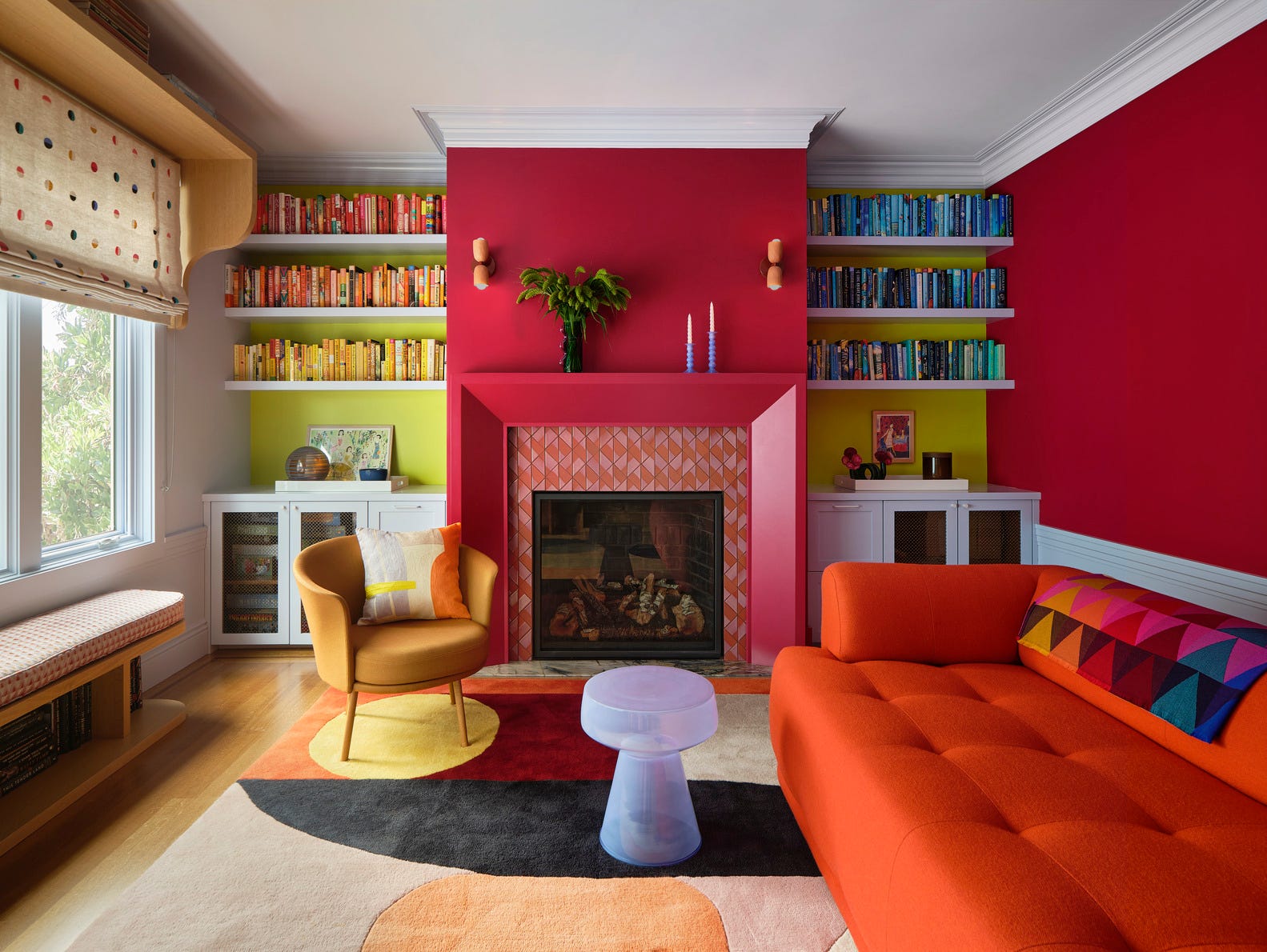
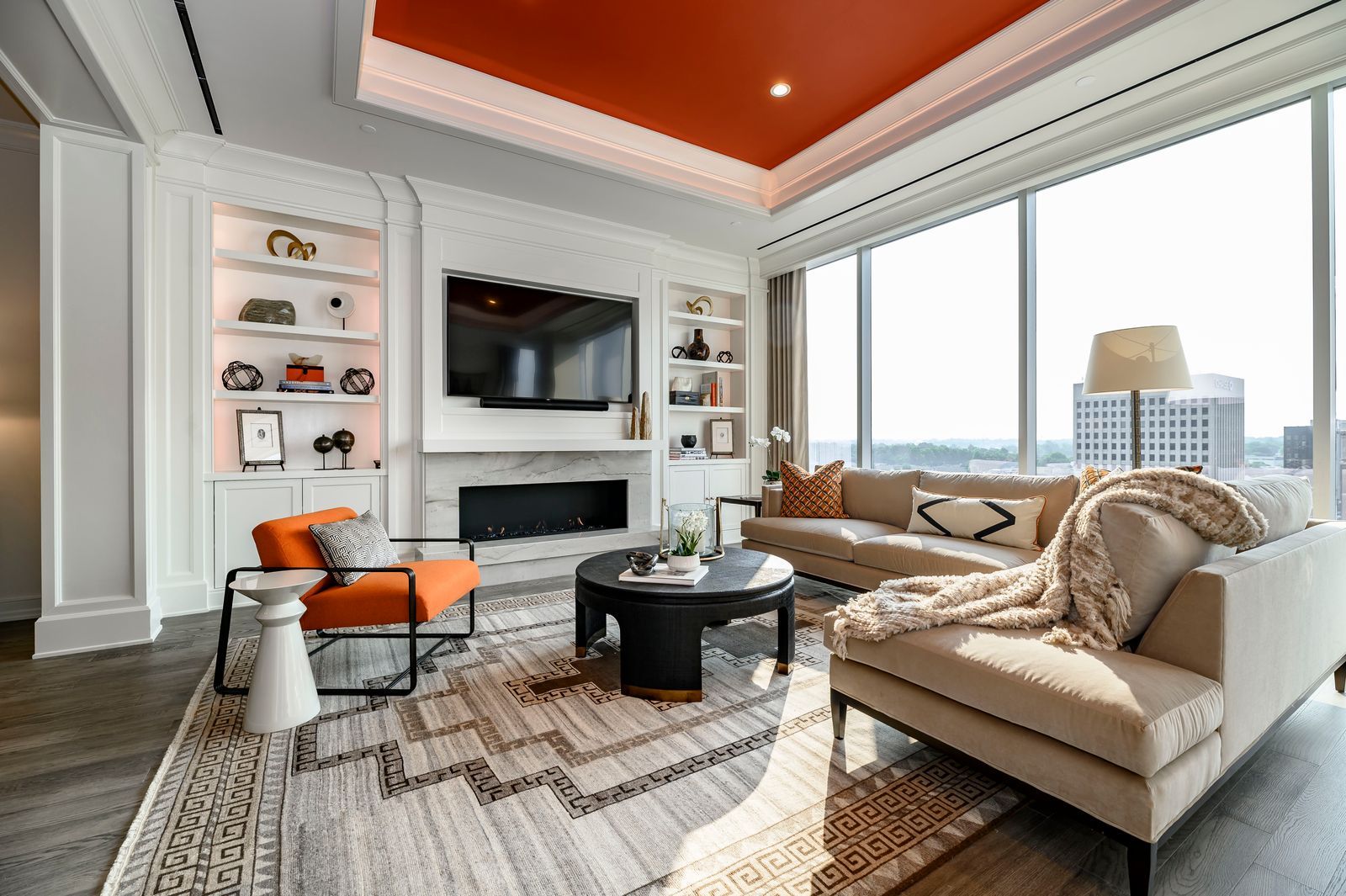
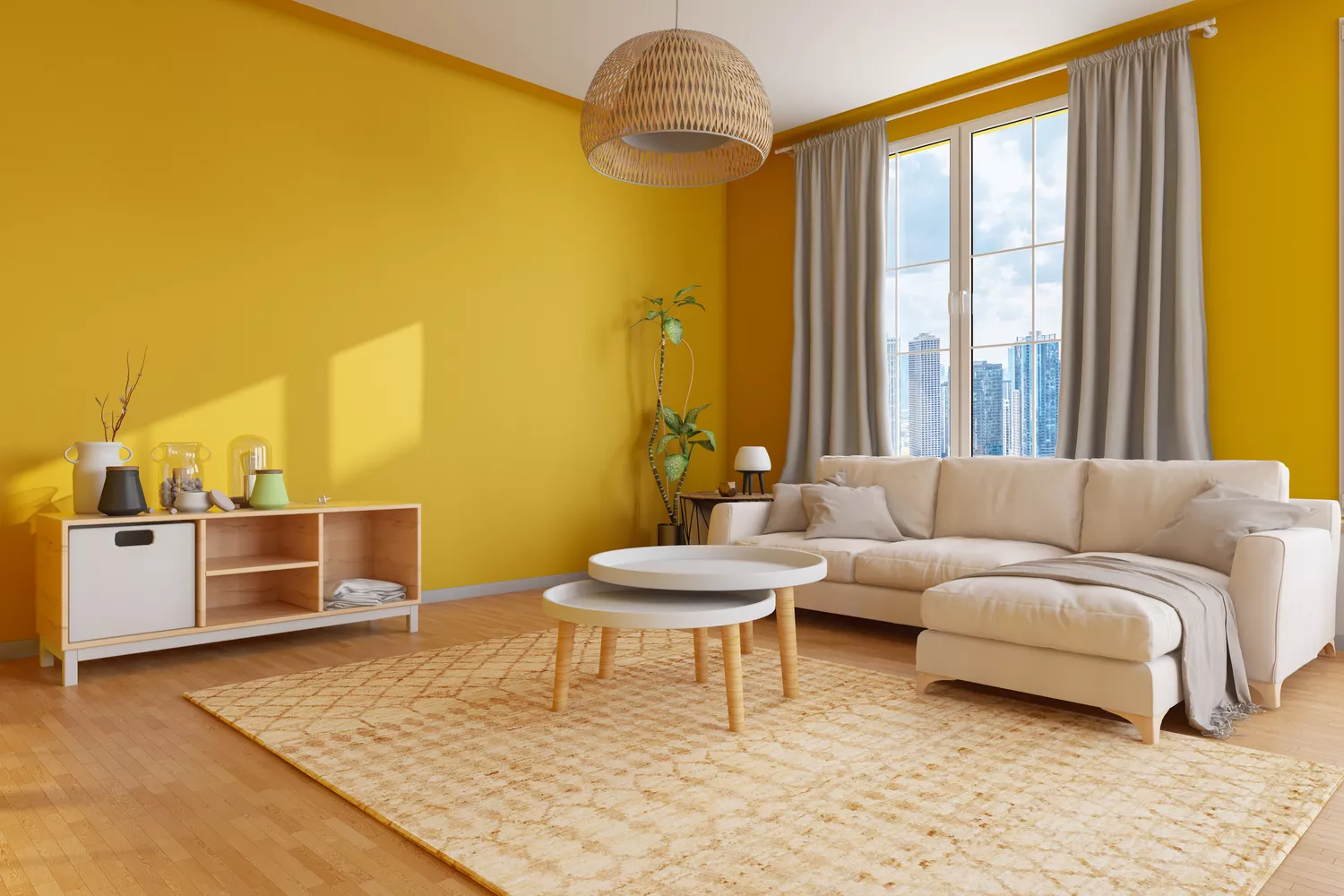
Orange is highlighted as a color that brings joy and upliftment to living rooms, being one of the most frequently used rooms in a home. Emma Deterding, founder and creative director at Kelling Designs, describes orange as a versatile color that harmonizes with many others, providing warmth, brightness, and uplifting energy whether used on an entire wall or as accent splashes. For an all-orange scheme, incorporating various textures and tonal variations is essential to prevent the space from feeling overwhelming. This can involve combining two tones of orange paint for walls and choosing a subtly patterned rug. For upholstery, sculptural shapes in deeper orange shades and luxurious fabrics like soft velvet or chenille can ground the scheme and add texture.
#LivingRoom #PaintIdeas #InteriorDesign #ColorSchemes #HomeDecor #DecoratingTips #ColorPsychology #LivingRoom #PaintIdeas #InteriorDesign #ColorSchemes #HomeDecor #DecoratingTips #ColorPsychology
0 comment in total
 No comments yet
You may also like
Living room paint ideas – 30 stylish ways with paint, and expert color tips

Listen Up: These Are the Best Paint Colors for Your Living Room

Paint ideas for your home – 36 ways to turn every room into a beautiful space bursting with character
5 Paint Colors to Never Use in Your Living Room, According to Interior Designers
Living room paint ideas – 27 easy ways to bring your lounge to life with stylish and creative colours and techniques
Jewel Tones Are Trending for Living Room Paint Colors, According to Designers

28 Living Room Paint Color Ideas That Make Beige Feel Basic (In the Best Way)

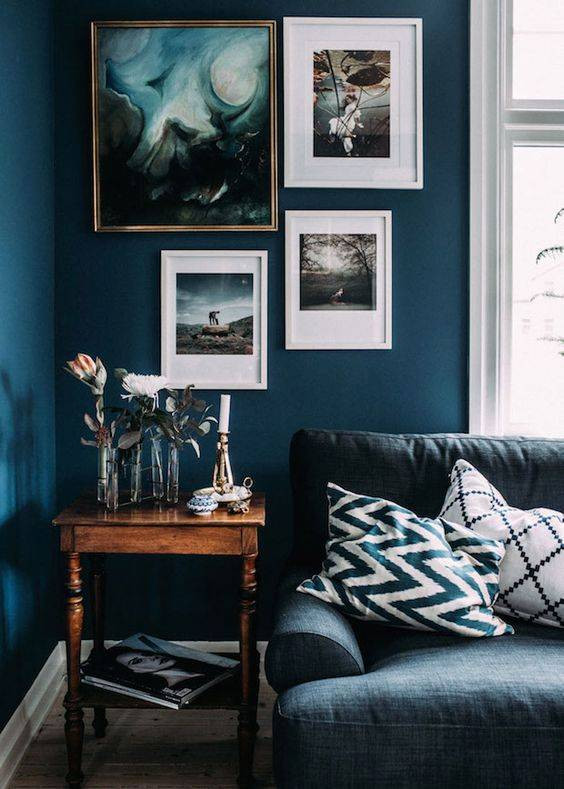
colorful living rooms (no beige allowed)!
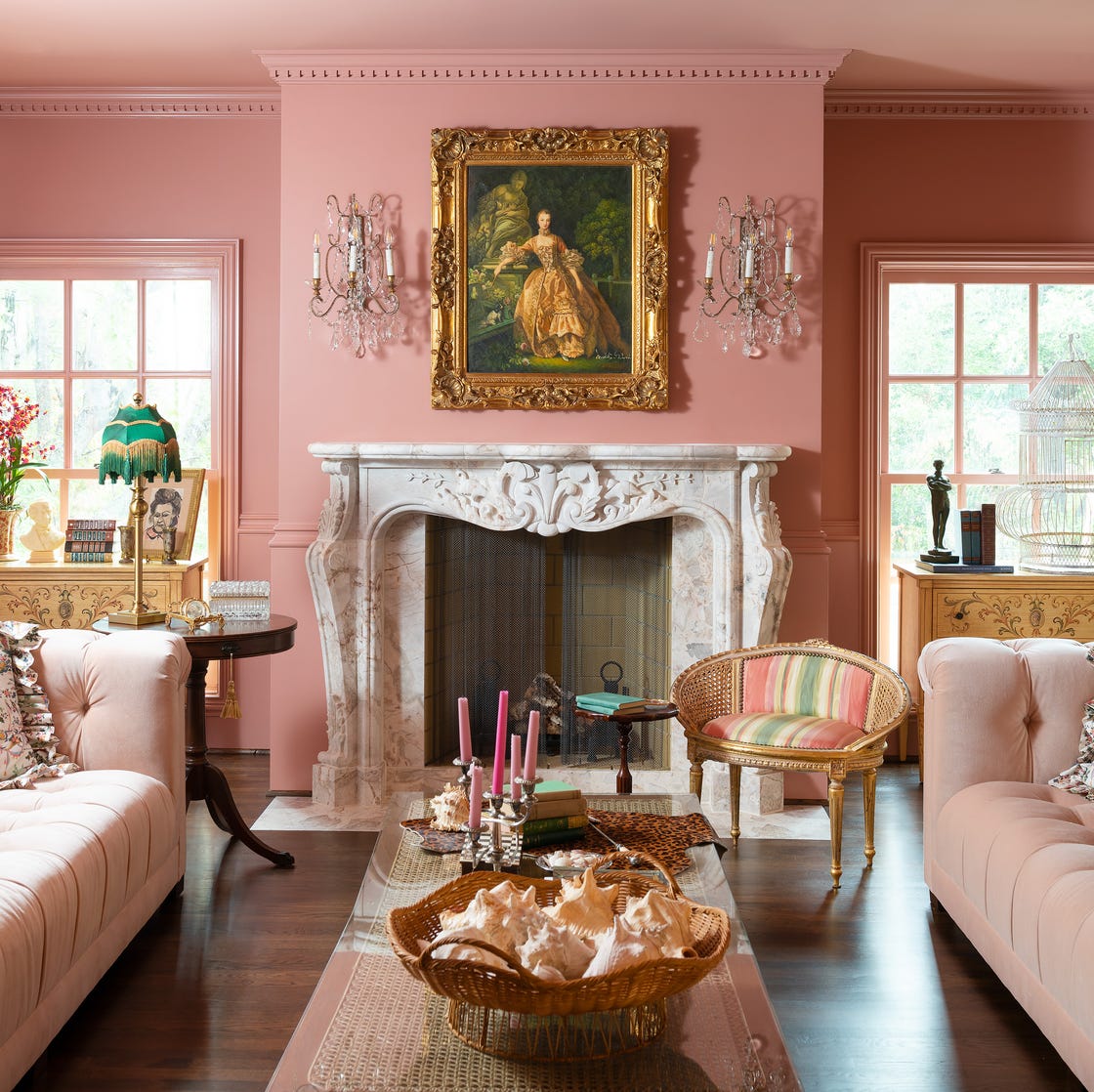
Designer-Approved Living Room Colors That'll Make You Feel Happier
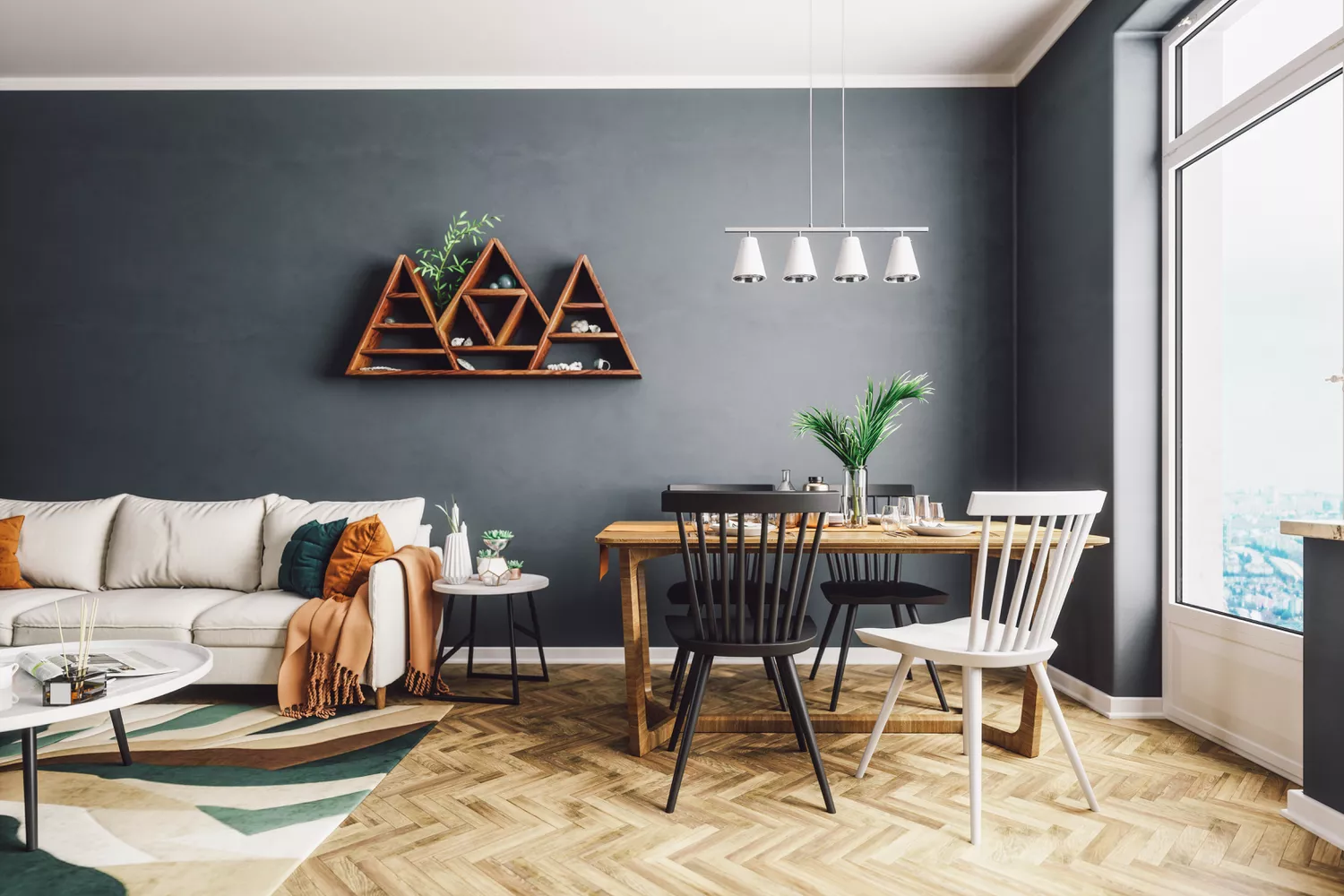
4 Living Room Paint Colors That Are So Outdated, According to Designers

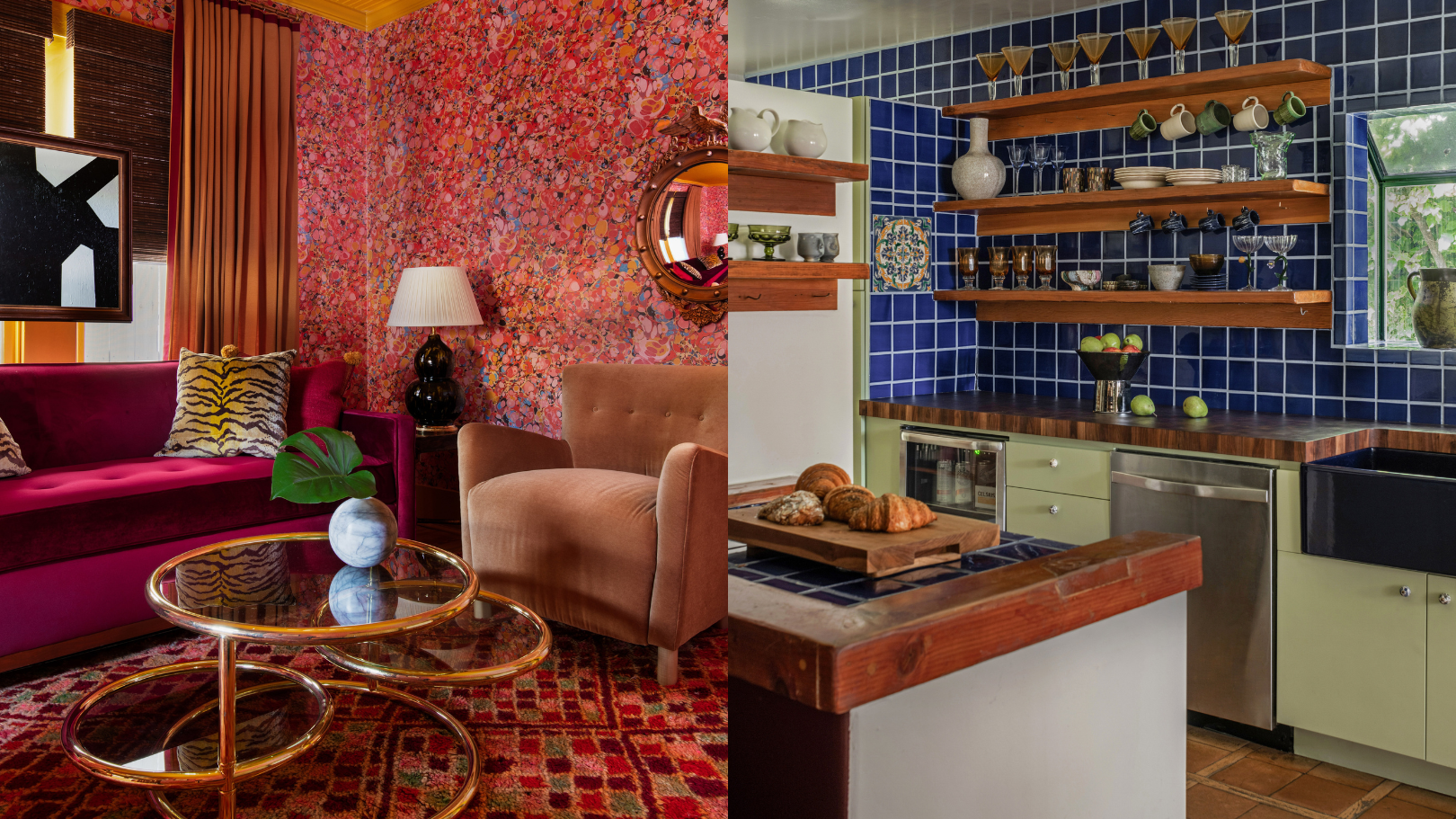
9 'good weird' paint colours approved by designers

Paint tricks – 10 painting tips and techniques loved by the experts
Living room paint ideas – stylish ways with paint

7 Popular Paint Colors for the Living Room
55 Living Room Color Ideas That Will Take Your Space from Drab to Fab

5 living room paint colors going out of style in 2025
The 60 Most Popular Living Room Paint Colors Right Now
The Year's Best Living Rooms
35 Paint Colors to Consider for Every Room in Your House
The 3 All-Time Worst Living-Room Paint Colors, According to Designers