1/9
8 Things You Should NEVER Keep On Your Kitchen Counter
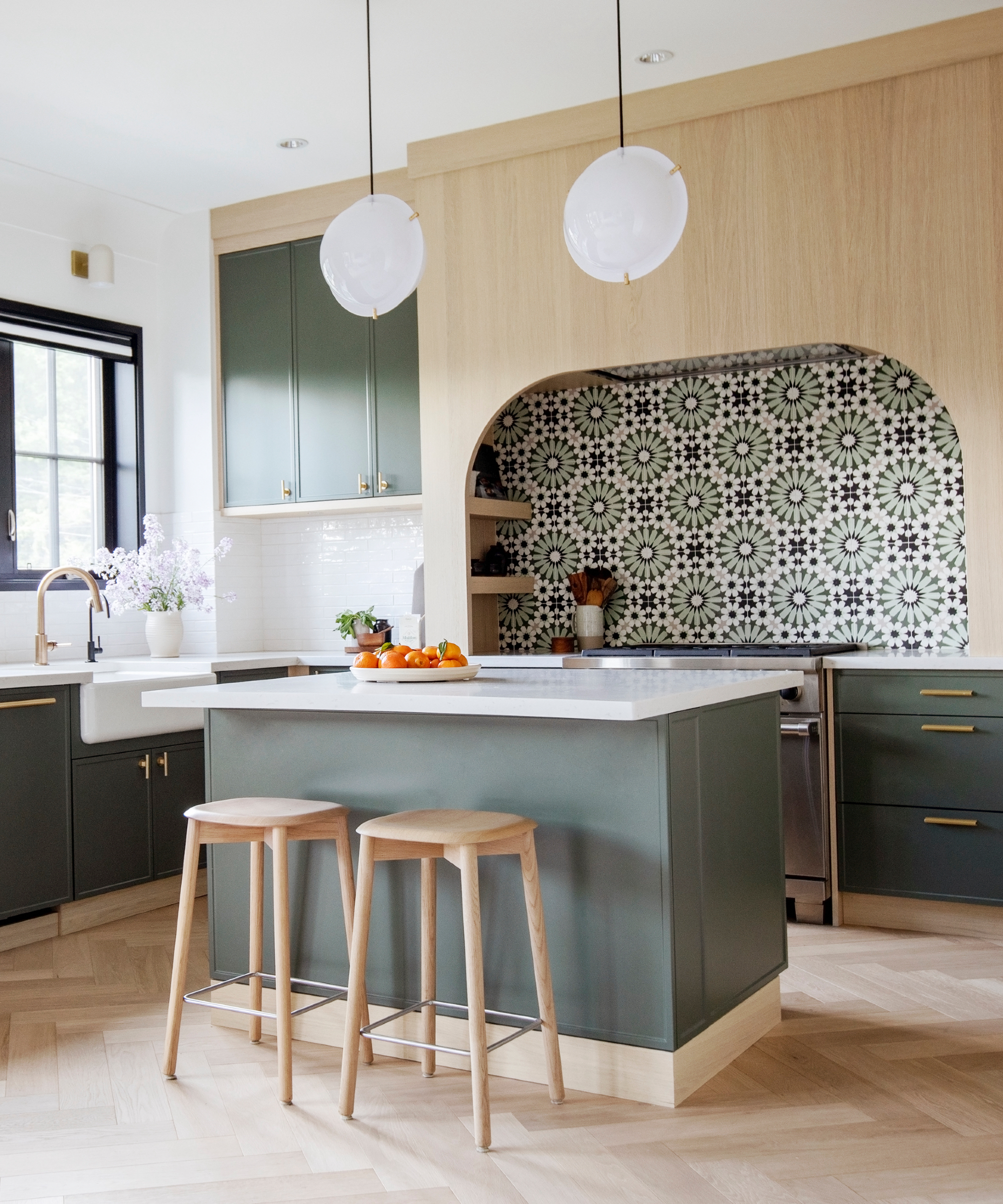
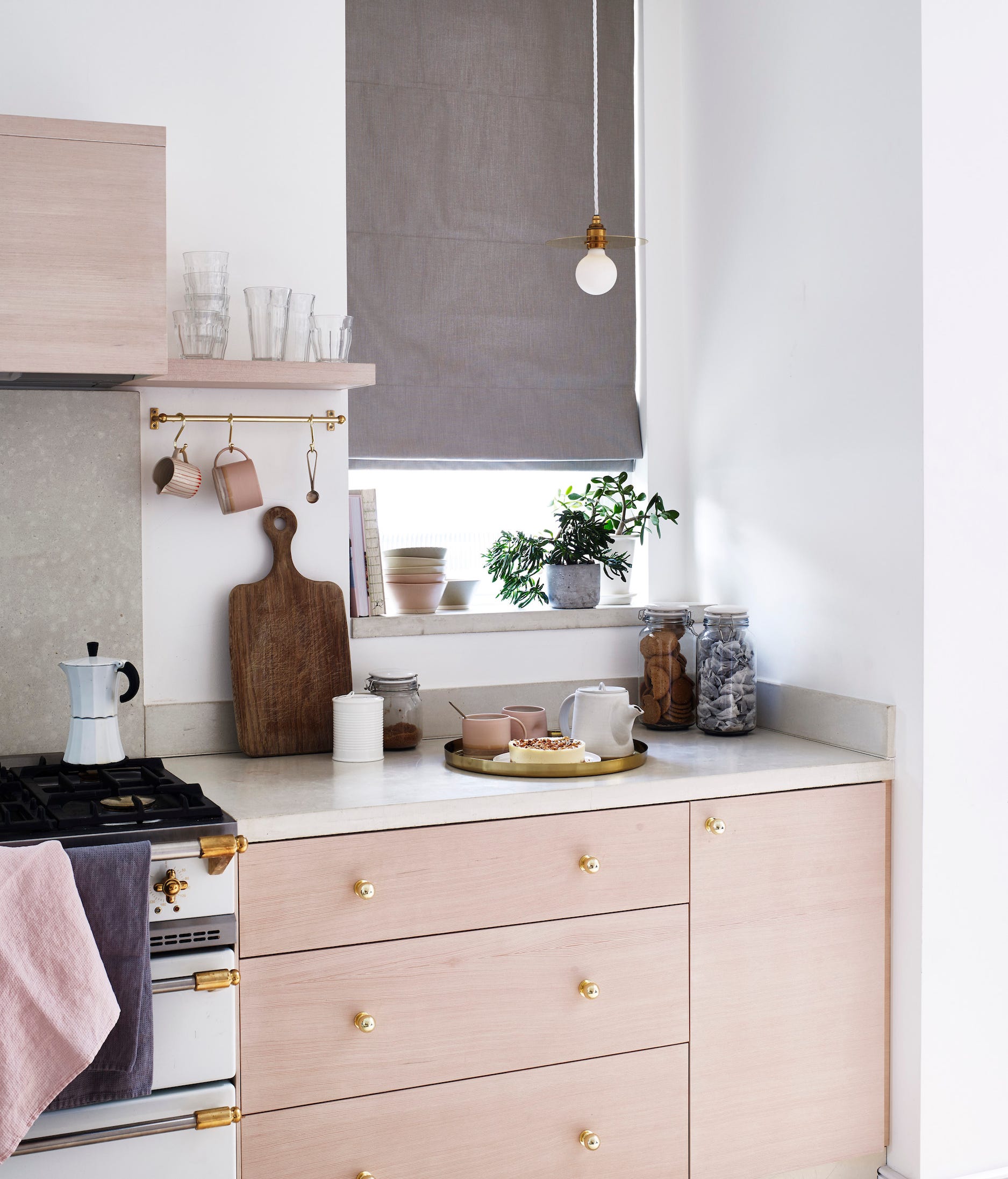
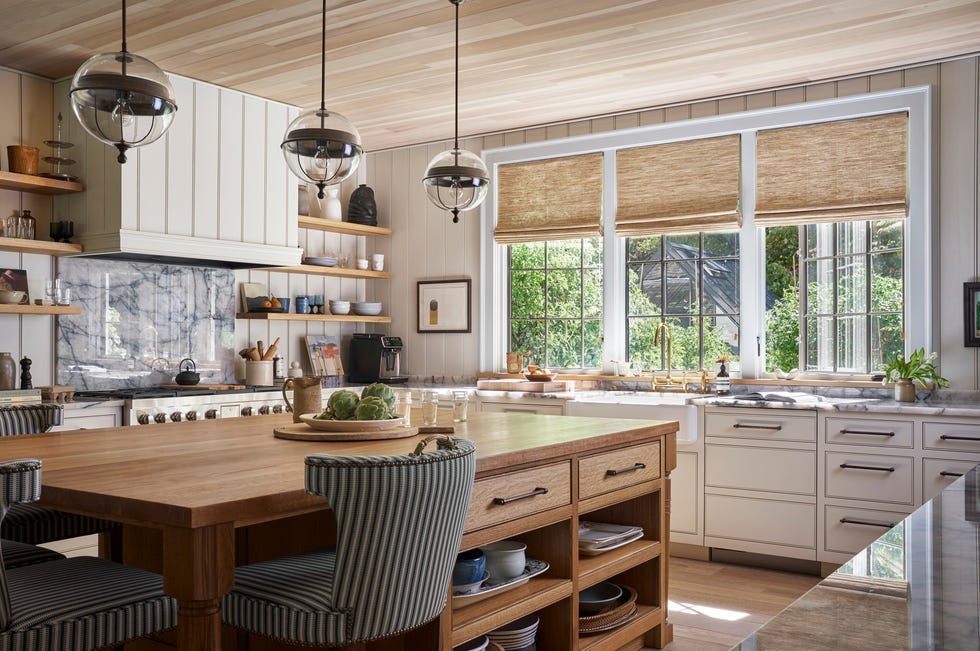
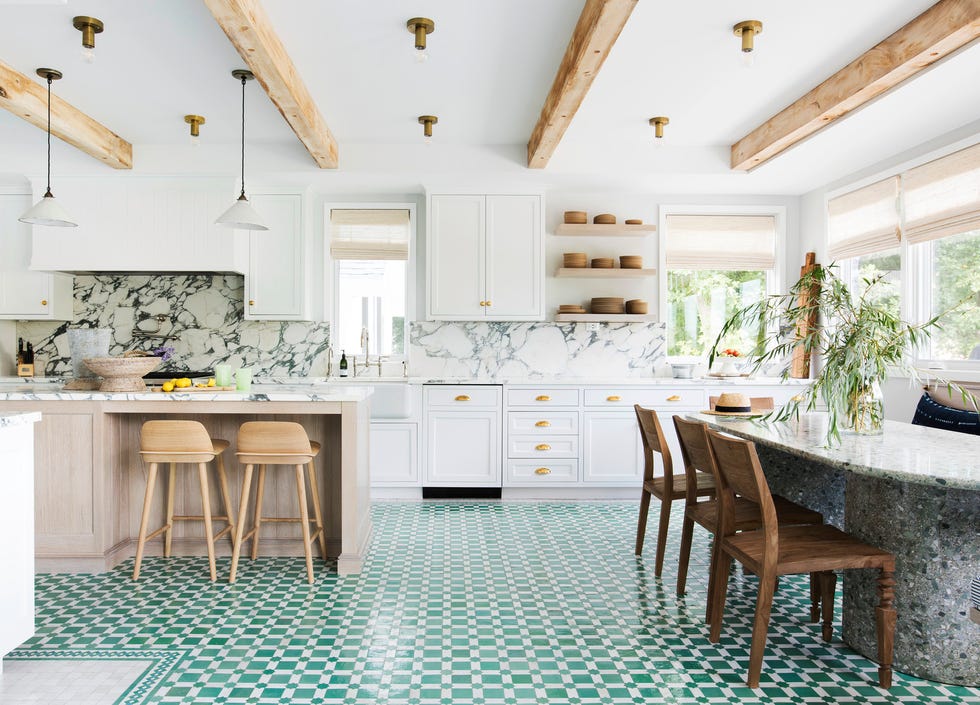
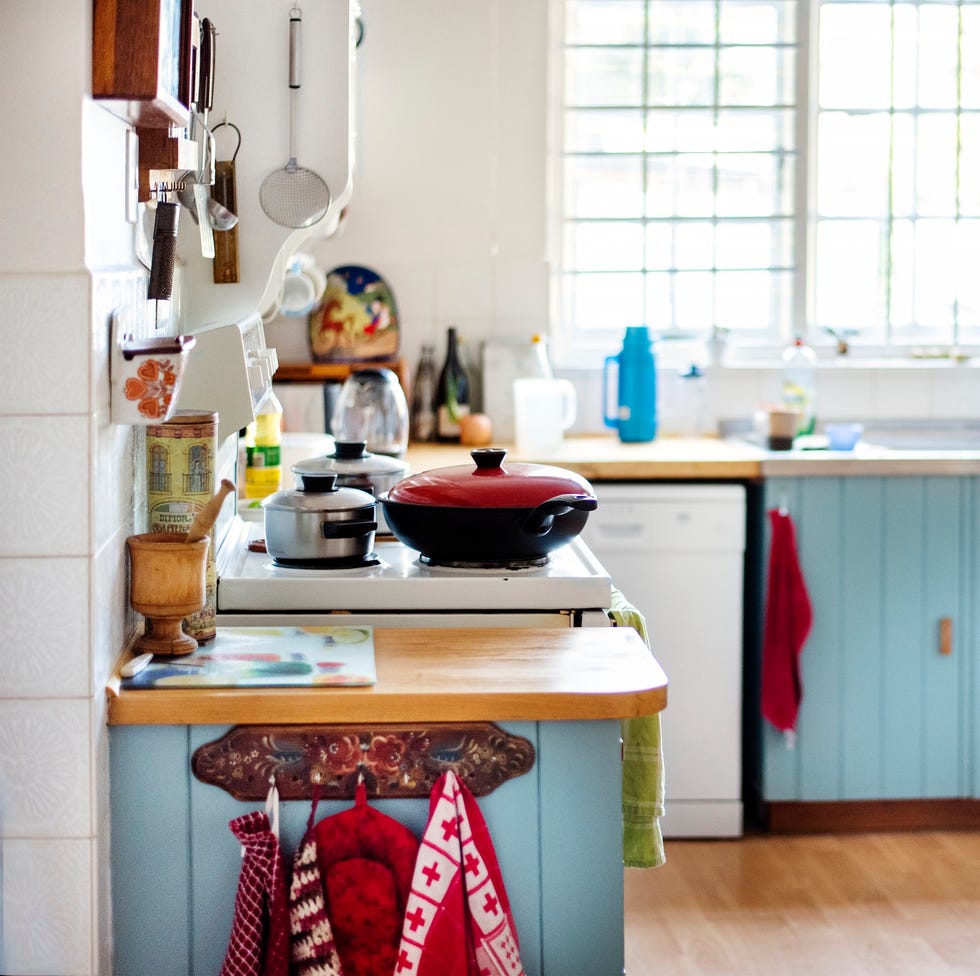
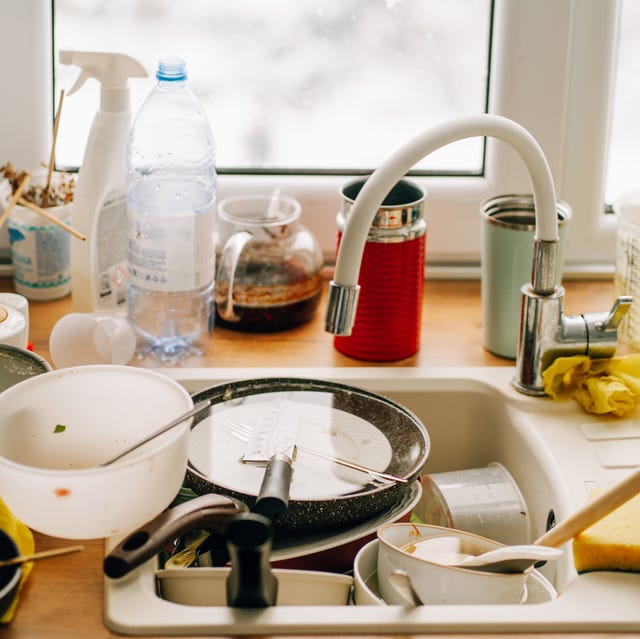
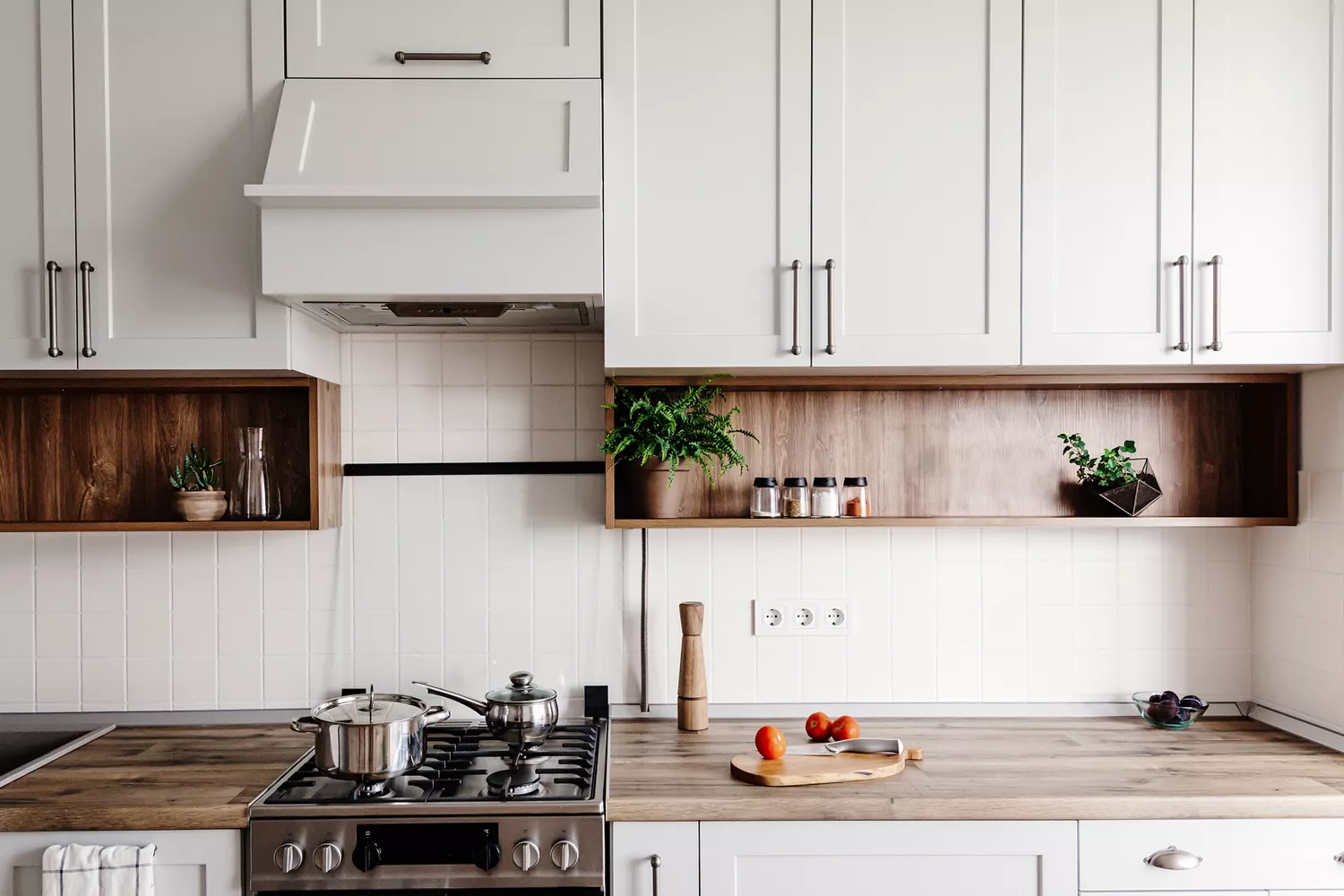
Maintaining a clean and clutter-free kitchen counter is crucial for maximizing cooking space and improving the cooking experience, as well as enhancing the visual appeal of the kitchen. Clutter can create a sense of disarray, making it difficult to concentrate and less motivating to cook or host guests. Professional organizers and culinary experts advocate for a minimalist approach to kitchen counters, recommending the removal of several common items to achieve a more organized and aesthetically pleasing workspace.
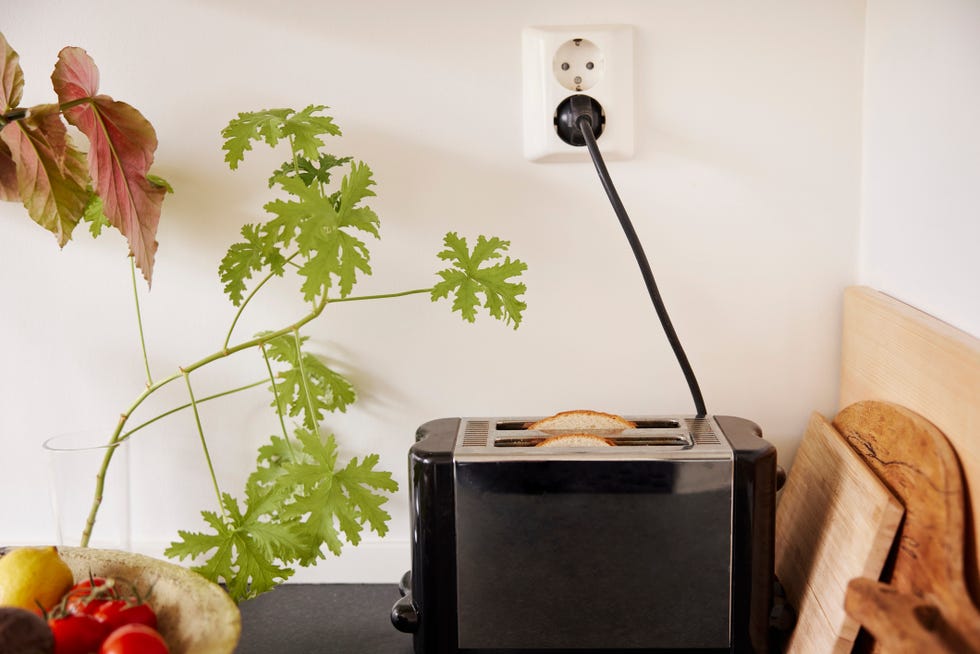
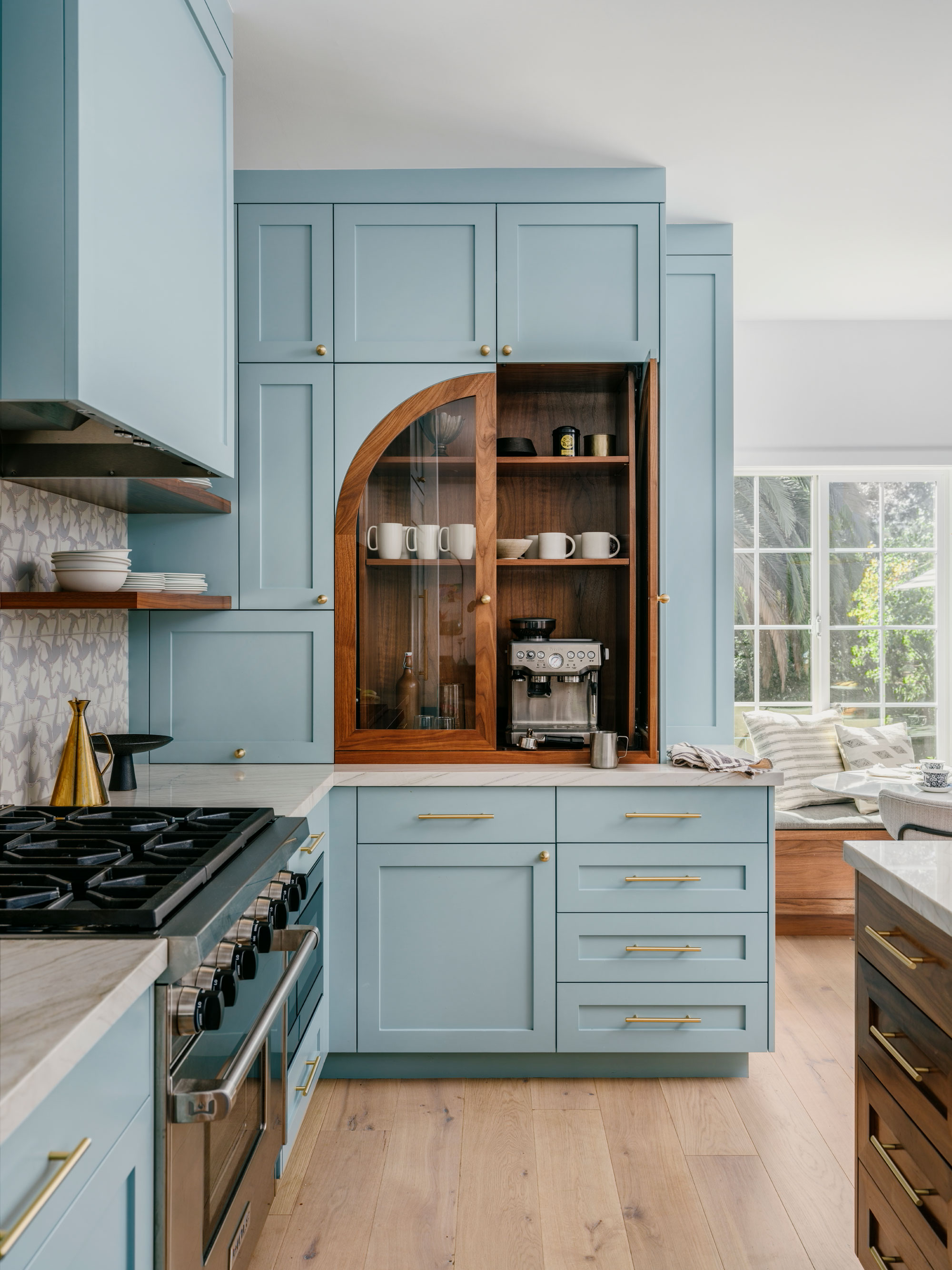
One of the primary culprits of counter clutter is small appliances. Items like toasters, blenders, juicers, and air fryers, while useful, often create a visually crowded space. Joshira Raposo, founder of Design By Casandra, suggests integrating tall cabinets specifically designed for storing these appliances, making them accessible yet out of sight. Kaleb Wyse, a farmer-baker-cook and author, echoes this sentiment, stating that his coffee maker is the only appliance visible on his counter, emphasizing that toasters, for instance, are neither exciting nor inspiring and consume valuable space. He believes a kitchen should be as inviting as a living room, necessitating a tidy appearance.
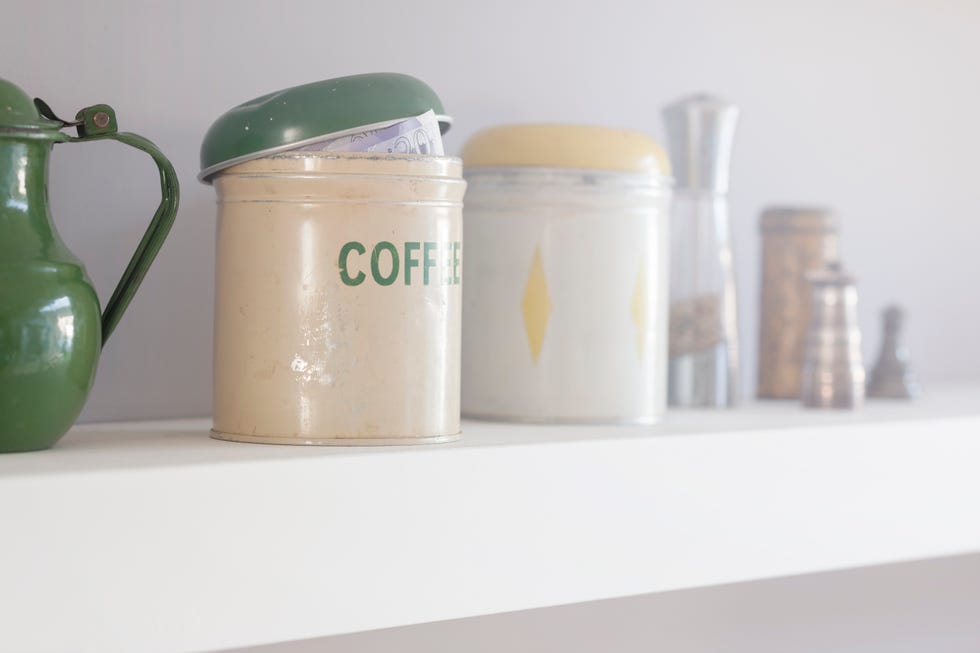
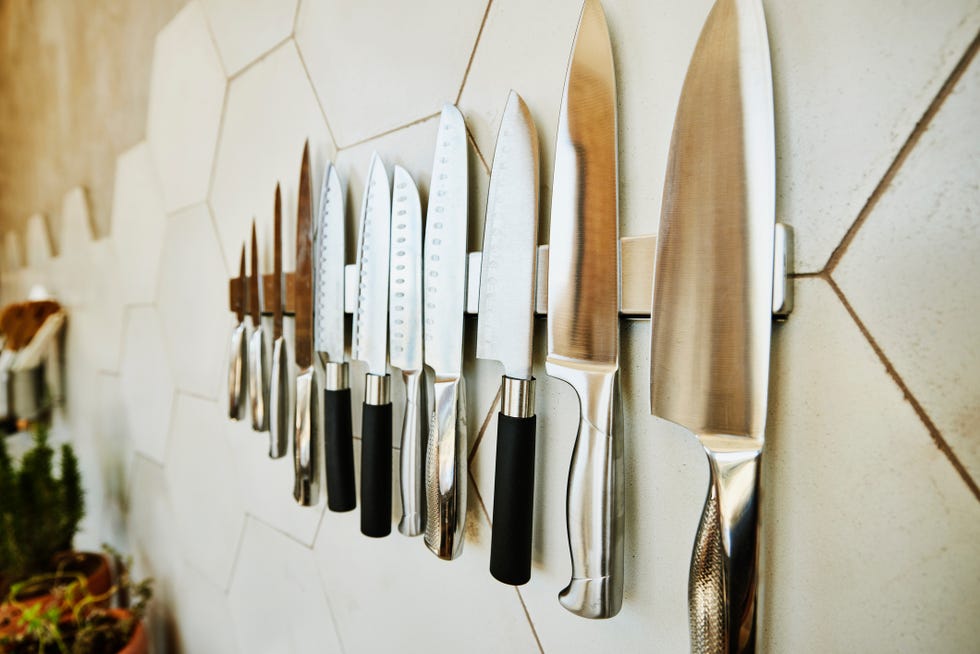
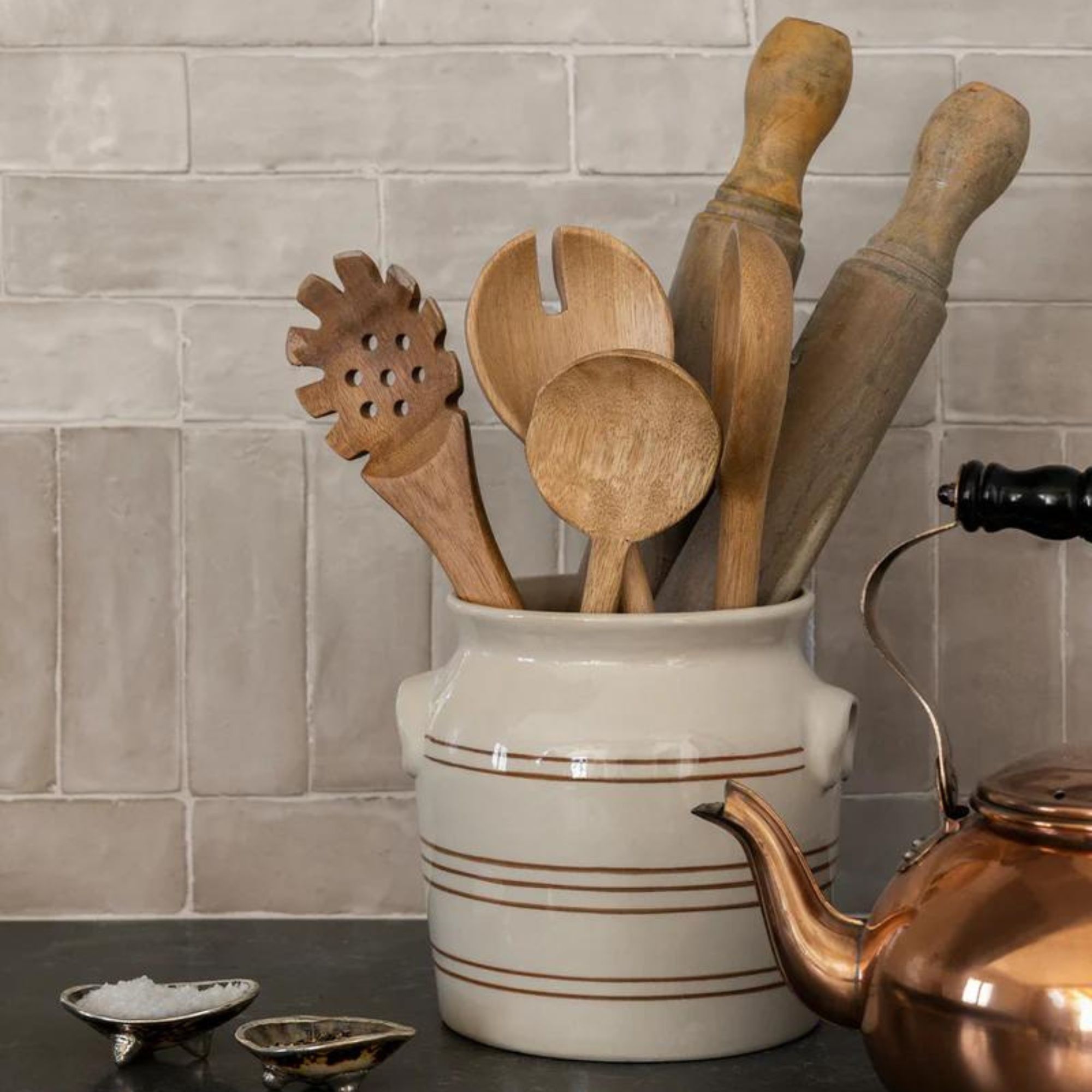
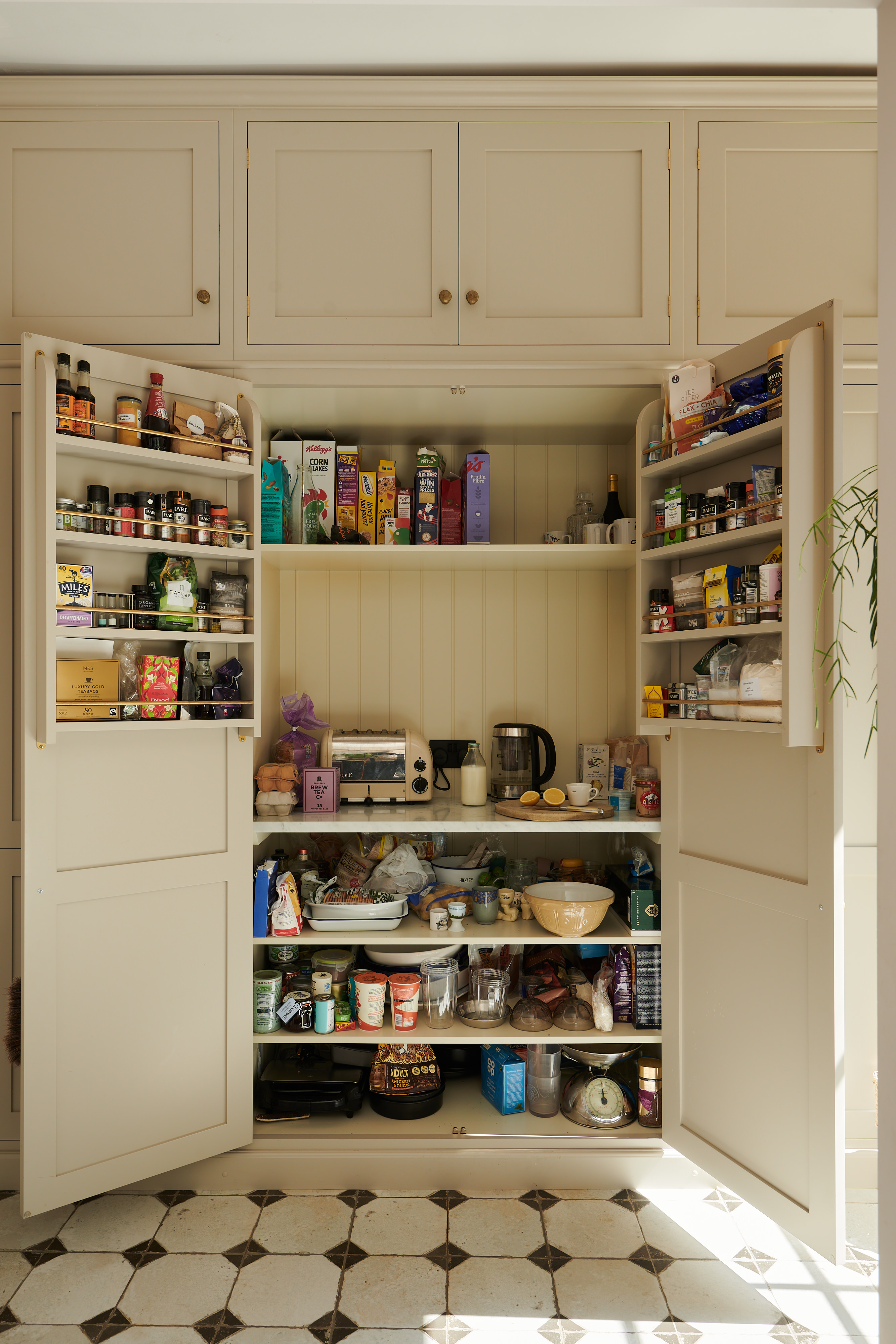
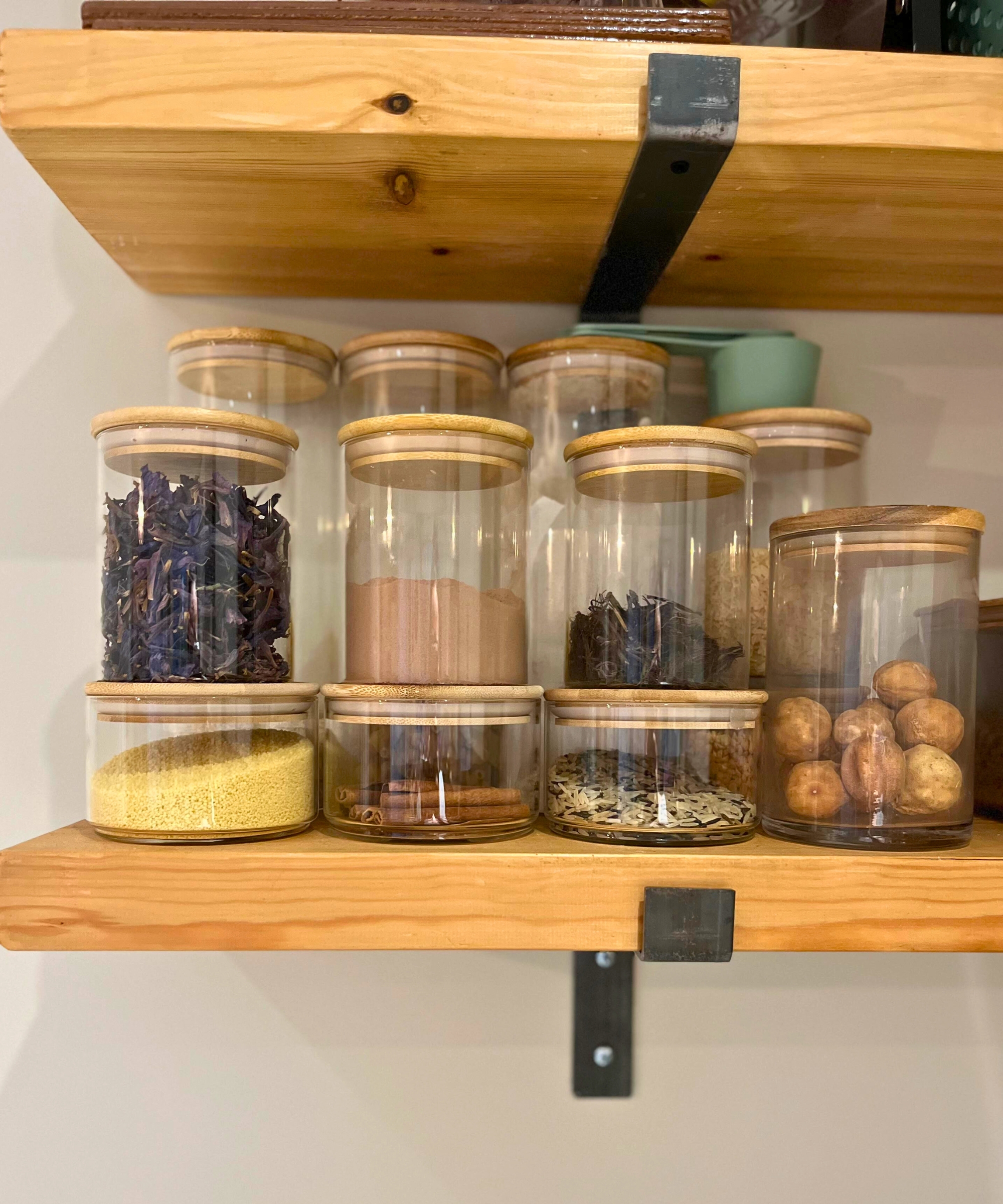
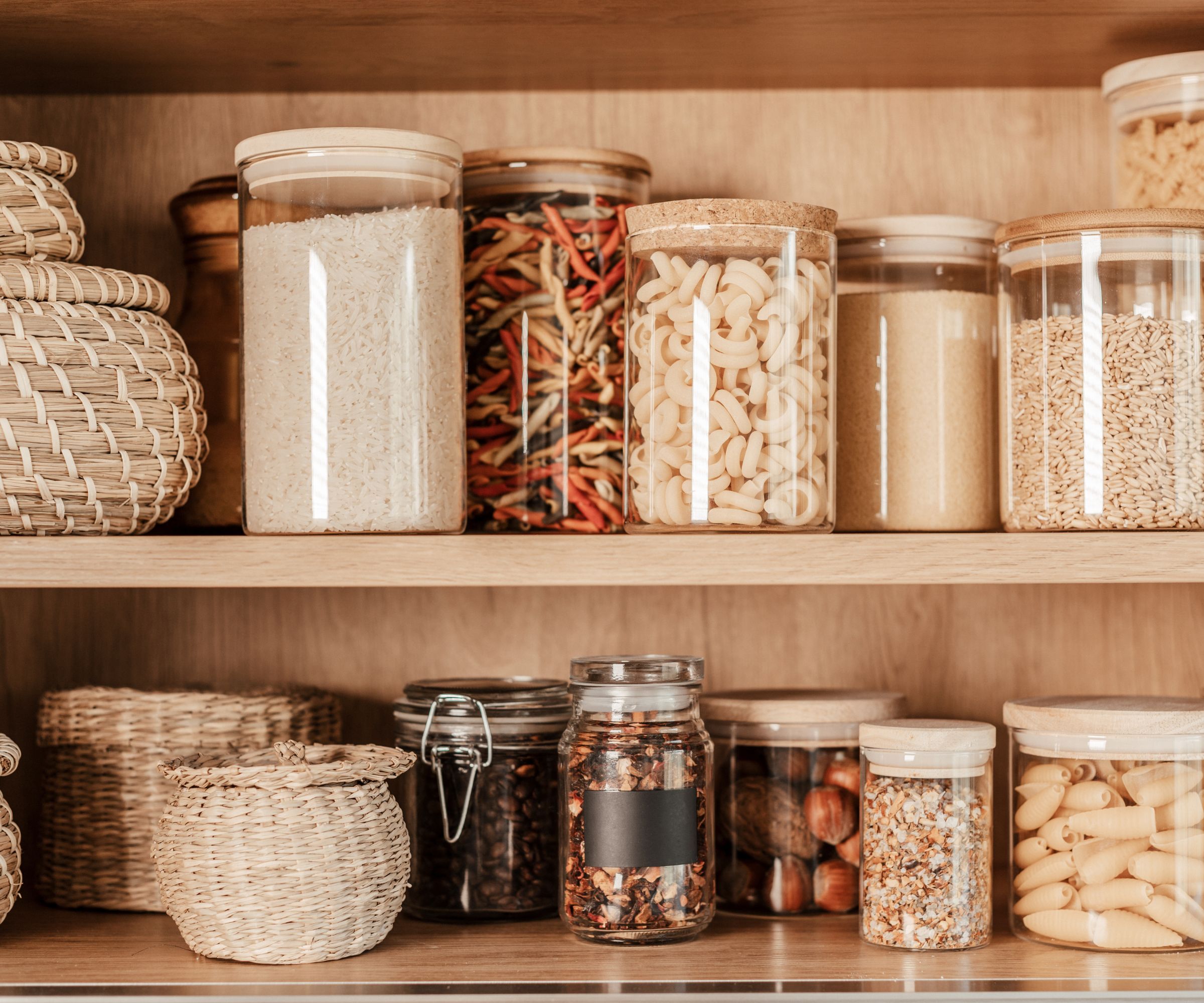
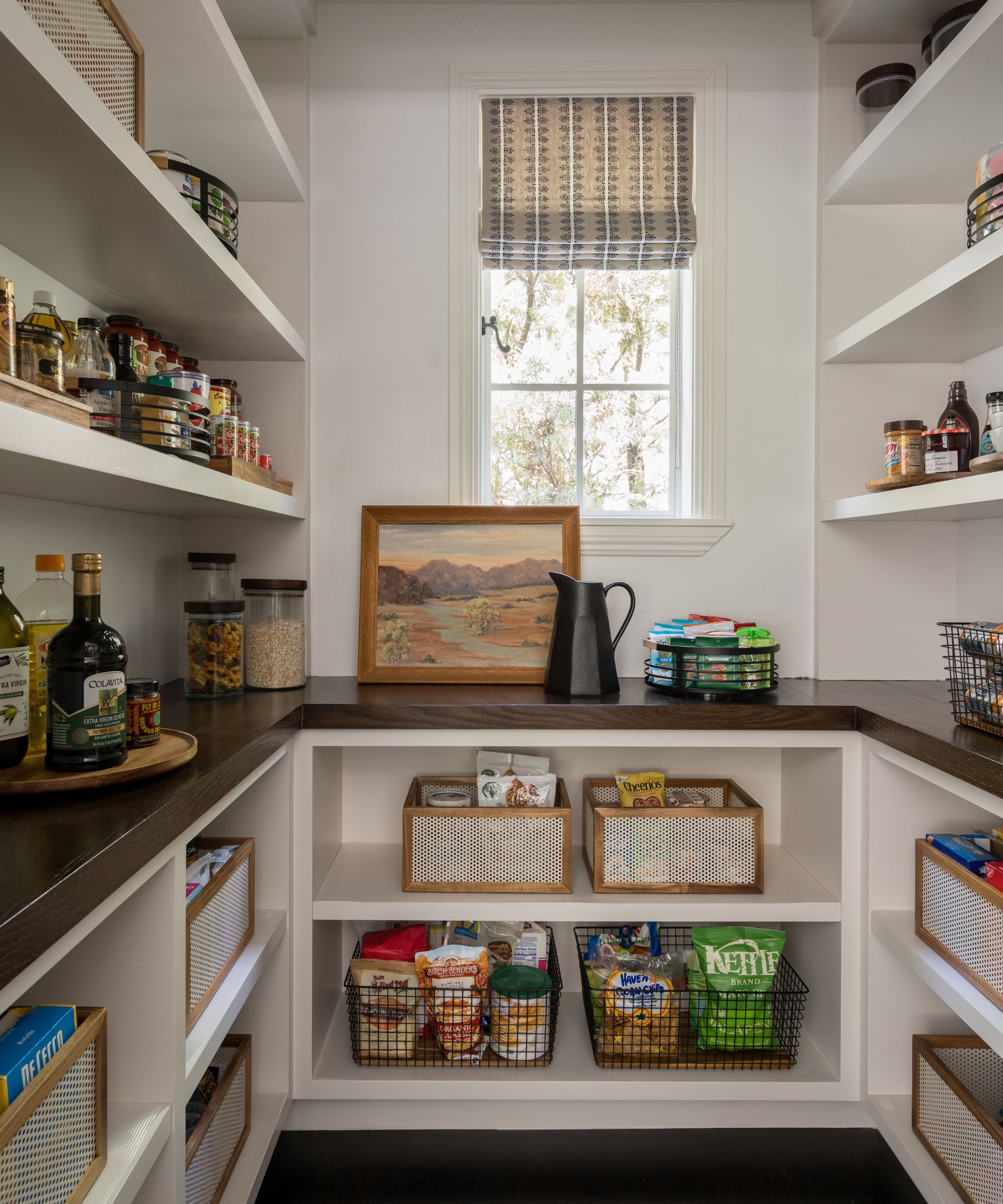
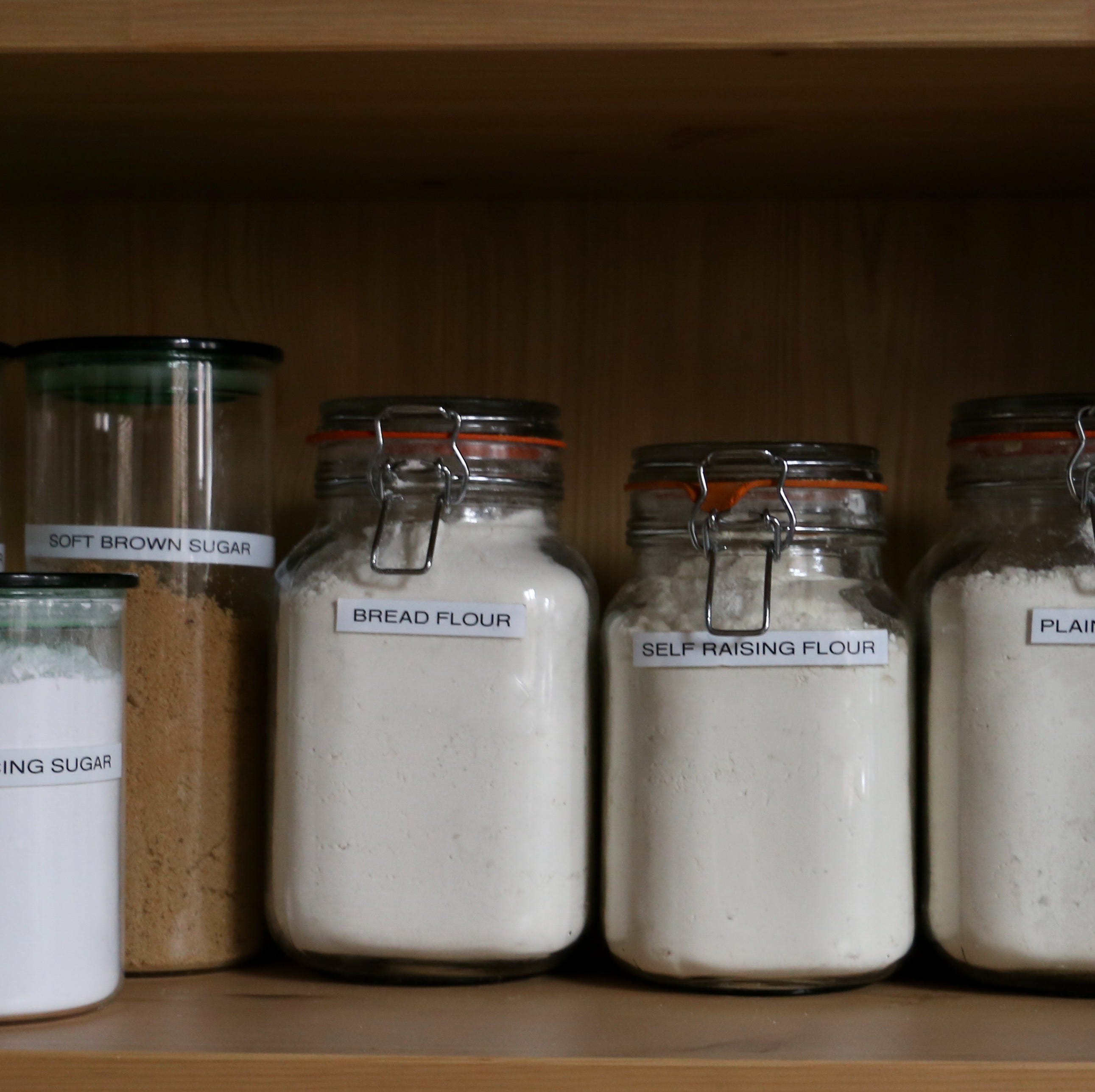
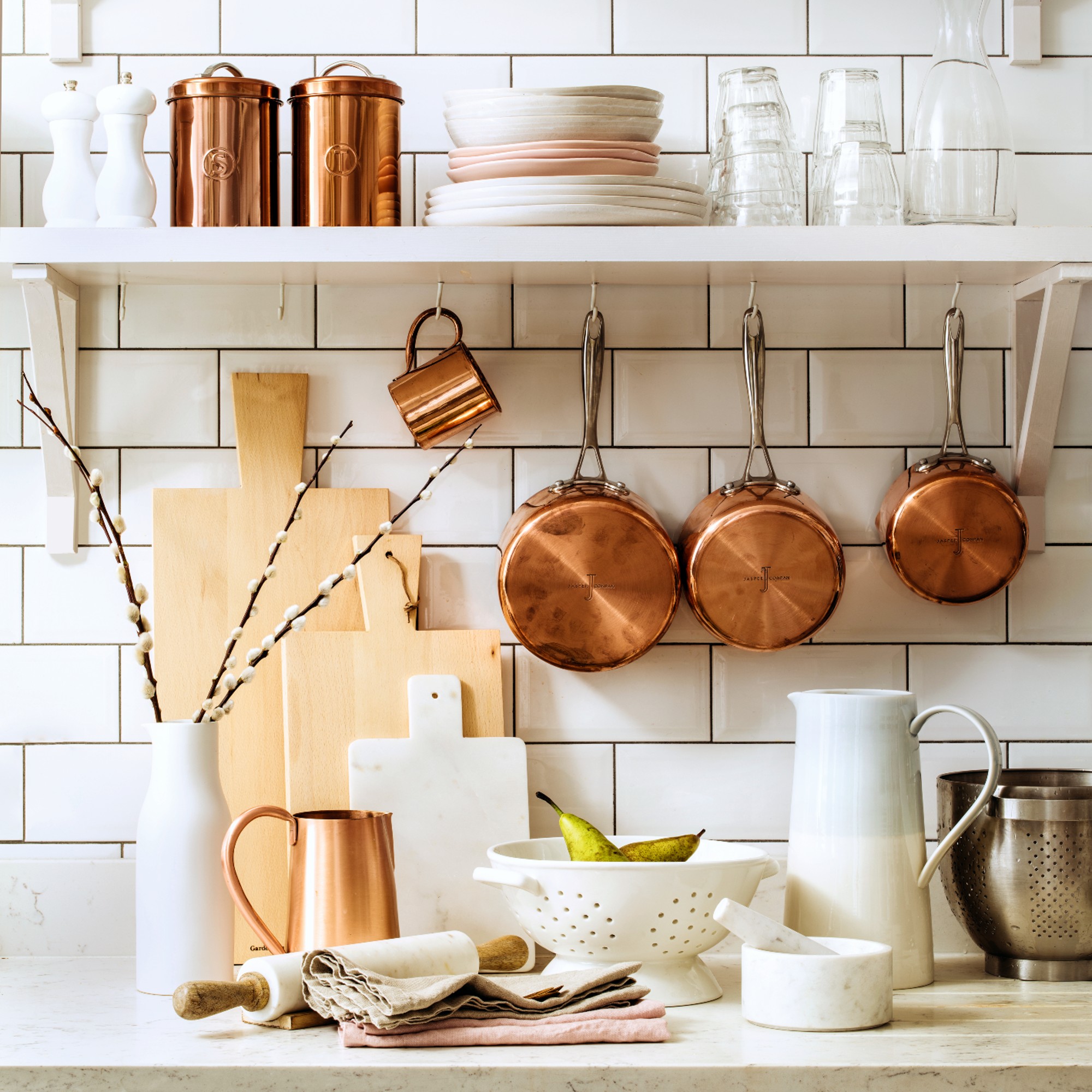
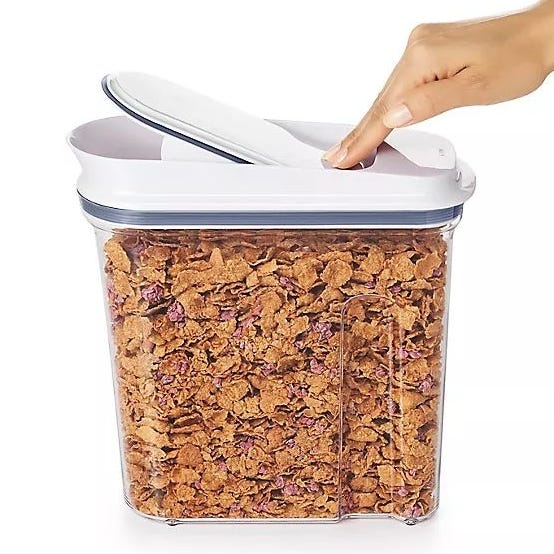
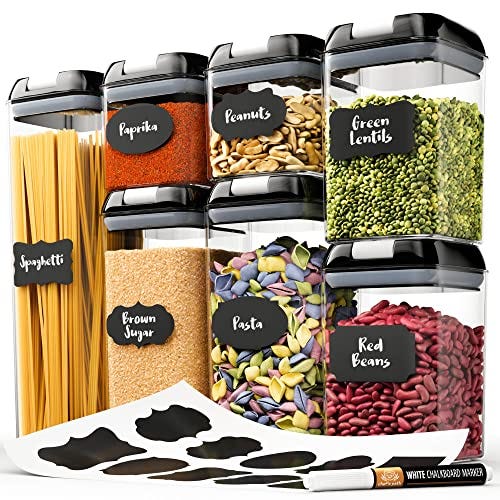
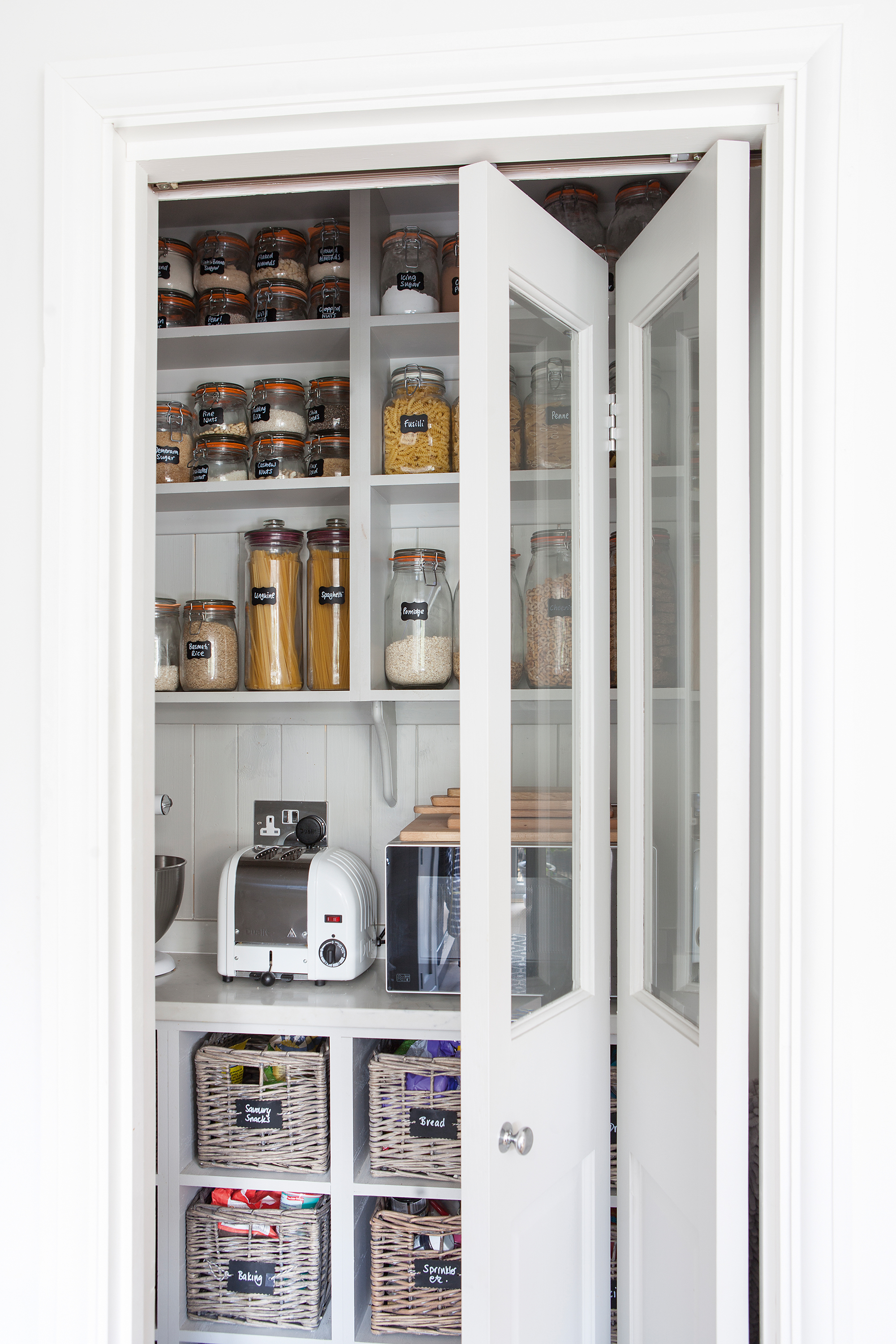
Canisters, despite their functional appeal for storing various items, are another source of clutter. Interior designer Shelby Van Daley of Daley Home advises relocating them to cabinets or a pantry to free up counter space. Chef's knives, while needing to be readily accessible for safety and convenience, should not be left on the counter. Culinary artist Bai Ruskus recommends storing them in a drawer case or on a magnetic wall strip to maintain their integrity and ensure safety. Similarly, pots, pans, and skillets should be stored in cabinets, despite their bulk. Wyse suggests that if these items do not fit in cabinets, it indicates an excessive inventory. Ruskus adds that storing them away helps preserve their longevity and contributes to a clean and beautiful kitchen environment.
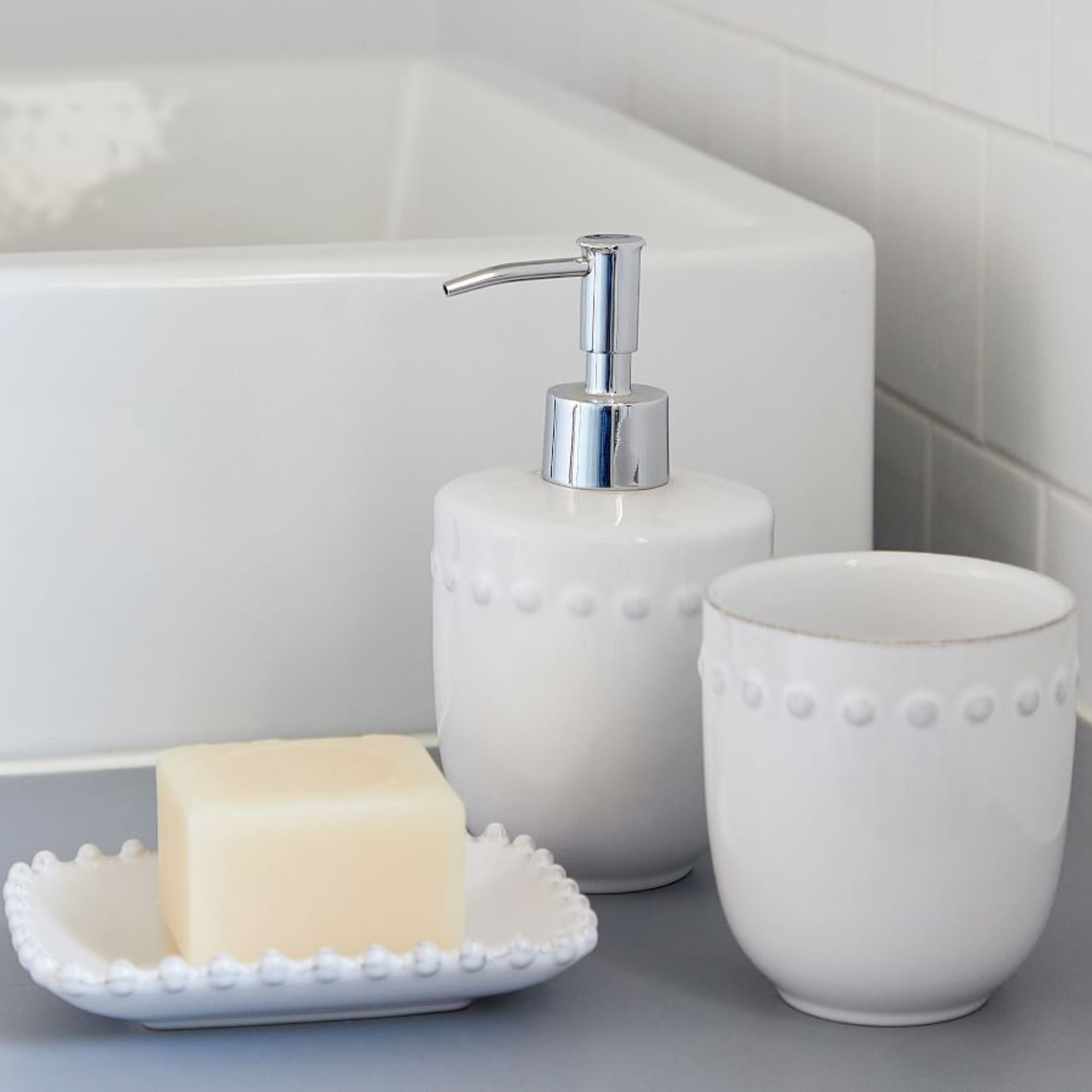
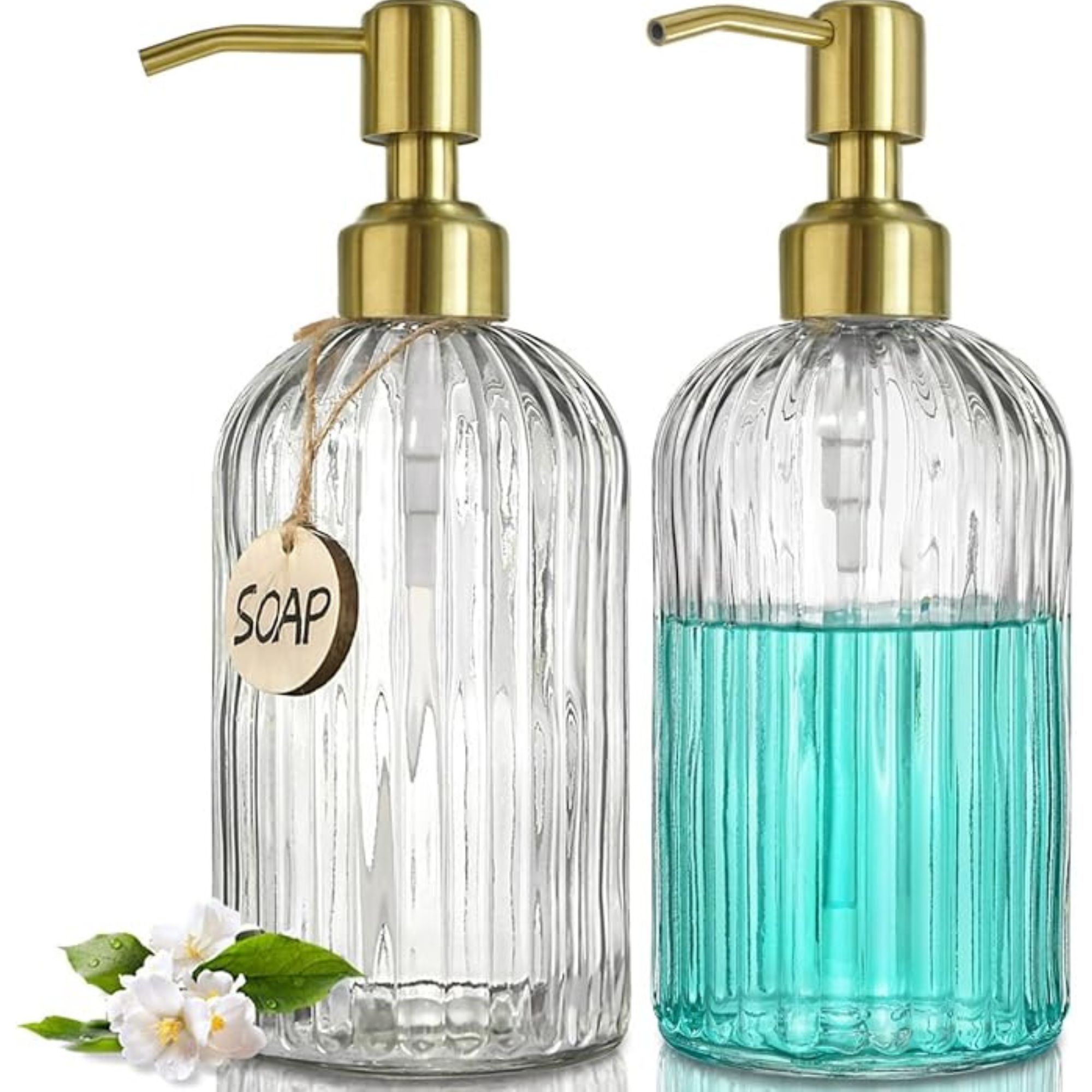
Cleaning supplies, although frequently used, detract from the kitchen's appearance when left on the counter. Interior designer Sarah Latham of Latham Interiors advocates for hidden organizers or drawers to store items like sink scrubbers and soap bottles. Wyse concurs, keeping sponges and similar cloths out of sight under the sink. Olive oil and spices are also identified as items that should not be permanently displayed on the counter. Ruskus explains that olive oil, in particular, should be stored in a cabinet away from heat and sunlight to prevent it from going rancid, similar to how quality olive oil is sold in dark bottles. She suggests storing other essentials like salt and spices in a drawer for easy access and clear visibility, making the cooking process more streamlined. Paper towels, while convenient, also contribute to clutter. Alternatives include built-in dispensers in drawers or cabinets, or hanging holders that keep them off the counter.
Lastly, fruit bowls, while seemingly decorative, can add to the visual clutter and occupy valuable counter space. If they collect miscellaneous items like snack packs or leftover muffins, they can quickly become unsightly. Experts suggest using hanging fruit bowls or hammocks as an alternative to keep produce fresh and visually appealing while freeing up counter space. By implementing these suggestions, individuals can maintain a more organized, functional, and inviting kitchen environment, making cooking more enjoyable and stress-free.
#KitchenOrganization #HomeDecor #ClutterFree #KitchenAppliances #StorageSolutions #InteriorDesign #CookingSpace #MinimalistKitchen #KitchenOrganization #HomeDecor #ClutterFree #KitchenAppliances #StorageSolutions #InteriorDesign #CookingSpace #MinimalistKitchen
0 comment in total
 No comments yet
You may also like
6 Things You Should Never Keep on Your Kitchen Counter

Pros warn never to keep these 8 things in your pantry

5 things not to put on your bathroom countertops, according to interior designers
7 Items You Should Never Store In Kitchen Cabinets
5 things to never put on your kitchen island, according to interior designers
6 Things You Should NEVER Keep In Your Pantry, According To Pro Organizers & Chefs
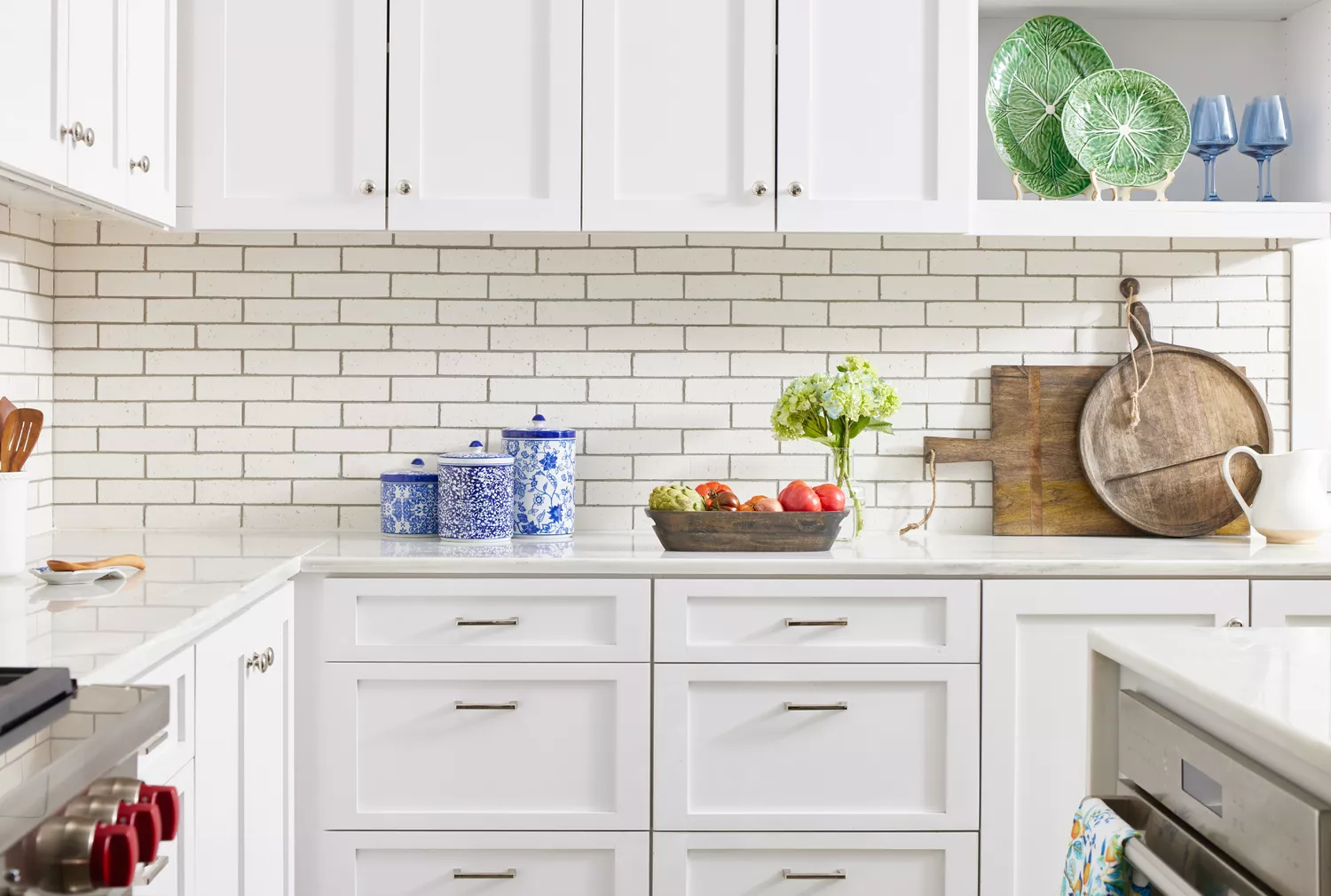
3 Things You Should Never Store On Your Kitchen Counter (Plus, What Actually Belongs!)

8 Things You Should Never Wash Down The Sink

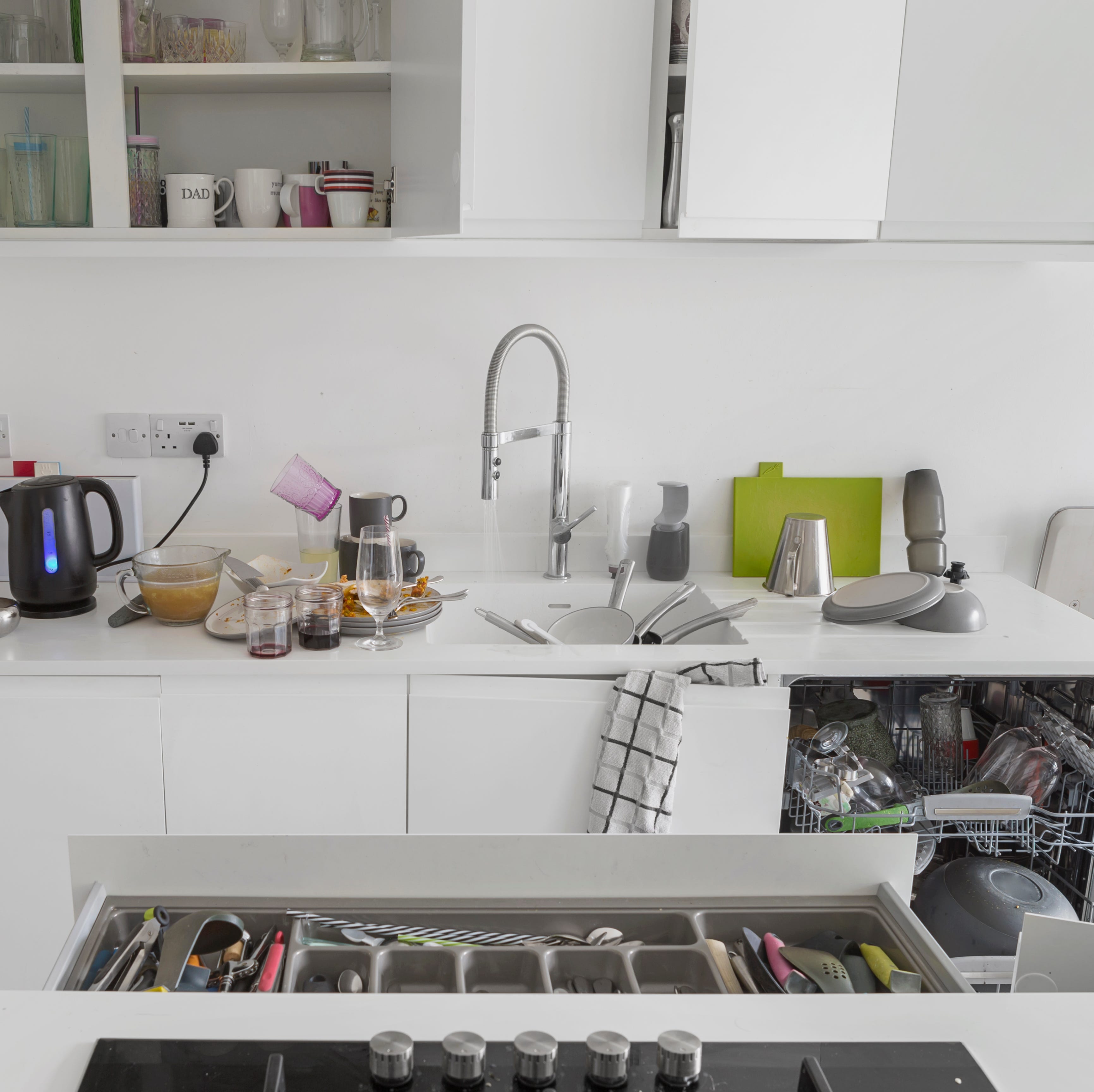
12 Things That People Over 30 Should NEVER Have In Their Kitchen
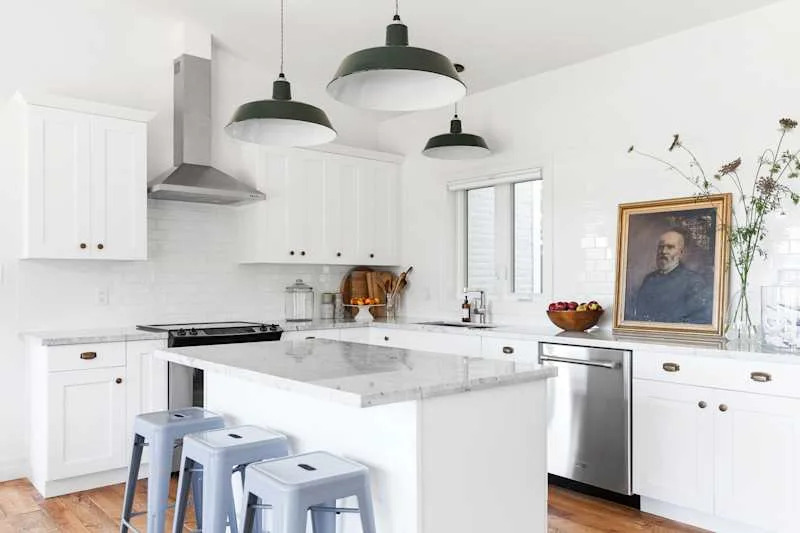
5 Things You Should Never Keep on Your Kitchen Island

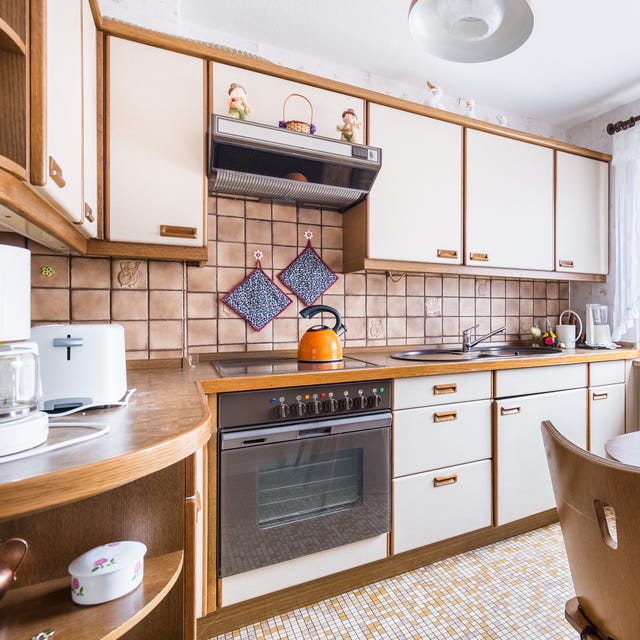
22 Outdated Things You Should Avoid in Your Kitchen, According to Designers
6 things you should never put on your dining room table, according to interior designers
8 Things Pro Organizers Say You Should NEVER Keep On Your Kitchen Counter

Never store these 6 things on open kitchen shelving, warn pro organisers
15 Outdated Things You Should Avoid In Your Kitchen, According To Designers
9 items never to store in a bathroom vanity – according to the experts
5 Things You Shouldn't Keep on Your Countertops if You Want an Uncluttered, Minimalist Kitchen

10 things decluttering experts won't keep in their kitchen cupboards
11 things you should never store in a pantry, according to experts
6 Things You Should Never Store in Your Kitchen Cabinets—and Where to Keep Them Instead