Take your worries away: How Zen garden can become your daily dose of mindfulness | Hindustan Times
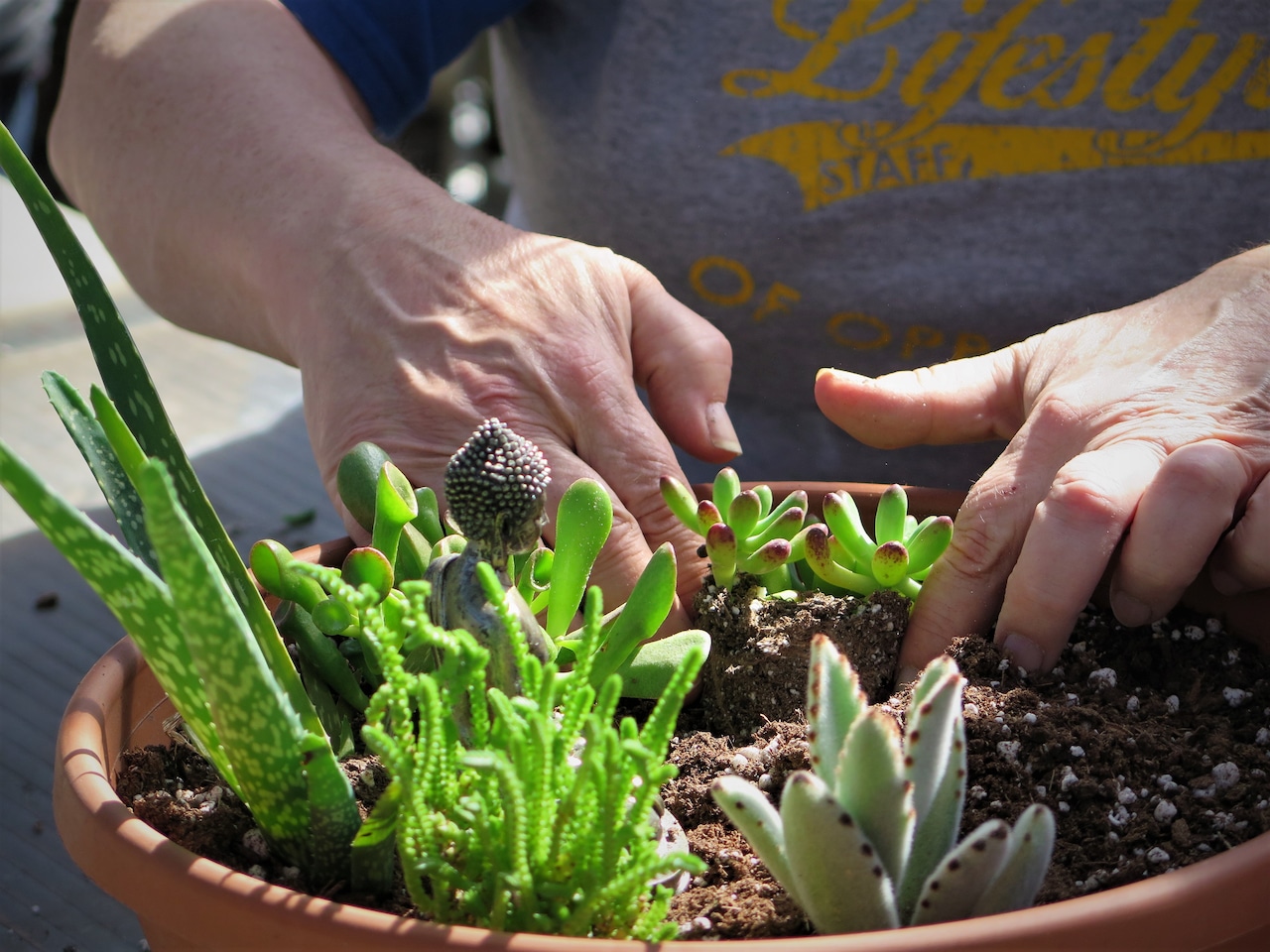
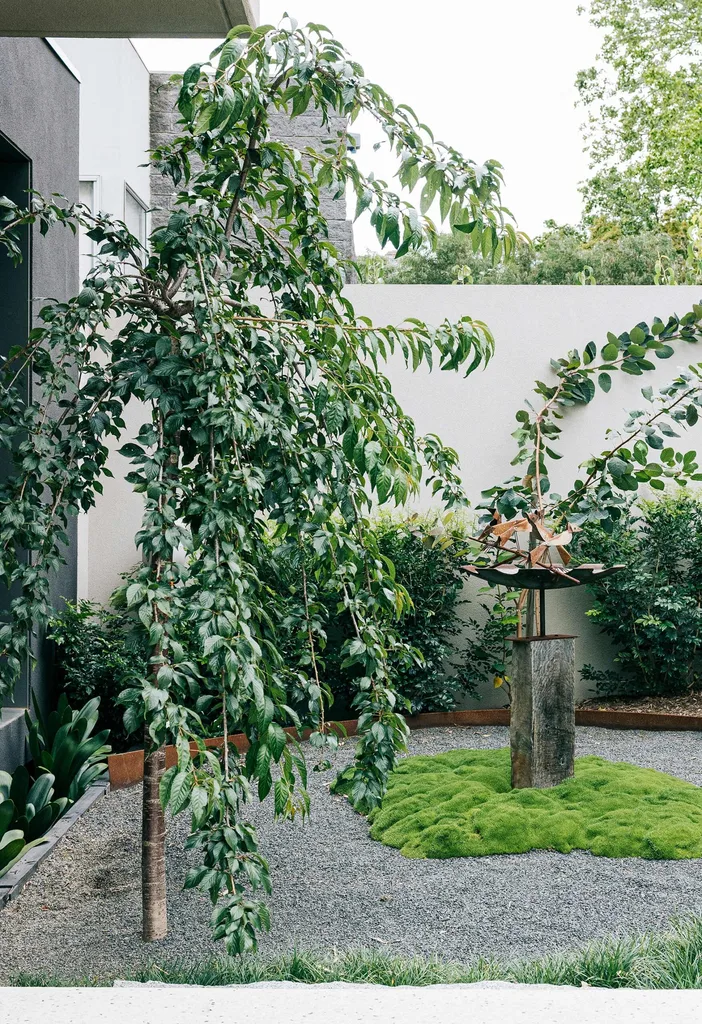
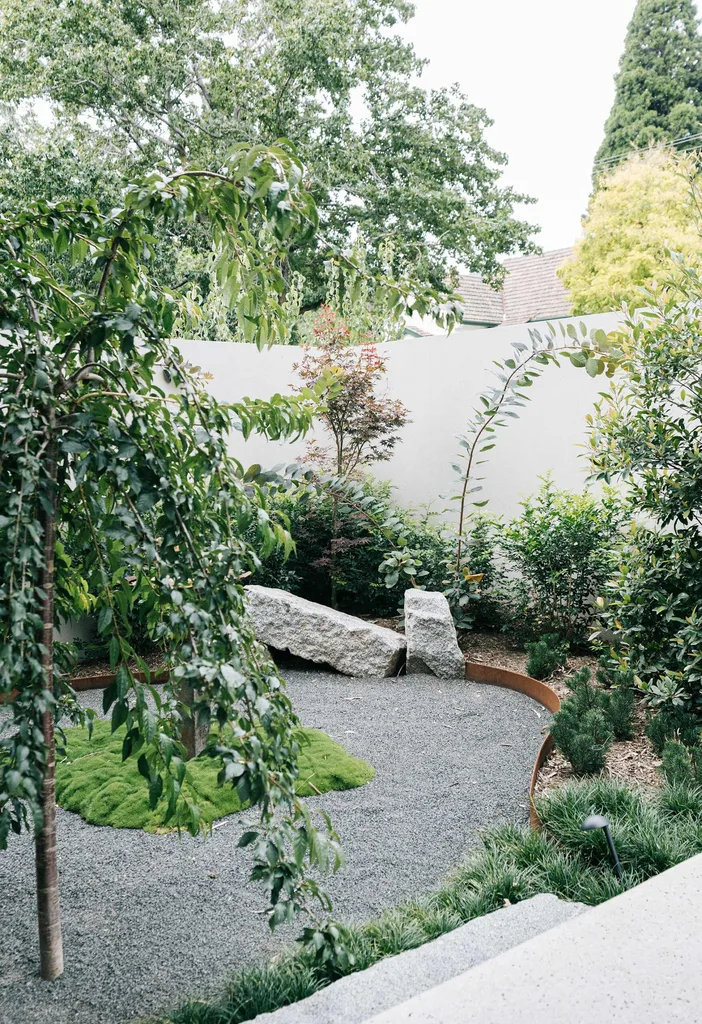
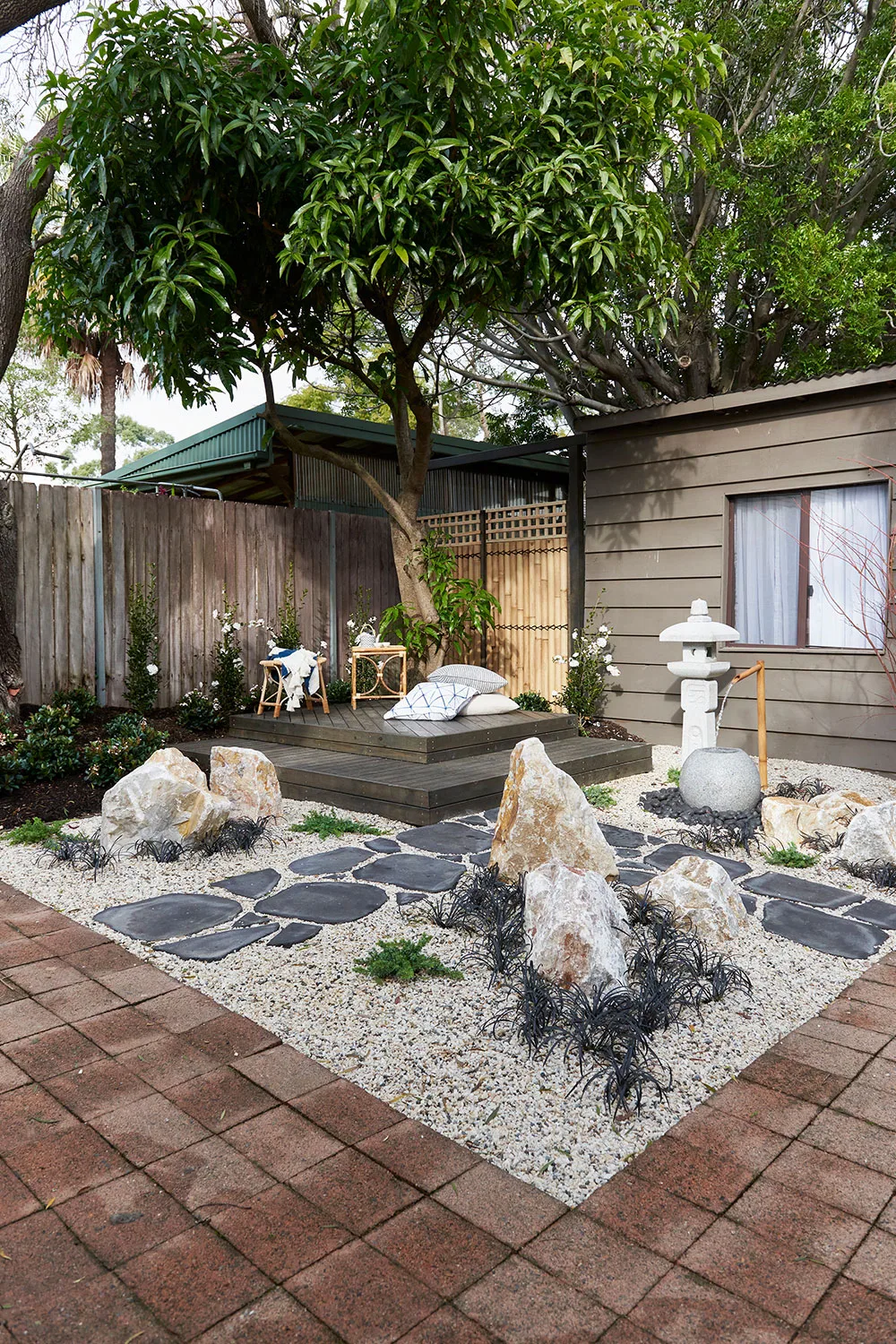
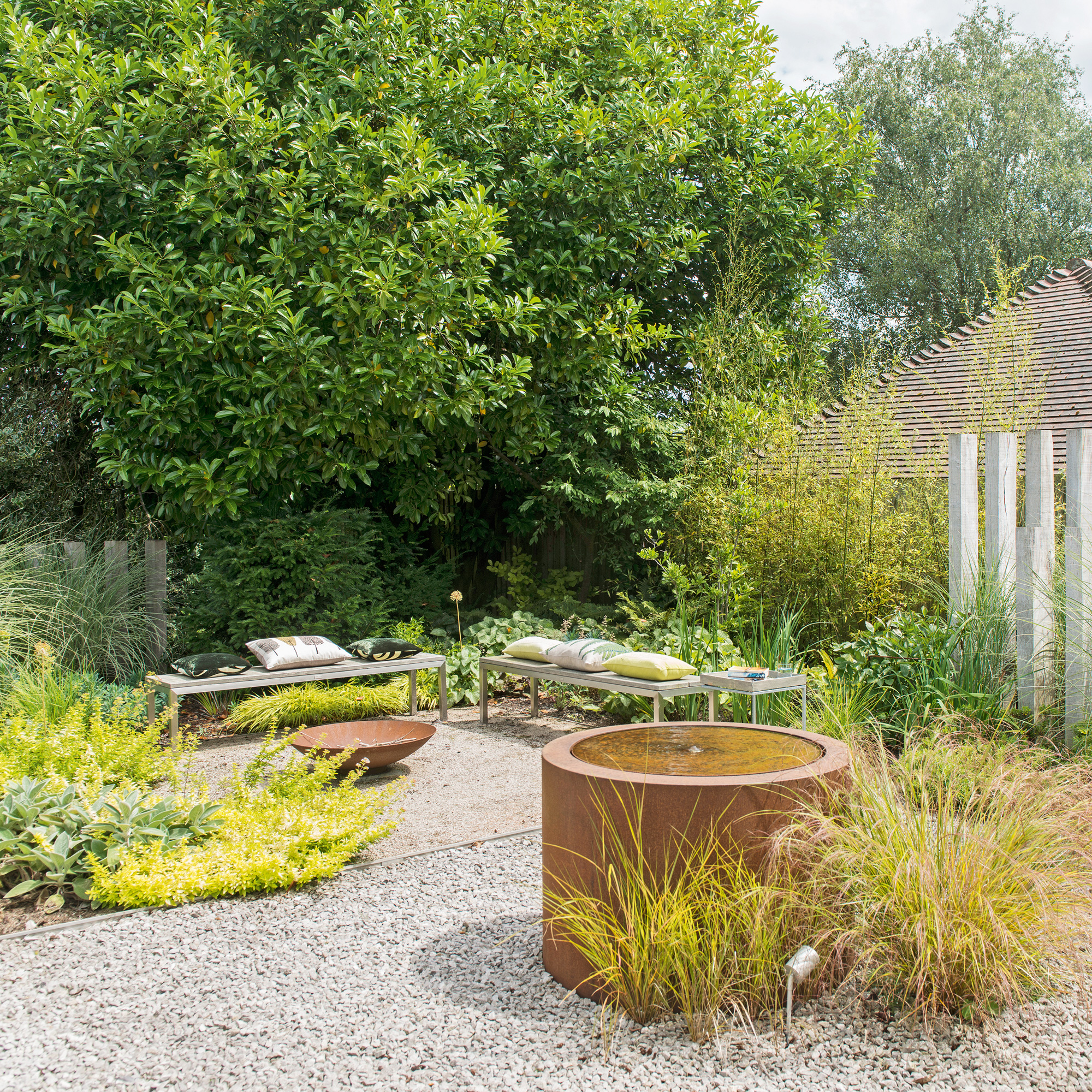
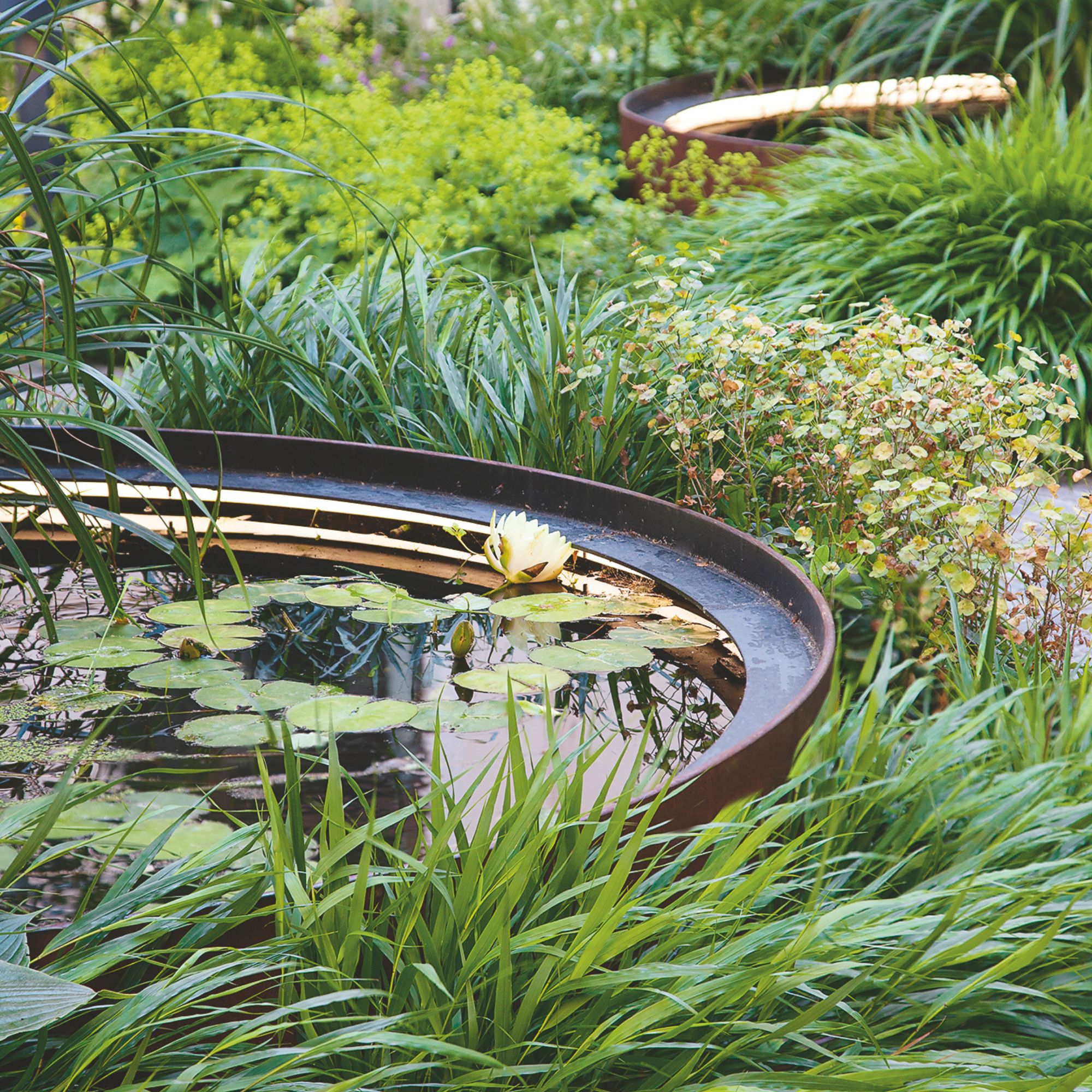
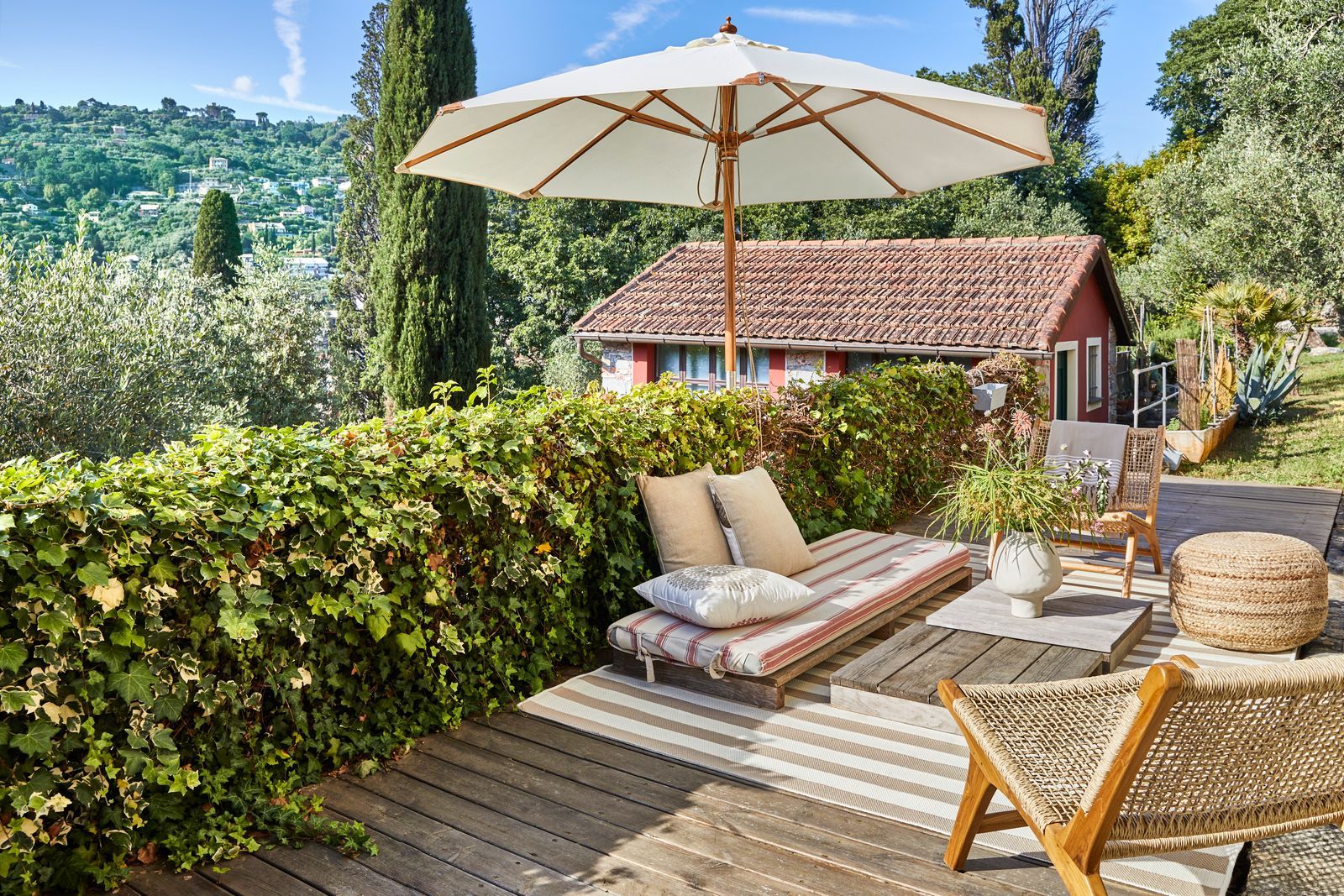
The innate human desire to connect with nature often intensifies within urban environments, leading many city dwellers to cultivate gardens in their personal spaces. Among these, the Zen garden has emerged as a particularly significant type of green space in recent years. Distinguished by its meticulous arrangement of rocks, sand, and plants, a Zen garden is designed to foster contemplation and tranquility. Often referred to as a Japanese rock garden, its primary function extends beyond mere visual appeal, serving as a sanctuary for emotional well-being and inner peace, irrespective of its size.
Zen gardens offer several benefits for the human mind and body. Firstly, they are highly effective in reducing stress and anxiety. While most gardens contribute to stress reduction, Zen gardens elevate this by utilizing a minimalist design to cultivate a profound sense of peace and serenity within their confines. Secondly, these gardens improve focus and memory. Their composition of abstract, uncluttered arrangements of rocks, gravel, and greenery encourages the brain to pause and reflect. This environment prompts individuals to slow down, inhale deeply, and engage their senses with the surroundings, which is conducive to enhancing focus and memory. Thirdly, Zen gardens can positively impact the immune system. The intense meditation facilitated by these spaces is linked to a robust activation of the immune system. Lastly, they enhance oxygen intake and mitigate pollutants. In urban settings, exposure to indoor and outdoor contaminants is high, adversely affecting well-being. Zen garden plants, however, significantly reduce air pollutants like nitrogen oxides and carbon dioxide, thereby improving air quality.
The philosophy behind Zen gardens emphasizes the art of stillness, observation, and peaceful reflection, fostering a deep connection with nature often lost in daily life. This connection is vital for many who feel disconnected from natural environments. Historically, during Japan's Muromachi period, arts linked to Zen culture, including calligraphy, tea ceremonies, flower arrangements, martial arts, and garden design, flourished. A strong link existed between samurais, who practiced tea ceremonies and cultivated Zen gardens, demonstrating how these activities fostered peaceful calmness alongside their warrior training. Zen practice encompasses more than just seated meditation (zazen); it includes activities like garden sweeping, vegetable chopping, tea ceremonies, ikebana (flower arrangement), and landscape gardening, all considered disciplines for fine-tuning the mind towards spiritual awakening.
The Ryoanji Temple's Zen garden stands as a renowned example. Its uncluttered space is believed to declutter the mind, inducing a meditative state. The garden's meaning remains a mystery, featuring 15 rocks, though only 14 are visible from any single viewpoint. The number 15 symbolizes perfection in Oriental culture, while 14 represents imperfection. This deliberate imperfection embodies the concept of 'wabi-sabi,' which finds beauty in transient, aged, and imperfect objects, a core attribute in Japanese culture that informs much of Zen art and design.
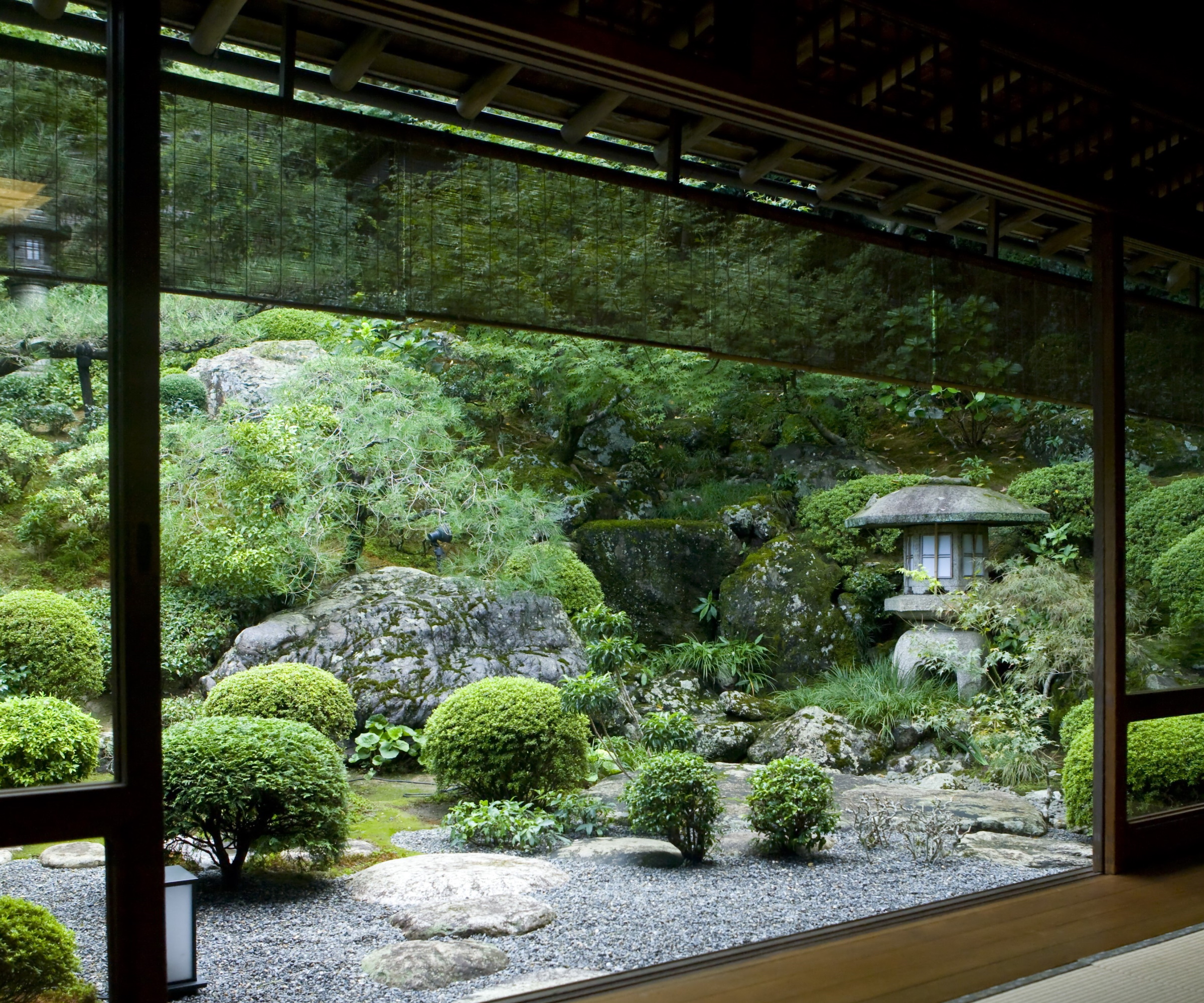
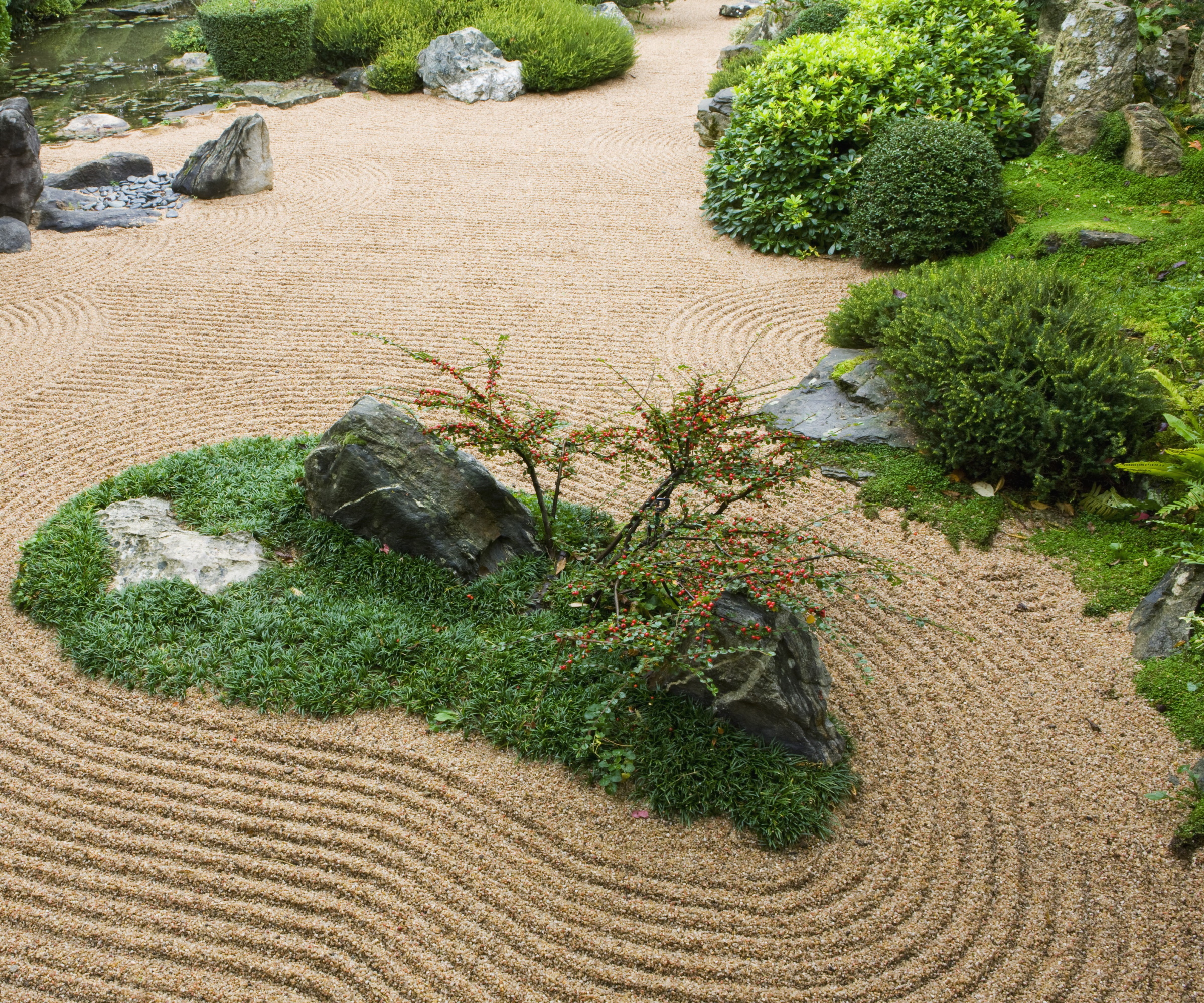
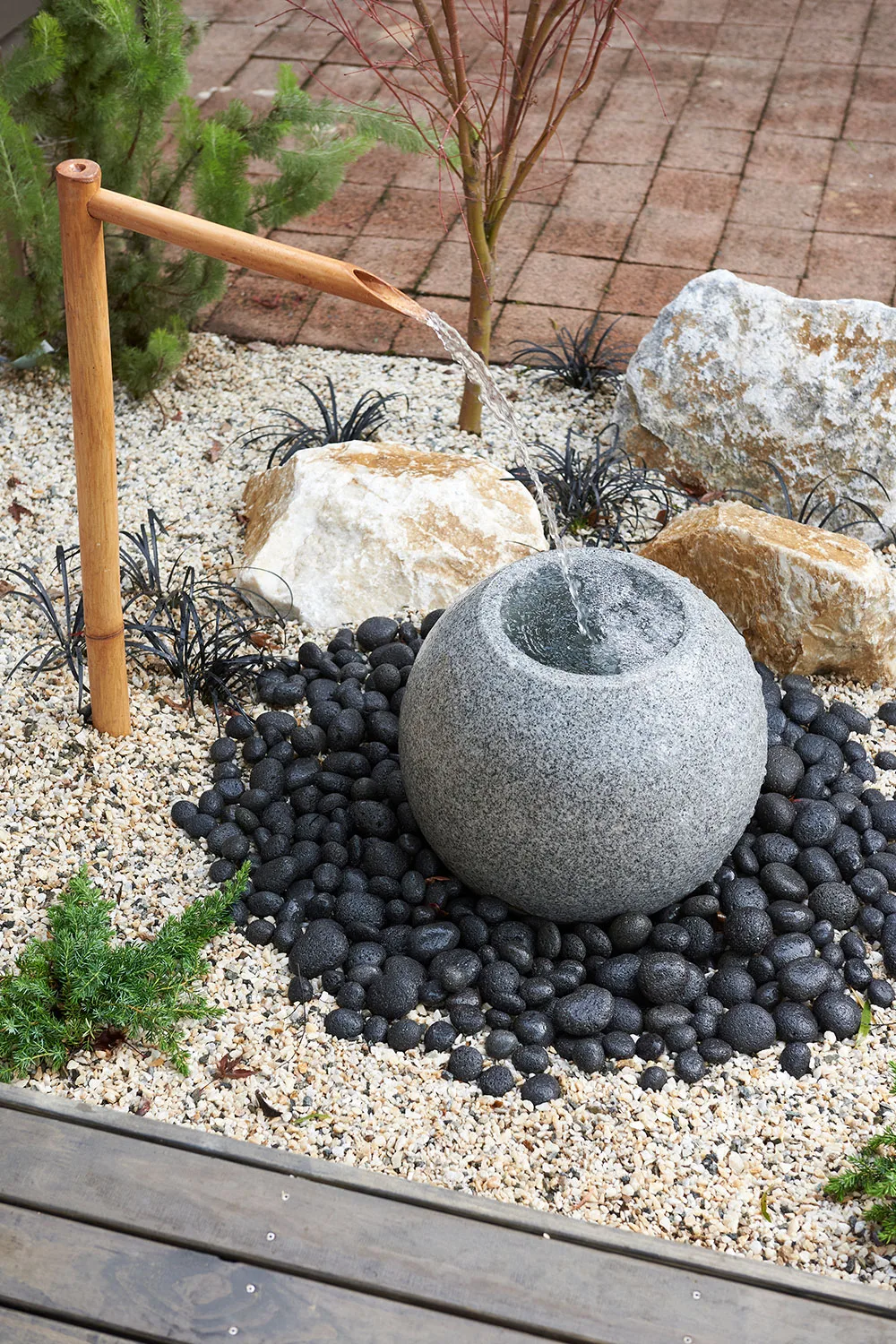
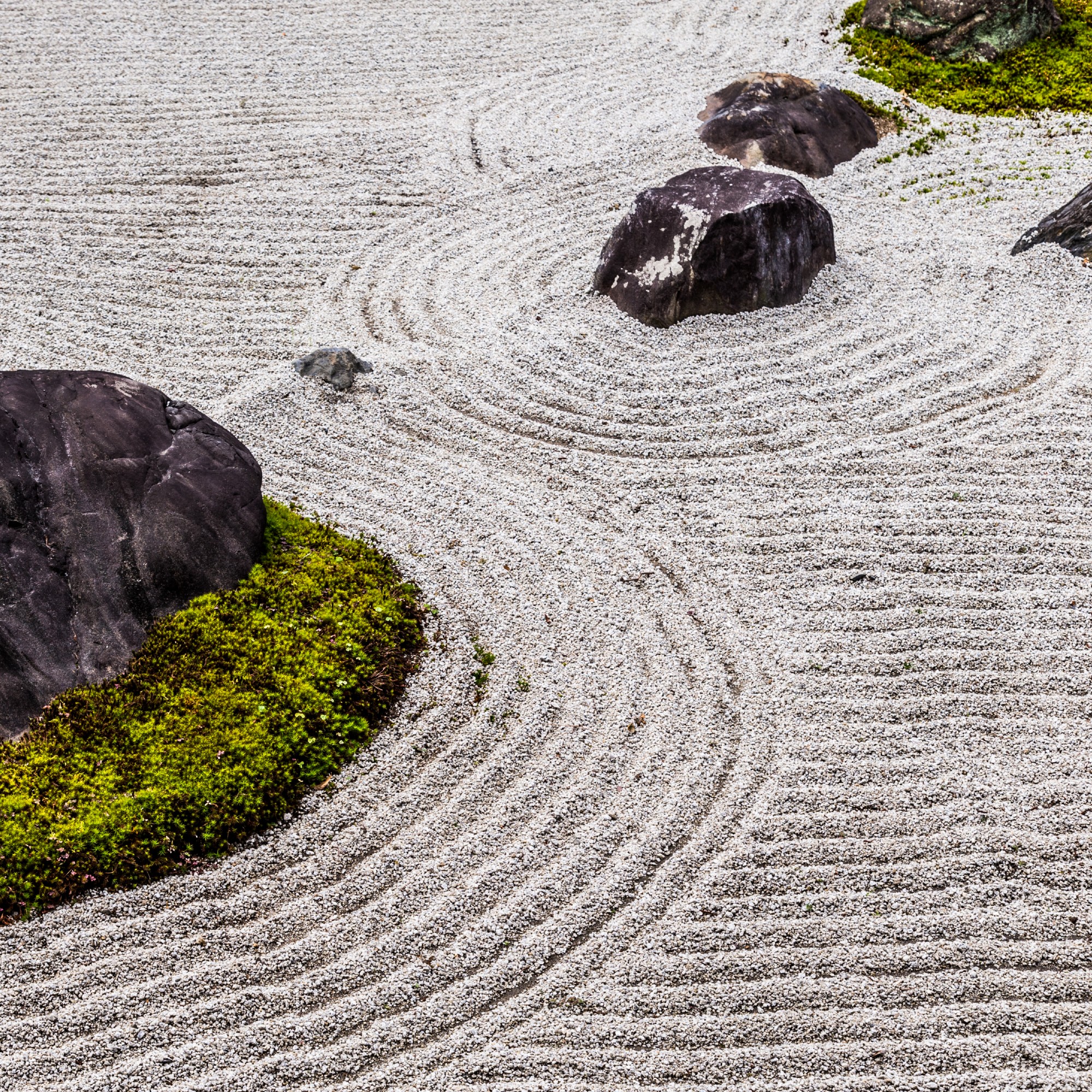
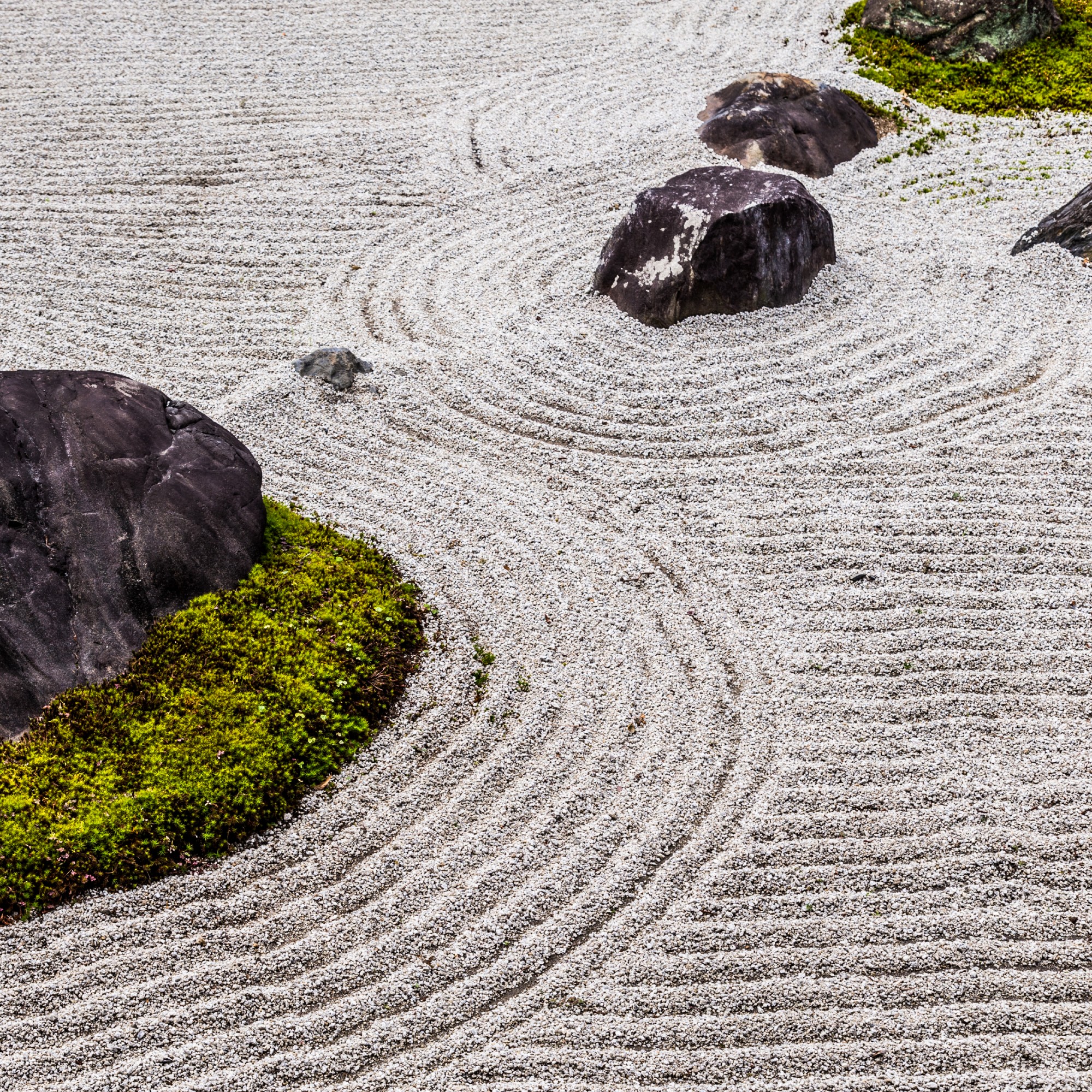
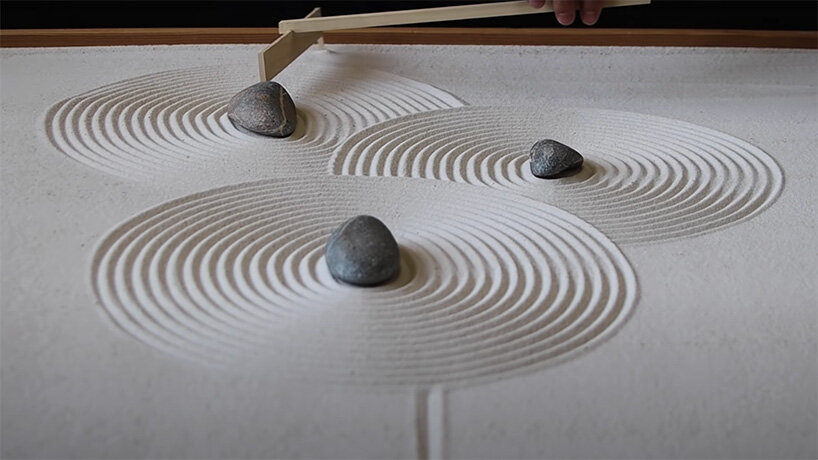
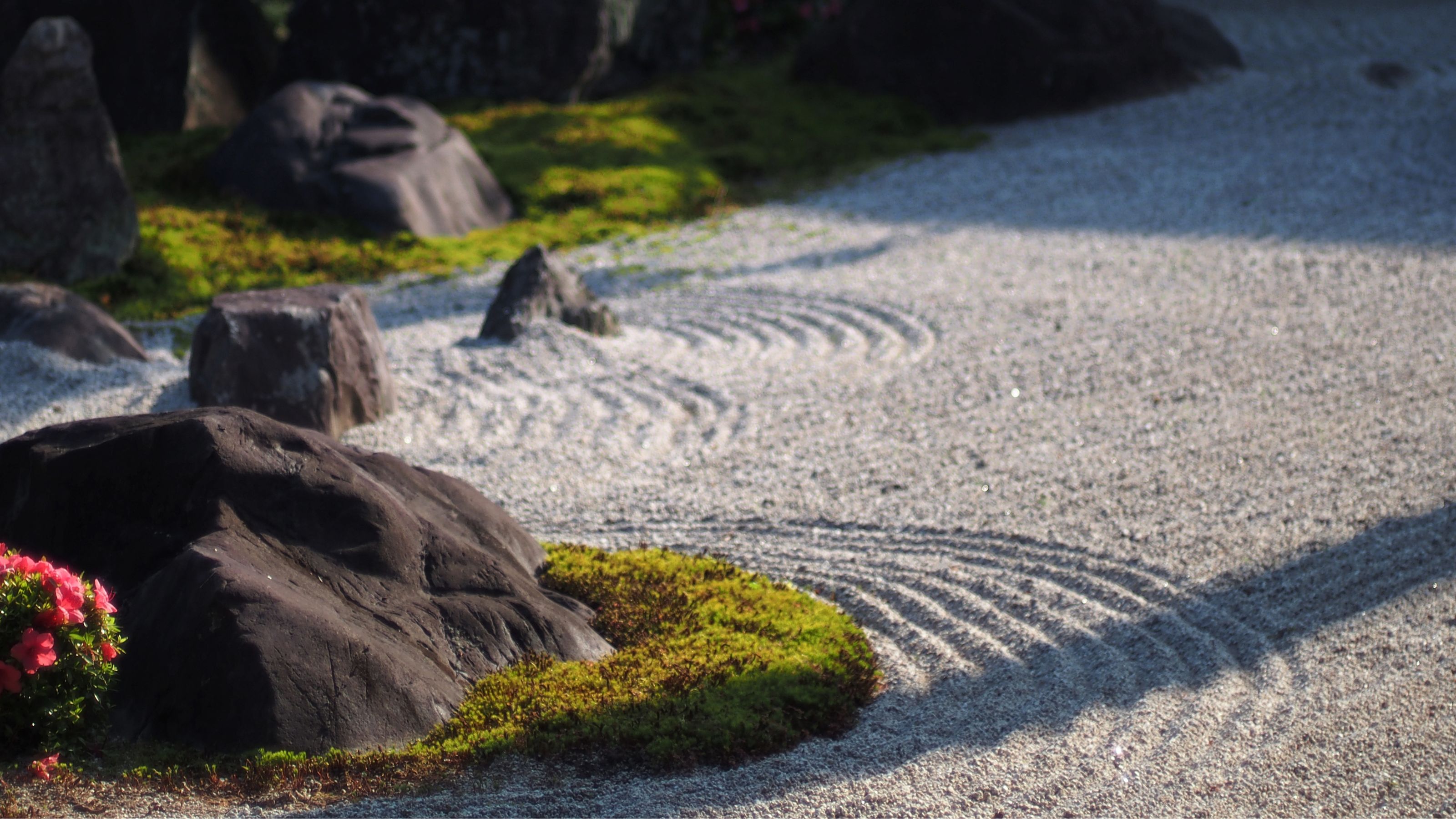
Upon entering a Zen garden, visitors often experience a sense of wonder at the meticulously raked sand and gravel patterns—wavy lines, straight lines, or concentric circles—interrupted only by a few rocks, perhaps a shrub, or moss, notably absent of flowers. This stark, powerful space invites contemplation. The austere composition of rocks, sometimes complemented by a carefully designed waterfall against a traditional building, creates a landscape that facilitates escape, solitude, calmness, and meditative silence, encouraging self-reflection.
#ZenGarden #Mindfulness #JapaneseCulture #StressReduction #HomeDesign #NatureConnection #Meditation #WabiSabi #InnerPeace #ZenGarden #Mindfulness #JapaneseCulture #StressReduction #HomeDesign #NatureConnection #Meditation #WabiSabi #InnerPeace
0 comment in total
 No comments yet
You may also like

The Best Zen Gardens of 2026

What is a zen garden? This Japanese approach to design can turn backyards into calming sanctuaries

Zen garden ideas on a budget – 5 simple ways to introduce the minimalist concept to your outdoor space

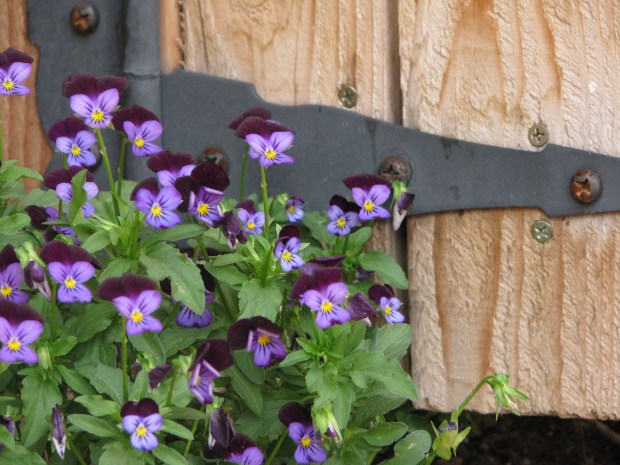
How to incorporate the elements into your garden to improve your zen

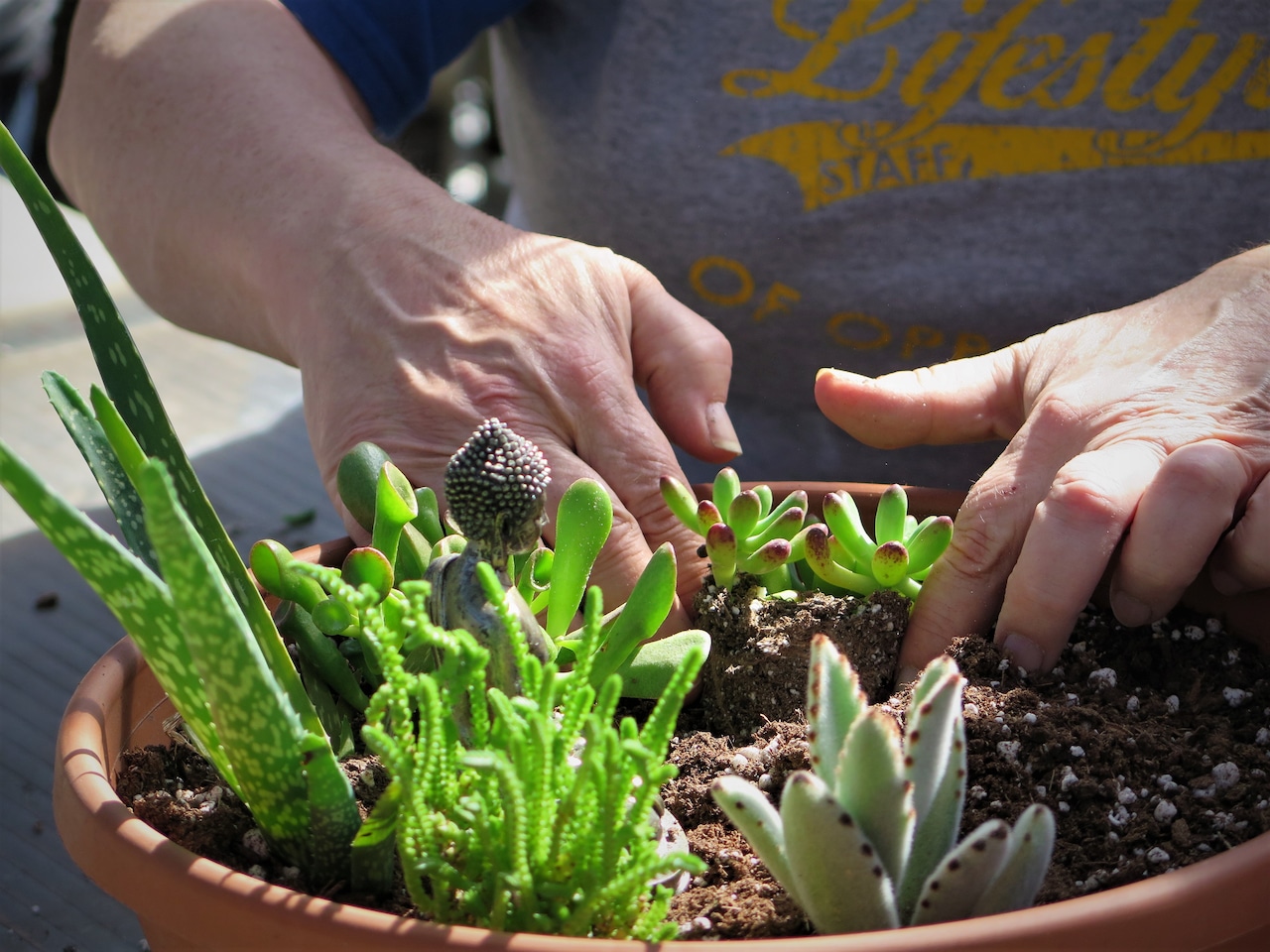
Zen out with a miniature Zen garden
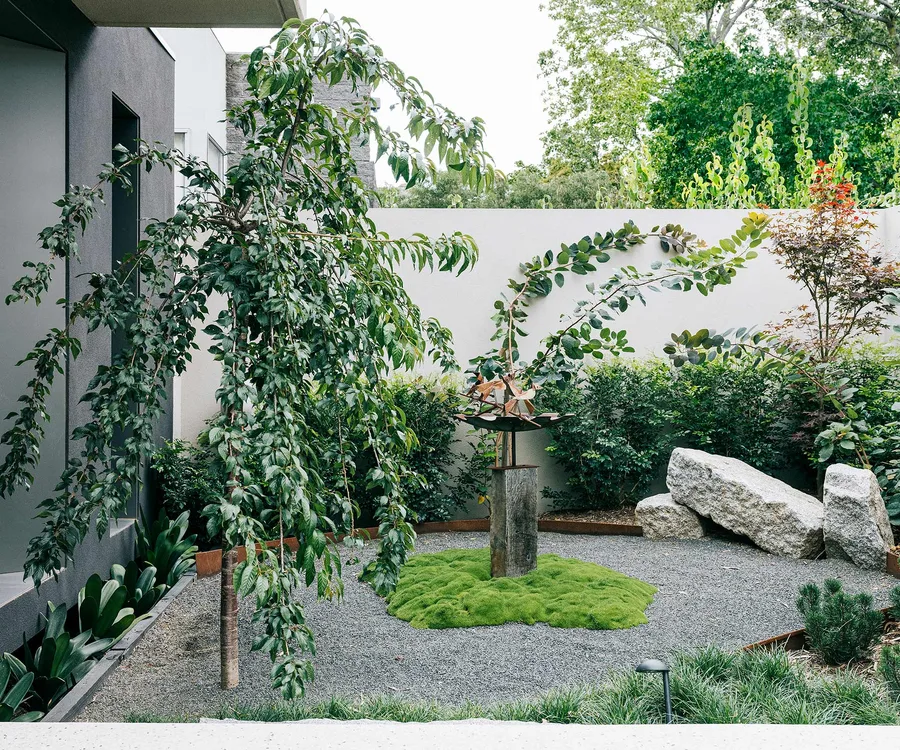
This zen garden in Melbourne is a relaxed retreat

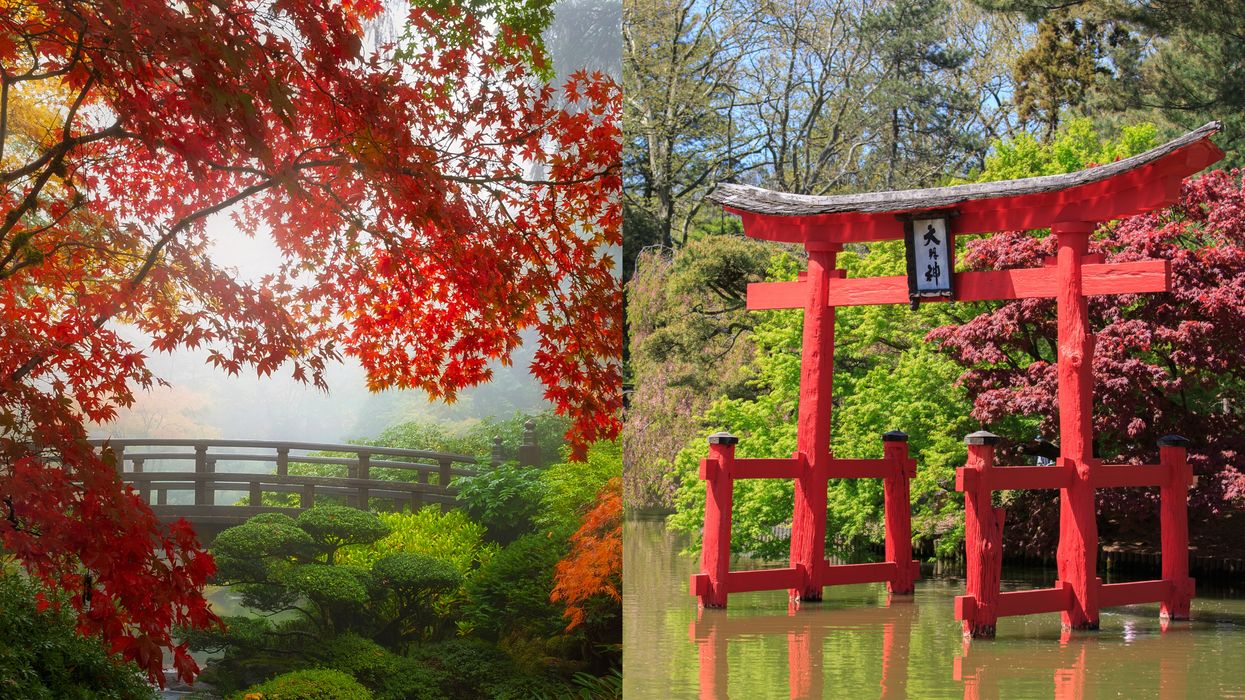
These 7 Japanese Zen Gardens In The US Are The Perfect Spots To Ease Your Worried Mind

Turn Your Backyard (or Balcony) Into a Zen Oasis, Starting With This $15 Planter

Zen garden ideas – 24 ways to transform your outdoor space into a Japanese-inspired sanctuary for relaxation
Over the Garden Gate: Zen gardens are therapeutic

Meditation Space at Home: 4 Ideal Spots to Block Out the World

How to transform your home into a zen oasis: 32 expert tips

20 Zen Garden Ideas to Transform Your Backyard Into a Peaceful Oasis

Charlie and Graham’s zen garden makeover

yuki kawae explores meditative patterns in zen garden series
Make Myself at Home: Wooded Zen Sanctuary
The 8 best plants for an indoor zen garden – what to grow to add calm and tranquility to your home

Zen garden ideas on a budget – 5 simple ways to introduce the minimalist concept to your outdoor space


How To Create A Meditation Space That's Also Tech-Friendly

Discover serenity: 5 ways to create your zen corner at home | Hindustan Times