1/10
10 Serene Rock Gardens Across the Globe
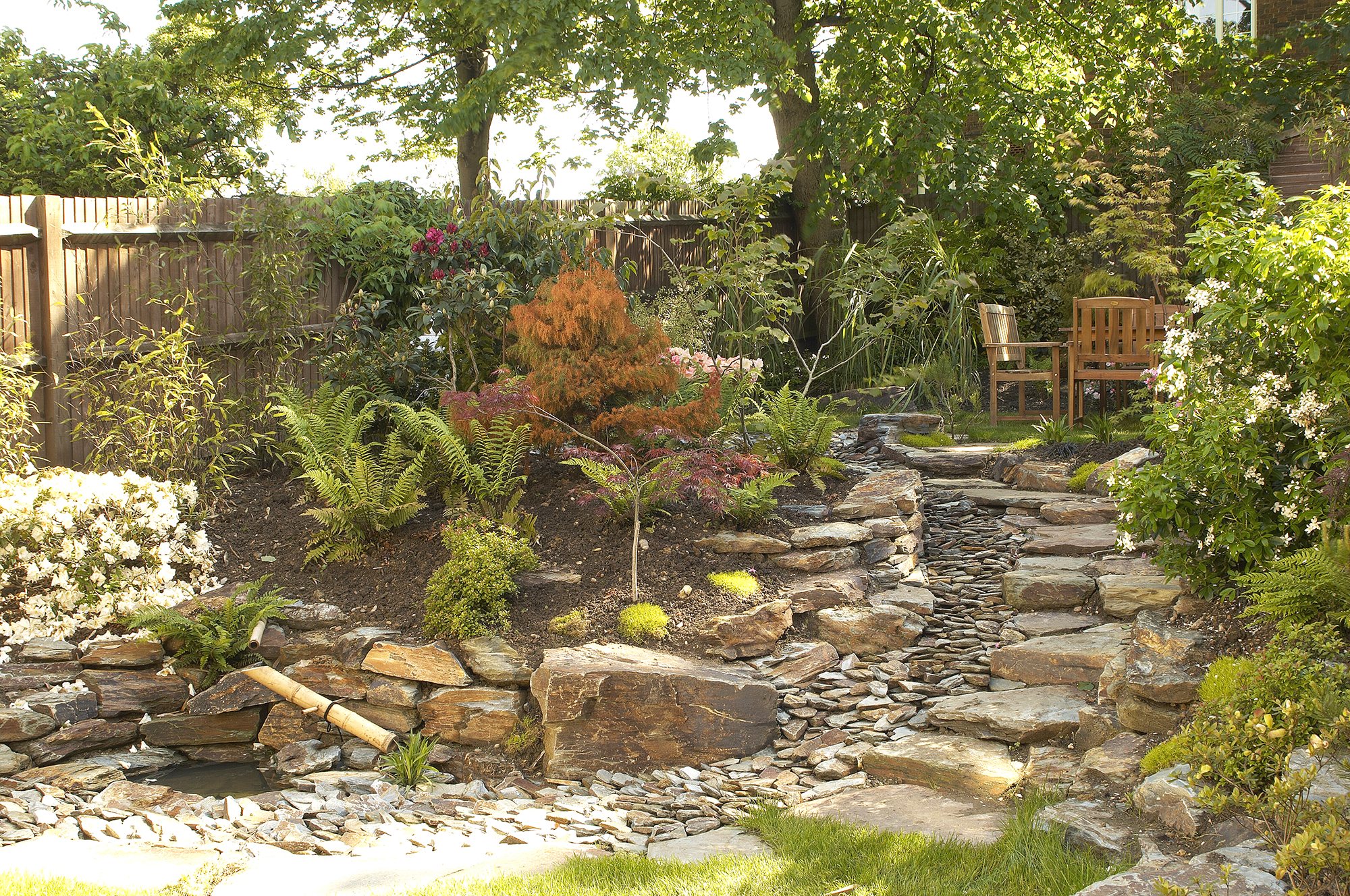
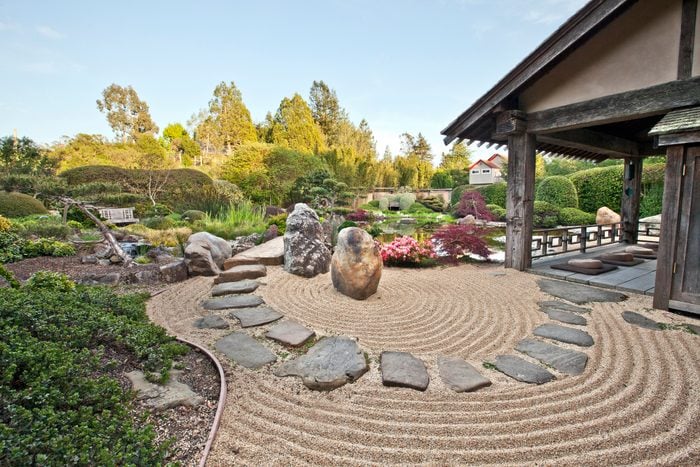
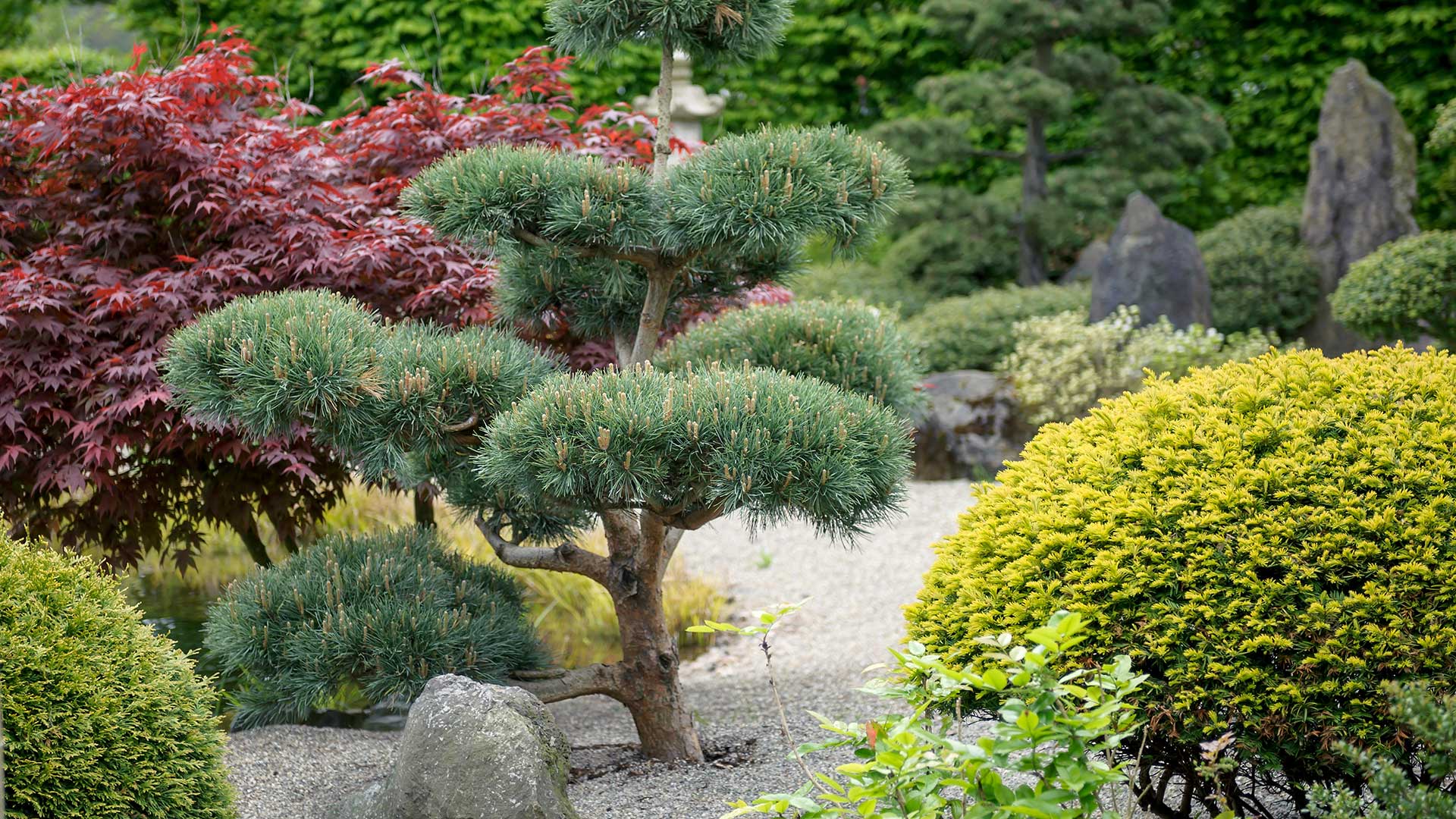
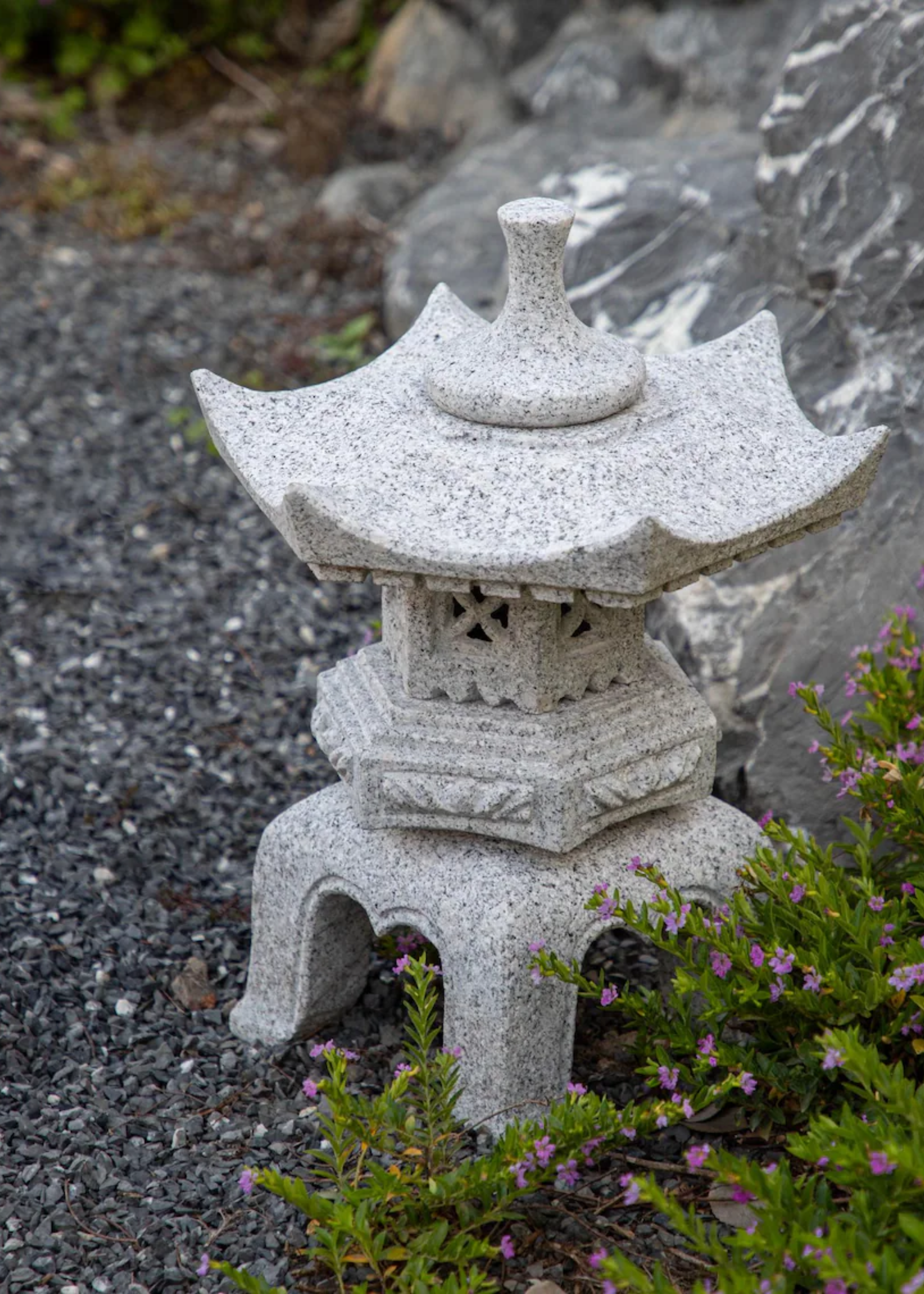
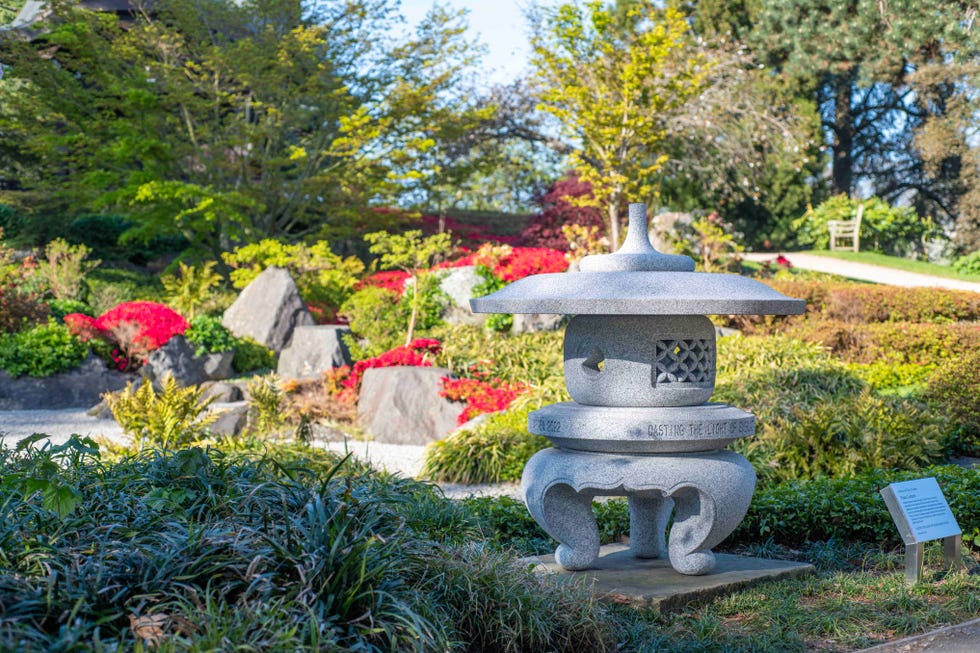
Rock gardens, also known as Zen gardens or dry landscapes, have a rich history dating back to at least the eighth century in China and Japan. These gardens are characterized by their minimalist aesthetic, primarily utilizing elements such as rocks, moss, gravel, and sand. Each garden's design is unique, reflecting its specific environment and the vision of its creator, yet all share a common thread: an appreciation for the intrinsic beauty of natural stones and the tranquility they evoke. The patterns and shapes meticulously crafted in these gardens, often with minimal human intervention, contribute to their contemplative nature.
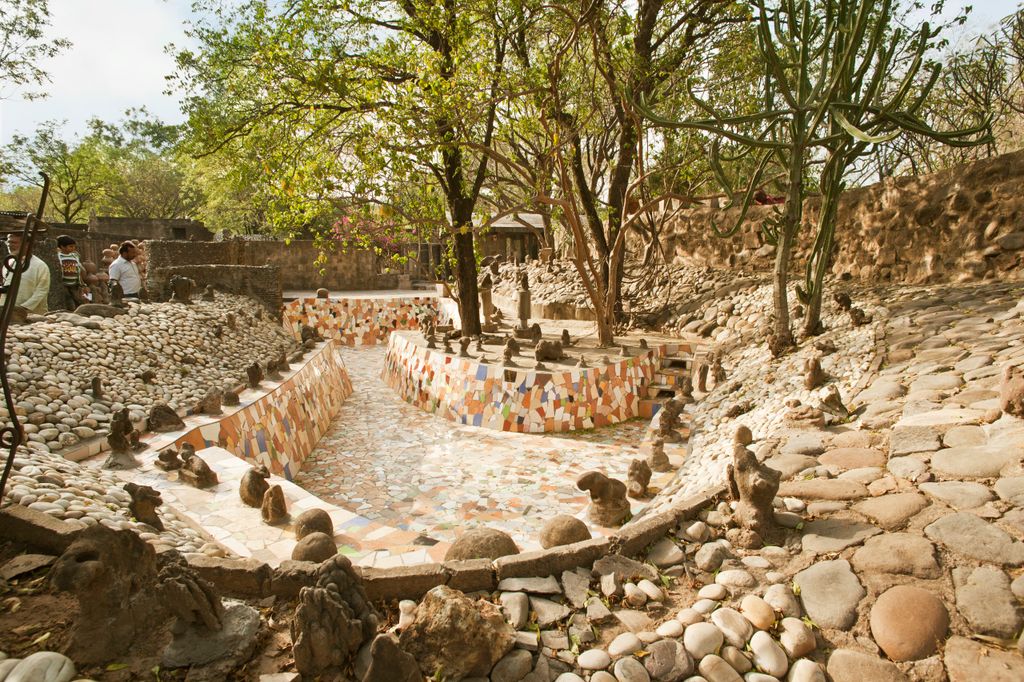
The article showcases a curated selection of ten renowned rock gardens, spanning from ancient Japanese masterpieces to contemporary interpretations found worldwide. One notable example is India's Rock Garden at Chandigarh, a sprawling 40-acre site secretly constructed by Nek Chand Saini, a city roads inspector, between 1957 and 1975. This unique garden, featuring statues and waterfalls, has since become a major attraction in the city. In Maine, USA, the Asticou Azalea Garden on Mount Desert Island presents a sand garden designed by Charles K. Savage, which artfully incorporates rocks and raked sand to echo a nearby stream and complement the surrounding flora collected by landscape architect Beatrix Farrand.
The Japanese Tea Garden in San Francisco hosts a Zen Garden by landscape architect Nagao Sakurai, who adhered to traditional Japanese design principles, including the use of pale gray stones. This garden was established in 1953, coinciding with Sakurai's commission to refurbish the site's teahouse and gift shop. The Museum of Fine Arts, Boston, is home to Tenshin-en, or the Garden of the Heart of Heaven, installed in 1988 by Kinsaku Nakane, featuring over 200 stones and restored in 2015 by Julie Moir Messervy and members of Nakane's original team.
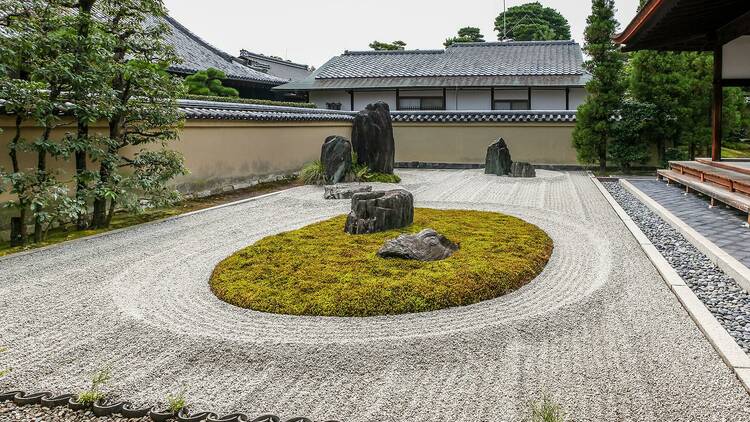
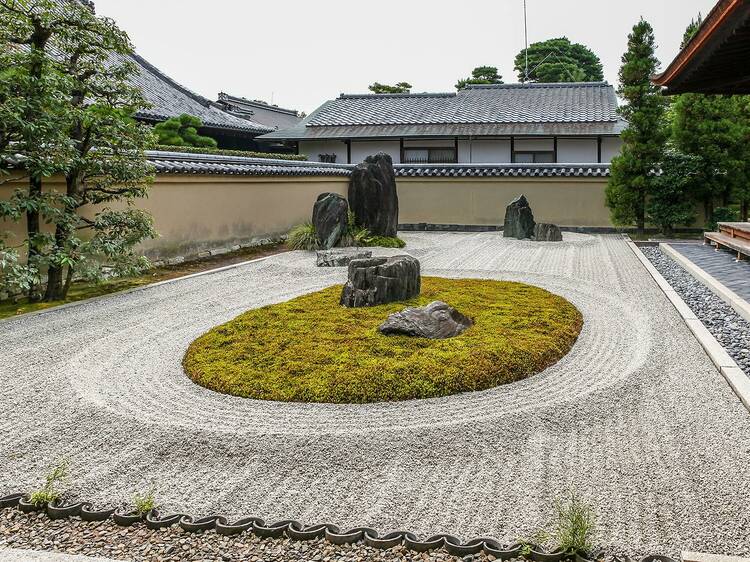
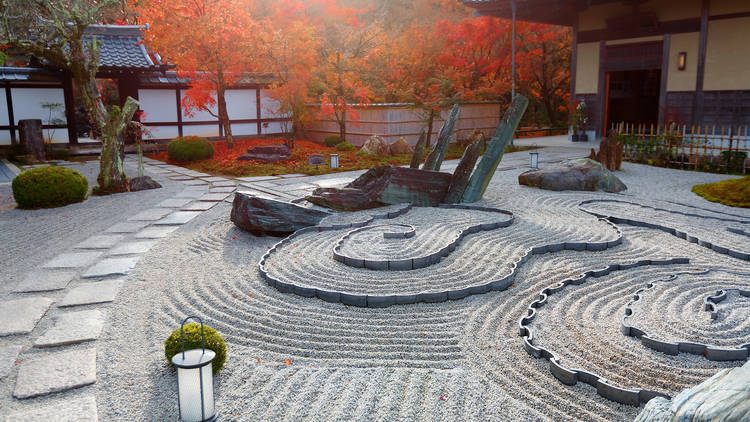
A more modern interpretation is seen in the 2014 International Garden Festival in Quebec, where Michael Van Valkenburgh Assoc. designed "This Rocks! Get Lost!" This installation, made from Vermont marble pieces and native evergreens, aims to inspire a sense of discovery. In Japan, the rock garden at Komyo-in, a temple in Kyoto, created in 1939, uses stones, moss, and raked gravel, positioned at the entrance of a Buddhist temple complex. Another Japanese example is the Garden of the Dragon at the Ryogin-an sub-temple of Tofuku-ji, designed in 1964 by Shigemori Mirei. This garden is distinct for its use of both dark and light gravel, symbolizing dragons.
The article also highlights the rock garden at Myoren-ji, a Buddhist temple in Kyoto, which combines a traditional arrangement of stones, moss, and sand with rhododendrons and pine trees along its perimeter. This temple, reconstructed in 1789 after two fires, offers lodging for visitors. A surprising entry is the Jewel Dream Garden in Yamanashi, Japan, owned by a jewelry company, which uses local multicolor crystals in its design to promote the nearby Shingen Village Jewel Museum. Finally, the rock garden at the Kodai-ji temple in Kyoto, a national historic site, was designed by artist and tea master Kobori Enshu in the early 1600s, notable for its conical mounds of gravel and its location near the Higashiyama Ryozen mountain range.
#RockGardens #ZenGardens #LandscapeArchitecture #GardenDesign #JapaneseGardens #OutdoorSpaces #ArchitecturalDesign #CulturalLandscapes #RockGardens #ZenGardens #LandscapeArchitecture #GardenDesign #JapaneseGardens #OutdoorSpaces #ArchitecturalDesign #CulturalLandscapes
0 comment in total
 No comments yet
You may also like
You Have to See These Rock Garden Ideas for Every Type of Landscape
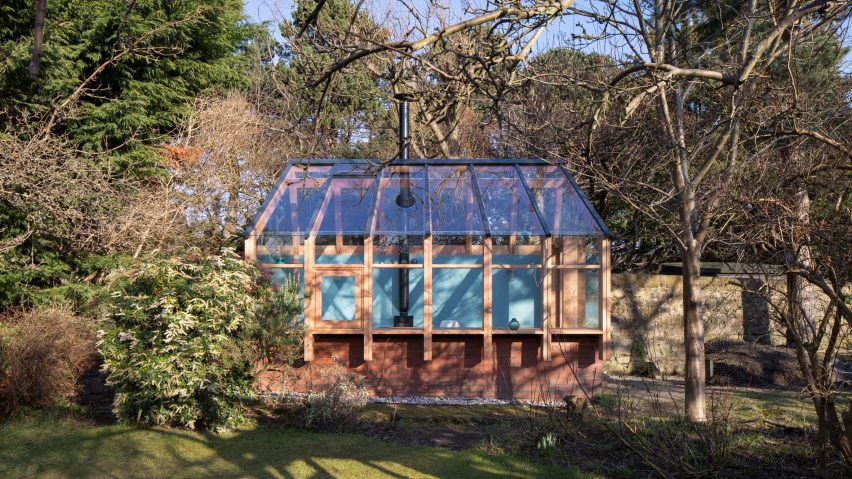
Ten "playful and beautiful" garden studios from around the world
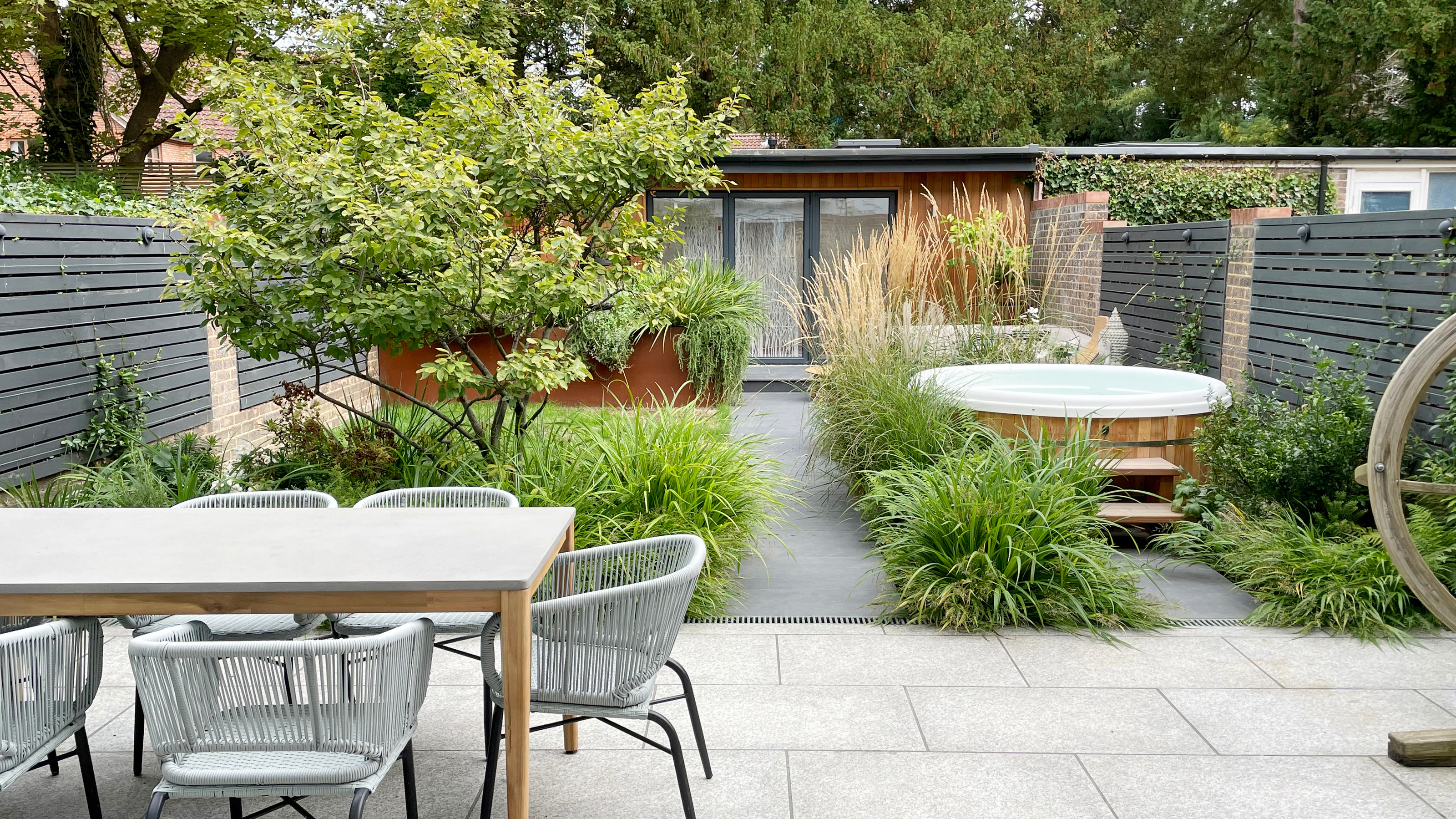
15 Urban Garden Ideas That Will Make Even Busy City Spaces Feel Like a Retreat

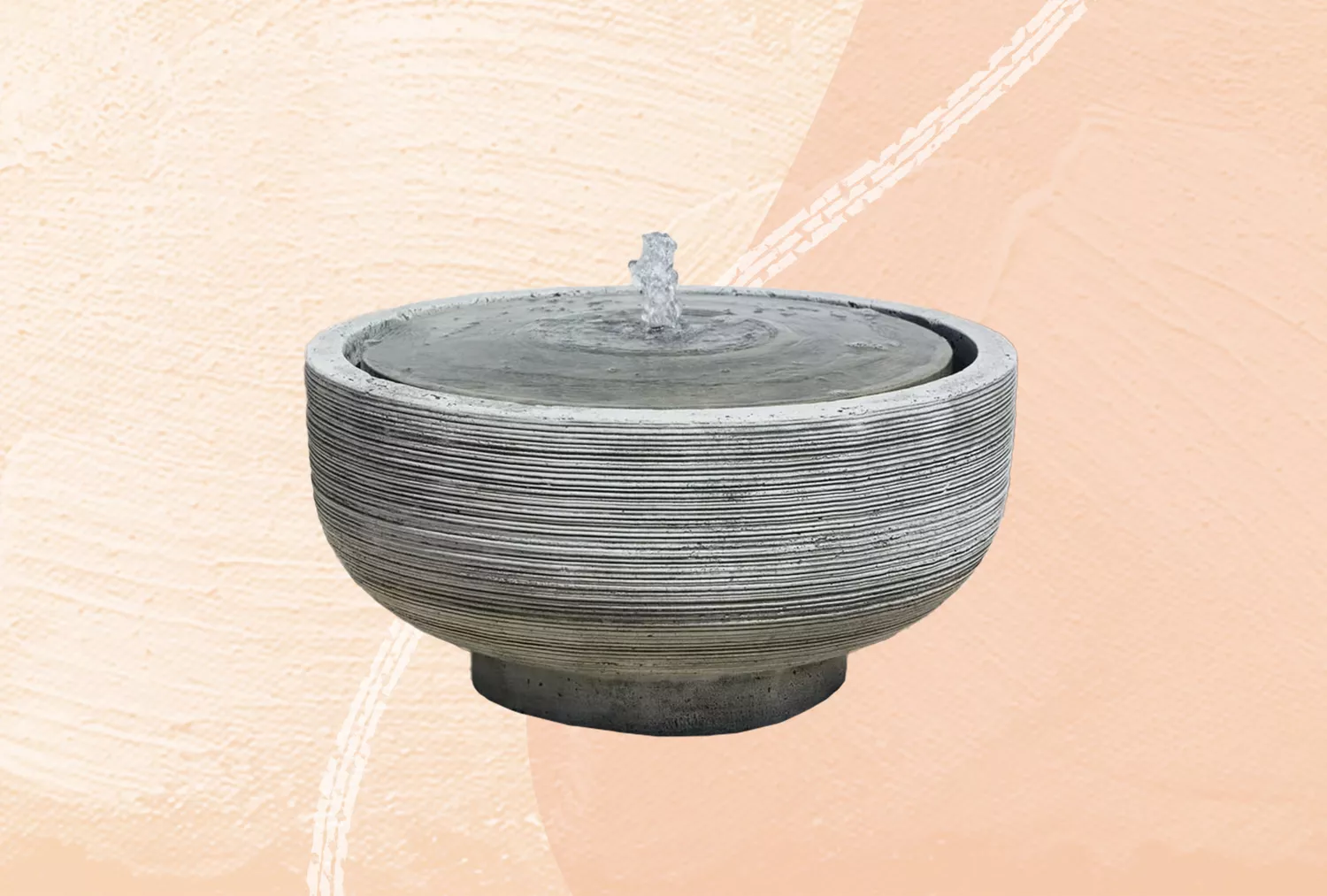
Want a Calm, Peaceful Backyard Escape? Start With One of These Water Fountains

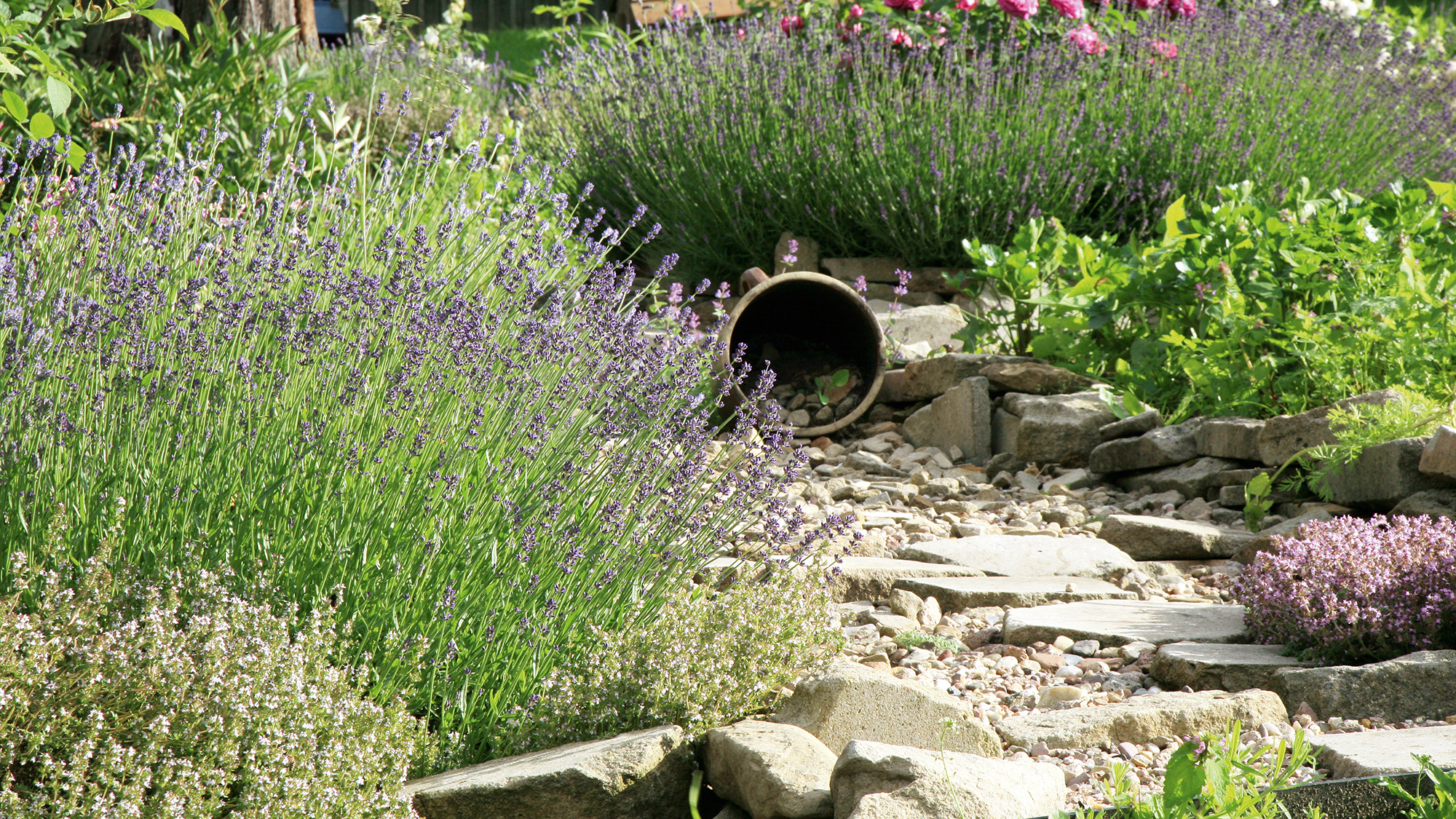
Rock garden ideas – 20 ways to create a stylish rockery in your backyard

Rock Gardens Are the Ultimate Hack for a Low-Maintenance Lawn
10 Garden Bench Ideas for a Serene Outdoor Resting Space

10 minimalist backyards that are as beautiful as they are peaceful, proving 'less is more' with landscaping

6 most beautiful Zen rock gardens in Kyoto

20 Zen Garden Ideas to Transform Your Backyard Into a Peaceful Oasis

Japanese garden ideas – 10 ways to create a soothing space, with advice from the experts

Lush Gardens Soften This Rugged Stone Residence in India

16 Rock Garden Ideas for a Beautiful, Low-Maintenance Landscape
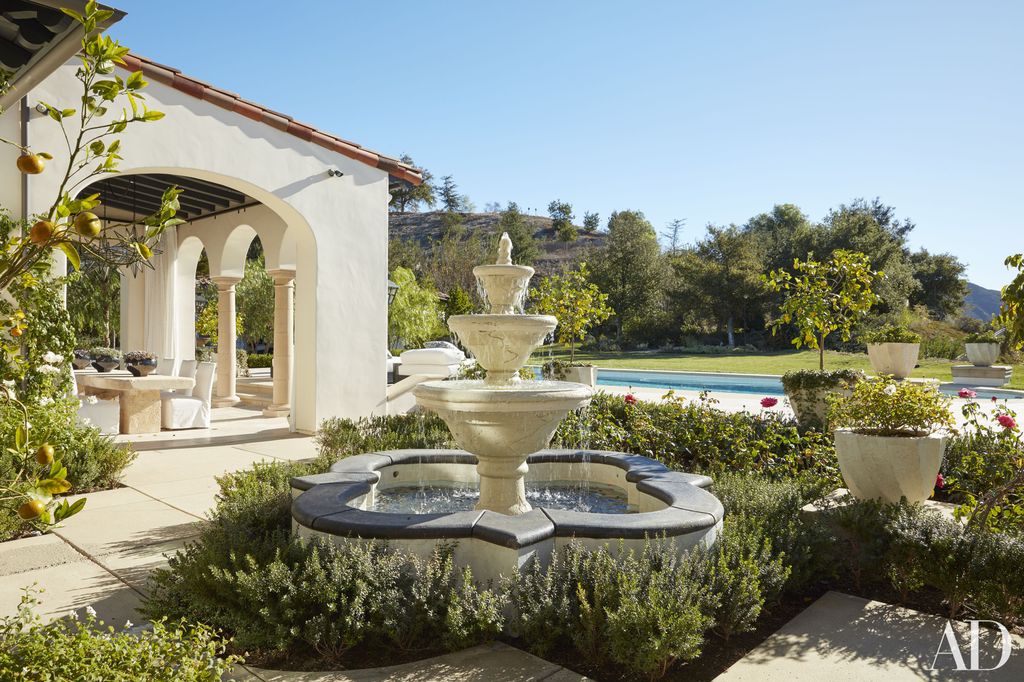
29 Elegant Fountains That Create a Sense of Tranquillity
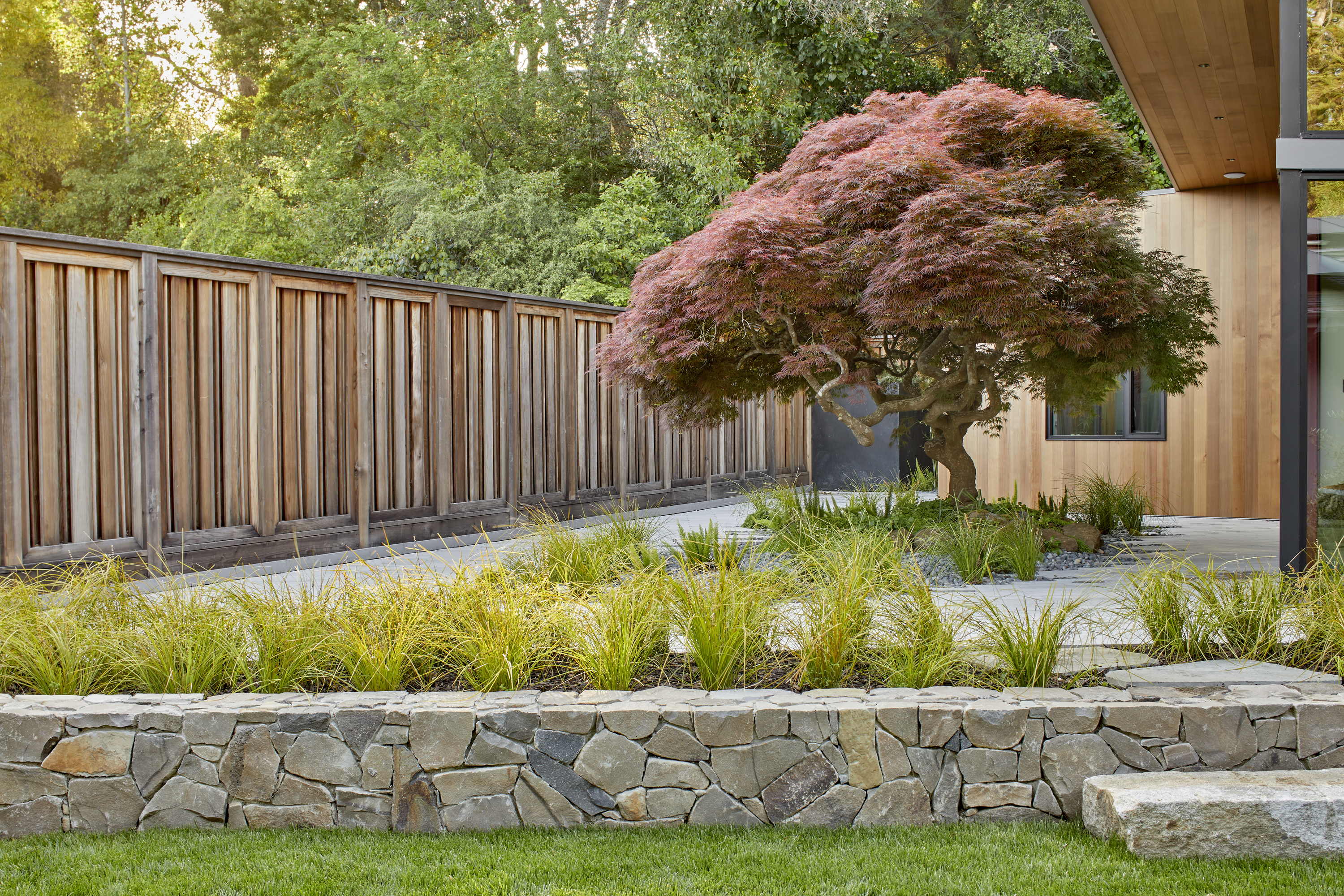
7 Japanese Garden Ideas That Channel the Elements of Nature to Make Your Outdoor Space Feel Serene
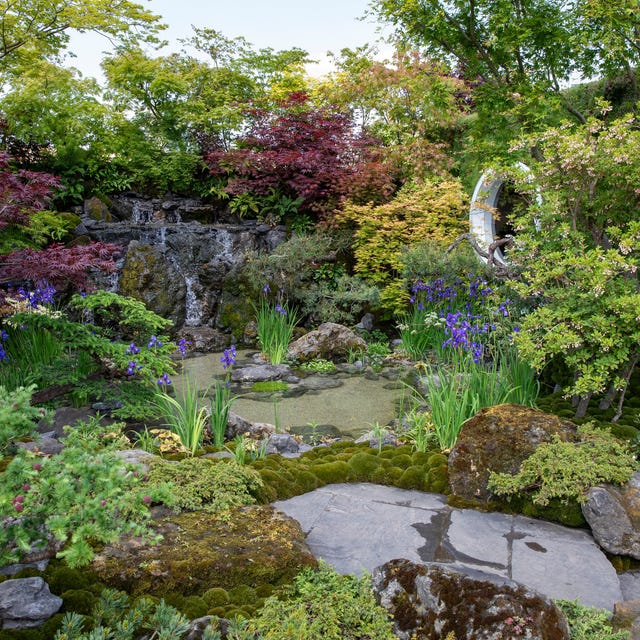
4 Japanese garden ideas for a calm and tranquil outdoor space
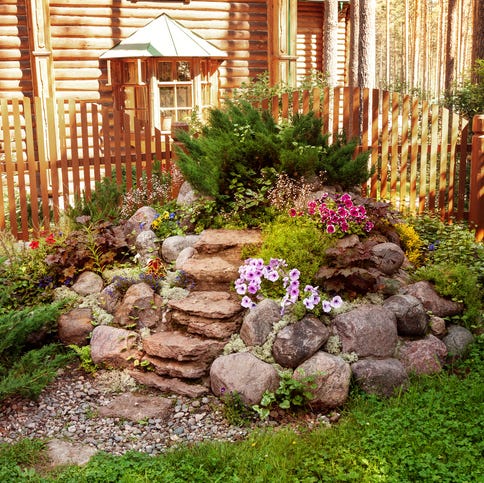
Upgrade Your Backyard with These Creative Rock Garden Ideas

18 Unique and Unusual Gardens To Consider

8 Tranquil Water Garden Ideas That Look Beautiful and Train Your Ear Away From Noisy Outdoor Distractions
23 River Rock Landscaping Ideas for Your Garden and Yard