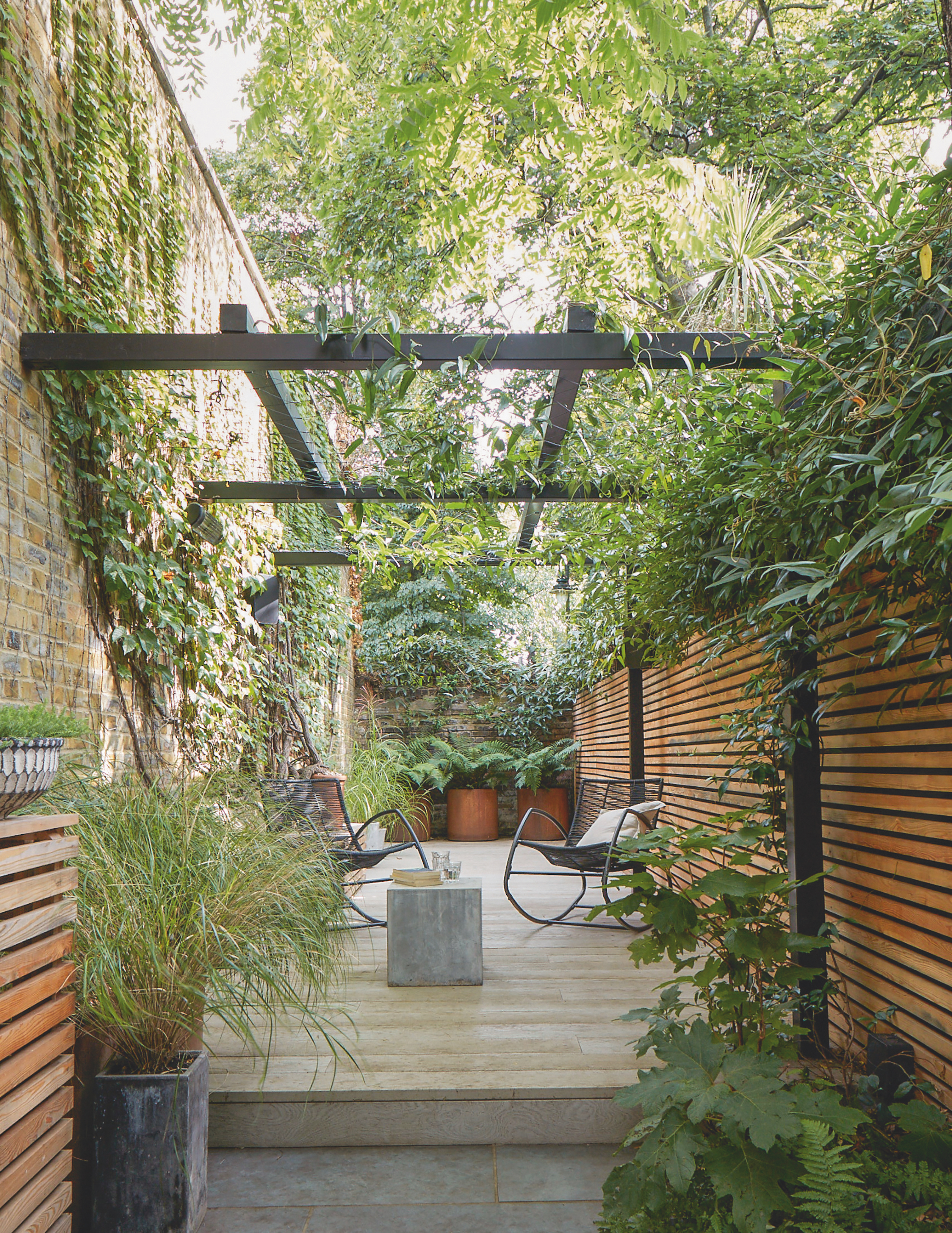
16 Rock Garden Ideas for a Beautiful, Low-Maintenance Landscape
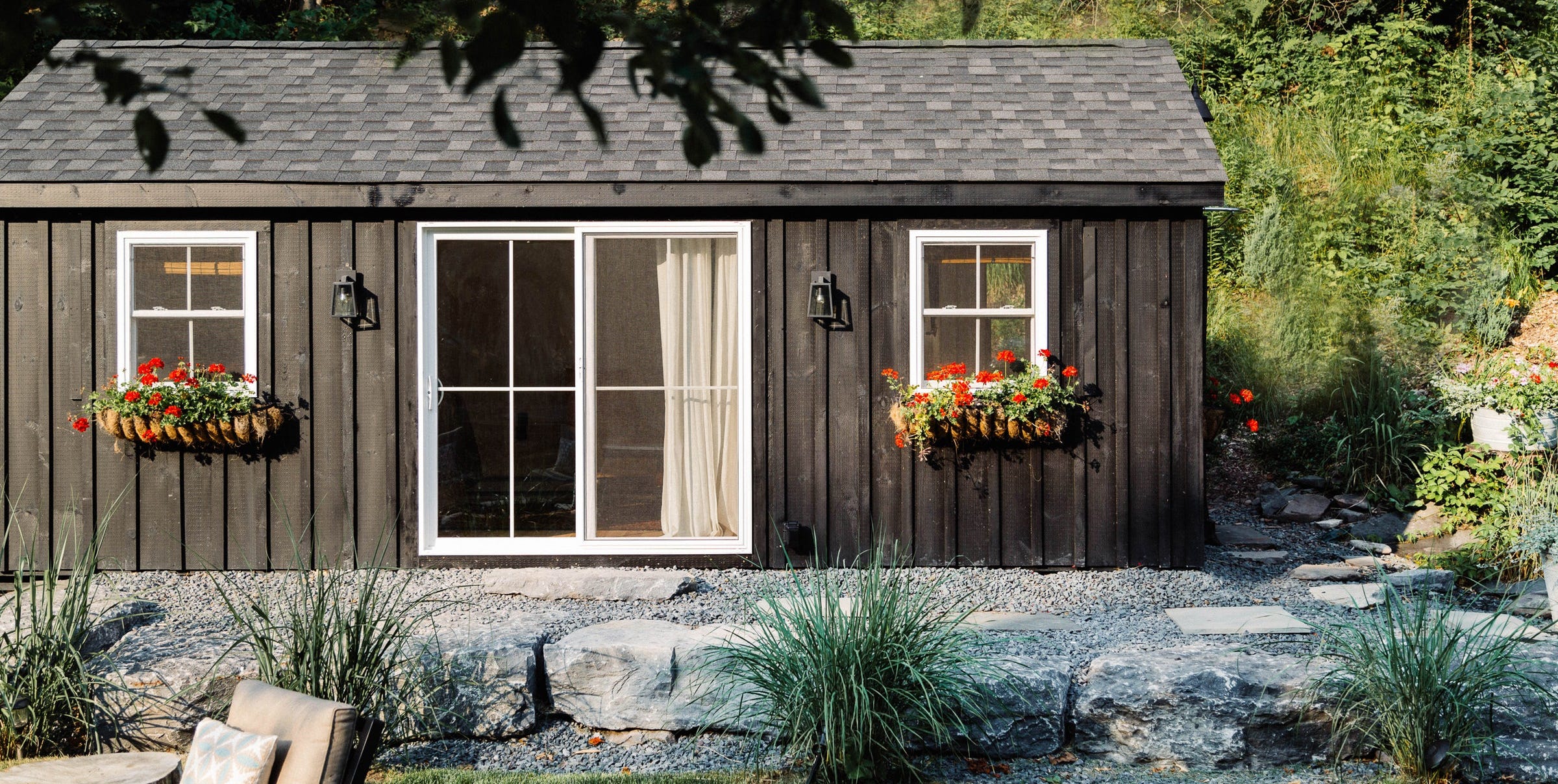
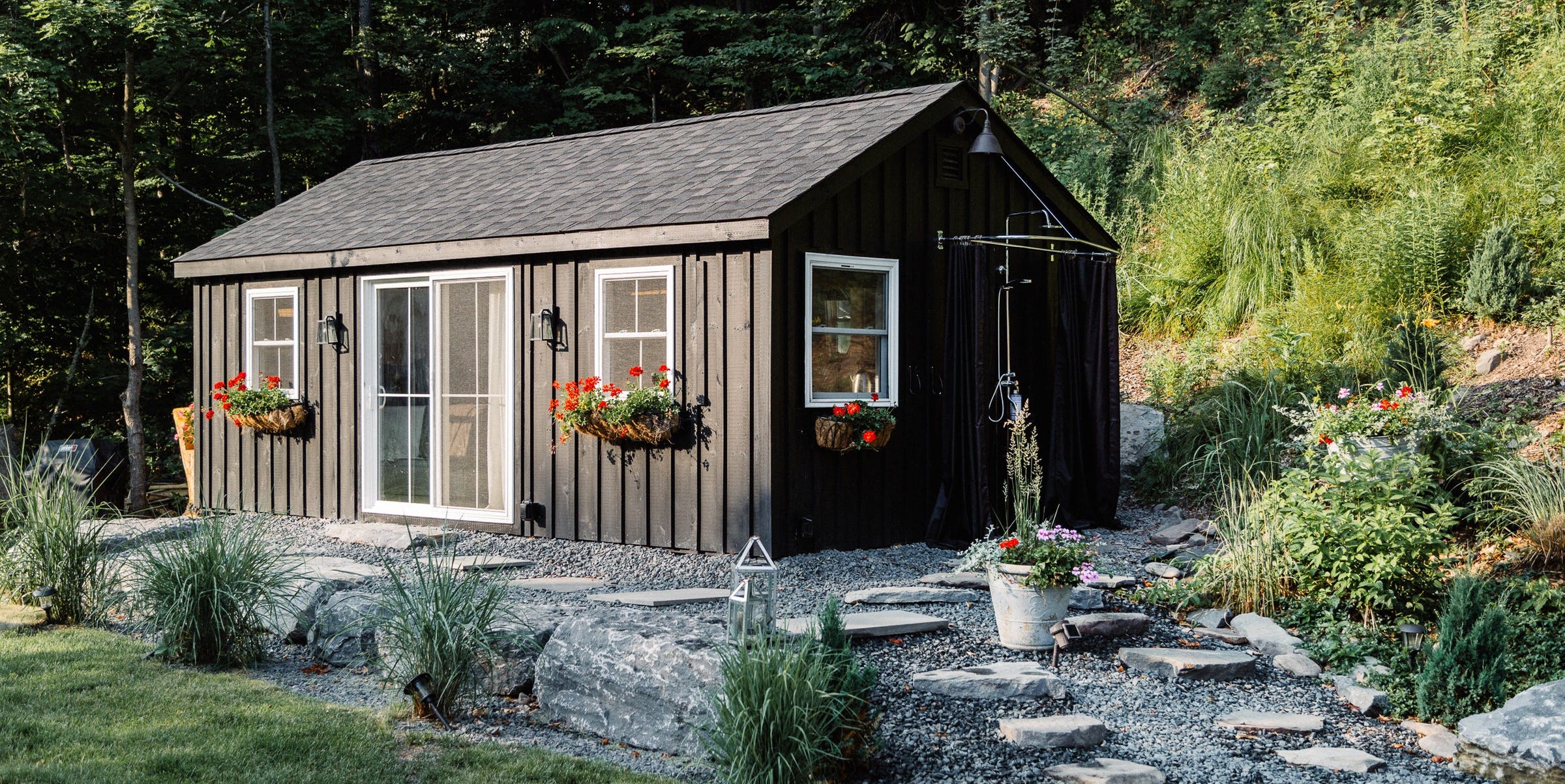
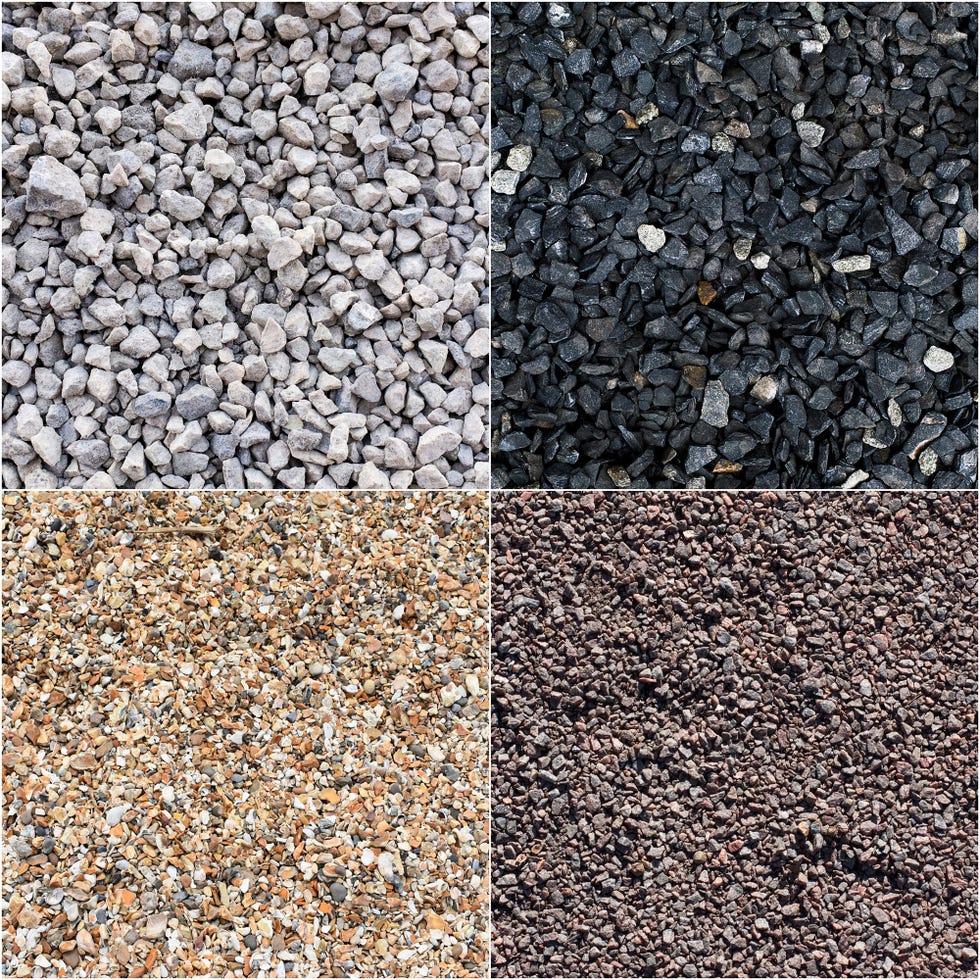
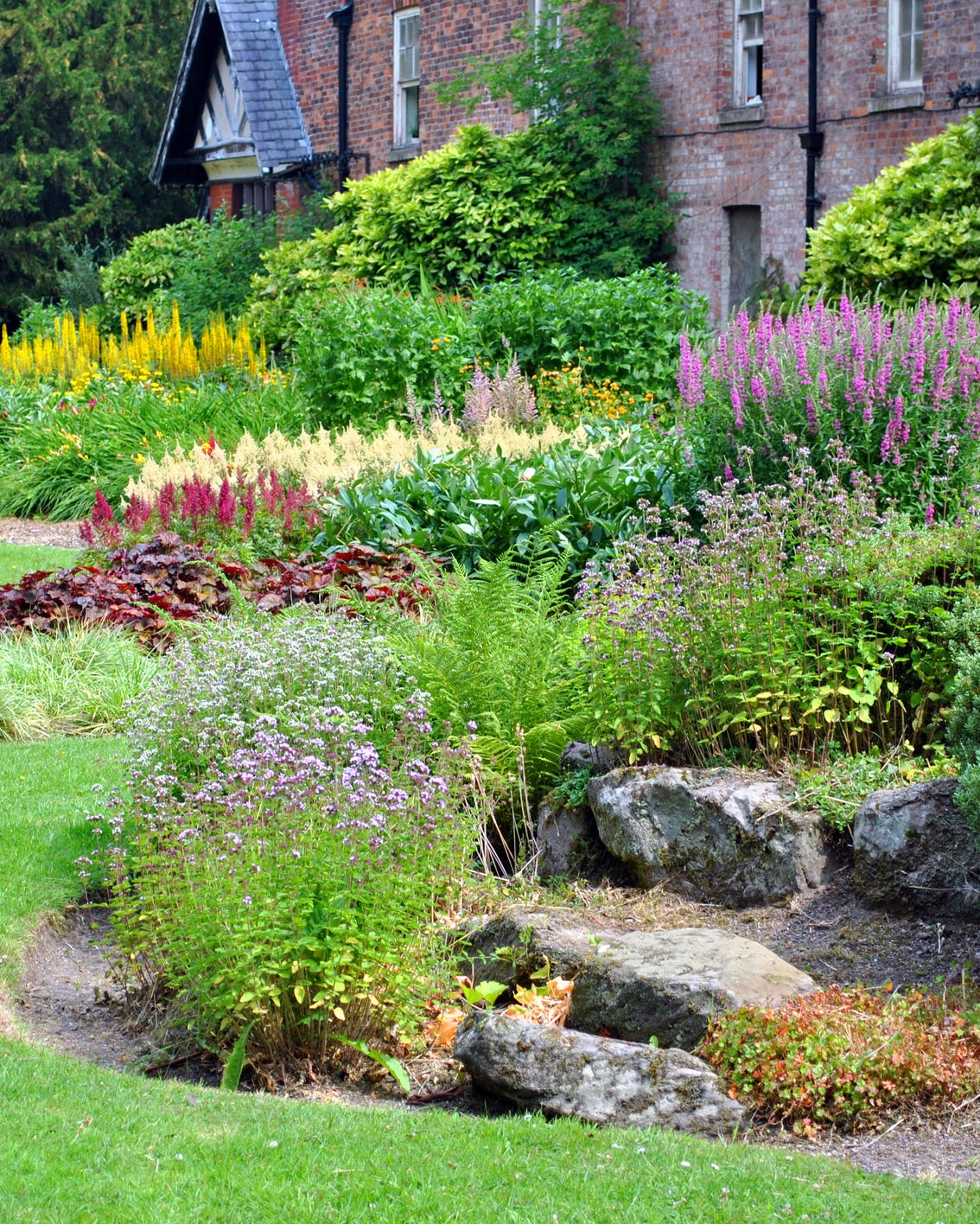
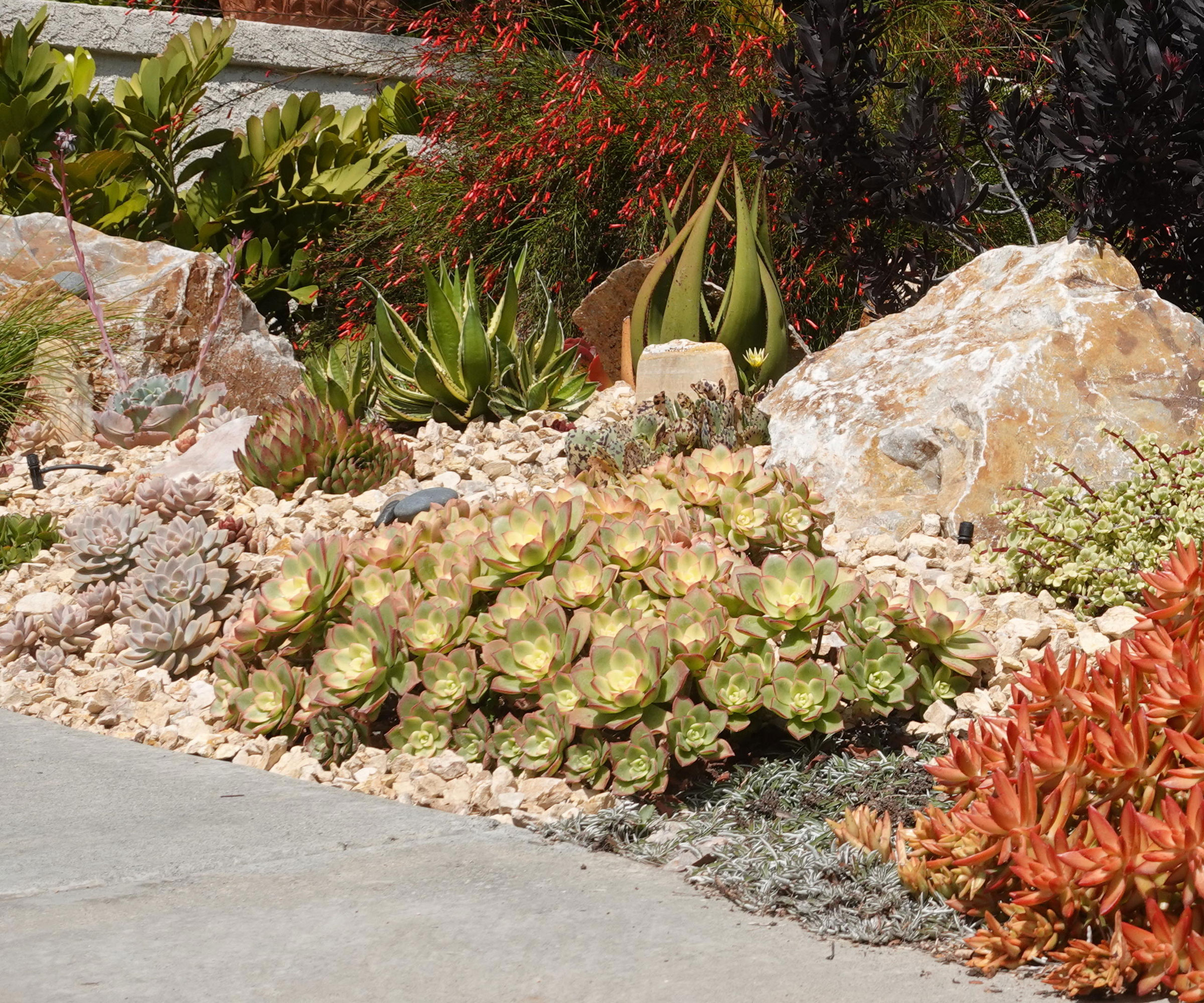
Rock gardens are a versatile and visually appealing landscaping solution that introduces natural texture and dimension to outdoor spaces. These gardens integrate various types of stone—from fine gravel to large boulders—to complement existing flora and enhance the overall aesthetic. Beyond their beauty, rock gardens offer practical benefits, particularly in regions where traditional lawns struggle due to poor soil conditions or water scarcity. They are an excellent way to feature native plants, many of which are well-adapted to rocky environments and require minimal irrigation, thereby promoting sustainable landscaping practices.
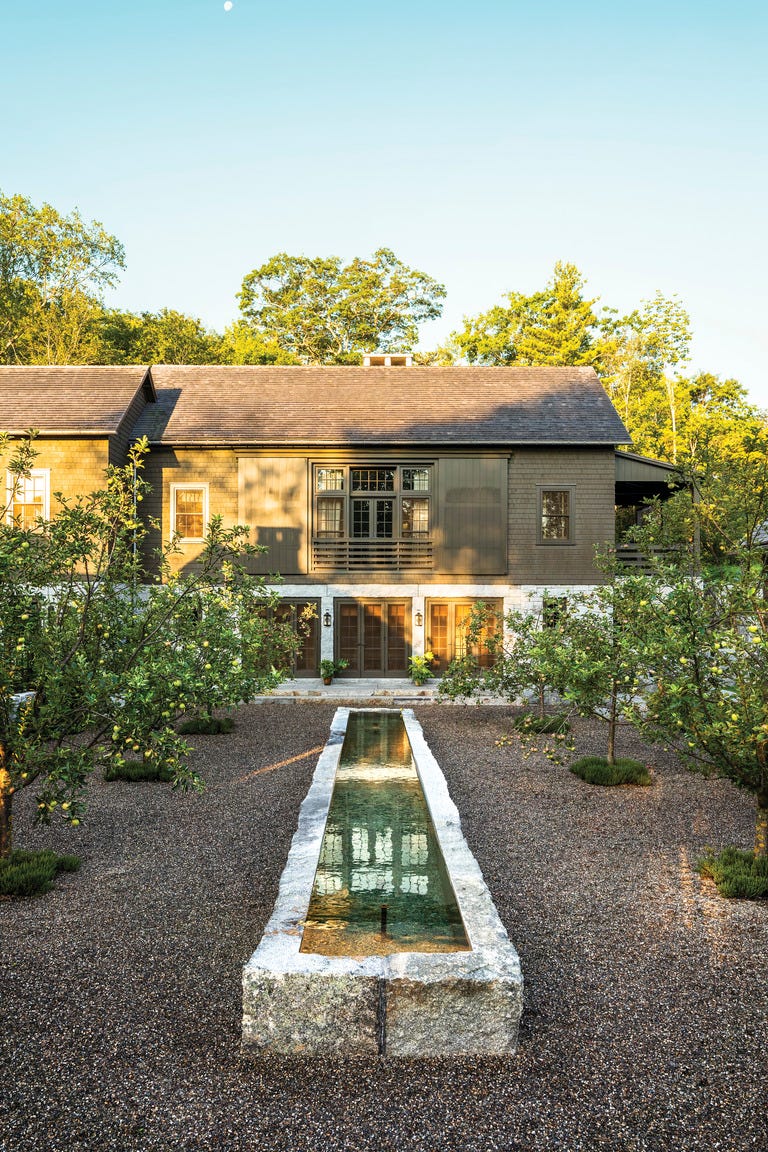
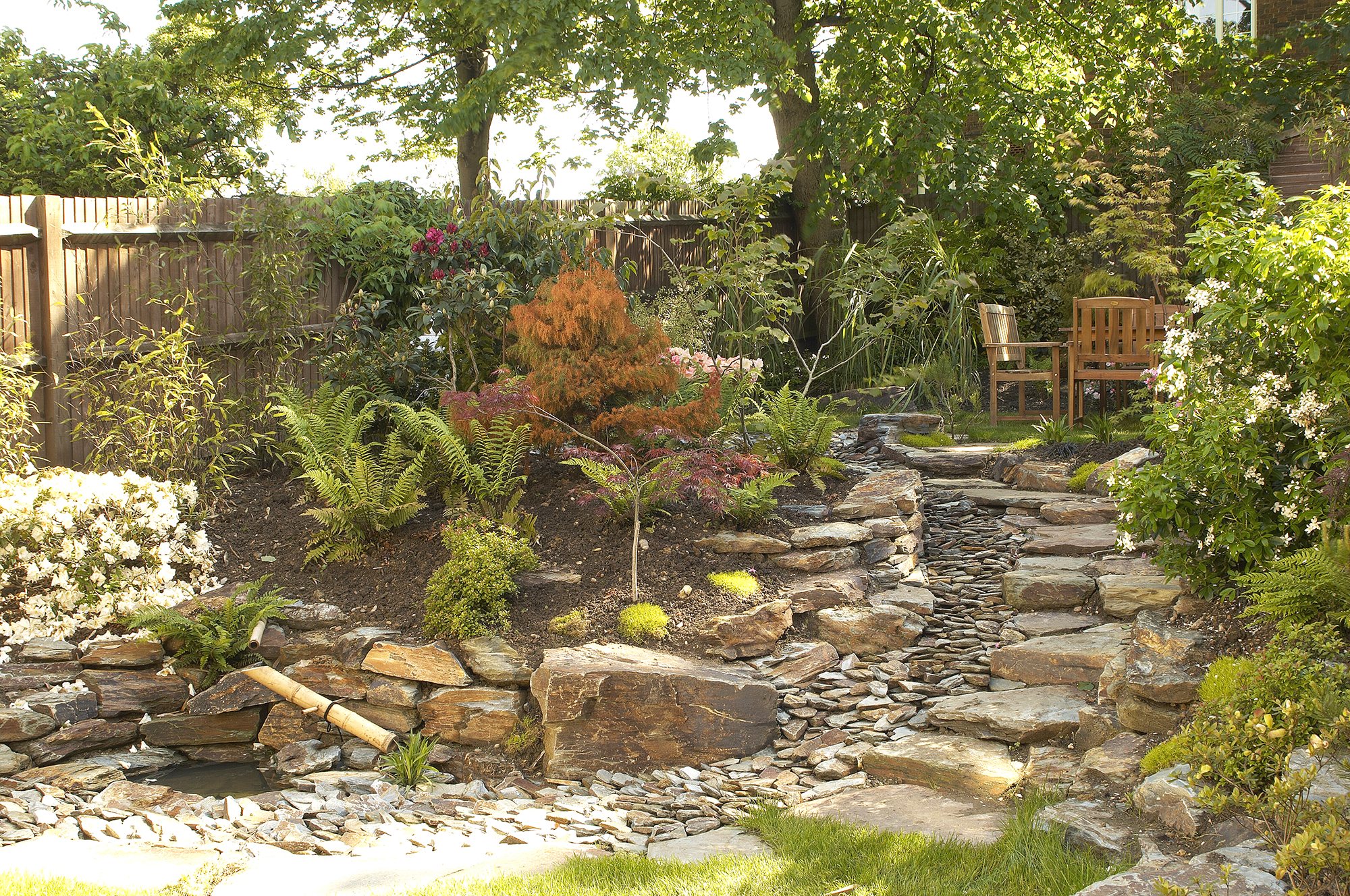
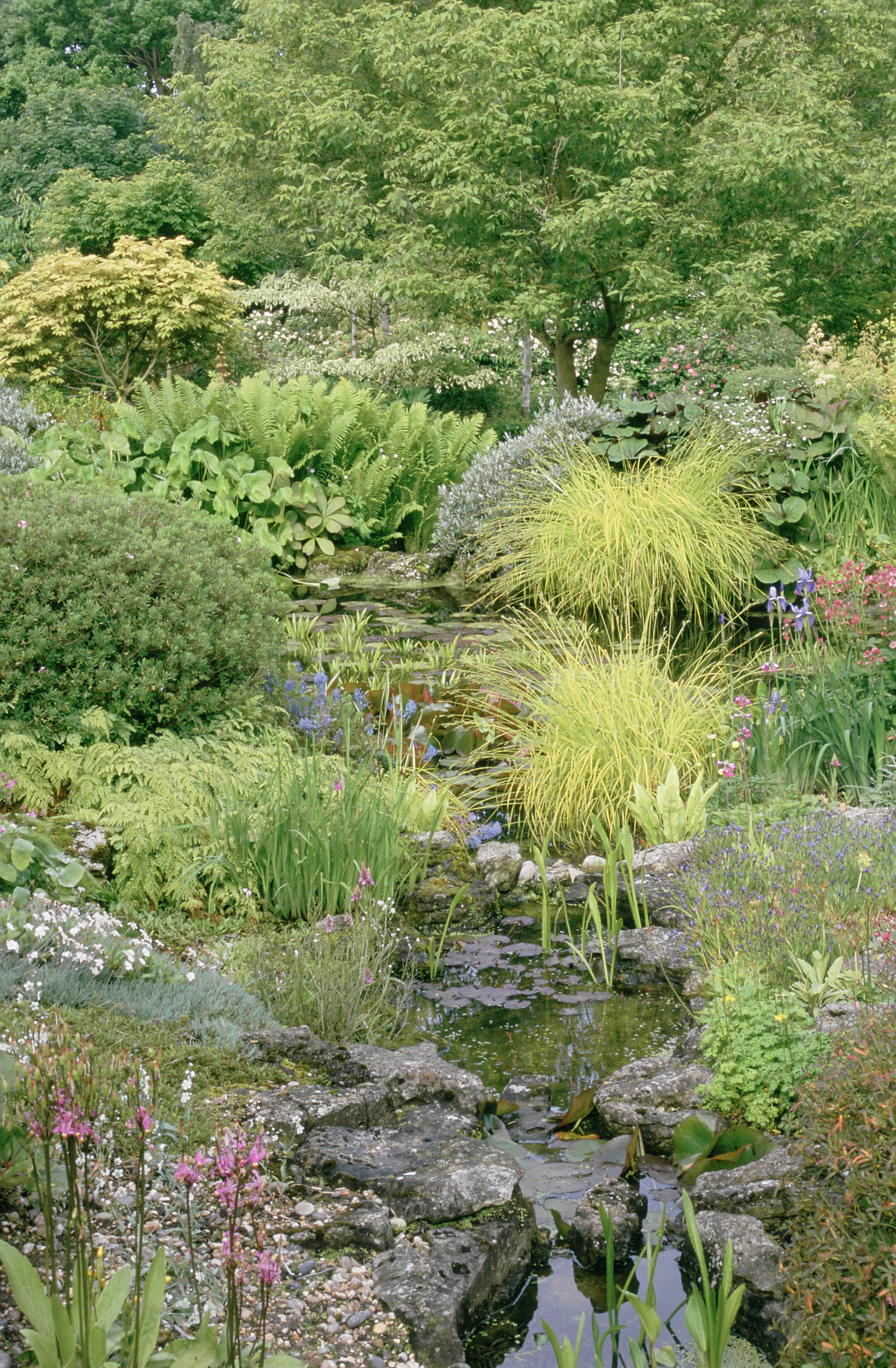
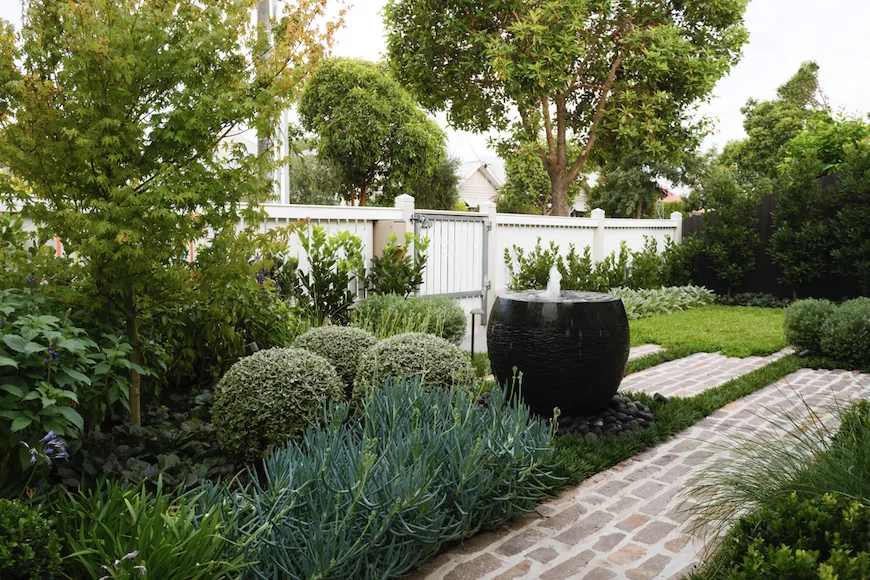
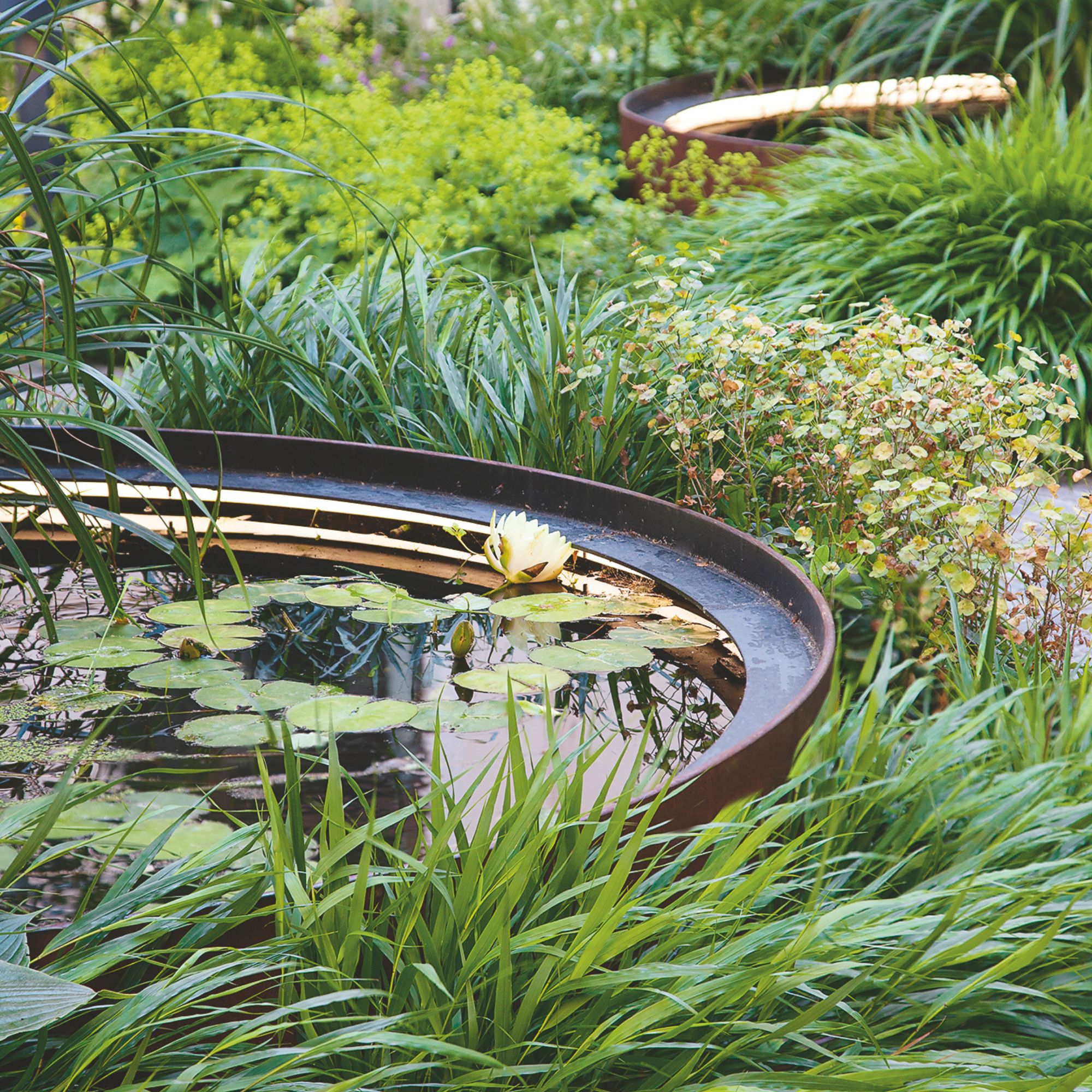
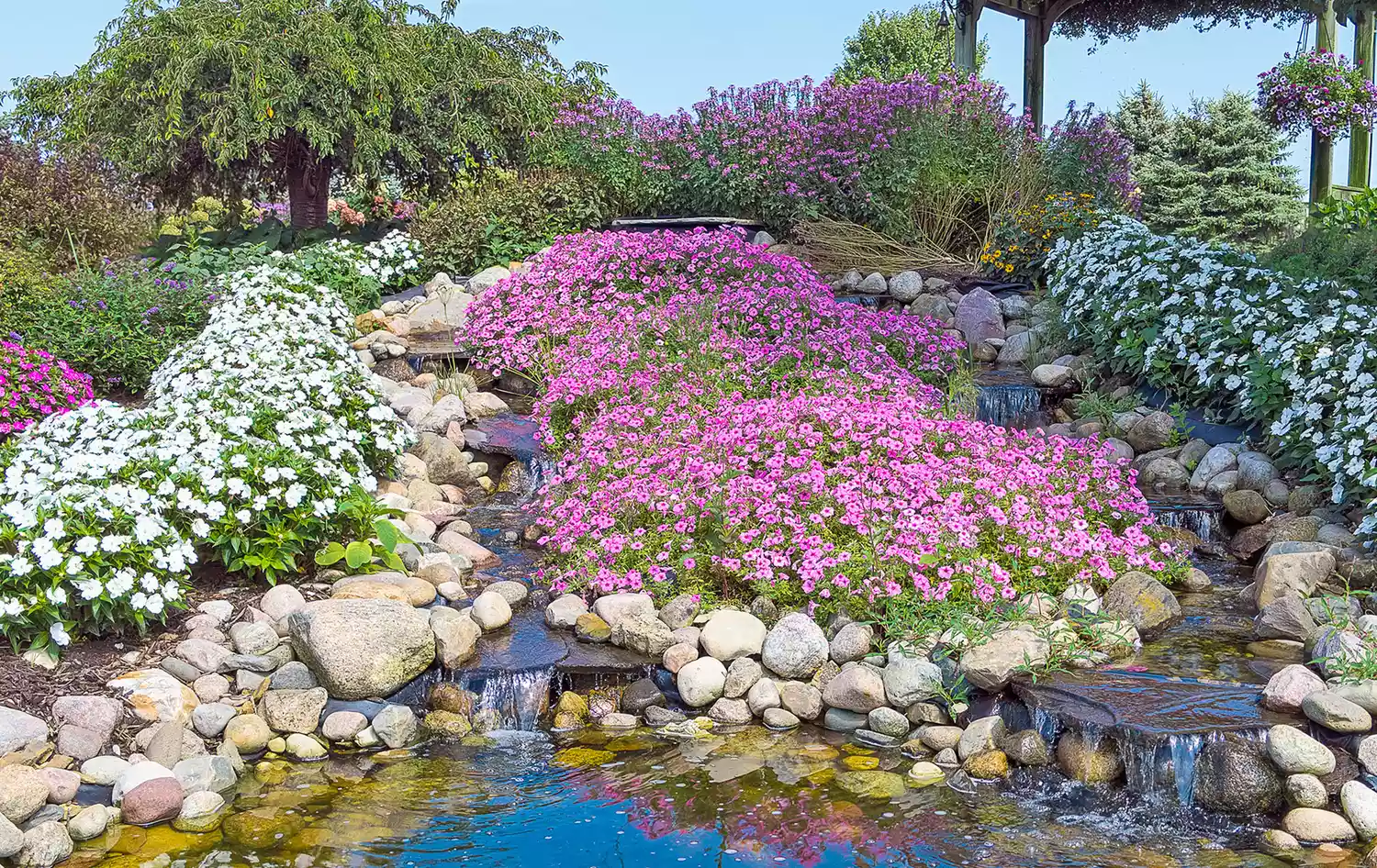
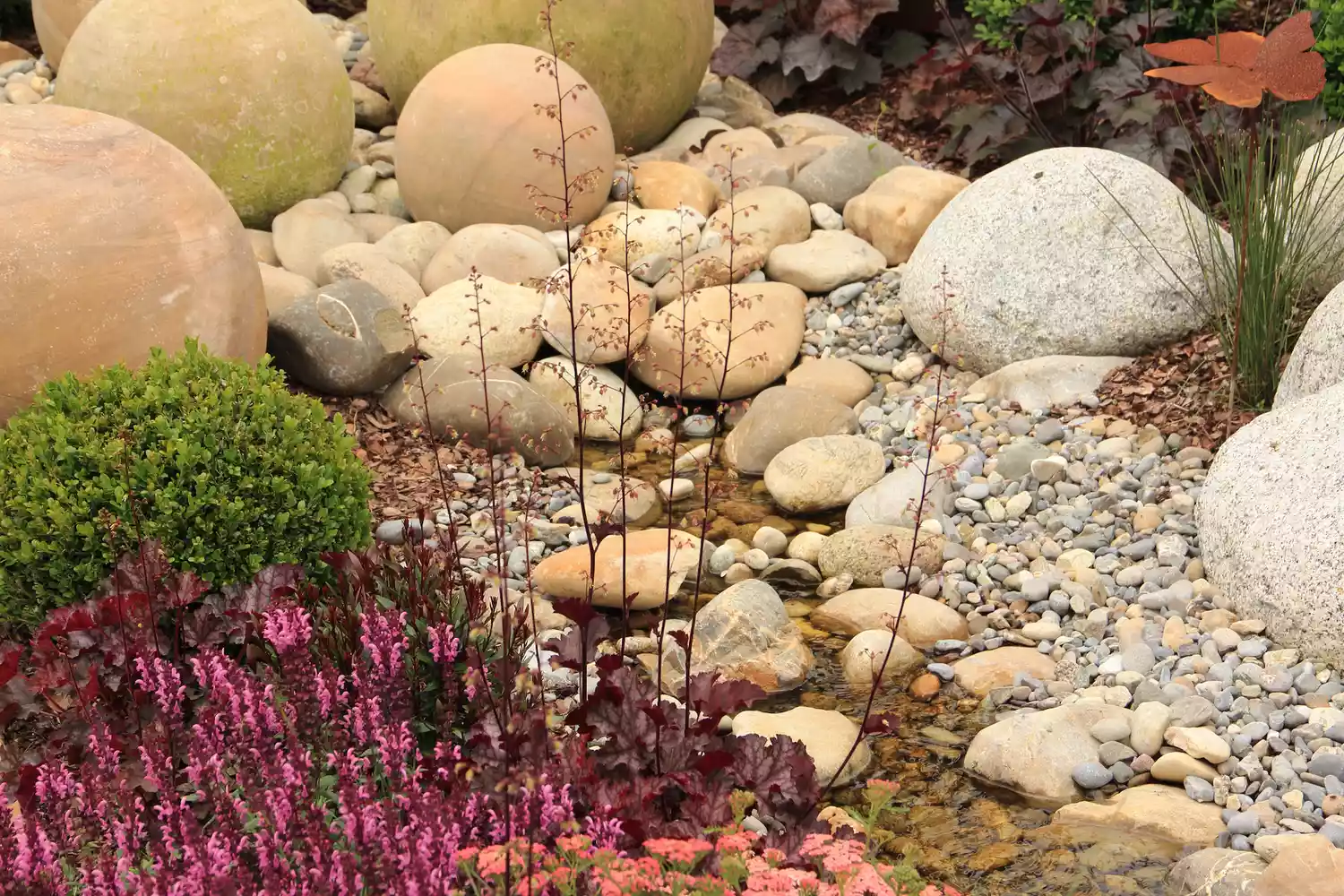
Groundcover plants, such as phlox, are highly effective in rock gardens. They are typically drought-tolerant and low-maintenance, helping to suppress weeds while providing continuous color and texture throughout the year. The use of large boulders can serve as prominent design elements, drawing the eye and adding intrigue with their unique shapes, colors, and textures. Incorporating a water feature, such as a small waterfall flowing into a pond, can further enhance the natural appeal of a rock garden, especially when integrated into a sloped landscape.
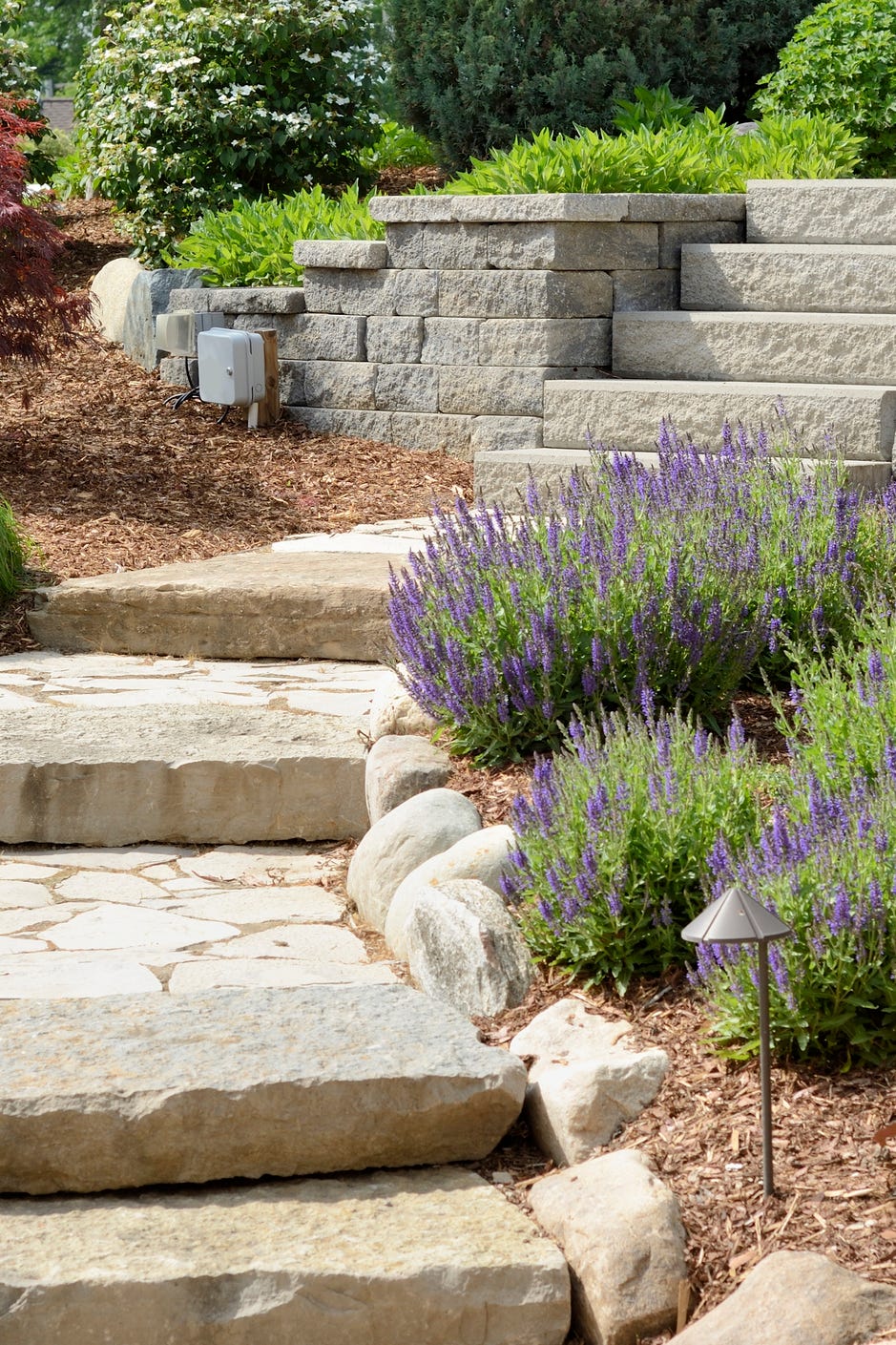
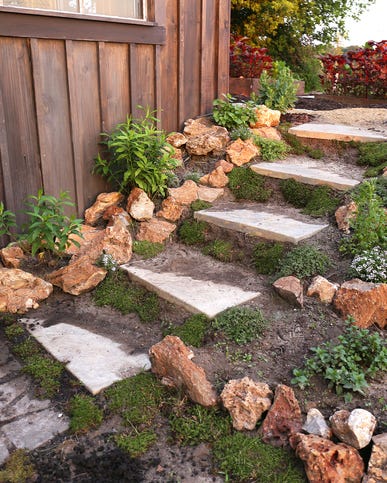
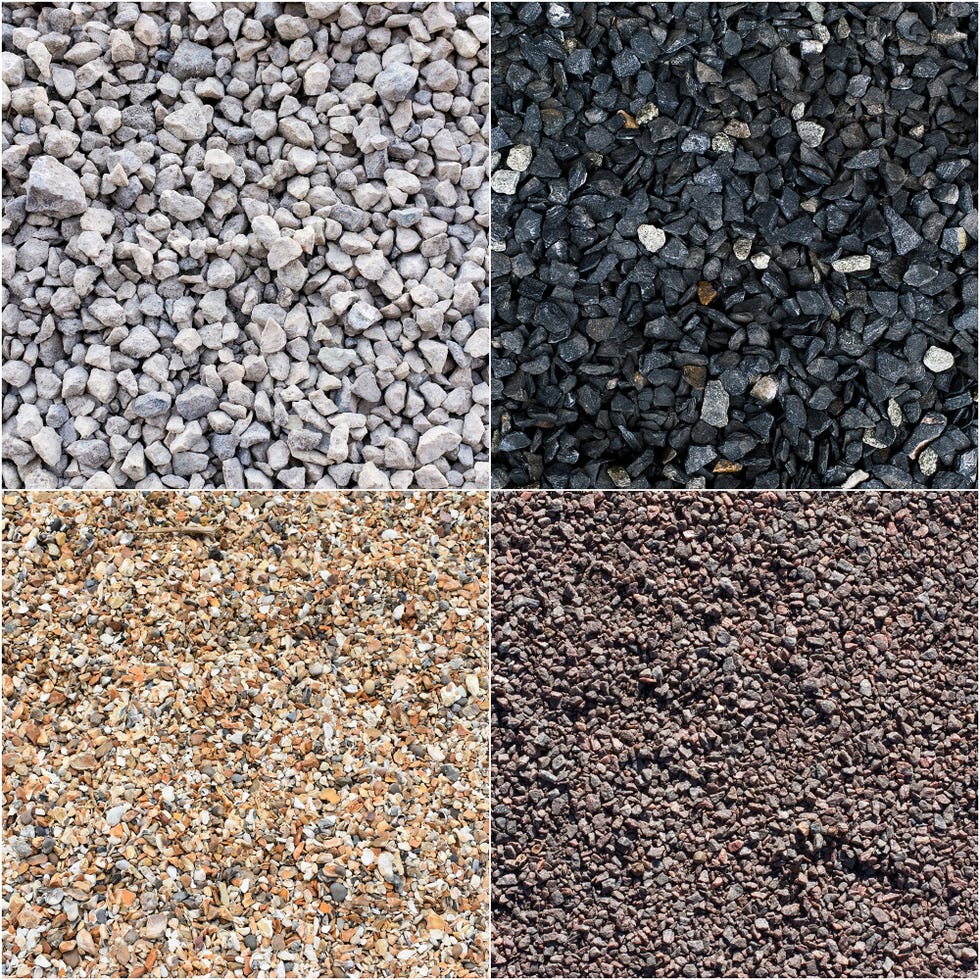
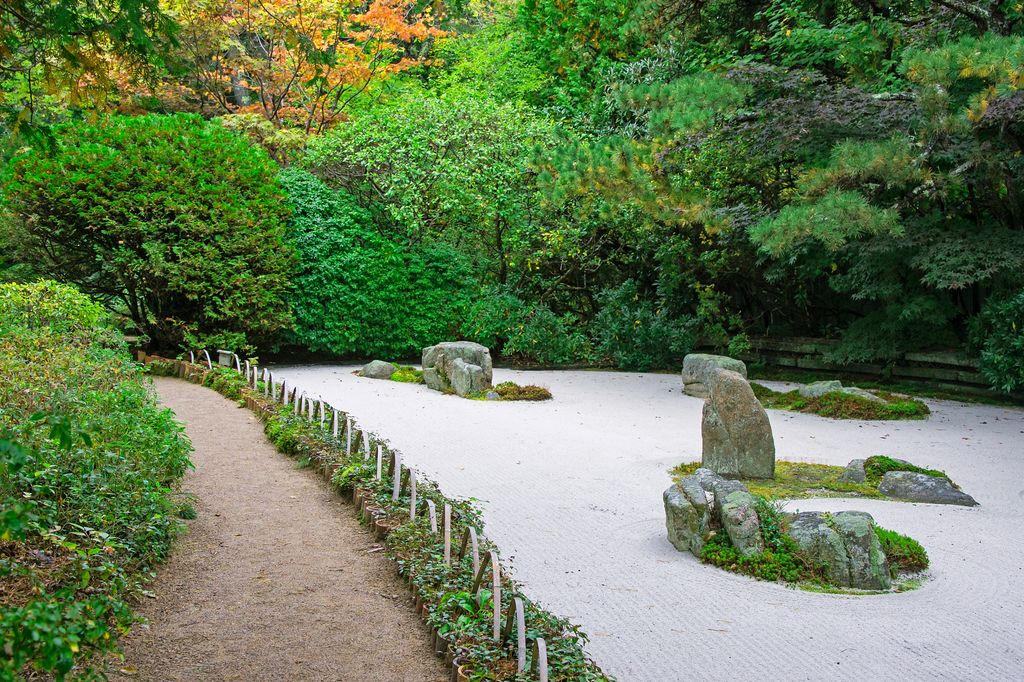
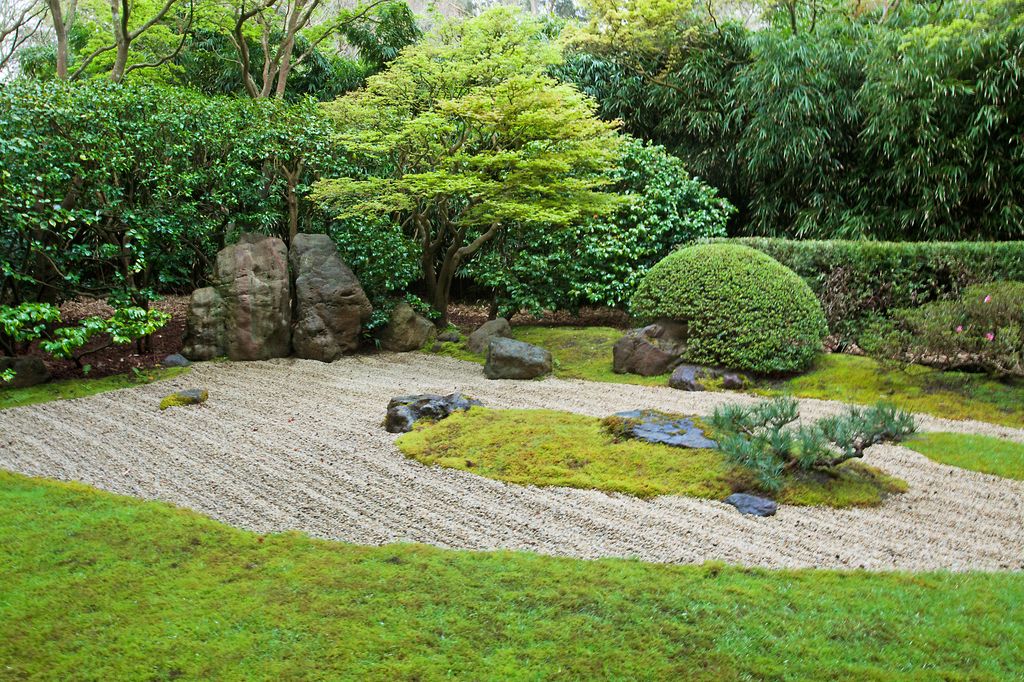
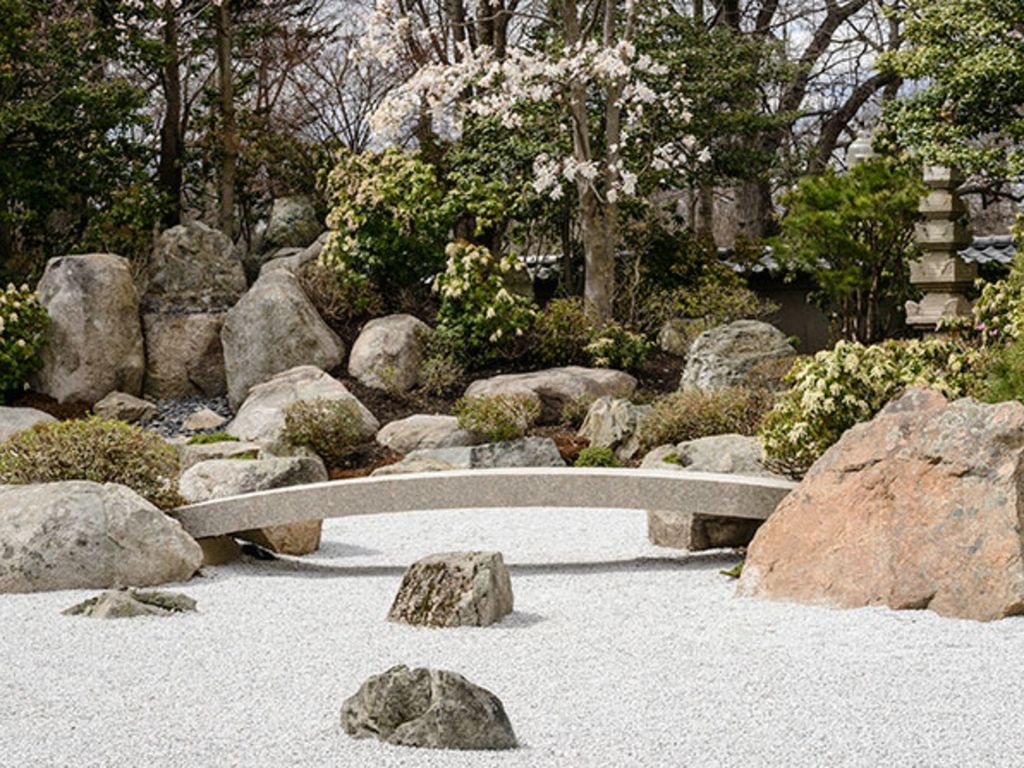
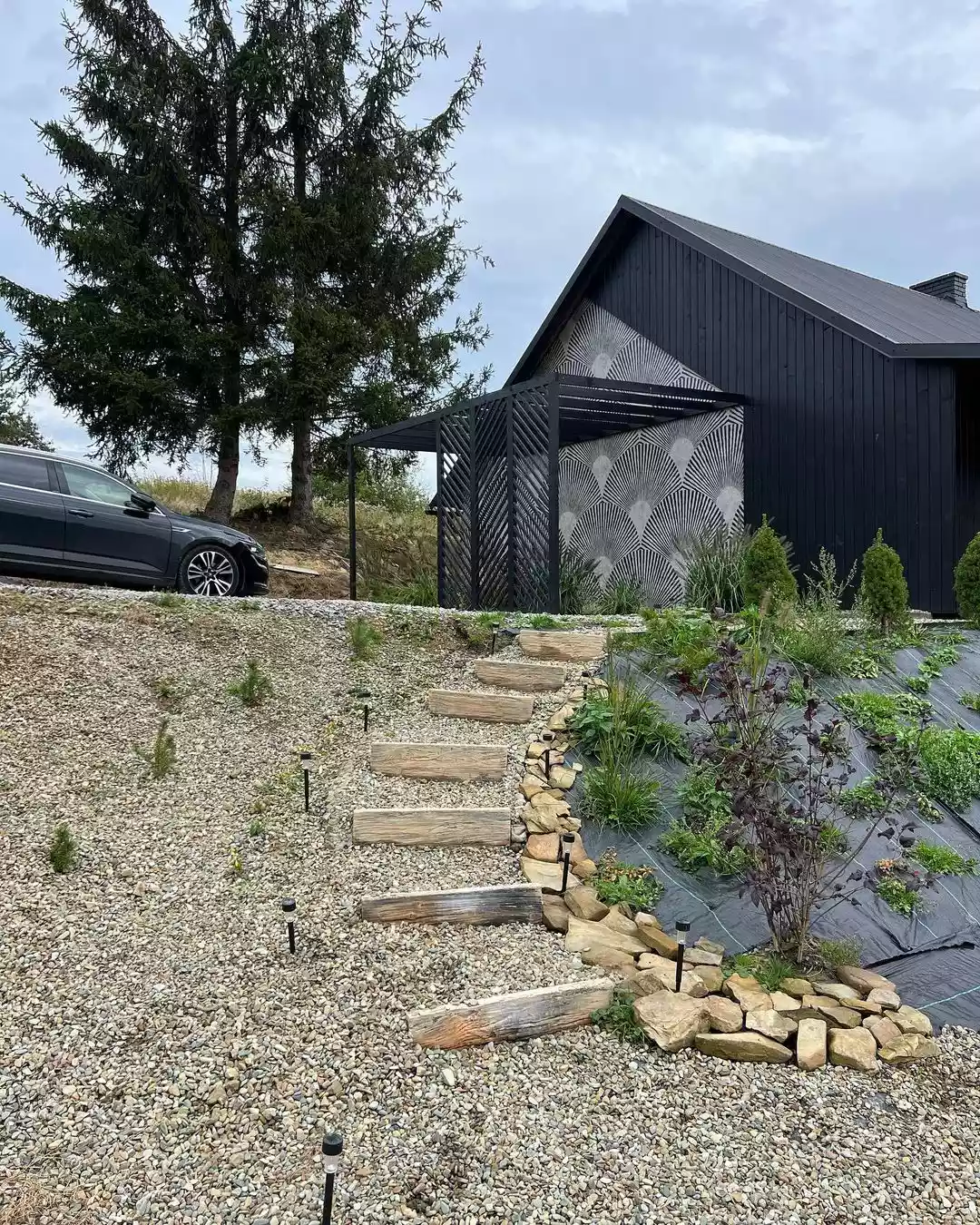
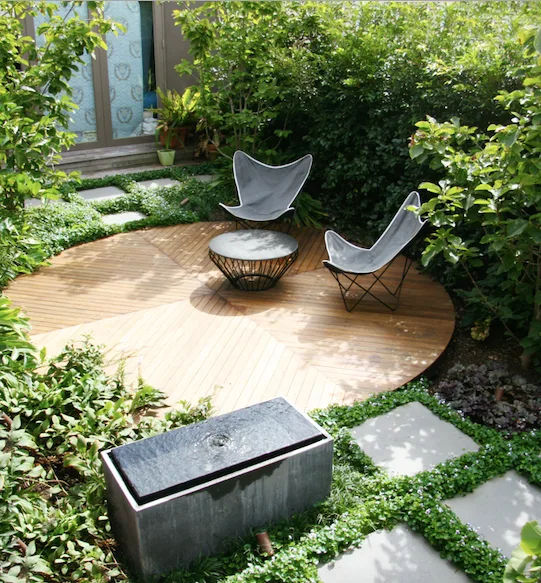
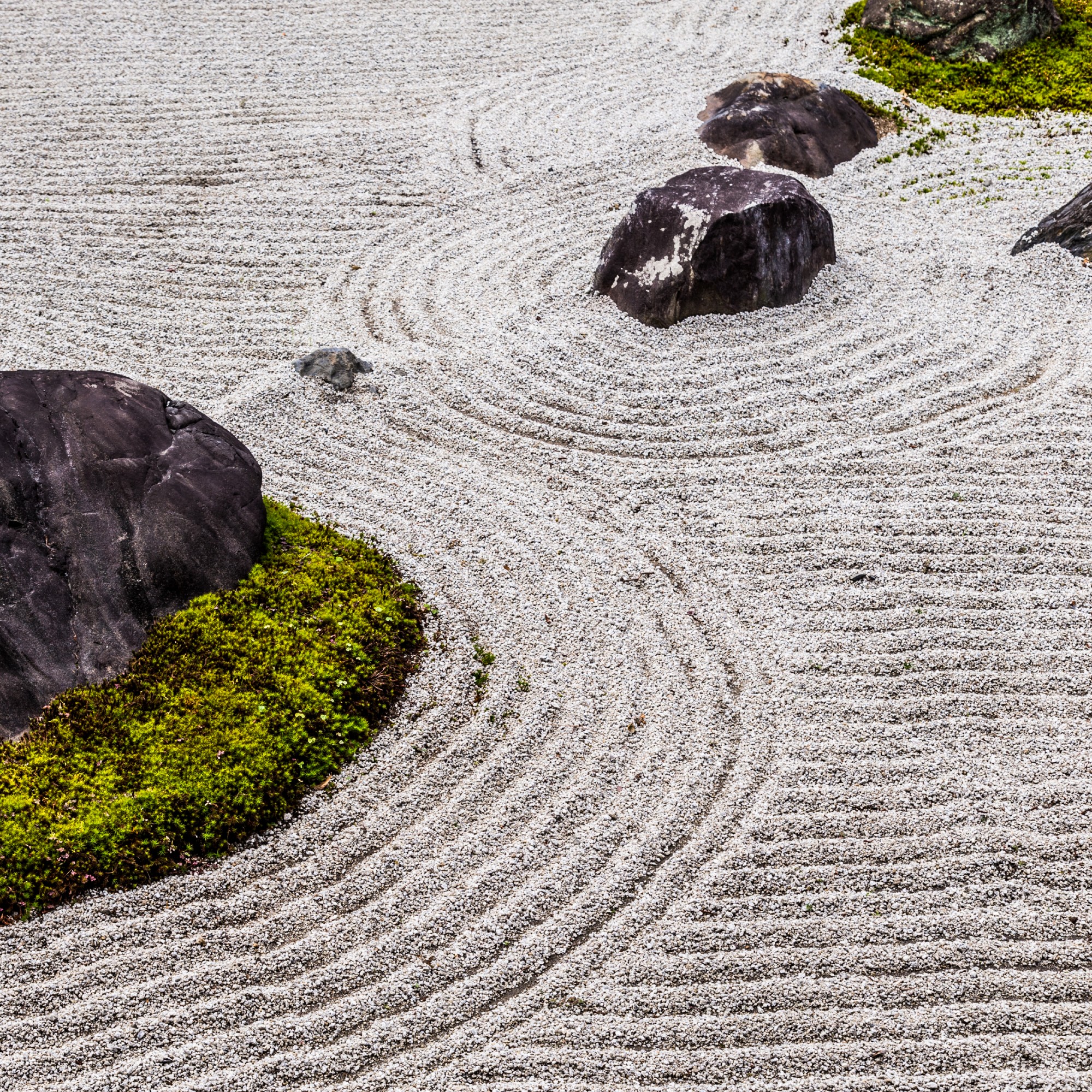
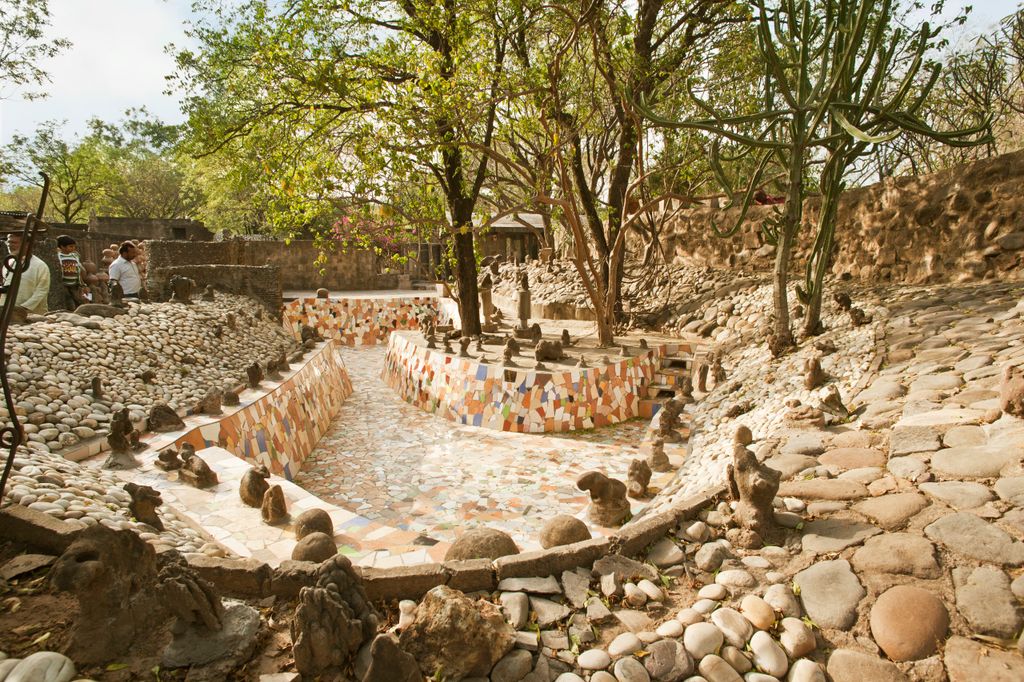
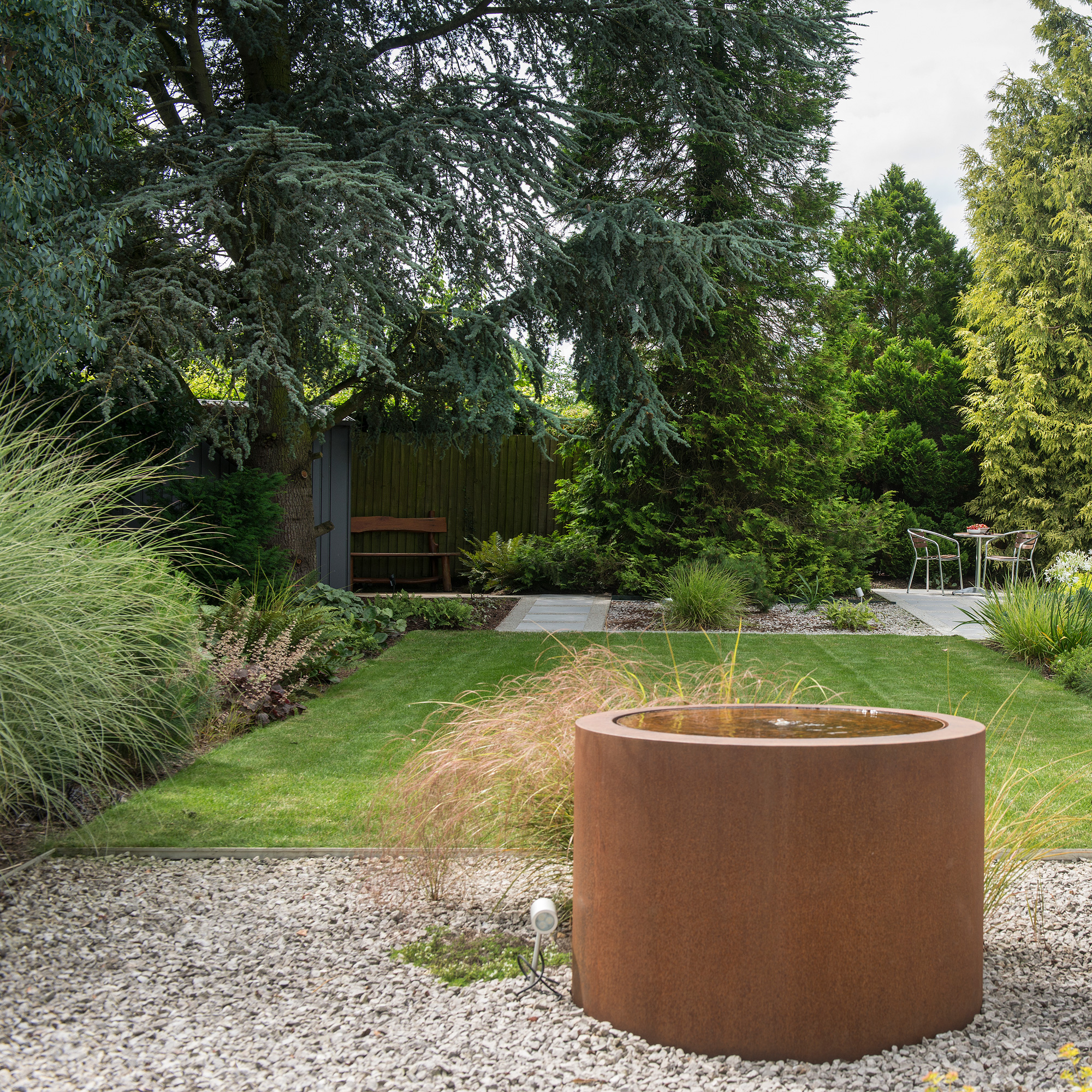
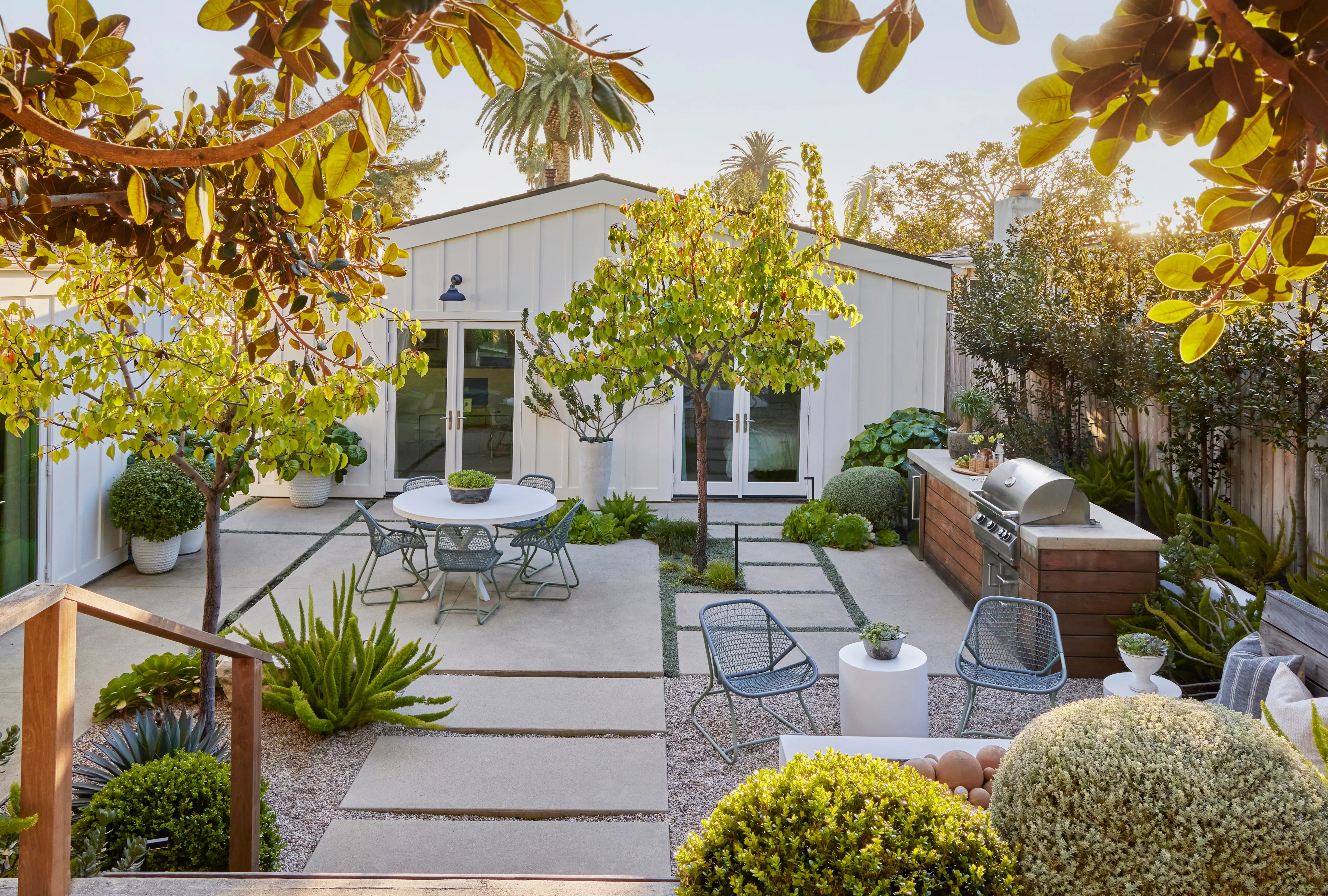
For a more serene and contemplative space, a Zen garden design can be adopted, featuring raked gravel or sand around strategically placed stones, bordered by paved pathways and trees. Rock gardens are also functional for creating accessible outdoor areas, such as steps on a tiered landscape using flat stones, or raised garden beds constructed from various stone types. Raised beds are particularly useful for areas with poor soil quality or for gardeners with mobility challenges, allowing for creative designs by mixing different stone dimensions.
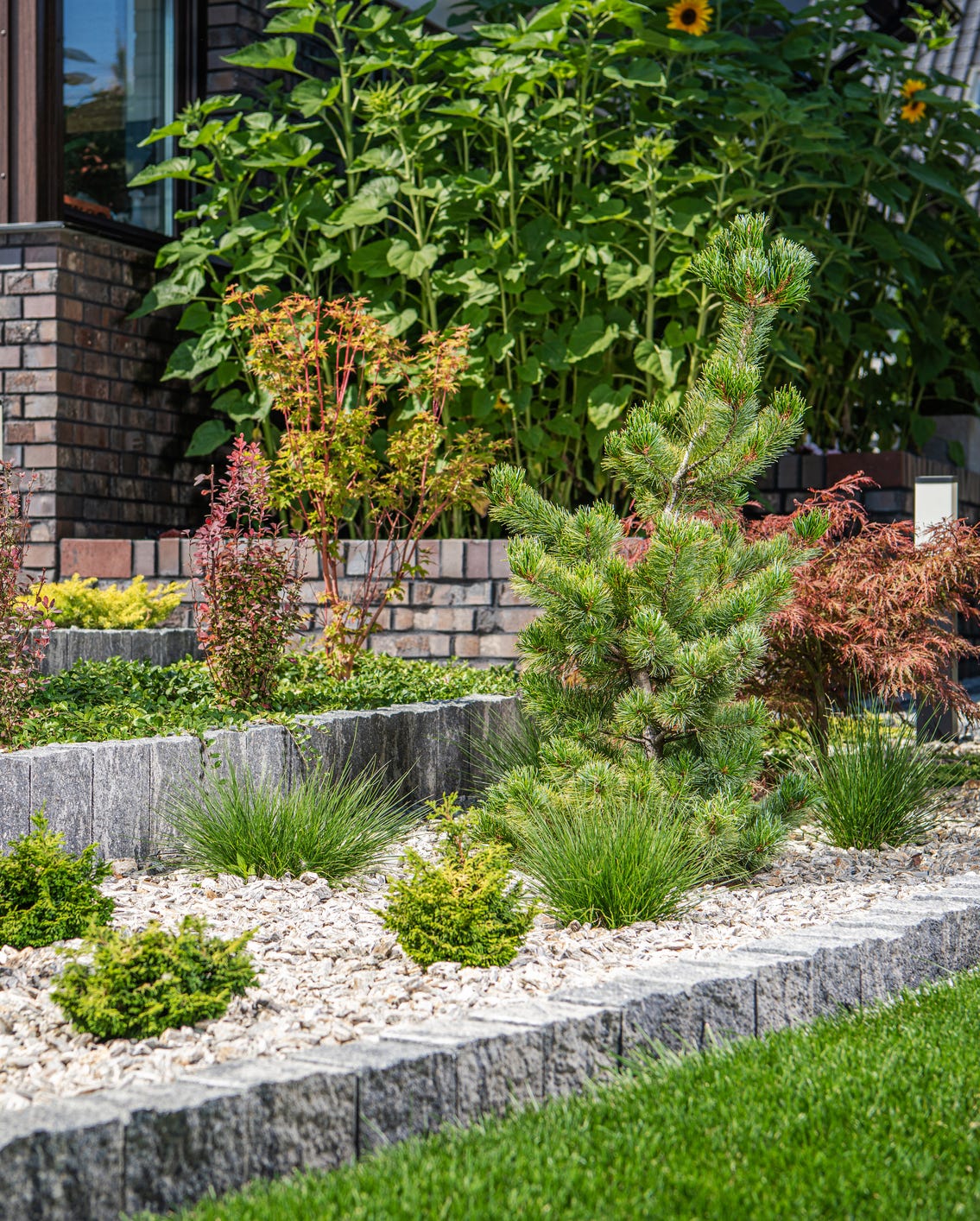
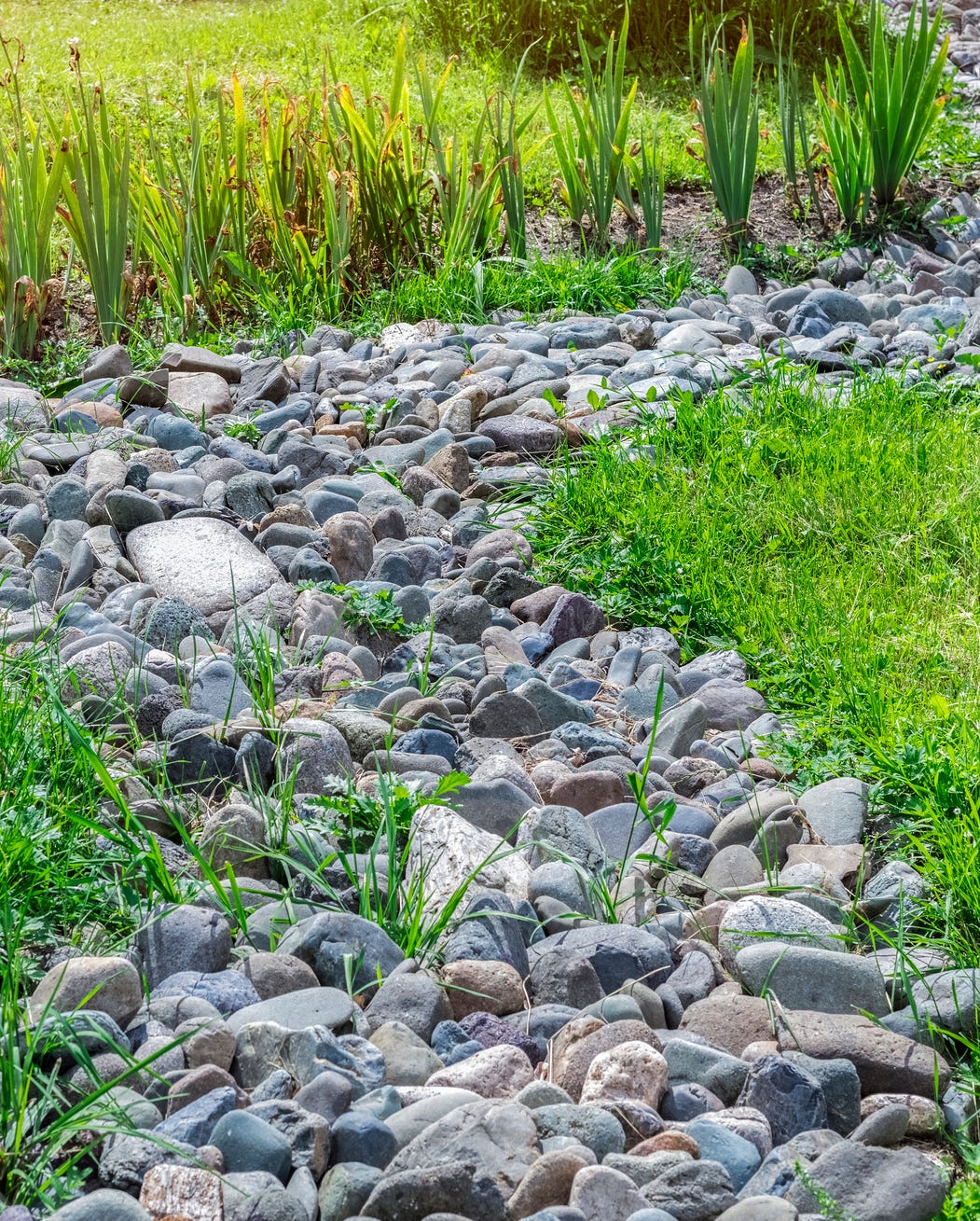
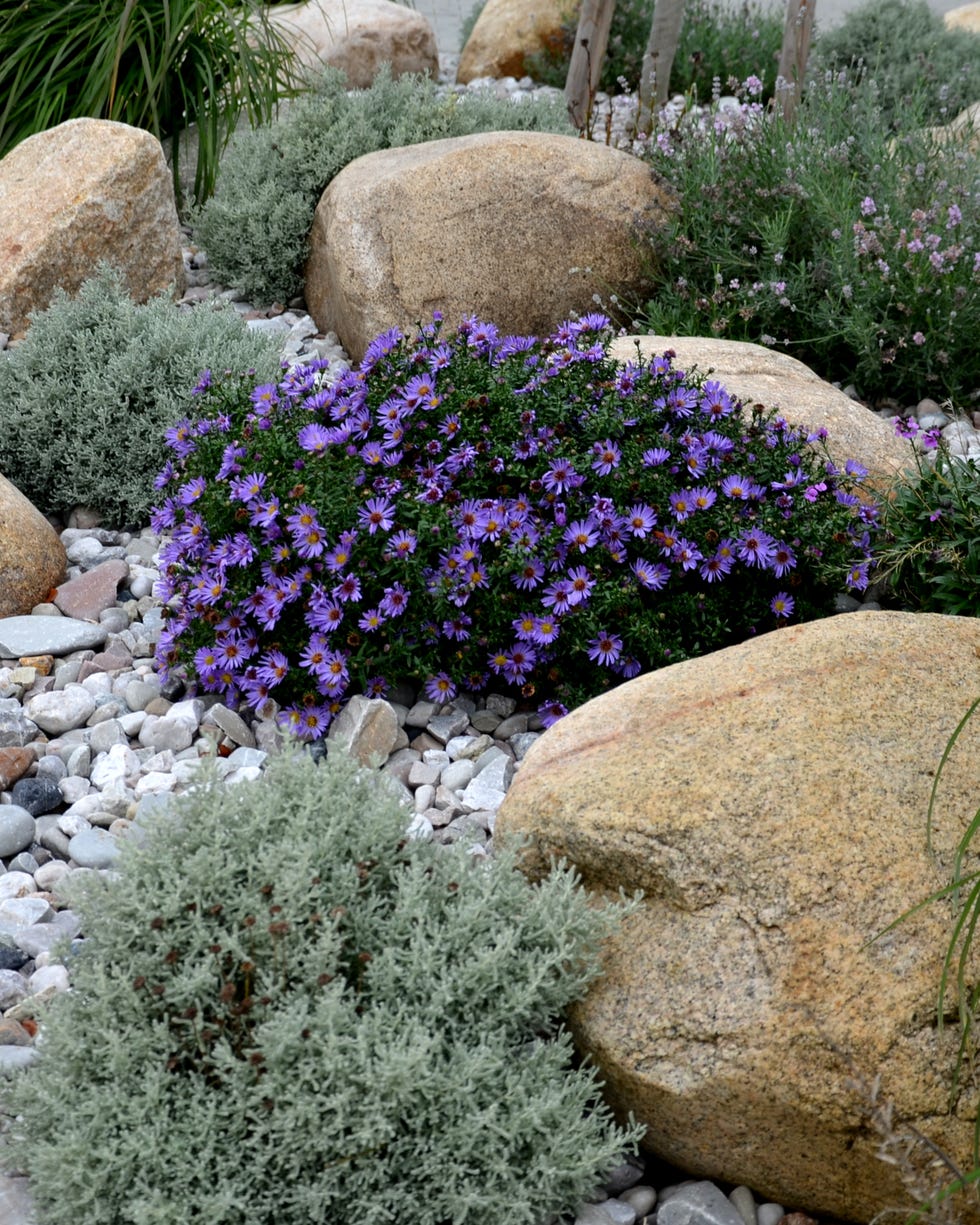
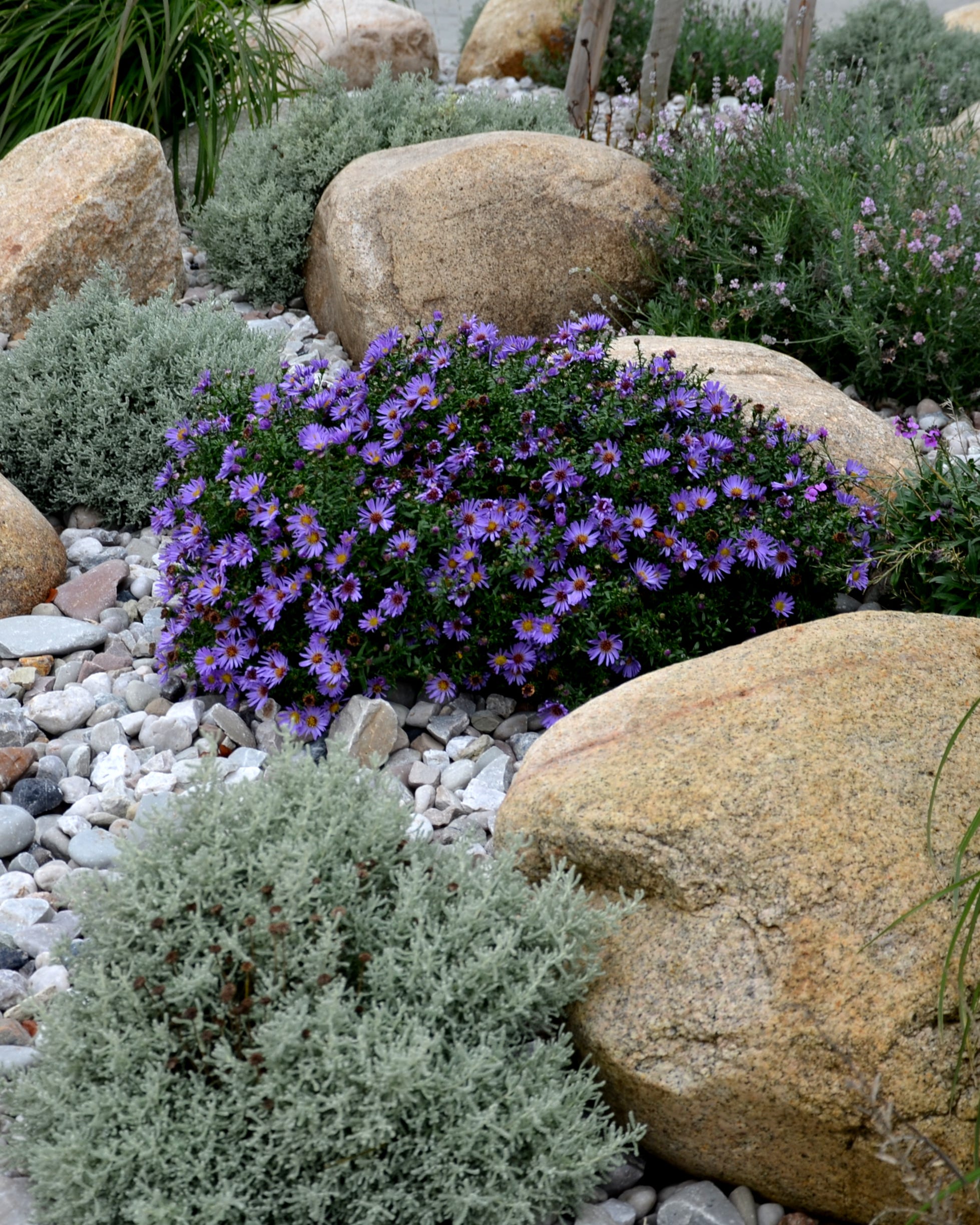
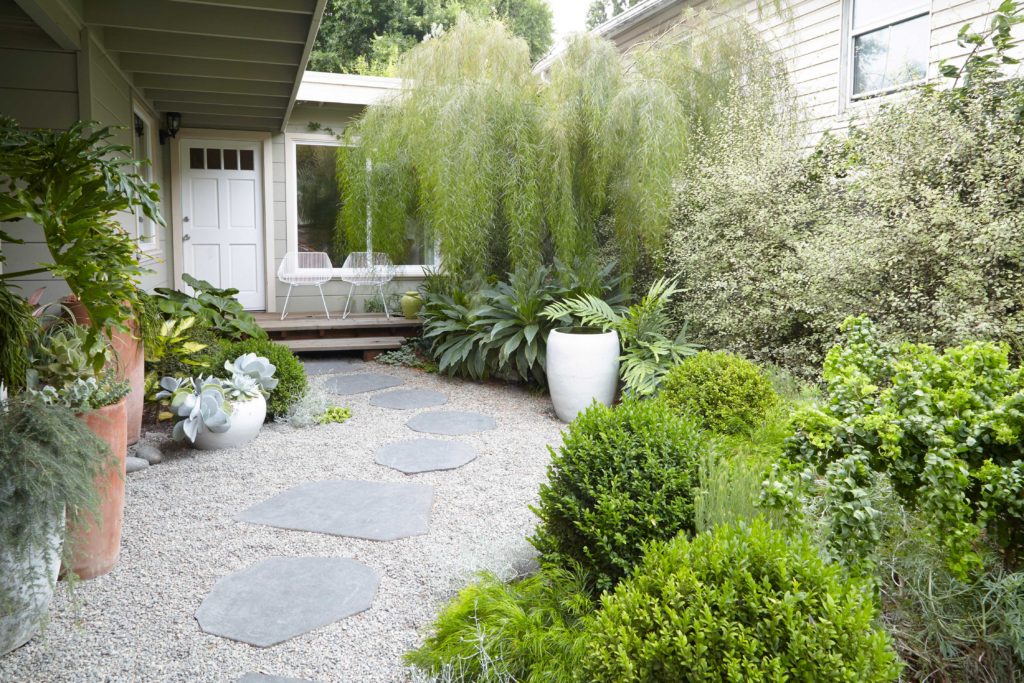
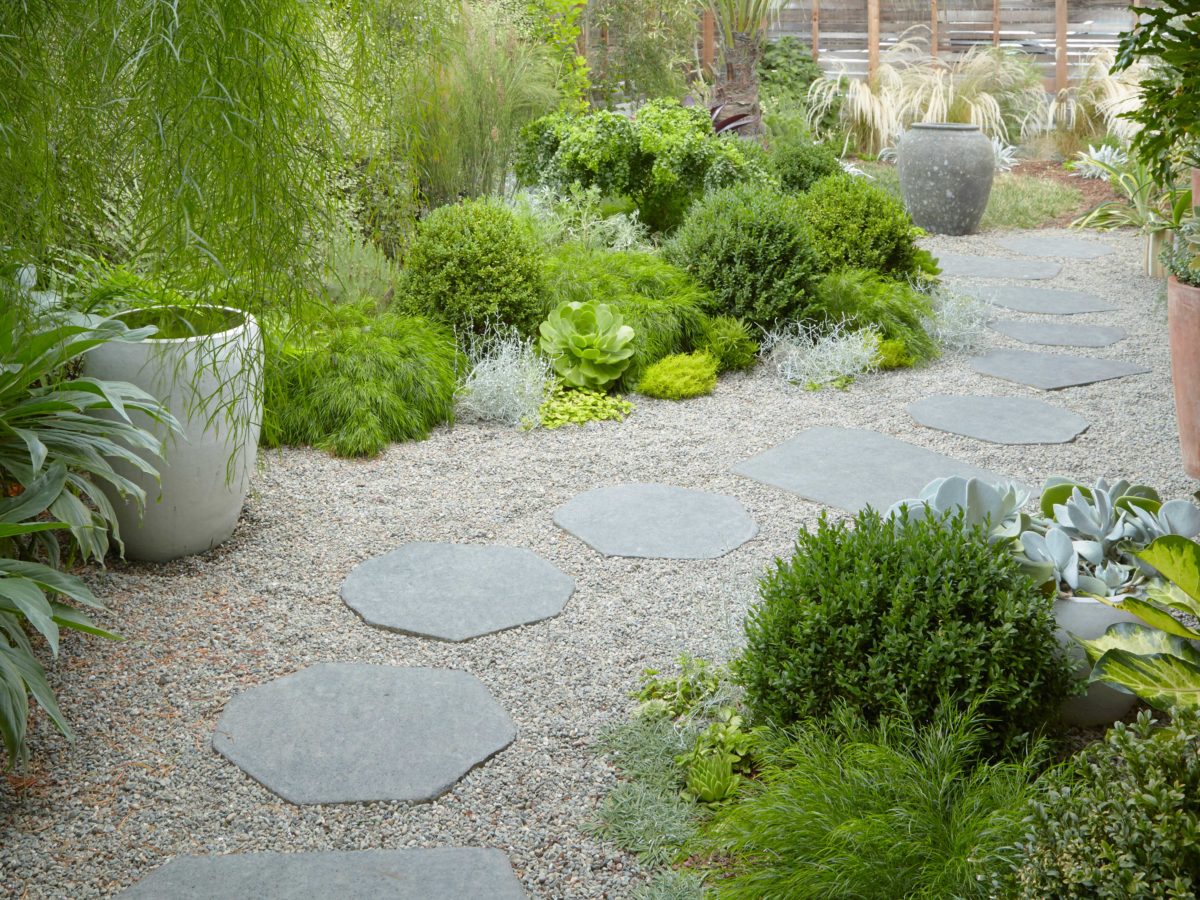
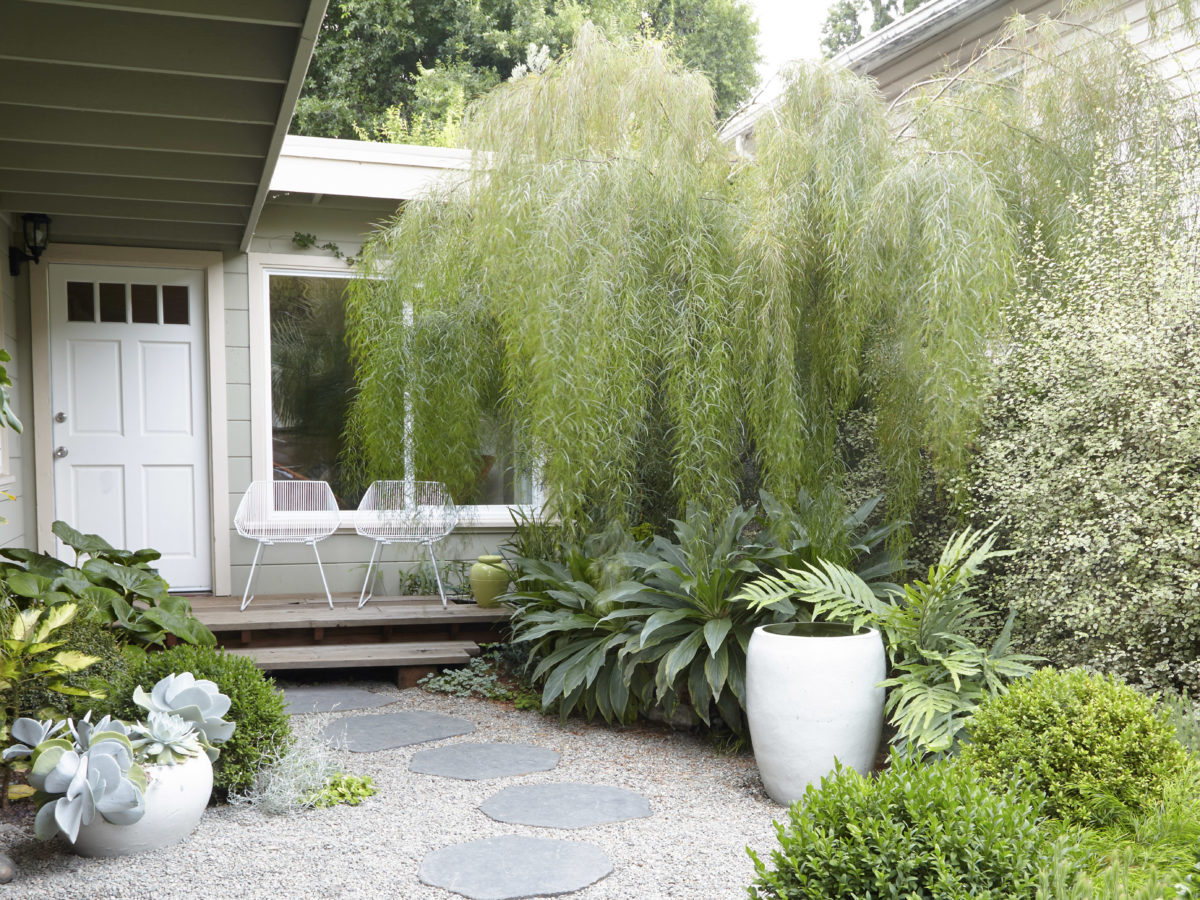
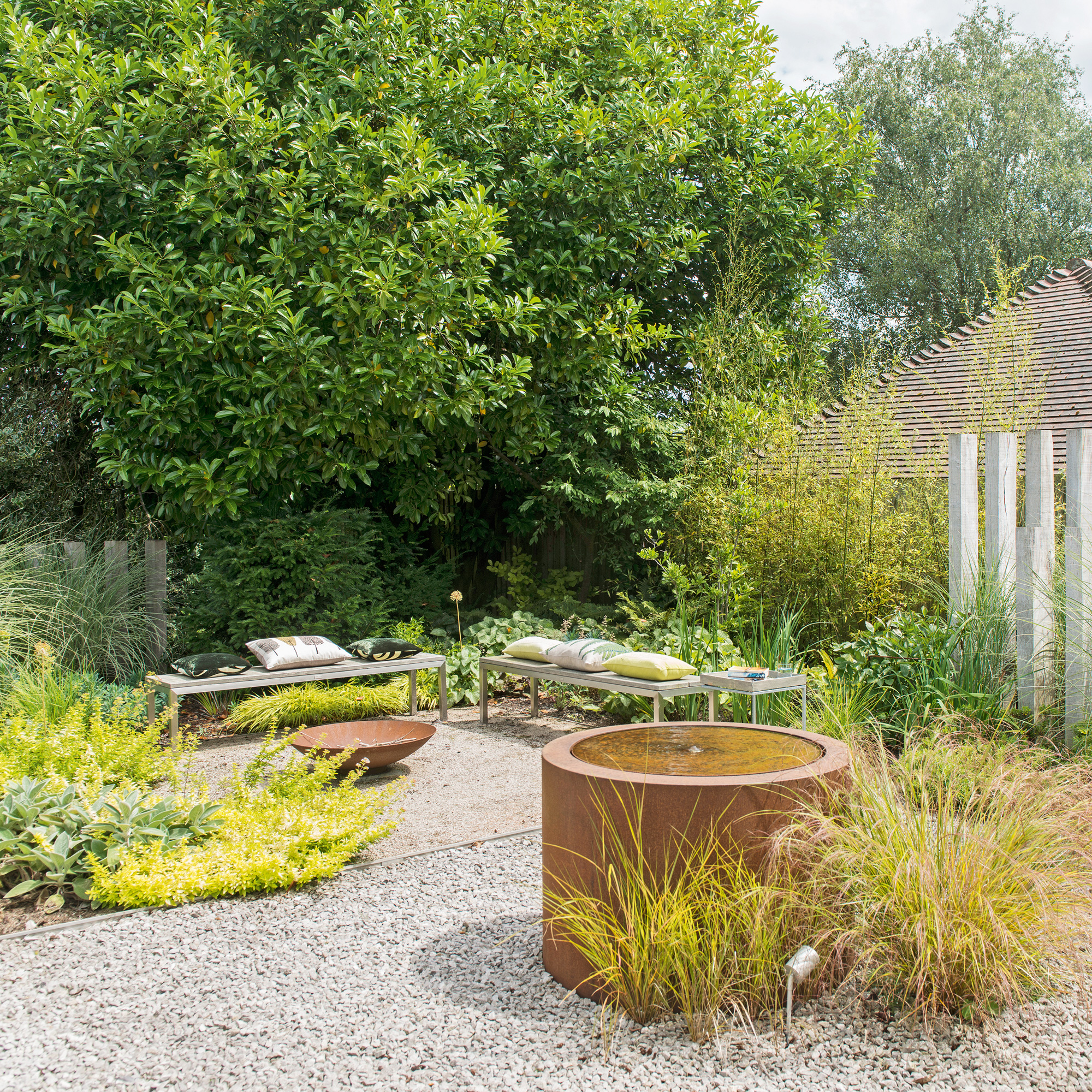
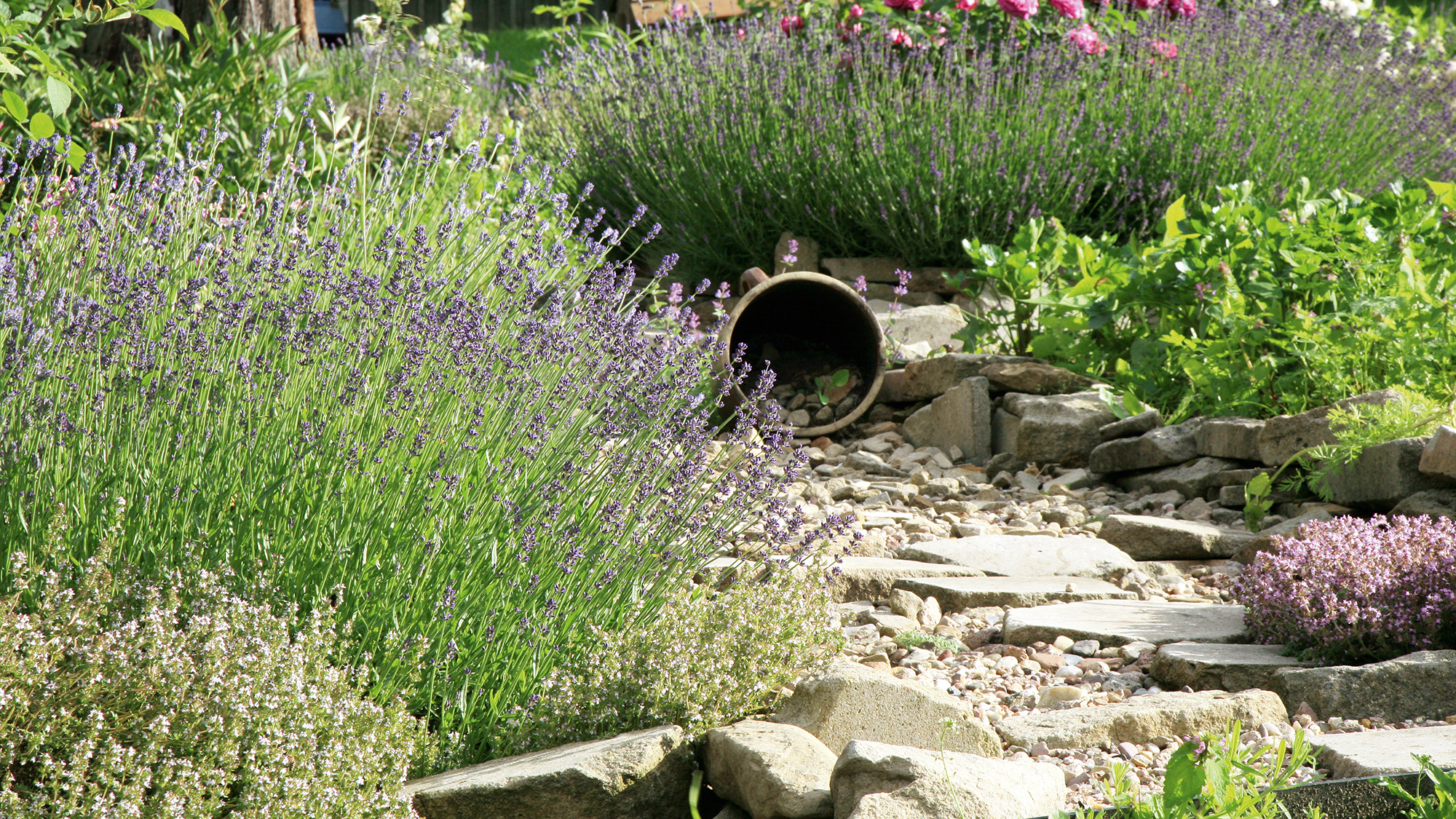
Pebble gardens, or gravel gardens, offer a minimalist yet impactful design, ideal for cultivating native plants that thrive in well-drained conditions and require little water. These systems improve biodiversity and serve as a low-maintenance alternative to traditional turf lawns. Plants can also be strategically placed between rocks, provided there is adequate drainage. Herbaceous species like baptisia, aster, and phlox, along with certain woody plants, can flourish in these pockets, creating lush, integrated compositions.
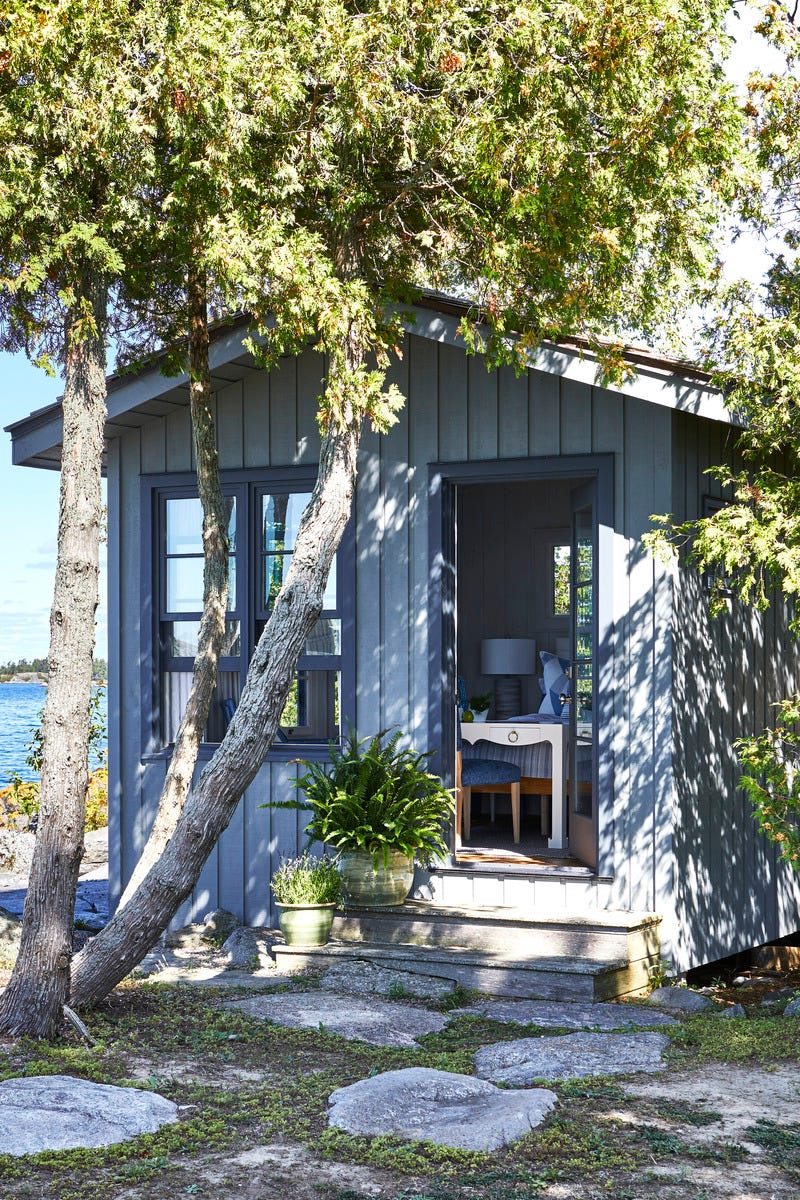
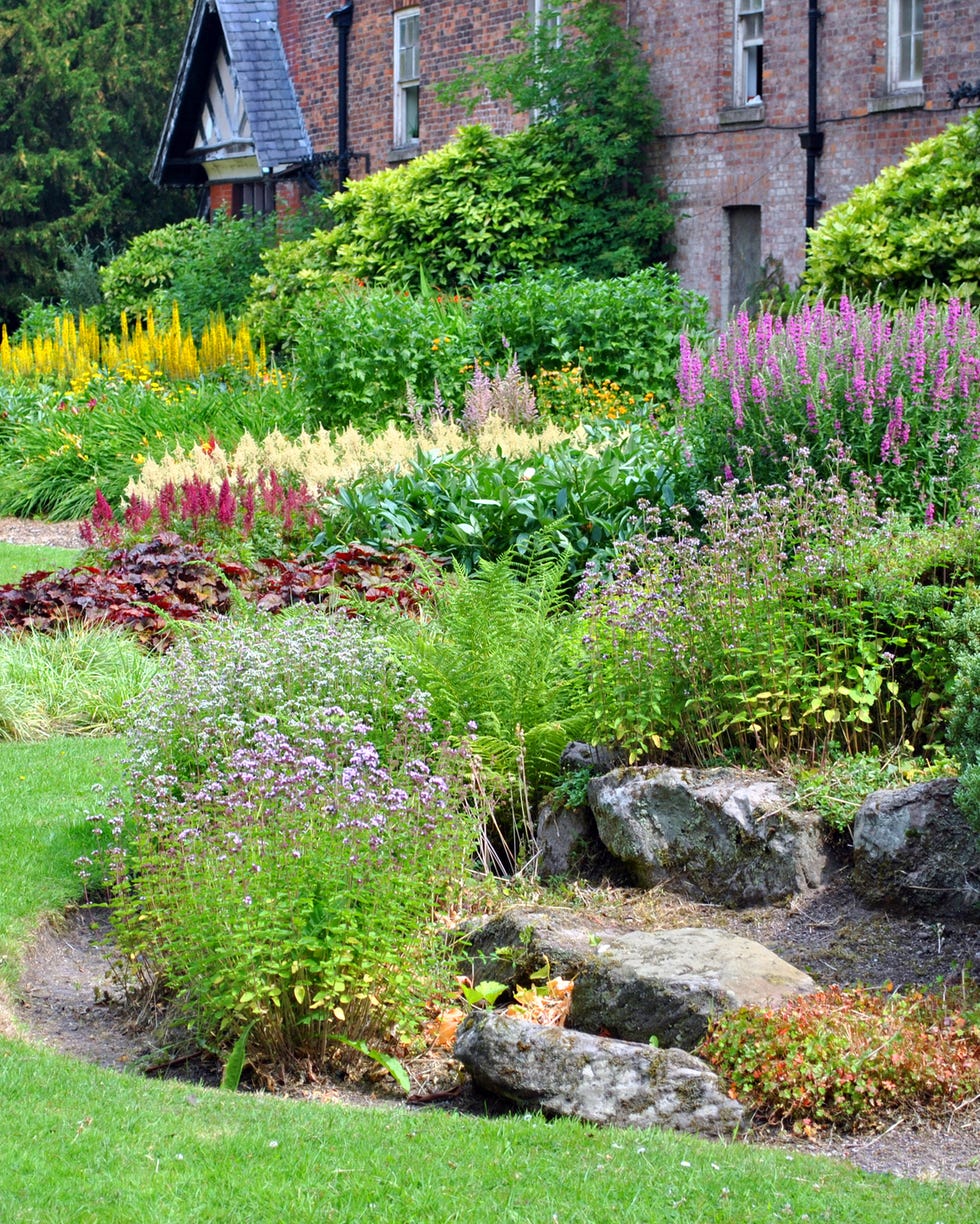
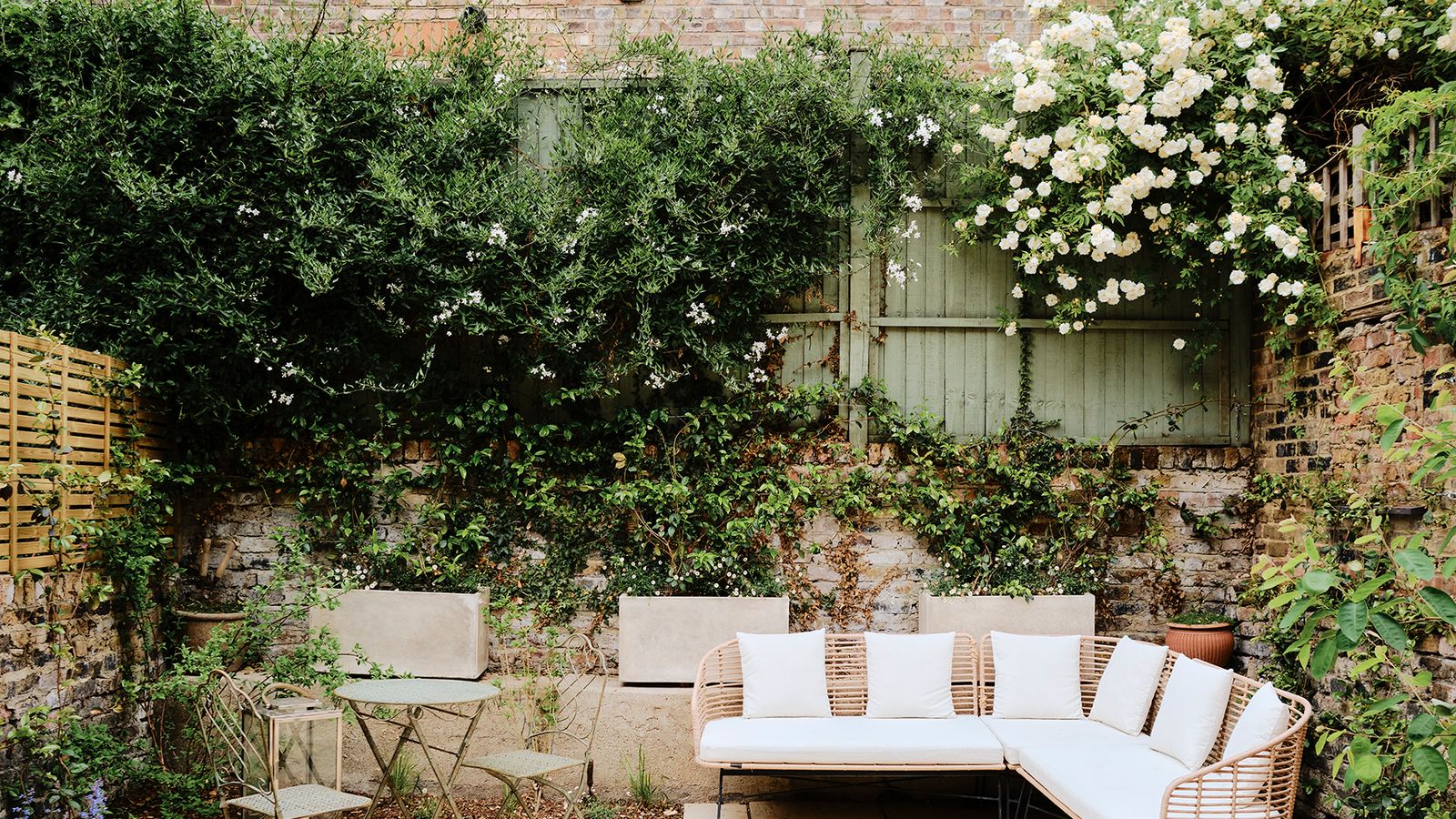
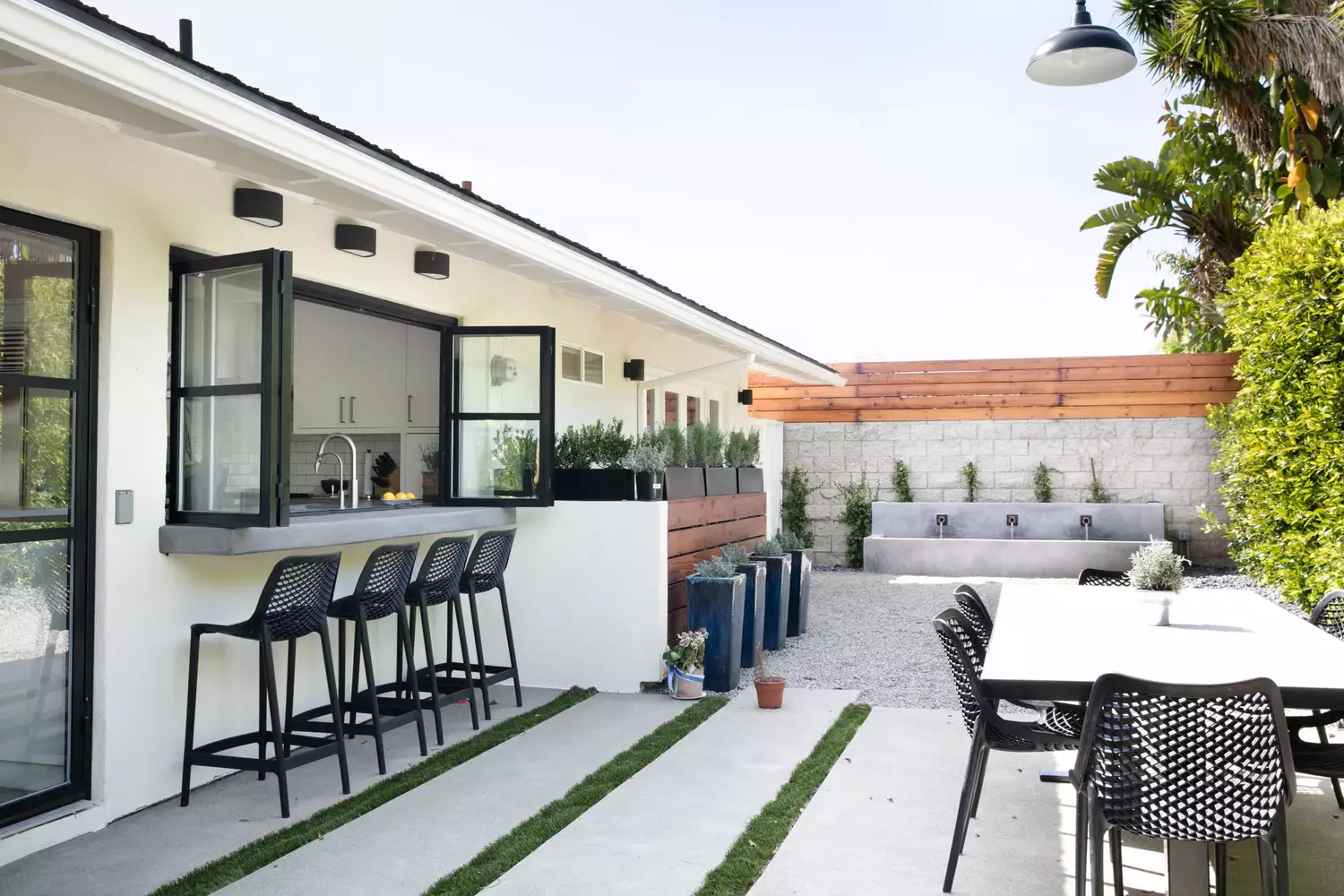
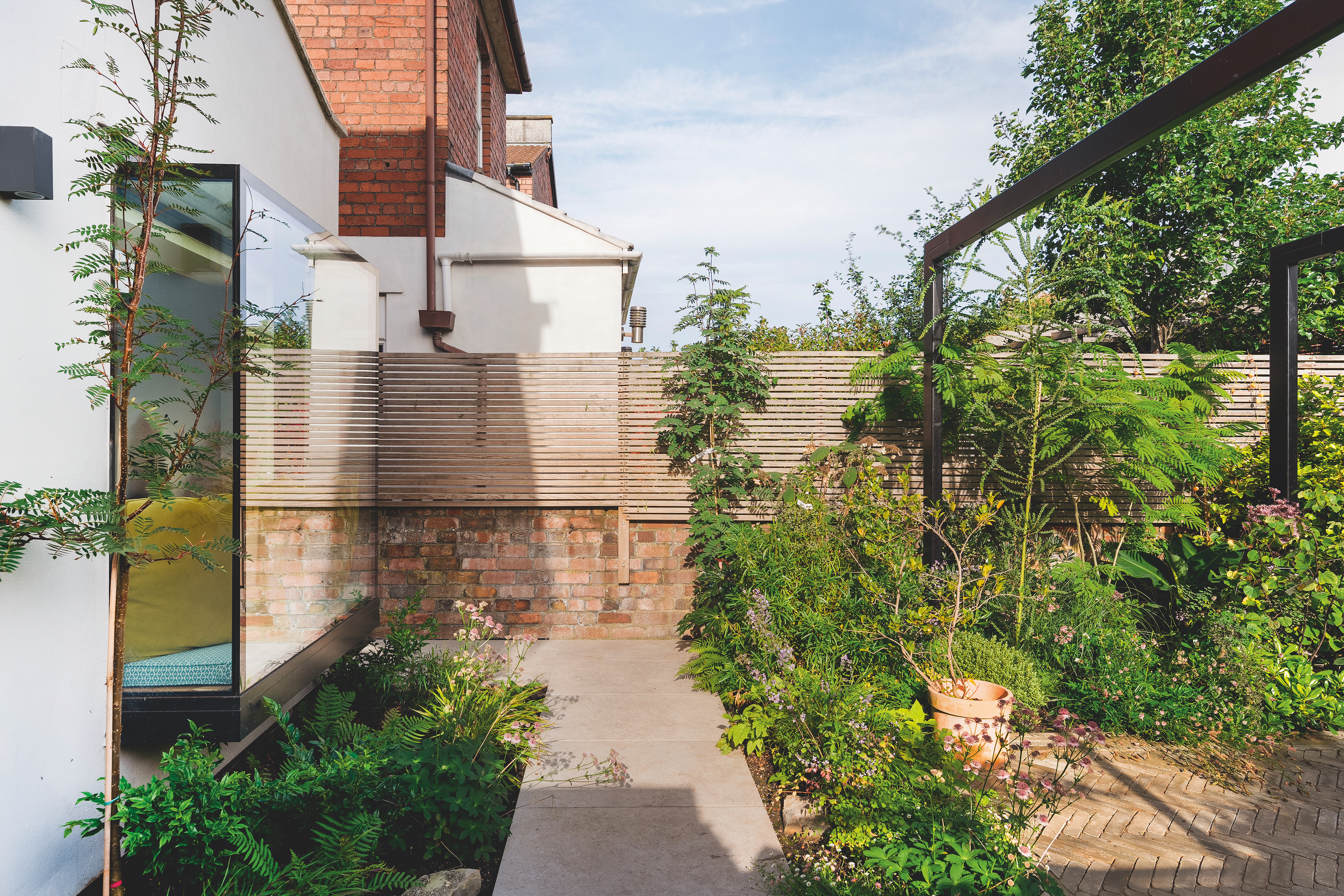
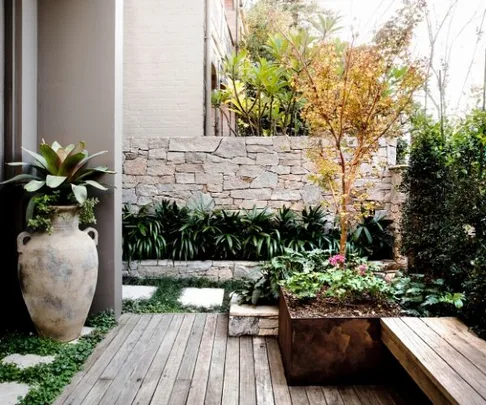
Creative structural elements can be built using rocks, such as low, natural garden walls made from stacked stones. These walls can be adorned with trailing vines and delicate flowers, balancing rustic charm with whimsical beauty. Emphasis can be placed on texture by combining a variety of flowering shrubs of different colors and sizes to create visual interest and height variations. Furthermore, different materials and shapes, including flat patio stones, abstract steps, and gravel beds, can be combined to form unique garden designs that complement surrounding trees and vining plants.
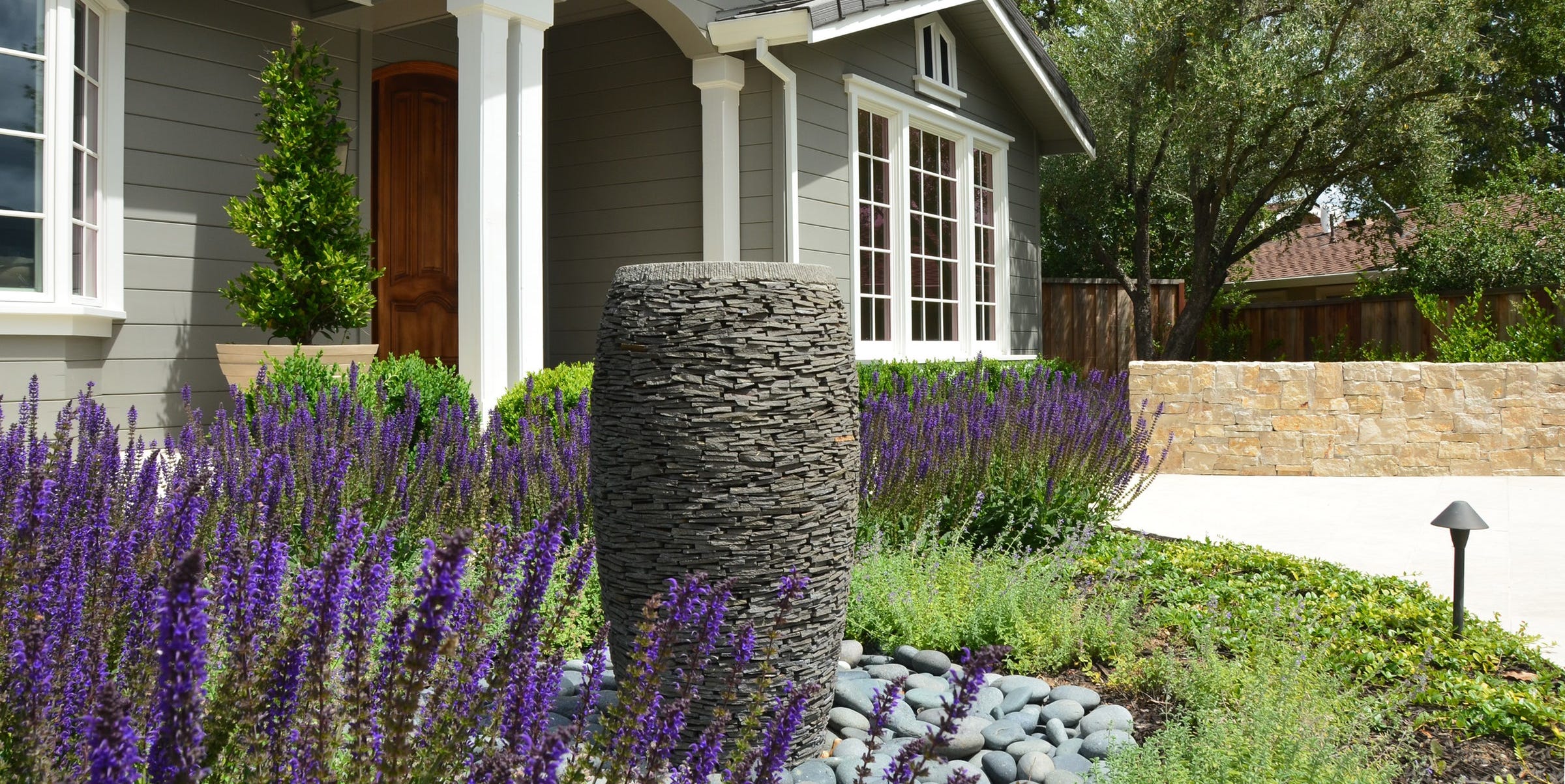
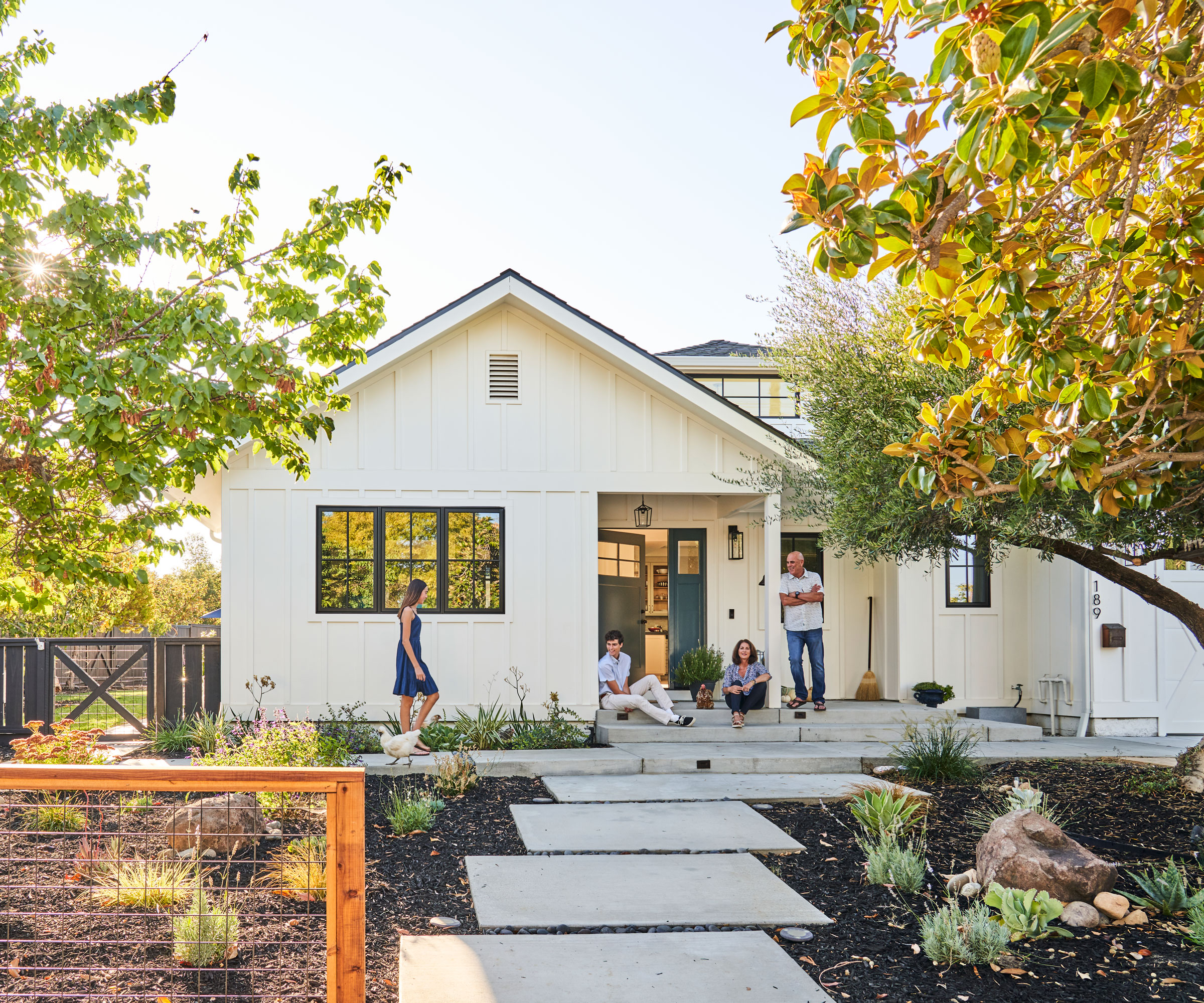
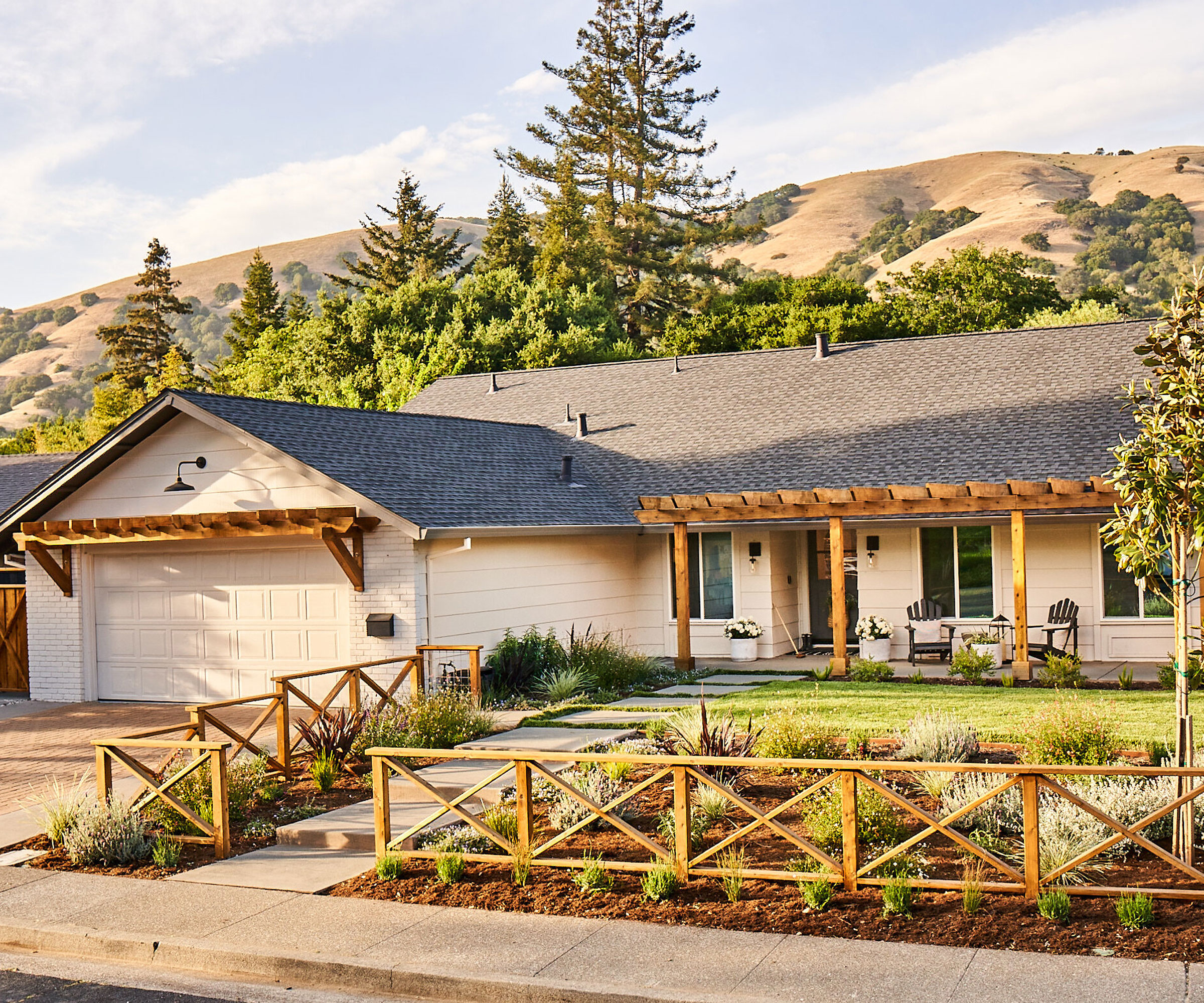
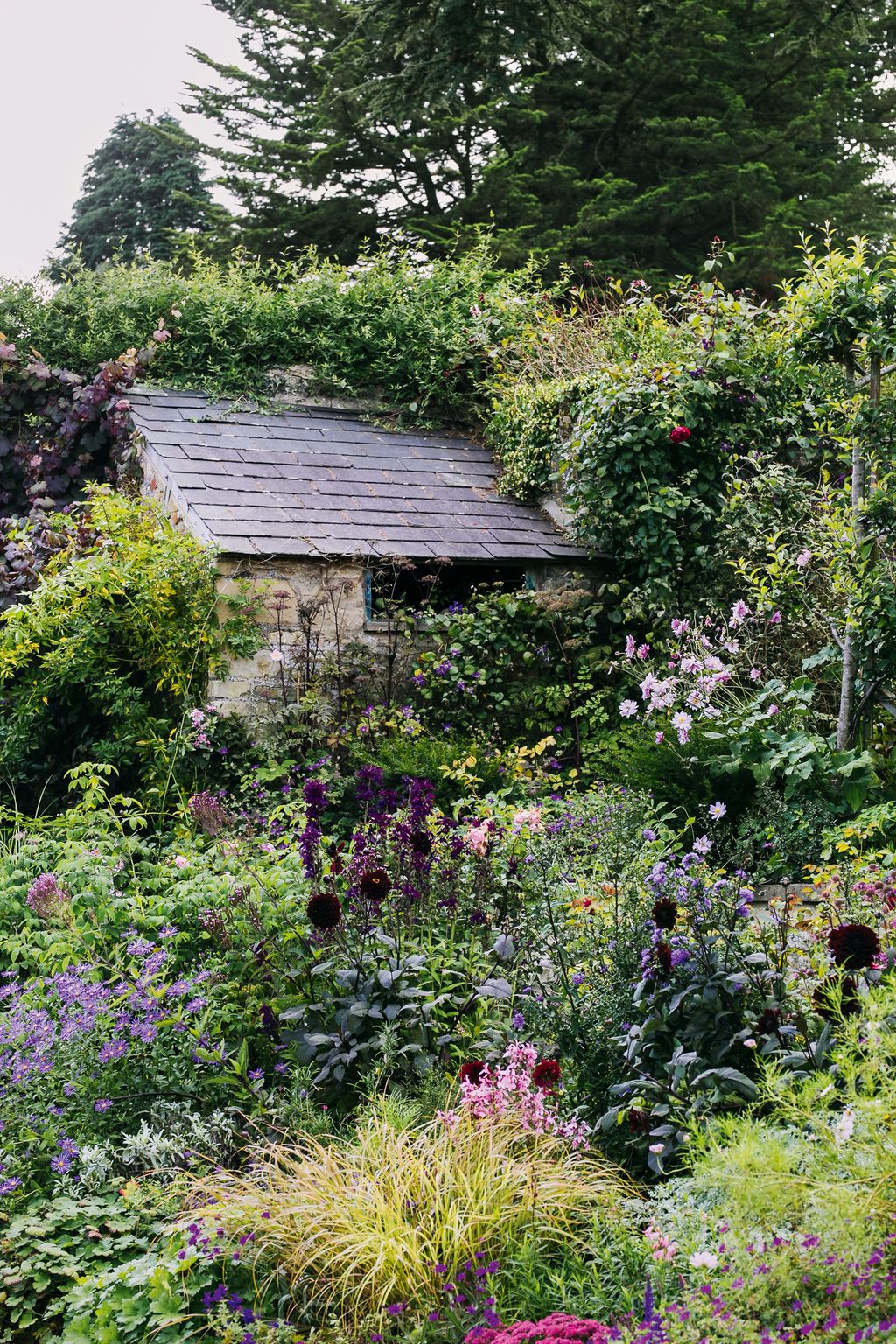
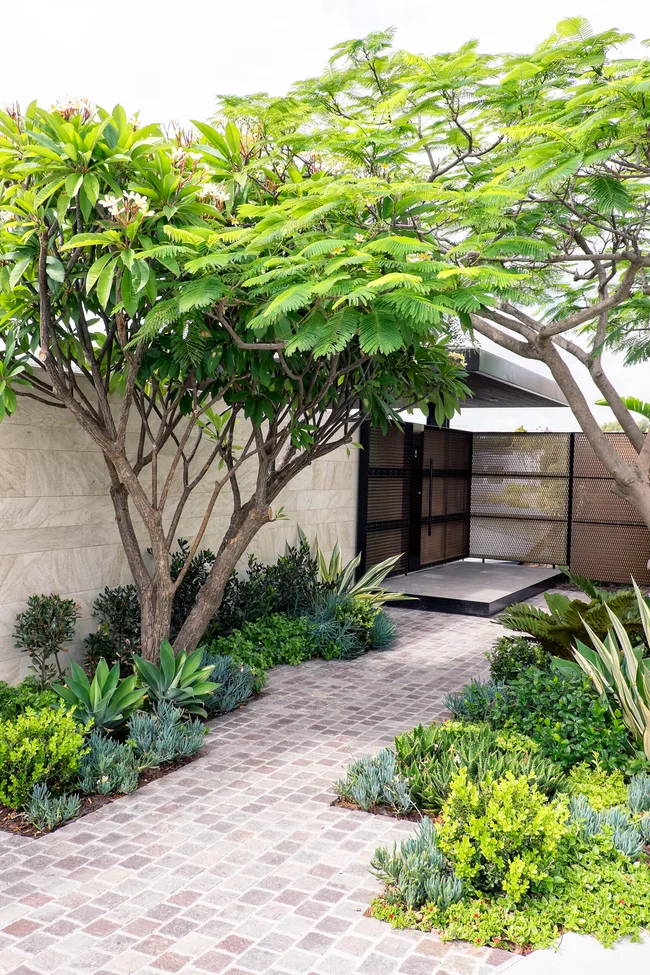
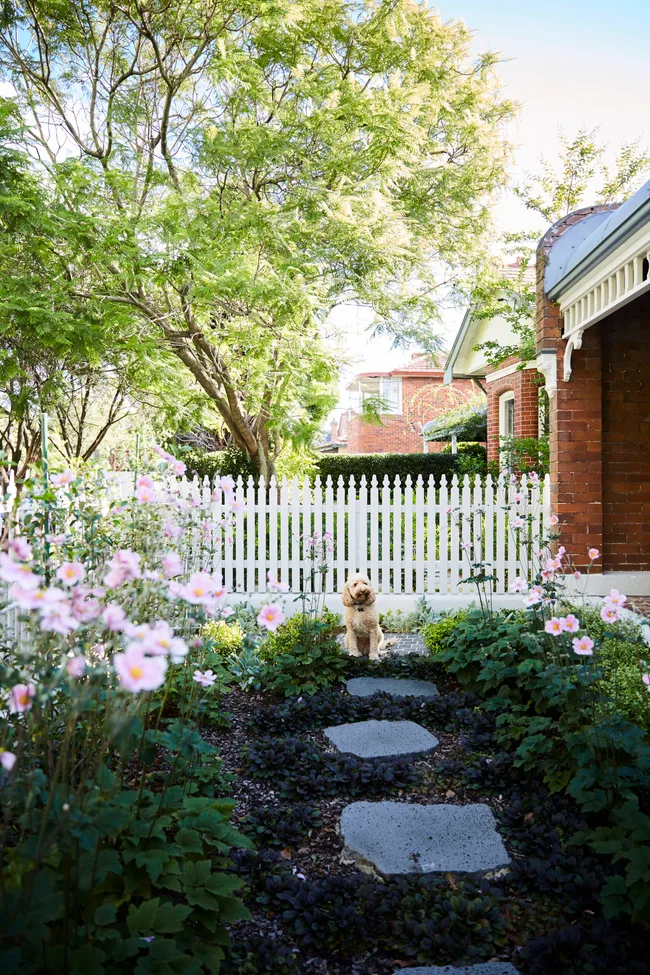
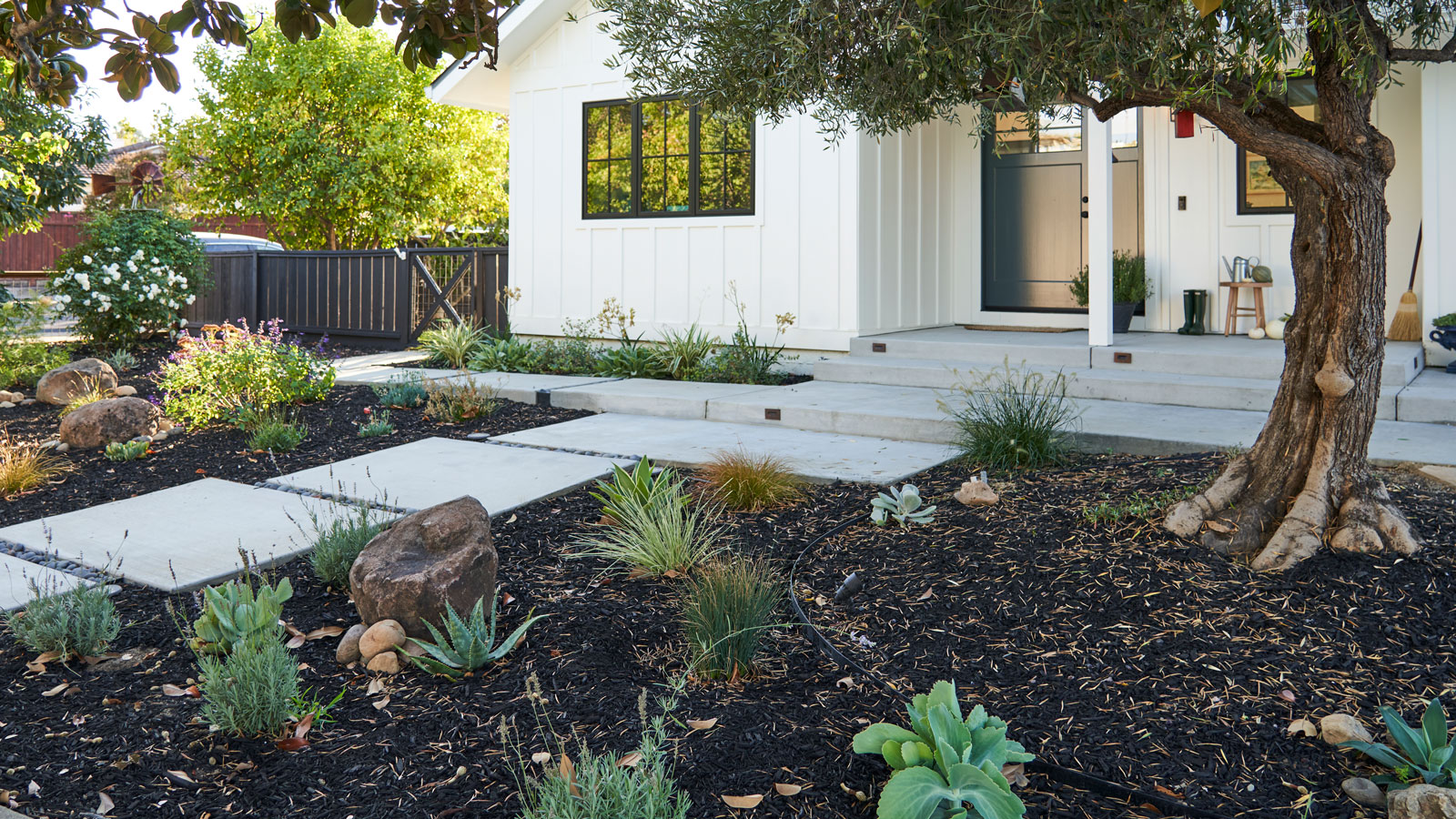
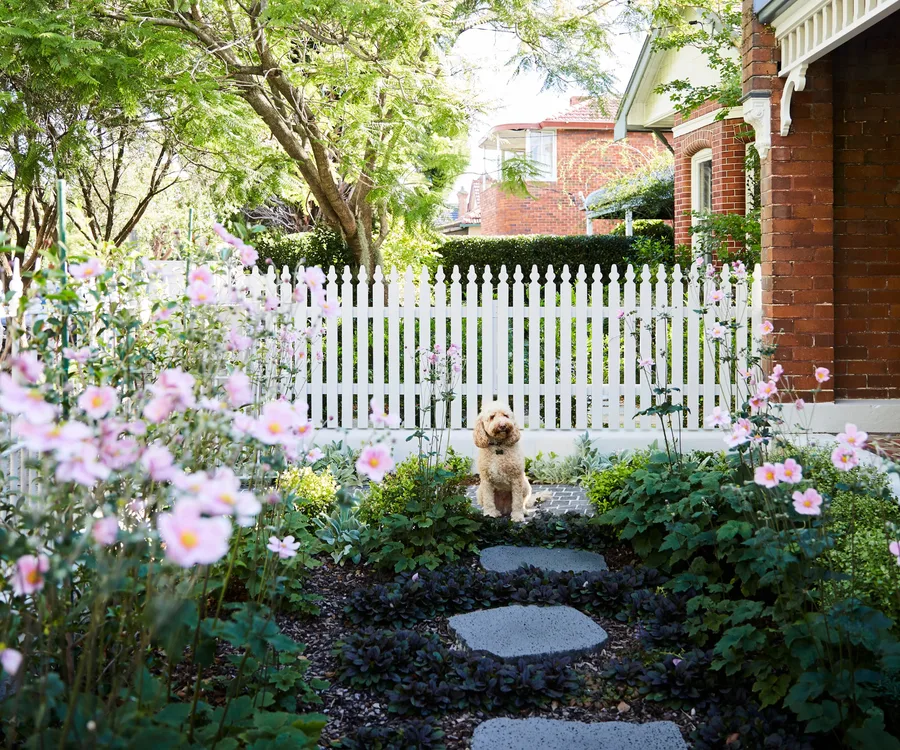
Rock gardens can also enhance practical areas like driveways, transforming them into aesthetically pleasing entrances with neatly trimmed shrubs and tree canopies. Garden paths created with precisely cut stones set into grass, bordered by wild greenery, can evoke an English cottage garden feel. Beyond aesthetics, rock gardens contribute to ecosystem health by attracting pollinators such as bees and butterflies when planted with pollinator-friendly native species like aster and pale purple coneflower. Finally, leaving open spaces within the rock garden design provides opportunities to incorporate annuals, offering vibrant, long-lasting blooms that can be changed seasonally.
#RockGardenIdeas #LandscapeDesign #LowMaintenanceGarden #NativePlants #SustainableLandscaping #WaterFeatures #GardenDesign #DroughtTolerantPlants #OutdoorSpaces #RockGardenIdeas #LandscapeDesign #LowMaintenanceGarden #NativePlants #SustainableLandscaping #WaterFeatures #GardenDesign #DroughtTolerantPlants #OutdoorSpaces
0 comment in total
 No comments yet
You may also like
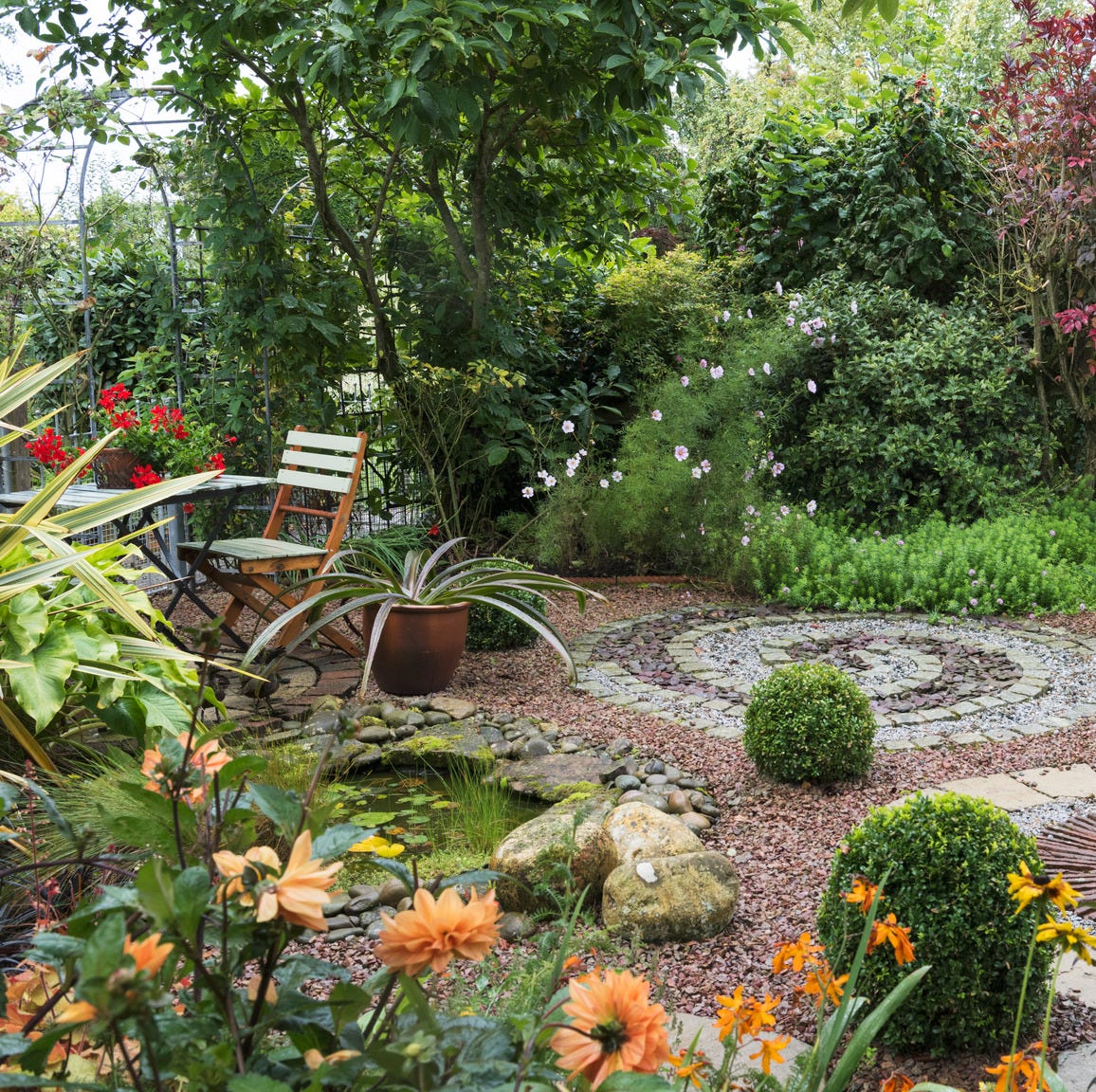
Rock Gardens Are the Ultimate Hack for a Low-Maintenance Lawn
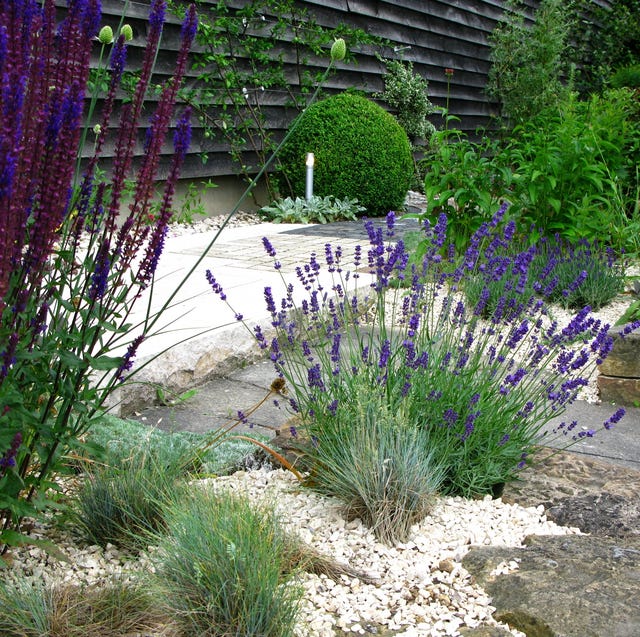
8 low-maintenance gravel garden ideas
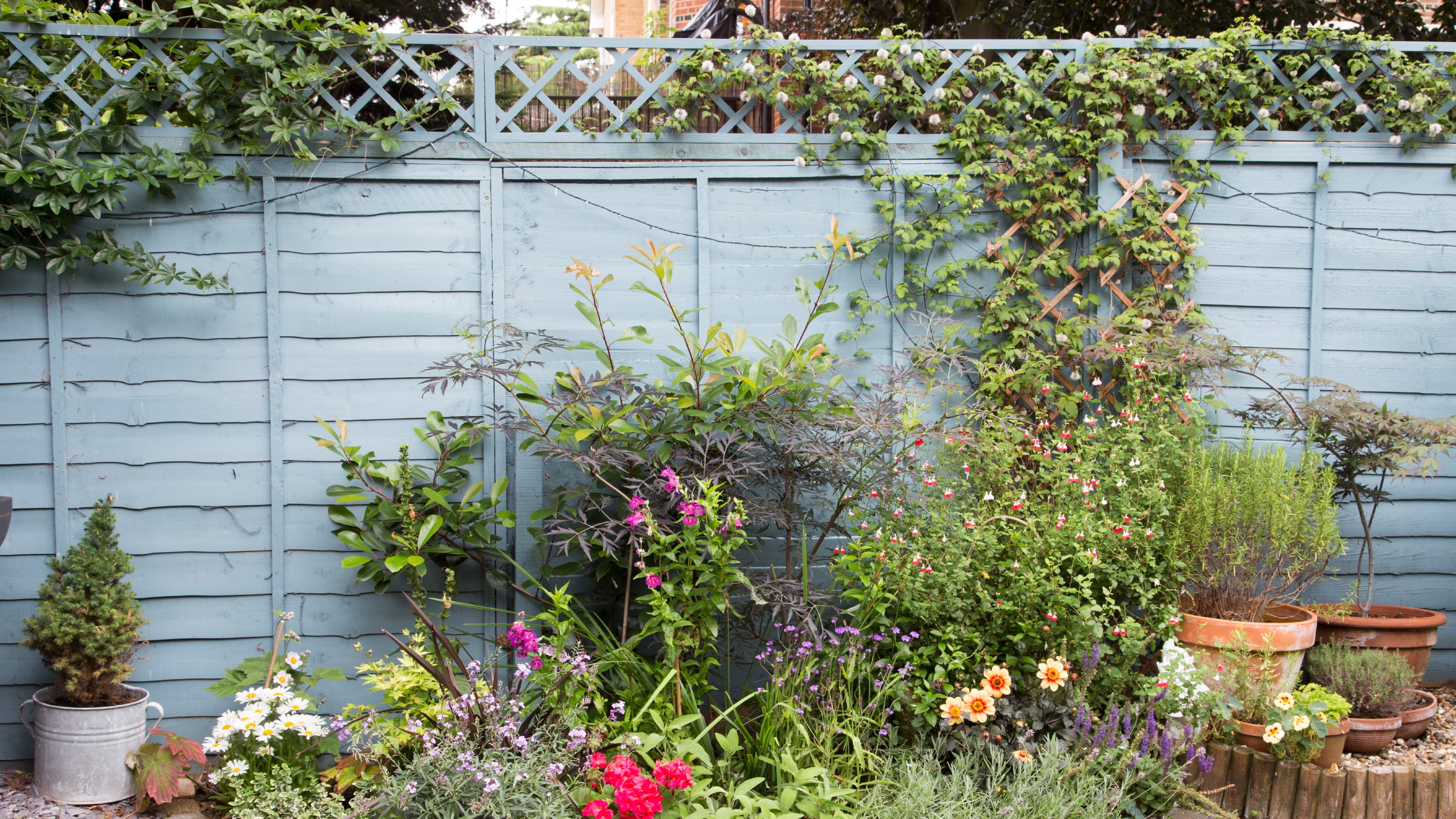
Easy garden ideas – 34 low-maintenance ways to enhance your outdoor space
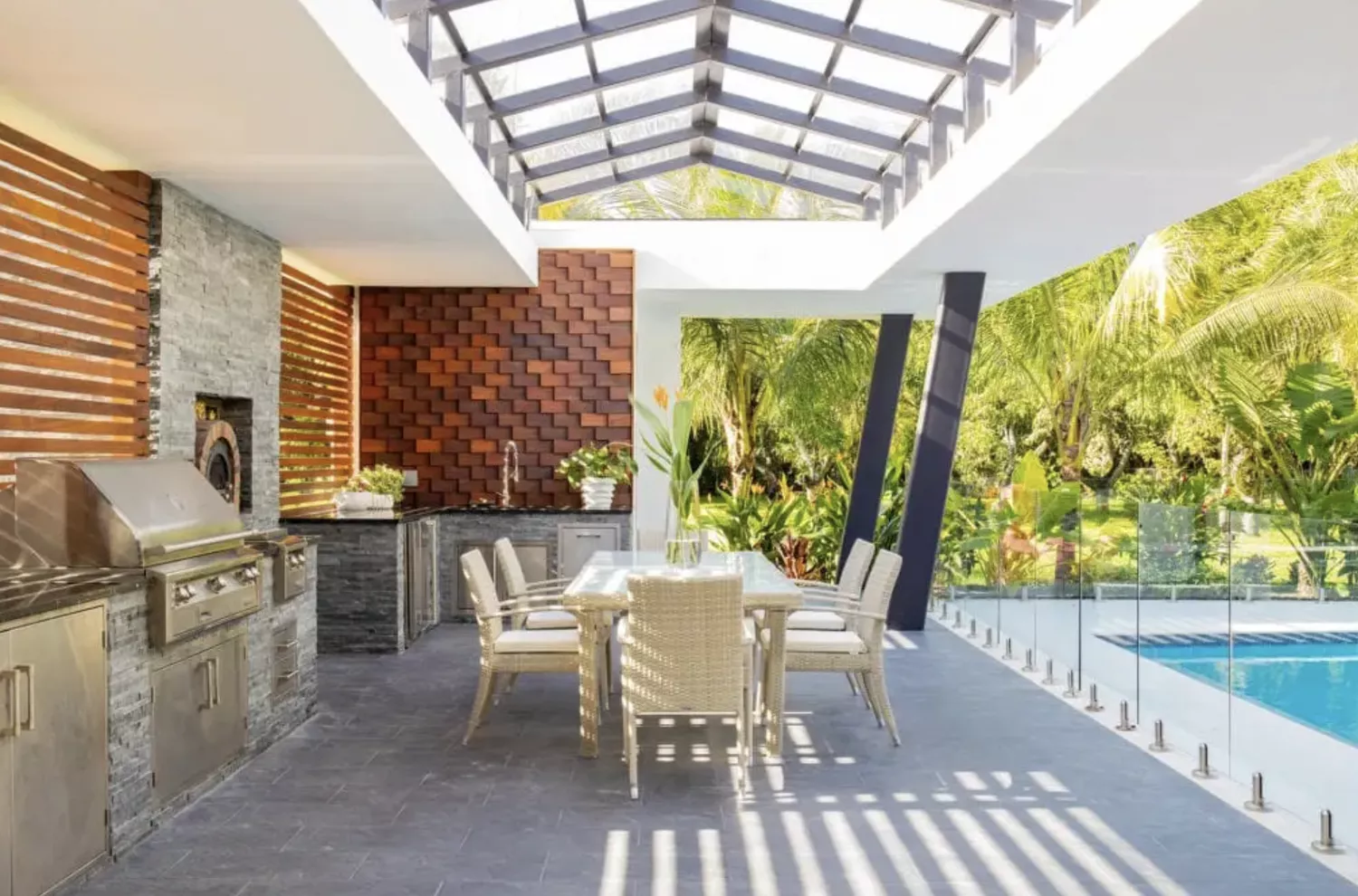
20 No-Grass Backyard Ideas That Are Still Lush

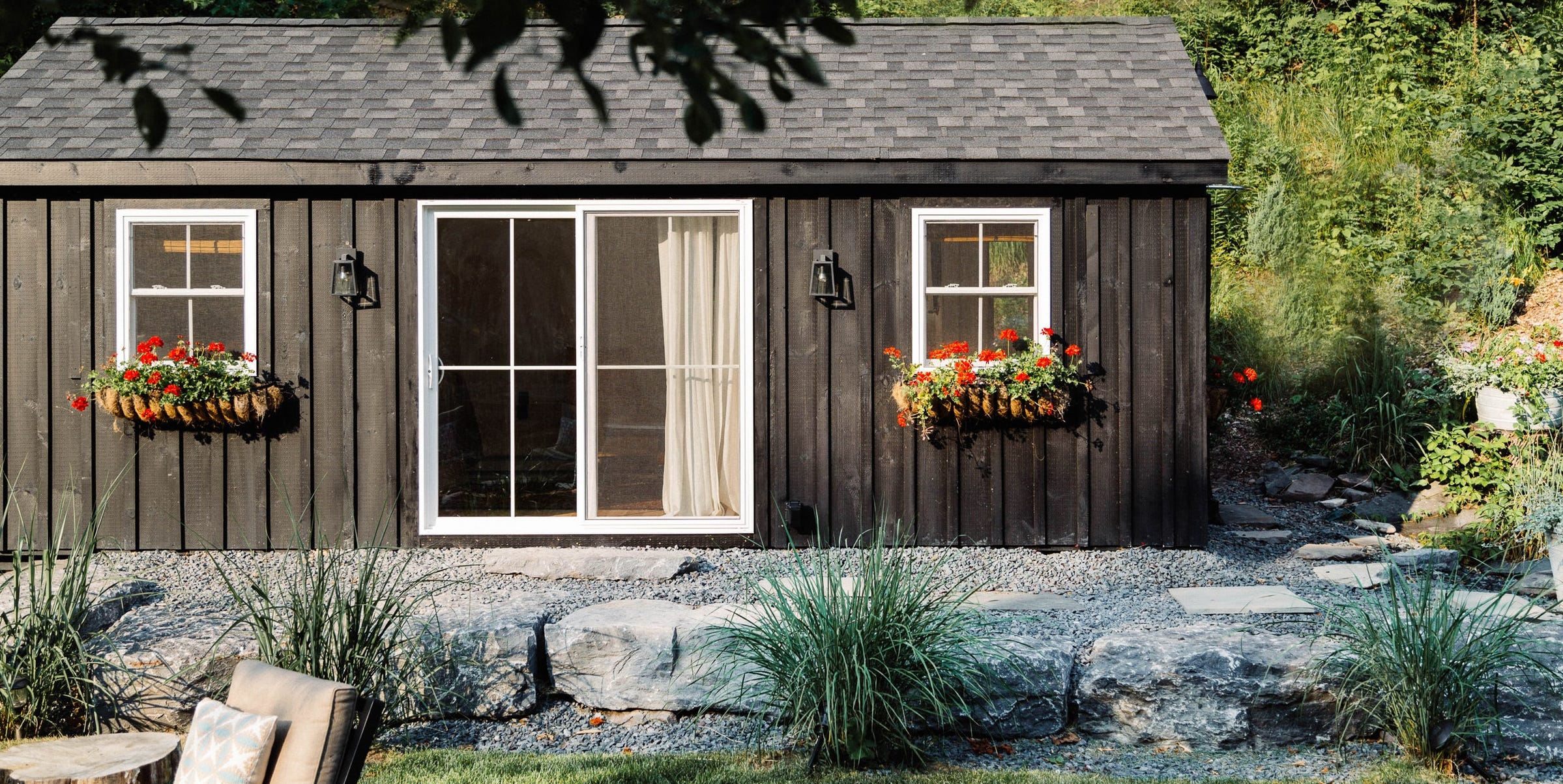
You Have to See These Rock Garden Ideas for Every Type of Landscape
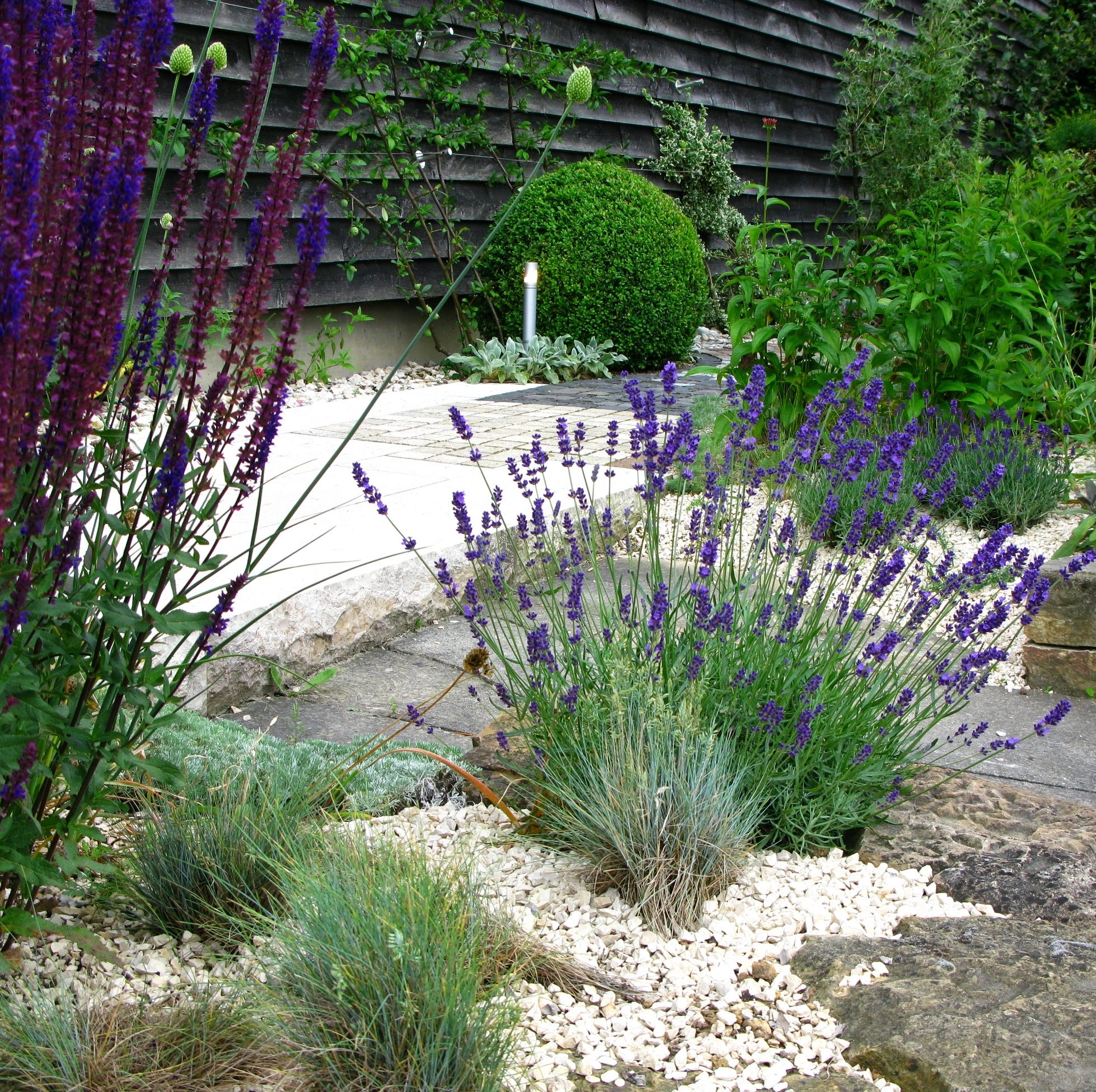
8 low-maintenance gravel garden ideas
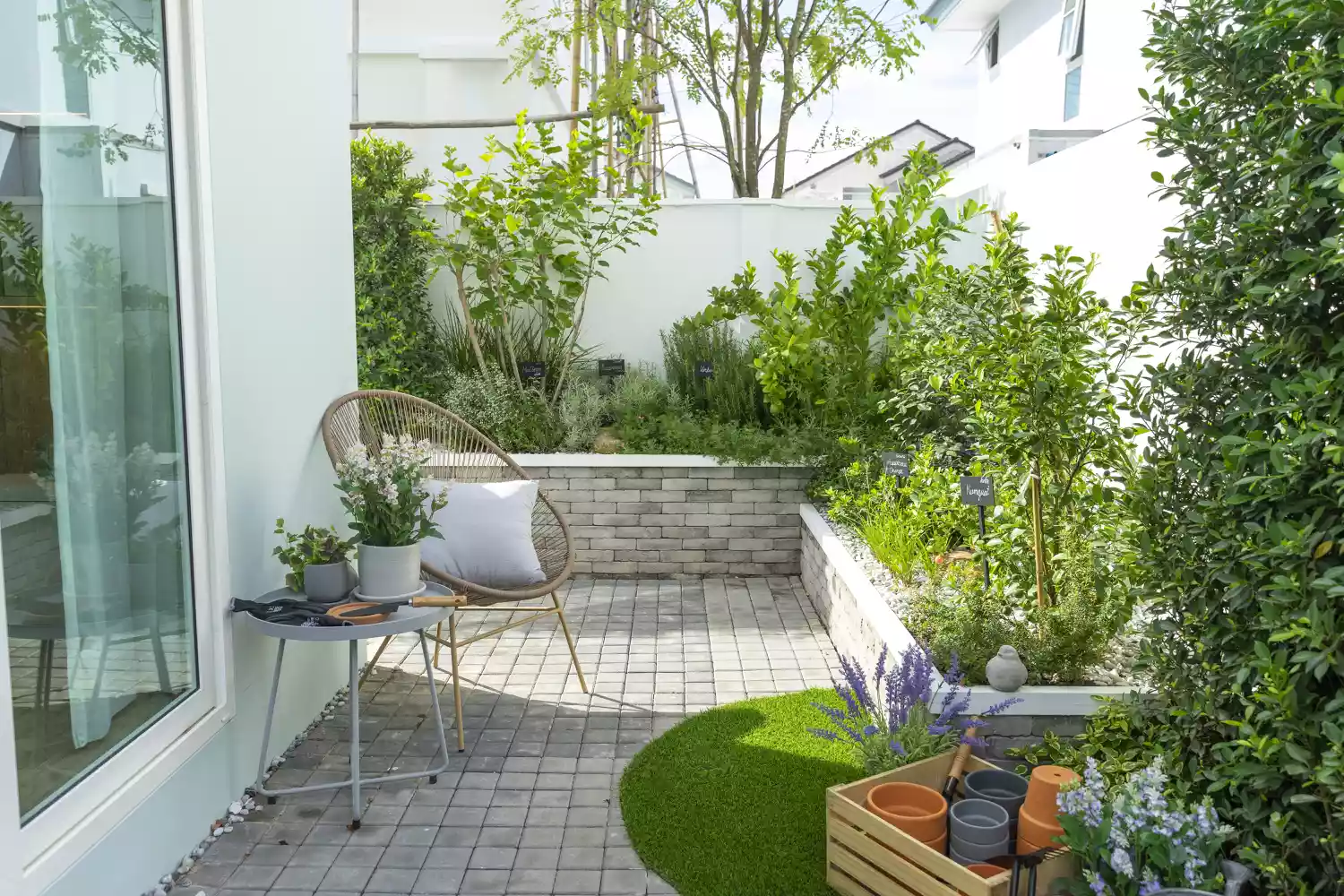
20 Affordable Backyard Lawn Ideas That Skip the Grass (and the Upkeep)
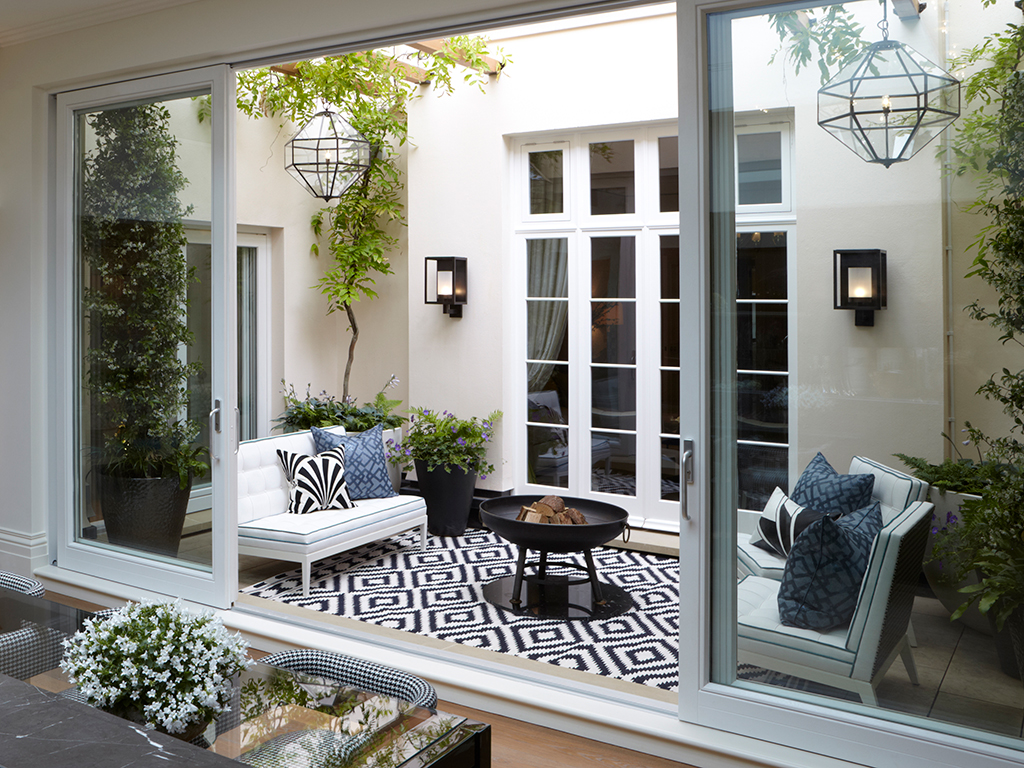
16 Courtyard Gardens Ideas to Maximize Your Small Space and Inspire Your Dreamy Al Fresco Moments

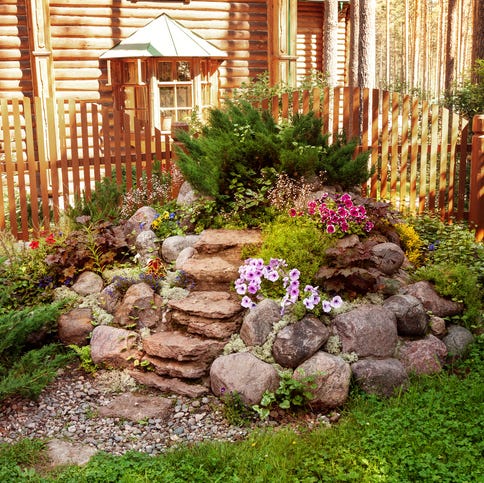
Upgrade Your Backyard with These Creative Rock Garden Ideas

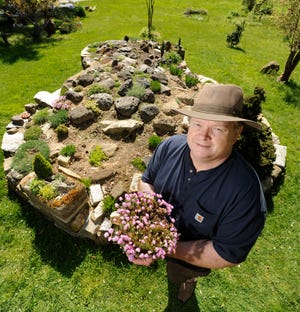
Think small when adding plants to a rock garden
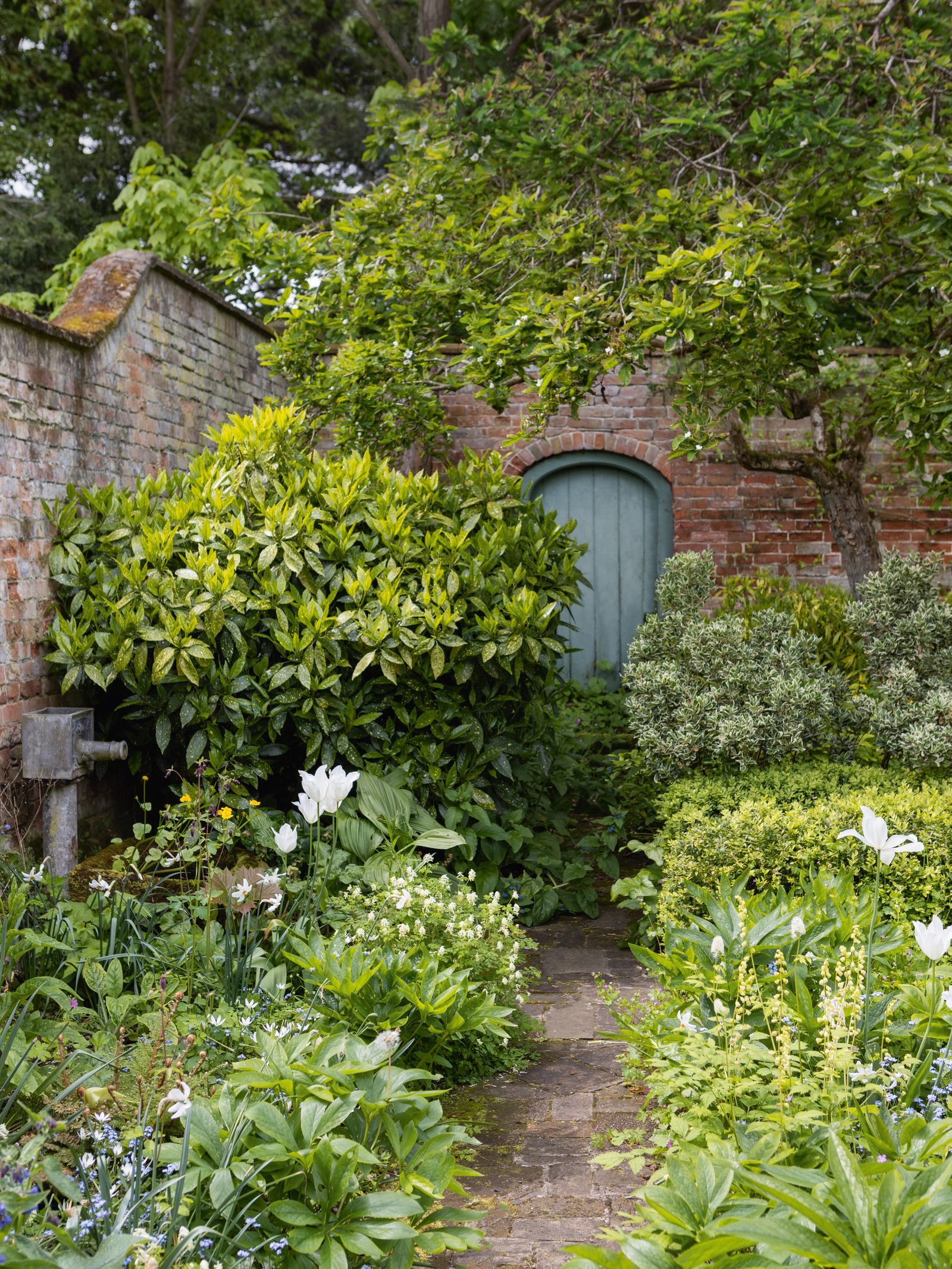
19 simple garden ideas for every style, size and budget
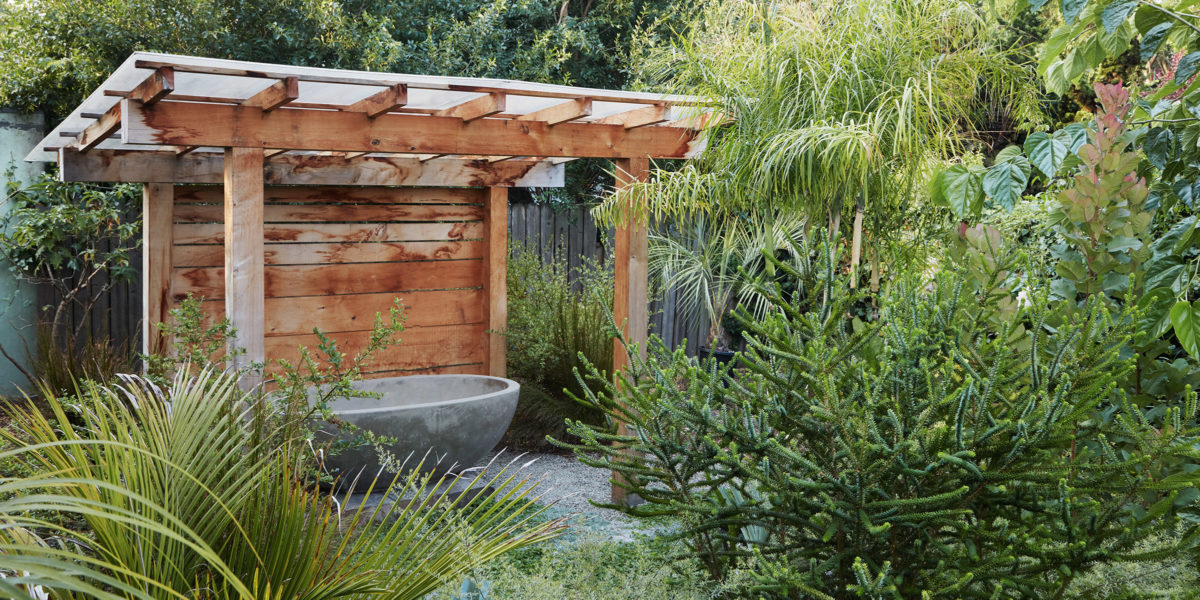
Wait, How Is This Green-on-Green Garden Low Water?

23 River Rock Landscaping Ideas for Your Garden and Yard

10 Serene Rock Gardens Across the Globe

13 compact landscape design ideas for small gardens

Zen garden ideas on a budget – 5 simple ways to introduce the minimalist concept to your outdoor space

Rock garden ideas – 20 ways to create a stylish rockery in your backyard

Front yard landscaping with rocks and mulch: 8 expert ideas
13 small garden design ideas that maximise space and greenery
7 Backyard Ideas to Steal from This Stylish, Low-Maintenance Beach House