1/10
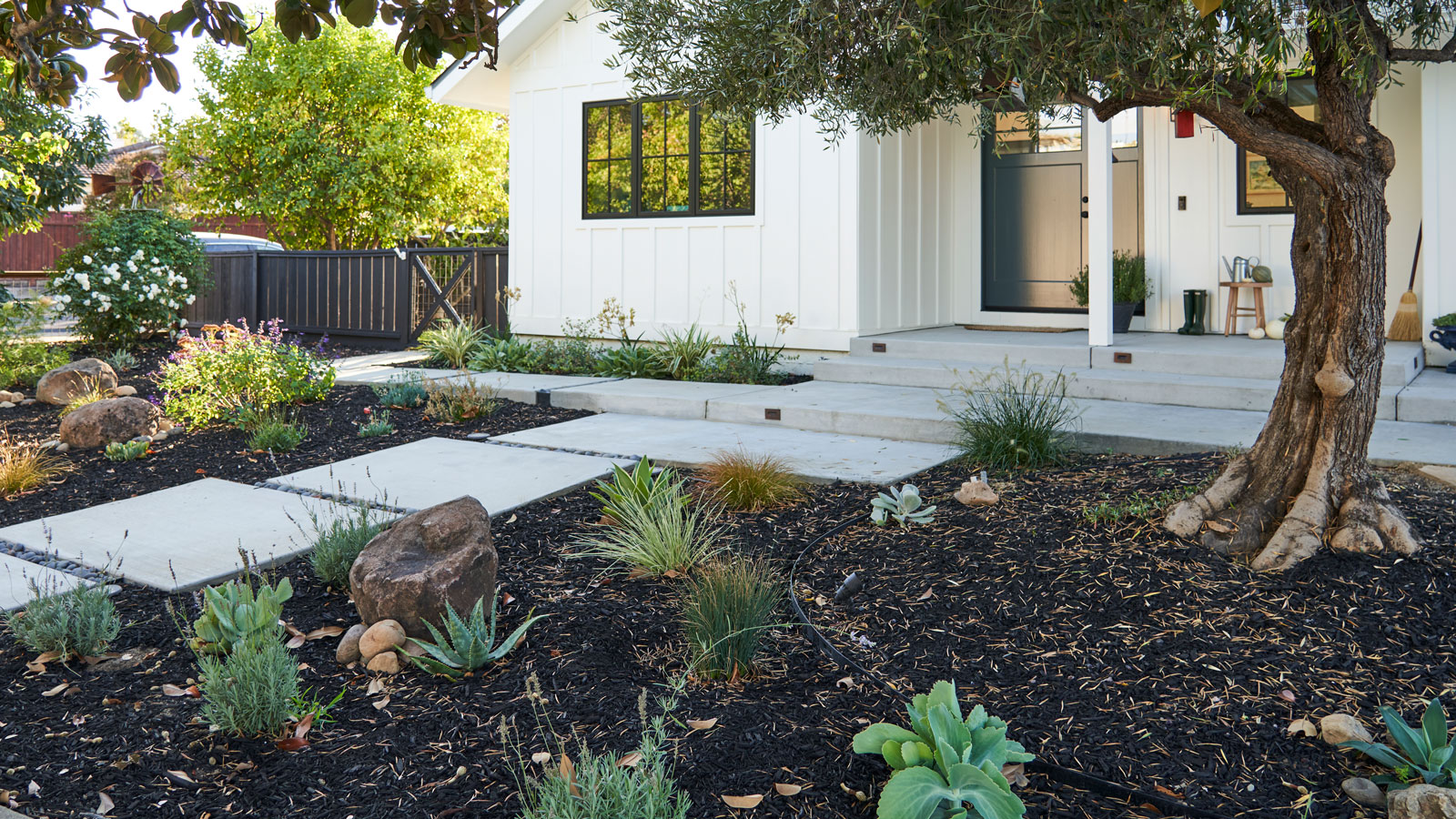
Front yard landscaping with rocks and mulch: 8 expert ideas
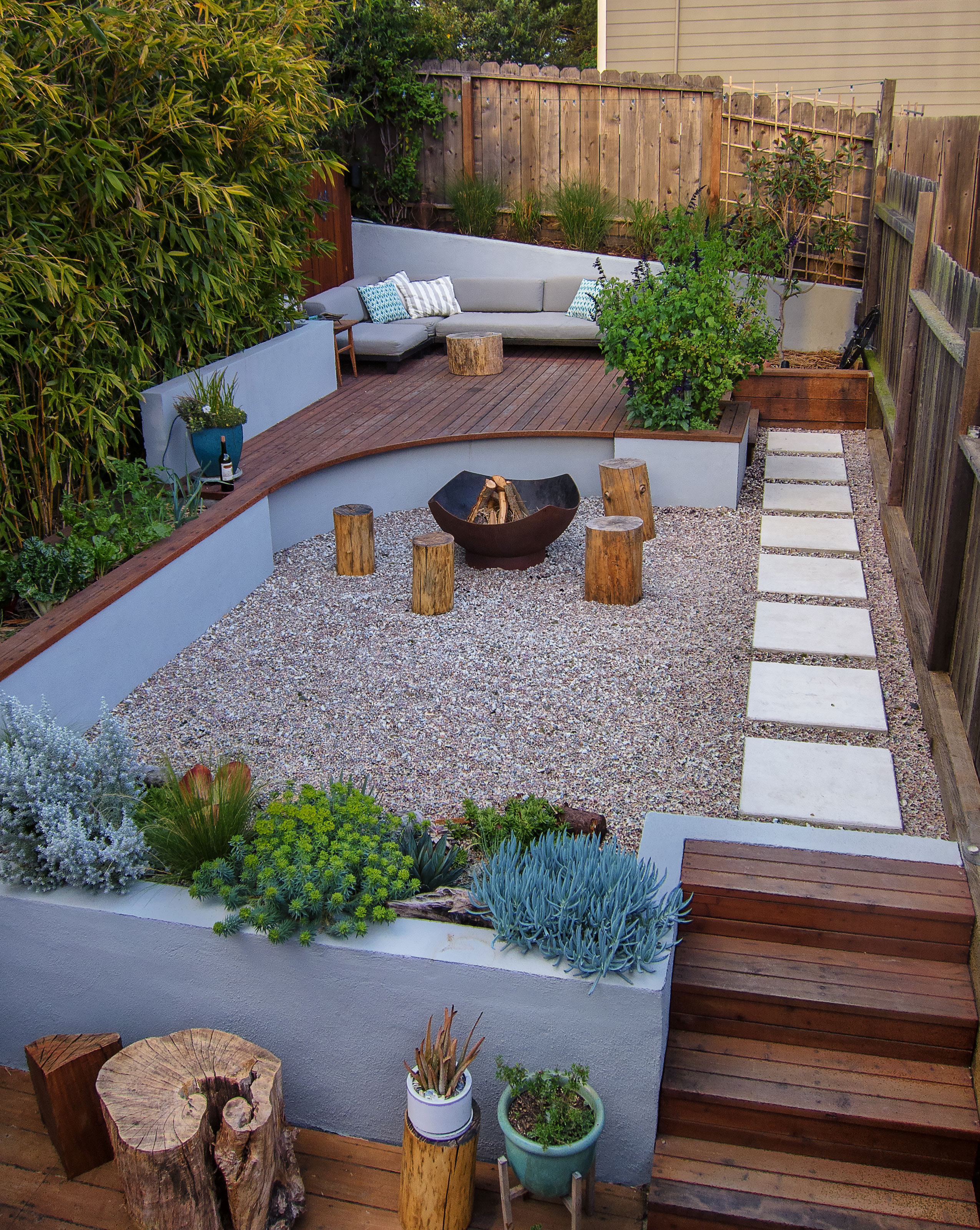
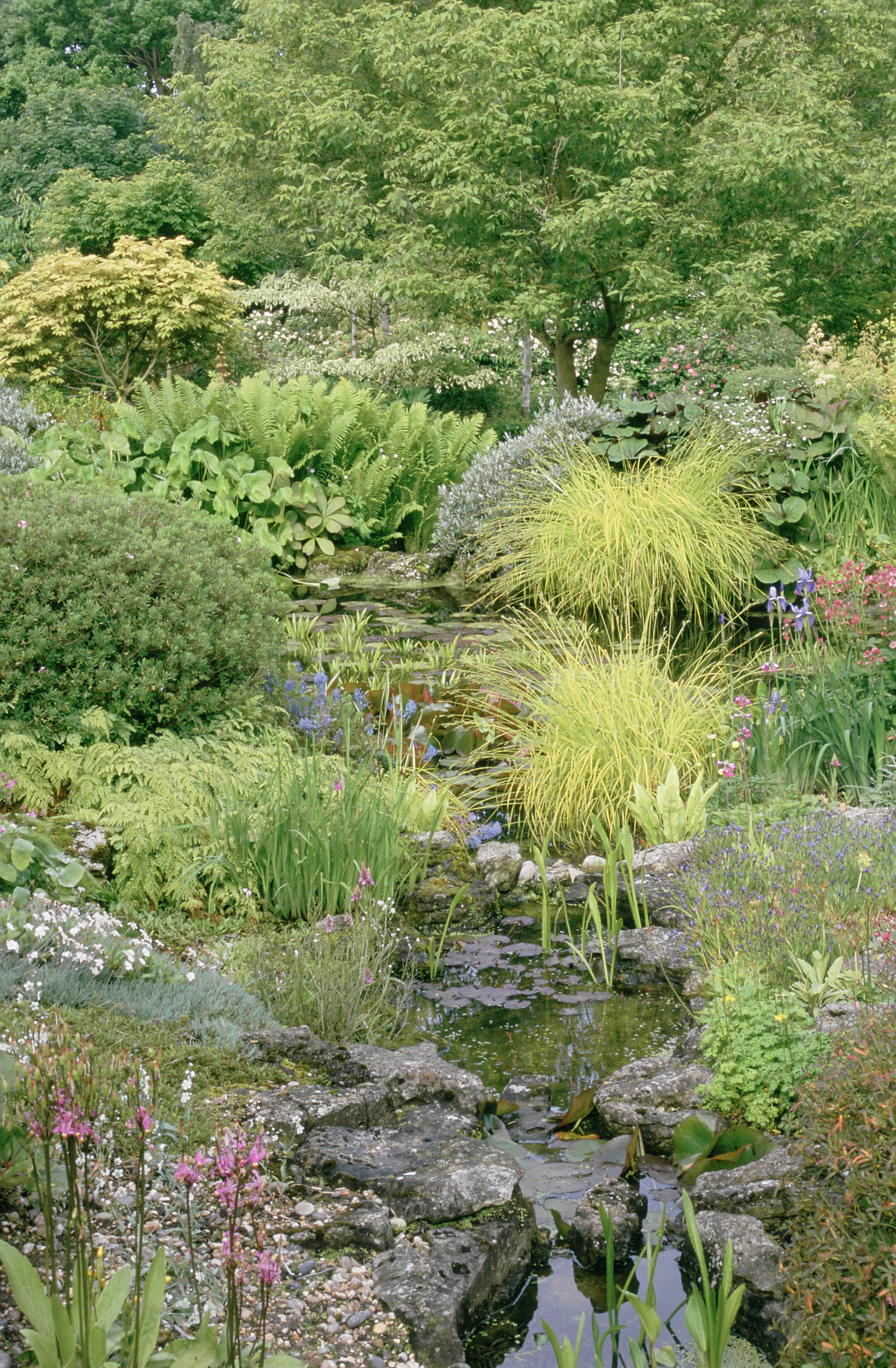
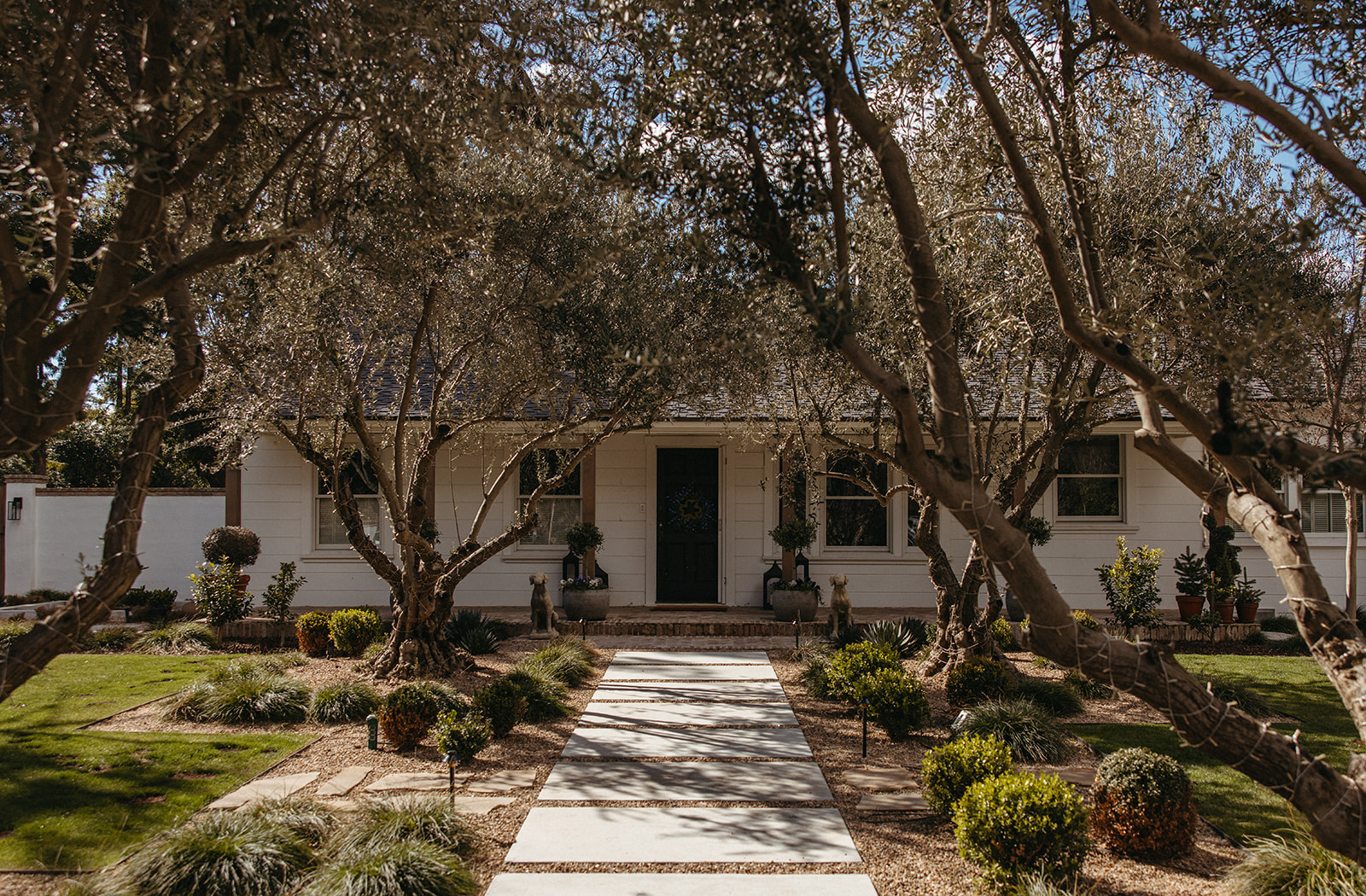
The article explores various front yard landscaping ideas that incorporate rocks and mulch, highlighting their aesthetic and practical benefits. It emphasizes that this combination offers a naturalistic and standout look for any property, suitable for both modern and traditional front yard designs. The use of rocks and mulch is presented as a fast, easy, and budget-friendly method to enhance curb appeal. The article also stresses the sustainability aspect of such landscaping, particularly when materials are sourced locally to reduce carbon footprints. Additionally, this landscaping approach promotes low-maintenance gardening by minimizing weeding and watering requirements.
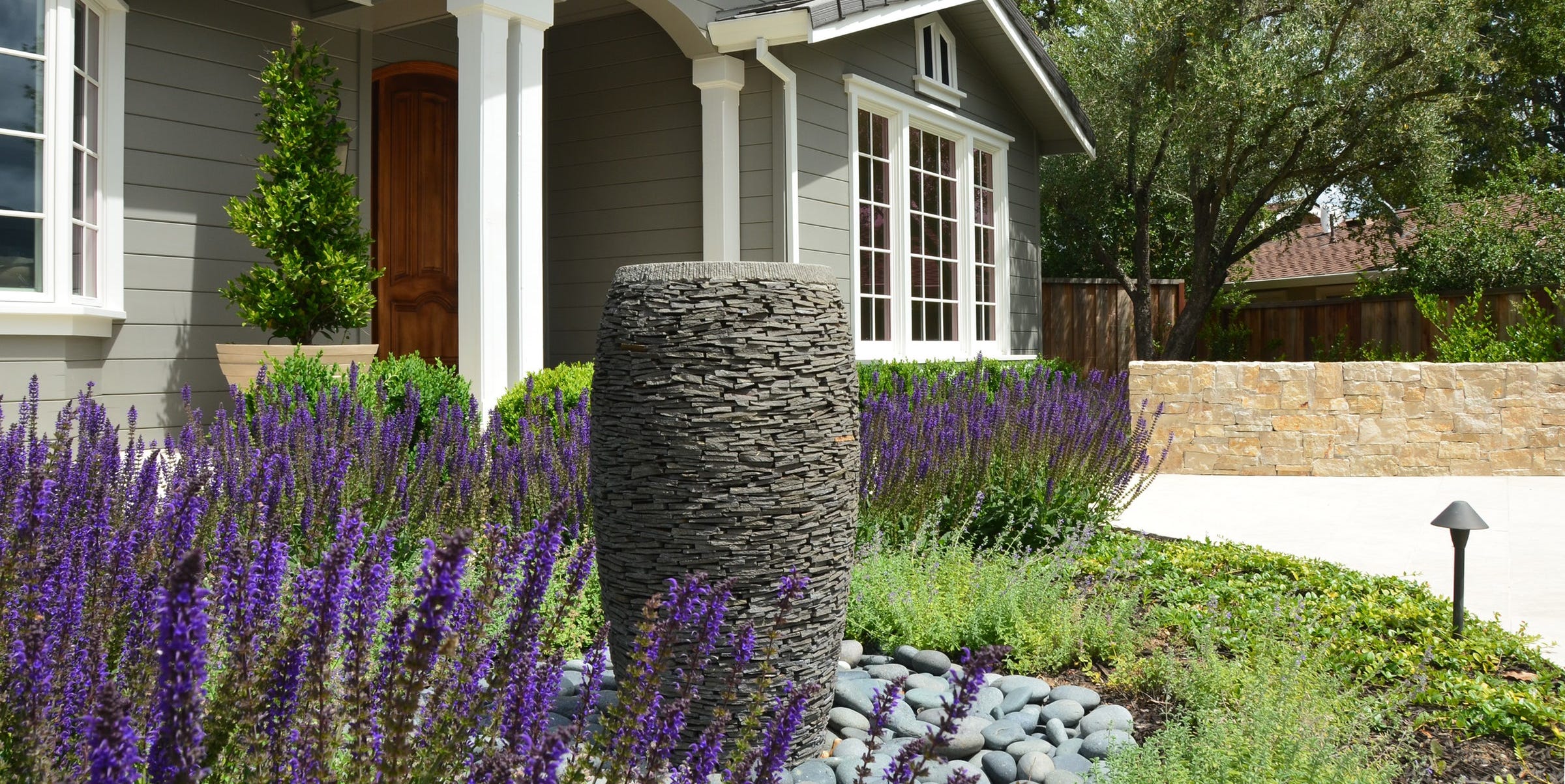
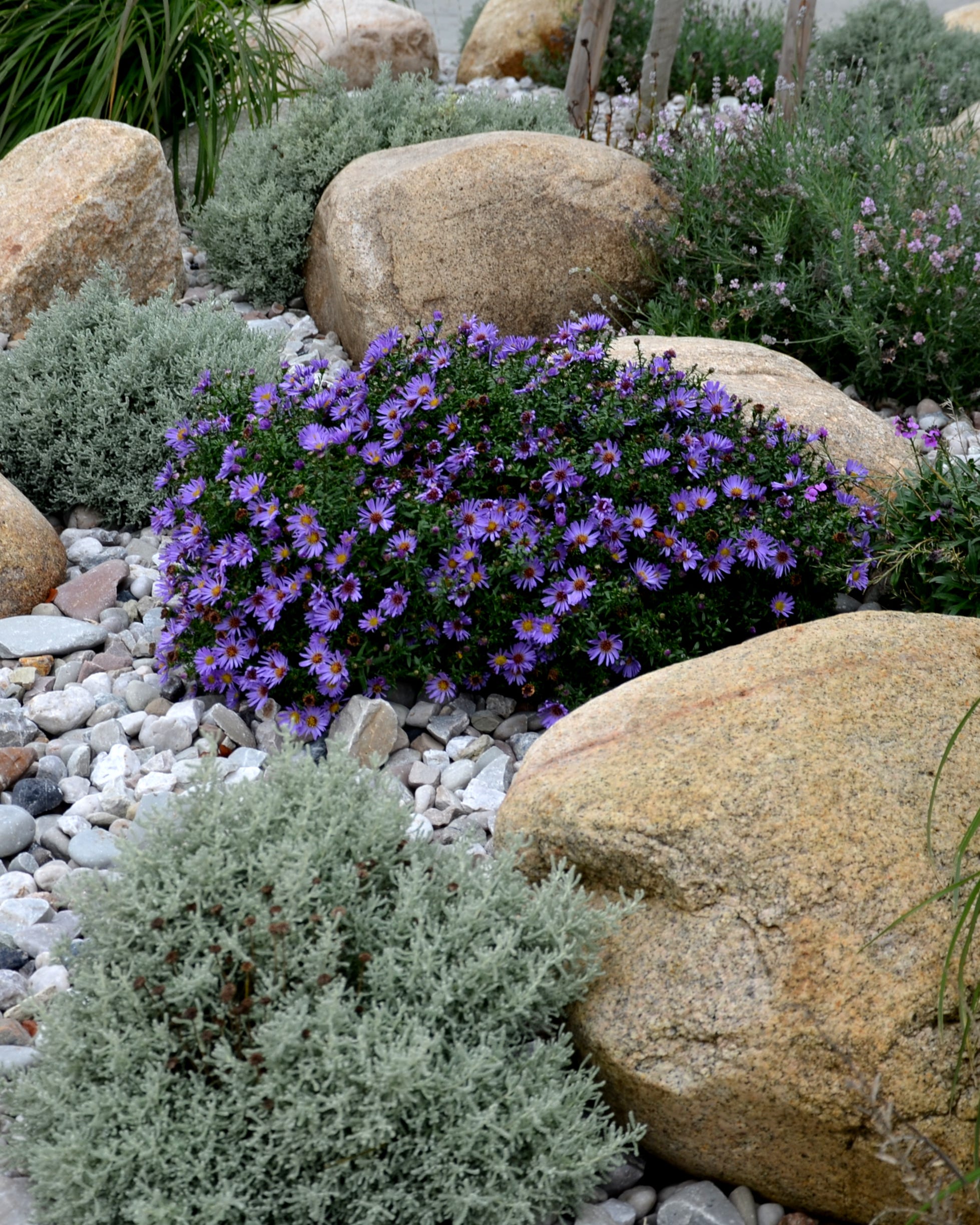
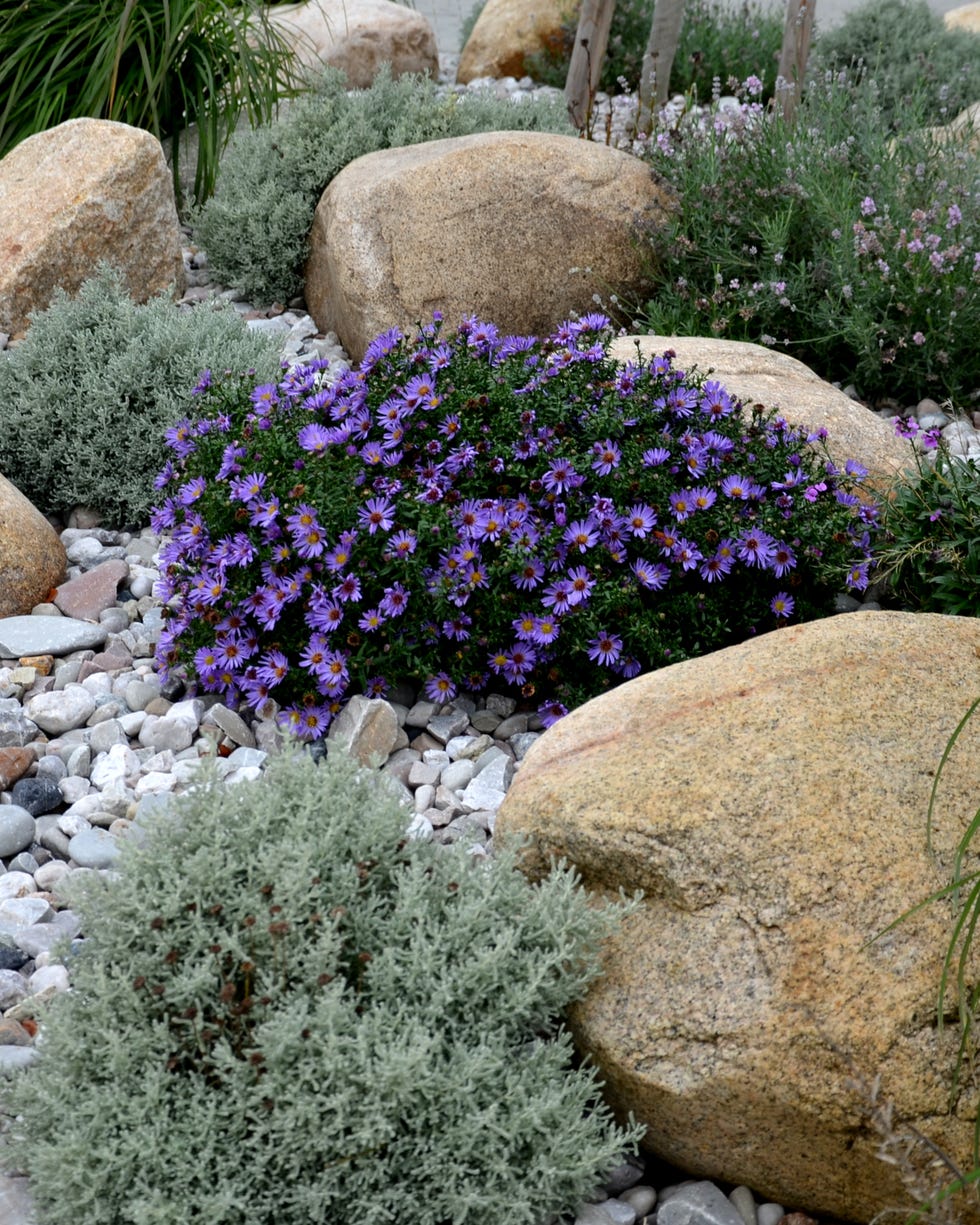
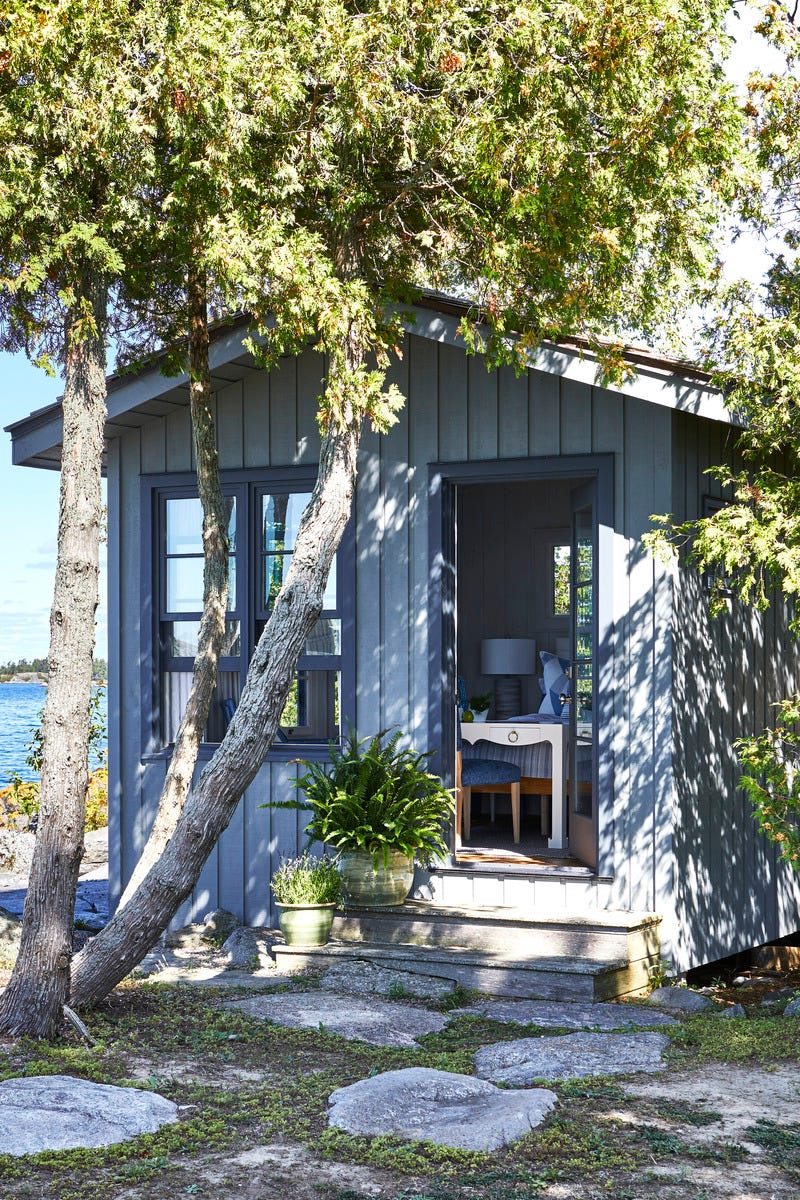
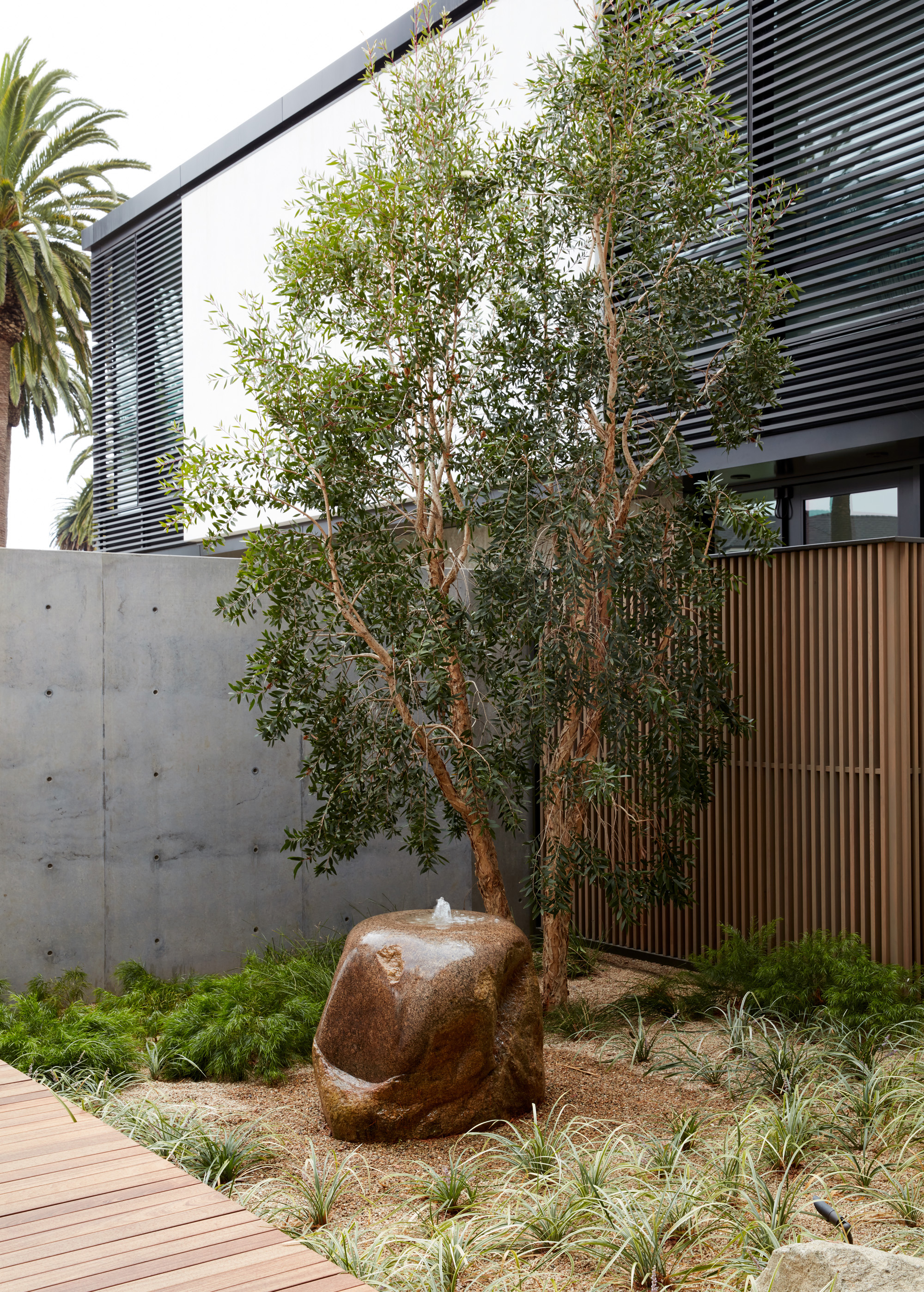
The first idea discussed is matching the front yard design with the local landscape, encouraging the use of locally sourced stone to create a cohesive look that blends with the surrounding environment. This approach is beneficial for wellbeing and frames the home effectively. The second idea focuses on using large rocks or boulders as sculptural features to add drama and enhance curb appeal, suggesting combinations with succulents and cacti for visual interest, and uplighting for nighttime aesthetics. Landscape designers Kevin Lenhart and Andrea Scharff provide insights on selecting and placing boulders, advocating for fewer, larger rocks to create focal points and emphasizing the sustainability of locally sourced stone.
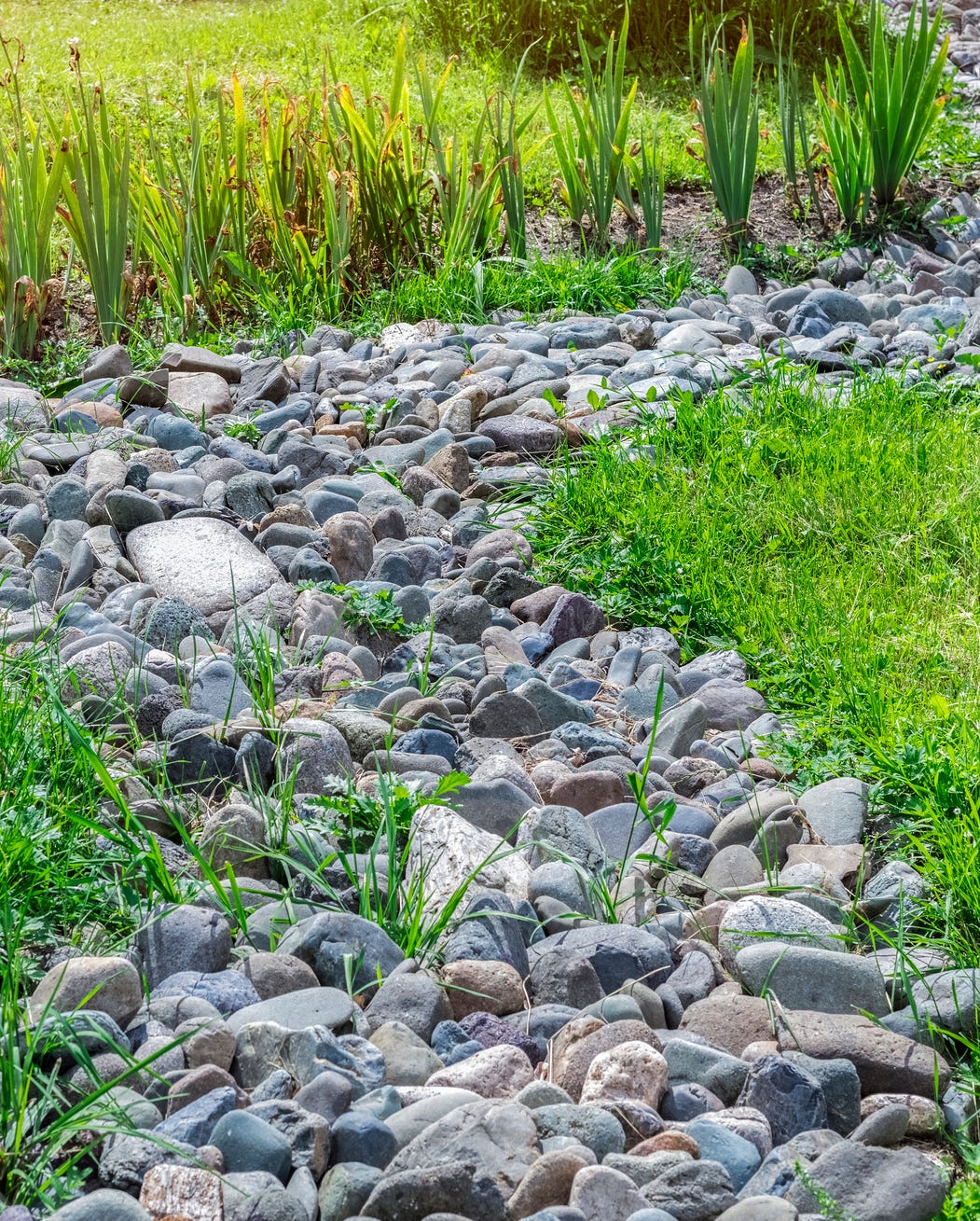
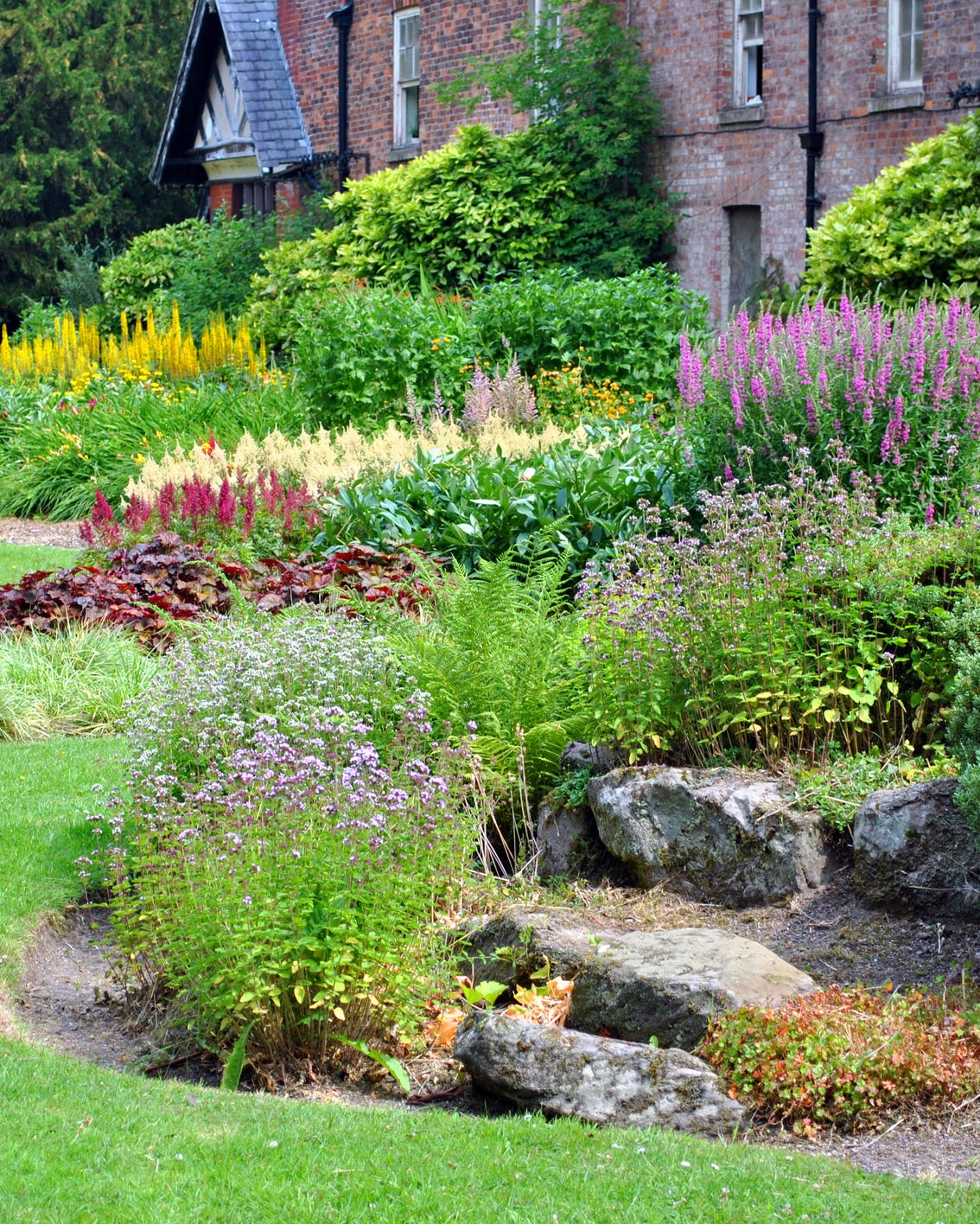
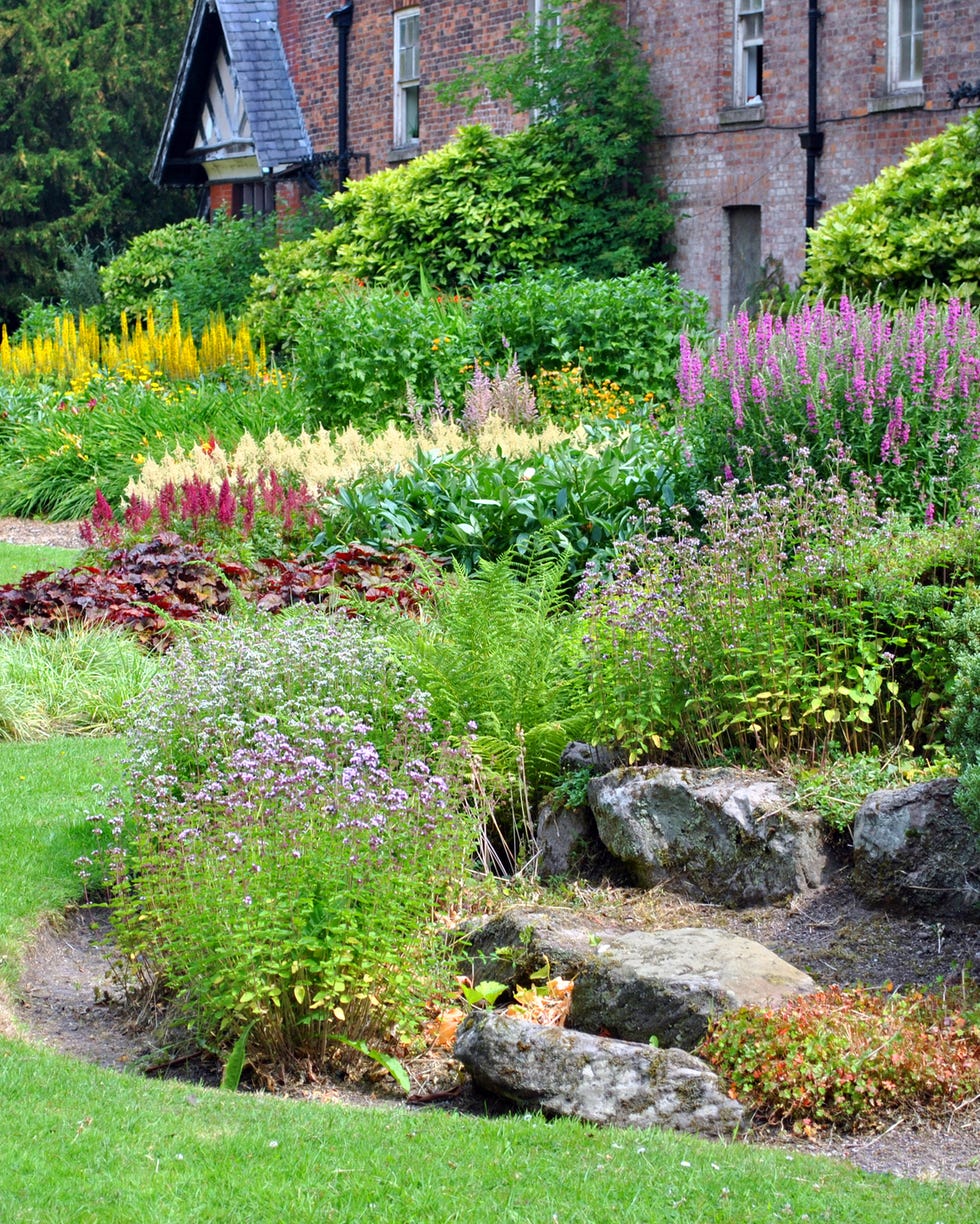
The third concept promotes rewilding the front yard with rocks and mulch to foster biodiversity and support local wildlife. This involves combining large boulders with smaller rocks, gravel, and native plants to achieve a deconstructed, natural look. The fourth point highlights the sustainability of rock and mulch landscaping, explaining how it anchors topsoil, prevents erosion, retains soil moisture for plants, and improves drainage by offering permeable surfaces that reduce runoff and recharge groundwater. This is especially relevant for areas prone to drought.
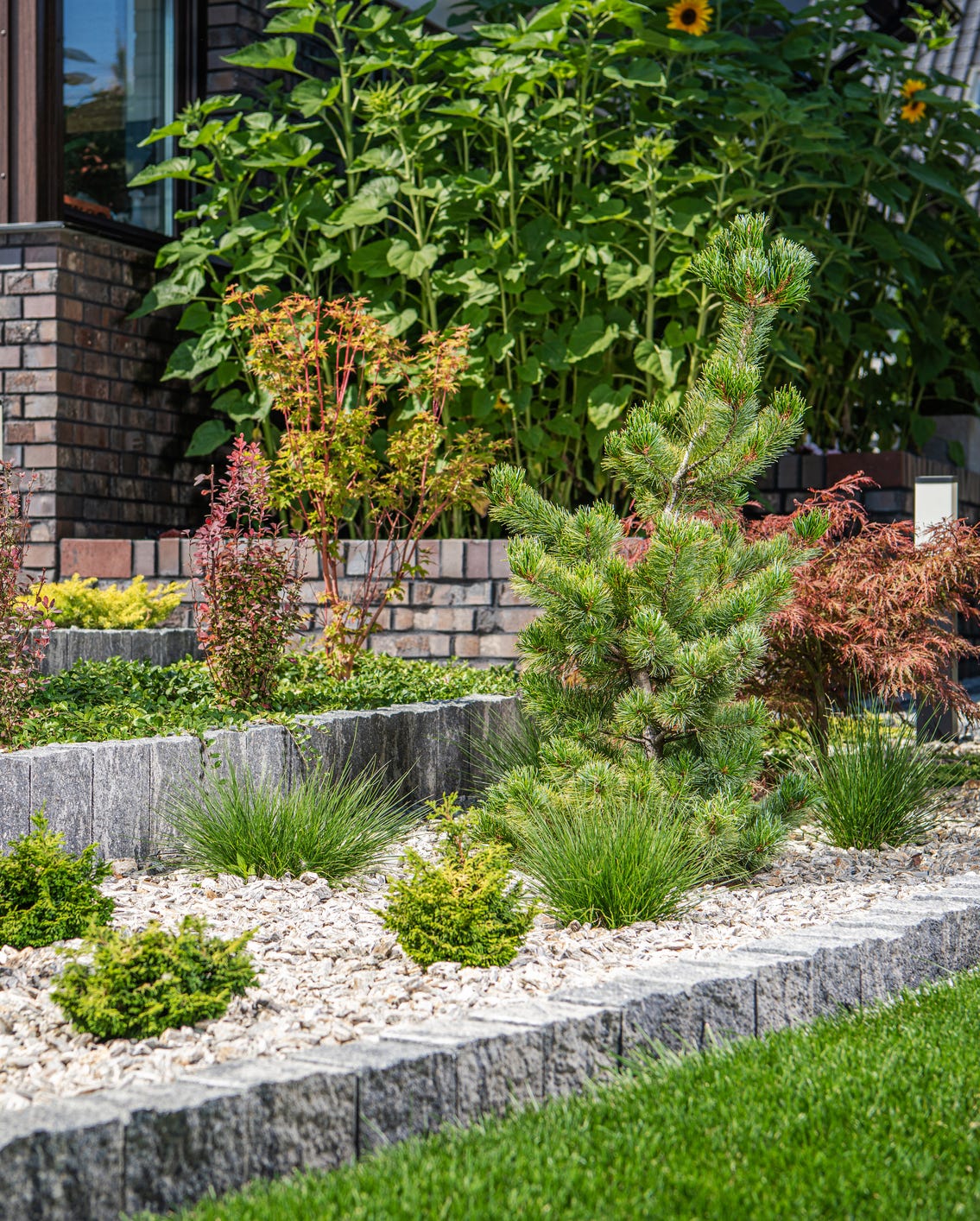
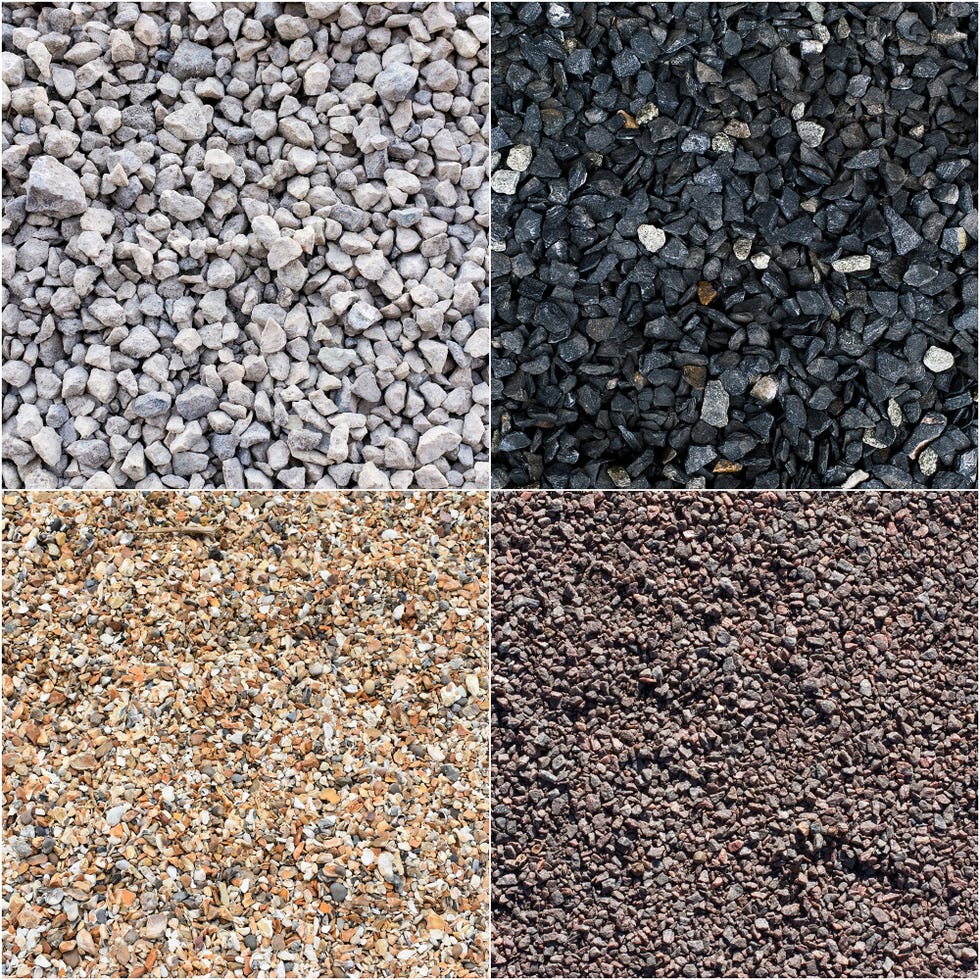
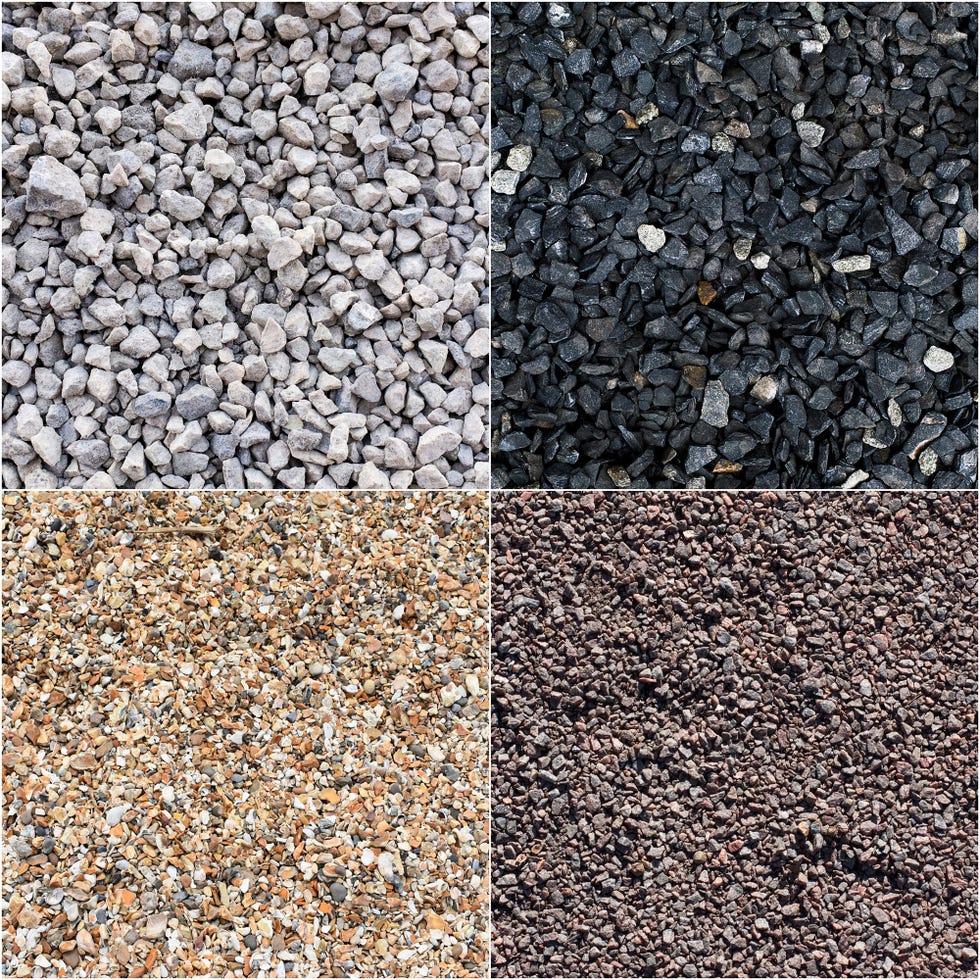
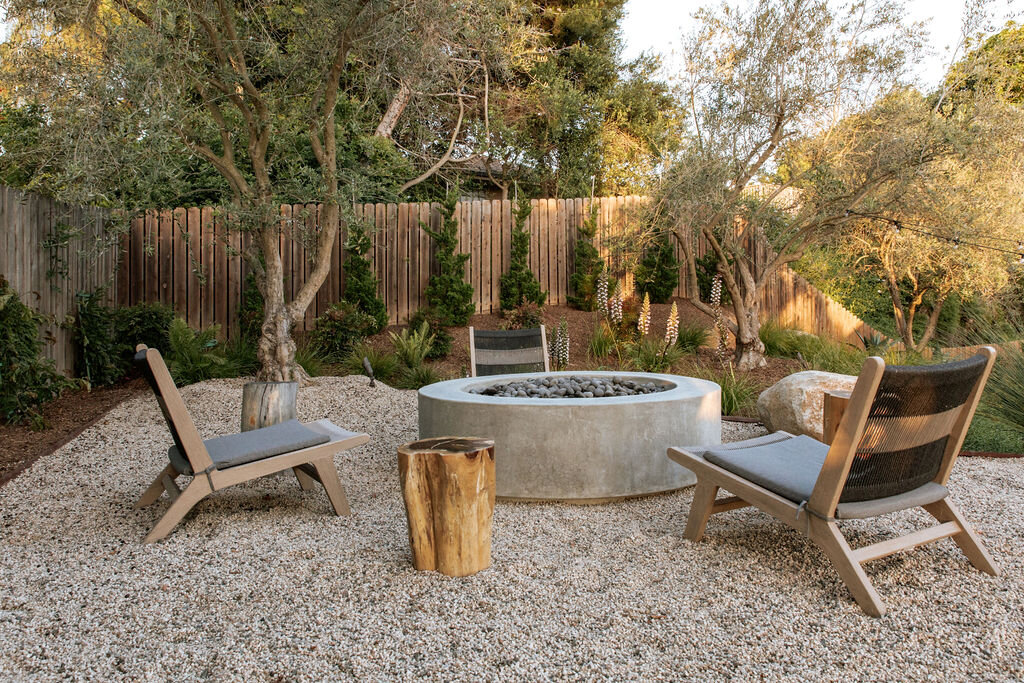
The fifth section delves into choosing the right type of mulch, advising selection based on climate and longevity. Andrea Scharff recommends shredded bark mulch for its ability to knit together and stay in place, while warning against gravel mulch in hot climates due to its heat retention. Coleman Cosby, a landscape contractor, supports locally produced mulches like redwood, cedar, fir, hardwood, and pine, and notes that both decorative gravels and mulches effectively suppress weeds and retain soil moisture.
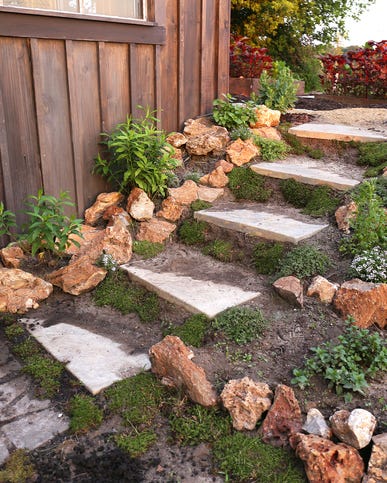
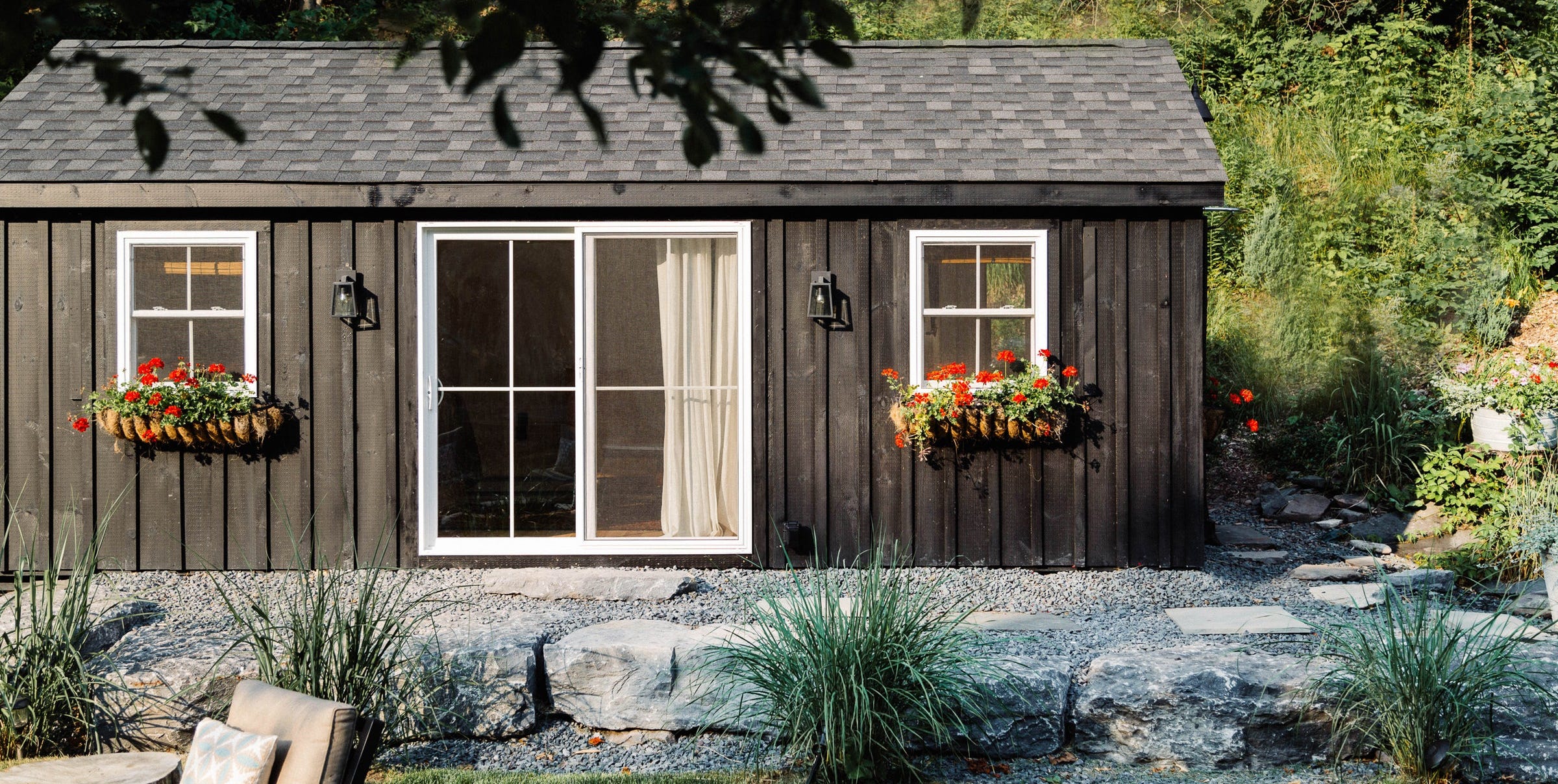
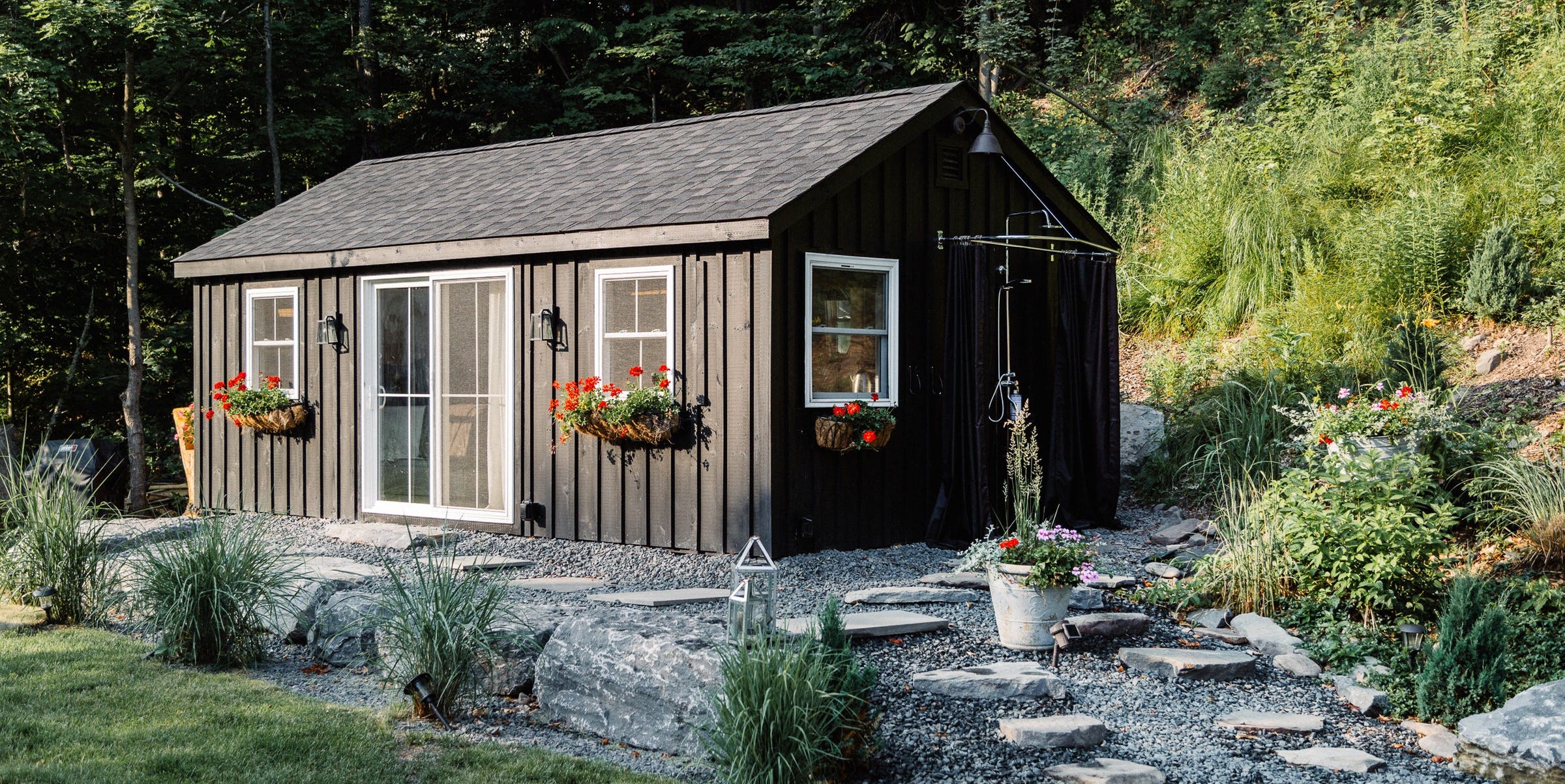
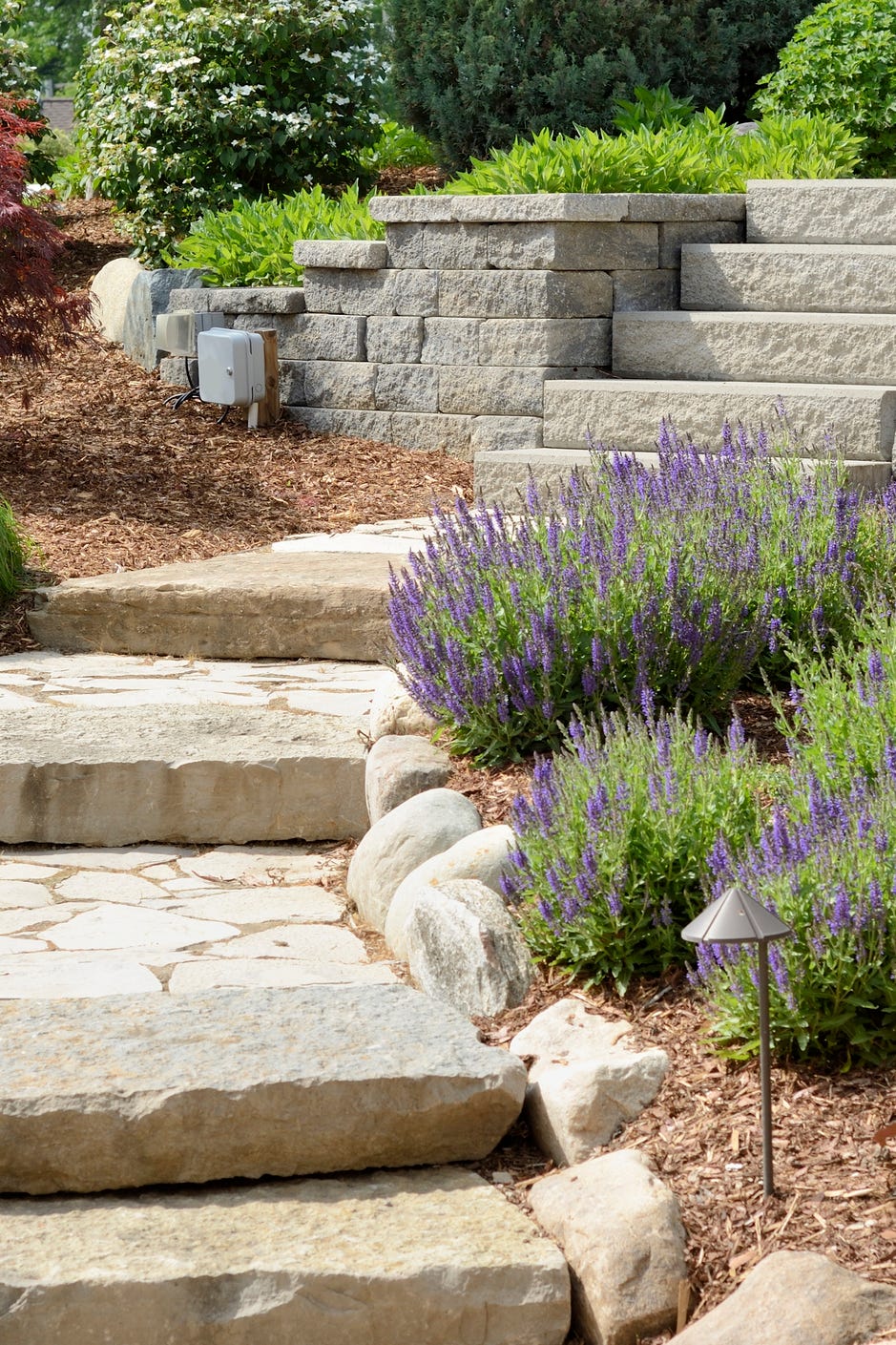
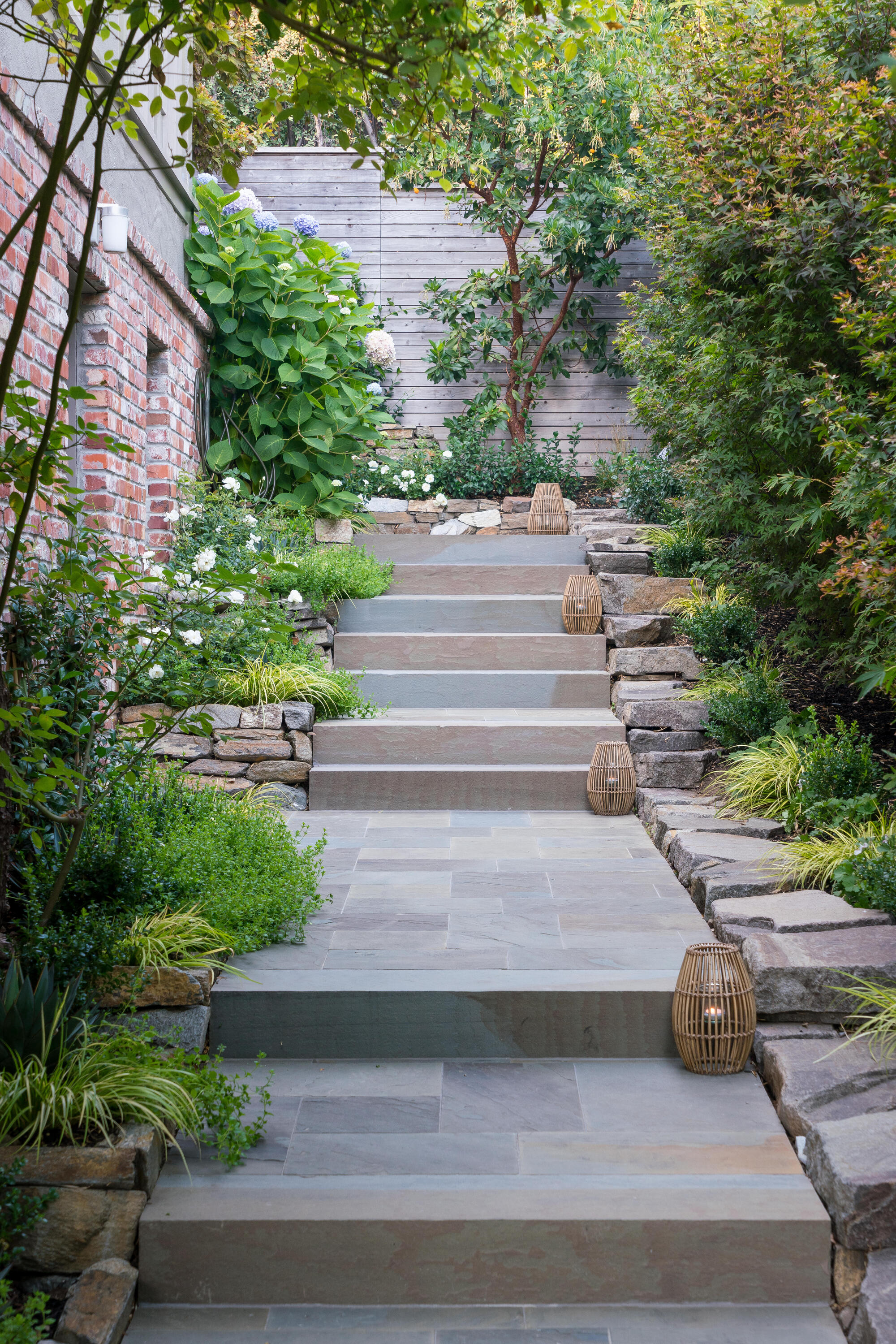
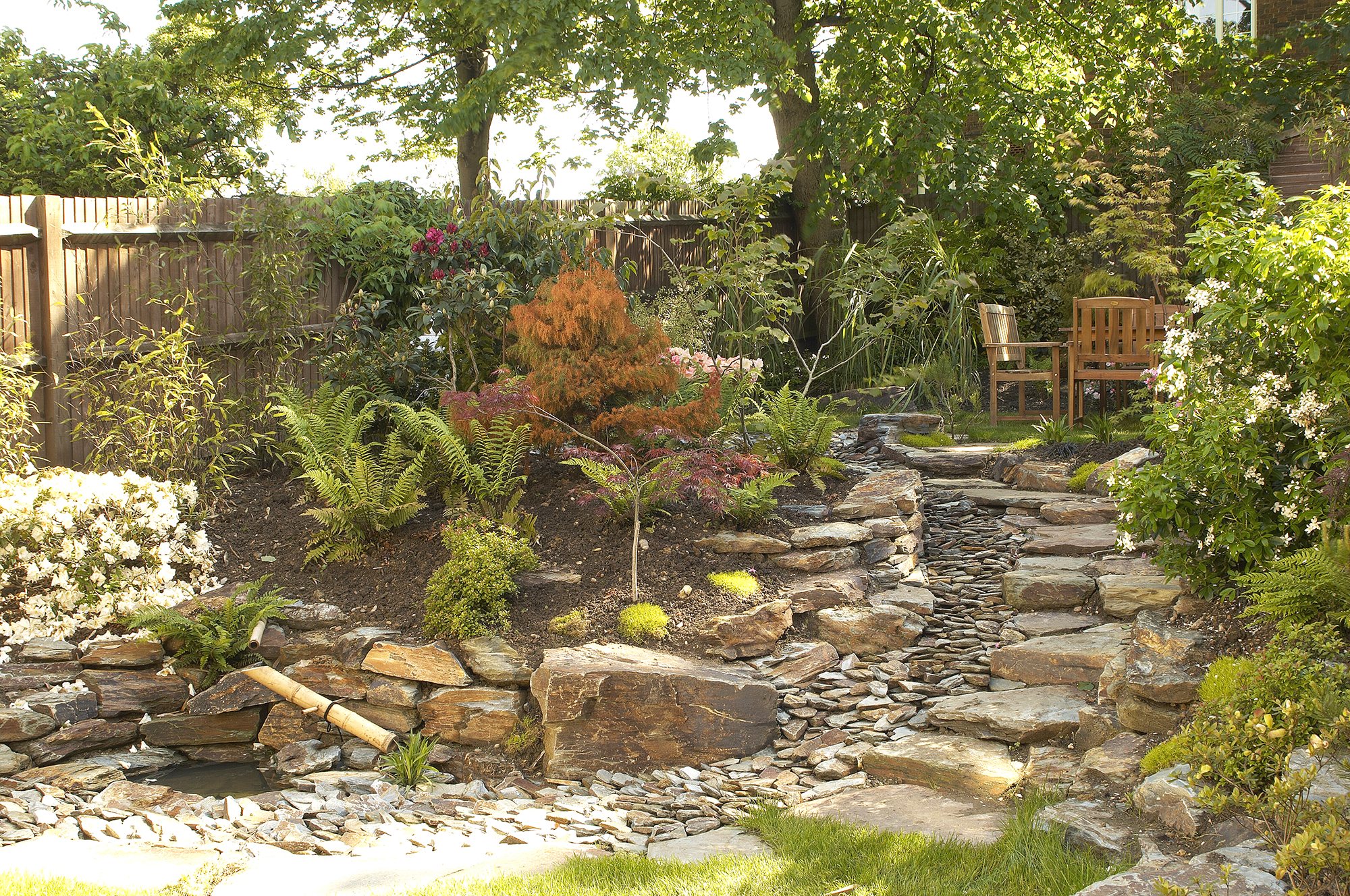
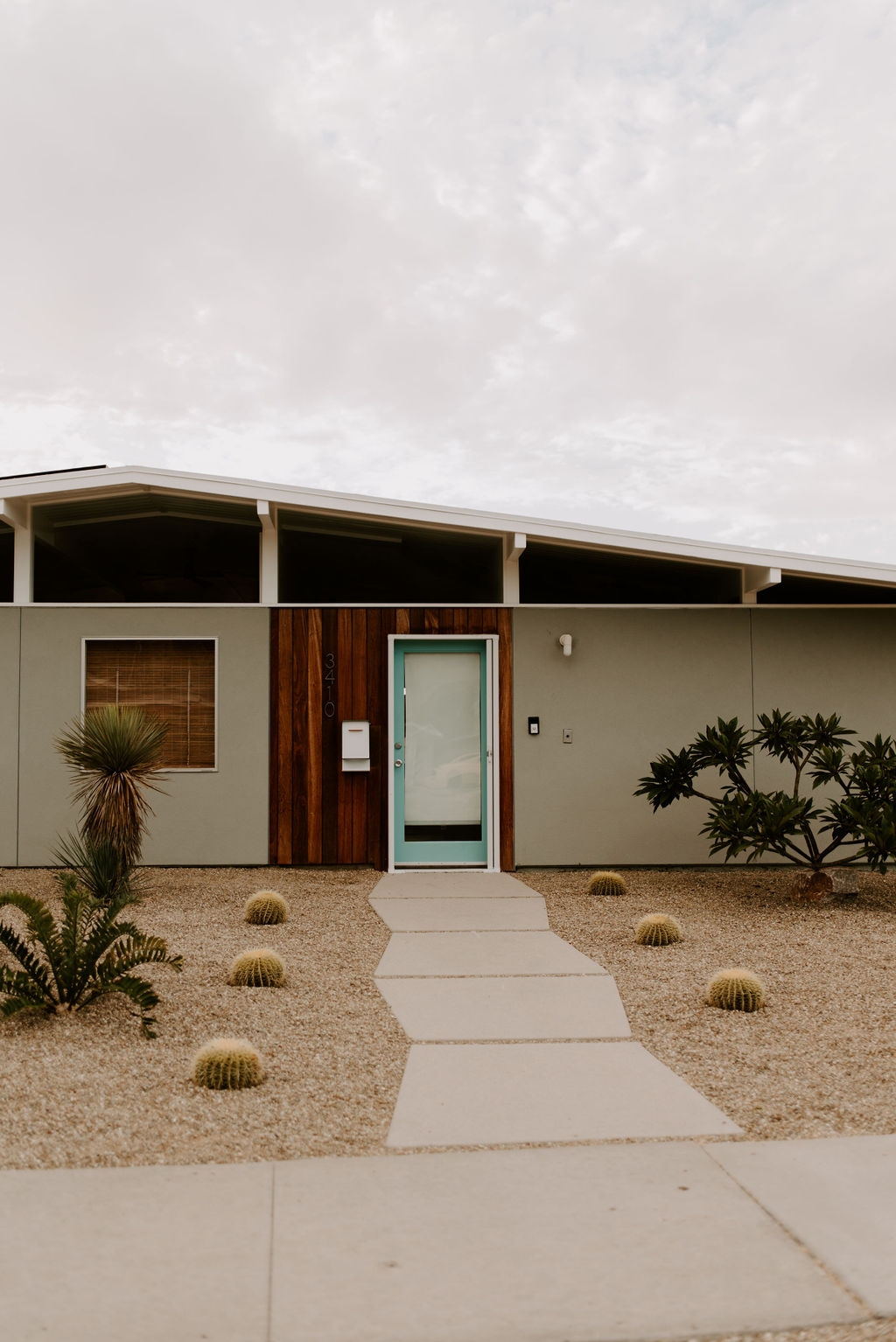
The sixth idea suggests using rocks and mulch for sloping front yards to create functional and attractive solutions. This includes using rocks as stepping stones to connect different levels and to sculpt slopes, controlling erosion without the need for retaining walls. The seventh point explores using rocks and mulch as a foundation for a color scheme, recommending an earthy palette with desaturated colors like pale tans, creamy whites, and terracotta to create an inviting and tranquil outdoor space. Lighter colored gravel is advised for hot climates to prevent soil heating.
Finally, the eighth idea discusses firescaping, where rocks and mulch are utilized in fire-prone areas to create ignition-resistant landscapes. Decorative rocks are ideal for the five-foot margin around a home's exterior, and non-organic mulches are preferred over combustible options like shredded pine straw or cedar in high fire hazard zones. The article concludes with advice on sourcing landscaping rocks from local supply companies or through community listings, offering practical tips for selection and installation.
#FrontYardLandscaping #RocksAndMulch #CurbAppeal #SustainableGardening #GardenDesign #LowMaintenanceGarden #Biodiversity #Firescaping #MulchTypes #FrontYardLandscaping #RocksAndMulch #CurbAppeal #SustainableGardening #GardenDesign #LowMaintenanceGarden #Biodiversity #Firescaping #MulchTypes
0 comment in total
 No comments yet
You may also like
Upgrade Your Backyard with These Creative Rock Garden Ideas

Rock Gardens Are the Ultimate Hack for a Low-Maintenance Lawn
10 easy DIY landscaping ideas to elevate your backyard

26 Backyard Landscaping Ideas That Look Like They Were Styled by an Outdoor Architect

You Have to See These Rock Garden Ideas for Every Type of Landscape
6 Easy Design Ideas to Add Height to a Backyard That Feels Flat

23 River Rock Landscaping Ideas for Your Garden and Yard

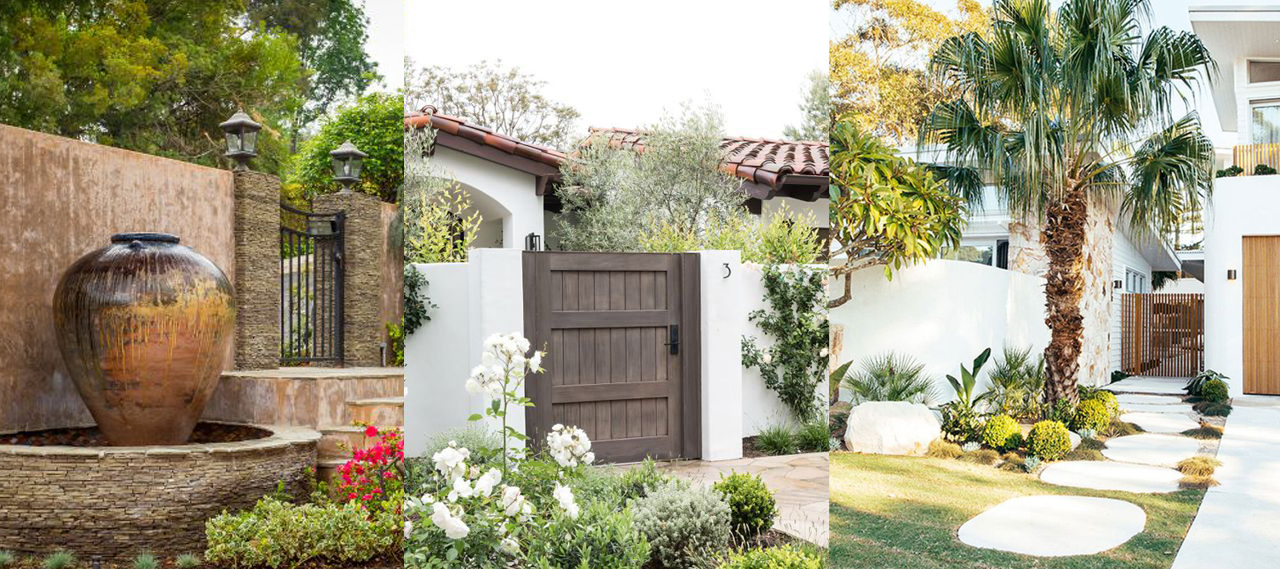
Front garden wall ideas – 10 designs to elevate your space
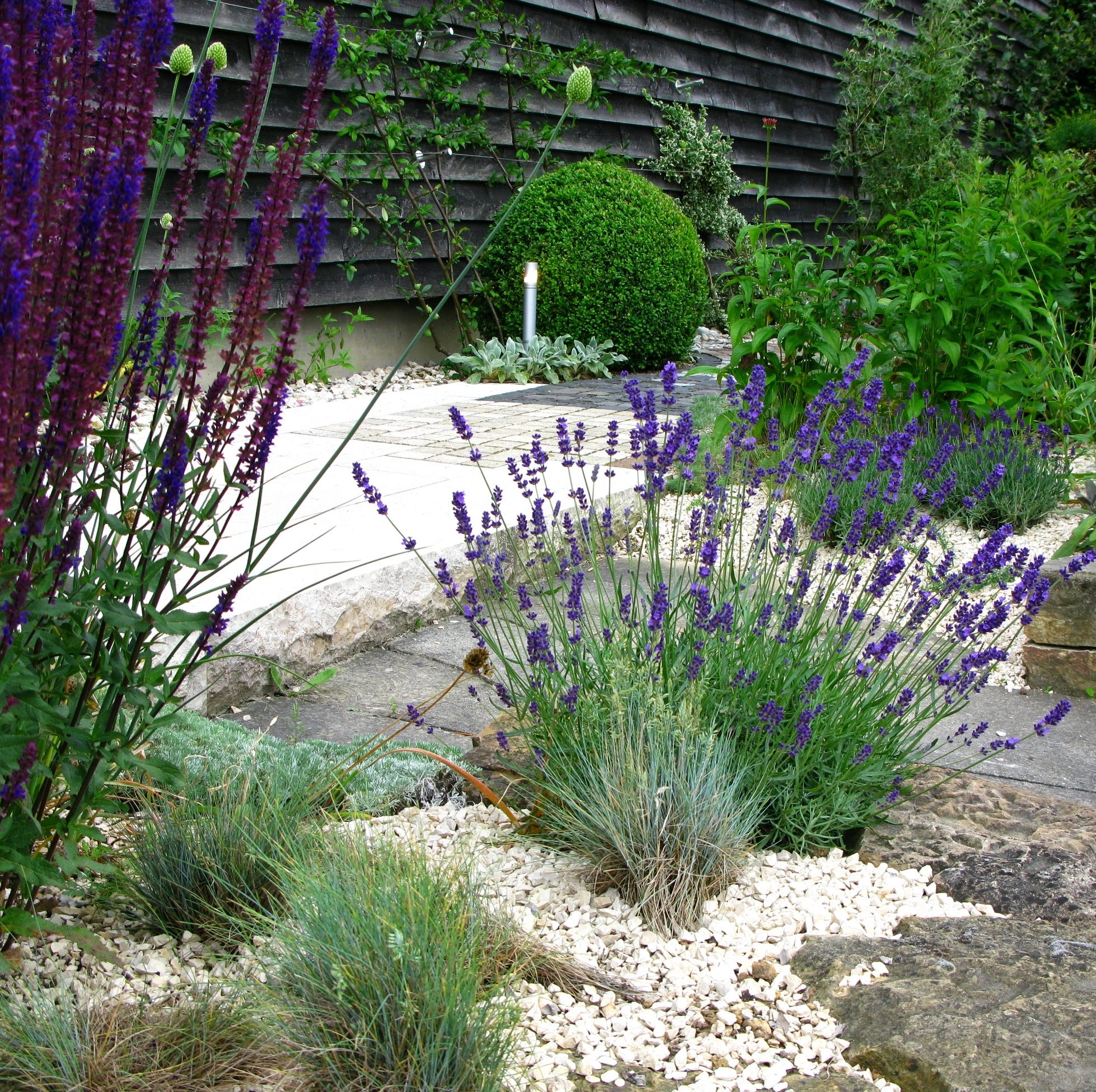
8 low-maintenance gravel garden ideas
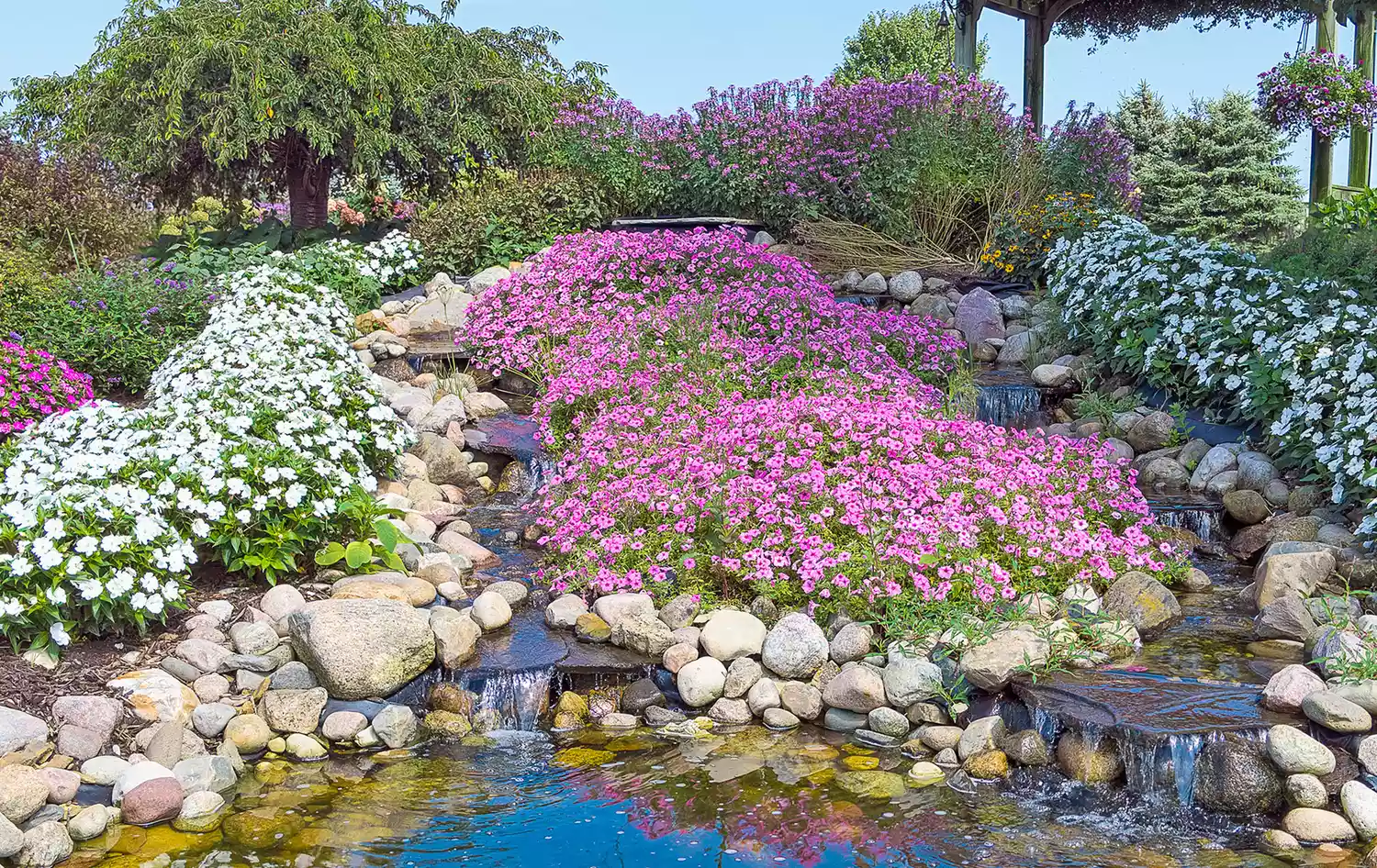
16 Rock Garden Ideas for a Beautiful, Low-Maintenance Landscape

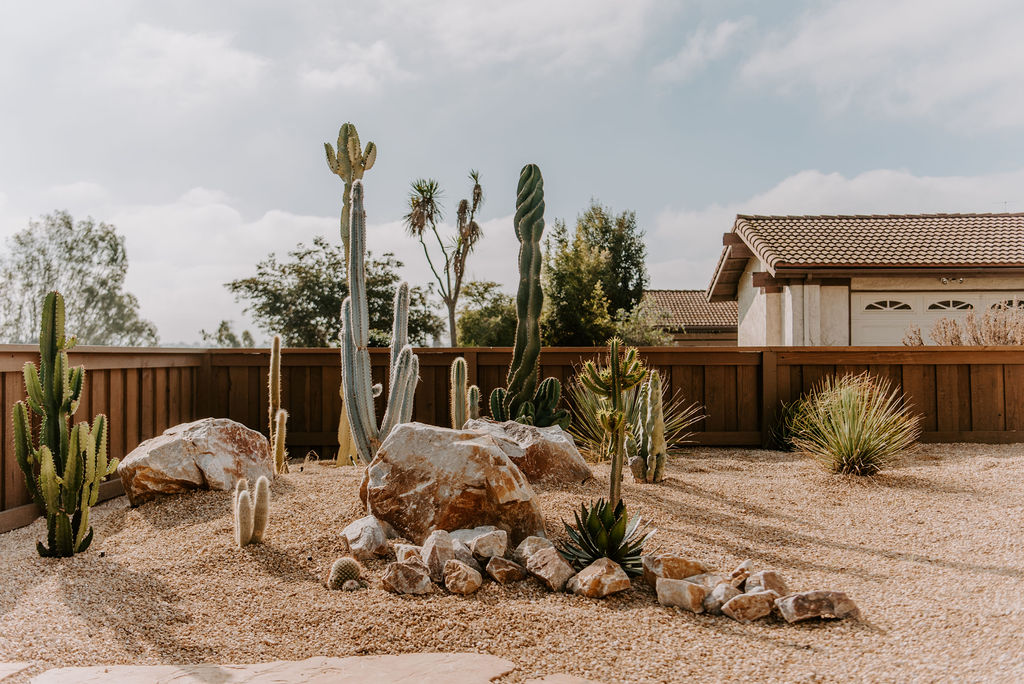
10 gravel landscaping ideas that have me convinced this is the lawn alternative to elevate modern backyards

Brooklyn Garden: From Weeds to Wonderful With Groundworks
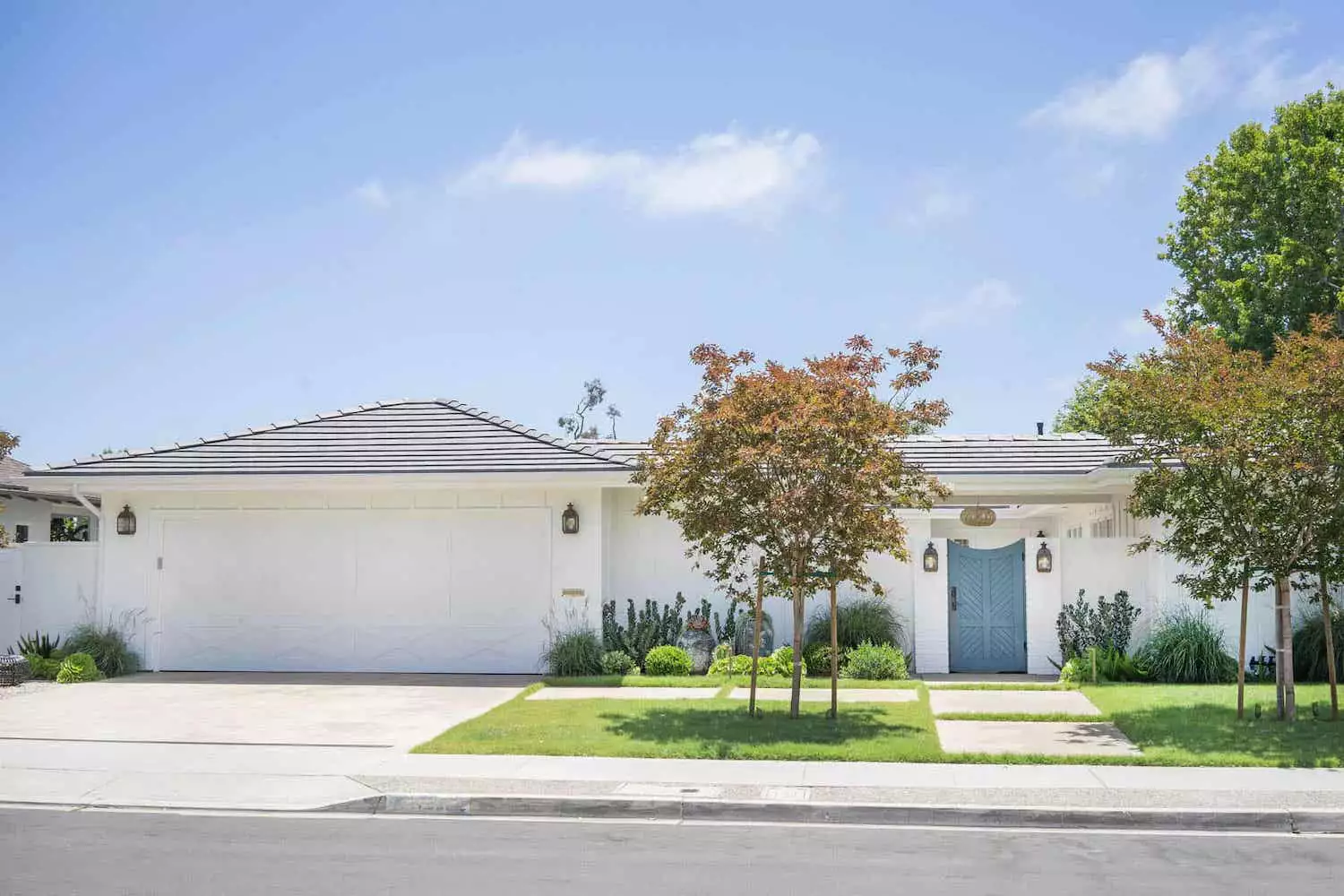
82 Landscape Ideas for the Front Yard For Instant Curb Appeal

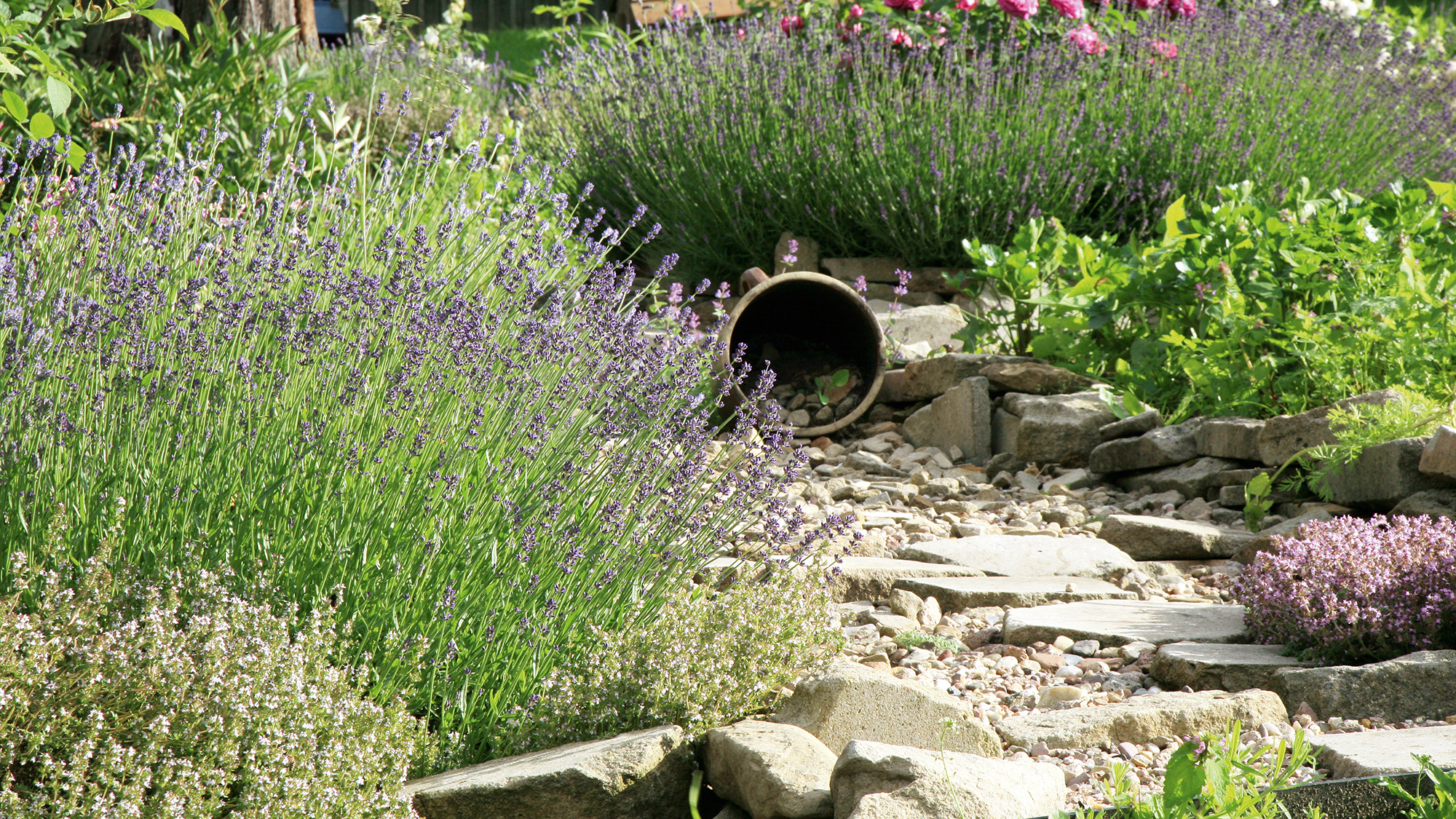
Rock garden ideas – 20 ways to create a stylish rockery in your backyard
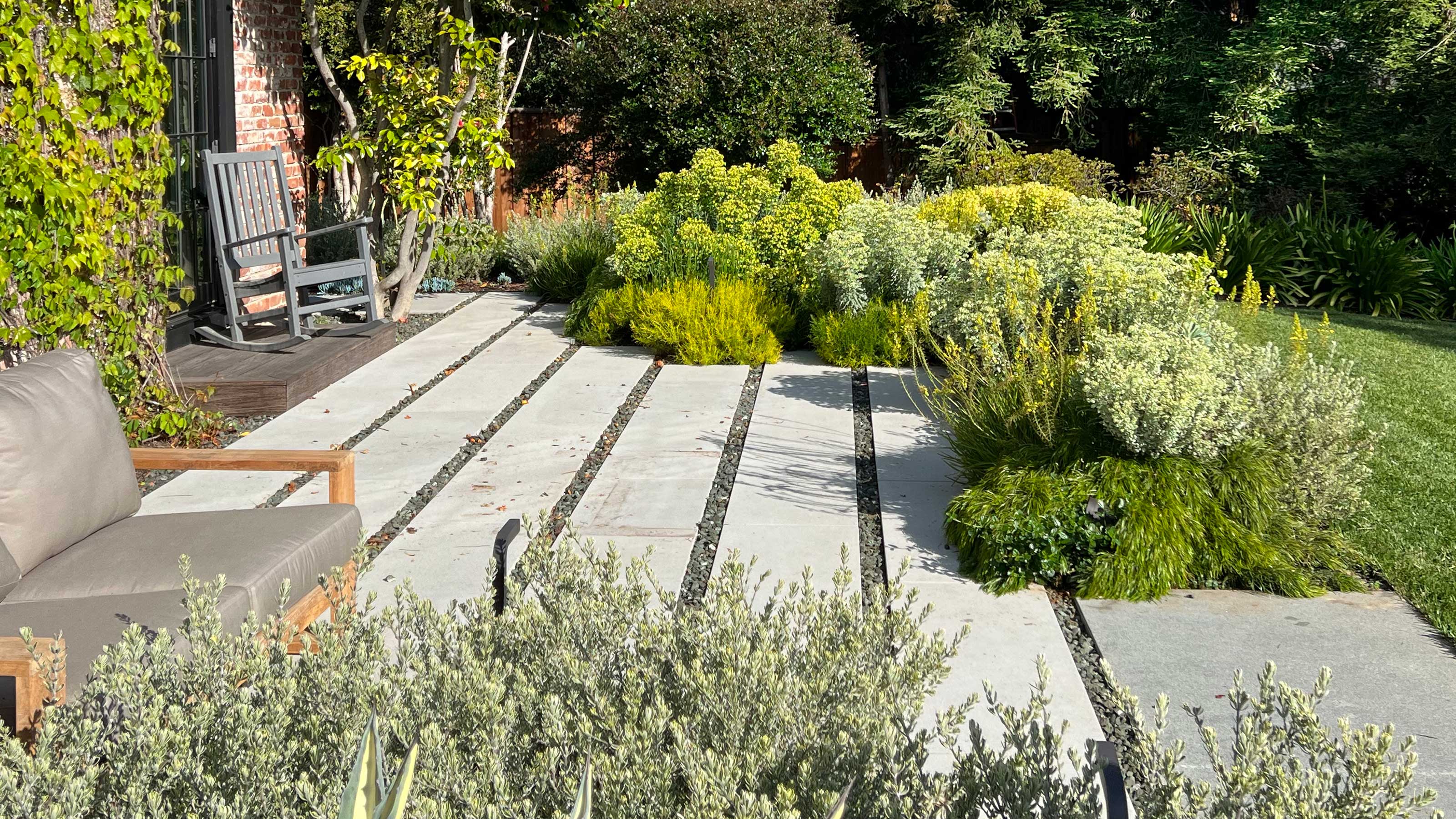
'It mimics nature's randomness' - this simple gardening trick is how landscape designers make a backyard look more put together

Decorative Stones & Gravel

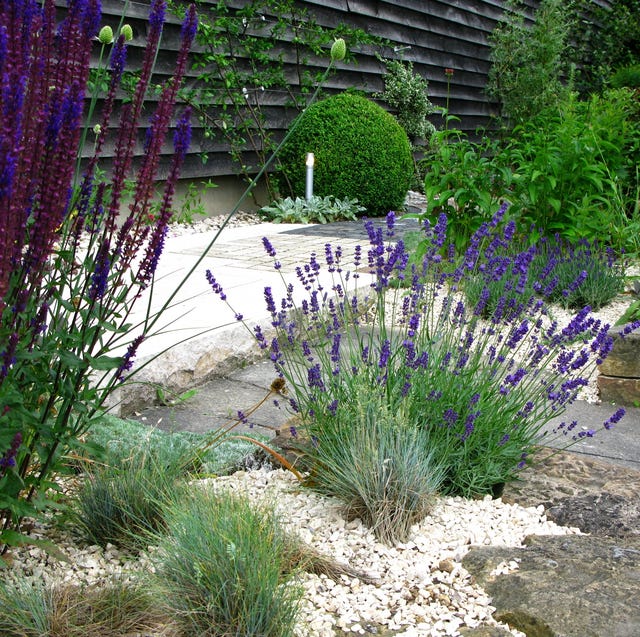
8 low-maintenance gravel garden ideas
Front garden ideas – 32 ways to transform your space for the ultimate kerb appeal

Great landscaping ideas for ‘regular people’ from a design expert

Use stone to update, add interest to your landscape