1/8
Mycelium as a Material for 3D Printing
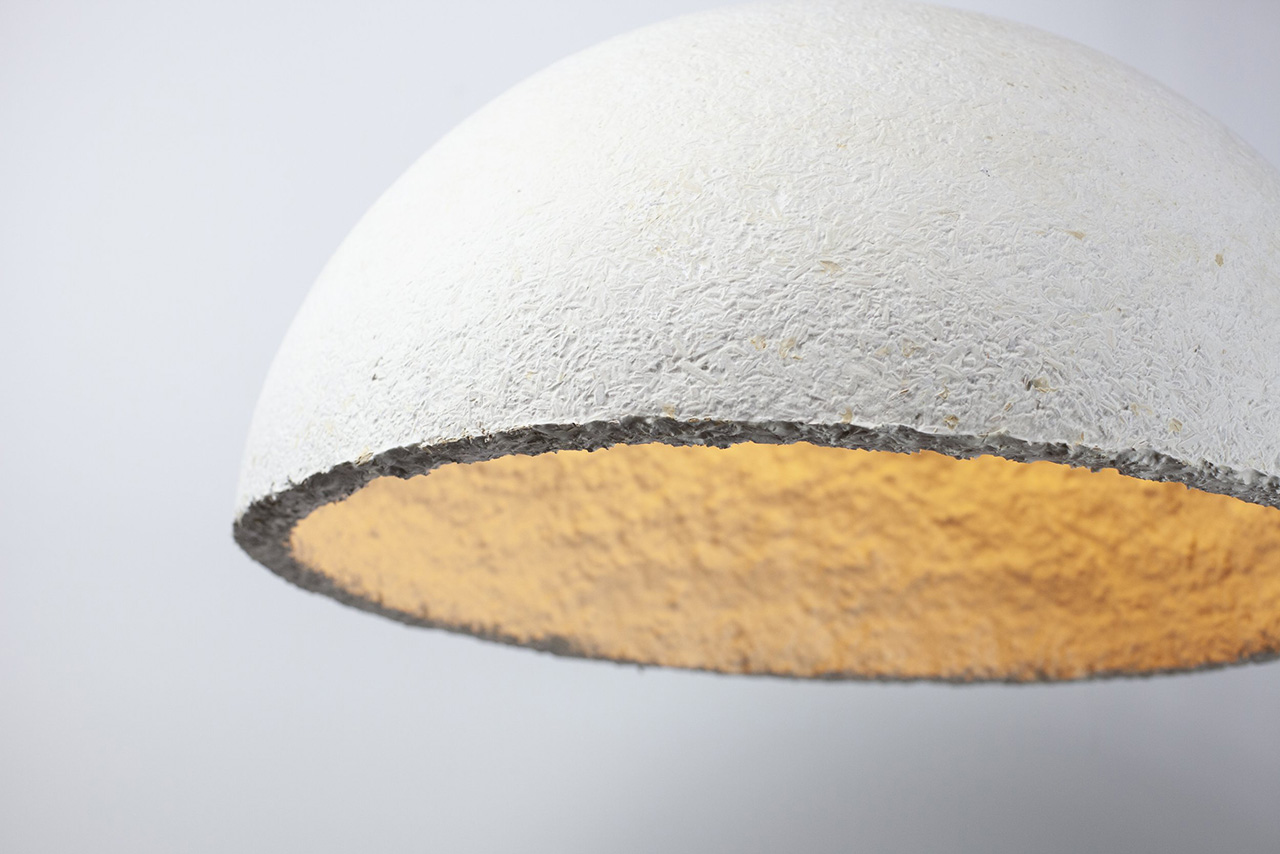
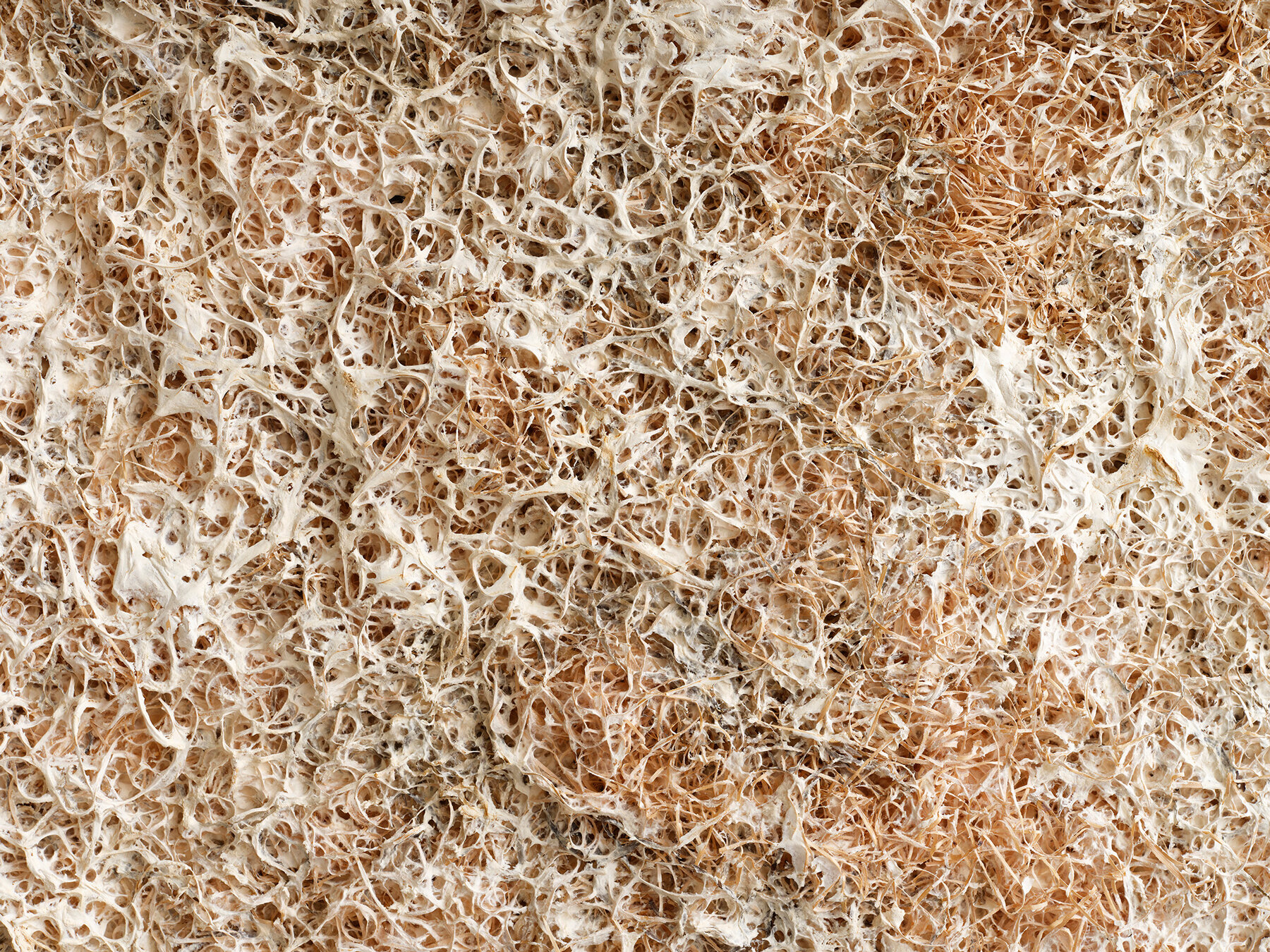
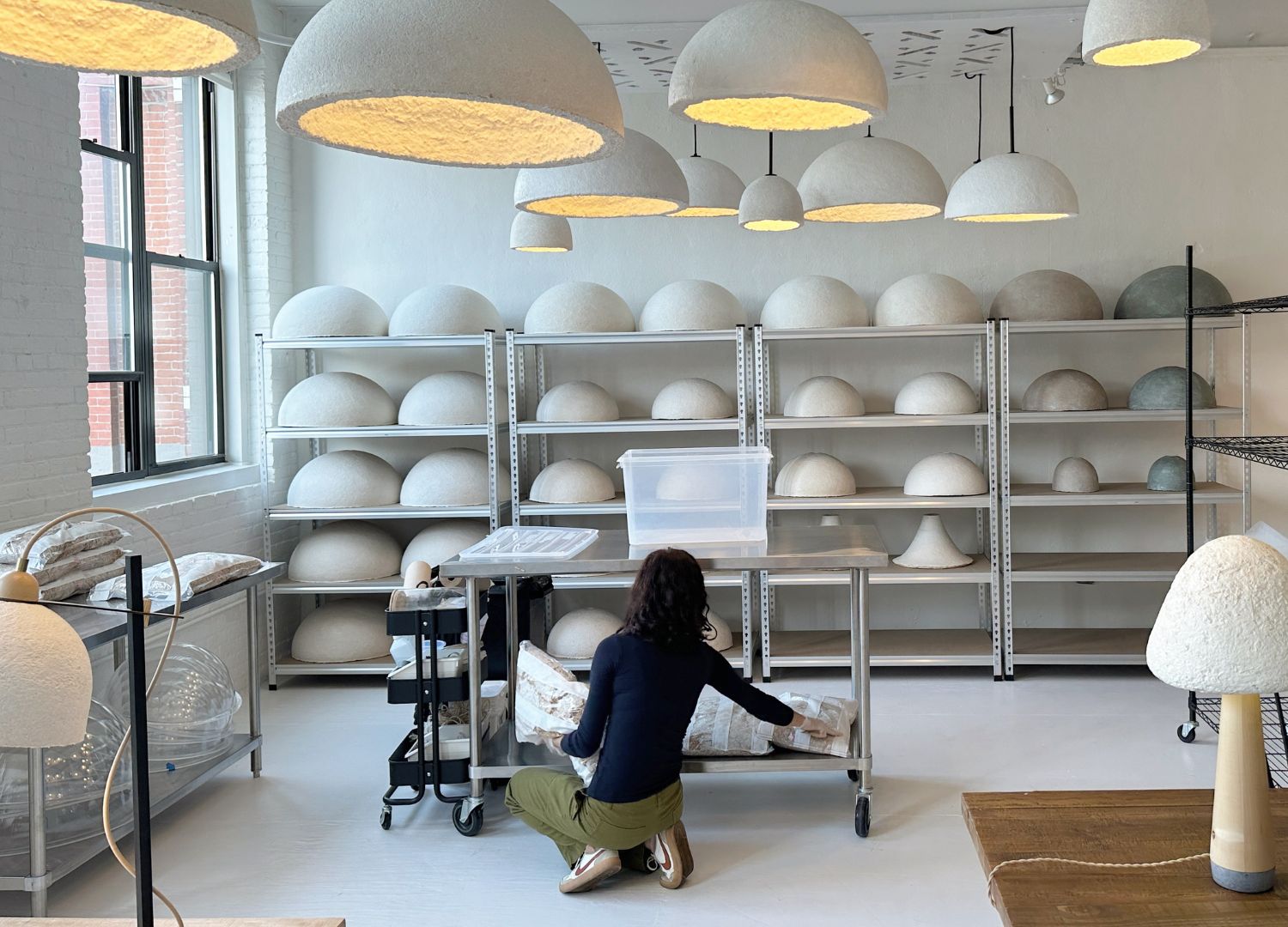
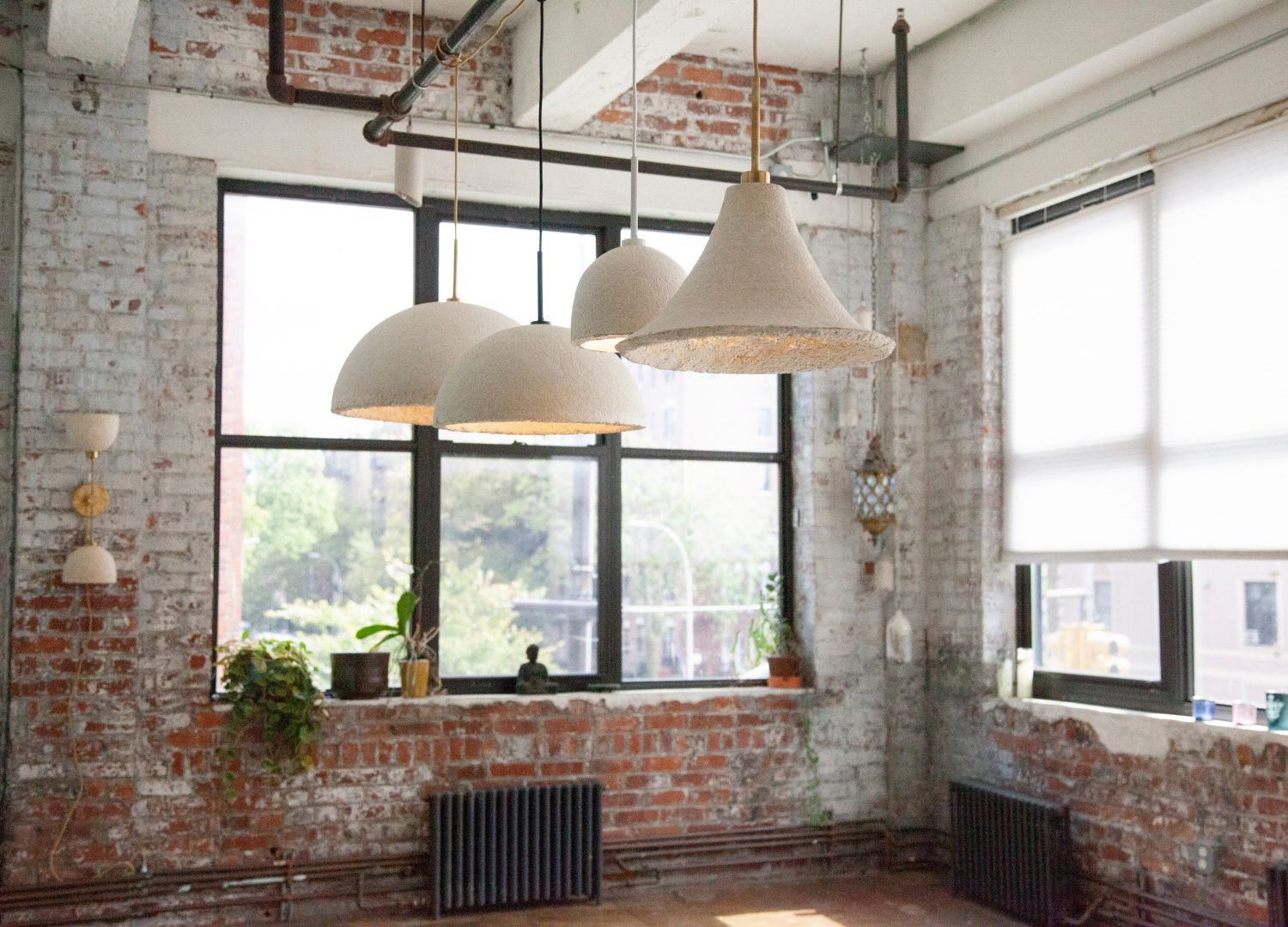
The article explores the potential of mycelium, the root system of fungi, as a sustainable and versatile material for 3D printing. It highlights mycelium's environmental benefits, particularly in contrast to materials like plastic and cement, which have significant ecological footprints. Mycelium acts as a natural binder, leveraging its hyphae to fuse with and reinforce other materials like wood or straw, forming a solid, moldable, and printable composite. Its carbon-absorbing properties and ability to thrive on waste materials further contribute to a circular economy.
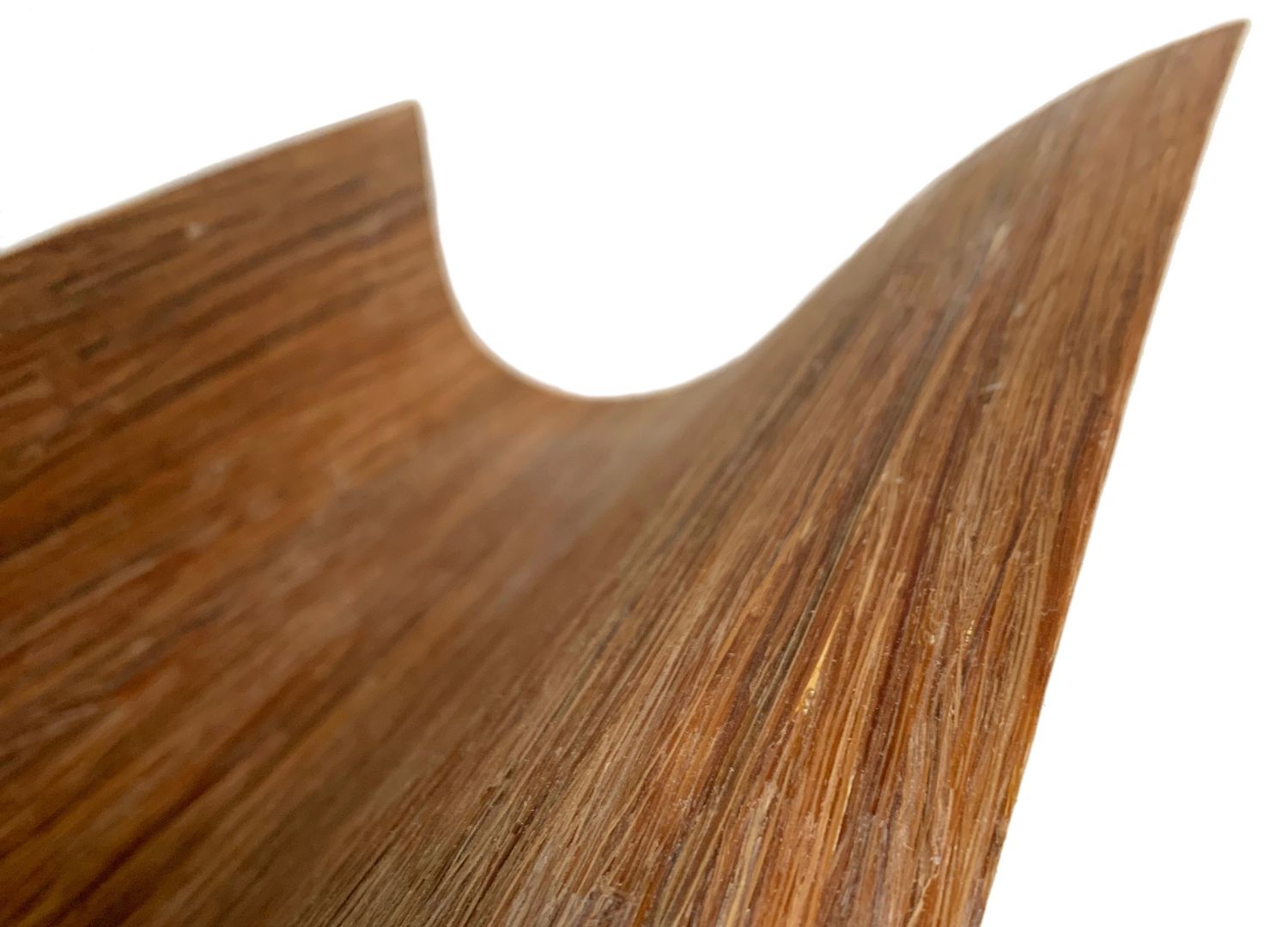
The article details the numerous advantageous properties of mycelium. It is a renewable raw material with cost-effective and low-energy processing requirements, and it is easily recyclable and biodegradable. Mycelium-based materials are harmless to human health, non-allergenic, and non-toxic. Physically, mycelium exhibits excellent heat-insulating, flame-resistant, and hydrophobic qualities, while also being remarkably strong and stable. These characteristics make it suitable as a replacement for a wide array of conventional materials, including leather, wood, cardboard, polystyrene, and insulating wool, broadening its applications across various industries.
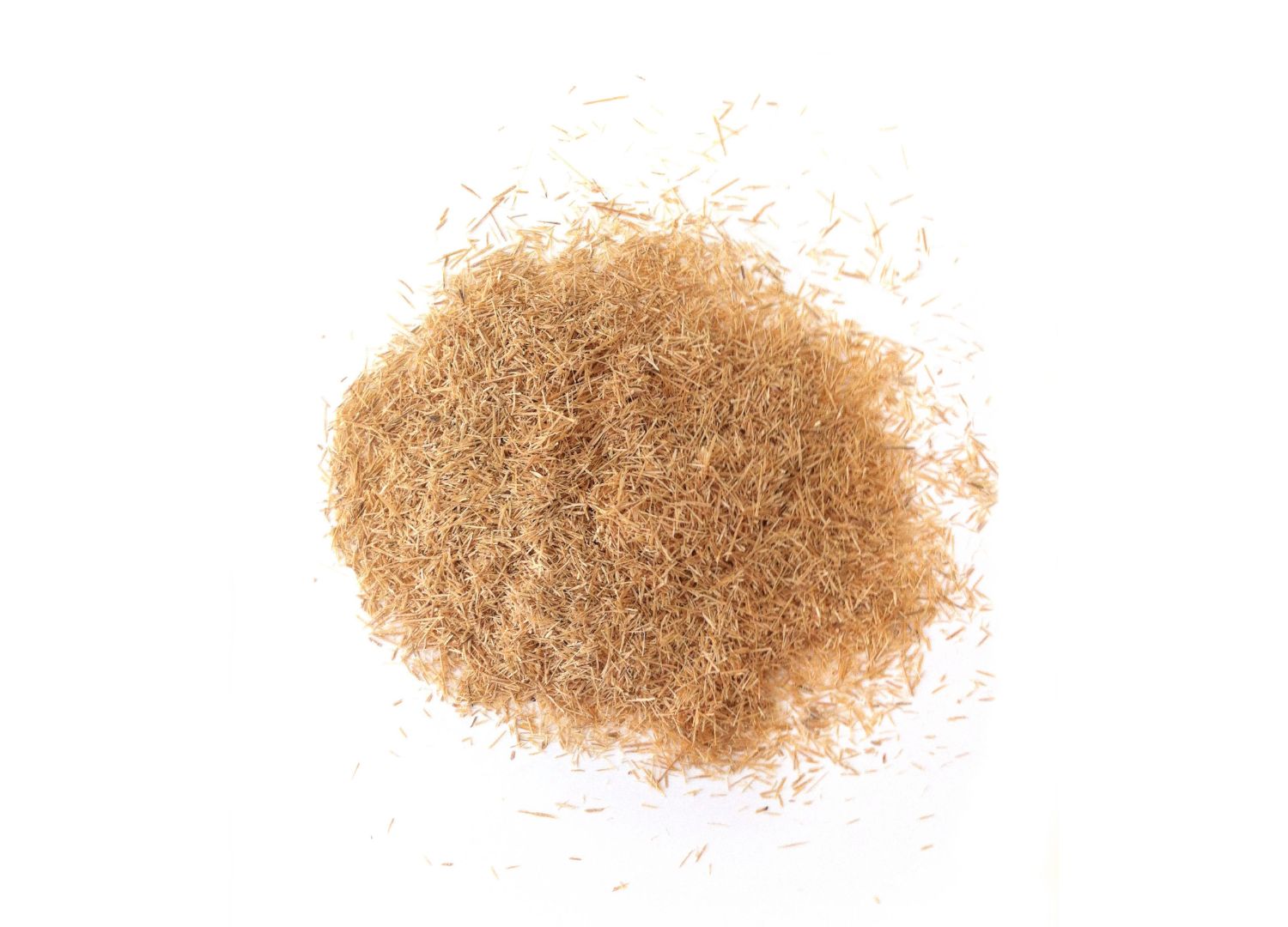
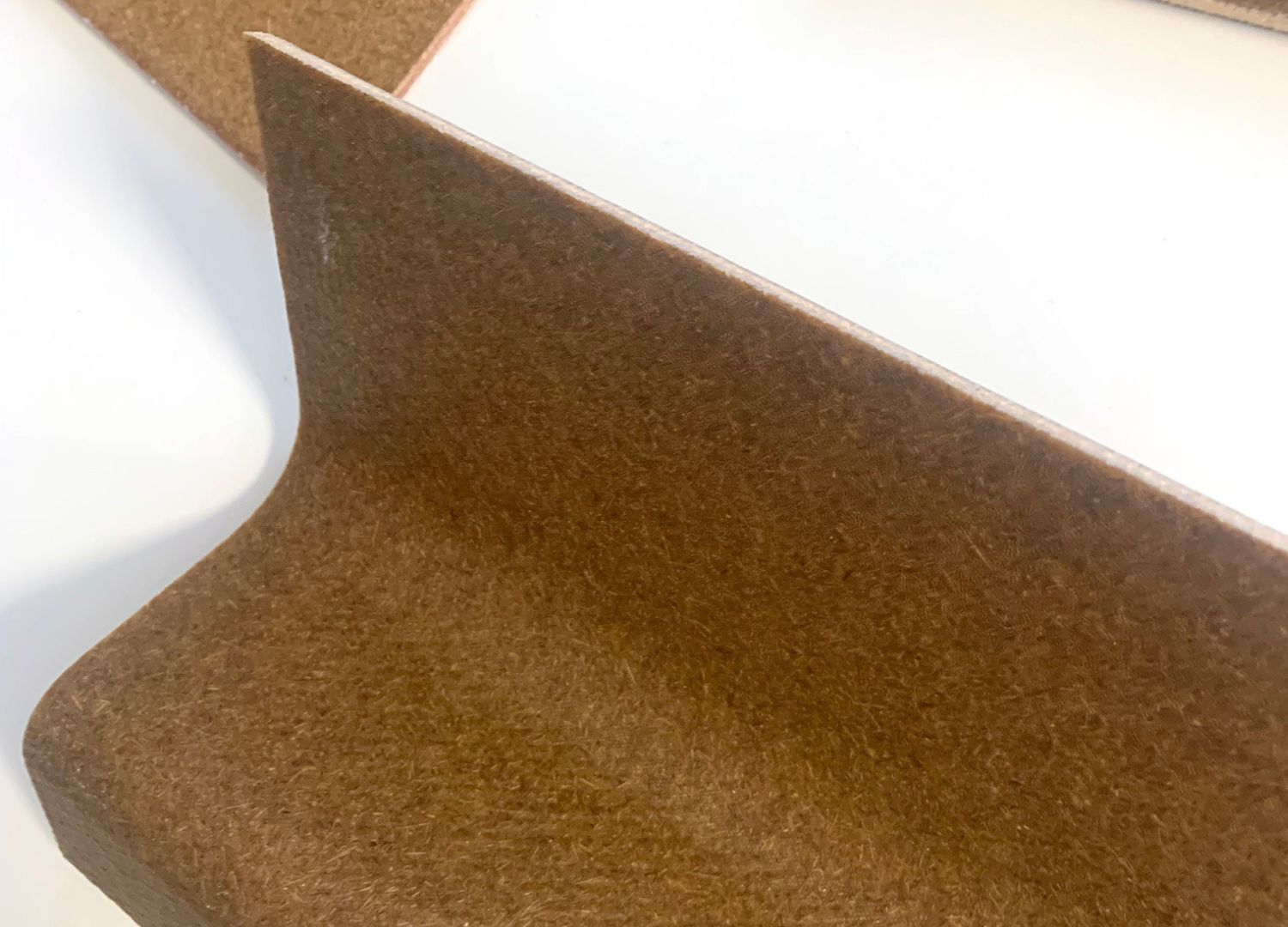
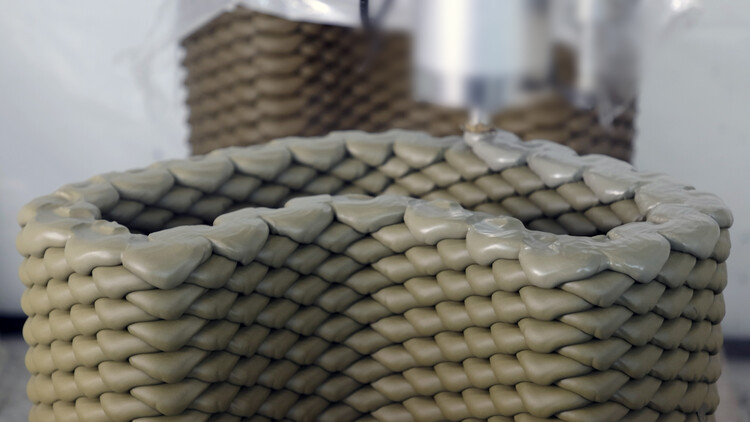
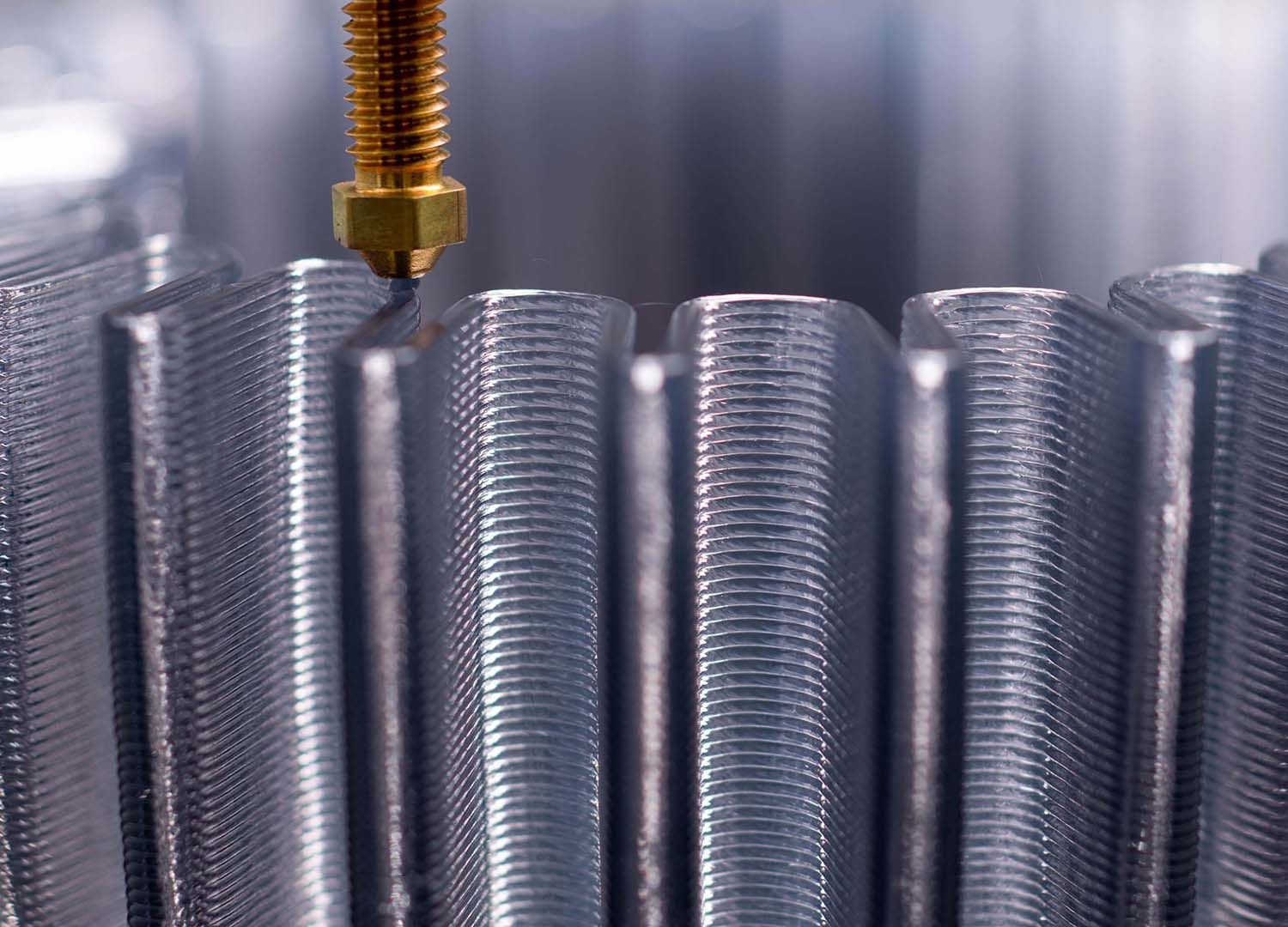
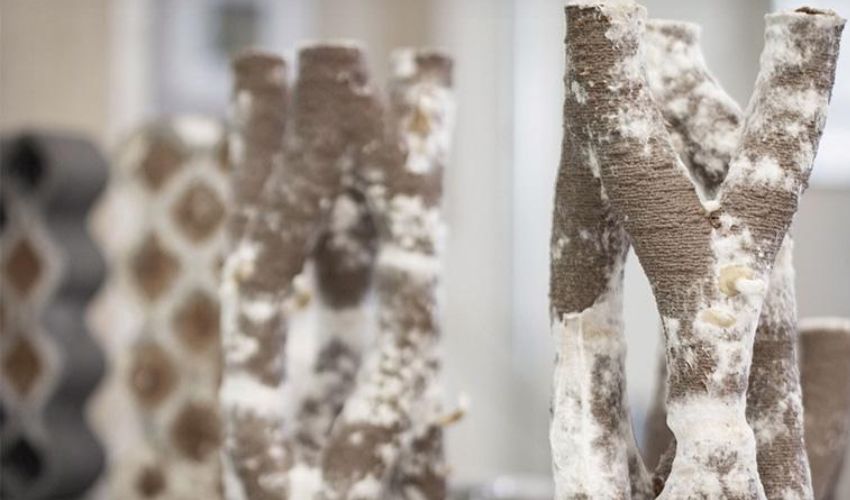
The integration of mycelium with 3D printing technologies is a key focus. The additive nature of 3D printing, which minimizes waste, combined with bio-based materials like mycelium, offers an ecological production method. Extrusion-based 3D printing is commonly used, where a mycelium composite paste is shaped. The composition of this composite can be varied to achieve specific material properties, and the resulting products can feature diverse colors, textures, and patterns. However, the printing process is complex, requiring careful control of parameters. Mycelium is first enriched with raw materials such as wood, sawdust, paper, or cardboard to create a mycocomposite. This material must then be cultivated to achieve the necessary flowability, elasticity, and malleability for printing. A sterile environment is crucial during printing to prevent contamination, as mycelium is susceptible to bacterial infestation. After printing, a second colonization phase allows the living mycelium to expand and solidify the composite. Finally, heat drying stops the fungal growth, ensuring the material properties remain stable and preventing further spread.
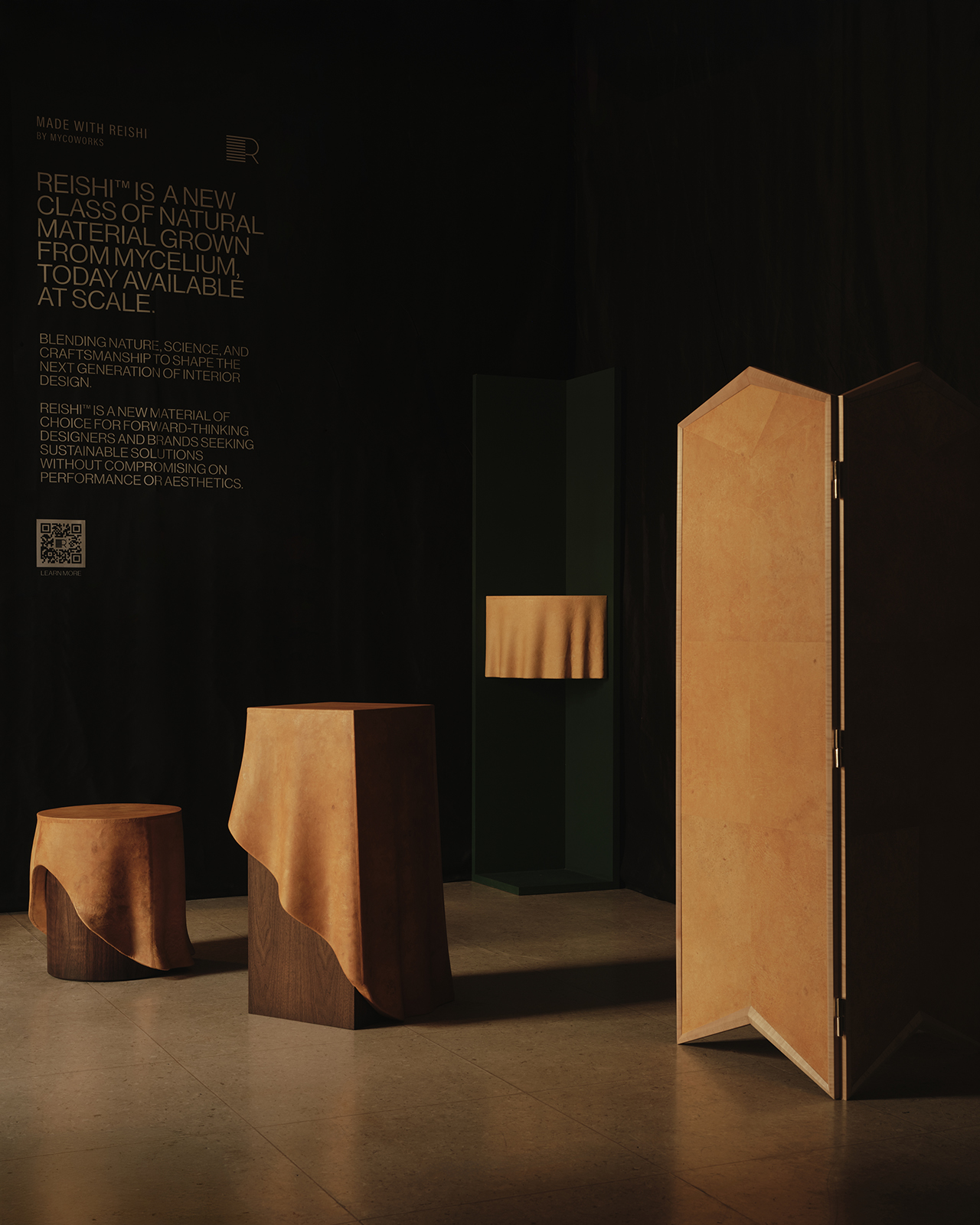
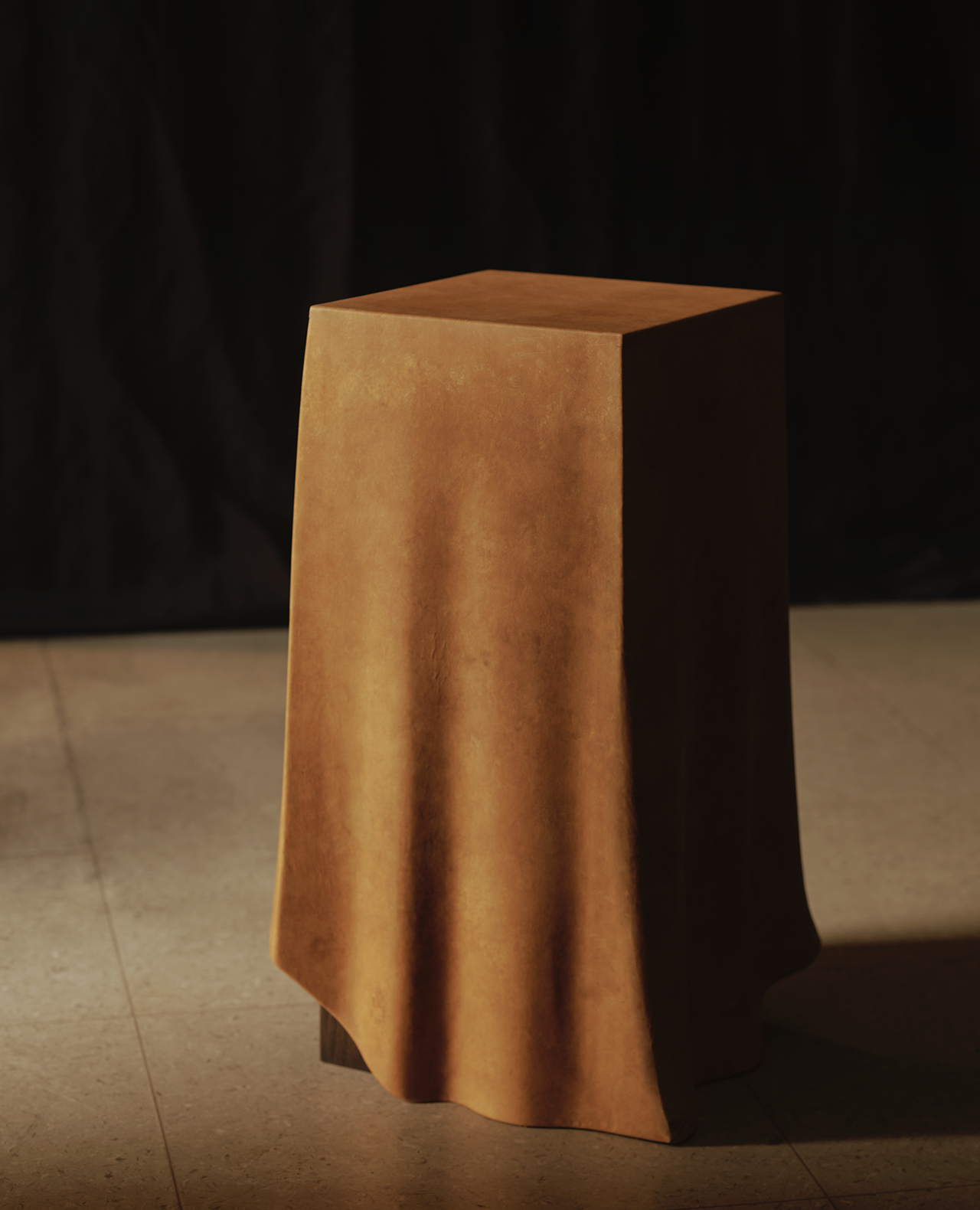
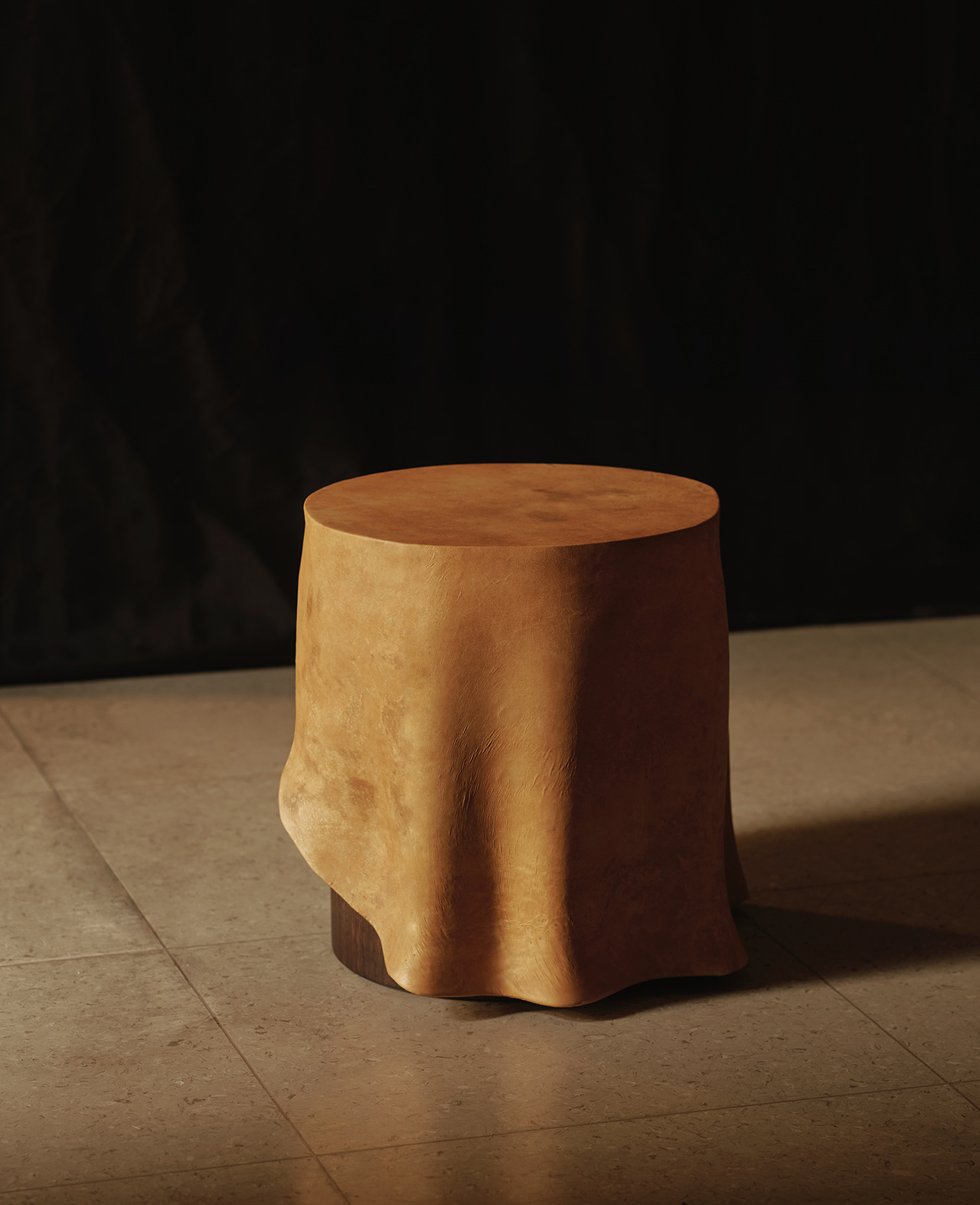
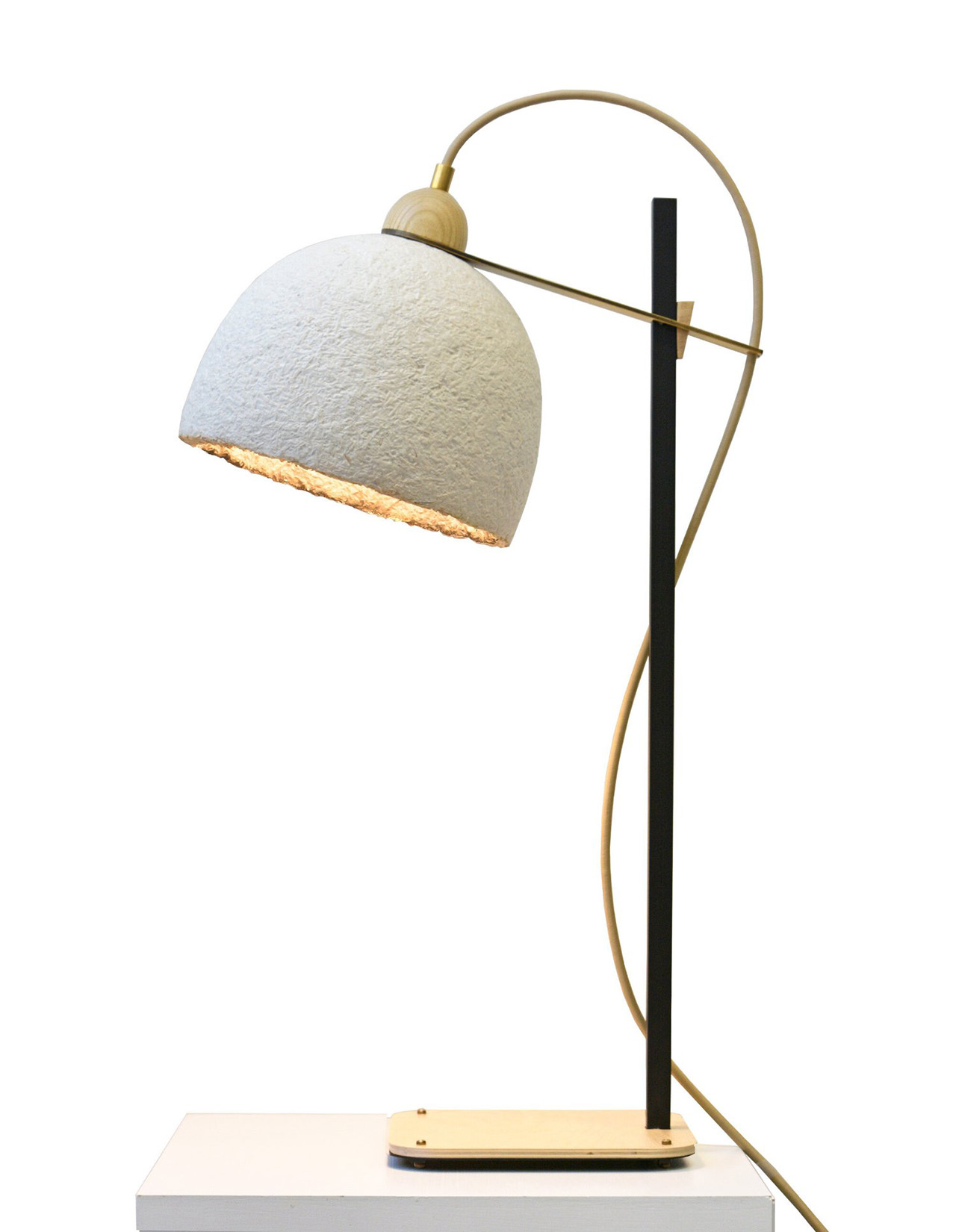
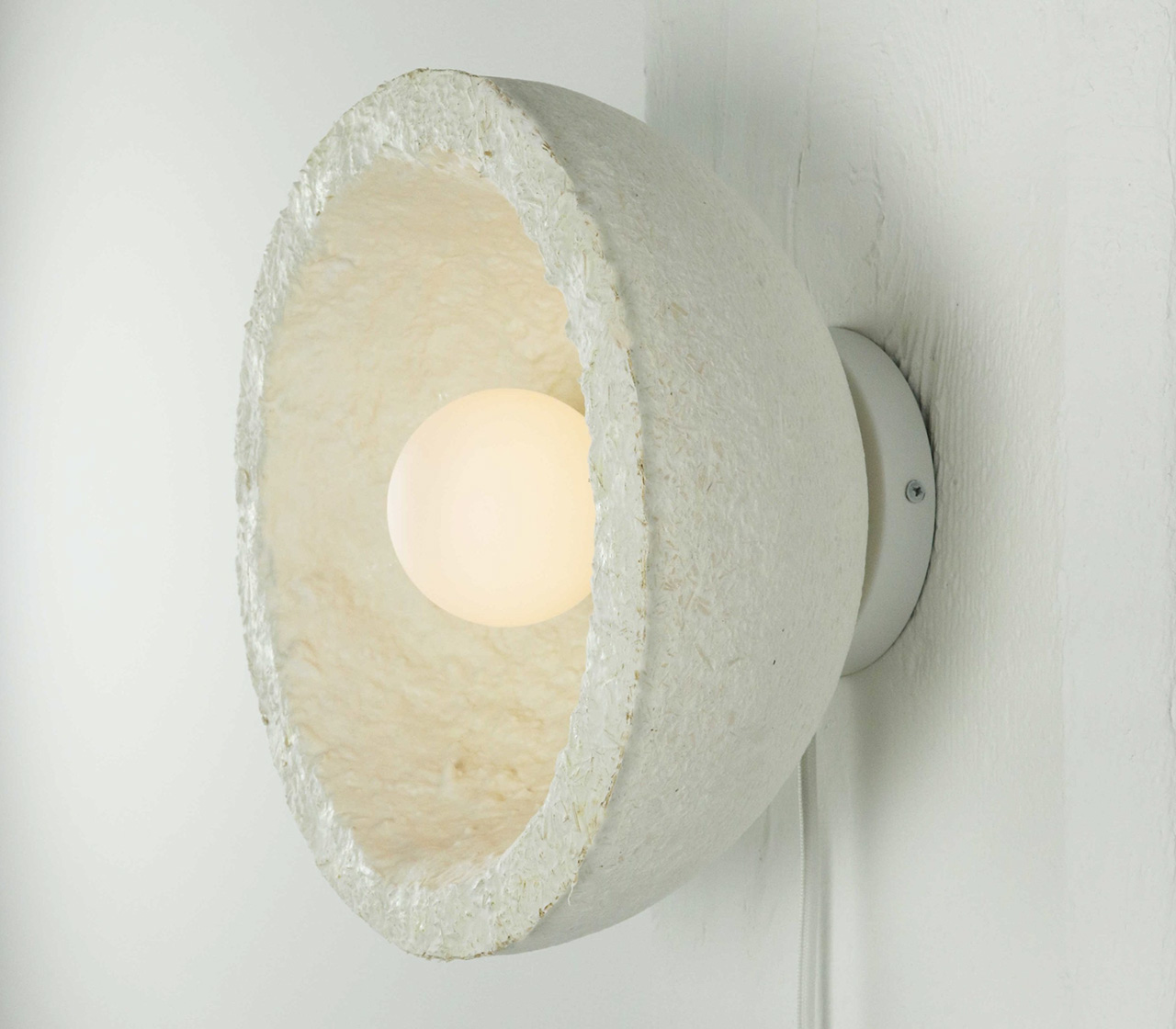
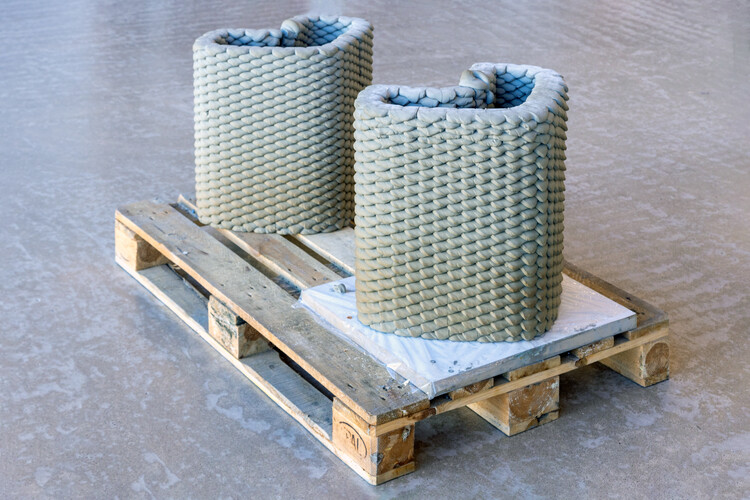
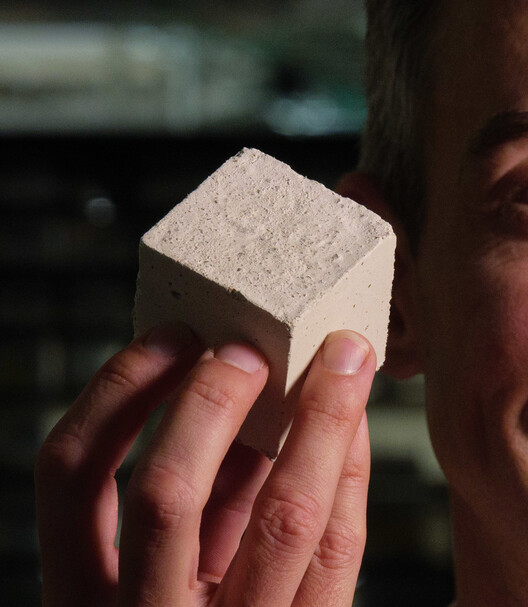
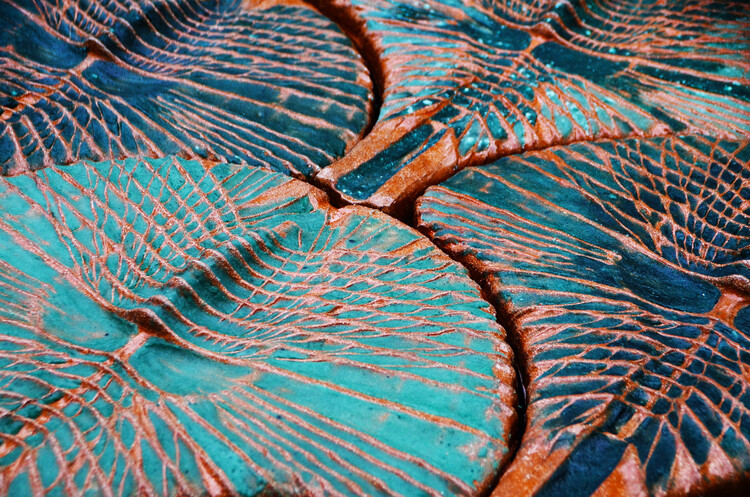
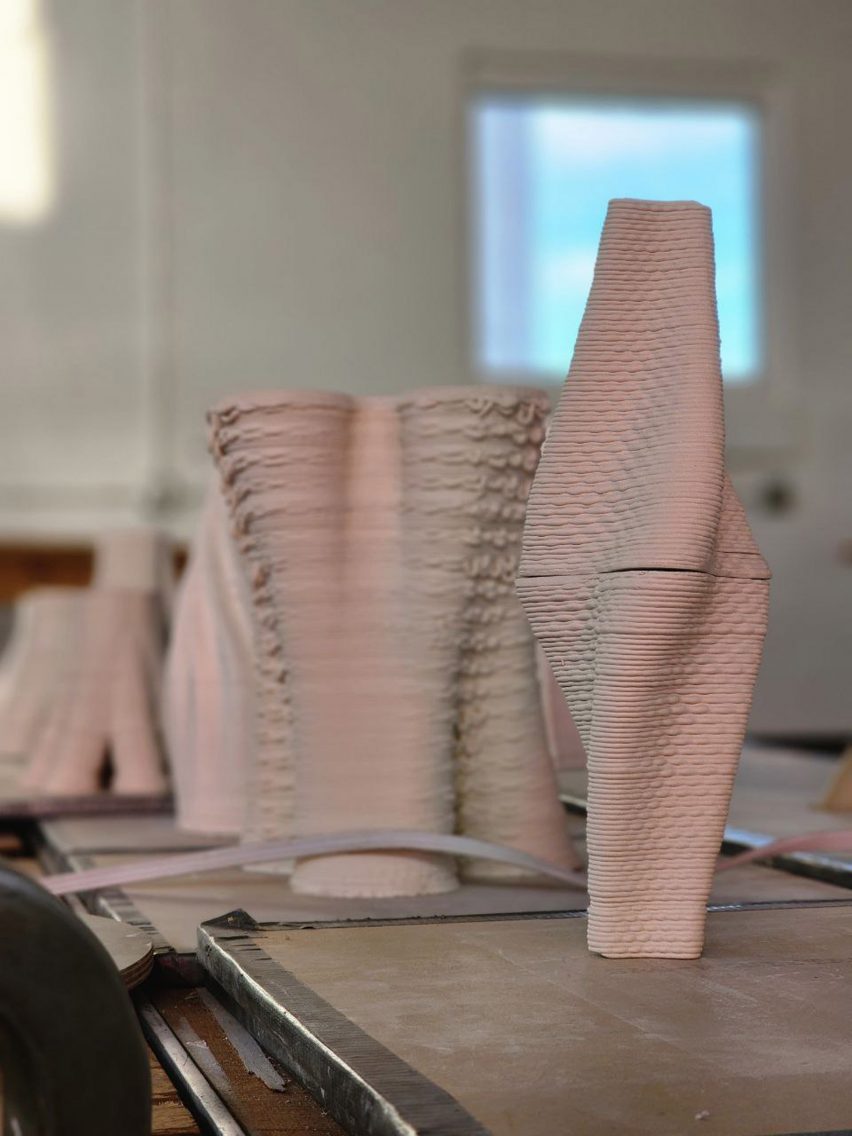
The article presents several case studies demonstrating mycelium's applications. In architecture, the Shape Lab at Graz University of Technology developed MyCera, a composite of clay, sawdust, and mycelium, showing promise as a sustainable alternative to cement-based binders. London-based Blast Studio created 'The Tree Column,' an architectural element from waste cardboard and mycelium. ETH Zurich's MycoTree project further explored mycelium and bamboo for stable, branched structures. Mycelium is also being utilized for underwater structures, such as those by Urban Reef. In interior design, companies like Buřinka offer designer furniture from mycelium and wood, and artists like Eric Klarenbeek create lightweight furniture from mycelium and straw. Yasmine Mahmoudieh showcased mycelium furniture at the Architecture Biennale, and bioMATTERS studio developed MYCO ALGA tiles from algae and mycelium. Beyond aesthetics, Fraunhofer Institutes have investigated mycelium's insulating properties for sound absorbers and high-performance acoustic loudspeakers. Intriguingly, mycelium's regenerative capabilities are being explored in medicine, with ETH Zurich and TU Delft developing a self-healing hydrogel from shiny lacquer fungus for potential robotic skin applications. These diverse projects underscore mycelium's potential as a sustainable alternative across numerous fields.
#Mycelium3DPrinting #SustainableMaterials #BioBasedMaterials #AdditiveManufacturing #GreenBuilding #CircularEconomy #ArchitecturalInnovation #InteriorDesign #MaterialScience #Mycelium3DPrinting #SustainableMaterials #BioBasedMaterials #AdditiveManufacturing #GreenBuilding #CircularEconomy #ArchitecturalInnovation #InteriorDesign #MaterialScience
0 comment in total
 No comments yet
You may also like
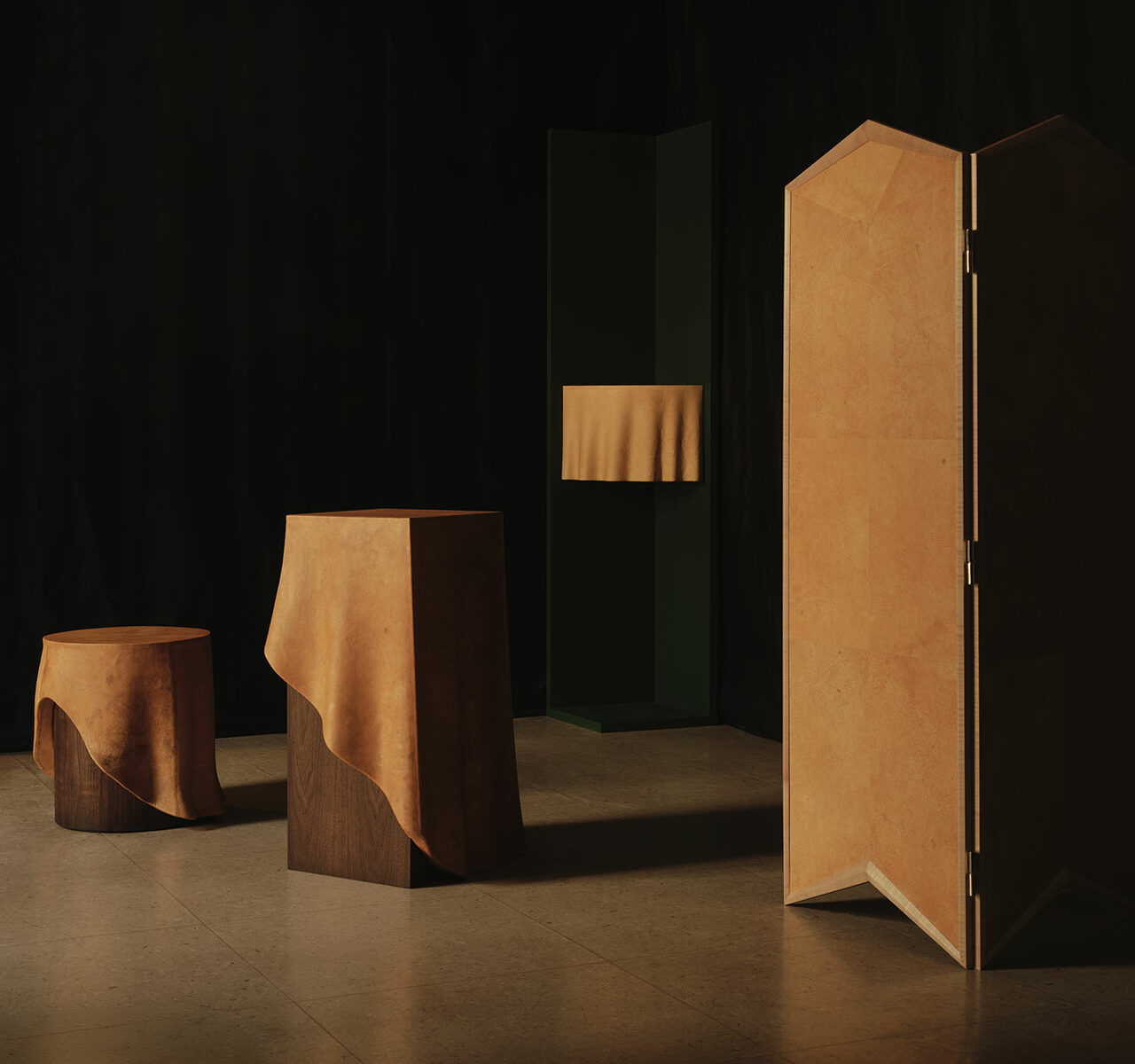
MycoWorks Turns Mycelium Into Luxe Leather-Like Alternatives
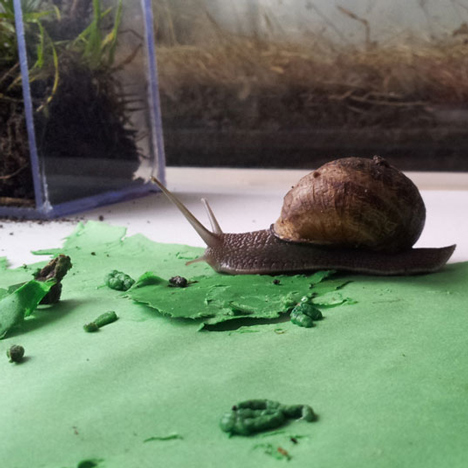
Floor tiles made of coloured snail poo by Lieske Schreuder
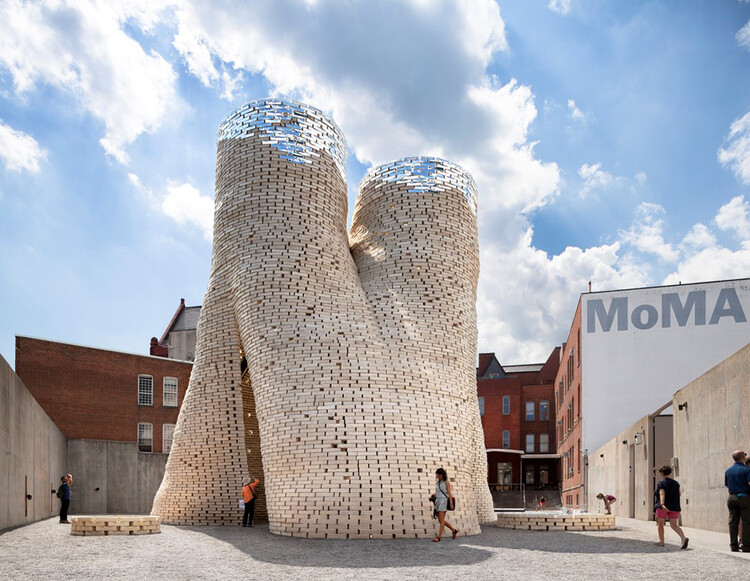
10 Start-ups Creating Innovative and Sustainable Building Materials, from Mycelium Bricks to Water Purifying Tiles

werteloberfell experiments with 3D printing to obtain flexible lighting structures
A 3D-Printed Lamp Achieves Translucency with Bio-Based Plastic
Long bamboo fibers for high-performance composite applications

jonas edvard crafts sound-absorbing panel from mushroom mycelium, hemp, and willow
Philips MyCreation: illuminating a sustainable future with 3D printed design solutions
MushLume Lighting Is an Illuminating Example of BioDesign
Sawdust Printer Goes Against The Grain By Working With Wood Waste

"Ancient cooling techniques" integrated into 3D-printed partitions
3D Printed Vases That Give New Life to Old Bottles
3D Printing and Fabrics: The Unique Design Process Behind the Forma Fabrica Vase Collection
Aztec Scenic Design Creates Custom 3D Printed Arabian-Inspired Ceiling and it’s Amazing!

Marble-look surfaces top 3D-printed plastic bases in Elli’s furniture collection
Signify myCreation always looks on the bright side
EufyMake E1: Full-Color 3D Textured UV Printing For Everyone?!
3D Printing Lightweight, Insulated Walls Using Cement-Free Mineral Foam

Lighting the way: Danielle Trofe’s fungus-fueled fixtures
You Can Now Grow Lamps From Mushrooms