1/6
"Ancient cooling techniques" integrated into 3D-printed partitions
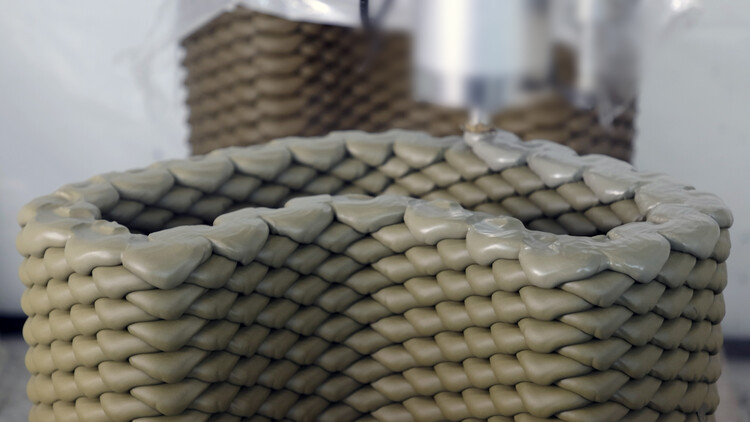
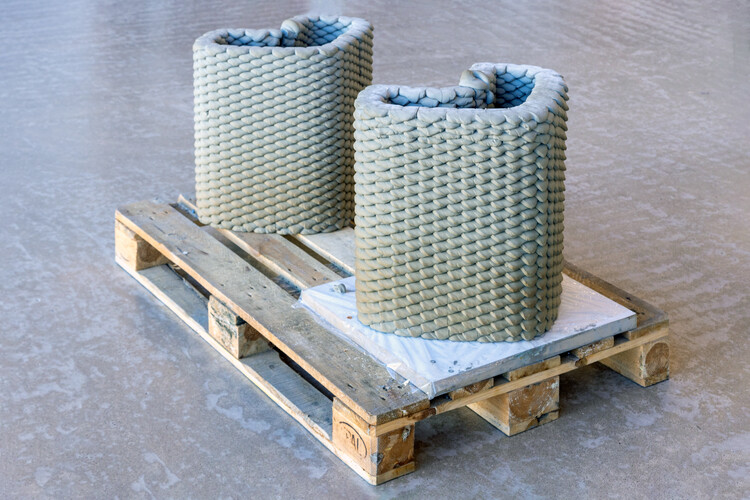
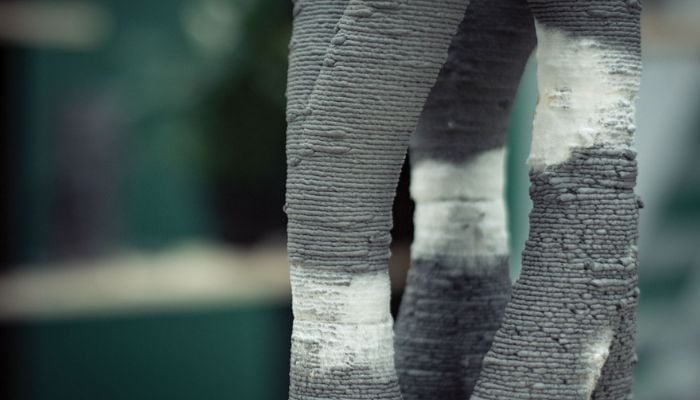
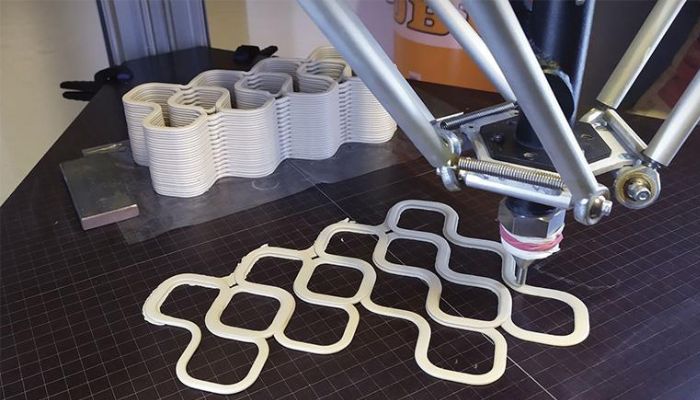
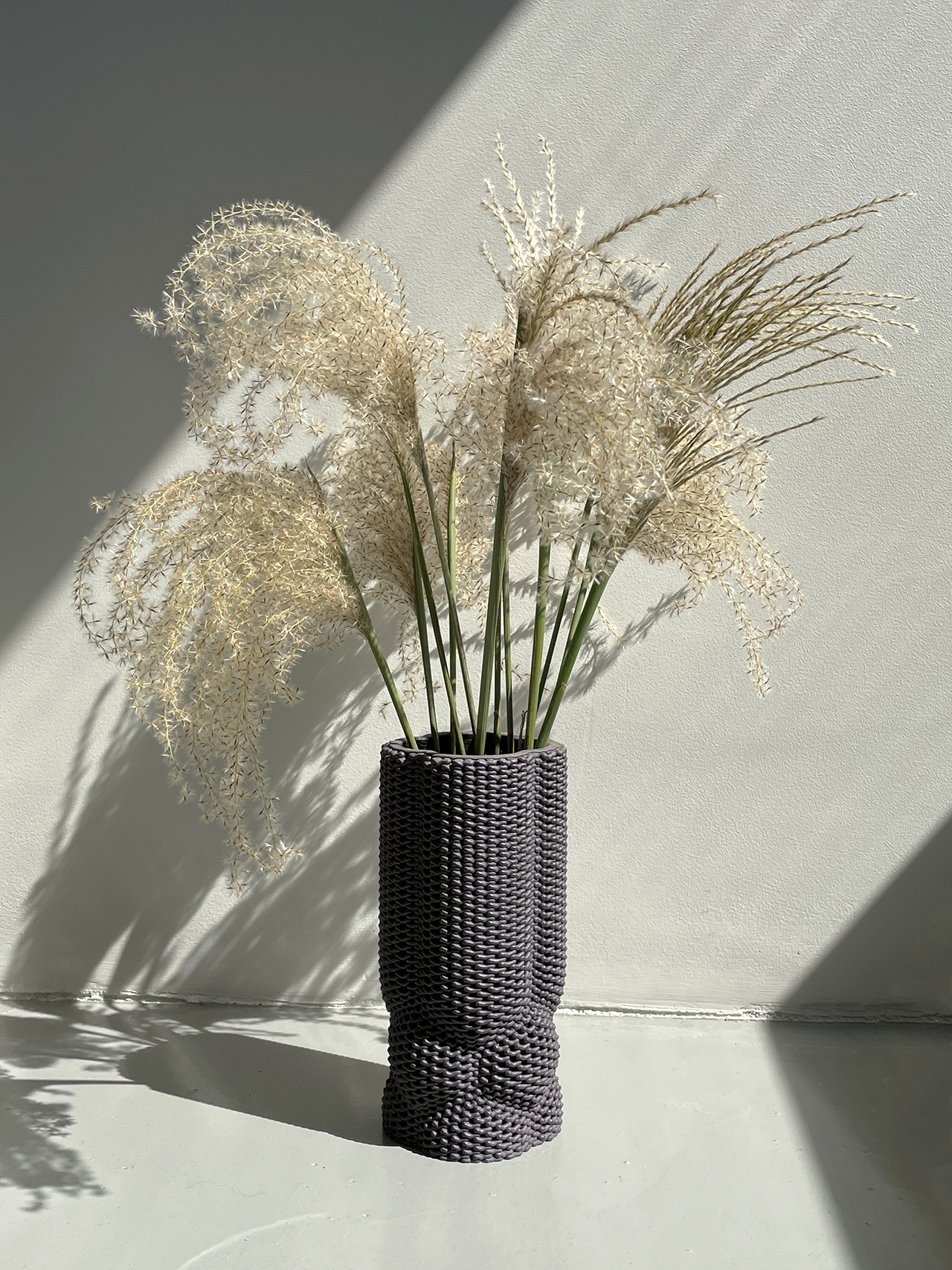
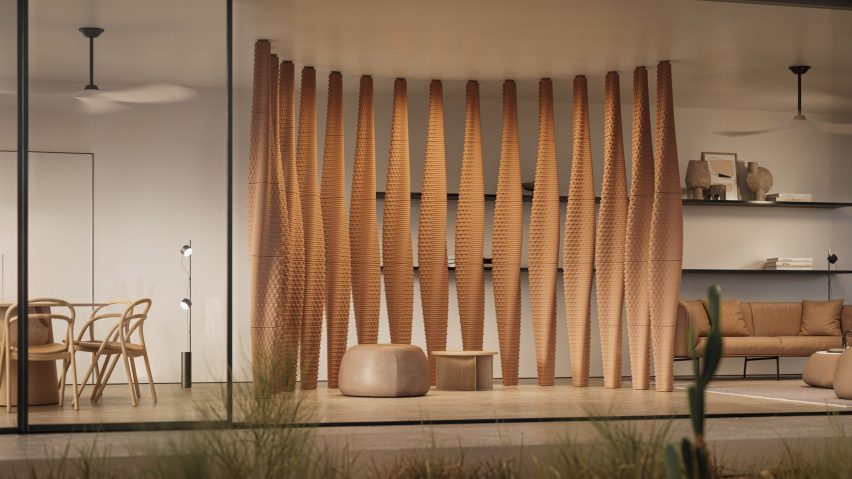
Researchers at Virginia Tech have conceptualized an evaporative cooling system utilizing 3D-printed hollow clay columns, designed to reduce ambient air temperature by approximately 10 degrees Fahrenheit (5.56 degrees Celsius). This innovative system has been integrated into a wall partition and is currently undergoing testing to assess its efficacy. The versatility of the design suggests it could be adapted for various interior applications, such as a "cooling chair," or even as a component of a building's facade, functioning similarly to a breeze block.
Stefan Al, an architect, urban designer, and affiliate associate professor of architecture at Virginia Tech, along with Brook Kennedy and Georg Reichard, conceived this system. Al emphasizes that the technology offers "free cooling," requiring only water for its operation. The mechanism involves warm air passing through the clay columns, where water stored within internal sand evaporates, thereby cooling the air. The design draws inspiration from historical cooling methods, including the muscatese, an evaporative window design from Oman, and the zeer pot, an ancient clay pot system that functions as a refrigerator through evaporative cooling.
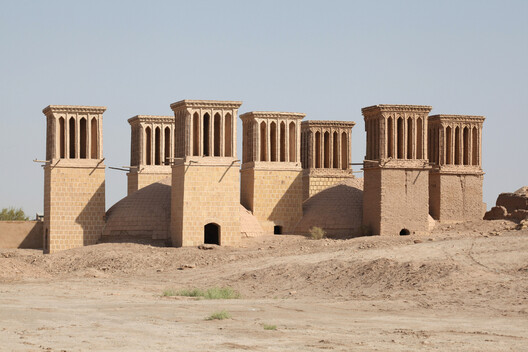
These ancient techniques, which have been employed for at least 4,500 years, are rooted in the principle that water absorbs heat as it evaporates, leading to a drop in temperature. Historical examples include the use of wind catchers combined with evaporative water systems in ancient Egypt, and porous clay jars filled with water placed near latticed windows in the Middle East to cool interior spaces. While mechanical air conditioning has largely supplanted these methods in the Western world, Al and his team aim to modernize and optimize these sustainable approaches.
Optimization is crucial, given that buildings' operational activities—heating, cooling, lighting, and appliances—account for over 30 percent of global energy consumption and approximately 26 percent of greenhouse gas emissions. A key advancement in this new system is the use of 3D printing with clay, a material with a lower embodied carbon footprint compared to cement-based products. Clay's natural properties also enable it to store and release heat effectively, making it suitable for passive thermal regulation.
The research team, including Saeed Sakhdari, Ilan Farahi, and Mohammed Ali, has developed three cylindrical prototypes and evaluated their thermal performance using infrared imaging. The passive cooling effect was found to vary based on the geometry and surface texture of each column, which influence the total evaporative surface area. Material porosity is another critical factor, as it must permit sufficient water evaporation without compromising the structural integrity of the clay columns. To fully assess the system's capabilities, the researchers plan to construct a full-scale room, although current prototypes are limited by the size of Virginia Tech's kiln.
The cooling effect is most pronounced when the system is complemented by a fan or situated in an area with strong natural airflow. Due to the localized nature of evaporative cooling, the air directly adjacent to the structure will experience greater cooling compared to the uniform distribution achieved by conventional air conditioning. Despite this, Al believes the system holds promise for targeted applications, such as creating cool microclimates around seating areas. He also highlights the aesthetic appeal of the system, suggesting it could foster greater appreciation for sustainable, ancient cooling techniques, especially as global temperatures continue to rise.
#EvaporativeCooling #3DPrinting #Clay #SustainableDesign #PassiveCooling #VirginiaTech #ArchitecturalInnovation #LowEnergyDesign #AncientTechniques #EvaporativeCooling #3DPrinting #Clay #SustainableDesign #PassiveCooling #VirginiaTech #ArchitecturalInnovation #LowEnergyDesign #AncientTechniques
0 comment in total
 No comments yet
You may also like
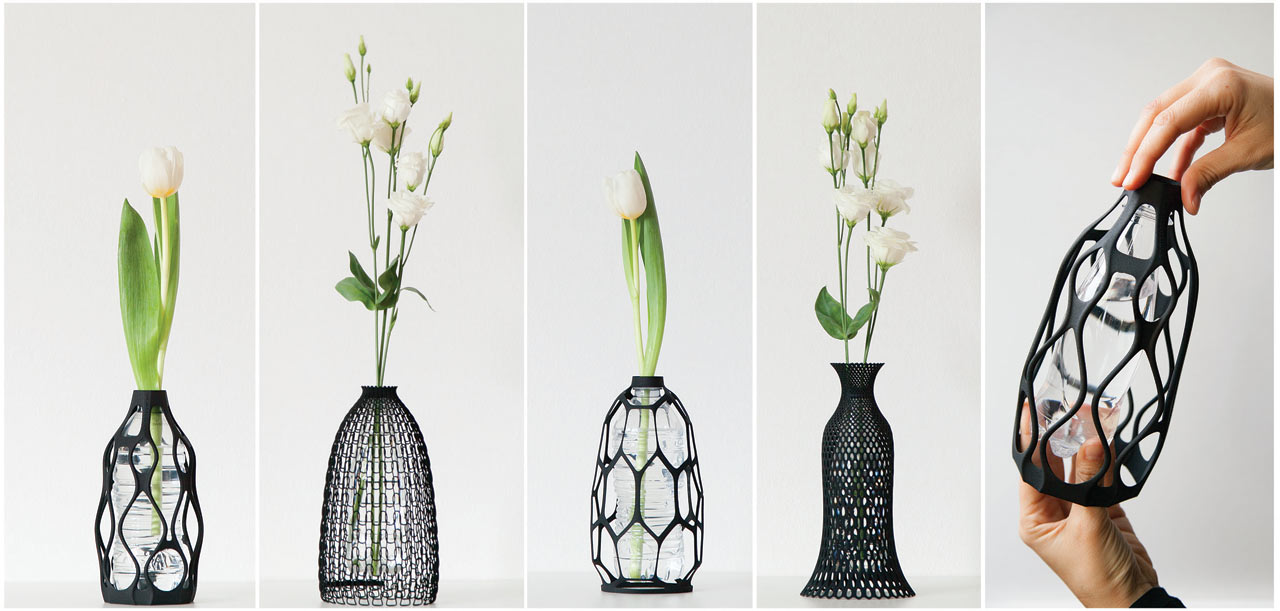
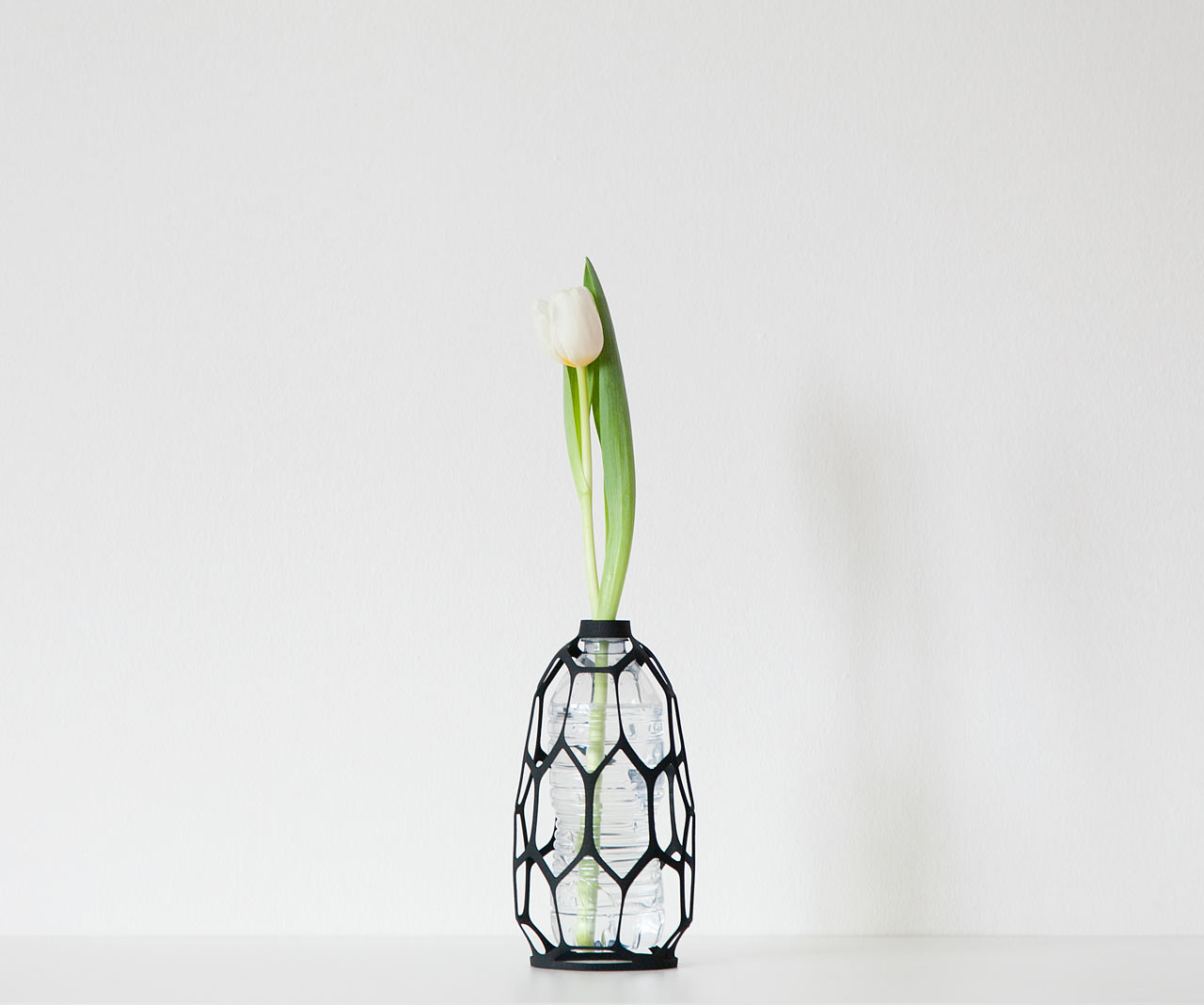
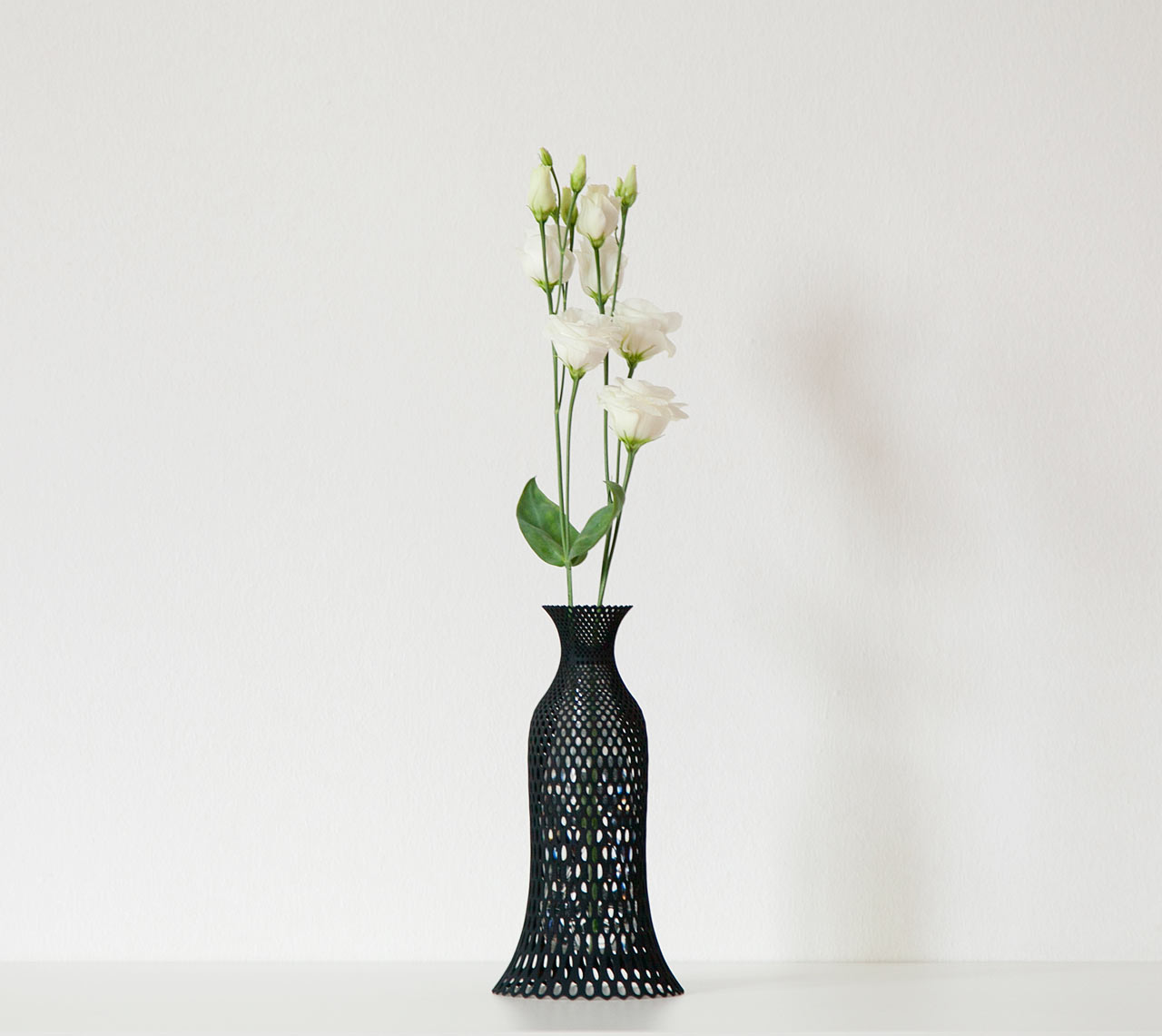
3D Printed Vases That Give New Life to Old Bottles

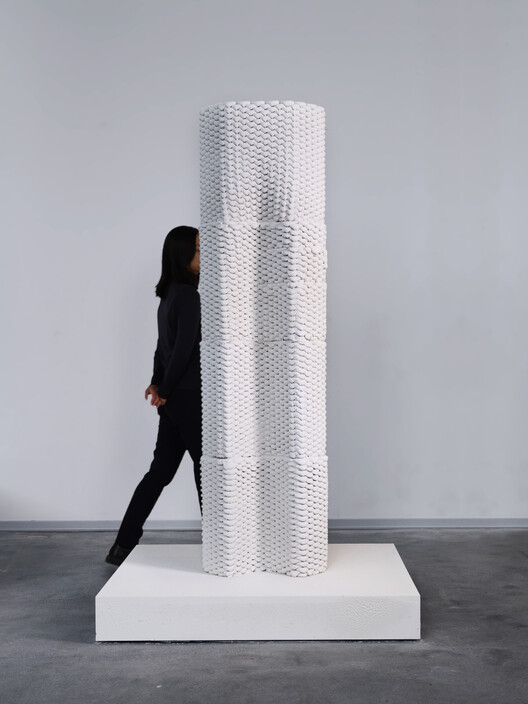
3D Printing Lightweight, Insulated Walls Using Cement-Free Mineral Foam

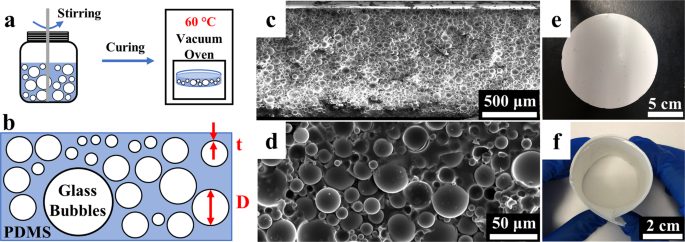
Cool White Polymer Coatings based on Glass Bubbles for Buildings
werteloberfell experiments with 3D printing to obtain flexible lighting structures
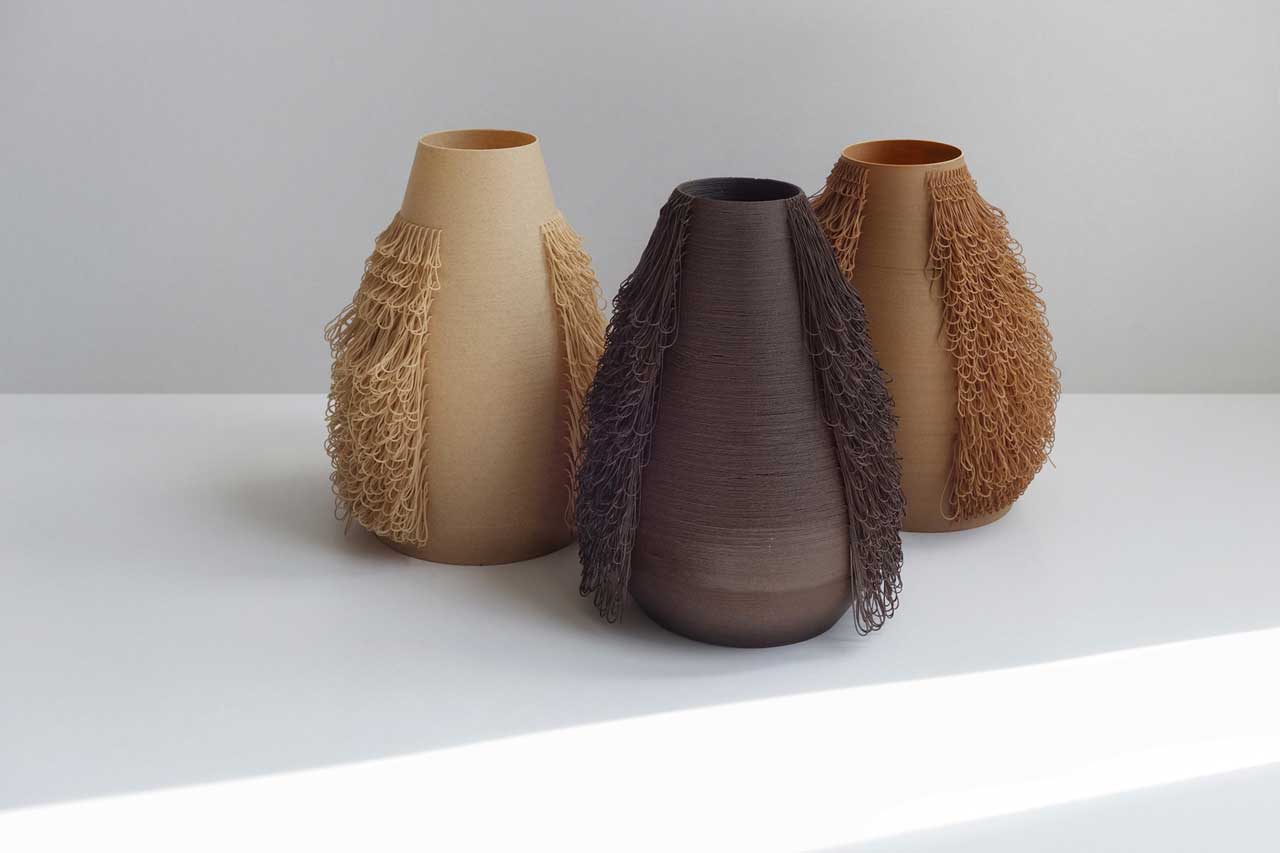
Poilu Vases Are 3D Printed with Implanted "Hair"
Terrazzo-like table brings electronic waste to life with closed-loop design


Magnetic Air Conditioners: A High Tech Way Of Keeping Cool

High-tech production creates a handcrafted look

Reimagining Air Conditioning: Traditional Cooling Methods for the Future
porous terracotta air conditioning system 'nave' uses water to cool spaces without electricity
Slim Skins: Towards a New Glazed Façade System

A 3D-Printed Lamp Achieves Translucency with Bio-Based Plastic
3D Printing and Fabrics: The Unique Design Process Behind the Forma Fabrica Vase Collection
Mycelium as a Material for 3D Printing
Movable Walls: The Transformative Effect of Retractable and Folding Partitions


Aztec Scenic Design Creates Custom 3D Printed Arabian-Inspired Ceiling and it’s Amazing!

Improving Cooling Capacity of Condensation-Free Radiant Cooling for Low-Emissivity Chilled Ceiling via Adaptive Double-Skin Infrared Membranes
Radiators

3D-Printed Ceramic Vases That Mimic Nature’s Patterns
Take cover / Turn your unsightly radiator into a thing of beauty with an enclosure