Magnetic Air Conditioners: A High Tech Way Of Keeping Cool
The increasing global temperatures are leading to higher reliance on air conditioning, which currently accounts for a significant portion of household electricity consumption. Magnetic air conditioners offer a promising alternative to traditional cooling systems by utilizing a different approach to temperature regulation. Unlike conventional air conditioners that rely on the phase change of a liquid refrigerant and compressors, magnetic air conditioners leverage the magnetocaloric effect.
The magnetocaloric effect is a phenomenon where certain magnetic materials heat up when exposed to a magnetic field and cool down when the field is removed. While this effect was first observed in 1881 by Emil Warburg, the initial temperature changes were too minimal for practical use. However, recent advancements have led to the development of magnetocaloric metal alloys that exhibit a much more substantial magnetocaloric effect at room temperature, making them viable for cooling applications.
In a magnetic air conditioner, the cooling process involves rapidly and repeatedly exposing a magnetocaloric material to a magnetic field. For instance, in a prototype developed by Astronautics Corporation of America and the U.S. DOE's Ames Laboratory, a wheel containing gadolinium, a rare-Earth element, spins through a stationary magnetic field. As the gadolinium alloy enters the magnetic field, it heats up, and then cools as it moves out of the field through a gap. This cooling action is then transferred to surrounding water.
This technology presents significant environmental advantages. The magnetocaloric alloy serves as the "refrigerant," and ordinary water facilitates heat transfer, eliminating the need for environmentally harmful hydrochlorofluorocarbons (HCFCs) used in traditional air conditioners. Early magnetocaloric alloys were either toxic or prohibitively expensive, but current materials are both cost-effective and environmentally safe. While magnetic air conditioners still require electricity, the motor that drives the spinning disk with the magnetocaloric alloy is projected to be considerably more efficient than the compressors found in conventional air conditioning units. Forecasts from 2011 suggested that prototypes could achieve the same level of cooling with approximately two-thirds of the electricity consumption of a standard air conditioner.
Various entities globally, including private companies, universities, and government agencies like the National Laboratory for Sustainable Energy at the Technical University of Denmark (MagCool project) and researchers at Penn State, are actively exploring magnetic cooling technology for a range of applications, including industrial and domestic air conditioning, refrigeration, and climate control. Corporate partnerships, such as that between BASF and Delta Electronics formed in 2009, aim to develop new magnetocaloric cooling systems and explore their potential for power generation. Although the technology is still several years away from widespread commercial availability, initial applications are expected to be in industrial settings before becoming available for residential use.
#MagneticAirConditioners #MagnetocaloricEffect #EnergyEfficiency #CoolingTechnology #EnvironmentalFriendly #HVACInnovation #SustainableEnergy #MagneticAirConditioners #MagnetocaloricEffect #EnergyEfficiency #CoolingTechnology #EnvironmentalFriendly #HVACInnovation #SustainableEnergy
0 comment in total
 No comments yet
You may also like
The best air conditioners, and why we still recommend the Midea U
The 6 Best Window Air Conditioners Of 2025: Our Top Energy-Efficient Picks

Ceiling fans: A new spin on cooling your home | Home and Garden | Life
Top Picks For Smart Fans To Beat The Heat, Available On Amazon India; Check Out The List Here
Our Favorite ACs Keep You Cool Quietly and Efficiently
The Best Garage Air Conditioners for Garages and Workshops


You Should Turn on Your Ceiling Fan Every Time You Use Your AC | Reviews by Wirecutter
"Ancient cooling techniques" integrated into 3D-printed partitions

Reimagining Air Conditioning: Traditional Cooling Methods for the Future


Should We Keep Ceiling Fan On While Using AC? Let’s Find Out

11 Best Fans to Keep You Cool in 2025


Why is my upstairs always hot even with AC on? Experts reveal why and how to fix it

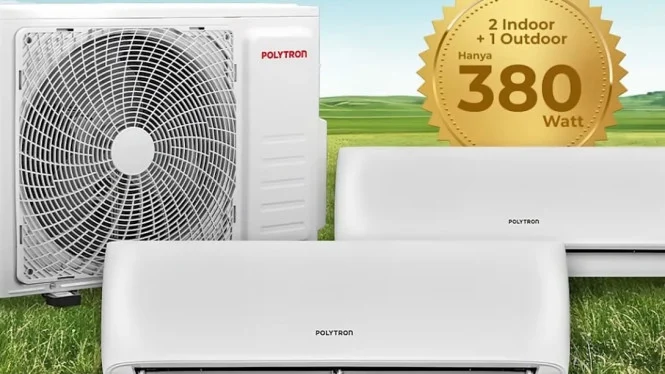
Polytron New Ice AC Features Colorful Backlit Remote and Powerful Cooling Performance

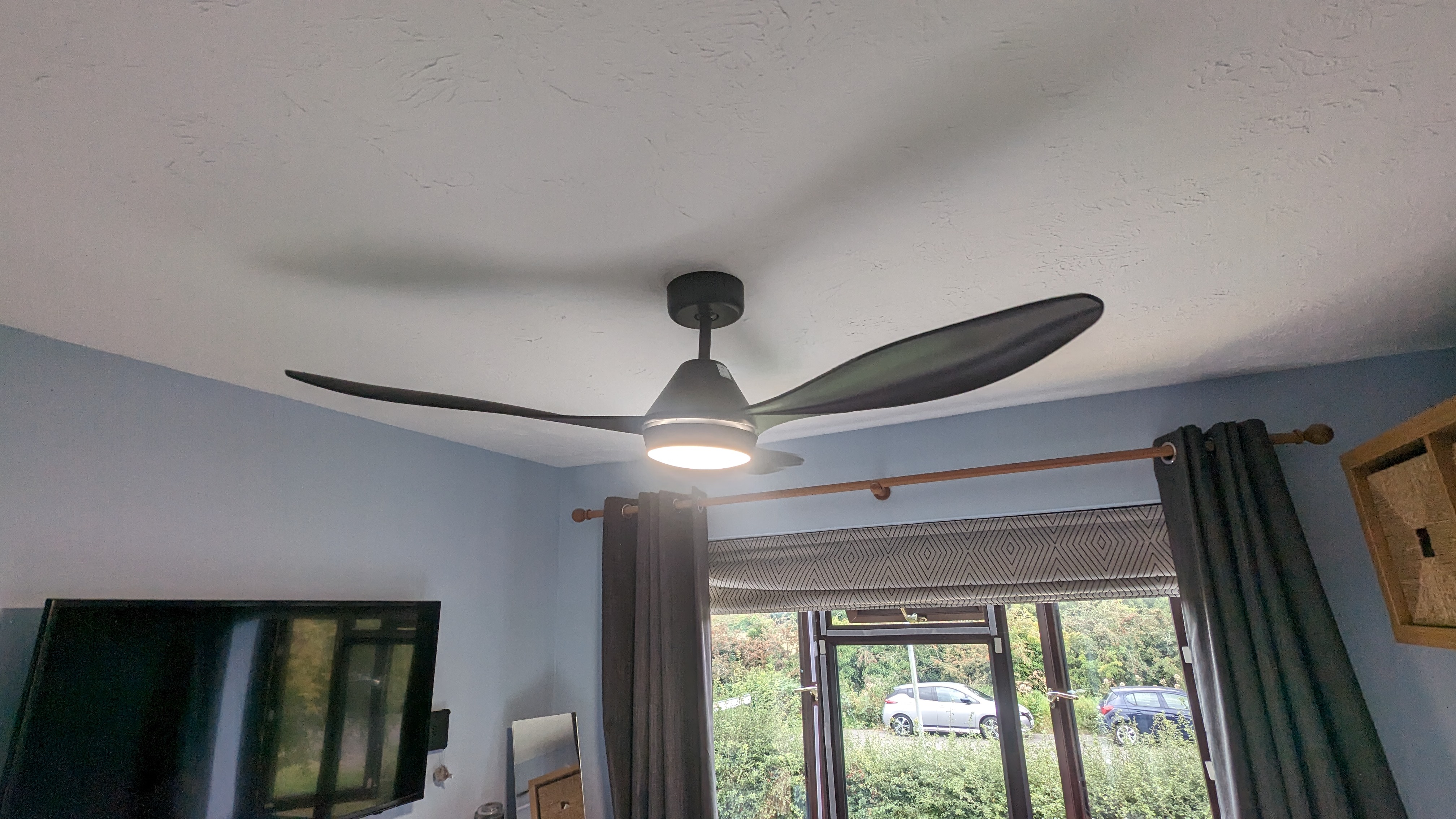
I ditched my air conditioner and installed a ceiling fan — and I’m not going back

How to keep a top-floor apartment cool in summer


Comfort: Heating & Cooling


There’s a New Generation of Window AC Units. We Found the Best Ones.
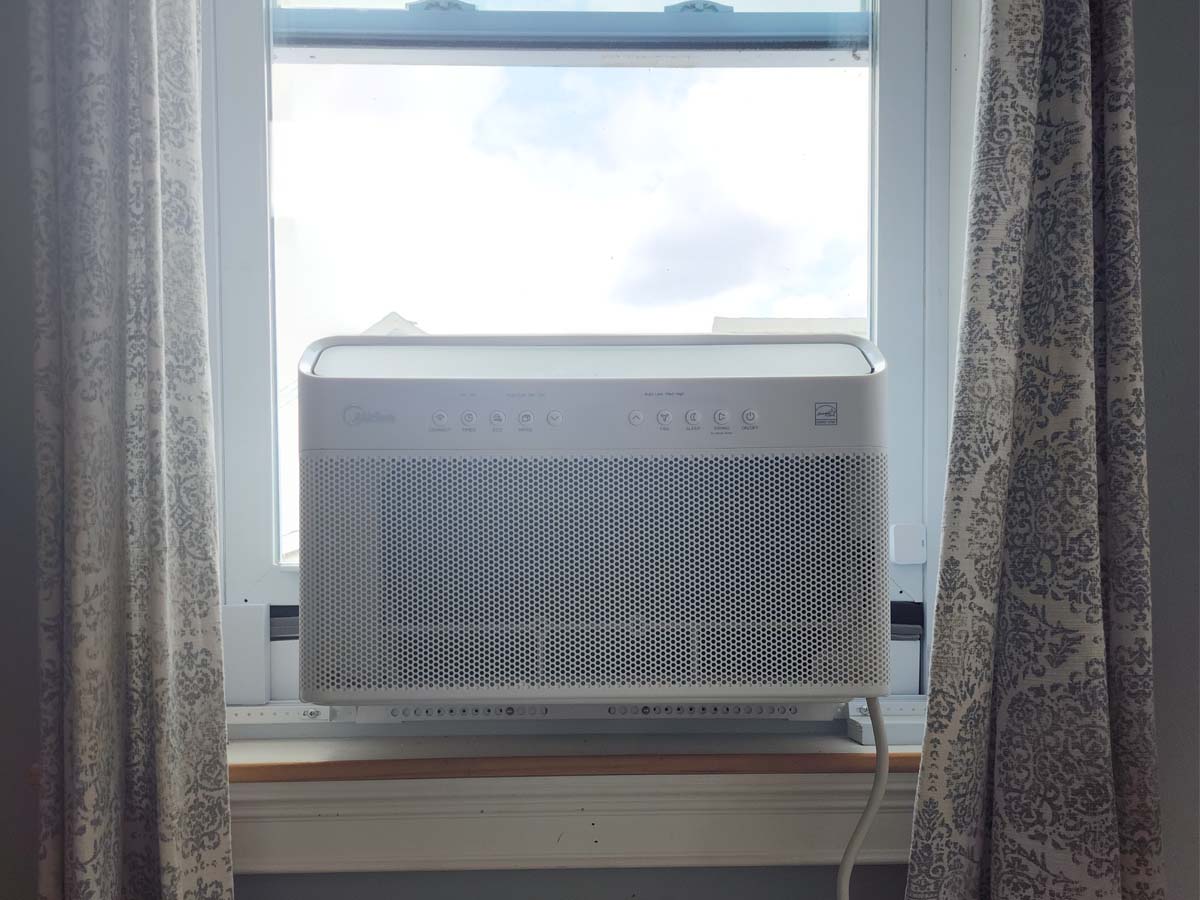
Midea U-Shaped Air Conditioner Review: Can This Unique AC Keep a Room Cool Yet Quiet?

The 6 Best Portable Air Conditioners of 2026 | Reviews by Wirecutter

Best table fans in 2025 for reliable cooling: Top high-speed and energy-efficient table fans