1/2
Sawdust Printer Goes Against The Grain By Working With Wood Waste
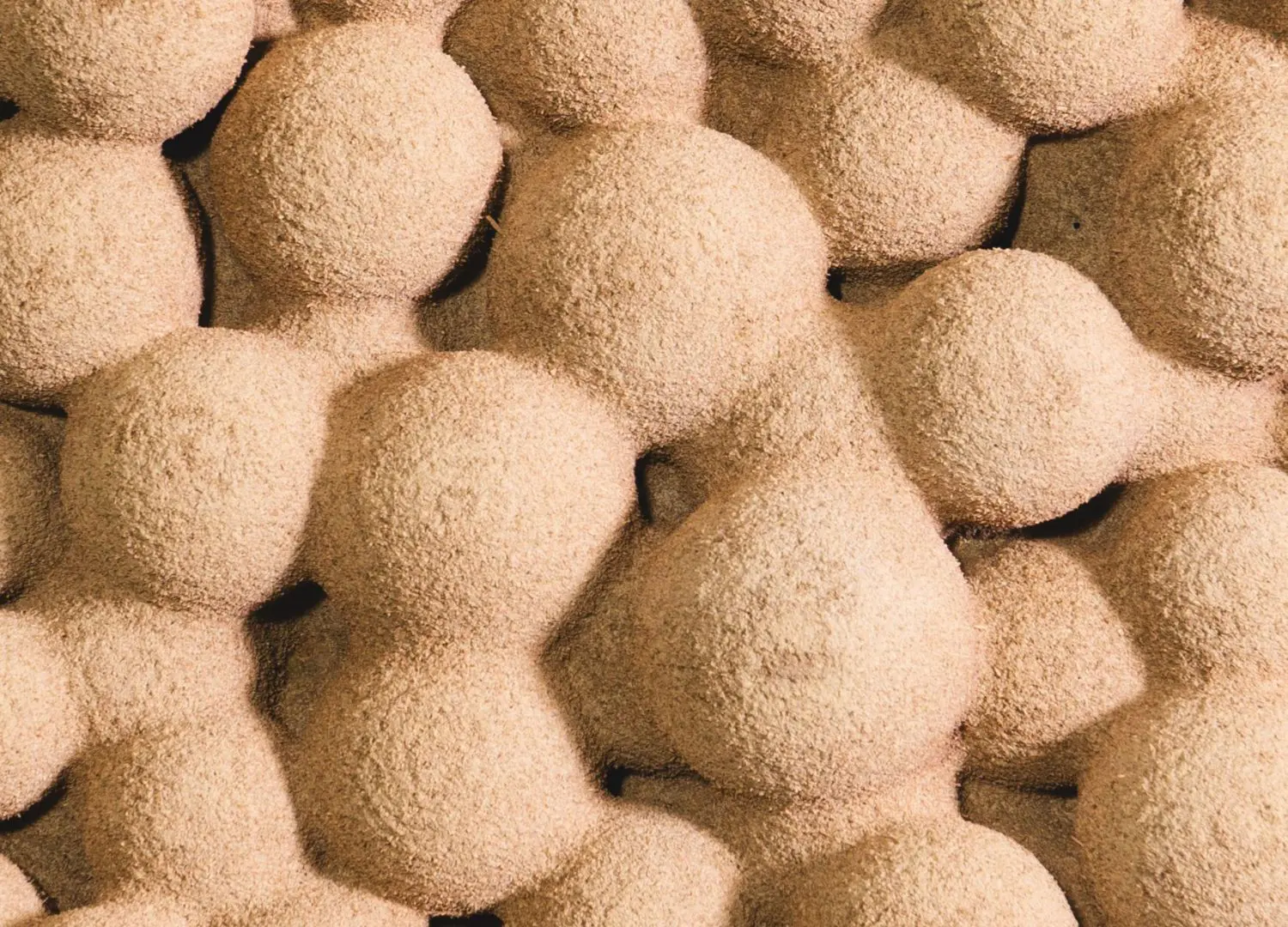
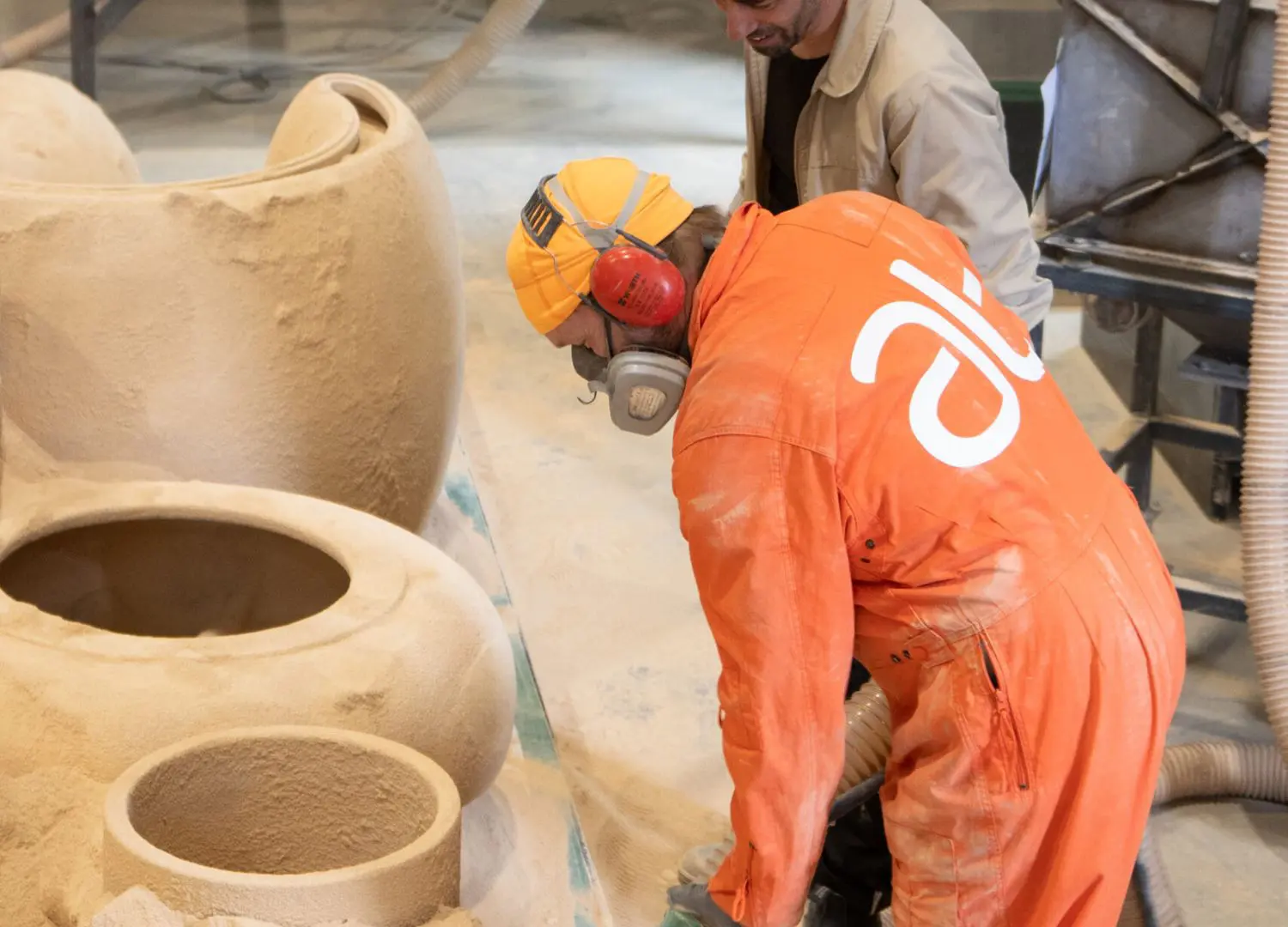
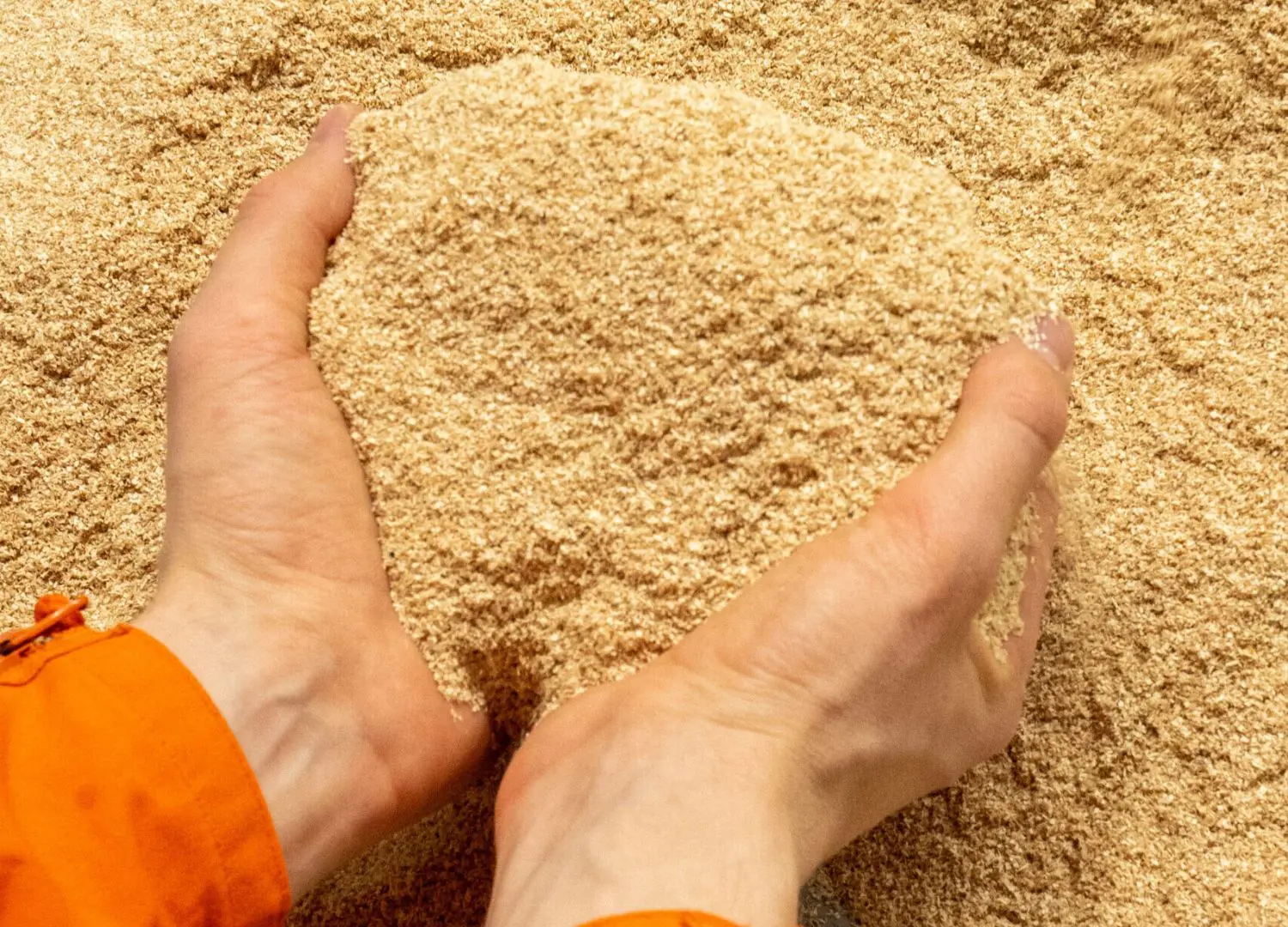
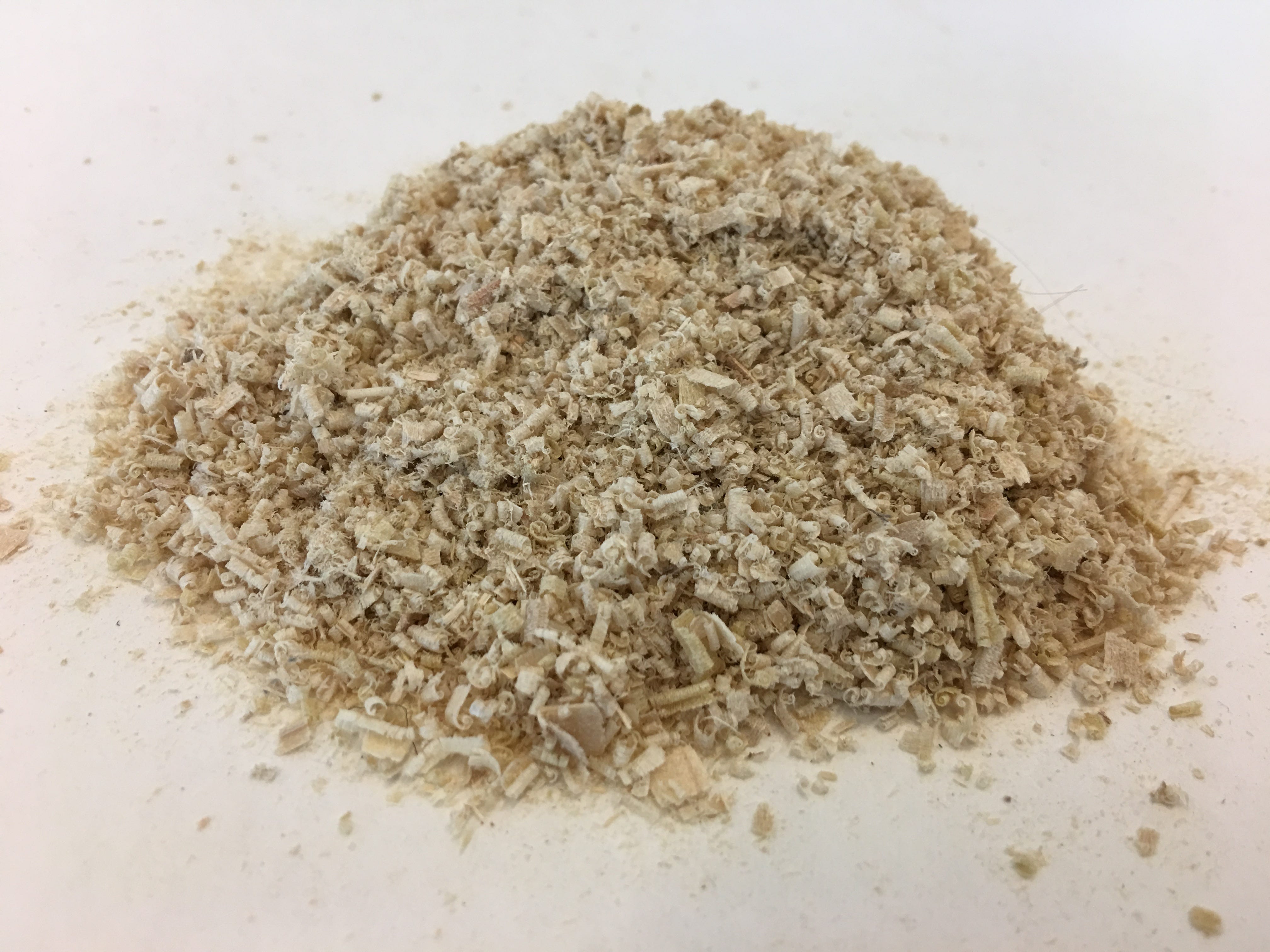
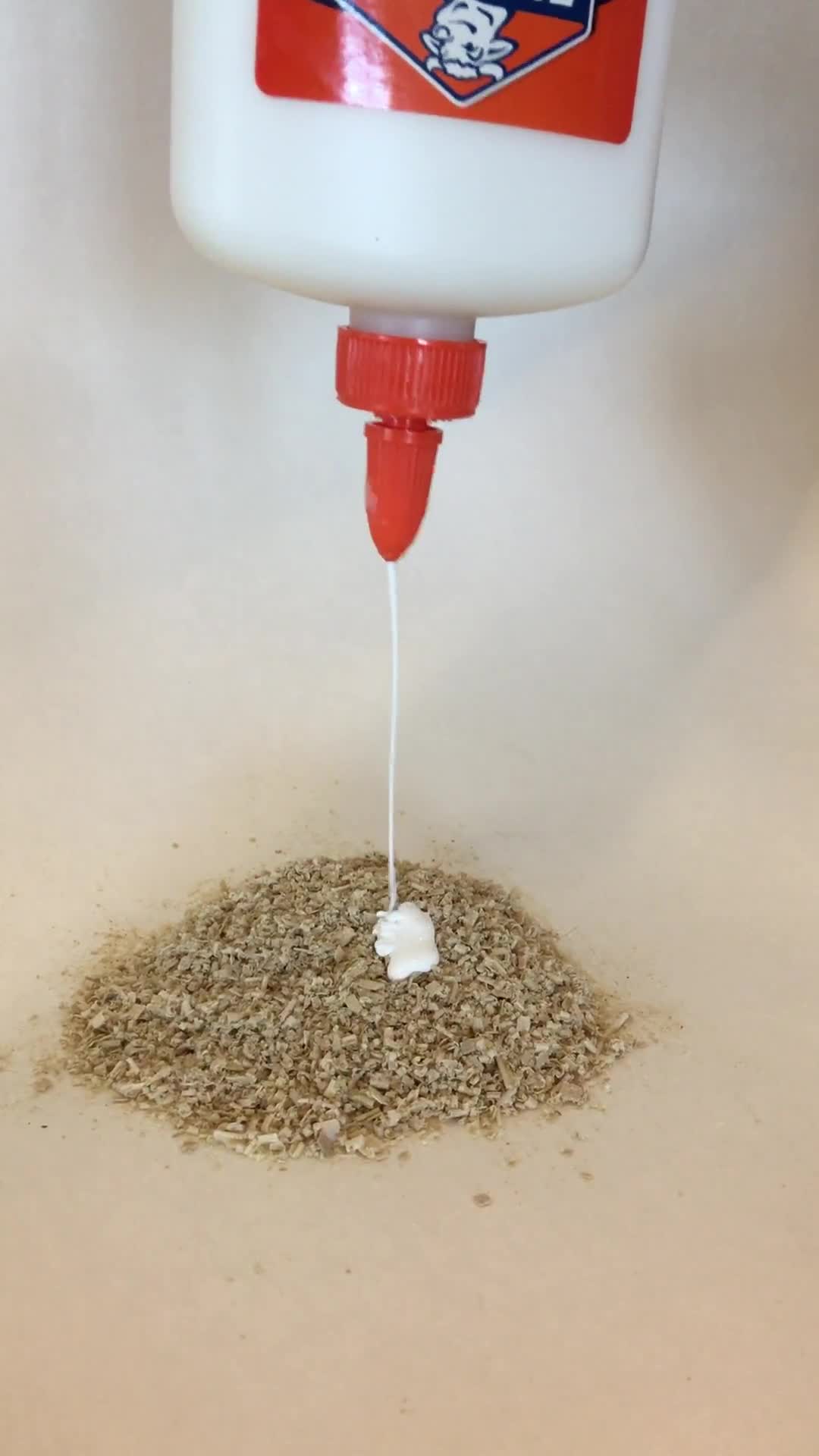
The article discusses Forust, a new additive manufacturing process developed by Desktop Metal, which utilizes wood and paper waste, specifically sawdust and lignin, to create wood products. Unlike existing wood-infused filaments that lack realistic wood grain, Forust aims to produce items that closely resemble natural wood. The technology employs a single-pass binder jetting method, where layers of sawdust and lignin are laid down and bound together with glue. While the press release does not detail a curing process, typical binder jetting processes often involve post-processing for enhanced solidity and longevity, usually with ceramic or metal-based materials.
A key innovation of Forust is its ability to digitally reproduce various wood grains, including exotic types like rosewood, ash, zebrano, ebony, and mahogany. The printed parts can be sanded, stained, polished, dyed, coated, and refinished, similar to traditionally manufactured wood components, and will support a range of wood stains such as natural, oak, ash, and walnut. This capability suggests a potential for creating custom and luxury wood products, from decorative items like pencil cups to furniture, leveraging the geometric flexibility offered by additive manufacturing.
The durability and strength of these printed wood items are crucial, especially for applications like furniture, where structural integrity is paramount, as opposed to purely decorative items. Forust's overarching goal is to contribute to environmental sustainability by reducing the need for virgin wood and promoting a circular economy. The company envisions the recycling of its products at their end-of-life into new goods, thereby minimizing waste and conserving natural resources. However, the reliance on the traditional wood industry for its primary materials—sawdust and lignin—raises questions about how truly circular and independent the process can become without a sustained source of wood processing waste.
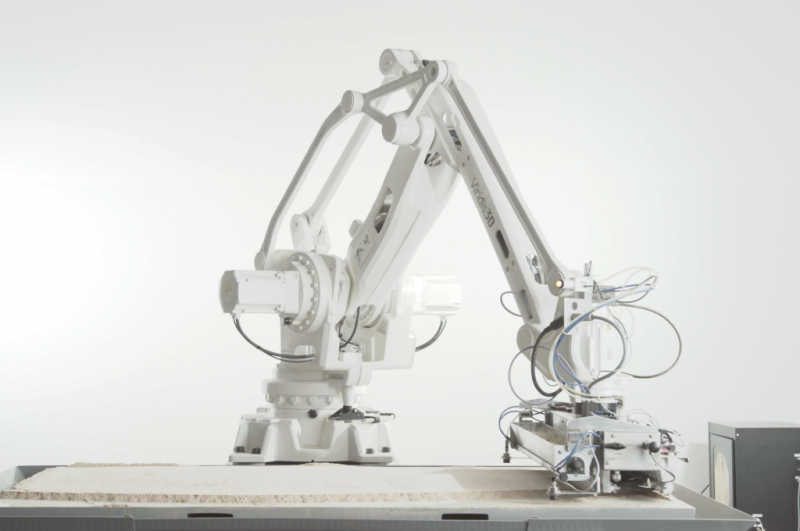
The article also briefly touches upon other methods of working with wood waste in additive manufacturing, such as a printer that stacks particle board layers and carves them with a CNC machine, highlighting the evolving landscape of wood-based 3D printing. The development of Forust represents a significant step towards creating more sustainable and aesthetically versatile wood products, offering an alternative to traditional woodworking methods and wood-infused plastic filaments. The technology's success will depend on its ability to produce strong, durable items that can genuinely mimic the feel and performance of natural wood, particularly for functional applications.
#SawdustPrinter #AdditiveManufacturing #WoodWaste #BinderJetting #SustainableMaterials #WoodGrain #3DPrinting #CircularEconomy #Forust #SawdustPrinter #AdditiveManufacturing #WoodWaste #BinderJetting #SustainableMaterials #WoodGrain #3DPrinting #CircularEconomy #Forust
0 comment in total
 No comments yet
You may also like
6-in. Random-Orbit Sanders


6 Things You Didn't Know You Can Do With Sawdust and Shavings
Clear Out and Grind Up Food Waste With These Tested Garbage Disposals
The random snack that removes stains from wooden tables
The Dye Is Cast

Burning Lumber as a Finishing Technique

snøhetta makes tiles out of electronic waste glass in 'common sands – forite'
econitWood™ turns timber scraps into new material resources