1/2
snøhetta makes tiles out of electronic waste glass in 'common sands – forite'
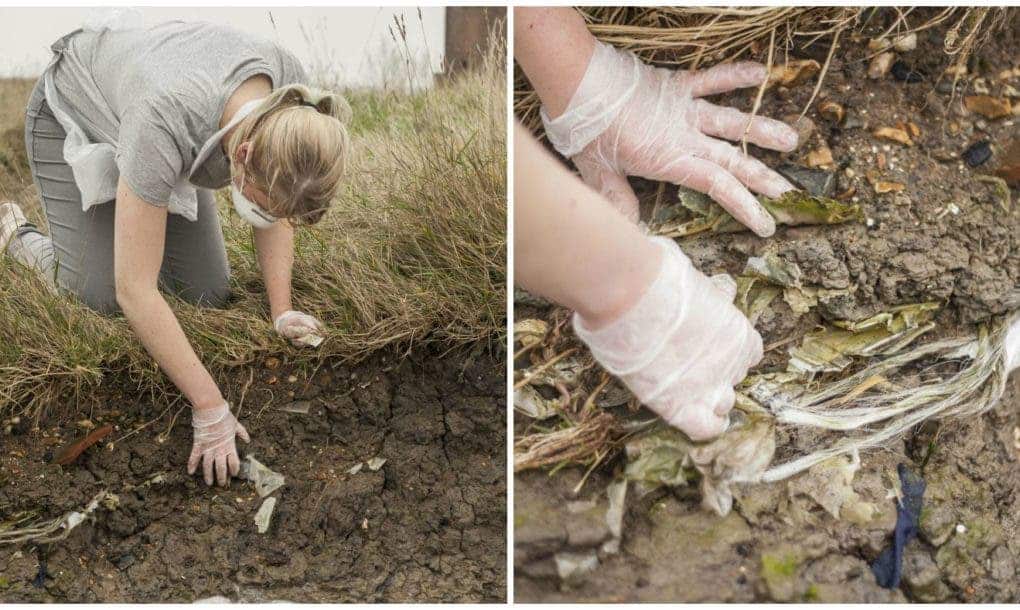
Sand, despite its common association with beaches and playgrounds, is a critical resource for modern technology. It is indispensable for manufacturing silicon microchips, fiberoptic cables, insulation, and solar cells, and forms the primary ingredient for glass used in consumer electronics such as refrigerators, microwaves, and computers. Despite the extensive efforts involved in extracting, transporting, refining, and processing sand into complex electronic components, there is a significant lack of effective recycling initiatives for these components once electronic goods reach the end of their lifecycle, often leading to them being discarded in landfills. While glass possesses excellent properties for recycling, current EU directives concerning the efficient processing of glass from electronic waste (E-waste) are notably absent.
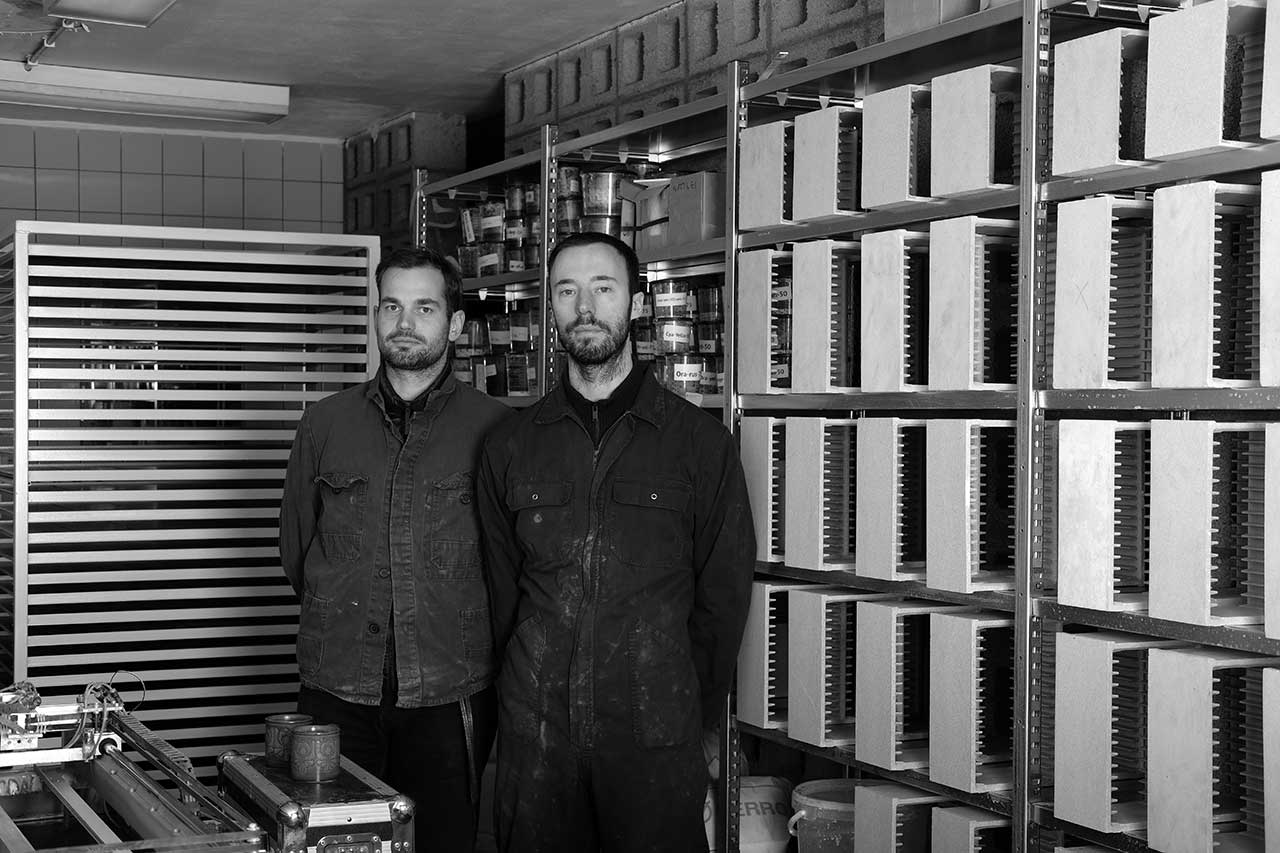
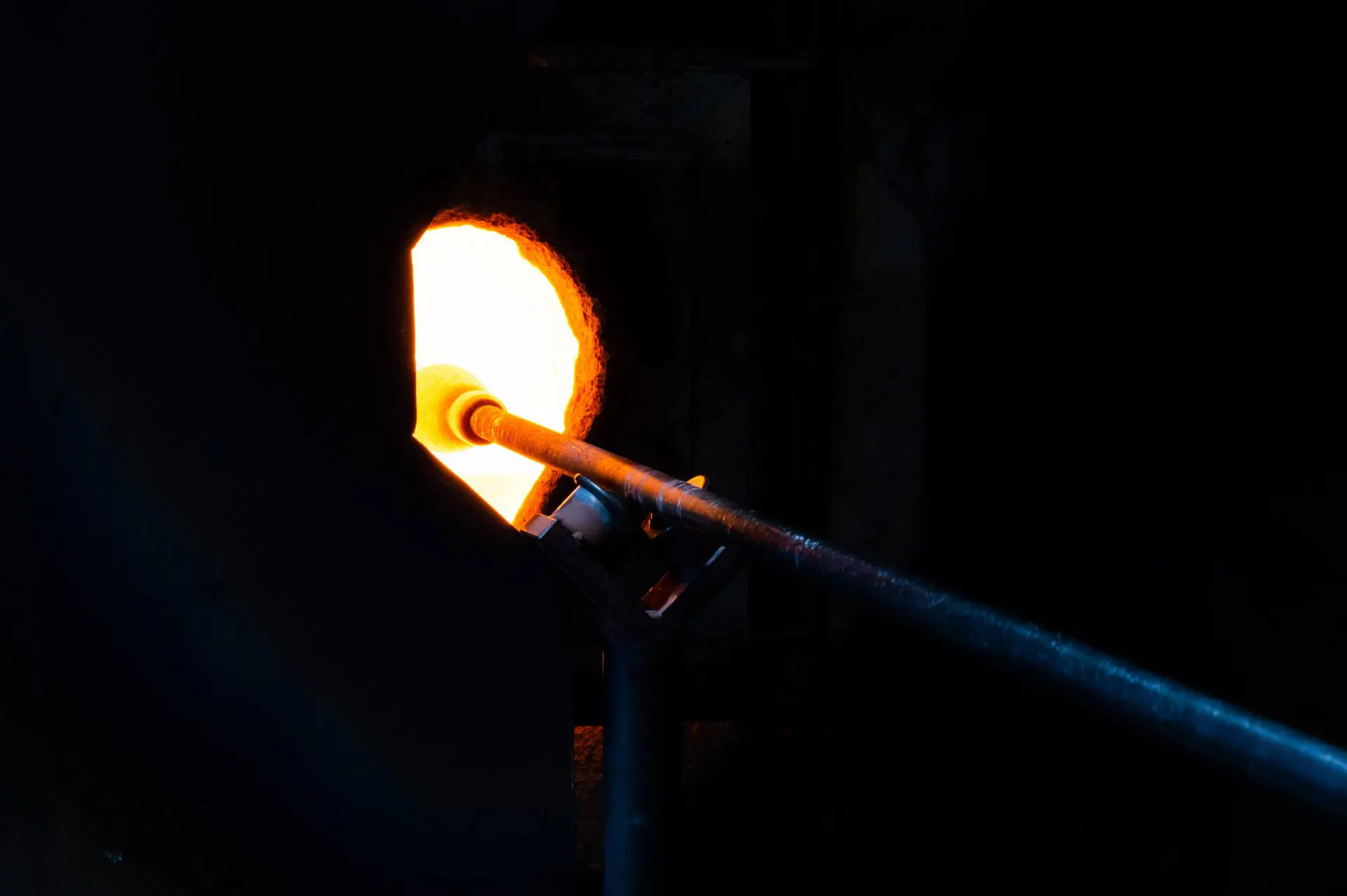
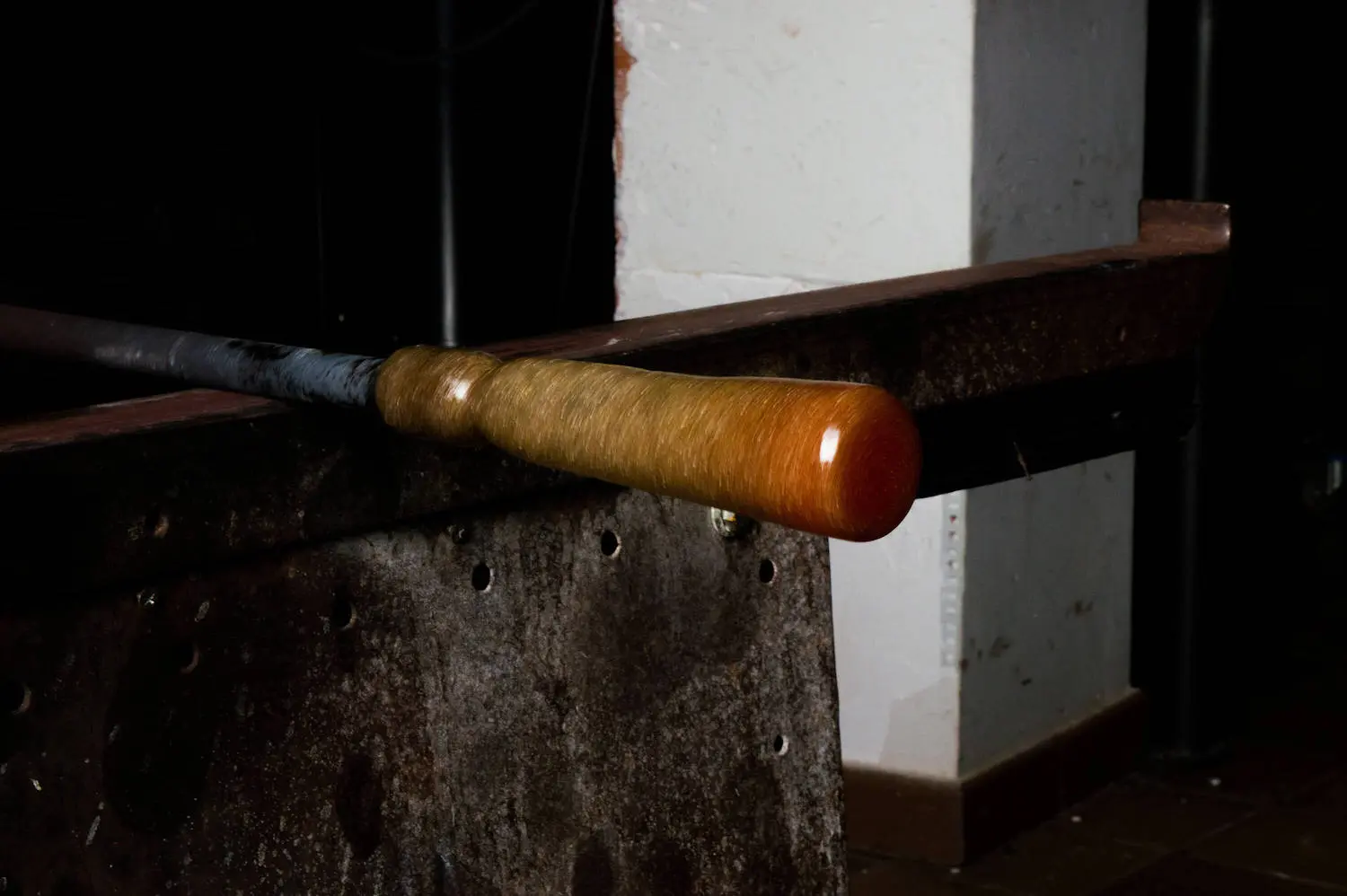
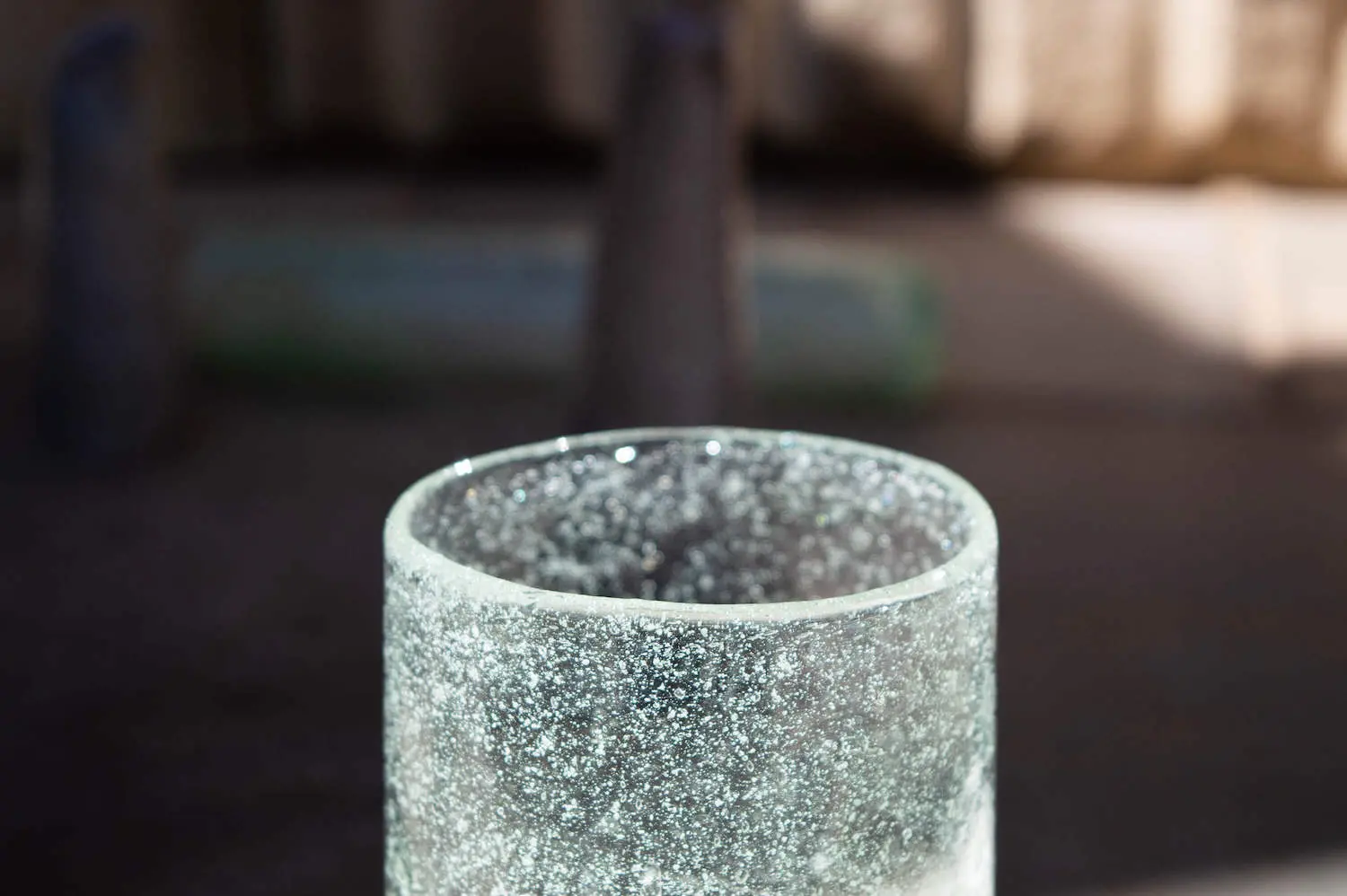
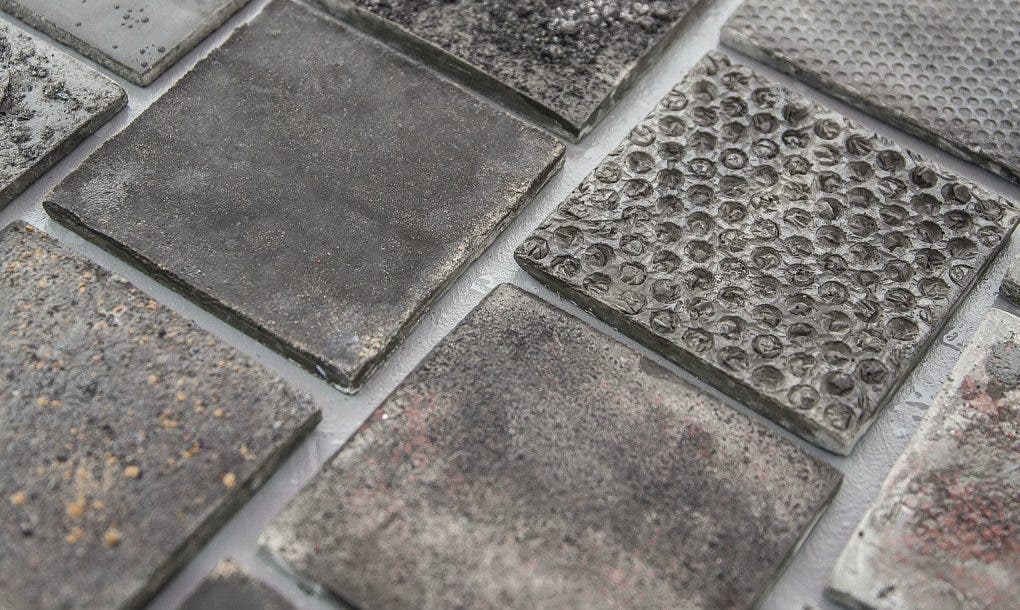
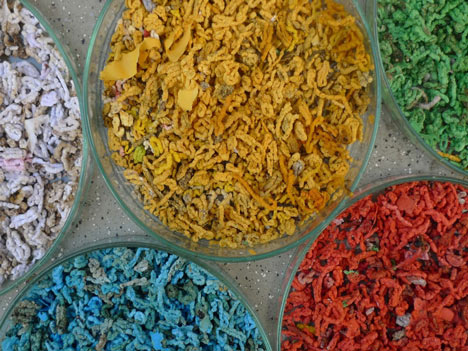
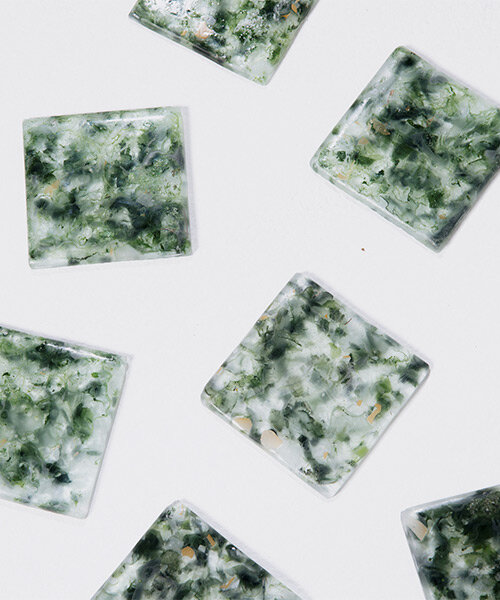
Addressing this critical environmental and resource management issue, the Norwegian architectural design firm Snøhetta has partnered with Brussels-based Studio Plastique to develop a research project titled ‘Common Sands – Forite.’ This collaborative endeavor aims to explore the feasibility of recycling and repurposing glass components found in electronic waste. Building upon existing research conducted by Studio Plastique, ‘Common Sands – Forite’ has evolved into a joint research initiative with Snøhetta, focusing on investigating potential applications for recycled E-waste glass. Through a series of extensive trials, prototype developments, and material variations, the project team successfully established a standardized process for recycling E-waste glass components. Concurrently, they developed an application that not only integrates but also highlights the variable material qualities inherent in this recycled glass: the creation of glass tiles.
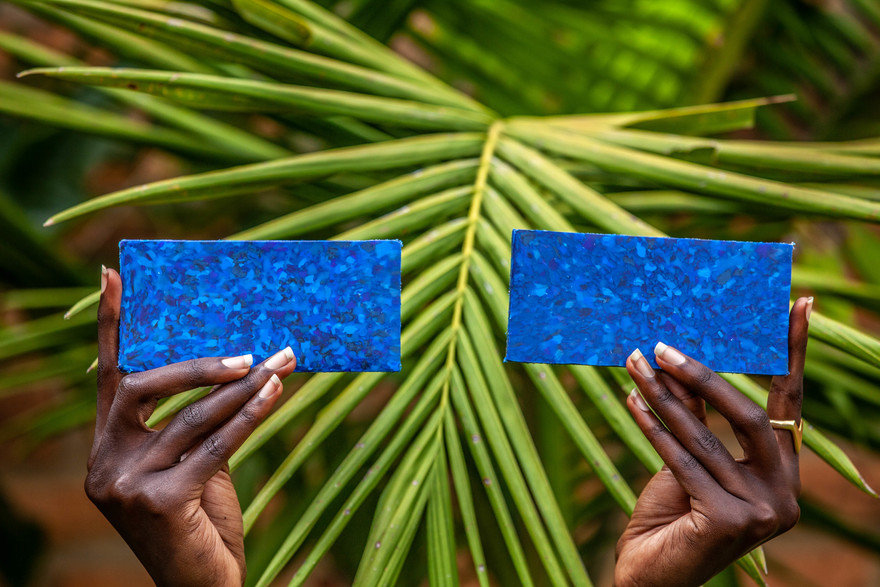
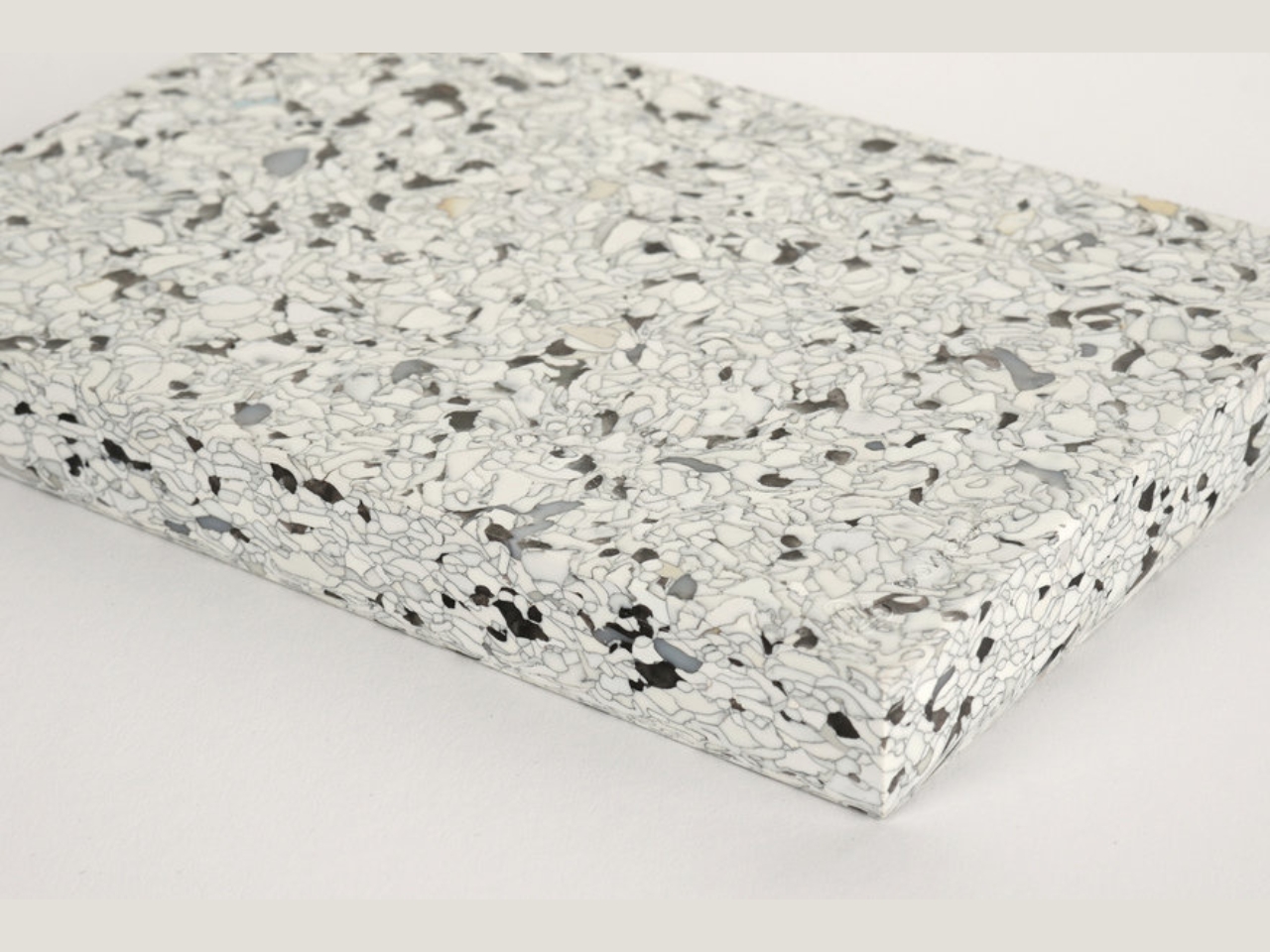
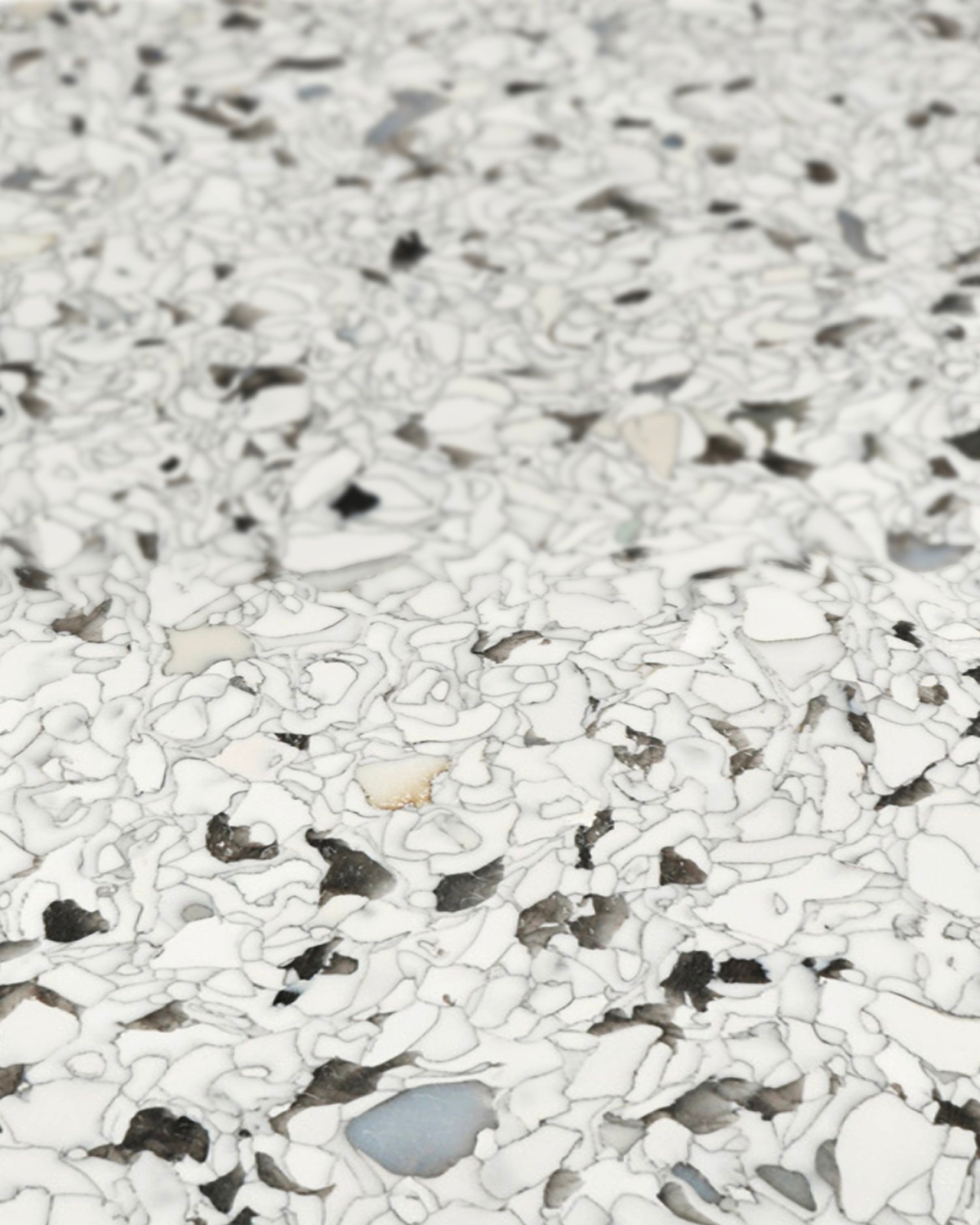
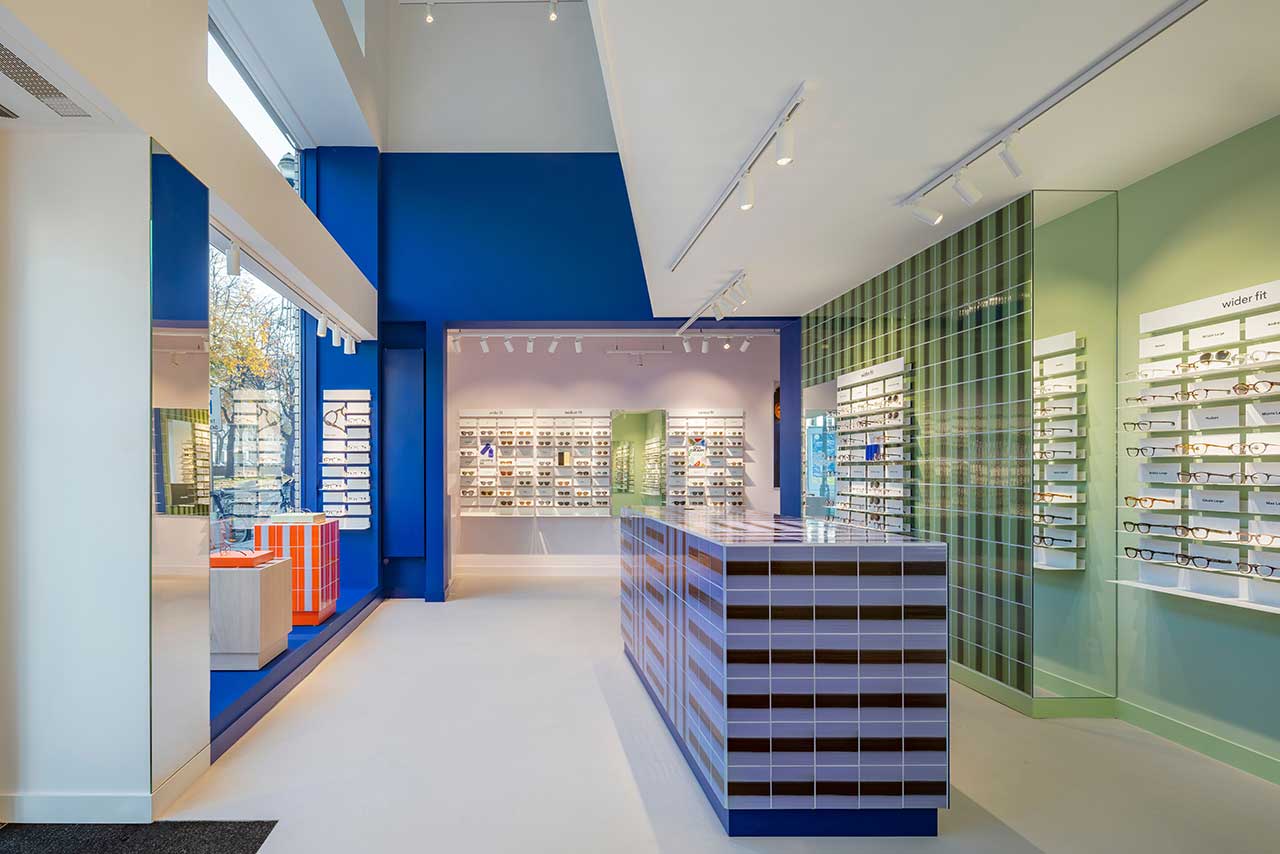
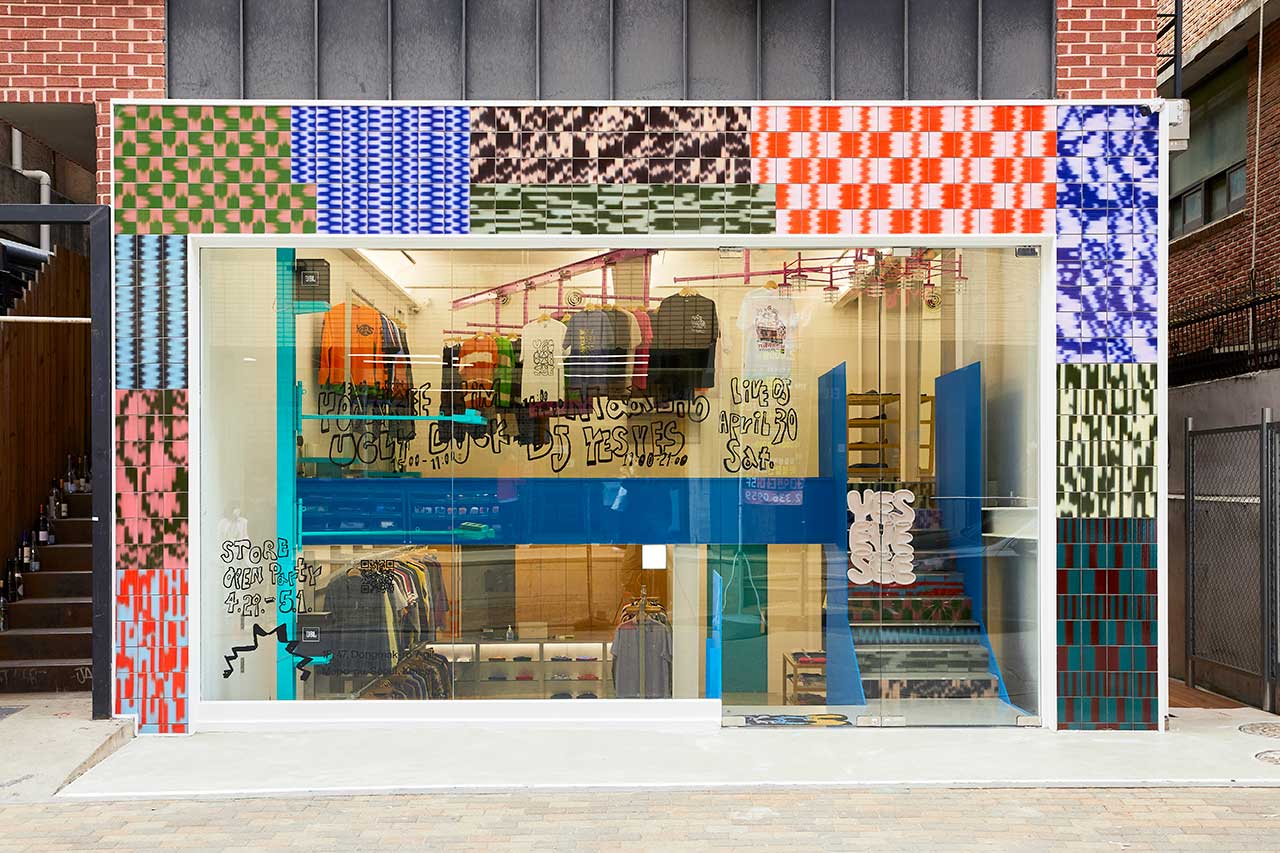
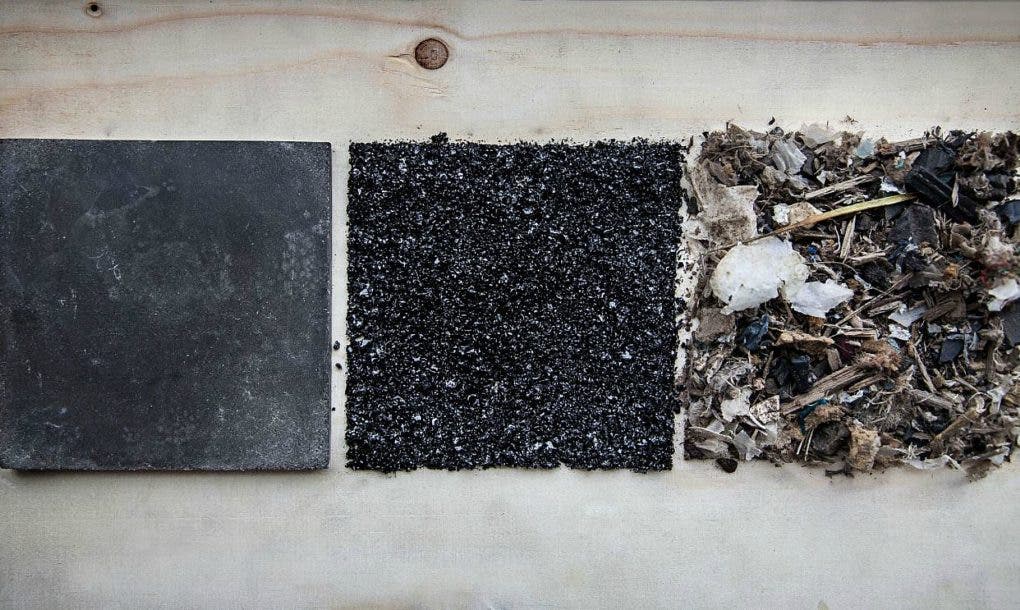
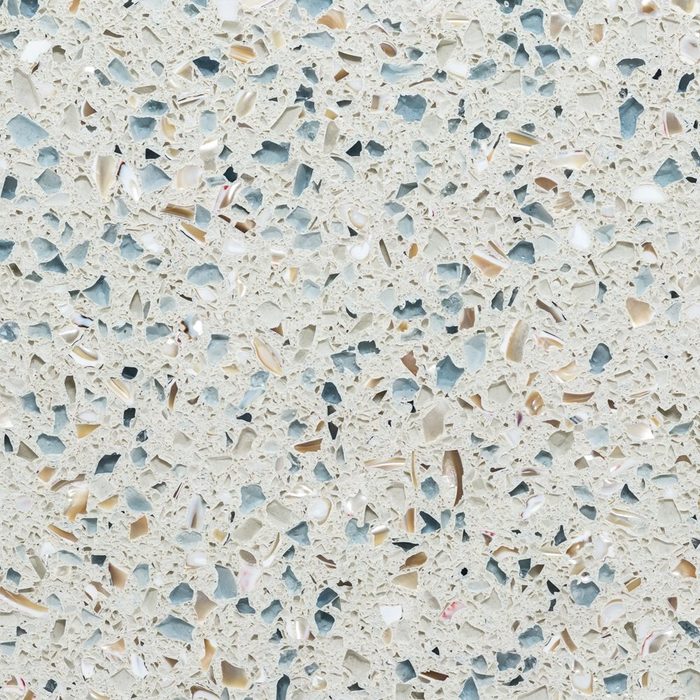
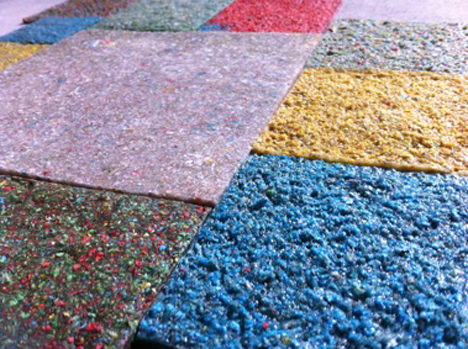
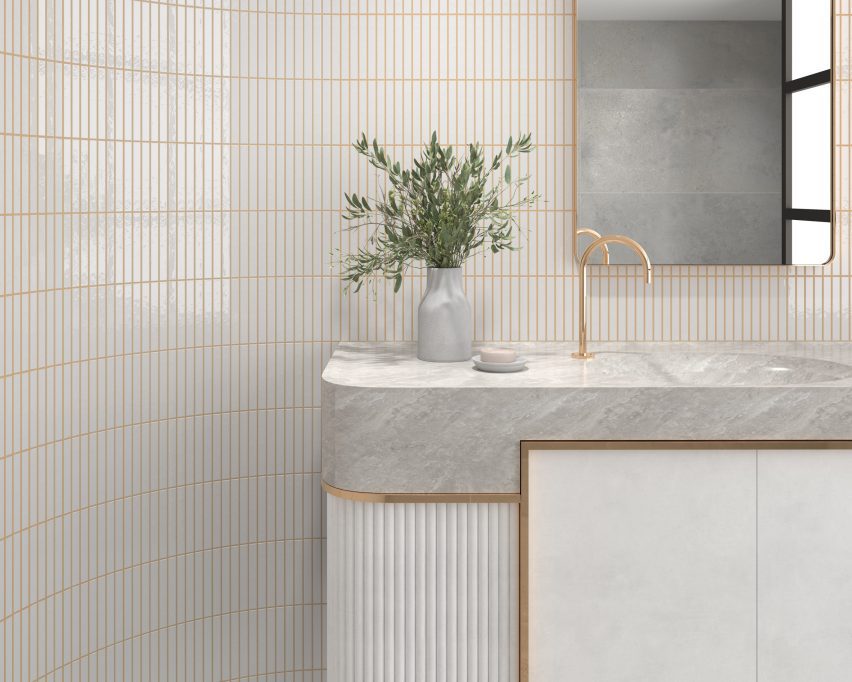
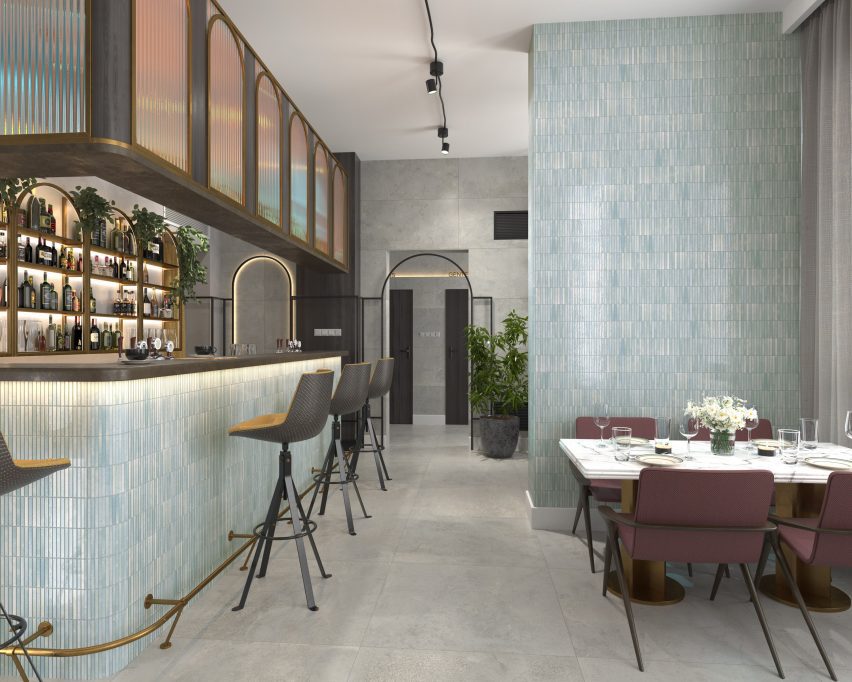
The project further benefited from the involvement of Fornace Brioni, an Italian ceramic tile manufacturer. Fornace Brioni contributed its considerable experience, industrial expertise, production capabilities, and potential for large-scale implementation to the initiative. The collaboration resulted in the creation of glass tiles in two distinct sizes, available in both opaque and transparent finishes. Each tile exhibits a unique pattern and aesthetic, collectively showcasing a profound and intricate terrazzo-like material quality. These characteristics render the tiles suitable for a diverse range of architectural uses, including surface coverings and semi-transparent partition elements.
‘Common Sands – Forite’ strategically leverages the unique compositional, chromatic, and structural properties of the waste material to produce a series of innovative architectural glass tiles. The project initially concentrates on waste glass sourced from ovens and microwaves as a starting point, primarily to demonstrate the aesthetic depth, functional versatility, and overarching potential of the recycled material. However, the scope of this project is not confined solely to this specific material stream, indicating broader possibilities for E-waste glass recycling in the future. This initiative represents a significant step towards developing sustainable solutions for electronic waste, transforming discarded materials into valuable architectural components, and establishing a circular economy within the construction and design industries.
#SustainableDesign #EwasteRecycling #GlassTiles #ArchitecturalMaterials #CircularEconomy #MaterialInnovation #Snøhetta #StudioPlastique #FornaceBrioni #SustainableDesign #EwasteRecycling #GlassTiles #ArchitecturalMaterials #CircularEconomy #MaterialInnovation #Snøhetta #StudioPlastique #FornaceBrioni
0 comment in total
 No comments yet
You may also like

As Ocean Waste Piles Up, Coldharbour Tiles Propose a Backsplash

Ceramiche Refin launches Craft tiles influenced by hand-applied cement surfaces
11 Recycled Building Materials Made From Trash


Ice Dams, Can Lights, Wet Walls, and Water Damage


How a Montrose Company Turns Reservoir Sediment into Gorgeous Tile

Misshapen Glass Vases by Studio E.O Appear to Melt Atop Angular Stone Platforms

MUT design: drops concrete tiles for entic design
WASP’s Residency Program Results in 3D Printed Ceramic Wall Tiles

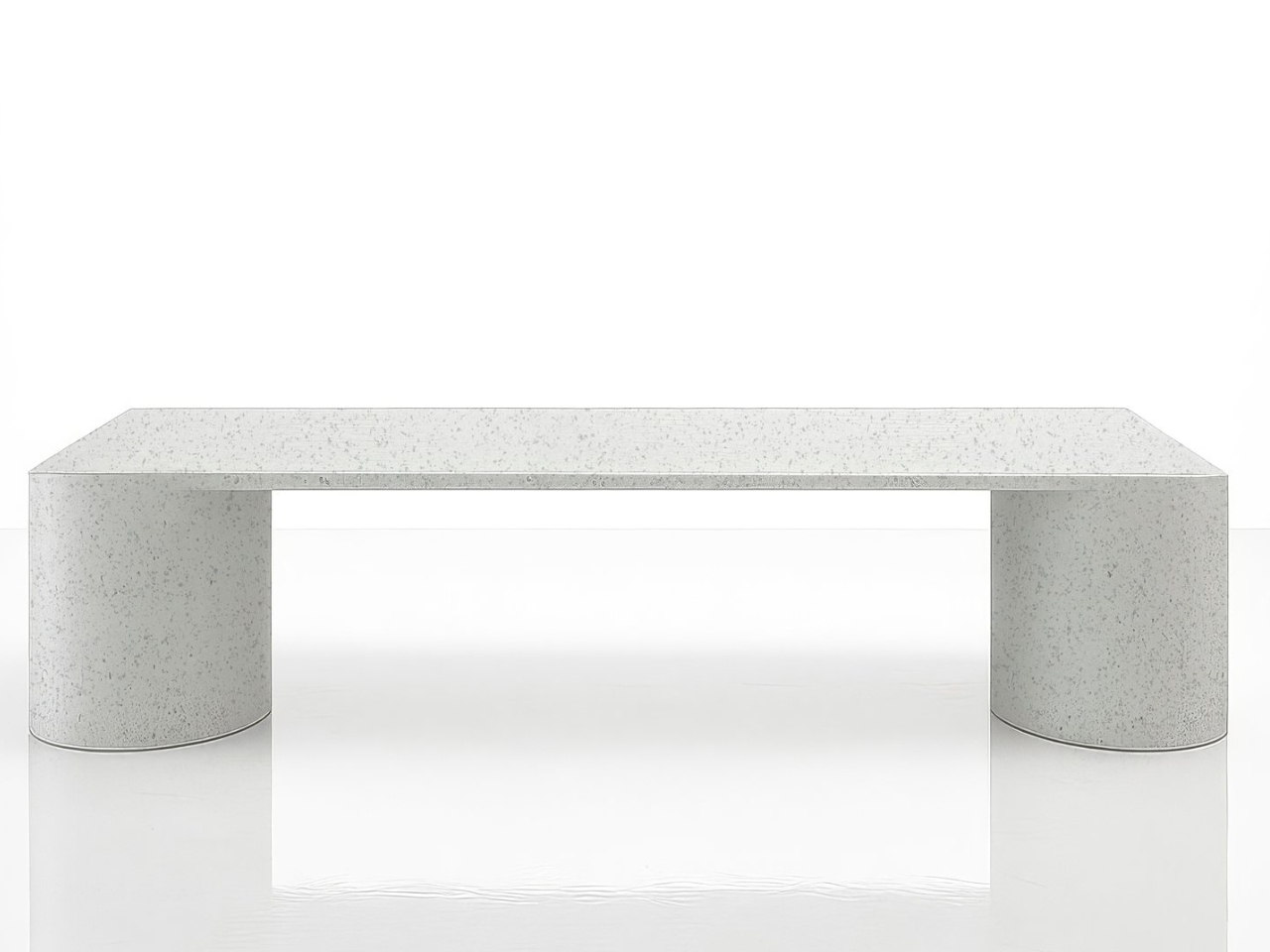
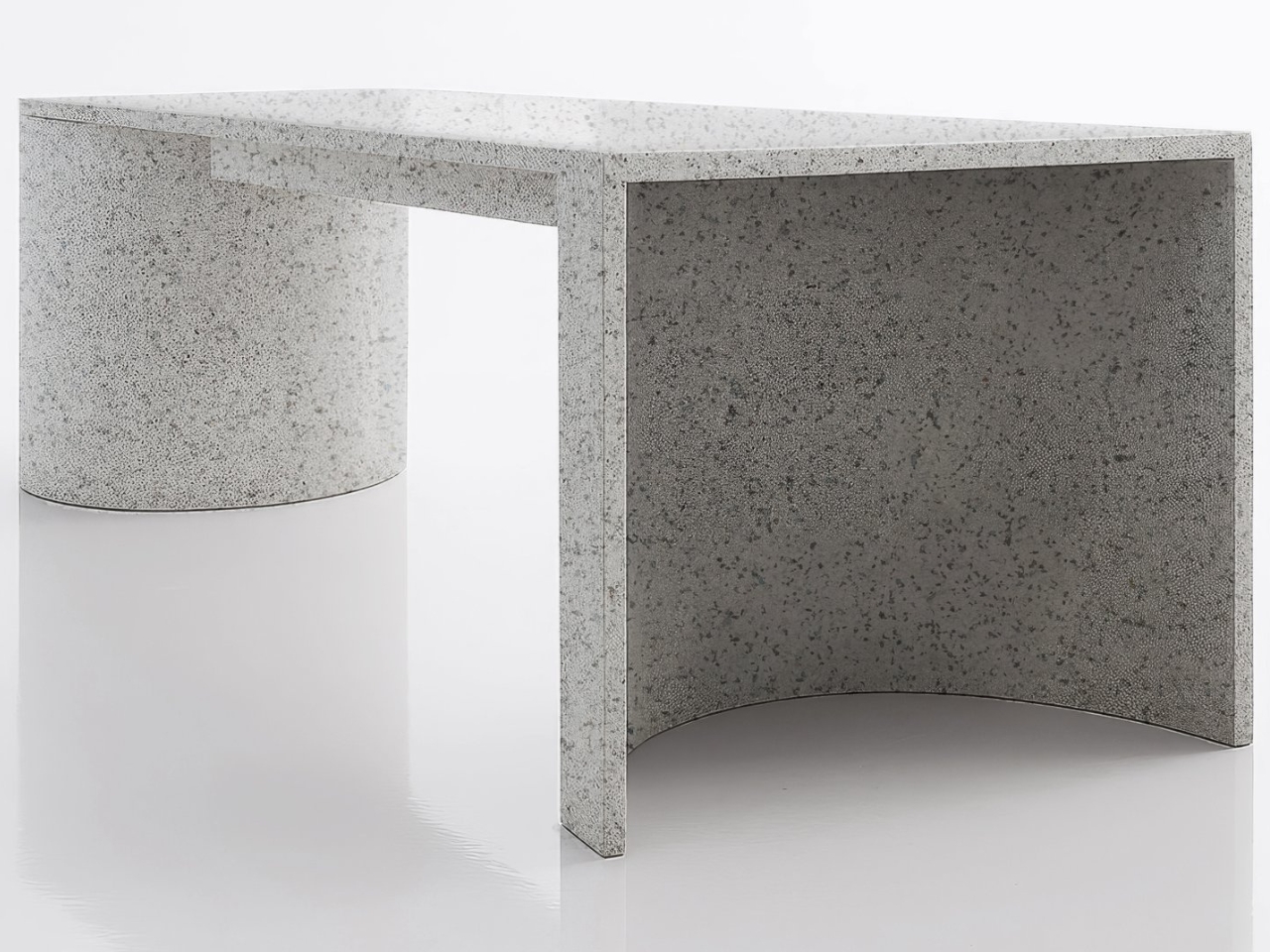
Terrazzo-like table brings electronic waste to life with closed-loop design

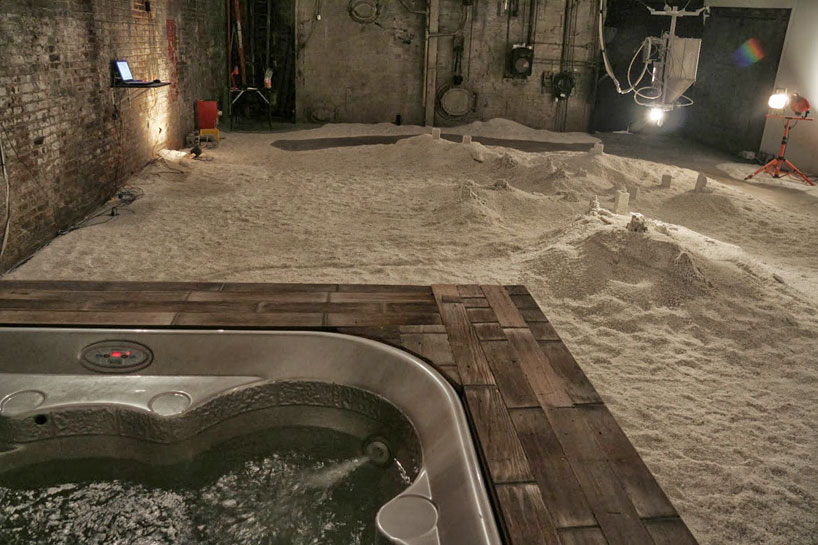
robot builds salt sculptures as visitors watch from a hot tub
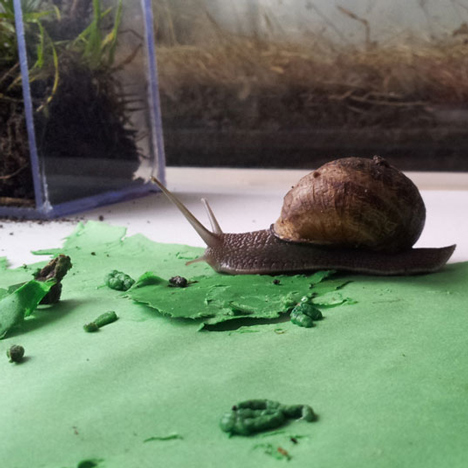
Floor tiles made of coloured snail poo by Lieske Schreuder
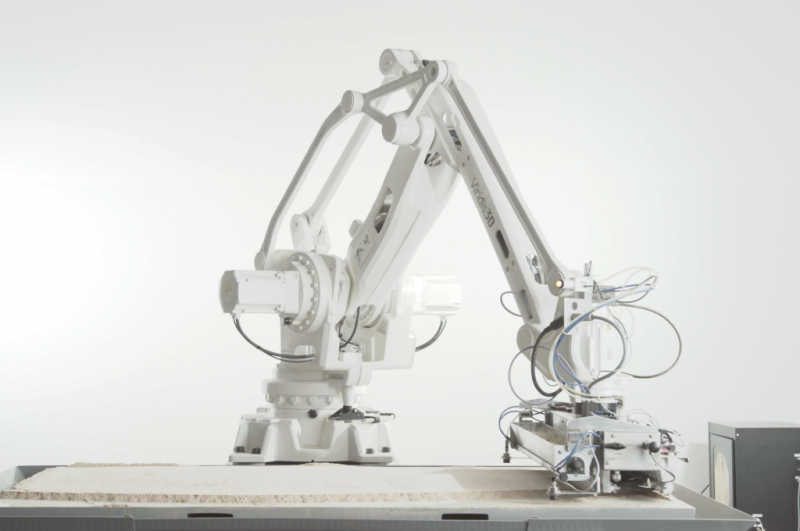
Sawdust Printer Goes Against The Grain By Working With Wood Waste

Studio Peipei’s vases use sustainable glass made from seashells


iggy pop rocks sustainable, recyclable bavarian quartz sinks with schock
Colorful, Trippy Tiles Made on a Custom-Built Machine
Eco-designer turns landfill waste into ‘plasma rock’ — a sustainable, all-purpose material

Kit-Kat tiles by Dune Ceramica