1/8
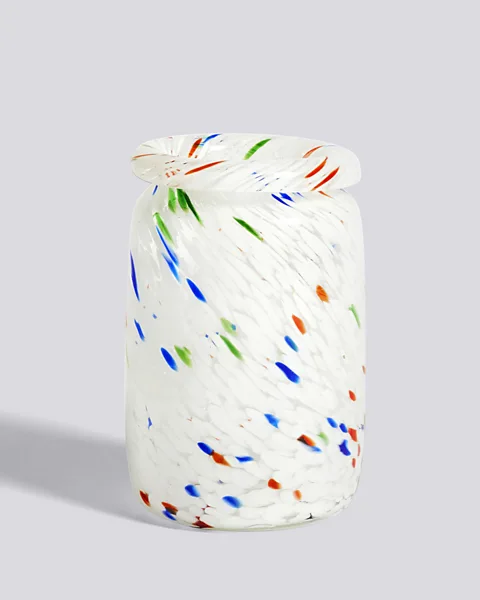
Studio Peipei’s vases use sustainable glass made from seashells
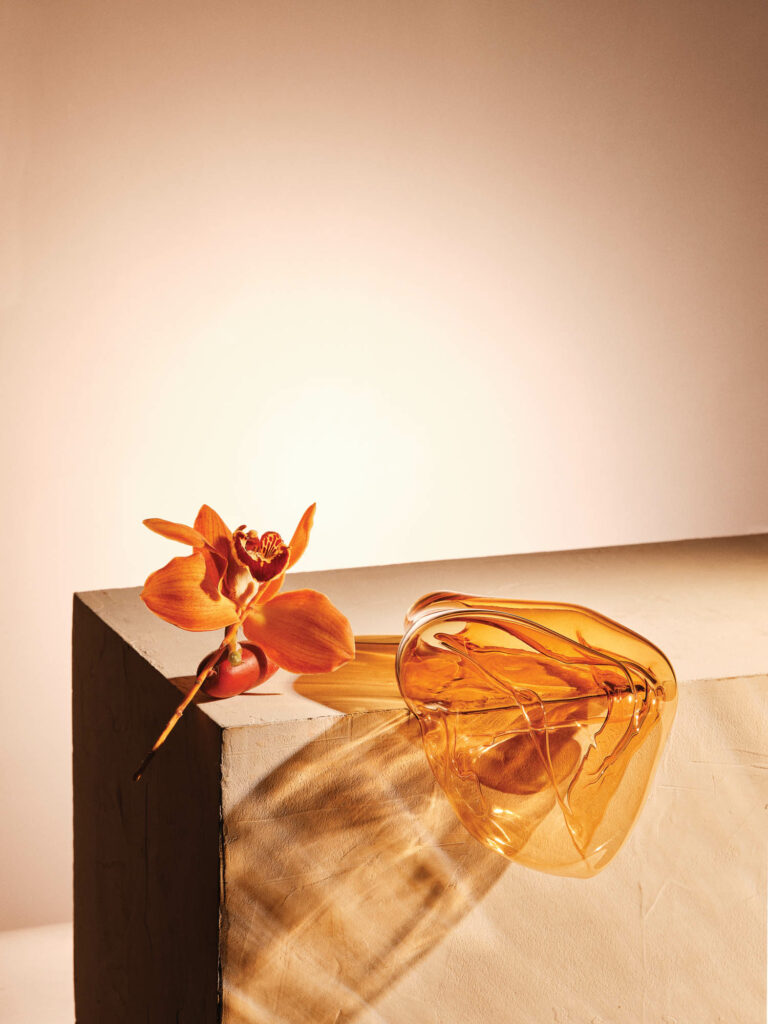
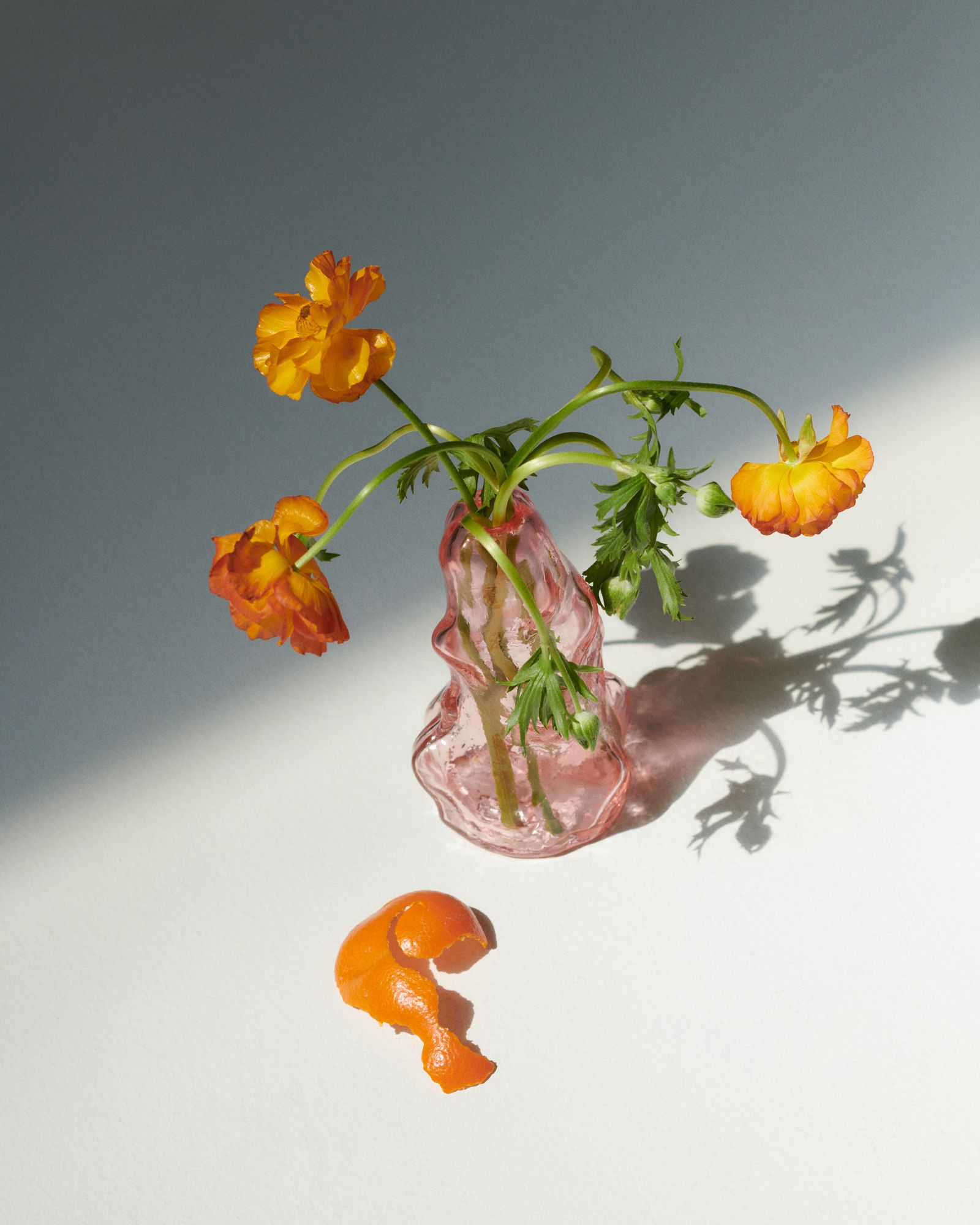
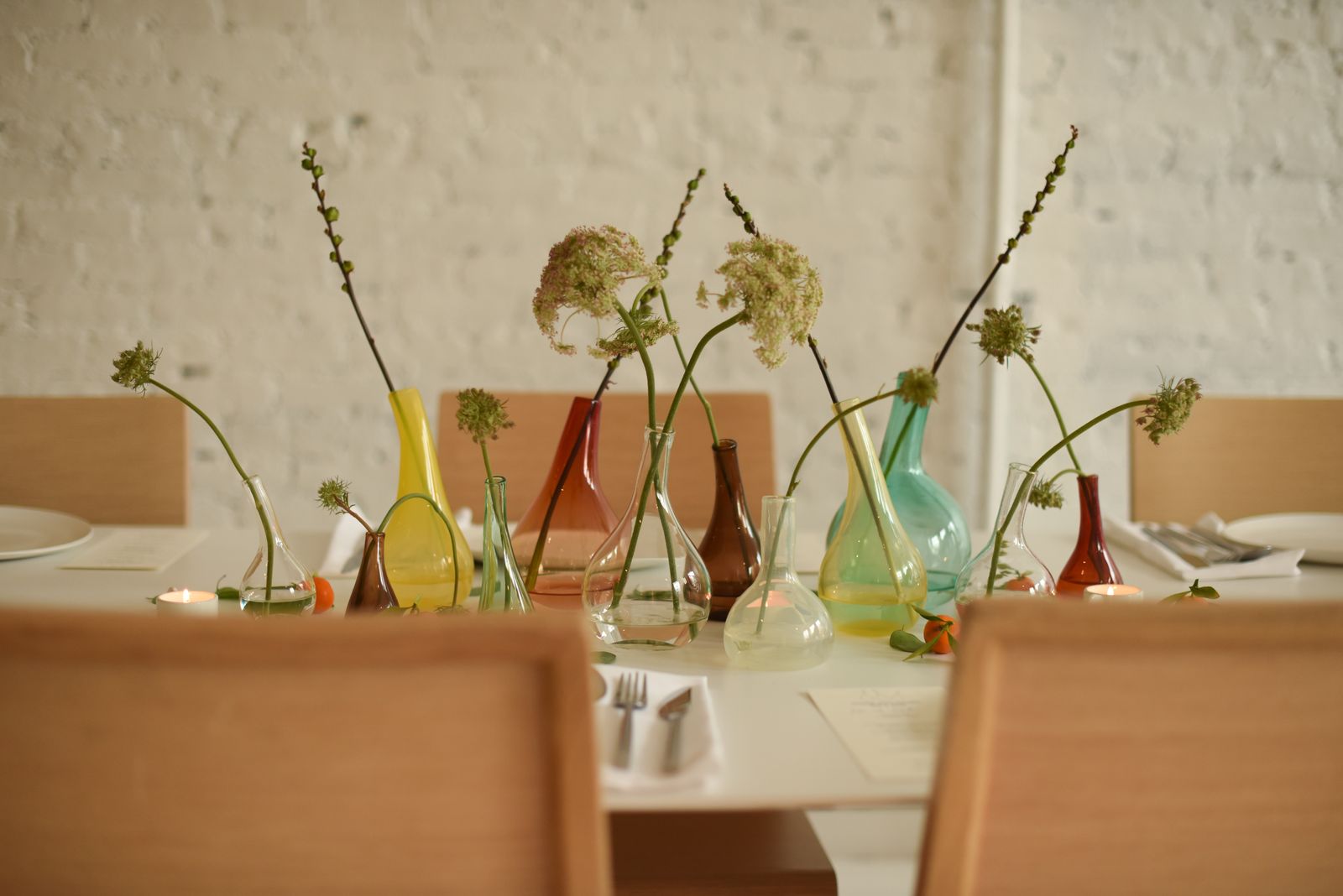
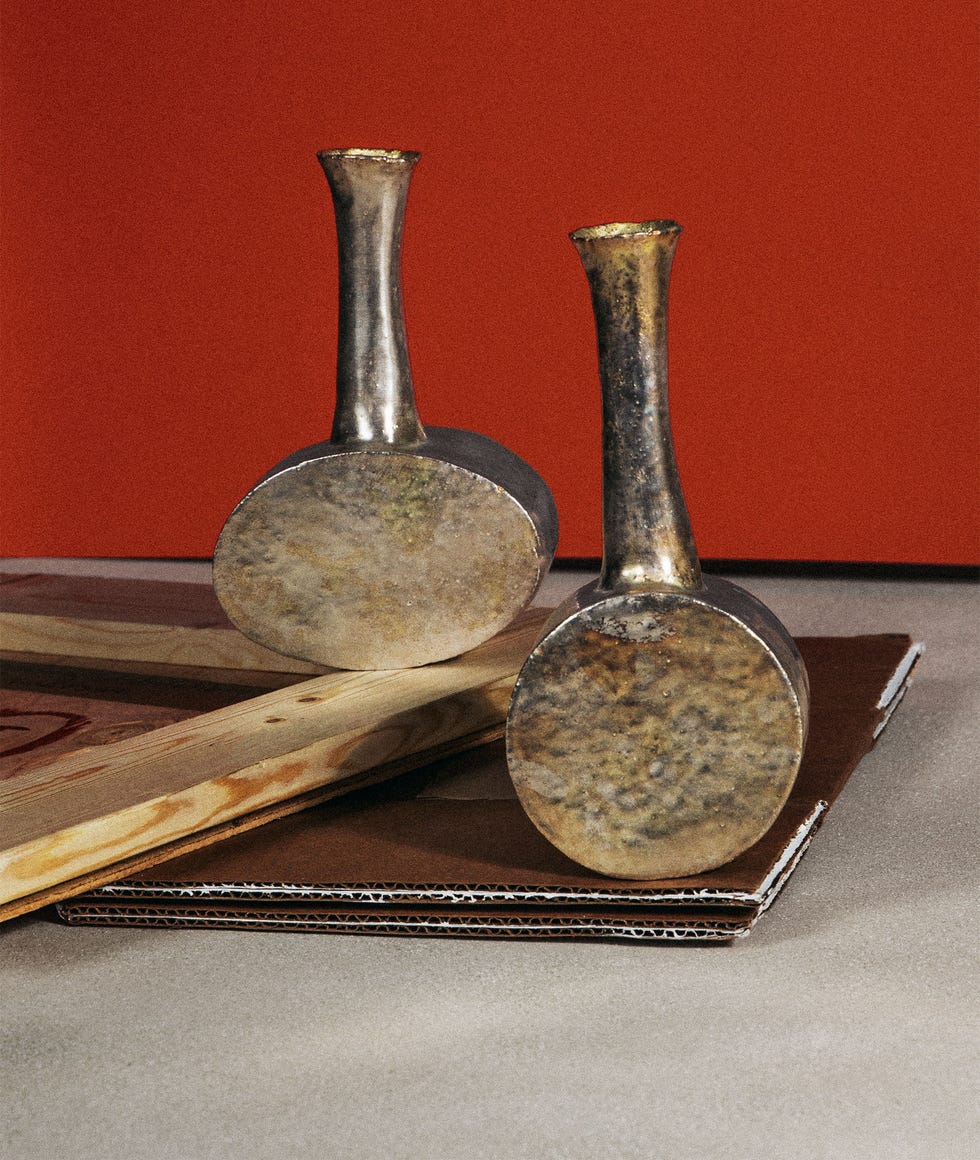
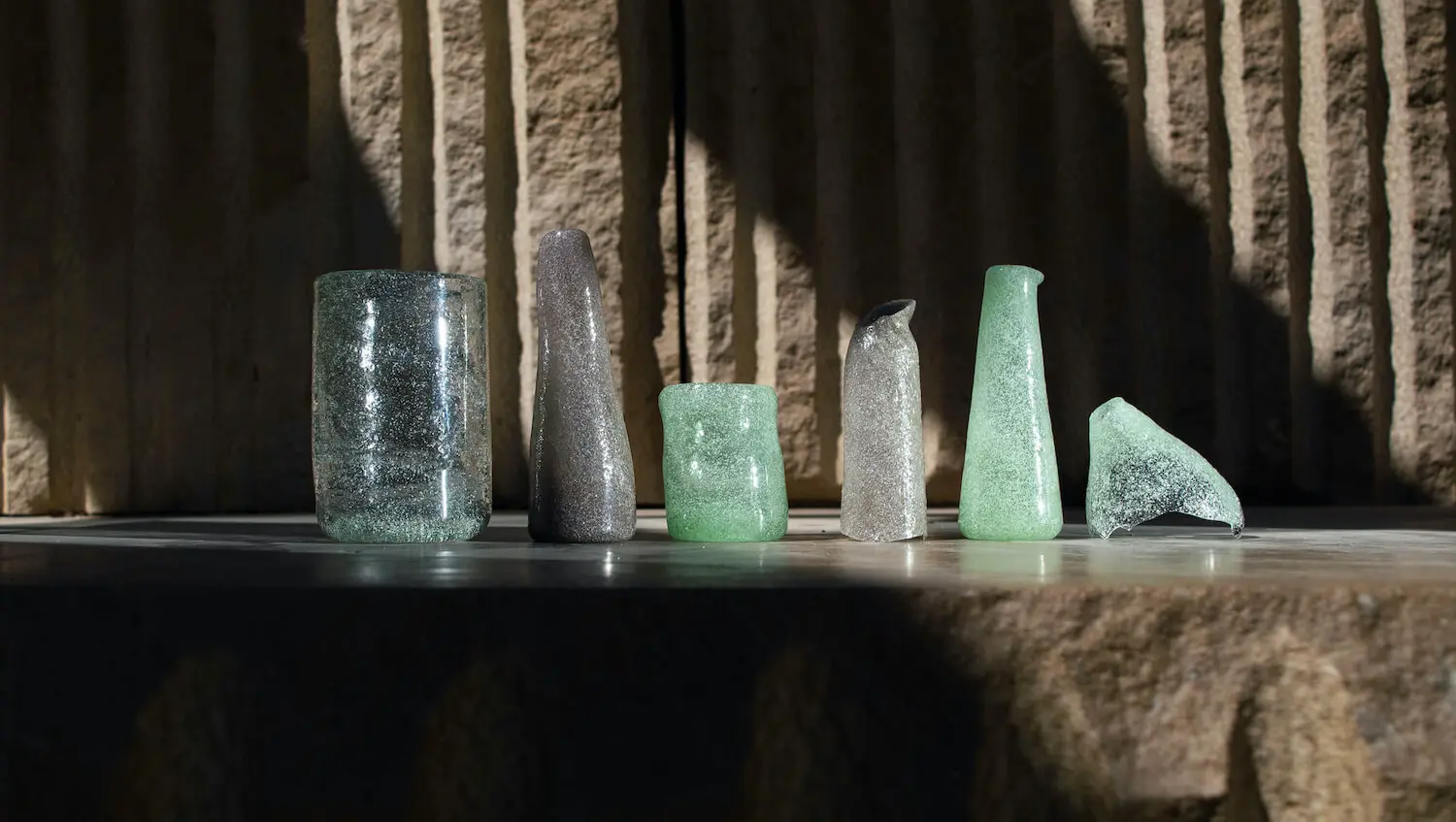
The 'From the Ashes' project by Studio Peipei, led by German designer Benedikt Peirotén, investigates the use of renewable raw materials as alternatives to traditional glass components like soda (sodium carbonate) and limestone (calcium carbonate). These conventional ingredients are becoming increasingly problematic due to their energy-intensive production and the environmental impact of their extraction. Peirotén highlights that the availability of these essential ingredients is dramatically changing due to climate change and human production methods, prompting a search for more sustainable manufacturing processes for glass.
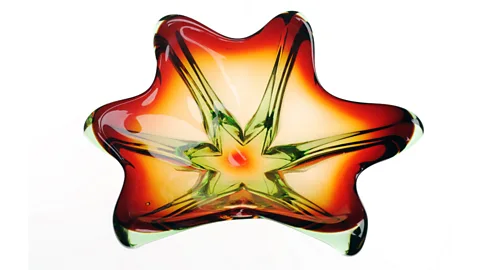
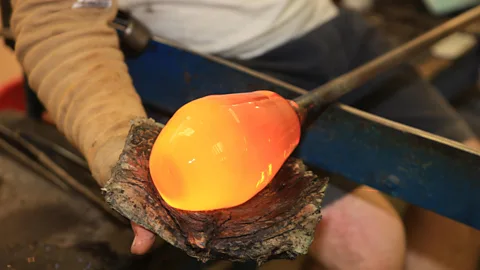
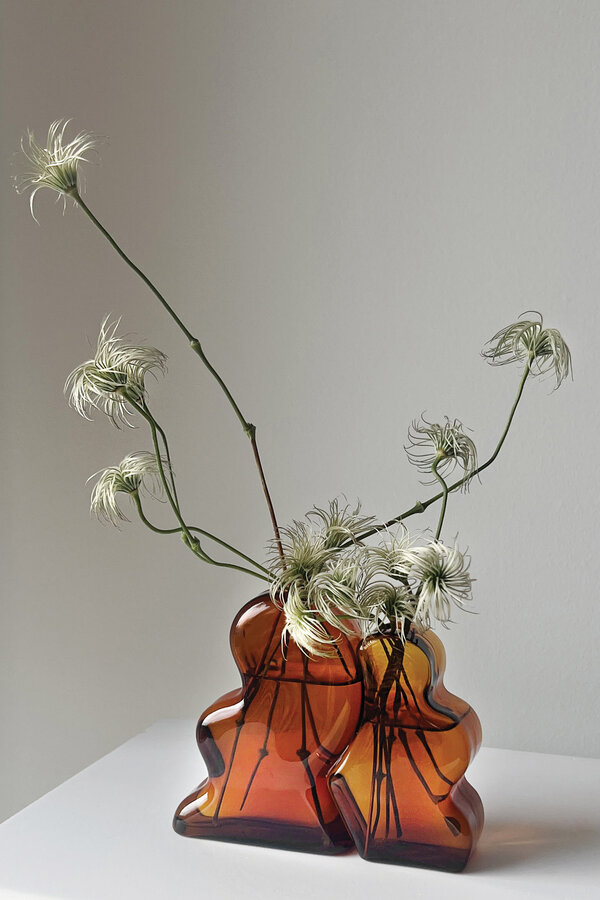
The project proposes integrating waste streams into glass production. Specifically, Peirotén explores using wood ash from pizzerias and seashells from seafood restaurants, both of which are typically discarded. Wood ash can yield Potassium Carbonate, which, similar to Sodium Carbonate in conventional glassmaking, acts as a flux. A flux lowers the high melting point of the primary glass-forming constituents, such as silica and alumina, and helps prevent crystallization. Experiments with this material have also revealed that it imparts intense color tones, giving the glass a distinctive character.
Ground seashells are utilized to provide the necessary hardness to the glass, serving as a substitute for calcium carbonate. Calcium carbonate is traditionally mined from limestone through energy-intensive processes, making the use of seashell waste a more environmentally friendly alternative. The only component that still needs to be sourced externally is sand. Once created, this sustainable glass can enter an infinite recycling loop, generating no by-products or waste. It can be repeatedly re-melted or ground back into sand, allowing it to be returned to nature if its ingredients are harmless.
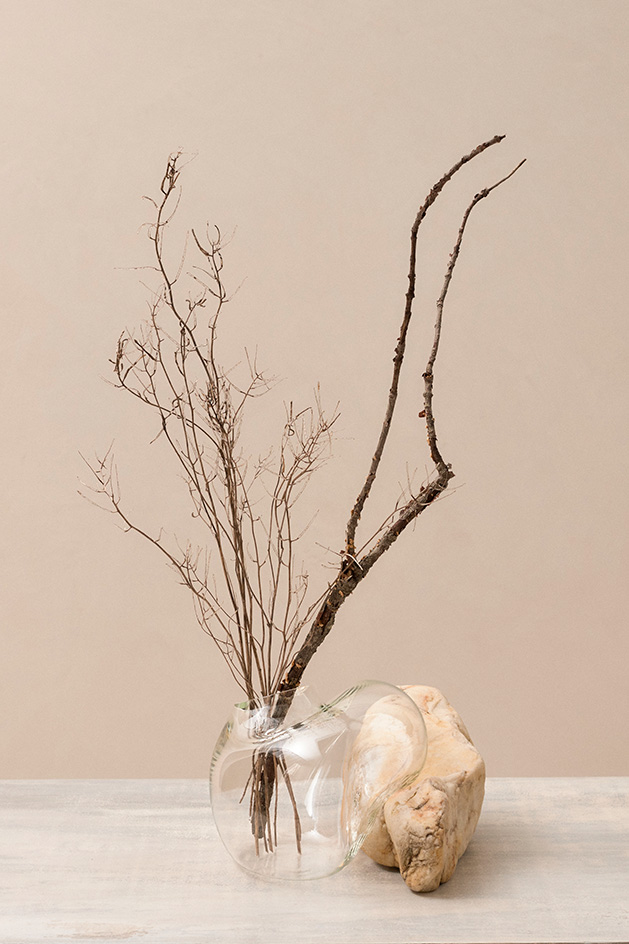
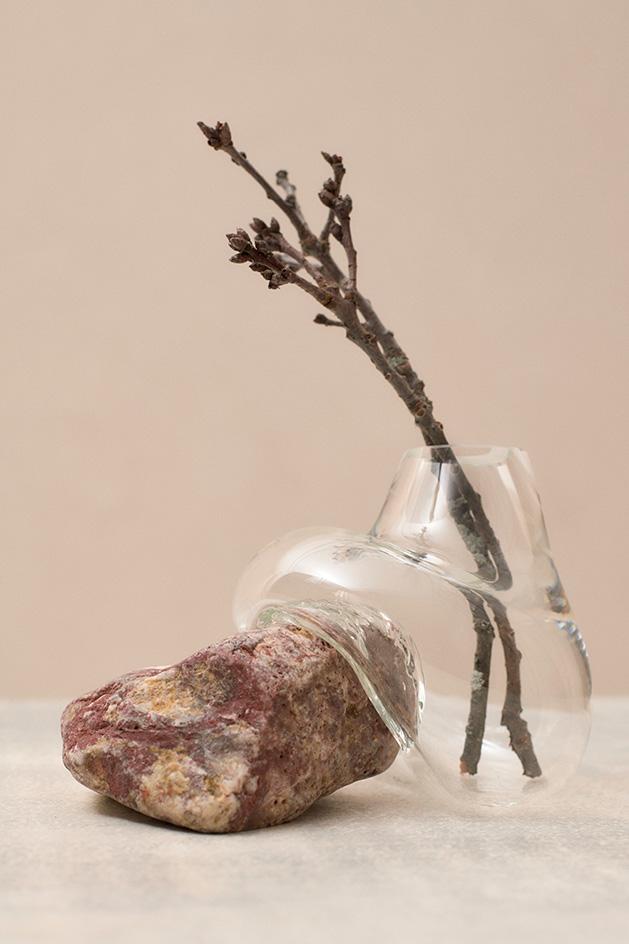
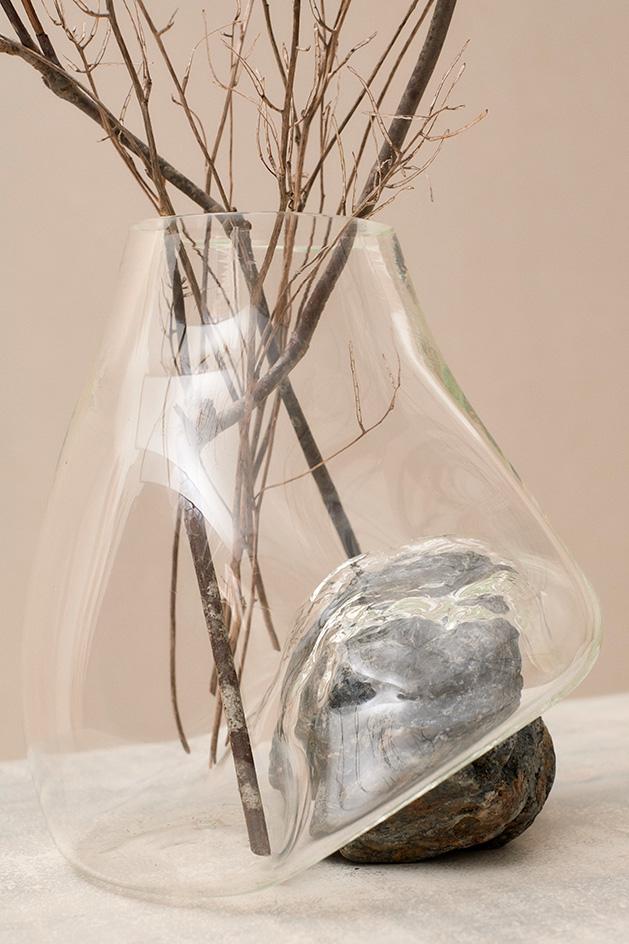
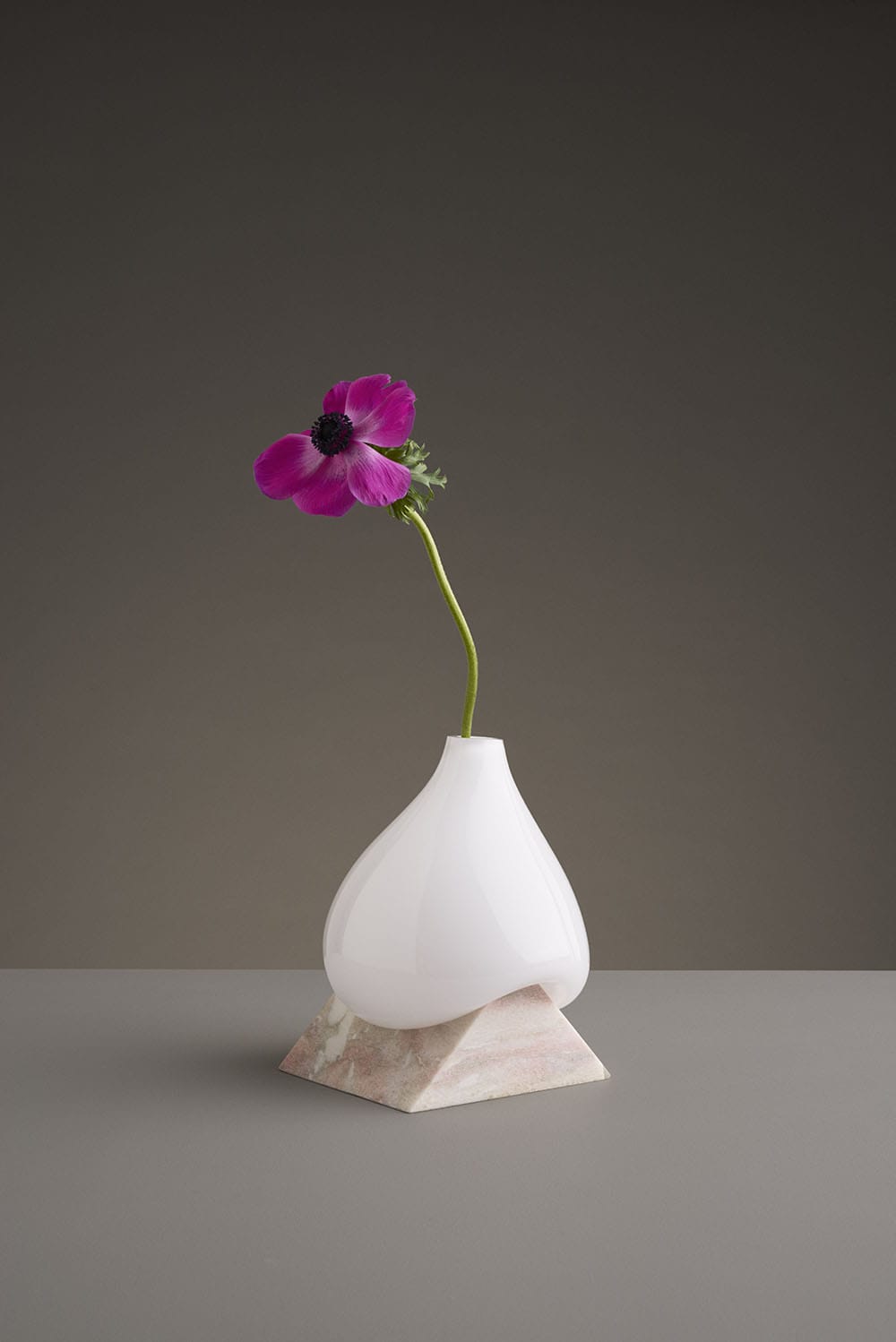
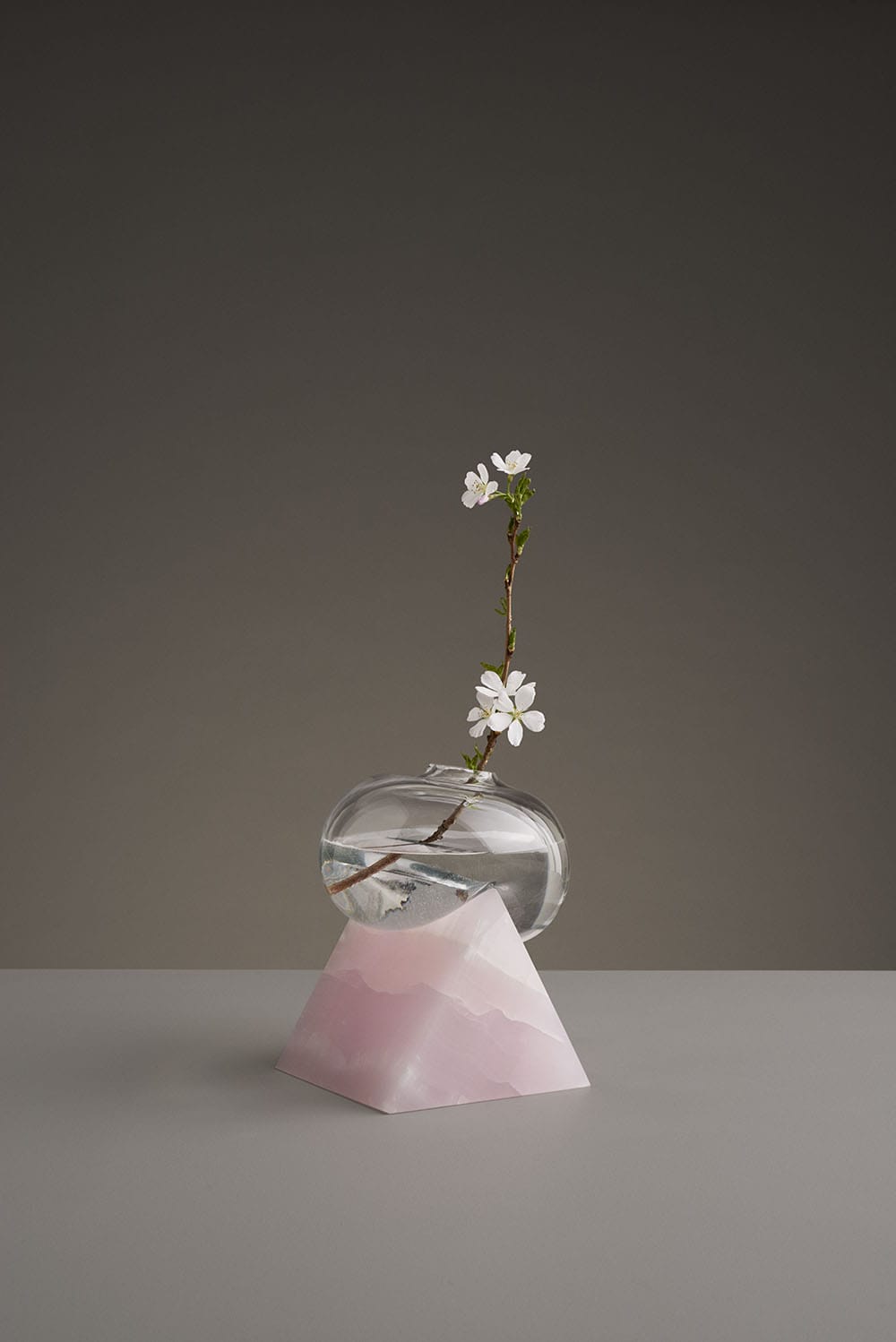
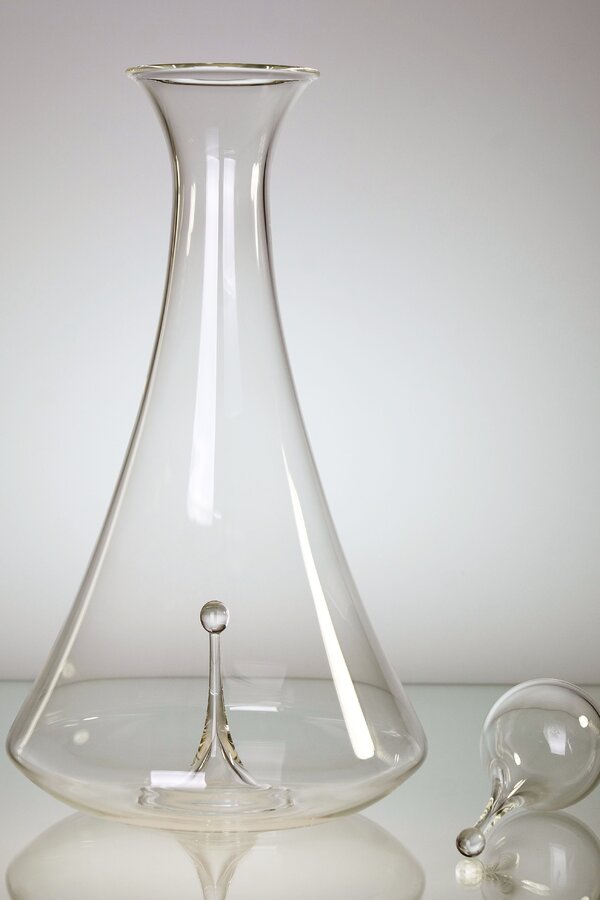
Discussions surrounding the environmental impact of glass are gaining momentum. Previous projects, such as one by Snohetta and Studio Plastique, have drawn attention to the scarcity of sand, another critical component in glass production. While Studio Peipei's project does not address sand scarcity, it offers innovative solutions for replacing other energy-intensive components. Peirotén's approach demonstrates the potential of underutilized waste streams to create a more sustainable glass, showcased through a collection of vases. The principles and materials explored in this project have broad applications beyond these specific objects, suggesting a path toward more environmentally responsible glass manufacturing.
#SustainableGlass #SeashellRecycling #WoodAsh #InnovativeMaterials #EcoFriendlyDesign #ProductDesign #MaterialInnovation #CircularEconomy #HomeDecor #SustainableGlass #SeashellRecycling #WoodAsh #InnovativeMaterials #EcoFriendlyDesign #ProductDesign #MaterialInnovation #CircularEconomy #HomeDecor
0 comment in total
 No comments yet
You may also like
Material Innovation At Its Best: Explore Design Standouts

3D Printed Vases That Give New Life to Old Bottles

Poilu Vases Are 3D Printed with Implanted "Hair"
Upcycle jars into stunning vases with this woman's DIY hack

3D-Printed Ceramic Vases That Mimic Nature’s Patterns
Glass Is Red-Hot: Here Are 6 New Collections to Know

Sustainable Material Spotlight: Recycled Glass
Misshapen Glass Vases by Studio E.O Appear to Melt Atop Angular Stone Platforms

Lauren Manoogian rocks on with earthy glassware collaboration

snøhetta makes tiles out of electronic waste glass in 'common sands – forite'
Why glamorous glassware is booming

9 Home Designs That Evoke the Flow of Water (Published 2024)
manipulate glass with the 'touch-me' vase collection by matteo silverio + stefano bullo
Expand Your Art Collection with These Gallery-Worthy Vessels
Customizable Bathroom Fittings With Re-Purposed and Crystal Glass Materials

This is the design studio behind those insane glass seats at the Bottega Veneta S/S 2026 show

glass art and design Archives
Seashell Decor Is Everywhere Right Now—Here's How to Decorate With It

Piaule’s Minimalist Ceramic Vessels
Nendo and Georg Jensen create silver vases inspired by nature