1/10
Clear Out and Grind Up Food Waste With These Tested Garbage Disposals
Garbage disposals are essential kitchen appliances designed to grind and dispose of food waste, offering an alternative to composting. This guide helps potential buyers understand key considerations before purchasing a unit, including local regulations, types of disposals, motor horsepower, noise levels, and installation requirements. Some municipalities may prohibit garbage disposals, especially in areas with septic systems, while others may mandate them for efficient waste treatment. Therefore, checking local ordinances is crucial.
There are two main types of garbage disposals: continuous-feed and batch-feed. Continuous-feed models operate with a simple switch, grinding food waste as it enters the drain, offering maximum convenience. Batch-feed disposals, on the other hand, require the drain cover to be in place for operation, making them safer, particularly for households with young children, as they prevent accidental contact with moving parts. However, batch-feed models might be slower and require no separate electrical switch, potentially simplifying installation if a dedicated switch isn't already available.
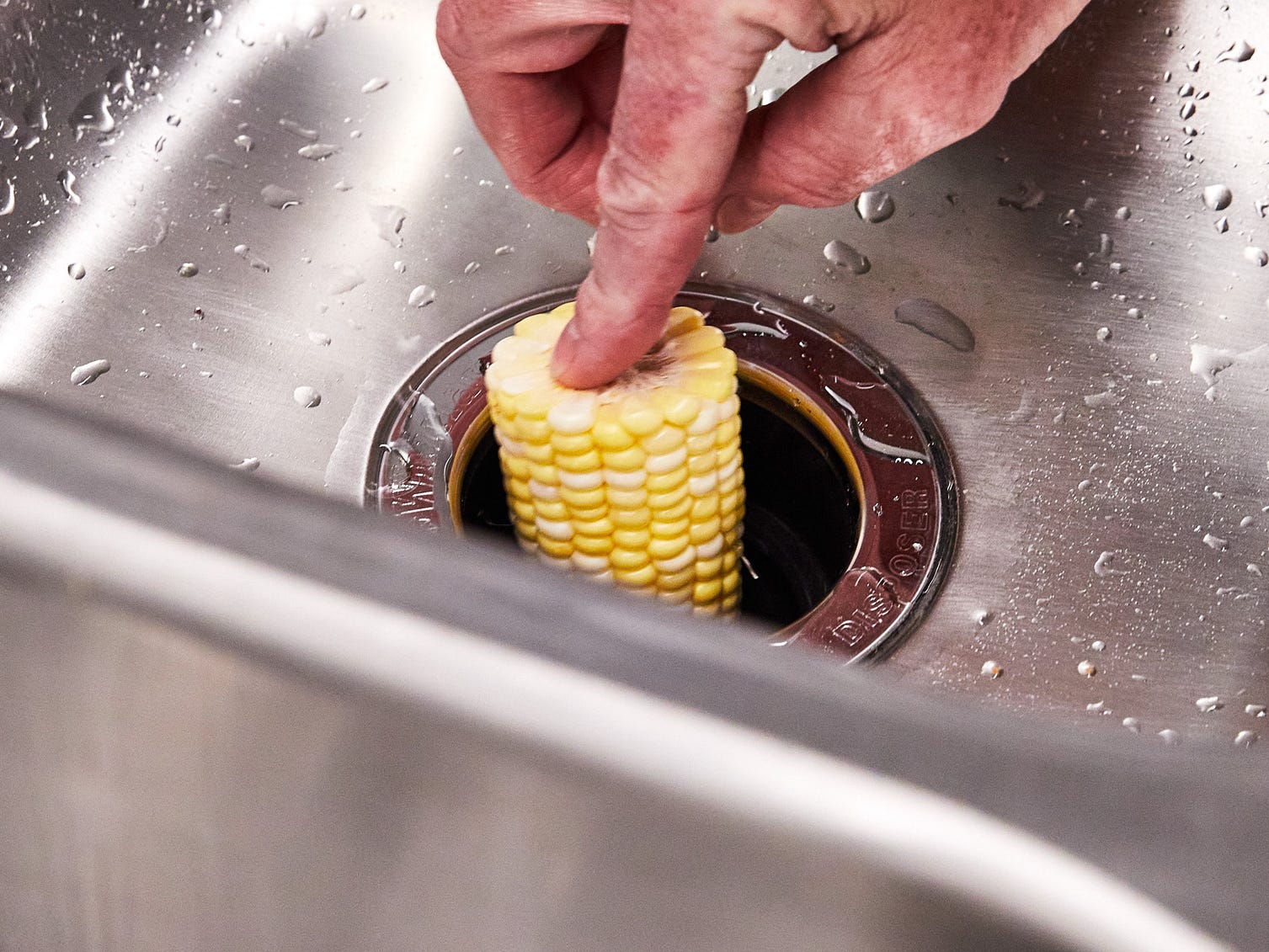
Motor horsepower is a critical factor, typically ranging from 1/4- to 1-horsepower. Higher horsepower generally translates to more robust grinding capabilities and a longer lifespan, especially for challenging items like corn cobs. Families with higher volumes of food waste are advised to opt for disposals with greater horsepower. Noise and vibration are common concerns, addressed by features like heavy rubber gaskets or sound-deadening insulation in more expensive units. Installation can vary, with units either pre-wired with a power cord, supplied with a cord for self-wiring, or without a cord, catering to different existing electrical setups.
The article details a testing methodology involving installing various disposals under identical conditions in an office setting. Testers used a clear P-trap and diverted waste into a screened bucket to inspect the grinding efficiency. A variety of food items, including carrots, celery, baked beans, chicken bones, and raw corn on the cob, were used to simulate typical household waste. Noise levels were measured by recording sound output while grinding raw corn cobs, providing a quantitative assessment of operational noise.
Based on these tests, four top models are highlighted: the InSinkErator Evolution Pro 750 as the "Best Overall" for its compact size, robust features like stainless-steel components, and sound-dampening insulation, despite its higher cost. The Anaheim Manufacturing Whirlaway 291PC is recommended as the "Best Value," offering comparable performance to more expensive units at a lower price, though it is slightly louder. The Waste King L-111 is recognized as the "Most Affordable" option, praised for its ease of installation and ability to handle various food wastes despite some difficulty with tougher items. Finally, the Moen GXB75C stands out for the "Finest Grind," featuring a safe batch-feed design and excellent grinding efficiency, though it was noted to be noisy with tough waste. Additionally, the InSinkErator Badger 5XP and Moen GX50C are mentioned as other worthy considerations for their compact design and affordability, respectively, based on research and expertise.
#GarbageDisposal #KitchenAppliances #HomeImprovement #ProductReview #FoodWasteManagement #ApplianceInstallation #KitchenDesign #DIYHome #GarbageDisposal #KitchenAppliances #HomeImprovement #ProductReview #FoodWasteManagement #ApplianceInstallation #KitchenDesign #DIYHome
0 comment in total
 No comments yet
You may also like
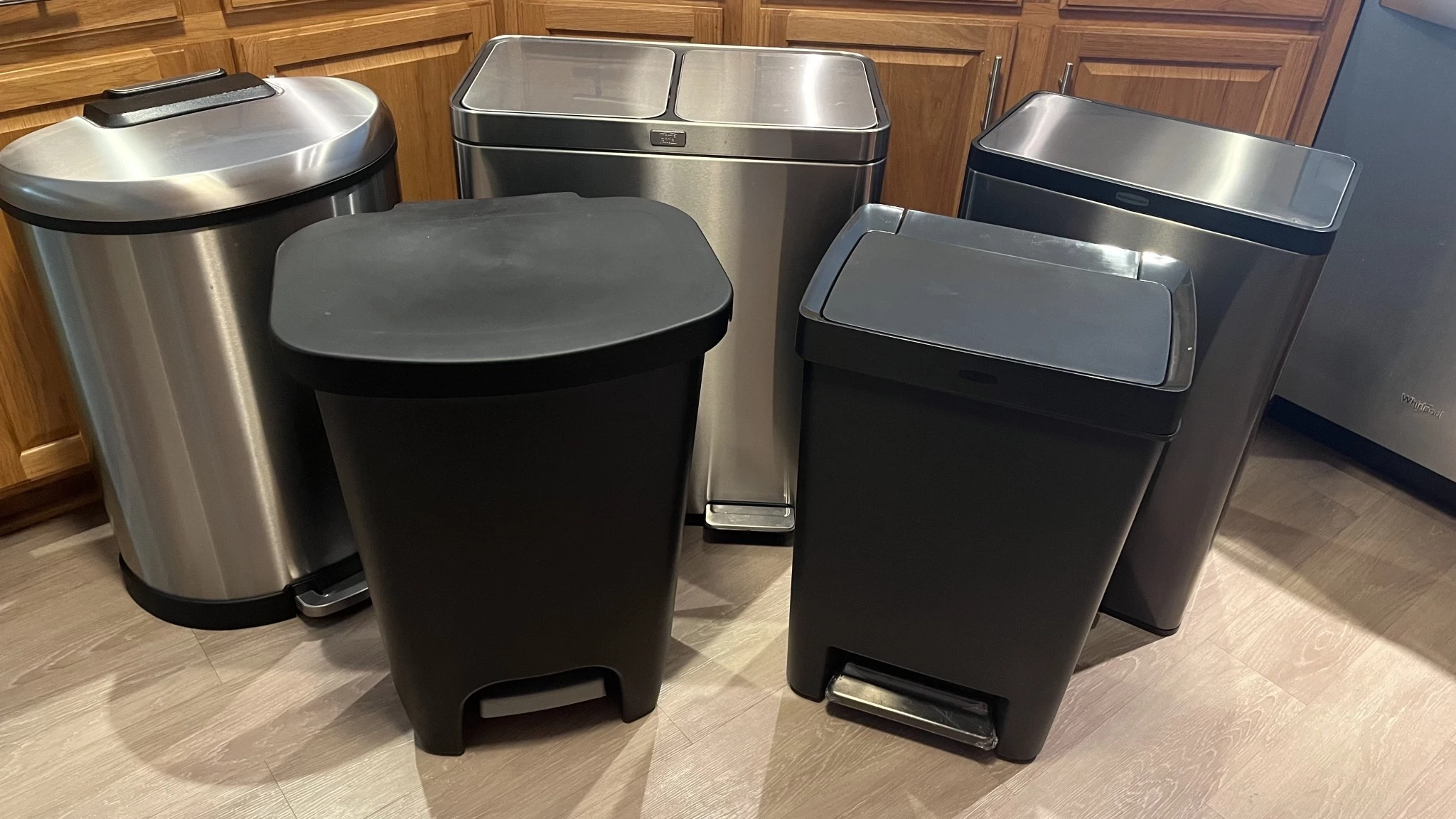
The Best Trash Cans

Top tops for a responsible lockdown clear-out

The 6 Best Kitchen Trash Can of 2025 | Reviews by Wirecutter
The 6 Best Kitchen Trash Can of 2026 | Reviews by Wirecutter

Ditch Your Ancient Tupperware — These Food Storage Containers Topped Our Tests

We Tested Dry Food Storage Containers—These Are the Ones You Need for a Clutter-Free Pantry

We've All Been Cleaning Our Countertops the Wrong Way—Here's What Experts Recommend

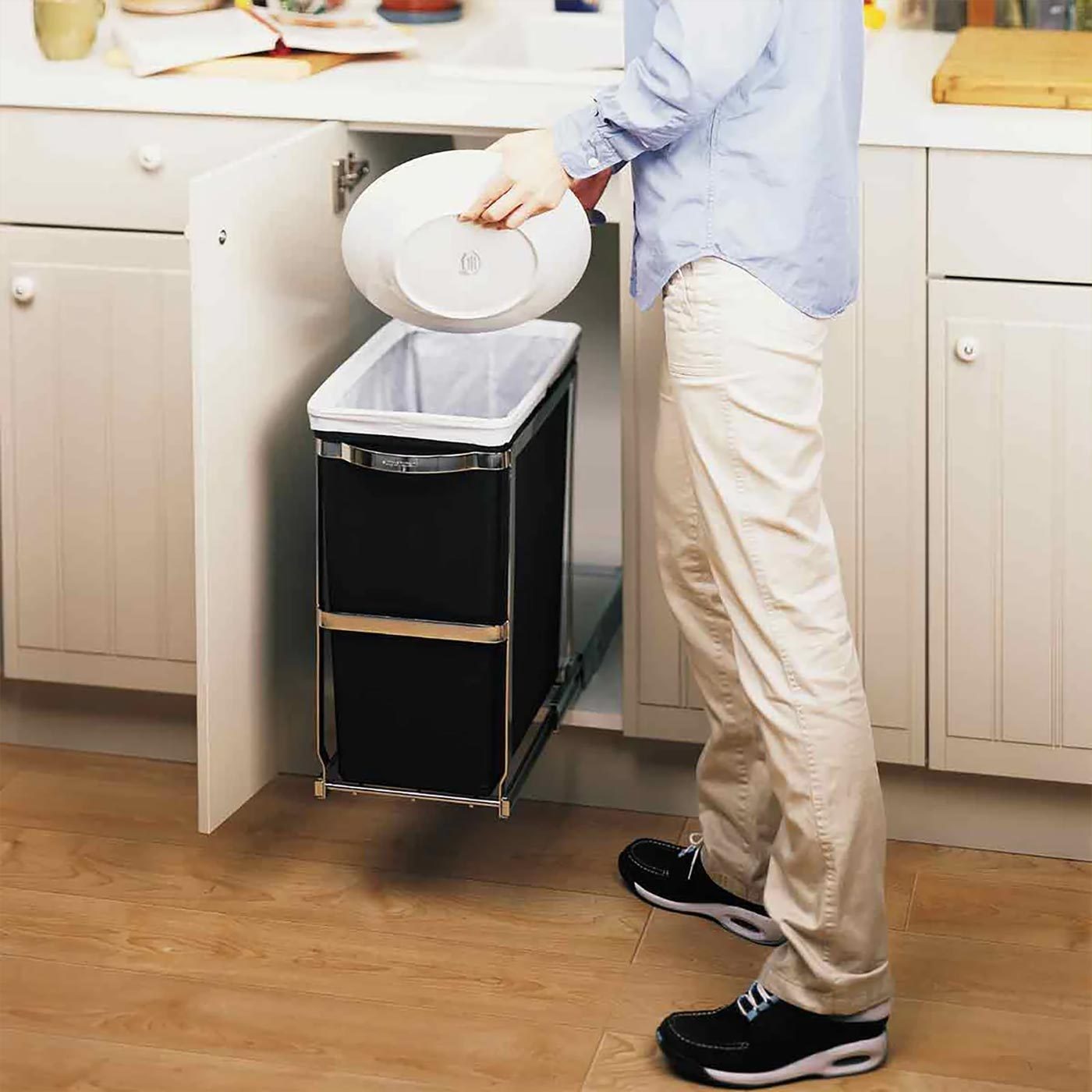
The Best Under-Counter Pull-Out Trash Cans for Hidden Use

The 10 Very Best Kitchen Trash Cans
I Love This Countertop Gadget That Clears My Kitchen of Cooking Smells