1/11
MycoWorks Turns Mycelium Into Luxe Leather-Like Alternatives
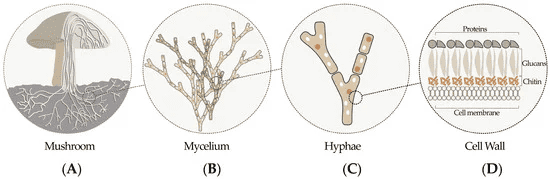
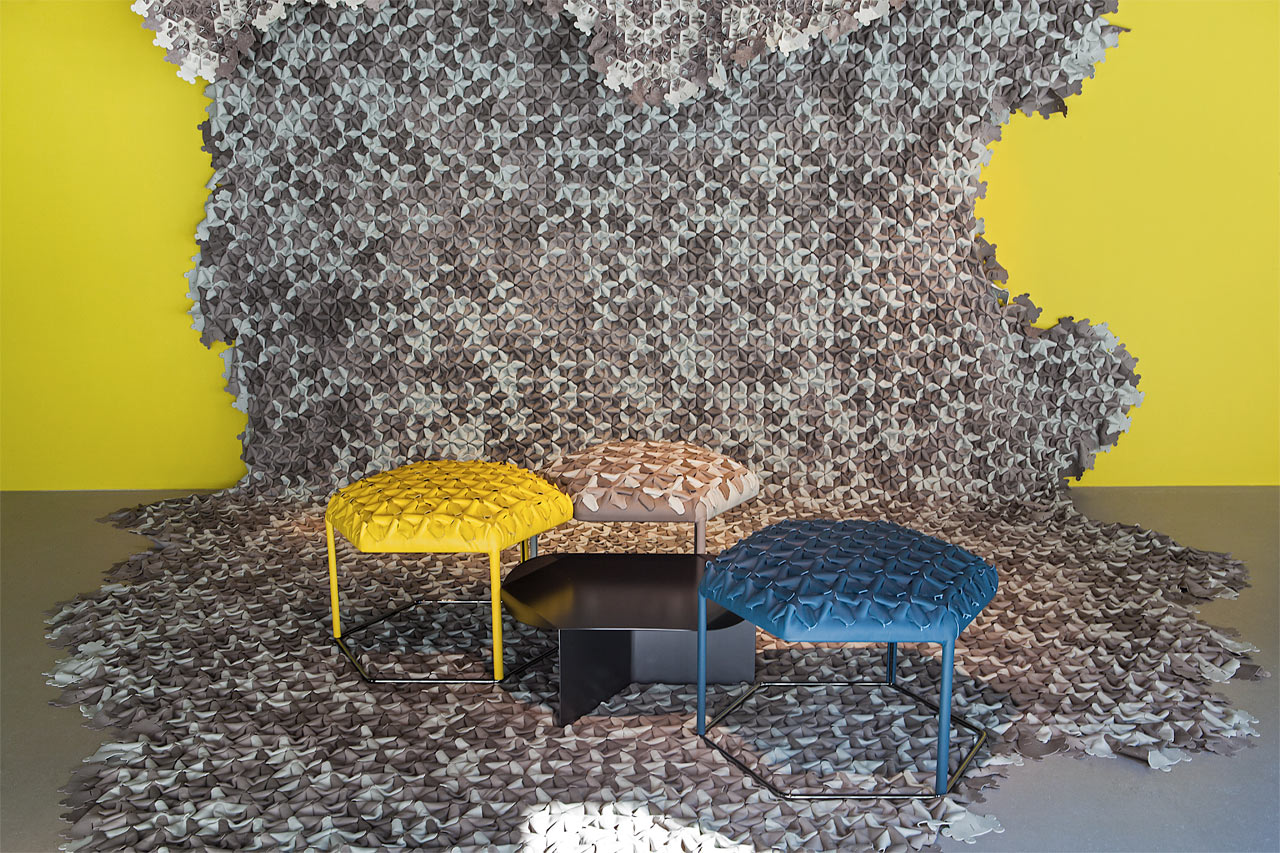
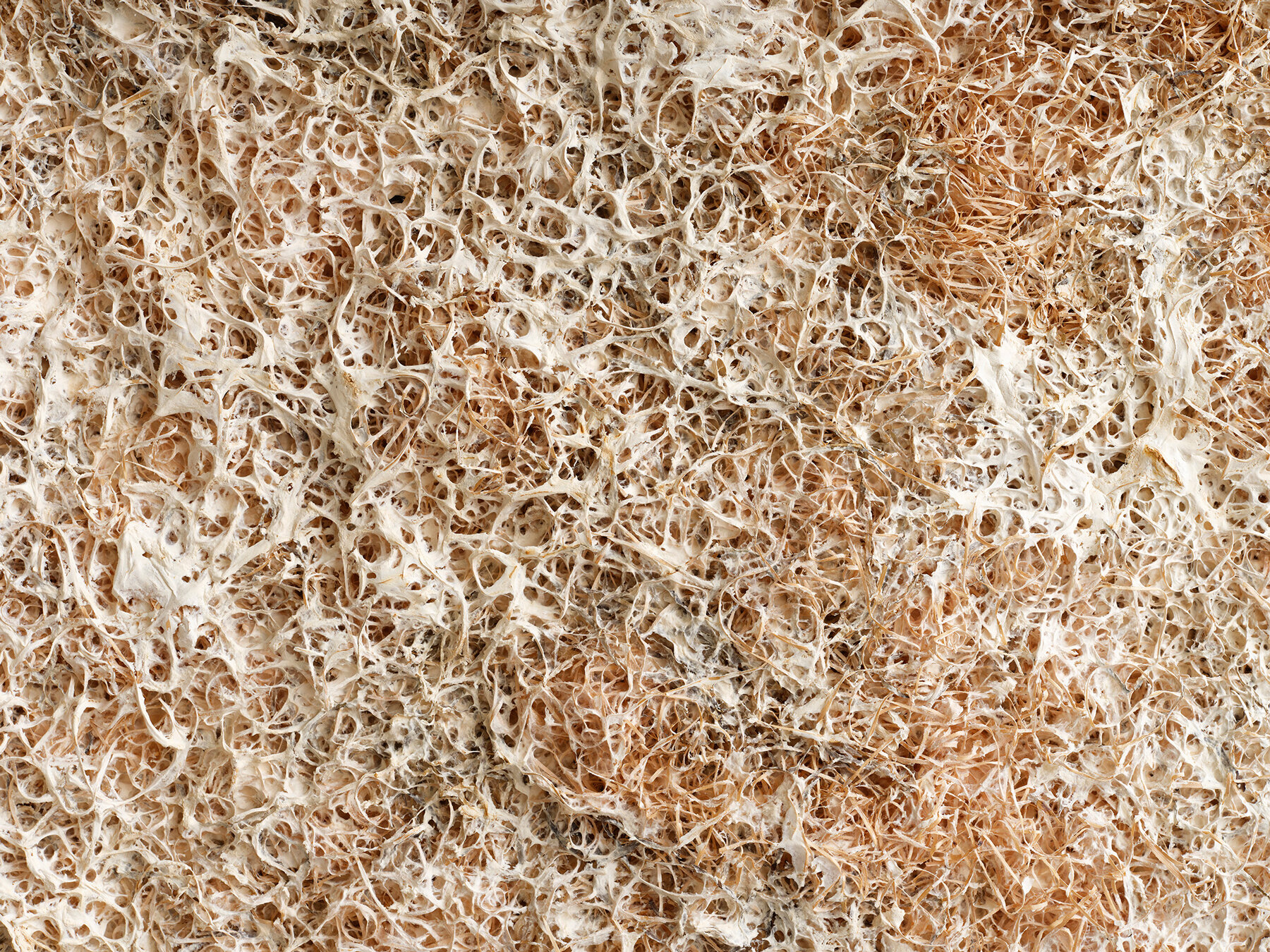
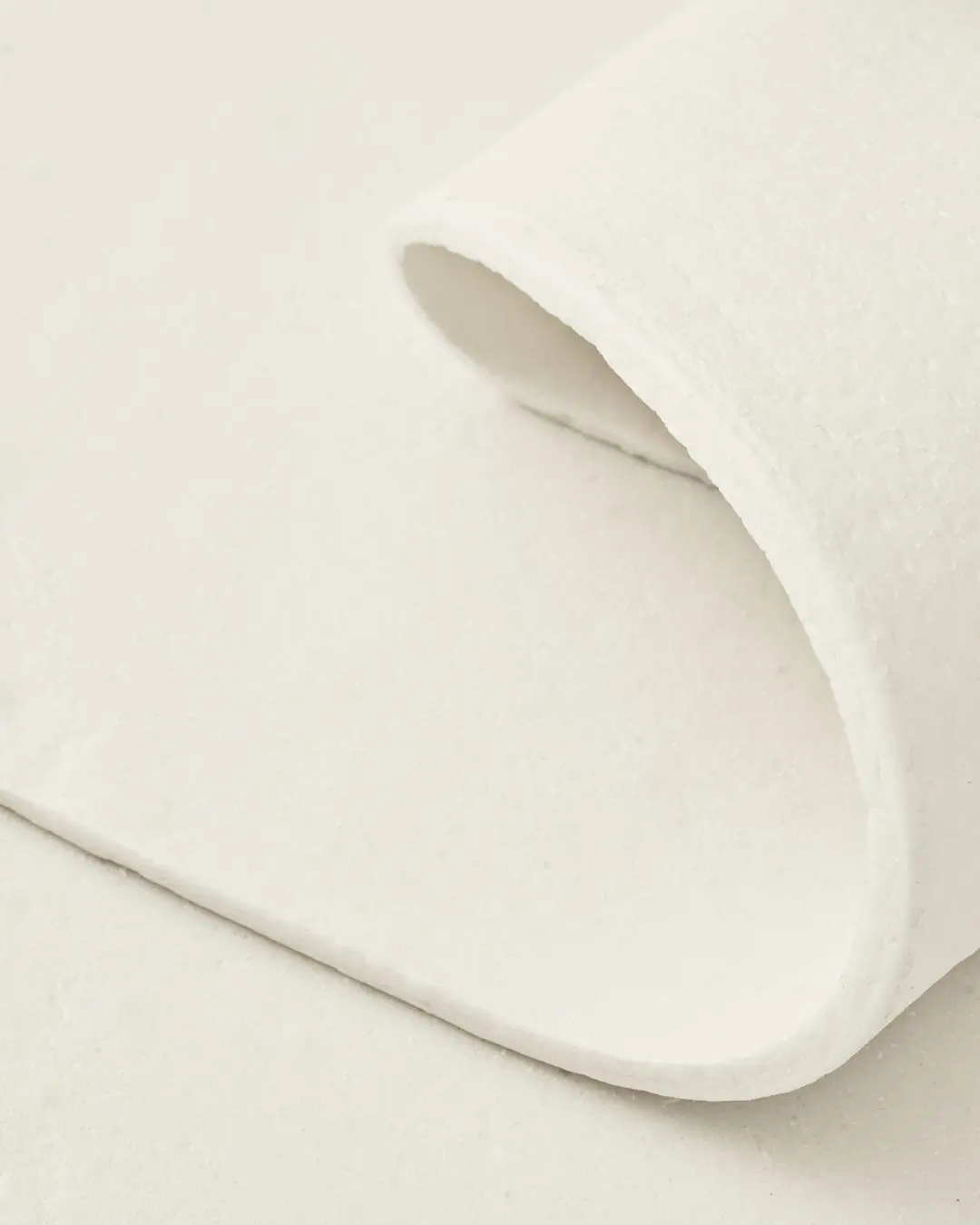
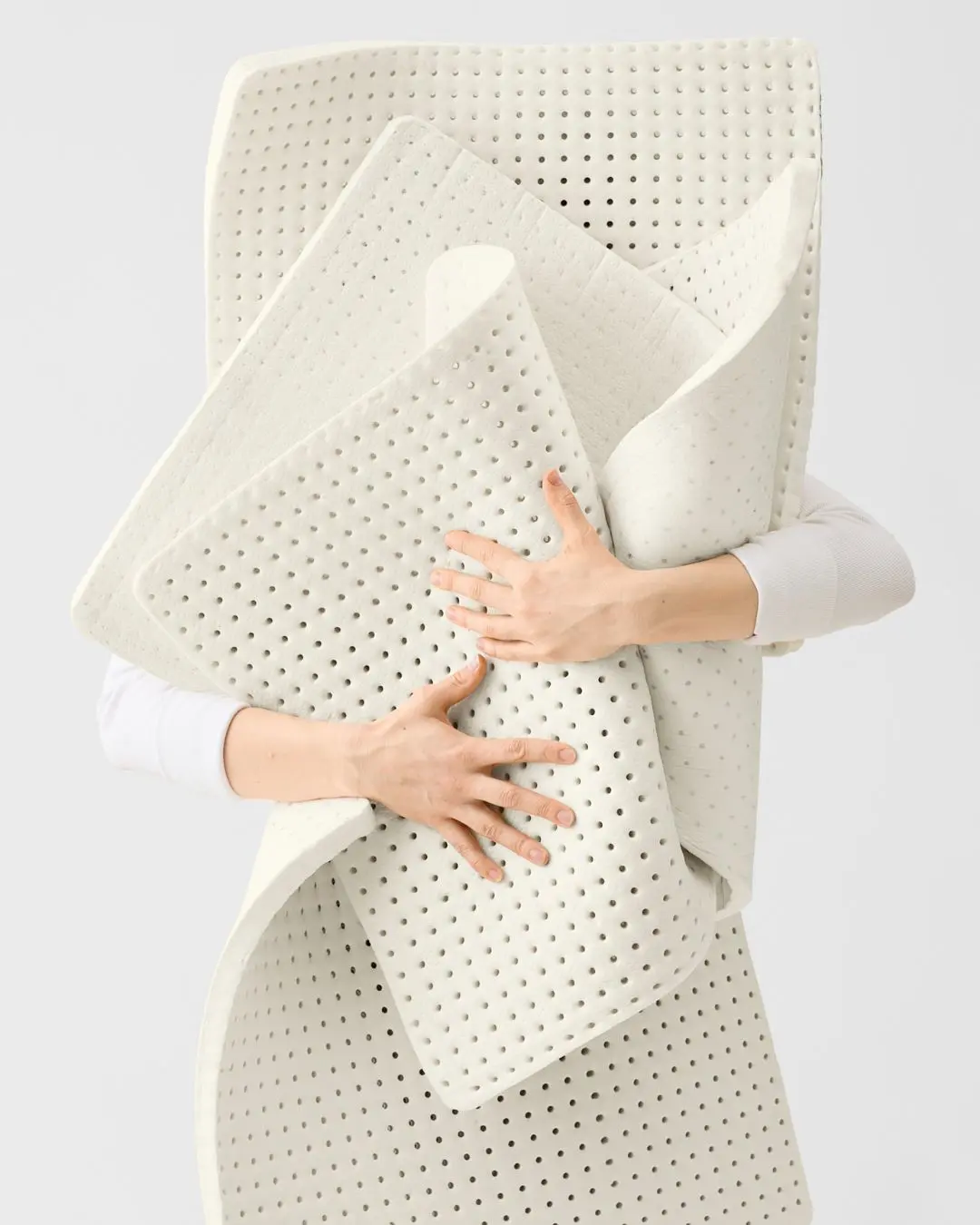
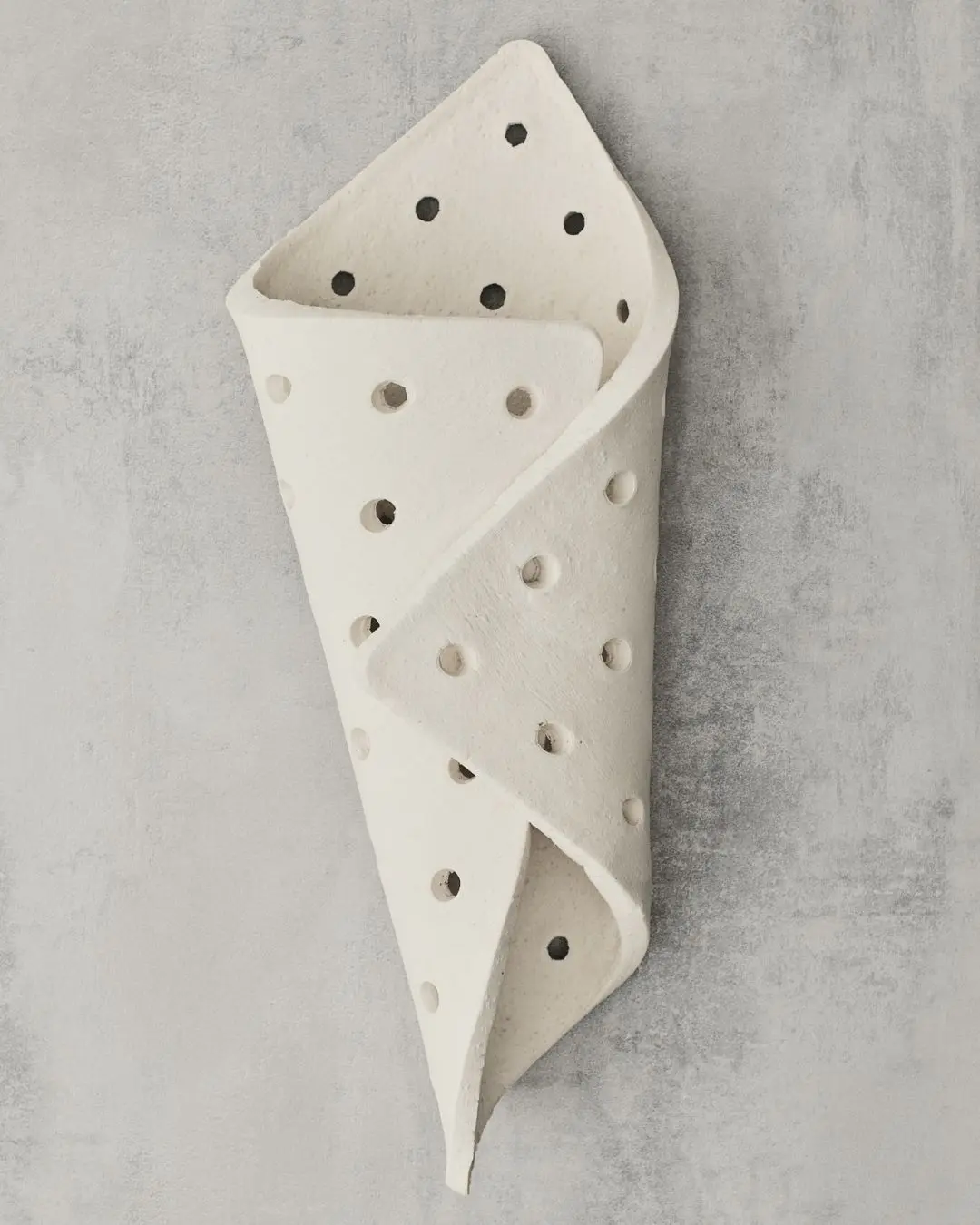
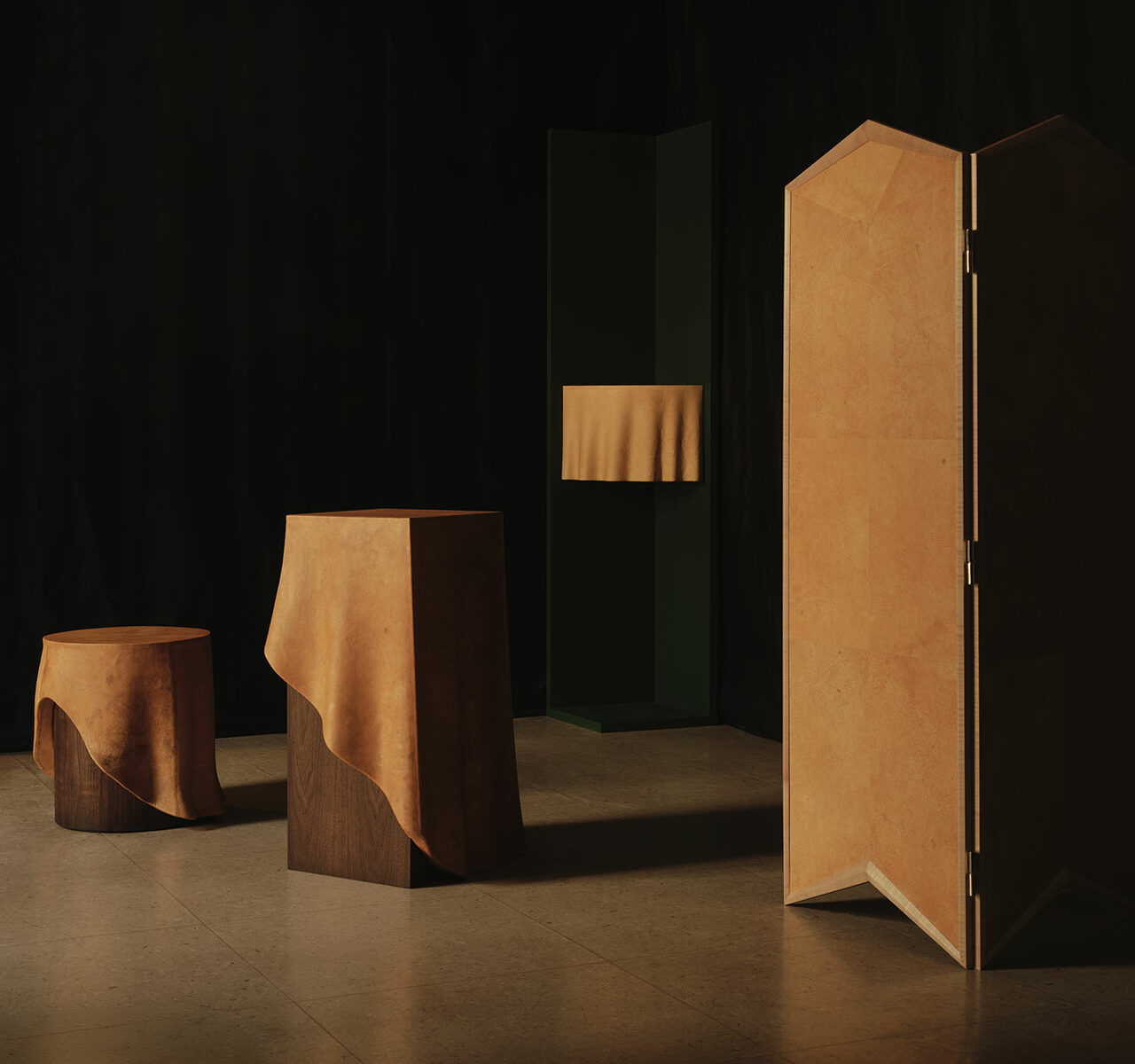
MycoWorks has developed Reishi™, a biomaterial crafted from mycelium, which is the root-like structure of fungi. This innovative material serves as a luxurious and sustainable alternative to animal leather. The company recently showcased a collection made from Reishi™ at the Labò Cultural Project in Milan, presenting functional pieces that demonstrate the material's malleability, durability, and longevity. The collection features designs by Studio TOOJ and Fanny Perrier, highlighting Reishi™'s organic texture, which subtly reveals its growth patterns.
Studio TOOJ’s DUK x Reishi™ collection includes a side table, pedestal, and corner table. These pieces exhibit the material draped gracefully over solid wood bases, creating idealized folds that flow softly to the floor. The dramatic lighting used in the display accentuates the smooth surfaces and natural-looking drapes, emphasizing Reishi™’s ability to mimic the aesthetic of traditional leather while offering a distinctive organic quality. The designs aim to integrate the natural beauty and characteristics of mycelium into contemporary furniture forms.
Fanny Perrier contributed the Mycelium Paravent, a six-panel folding screen inspired by neo-classical and 1930s ornamental screens, such as those by designer Jean-Michel Frank. This paravent utilizes Reishi™ to adorn each recessed panel, providing a textured appearance that replaces traditional leather or parchment coverings. The choice of Reishi™ for such a historically rich design underscores its versatility and aesthetic potential in luxury furnishings, demonstrating its suitability for high-end applications.
Reishi™ distinguishes itself from other leather alternatives by being a naturally occurring, fast-growing, and sustainable material that offers the versatility and softness of animal leather without the ethical concerns associated with animal products. This development marks a significant step forward for industries historically resistant to change, like the leather industry. The material’s properties and production process offer a promising and inspirational precedent for future material innovation.
The foundation of MycoWorks lies in the biotechniques developed by Philip Ross, who sought to steer material science towards a more holistic direction. Ross began his journey by studying mycology in upstate New York forests and later applied his understanding of reishi mushrooms, initially for medicinal purposes during the HIV crisis in San Francisco. He observed the extraordinary growth patterns of reishi, which varied based on humidity, temperature, and environment. This led him to coin the term 'mycotecture'—the creation of structures and forms from mushrooms. Ross collaborated with artist and writer Sophia Wang to realize MycoWorks, transforming it into a leading research and development entity within a decade. Wang emphasizes the importance of continuous reinvestment in one's core motivations and being authentic about one's role in the project, reflecting on the journey and evolution of MycoWorks in driving industry-wide change.
The integration of Reishi™ into furniture and decorative items by designers like Studio TOOJ and Fanny Perrier showcases its potential to revolutionize the home furnishings and interior design sectors. Its unique combination of aesthetic appeal, tactile quality, and sustainable origin positions it as a significant material for future design applications, providing a viable and luxurious alternative to conventional materials while addressing environmental and ethical considerations.
#MycoWorks #Reishi #Mycelium #Biomaterial #LeatherAlternative #SustainableDesign #LuxuryMaterials #InteriorDesign #FungusInnovation #MycoWorks #Reishi #Mycelium #Biomaterial #LeatherAlternative #SustainableDesign #LuxuryMaterials #InteriorDesign #FungusInnovation
0 comment in total
 No comments yet
You may also like
Mycelium as a Material for 3D Printing
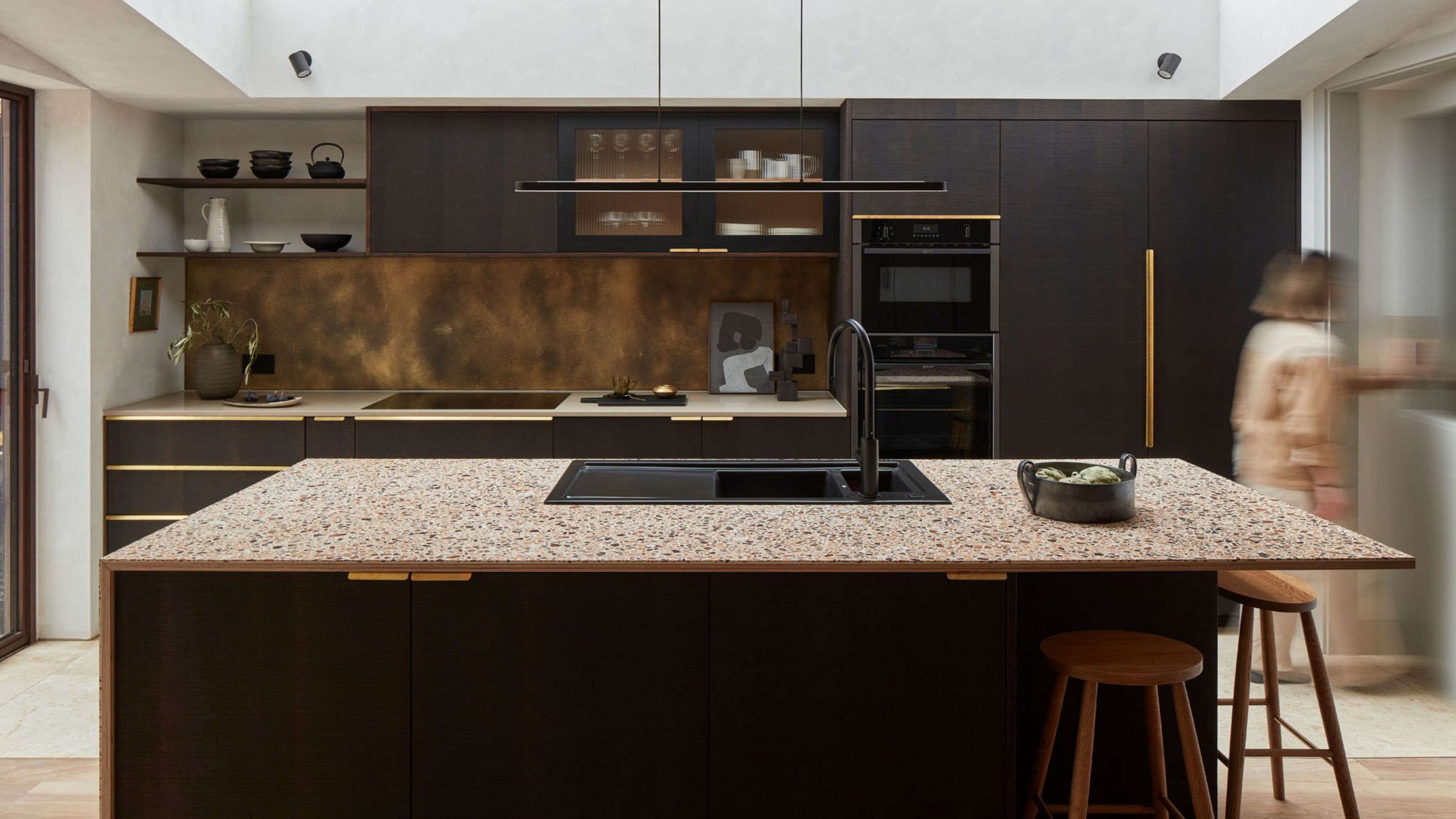
6 Sustainable Material Trends That Prove It's No Longer Just a Buzzword, but an Exciting Design Opportunity

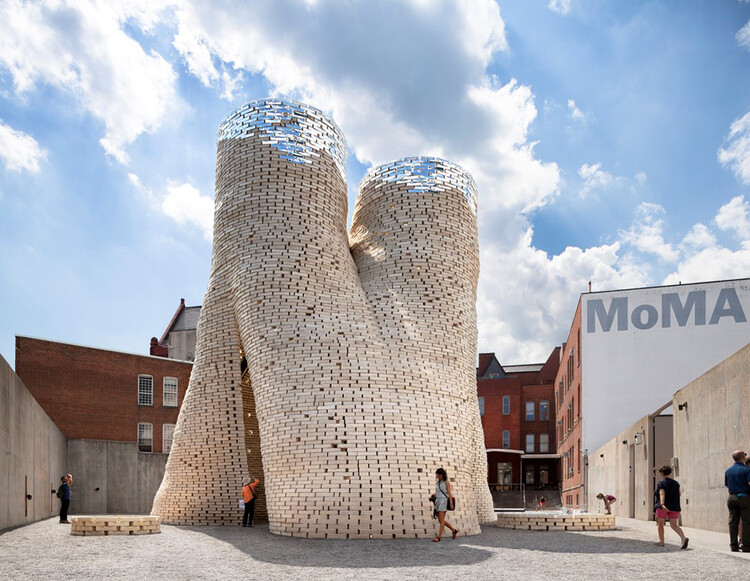
10 Start-ups Creating Innovative and Sustainable Building Materials, from Mycelium Bricks to Water Purifying Tiles

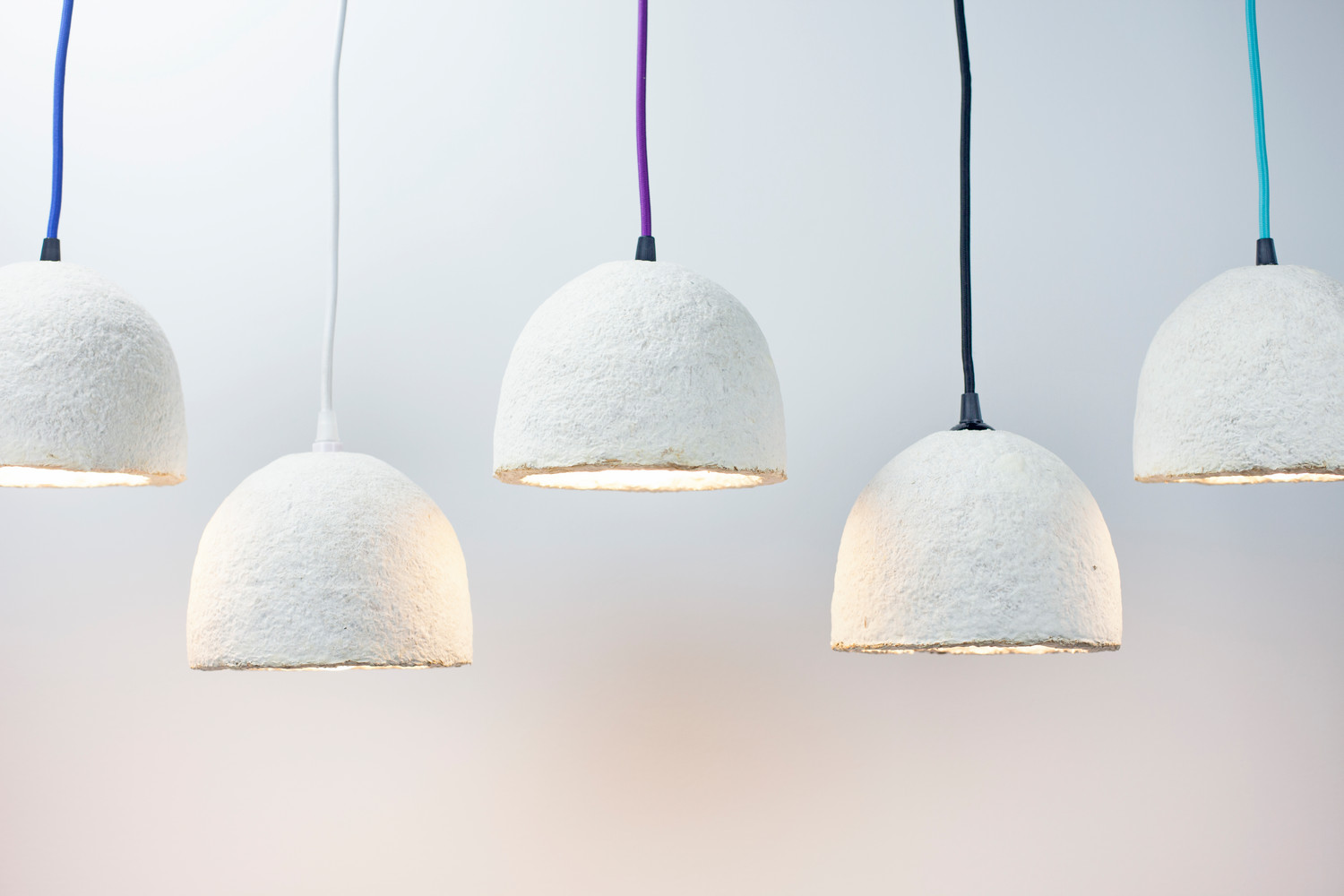
You Can Now Grow Lamps From Mushrooms

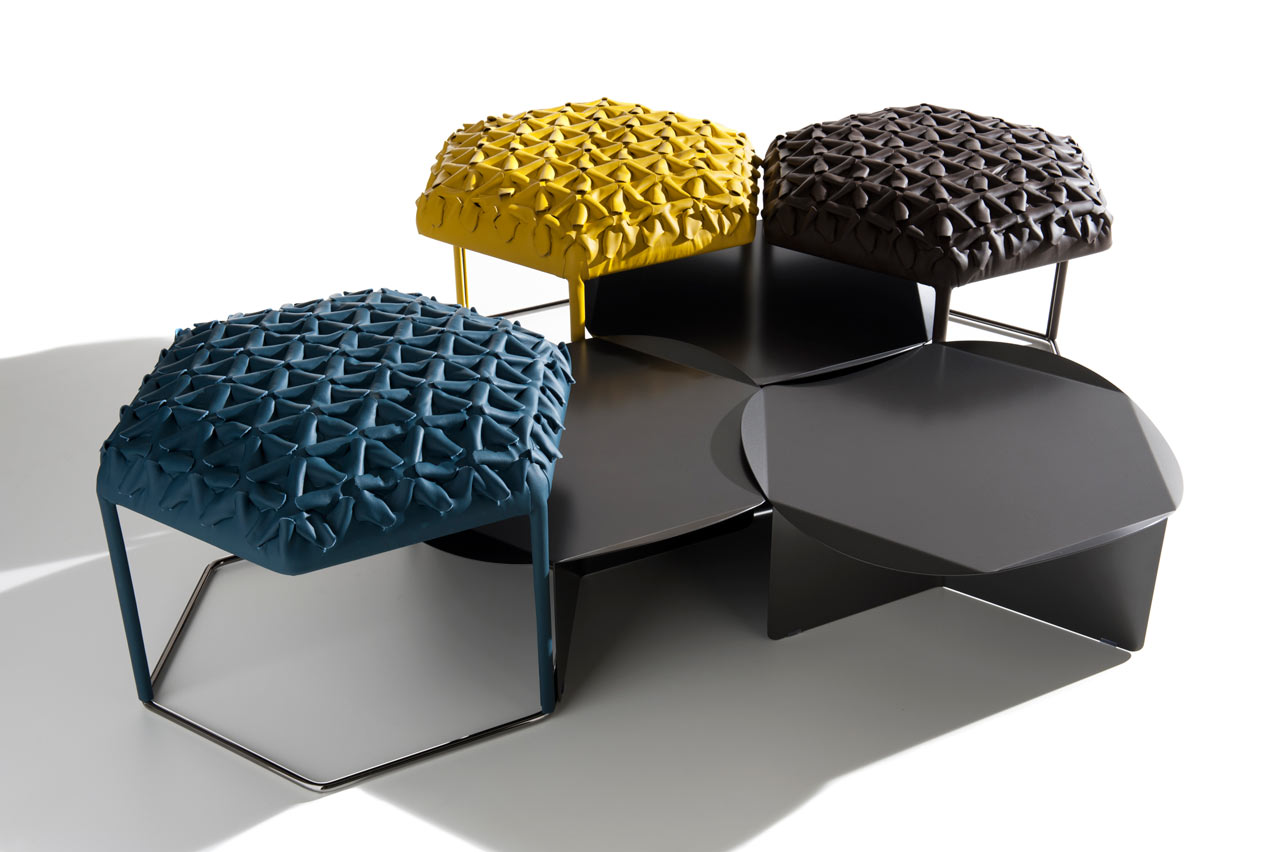
Hive: Leather Patches Create 3D Upholstery Textiles
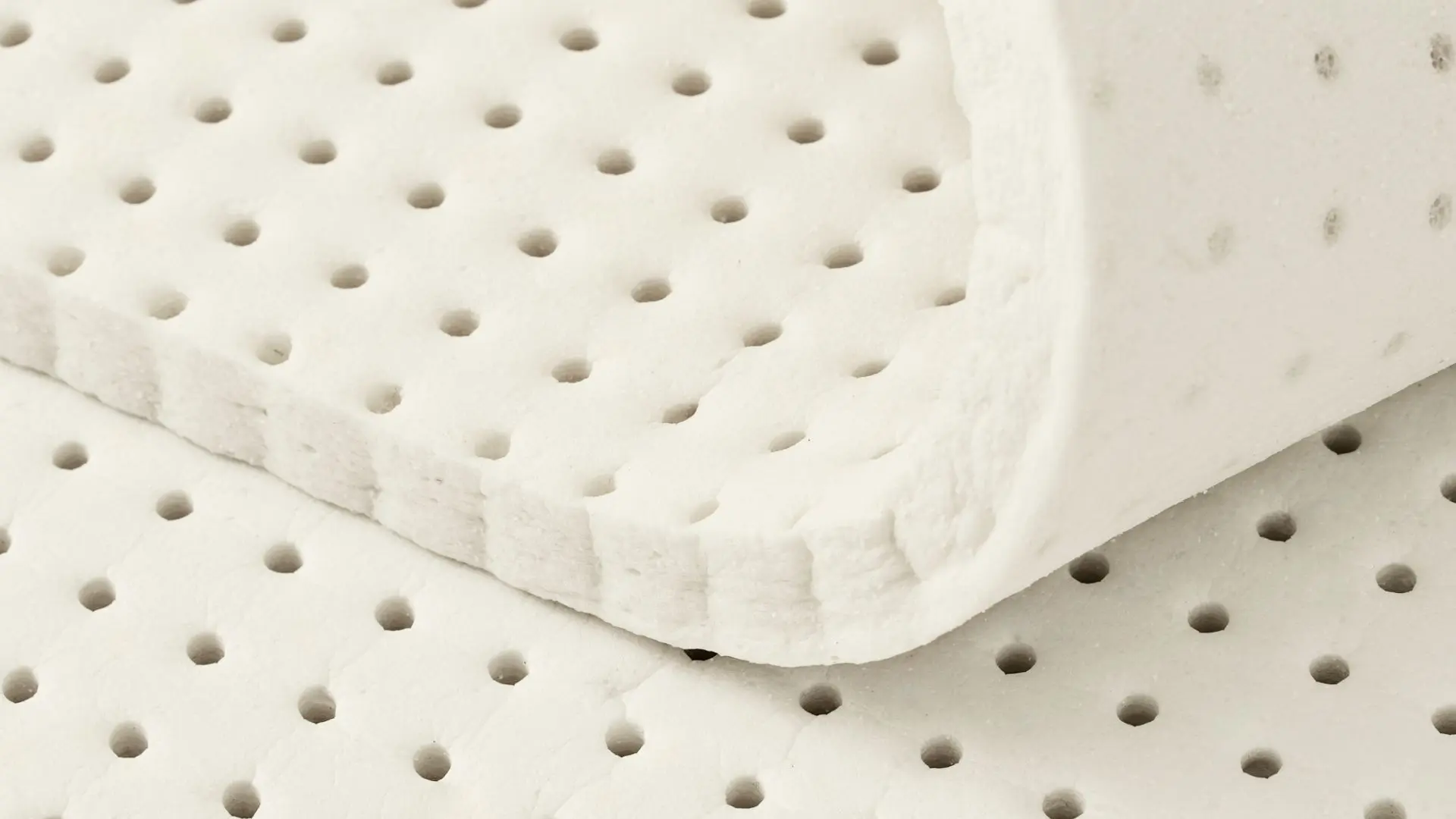
A next-generation material for sustainable padding applications

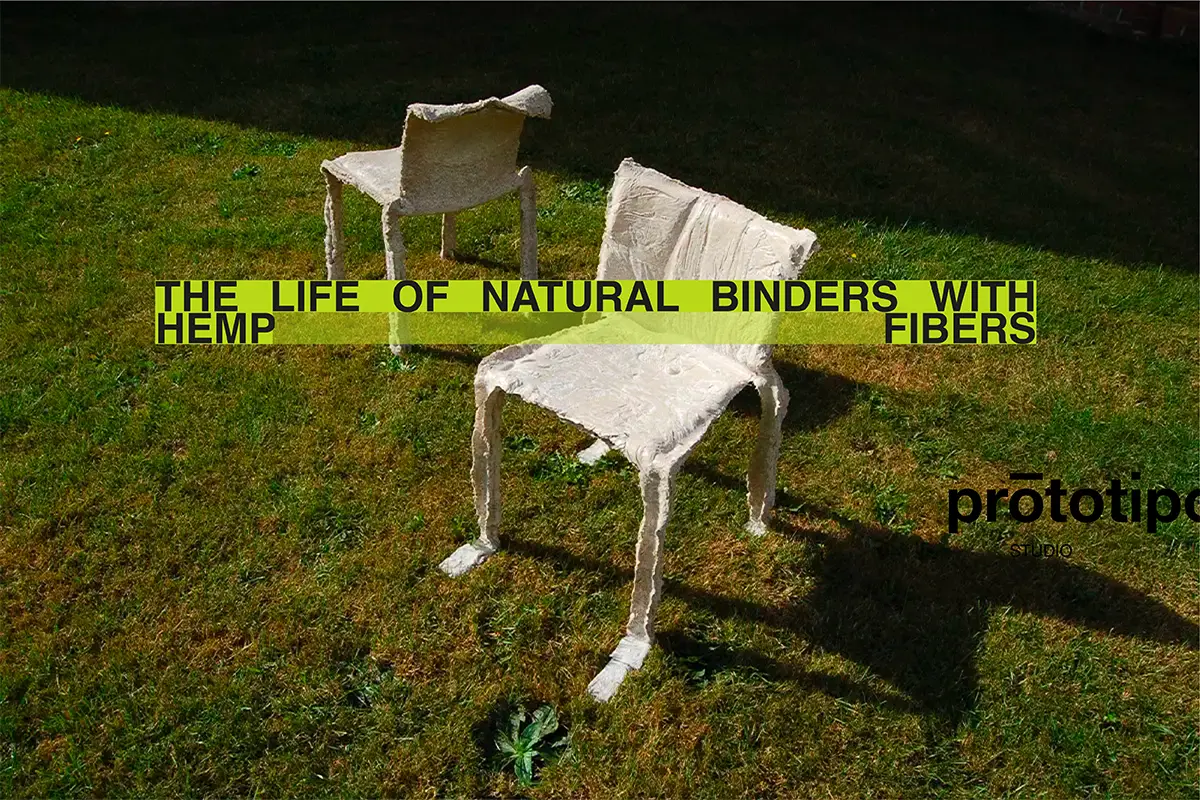
Natural binders: magnesium and potato starch make hemp products fully circular

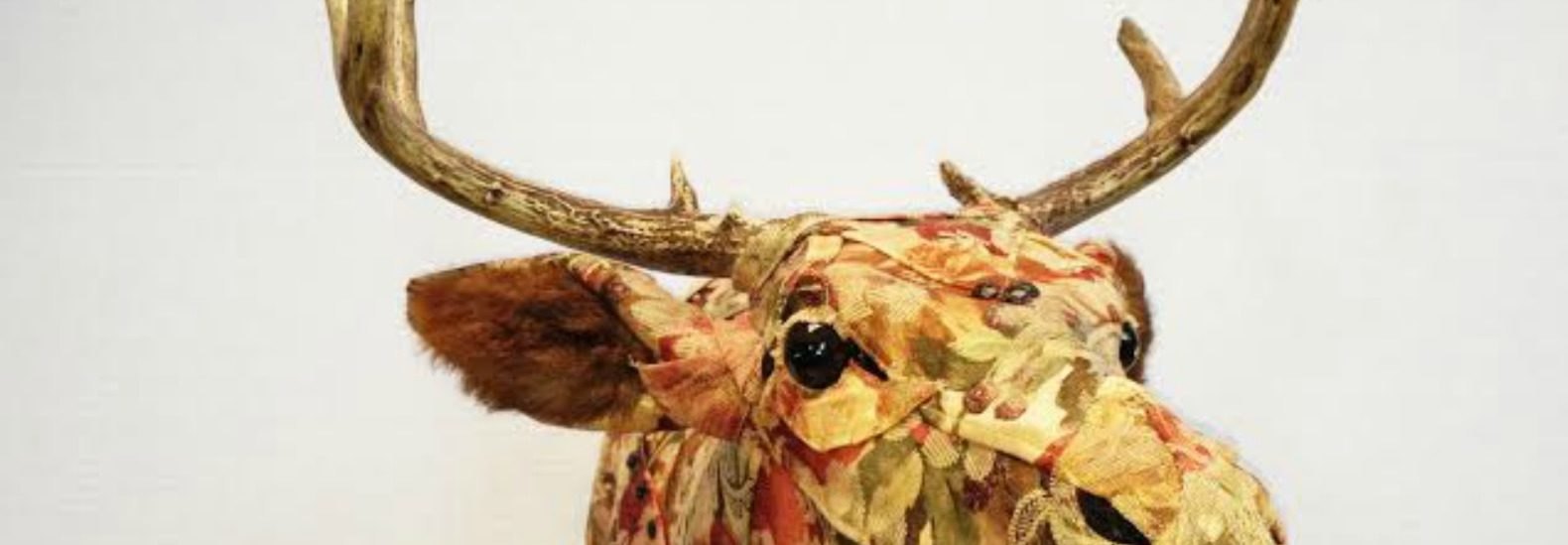
Artist makes life-sized faux taxidermy animals from upcycled fabric swatches
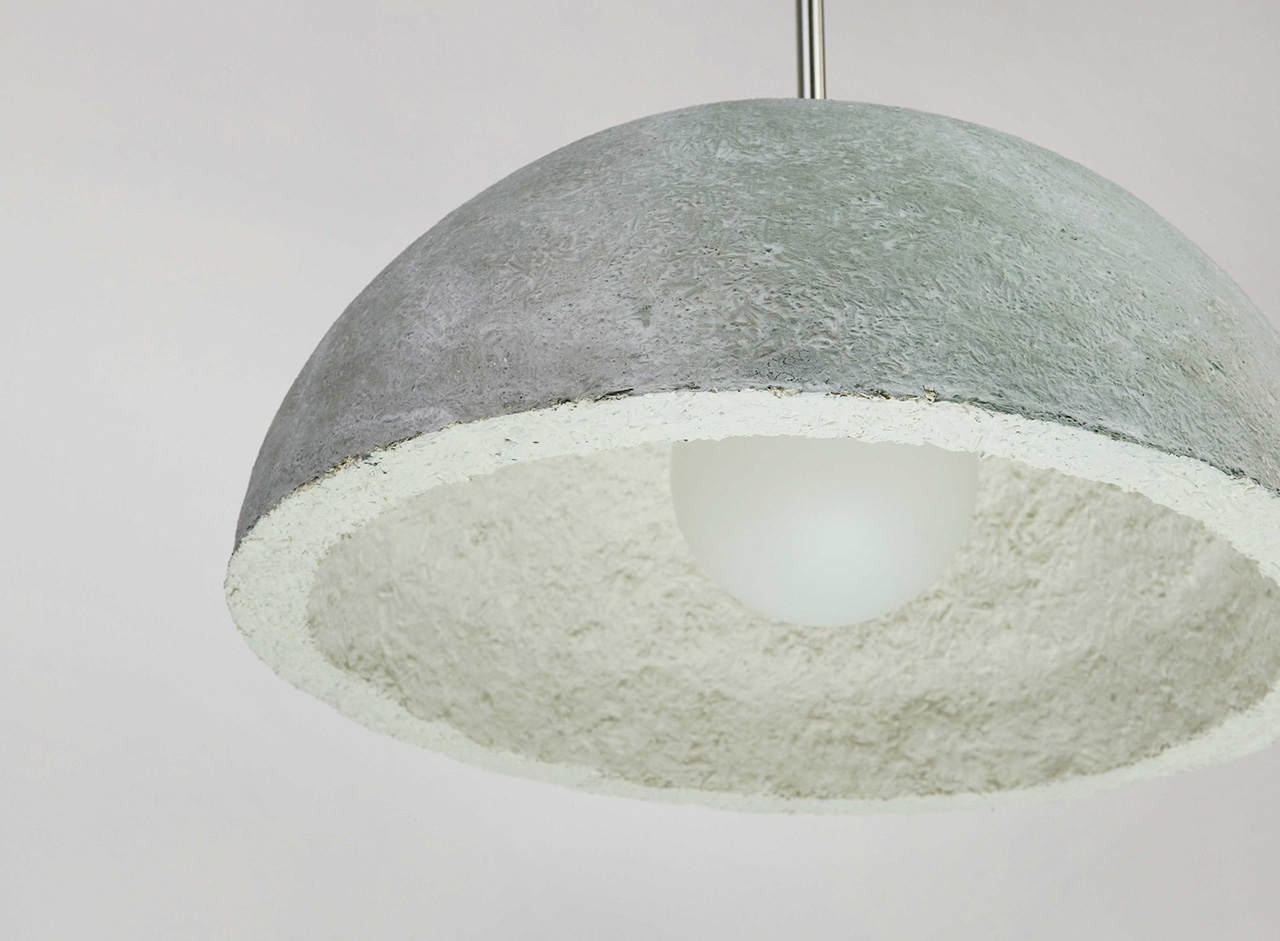
MushLume Lighting Is an Illuminating Example of BioDesign

Finding Sustainable Alternatives to Traditional Building Materials
Fefostudio and Kamilla Csegzi create mycelium-based Ephemeral Table
FabBRICK reinvents construction materials with recycled textile waste
jonas edvard crafts sound-absorbing panel from mushroom mycelium, hemp, and willow
Lighting the way: Danielle Trofe’s fungus-fueled fixtures
Alcarol traps natural materials in resin to form New Visions furniture collection
Biophilic design beyond the buzzword
Floor tiles made of coloured snail poo by Lieske Schreuder
Terreform ONE unveils mushroom chair that they grew in just seven days

Fluff Stuff


Alternatives to Leather: Your Vegan Guide to the Best Brands and Styles