1/2
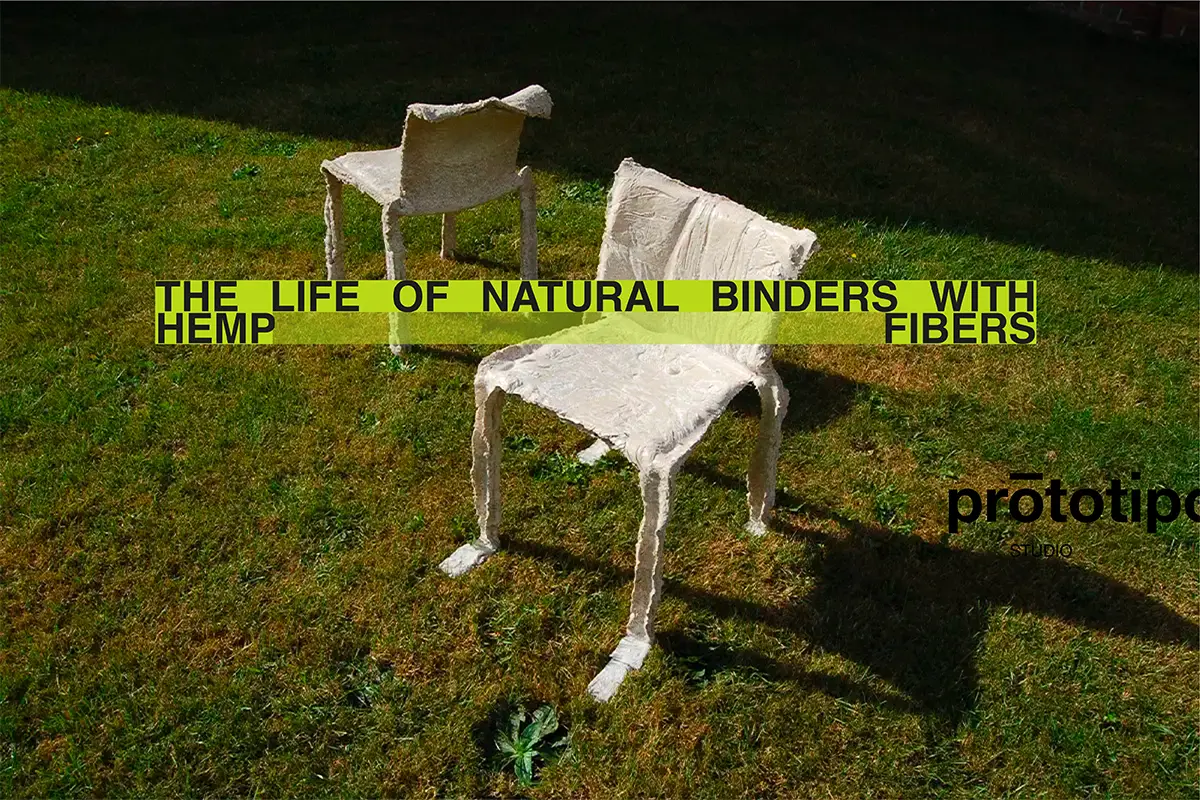
Natural binders: magnesium and potato starch make hemp products fully circular
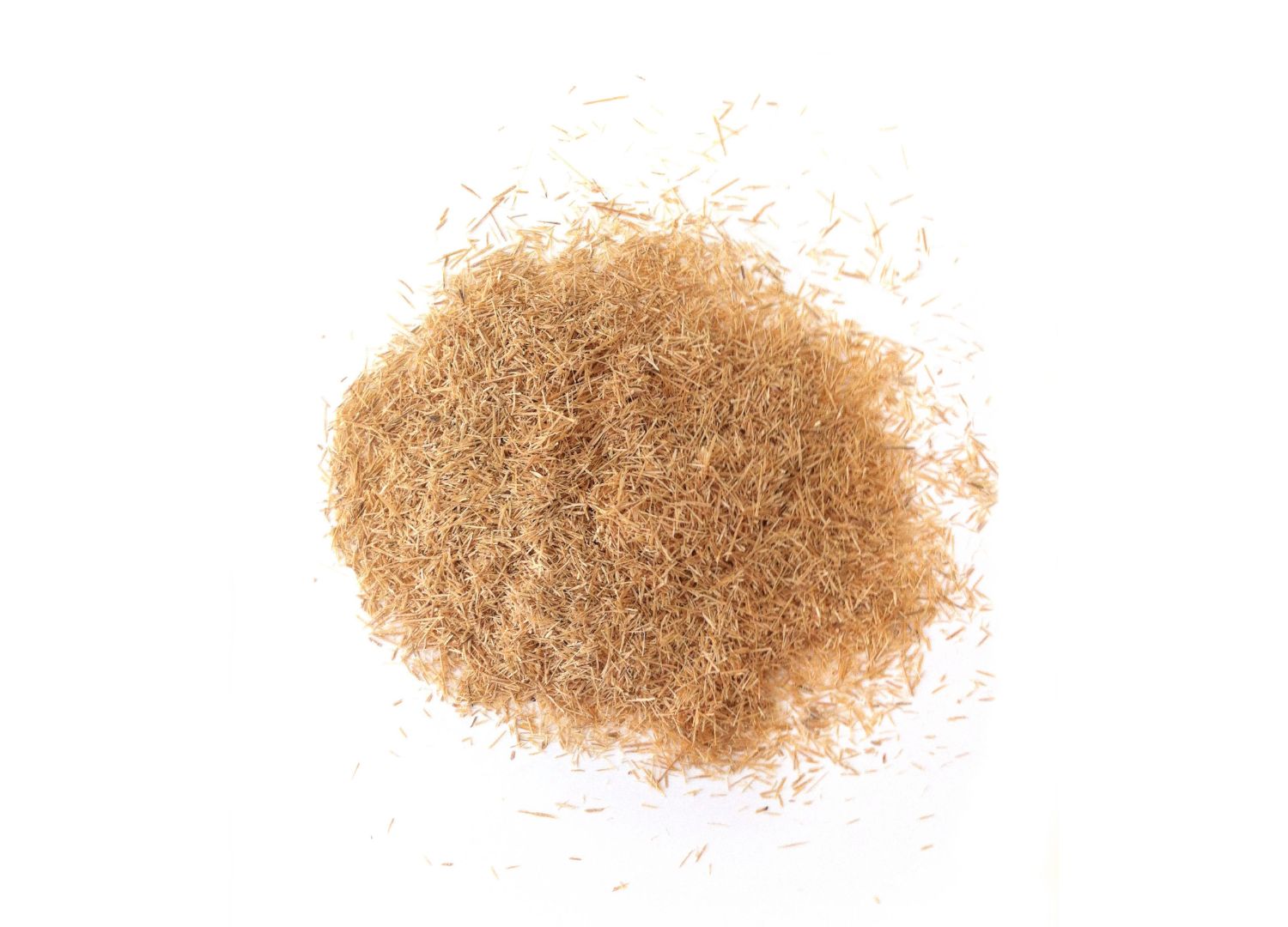
The article explores the potential of natural binders, specifically magnesium oxychloride and potato starch, in combination with hemp fibers to create robust, sustainable, and circular materials, as explained by Dutch designer and professor Jack Brandsma. Before the advent of synthetic bonding agents, adhesives from renewable resources like casein and protein were commonly used. These natural alternatives are regaining attention due to rising costs of conventional crude-oil-based binders and the environmental concerns associated with synthetic materials. The challenge often lies in the inseparable nature of fibers and binders once combined, making recycling difficult.
In the Dutch design context, self-production has become a necessity, fostering an educational system that encourages manual skills and practical implementation of ideas. Jack Brandsma, a lecturer and researcher at Academy Minerva, collaborates with IHOG (Innovatie Hub Oost-Groningen) and its partners—HempFlax, Nedmag, and Avebe—to experiment with hemp and natural binders. HempFlax, for instance, has partnered with BMW to produce interior panels for the automotive industry, using hemp as a lightweight alternative to glass fibers. However, the combination of hemp with synthetic binders in these applications still presents a circularity challenge.
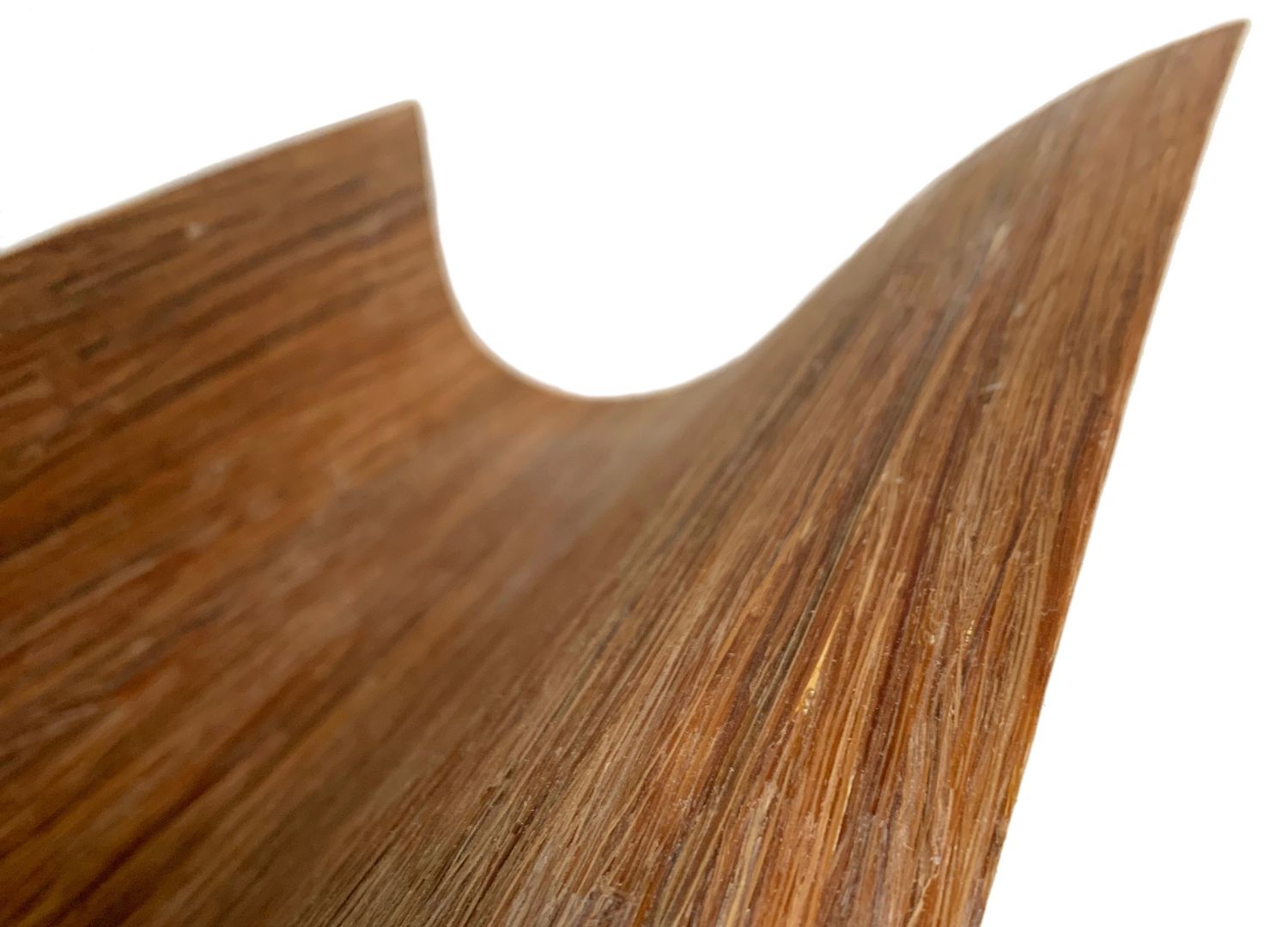
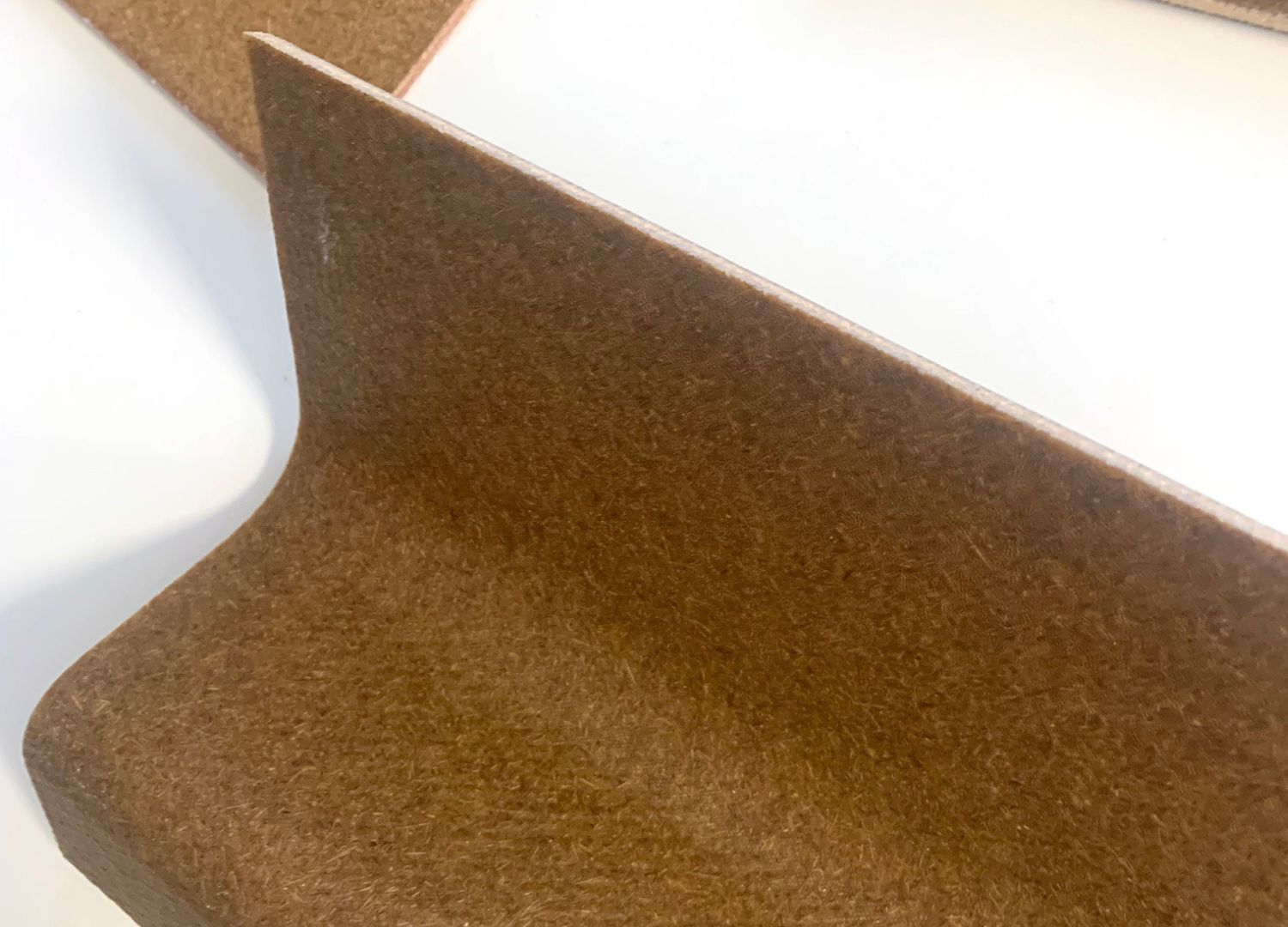
Brandsma's research focuses on using magnesium oxychloride and potato starch as binders. Magnesium oxychloride, also known as Sorel cement, is formed by mixing magnesium salt, oxide, and magnesium chloride with water. This fluid material can fully soak hemp fibers, and when clamped under pressure, it hardens like cement within 24 hours. Potato starch, a more environmentally friendly binder, behaves like a jelly glue when mixed with water and can be molded similarly to papier-mâché. Unlike magnesium, which can be corrosive to metals due to its salt content, potato starch is a gentler option. Both binders are sensitive to moisture, indicating their biodegradability, a crucial aspect for circularity.
Brandsma emphasizes that the goal is not merely to replace synthetic materials but to find natural alternatives that offer comparable performance. He challenges students to create rigid and strong structures using natural materials, drawing inspiration from historical designs like Willy Guhl's cement and asbestos fiber constructions. He envisions these materials being applied in furniture, highlighting their ability to absorb and release moisture, unlike synthetic alternatives. The discussion also delves into the broader implications of material choices on environmental impact and the product lifecycle. Brandsma argues against the current consumption-driven system that encourages frequent disposal of products. He advocates for designing durable items that can last a lifetime and be passed on, questioning the necessity of constant newness. The article concludes by stressing the importance of exploring new applications for existing materials and fostering a shift in design education to prioritize sustainability and circularity, transforming designers into innovators who address genuine needs rather than simply creating new products for market consumption.
#NaturalBinders #HempFibers #CircularEconomy #SustainableMaterials #MagnesiumOxychloride #PotatoStarch #DutchDesign #Biodegradability #MaterialInnovation #NaturalBinders #HempFibers #CircularEconomy #SustainableMaterials #MagnesiumOxychloride #PotatoStarch #DutchDesign #Biodegradability #MaterialInnovation
 No comments yet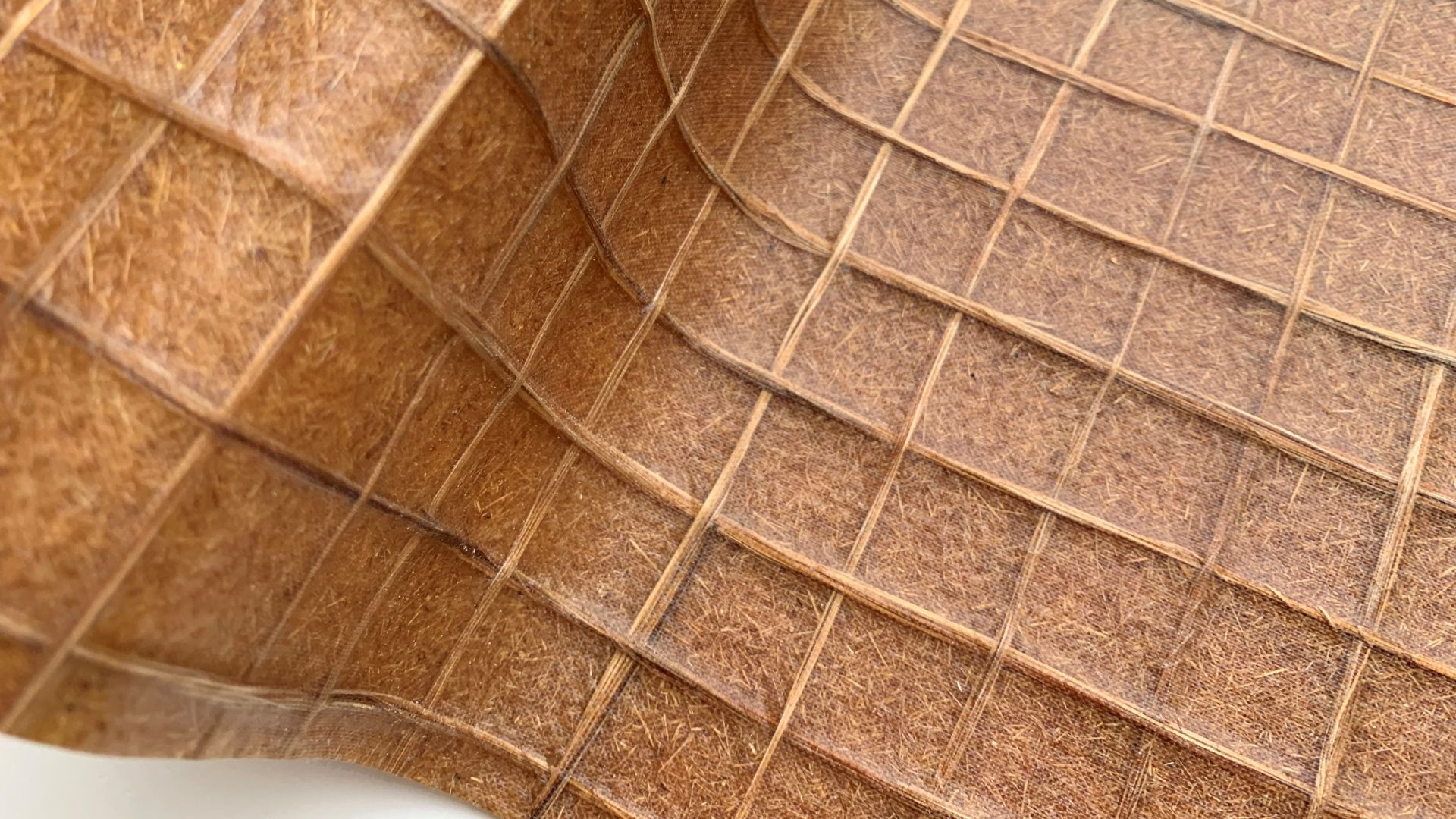
Long bamboo fibers for high-performance composite applications


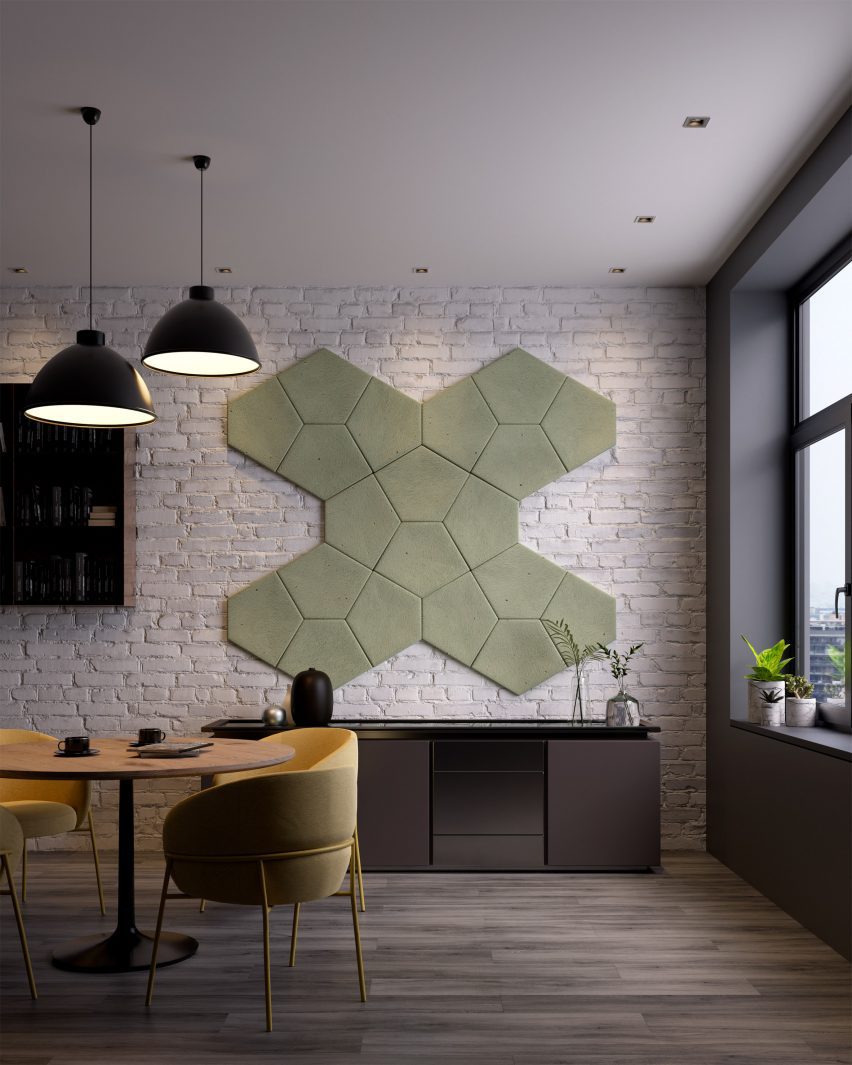
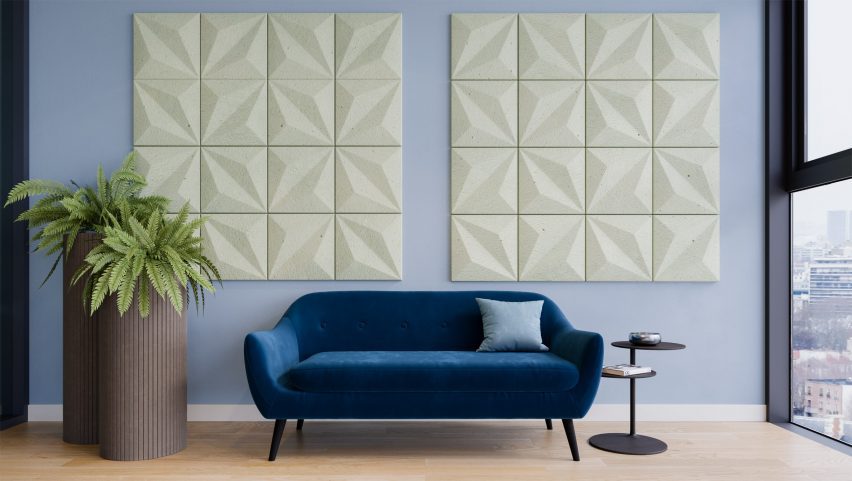
FIKA acoustic wall tiles by AllSfär
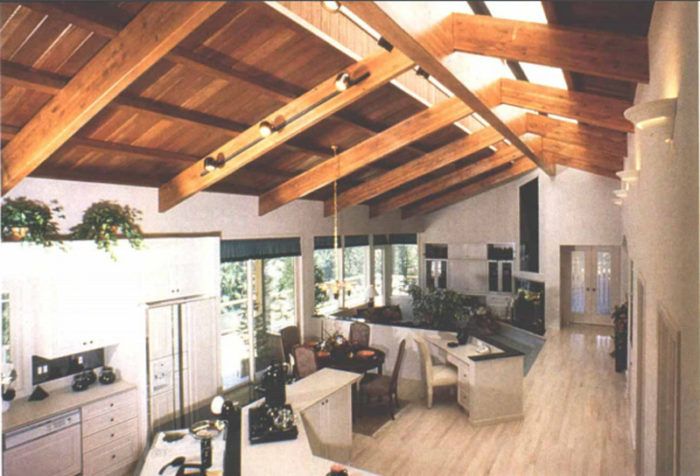
Glue-Laminated Timbers