1/4
Radiant Barriers
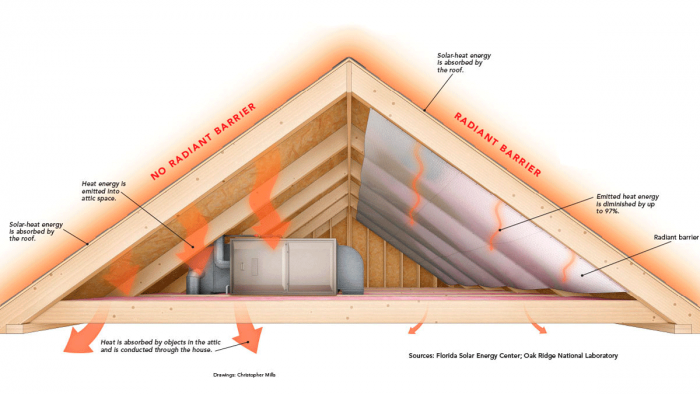
Radiant barriers are a topic of debate in the construction industry regarding their effectiveness in reducing utility bills, particularly cooling costs. While proponents advocate for their use in mitigating solar heat gain, skeptics question their real-world impact. The fundamental science behind radiant barriers involves the three modes of heat transfer: conduction, convection, and radiation. Insulation, thermal breaks, and air-sealing address conduction and convection, whereas radiant barriers specifically target heat transfer through radiation, which occurs across an airspace or vacuum via electromagnetic waves.
Emissivity, measured on a scale from 0 to 1, quantifies a material's ability to emit radiant energy. Radiant barriers are defined by an emissivity of 0.1 or less, meaning they emit 10% or less of the radiant energy they encounter. These materials are both reflective and low-emitting for long-wave (heat) energy. For example, aluminum reflects 97% of long-wave radiation and emits only 3%. It's crucial to distinguish this from visible light reflection; a material can be highly reflective of light but ineffective as a radiant barrier for heat. A key principle is that radiant barriers function irrespective of which shiny side faces the heat source, as long as an airspace is present.
Current research suggests that radiant barriers in attics are a viable strategy for reducing cooling loads in hot climates. However, their benefit is limited to solar gain from the attic, which constitutes approximately 22% of a home's total cooling load. Studies indicate that radiant barriers can deflect around 40% of incoming attic heat, resulting in a net savings of only 8% to 10% of a home’s total cooling costs. In colder climates, their benefit is less clear, as summer heat gain is less problematic, and they might even hinder beneficial winter solar gain. While they can help retain winter heat, most winter heat loss in attics is due to convection, making proper insulation and air-sealing more effective solutions.
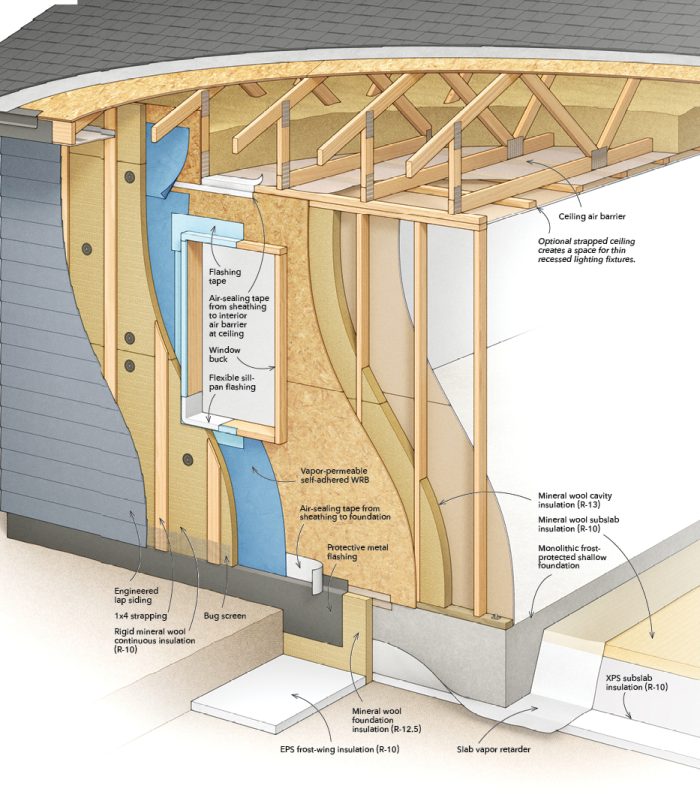
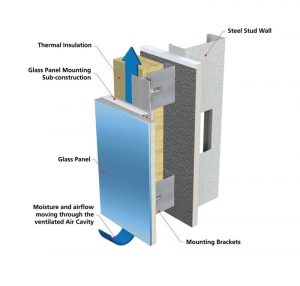
For radiant barriers to be effective, they must face an airspace, as pressing them between two surfaces turns them into heat conductors. They also require a temperature difference between materials, rendering them of negligible benefit in already well-insulated homes. Vented attics are ideal locations for radiant barriers due to their large airspaces and direct exposure to solar heat gain. Conversely, radiant barriers in walls offer less benefit because walls experience less solar gain, and heat transfer primarily occurs through conduction and convection rather than radiation. When radiant barriers are placed on attic floors, their performance can degrade over time due to dust accumulation.
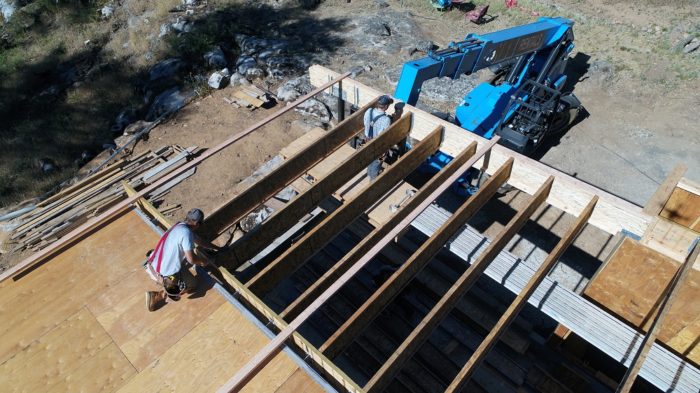
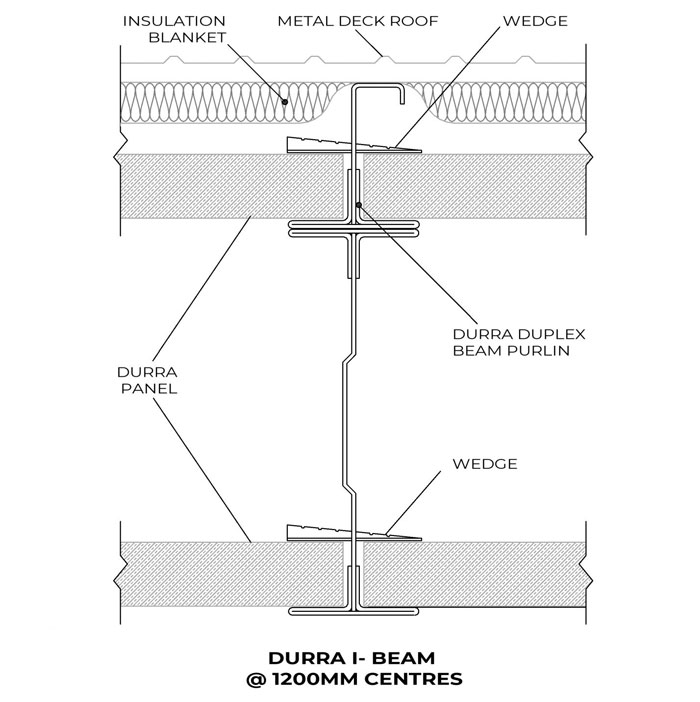
In new construction, radiant-barrier sheathing can be utilized, or foil barriers can be draped over rafters or trusses before sheathing installation. The latter method creates an airspace in the rafter bays, enhancing ventilation and the foil's effect. For retrofits, radiant-barrier foil can be attached to the sides of rafters or, preferably, to their faces, which helps curtail heat transfer through the rafters. Gaps at the top and bottom of these installations promote ventilation, and double-sided foil offers a slight increase in effectiveness. Despite varying opinions, the application of radiant barriers should be considered within the context of specific climate conditions, existing insulation, and proper installation techniques to achieve optimal results in energy efficiency.
#RadiantBarriers #HomeInsulation #EnergyEfficiency #AtticVentilation #CoolingCosts #HeatTransfer #BuildingScience #RetrofitSolutions #NewConstruction #RadiantBarriers #HomeInsulation #EnergyEfficiency #AtticVentilation #CoolingCosts #HeatTransfer #BuildingScience #RetrofitSolutions #NewConstruction
0 comment in total
 No comments yet
You may also like
Weather-resistant barriers: Advanced technologies for modern construction

5 ways to hide outdoor eyesores – the tricks landscape designers use to disguise your backyard's worst features

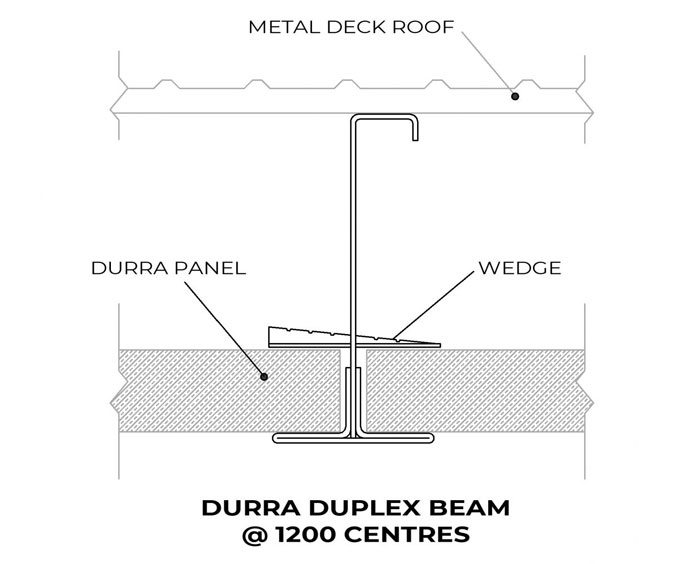
Roof and ceiling systems with versatile application
Carbontec Radiant Heating System Is Just .21mm Thick
Outdoor shade and screens ride the storms out


How do you layer sheer and blackout curtains? The window dressing trick everyone should know


Rainscreen walls: An updated definition for today’s construction environment
Radiators

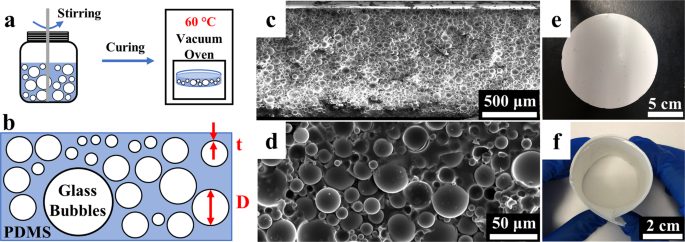
Cool White Polymer Coatings based on Glass Bubbles for Buildings

You can get sun damage through a window — here's how to protect yourself indoors
Slim Skins: Towards a New Glazed Façade System

Cupa Pizarras creates cladding system that "utilises the beauty of natural slate"
Stone wool insulation: Improving open-joint cladding systems
Improving Cooling Capacity of Condensation-Free Radiant Cooling for Low-Emissivity Chilled Ceiling via Adaptive Double-Skin Infrared Membranes
A New Take on Insulating a Roof
The Best Thermal Curtains, Tested and Reviewed

Build a "Perfect Wall" on a Budget for Affordable High-Performance
Thermally Broken Roof Framing
Vintage view: How old stone and brick walls can benefit from lime render

Do Radiator Covers Save Energy or Waste It?