1/5
How do you layer sheer and blackout curtains? The window dressing trick everyone should know
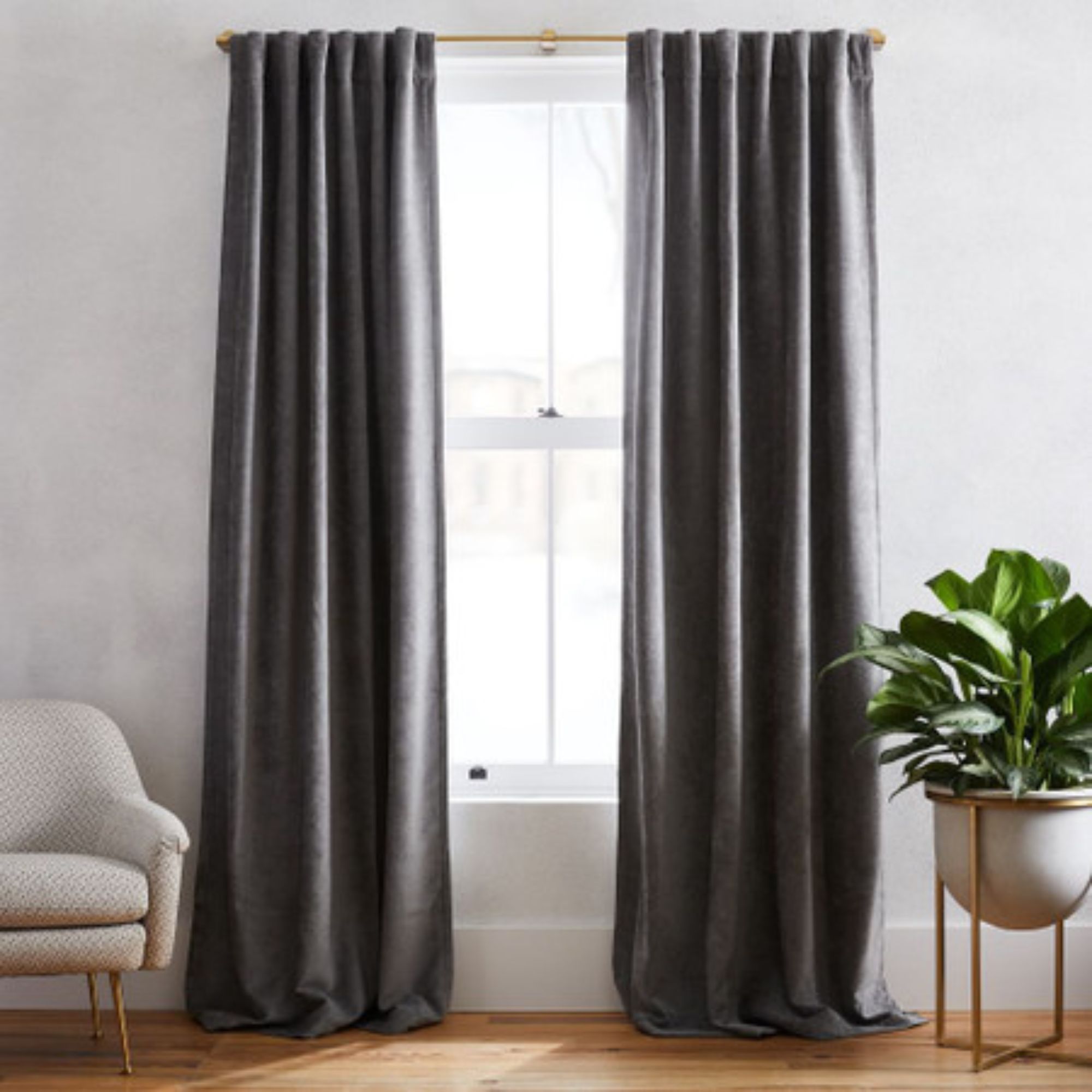
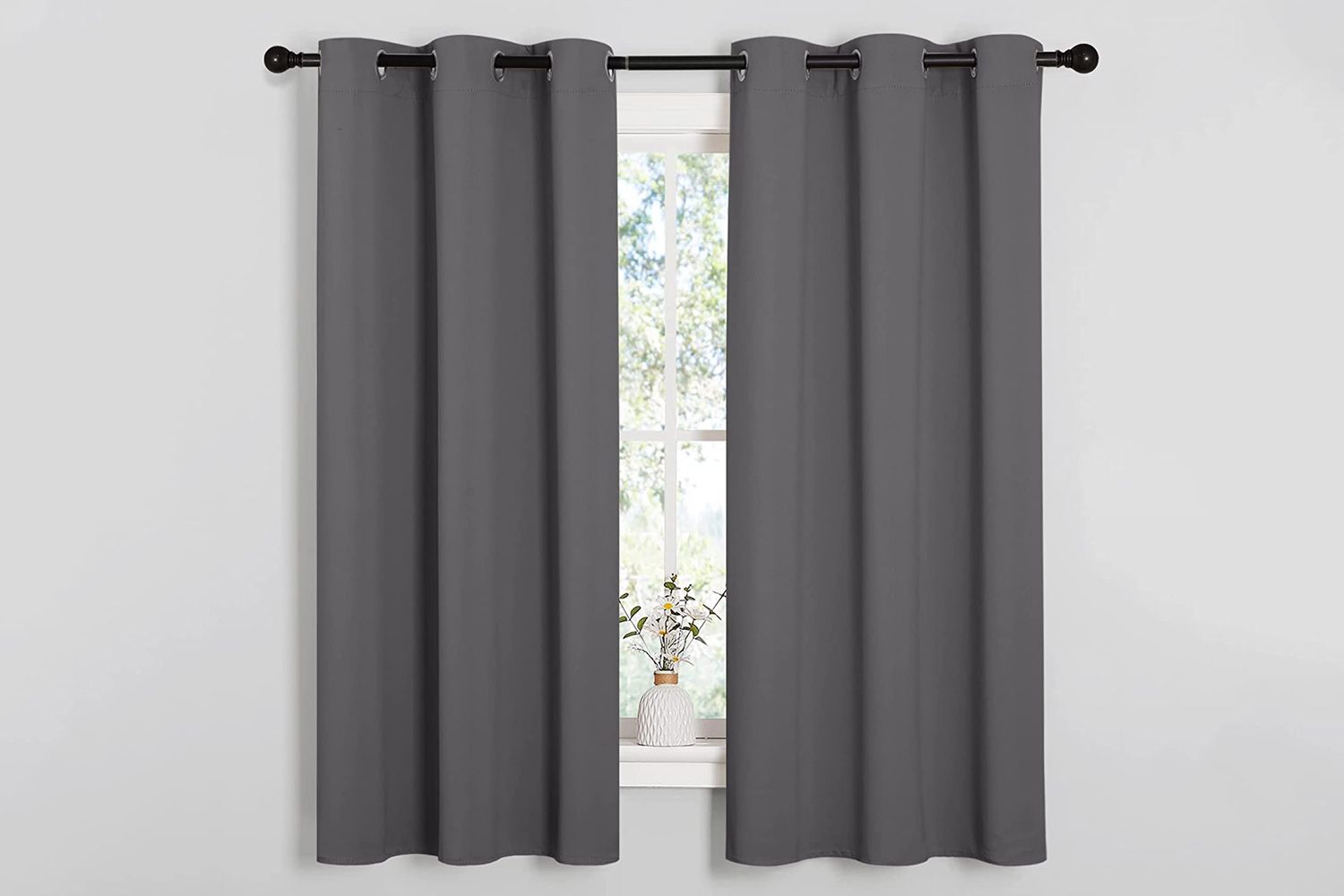
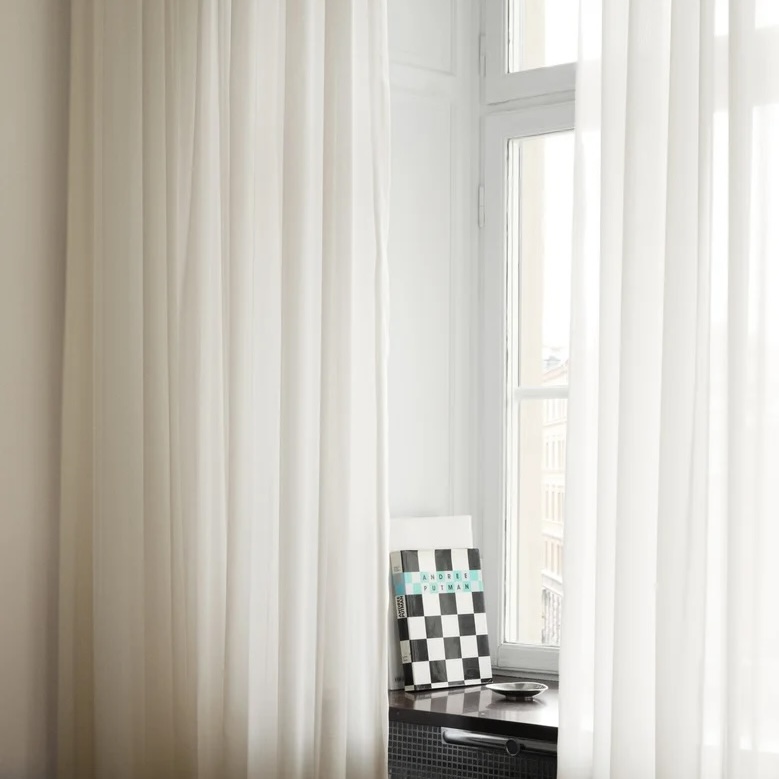
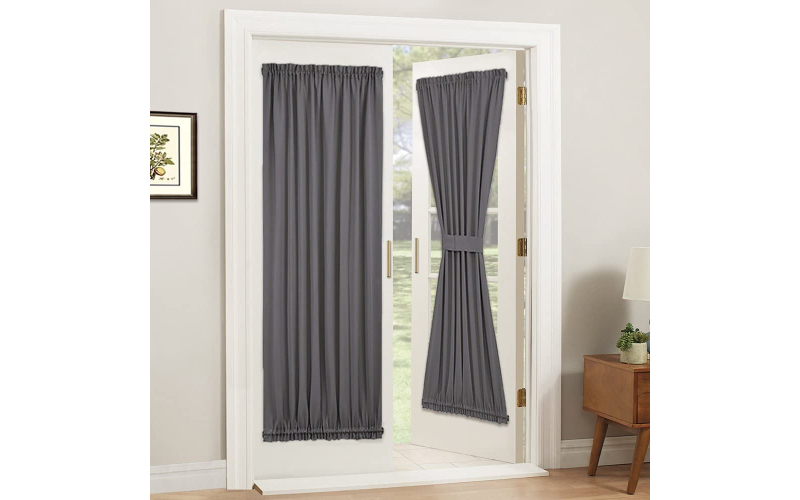
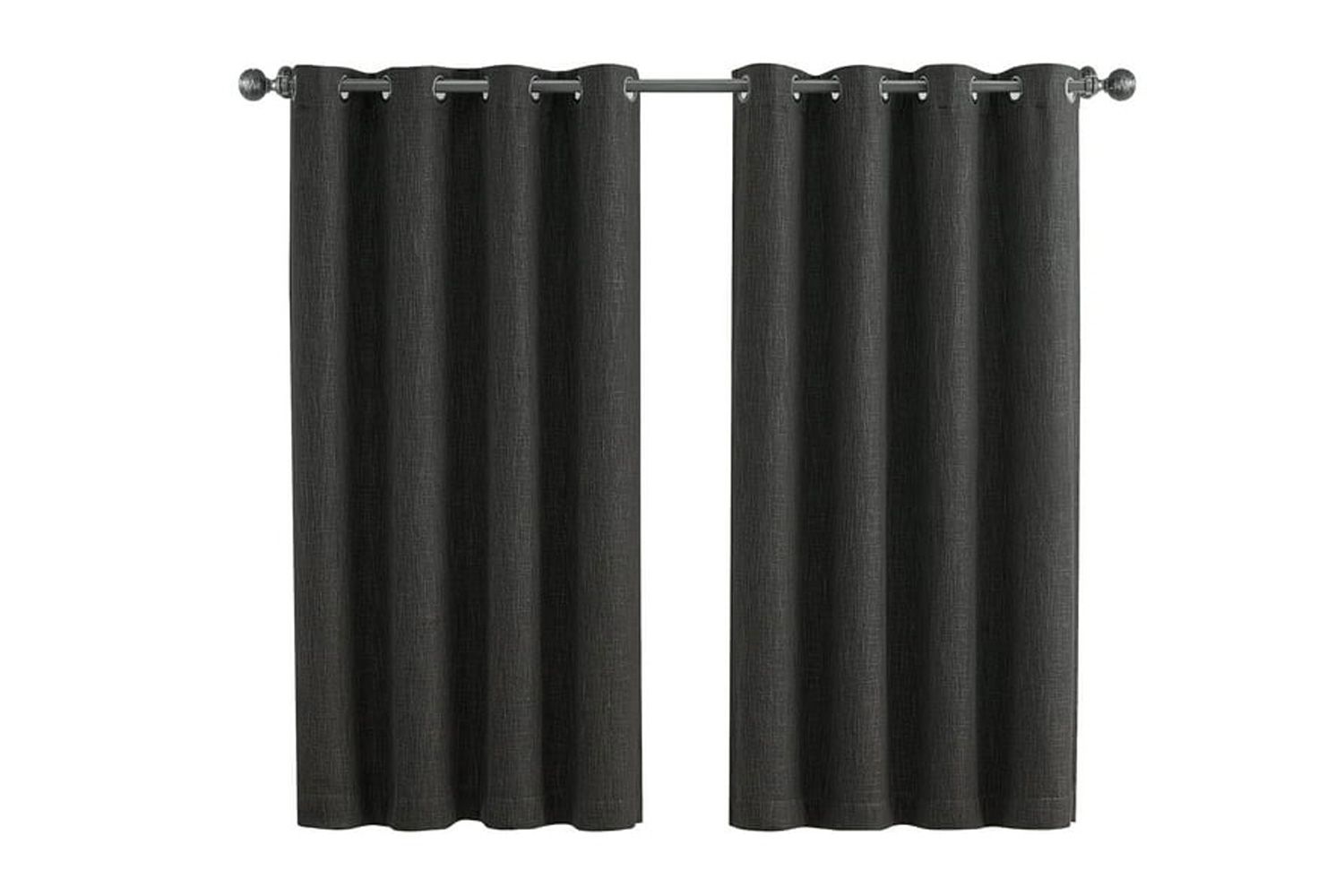
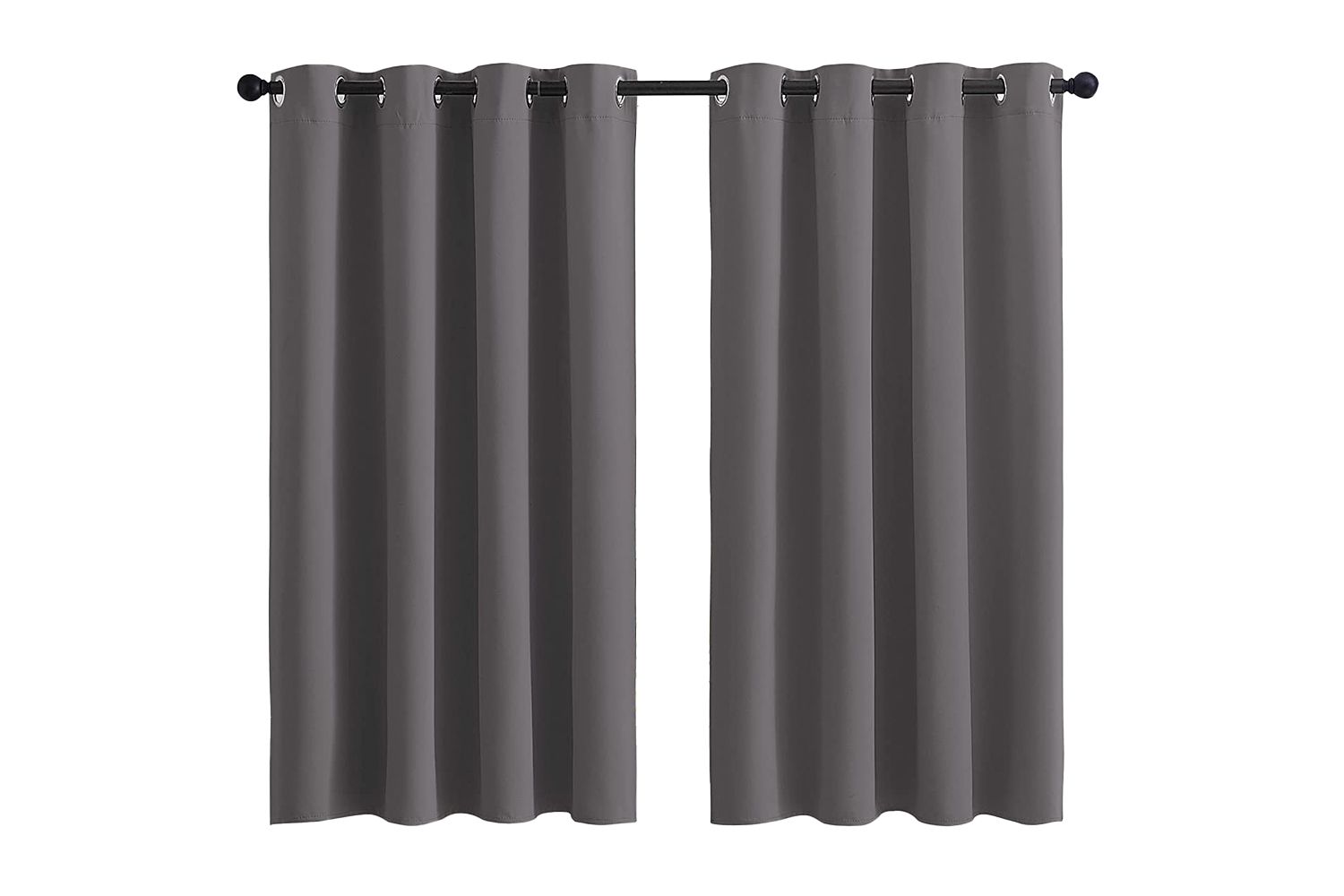
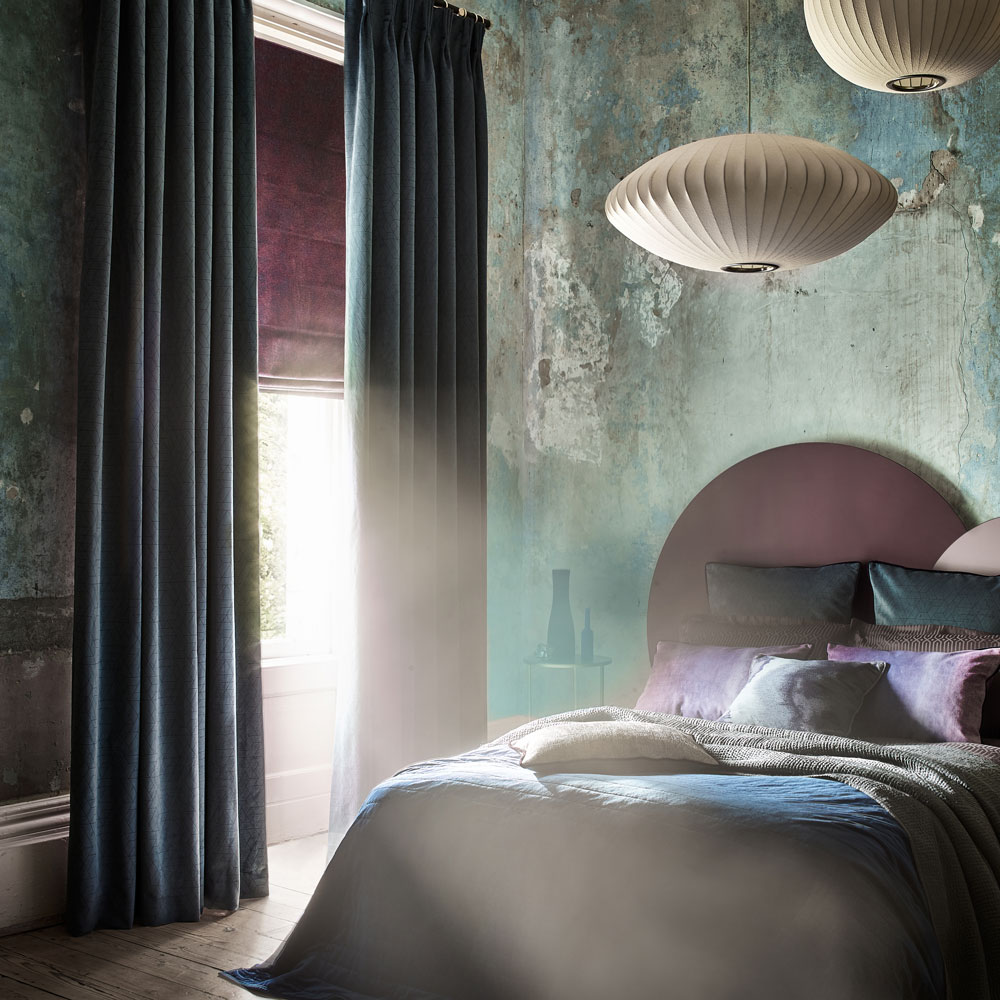
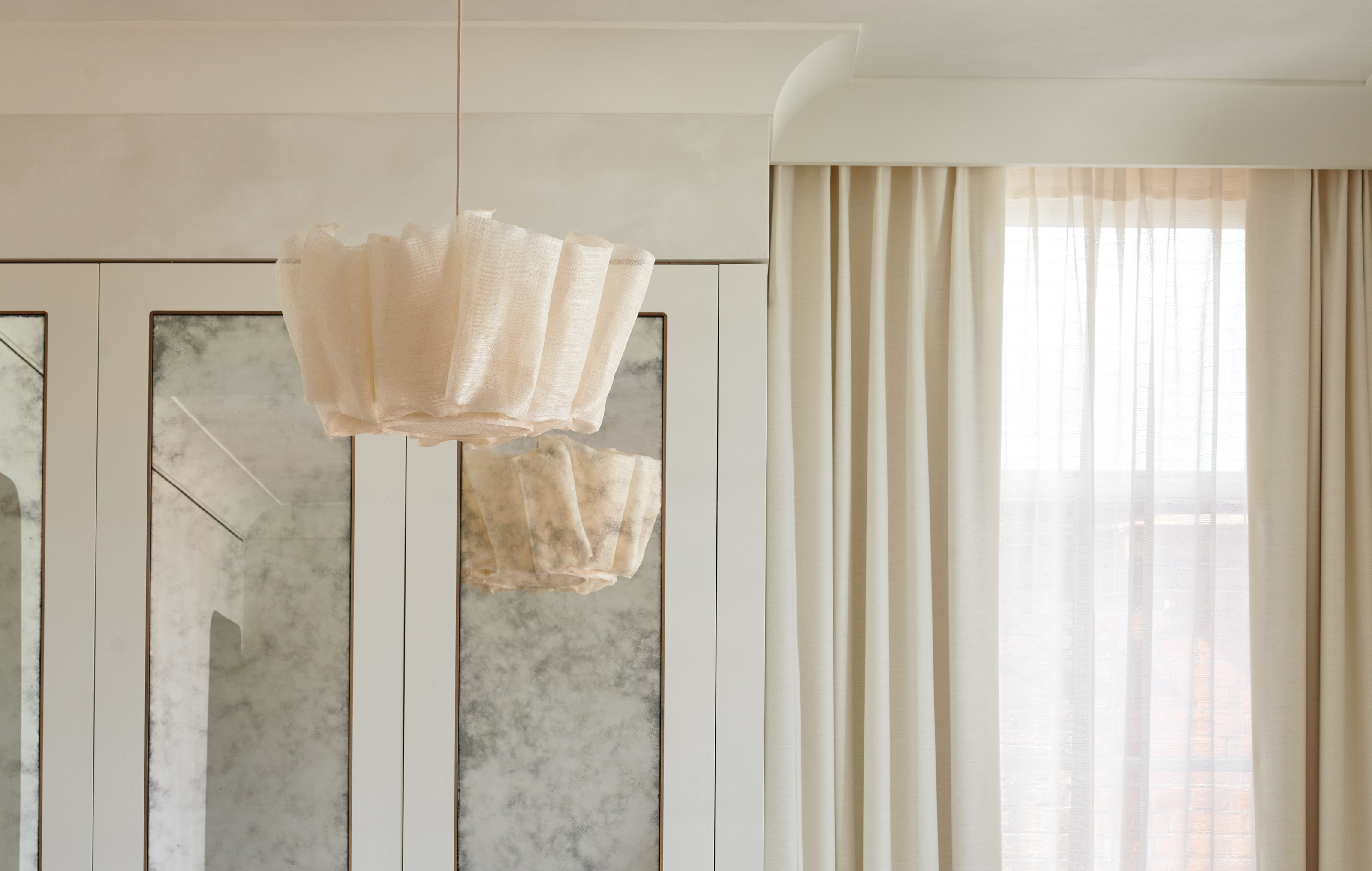
Layering sheer and blackout curtains is a design technique that provides enhanced control over light entry and privacy within a room, while also contributing to a refined aesthetic. Blackout curtains are effective for completely blocking sunlight and reducing noise, making them suitable for bedrooms or media spaces, and they also offer insulation benefits by retaining heat in winter. However, relying solely on blackout curtains limits light control to either full brightness or complete darkness.
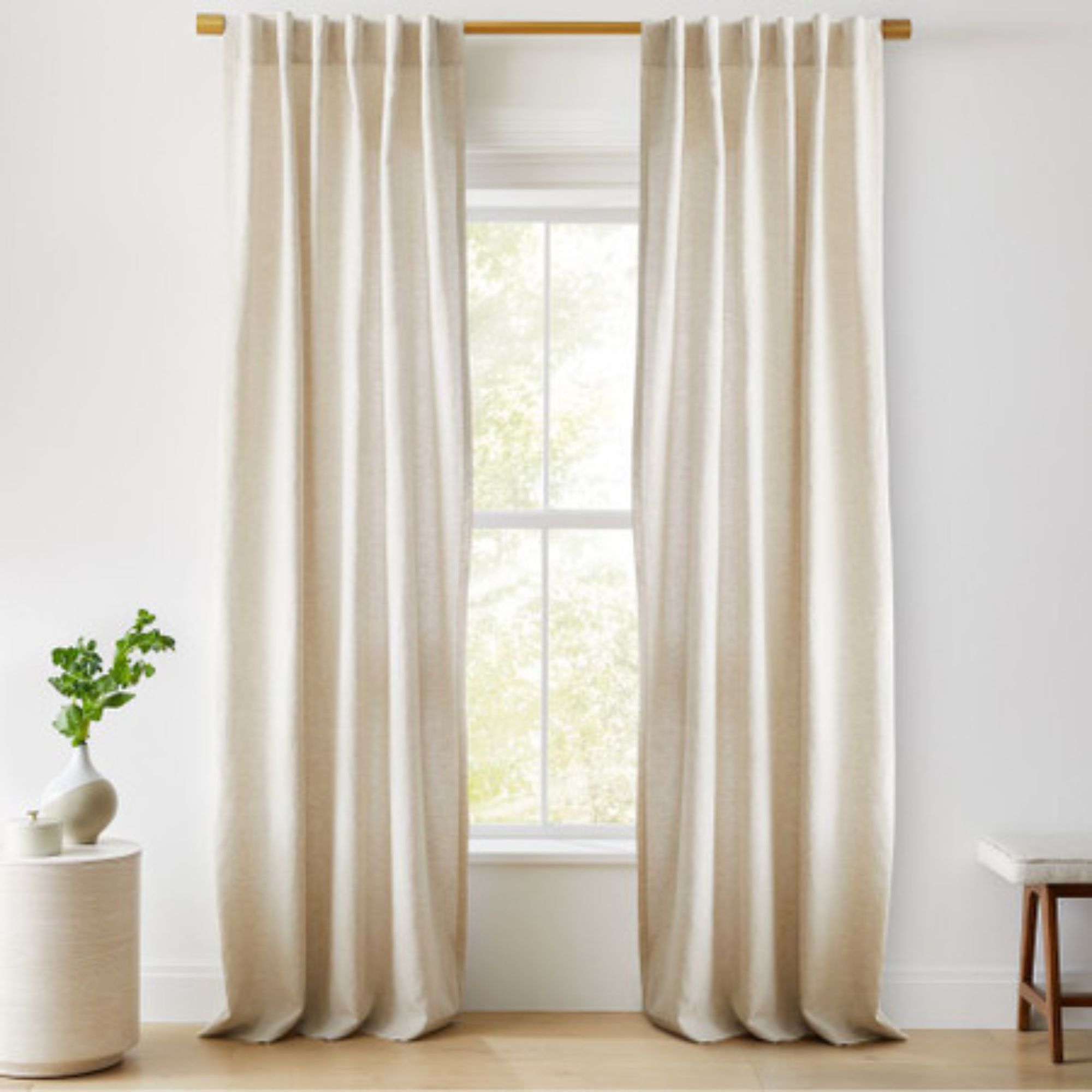
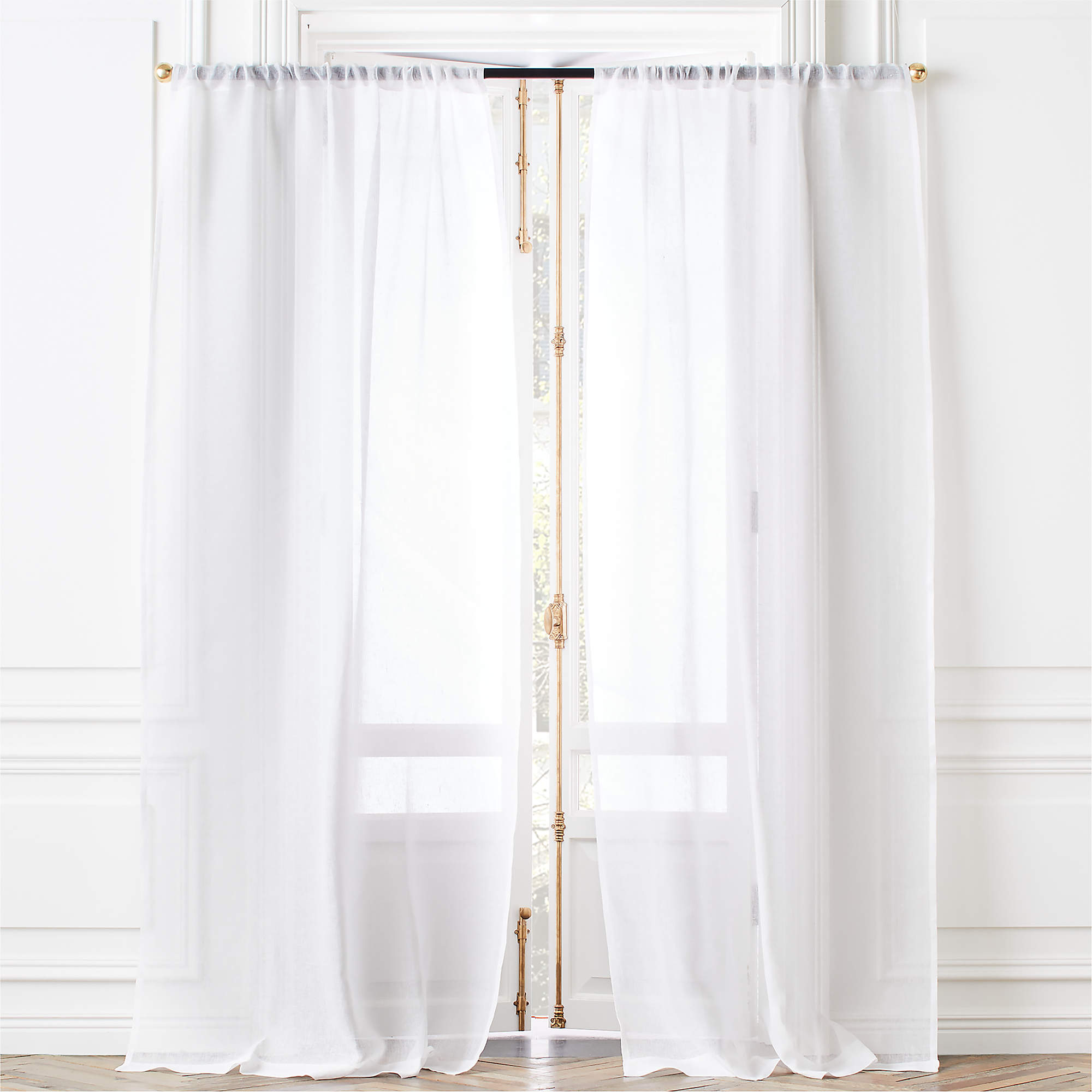
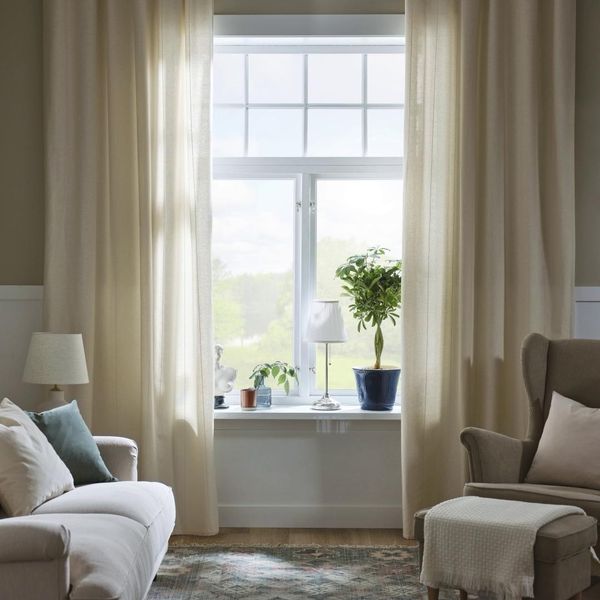
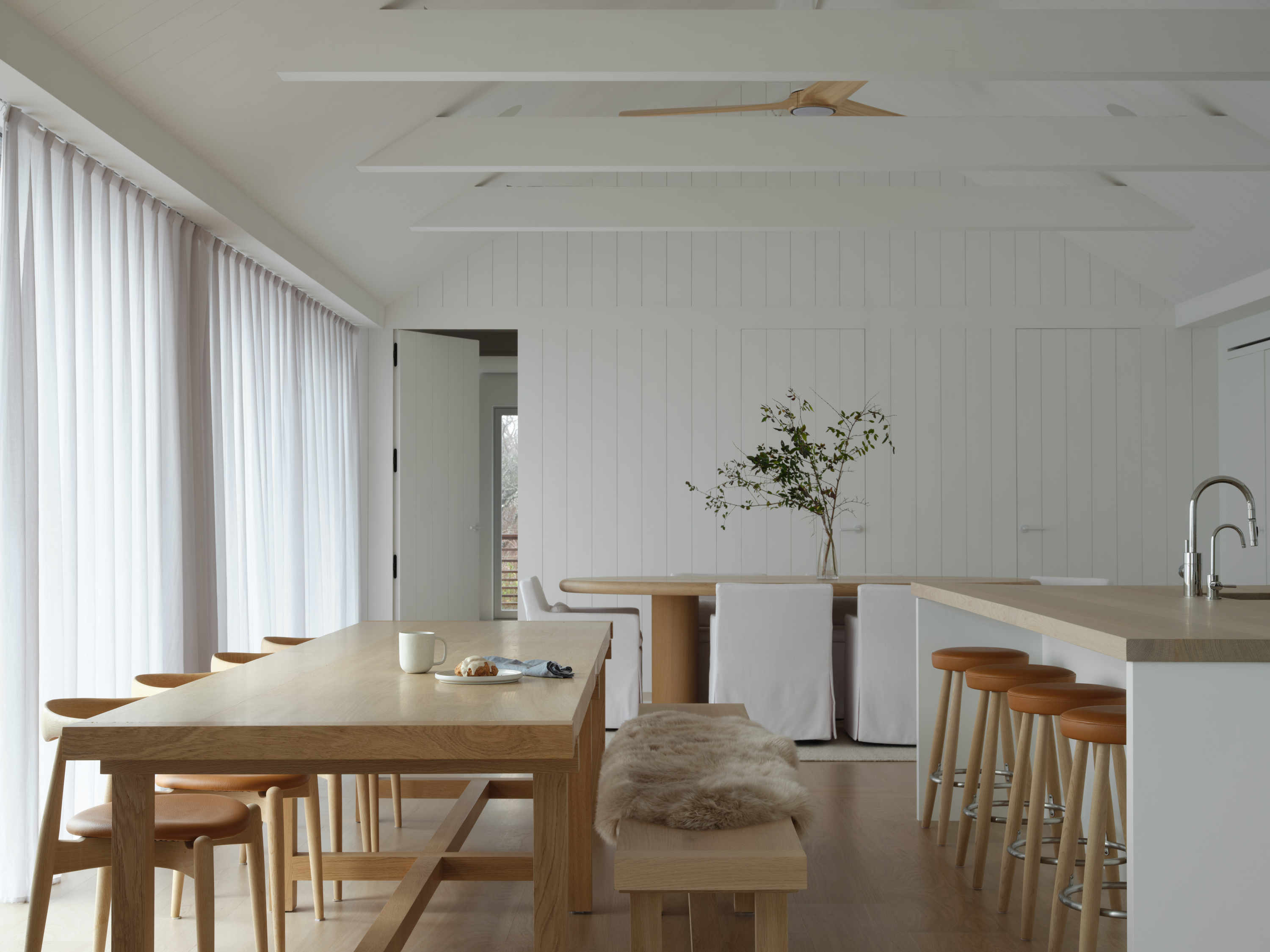
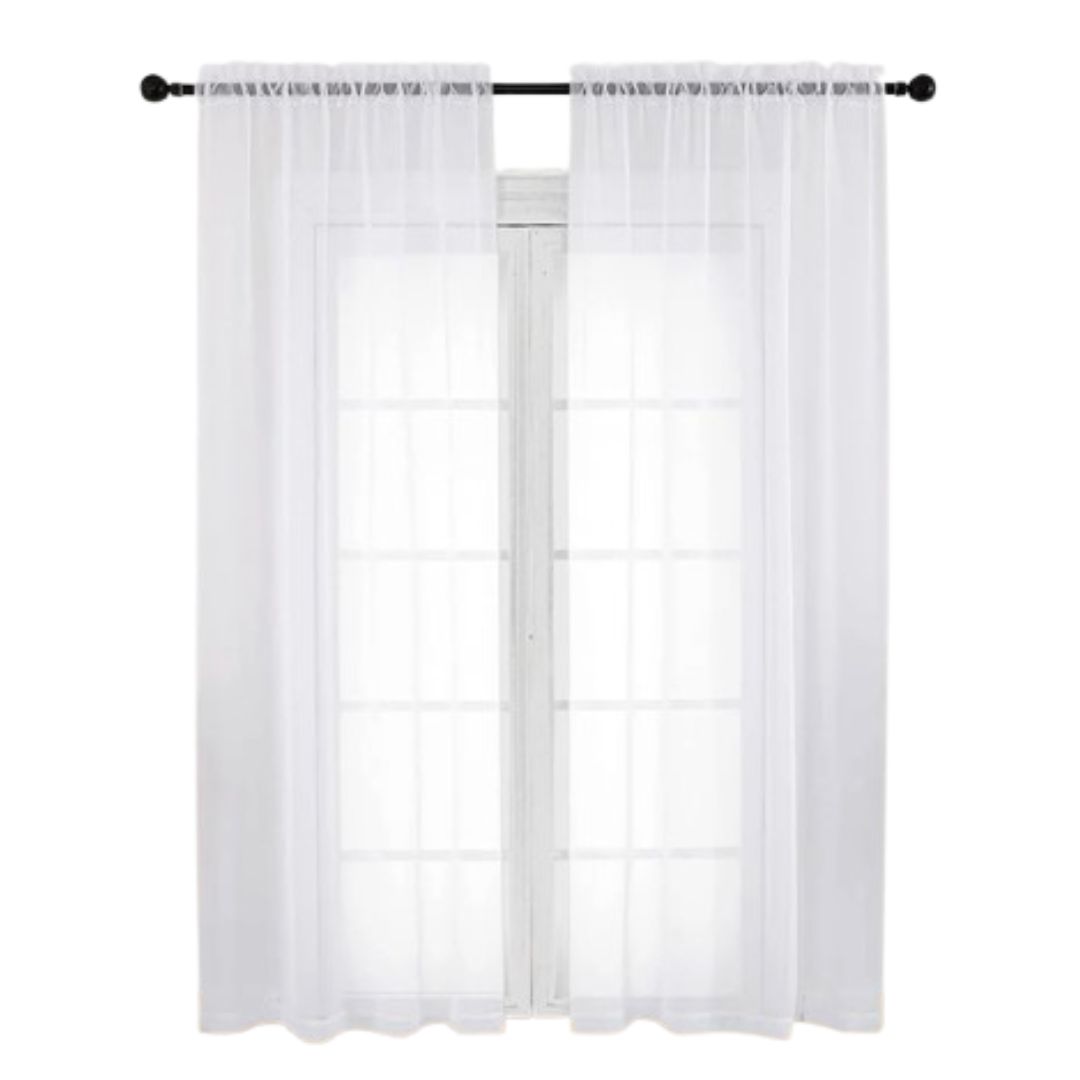
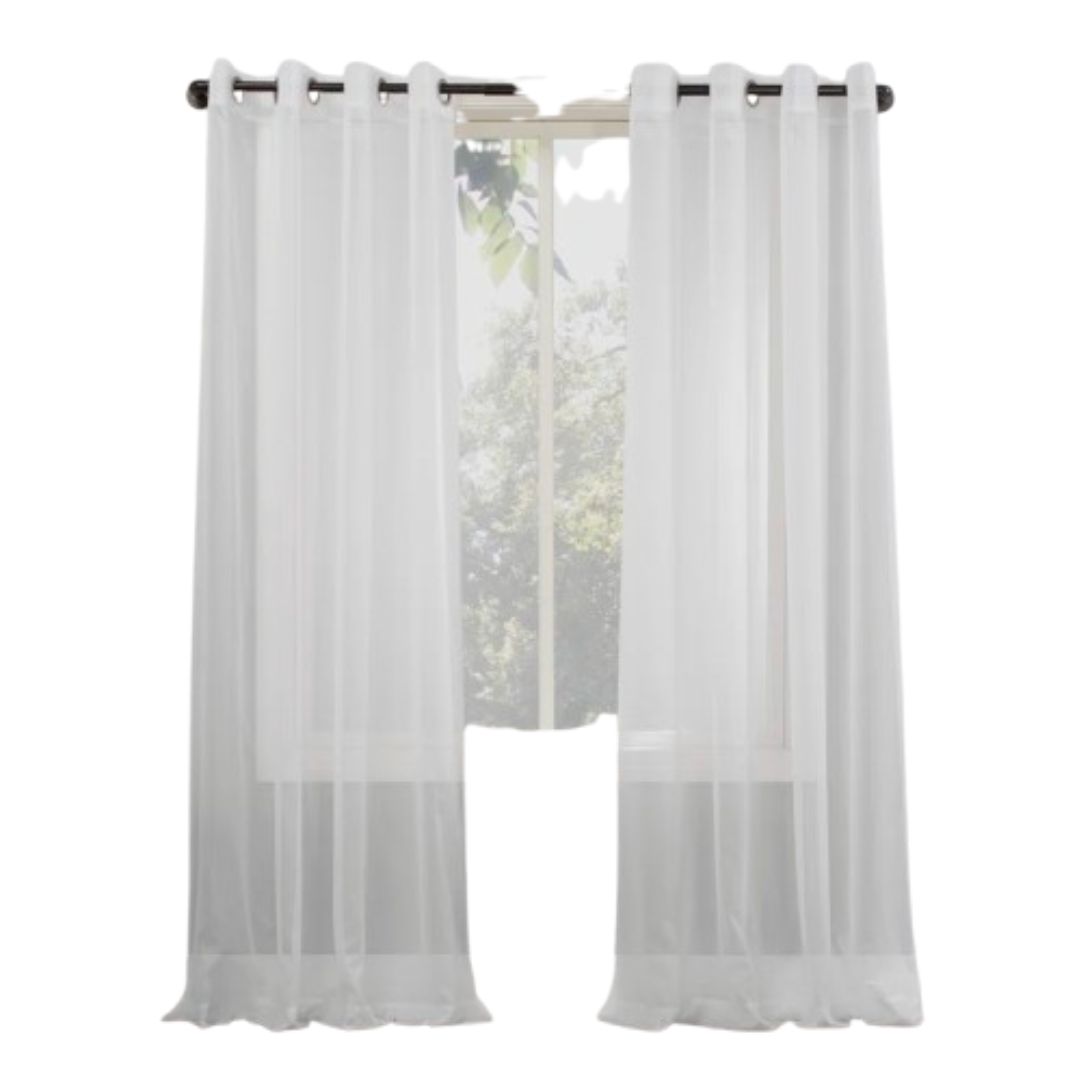

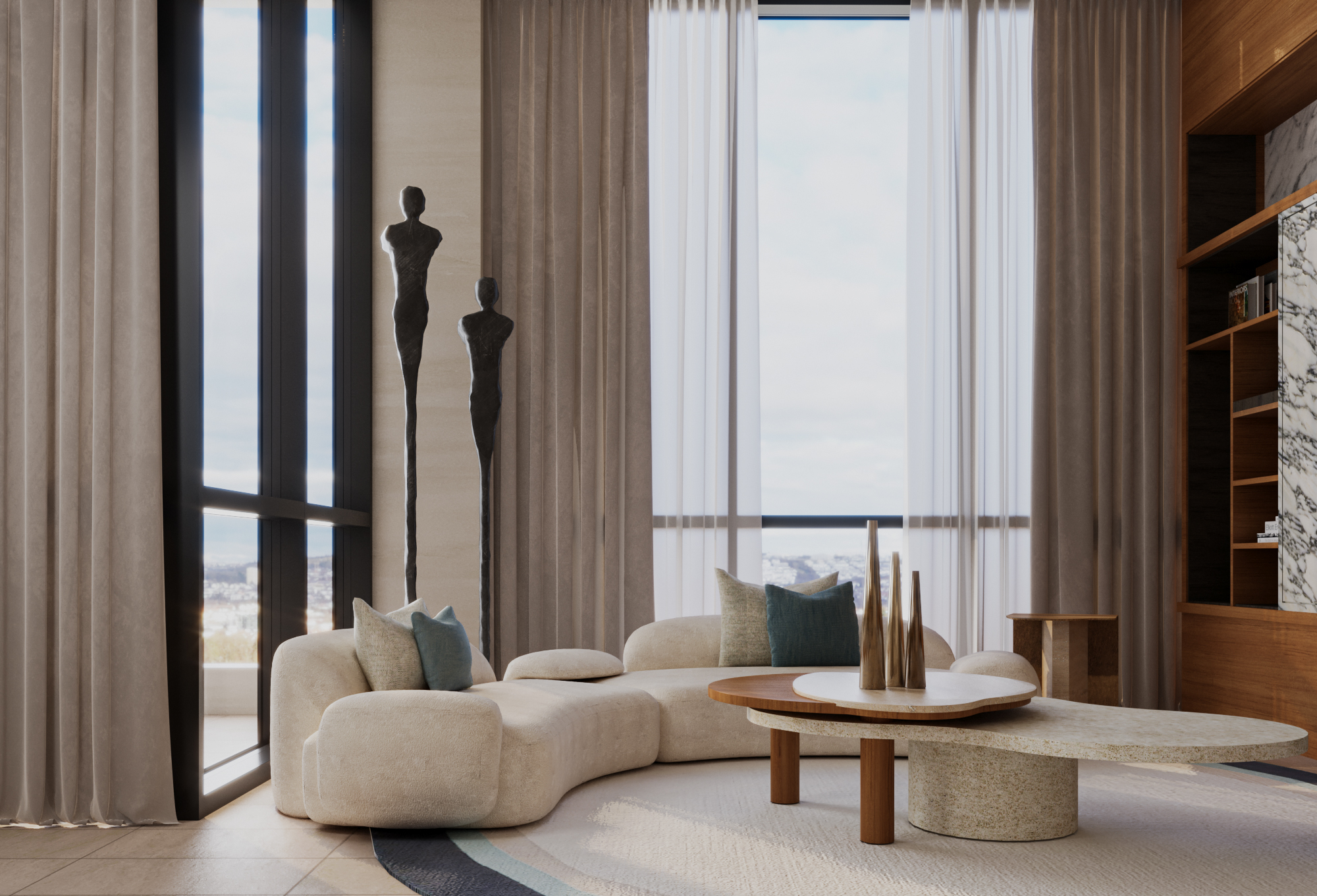
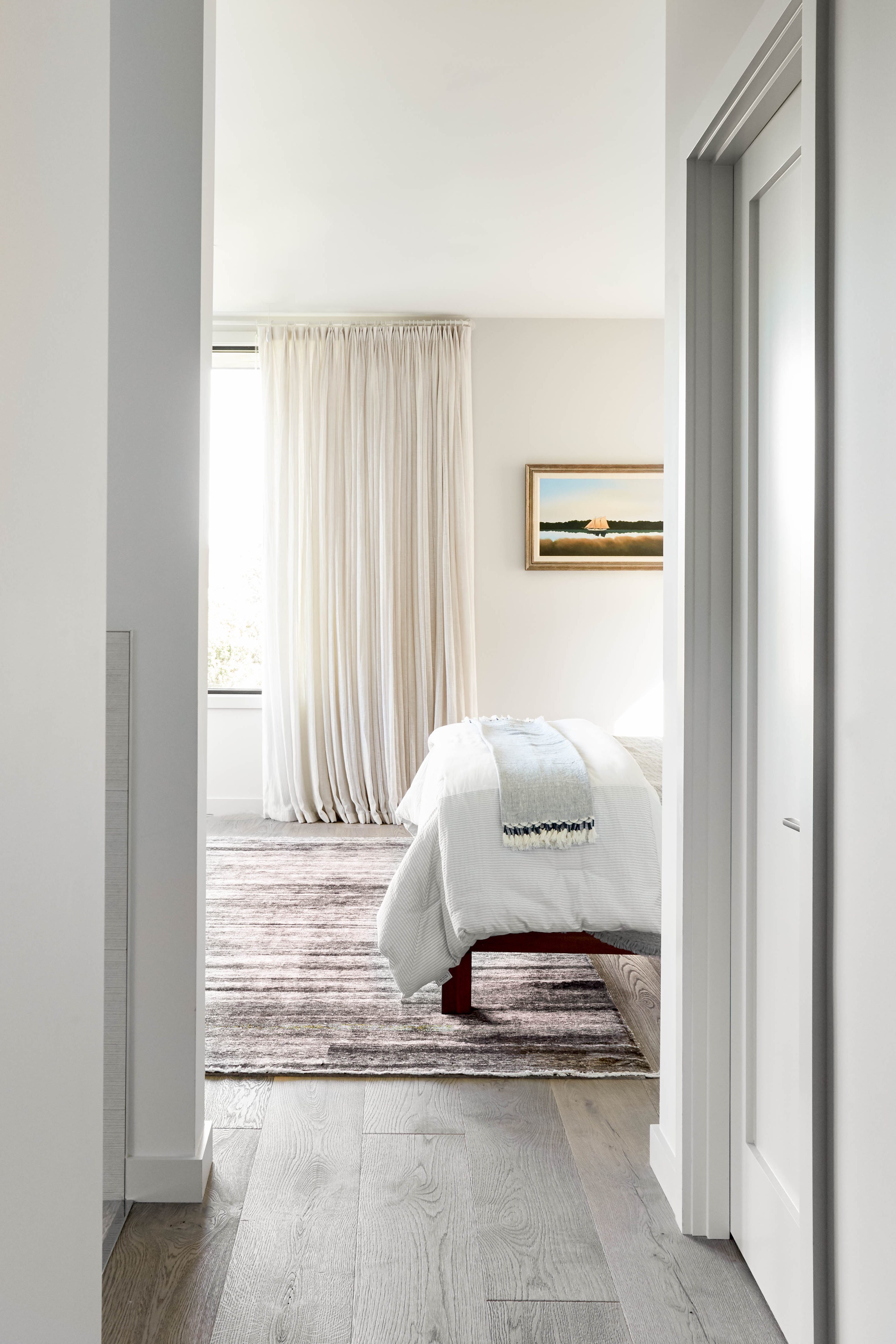
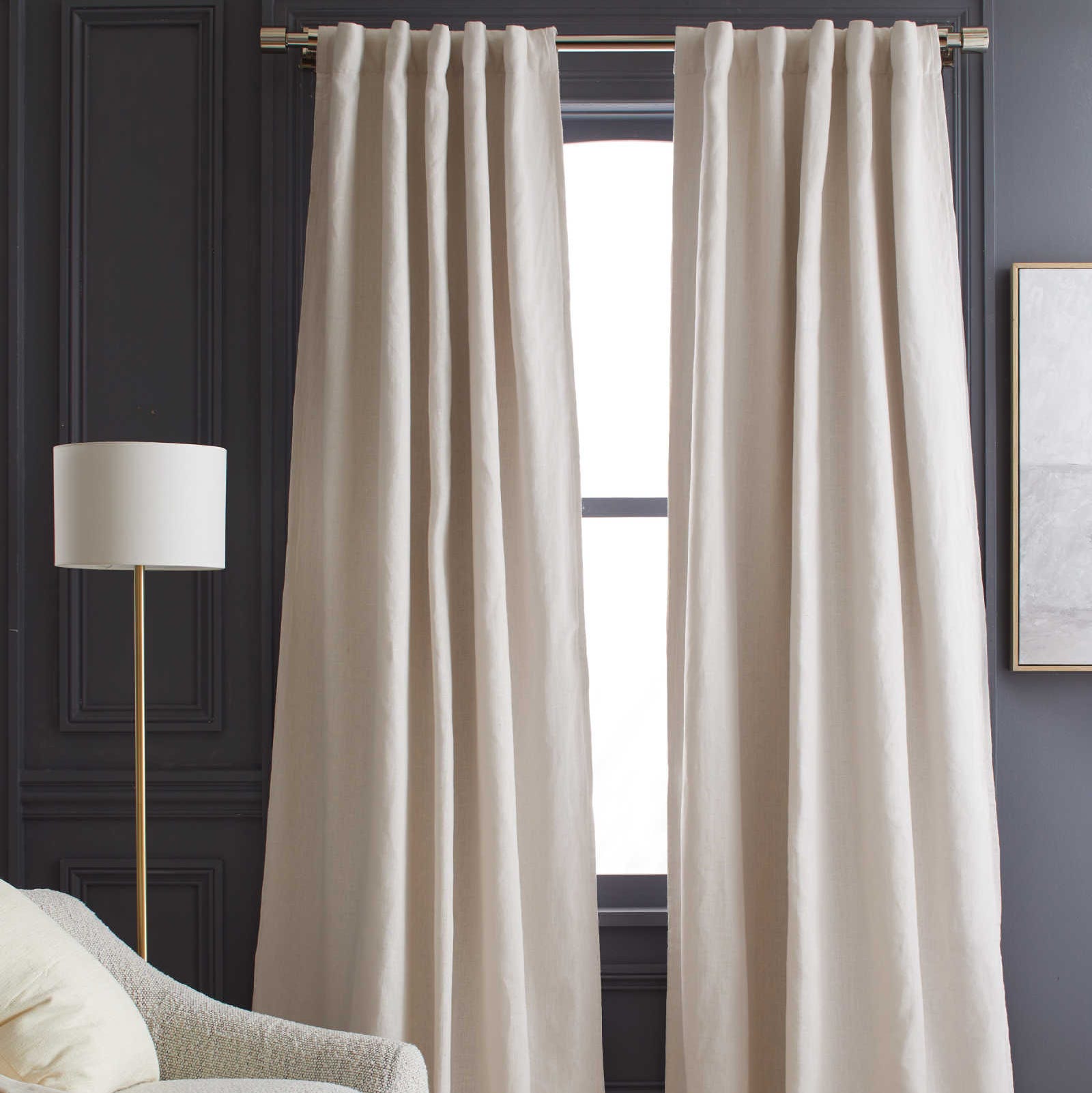
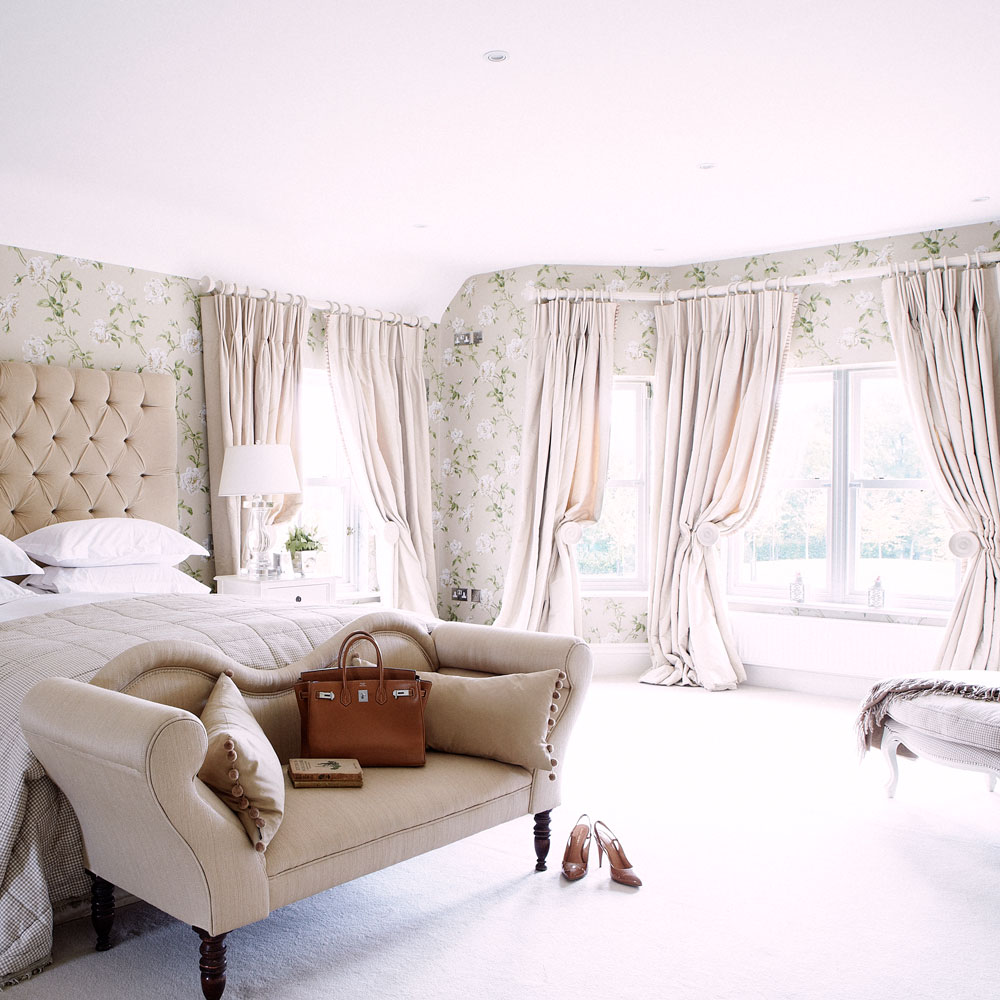
The integration of sheer curtains resolves this limitation by introducing an intermediate option for light diffusion and privacy. Professionals advise using a double rod or two evenly spaced tracks to allow independent operation of both curtain types. Typically, sheer curtains are positioned closest to the window, with heavier blackout fabrics on the inside, protecting them from direct sunlight exposure. While this is the traditional setup, designers note that the order can be reversed, especially if a particularly attractive sheer fabric is desired to be more prominent. For optimal light maximization, the sheer curtain rod should be installed as close to the ceiling as possible. It is also crucial that blackout curtains extend to the floor to ensure maximum coverage.
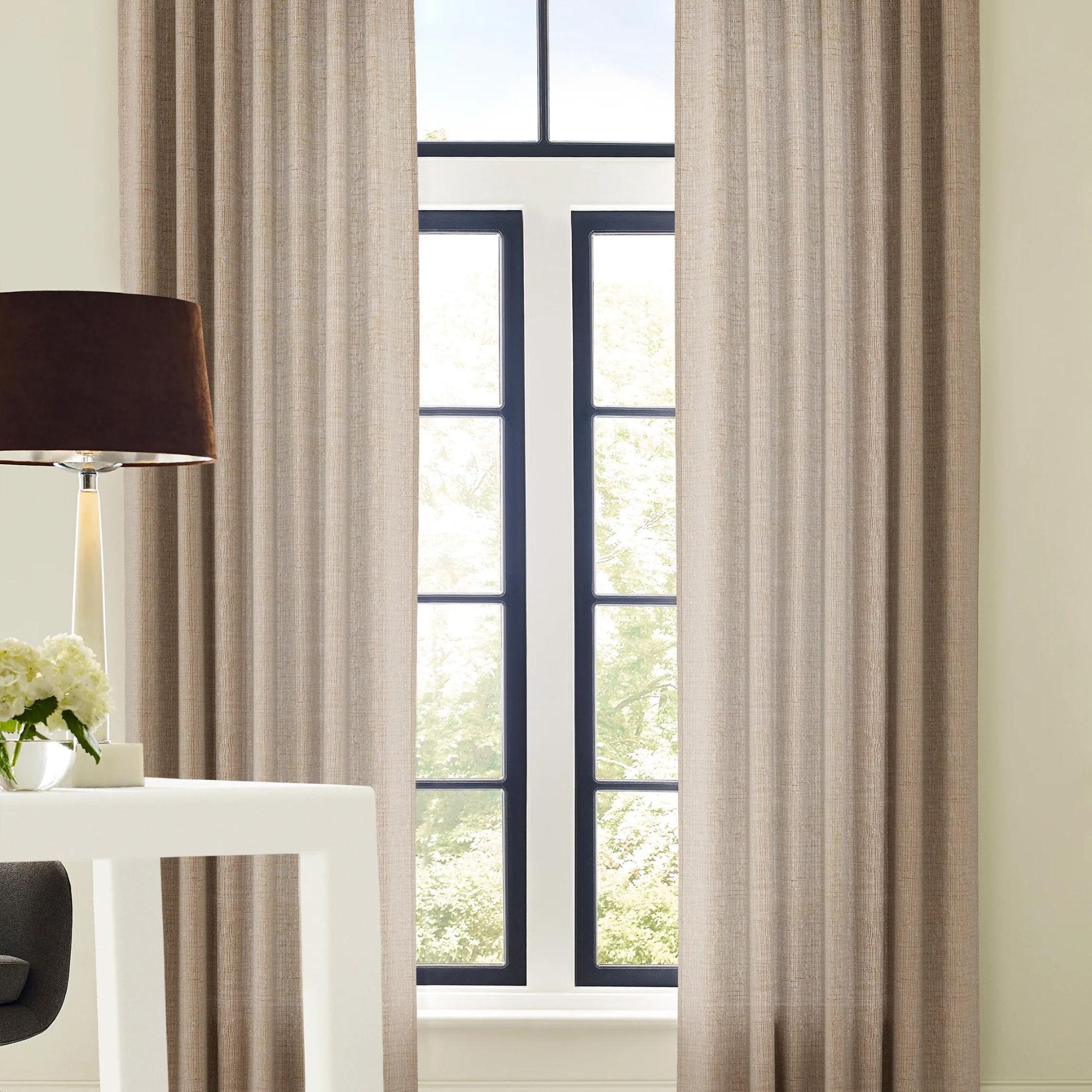
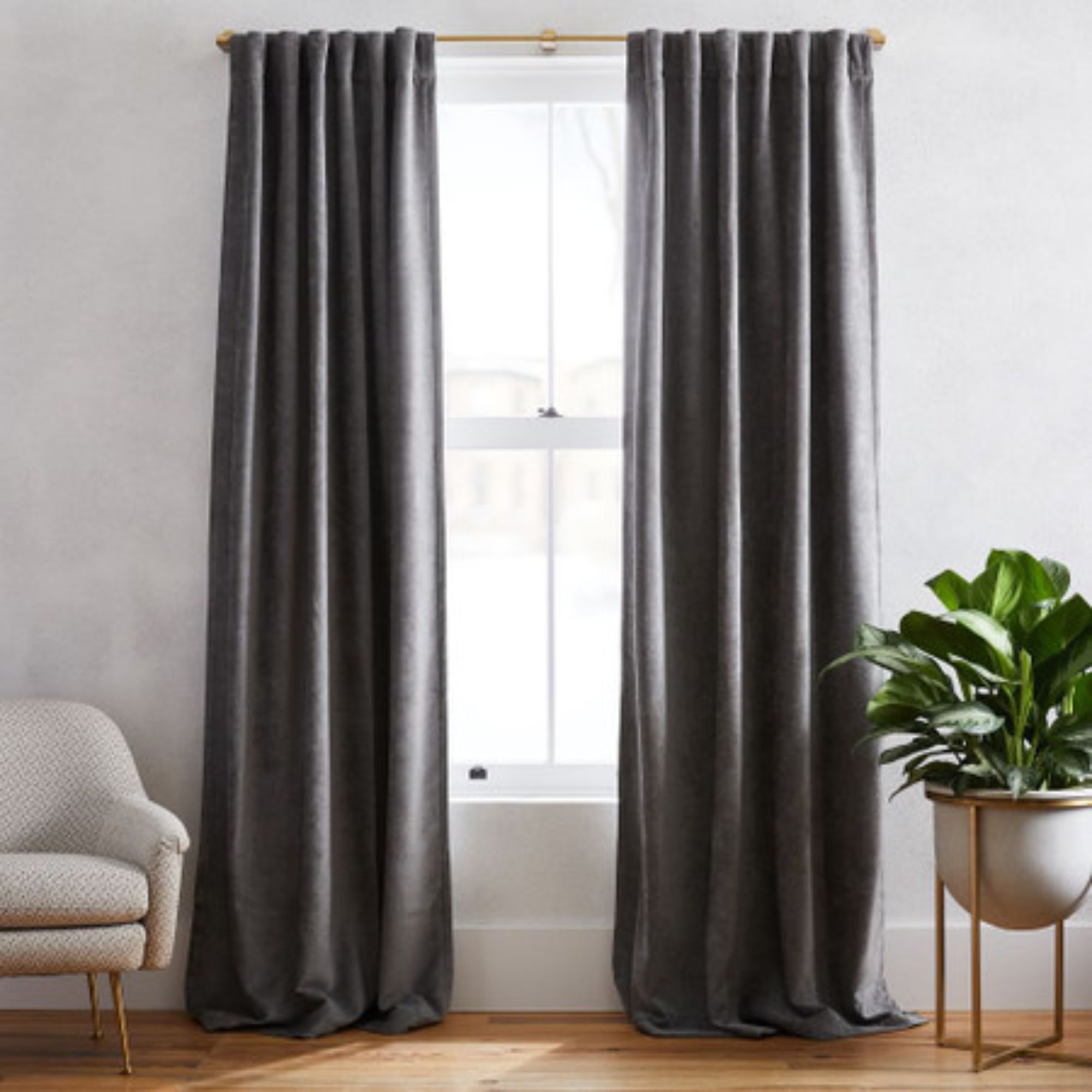
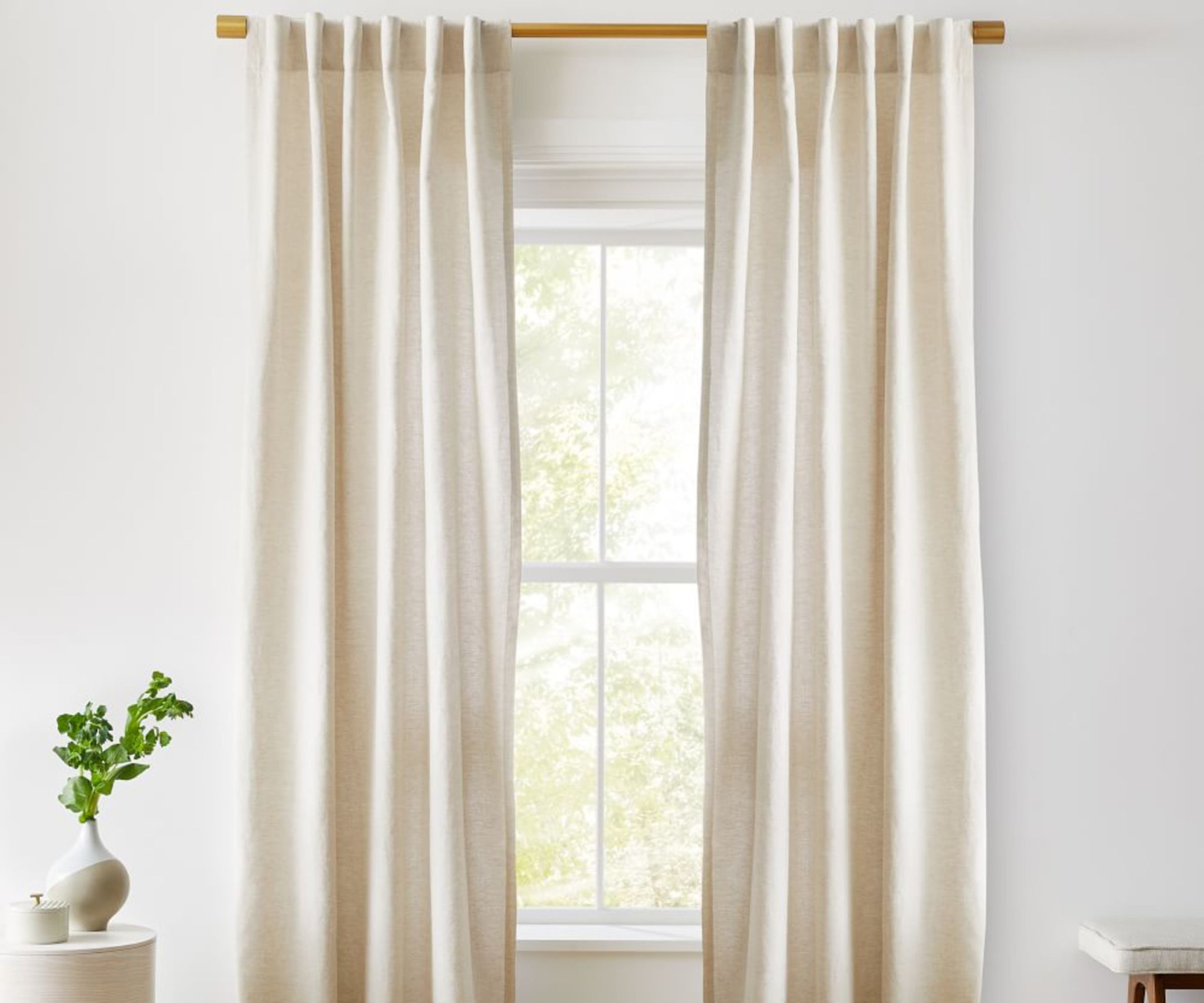
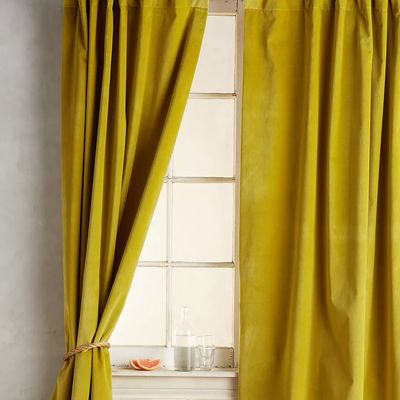
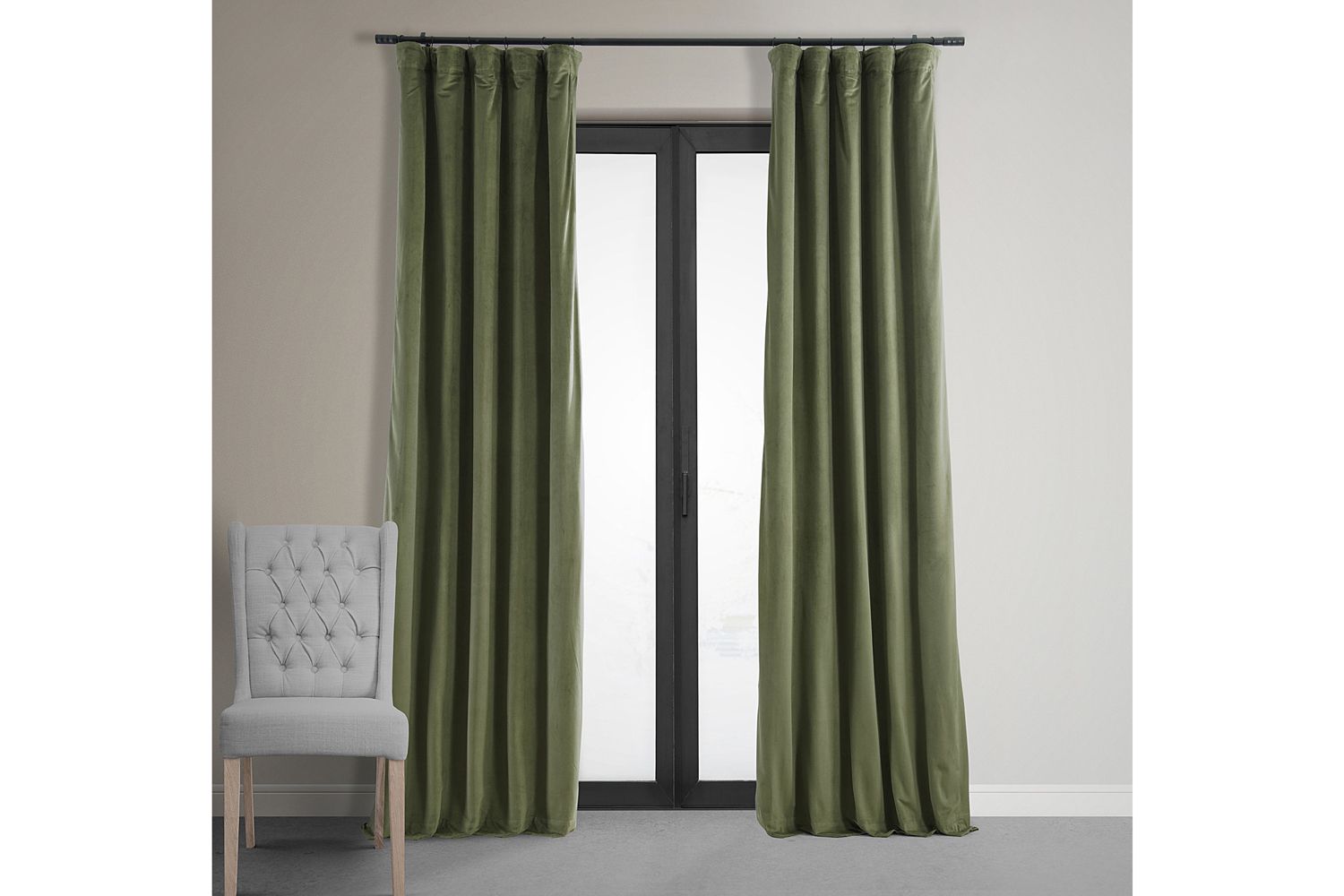
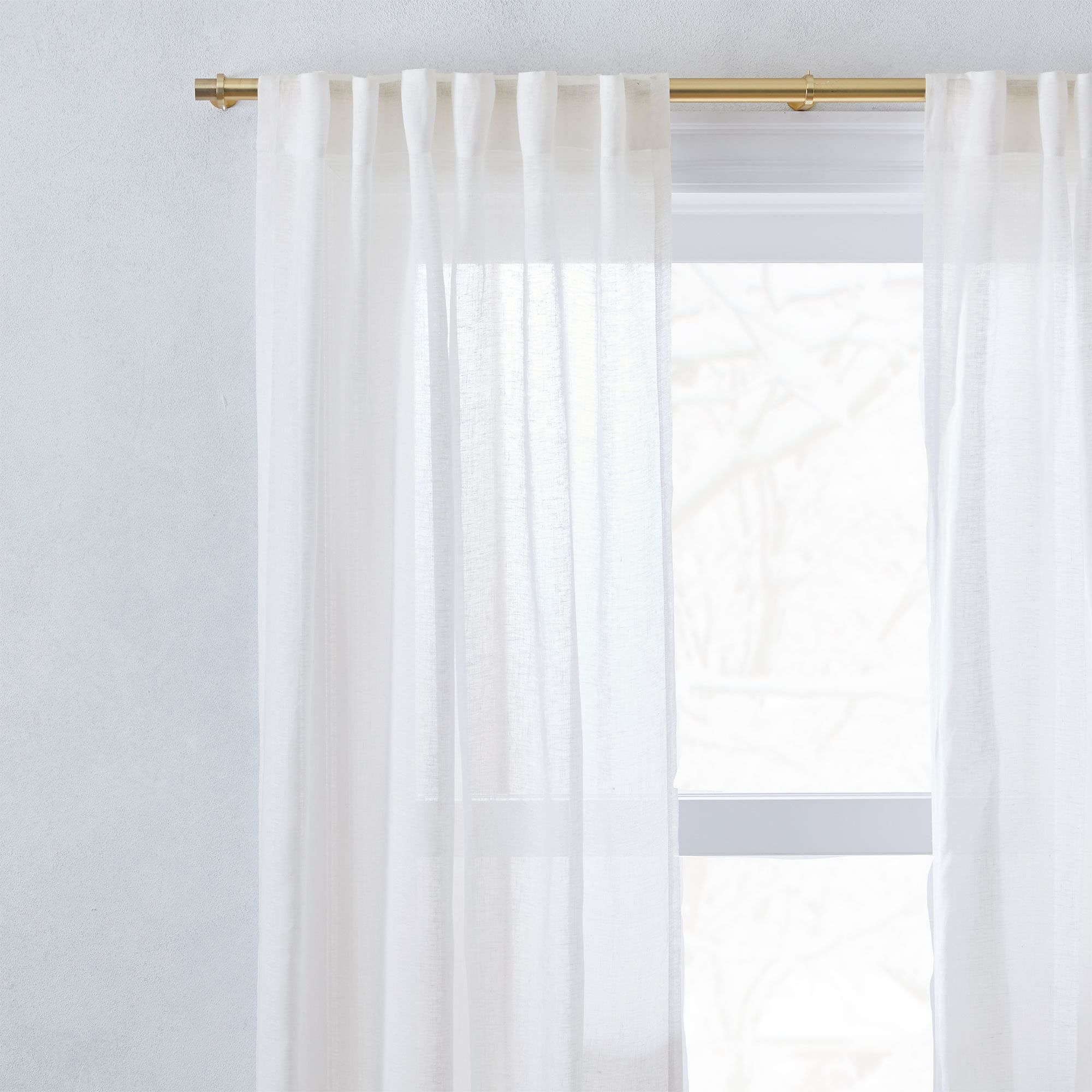
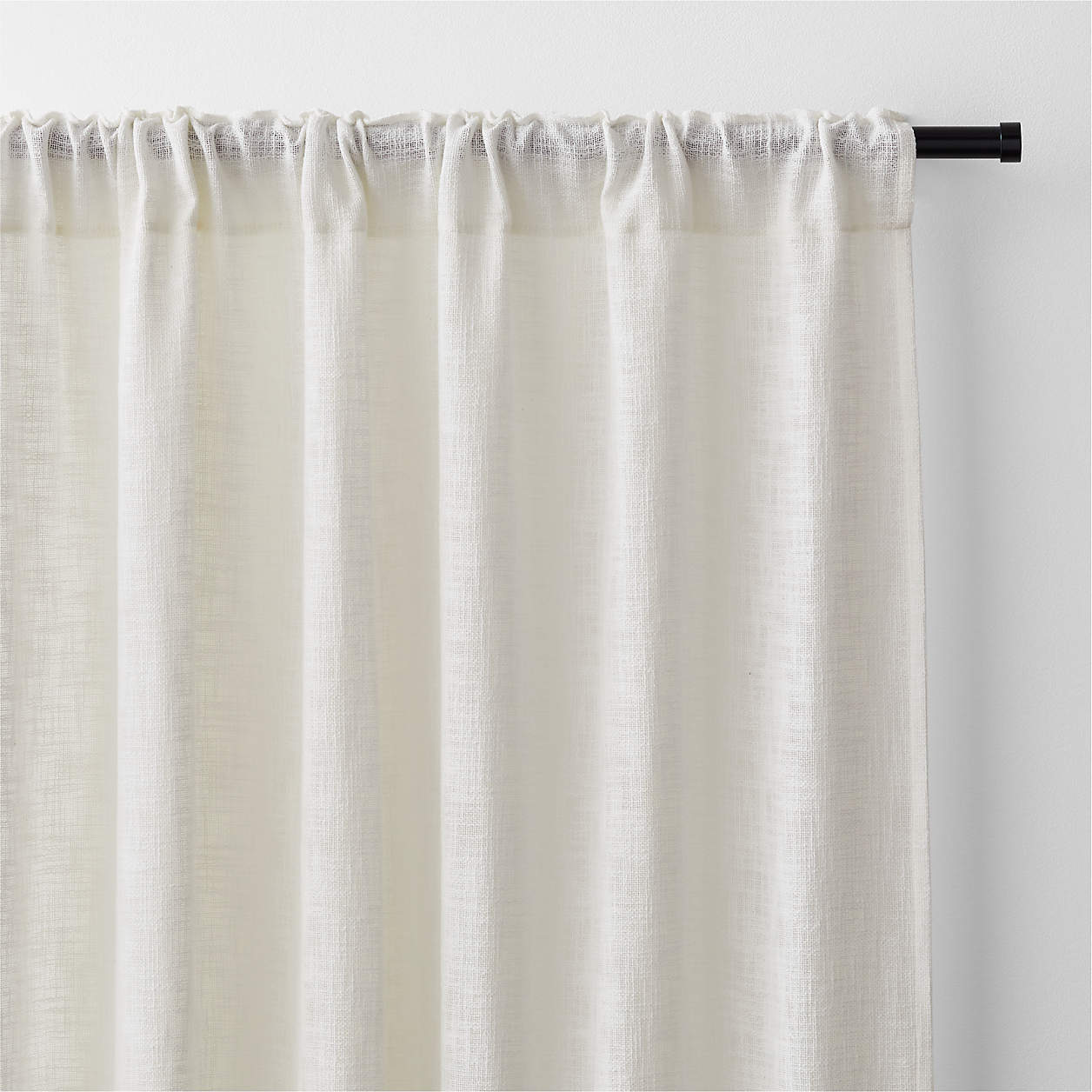
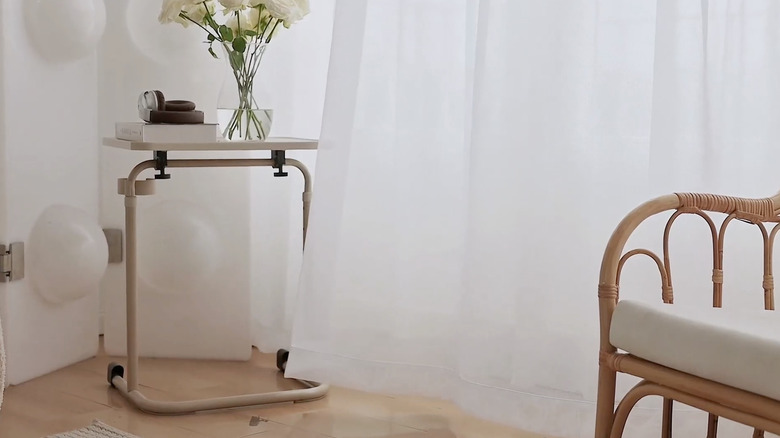
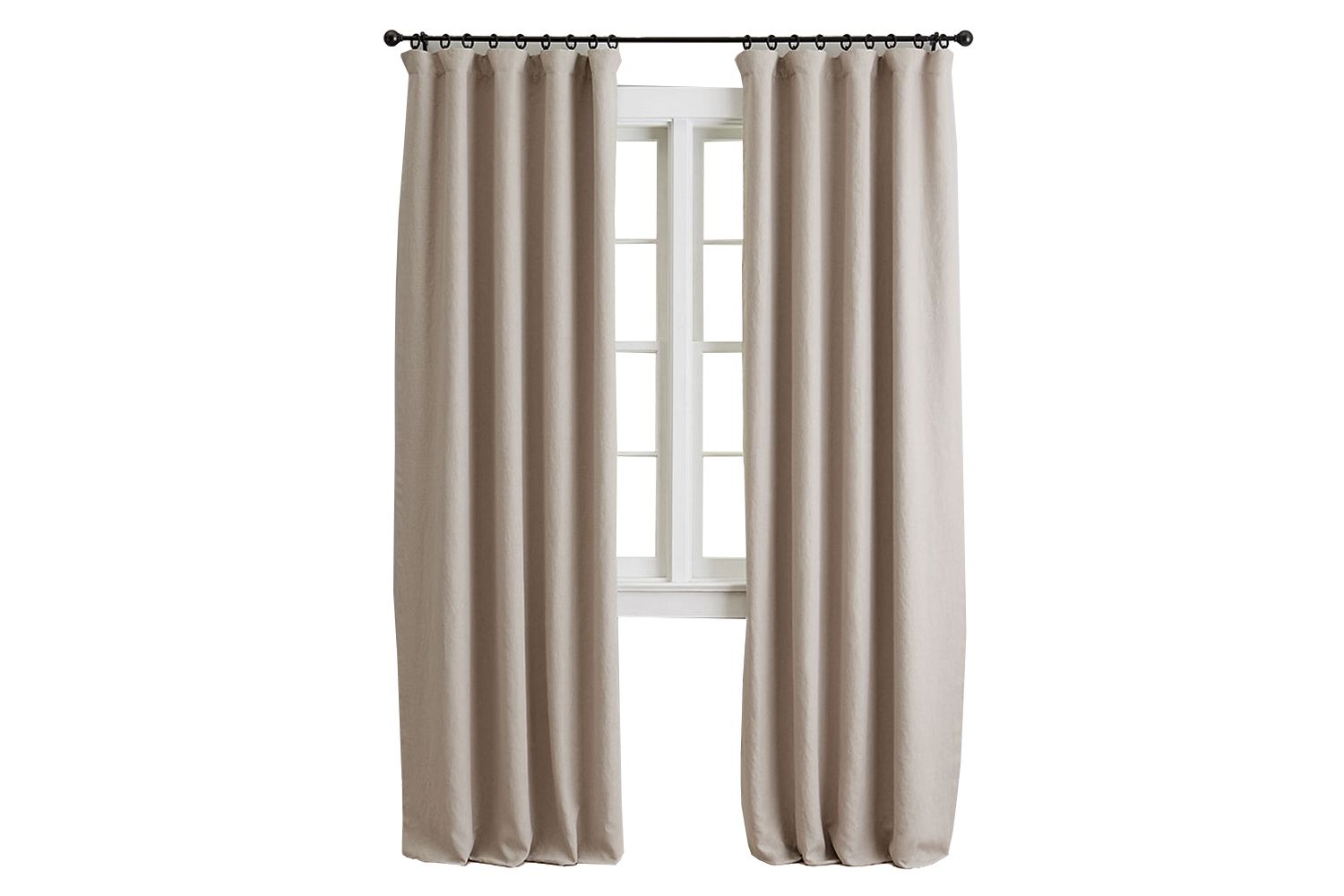
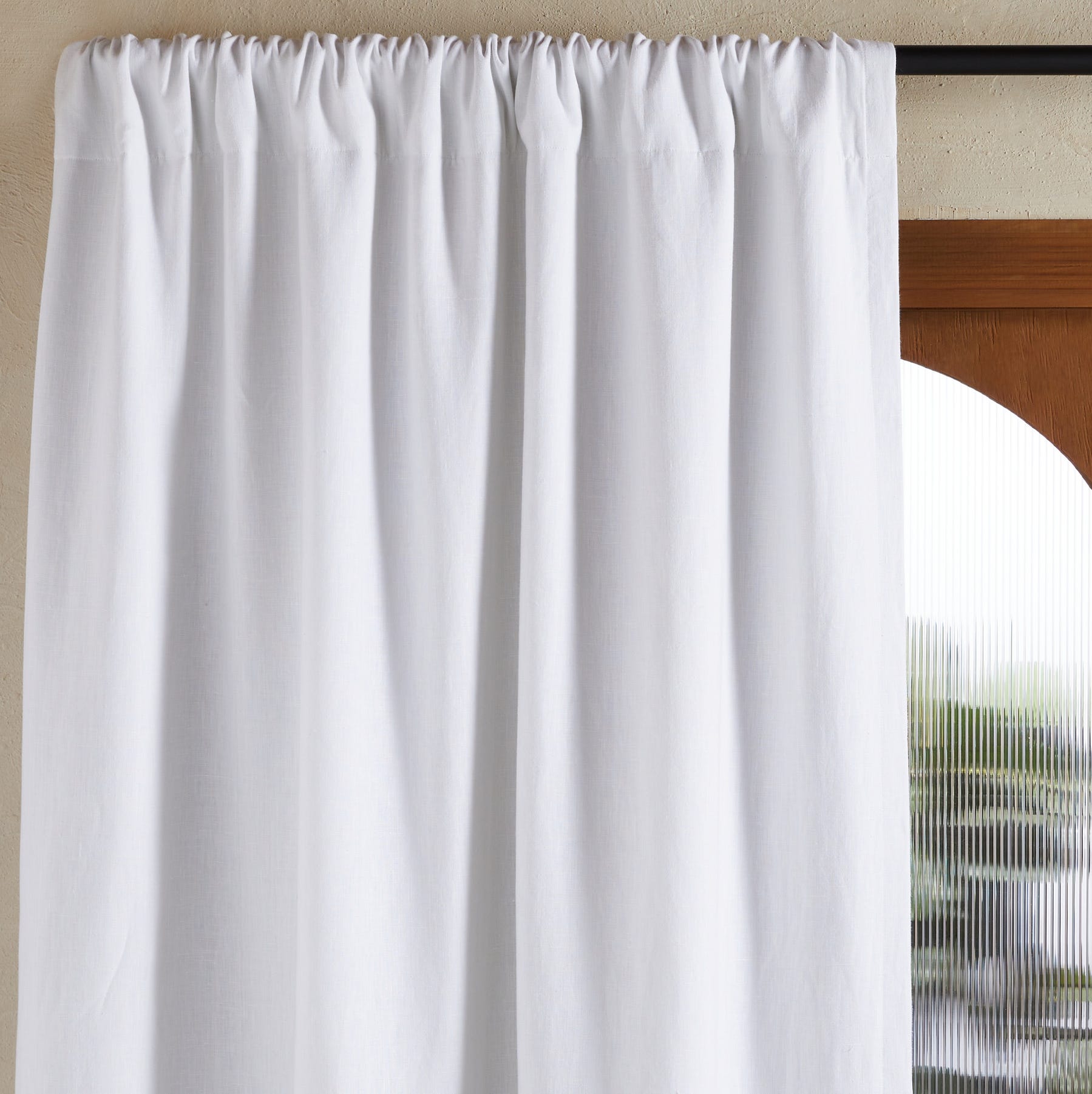
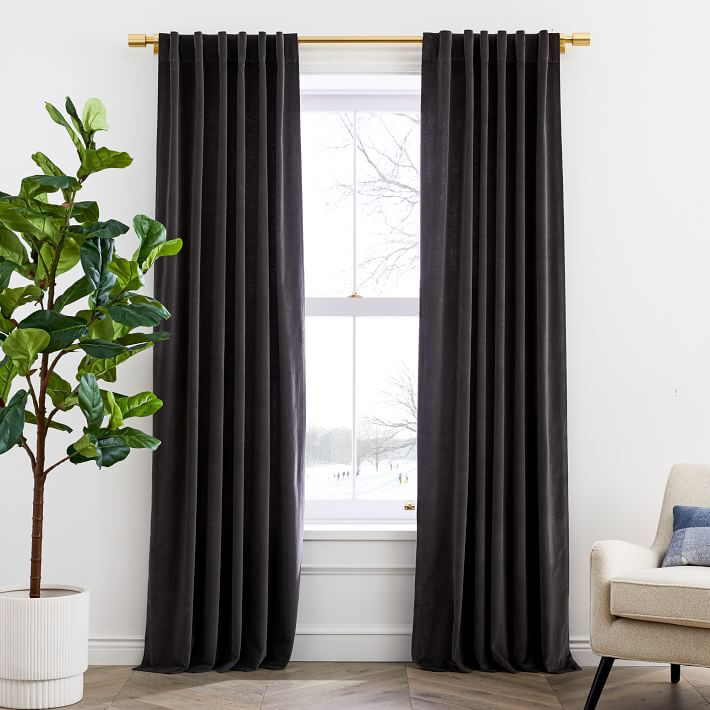
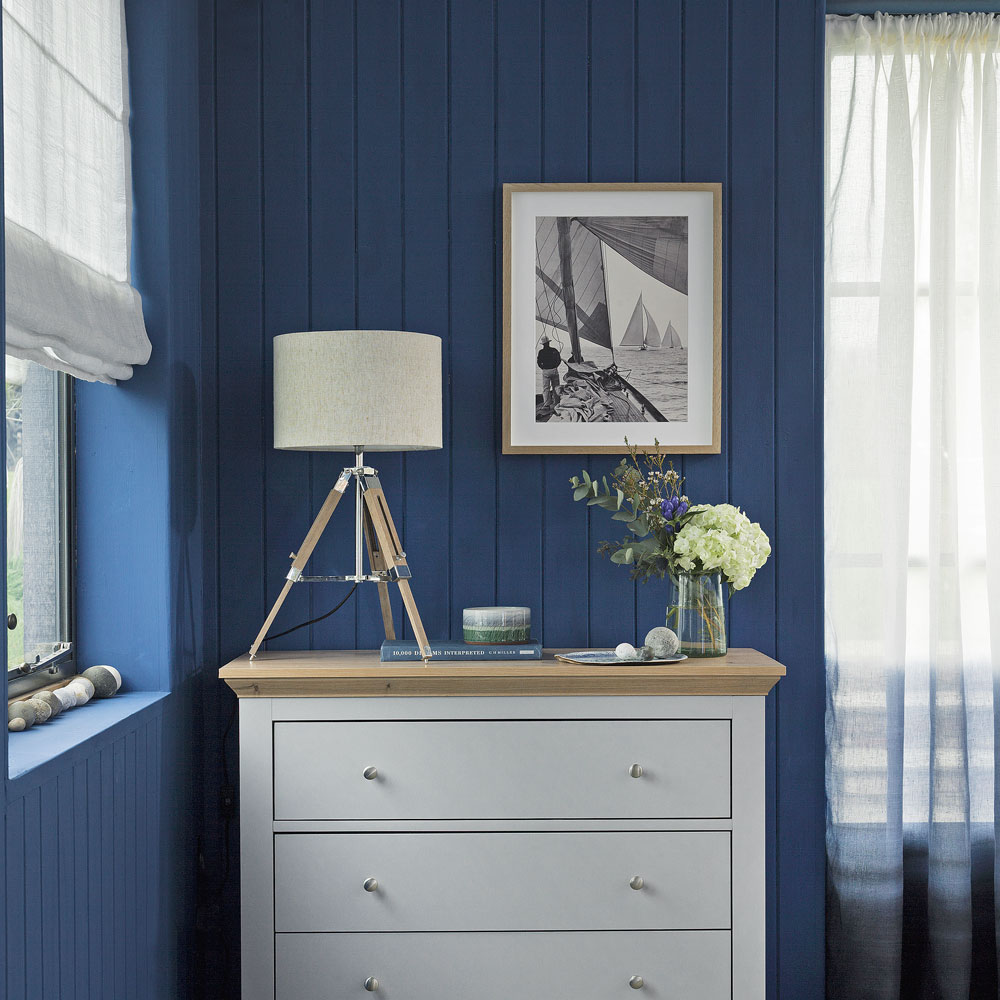
When selecting sheer curtain fabrics, natural materials such as silk, linen, and cotton are preferred for their elegant drape and airy appearance, unlike some synthetic options that may appear stiff. The choice of sheer fabric should align with the desired aesthetic, functional requirements, and the specific room's design, considering factors such as light diffusion and privacy levels. It is important to acknowledge that natural materials, particularly when exposed to strong UV light, may fade or warp over time, suggesting that placing them on the room-facing side or using light-colored polyester linings can mitigate this. For blackout curtains, materials that offer both opacity and insulation are ideal. Heavy fabrics like cotton, linen (though some may lack sufficient thickness), and especially velvet are effective. Polyester also serves as a durable and functional option for blackout purposes. The article emphasizes contrasting textures between the sheer and blackout fabrics to add depth to the room.
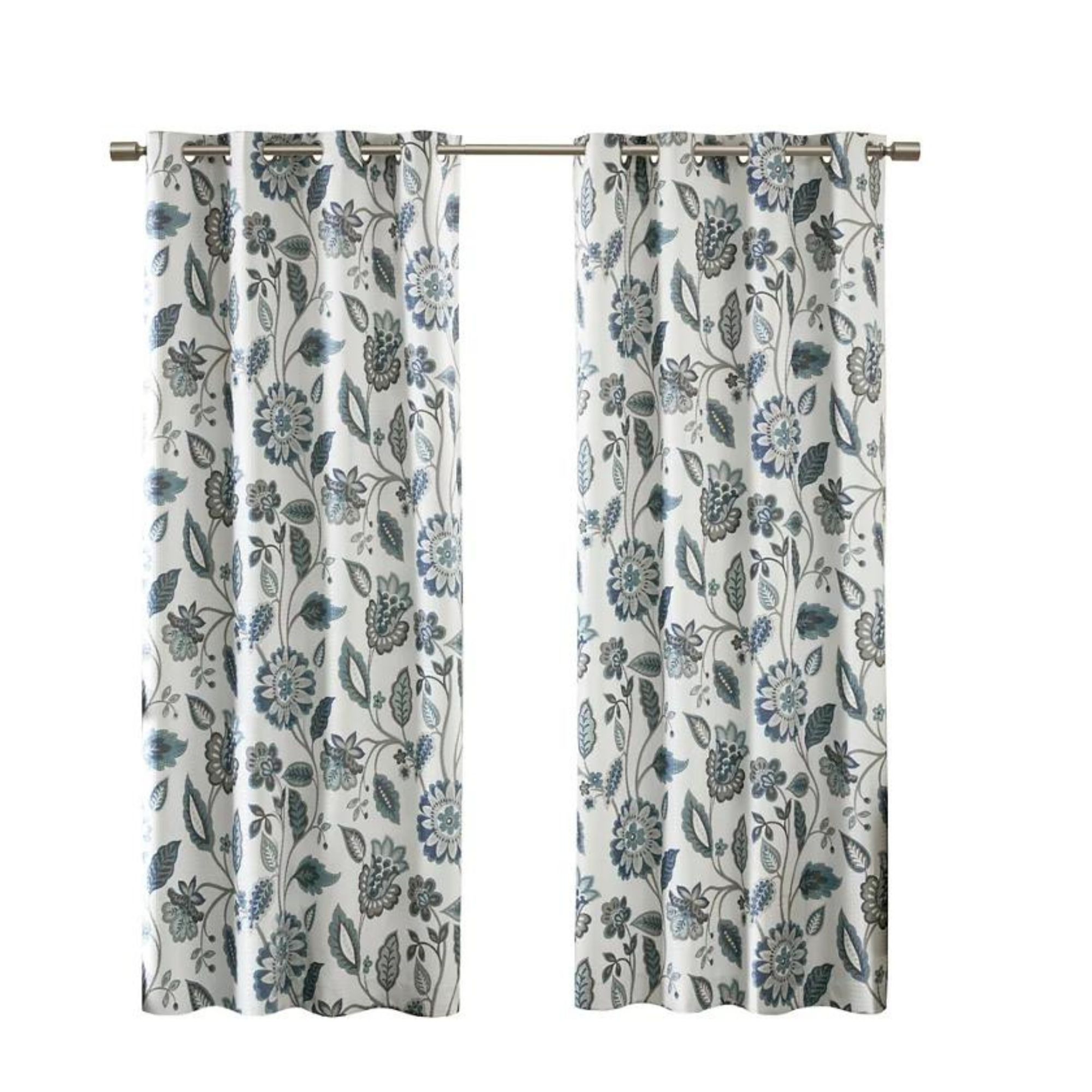
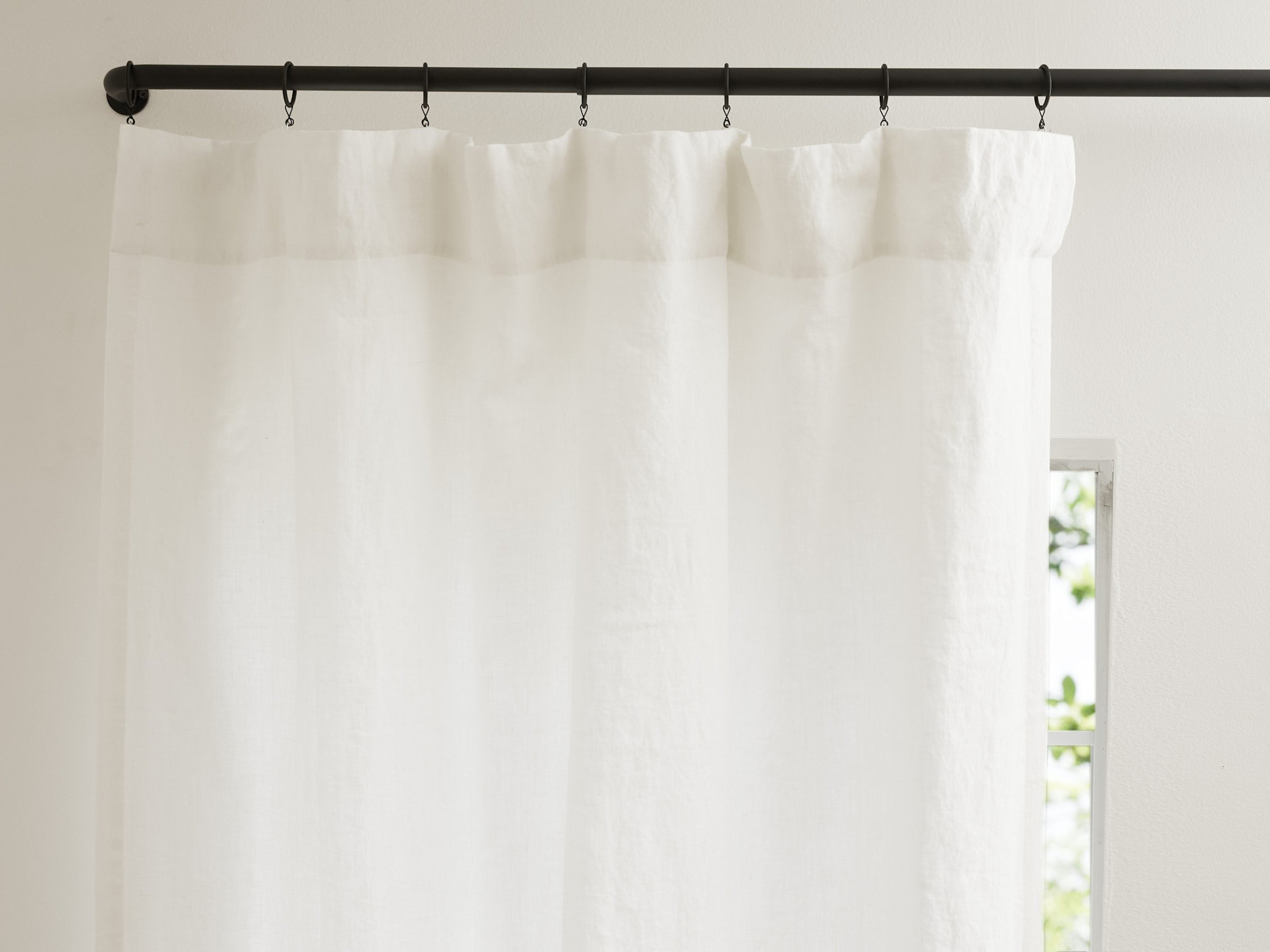
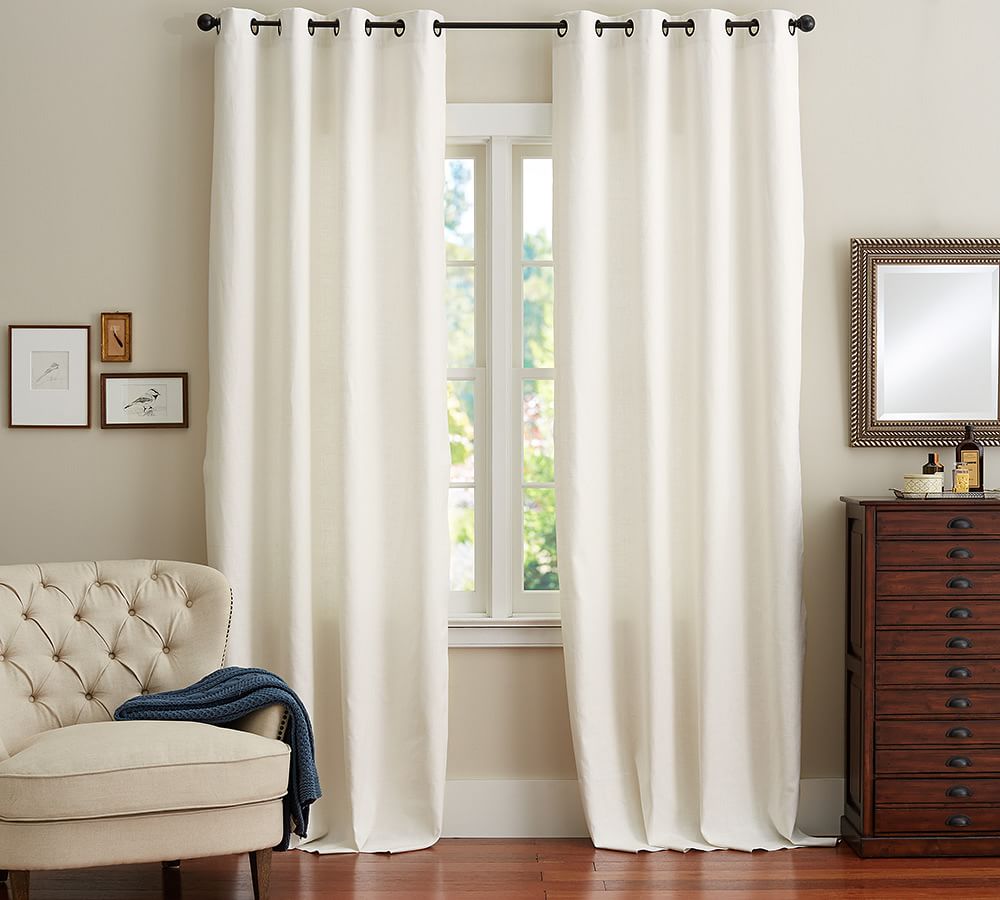
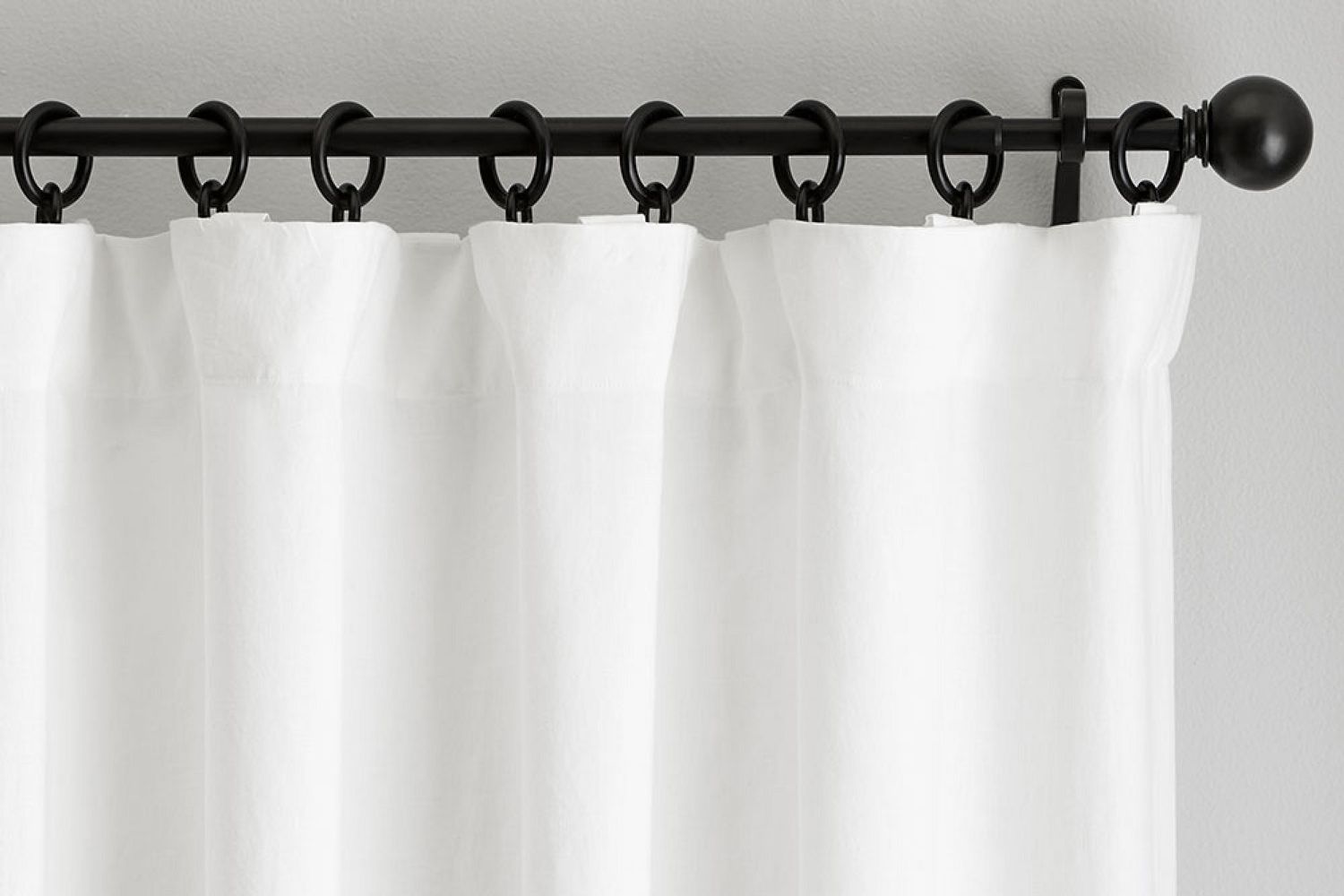
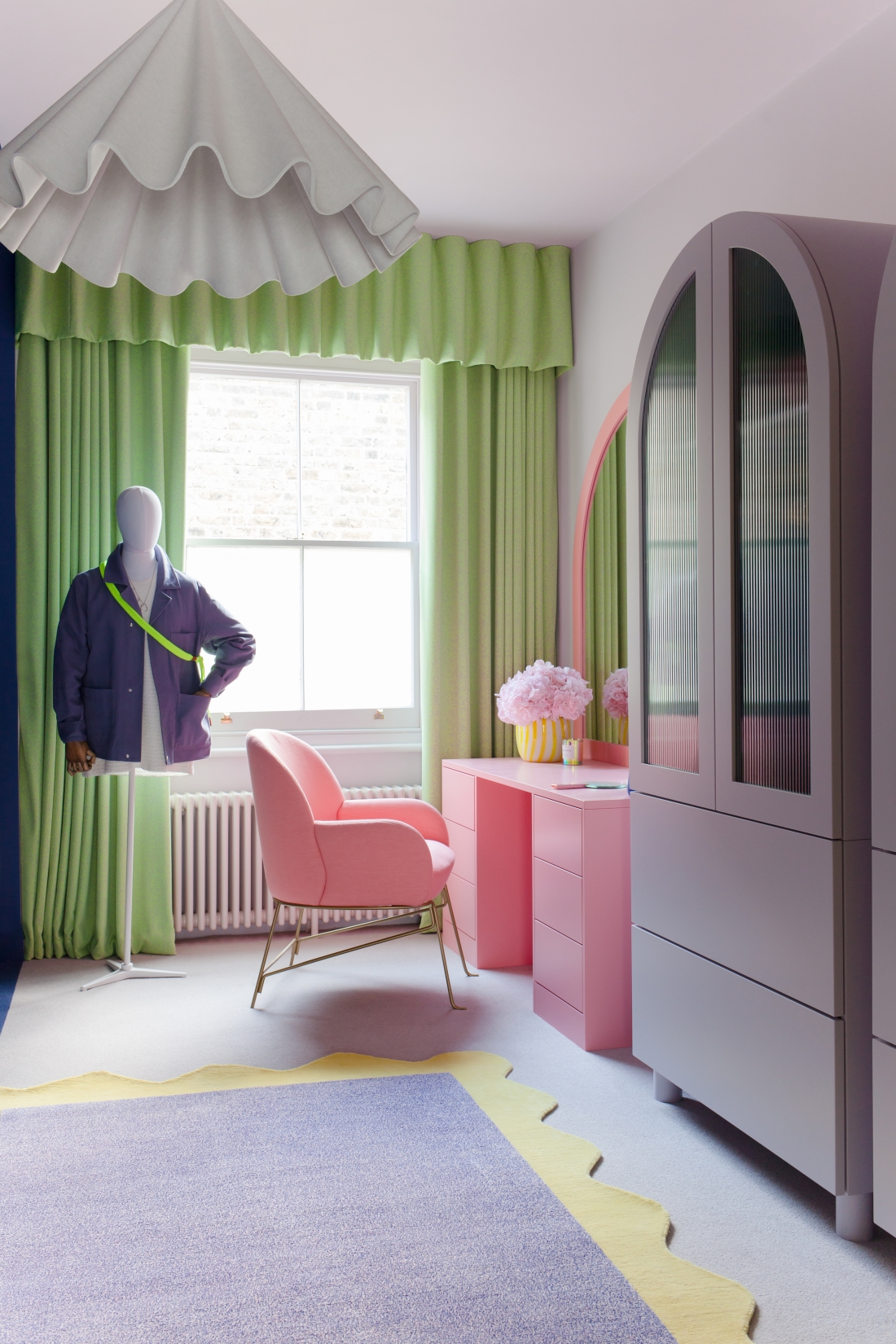
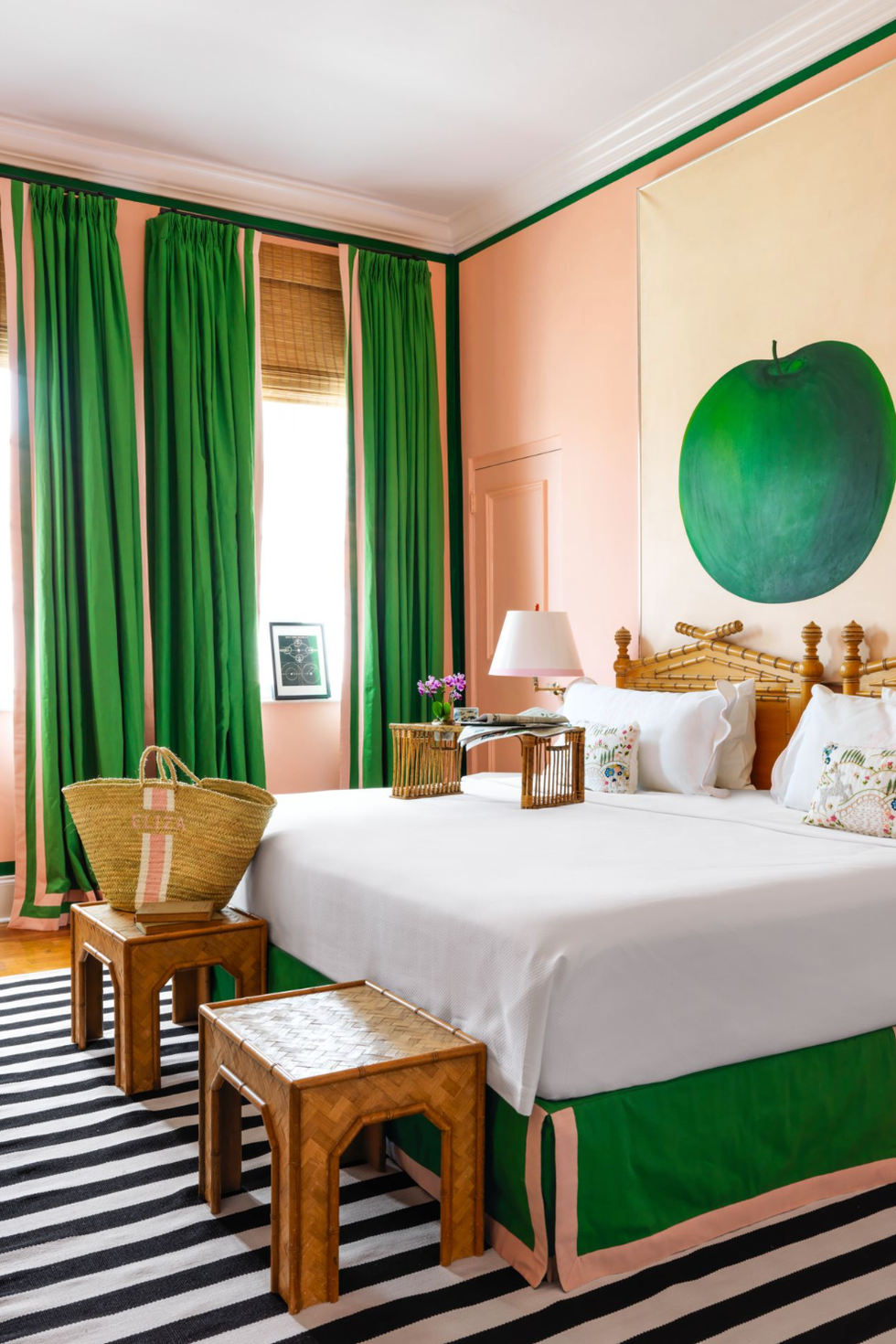
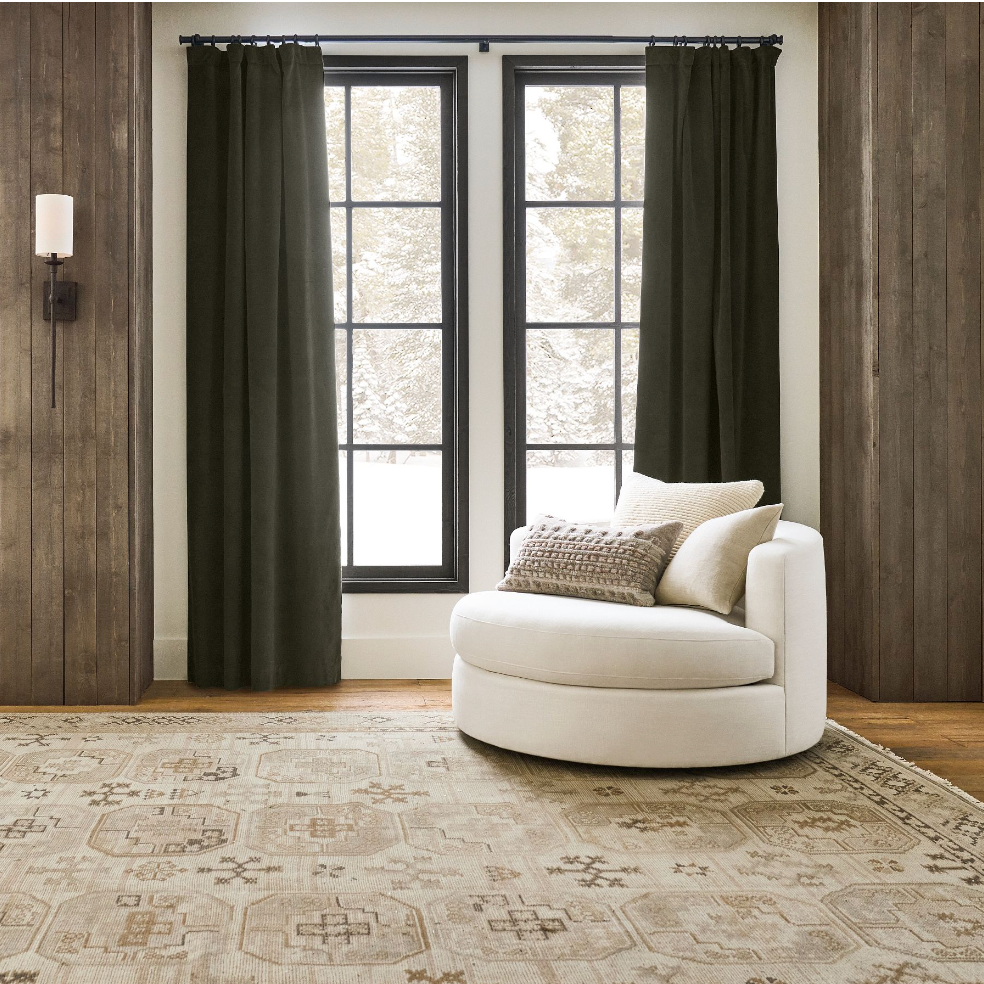
Regarding the style and hanging method, a formal appearance can be achieved with rod pockets or grommet tops, while tab tops offer a more casual look, suitable for sheer curtains alone. Double pinch pleat headers are recommended for both blackout and sheer curtains to achieve a tailored and sophisticated finish, particularly when solid fabrics feature patterns. For double curtain rods, traverse or continental rods are suggested, whereas standard or telescoping rods suffice for single curtain installations. Color selection is also important; sheer curtains often work best in light, neutral tones to avoid overwhelming the space, allowing the outer blackout drapes to feature more diverse colors or patterns. Darker blackout curtain colors like burgundy, navy, or forest green are effective for light blocking and can coordinate with the sheer layers. Strategic color choices for linings can also enhance appearance from the exterior, for instance, dark linings for south-facing windows can create a reflective effect.
#CurtainLayering #SheerCurtains #BlackoutCurtains #WindowTreatments #InteriorDesign #HomeDecor #LightControl #PrivacySolutions #FabricSelection #CurtainLayering #SheerCurtains #BlackoutCurtains #WindowTreatments #InteriorDesign #HomeDecor #LightControl #PrivacySolutions #FabricSelection
0 comment in total
 No comments yet
You may also like
I’m a shopping writer – these are the best curtains you can buy

Dress Your Windows in Style: These Are the Top Curtain Retailers We Love

How to Hang Curtains the Way an Interior Designer Would — To Balance, Blur Lines, and Bring Impact to a Room
The Best Blackout Curtains, According to Our Editors

I'm a shopping writer − here's where to buy the best curtains
Curtain Ideas for Large Windows — 7 Ways to Balance Privacy, Light, and Style in Your Home

The Privacy Curtains That Let Light In And Add Effortless Style To Your Home
The Best Blackout Curtains Block the Light But Still Brighten Up Any Room

Best curtains to shop now: From blackout to linen and top tips for installation
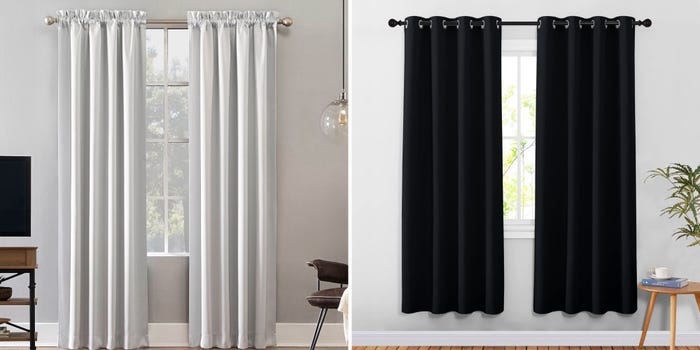
The Best Blackout Curtains
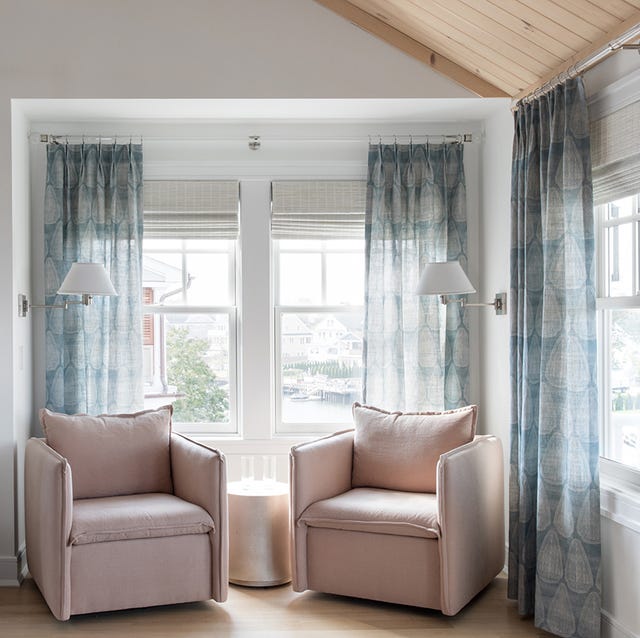
Inspiring Bedroom Curtain Styles to Reinvent Your Space

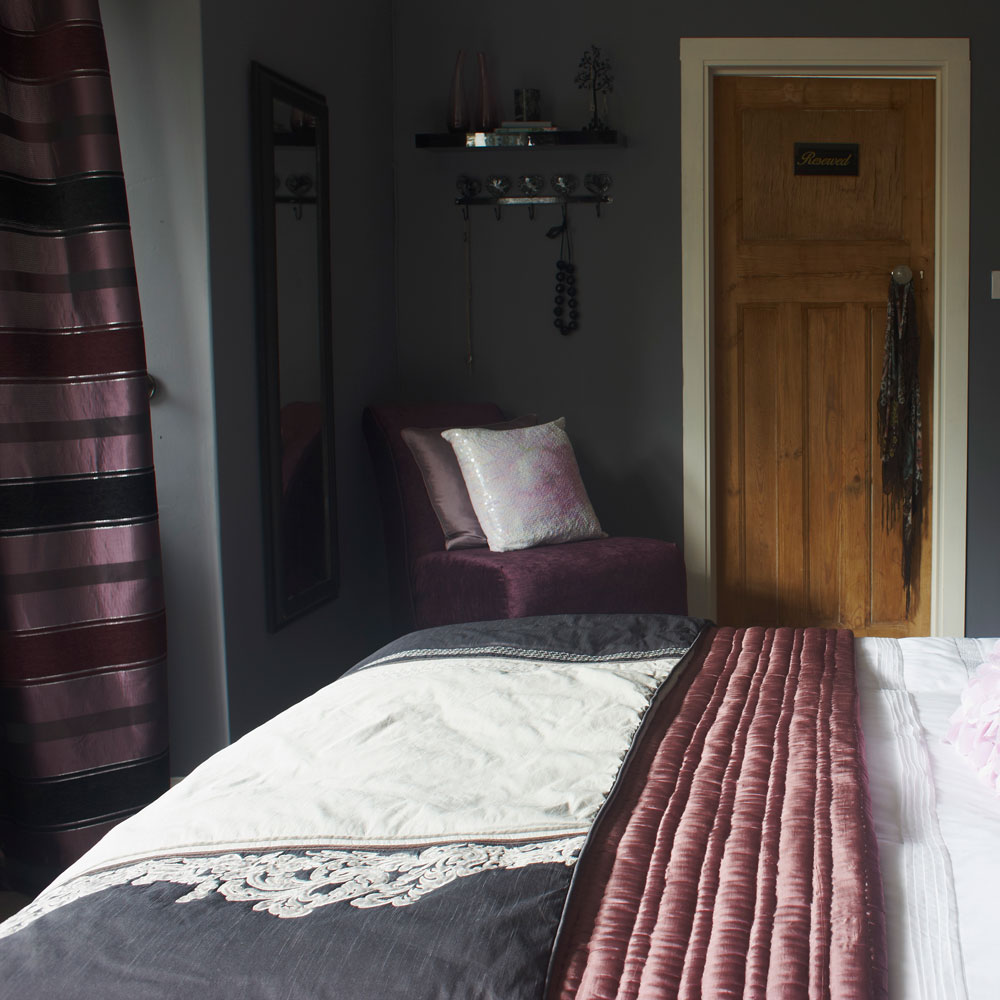
Blackout curtain ideas – block out the light for total darkness and a better night's sleep

These Are the Best Places to Buy Curtains for Any Space
Sheer Curtains Go Way Beyond Plain White—These Are Our 12 Top Picks
The 7 Best Blackout Curtains, According to Testing

How to hang a curtain pole


The Very Best Window Curtains
Best door curtain

The 10 Best Blackout Curtains For Better Sleep

The Easiest, Foolproof Way to Hang Curtains, According to Design Pro