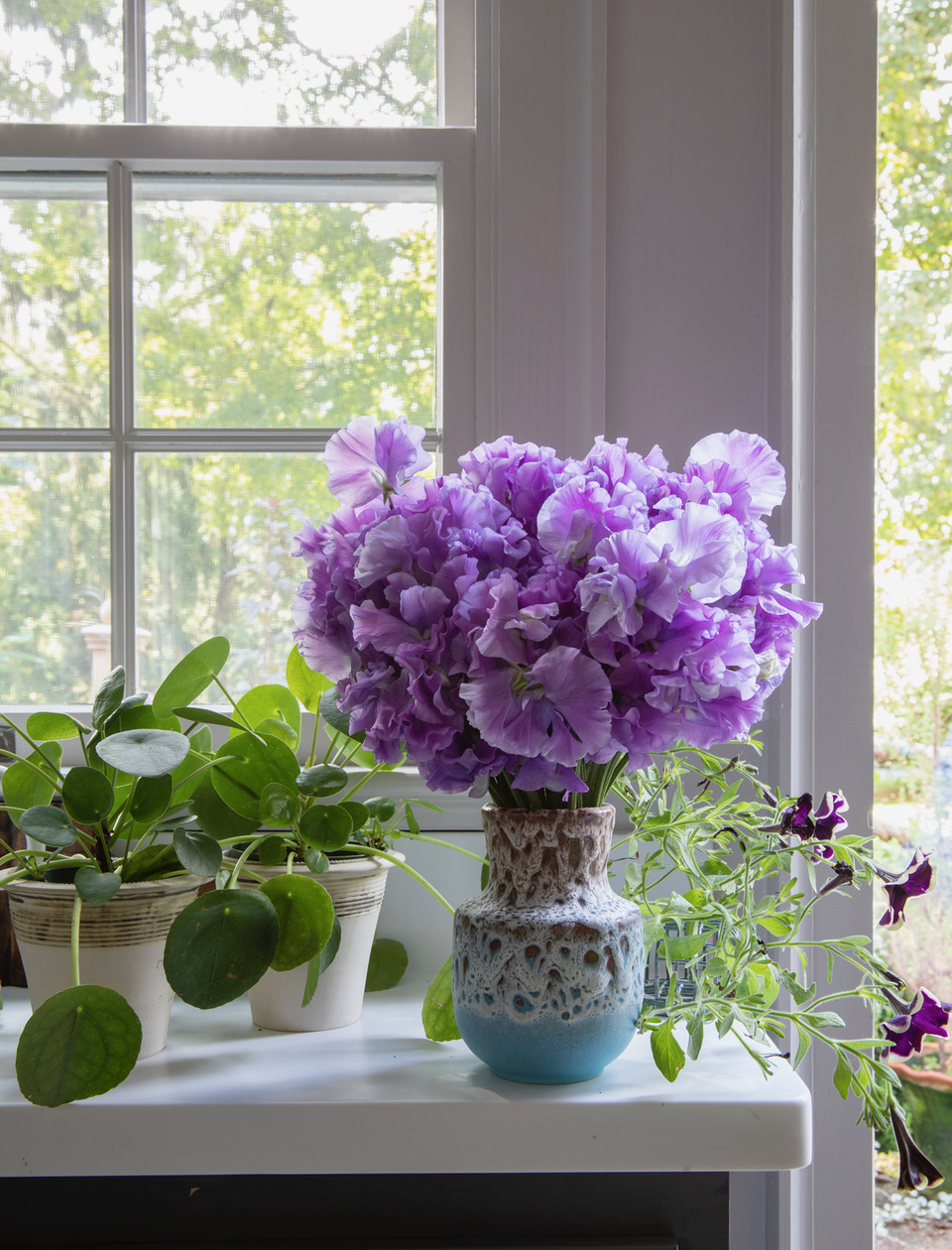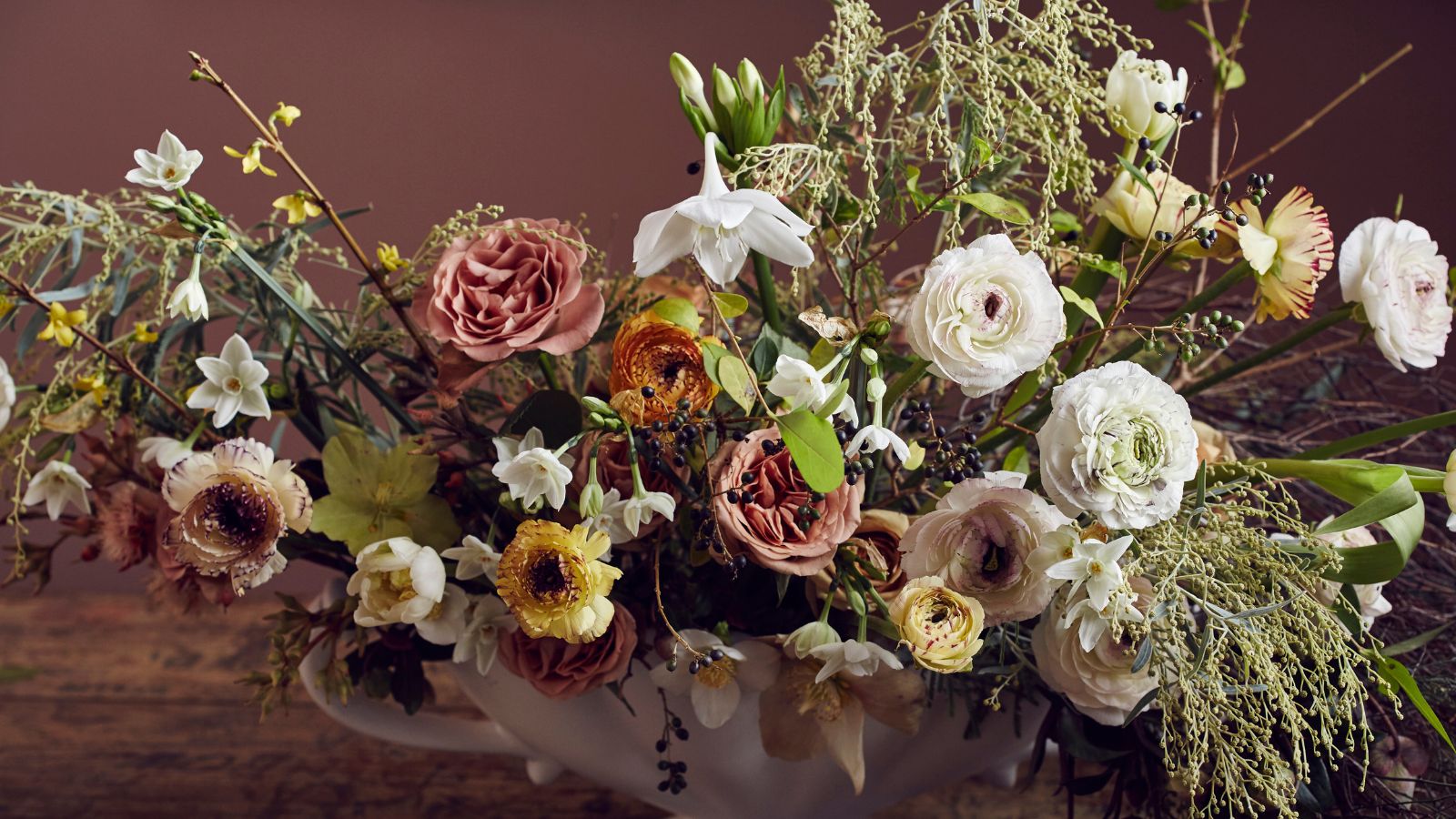
1/18
How to arrange flowers like a professional – these 7 rules are all you need according to floral experts
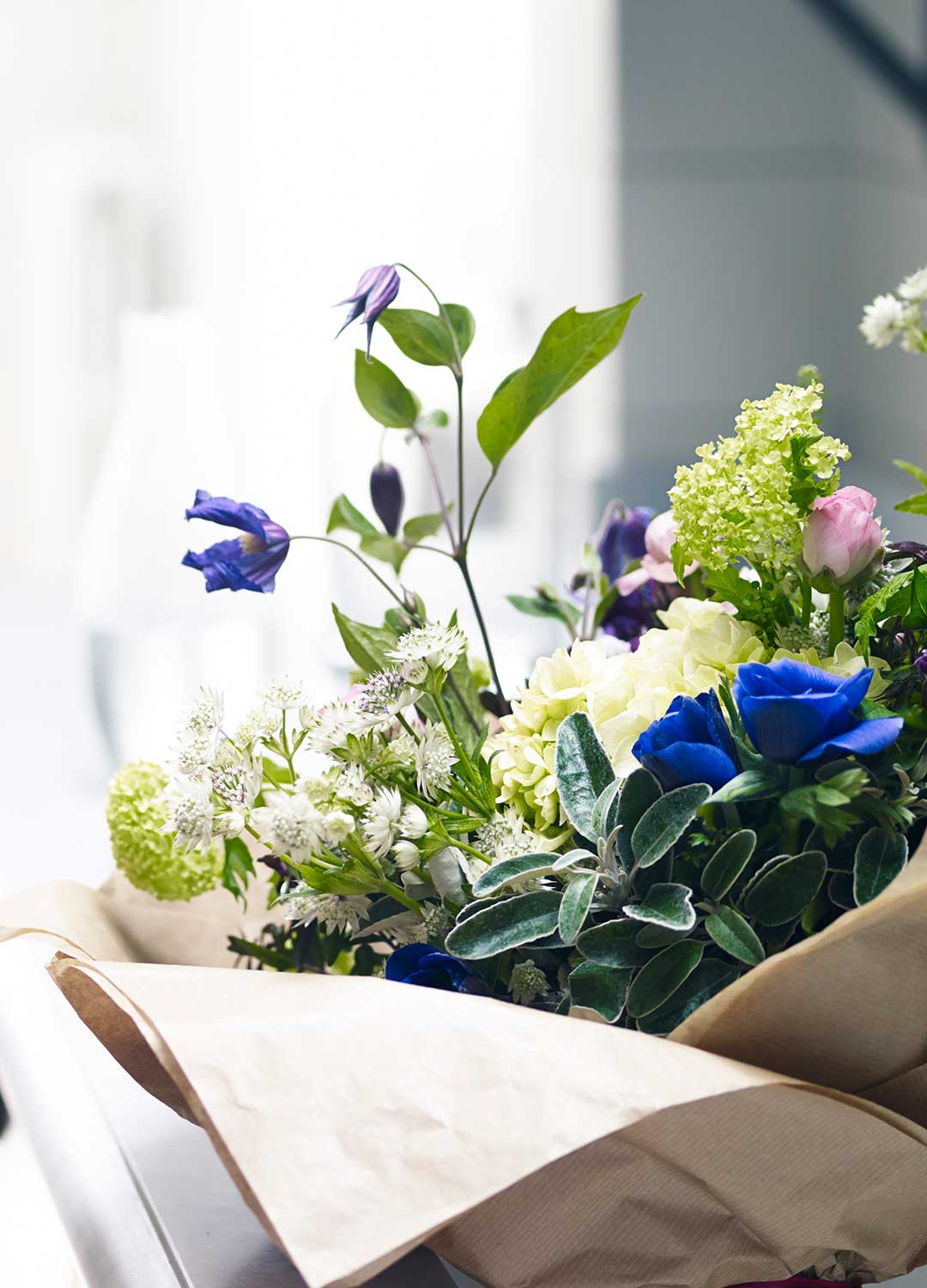
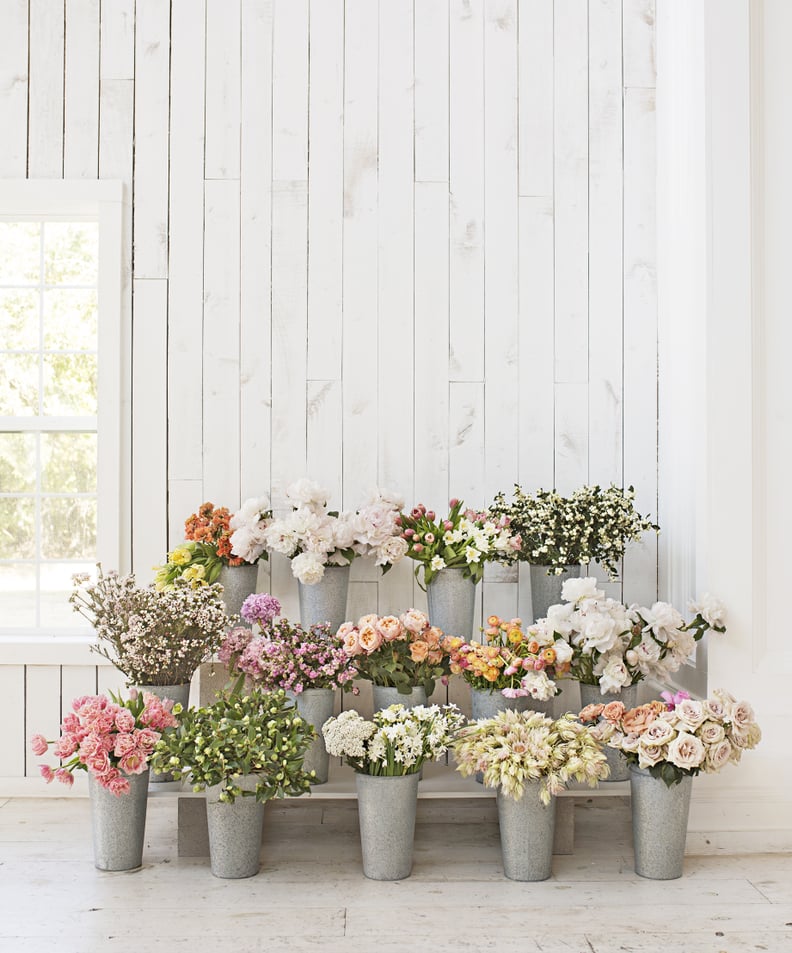
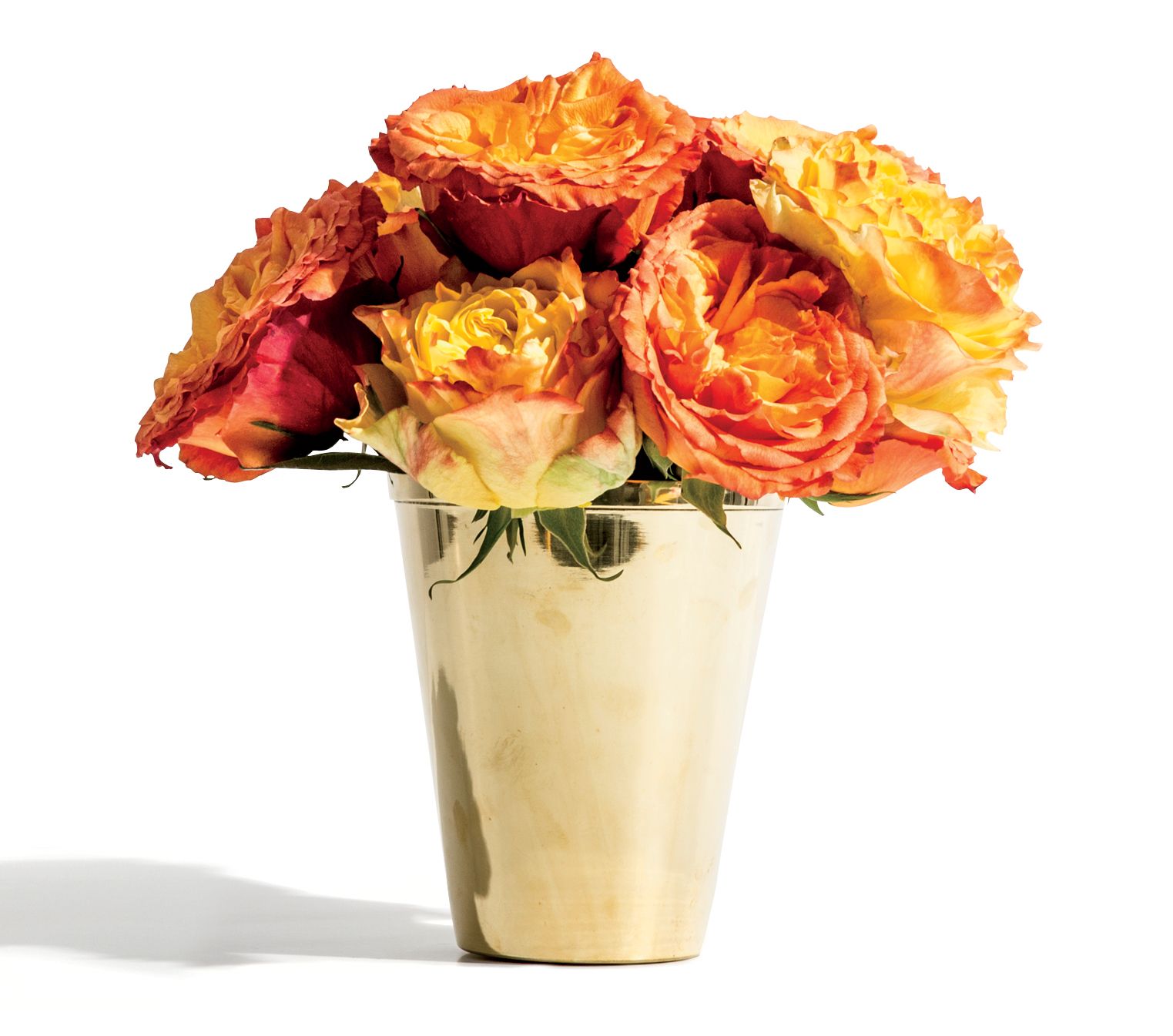
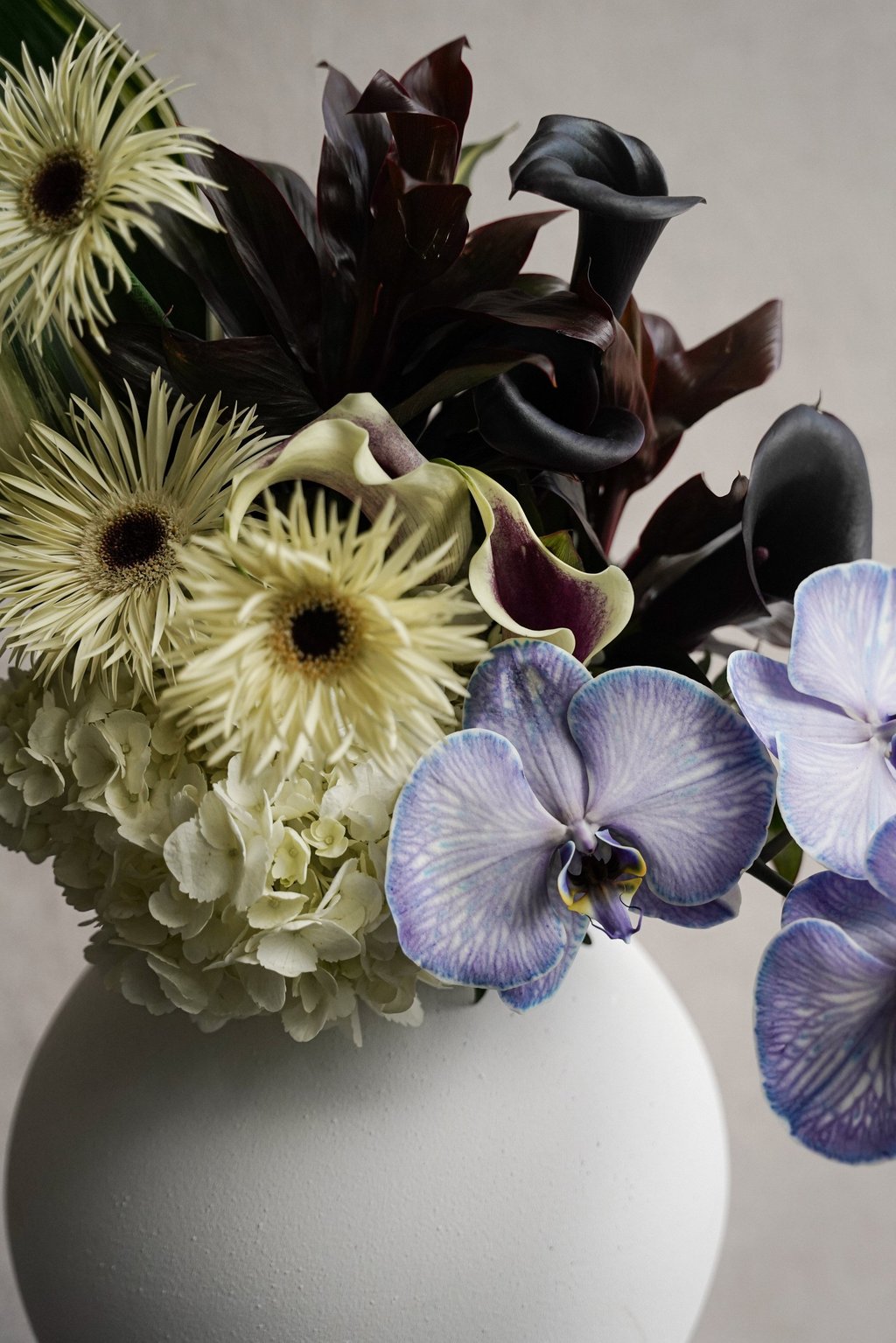
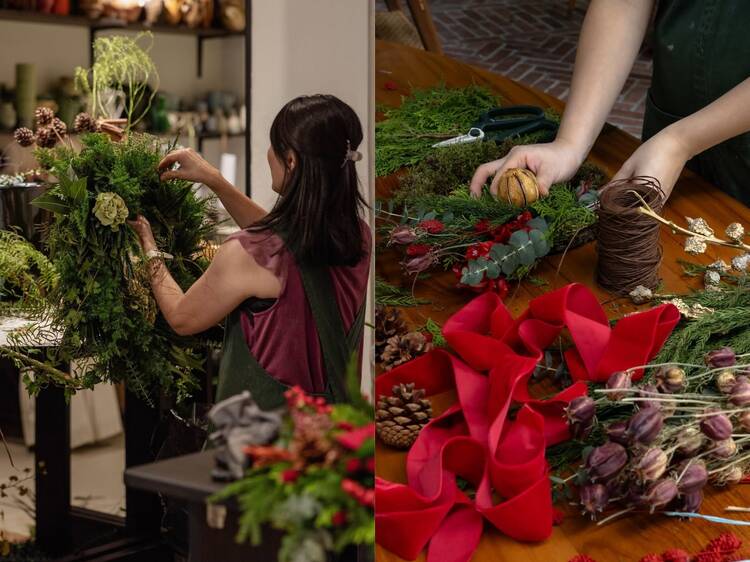
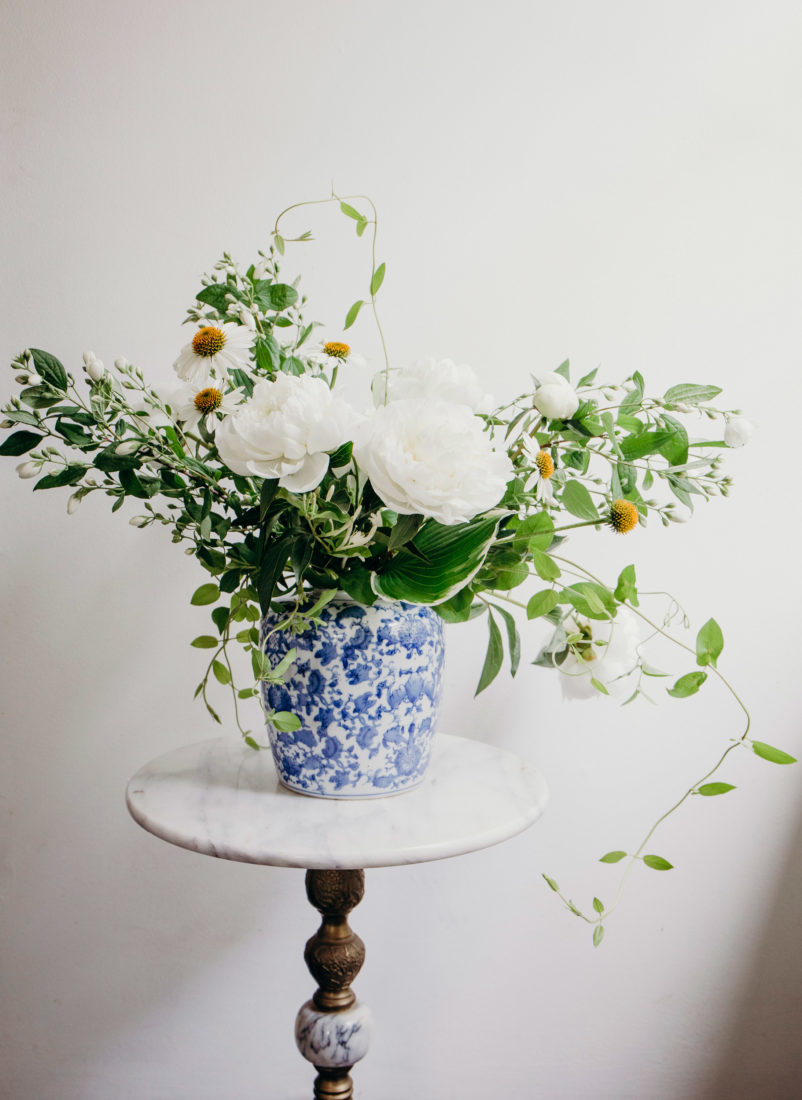
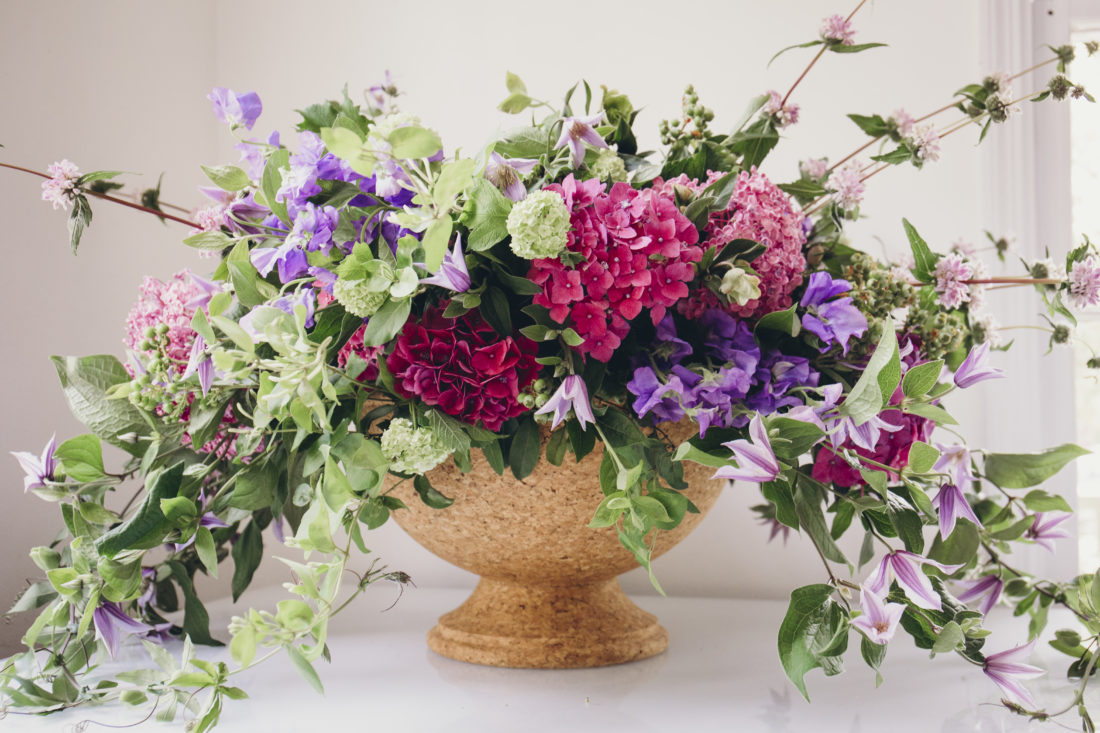
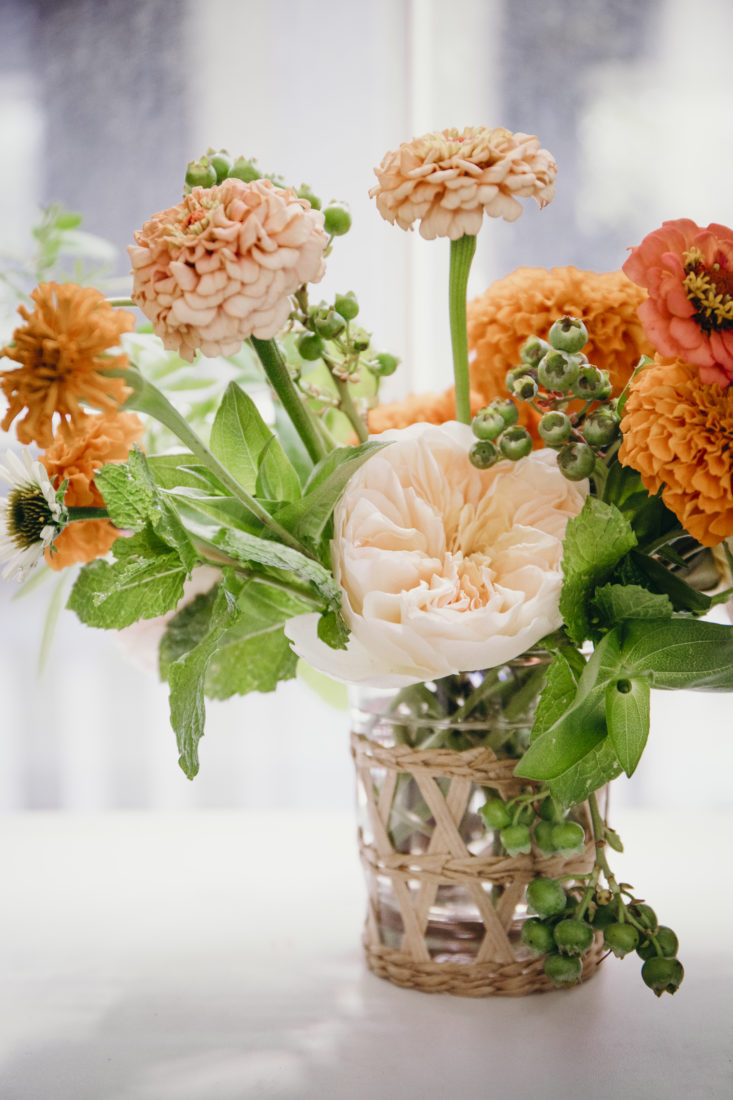
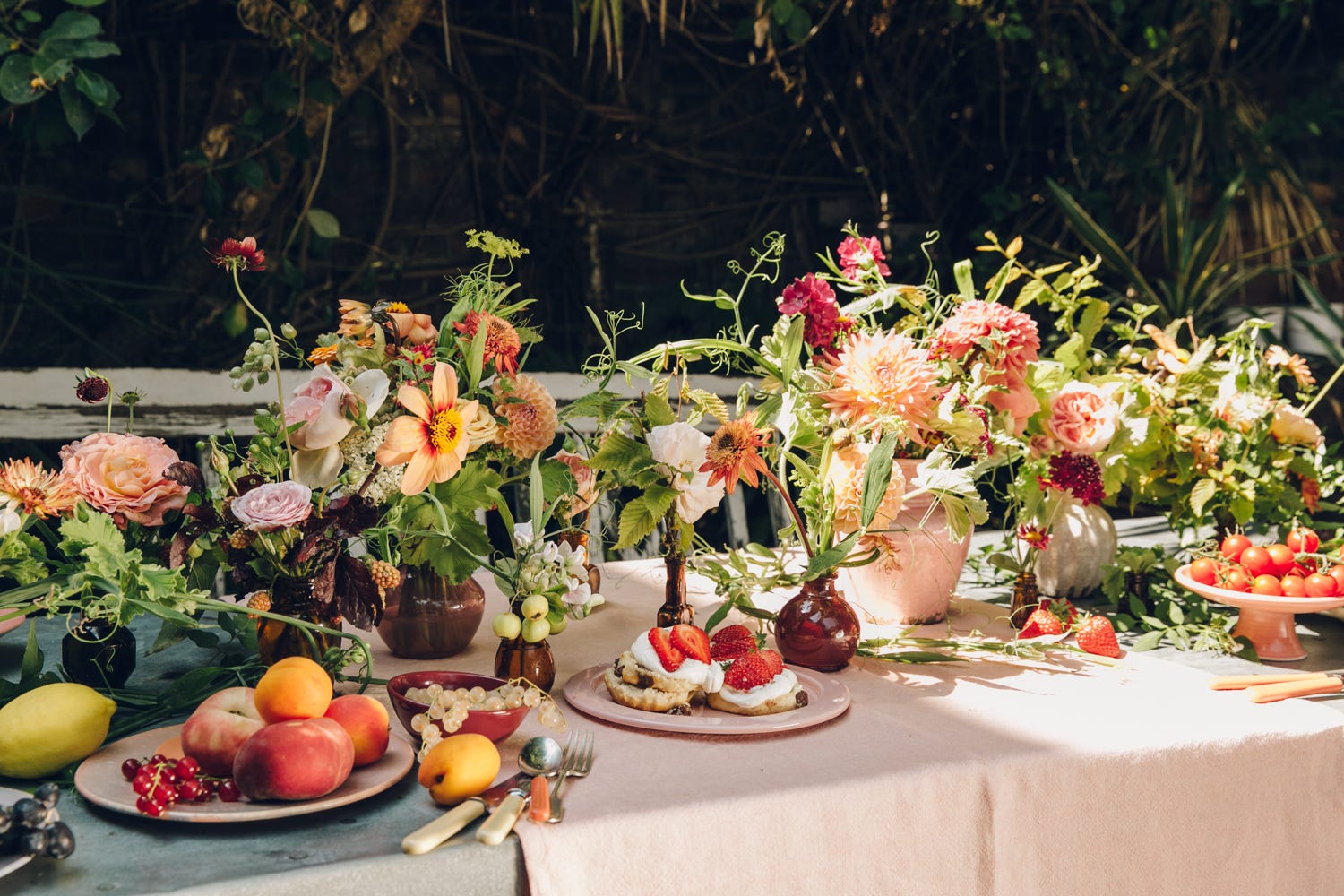
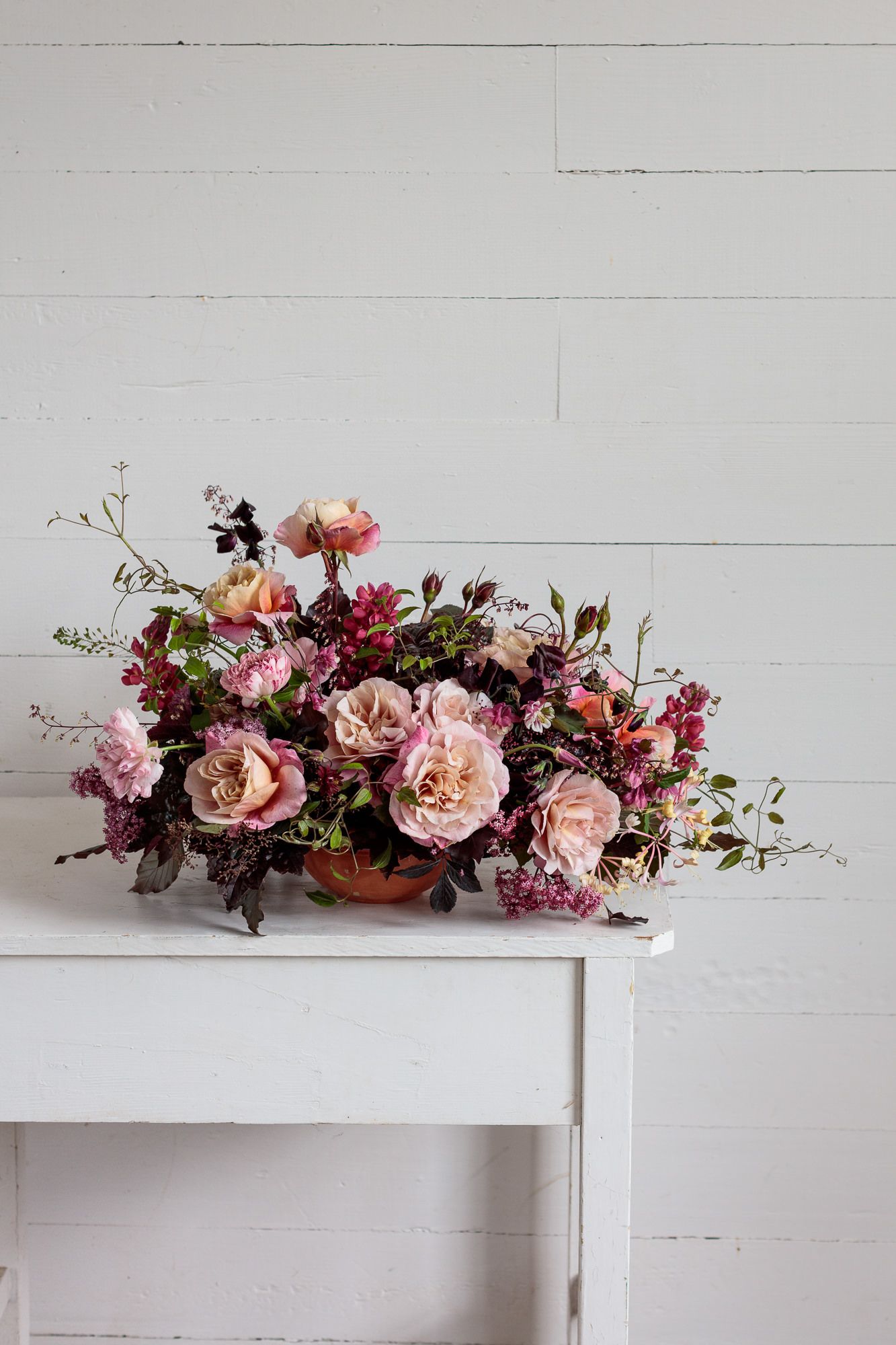
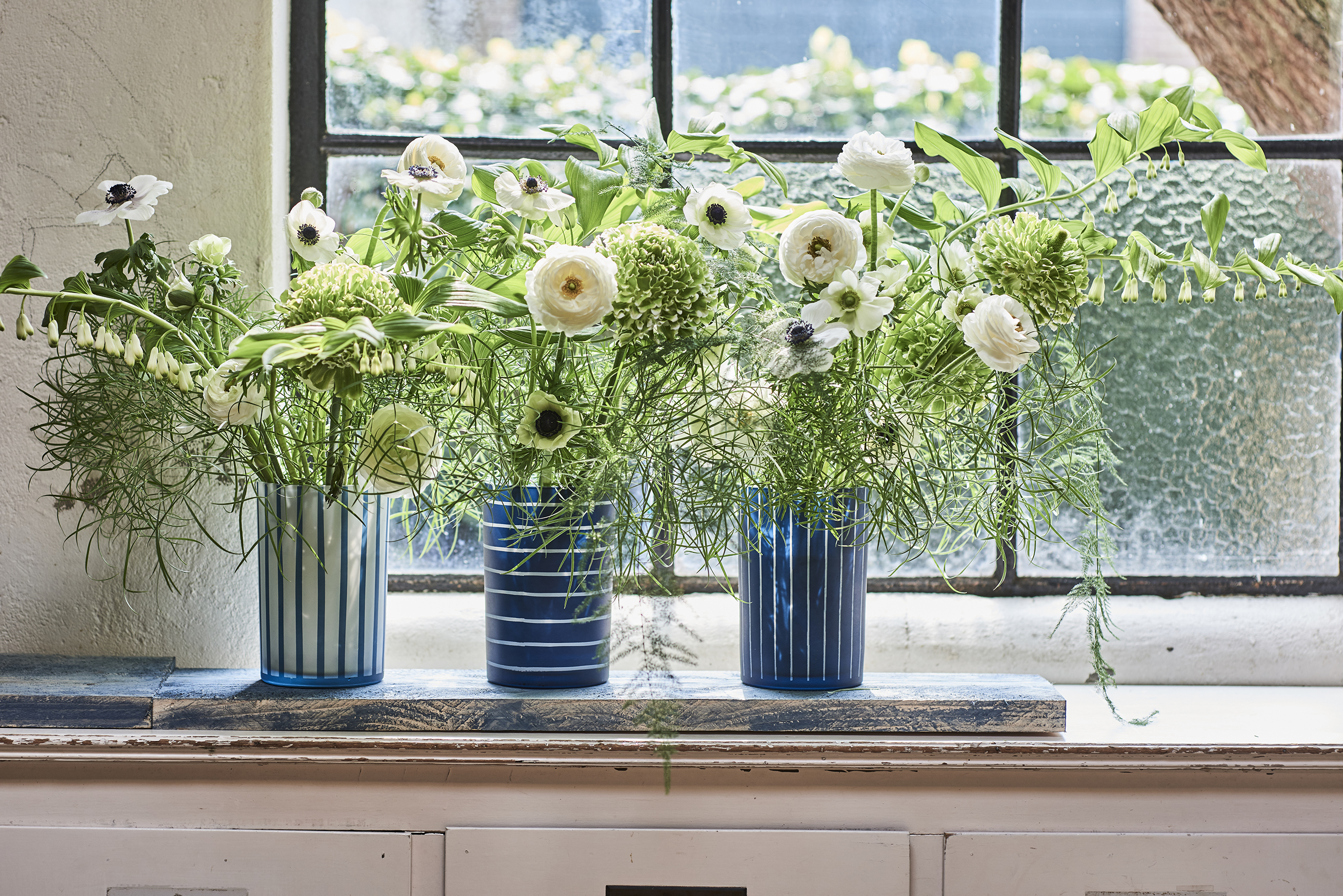
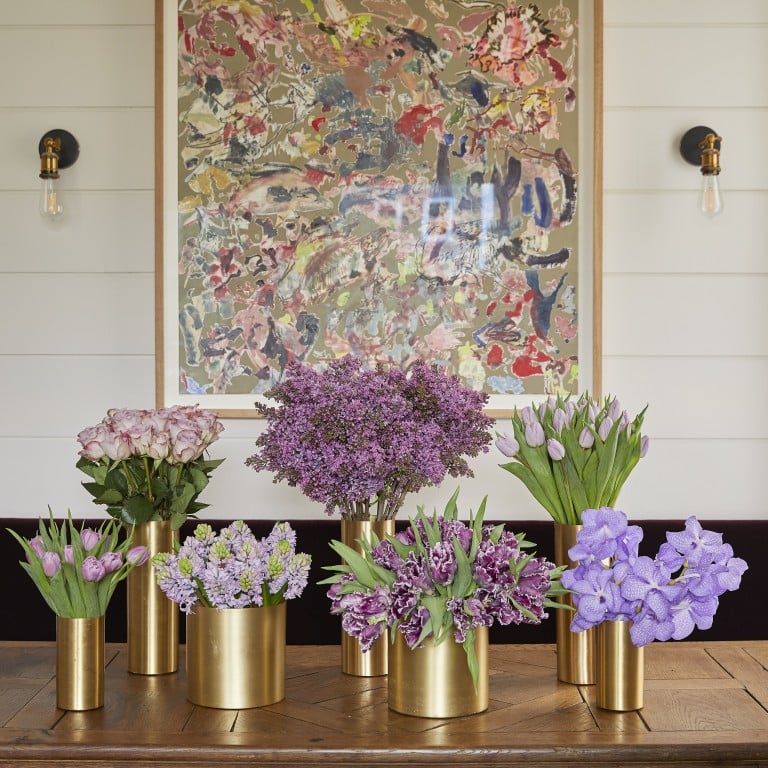
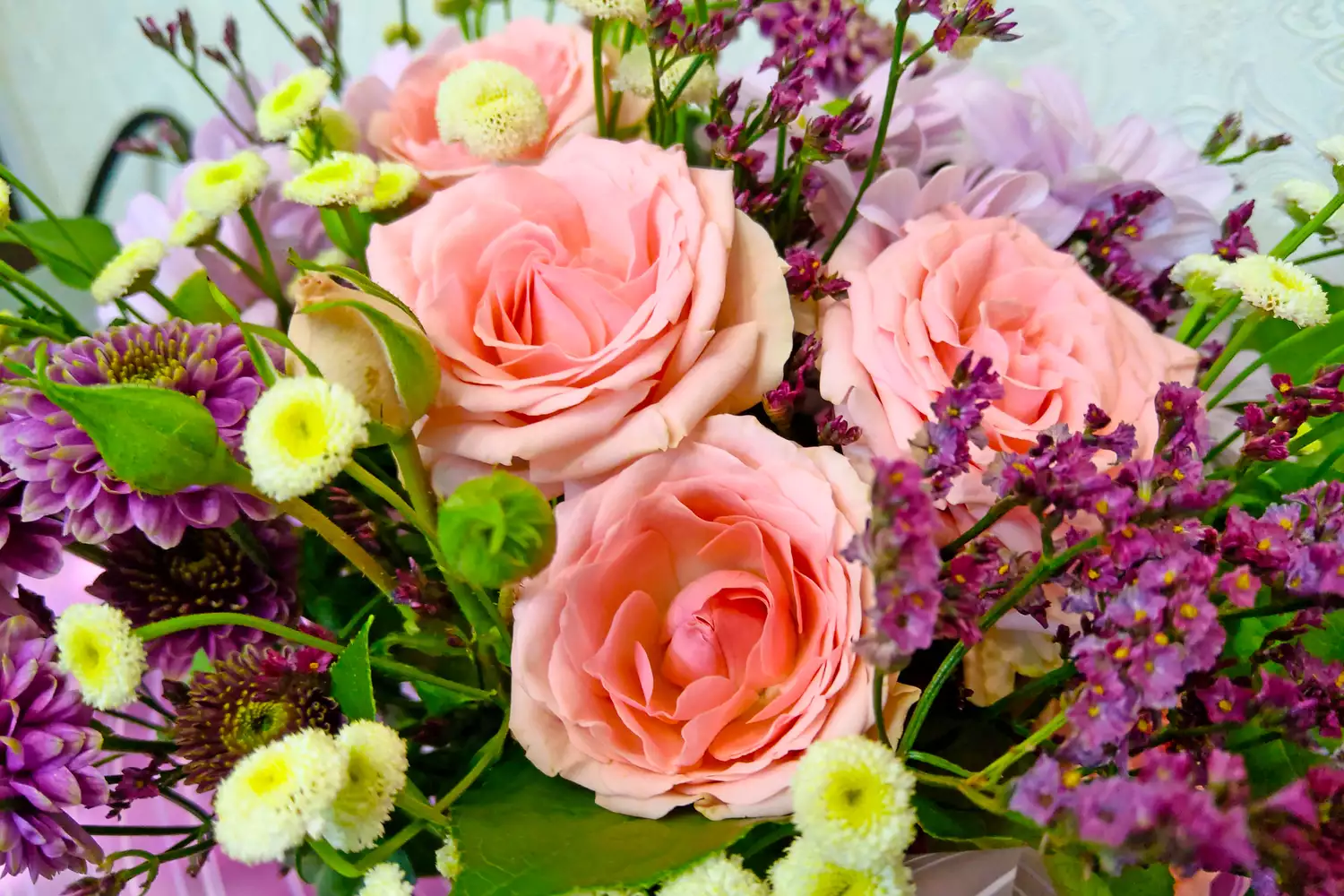
Arranging flowers like a professional requires adherence to several key principles, ensuring stunning seasonal displays throughout the year. The first step involves selecting a cohesive color palette, such as soft pastels, vibrant brights, or classic whites and greens. Utilizing flowers that are in season is recommended, with consideration for a restrained palette to achieve sophistication or bold contrasts for a modern, dynamic effect. Different shades within a color family can add subtle depth.
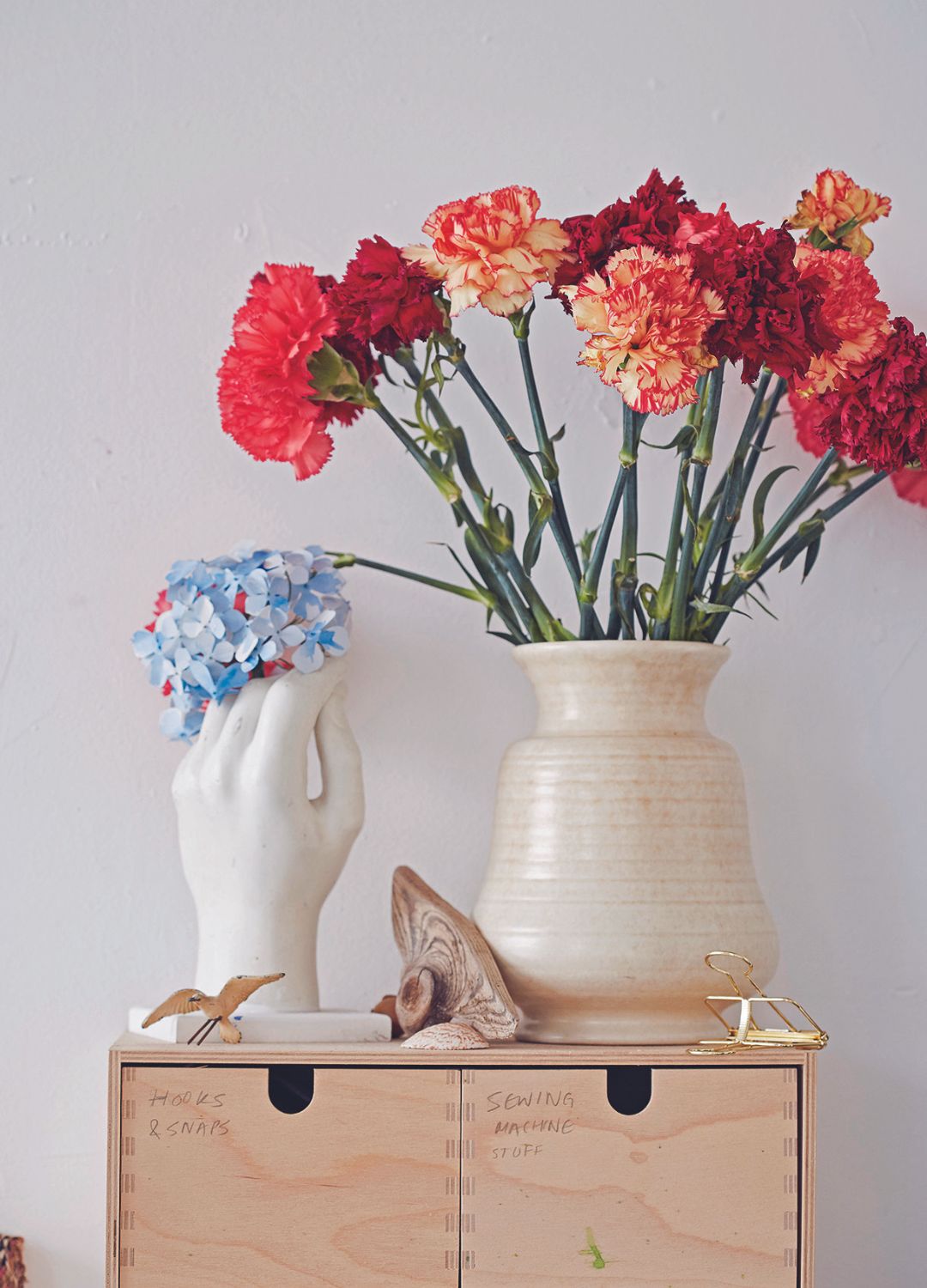
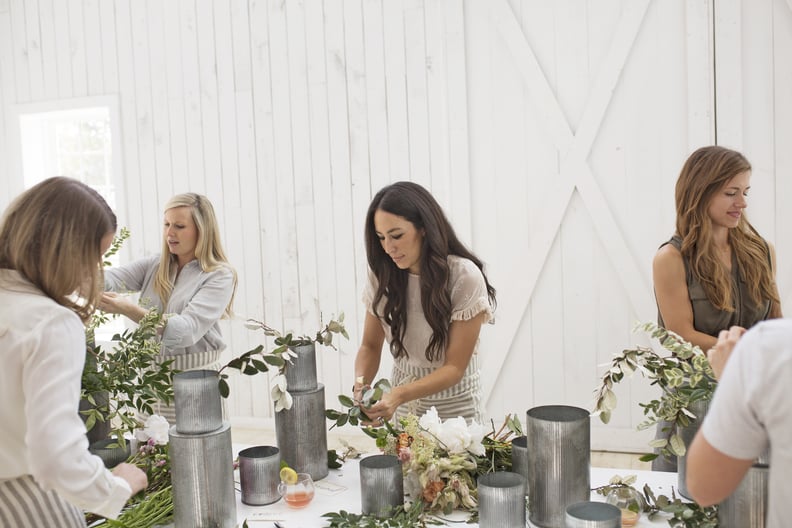
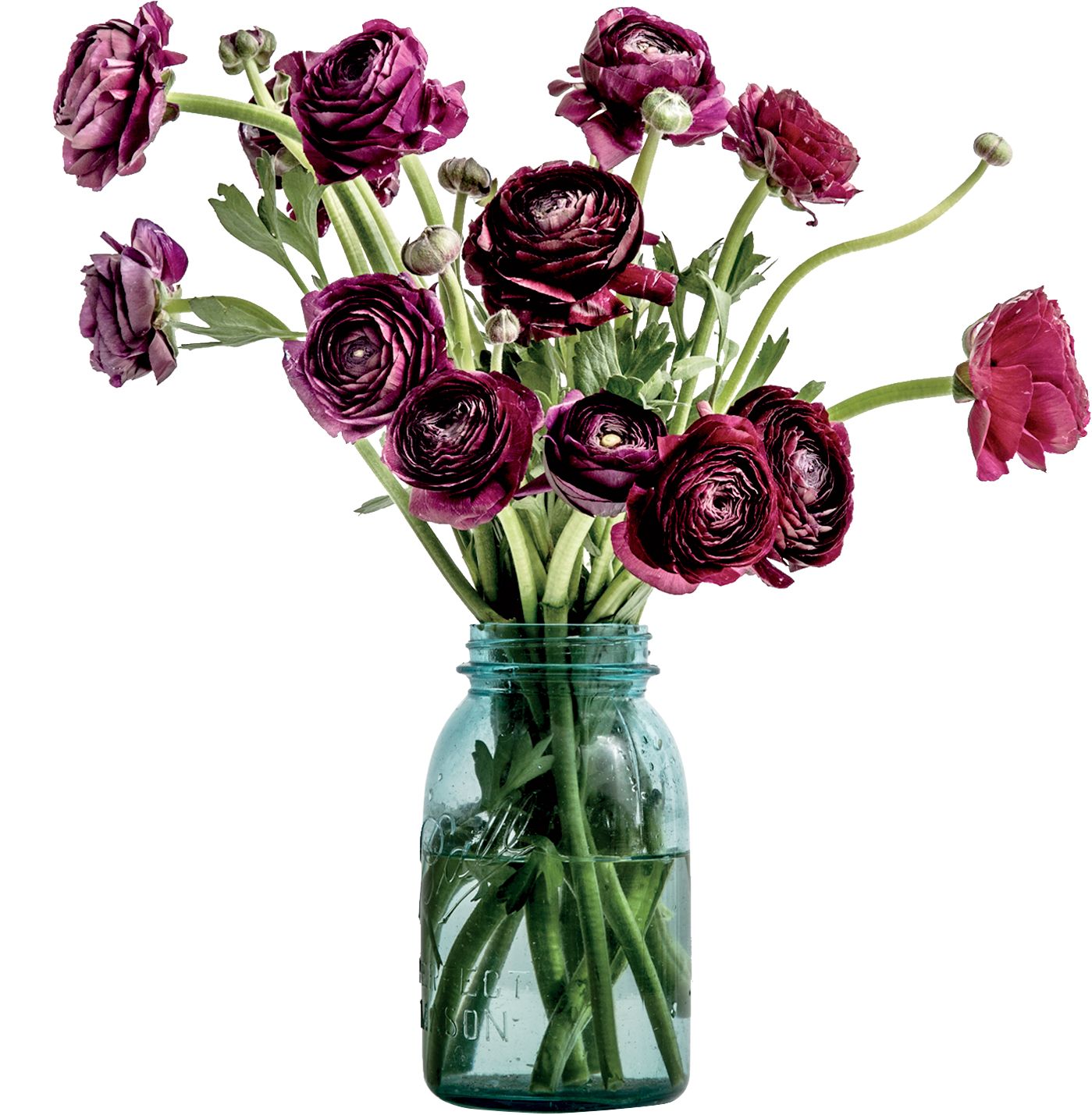
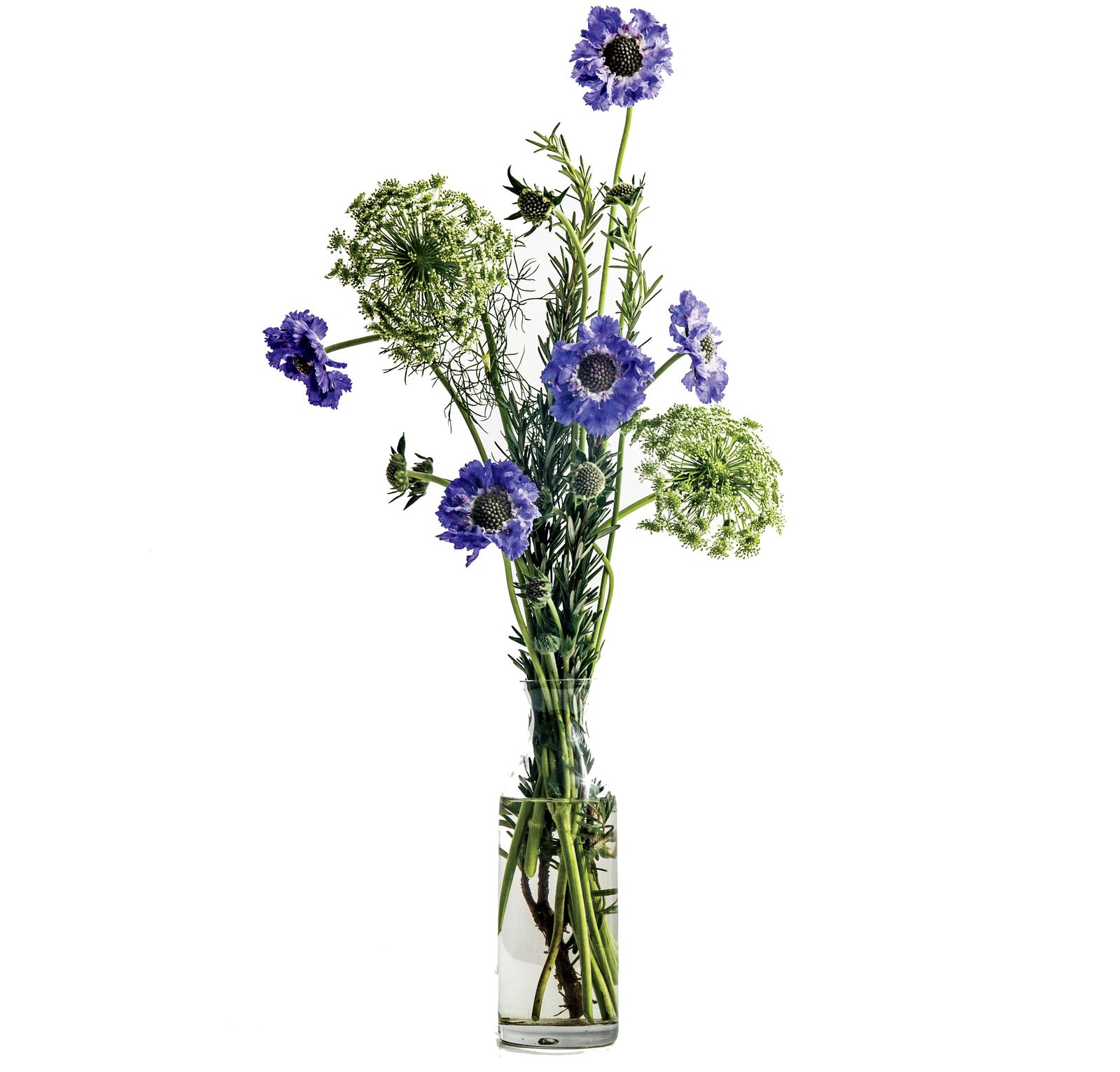
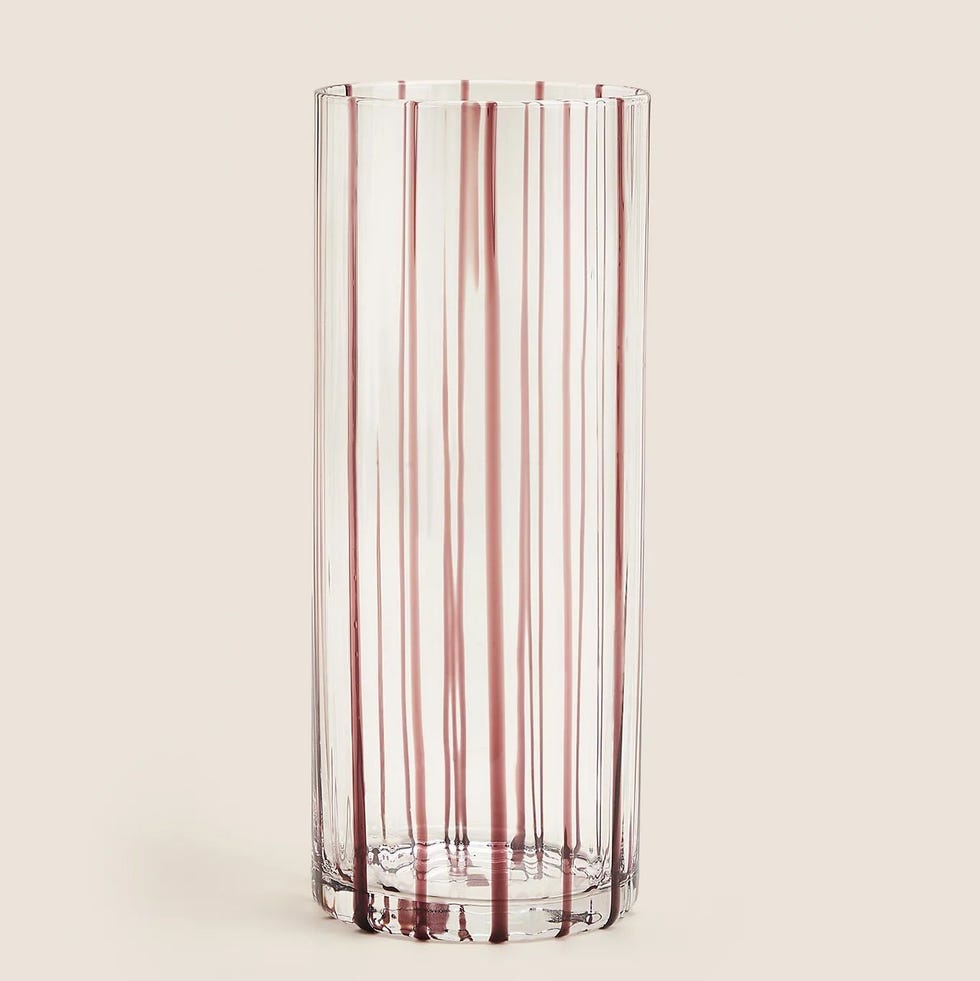
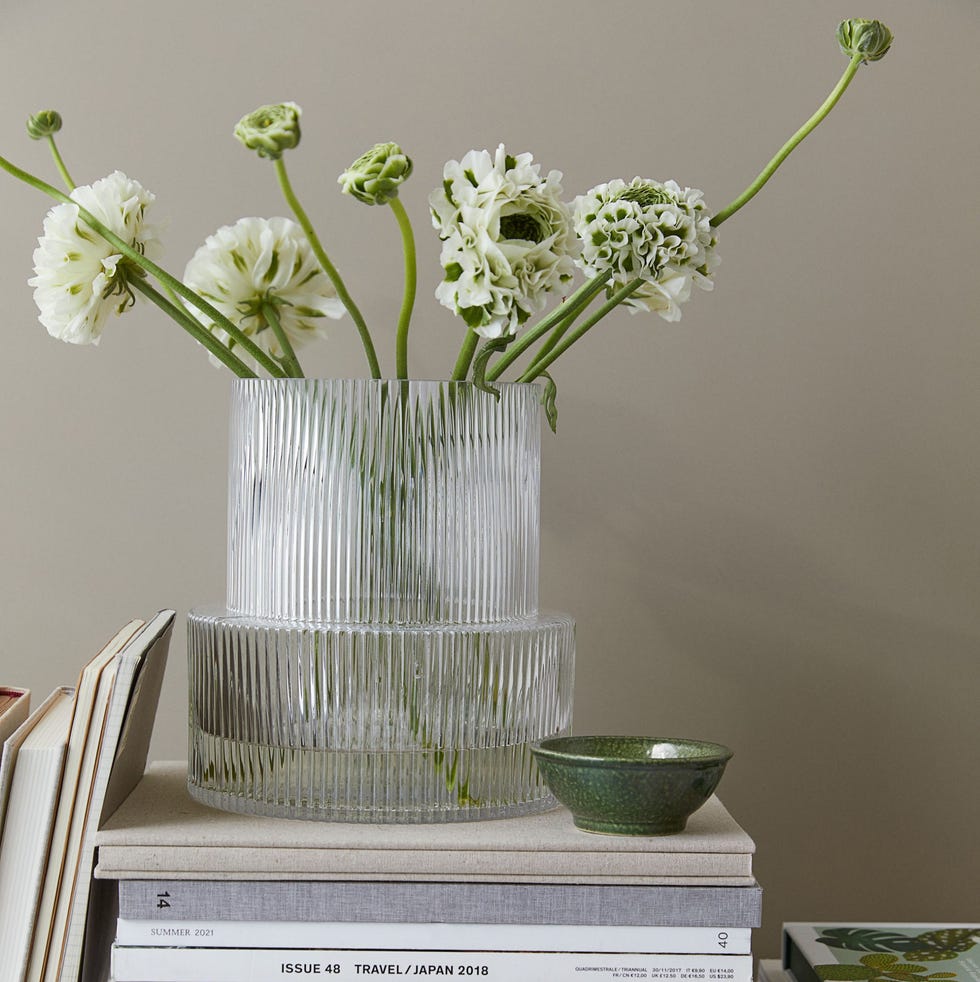
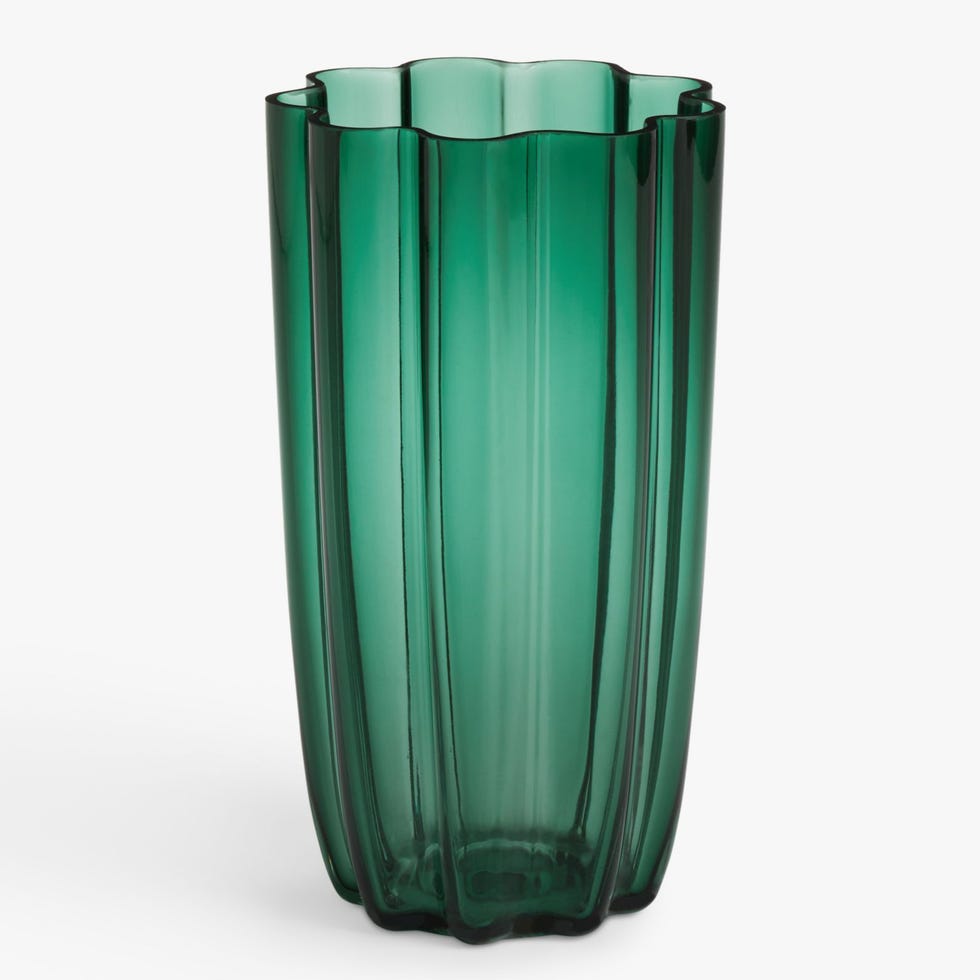
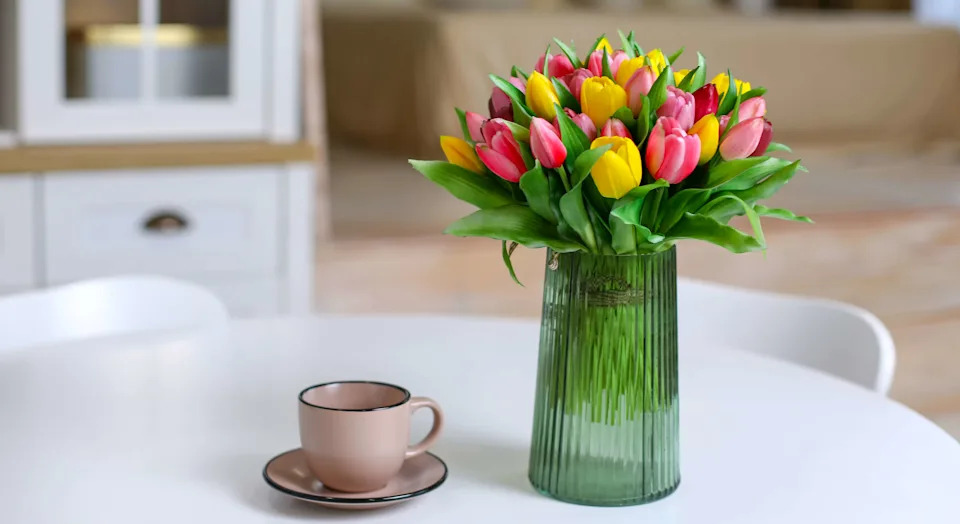
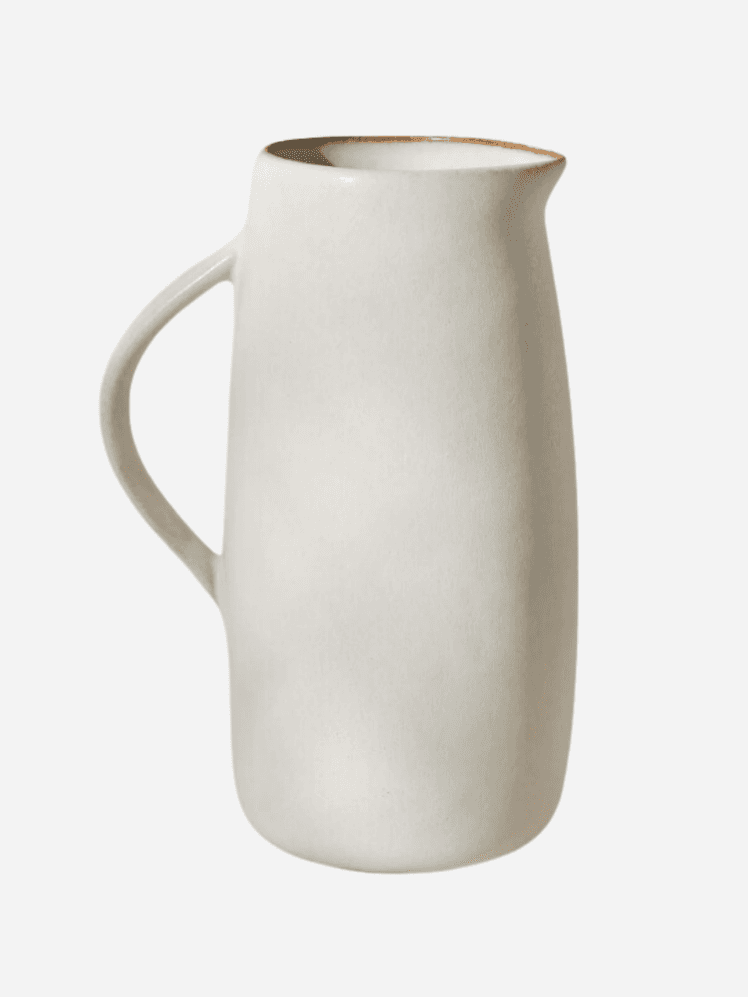
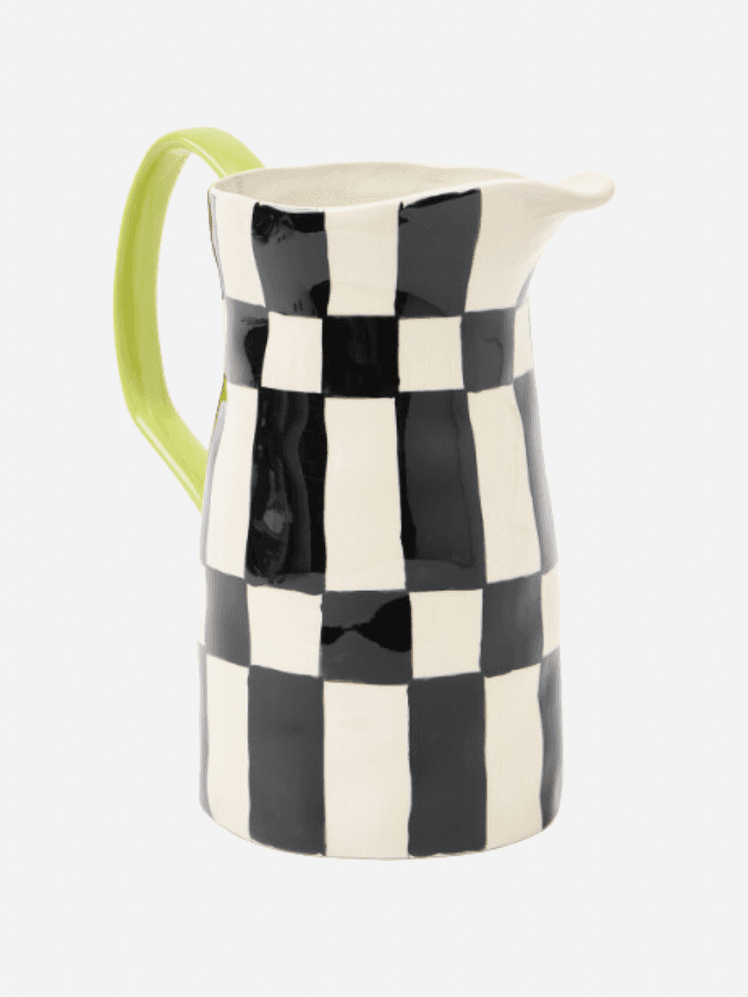
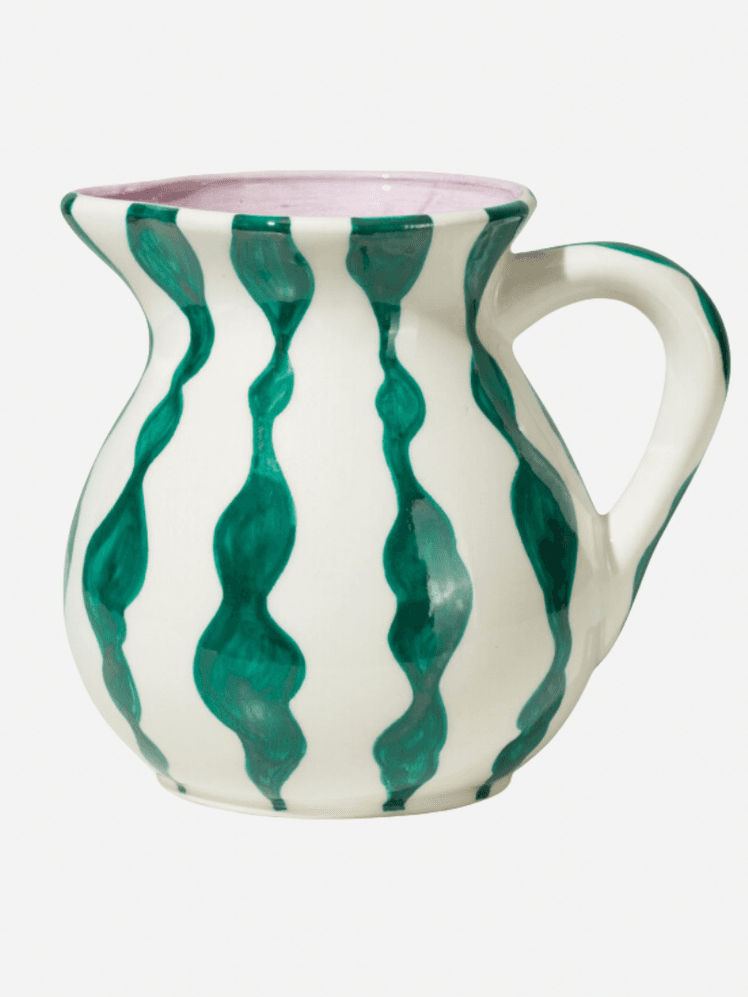
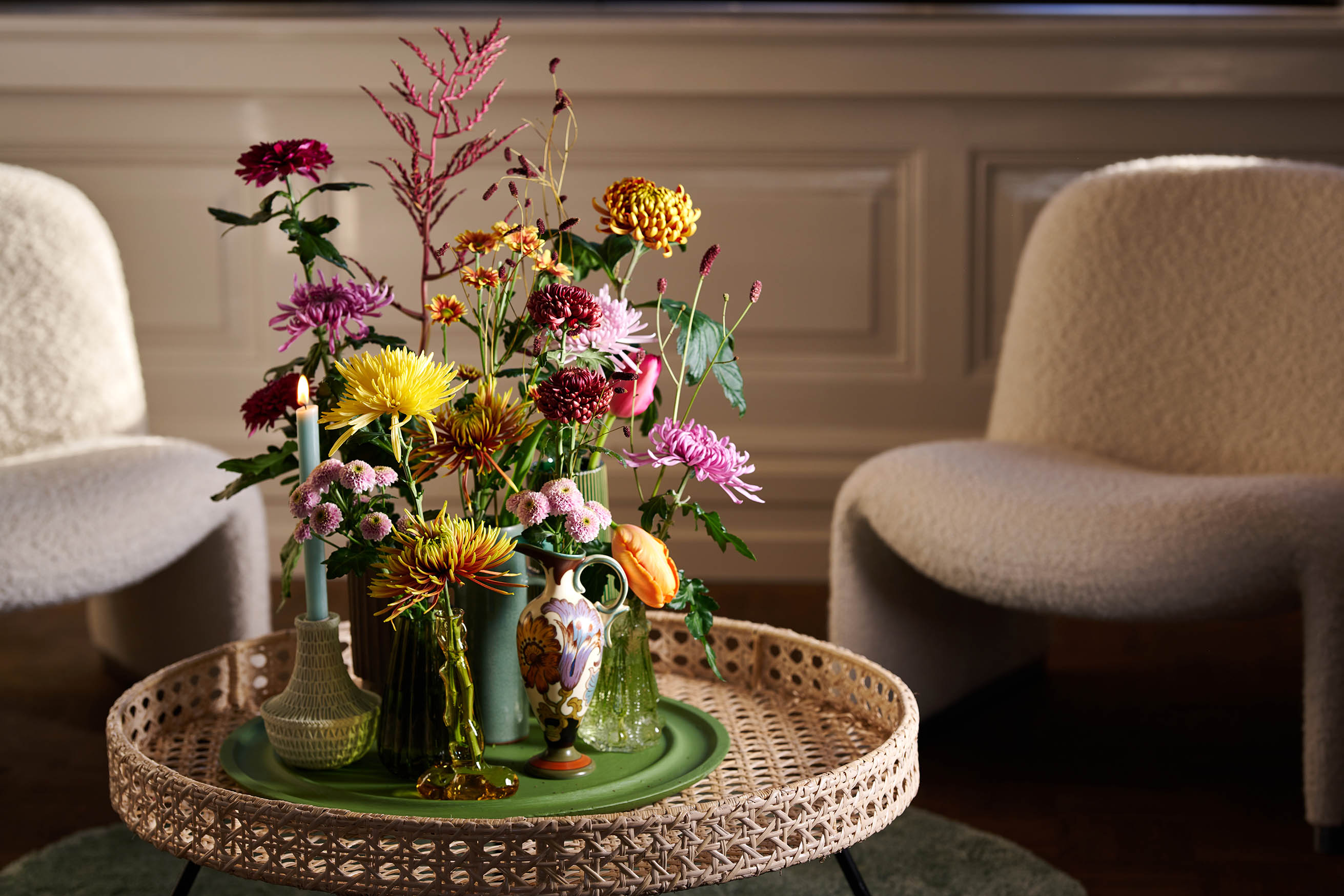
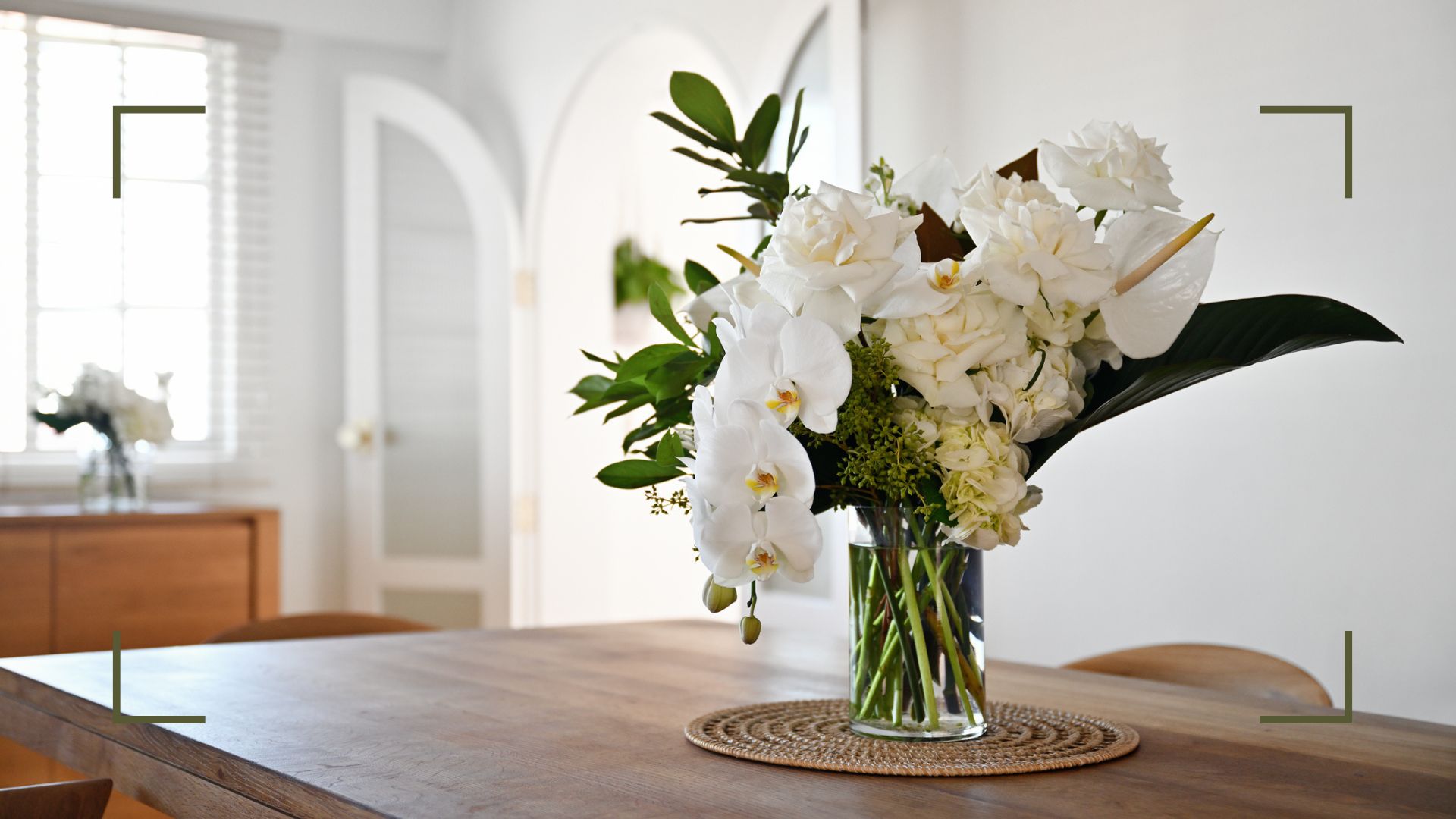
Choosing the appropriate vessel is crucial, with experts suggesting that stems should be approximately 1.5 times higher than the chosen vase. Measuring stems against the vase before cutting helps prevent them from being too short, though some shorter or trailing stems can be used to soften the line between the display and the container. Vases with narrow necks simplify the arrangement process by providing better support for the flowers. Low ceramic bowls are ideal for lush centerpieces, while tall glass vases suit long-stemmed flowers. Casual arrangements can be achieved with mason jars or vintage pitchers. Almost any container can be adapted, provided the flower and foliage sizes are scaled appropriately.
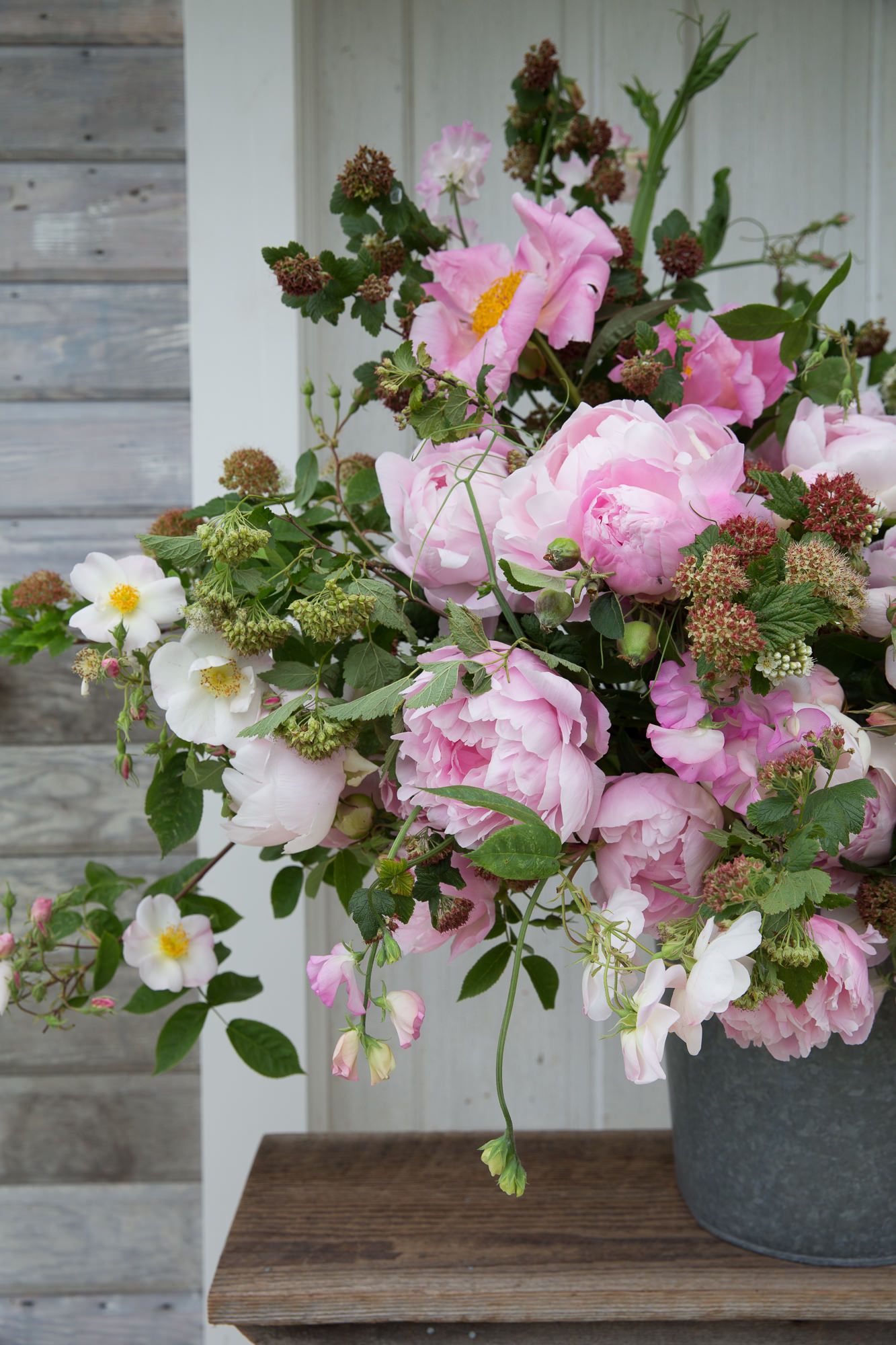
Forming a base with foliage is the next step, providing structure and flow to the arrangement. Greenery can be sourced from a garden, with specific recommendations for early summer and fall foliage. Eucalyptus, ruscus, or airy grasses can fill gaps and create breathing room, but should not overpower the floral elements.
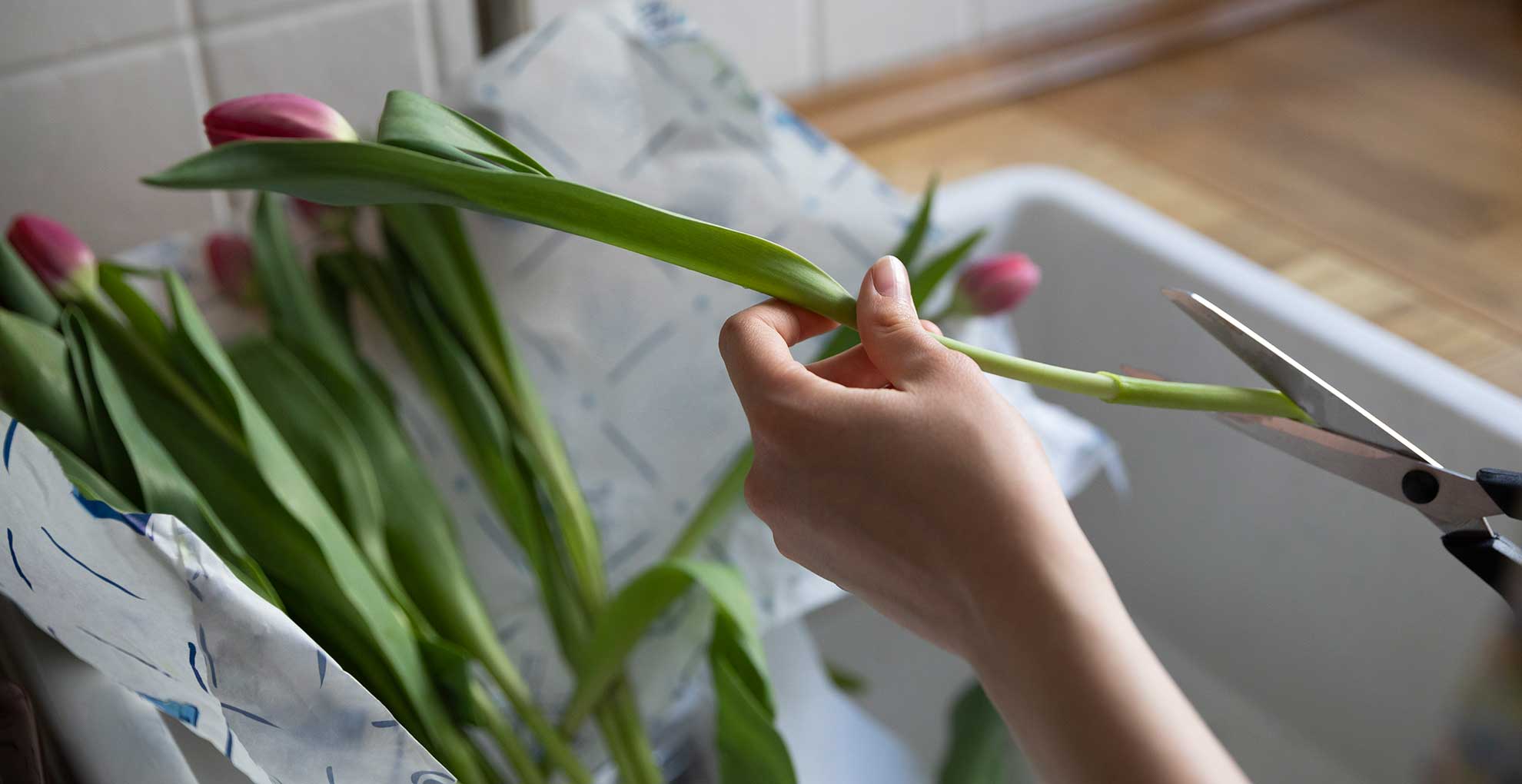
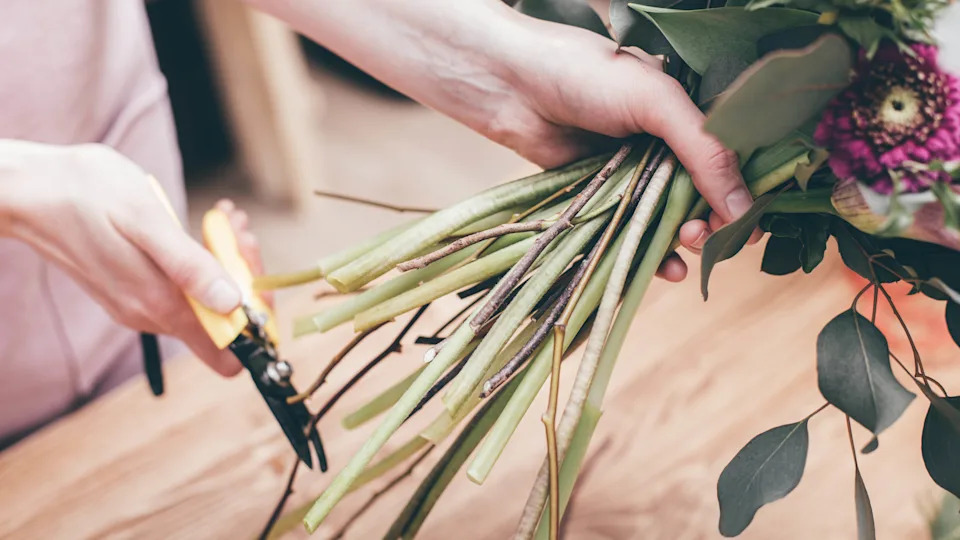
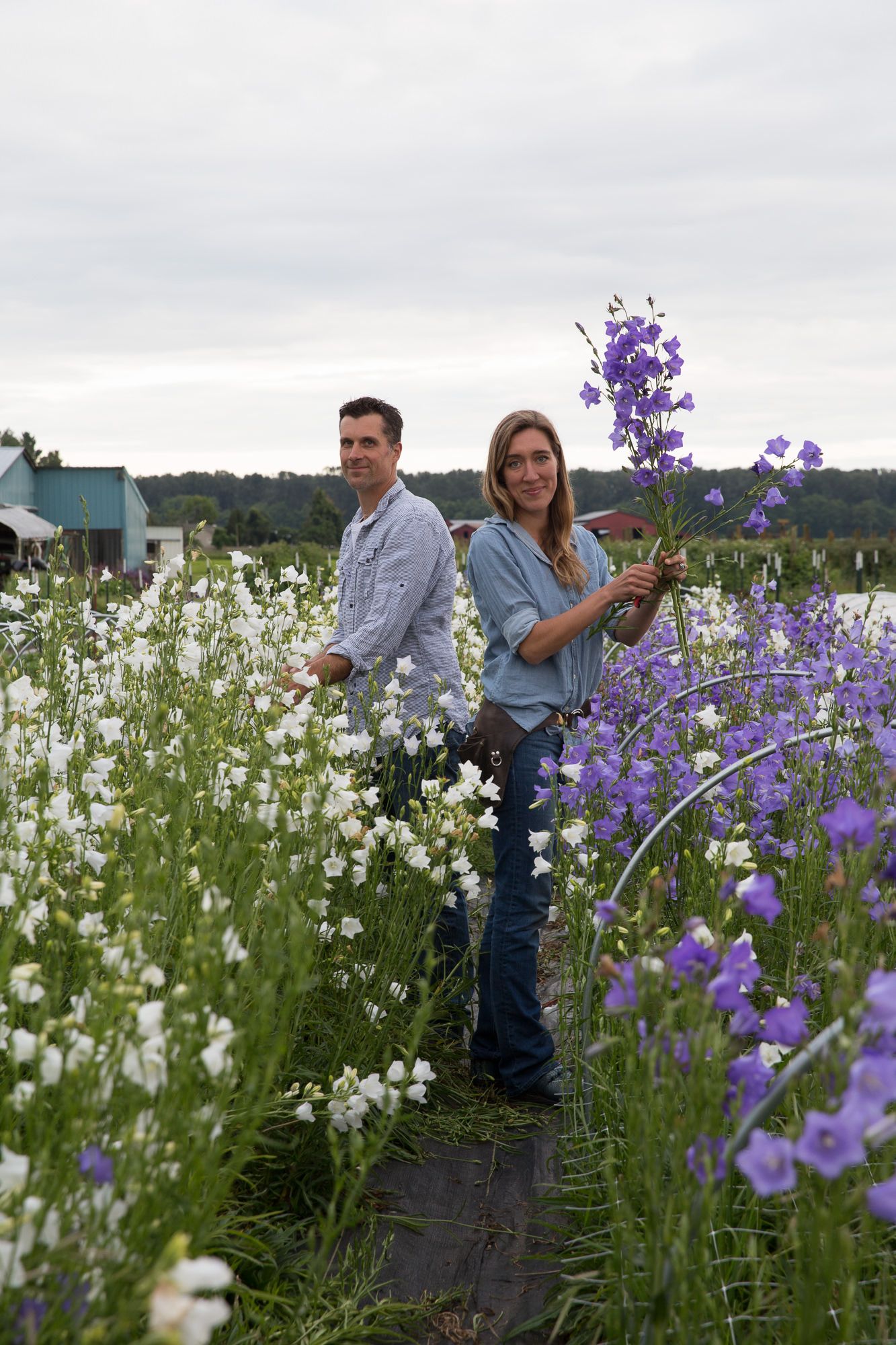
Proper preparation of flowers is essential for longevity. Stems should be cut at a 45-degree angle with clean tools, as this increases the surface area for water absorption and prevents the stem from sitting flush against the container's bottom. Flowers should be conditioned by allowing them to drink for at least three hours before arranging, ensuring they are fully hydrated. Different flowers may require specific water temperatures. All foliage below the waterline must be stripped to prevent bacterial growth, and woody stems may benefit from bark removal. Specialized tools like floristry scissors, thorn removers, and floral frogs (as an eco-friendly alternative to foam) can assist in preparation and arrangement.
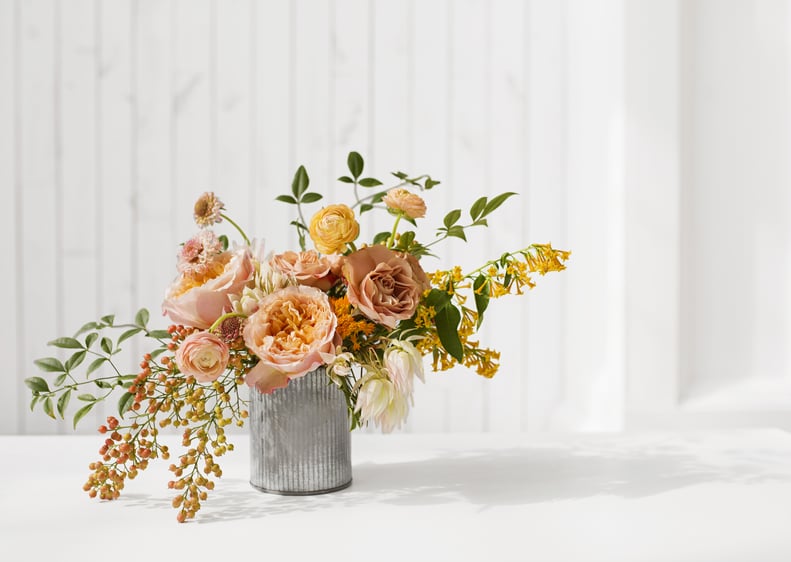
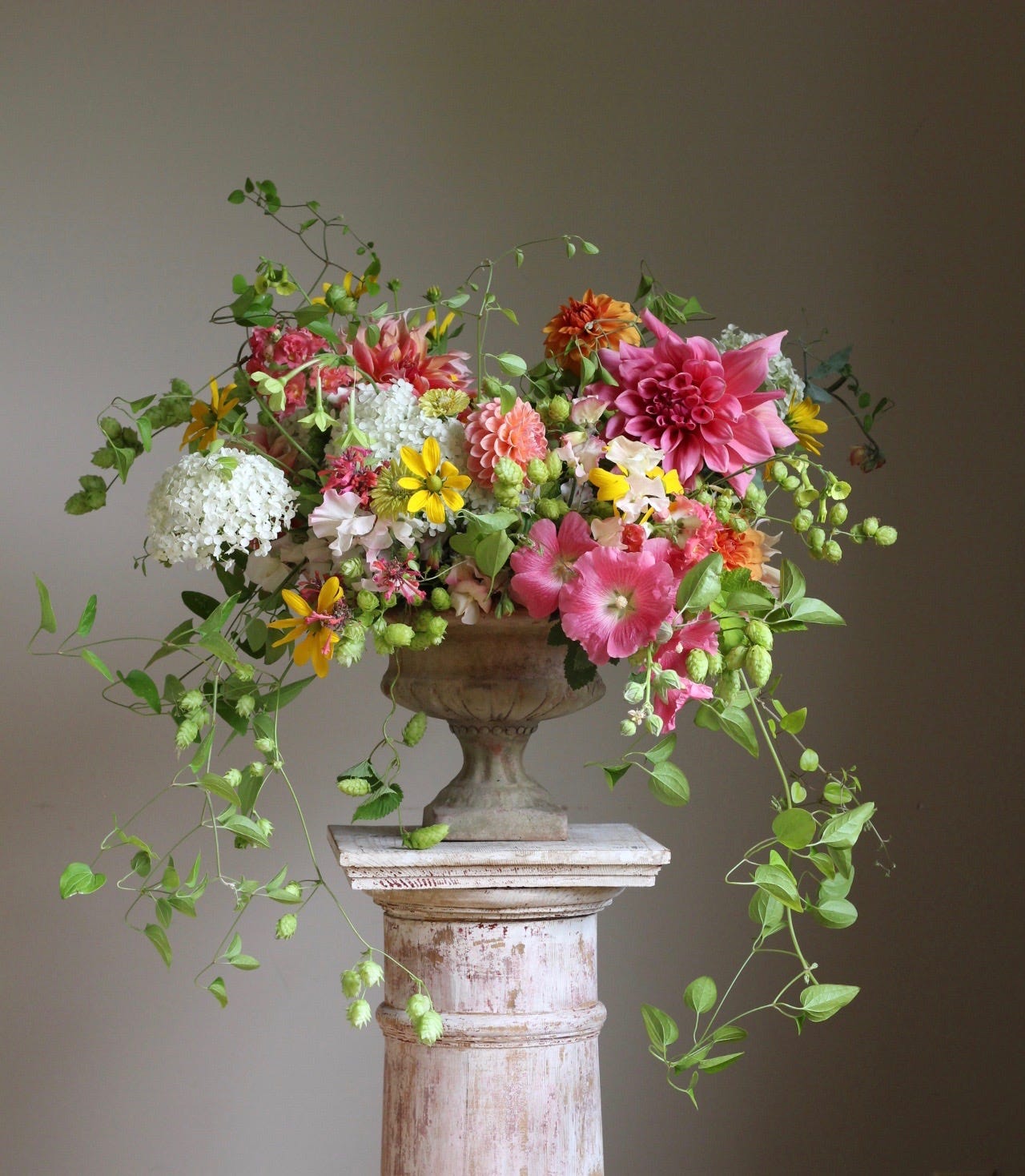
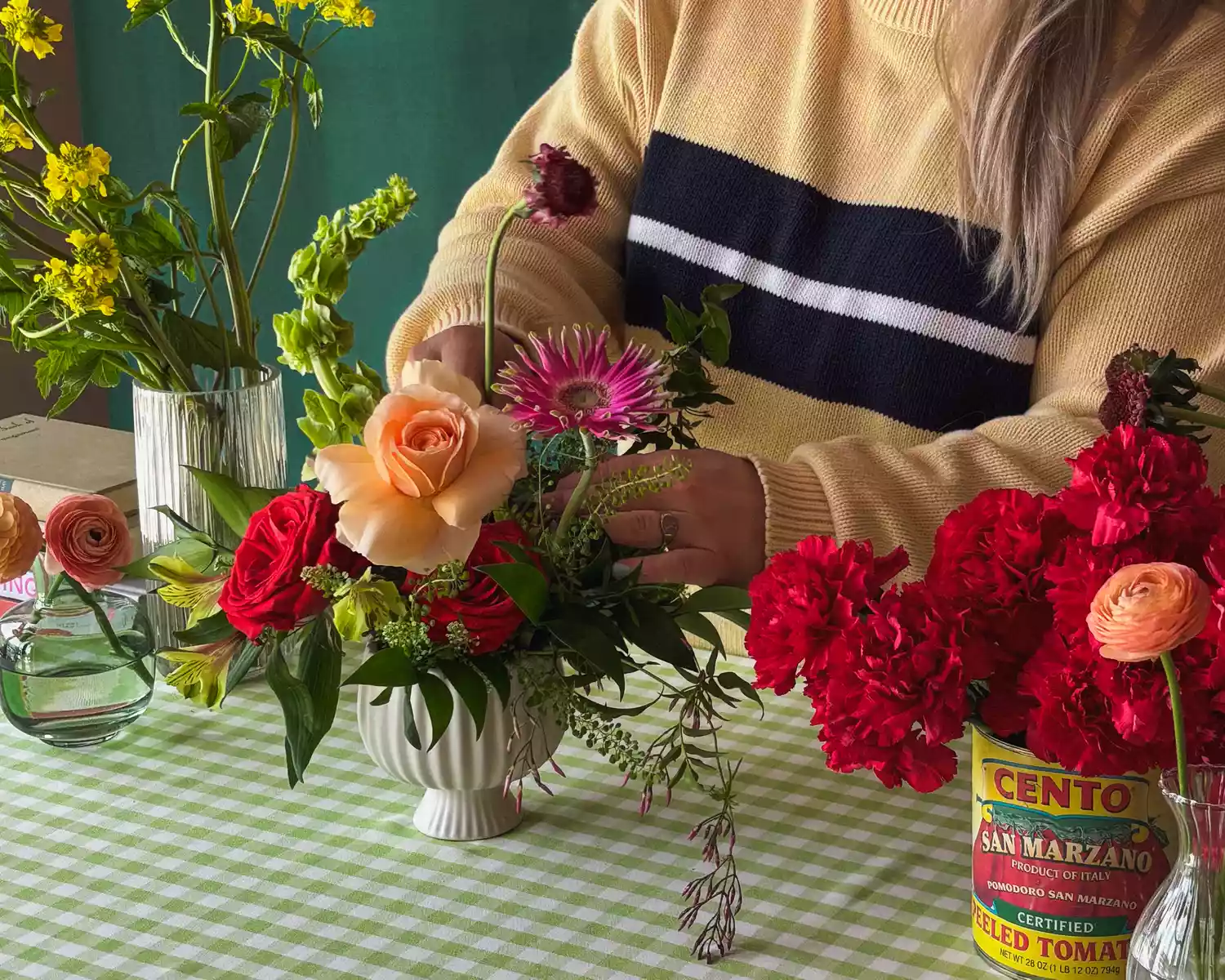
Creating balance in the arrangement involves starting with large, statement blooms as focal points, supported by medium-sized flowers, and then incorporating smaller flowering stems. The proportion of focal to filler flowers can vary seasonally. Balancing bold and delicate blooms adds movement and subtle detail. Certain flowers, such as daffodils and poppies, release sap toxic to other flowers and require special handling, like burning poppy stem ends or bleeding daffodils in separate water before combining.
Varying height and depth adds visual interest. Filler flowers and airy accents should be cut at longer lengths to sit above focal and secondary flowers, allowing lighter accents to emerge and create movement. Incorporating flowers like ranunculus in spring and specific zinnia and dahlia varieties in summer helps achieve height variation. The use of floral foam is discouraged due to environmental concerns, with sustainable alternatives recommended.
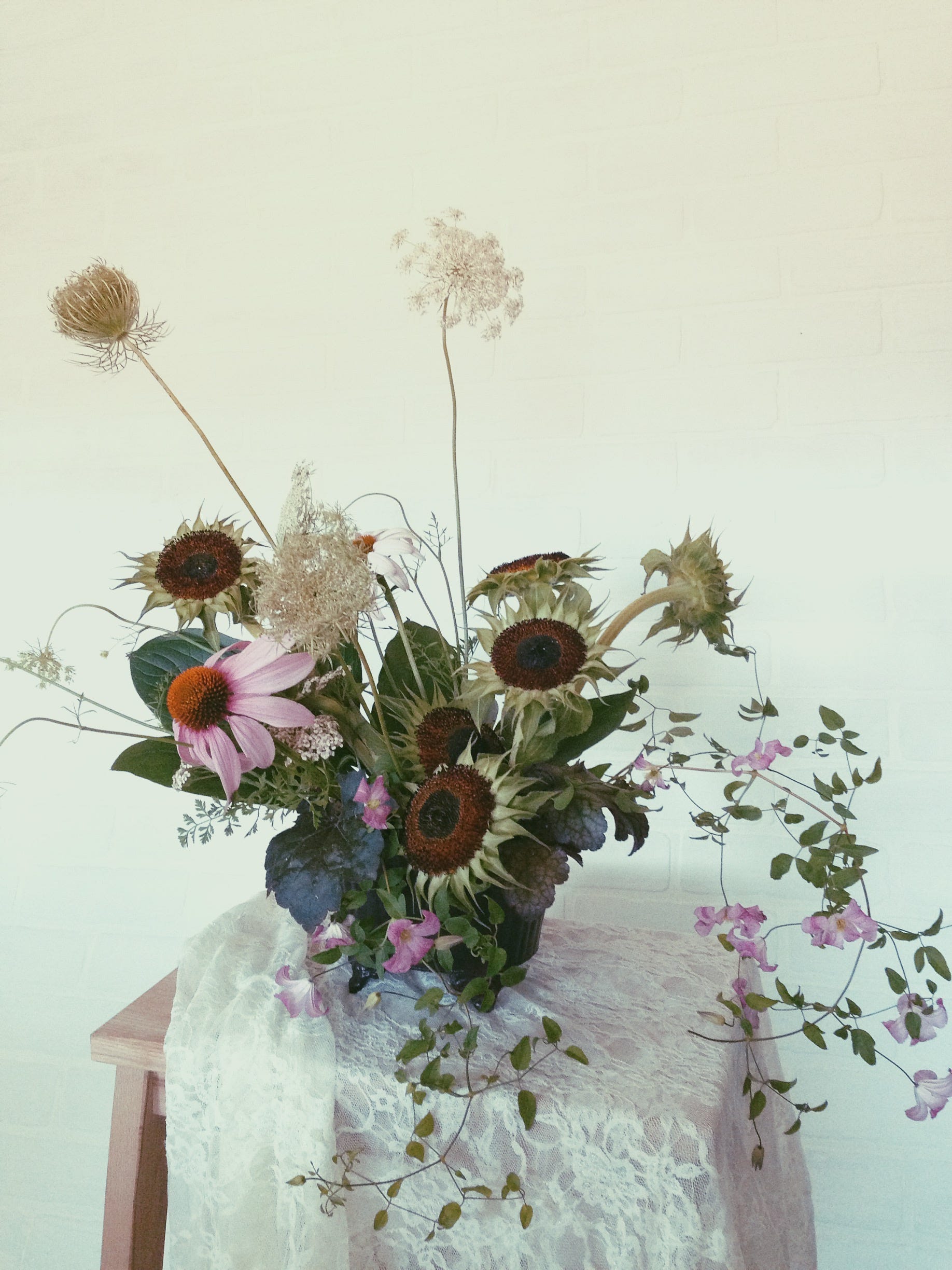
Considering texture is vital for adding dimension. A combination of greenery and flowers can achieve this, with soft, wispy foliage complementing blousy blooms or structured leaves framing striking florals. Different types of foliage, such as lemon leaf or Italian ruscus, can provide structure, coverage, or movement. Mixing various bloom sizes also contributes to textural variation.
Finally, maintaining the arrangement ensures its beauty lasts. This includes using clean water, keeping flowers out of direct sunlight, and placing them in a cool location overnight. Homemade flower food, made with sugar for nourishment and vinegar or bleach as an antibacterial agent, can prolong freshness. It is also important to keep fresh flowers away from ripening fruit, as the ethylene gas emitted by fruit can cause premature wilting.
#FlowerArrangement #FloralDesign #HomeDecor #DIYFlowers #SeasonalBlooms #VaseSelection #FlowerCare #SustainableFloristry #FlowerArrangement #FloralDesign #HomeDecor #DIYFlowers #SeasonalBlooms #VaseSelection #FlowerCare #SustainableFloristry
0 comment in total
 No comments yet
You may also like
5 rules for using florals to keep them looking on trend, according to an interior designer
Expert tips for creating Christmas floral arrangements


How to Match Flowers to Containers
8 Things You Should Never Do With Fresh Flowers If You Want Them To Last
How to make cut flowers last longer – 7 expert tips for getting the most out of your bouquet

How to make your home bloom, plus 5 tips for the perfect floral display

The '3-5-8 Rule' Is Every Florist's Secret to Creating Stunning Flower Arrangements—and It's So Easy to Try at Home
The six vases you need for every kind of flower arrangement
Joanna Gaines's 5 Must-Read Tips For Creating Stunning Flower Arrangements
Flower arrangement 101: How to make a bouquet from backyard flowers
8 Summer Arrangement Ideas
How To Decorate Your Dinner Table With Fresh Flowers
14 Flower Arranging Secrets That Will Help You Build a Better Bouquet

The best floral arrangement classes in Singapore

Gardening experts reveals how to make your cut flowers last longer
The Art of Decorating with Flowers — 10 Ideas for Elevating Your Home with Blooms

Steal These Florists' Tips to Create Better Bouquets at Home
How to Pick the Perfect Vase for Your Flowers

7 ways to keep your Mother's Day flowers fresh and long lasting — expert tips
Treat Yourself to One of These Fabulous Floral Workshops