1/7
5 rules for using florals to keep them looking on trend, according to an interior designer
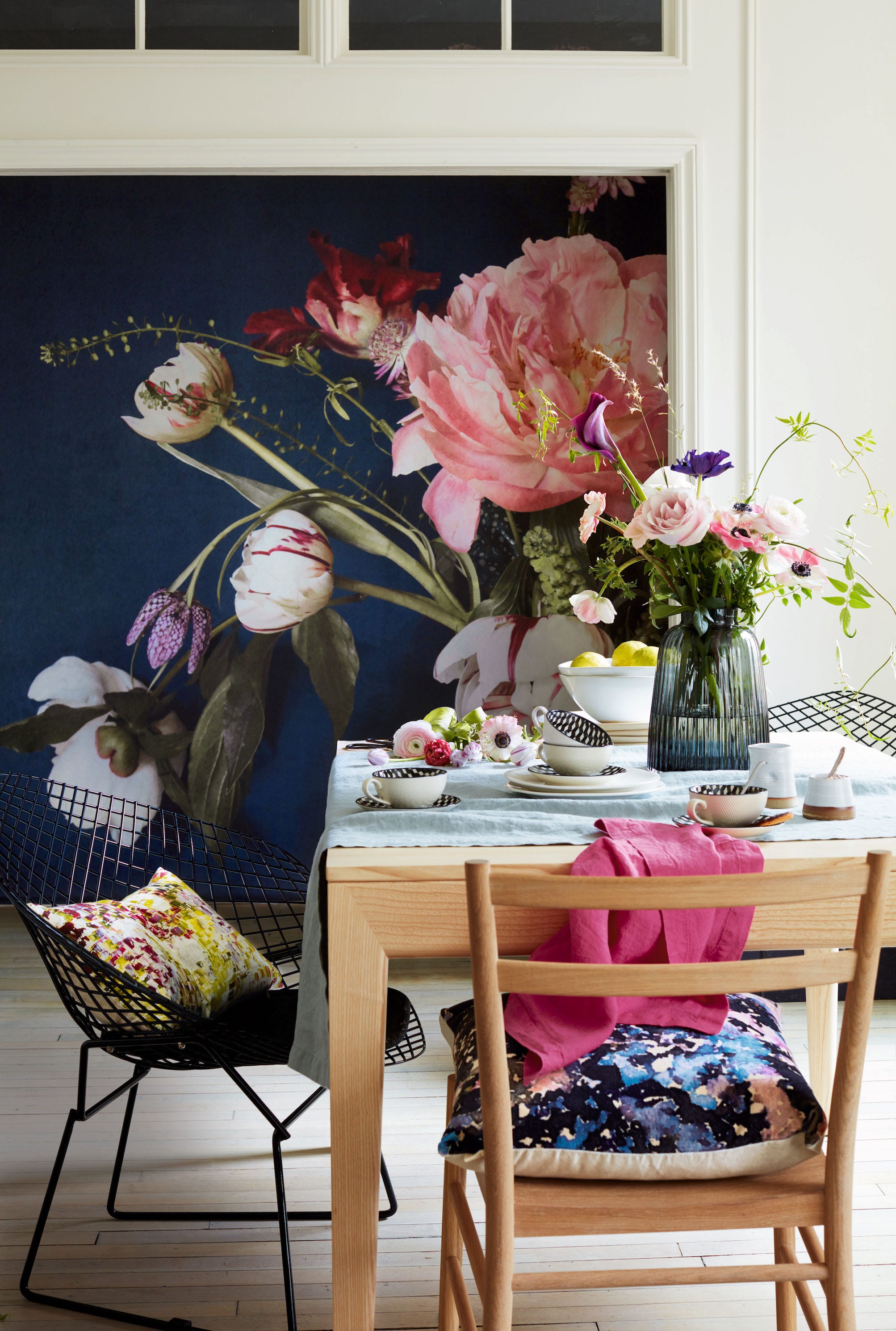
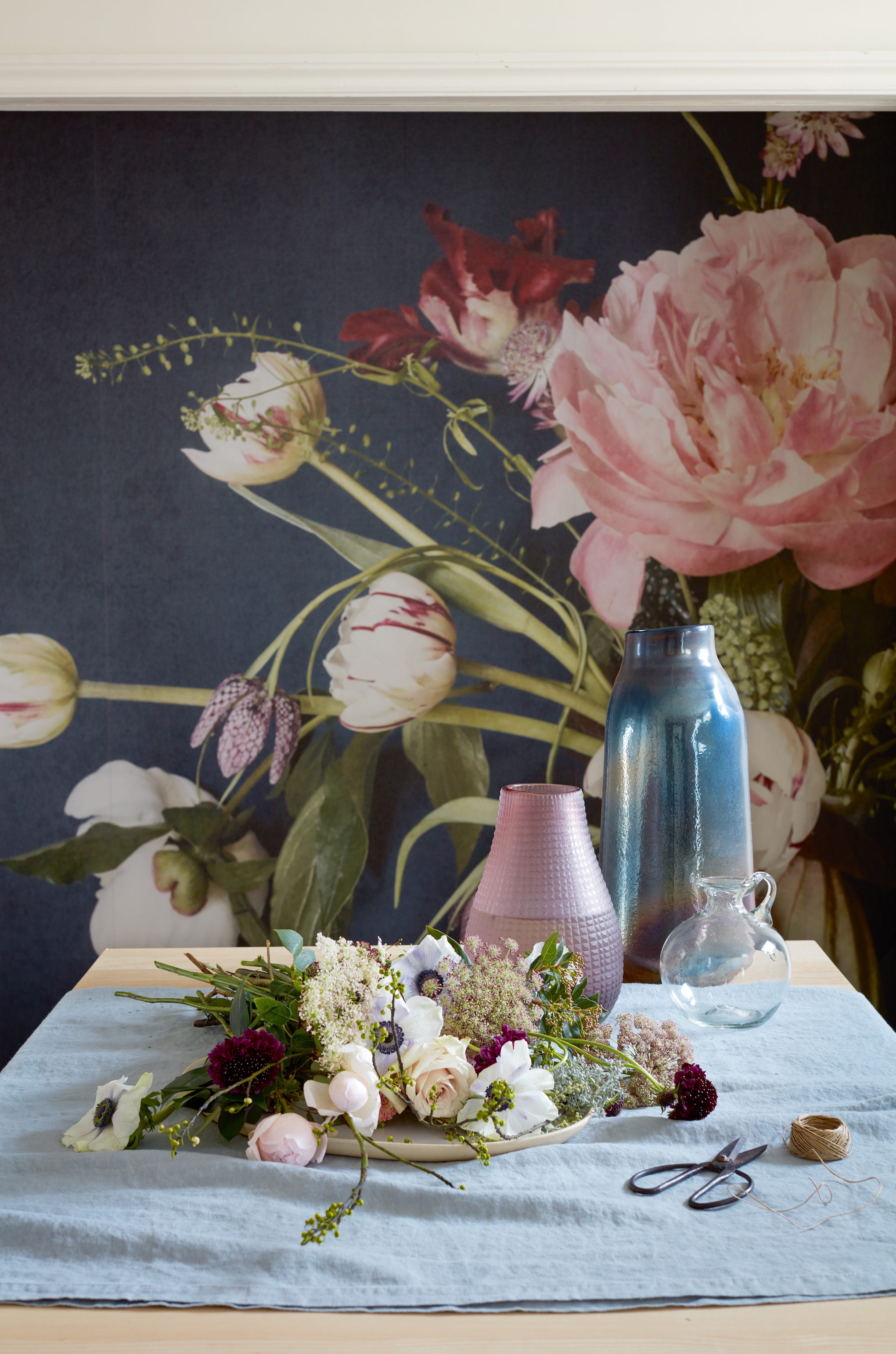
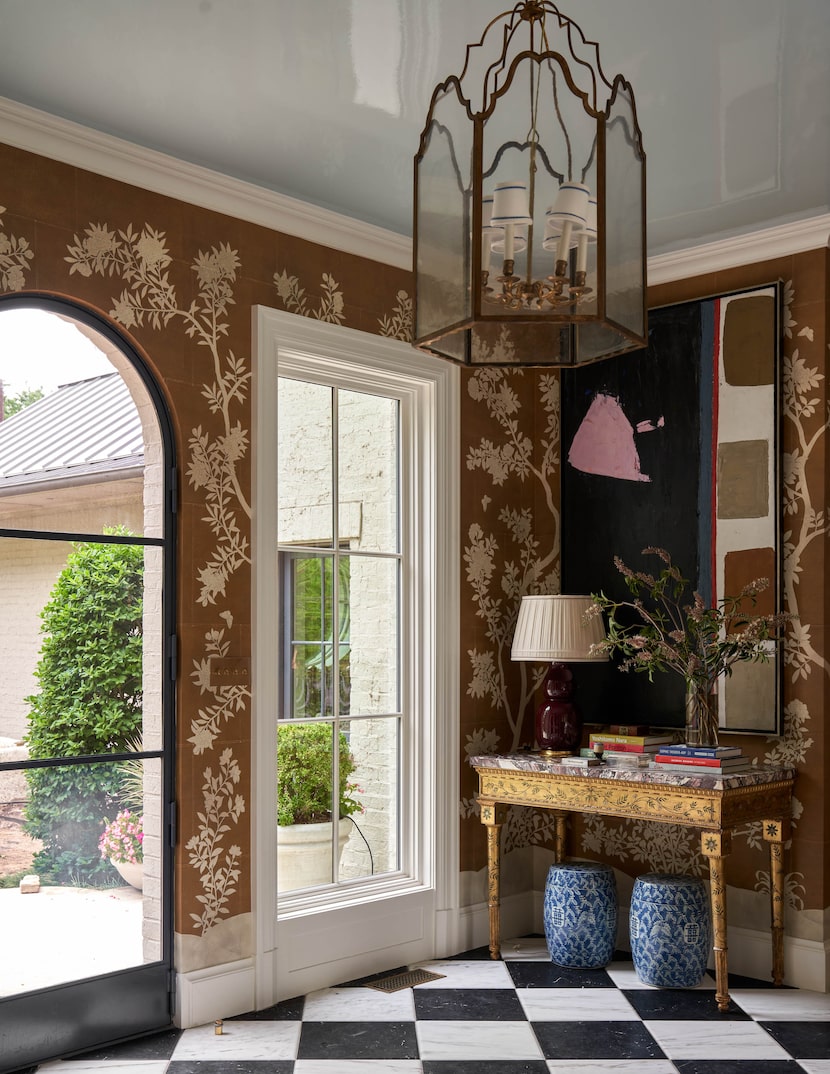
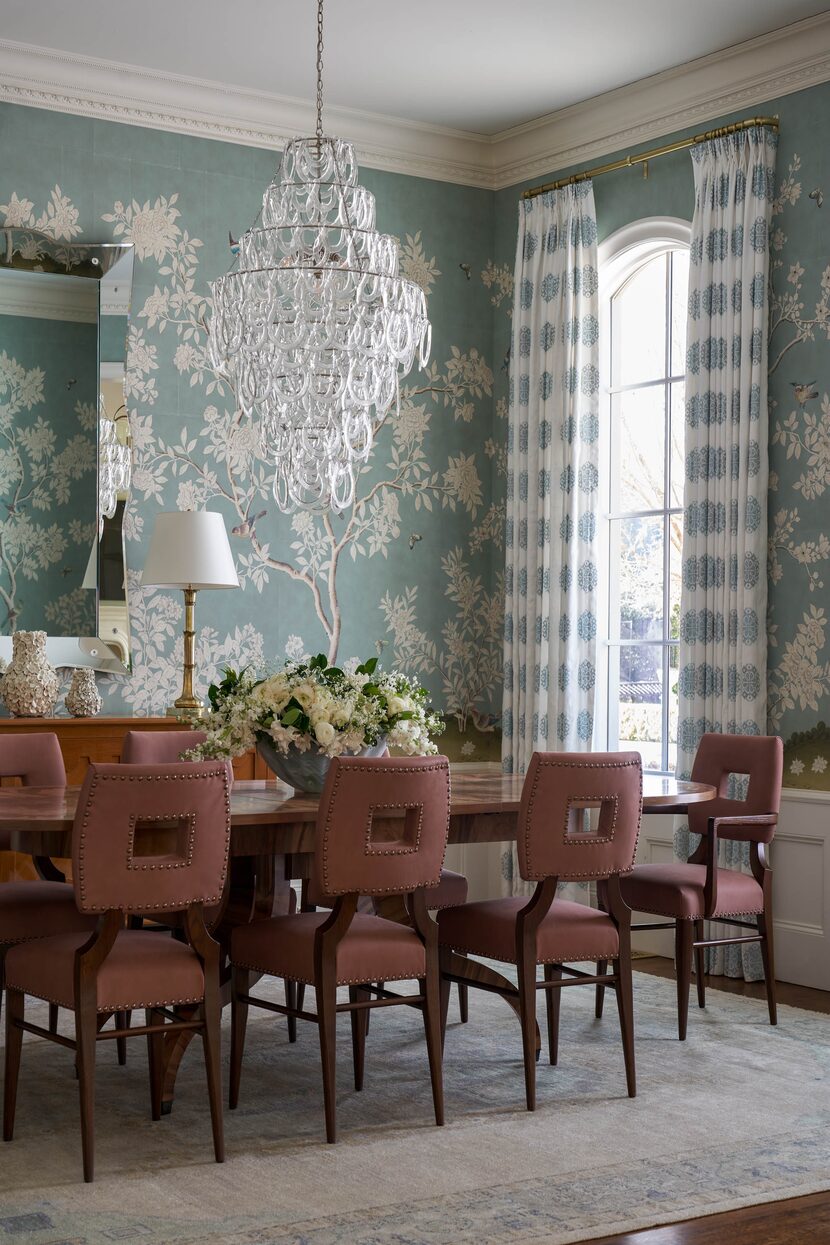
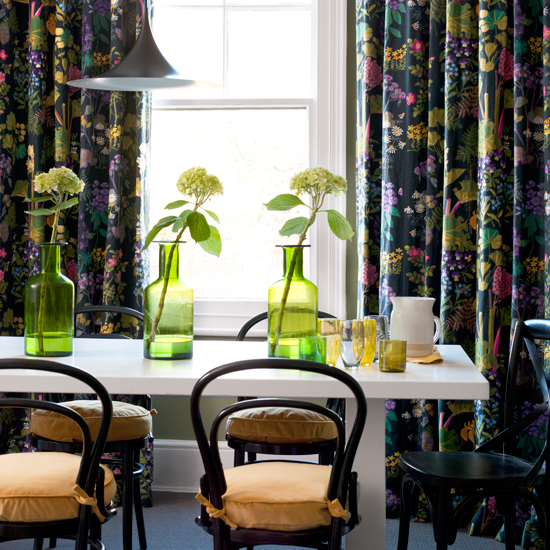
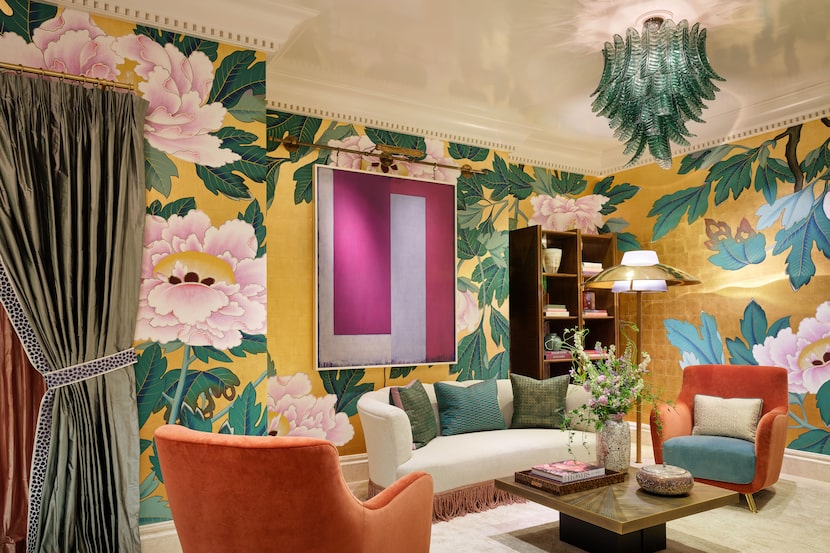
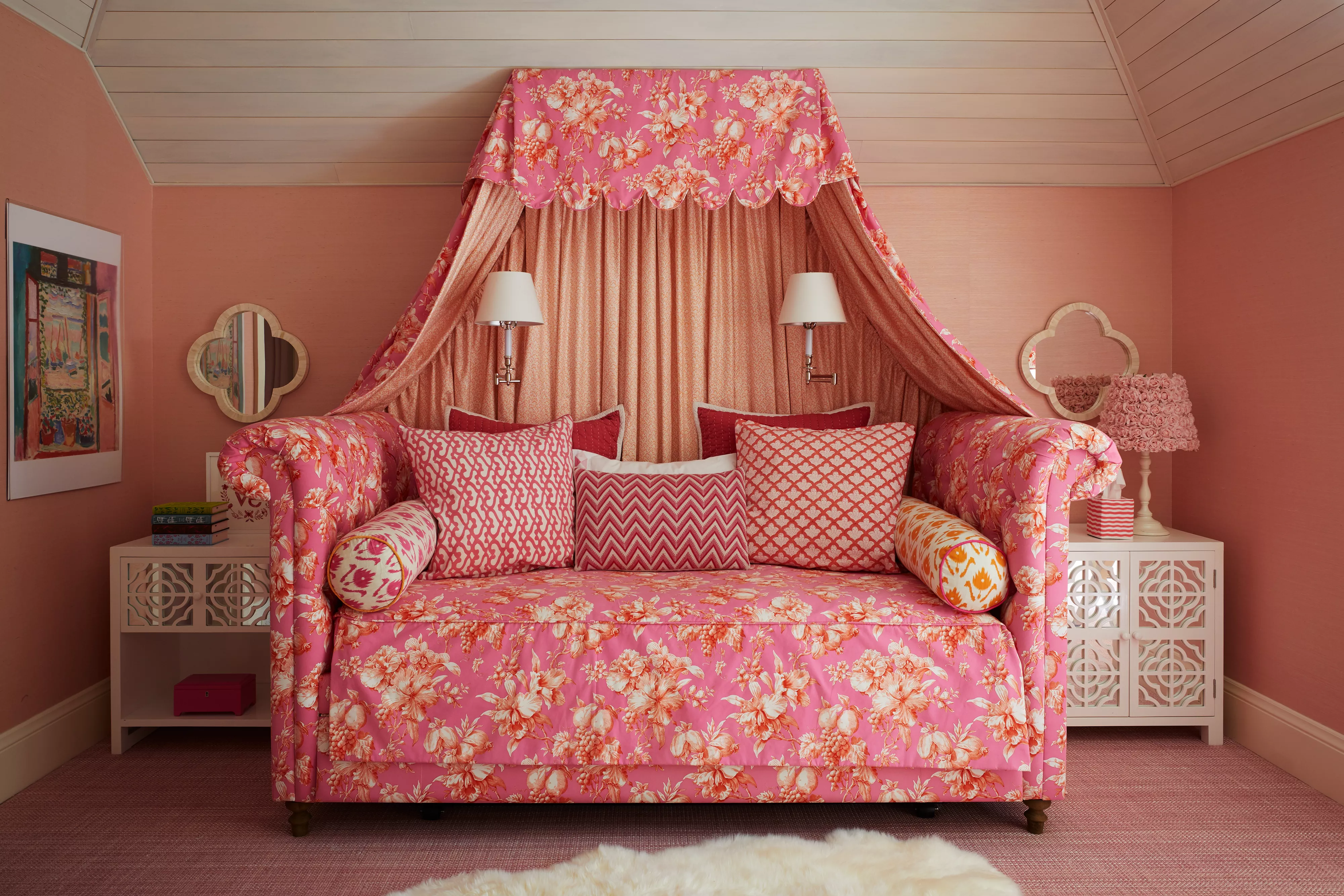
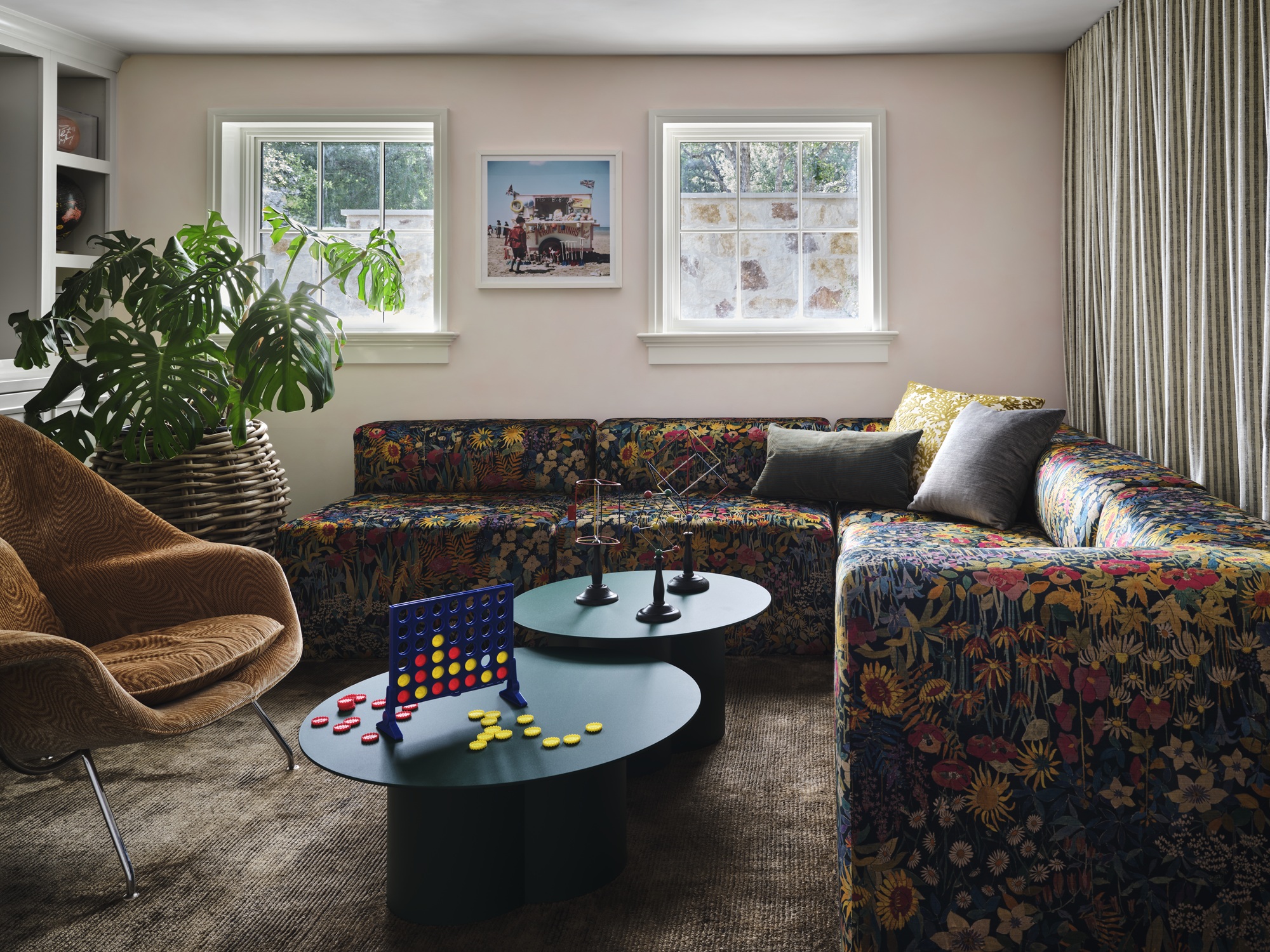
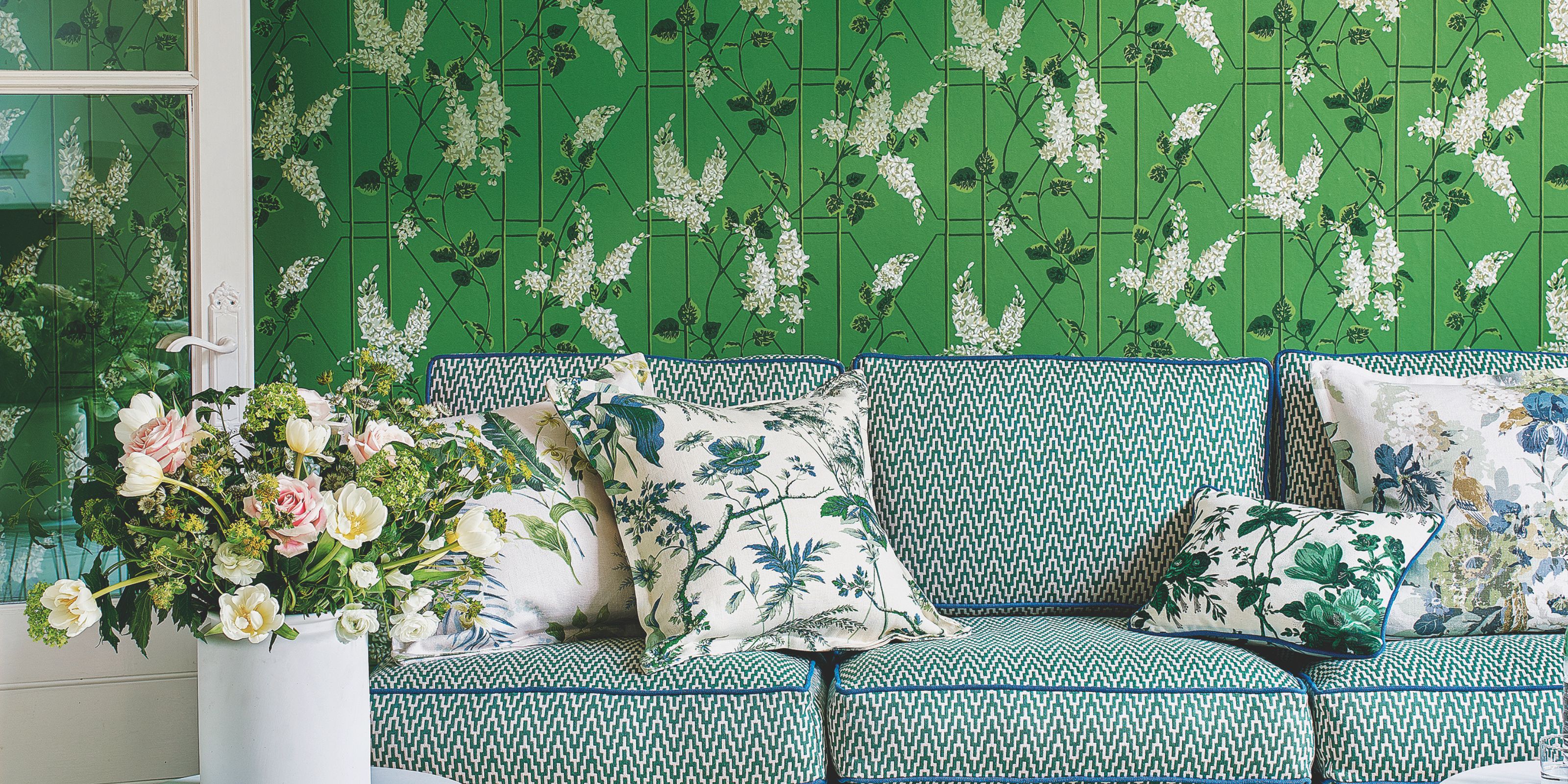
Floral patterns in interior design, while often associated with traditional aesthetics, are experiencing a resurgence and can be integrated into contemporary homes by following specific design principles. Interior designer Sarah Vanrenen emphasizes that florals, with their connection to the natural world and vibrant colors, bring a sense of life and fluidity to a space. However, to prevent them from appearing dated or overly 'flouncy,' they need to be balanced with bolder and edgier elements. The trend cycle for florals, after a period of being overshadowed by minimalist and grey aesthetics in the 80s and 90s, has now come full circle, making them relevant again for modern interiors.
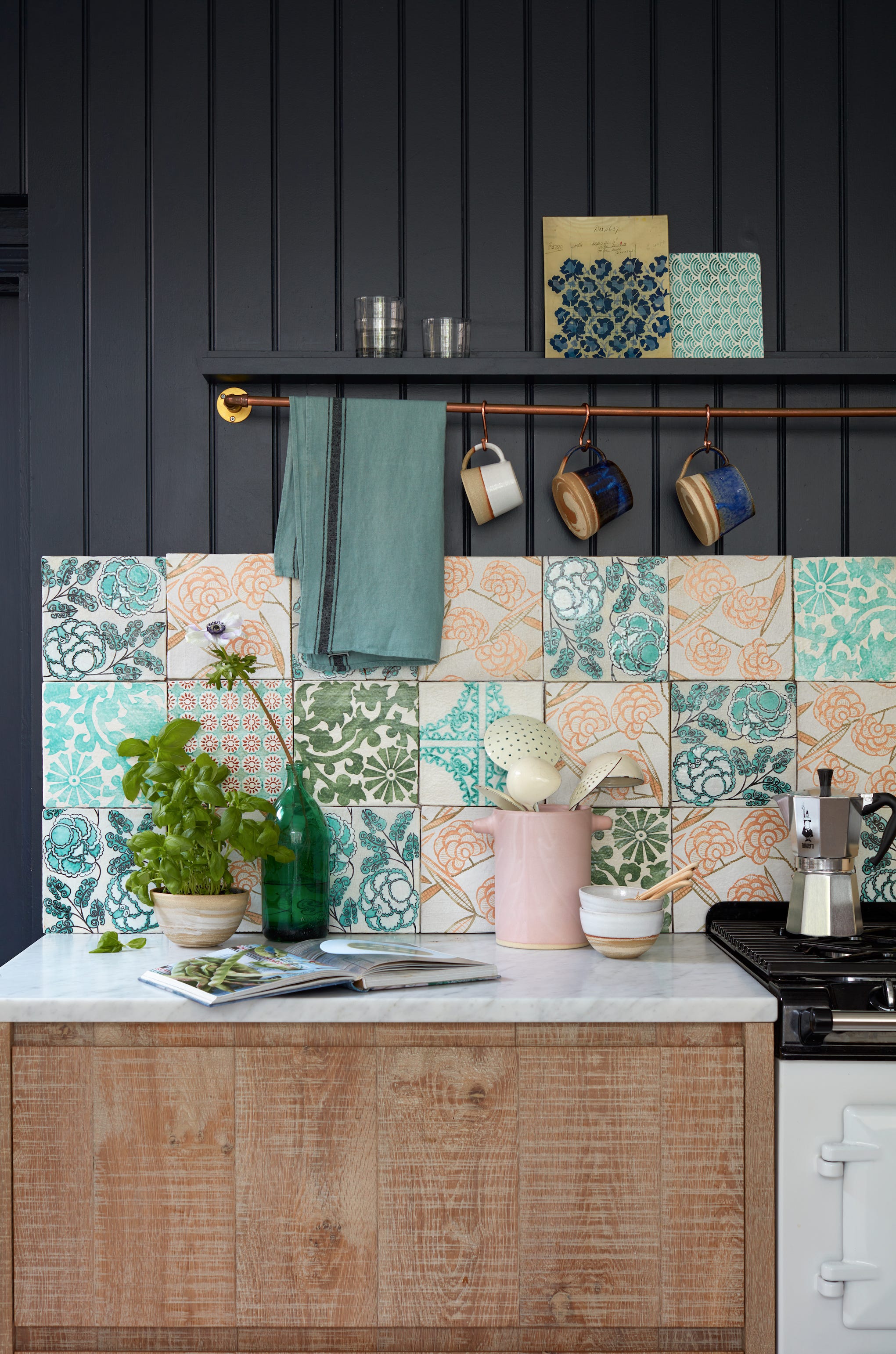
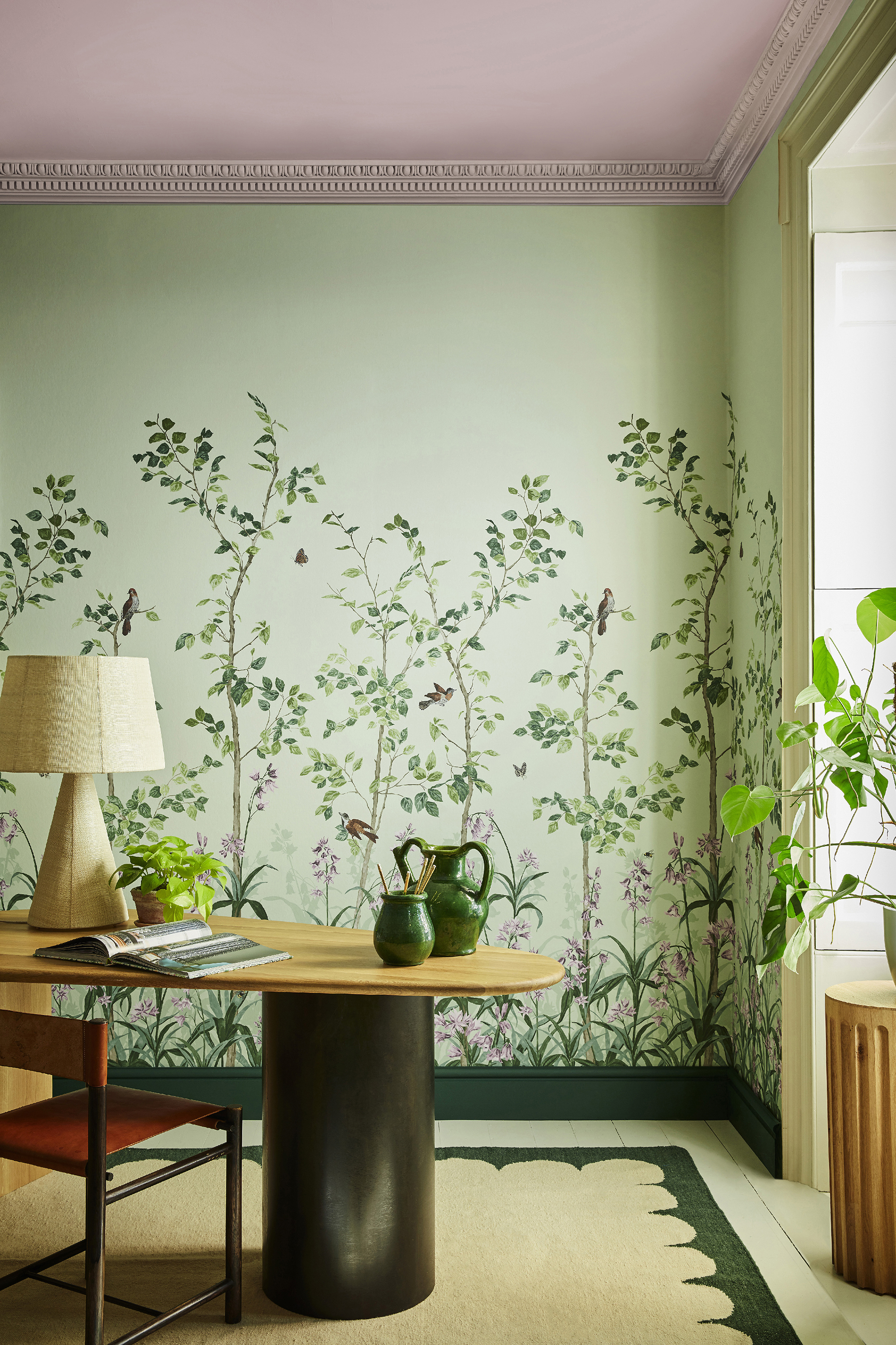
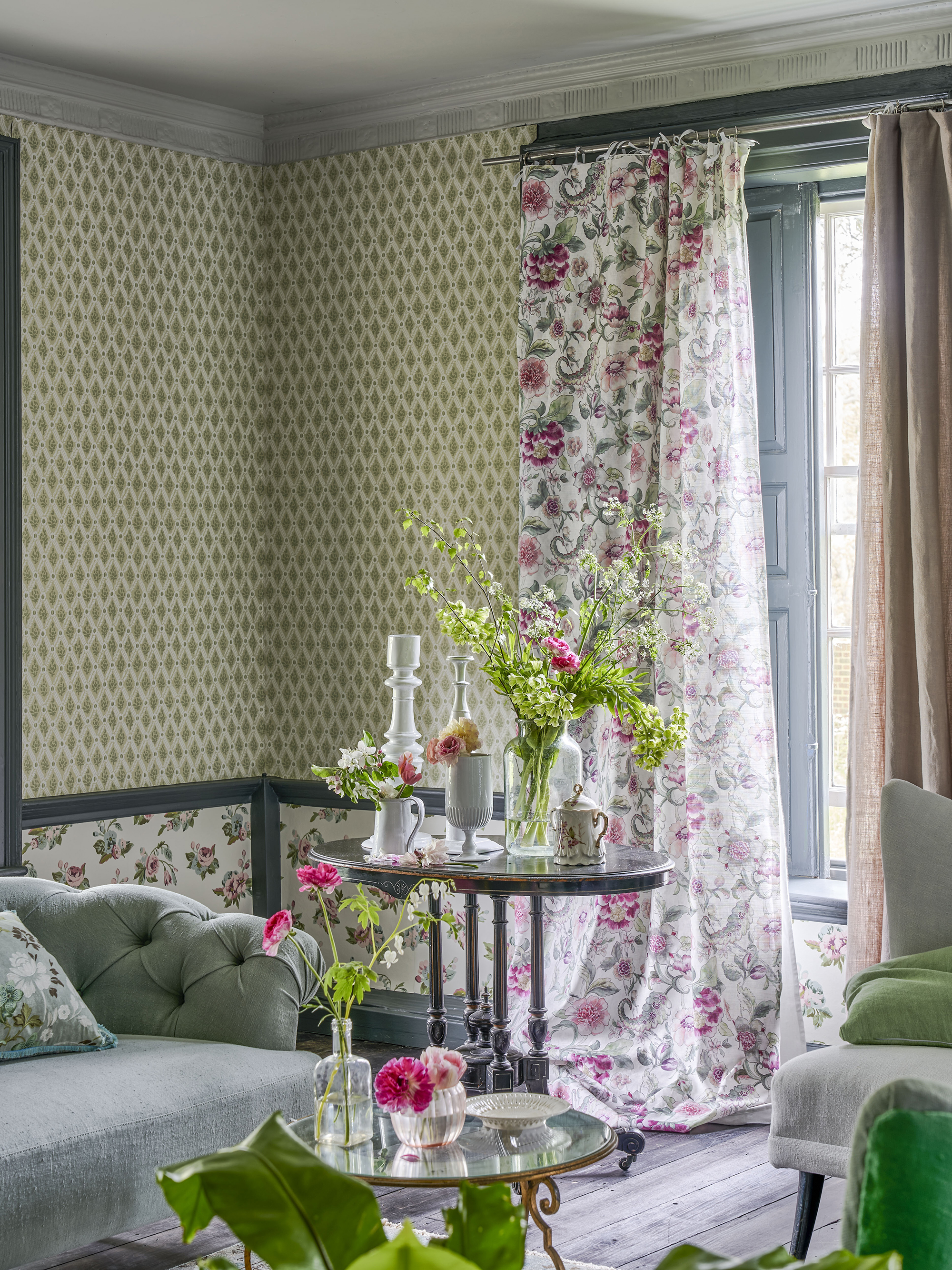
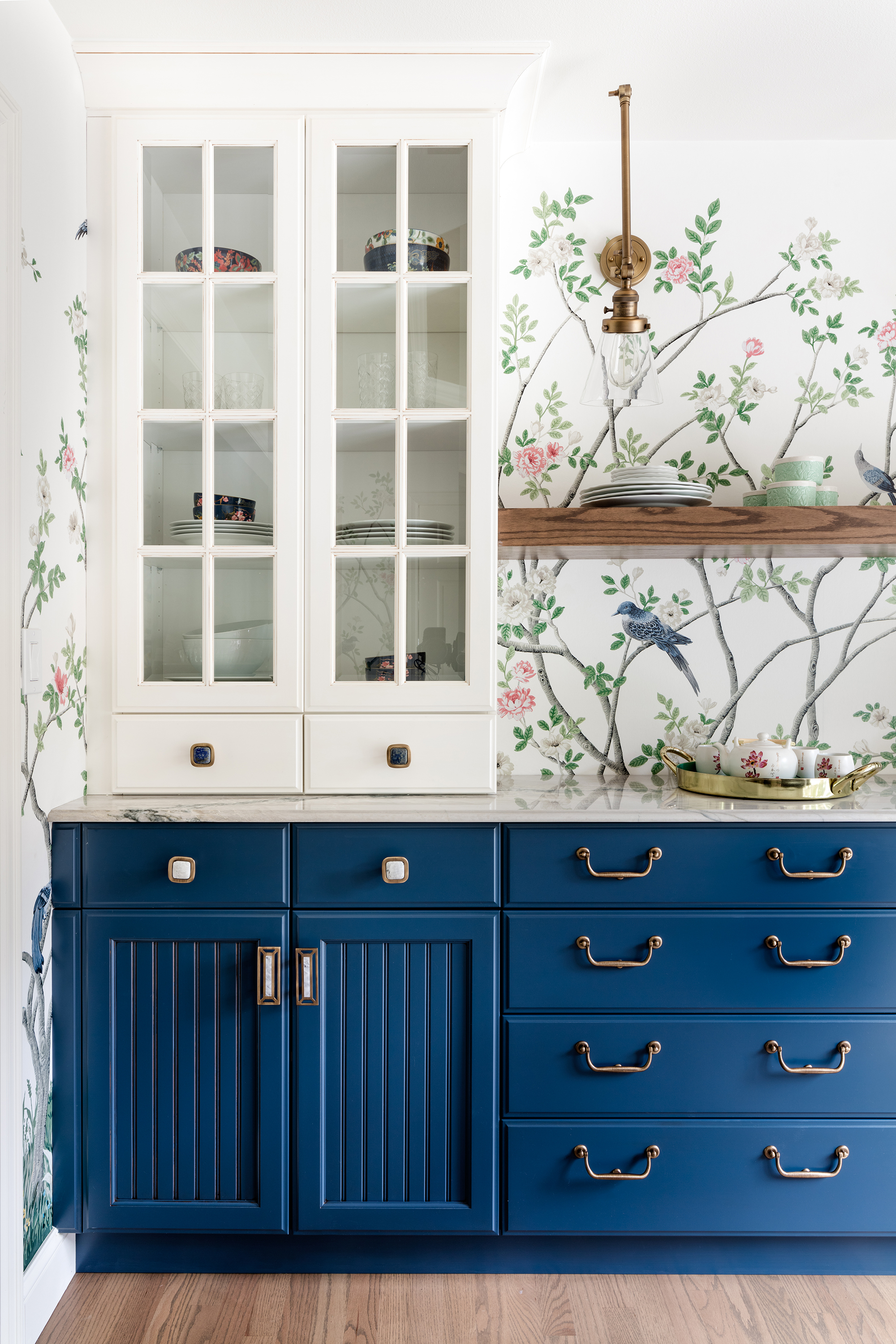
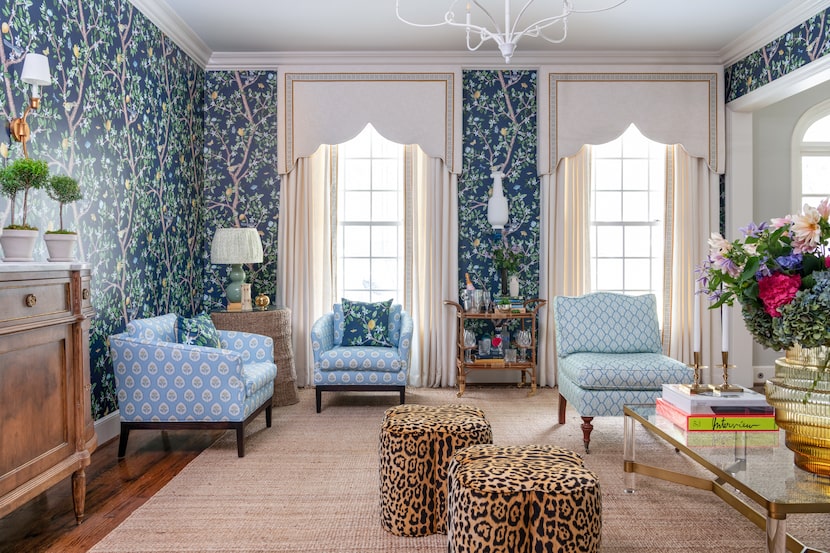
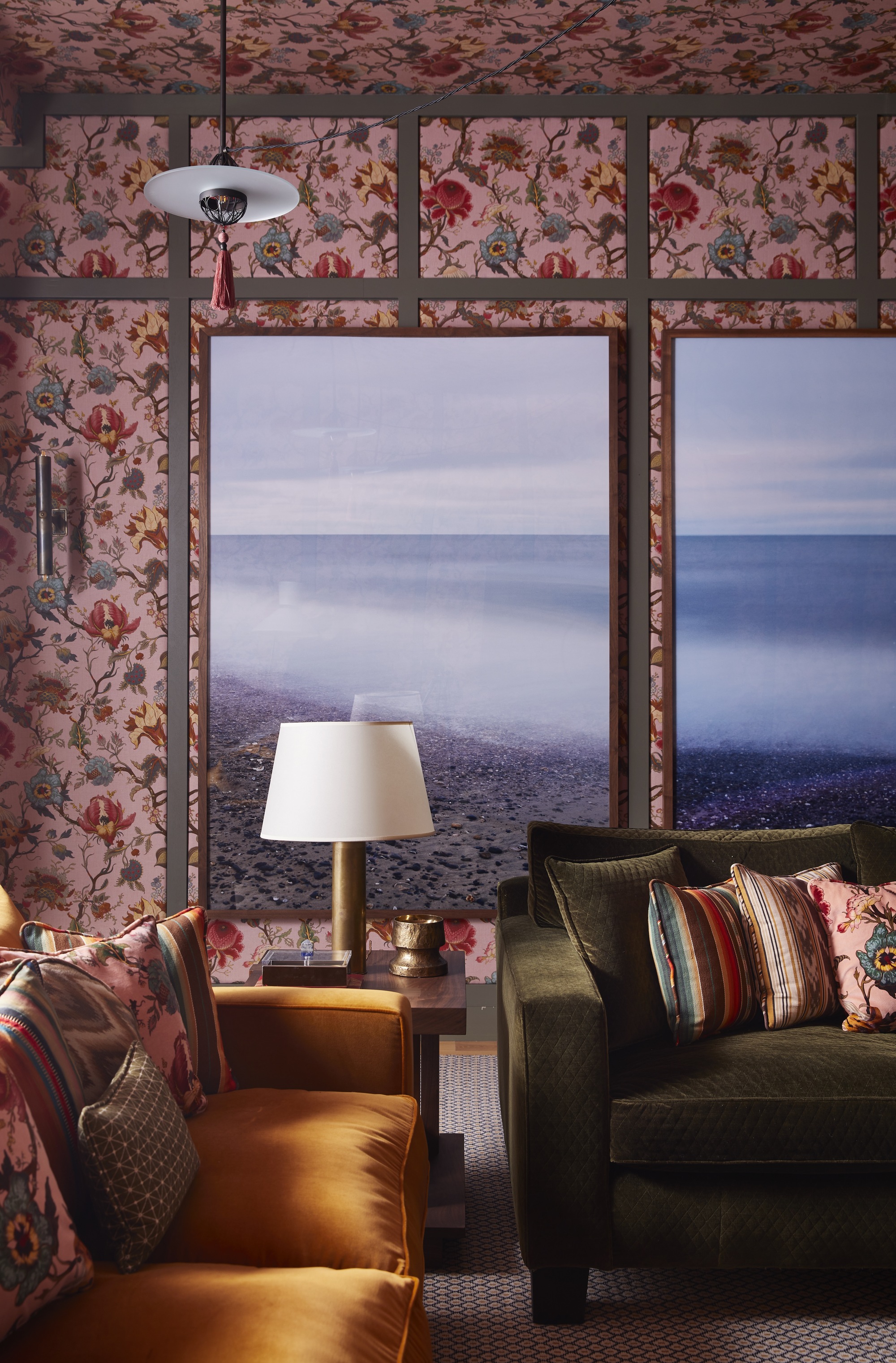
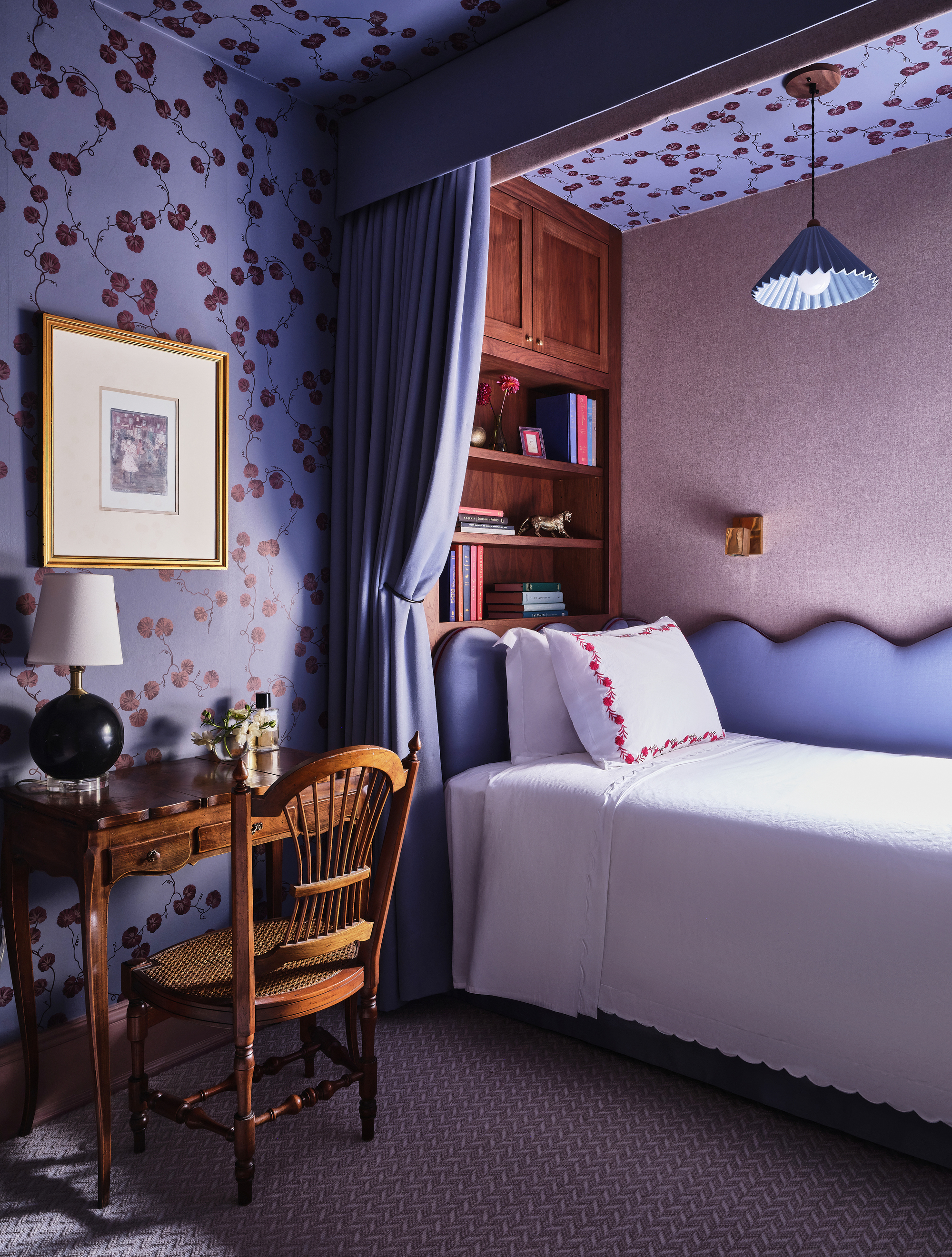
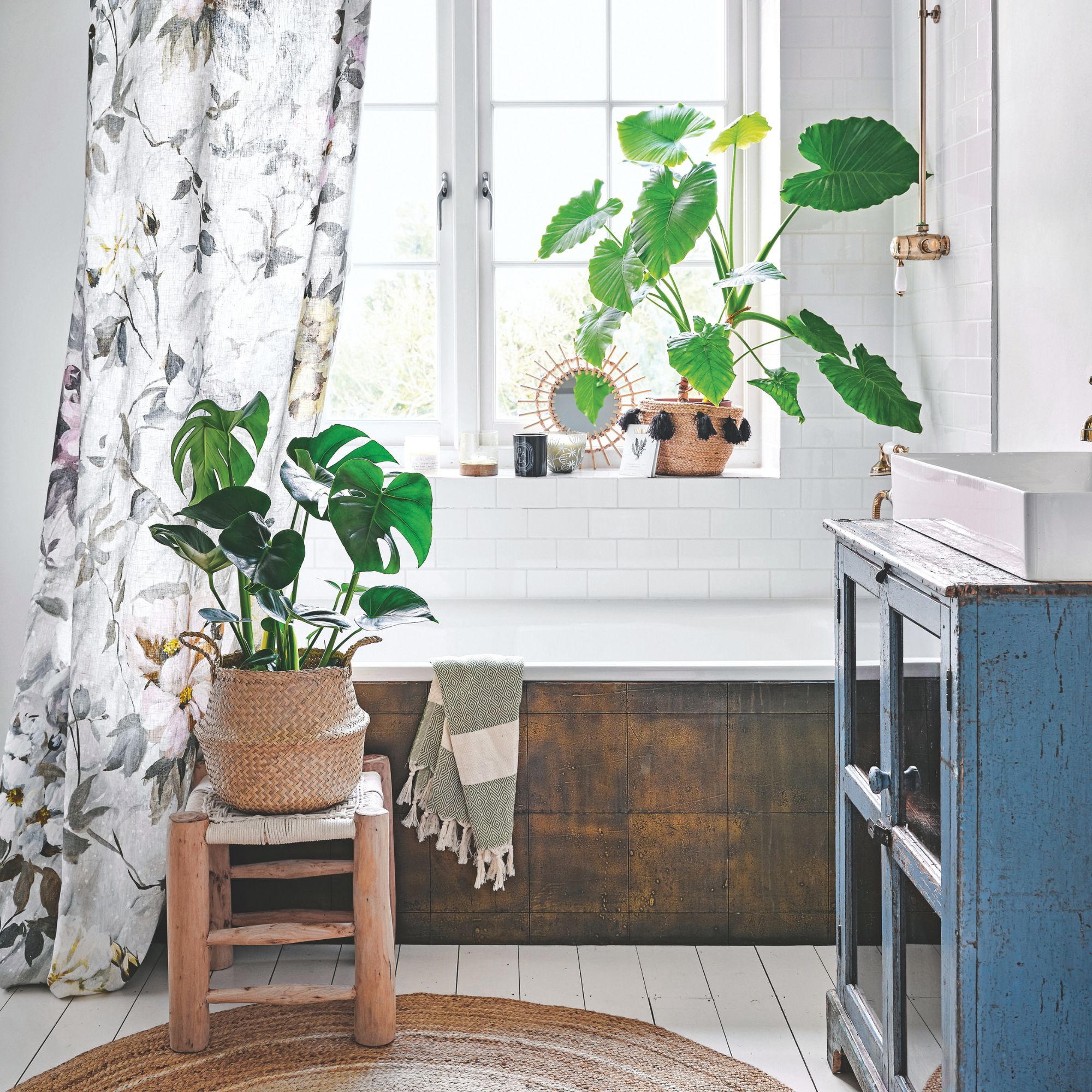
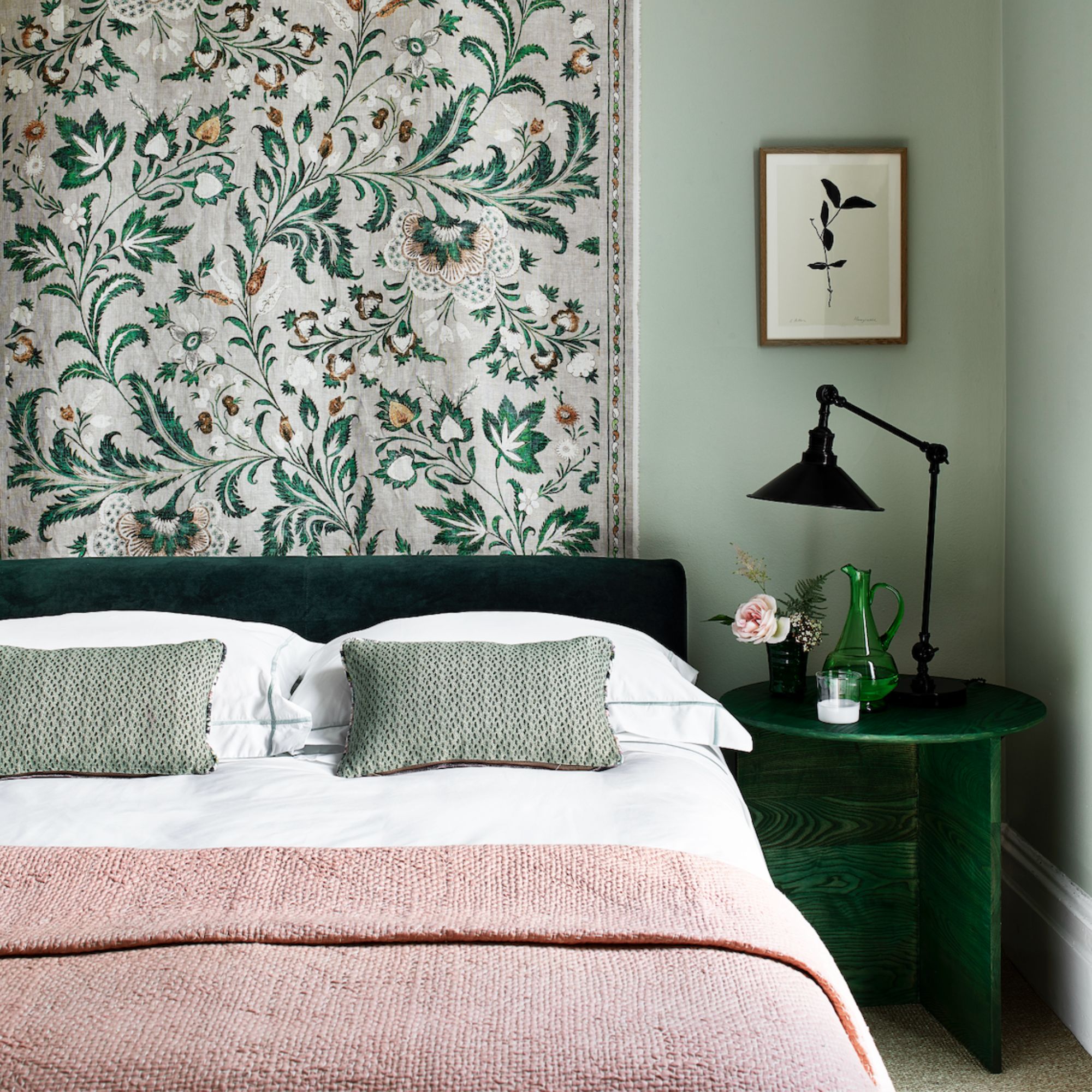
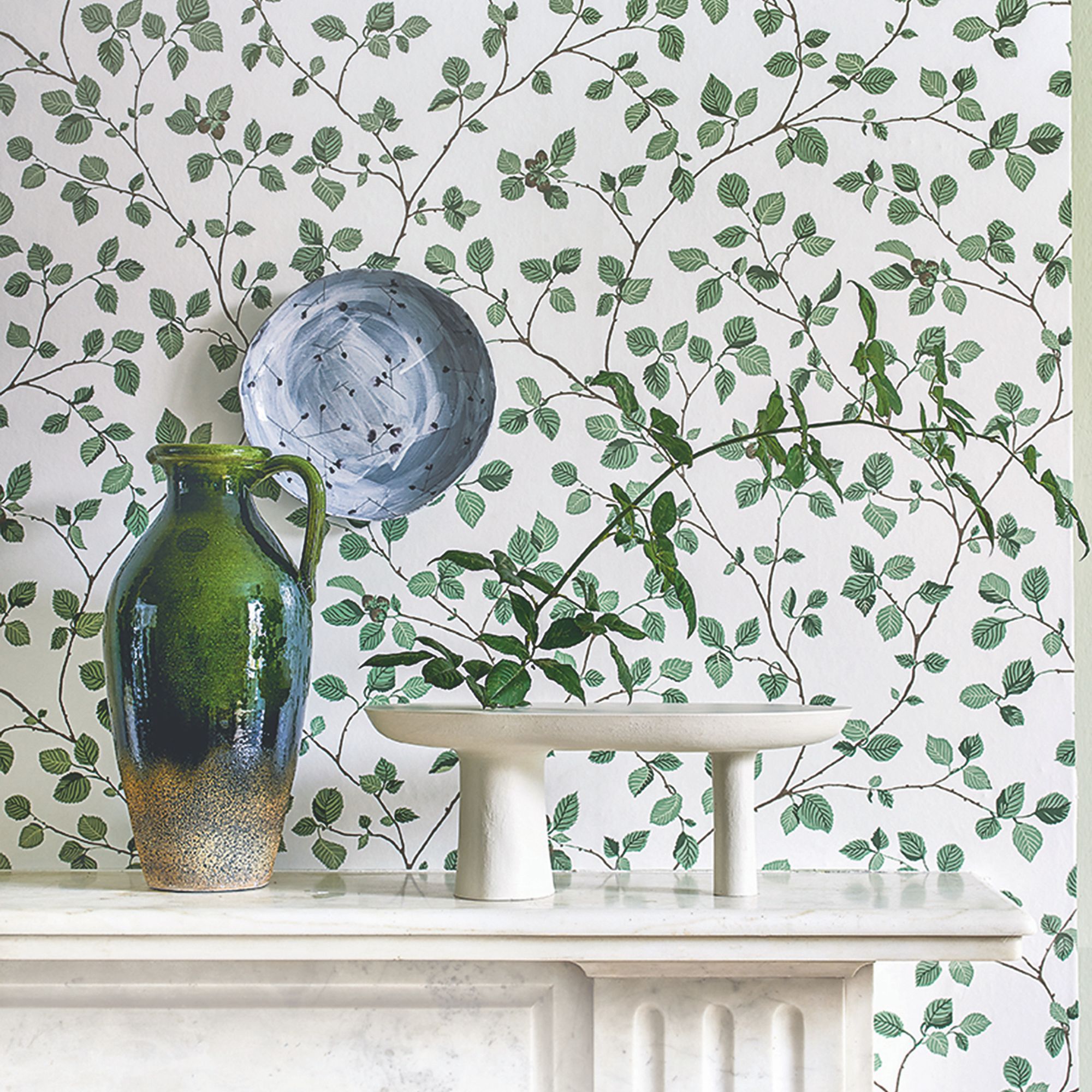
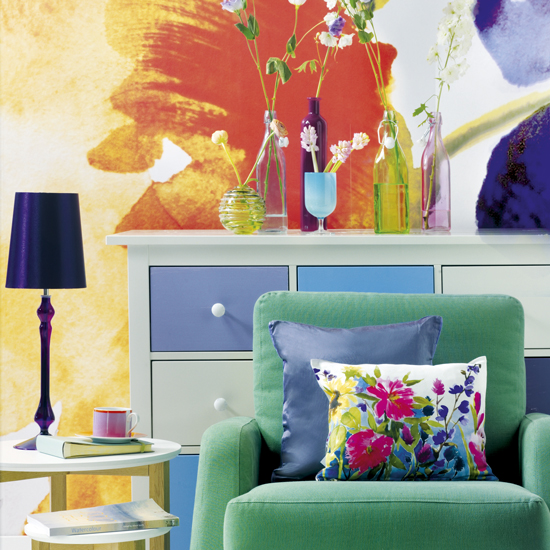
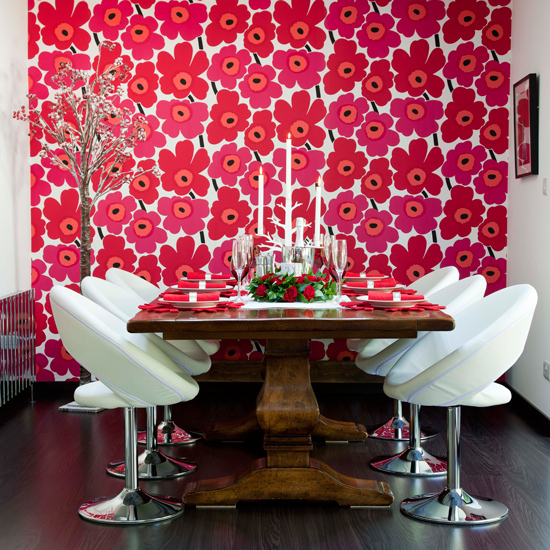
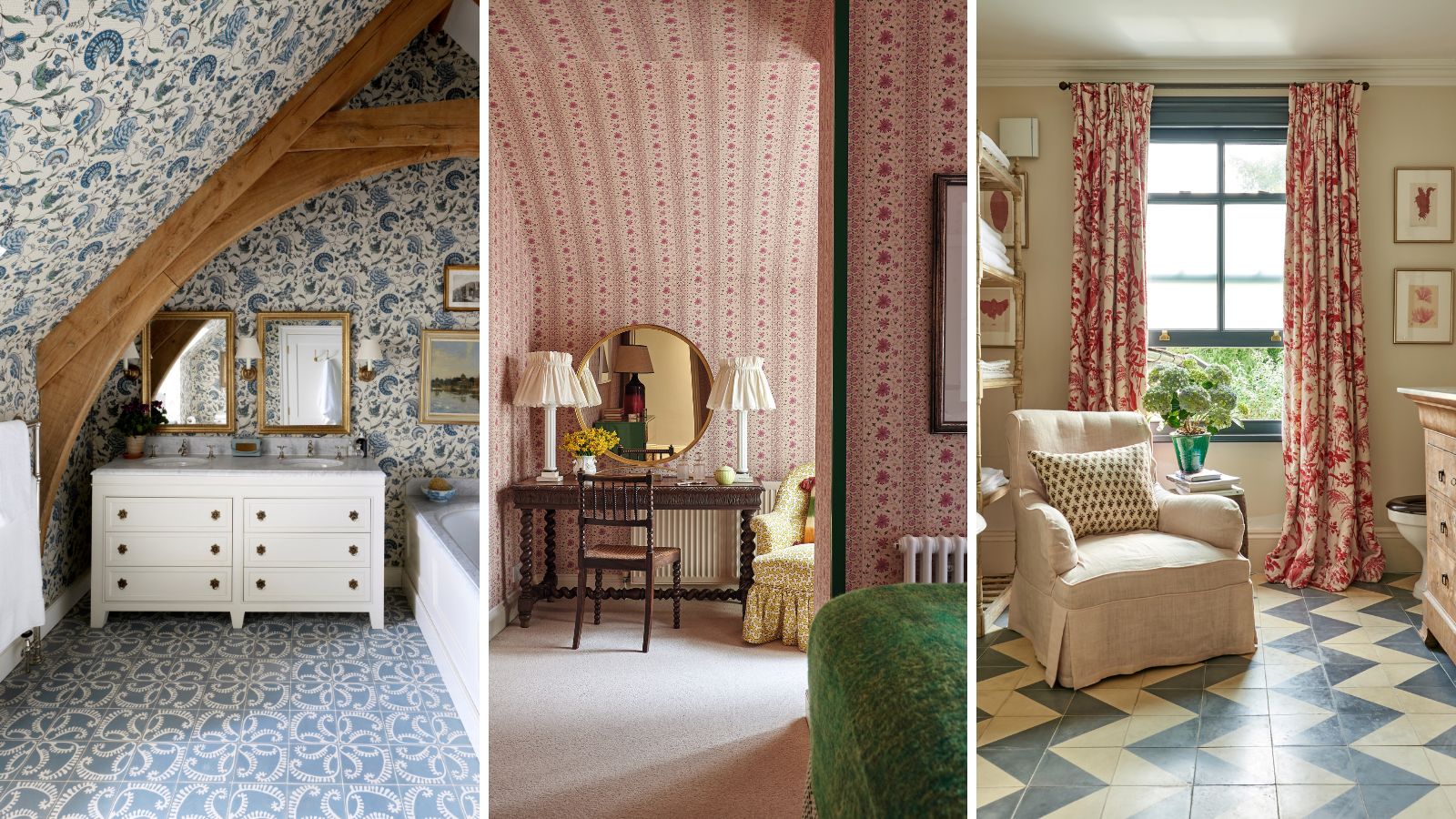
One key rule for modernizing floral patterns is to pair them with bold geometrical patterns. This contrast, such as adding a geometric border to a traditional floral design or combining florals with stripes, can immediately update the look. This approach allows old designs to appear contemporary through changes in color palette or scale, creating a timeless room rather than one that feels stuck in the past. Another crucial aspect is to incorporate strong colors. Drawing inspiration from vintage fabrics and giving them a new twist, designers can modernize florals by introducing bold, bright colors in other areas of the room. For example, setting off floral wallpaper with vibrant frames and borders creates striking visual interest.
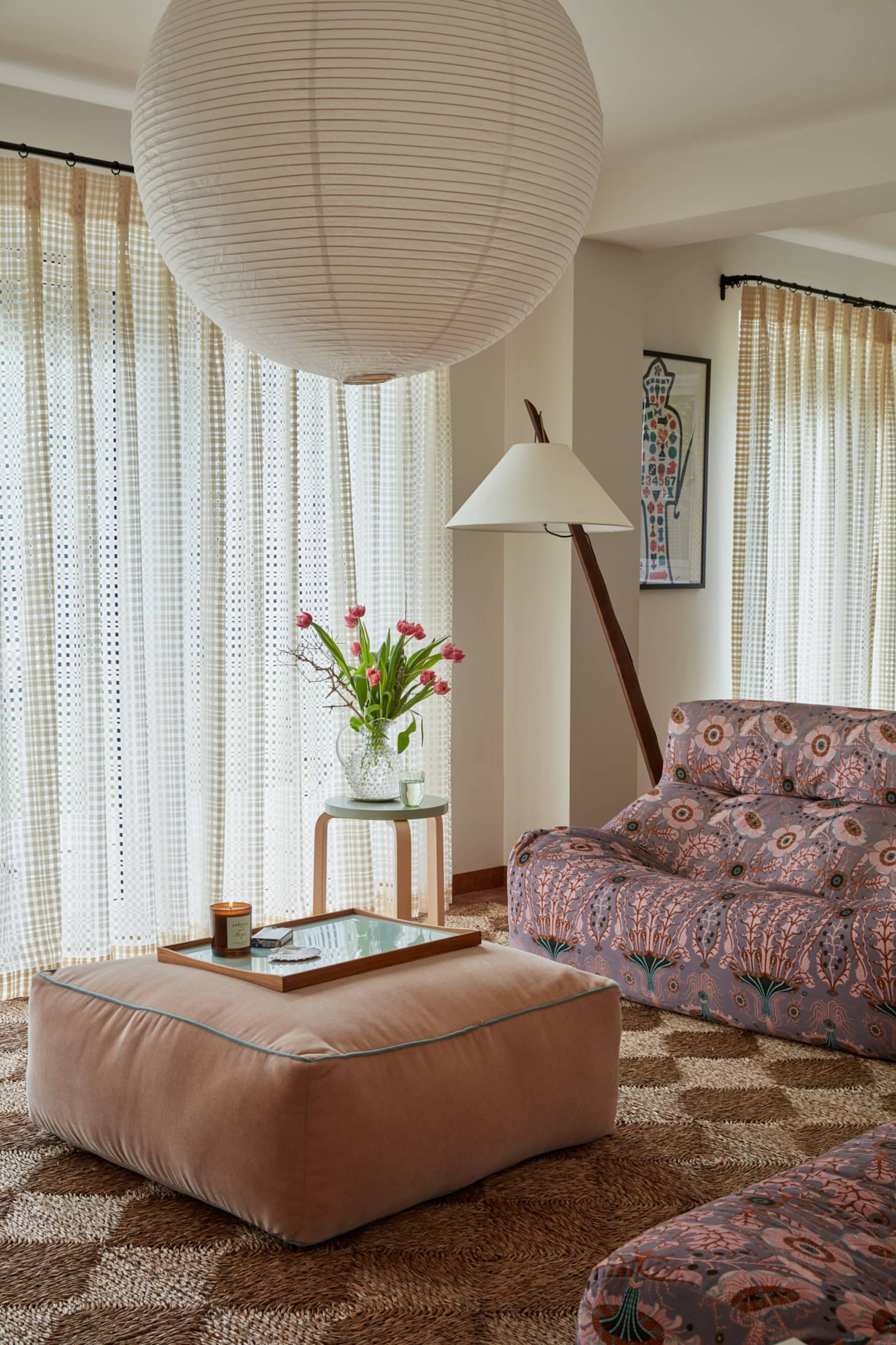
When combining multiple floral patterns, caution is advised. An excessive use of floral on floral can lead to a muddled and messy appearance that tires the eye. Instead, designers should vary the scale of the patterns. If curtains feature a large floral design, a sofa might incorporate a smaller floral print to ensure distinctness and prevent patterns from blending together. This strategy helps create balance and defines lines within the room. Furthermore, to avoid a 'fuddy-duddy' aesthetic in traditional homes, modern floral prints, bright colors, and sharper lines should be introduced alongside old-fashioned designs, ensuring a fresh and updated feel.
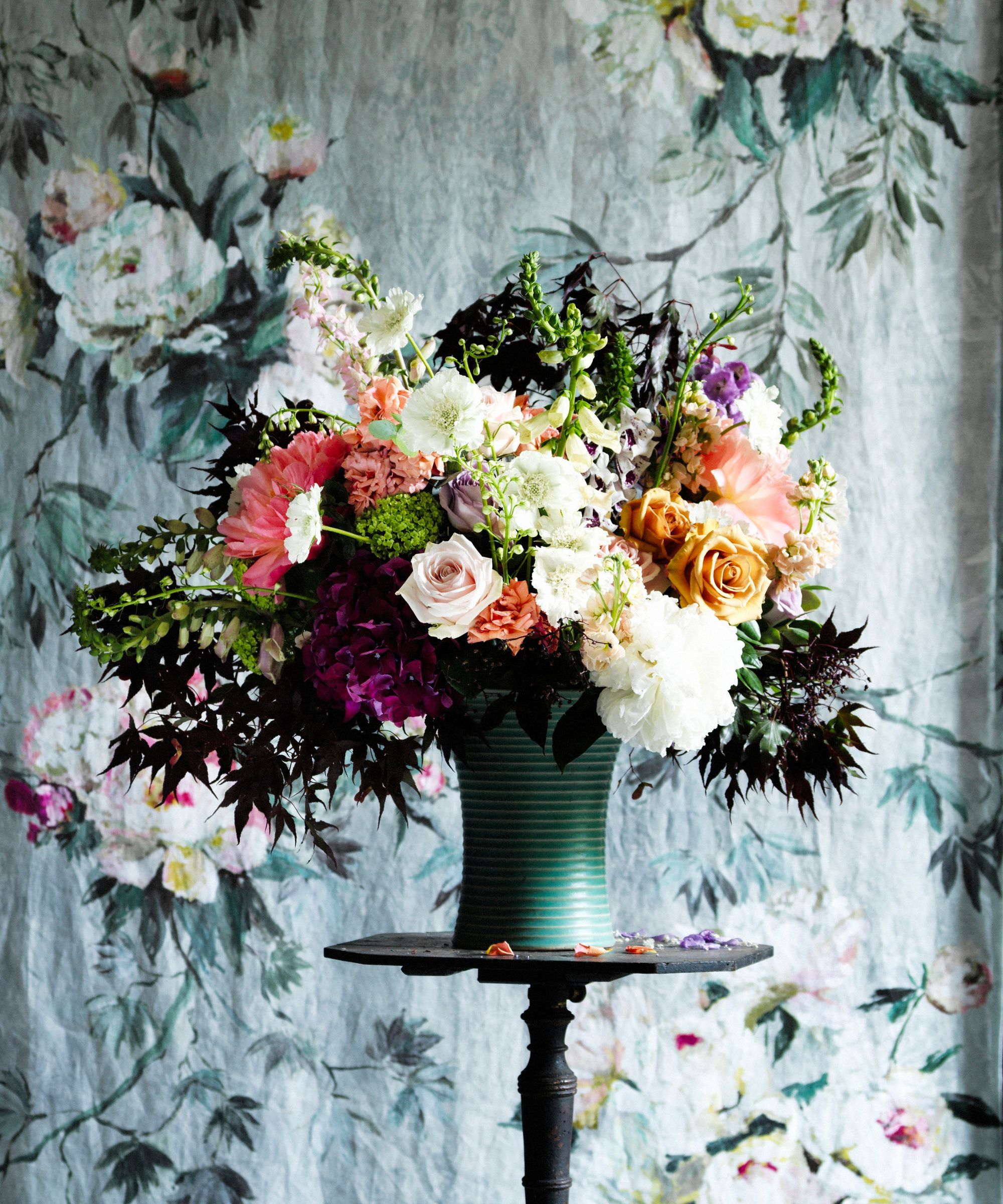
Florals are not limited to traditional country homes; they can also be successfully integrated into modern city apartments. While traditional settings are a natural fit, modern spaces can benefit significantly from the warmth and vibrancy that florals and antique pieces provide, preventing them from appearing clinical or soulless. Even for individuals downsizing from larger, traditionally decorated homes, incorporating some familiar floral patterns into a new, contemporary space can make it feel more personal and inviting. Finally, for those hesitant to fully commit, introducing florals in small touches is an effective starting point. Accessories like curtains, cushions, or lampshades offer flexible ways to experiment with the pattern. The emphasis here is on playful experimentation rather than strict adherence to a formula. It is important to avoid placing floral cushions on a floral sofa, as this can be overwhelming. Instead, mixing and matching cushions with different patterns and styles, moving away from a 'matchy-matchy' look, is encouraged. Ultimately, judiciously using florals with attention to scale, color, and combination can result in a timeless and joyful interior, acknowledging their rich history while keeping them relevant for contemporary design.
#FloralPatterns #InteriorDesignTrends #DecoratingWithFlorals #SarahVanrenen #HomeDecor #ModernInteriors #PatternMixing #ColorSchemes #FloralPatterns #InteriorDesignTrends #DecoratingWithFlorals #SarahVanrenen #HomeDecor #ModernInteriors #PatternMixing #ColorSchemes
0 comment in total
 No comments yet
You may also like
9 photos of floral home decor that will make you want to redecorate immediately

How to make your home bloom, plus 5 tips for the perfect floral display

Flower power: Botanical designs can make any room radiant

5 Simple Steps to Style Dried Flowers

How to arrange flowers like a professional – these 7 rules are all you need according to floral experts
Floral room decor ideas – 22 ways to decorate with this springtime favorite
Floral Upholstery Is Making a Comeback in 2025 Thanks to the Vintage Eclectic Trend
Ina Garten uses this classic bloom to make a seasonal statement on her kitchen countertops
The Art of Decorating with Flowers — 10 Ideas for Elevating Your Home with Blooms

Floral Patterns Are Trending This Summer—How to Mix and Match Them Like a Designer

'A flower grown from seed is the perfect metaphor for our individual creativity' – why 2025 floral trends are about stepping back and letting nature ground us
Decorating with oversized florals – 10 of the best ideas
Floral Wallpaper Is Having a Moment: 5 Ways to Pull It Off

Joanna Gaines's 5 Must-Read Tips For Creating Stunning Flower Arrangements
I'd Written-Off Floral Patterns as 'Too Twee', but How Designers Are Using Them in 2025 Has Me Reconsidering

Steal These Florists' Tips to Create Better Bouquets at Home
How to make cut flowers last longer – 7 expert tips for getting the most out of your bouquet

Flower home decor ideas – 12 blooming looks that'll add instant cheer to your home

Sorry florals, botanical patterns are trending for 2025
12 easy indoor plant styling tips