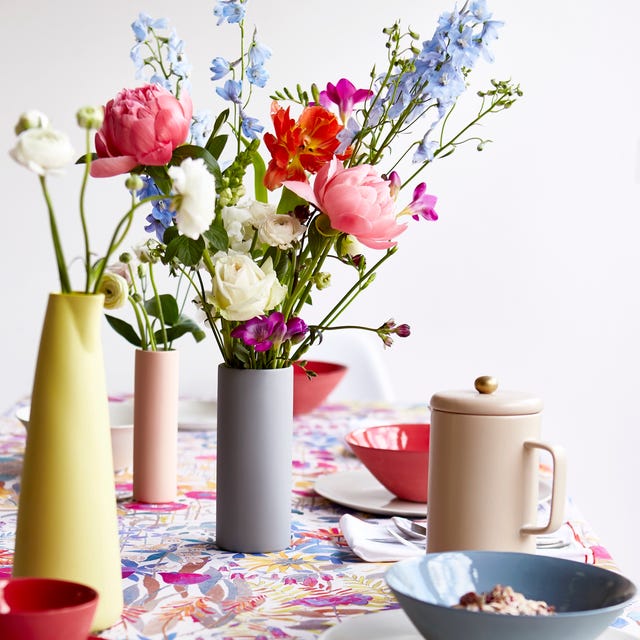
1/30
Gardening experts reveals how to make your cut flowers last longer
Freshly cut flowers can significantly enhance the ambiance of any room, providing both visual appeal and a pleasant natural fragrance. However, their beauty is often short-lived if they are not properly cared for. Chris Bonnett, founder of Gardening Express, emphasizes that many individuals are unaware of the correct techniques to care for cut flowers, leading to their premature decay. He highlights that proper care can extend the enjoyment of these natural decorations.
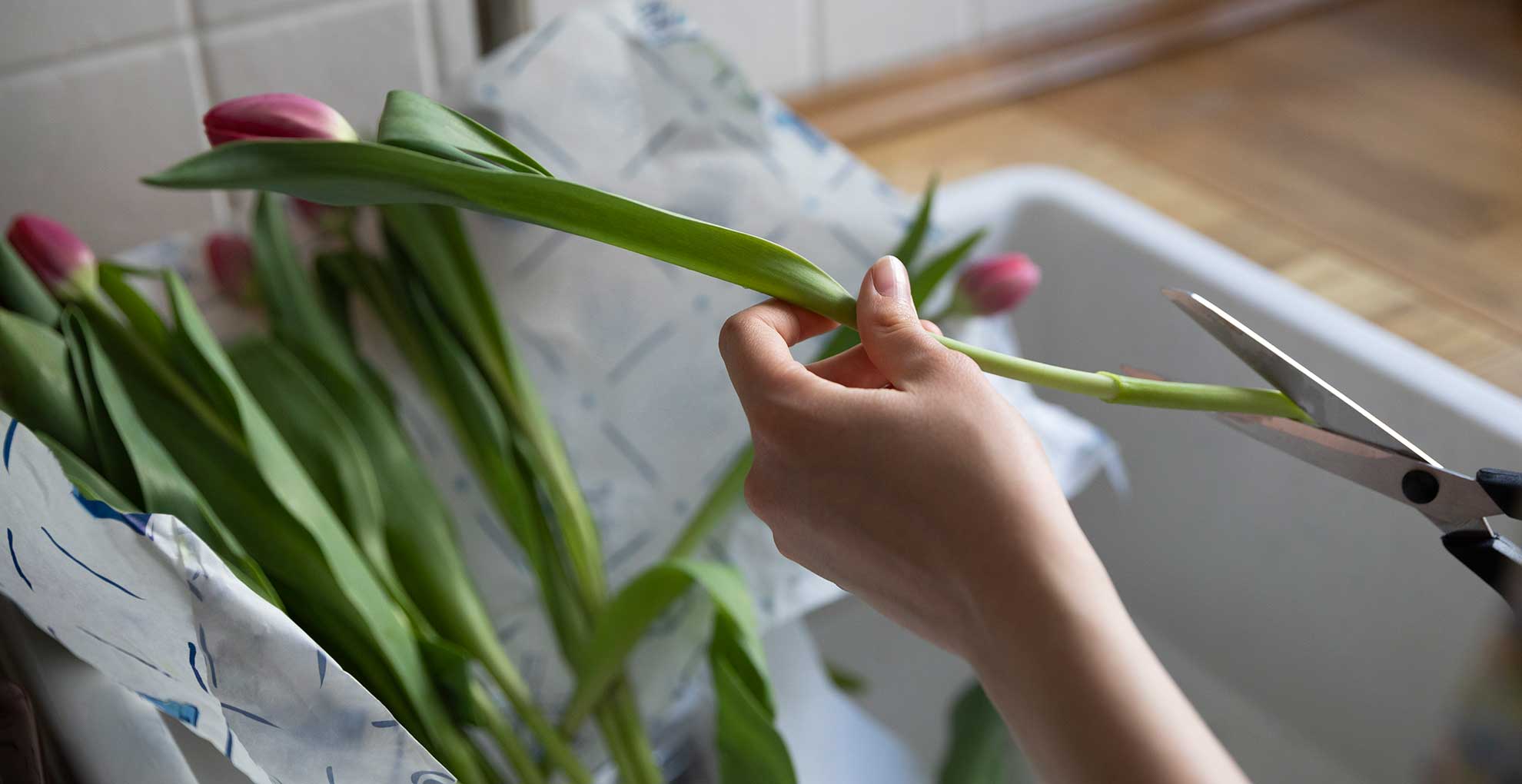
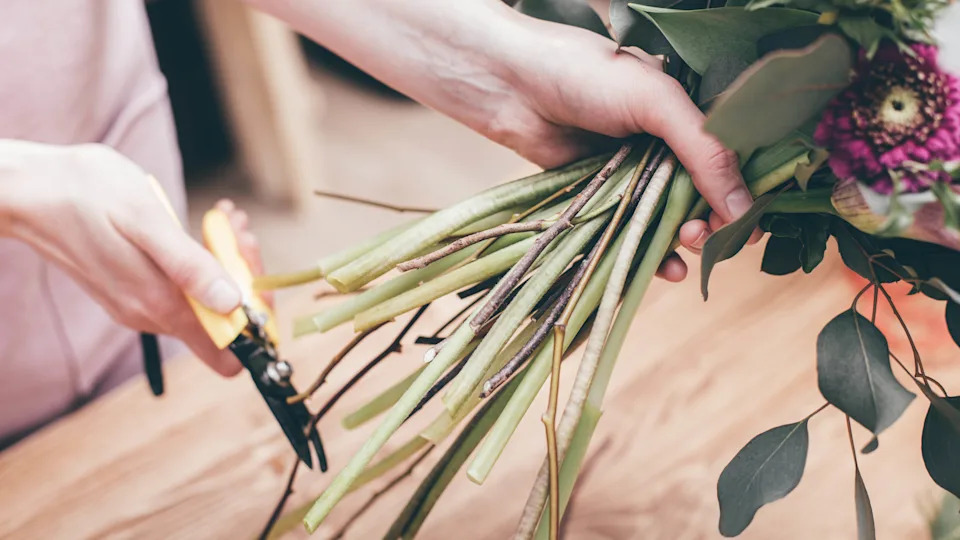
The longevity of cut flowers is heavily influenced by several factors, including the method of cutting the stems, the type of vase chosen, and the ambient room temperature. Experts have identified seven key steps to maximize the lifespan of cut flowers. The first crucial step involves correctly cutting the stems. It is recommended to use a sharp knife or secateurs to cut the stem at a 45-degree angle. This angled cut should be performed initially when placing the flowers in the vase and subsequently each time the water is changed. This technique increases the surface area of the stem, allowing for greater water absorption.
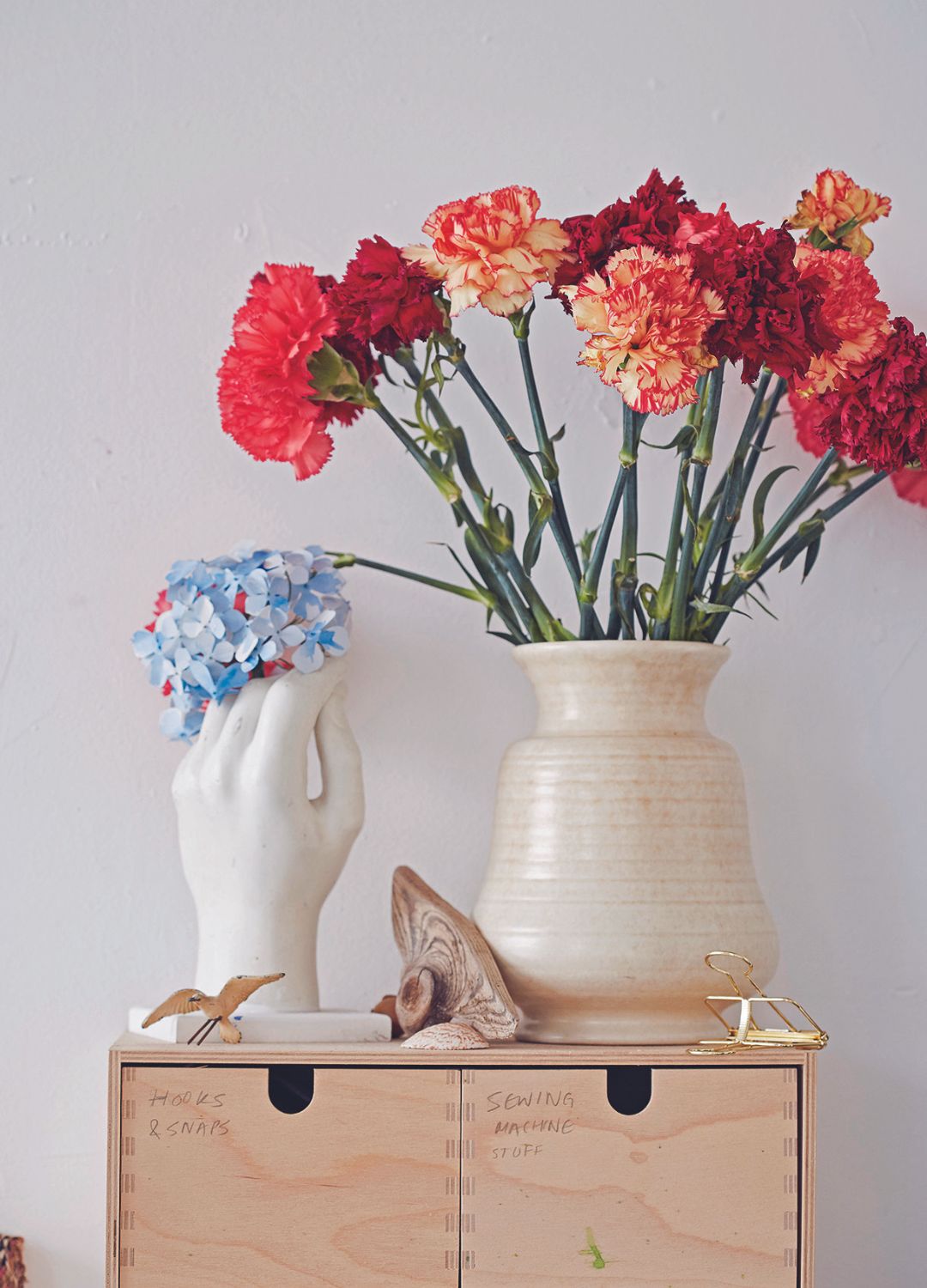
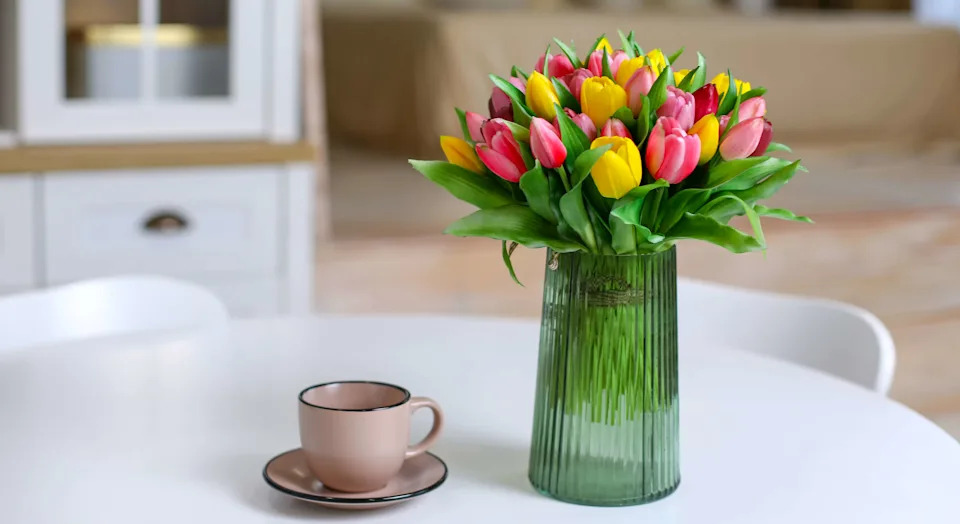
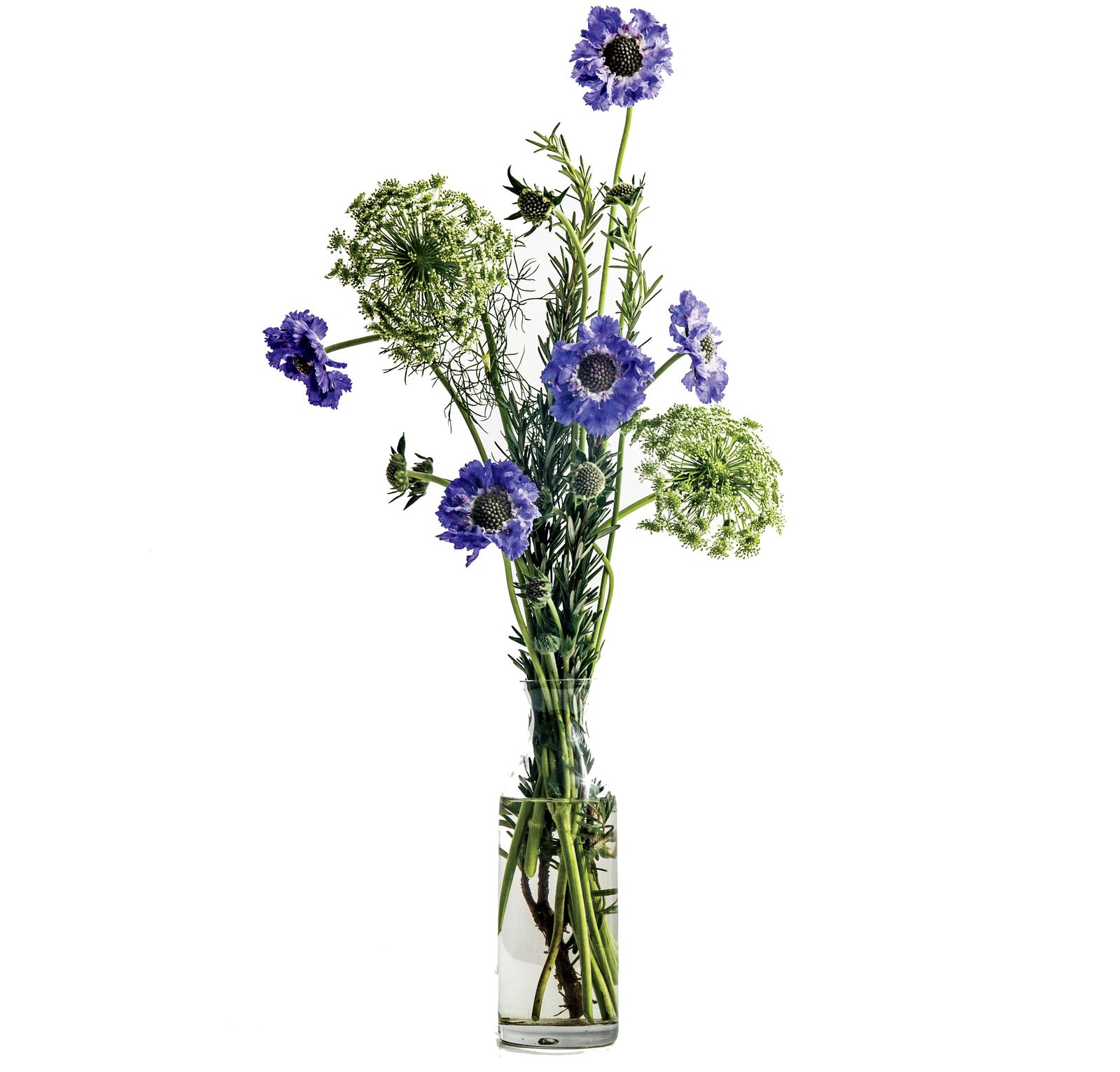
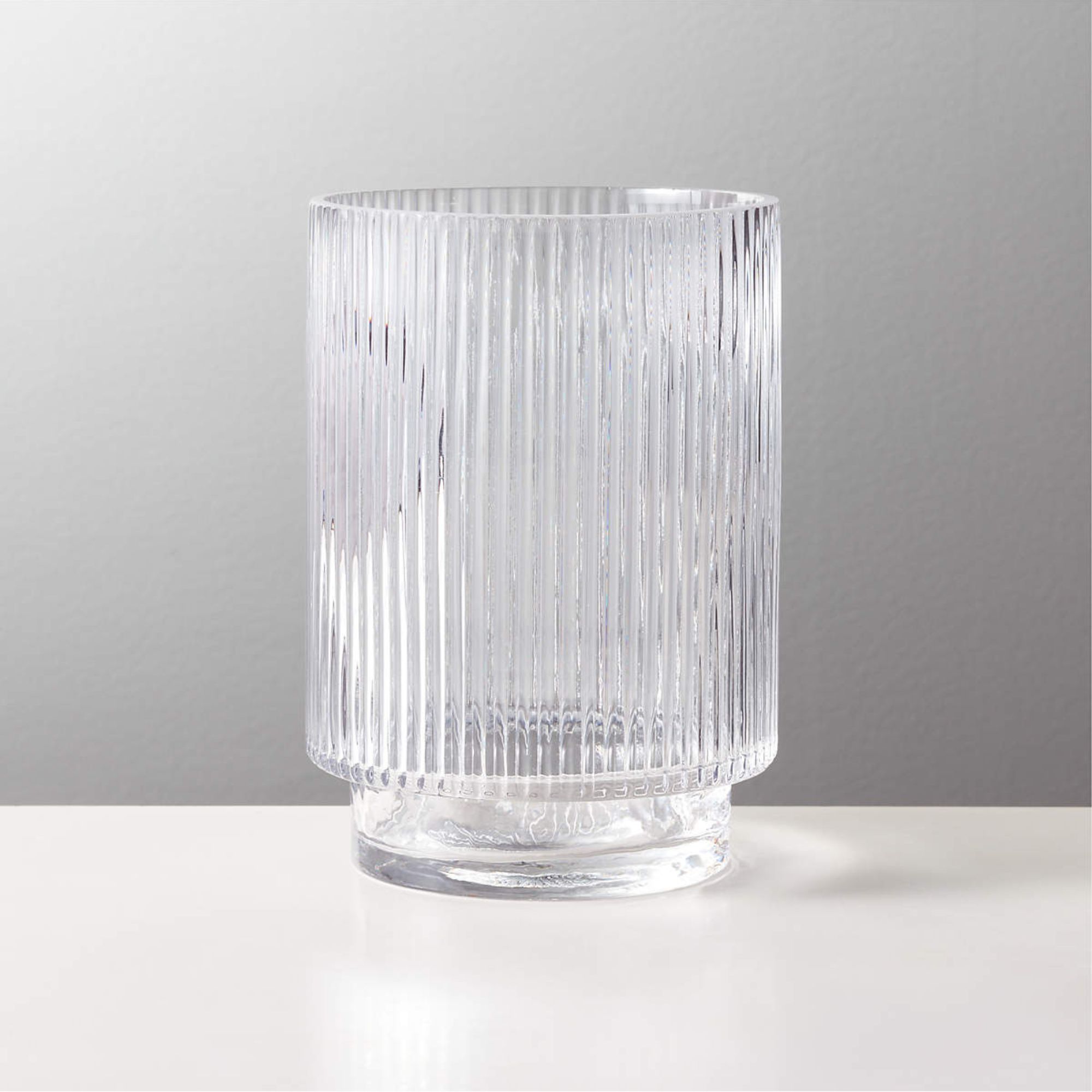
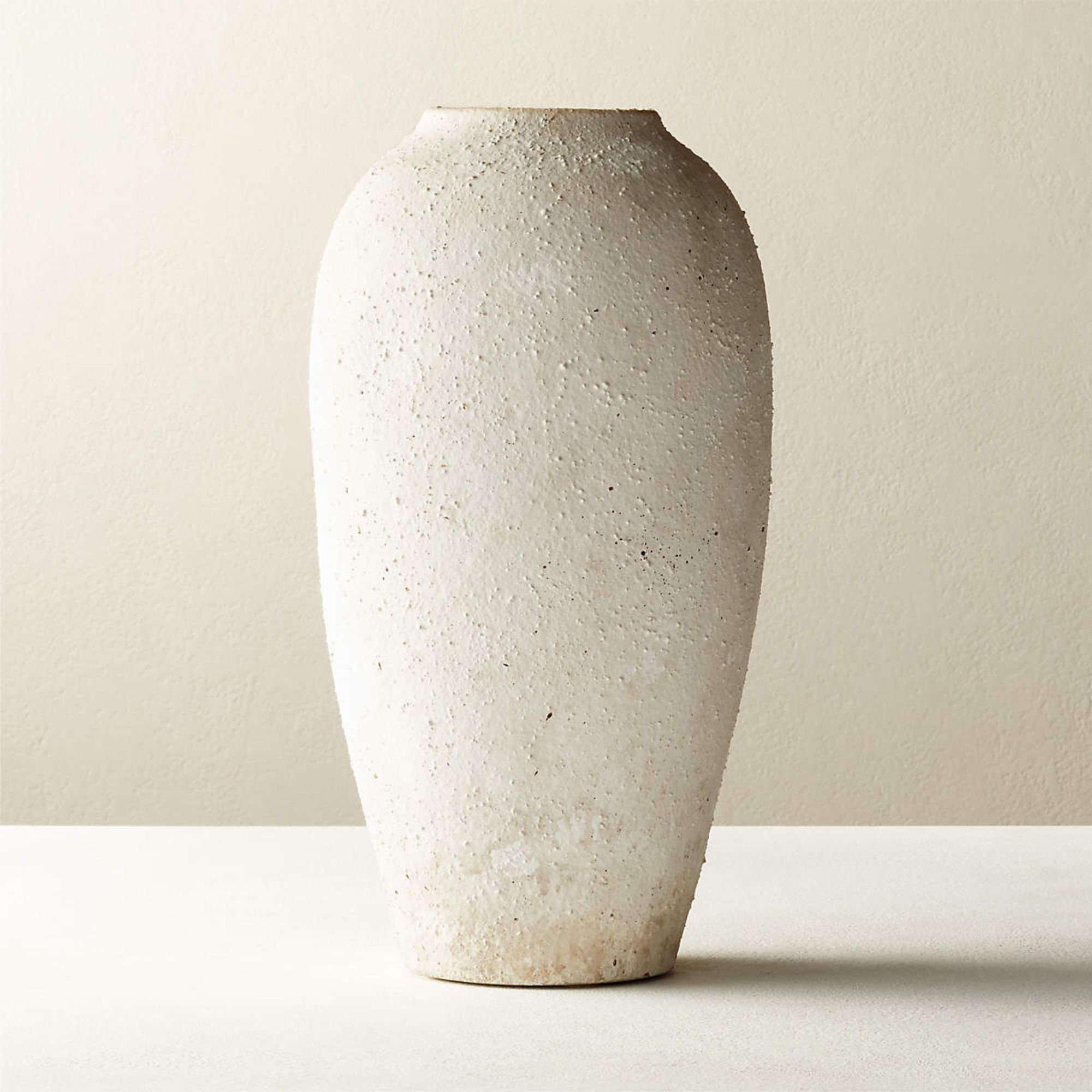
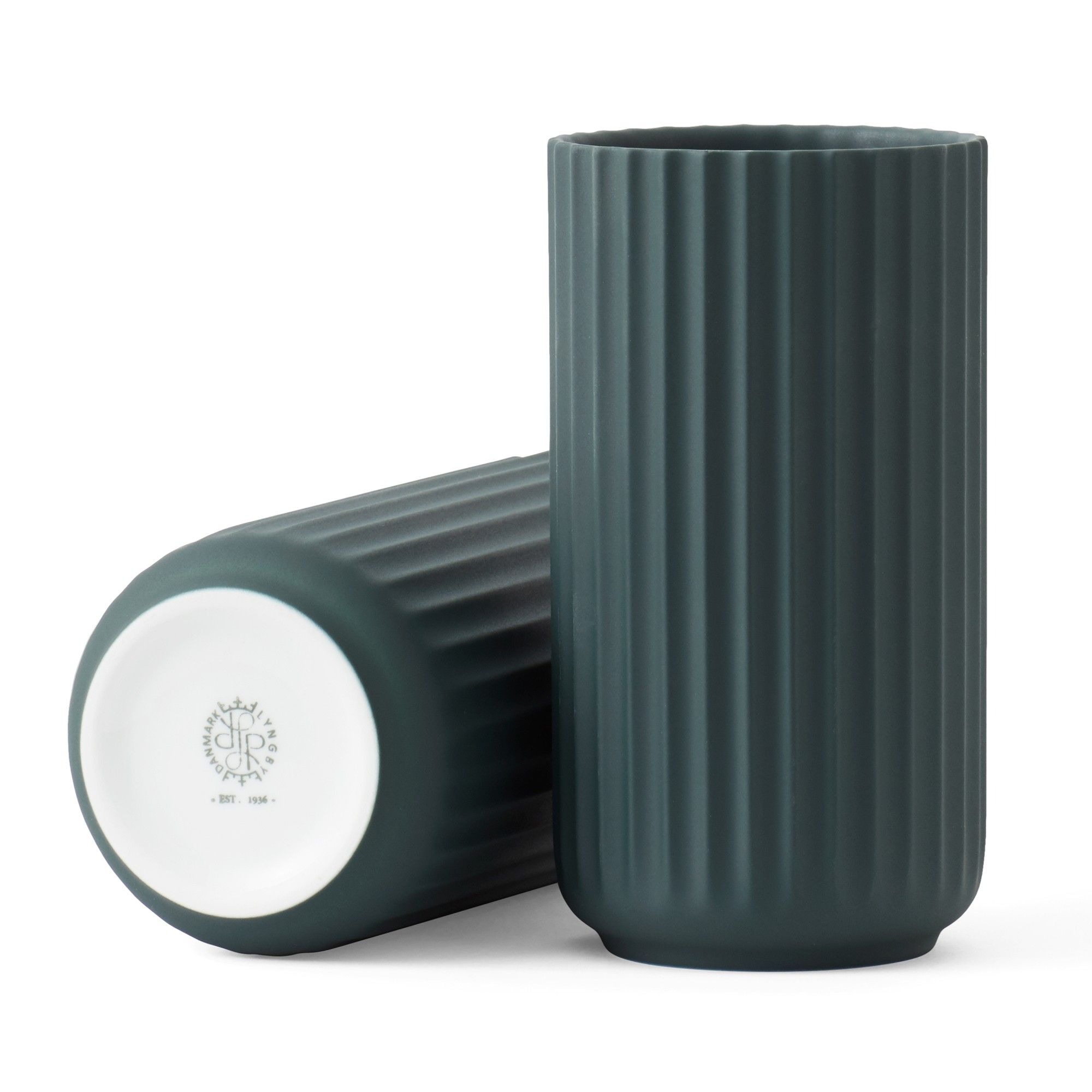
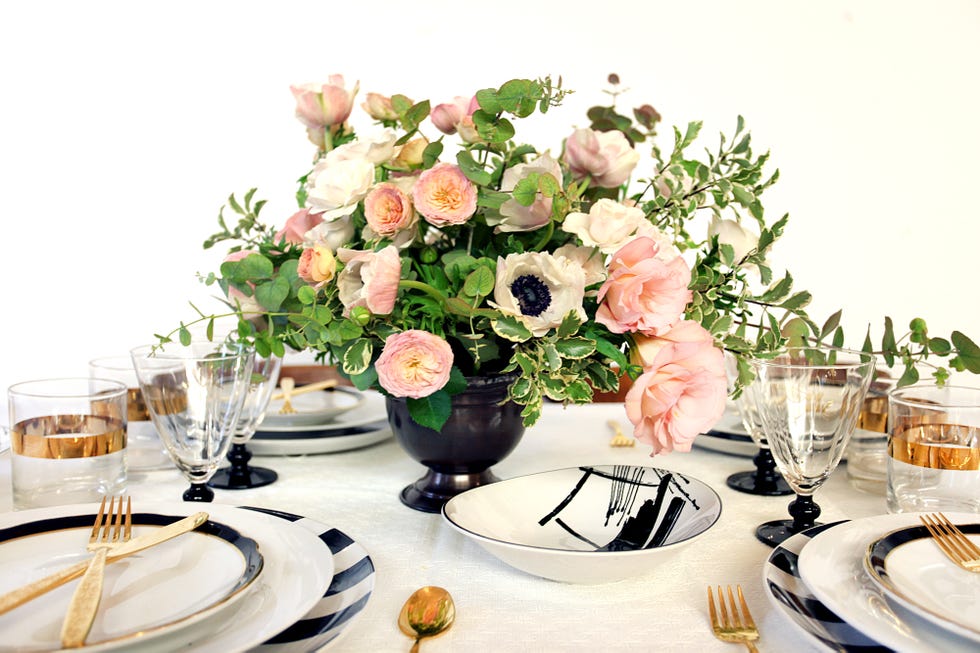
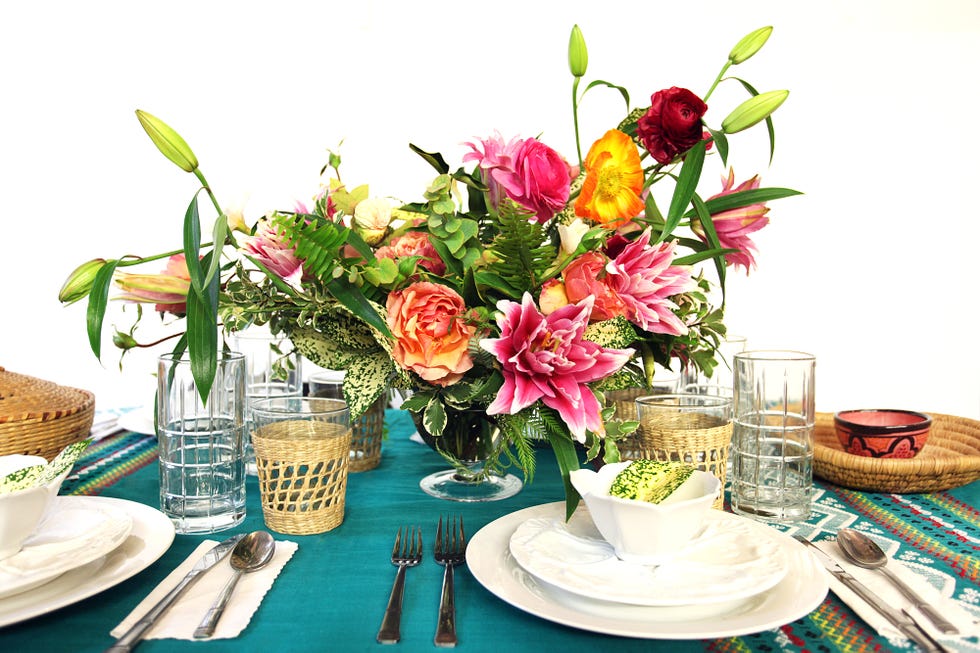
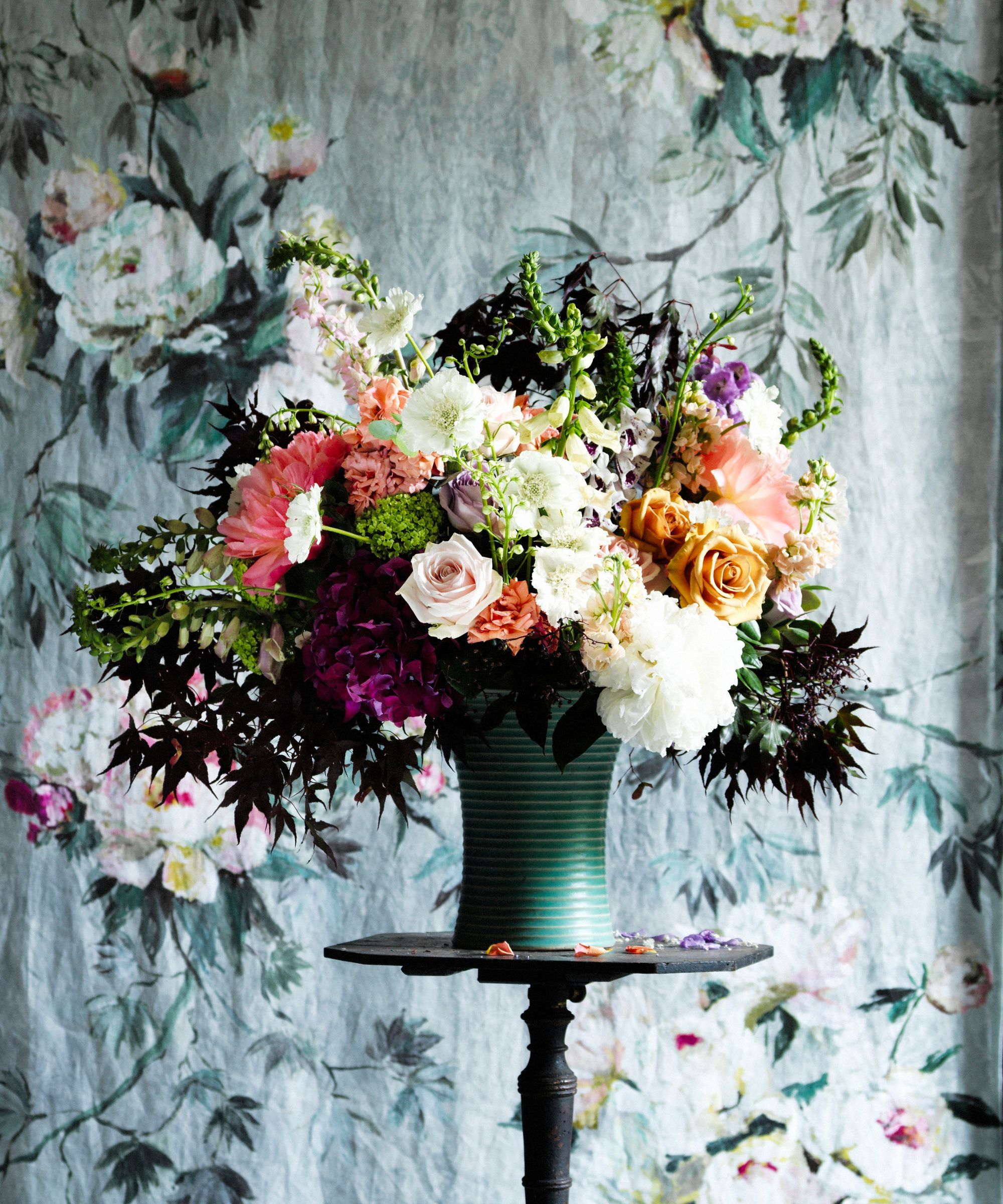
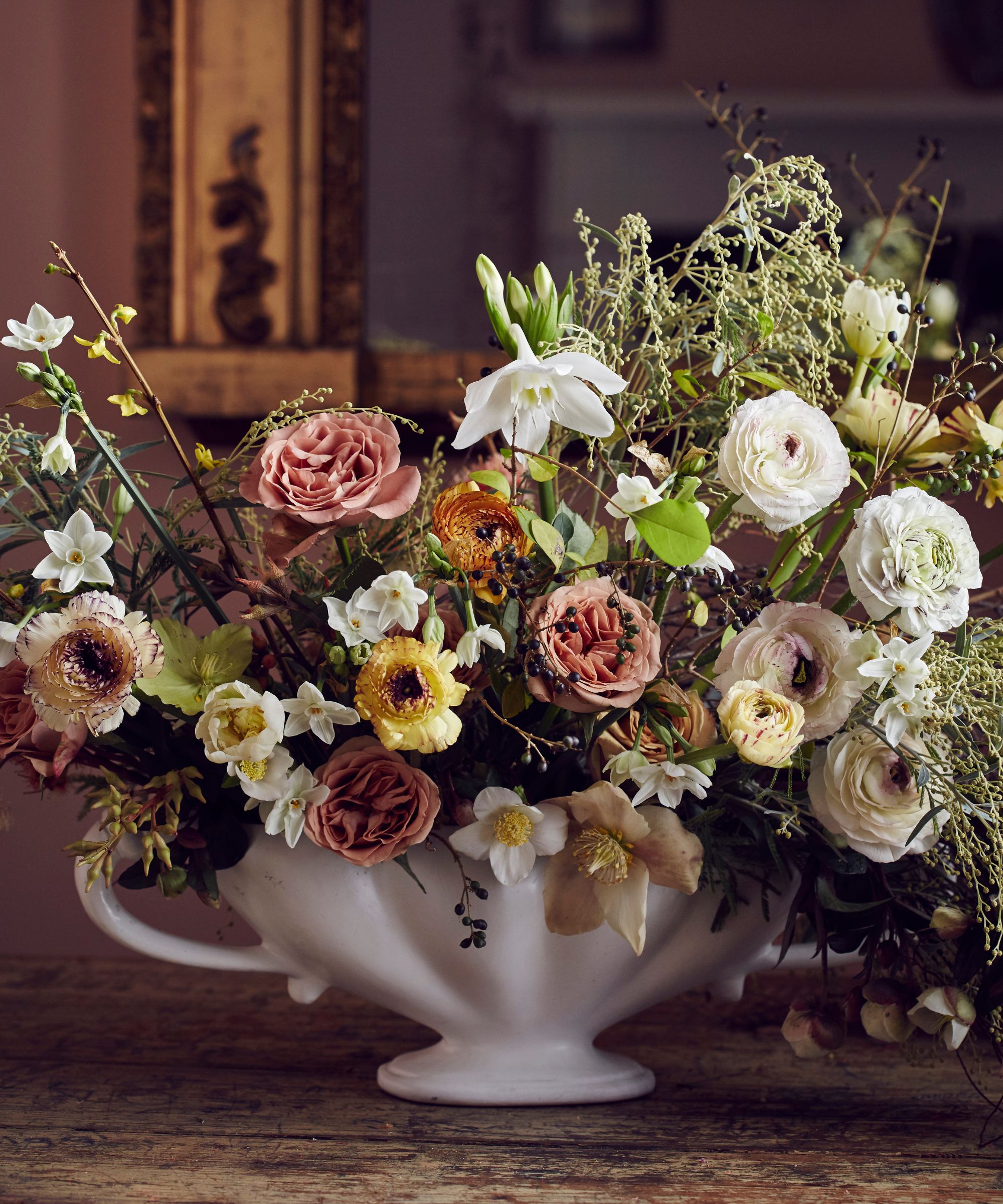
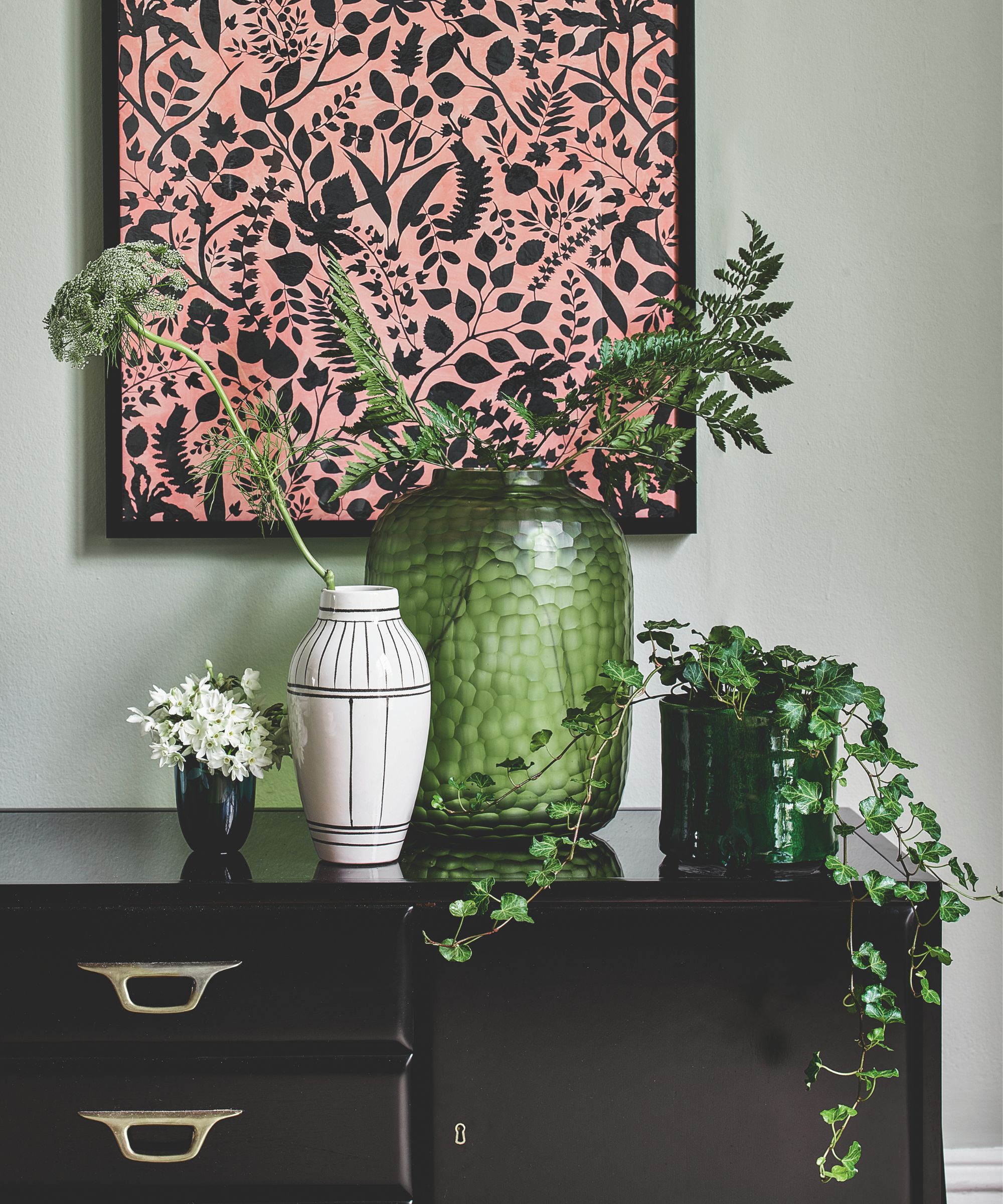
Secondly, selecting the appropriate vase is essential. The choice of vase should correspond to the type of flowers. Heavier floral arrangements, for instance, benefit from being placed in a short vase with trimmed stems, which provides ample space for the flowers to bloom. Conversely, lighter flower selections are well-suited for taller vases, as they occupy less room as they grow. This ensures that the flowers are adequately supported and have sufficient space to flourish.
Thirdly, utilizing the provided flower food is important. Most commercially purchased cut flowers come with a packet of flower food, which is often discarded. This sachet should be added to the vase water. If flower food is not available, a homemade solution can be prepared by mixing two tablespoons of lemon juice, one tablespoon of sugar, and half a teaspoon of bleach per liter of water. This mixture helps to inhibit bacterial growth and preserve the flowers' freshness.
Fourthly, keeping flowers away from heat sources is critical. Contrary to popular belief, direct sunlight does not benefit cut flowers; instead, they thrive in cooler environments. It is advisable to avoid placing them in any area of the home that is excessively warm or humid. Fifth, changing the water every other day is a simple yet effective practice. Stagnant water encourages bacterial proliferation, which can quickly degrade the flowers. Regular water changes ensure a fresh, clean environment for the blooms.
Sixth, the vase itself requires thorough cleaning each time the water is changed. Washing the vase with warm, soapy water and rinsing it completely to remove any residue prevents the buildup of bacteria and maintains hygiene. Finally, removing any foliage below the waterline is paramount. Leaves submerged in water can rot, contaminating the water and negatively impacting the health of the flowers. By adhering to these expert-recommended steps, the beauty and fragrance of cut flowers can be enjoyed for a significantly longer period.
#CutFlowers #FlowerCare #GardeningTips #HomeDecor #VaseSelection #FlowerFood #PlantLongevity #IndoorPlants #CutFlowers #FlowerCare #GardeningTips #HomeDecor #VaseSelection #FlowerFood #PlantLongevity #IndoorPlants
0 comment in total
 No comments yet
You may also like
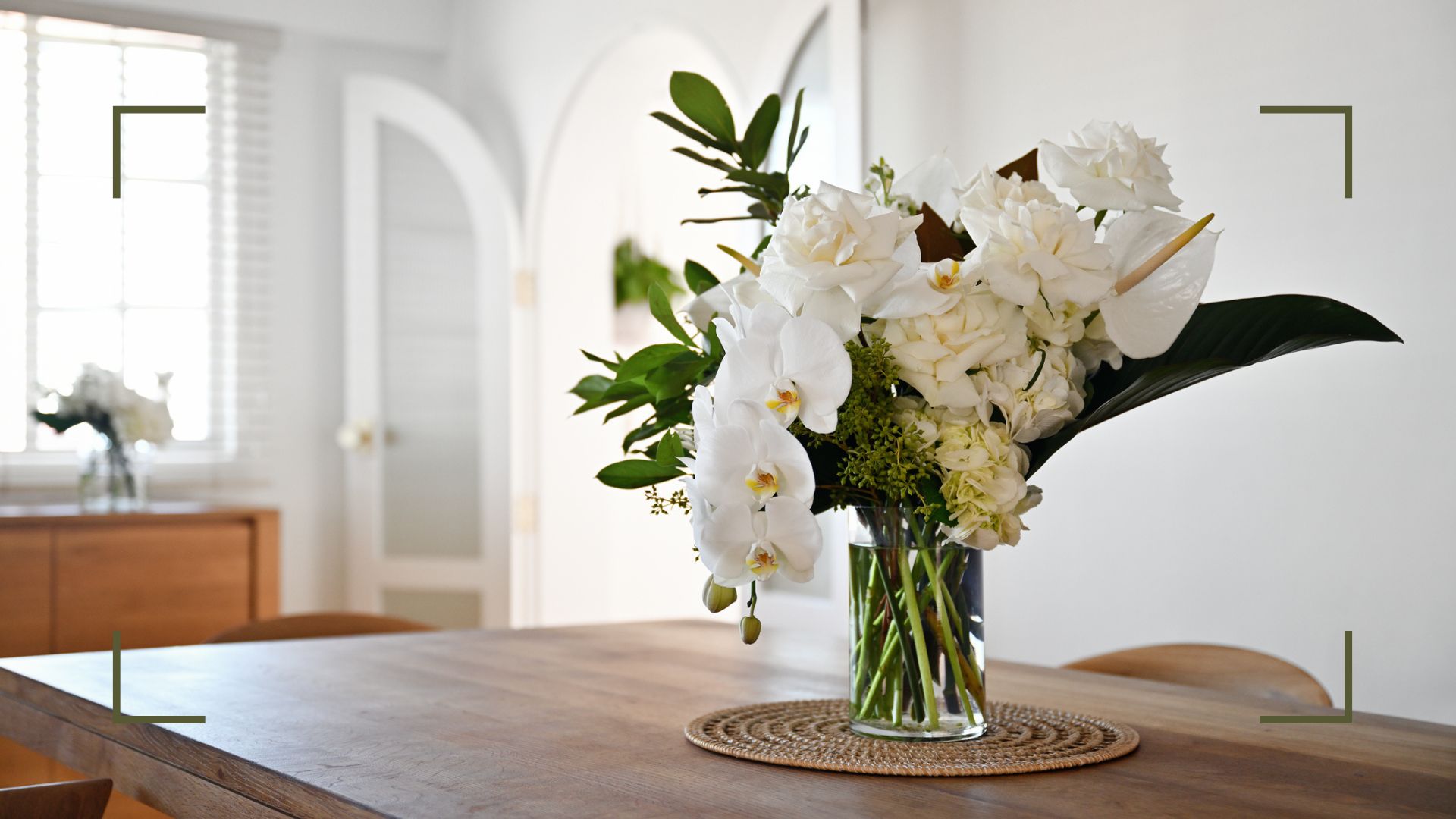
How to make cut flowers last longer – 7 expert tips for getting the most out of your bouquet

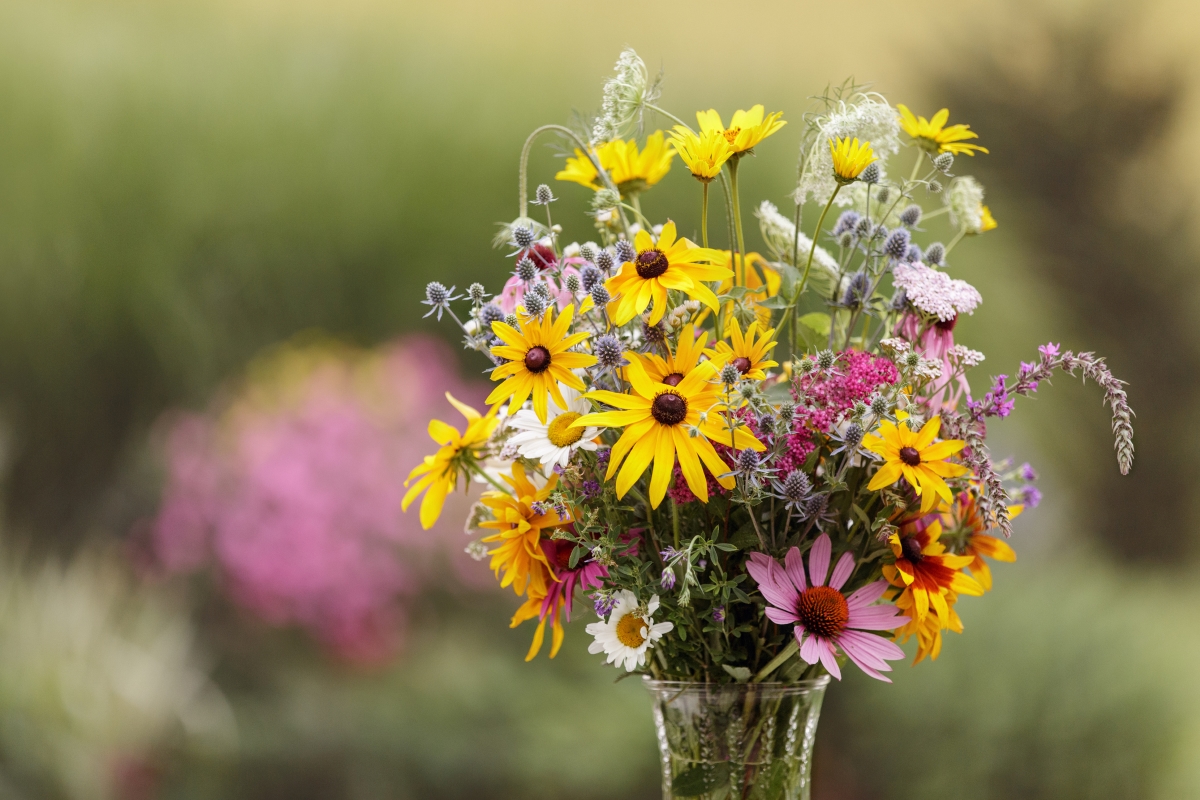
15 Cut Flowers to Grow for Stunning Homemade Bouquets

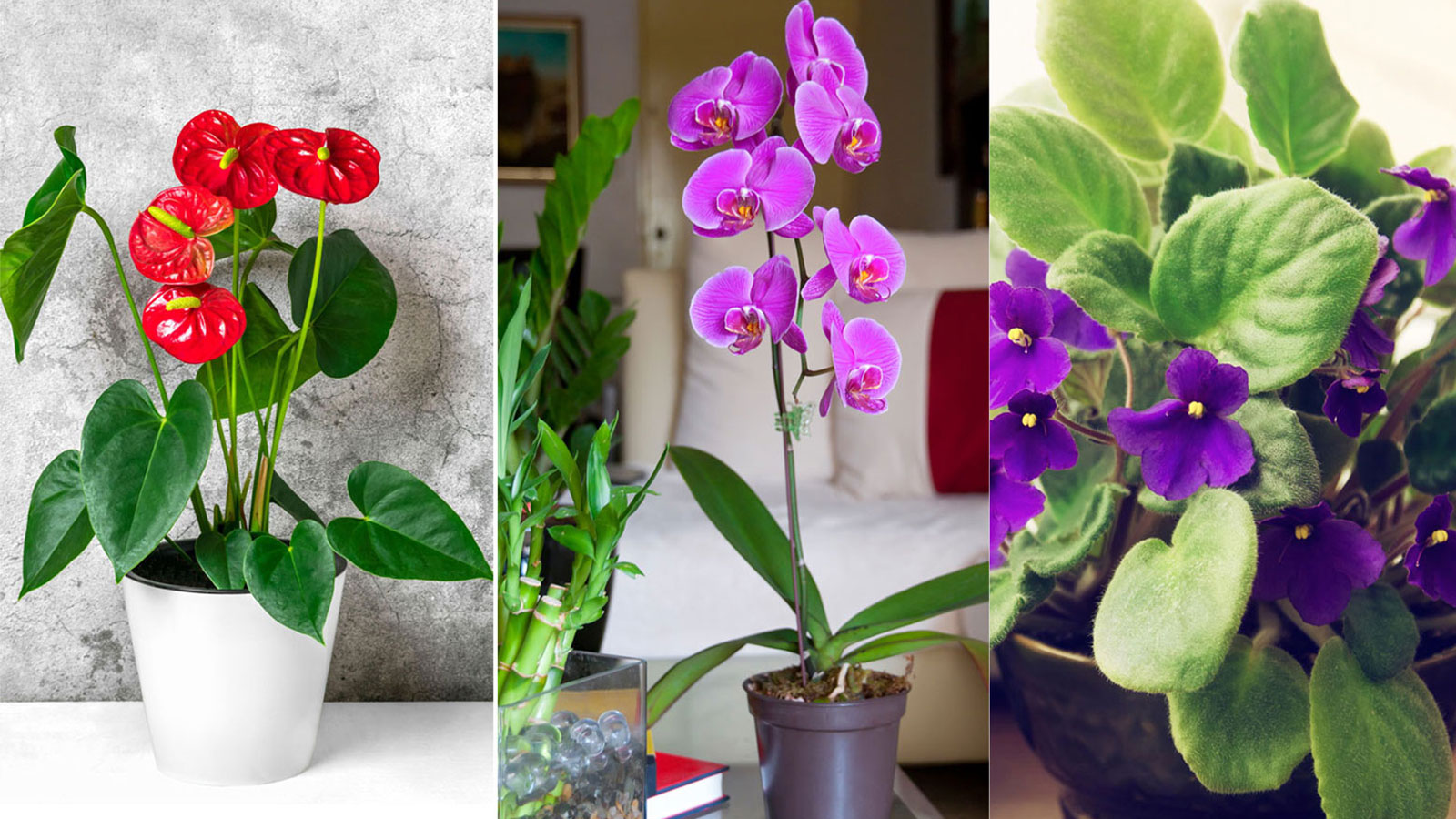
10 indoor plants that flower all year round – choose from our expert recommendations for non-stop blooms

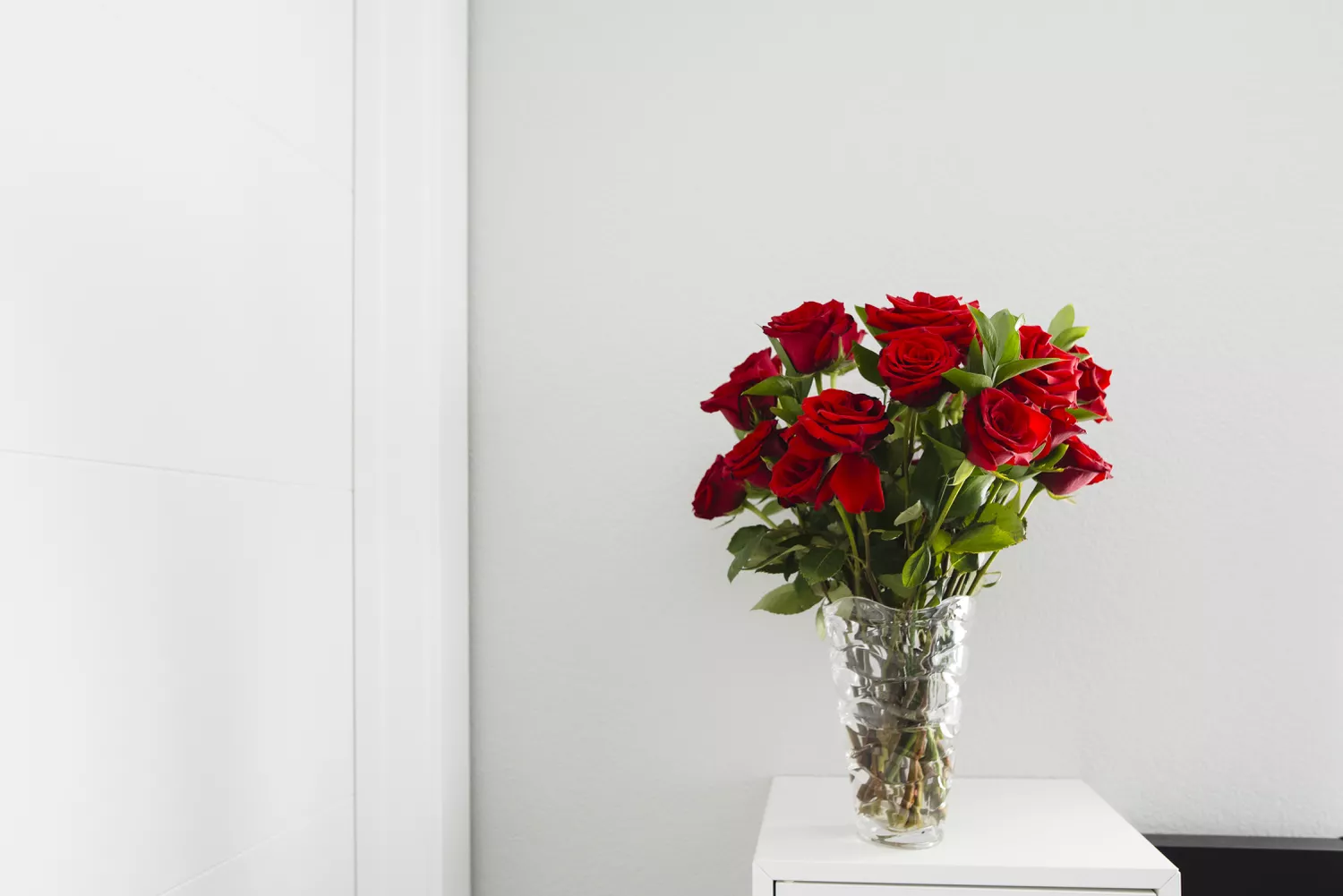
How to Keep Roses Alive and Looking Their Best For as Long as Possible
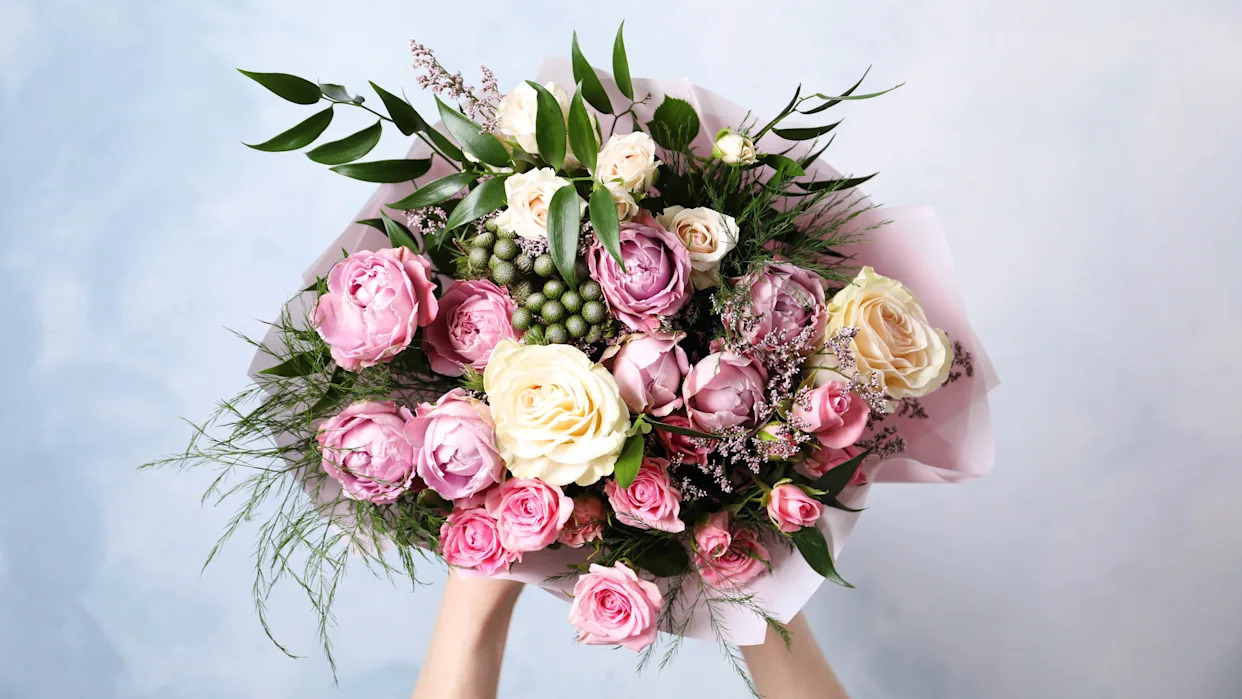
7 ways to keep your Mother's Day flowers fresh and long lasting — expert tips

Ina Garten uses this classic bloom to make a seasonal statement on her kitchen countertops
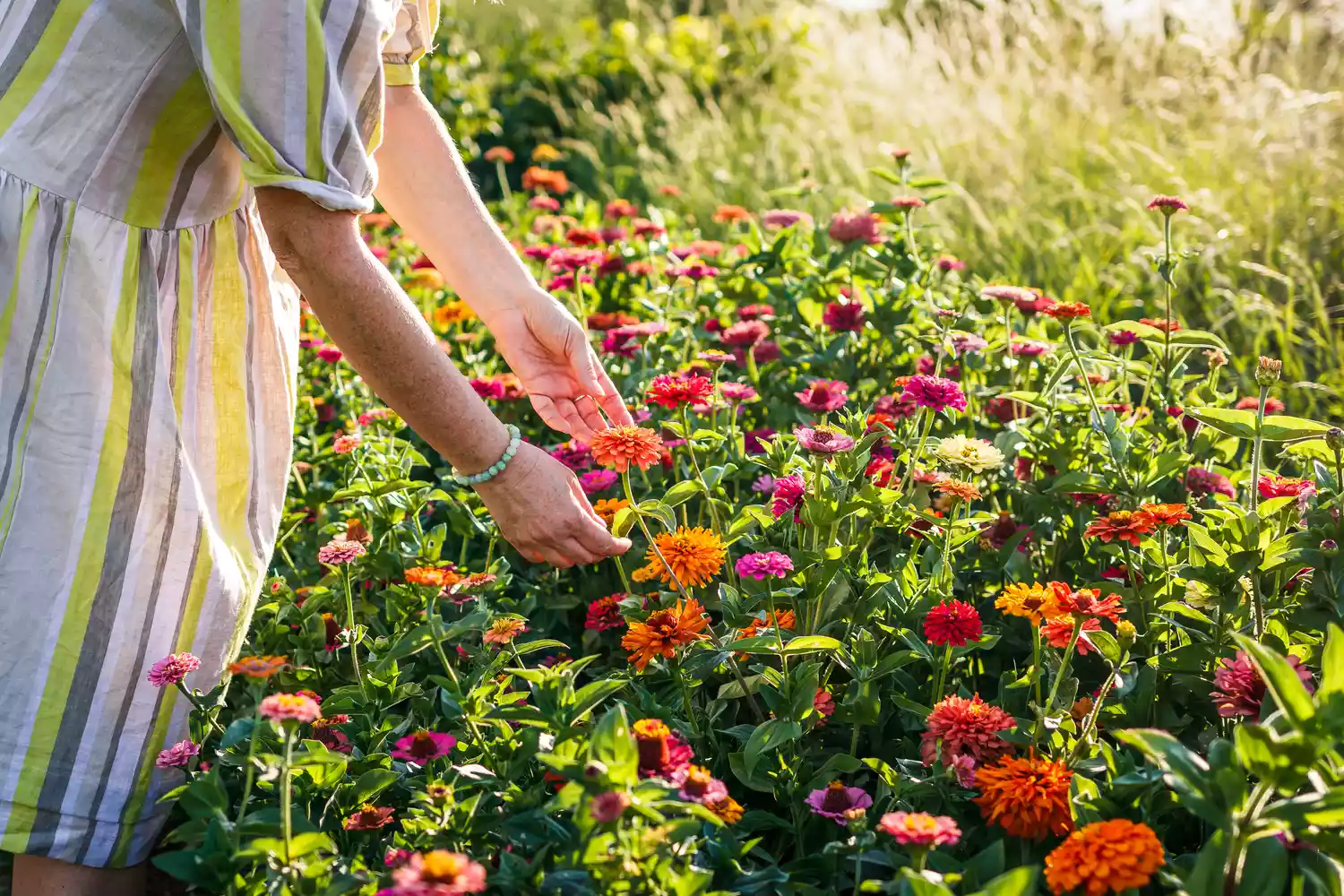
13 Long-Lasting Cut Flowers for Beautiful Bouquets

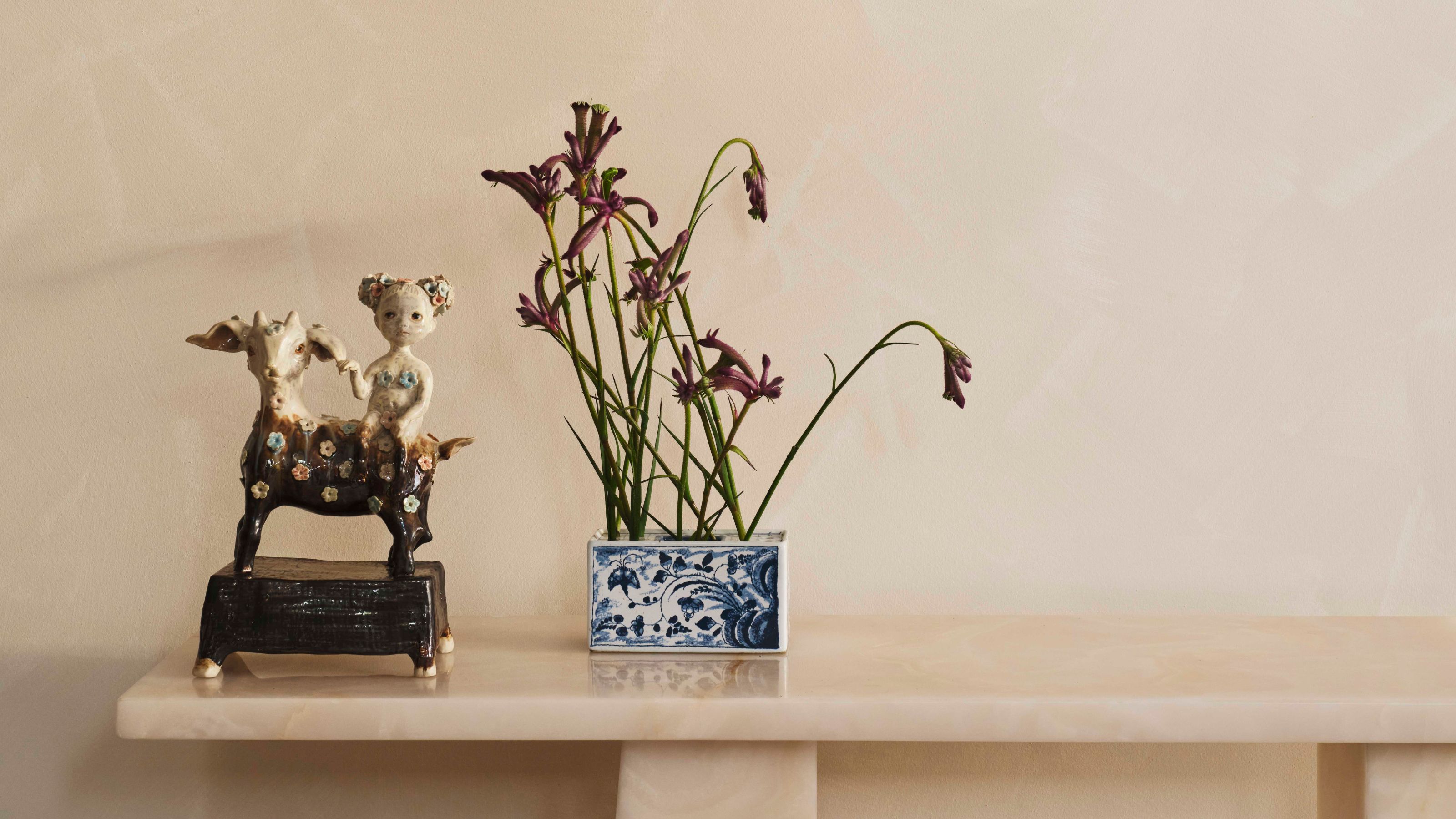
Everyone's Buying This 17th-Century Idea That Helps Your Cut Flowers Look Perfect Every Time You Use It

Steal These Florists' Tips to Create Better Bouquets at Home
8 Things You Should Never Do With Fresh Flowers If You Want Them To Last

4 Floral Arrangements To Hold You Over Until Spring
How to prolong the life of your paint job, according to painters and decorators
How To Care For Cut Tulips To Help The Blooms Last Longer
These Low-Maintenance Perennial Flowers Bloom Every Season

15 Annuals That Bloom With Bold Purple Flowers
15 Best Purple Plants For Your Flower Garden
Gardeners, These Low-Maintenance Perennial Flowers Bloom Every Season
5 rules for using florals to keep them looking on trend, according to an interior designer
How to arrange flowers like a professional – these 7 rules are all you need according to floral experts
These Are the Top 13 Varieties for Cut Flowers