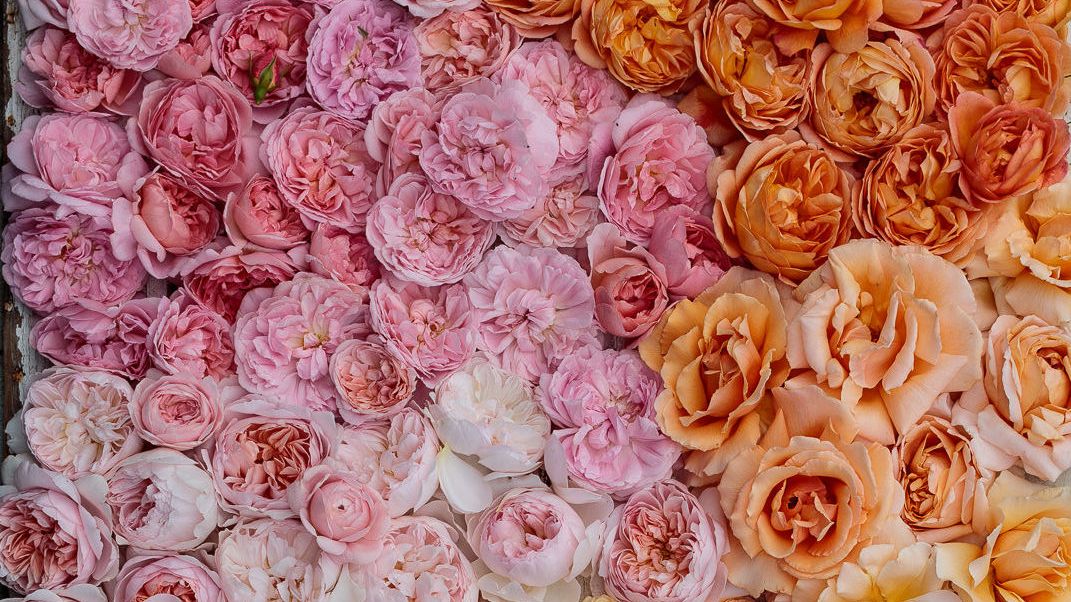
1/10
How To Decorate Your Dinner Table With Fresh Flowers
This article offers practical advice on creating stunning, low-key floral arrangements for dinner parties, drawing insights from farmer, florist, and author Erin Benzakein. Benzakein, known for her flower boot camps and commitment to local, seasonal, and sustainably grown flowers through her farm outside Seattle, shares her expertise on selecting and arranging blooms. She also authored "Floret Farm’s Cut Flower Garden: Grow, Harvest & Arrange Stunning Seasonal Blooms" with co-author Julie Chai.
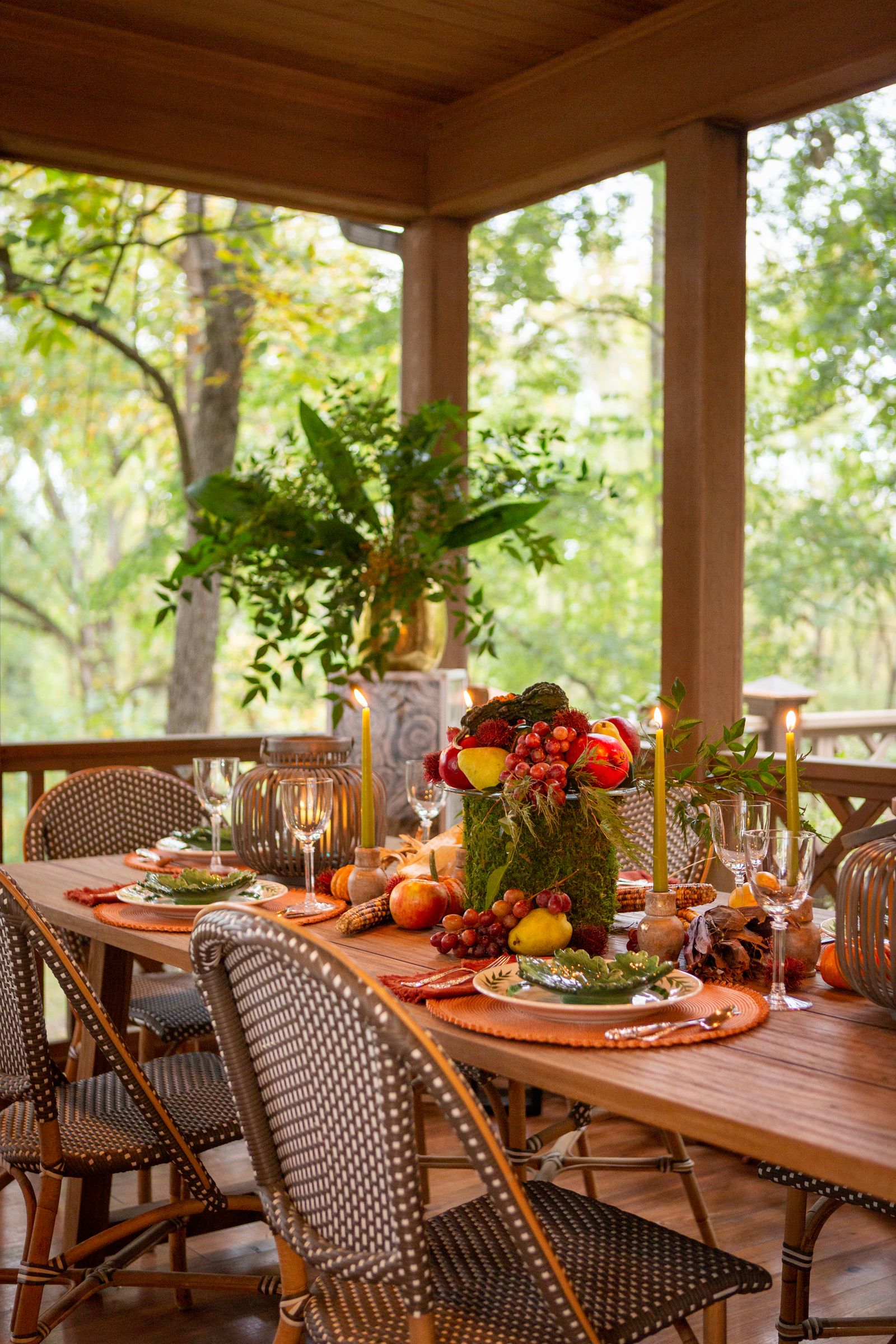
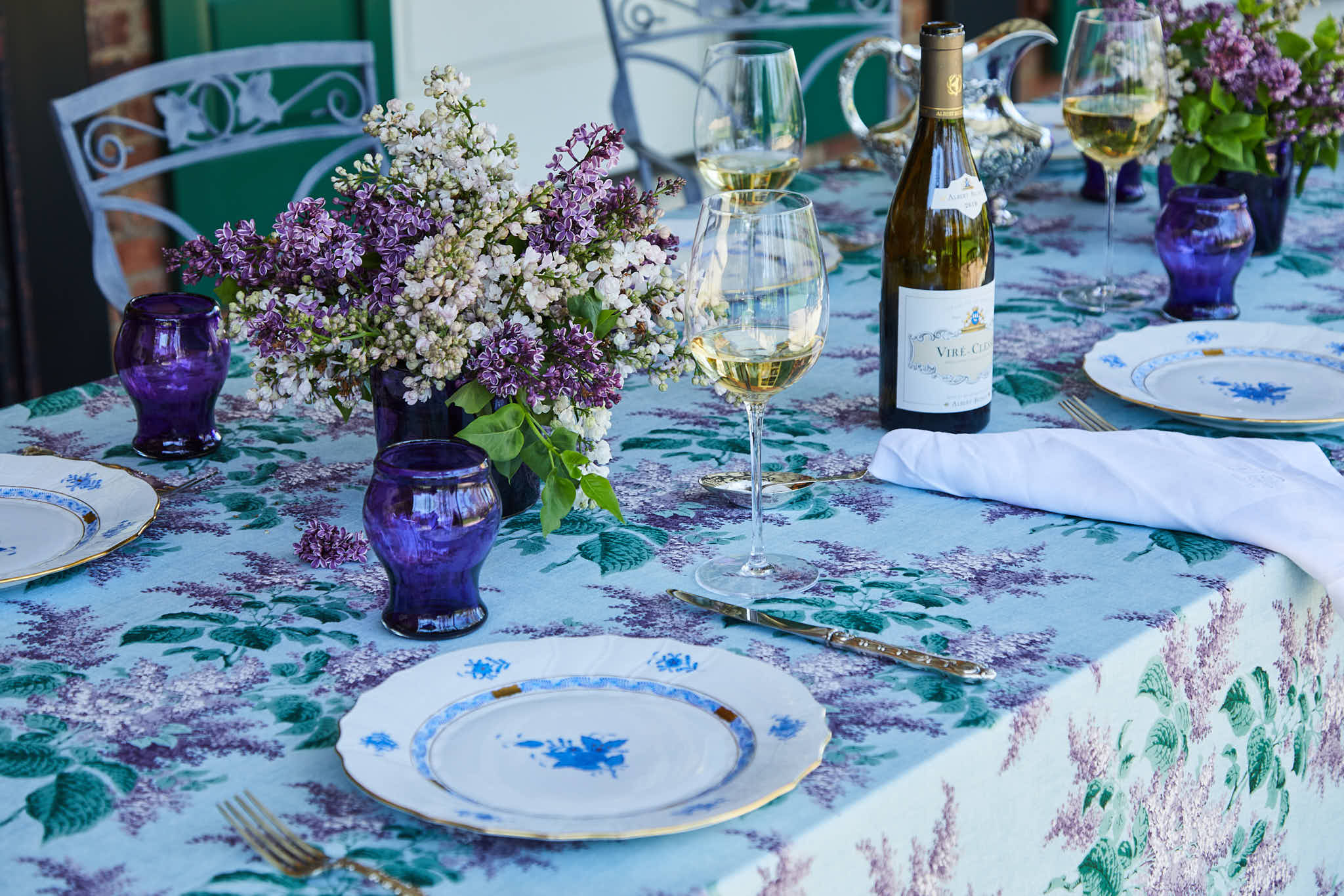
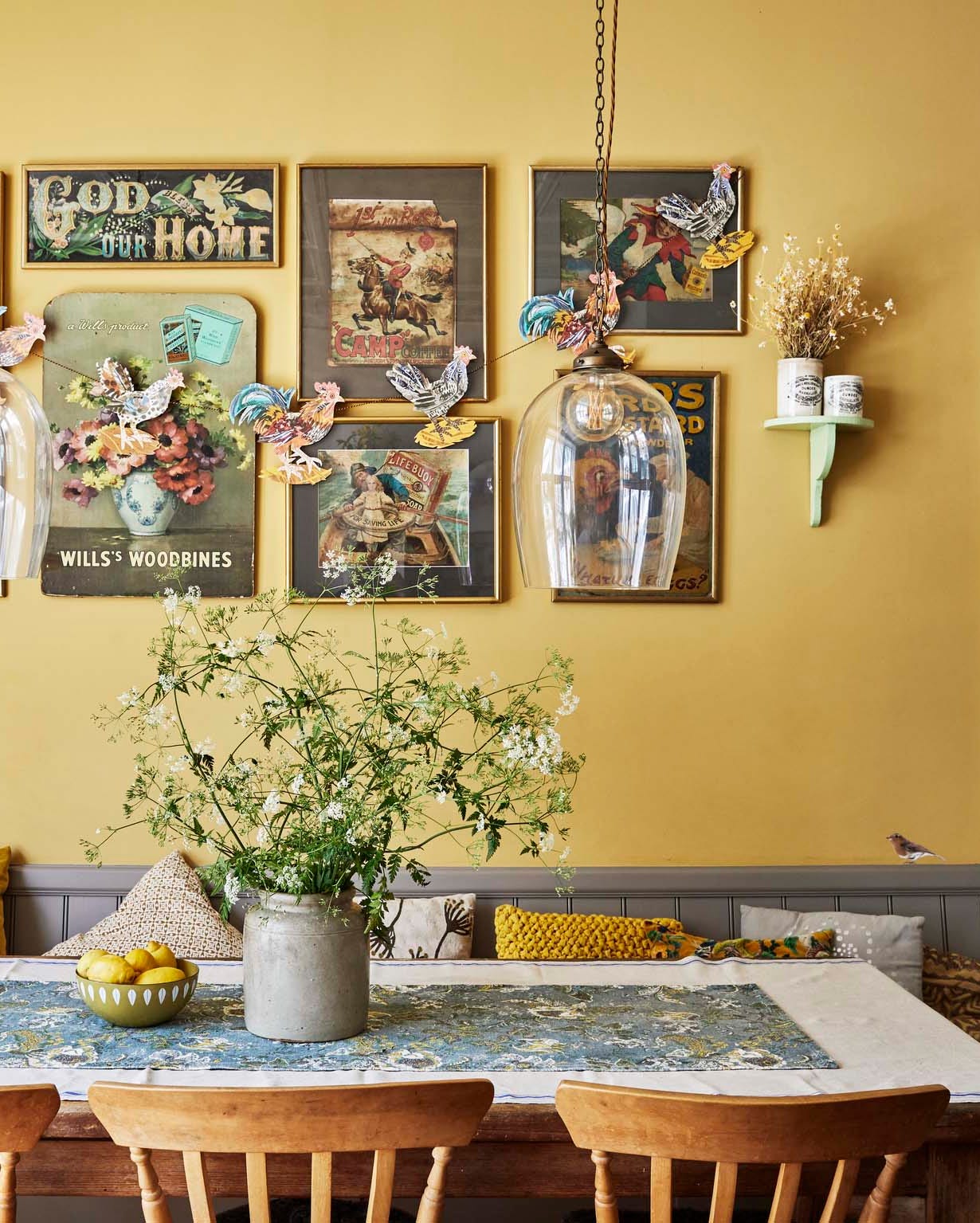
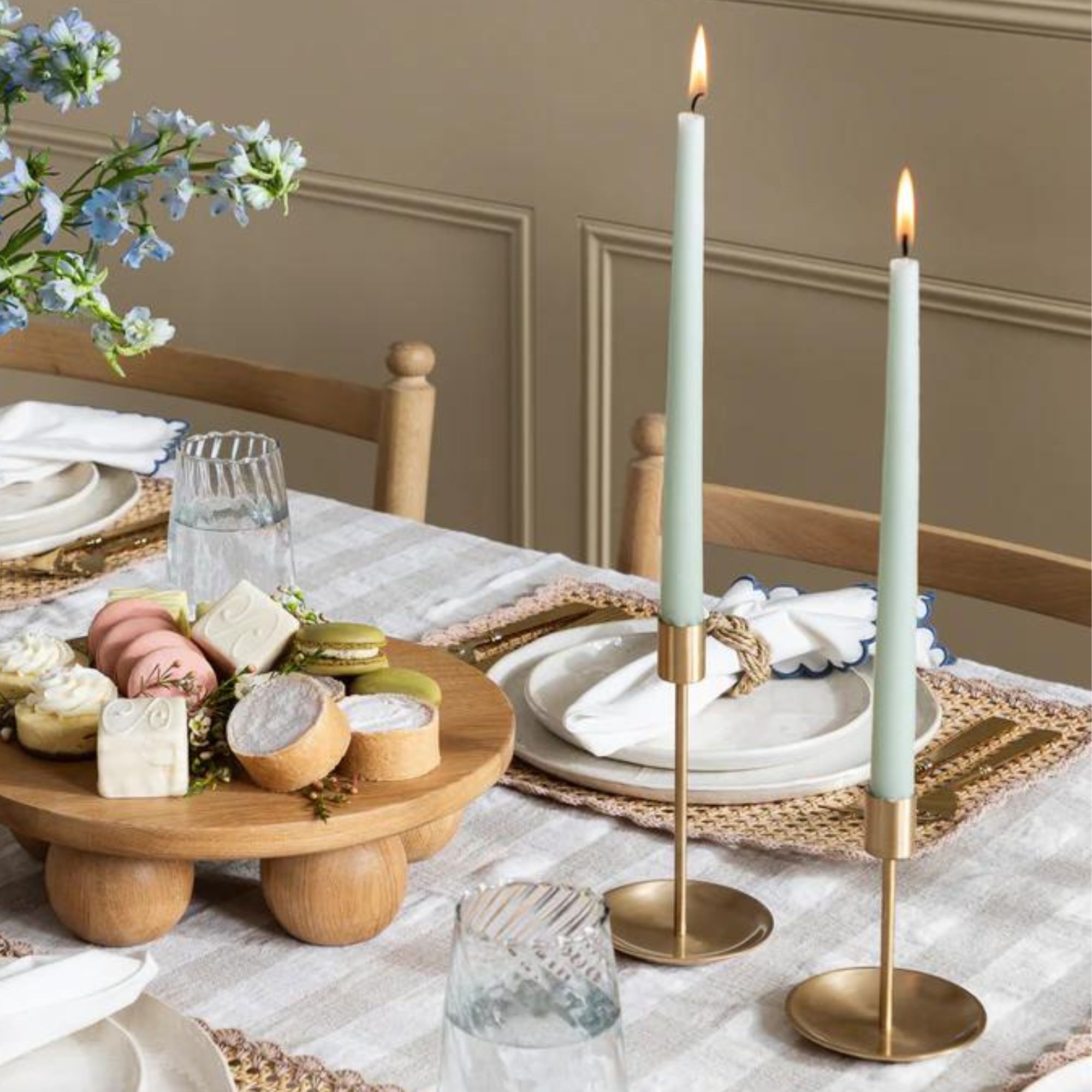
The first key piece of advice is to approach flower shopping with the same discernment as food shopping. Benzakein cautions against corner markets, which often sell spray-painted flowers shipped internationally, and instead recommends sourcing from natural grocery stores like Whole Foods, which typically label their flowers with farm origins, or directly from farmers' markets for the freshest, seasonal options. The article highlights that flowers, much like produce, have seasons: daffodils, lilacs, tulips, and ranunculus in spring; peonies, zinnias, lilies, and sunflowers in summer; and mums, dahlias, and ornamental flowering kale and cabbages in fall.
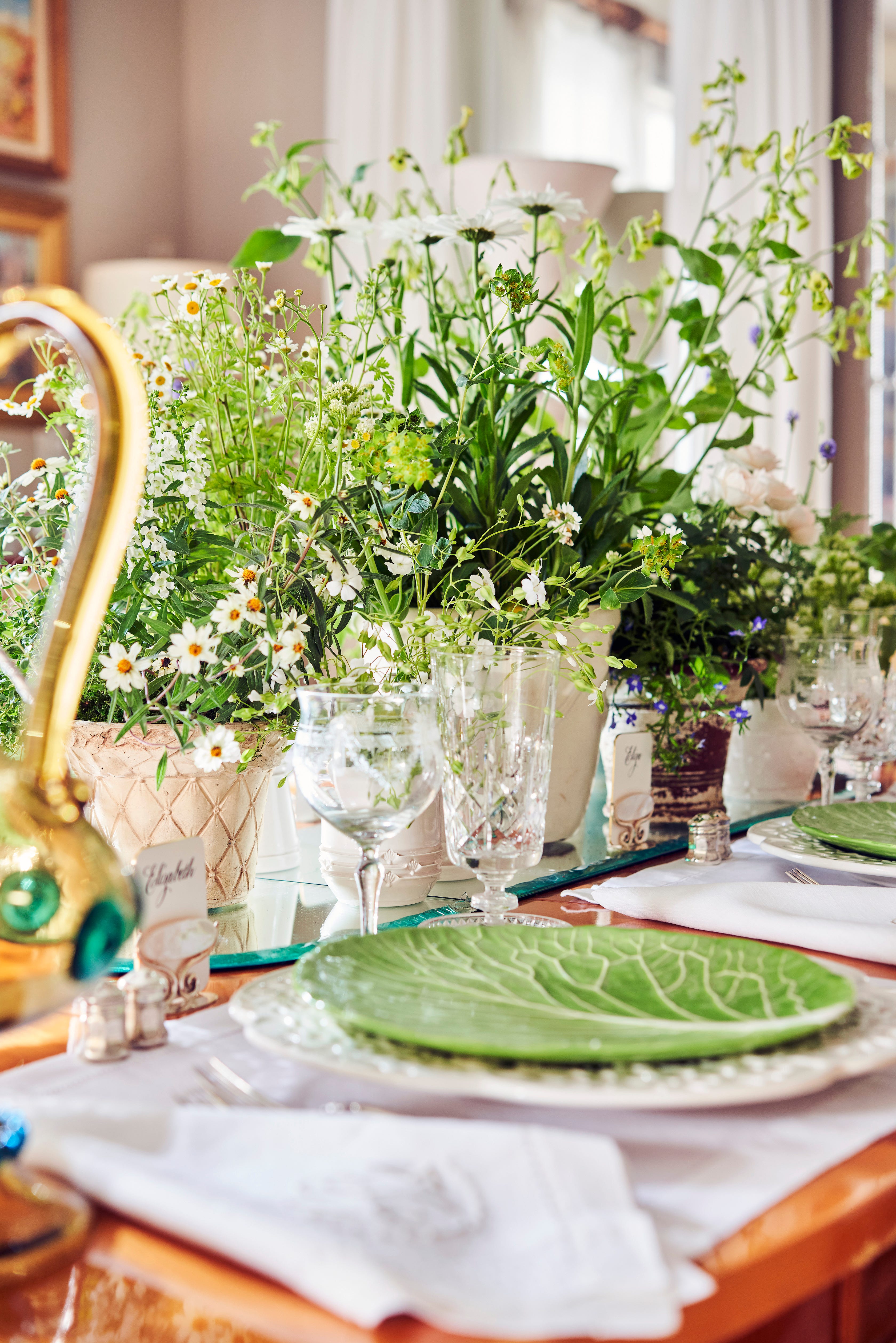
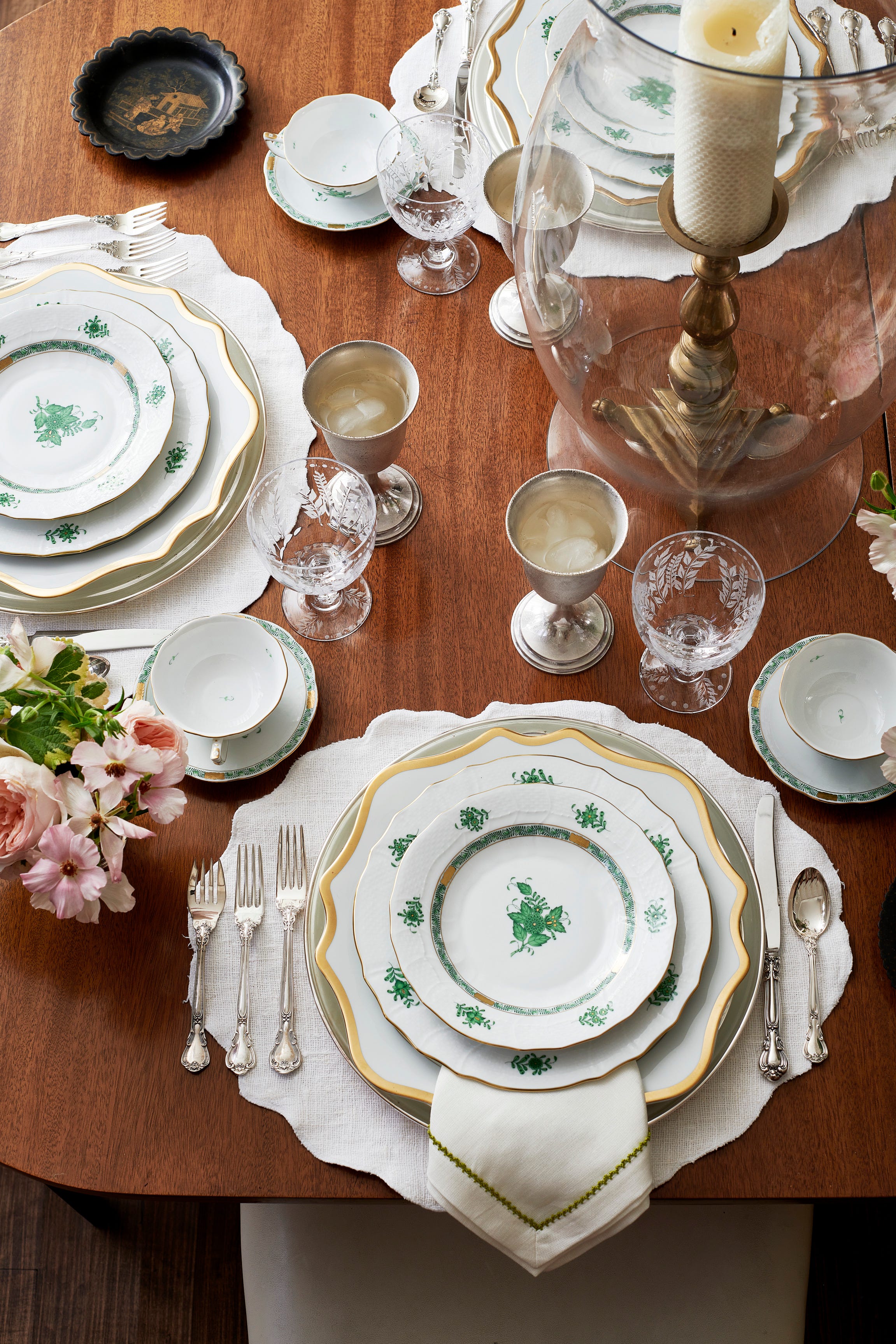
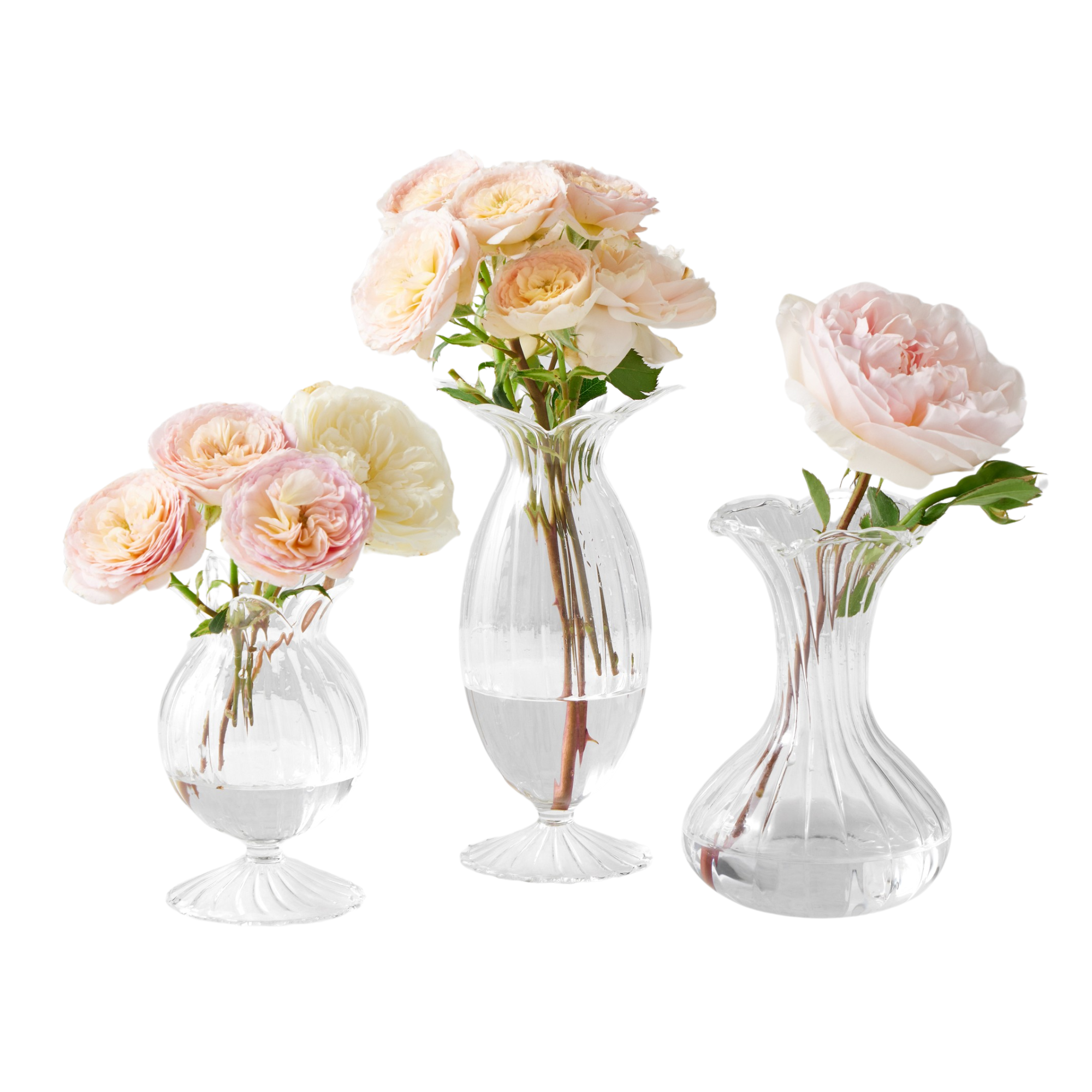
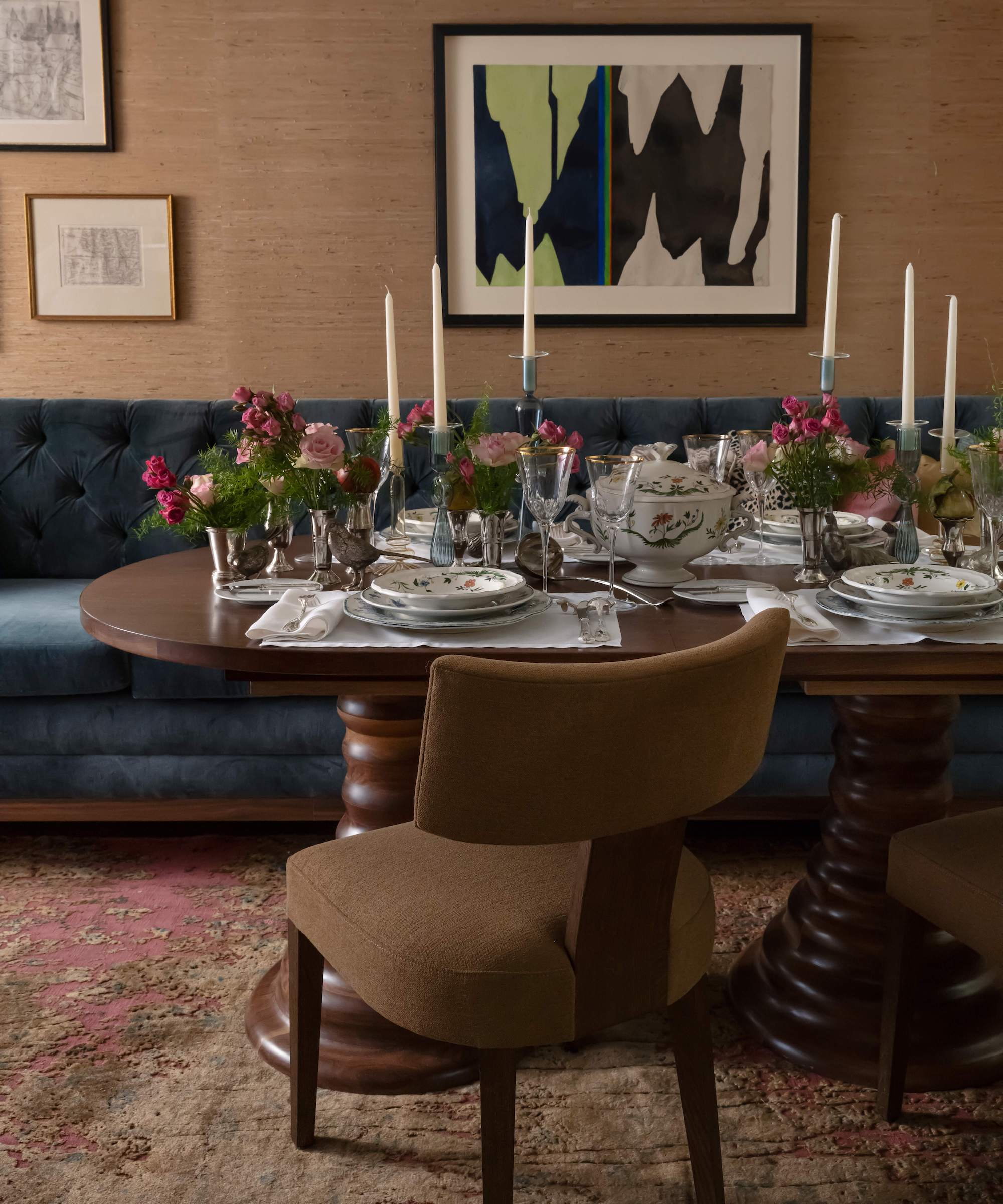
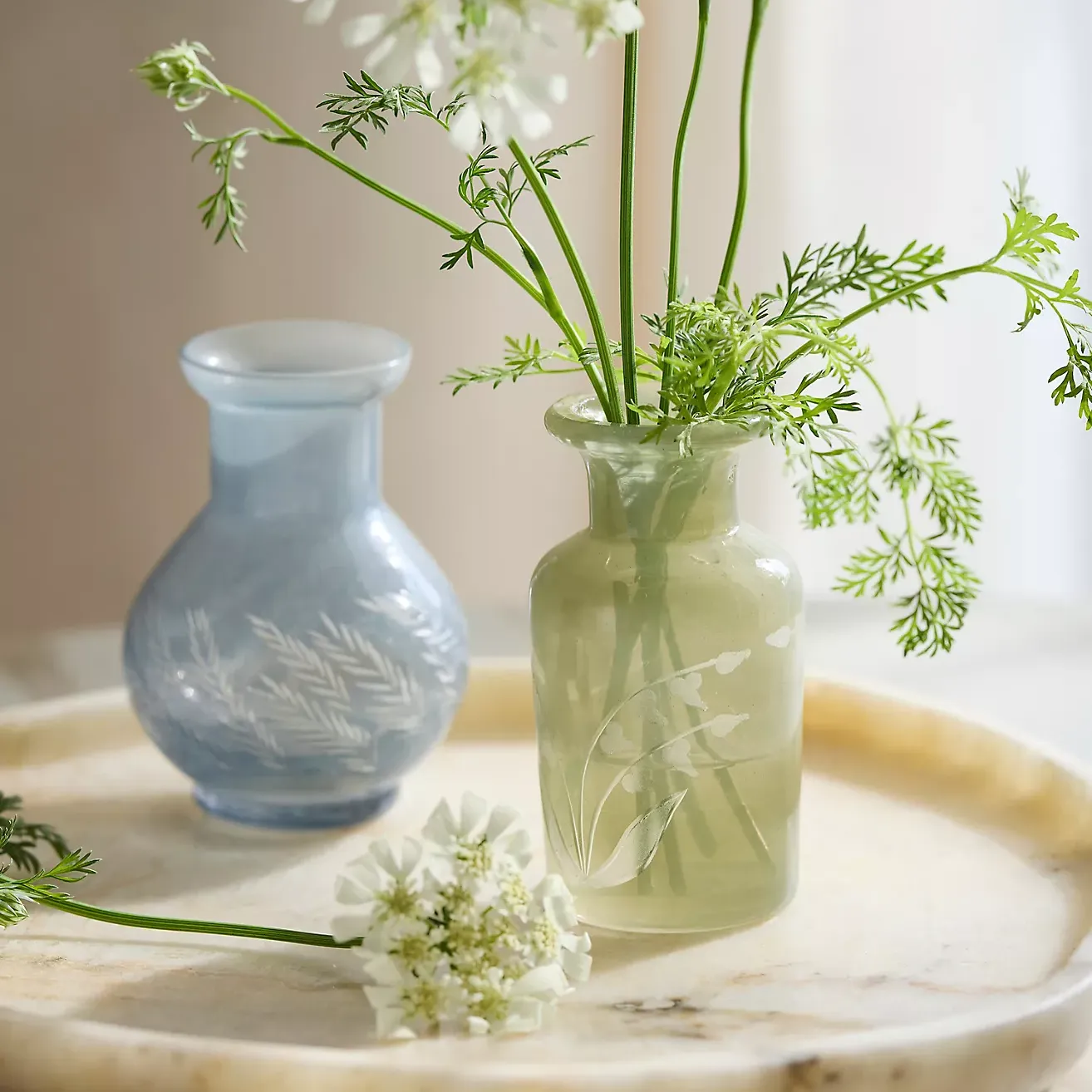
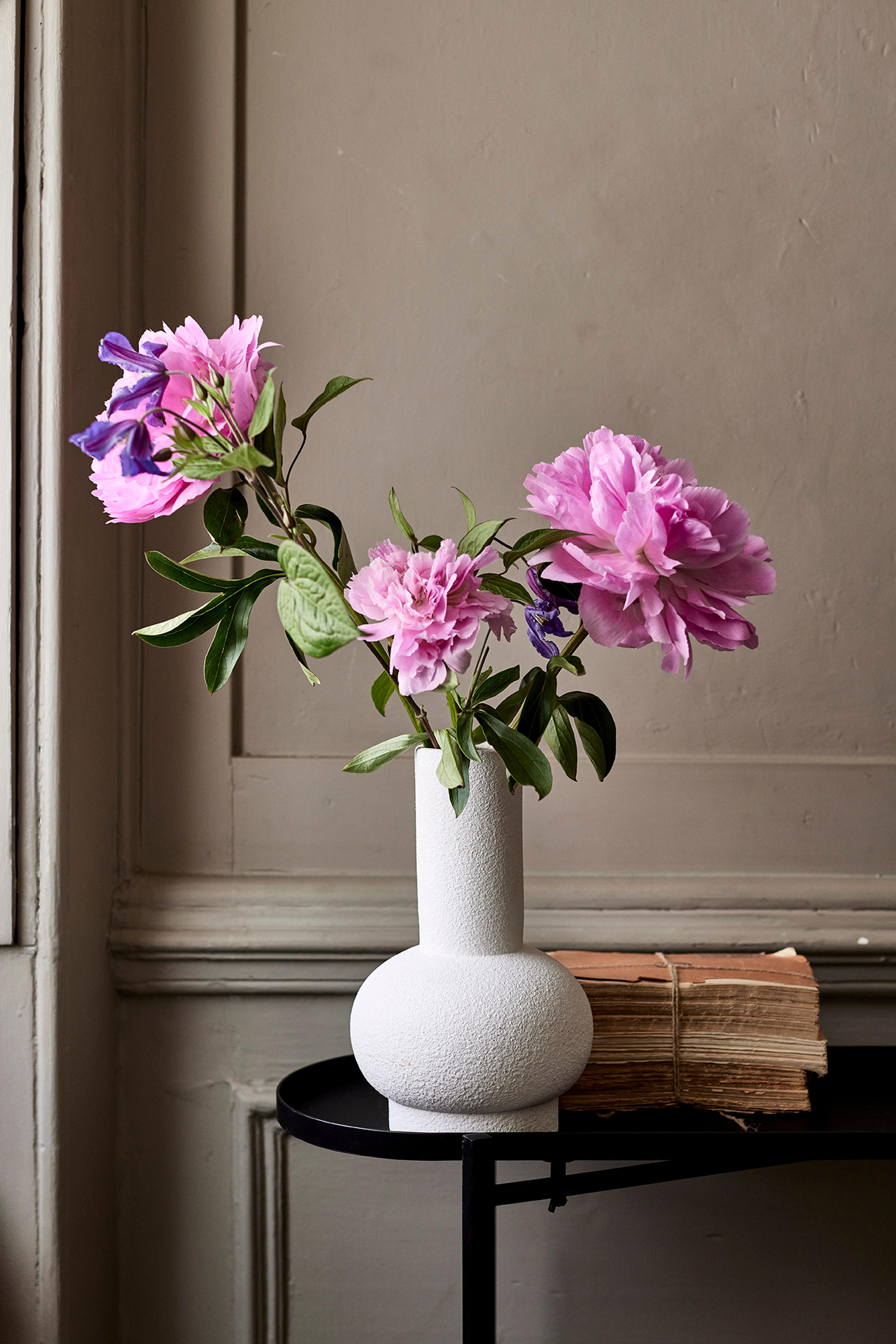
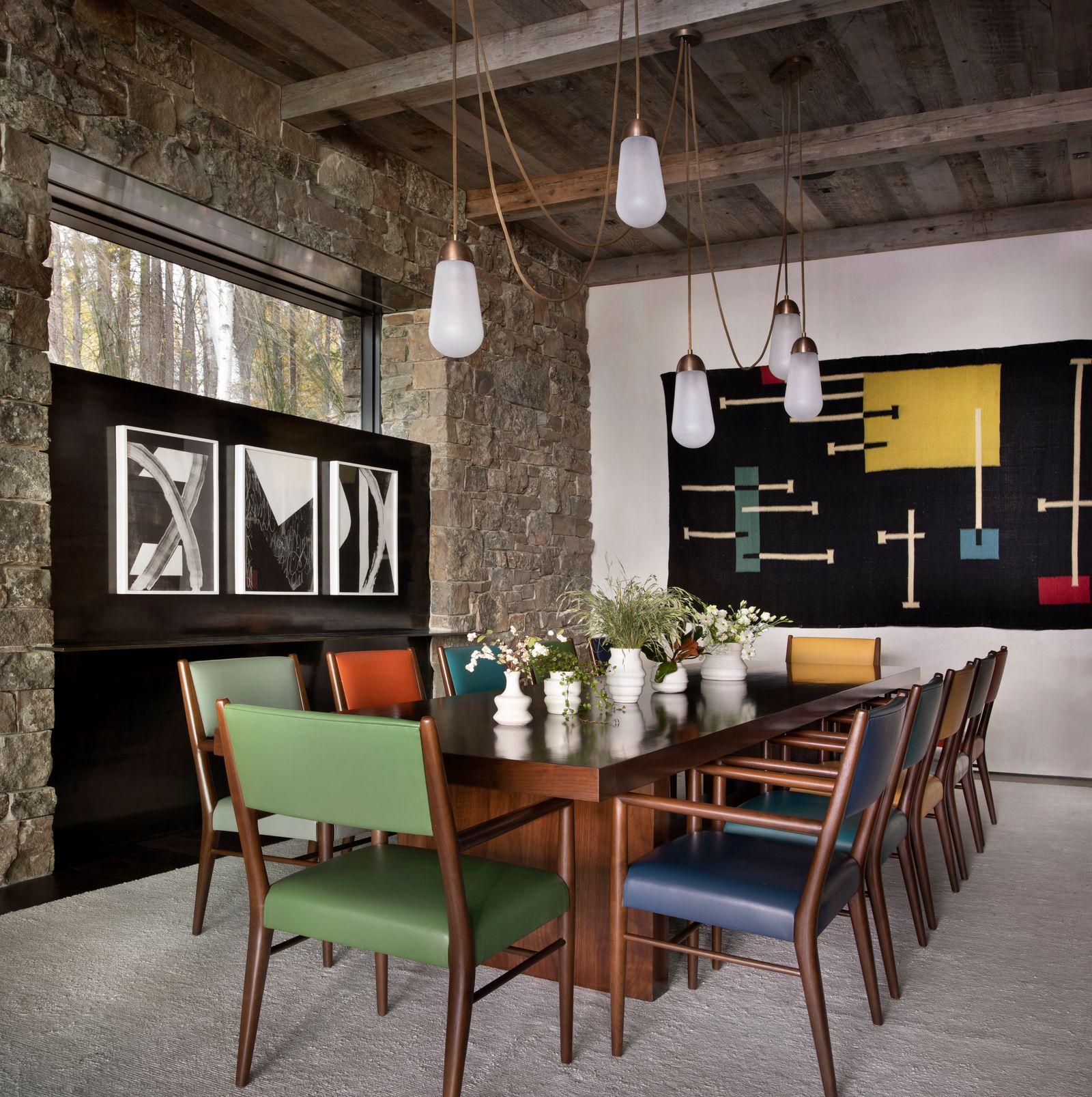
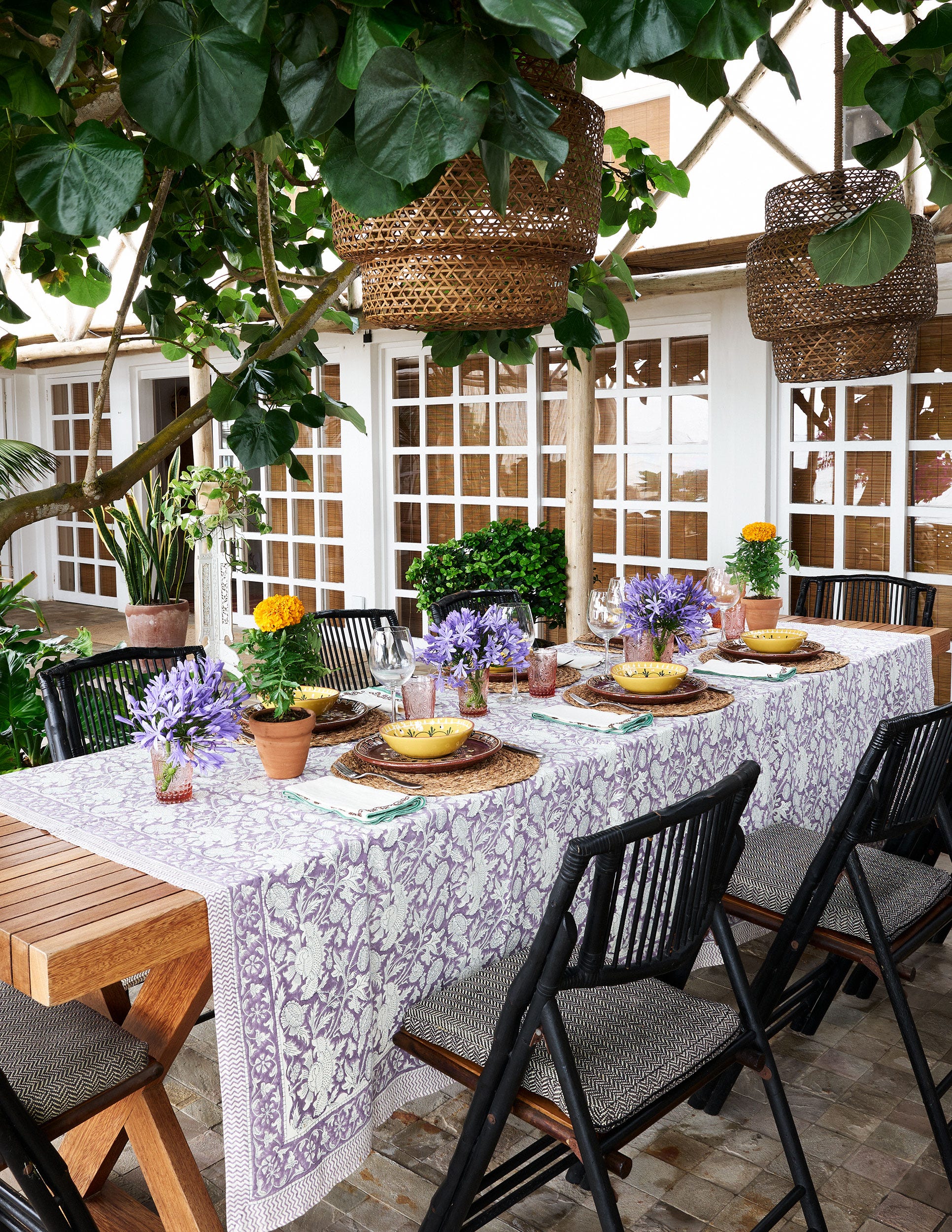
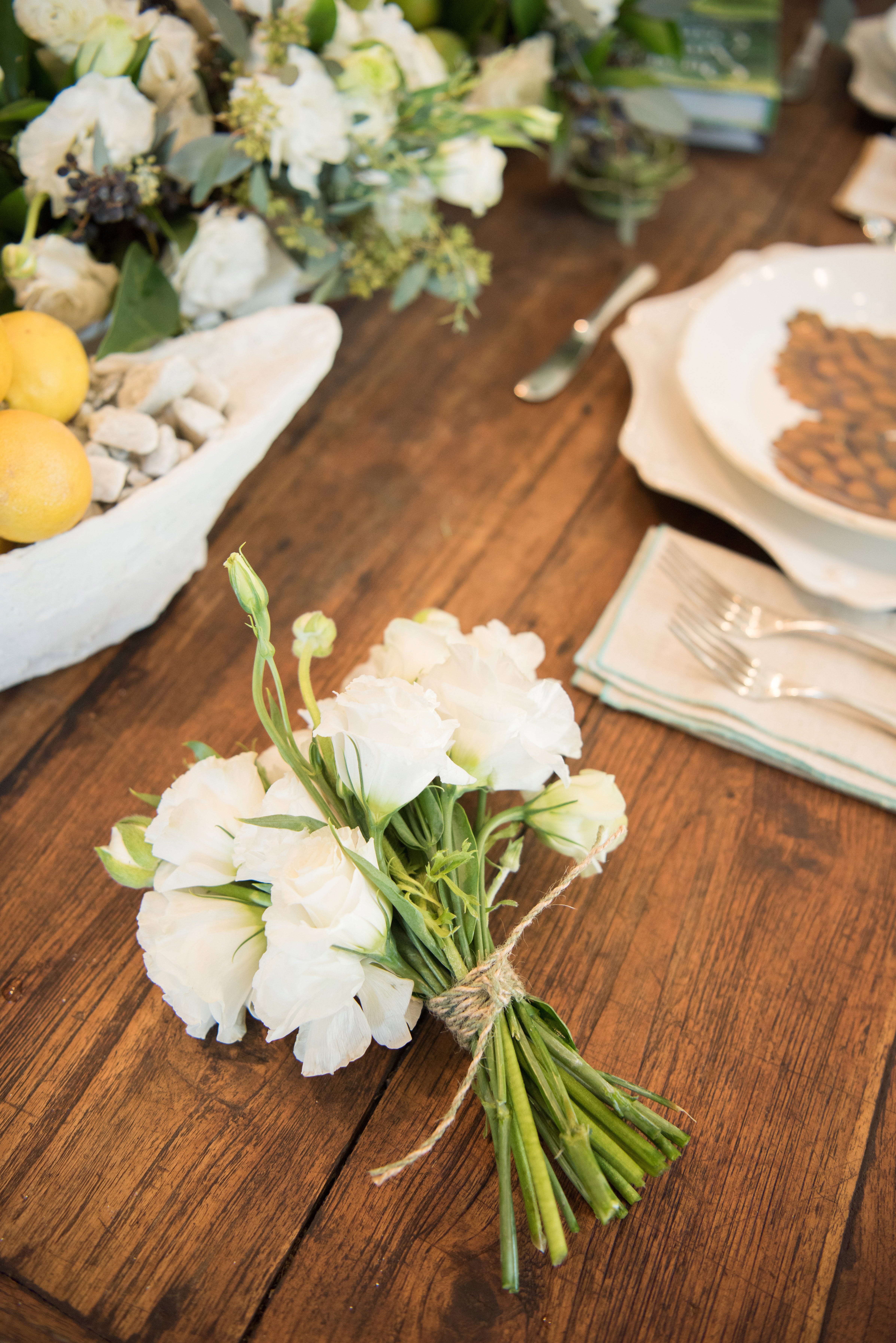
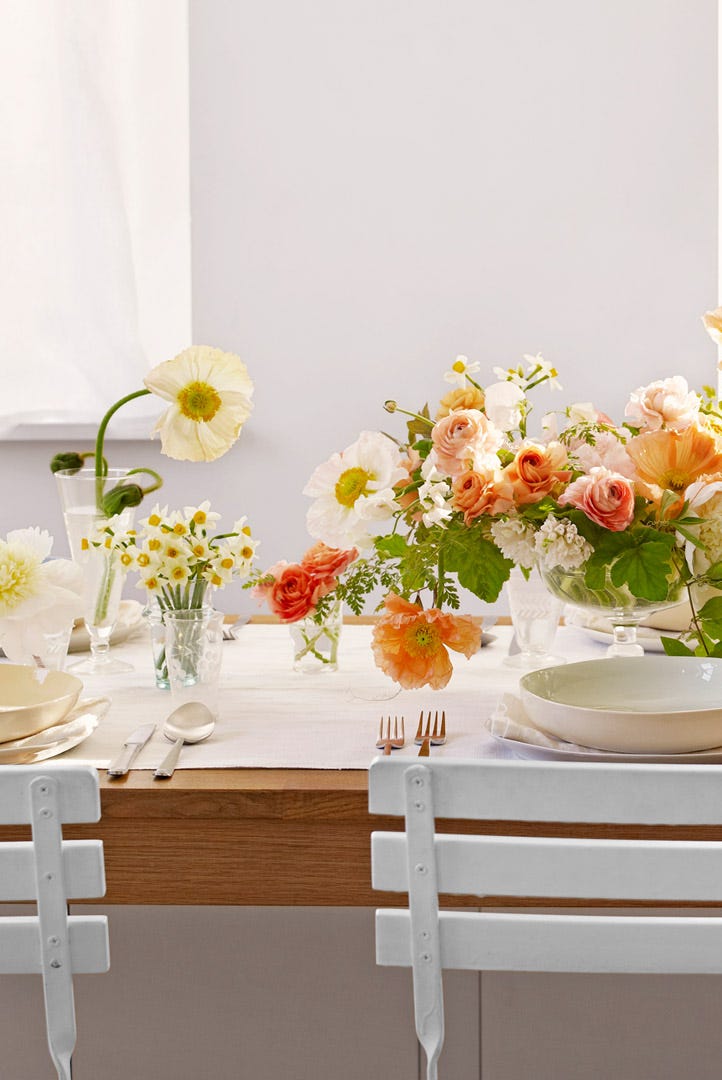
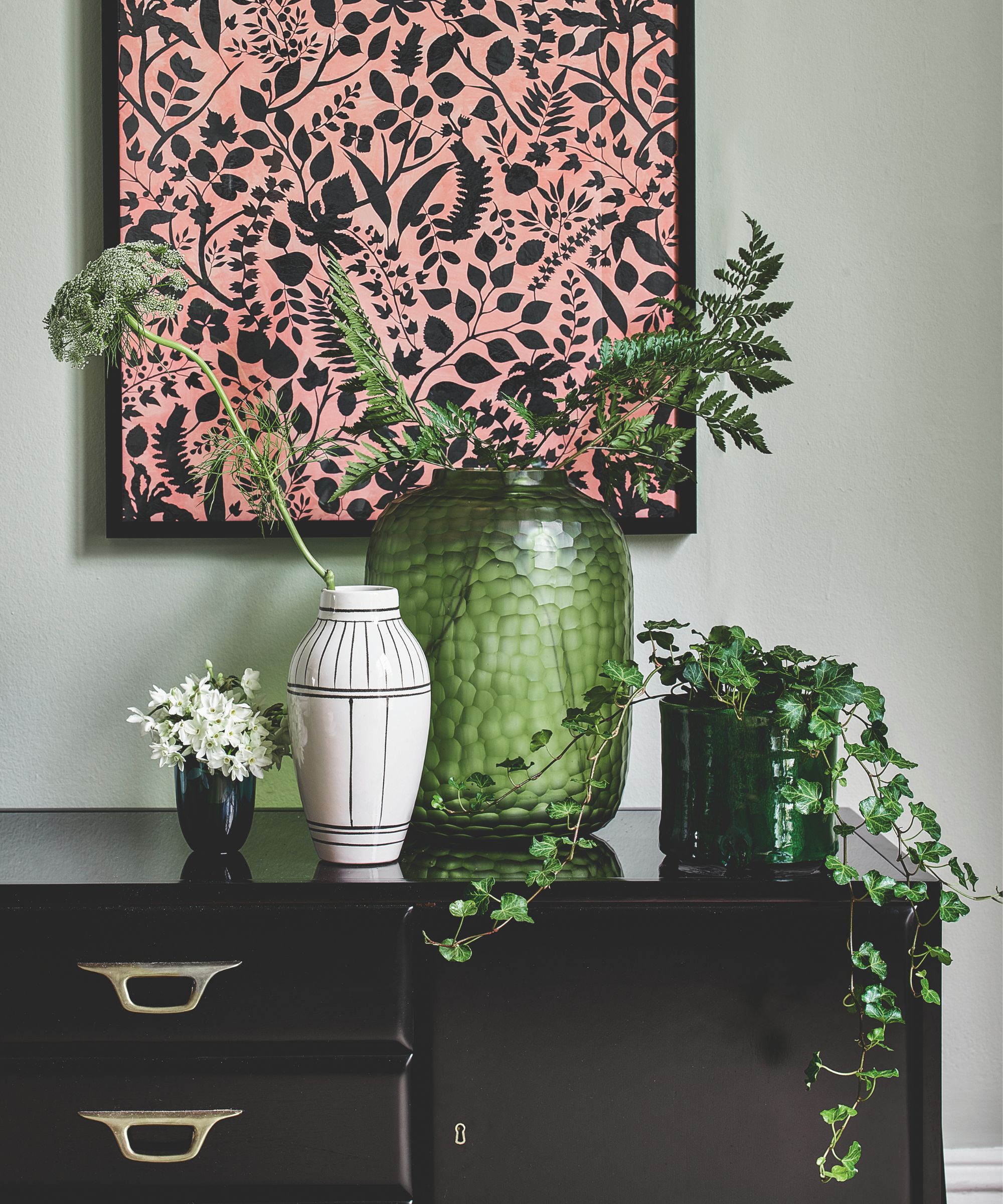
For those seeking simplicity, Benzakein suggests choosing a single color of flowers, such as all white or bright red. These can then be distributed into various small vessels found around the house, like bud vases, pint glasses, or jam jars, and arranged along the center of the dining table for an elegant, understated effect.
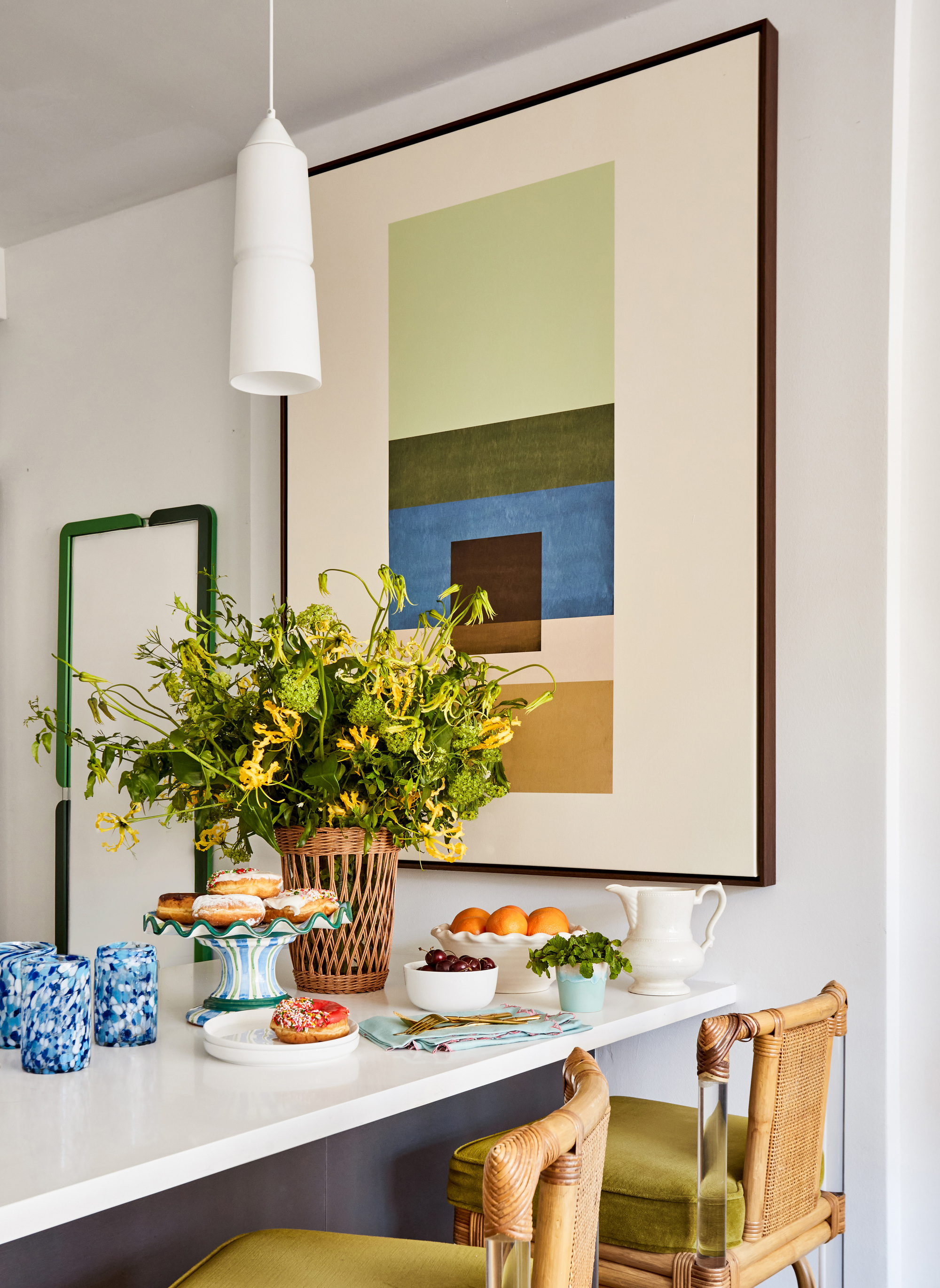
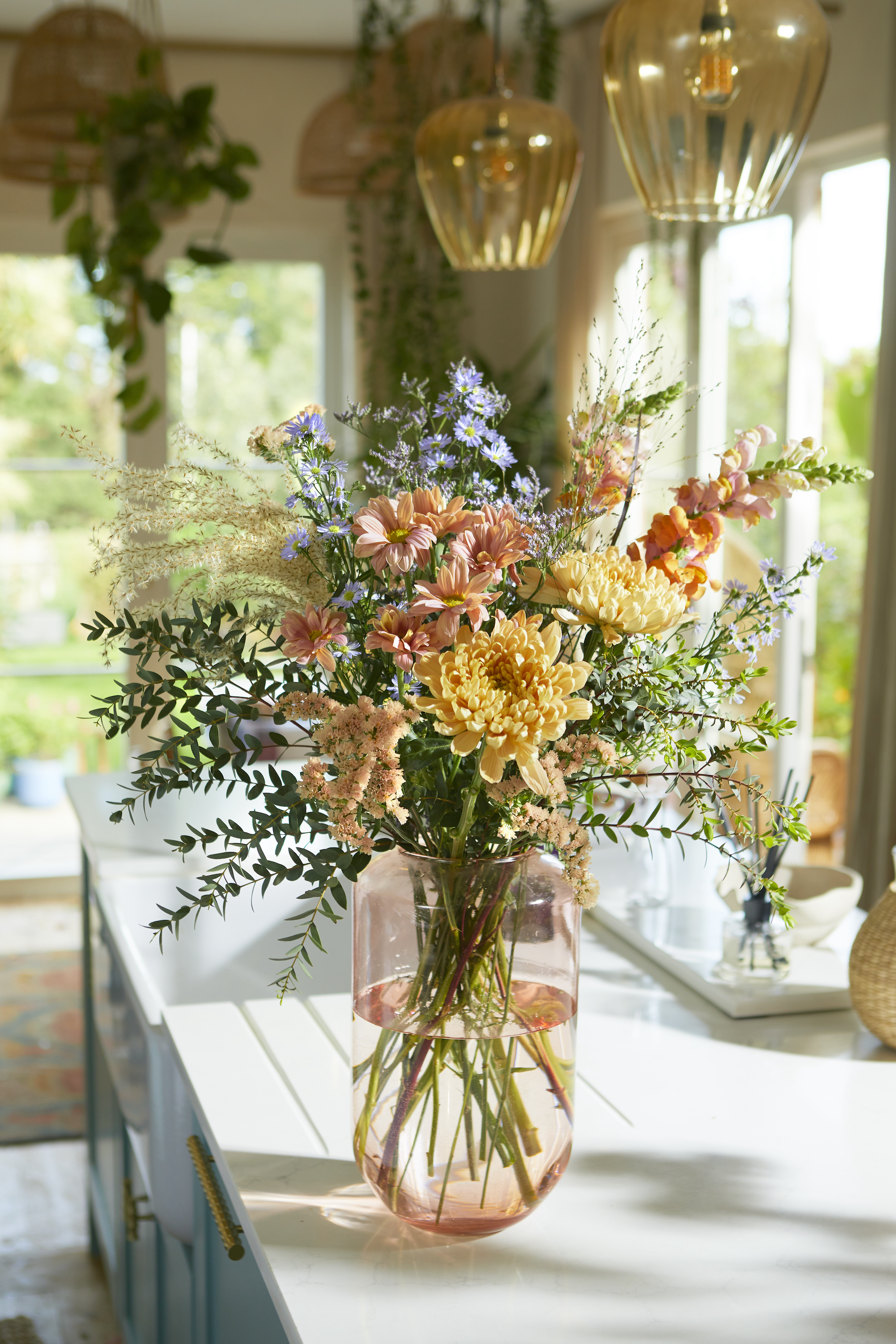
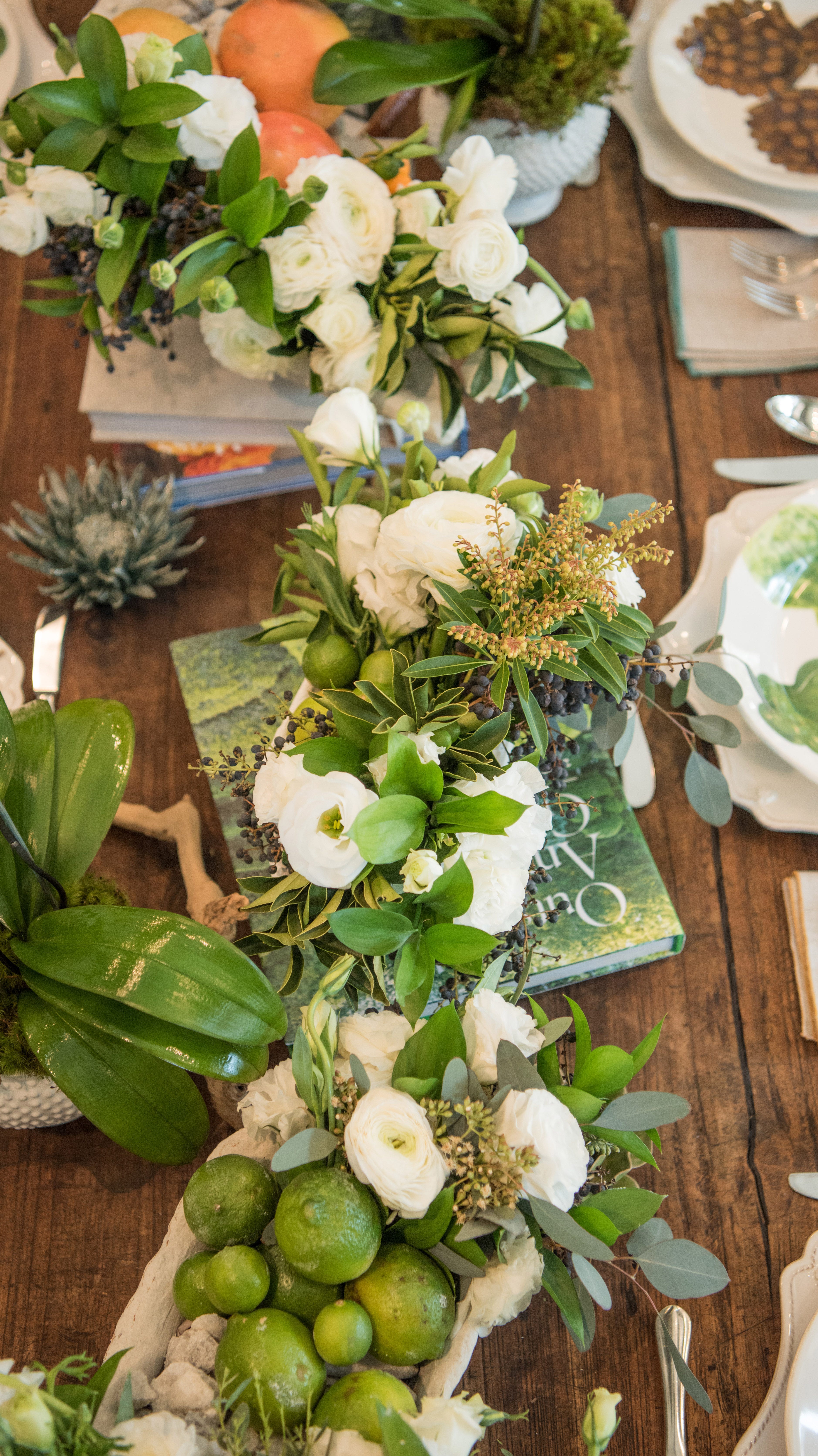
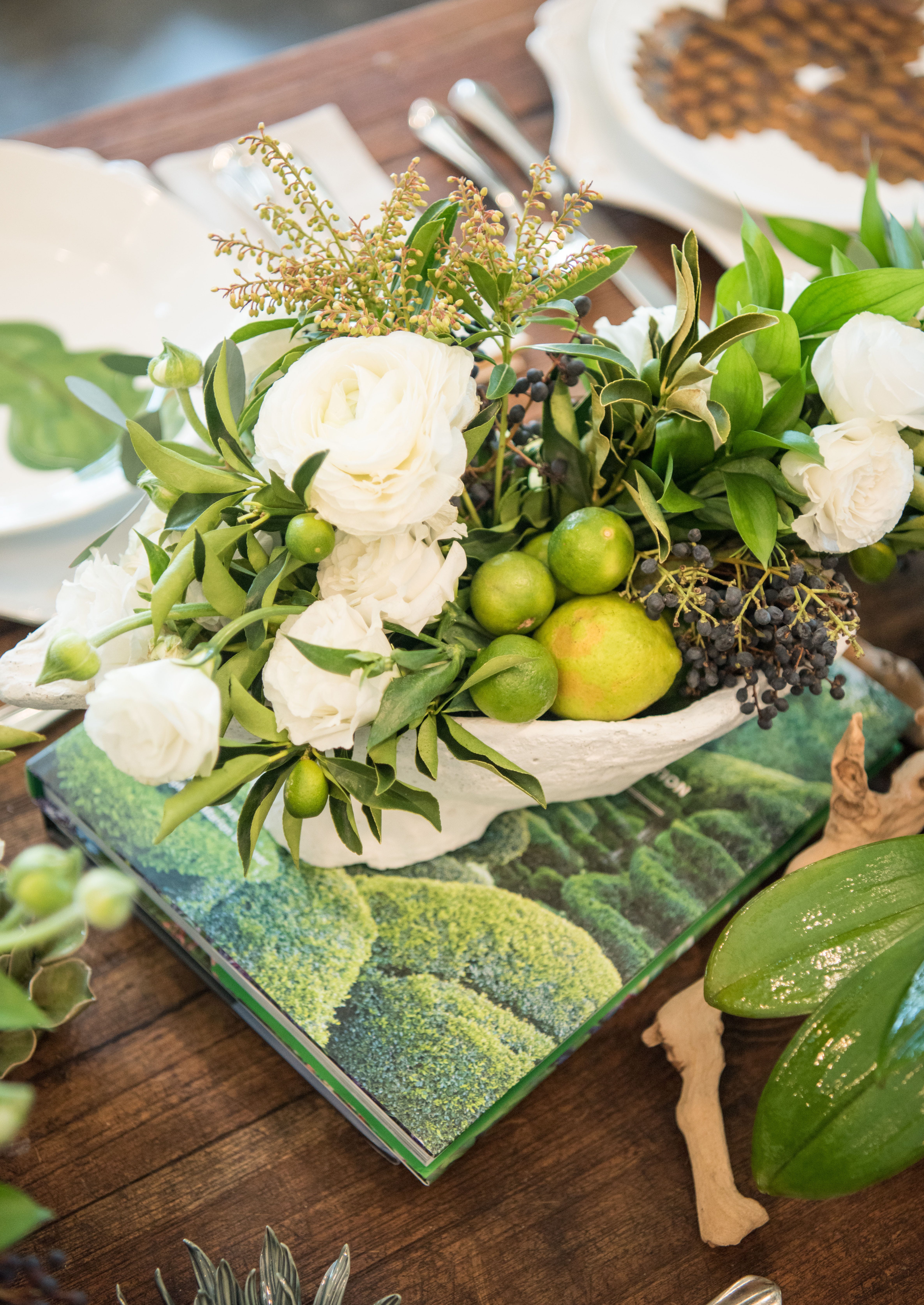
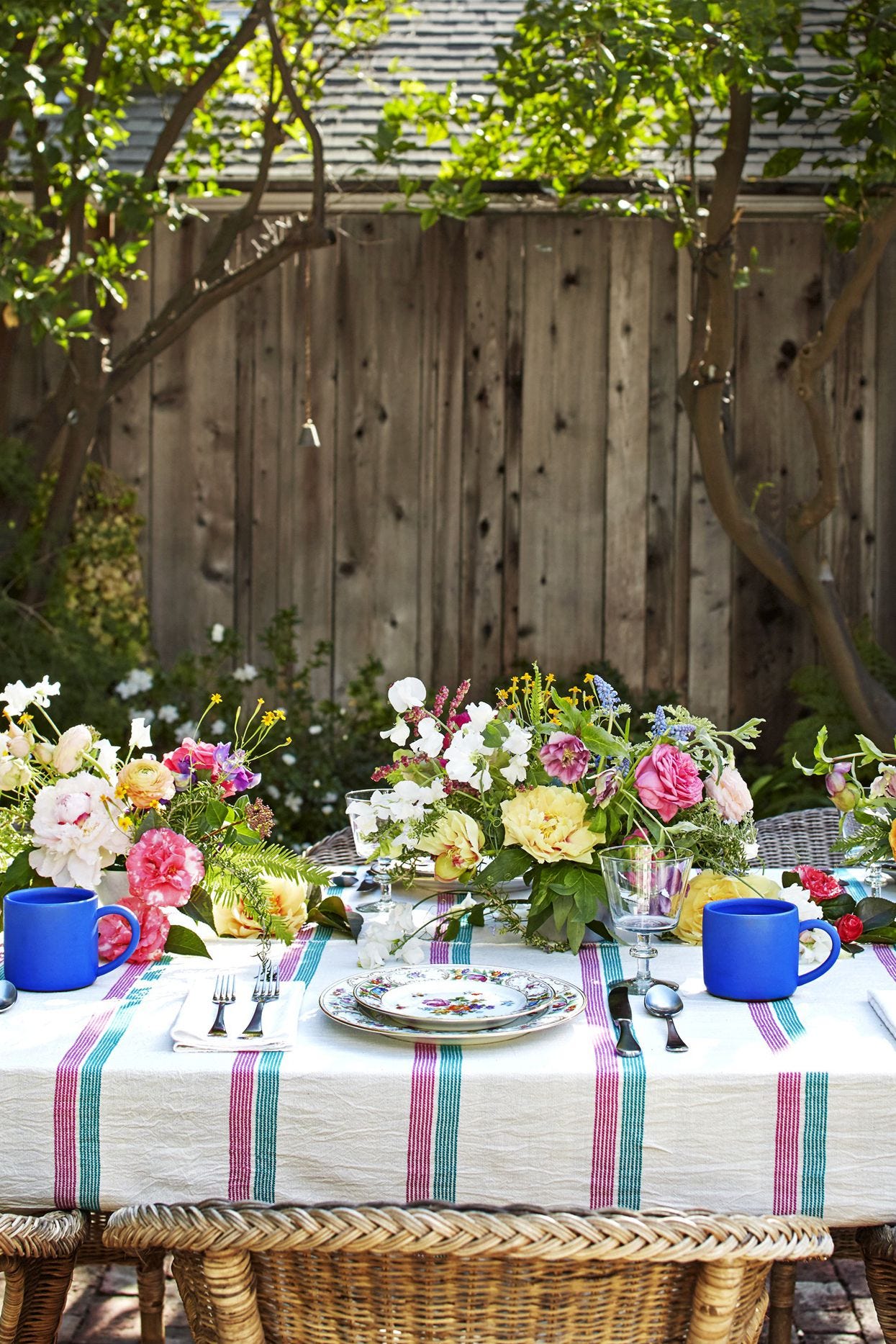
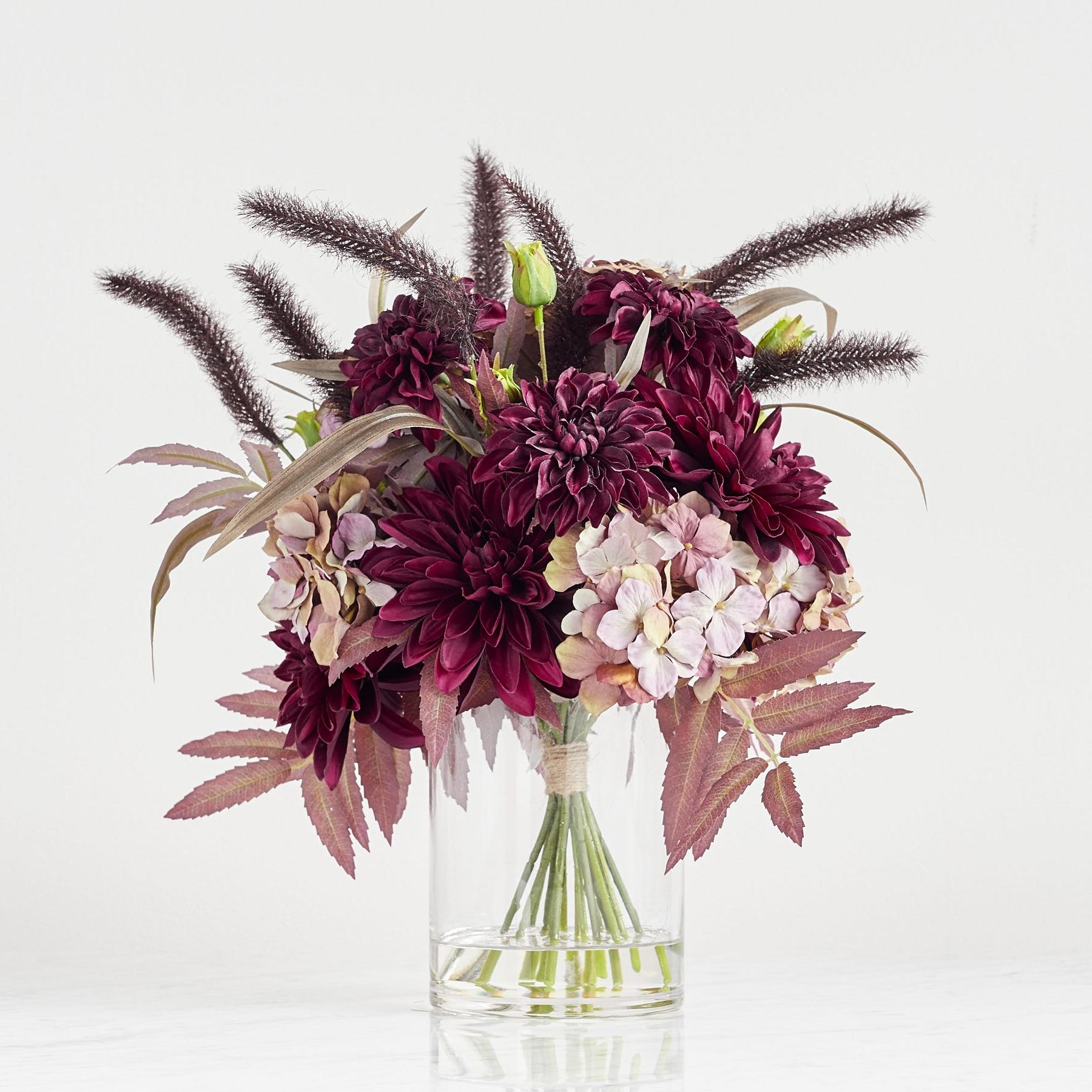
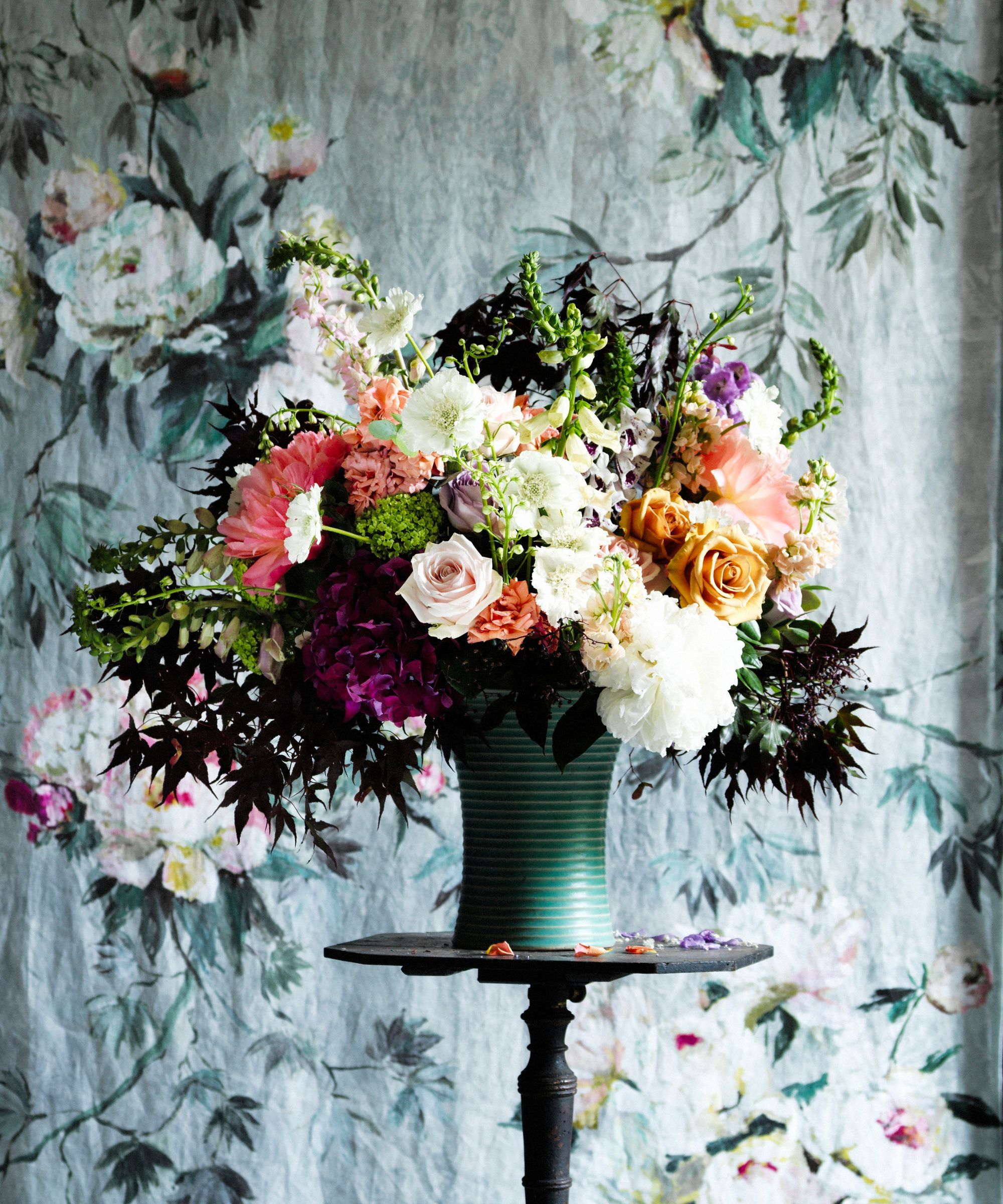
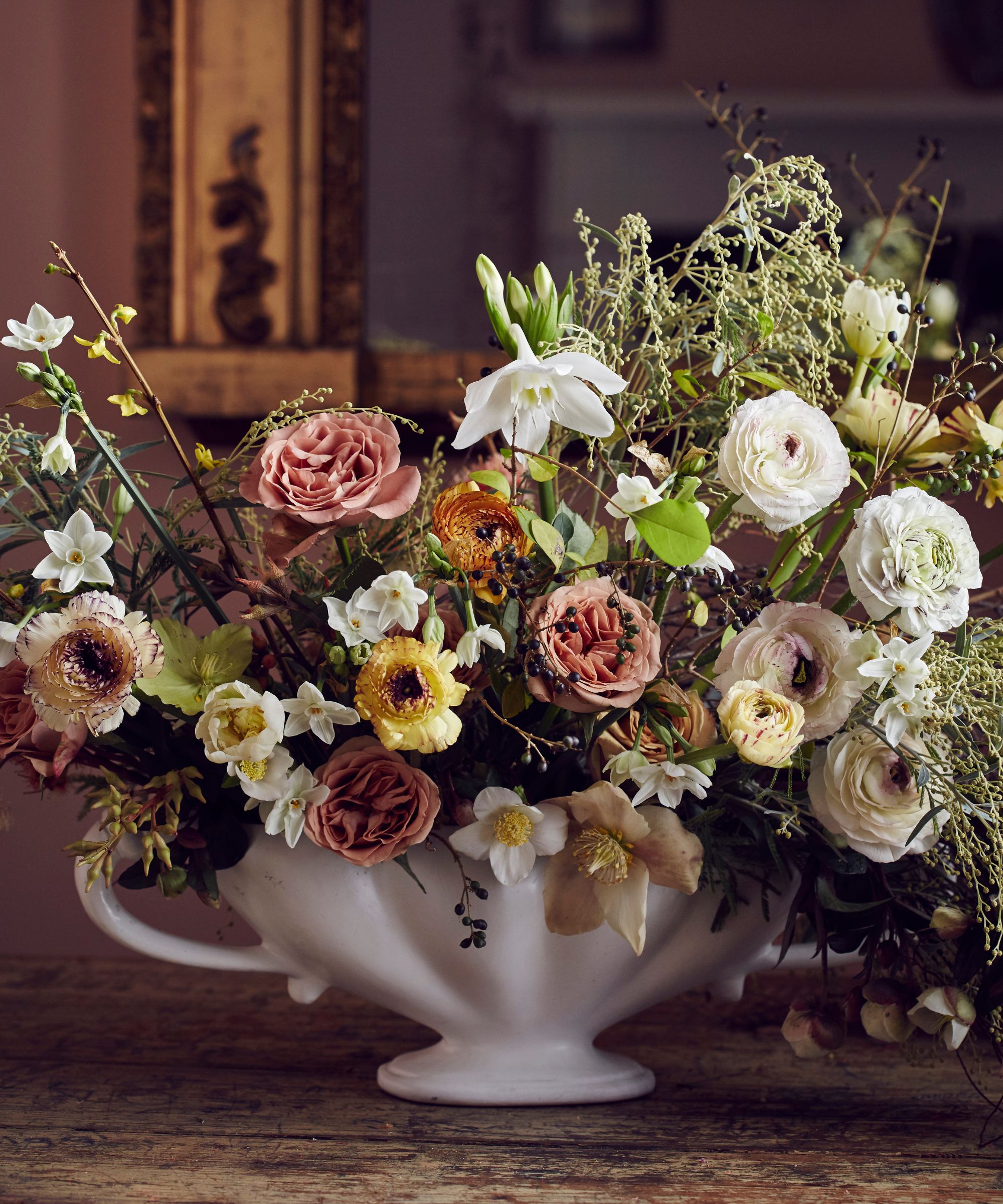
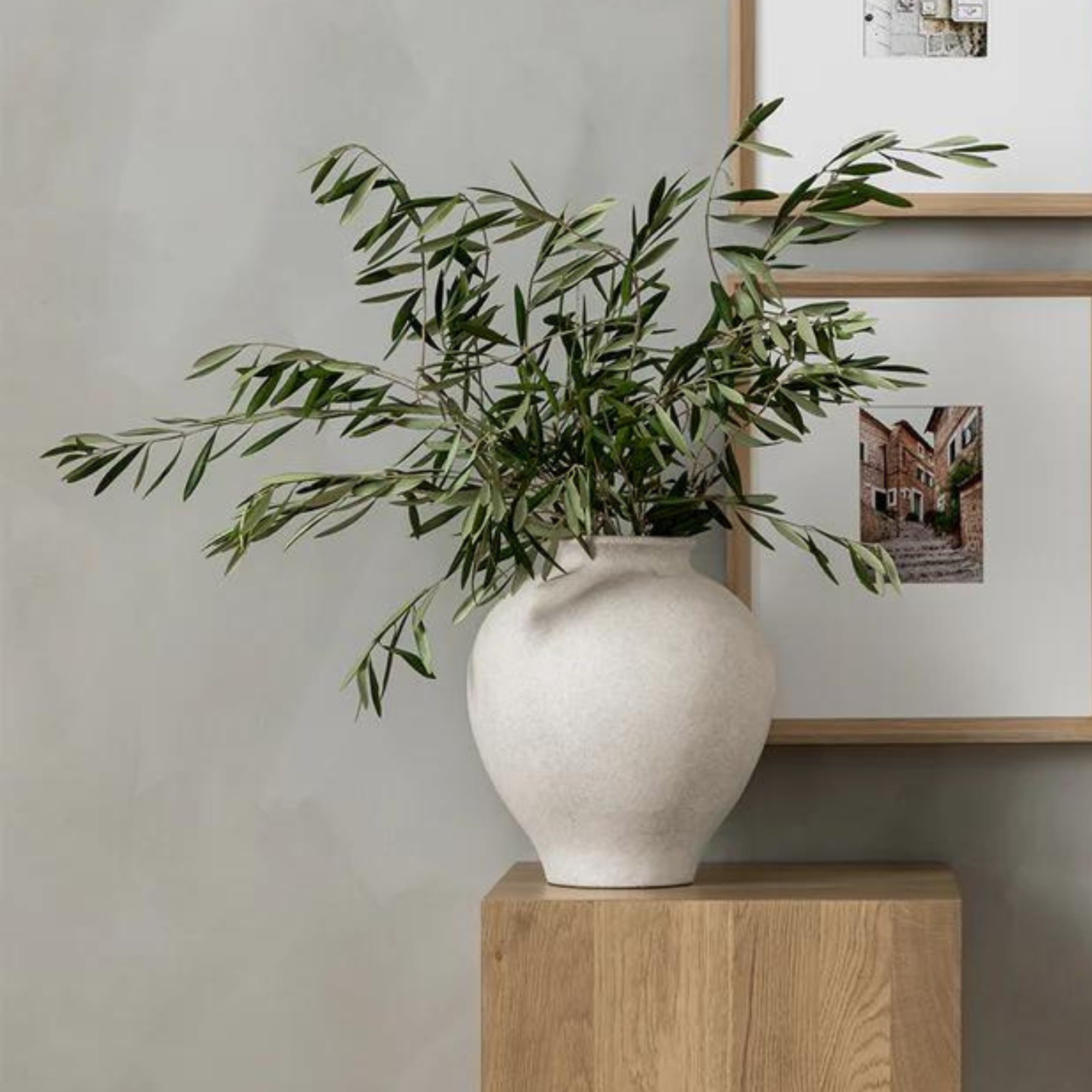
Alternatively, for a larger, more structured arrangement, the “rule of three” is introduced. This method involves combining three components: foliage (or filler) making up half of the arrangement, such as branches, vines, or other green elements, and the remaining half consisting of a mix of large, prominent blooms and smaller spray flowers like chrysanthemums. The article notes that creative additions like baby green beans on the stem, dill, basil, garlic scapes, and artichokes can also be incorporated into these arrangements, adding unique texture and interest.
From an engineering perspective, the article advises starting the arrangement with sturdy branches to establish the foundation, followed by supporting greens and airy filler. The larger flowers are then threaded in, accented by smaller blooms. The goal is to achieve a loose, airy shape, avoiding a compact, “lollipop-like” appearance.
To provide stability for arrangements in opaque vases, Benzakein recommends using a small piece of chicken wire inside the vase to poke stems into, or loosely rubber-banding stems together below the vase’s neck. This “scaffolding” helps maintain the desired shape and structure. Finally, the importance of using the provided flower food packet is emphasized, as it can double the lifespan of the arrangement and prevent water from becoming murky. Cutting the stems just before placing them in water is also advised to maximize water absorption, ensuring the flowers stay fresh longer.
#FloralArrangement #DinnerPartyDecor #FlowerDecor #ErinBenzakein #SeasonalFlowers #TableSetting #HomeDecoration #FlowerCare #DIYFlowers #FloralArrangement #DinnerPartyDecor #FlowerDecor #ErinBenzakein #SeasonalFlowers #TableSetting #HomeDecoration #FlowerCare #DIYFlowers
0 comment in total
 No comments yet
You may also like
Dress Up Your Table with These Gorgeous Floral Centerpieces

Flower home decor ideas – 12 blooming looks that'll add instant cheer to your home

Floral room decor ideas – 22 ways to decorate with this springtime favorite

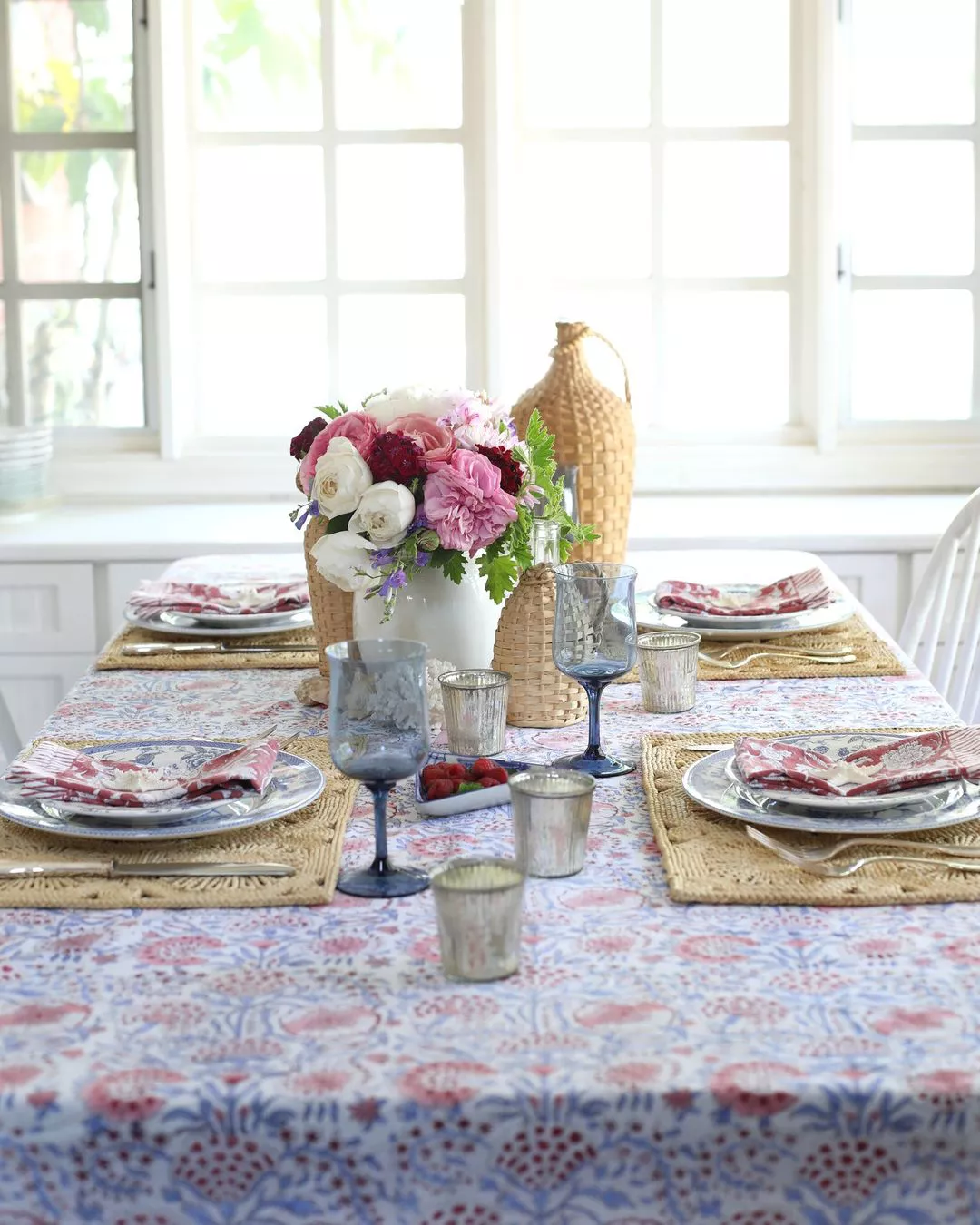
52 Beautiful Spring Centerpieces You Can Easily Make for Your Home

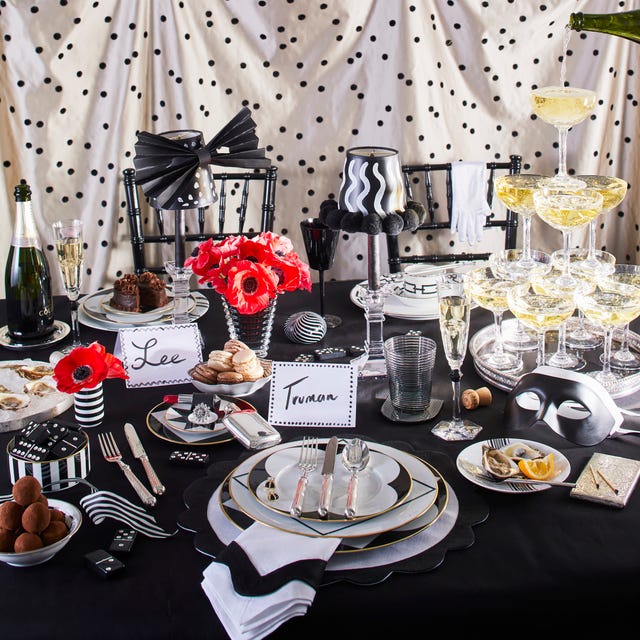
40 Chic Table Decorating Ideas for Every Occasion
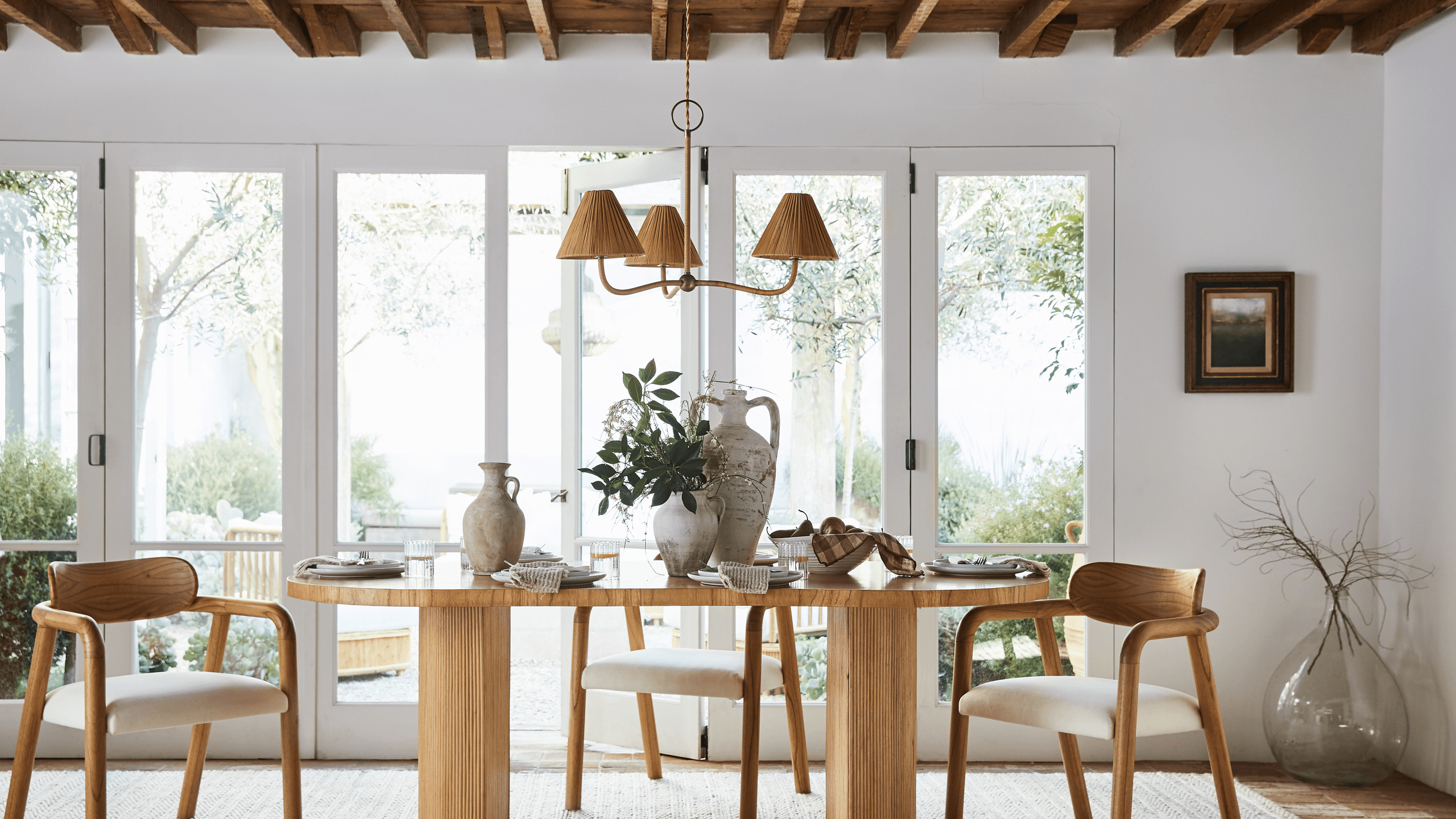
25 Dining Table Centerpiece Ideas for Everyday Elegance

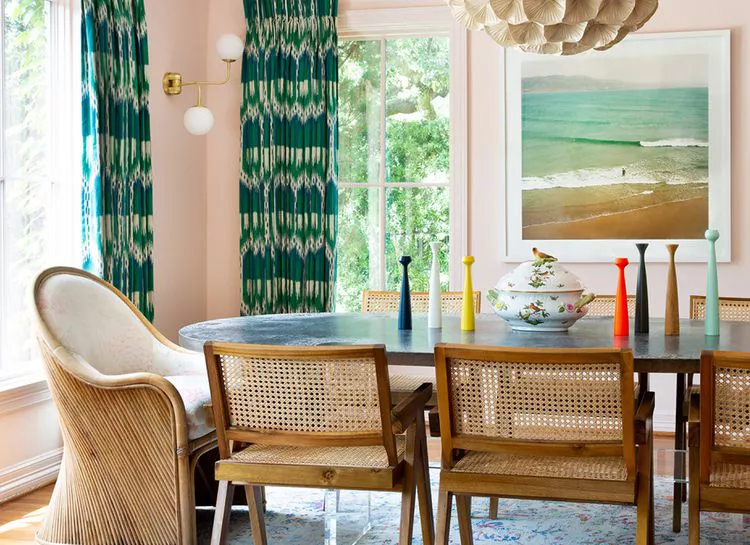
12 Dining Table Décor Ideas for a Show-Stopping Spread

10 Lush Thanksgiving Flower Arrangement Ideas for Your Holiday Table

5 Things Every Good Spring Table Should Have on It — These Decor Ideas Capture the Spirit of the Season

How to Arrange Flowers for an Unexpected, Wild-Looking Table (Published 2019)
18 Ways To Add Floral Design Elements To Your Kitchen

How to arrange flowers like a professional – these 7 rules are all you need according to floral experts
It's Dinner-Party Season — & These Floral Arrangements Are The Perfect Way To Elevate Your Table
Our Favorite Spring Table and Centerpiece Ideas
25 Spring Centerpiece Ideas to Set Your Dinner Party Table in Style
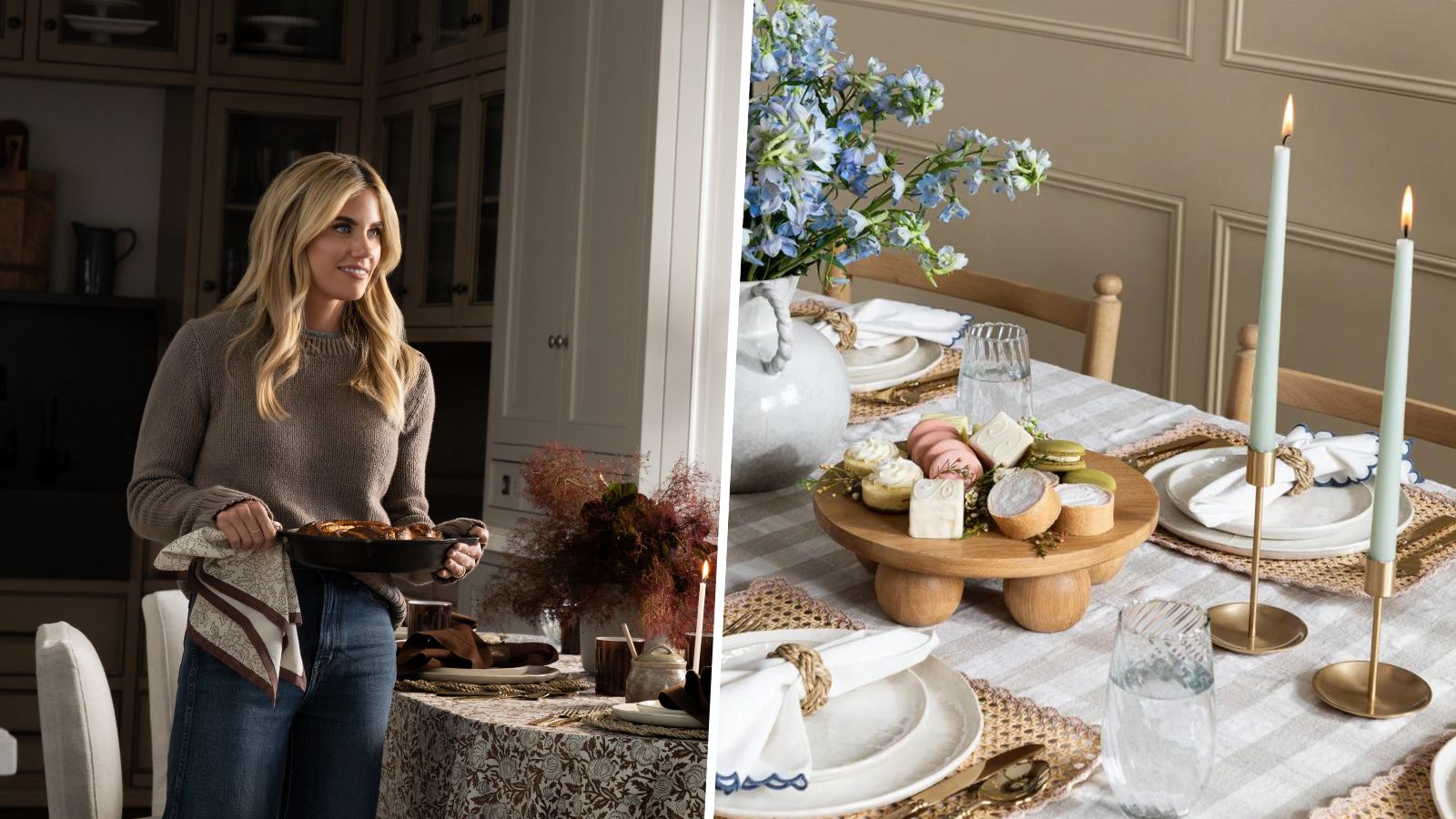
'How do you style a dining table without a formal floral arrangement?' – here's everything you need for a curated display, according to Shea McGee
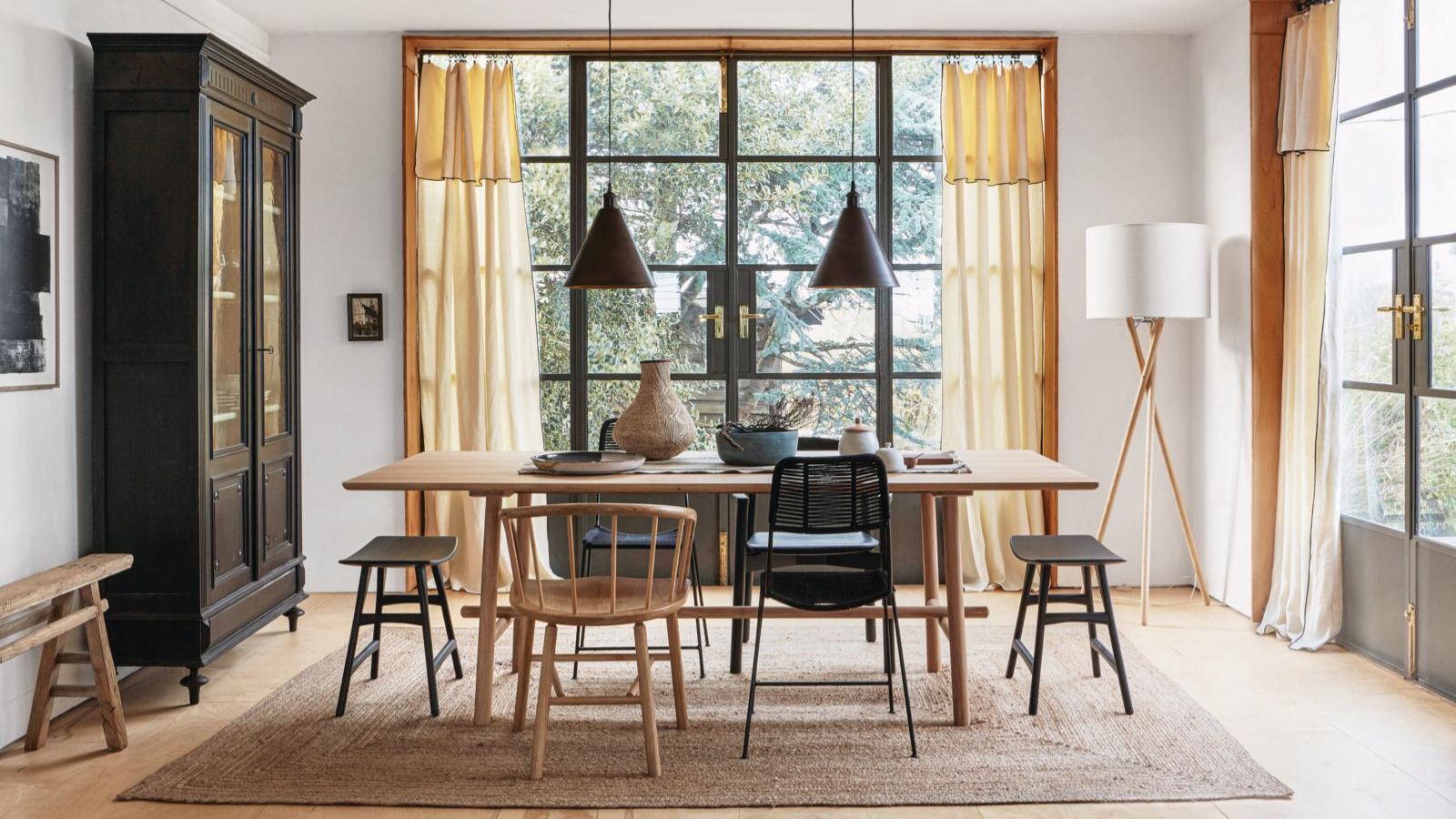
6 things you should never put on your dining room table, according to interior designers
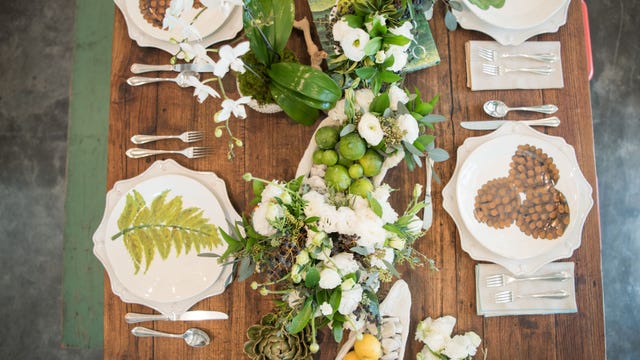
A Floral Spring Tablescape Anyone Can Make
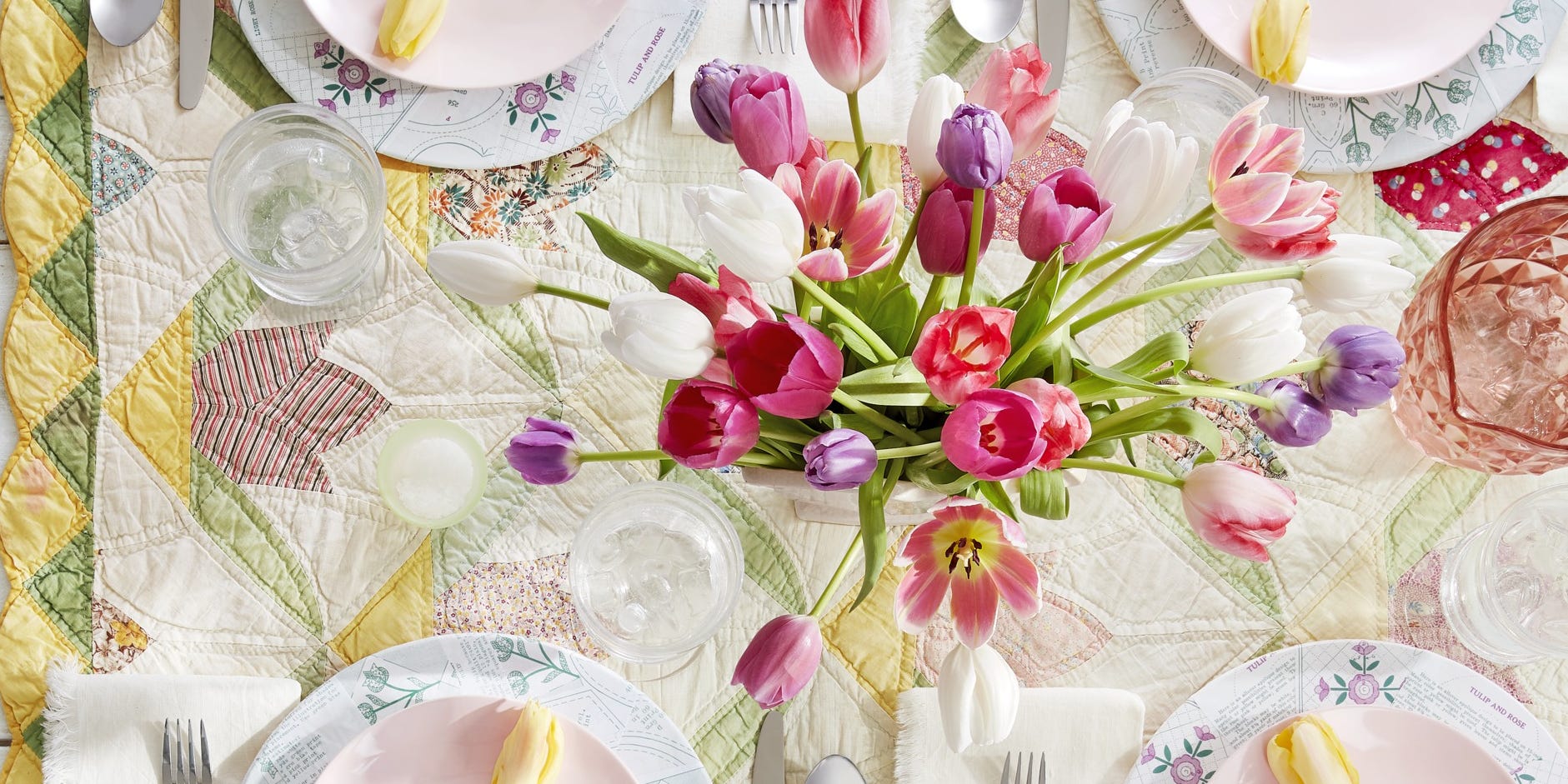
Spruce Up Your Table for Spring with These Fresh Centerpieces
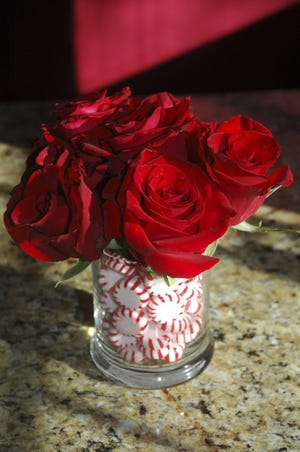
Simple is best for floral centerpieces