1/5
Vinyl’s gotten gorgeous—here’s how to use it at home and fool everyone
Vinyl, traditionally associated with durability over aesthetics, has undergone a significant transformation, making it a viable and attractive option for modern home décor. Historically viewed as a utilitarian material for high-traffic areas, recent advancements in manufacturing have elevated vinyl's design capabilities, allowing it to mimic the appearance of more expensive materials like leather, wood, and natural fabrics. This evolution has led to a re-evaluation of vinyl's role in interior design, offering homeowners versatile and budget-friendly solutions for updating their living spaces.
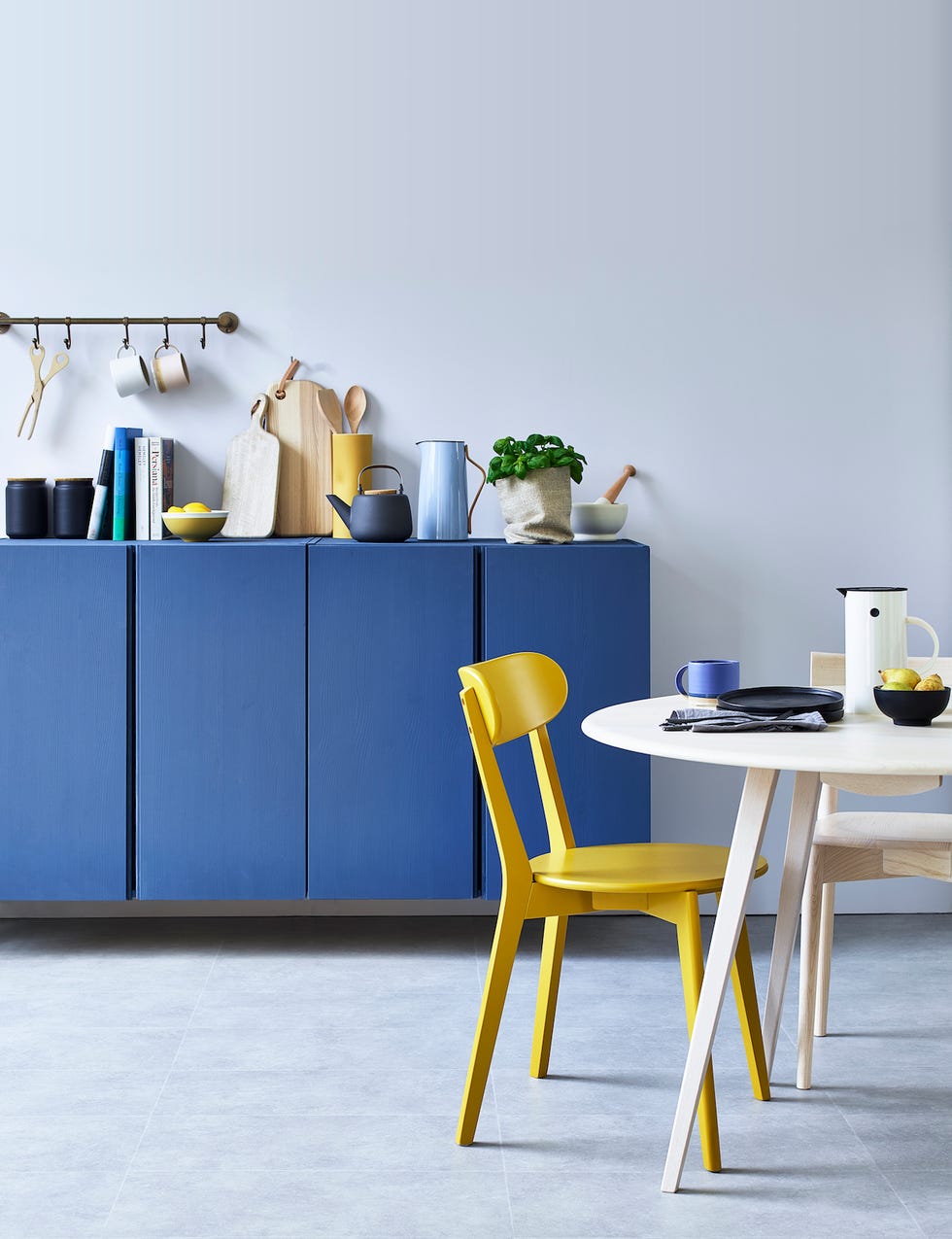
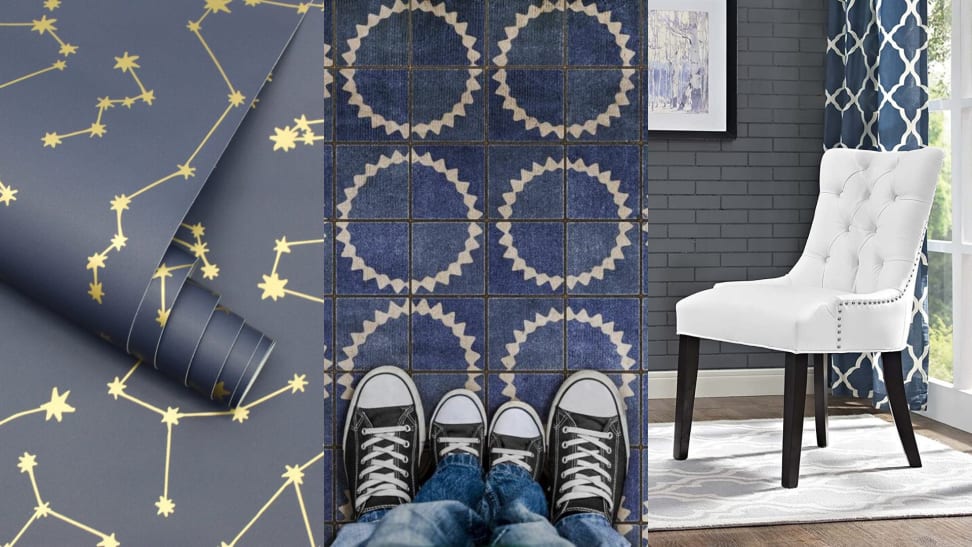
One of the primary applications of contemporary vinyl is in furniture, where vinyl fabric can effectively replicate the look and feel of leather. This faux leather option presents several advantages, including reduced maintenance, enhanced durability for both indoor and outdoor use, and a more ethical, animal-friendly alternative to genuine leather. Many furniture manufacturers now integrate vinyl fabric into their product lines, offering stylish pieces like armchairs and dining chairs that combine aesthetic appeal with practical benefits. The material's ability to withstand various conditions makes it a flexible choice for diverse decorating needs.
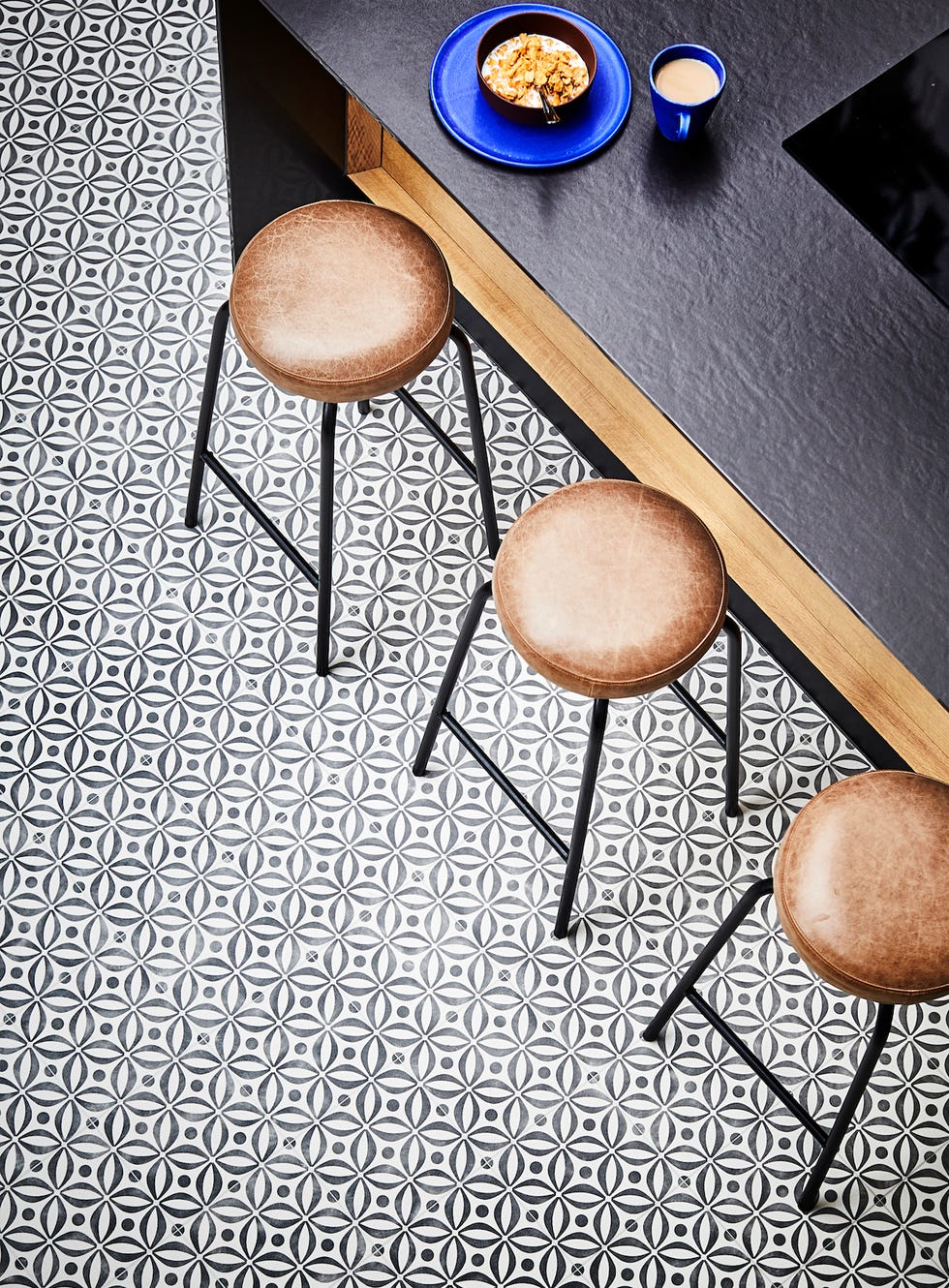
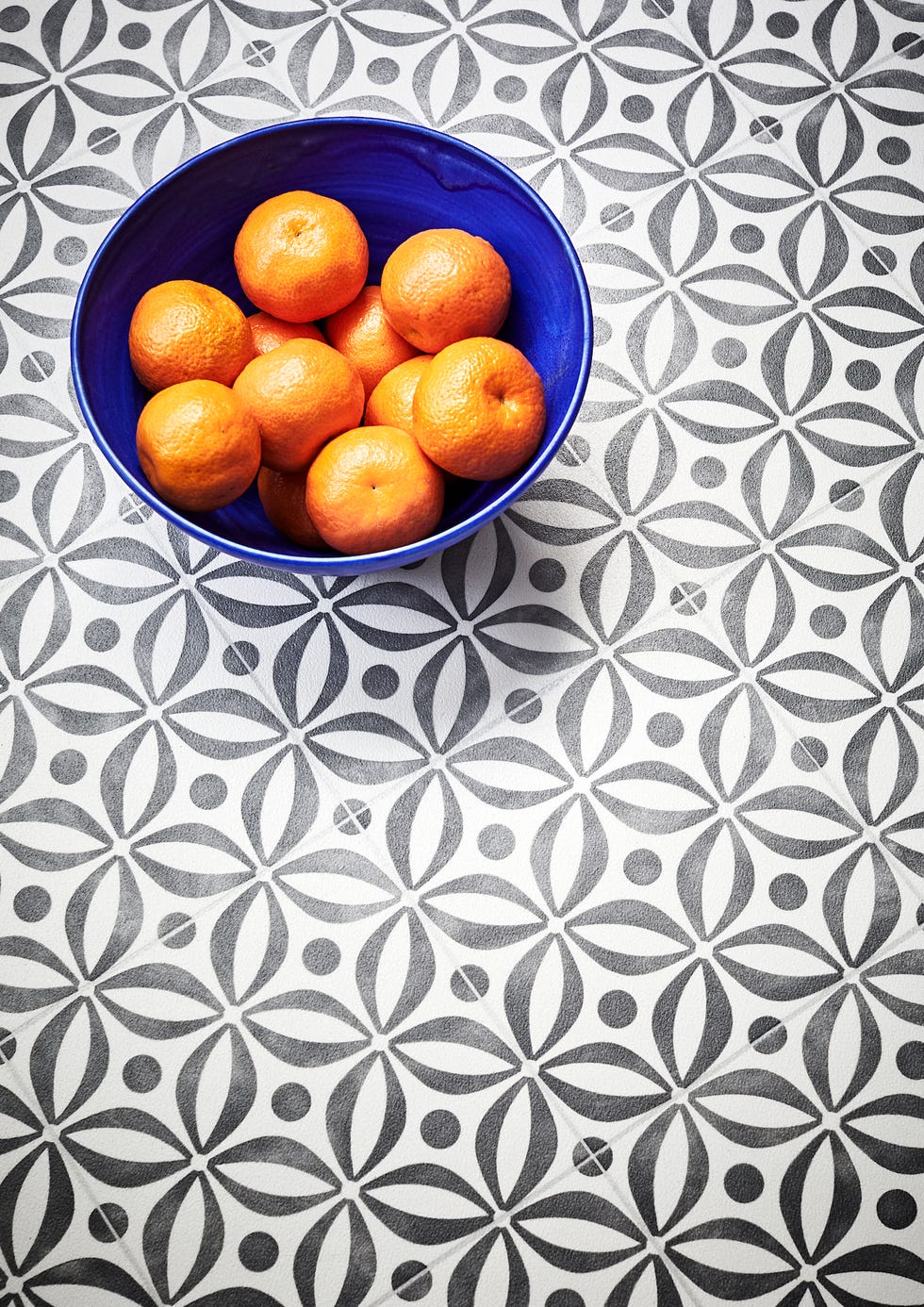
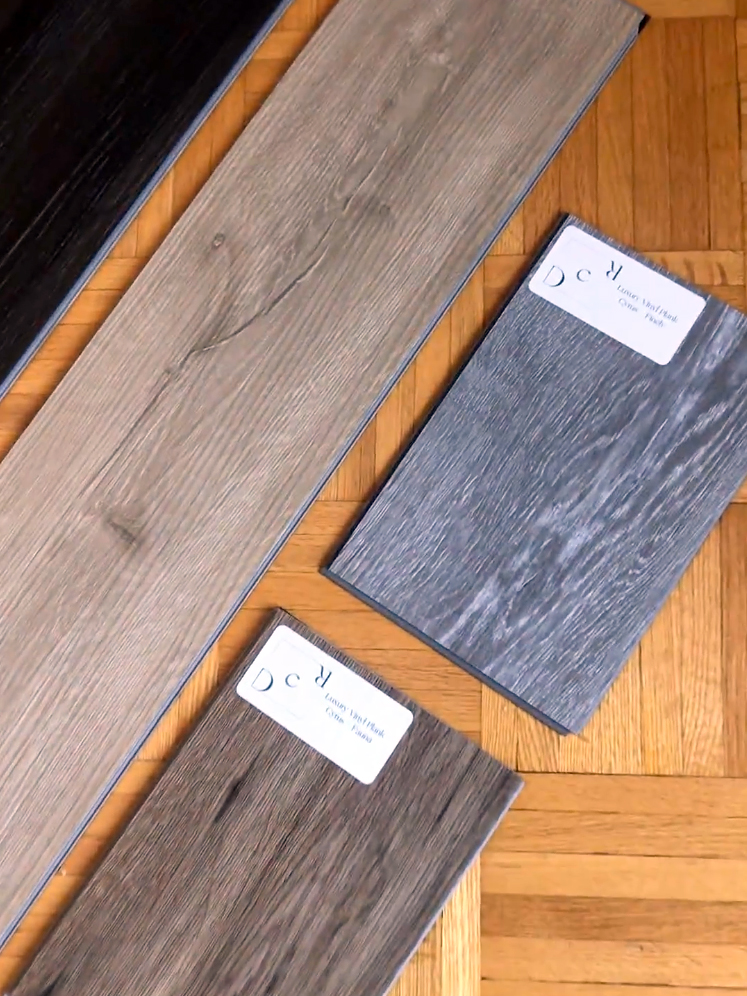
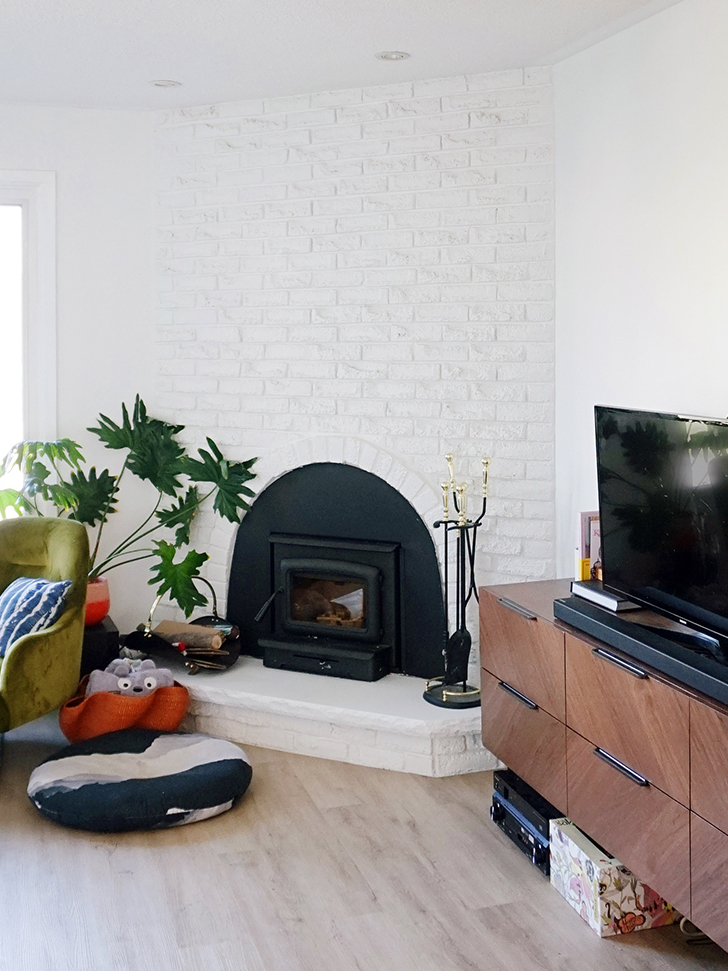
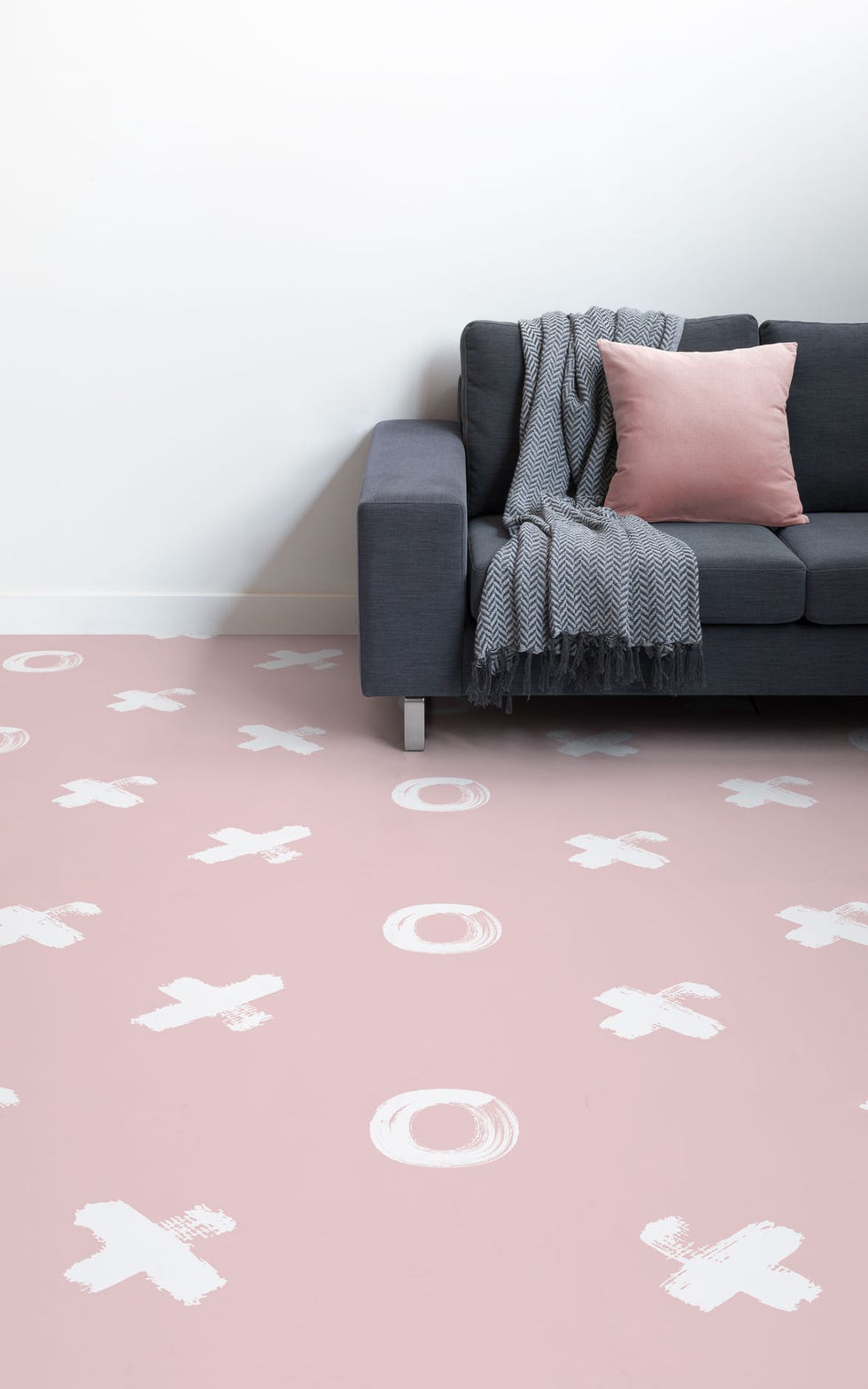
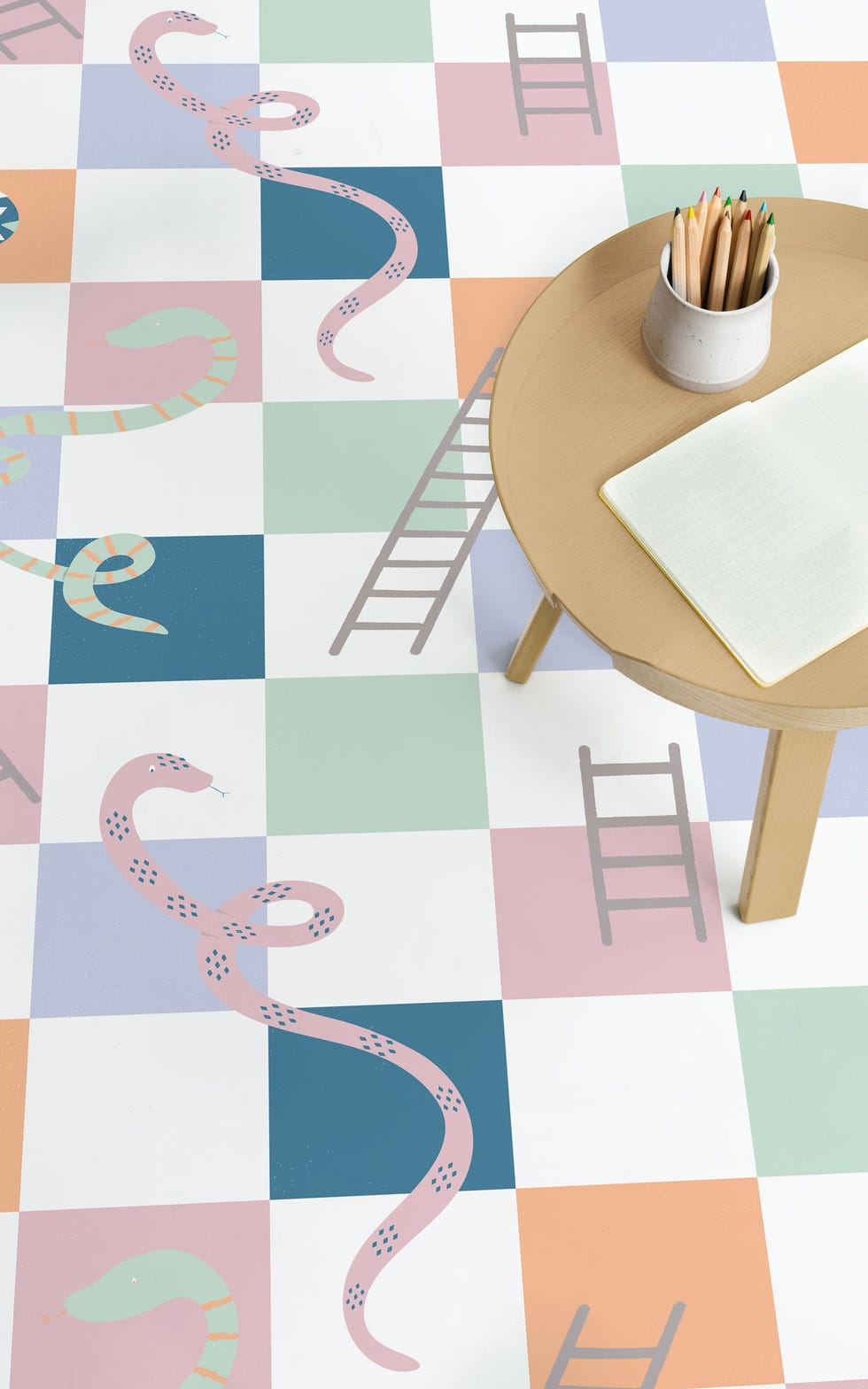
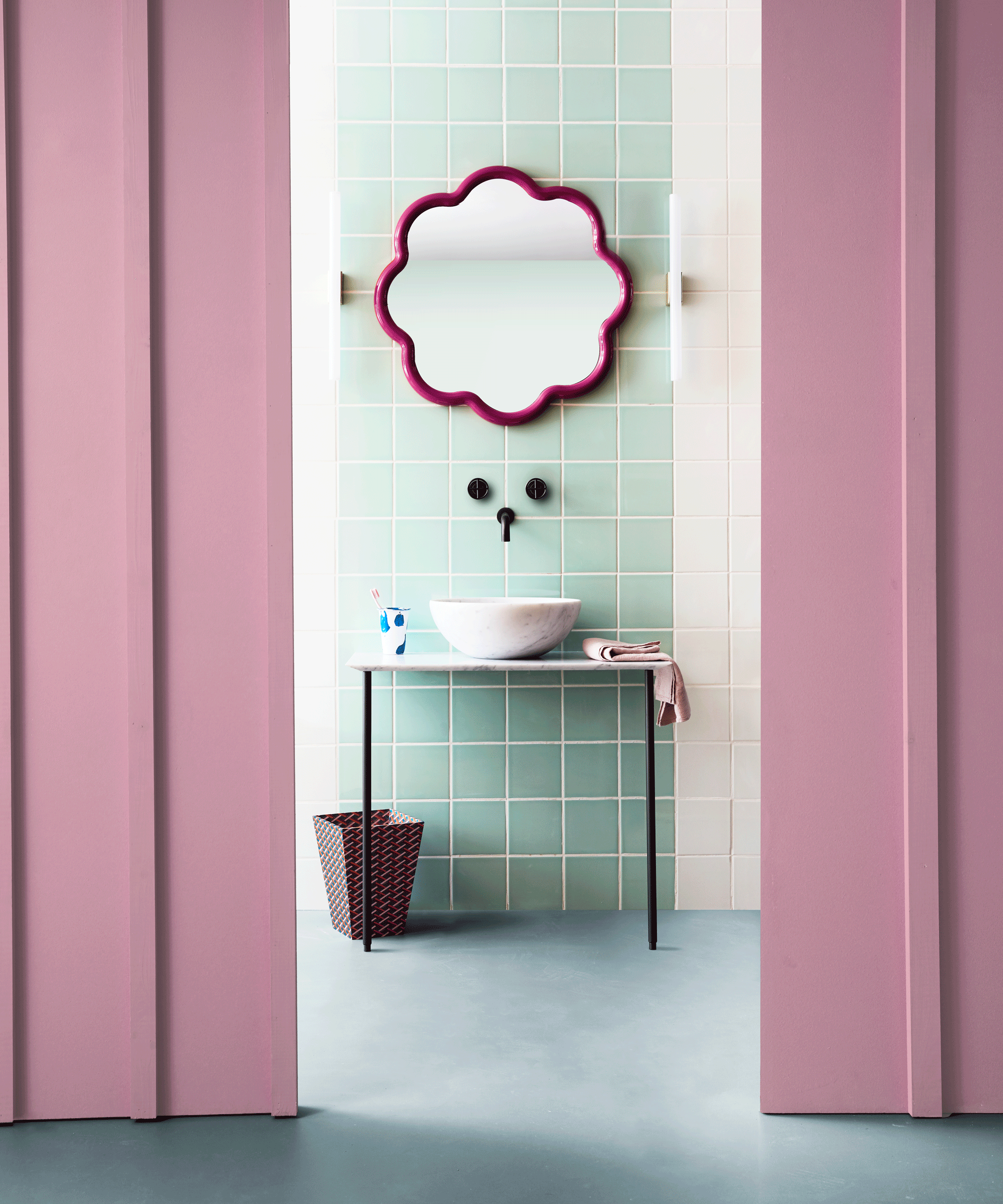
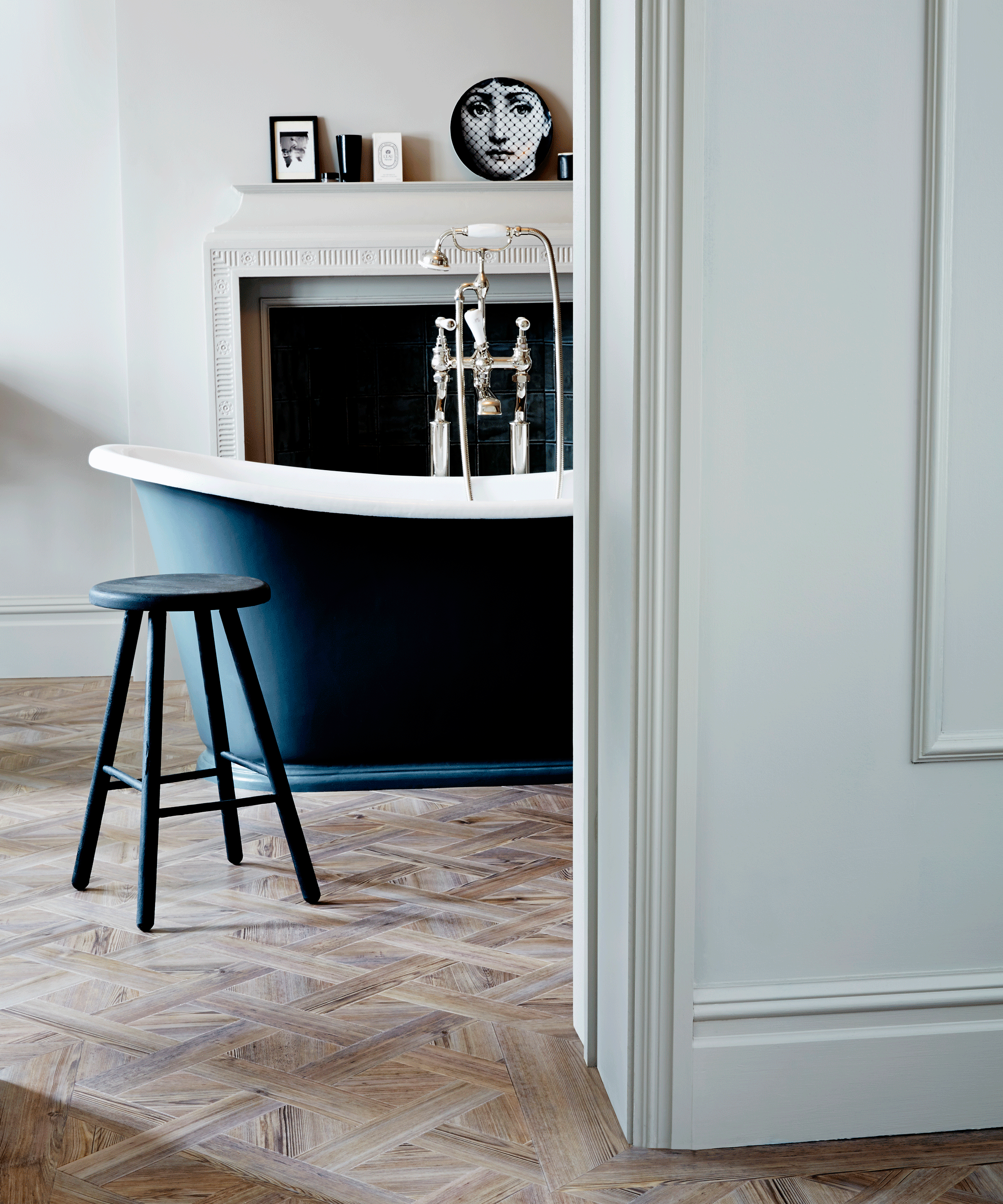
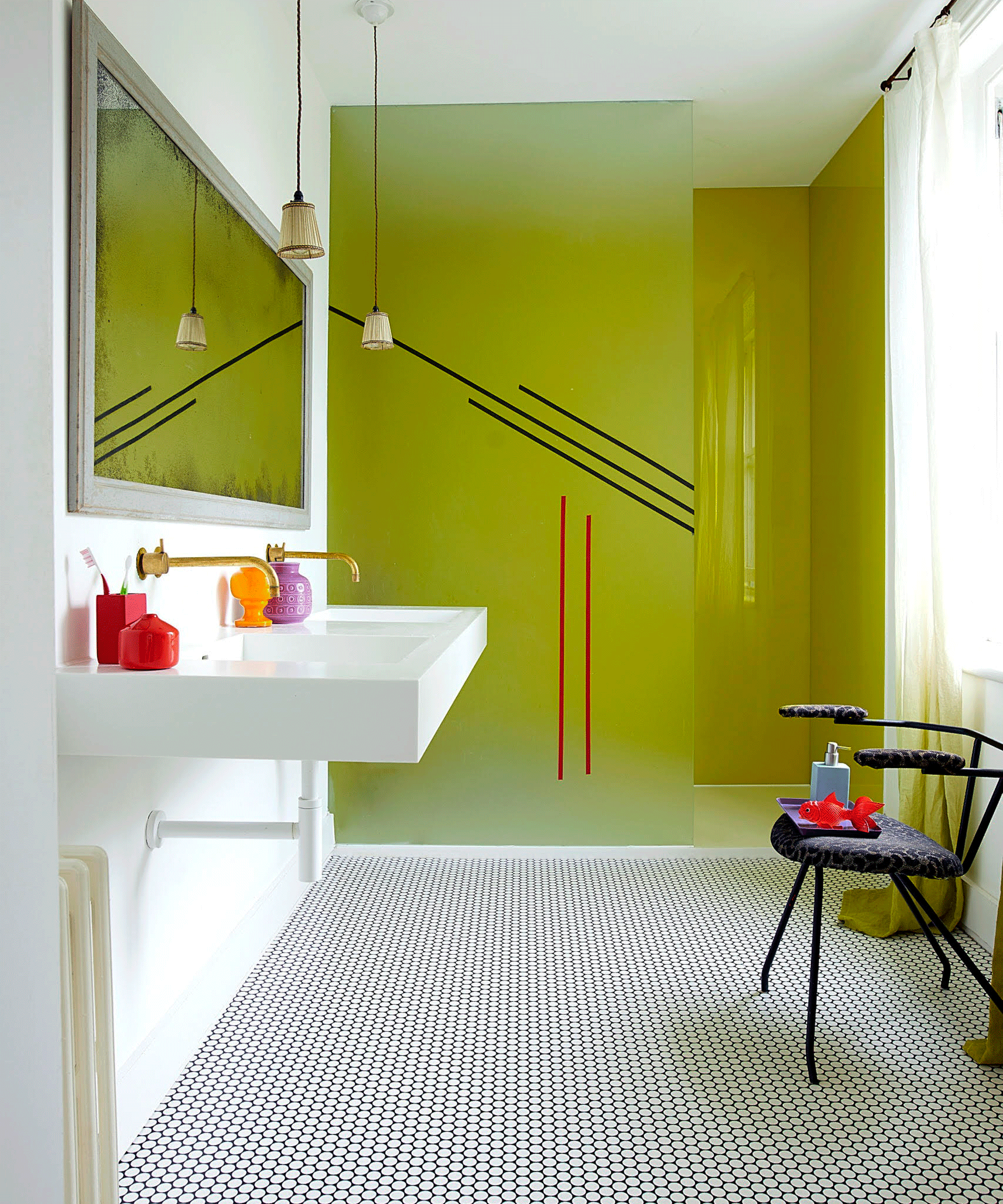
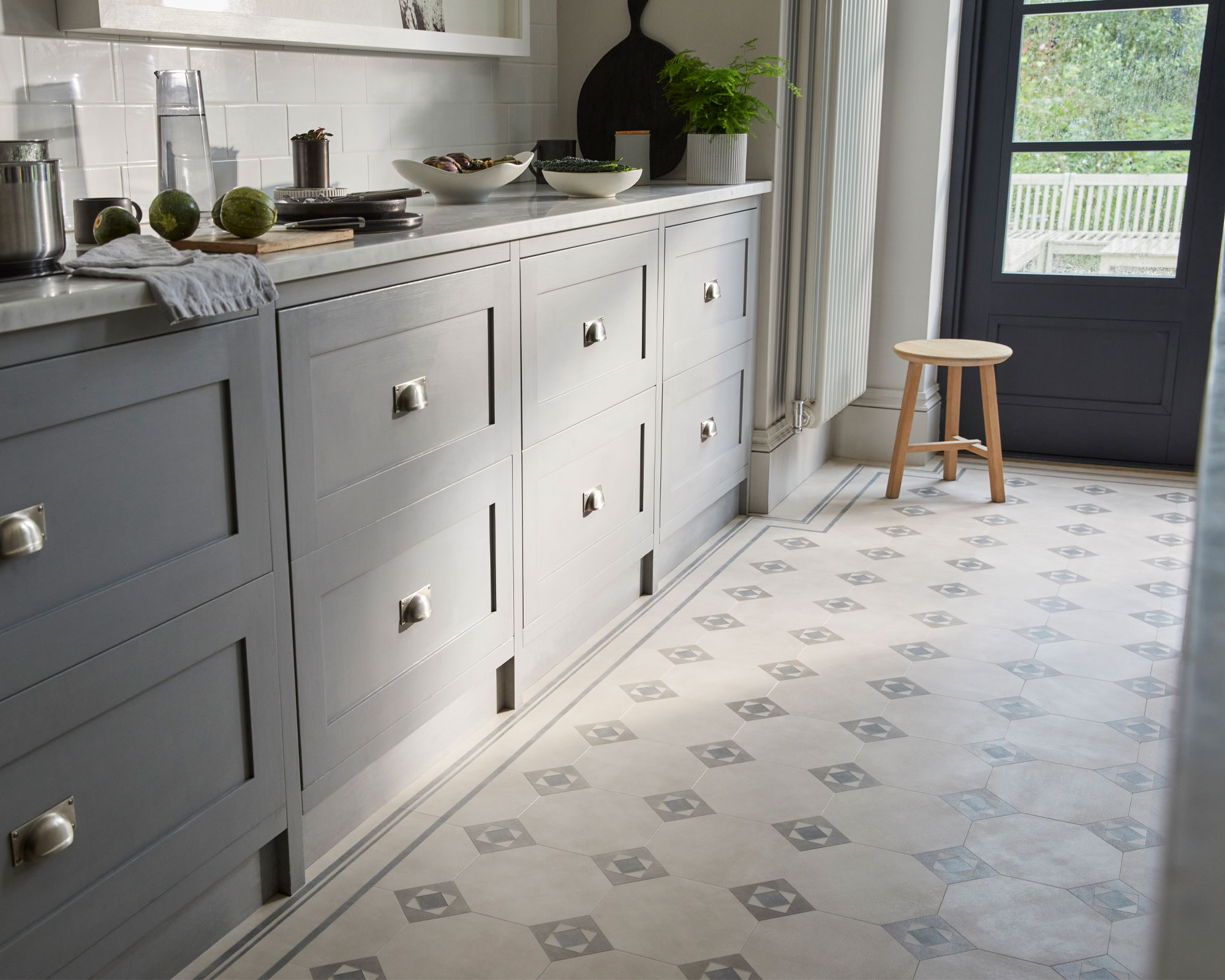
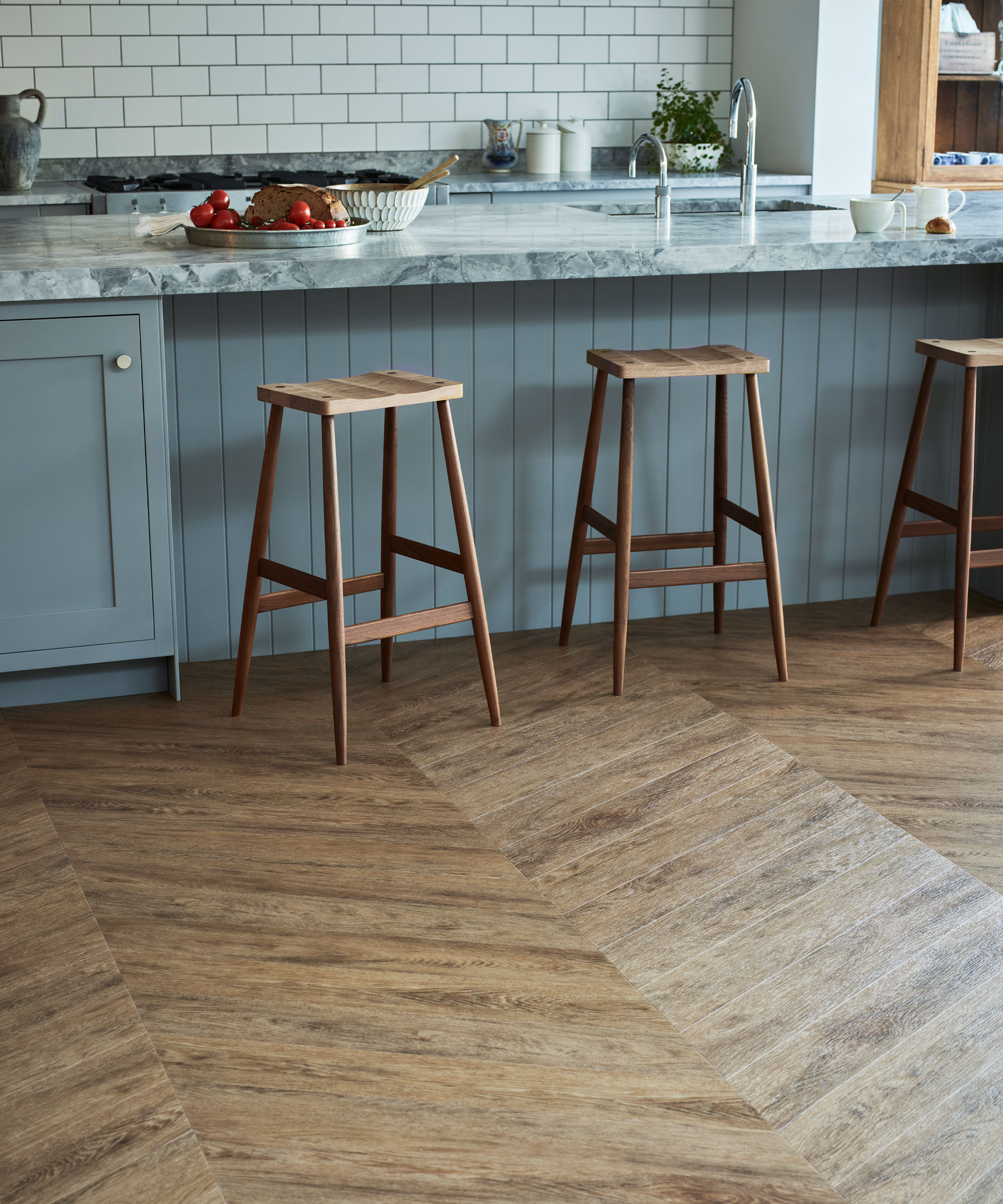
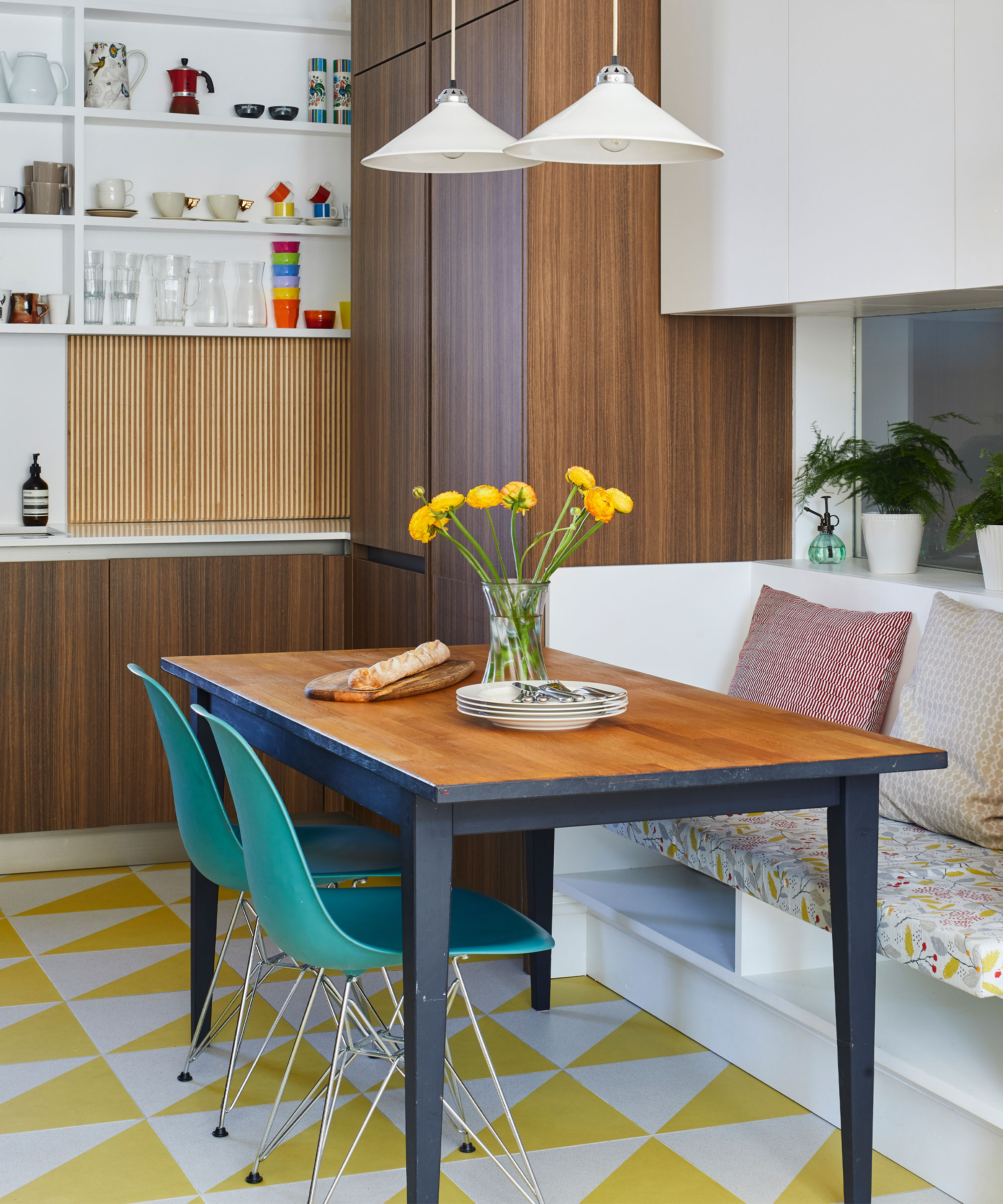
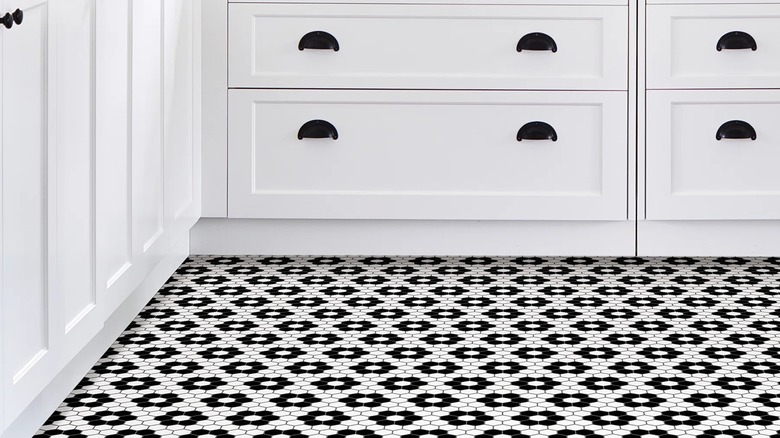
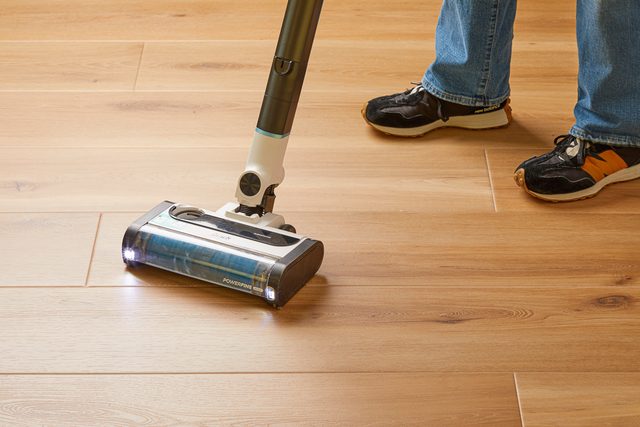
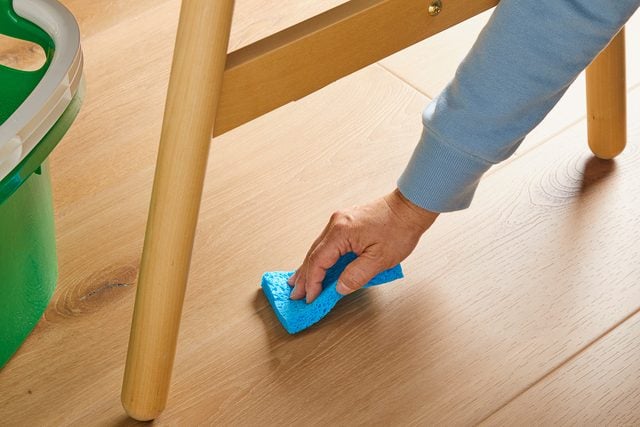
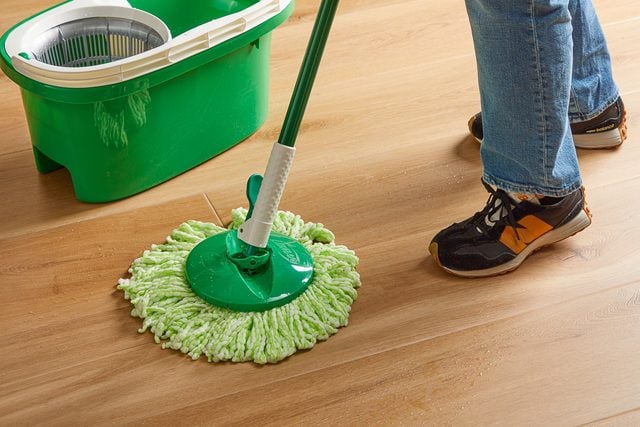
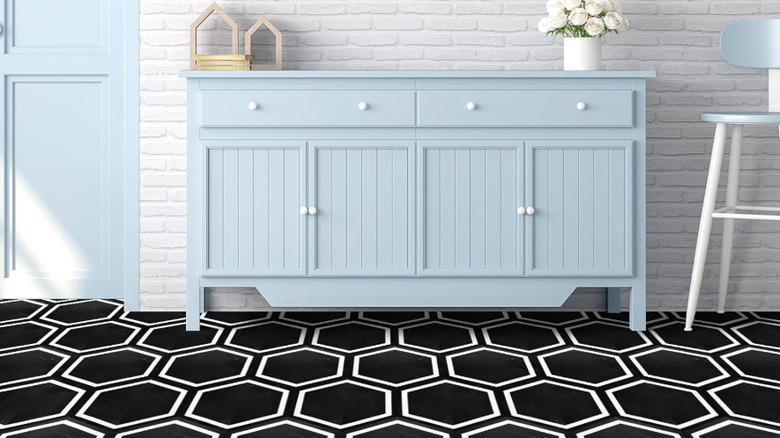
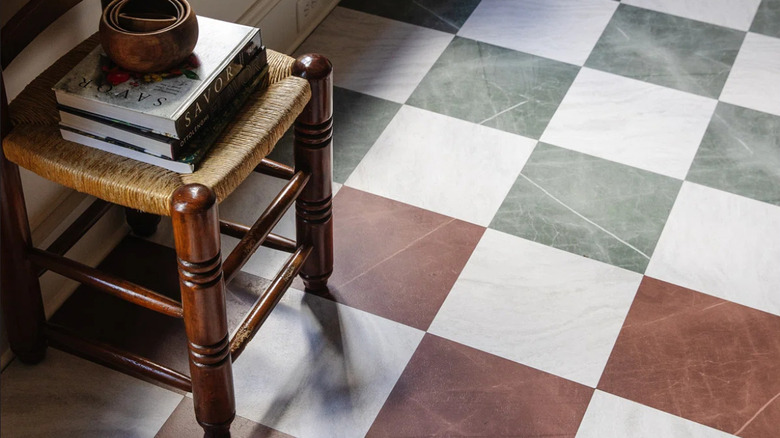
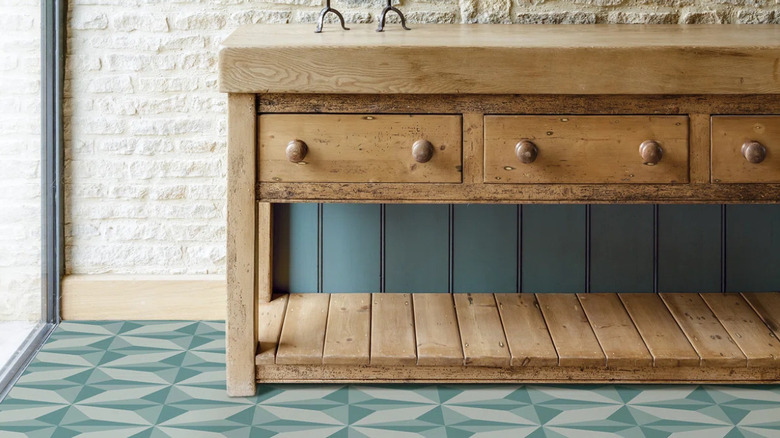
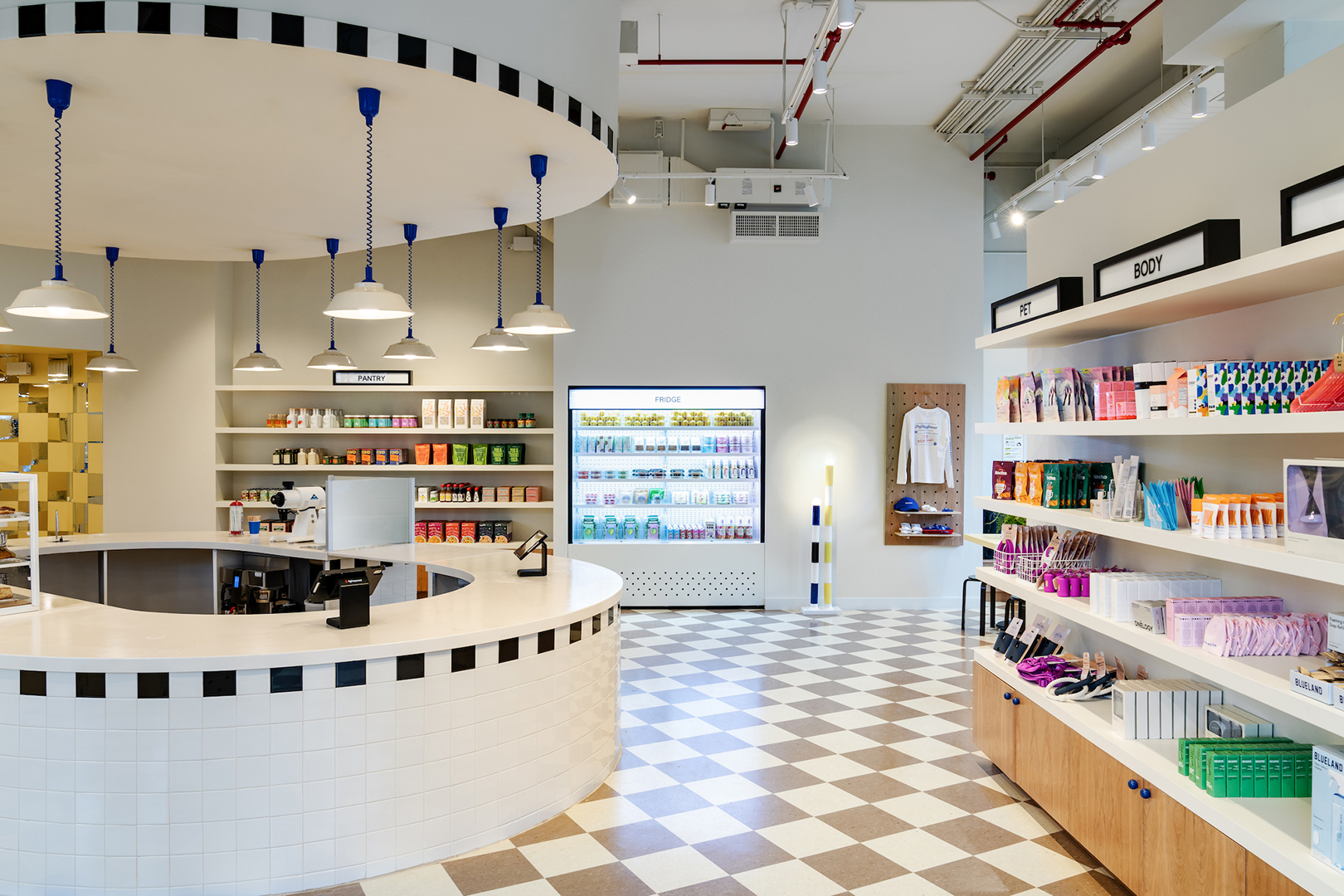
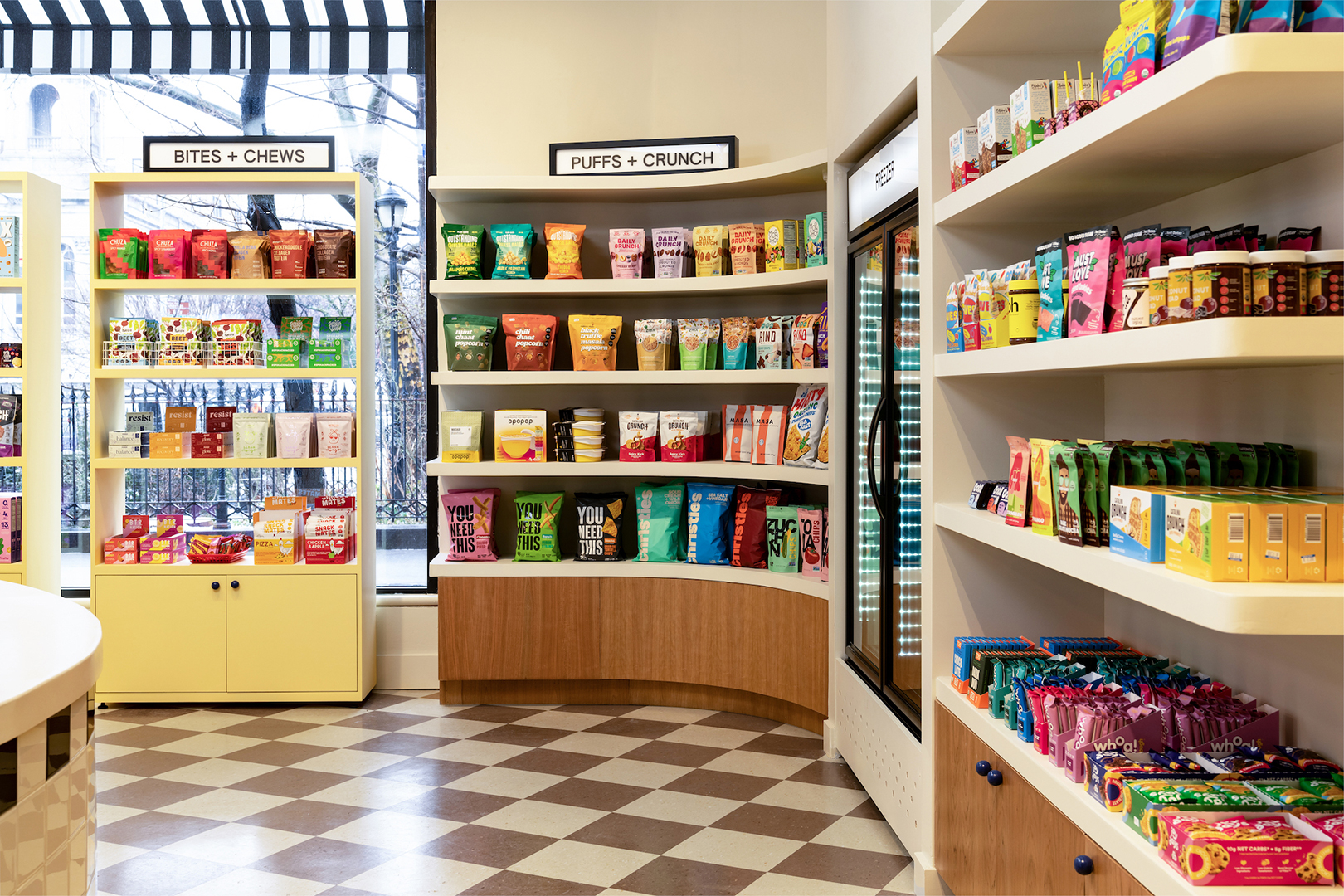
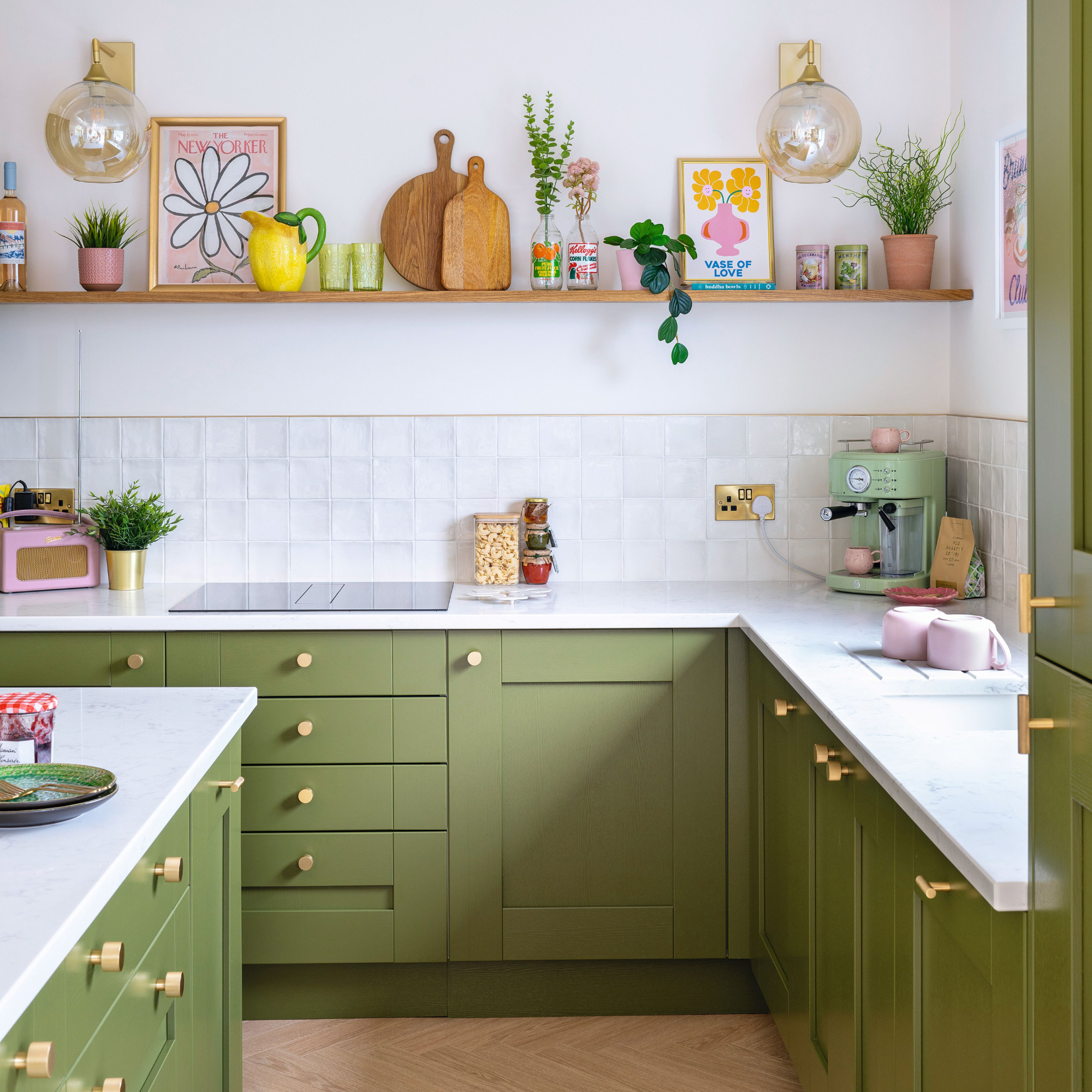
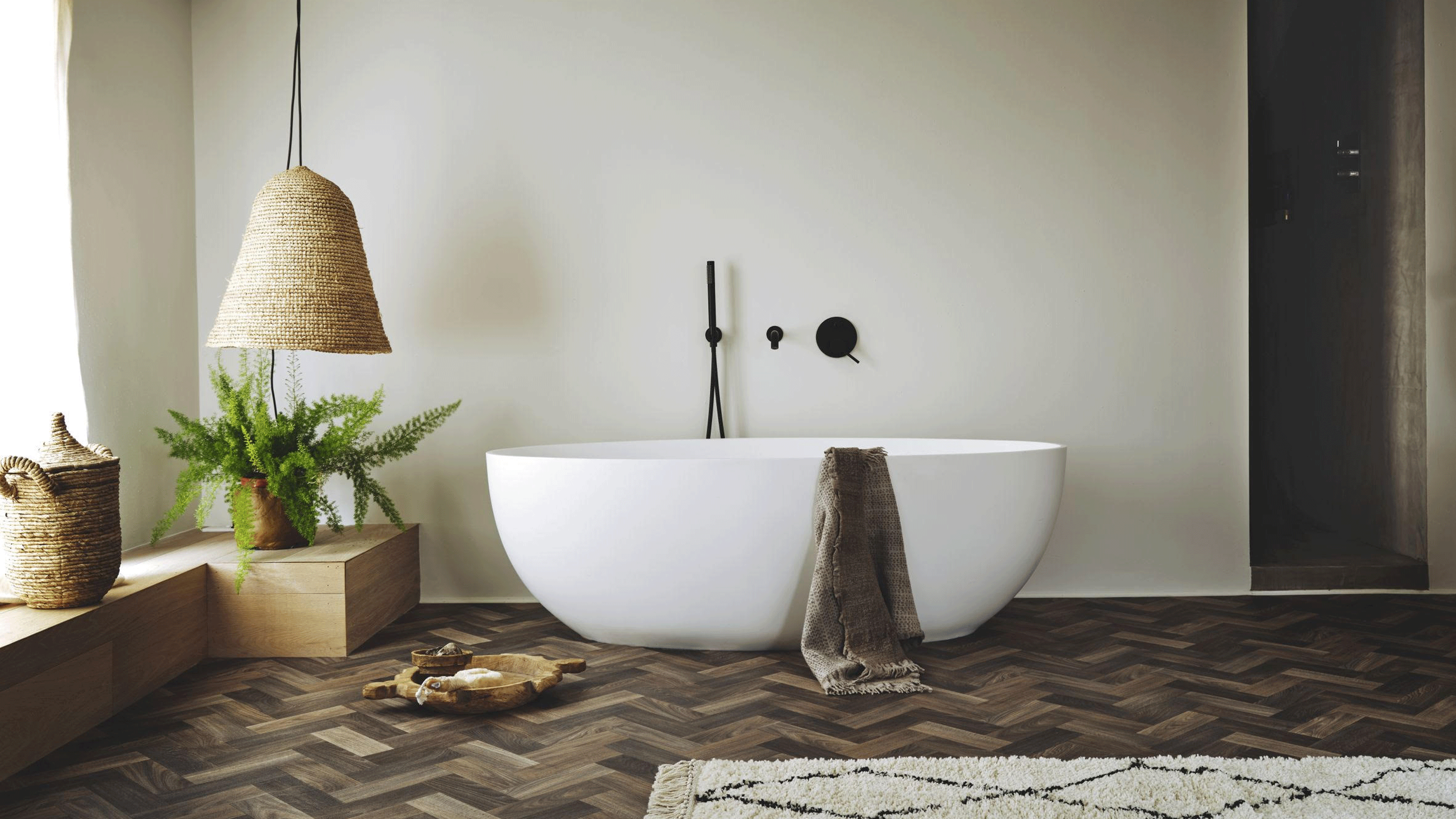
Flooring is another area where vinyl has seen considerable innovation. Gone are the days of unappealing, tacky vinyl tiles; today's vinyl flooring options boast impressive designs, from realistic faux wooden planks to intricate patterns inspired by Mexican ceramic tiles. This modern flooring is not only visually appealing but also incredibly easy to clean, making it suitable for busy households and high-traffic areas. Many vinyl floor tiles feature interlocking mechanisms, simplifying installation for DIY enthusiasts. For those seeking less permanent solutions, vinyl floor cloths offer a flexible and durable alternative to traditional rugs, ideal for kitchens, dining rooms, or children's play areas, where spills and wear are common.
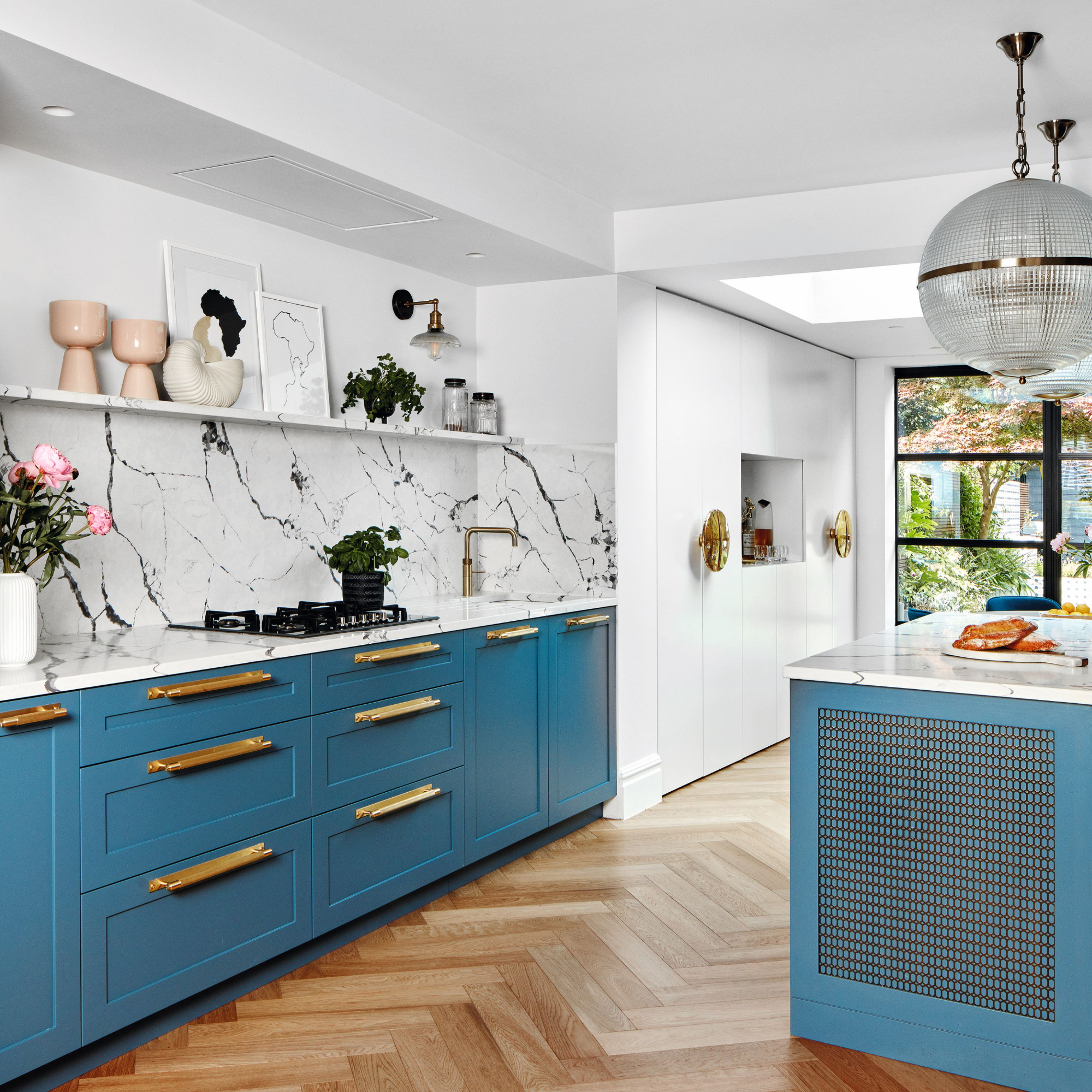
Beyond traditional applications, vinyl wraps have emerged as a creative solution for appliance customization and surface revamping. Drawing inspiration from car wraps, professional services can apply vinyl appliques to kitchen appliances, allowing homeowners to personalize their refrigerators or stoves with unique colors and finishes, such as matching them to cabinetry or transforming them into bold statement pieces. A key benefit of vinyl wraps is their reversibility, offering the flexibility to change the appliance's appearance without a permanent commitment.
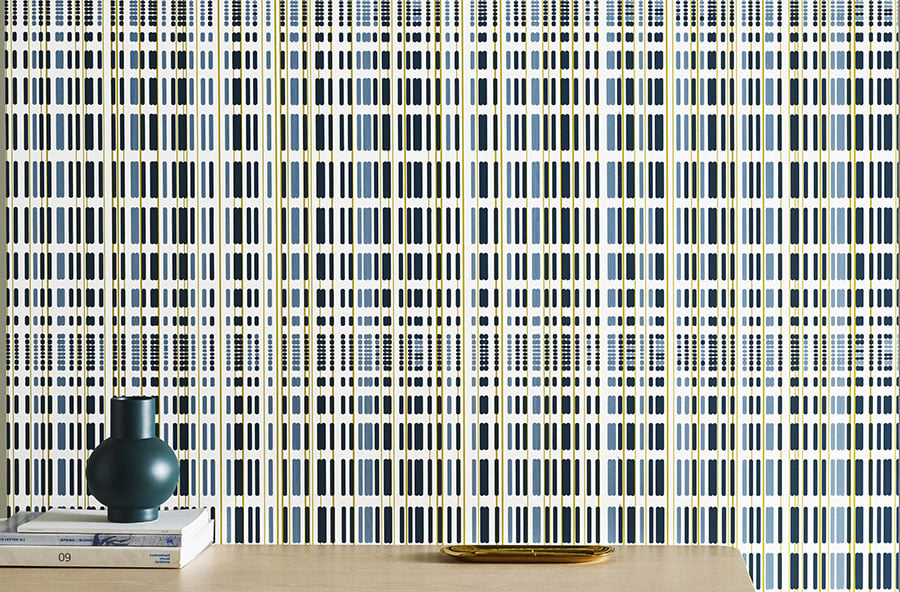
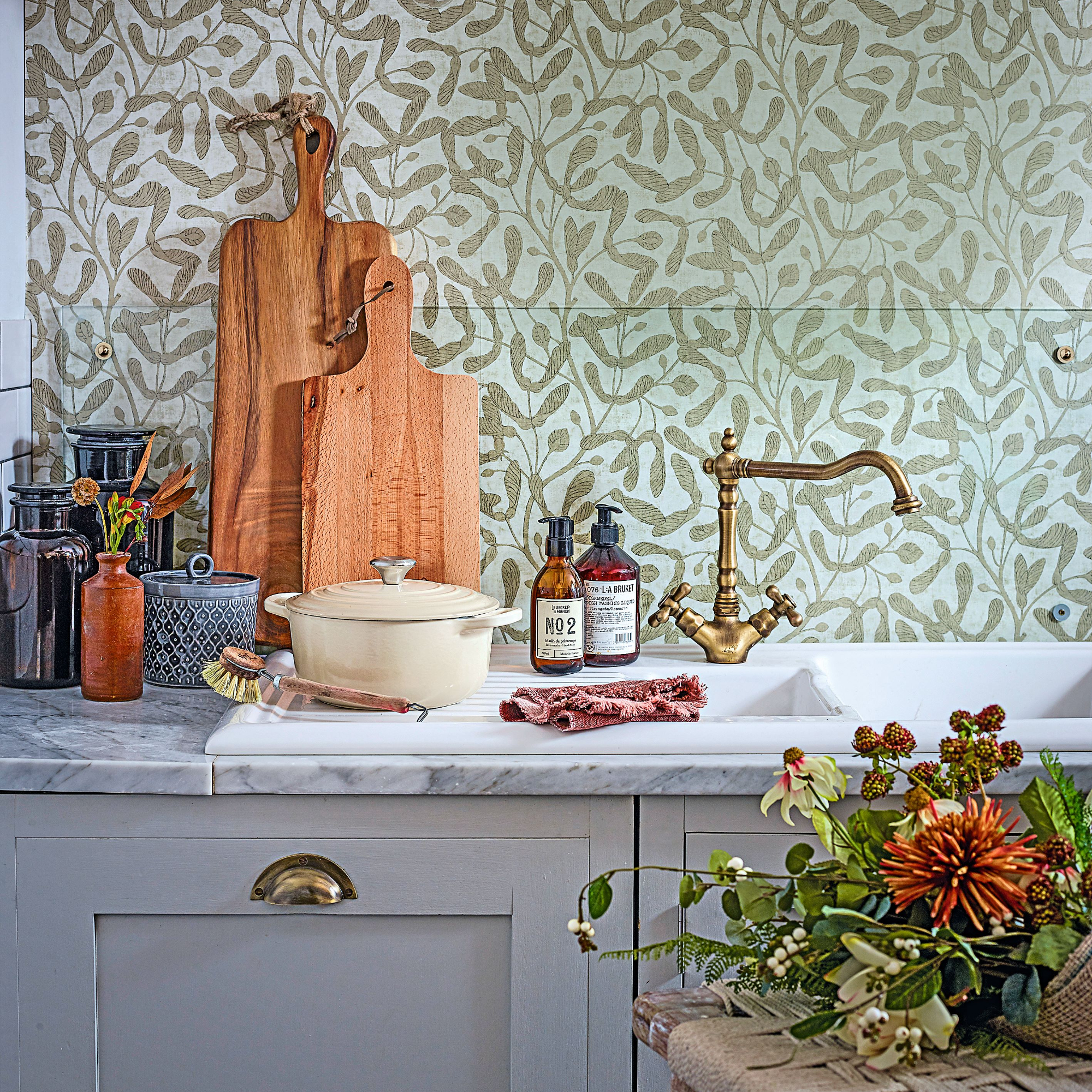
Wall coverings also benefit from vinyl's versatility. Vinyl panels, wall coverings, wall tiles, and decals provide an accessible and often easier alternative to painting. These options range from colorful patterns to sophisticated designs that mimic natural textures like grasscloth or linen, offering a broad spectrum of stylistic choices. The ease of application and removal associated with many vinyl wall products, particularly peel-and-stick varieties, appeals to homeowners who wish to update their décor frequently or with minimal effort. This adaptability positions vinyl as a valuable material for achieving diverse interior design visions.
#VinylDecor #HomeInteriors #FauxLeather #VinylFlooring #HomeRenovation #DIYDecor #WallCoverings #ApplianceCustomization #InteriorDesignTrends #VinylDecor #HomeInteriors #FauxLeather #VinylFlooring #HomeRenovation #DIYDecor #WallCoverings #ApplianceCustomization #InteriorDesignTrends
0 comment in total
 No comments yet
You may also like
21 Record Wall Ideas To Give Scratched Vinyl A New Life

11 Chic Alternatives to Vinyl Wallcoverings
Vinyl kitchen flooring ideas – 17 practical, easy to clean floors that emulate luxury materials

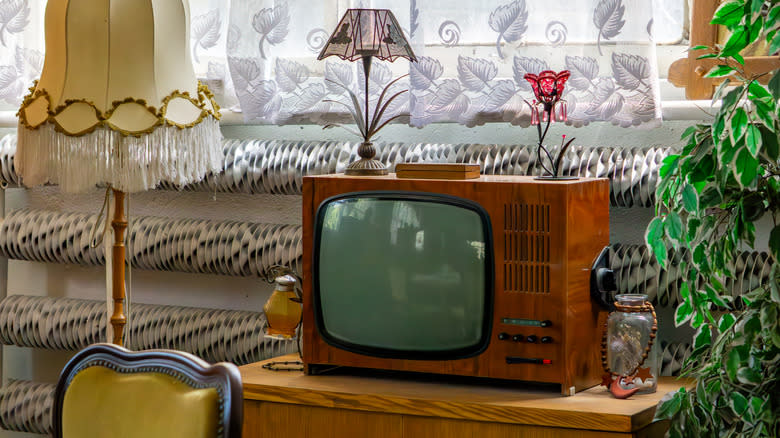
11 Vinyl Floor Ideas That Perfectly Fit The 80s Aesthetic
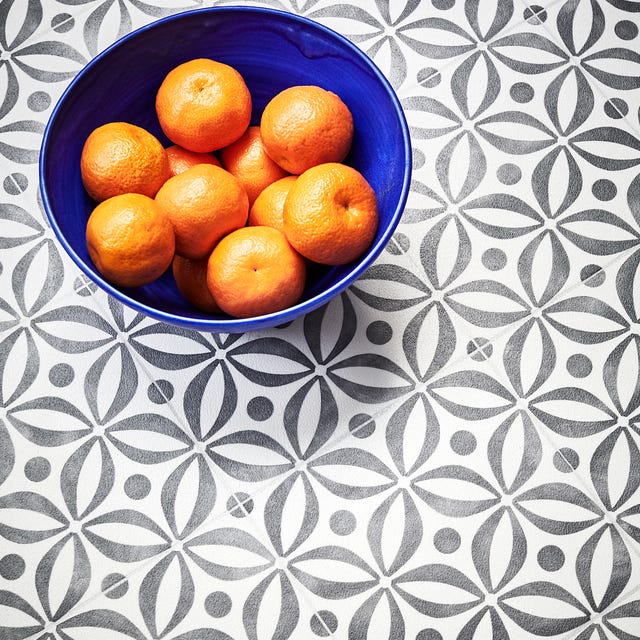
Stylish new vinyl flooring from the Carpetright x House Beautiful collection

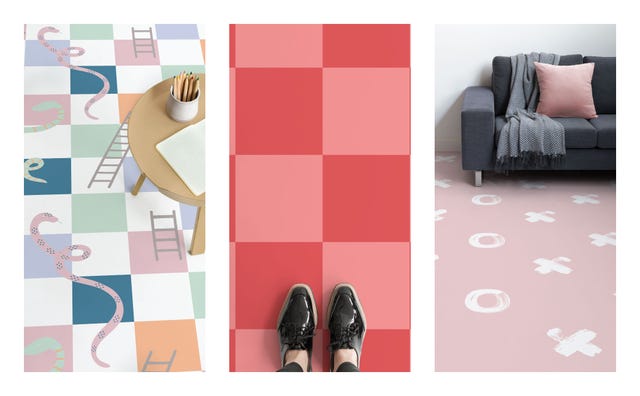
This vinyl flooring collection reimagines classic childhood games with a contemporary twist

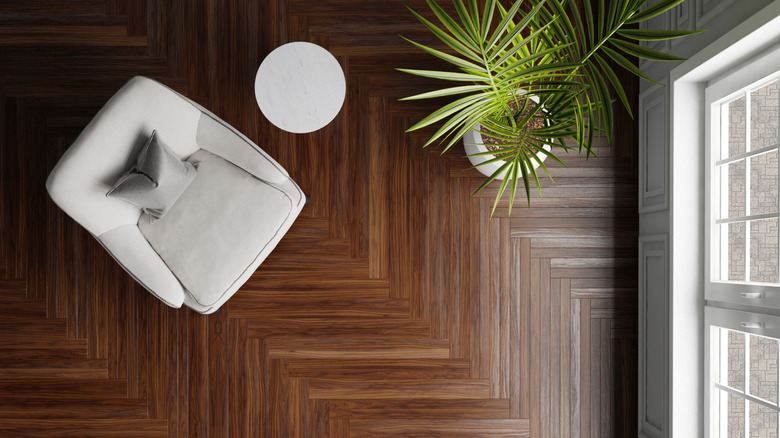
Forget Hardwood: HGTV's Erin And Ben Napier Have A Better Idea For Your Floors
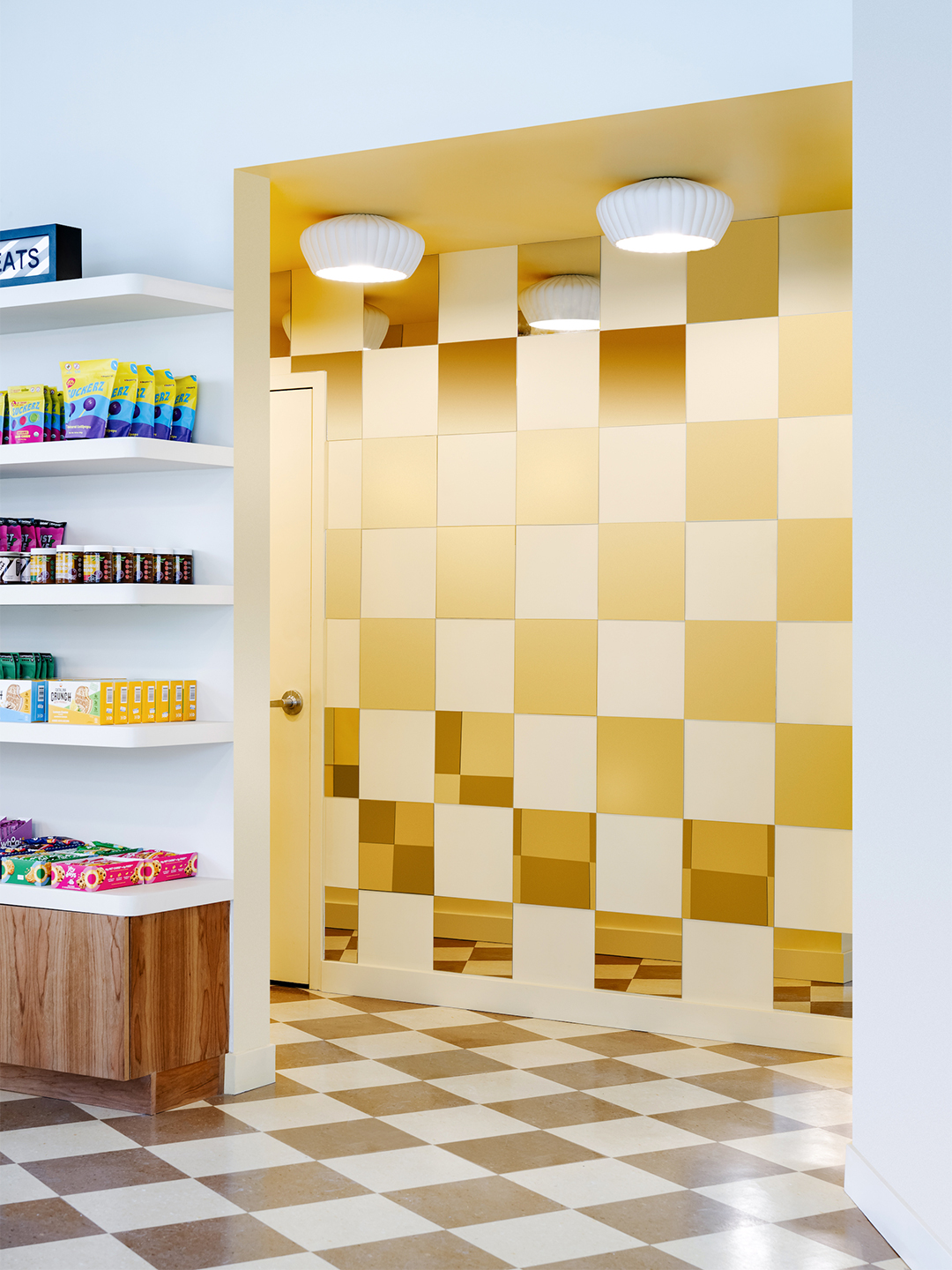
Pop Up Grocer’s New Shop Confirms That This Retro Flooring Material Is Cool Again

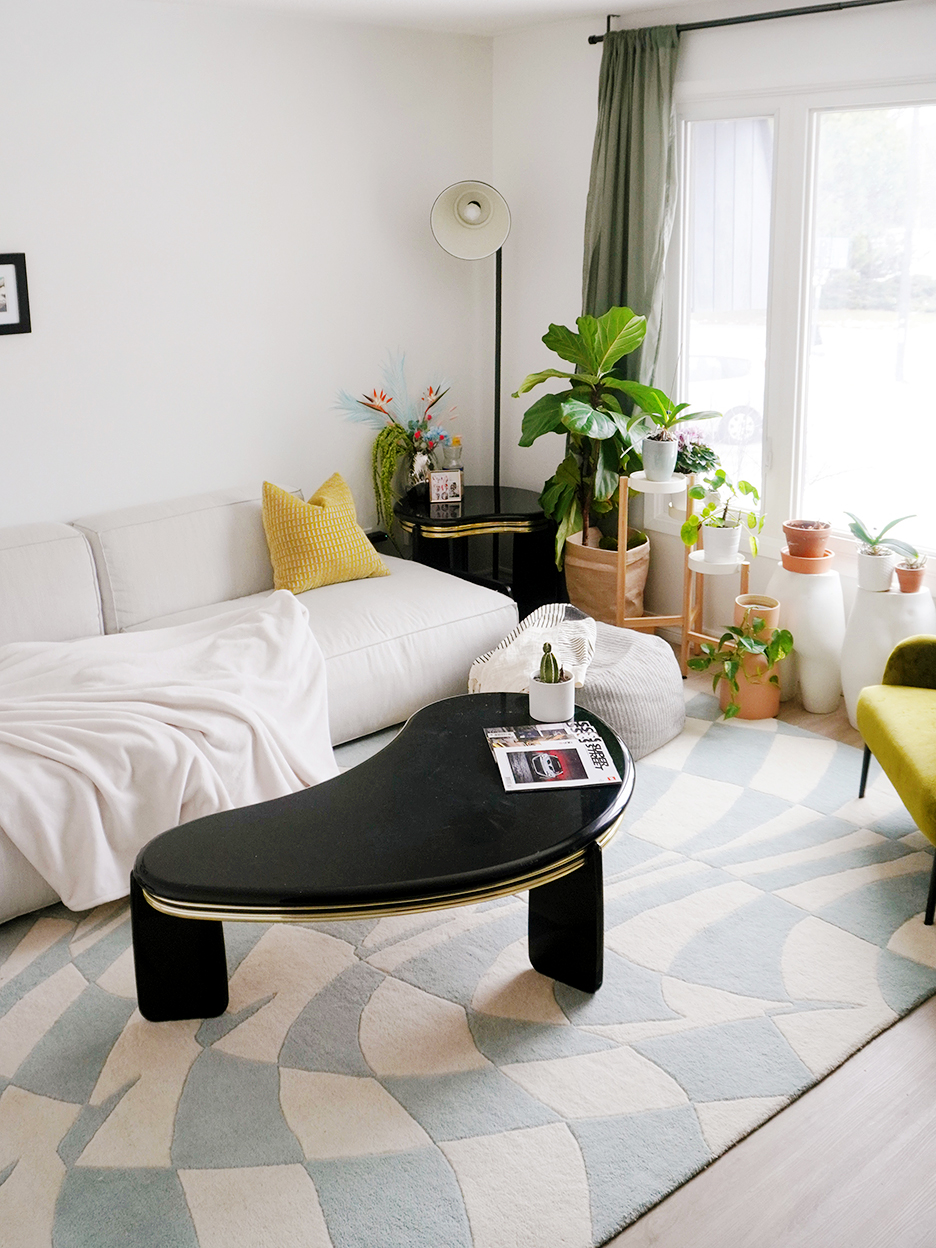
You Don’t Have to Demo Your Old Floors to Get New Ones

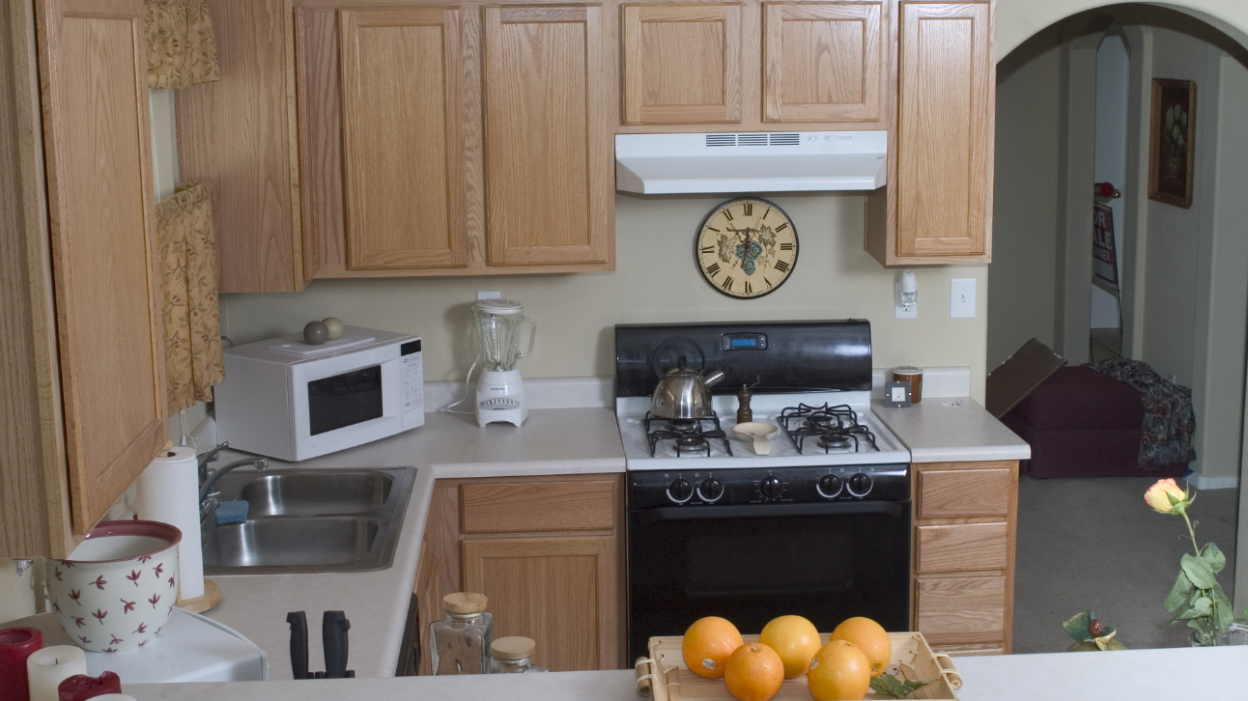
Refresh Your Kitchen for Cheap with Vinyl Wrapping

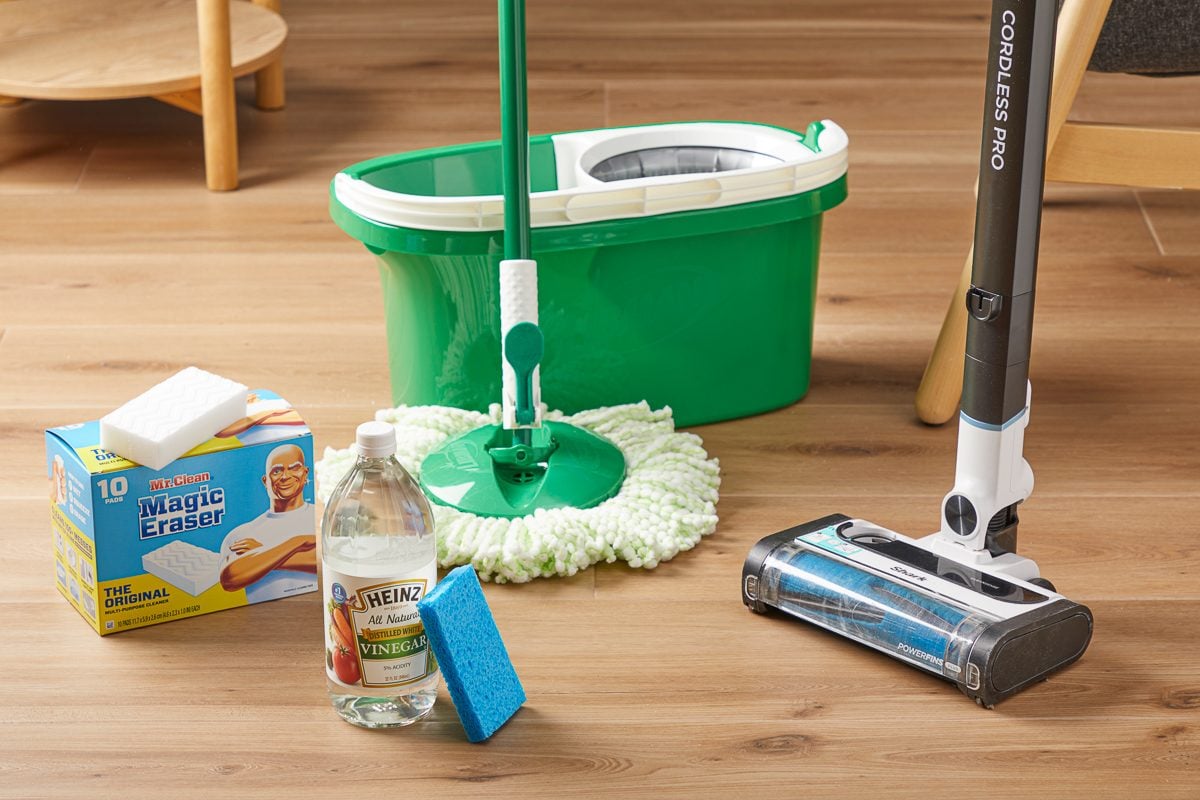
How To Clean Vinyl Plank Flooring Like a Pro

How long does vinyl wrap last in a kitchen? Experts say it can last 'up to ten years' with these key tips

Can You Paint Vinyl Siding? Yes, Here's What You Need to Know

Vinyl bathroom flooring ideas – 10 ways to use the new flooring trend about to take over tiles

You Can Save Thousands of Dollars With a DIY Vinyl Siding Installation
A Bespoke Vinyl Room Or Home Library Will Bring Zen Into The Home

Walk This Way: New trends in vinyl flooring

How to Get Vinyl Off Your Shelf and Onto Your Wall

11 Vinyl Floor Ideas That Perfectly Fit The 80s Aesthetic

Stacey Solomon shows easy way to update tired windowsills