Can You Paint Vinyl Siding? Yes, Here's What You Need to Know
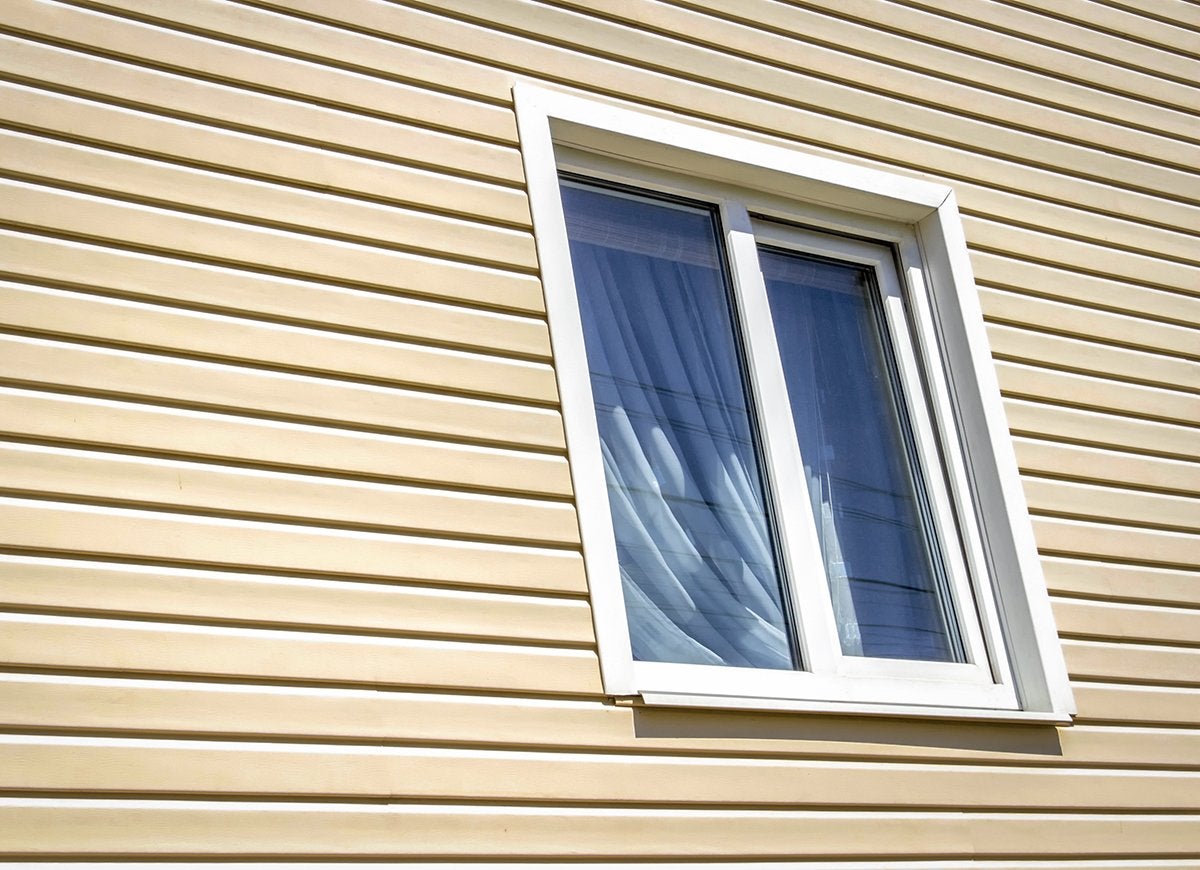
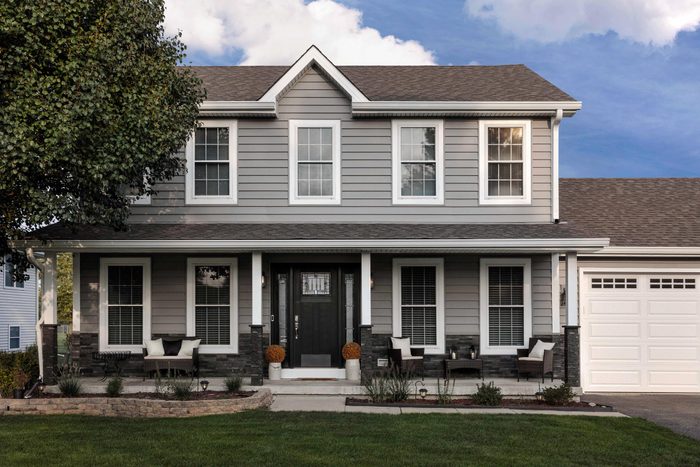
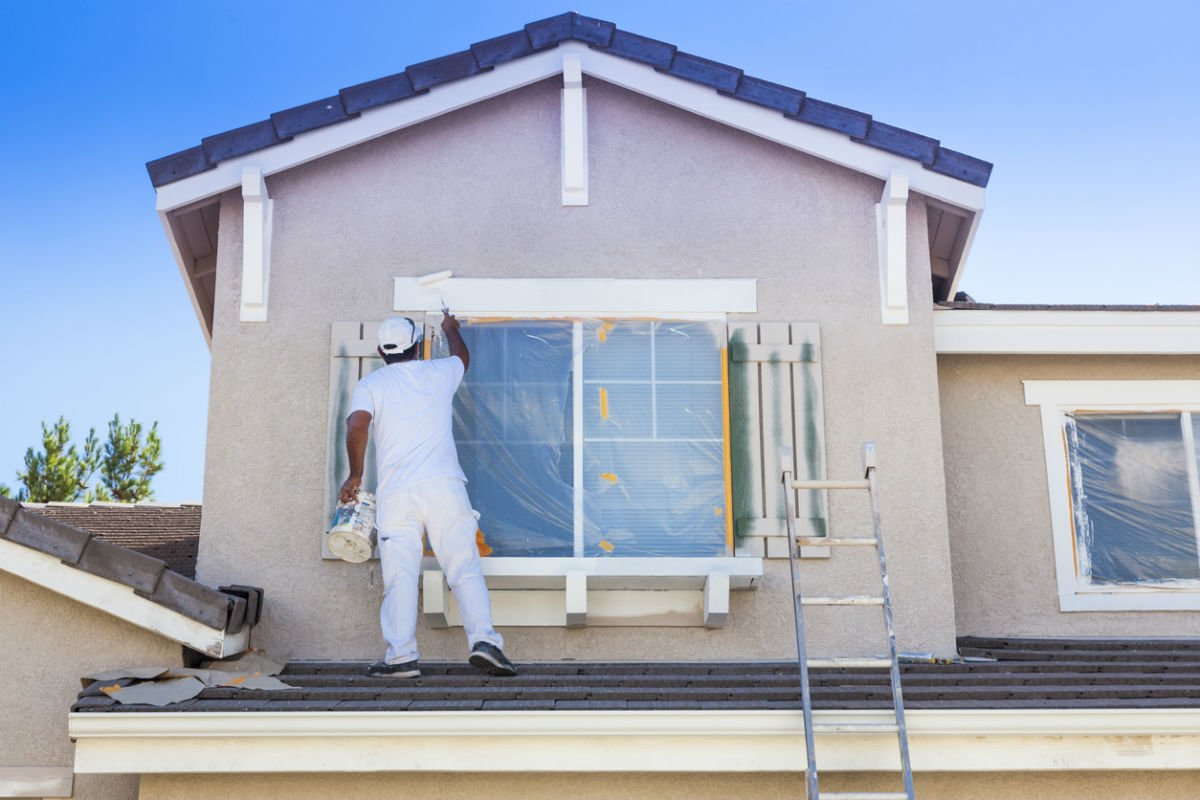
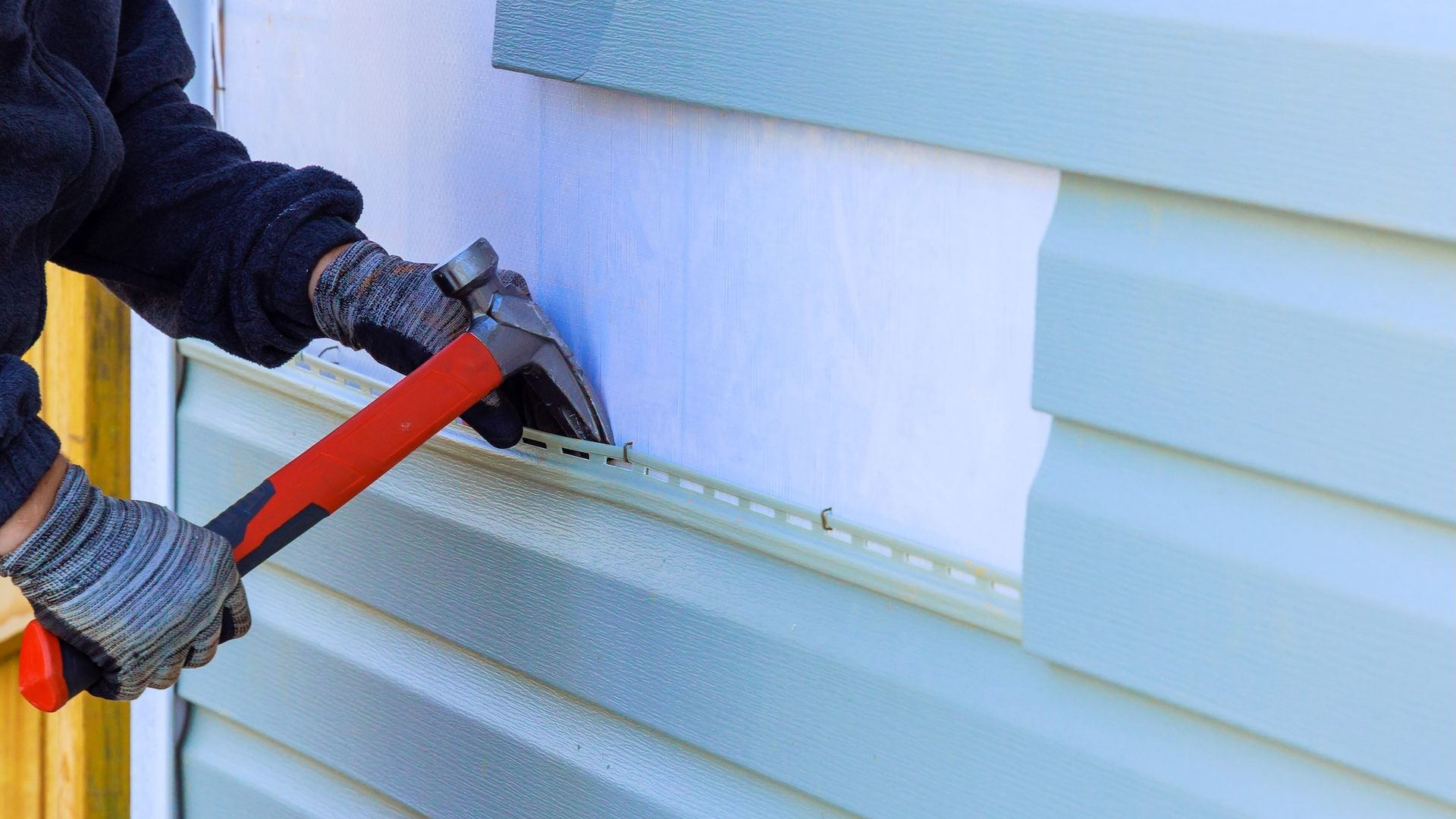
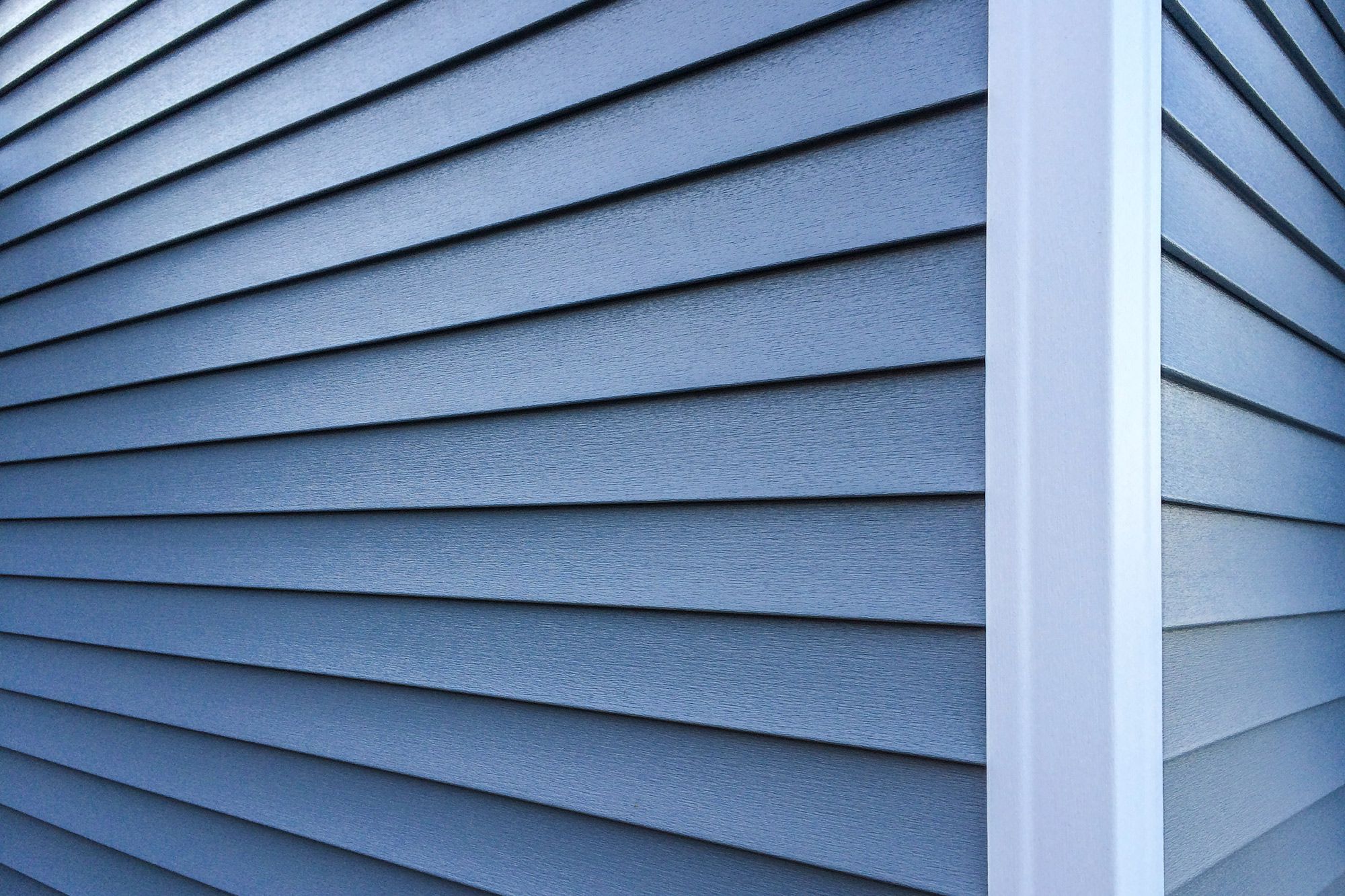
Vinyl siding is a popular and durable choice for home exteriors, known for its low maintenance and longevity, often lasting over 20 years, with some reports extending to 60 years when well-maintained. However, vinyl siding can experience fading, especially due to uneven sun exposure, leading to a patchy appearance. While the idea of painting vinyl siding to refresh its look is appealing, it requires careful consideration and specific practices to ensure a successful outcome. Standard interior paints are unsuitable for vinyl siding because they do not accommodate the material's expansion and contraction with temperature changes. Instead, specialized exterior latex urethane paints, which incorporate acrylic and urethane resins, are necessary. When applied correctly, painting vinyl siding can offer significant value and enhance a home's curb appeal.
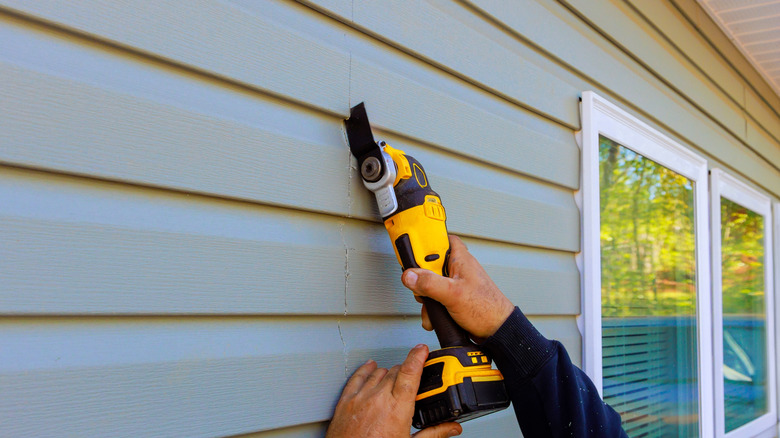
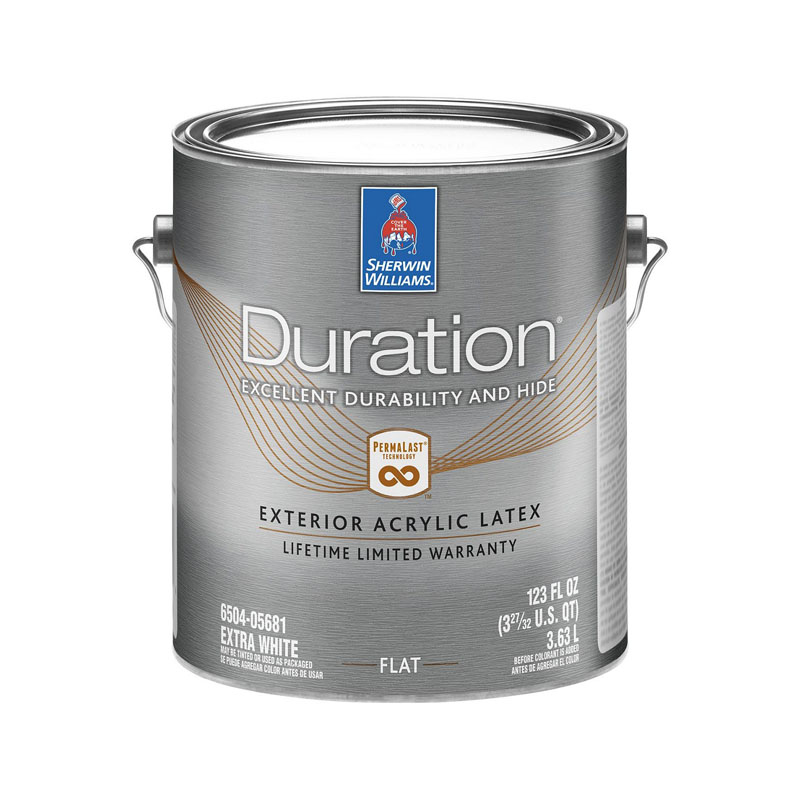
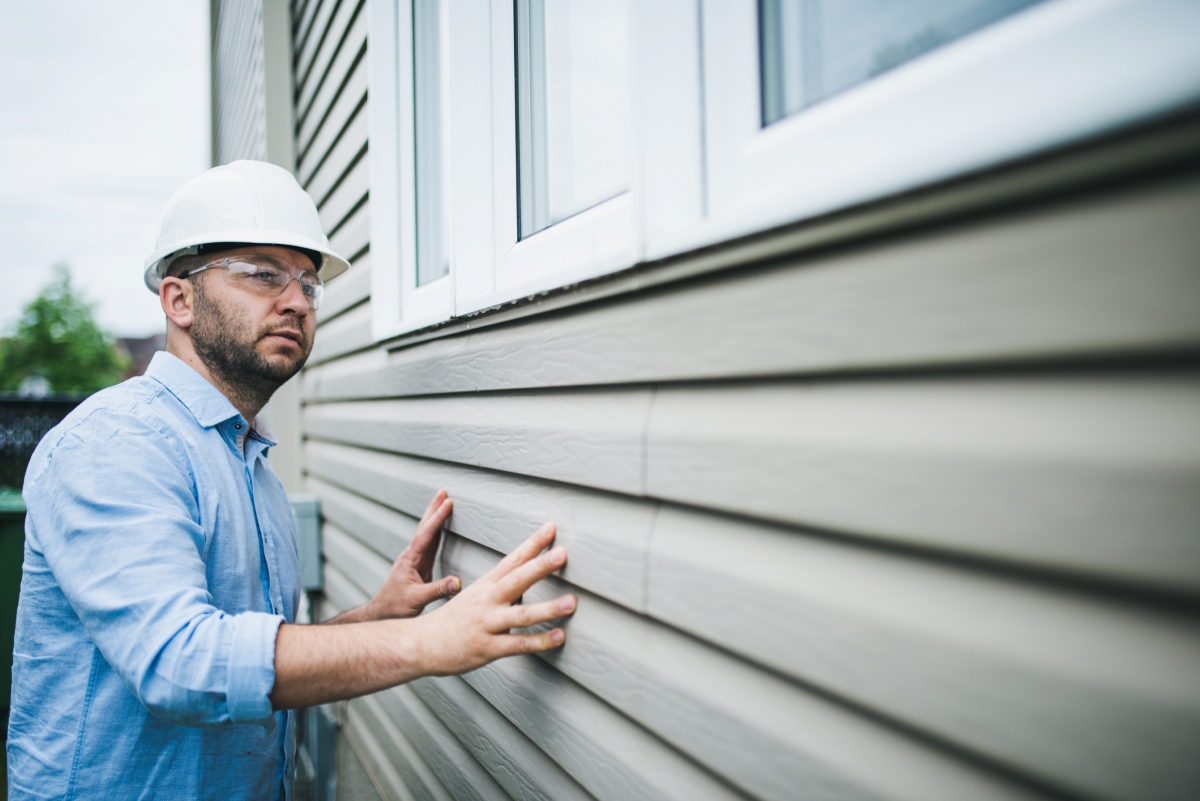
Before undertaking a painting project, it is crucial to assess the condition of the vinyl siding. Any existing damage, such as cracks or chips, must be repaired or replaced, as paint cannot fix underlying structural issues. For older homes with damaged siding where matching replacements are unavailable, painting existing and new sections to match can be a cost-effective solution, particularly for less visible areas. Modern exterior paints have advanced significantly, offering improved resistance to fading, cracking, and peeling. Leading brands like Benjamin Moore, Sherwin-Williams, and Behr provide vinyl-safe paint options in various colors.
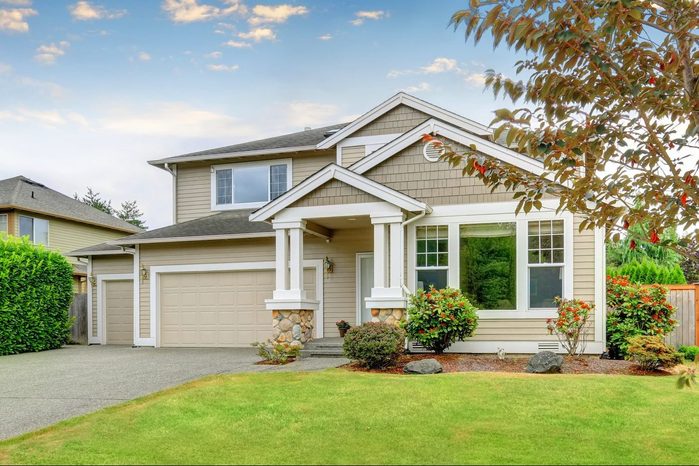
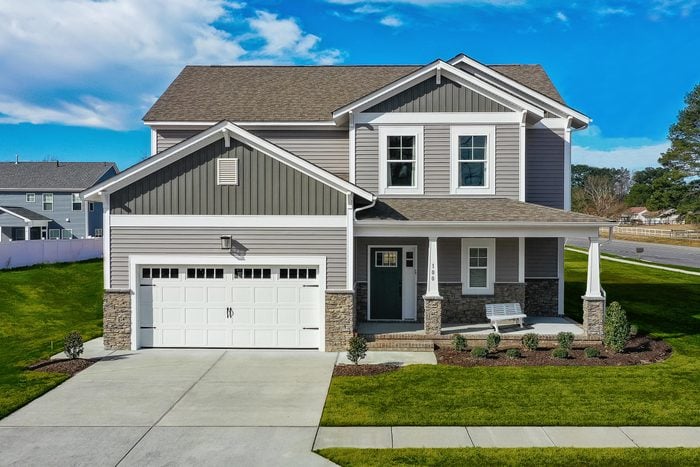
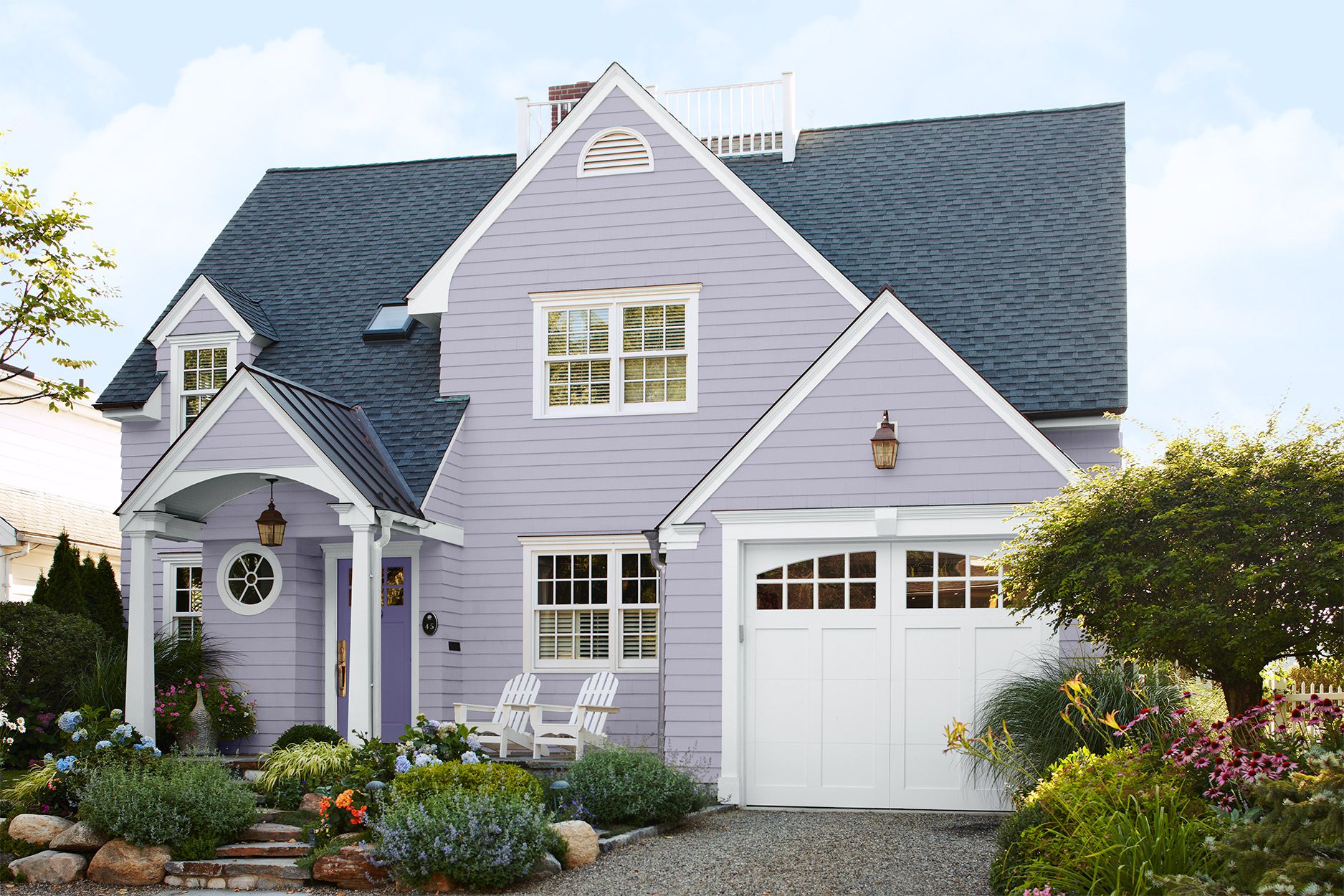
A critical recommendation from paint manufacturers is to avoid dark colors for vinyl siding. Darker paints absorb more heat from the sun, causing the vinyl to expand excessively. This can prevent the siding from returning to its original dimensions, leading to warping. Lighter paint shades are preferable as they absorb less heat, minimizing expansion and contraction, and tend to fade more slowly than darker hues. When selecting color combinations, it is important to consider the home's overall aesthetic, including its landscaping, neighboring properties, and roof color, to ensure a cohesive and appealing exterior.
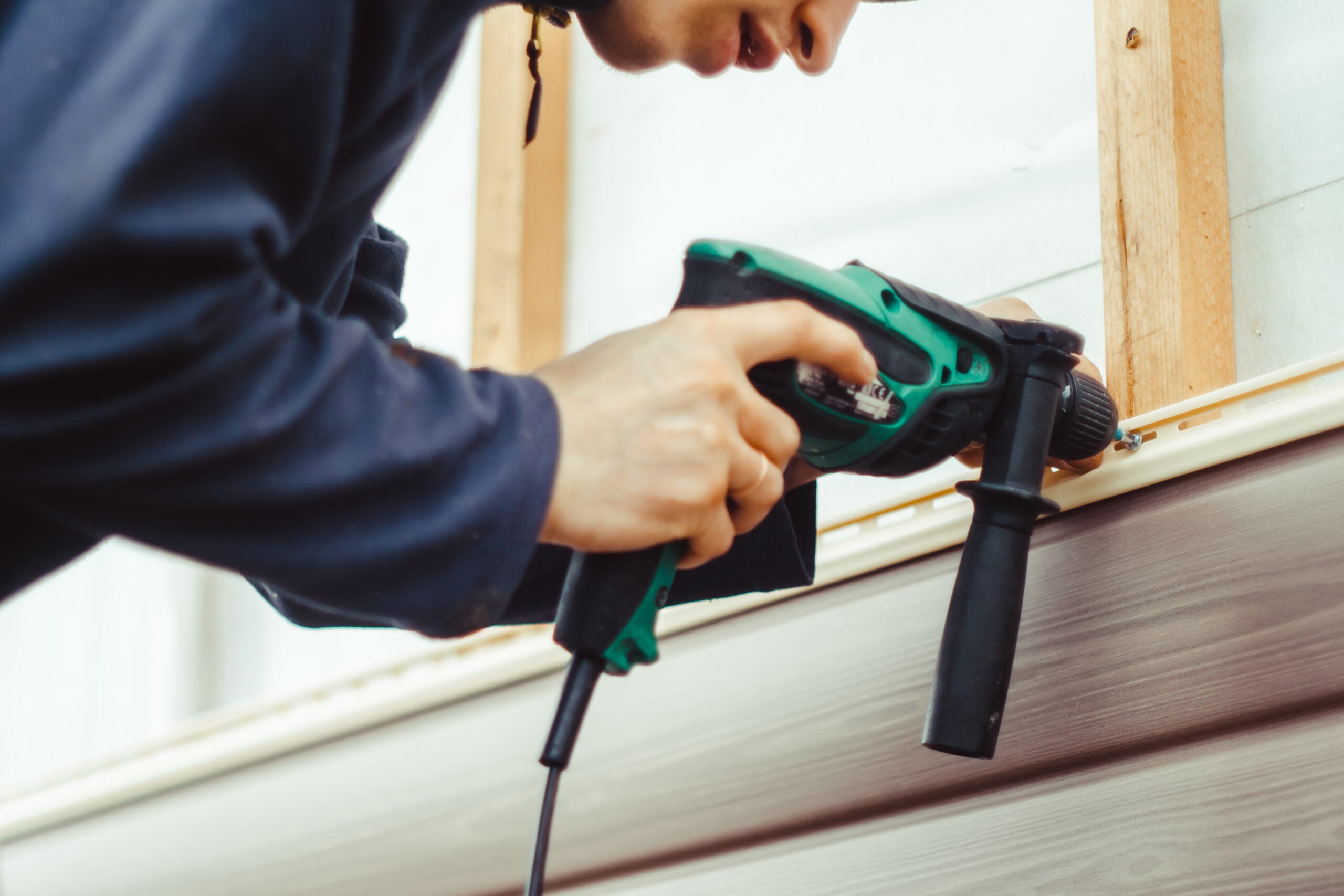
For optimal results, professionals typically recommend applying two coats of paint for better coverage and durability. Using a paint sprayer is often suggested for a faster and more even application compared to rollers. While a DIY approach is possible, it is essential to invest in high-quality paints and materials and to meticulously follow application guidelines. Cutting corners can lead to issues like clumping, warping, and breakage over time. Safety precautions, including the use of ladders, gloves, and protective gear, are paramount. For projects involving significant heights, intricate architectural details, or challenging sun exposure, hiring a professional is advisable to ensure safety and quality. Ultimately, painting vinyl siding can revitalize a home's appearance and increase its value, provided that the siding is in good condition, appropriate paints are used, and proper application techniques are followed. It is also important to verify that the siding's warranty has expired before painting, as painting can void an active warranty.
#VinylSiding #HomeImprovement #ExteriorPaint #CurbAppeal #HomeMaintenance #DIYHome #PaintingTips #HouseSiding #HomeRenovation #VinylSiding #HomeImprovement #ExteriorPaint #CurbAppeal #HomeMaintenance #DIYHome #PaintingTips #HouseSiding #HomeRenovation
0 comment in total
 No comments yet
You may also like
You Can Save Thousands of Dollars With a DIY Vinyl Siding Installation
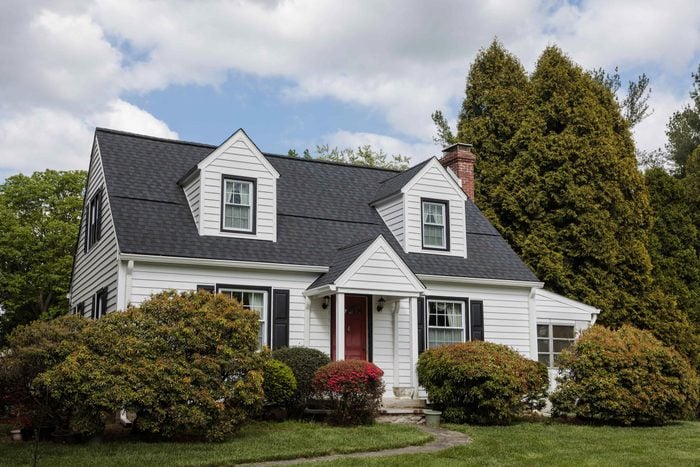
8 Vinyl Siding Colors That'll Never Go Out of Style

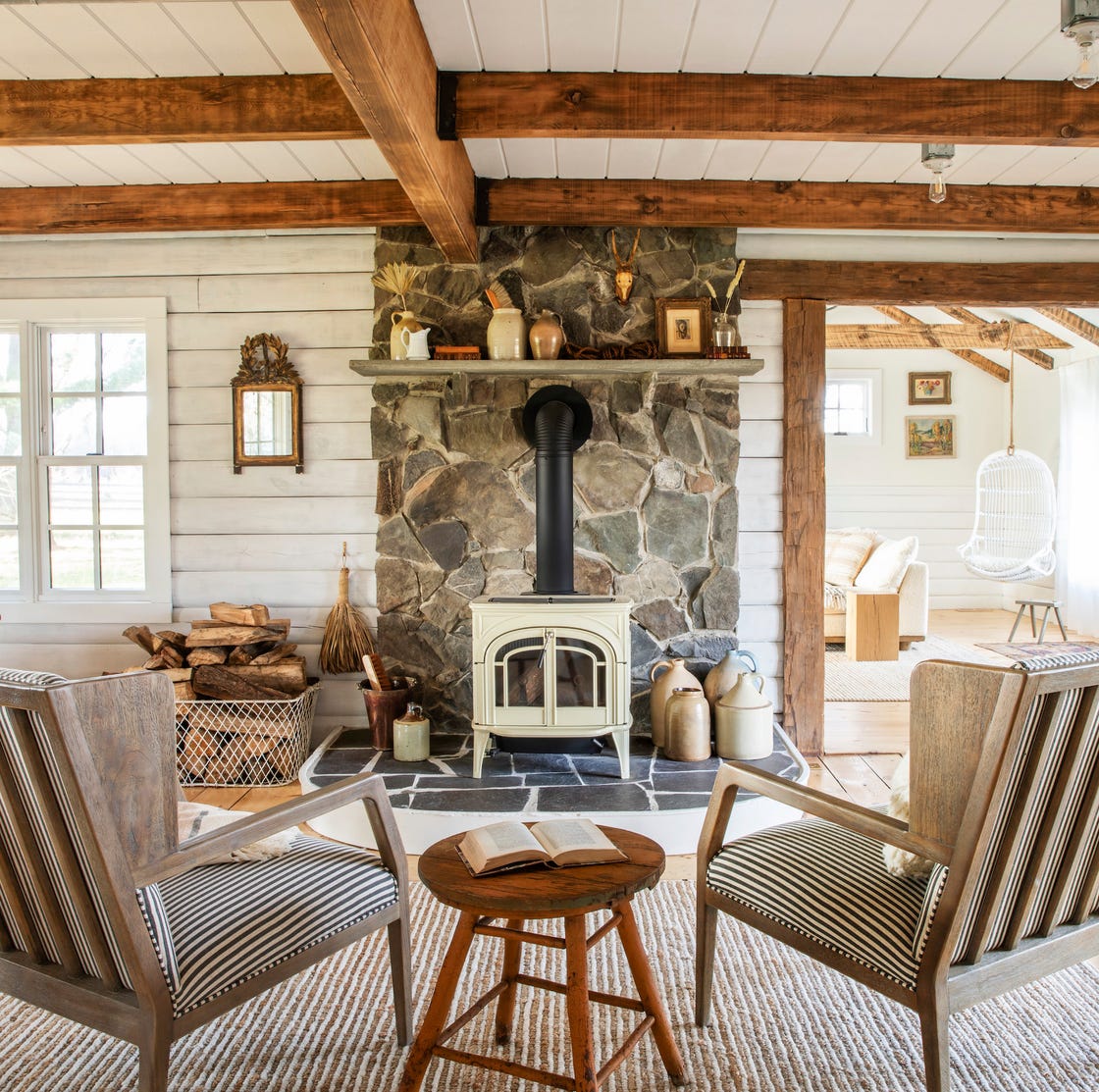
This Cabin Proves It's Actually Okay to Paint Over Wood Walls
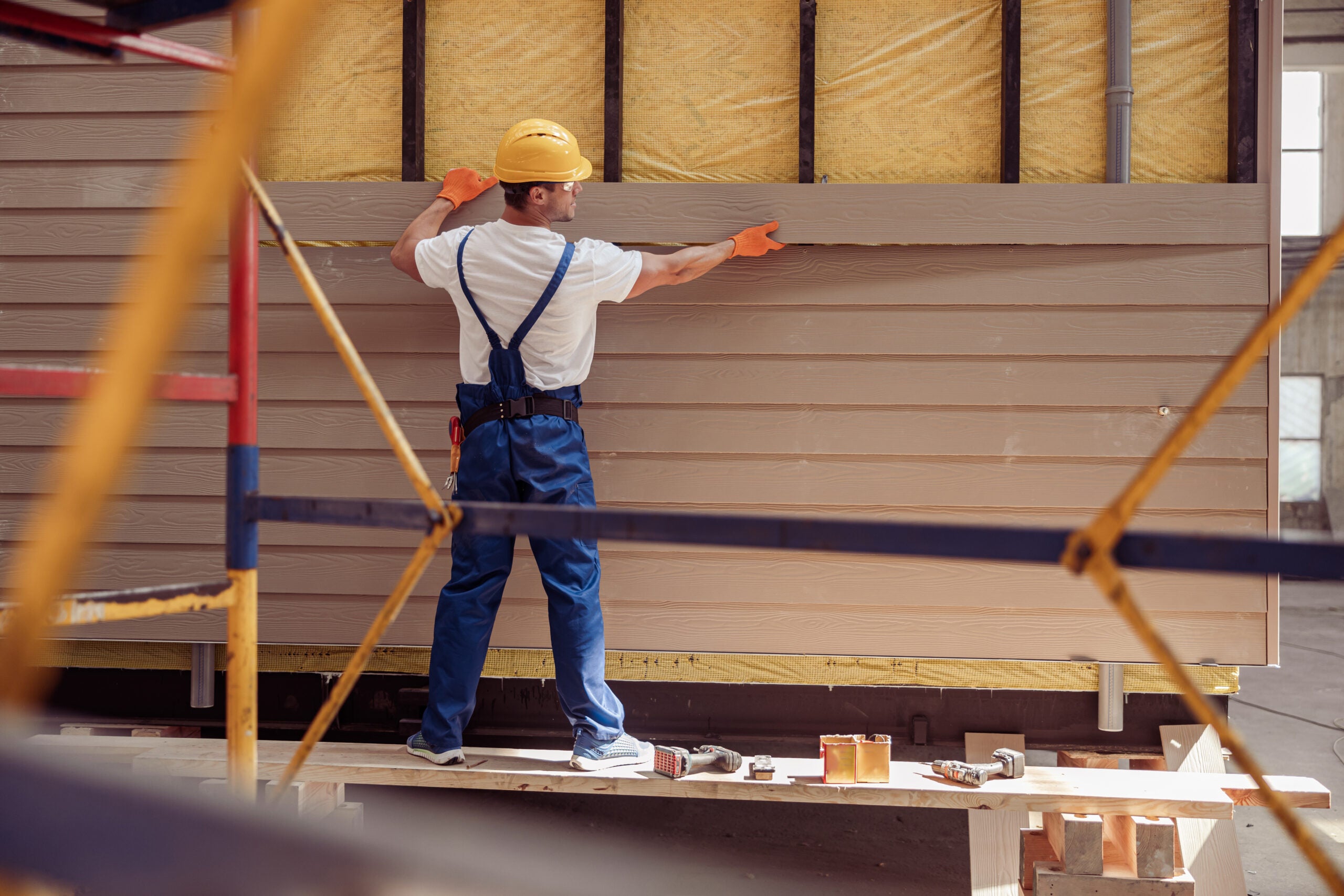
New Construction: What you need to know about siding your home
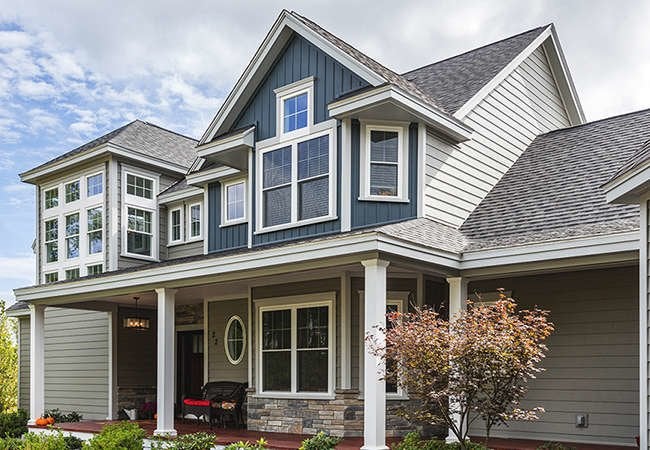
These Classic Vinyl Siding Colors Deliver Curb Appeal for Years


An expert guide to paint uPVC windows in a weekend

Engineered Siding: Everything You Need to Know
What Is the Cost to Replace Vinyl Siding in 2025?

The Backyard Home Trend That Needs To Go (And What We Recommend Instead)
Vinyl Siding Colors: Tips for Picking the Perfect Palette
The Best Exterior Paints for Every Outdoor Surface

How to Paint Wood Paneling the Right Way

8 Best Vinyl Siding Brands of 2022
How to Paint Wood-Paneling

The Best Vinyl Siding Cleaners for the Home, Tested
What’s the Difference Between Interior and Exterior Paint?
Vinyl Siding: Costs and Key Considerations, Explained (2025)
Yes, You Should Absolutely Paint Your Ceiling
Can you paint vinyl windows? Expert painters urge caution and vital steps to avoid damage