1/5
Walk This Way: New trends in vinyl flooring
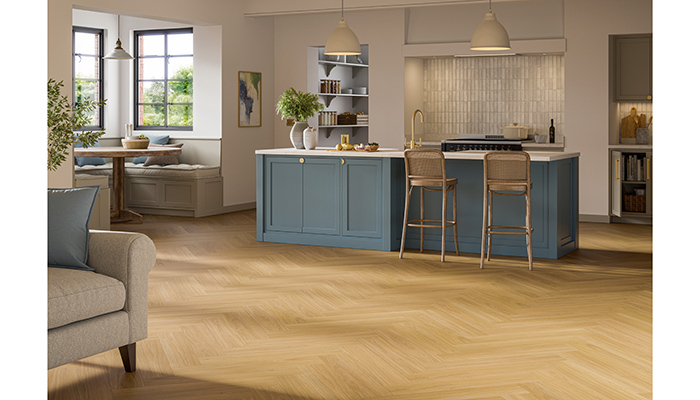
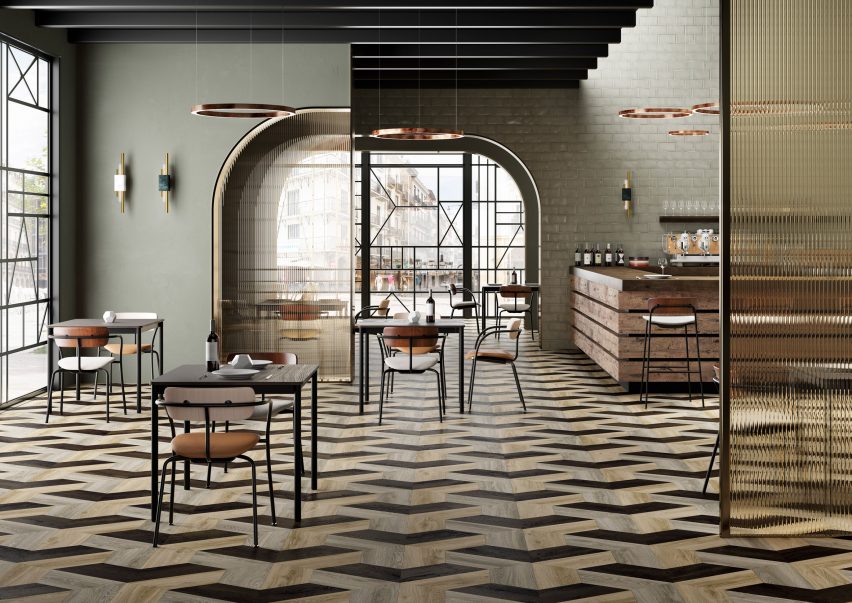
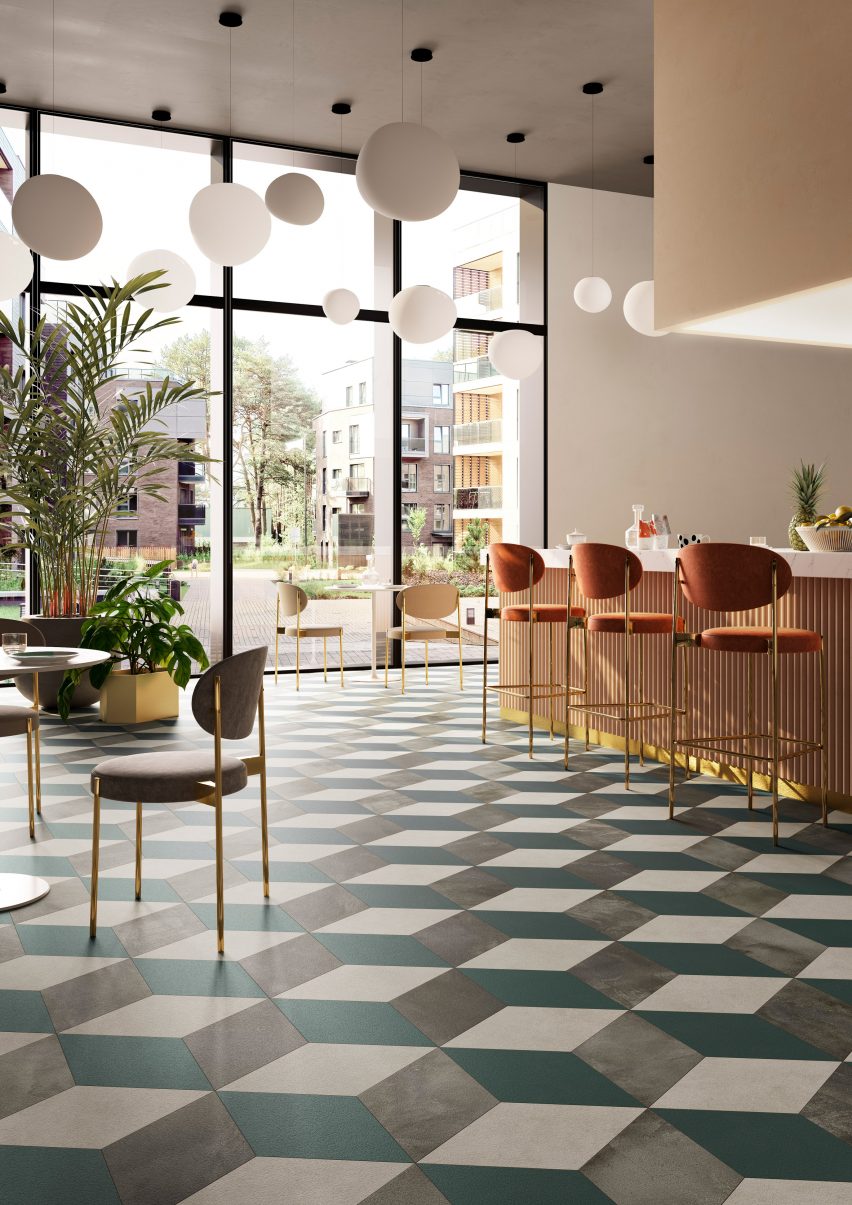
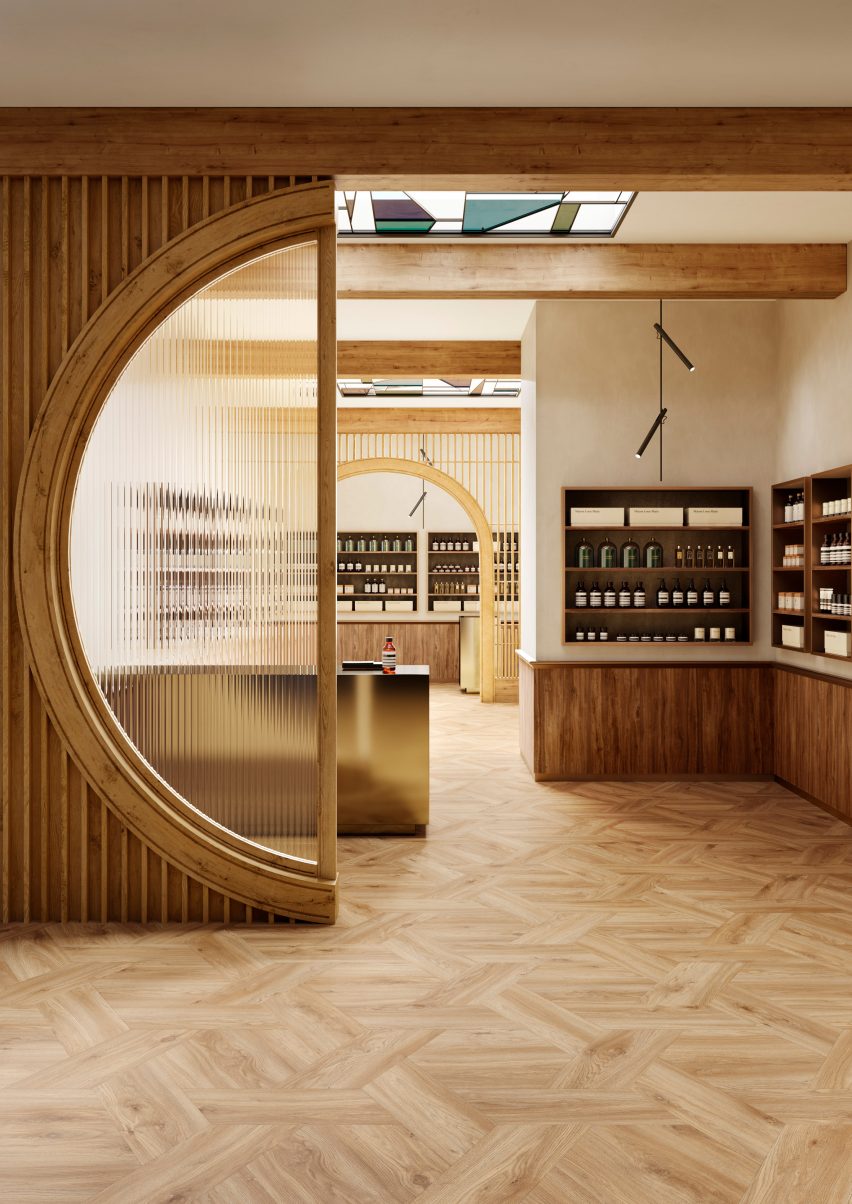
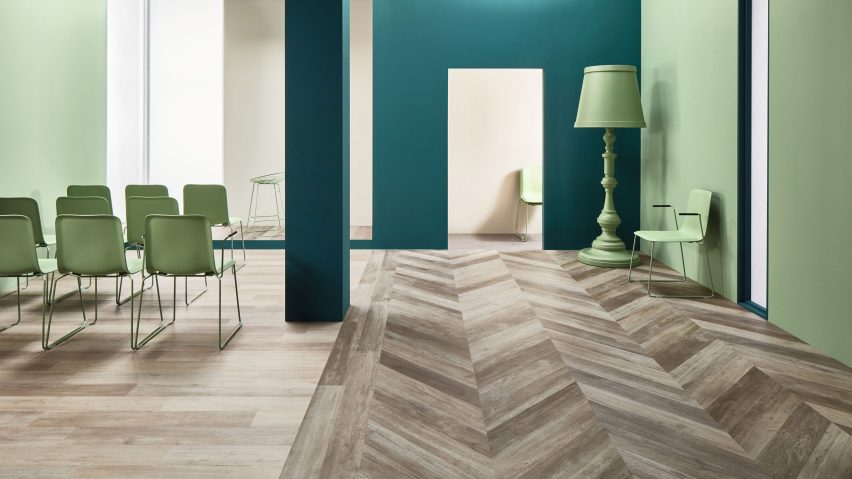
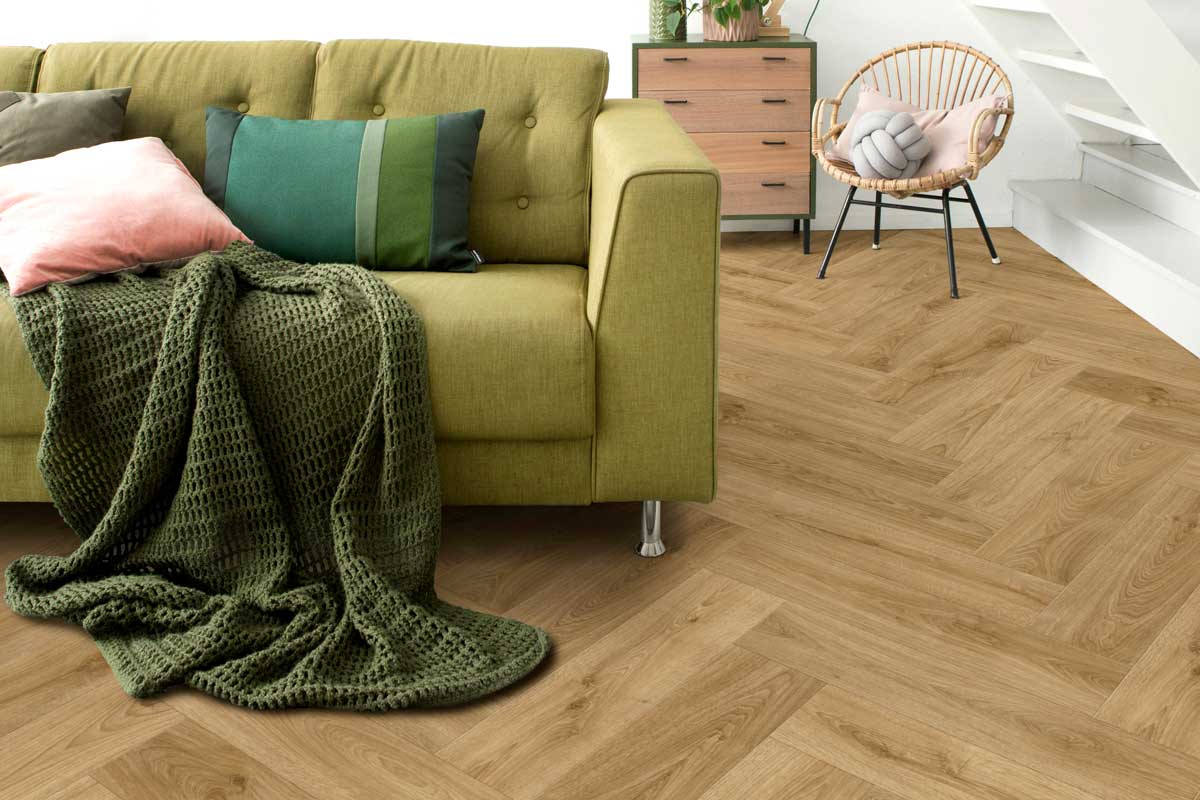
The flooring industry is witnessing a significant shift towards more environmentally responsible products for non-residential applications, driven by advancements in science and technology. This evolution is particularly evident in the growing popularity of Luxury Vinyl Tile (LVT) and Luxury Vinyl Plank (LVP). These modern vinyl flooring options offer enhanced design flexibility and reduced ecological impact compared to their predecessors. Key benefits include improved indoor air quality (IAQ) performance, low maintenance requirements, decreased lifecycle costs, and ease of installation. Unlike traditional vinyl and vinyl composition tile, LVT and LVP utilize advanced materials and compositions, making them suitable for various commercial sectors such as healthcare, retail, corporate, education, and hospitality.
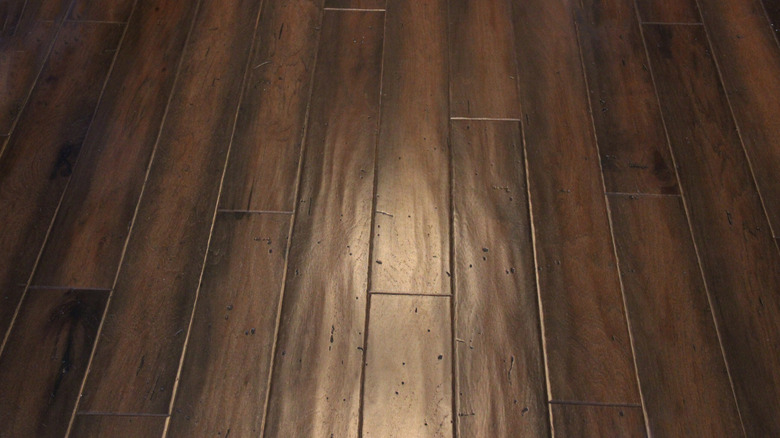
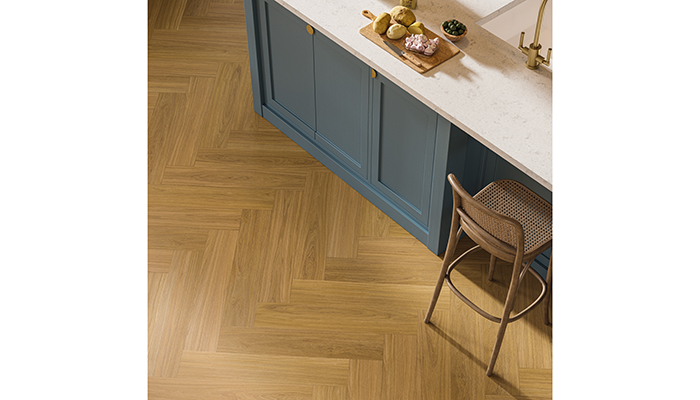
Interior designers, especially those specializing in senior living facilities, frequently specify LVTs and LVPs due to their durability, aesthetic appeal, and cost-effectiveness. They offer advantages over traditional tile, such as not requiring post-installation sealing, and allowing for individual tile or plank replacement rather than an entire flooring assembly, leading to significant cost savings. Furthermore, luxury vinyl flooring provides additional cushioning for reduced impact, a softer feel, and improved acoustic properties, absorbing more noise than tile, wood, or laminate. Its resistance to heavy traffic, regular wear, sunlight, moisture, and mildew makes it ideal for high-traffic areas like entryways, kitchens, retail spaces, and bathrooms. Various installation options are available, including tape, floating, click-and-locking, glue-down systems, and spray adhesives, with the appropriate method dependent on the specific environment.
The manufacturing process of vinyl flooring has undergone significant changes, particularly concerning plasticizers, which are crucial for flexibility, transparency, durability, and longevity. Historically, the industry relied on phthalates, but concerns linking them to reproductive defects and early puberty led to regulatory actions in Europe and the U.S. While these bans primarily targeted toys and childcare items, they heightened awareness among building owners regarding chemical composition in products. In response, the flooring industry proactively developed and adopted non-phthalate plasticizers over three decades ago, achieving performance levels equal to their phthalate counterparts. These non-phthalate plasticizers offer characteristics like low-temperature flexibility, resistance to soapy water extraction, and non-migration properties. Suppliers continue to innovate, developing specialized non-phthalate plasticizers for niche applications, including those compatible with water-based adhesives and fast-fusing solutions to accelerate production times. In some cases, non-phthalate plasticizers have proven more efficient, allowing manufacturers to use less material.
The industry's move toward self-regulation, by changing raw materials before they are mandated, has helped it stay ahead of regulatory actions. Major retailers are encouraging vendors to reformulate products for sustainability, and architects and designers are actively specifying new, environmentally friendly options. The American National Standards Institute/National Sanitation Foundation (ANSI/NSF) 332, 'Sustainability Assessment for Resilient Floor Coverings,' now serves as a benchmark for certifying the sustainable attributes of resilient flooring, including vinyl products. Manufacturers are also increasingly using Environmental Product Declarations (EPDs) and Lifecycle Assessments (LCAs) to transparently communicate their products' environmental profiles. The expansion of U.S. and European markets, coupled with manufacturers bringing production back to the United States, signals anticipated growth in the vinyl tile category. This domestic production strengthens the supply chain, reduces customs issues, and ensures product quality and timely delivery. Manufacturers are seeking plasticizer products that facilitate faster processing and contribute to efficient production speeds, uniform thickness, and shorter cycle times. These trends collectively foster an optimistic economic outlook for the industry, offering consumers improved indoor air quality, designers expanded choices, and raw material suppliers innovative solutions that balance performance, aesthetics, and environmental responsibility.
#vinylFlooring #luxuryVinylTile #luxuryVinylPlank #sustainableMaterials #indoorAirQuality #nonPhthalatePlasticizers #flooringInstallation #constructionMaterials #designTrends #vinylFlooring #luxuryVinylTile #luxuryVinylPlank #sustainableMaterials #indoorAirQuality #nonPhthalatePlasticizers #flooringInstallation #constructionMaterials #designTrends
0 comment in total
 No comments yet
You may also like
9 Outdated Flooring Trends We're Leaving In The Past

Parador's Neel Bradham on the best flooring for kitchens and bathrooms
Walk on by: flooring focus

Fixer To Fabulous Stars Dave & Jenny Marrs' Flooring Choice Is A 2025 Trendsetter
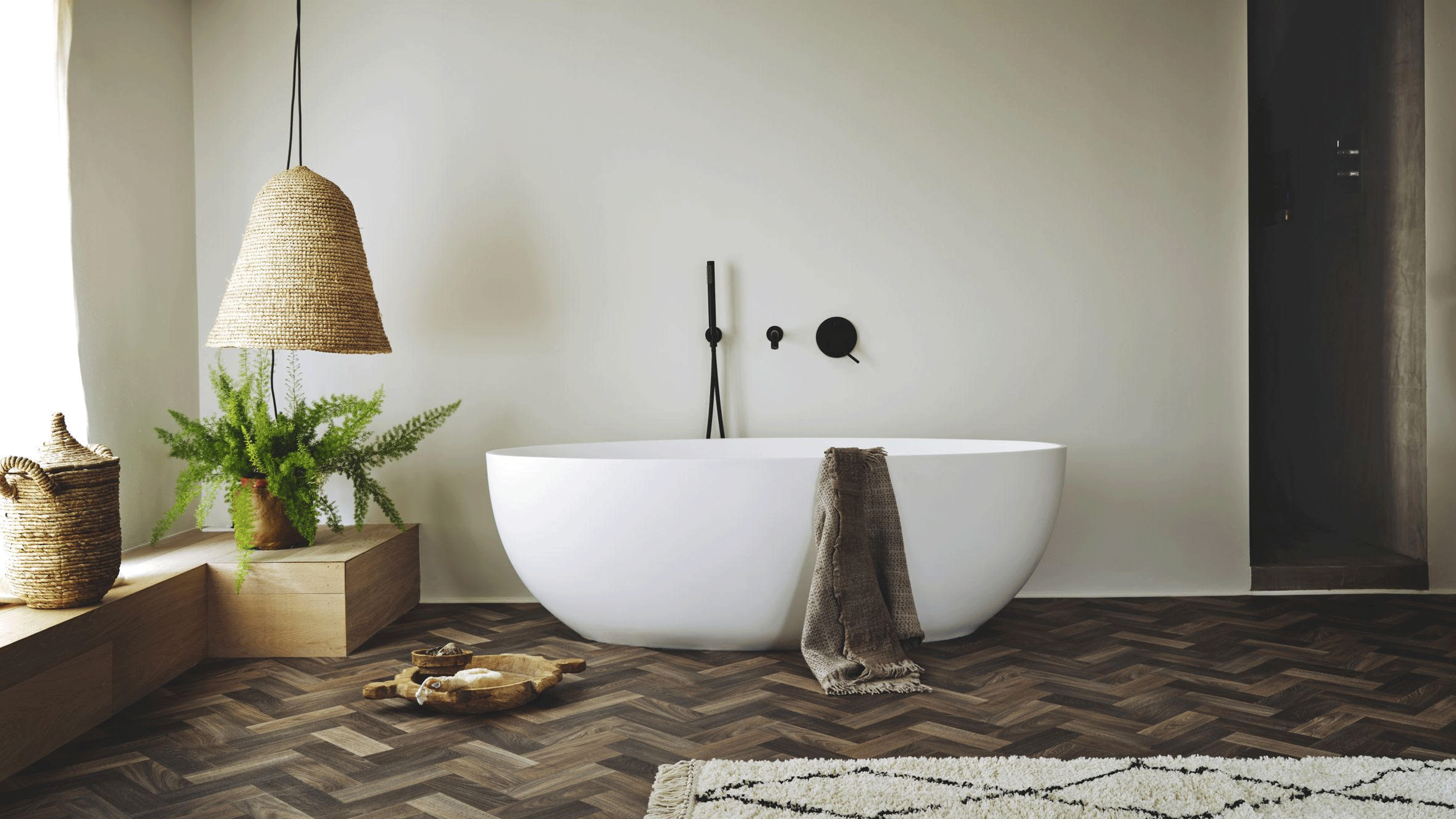
Vinyl bathroom flooring ideas – 10 ways to use the new flooring trend about to take over tiles

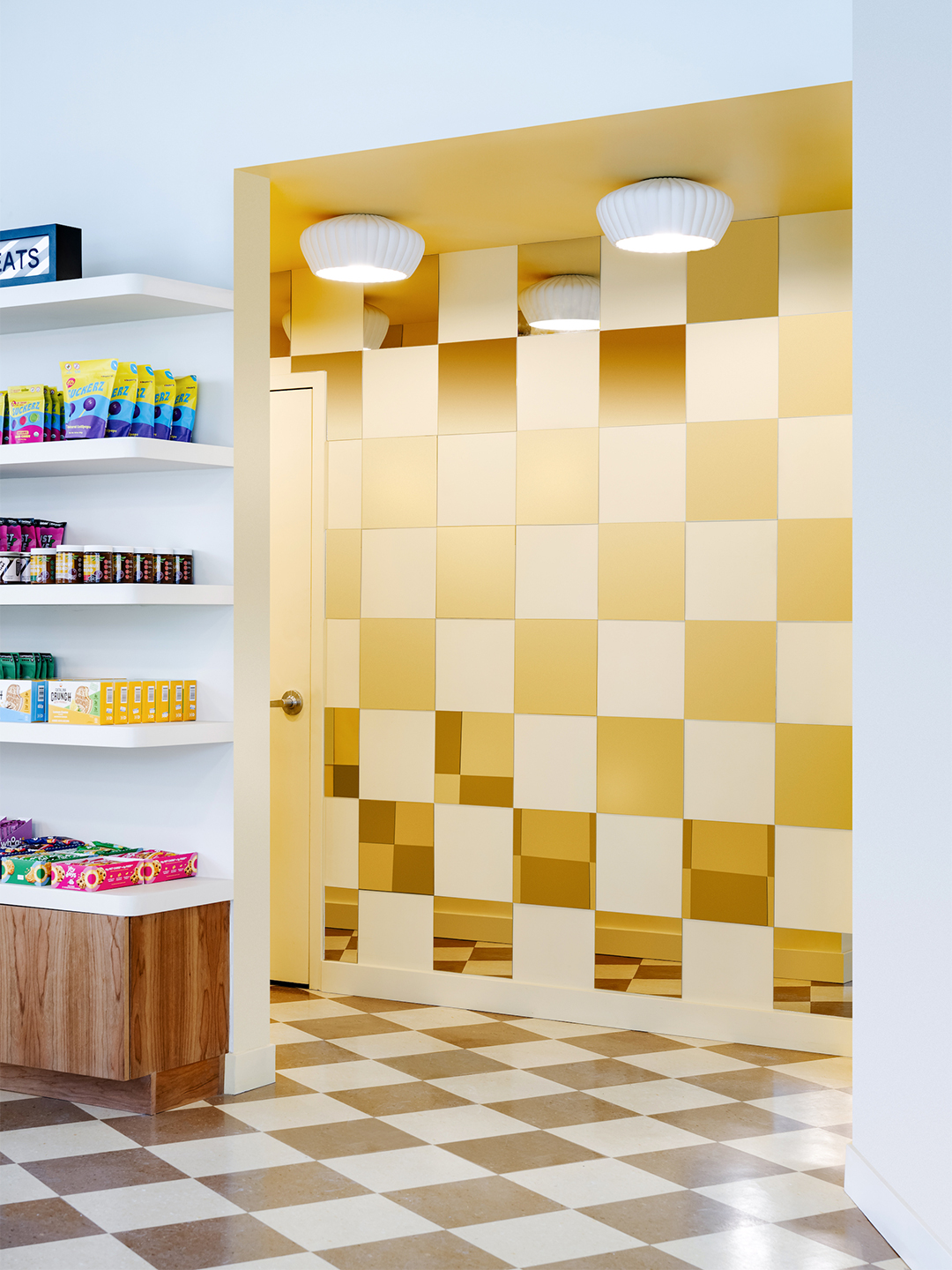
Pop Up Grocer’s New Shop Confirms That This Retro Flooring Material Is Cool Again

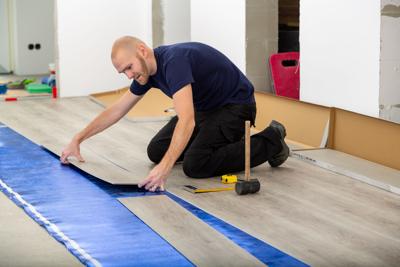
New options in flooring

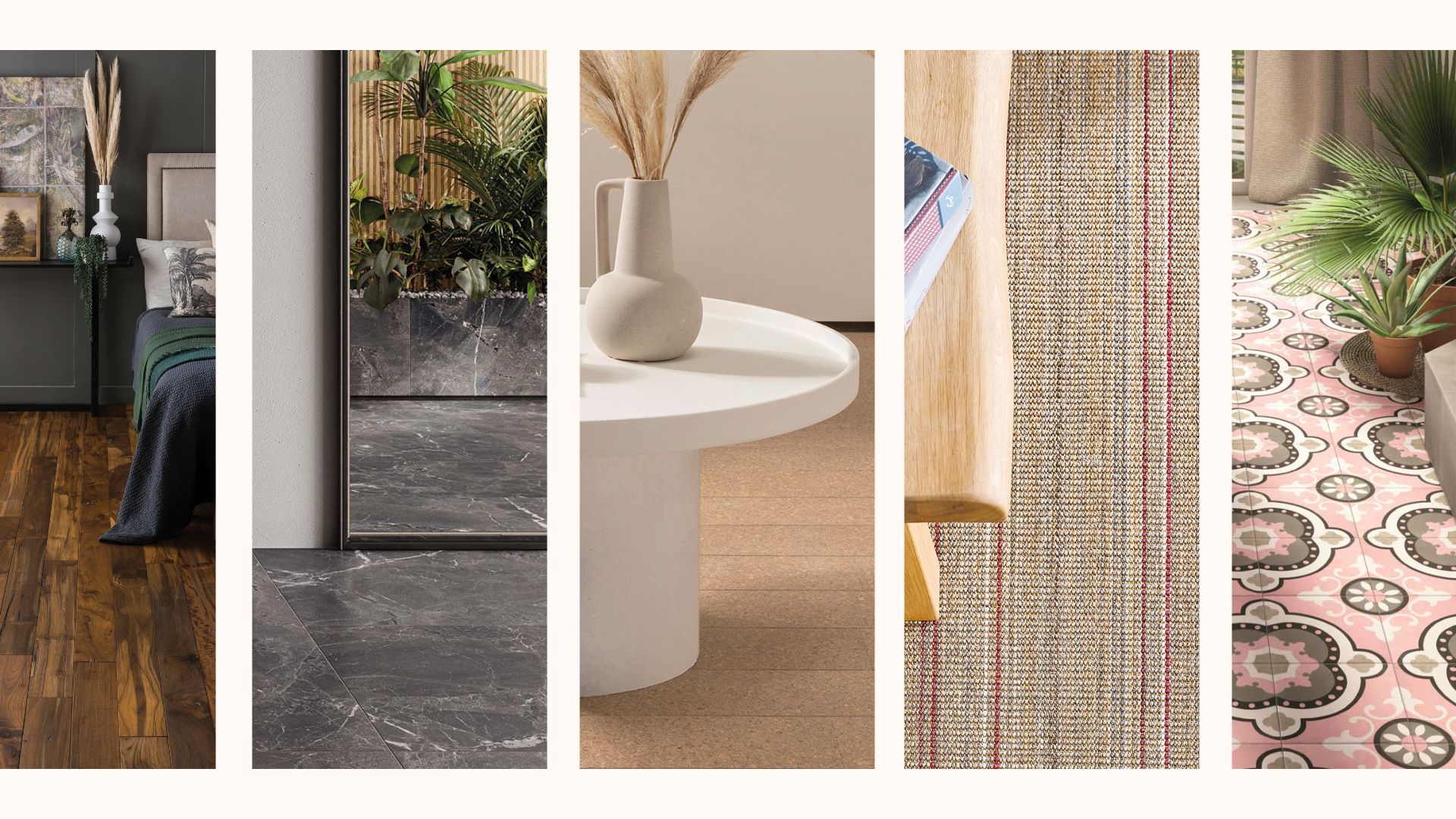
Flooring trends 2023: 18 popular design choices for stylish floors


Atrafloor Debuts Patterned Vinyl Flooring

Forget Hardwood: HGTV's Erin And Ben Napier Have A Better Idea For Your Floors

Tessellating shapes create geometric patterns in Studio Moods flooring
The 10 Big Flooring Trends Emerging in Homes in 2025
Vinyl Flooring Market Size, Share, Trends, Growth Drivers and Forecast 2034

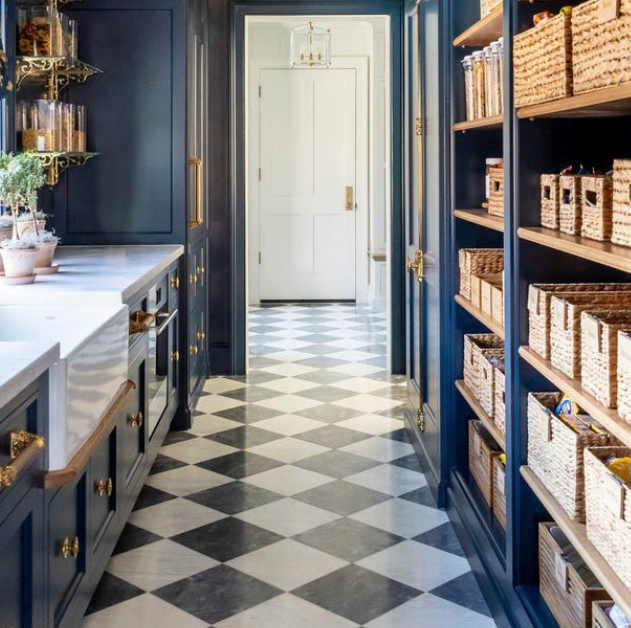
How to Get the High-End Flooring Look You See in LUXURY Homes

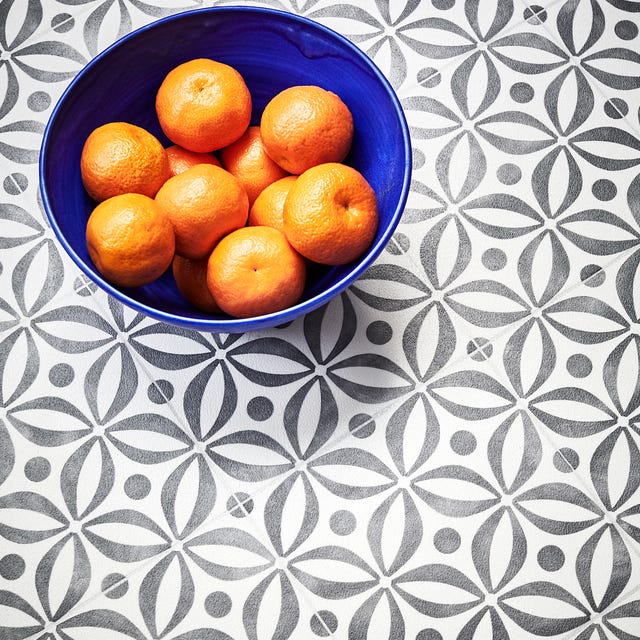
Stylish new vinyl flooring from the Carpetright x House Beautiful collection

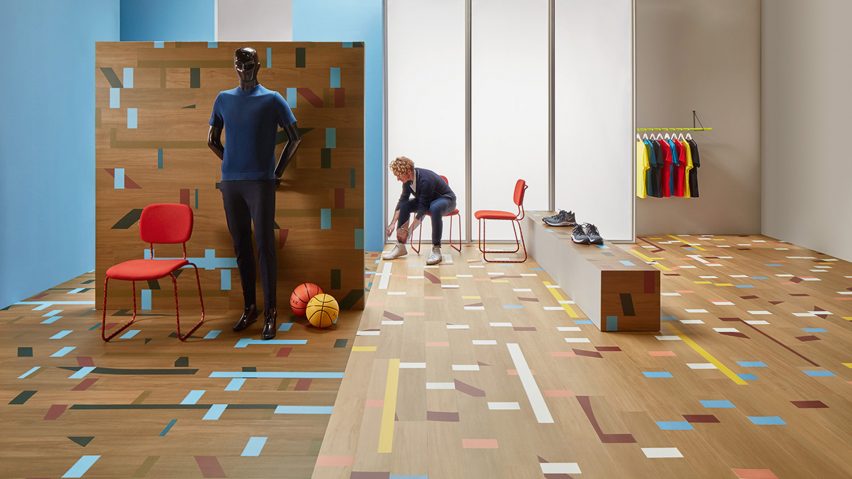
Vinyl Allura tiles mimic the look of a reclaimed gym floor
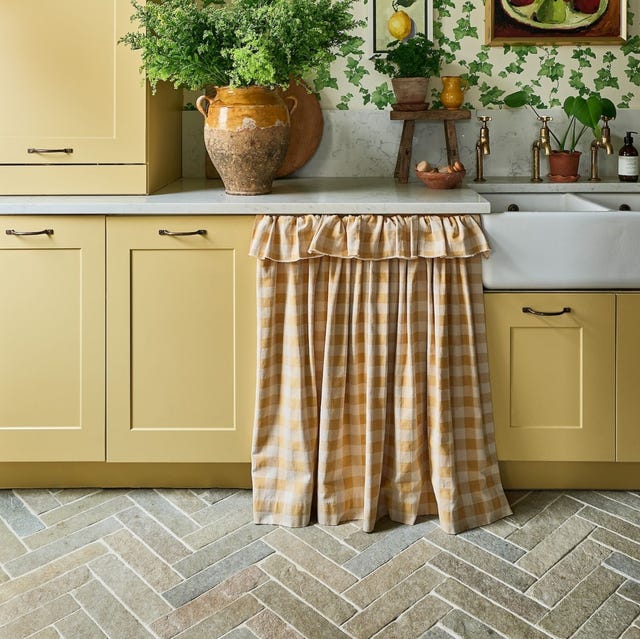
7 flooring trends you're about to see everywhere
The Top 10 Flooring Trends for 2022


Designers Are Convinced These 4 Flooring Trends Will Rule 2026


What to Expect This Black Friday 2025: UK Flooring Direct’s Biggest Sale Yet