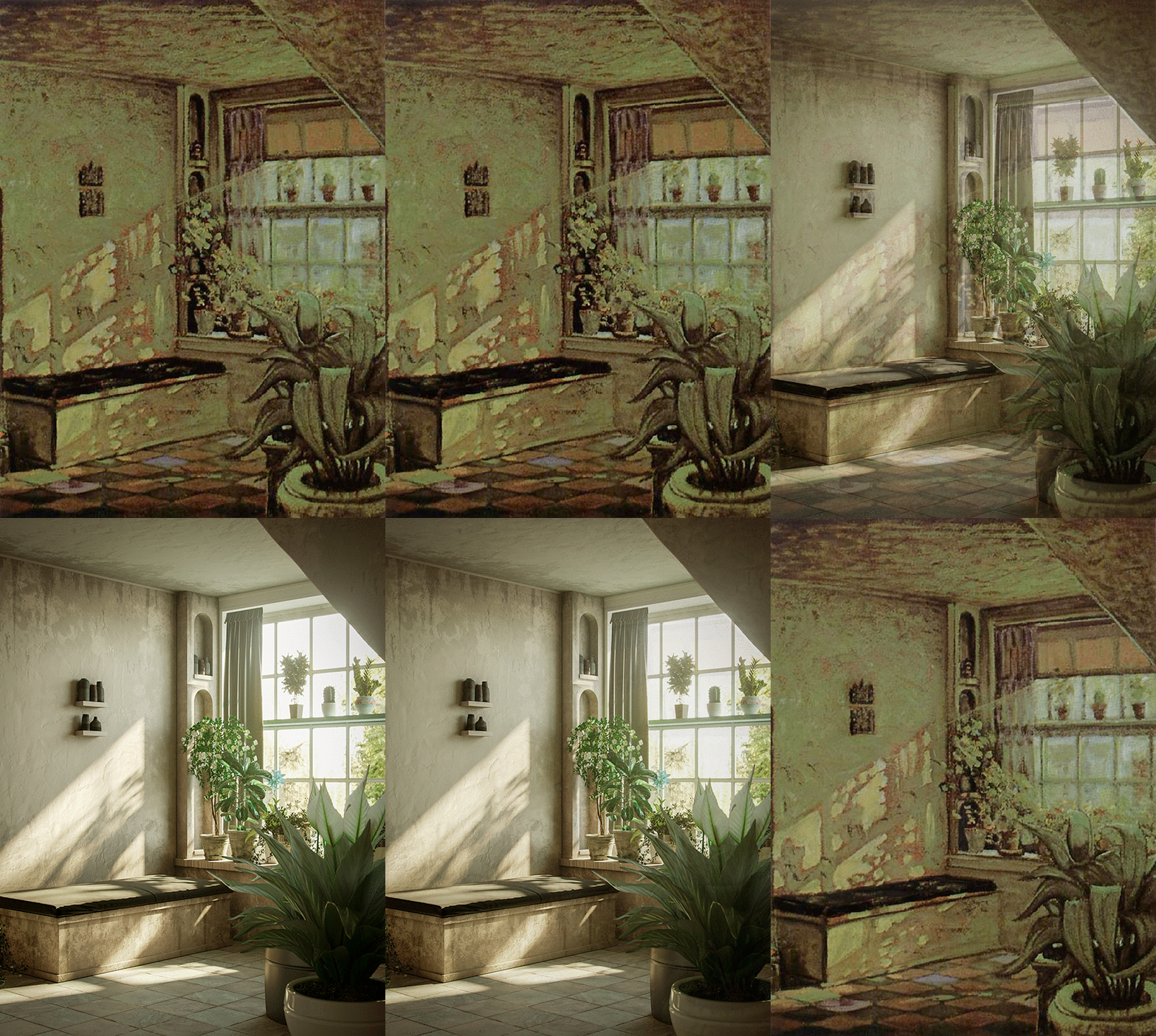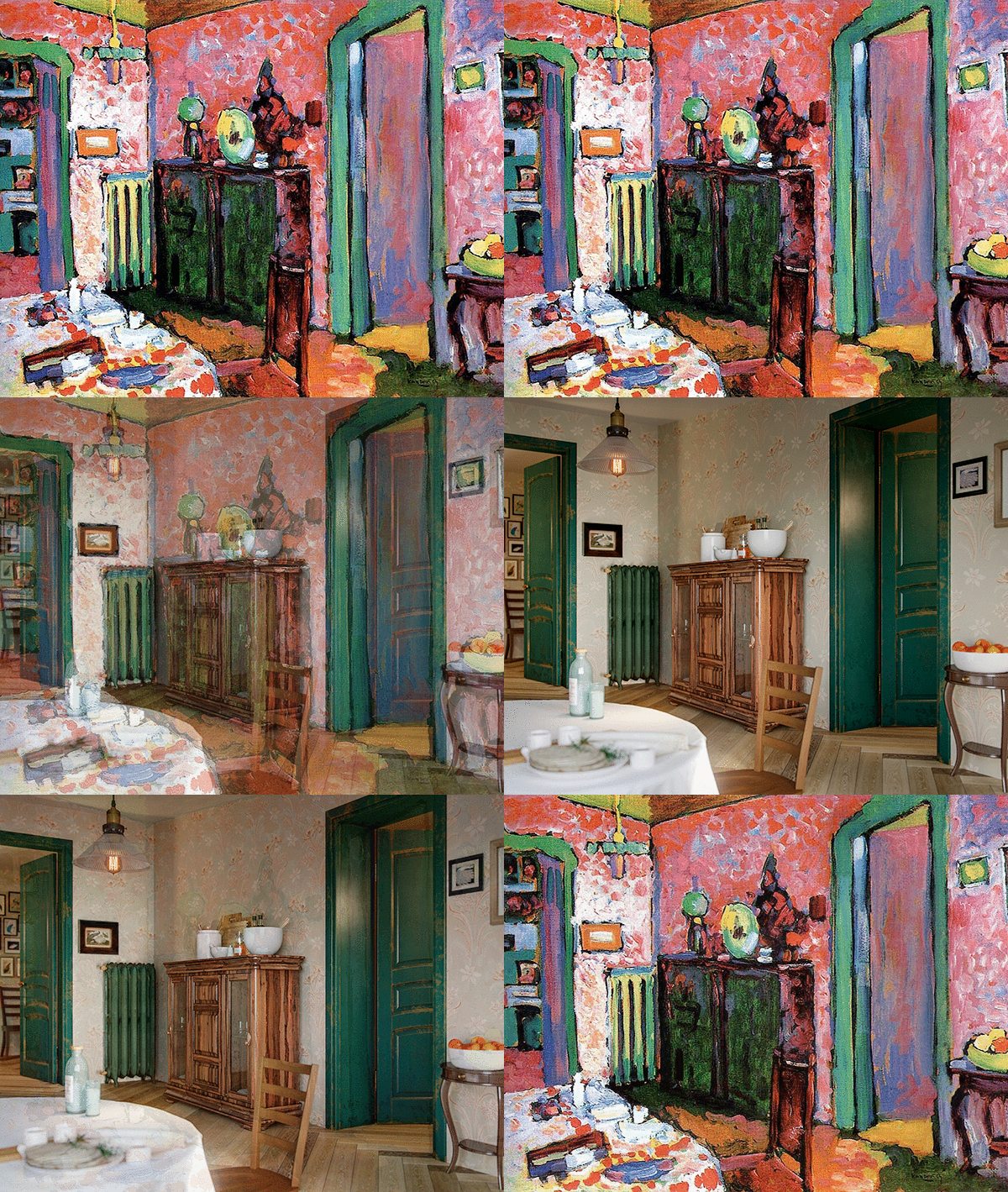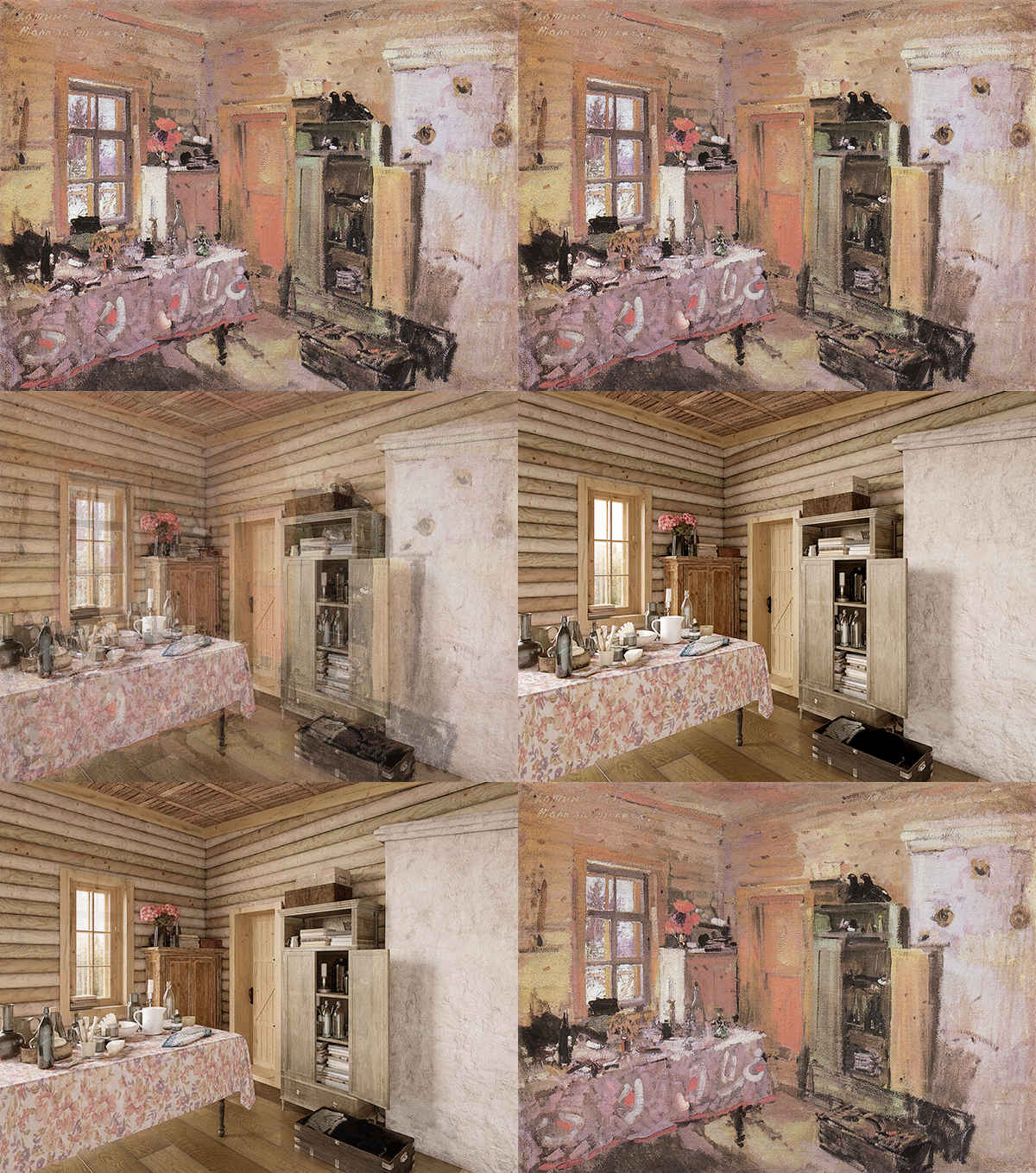
This painting technique has been trending for thousands of years
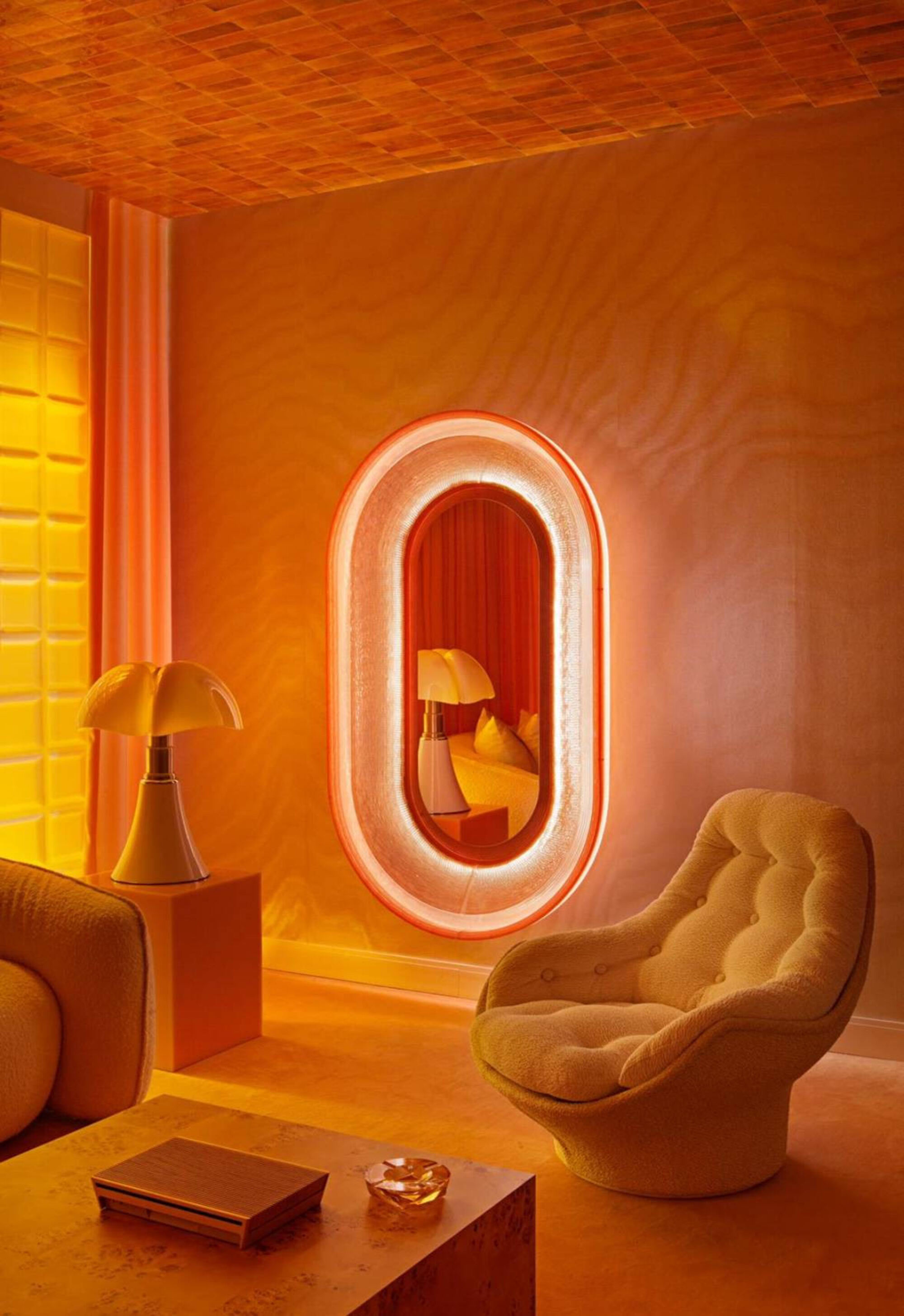
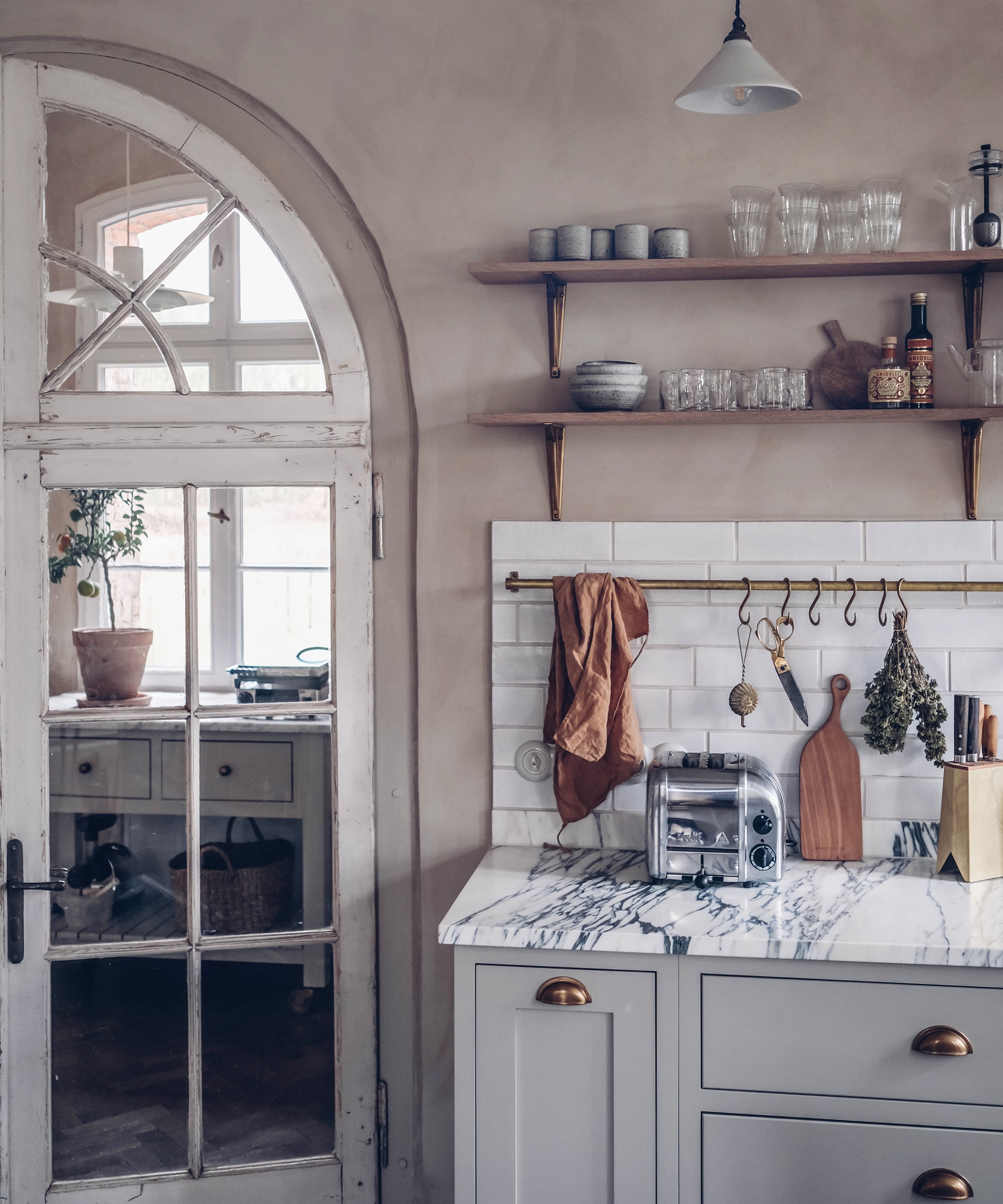
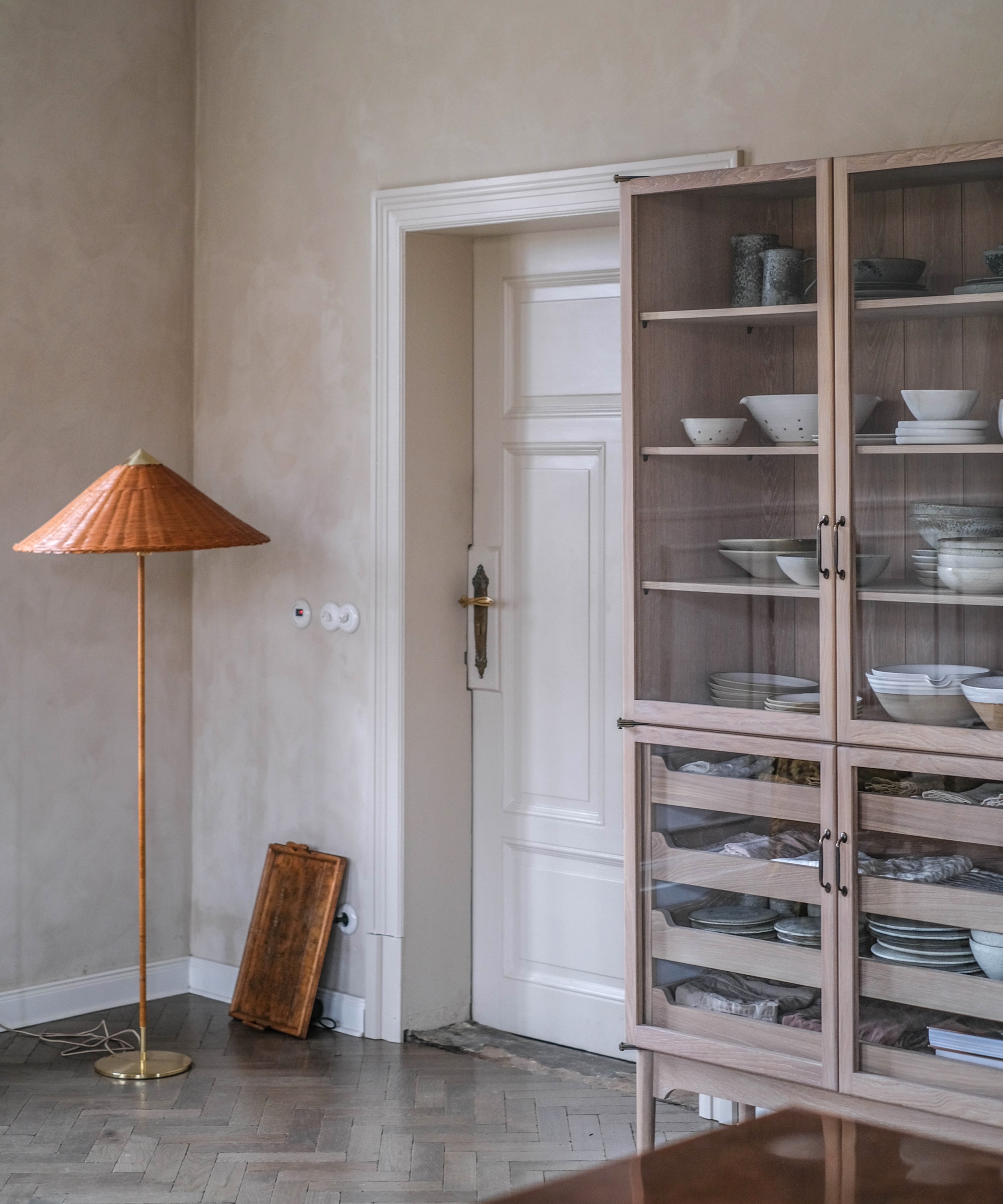
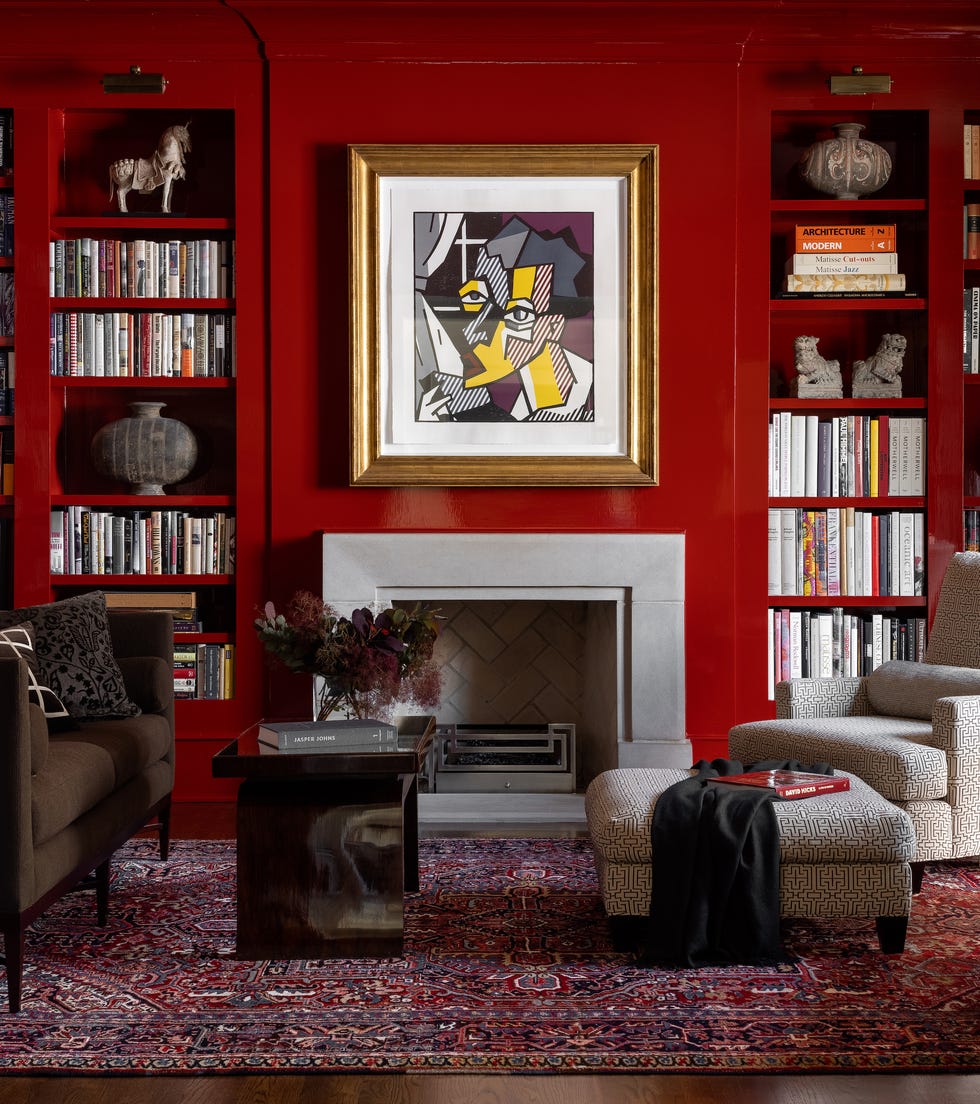
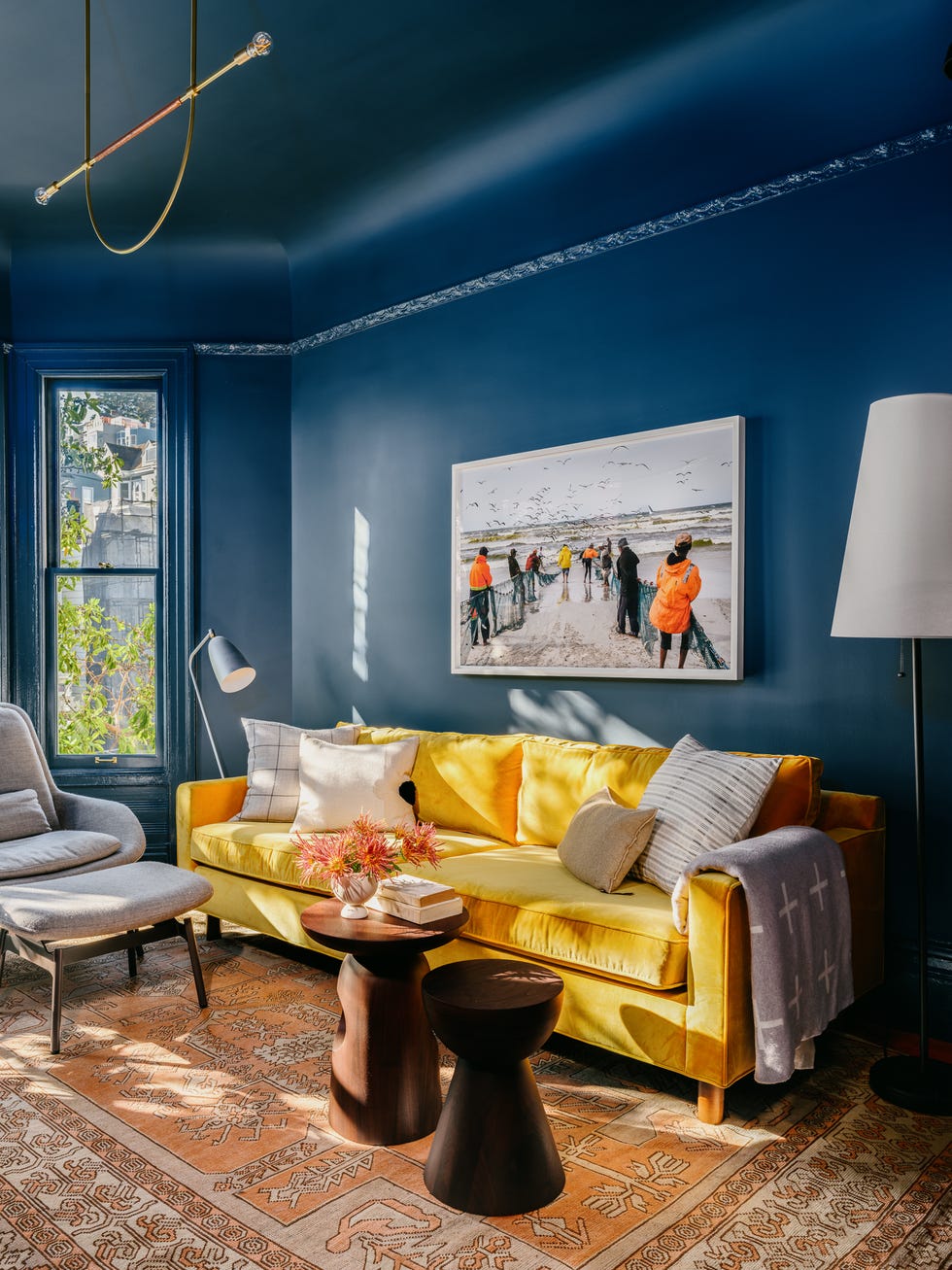
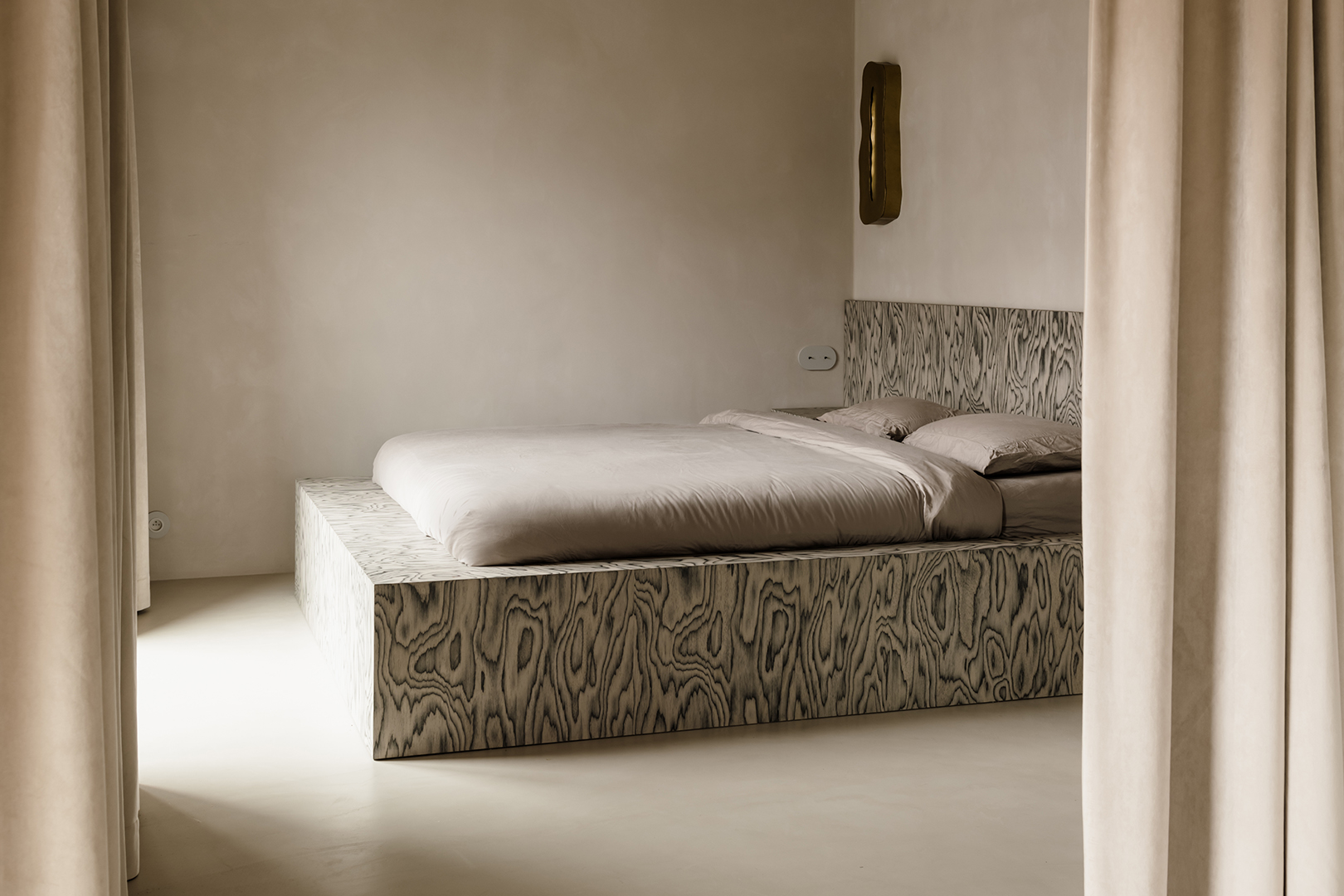
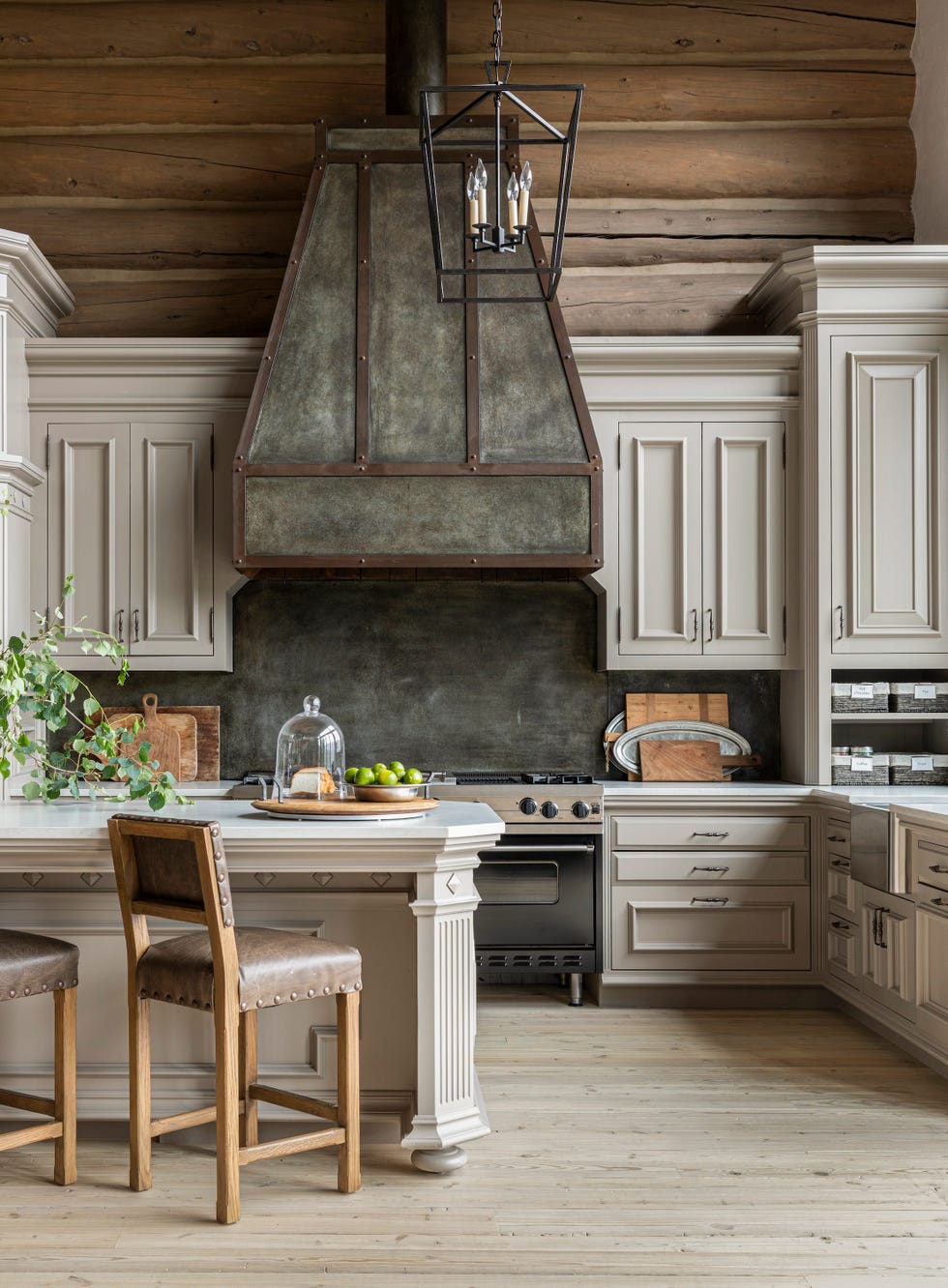
Limewash paint, a natural painting technique composed simply of water and lime, has a rich history dating back thousands of years. Originating in ancient Greece and Egypt, where it adorned temples and sarcophagi, this technique has experienced a resurgence in modern interior design due to its unique aesthetic and natural properties. The Greeks and Romans favored limewash for its affordability, widespread availability, and distinctive complex, matte finish. Additionally, its inherent antibacterial properties were valued for preventing the spread of disease, a practical benefit in ancient urban environments.
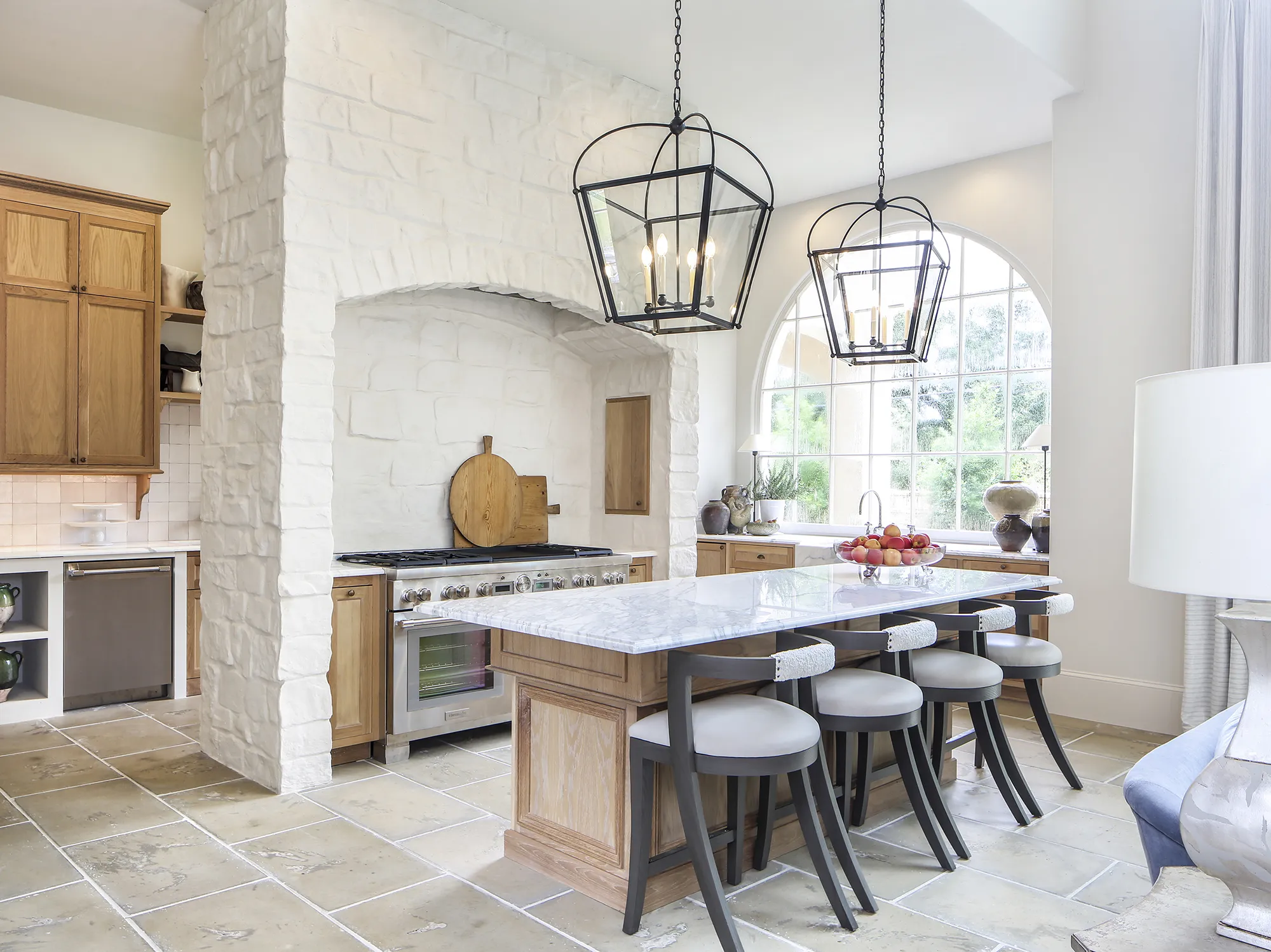
Throughout the Middle Ages and the Renaissance, limewash, particularly in its uncolored "whitewash" form, was a common feature in both European palaces and rural farmhouses. Its historical presence extends to more recent colonial periods, including homes in Louisiana, where it has been observed in architectural elements like the stone kitchen walls of the 2020 Ivy House Designer Showhome.
Ellen Kennon, founder of Full Spectrum Paint, highlights the current popularity of limewash, attributing it to its natural mineral-based colors and its status as a VOC-free (volatile organic compound-free) option. Kennon notes that the technique's enduring appeal lies in its ability to create depth and movement, a characteristic she aimed to emulate with her own paint brand. She emphasizes that applying limewash is a labor-intensive process, requiring hand-painted brushstrokes rather than rollers, contributing to its artisanal quality.
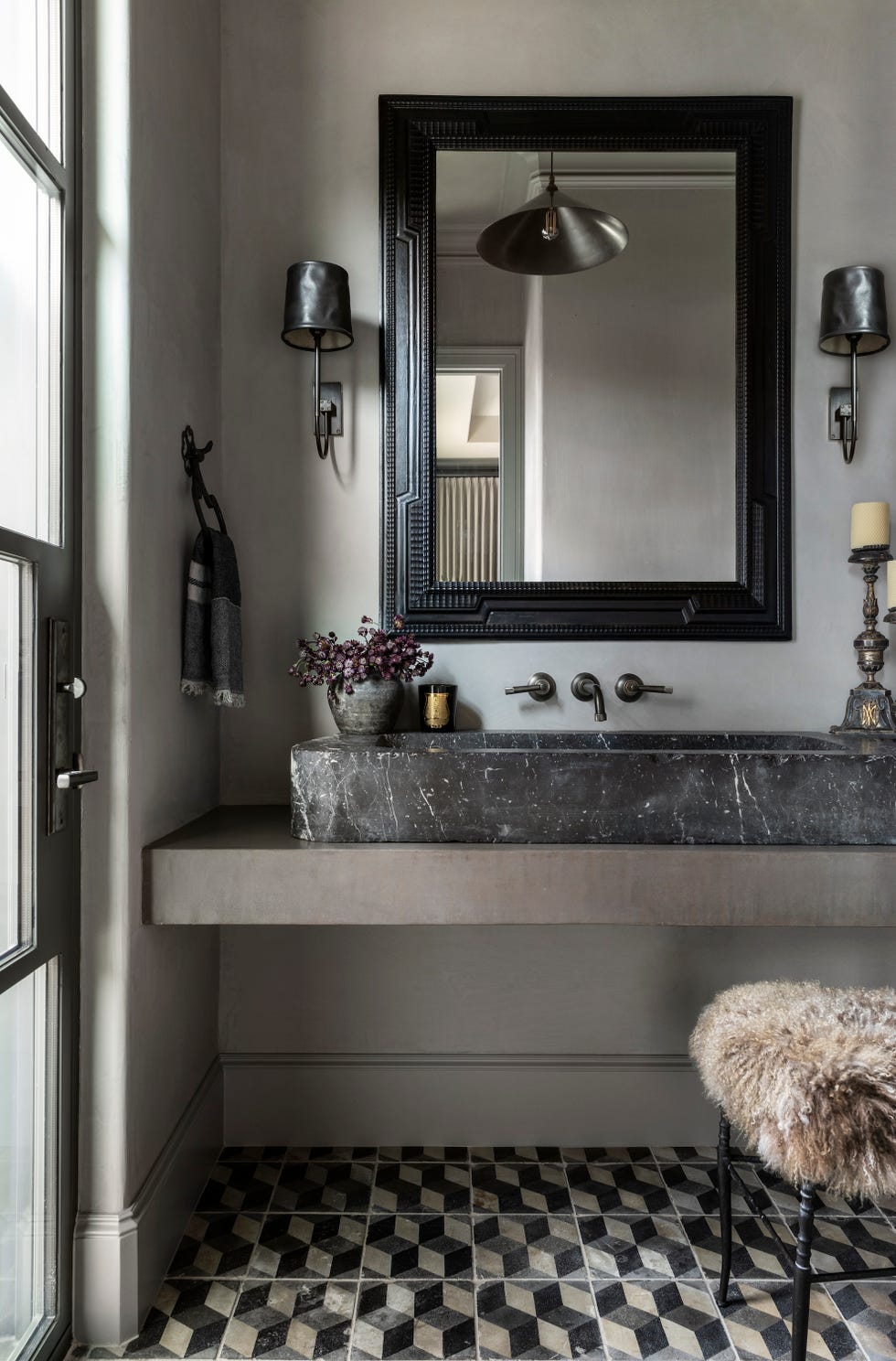
A key consideration for using limewash in humid climates like Louisiana is the need for sealing. The humidity can foster mold and mildew growth, necessitating a sealant that, while protecting the paint, may alter its appearance to resemble Venetian plaster. This modification allows the material to withstand environmental challenges while retaining some of its original charm.
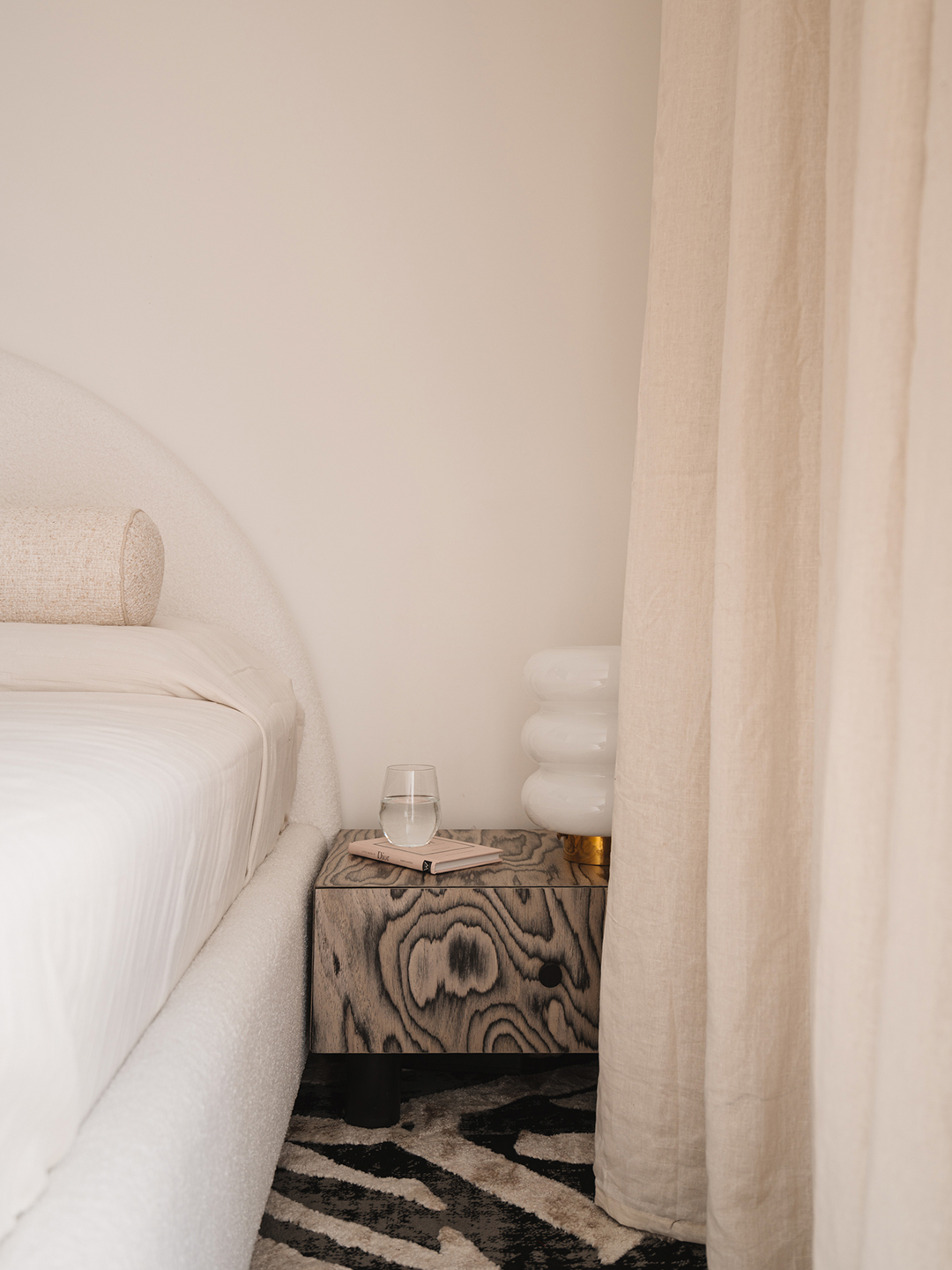
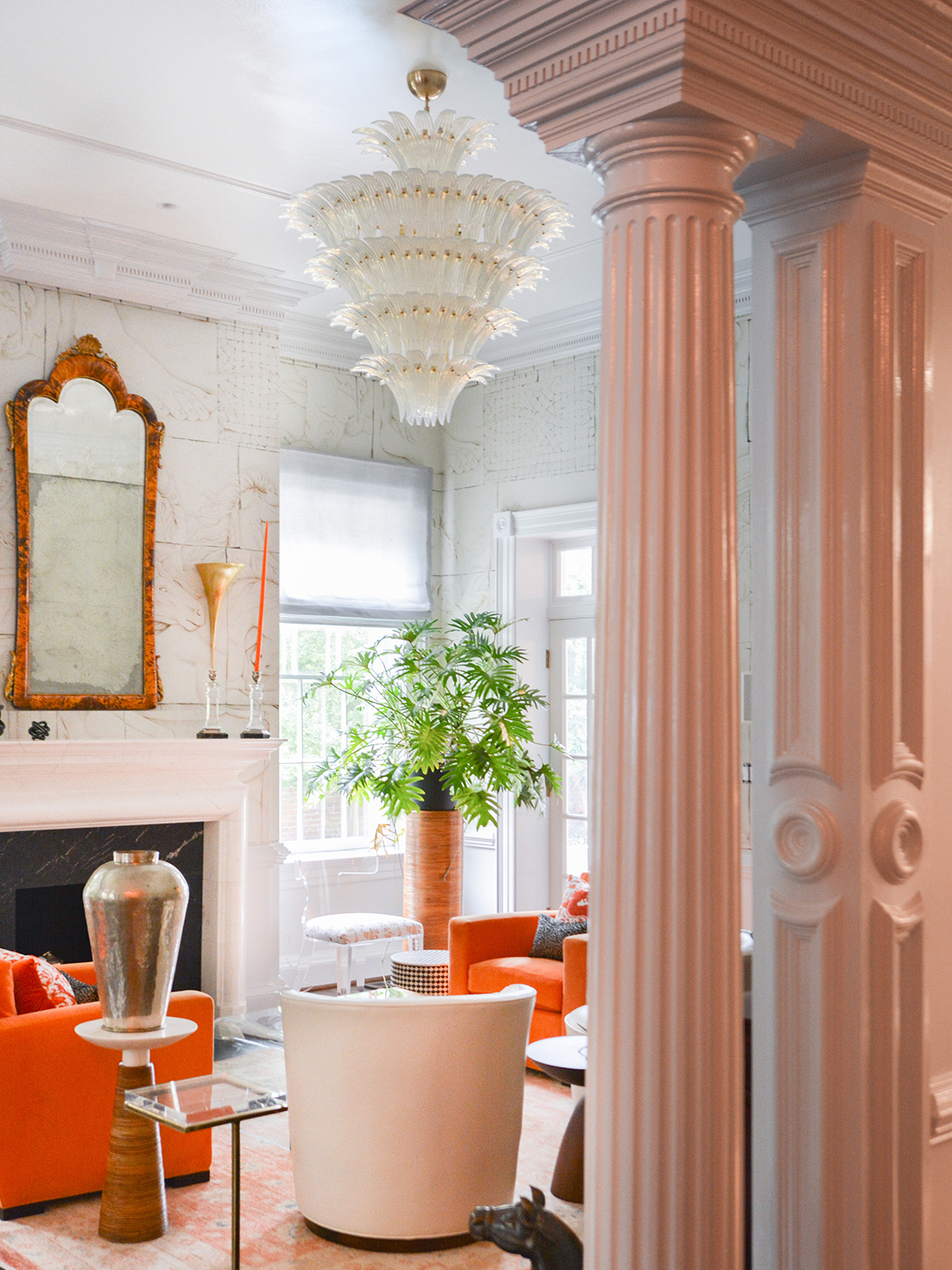
The decline in limewash use during the Industrial Revolution was largely due to the emergence of more accessible synthetic paints and coatings. However, contemporary designers and homeowners are increasingly drawn to limewash for its ability to impart a rustic, aged look that simultaneously feels chic and timeless. Its visual complexity also makes it suitable for minimalist and modern interiors, particularly in spaces with ample natural light, where its light-catching qualities can be fully appreciated. Limewash's sustained relevance underscores its enduring appeal as a natural, sustainable alternative to conventional paints, transforming simple walls into sophisticated works of art.
#LimewashPaint #InteriorDesign #HistoricalTechnique #NaturalMaterials #HomeDecoration #VOCFree #SustainableLiving #ArchitecturalTrends #LimewashPaint #InteriorDesign #HistoricalTechnique #NaturalMaterials #HomeDecoration #VOCFree #SustainableLiving #ArchitecturalTrends
0 comment in total
 No comments yet
You may also like

15 Best Oil Paint Brands

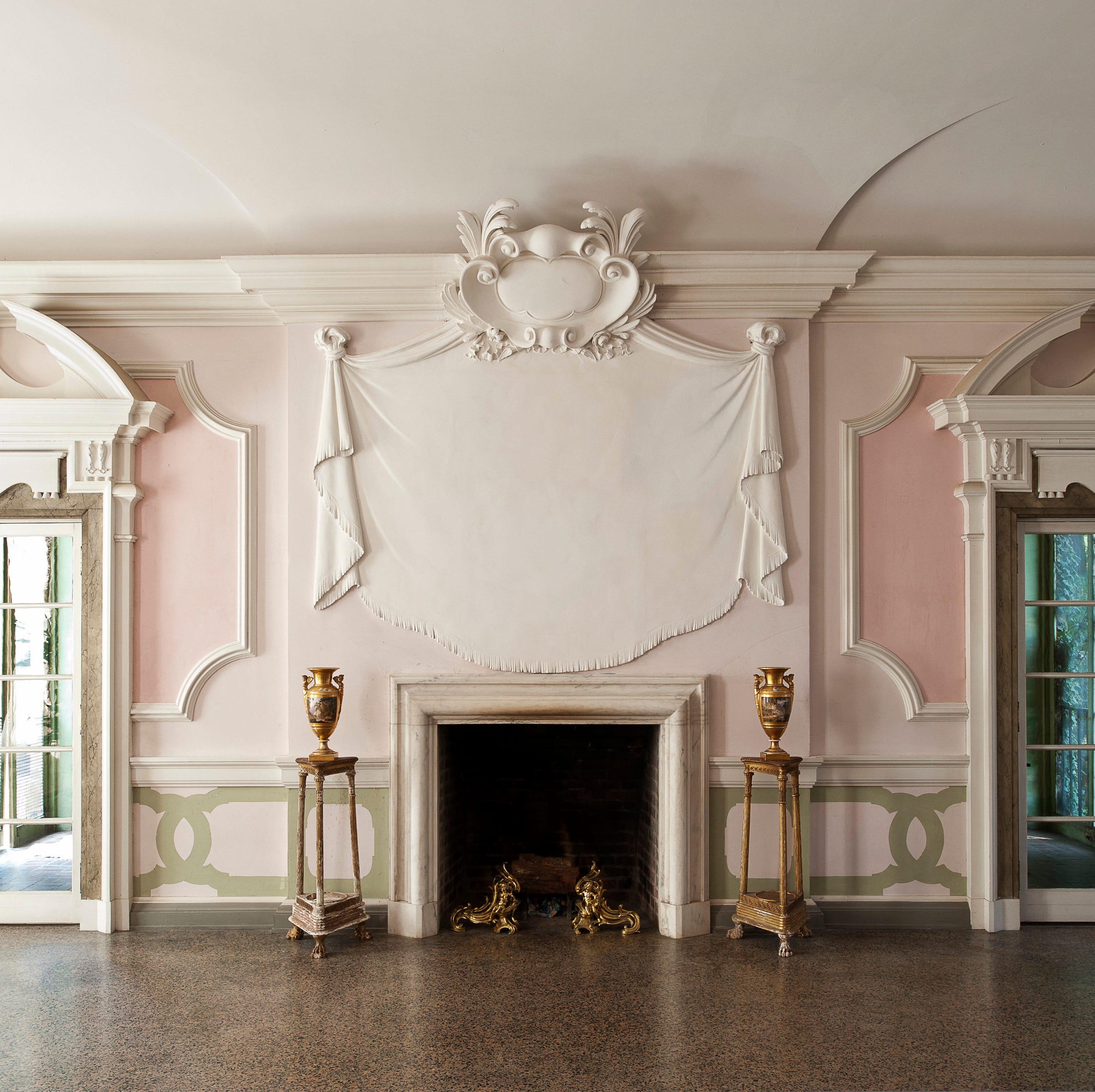
A Look at Plasterwork, One of the Industry's Most Timeless and Long-Standing Design Trends

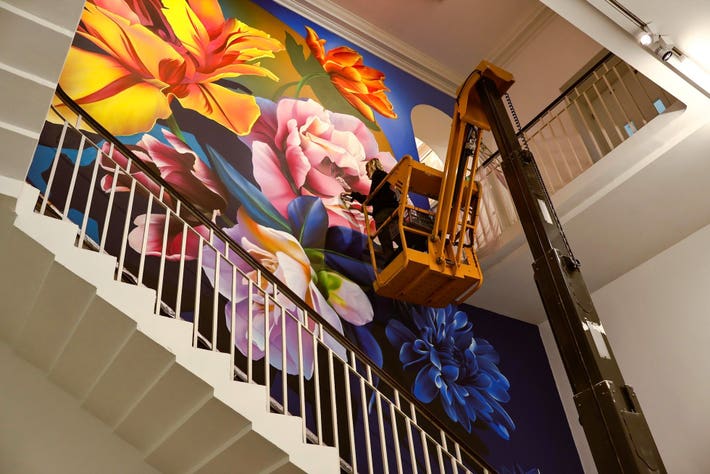
5 Artists Creating Murals And Wall-Based Art Inspired By Nature

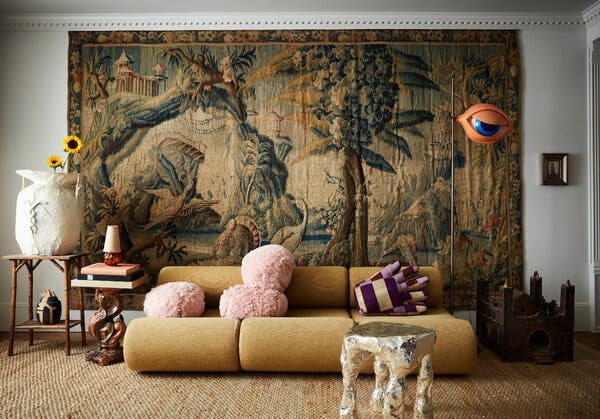
Tapestries Are No Longer Just for Gothic Castles (Published 2024)
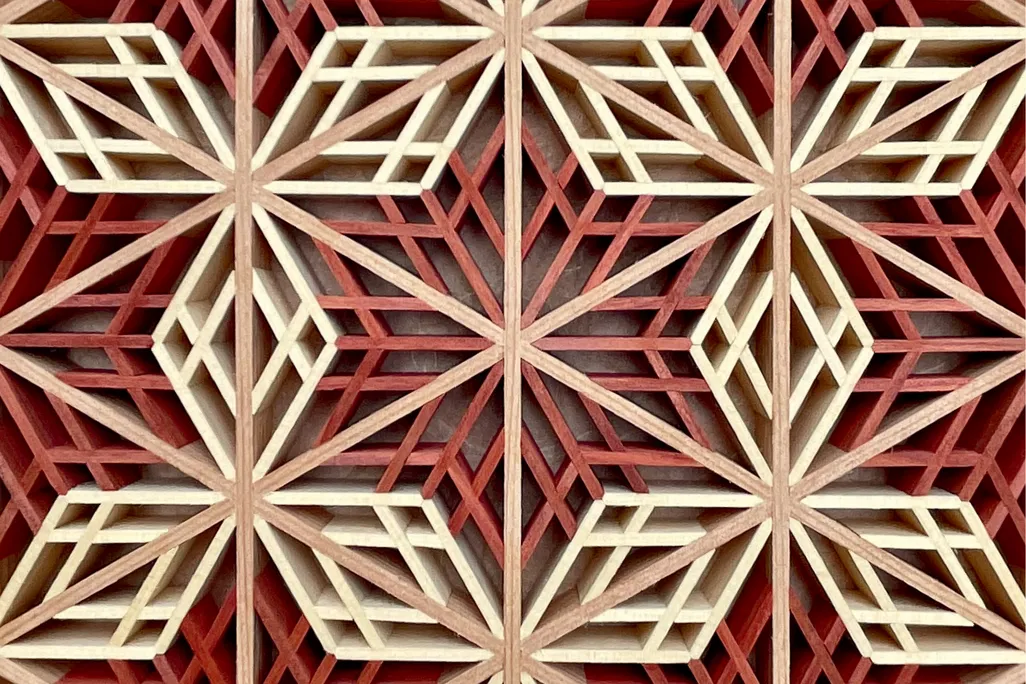
See the Mesmerizing Interlocking Geometric Patterns Produced With This Ancient Japanese Woodworking Technique
This 400-Year-Old Pattern Is the Emerging Trend That Designers Are Using to Bring 'Rhythm' to Their Projects

This Old-World Wallpaper Trend Is Everywhere—Here’s How to Make It Work for You

One Designer Says She's Been Using This Paint Finish for Over 40 Years: 'I Never Get Tired of It'

This old-school wallpaper trend is everywhere—here's how to use it


A Work of Art

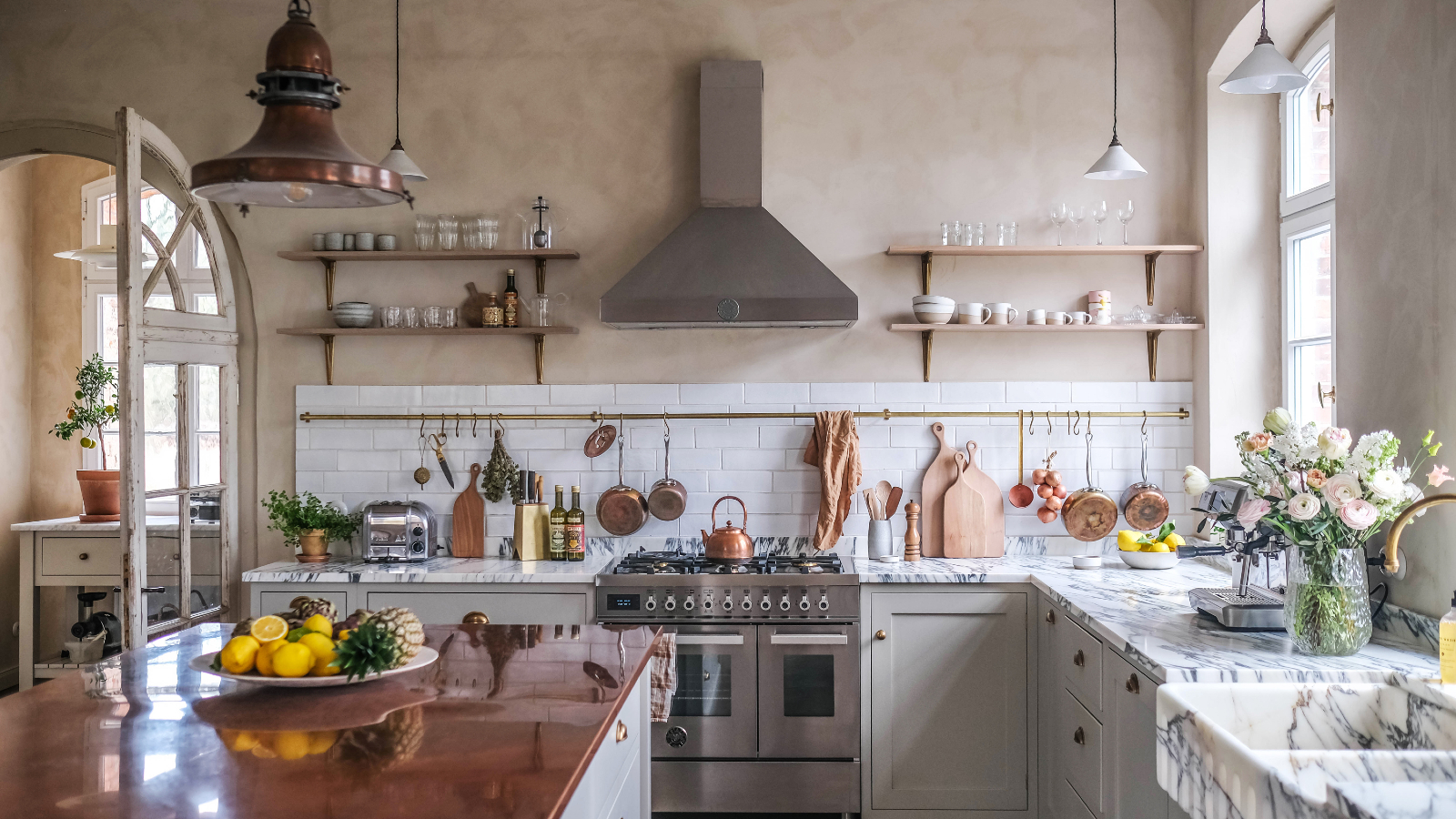
Limewashing trend: why this European paint trend is perfect for your kitchen

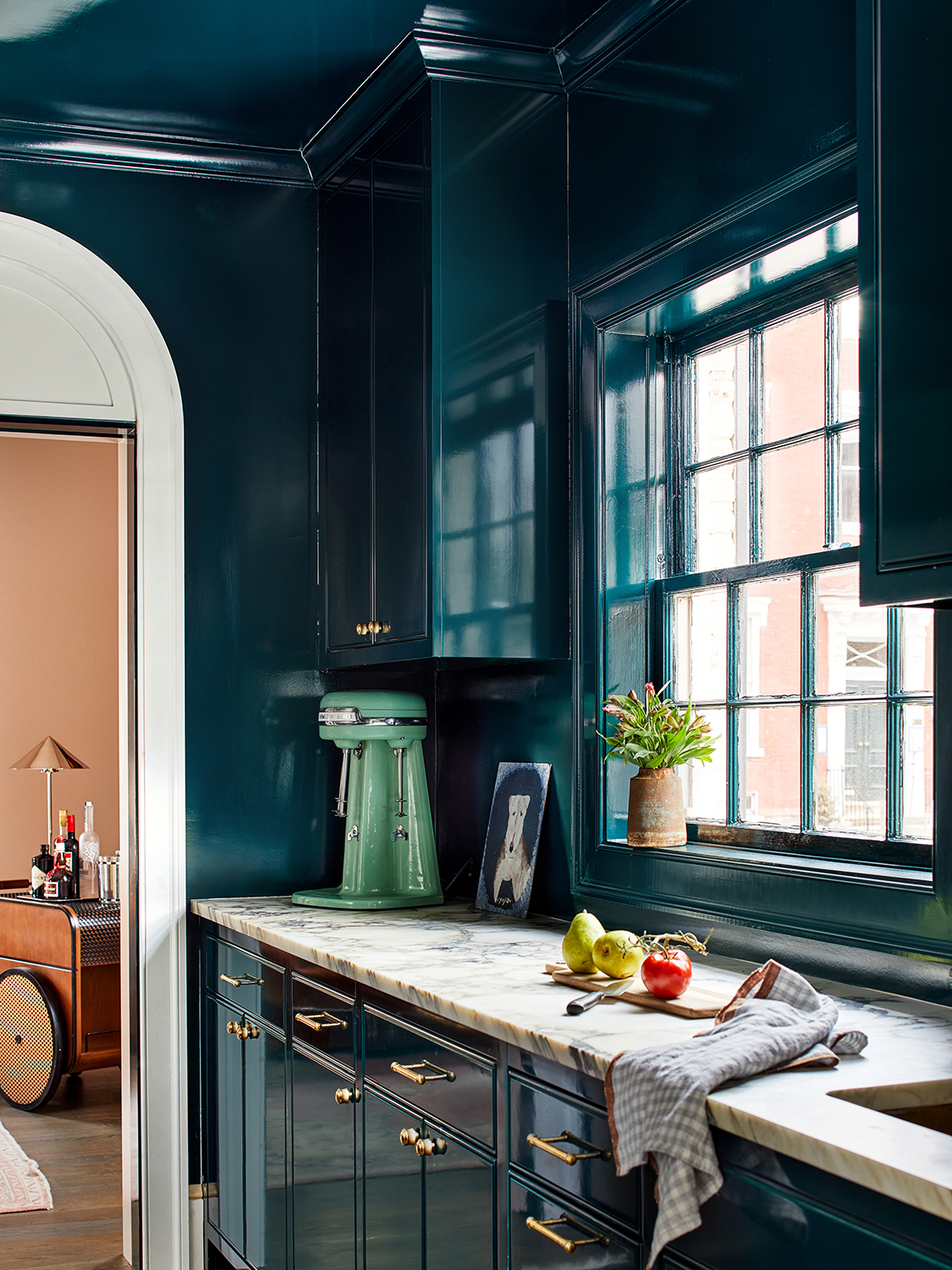
Searches For This Ceiling Paint Trend Have Grown By 816%

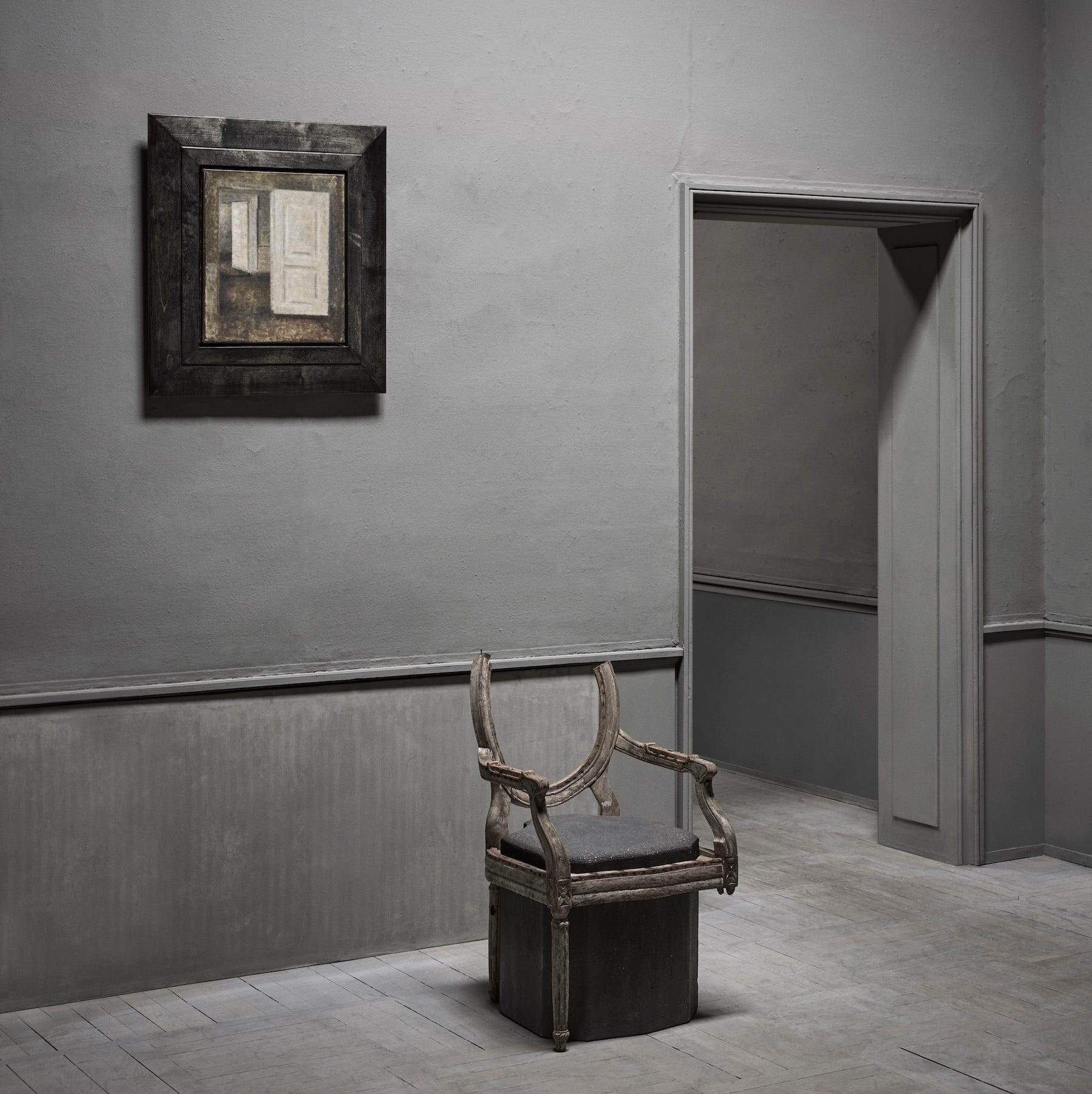
This Is the Cool Paint Technique You've Been Seeing All Over Instagram

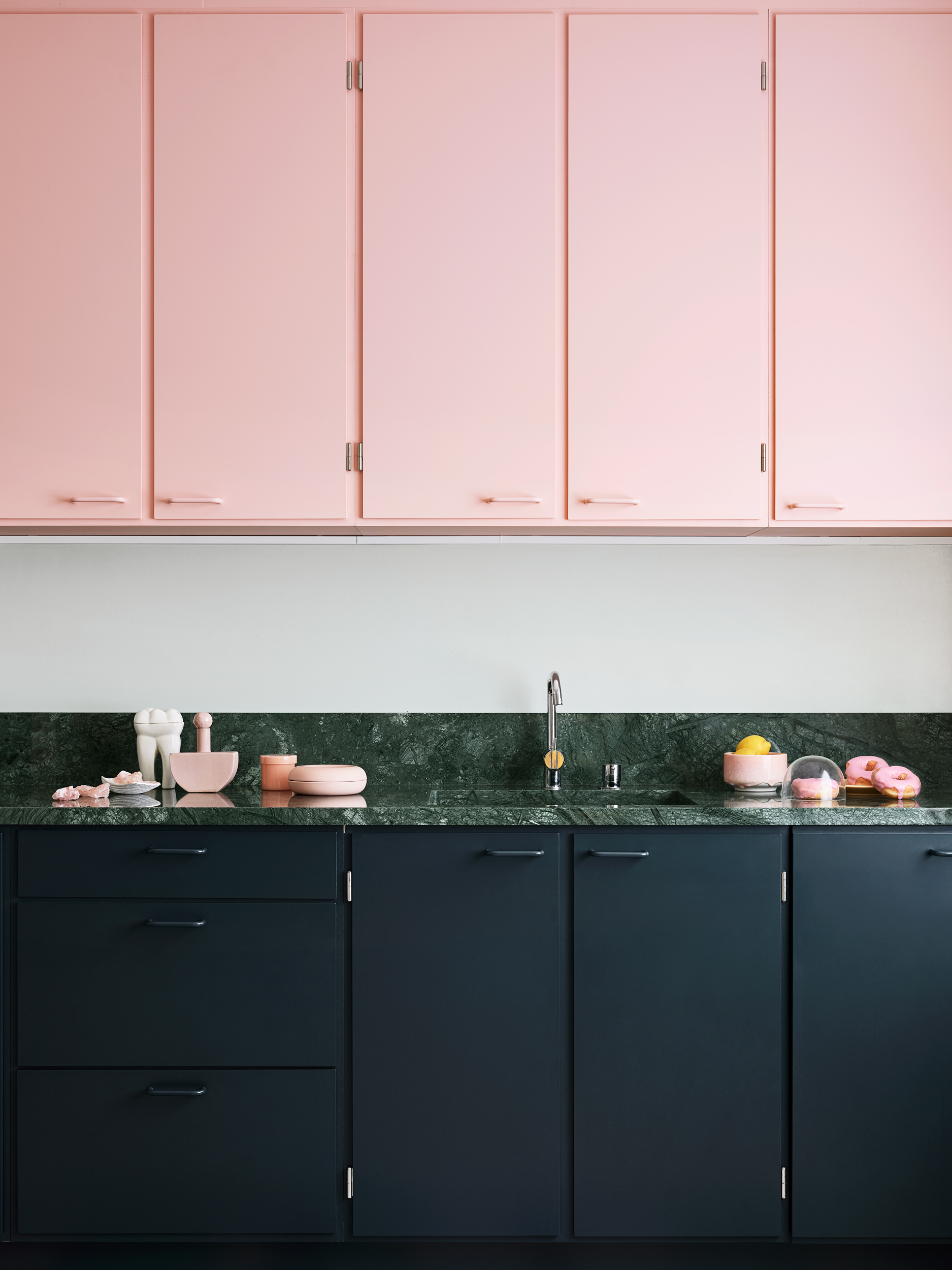
After This Design Trend Took Off, These Paint Colors Became 40% More Popular

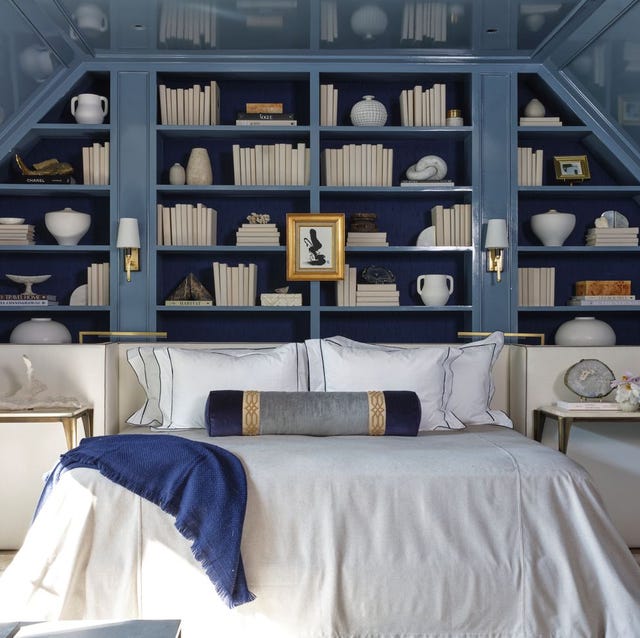
The Color Drenching Paint Trend Isn't Going Anywhere

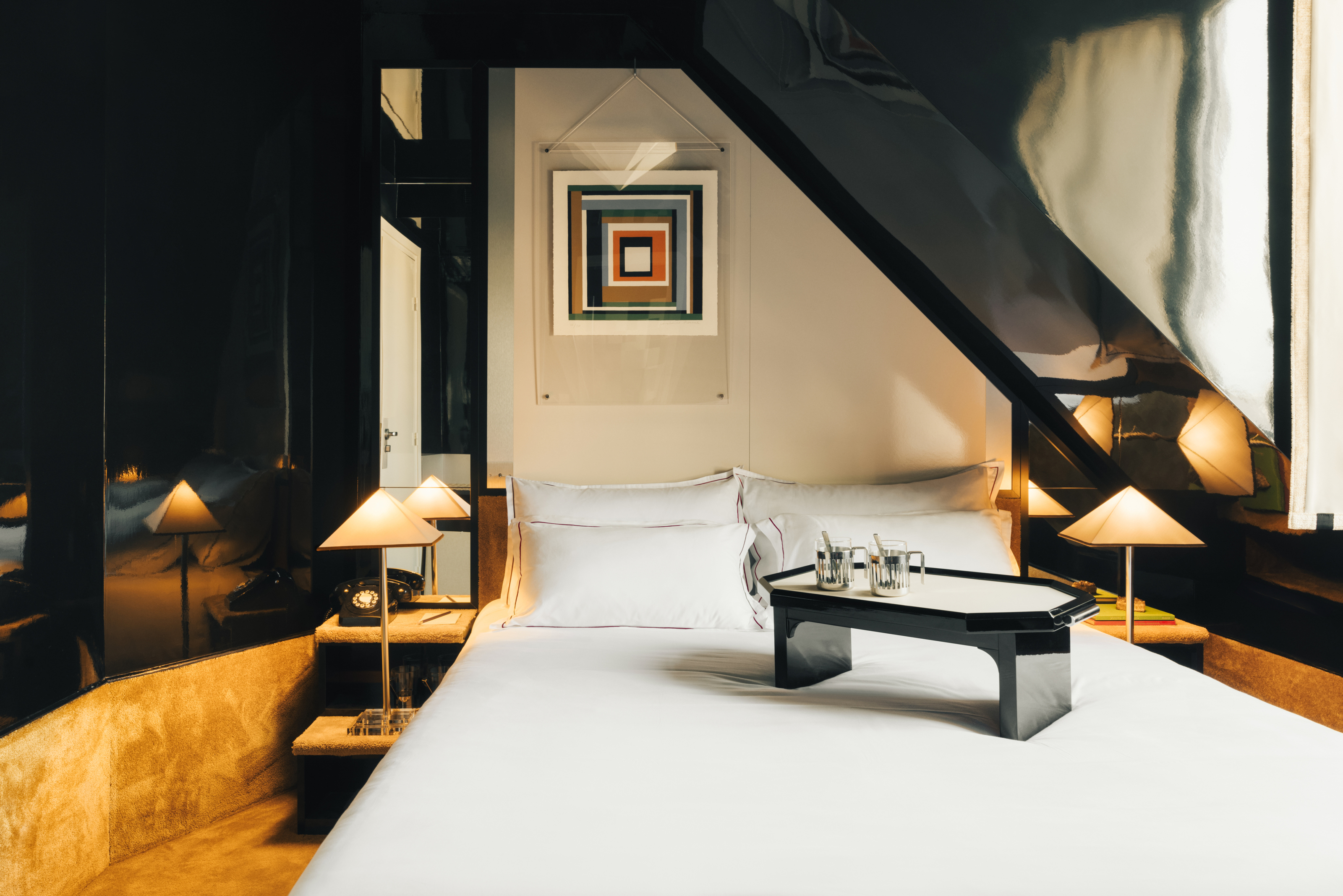
This Outdated Paint Trend is now Predicted to Return — Designers Love its "Fun, Eye-Catching Glamor"
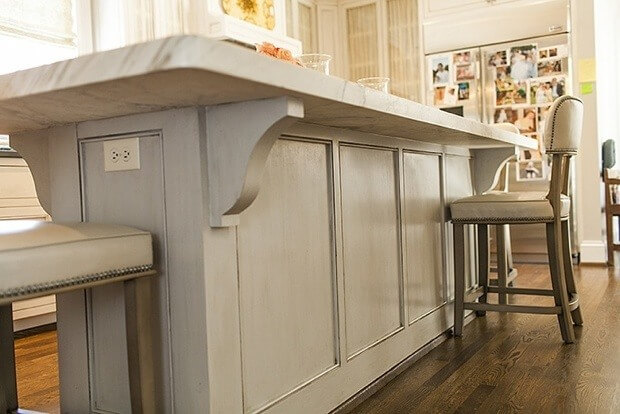
Faux Painting Revisited

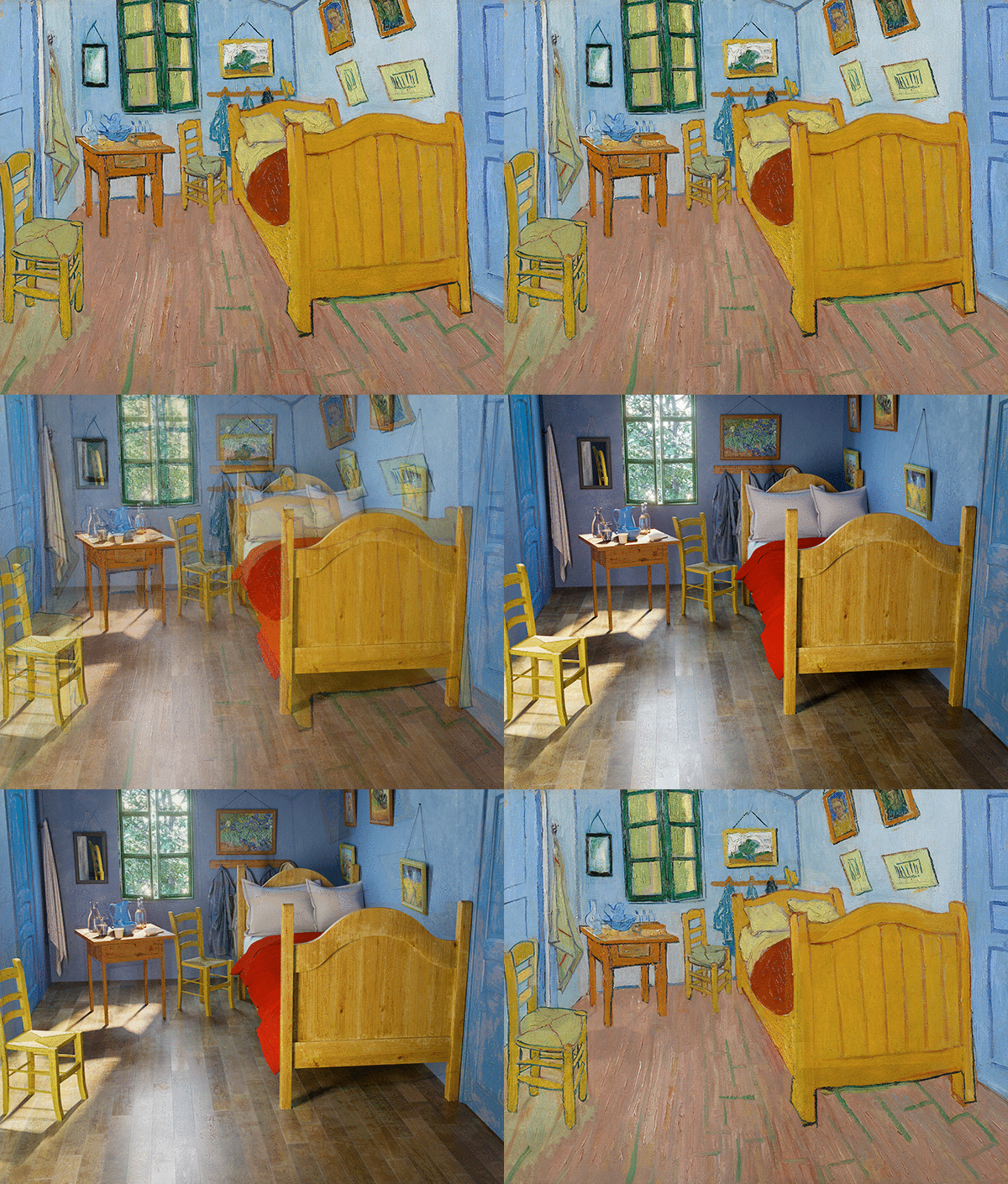
What the Rooms from 6 Famous Paintings Would Look Like Today

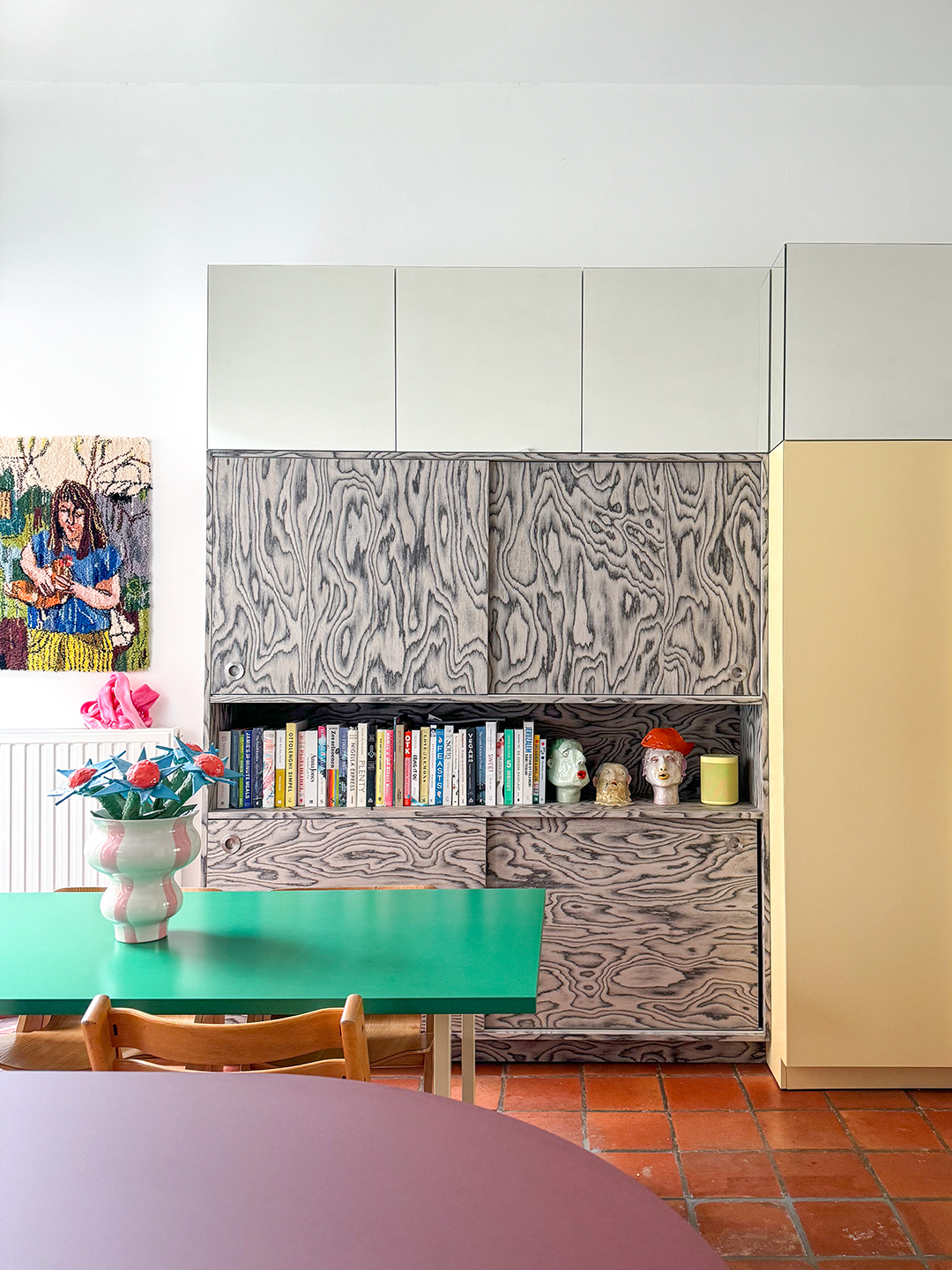
Move Aside, Ply—Designers Are Loving This Wood for Its Captivating Pattern
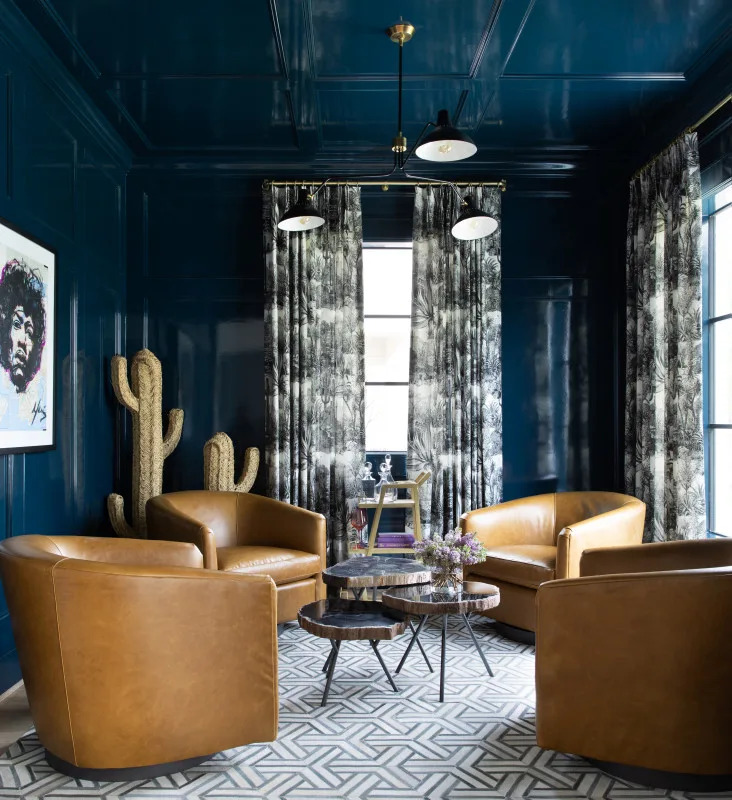
Color Drenching Is the Bold Paint Trend Taking Over—Here’s How to Nail It