1/4
See the Mesmerizing Interlocking Geometric Patterns Produced With This Ancient Japanese Woodworking Technique
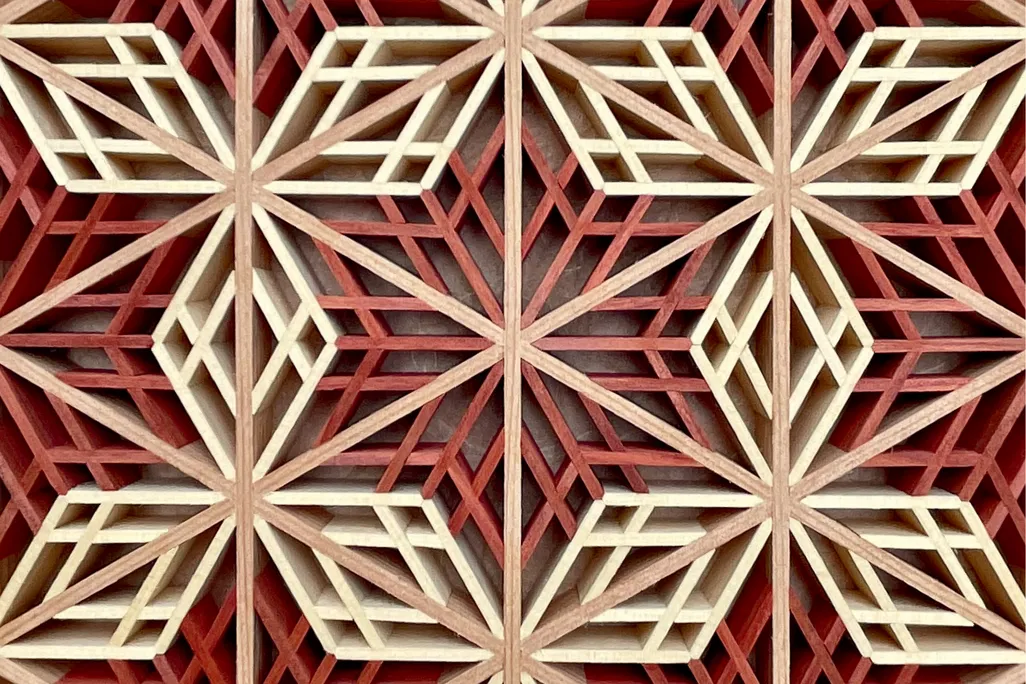
The ancient Japanese woodworking technique known as kumiko, which originated in the Asuka period (538 to 710 C.E.), involves precisely cutting thin wood slats to interlock into repeating geometric patterns. Initially used for screens and inlaid furniture panels, kumiko has evolved into a celebrated art form with its own distinct designs. This art will be featured at the 43rd annual Smithsonian Craft Show in Washington, D.C., held from April 24 to 27. The show will present the work of 120 American artists across various disciplines, with selections based on originality, artistic conception, beauty, and quality.
Among the featured artists is David Gootnick, a D.C.-based kumiko craftsman. Gootnick utilizes Alaskan yellow cedar, transforming a five-foot-long plank into intricate, often less than two-millimeter-thick pieces. He emphasizes the importance of consistent wood thickness and precise angle cuts for the lattice-like designs. Gootnick, a lifelong woodworker, discovered kumiko ten years ago through online practitioners, including Australian expert Des King. He began by incorporating kumiko into cabinetry panels before creating self-contained wall art. While adhering to traditional Japanese motifs like hexagons and equilateral triangles, Gootnick adds contemporary elements such as darker redheart or Osage woods for color contrast and incorporates colorful cloth backings. He also introduces his own variations, including rosettes and lanterns, reminiscent of mission furniture. Although traditional kumiko relies solely on pressure from precisely cut angles, Gootnick uses a small dot of glue for enhanced longevity, ensuring his pieces endure for centuries.
Another artisan showcasing kumiko at the Craft Show is Michael Jury from Springfield, Virginia. Jury, primarily known for his handmade Shaker- and Danish-inspired furniture, integrates traditional kumiko patterns into his cabinets and tables. He crafts basswood into small components to form the 'asa-no-ha' (hemp leaf) pattern. Jury has also used kumiko panels as sliding doors for a sideboard, backed with black momigami (kneaded paper), a piece that has received critical acclaim, including “best in show” awards at several exhibits. Gootnick notes his continuous improvement in the kumiko process, observing that a piece that once took him a month to complete can now be finished in two weeks, with a cleaner and more precise result. This evolution reflects a dedication to achieving closer to perfection in his craft.
#Kumiko #JapaneseWoodworking #GeometricPatterns #SmithsonianCraftShow #DavidGootnick #WoodArt #Craftsmanship #Artisan #HomeDecor #Kumiko #JapaneseWoodworking #GeometricPatterns #SmithsonianCraftShow #DavidGootnick #WoodArt #Craftsmanship #Artisan #HomeDecor
0 comment in total
 No comments yet
You may also like
The Kanna Finish: How to Get Glass-Smooth Surfaces in Wood Without Sandpaper or Varnish

Colin King’s New Rug Collection Is an Ode to Japan’s Influence on French Modernism

A Guide to Shou Sugi Ban and 8 Homes Featuring the Japanese Technique

kuo duo experiments with traditional woodworking techniques in 'word play' furniture series
Furniture joints can make or break an entire design project


Kominka: A Traditional Japanese House Comes to America

Japan’s Ancient Building Technique Joins Wood Without Glue or Nails

Cornice Stacking Stools Echo the Beauty of Japanese Shrines
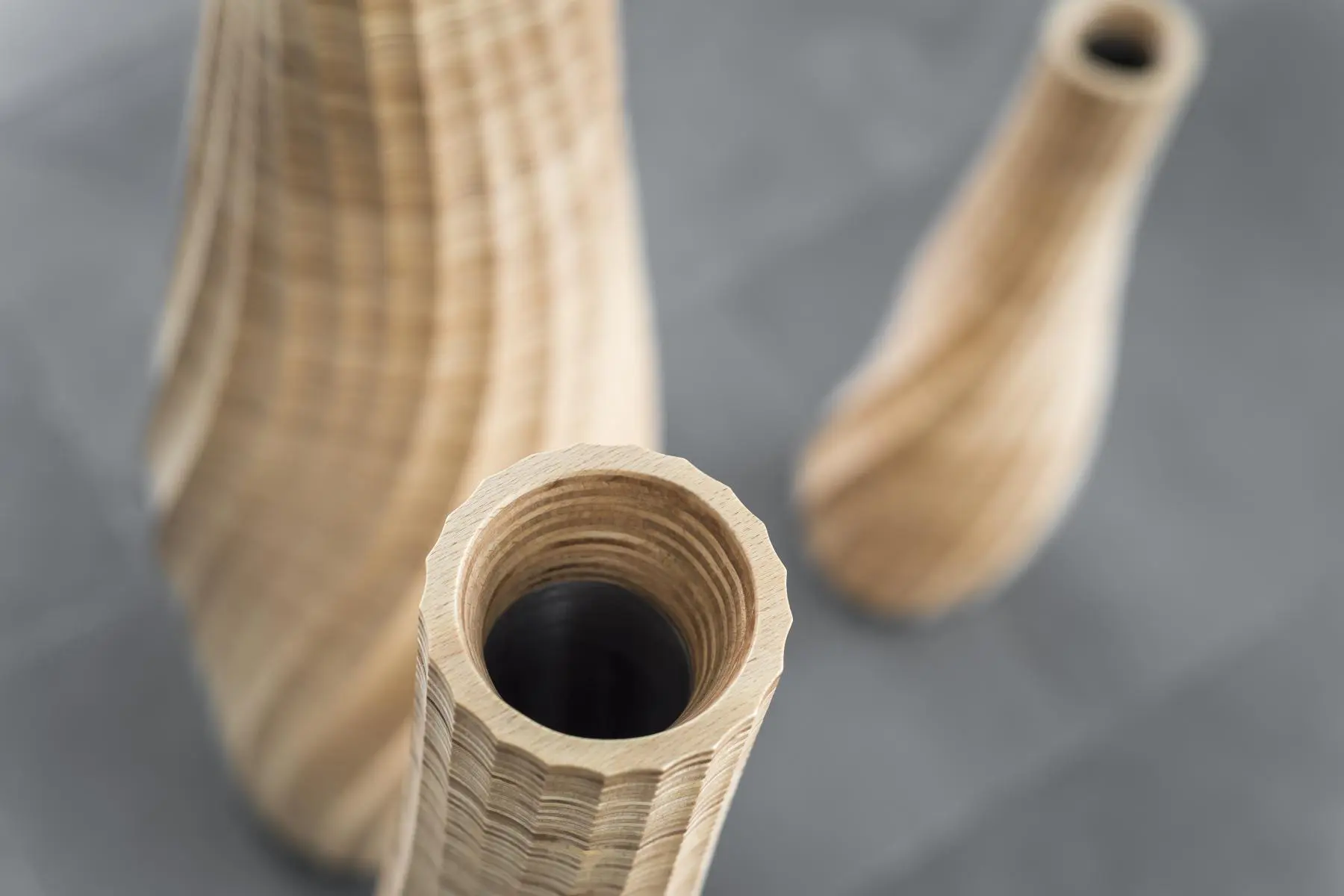
Hundreds of layers of beech wood are aligned, combined and gently sculpted
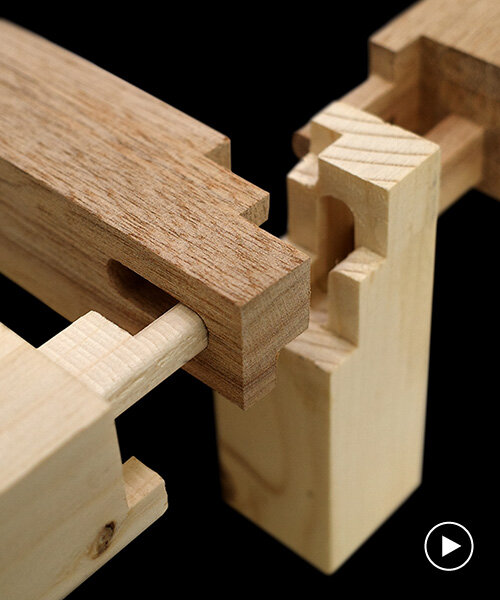
free interactive software easily creates complex japanese wooden joints + furniture

From oil diver to exotic timber craftsman


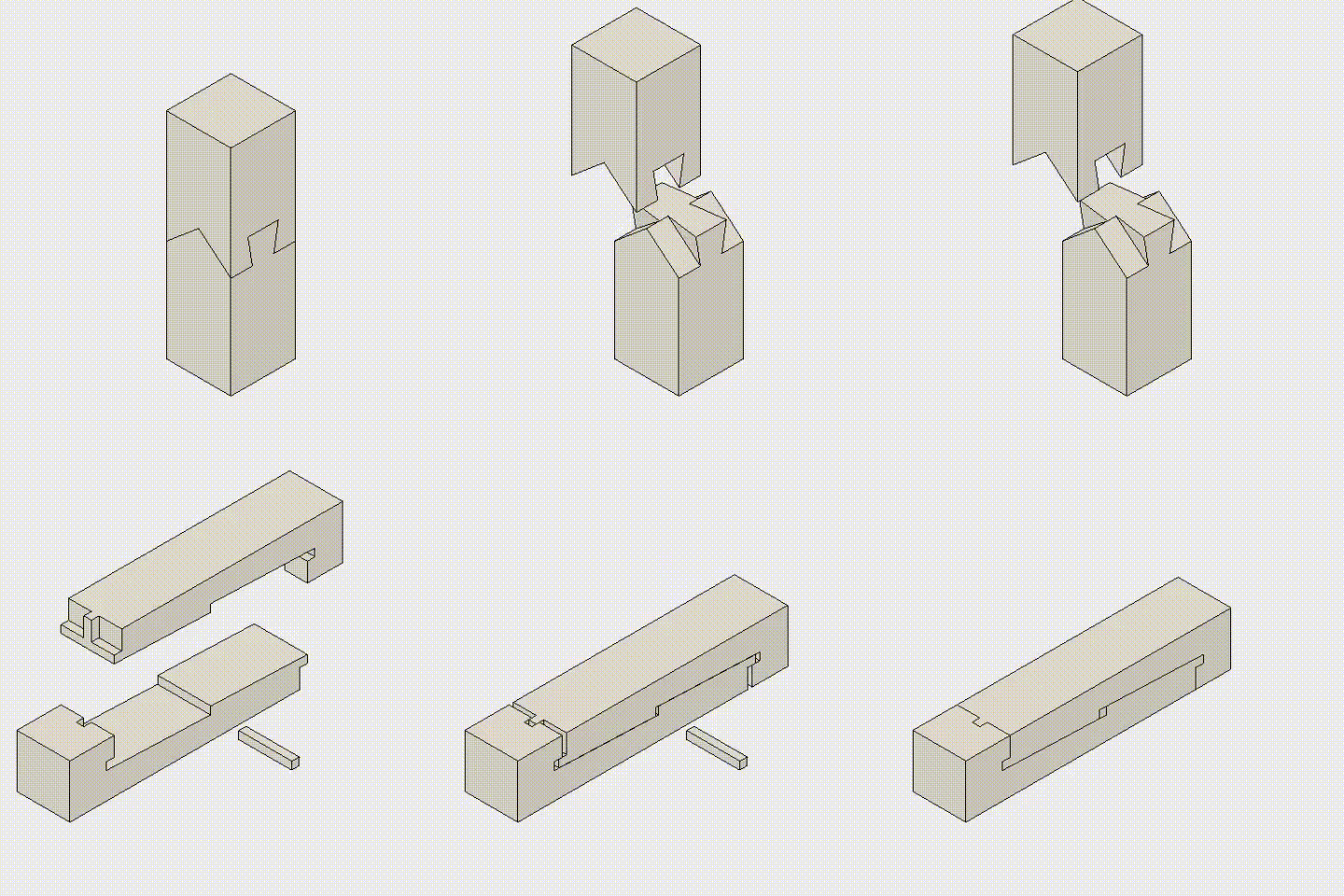
These Mesmerizing GIFs Illustrate the Art of Traditional Japanese Wood Joinery

Move Aside, Ply—Designers Are Loving This Wood for Its Captivating Pattern

Bonsai: Seating Inspired by Japanese Culture

What Comes After Shibori? 4 Designers on the Next It Pattern

The Post-Materialist | A Pattern’s Math Magic
Tessellating shapes create geometric patterns in Studio Moods flooring
Ten furniture and lighting designs by Japanese brands and designers
creation as DIALOGUE: modern design meets ancient nagoya crafts at maison&objet 2023