1/16
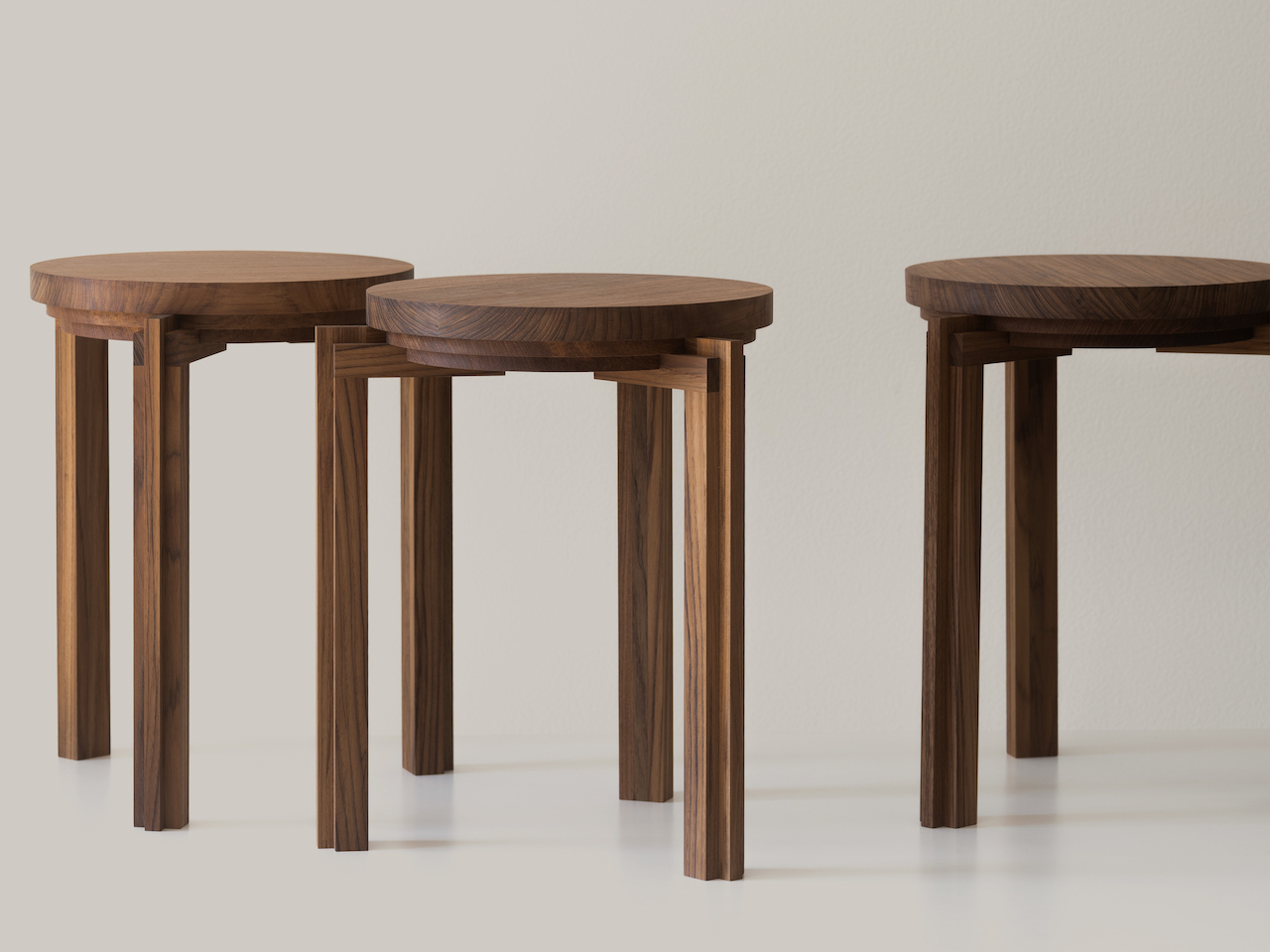
Cornice Stacking Stools Echo the Beauty of Japanese Shrines
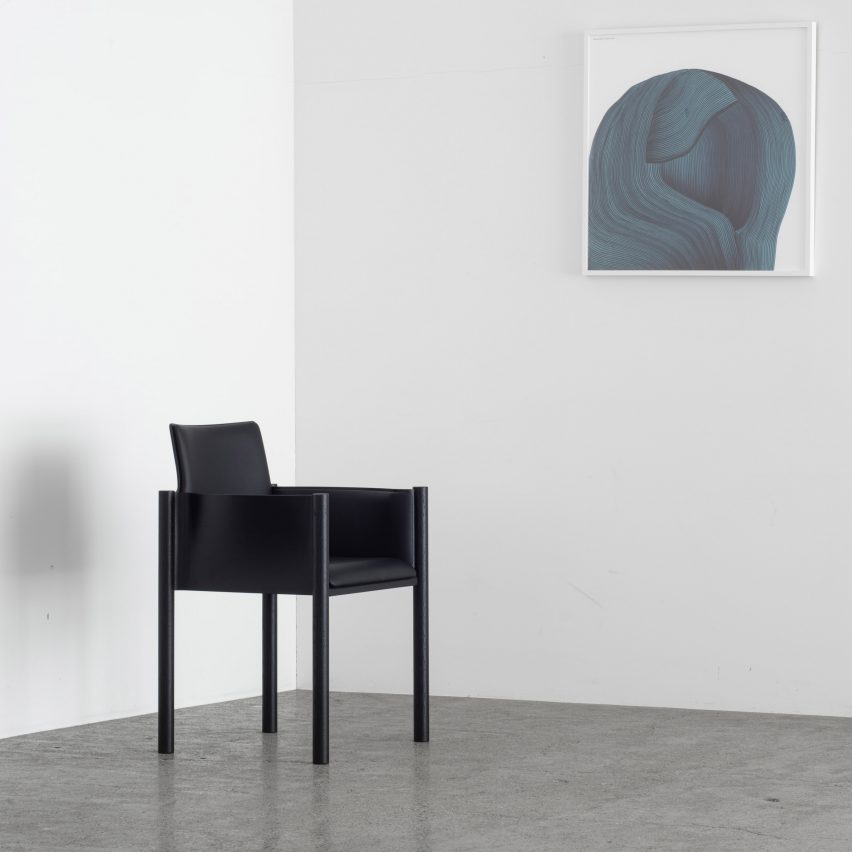
The Cornice stacking stool, designed by Tokyo-based Nao Iwamatsu, addresses a gap in the modern furniture market for stackable seating that is both functional and aesthetically refined. While stools are versatile, offering additional seating, side table functionality, or even serving as plant stands, their lack of stackability can create storage issues, particularly in smaller living spaces. Iwamatsu's design aims to provide a solution that is playful yet elegant, suitable for sophisticated interiors.
The inspiration for the Cornice stool is a fusion of East and West architectural elements. It draws from the layered cornices prevalent in Western architecture and the rhythmic beam structures characteristic of ceilings in Japanese temples and shrines. The stool's individual design features a stepped profile, which becomes more pronounced and sculptural when multiple stools are stacked. This stacking action transforms the functional objects into an artful display, highlighting the elegance and meticulous craftsmanship embedded within the design. Iwamatsu emphasizes that the true captivating aspect lies in the artisans' sensibility and the breath of craftsmanship expressed in these intricate, repeating details found in architecture.
Beyond its aesthetic appeal and innovative stackability, sustainability is a core principle in the creation of the Cornice stool. Each unit is constructed from slender wood offcuts, minimizing waste. The legs, crafted from 13mm-thick wooden pieces, are designed with domino joints for enhanced strength. This joinery also facilitates flat-pack transportation, reducing shipping volume and environmental impact. While the initial prototype was made from teak, Iwamatsu suggests that other wood types, such as oak, can achieve a similar level of refinement and visual presence. This adaptability in material further contributes to the stool's sustainable design philosophy.
The Cornice stool emerges as a significant contribution to contemporary furniture, especially as compact living continues to become more common in both urban and suburban environments. The design effectively demonstrates that space-saving solutions do not need to compromise on elegance or thoughtful design. Iwamatsu's work with the Cornice stool serves as an example of how practical needs for functionality and storage can be met without sacrificing sophisticated aesthetics, offering a refined piece of furniture that integrates seamlessly into diverse interior styles while also addressing environmental considerations through its material usage and transport efficiency.
#StackingStools #NaoIwamatsu #JapaneseDesign #SustainableFurniture #CompactLiving #HomeFurnishings #InteriorDesign #ArchitecturalInfluence #StackingStools #NaoIwamatsu #JapaneseDesign #SustainableFurniture #CompactLiving #HomeFurnishings #InteriorDesign #ArchitecturalInfluence
0 comment in total
 No comments yet
You may also like
Bonsai: Seating Inspired by Japanese Culture

This Japanese-Inspired Inn Is One of Mexico City's Best Kept Secrets


Step inside Acne Studios’ pink-hued Tokyo flagship: ‘fashion is supposed to be fun’

More than just rocks: Symbolic meanings behind common Zen garden elements | Hindustan Times

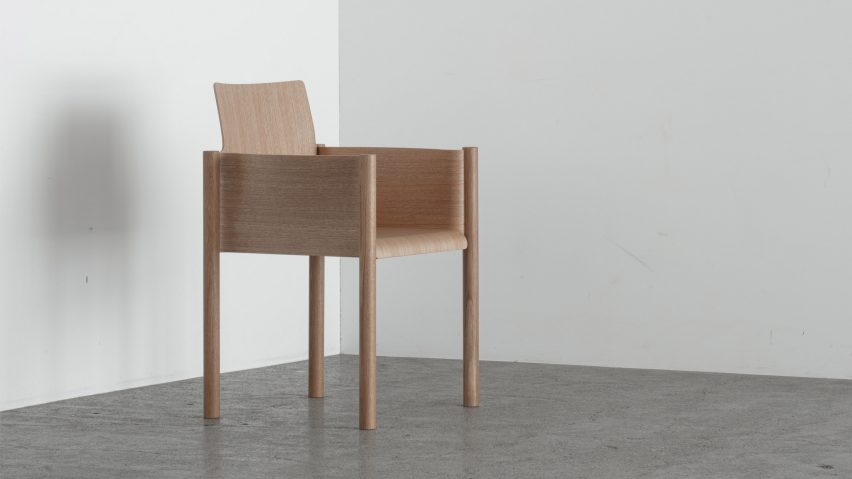
Ten furniture and lighting designs by Japanese brands and designers
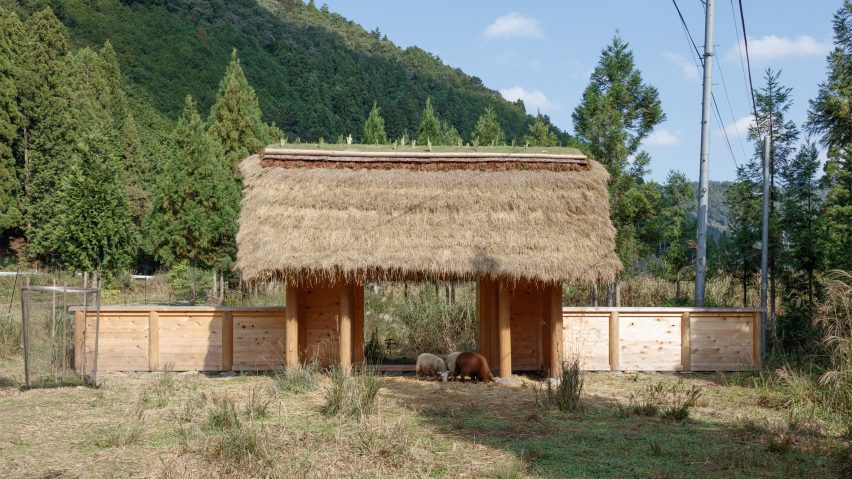
Purple flowers crown thatched sheep pen in Japan by 2m26

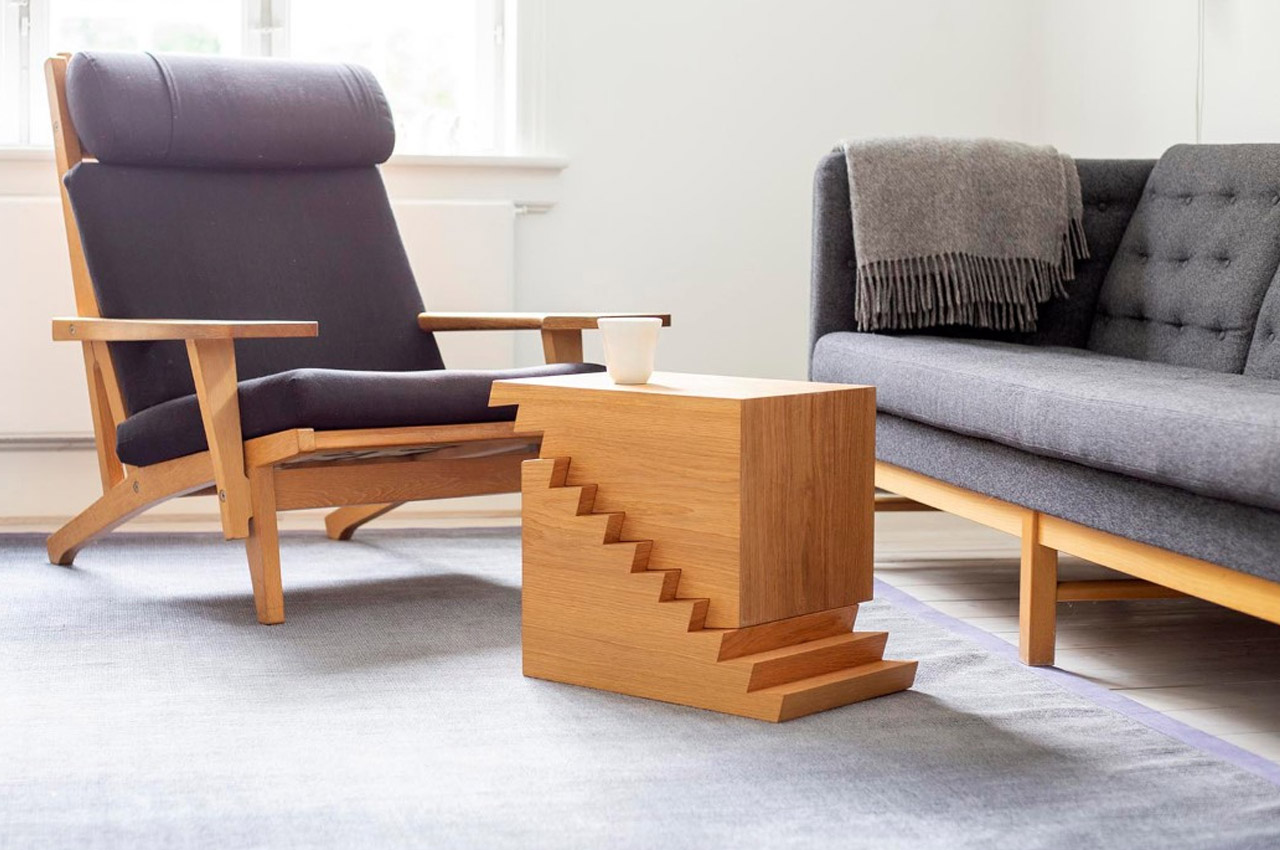
Wooden Furniture designed with Japandi aesthetics to incorporate zen-like minimalism into your home!

This minimalist Japanese sake brewery conceals a zen secret garden

How a Former N.F.L. Player Started Designing Sculptural Furniture (Published 2024)
16 iconic city monuments reimagined as backrests in CITYNG chair collection

Kominka: A Traditional Japanese House Comes to America

The architecture behind furniture: Bijoy Jain pieces together a collection


Bringing Out Luxurious Japanese Design

Tokujin Yoshioka show, Seoul

Office in the Breeze / Furumori Koichi architectural design studio+Daiju Kuwahara

Lacquered Pendant Lamps, by Industrial Designer Keiji Takeuchi

See the Mesmerizing Interlocking Geometric Patterns Produced With This Ancient Japanese Woodworking Technique
Stylish Ways To Decorate The Corners Of Your Home
Ten well-designed window seats for peaceful contemplation
snarkitecture excavates areas for art within '3110NZ' restaurant and gallery in tokyo