1/7
Furniture joints can make or break an entire design project
The selection and implementation of furniture joints are crucial to both the structural integrity and aesthetic appeal of a design. Contemporary furniture design seeks to integrate both beauty and functionality, moving beyond a trade-off between the two. Understanding various joint types opens up possibilities for creating diverse and robust furniture pieces. This article highlights several innovative examples of furniture design, each showcasing unique approaches to joinery.
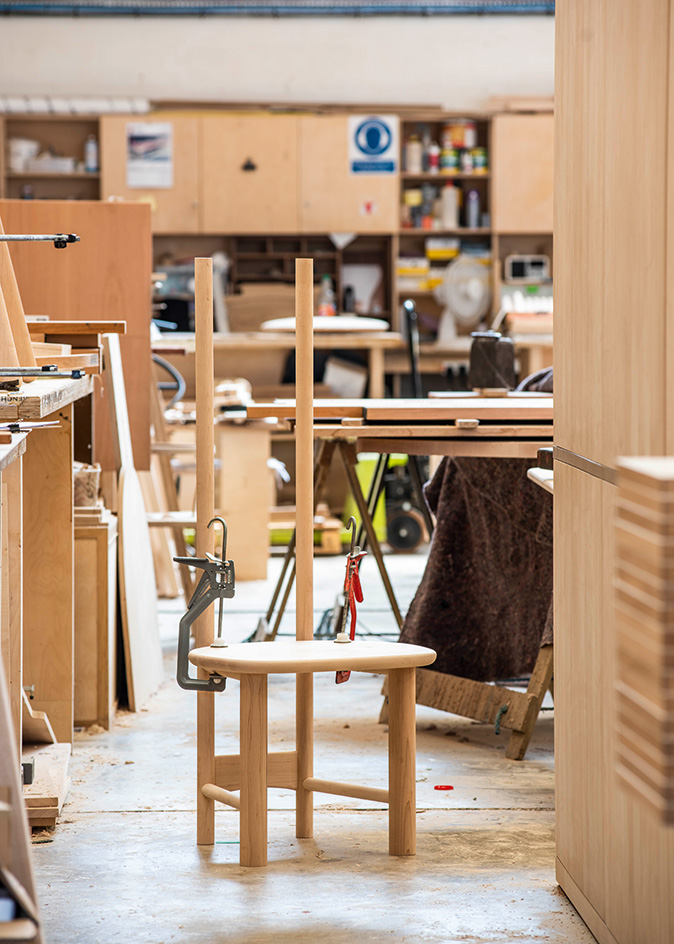
One such example is the Recess Table by Nina Cho. This piece redefines traditional table construction by integrating the legs into the tabletop's form, eliminating separate leg elements. The design features a tubular cavity and a circular recess within the tabletop, providing spaces for personalization, decoration, or storage. The table's structure ensures easy assembly without additional work. Nina Cho's design philosophy emphasizes minimalism and functionality, which is evident in the Recess Table's cohesive and practical form.
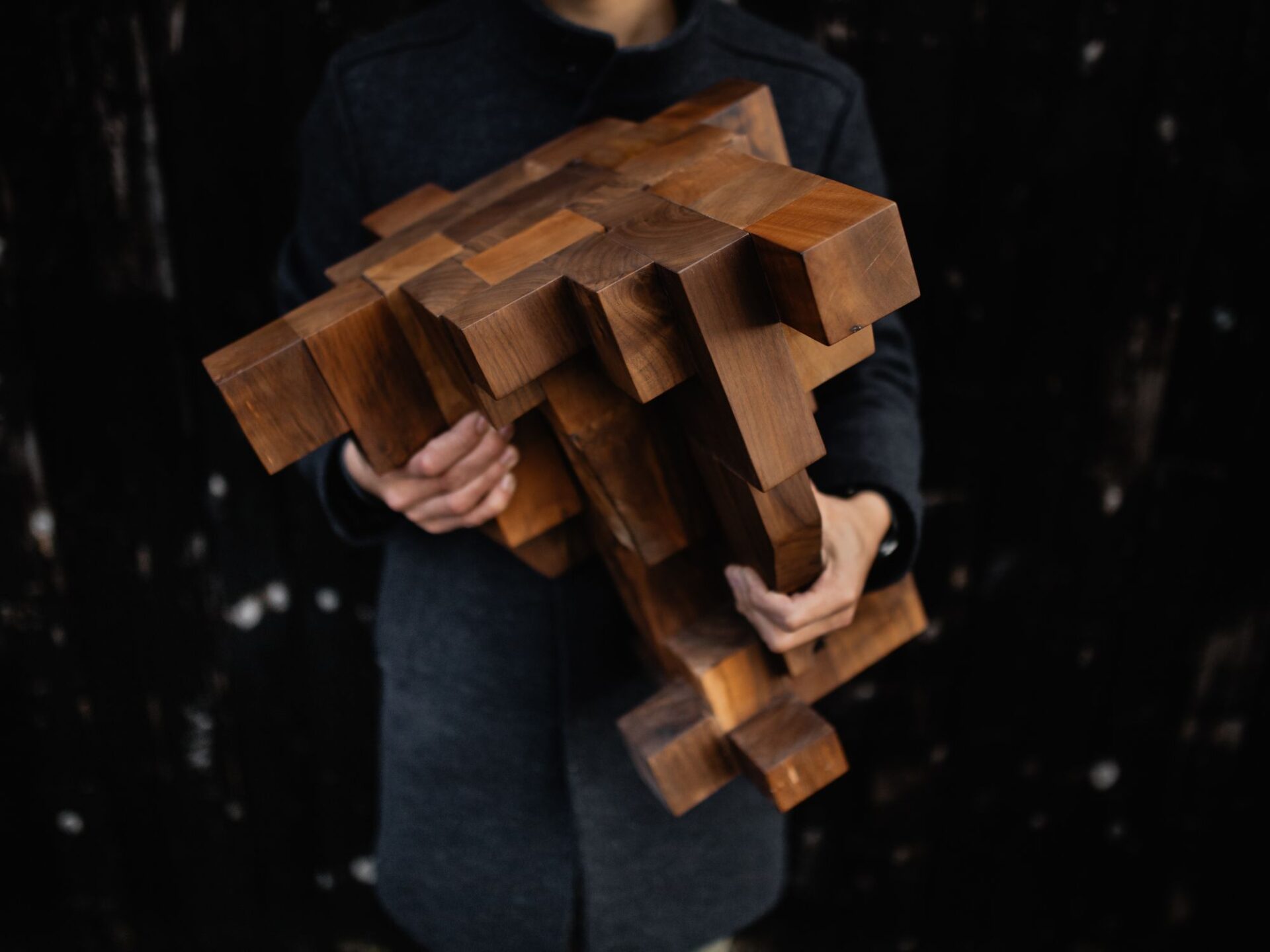
Another innovative creation is the Wabi-Sabi Bed by Ethan Stebbins. Inspired by Japanese craftsmanship, Stebbins utilizes Japanese interlocking joinery methods with locally sourced materials from coastal Maine. This approach results in simple, stable, and durable beds that exude an exclusive luxury feel. The design highlights the natural beauty and raw textures of the materials, offering a fresh perspective on furniture design by drawing inspiration from the surrounding landscape.
Stefan Diez, a German industrial designer, introduced the conceptual Boa table system. This system is based on aluminum tubes and was developed in association with BOA for HAY. Diez is known for his material experimentation and his belief that design should produce high-quality, long-lasting goods for future generations. The Boa system exemplifies this philosophy through its innovative use of materials and modular design.
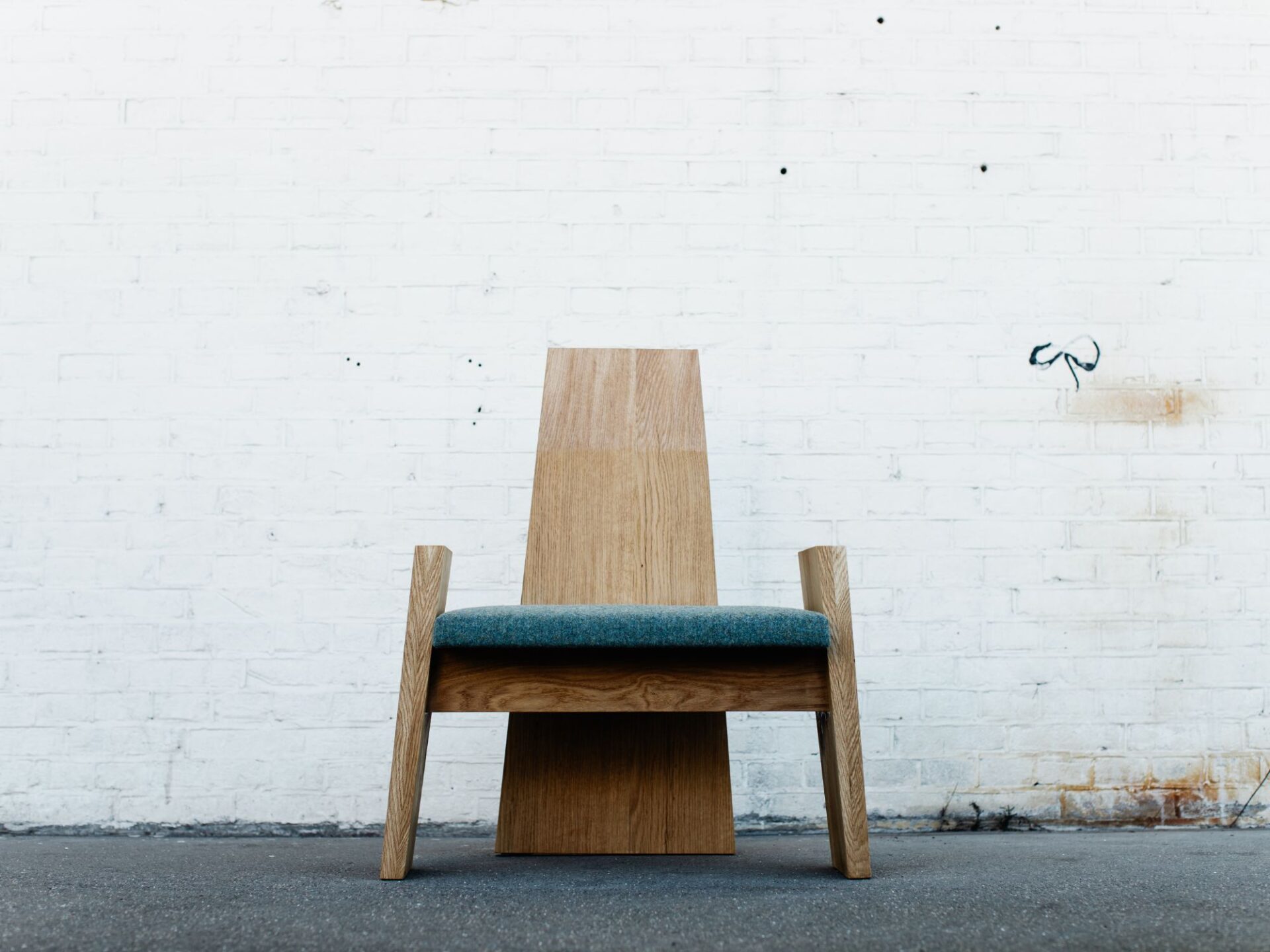
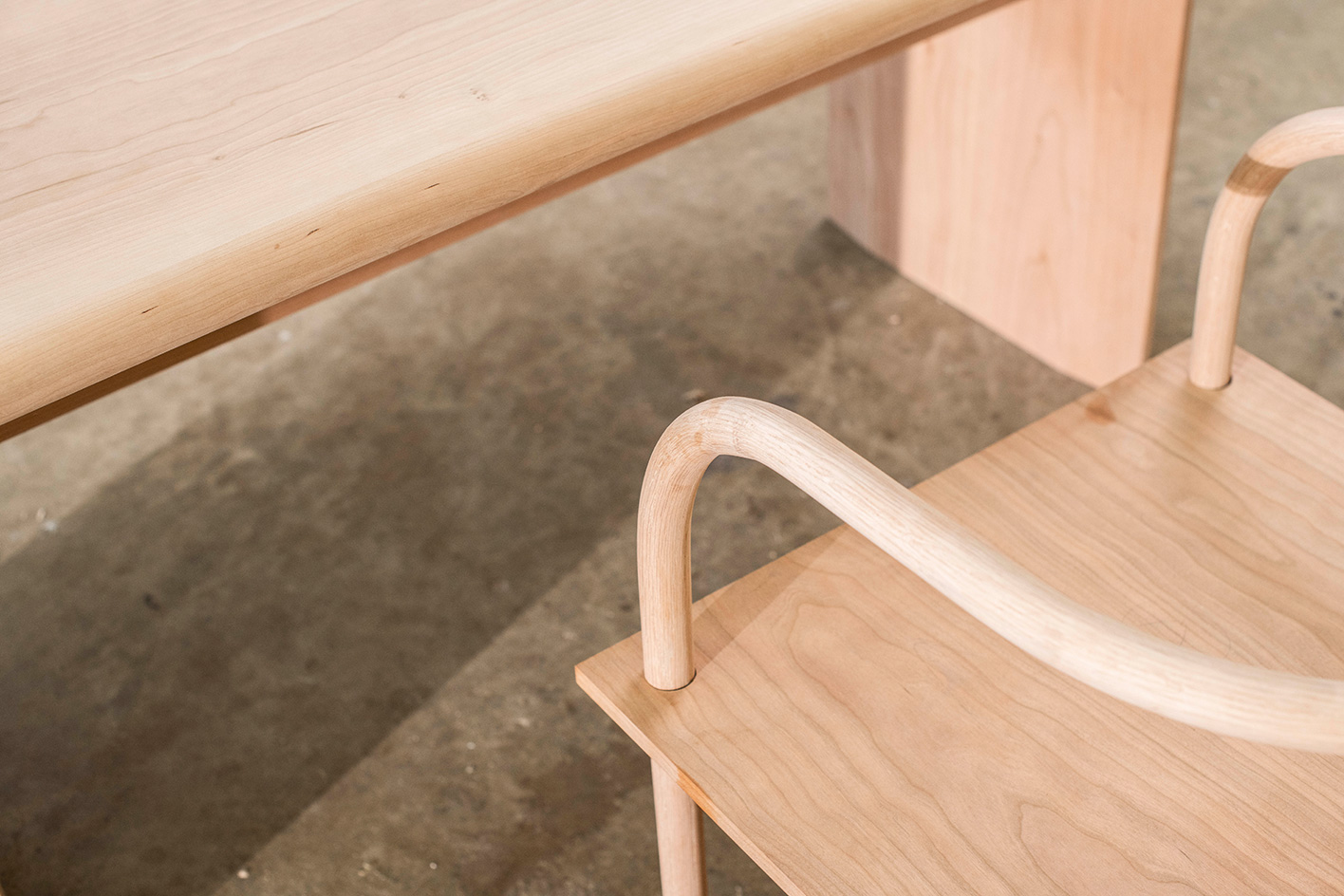
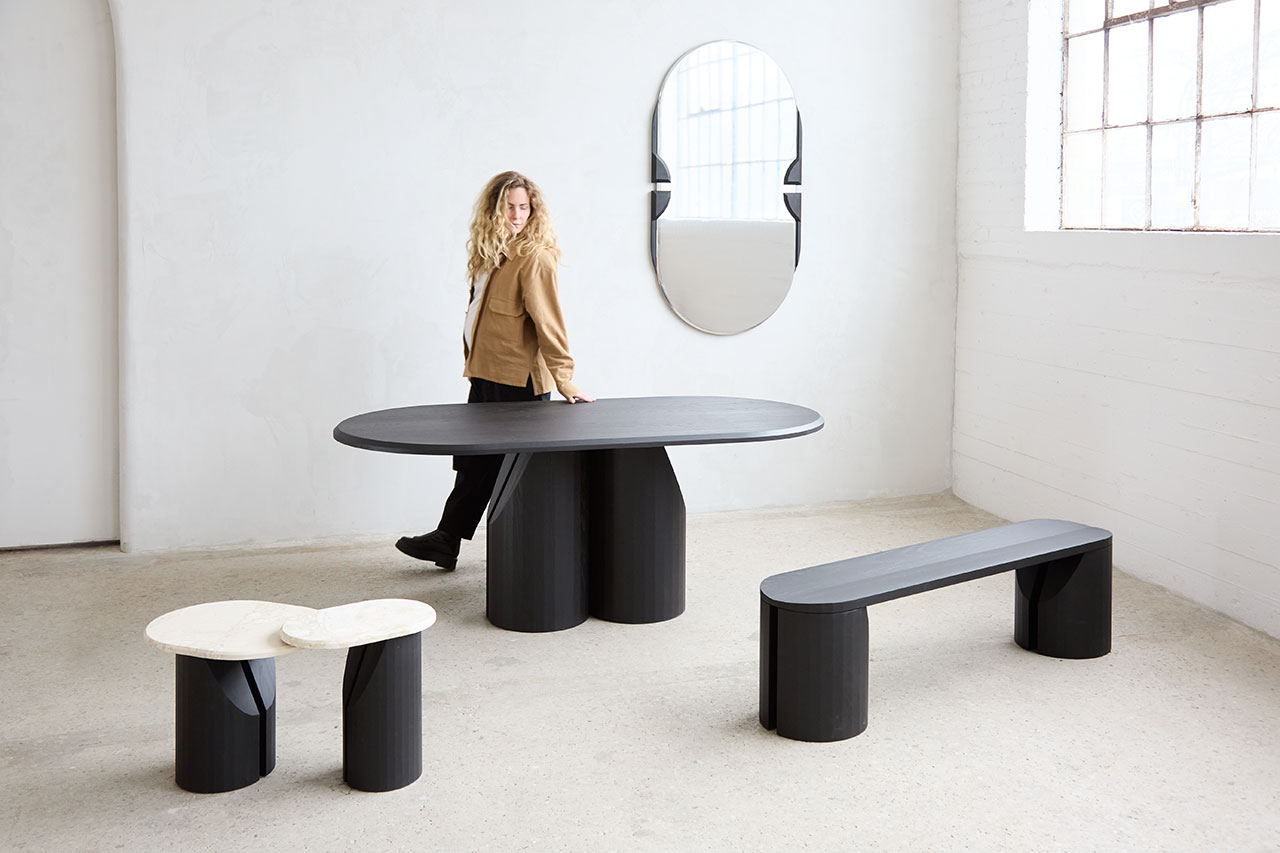
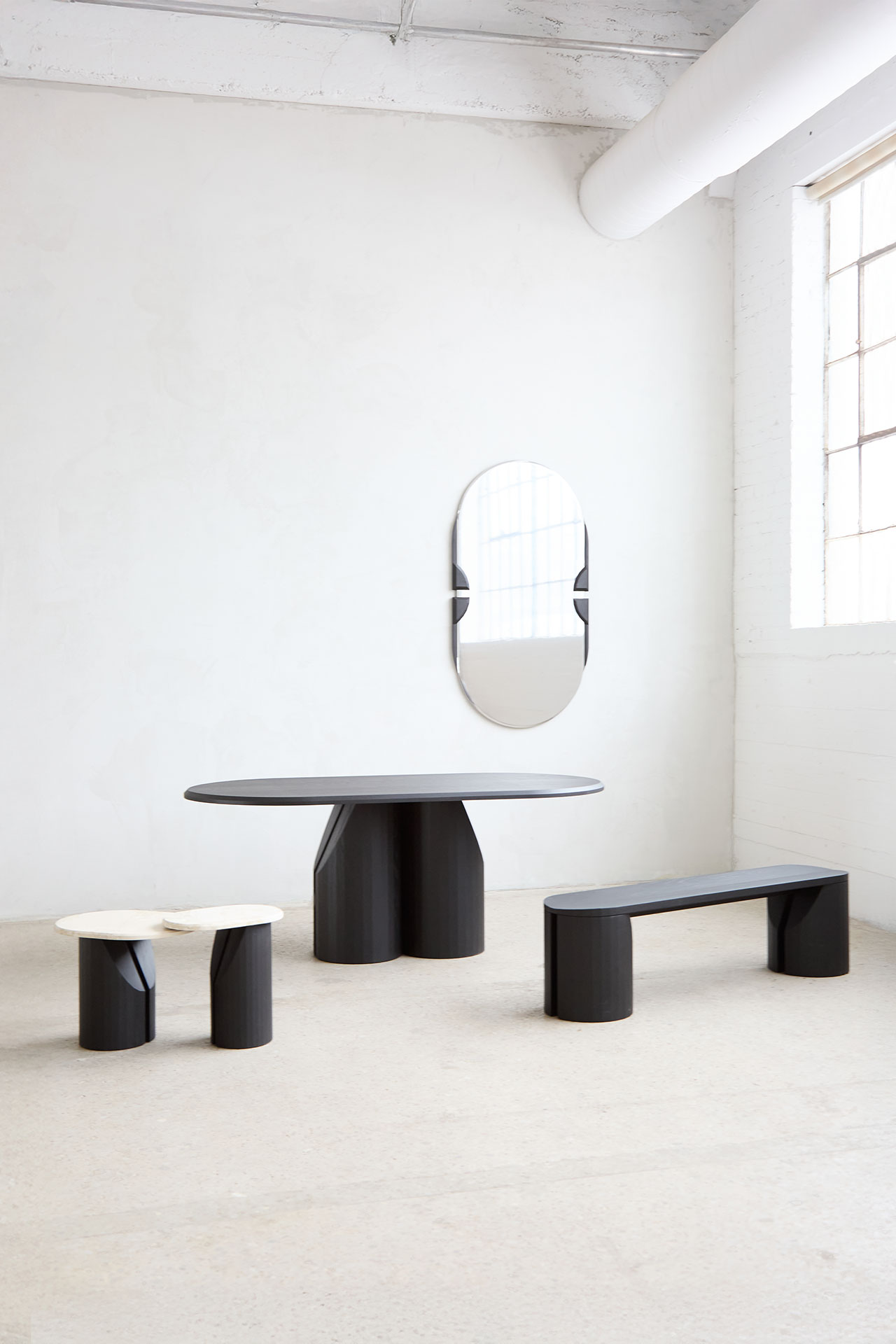
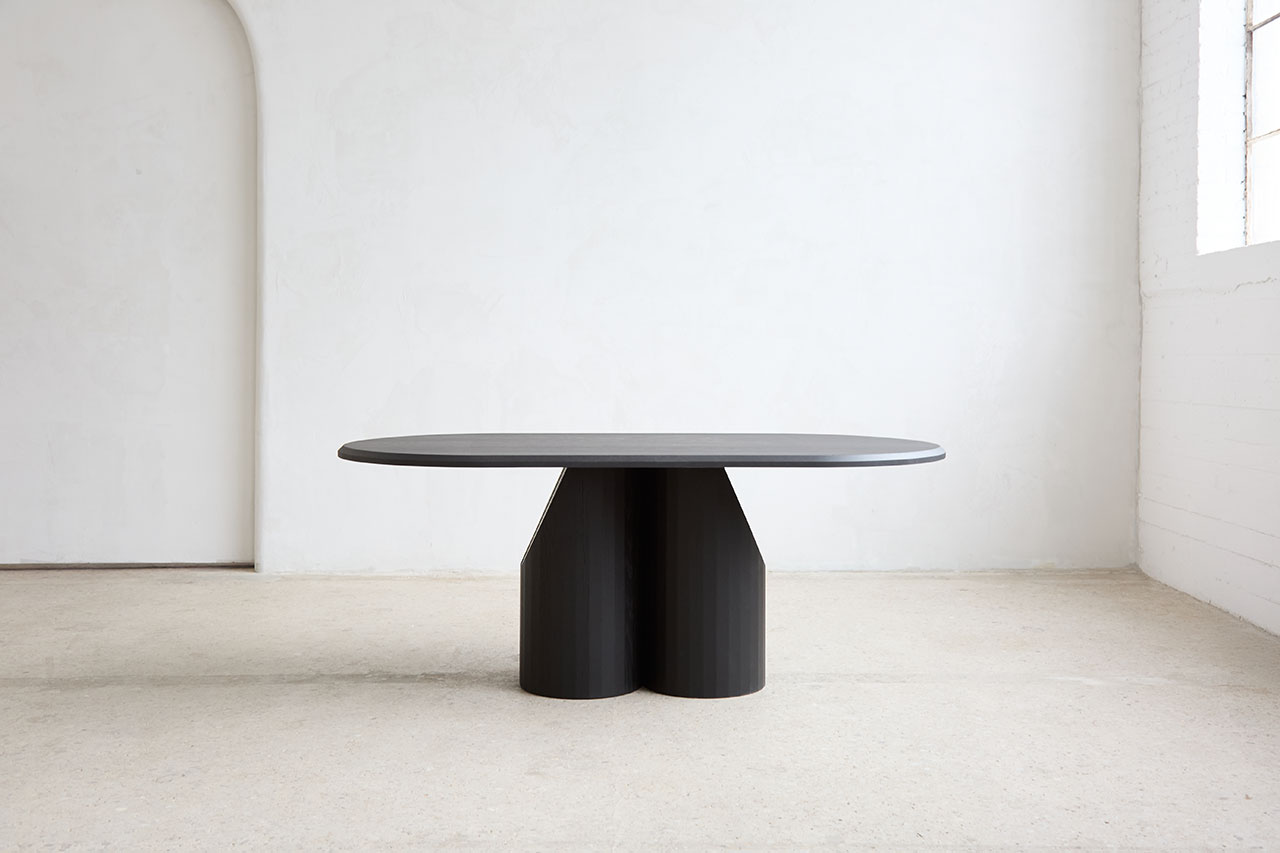
The Anvil console table by Erika Cross Studio offers a long-lasting furniture solution with straightforward joinery. Its whimsical appearance comes from rounded edges that soften otherwise sharp angles. The studio incorporates materials such as cork, Baltic birch, and ebonized or natural ash in its design. The solid forms of the Anvil evoke abstract planes, contributing to its distinctive aesthetic.
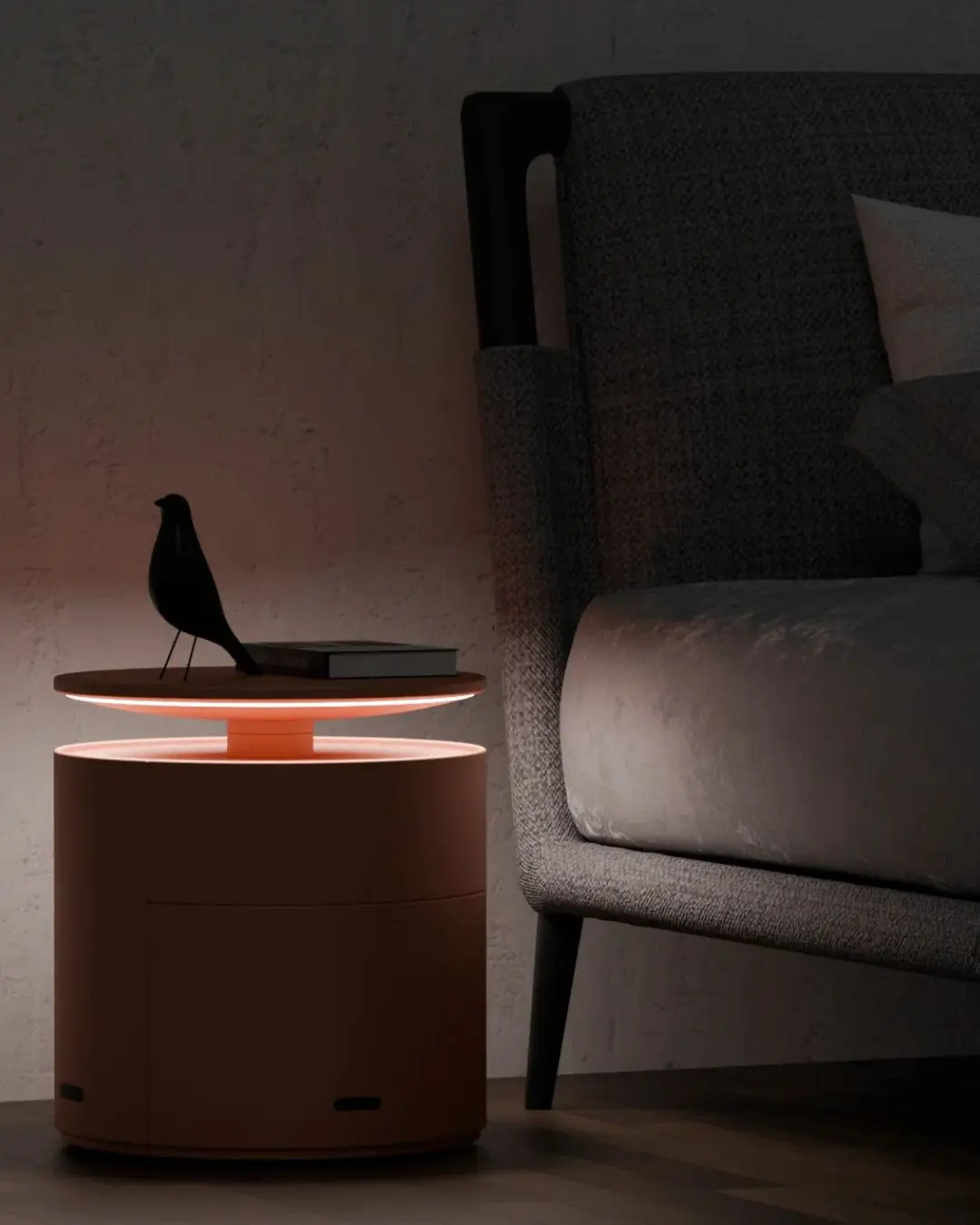
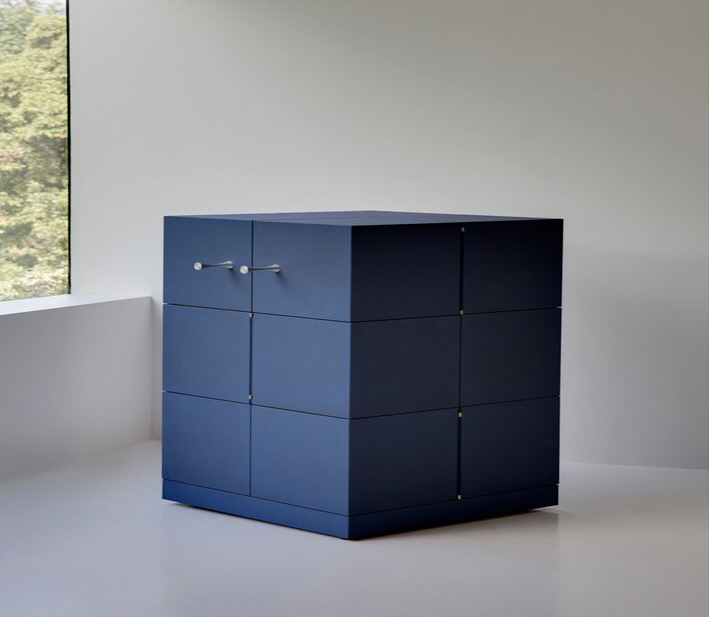
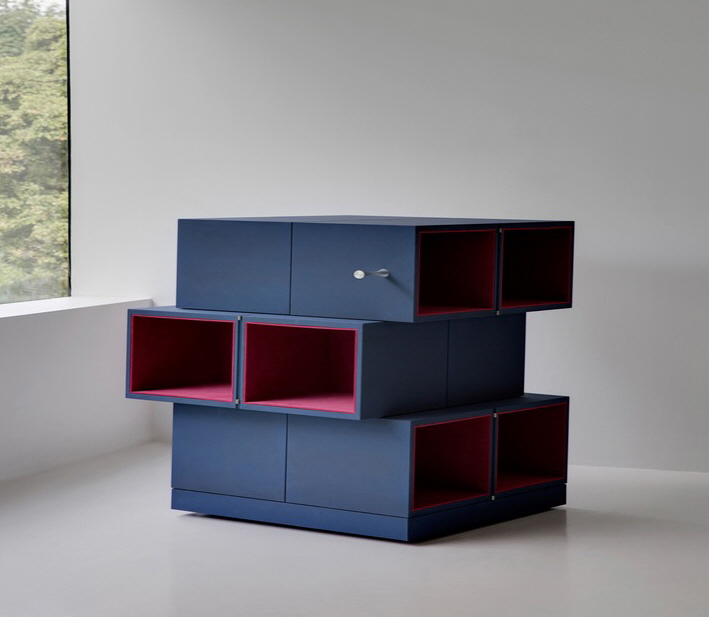
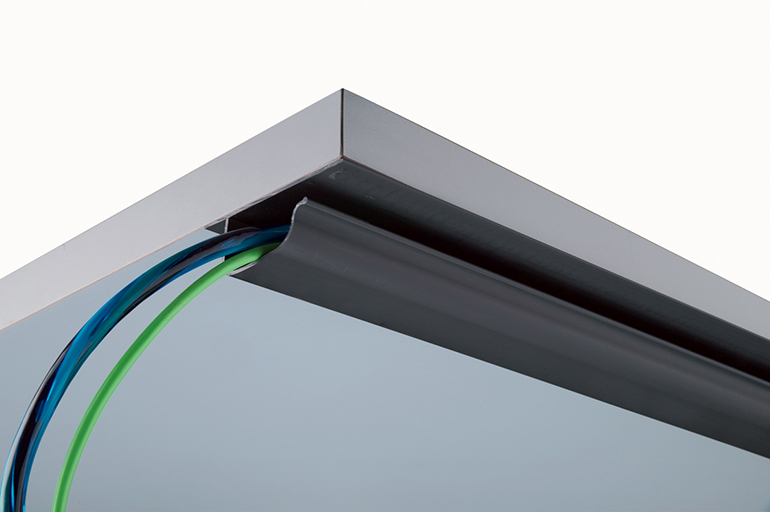
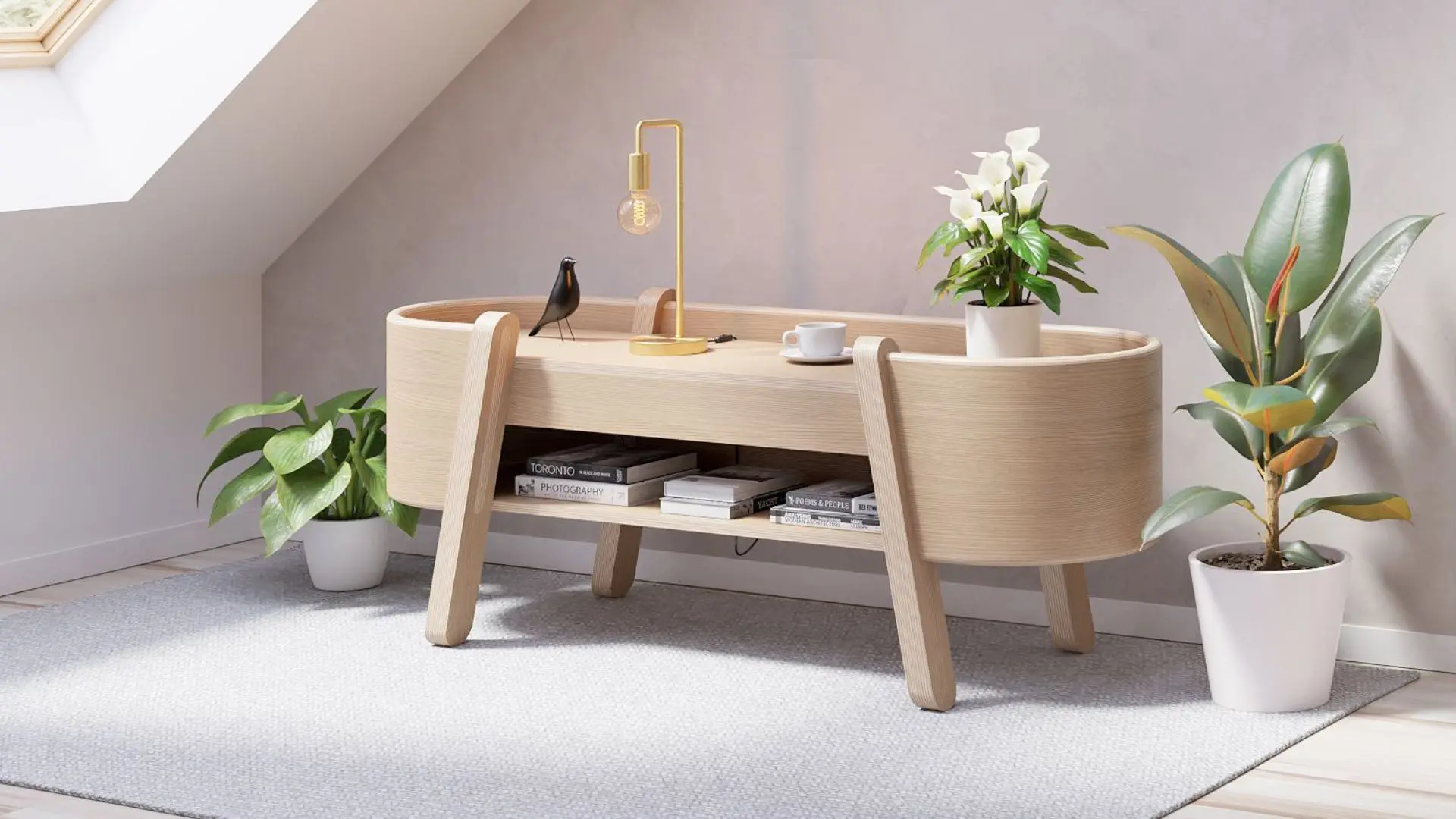
Finally, the Embrace sideboard by Teixeira Design Studio showcases both storage utility and aesthetic appeal. This piece features unique joints and soft curves, designed to blend harmoniously with various interiors while providing clever hidden storage and cable management solutions. The studio's founder emphasizes that "Design is simply an attitude," reflecting the thoughtful integration of form and function in the Embrace sideboard.
These examples demonstrate diverse strategies in furniture joinery, ranging from enhancing durability to maximizing visual appeal. Each design integrates these aspects, proving that it is possible to achieve both strength and aesthetic beauty in furniture construction.
#FurnitureDesign #JoineryTechniques #InnovativeDesign #Woodworking #MinimalistDesign #JapaneseCraftsmanship #SustainableMaterials #InteriorDesign #FurnitureDesign #JoineryTechniques #InnovativeDesign #Woodworking #MinimalistDesign #JapaneseCraftsmanship #SustainableMaterials #InteriorDesign
0 comment in total
 No comments yet
You may also like
Ideas For Business – Call #1: Meet the three winning projects
Nine designers work socially distanced wonders with wood
Interior Designers on the Most Iconic Furniture of All Time
5 Things You Should Never Do When Buying New Furniture, Designers Spill

Blending functionality with artistry: the essence of Albert Potgieter’s designs

Designers Talk Client Relationships At Arizona re:Source

How To Pair Two Sofas In One Space
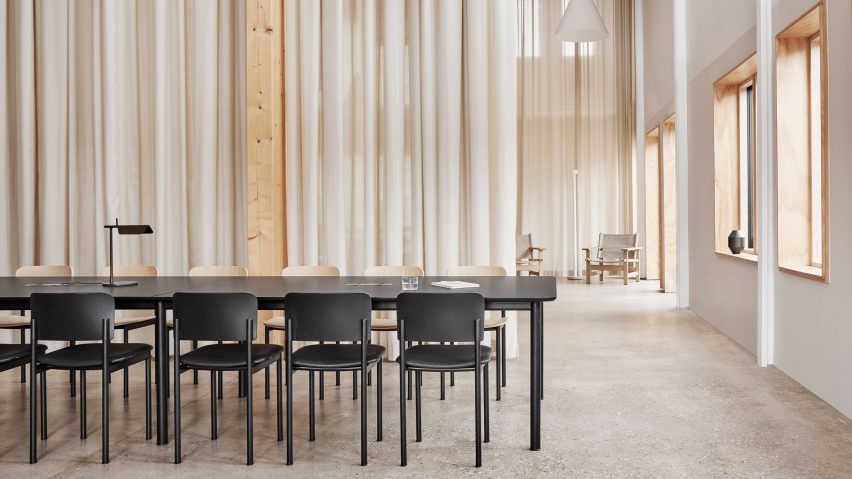
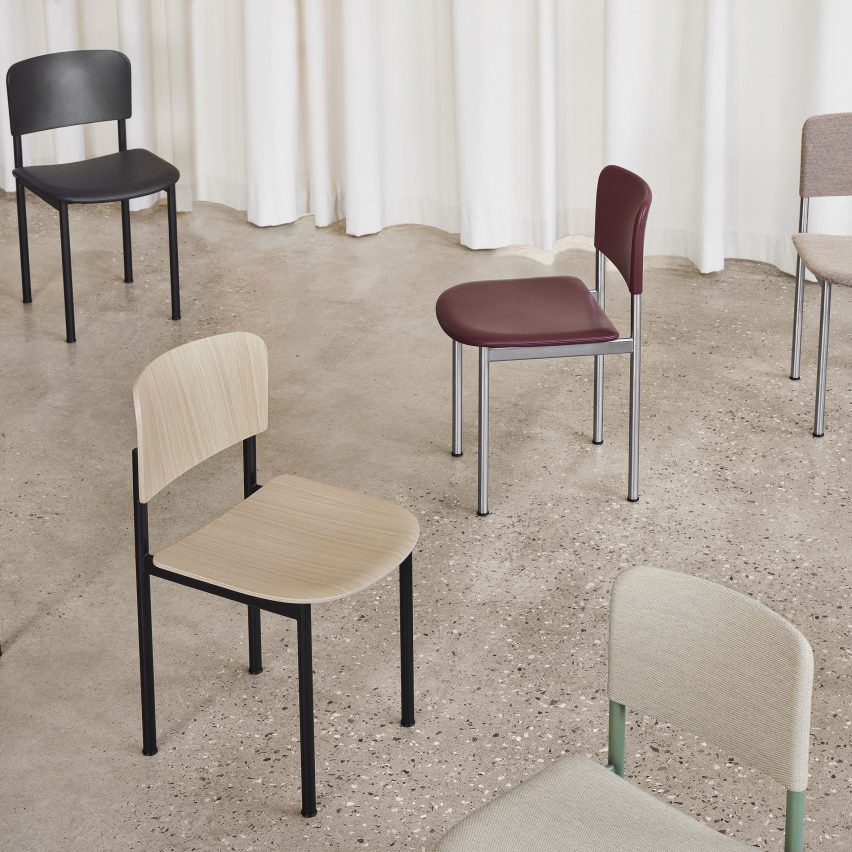
Plan Chair by Fredericia among eight new products on Dezeen Showroom
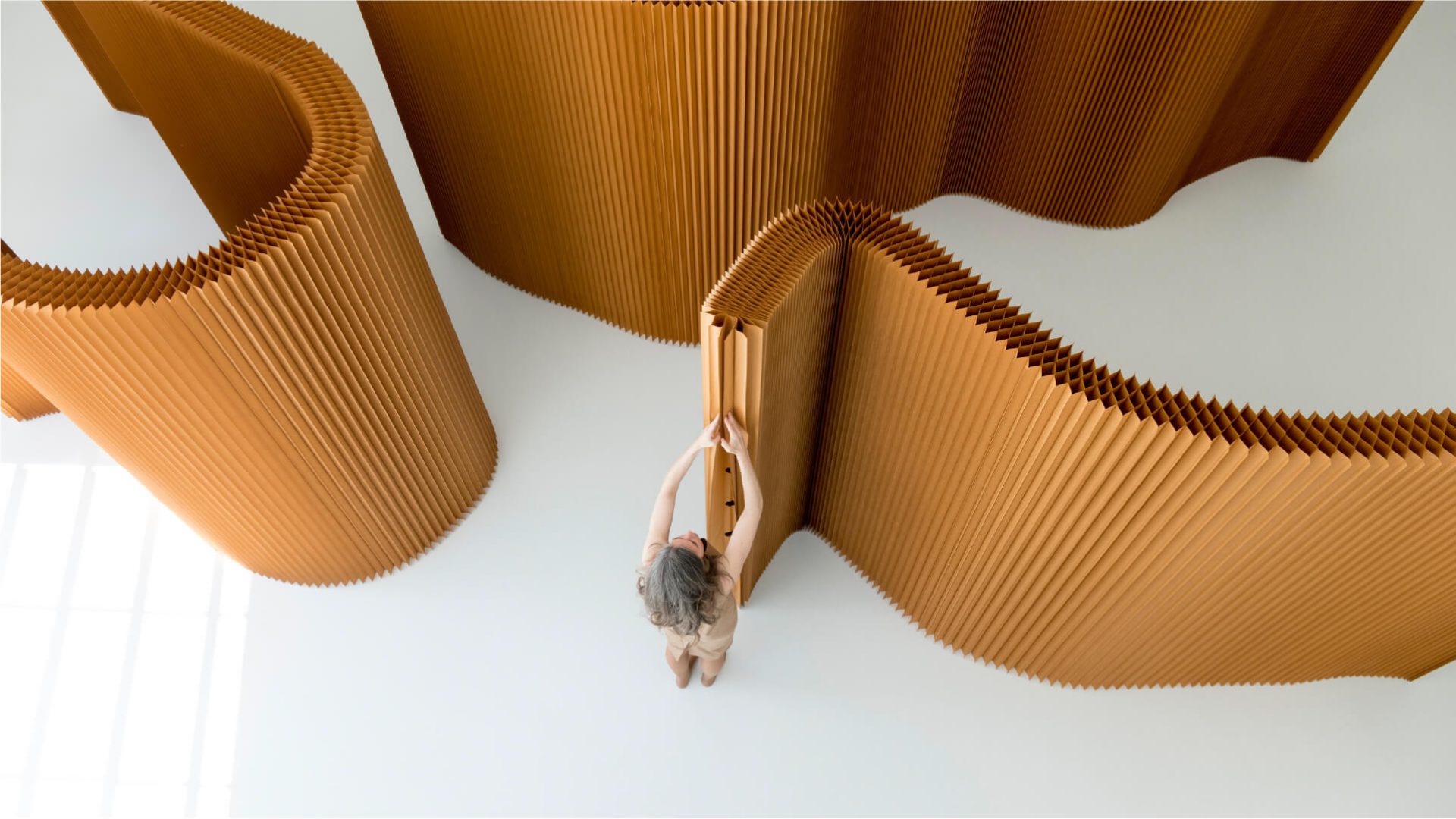
Watching molo’s paper softwall unfold is mesmerising

A serial home flipper with over 25 years of experience shares 7 common renovation mistakes people make
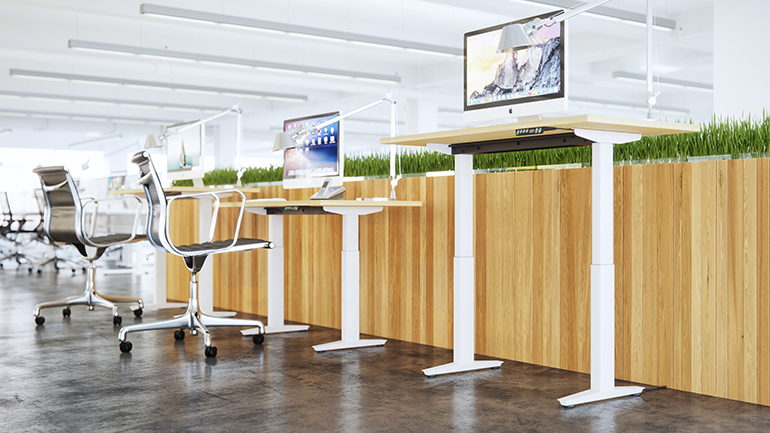
Doug Mockett Hardware Adds a Finishing Touch to Furniture
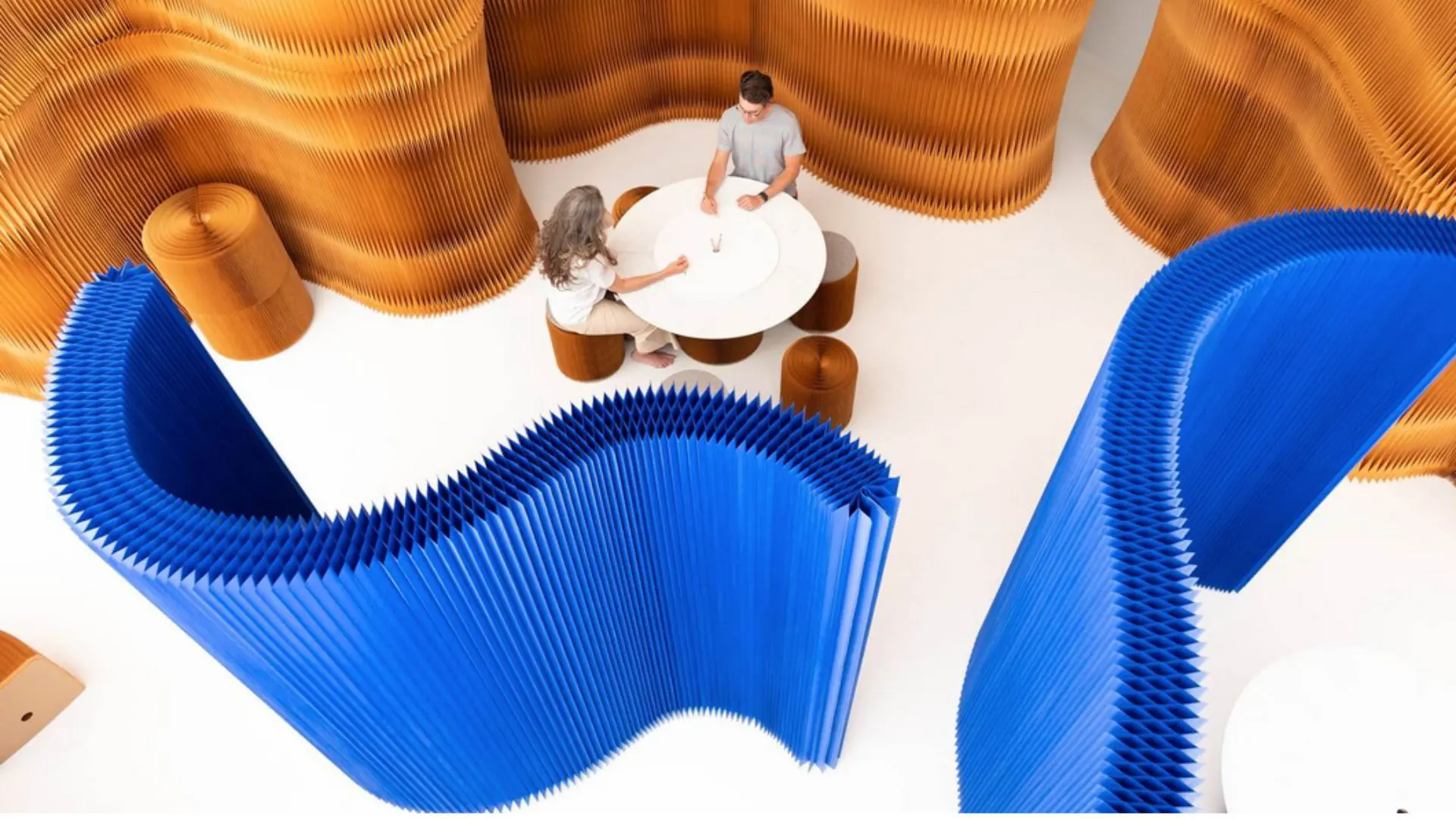
Enjoy these 5 creative space dividers for small and big rooms
designer hanne willmann details the expanded freifrau nana collection
The Transforming Cubrick Cabinet Comes from "Chaos Technique"

Mary Ratcliffe Studio’s Barrow Collection Finds Its Full Form

Experimental Kinetic Furniture Design: Aaron Preyer's Blooming Project
Becoming Unhinged: The Engineering Behind Furniture Hardware

This simple sculptural shelf is made from a sheet of folded steel
Snap clip-on supports create furniture from found objects
14 Mistakes To Avoid When Buying New Furniture, According To Designers