1/10
The Power of Color Psychology in Interior Design — How to Create a Home That Feels as Good as It Looks
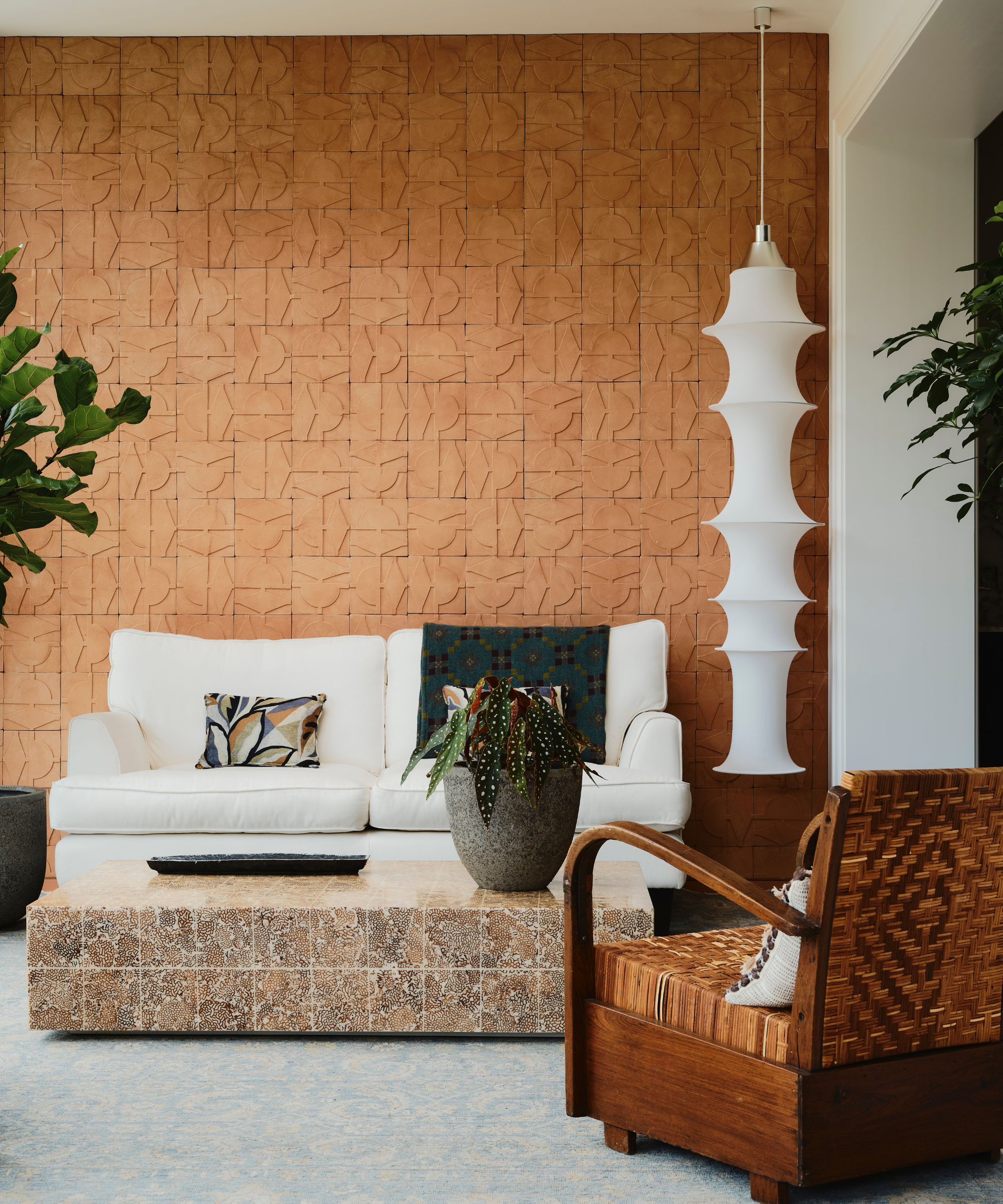
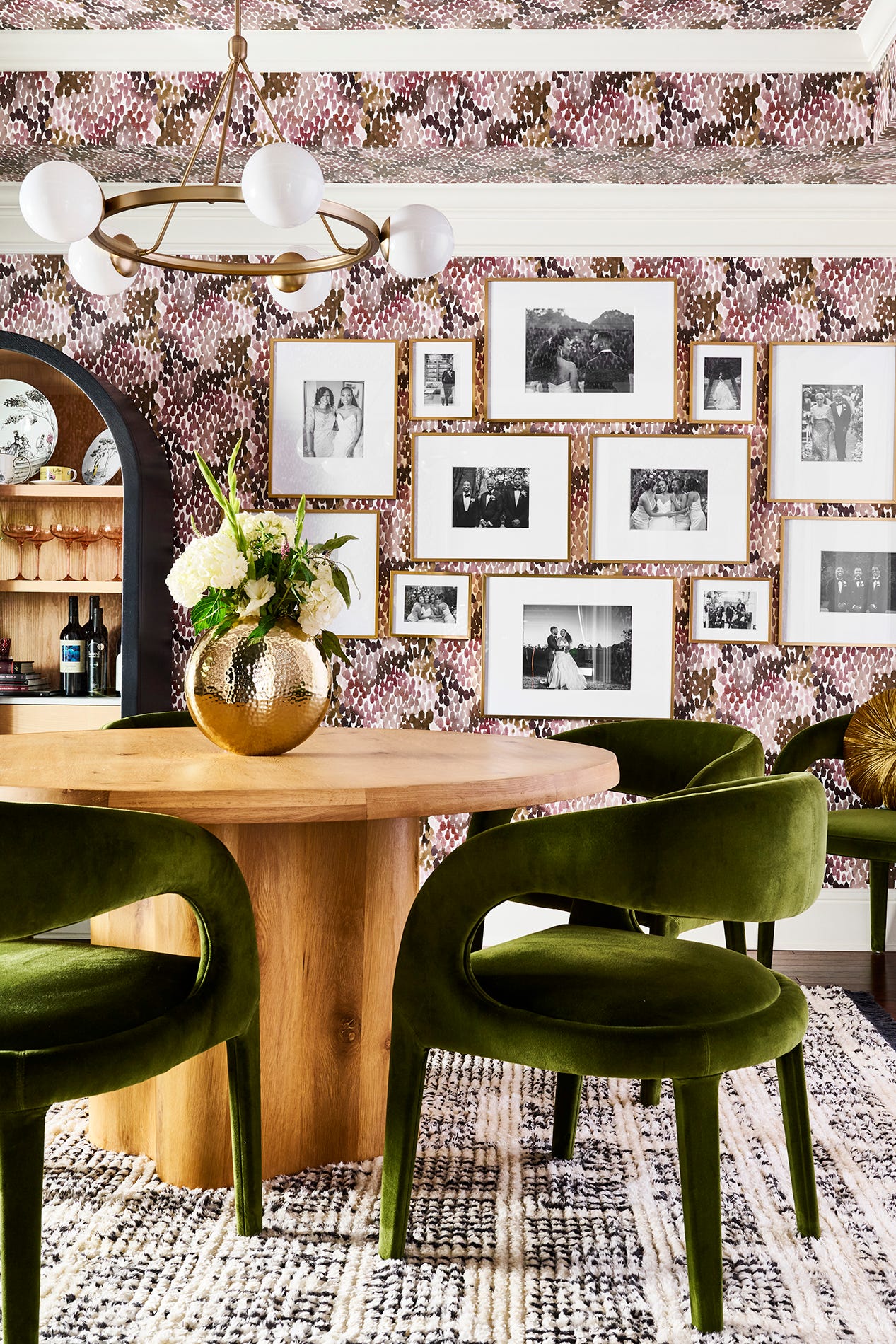
Color is a powerful element in interior design, extending beyond mere aesthetics to profoundly influence human emotions and behaviors. This concept, known as color psychology, posits that while personal and cultural associations with color exist, there are also universal psychological responses triggered by how our brains process different hues. These responses can be physical, psychological, emotional, and behavioral, impacting our mood, energy levels, and interactions within a space.
The application of color psychology in interior design allows for the creation of environments that not only appear appealing but also actively support desired emotional states and functions. By understanding these principles, individuals can transform their homes into spaces that truly reflect their needs and those of their cohabitants. For instance, color can cultivate a restful bedroom, an energizing workspace, or a welcoming living area, thereby shaping both the practical utility and the emotional experience of a room.
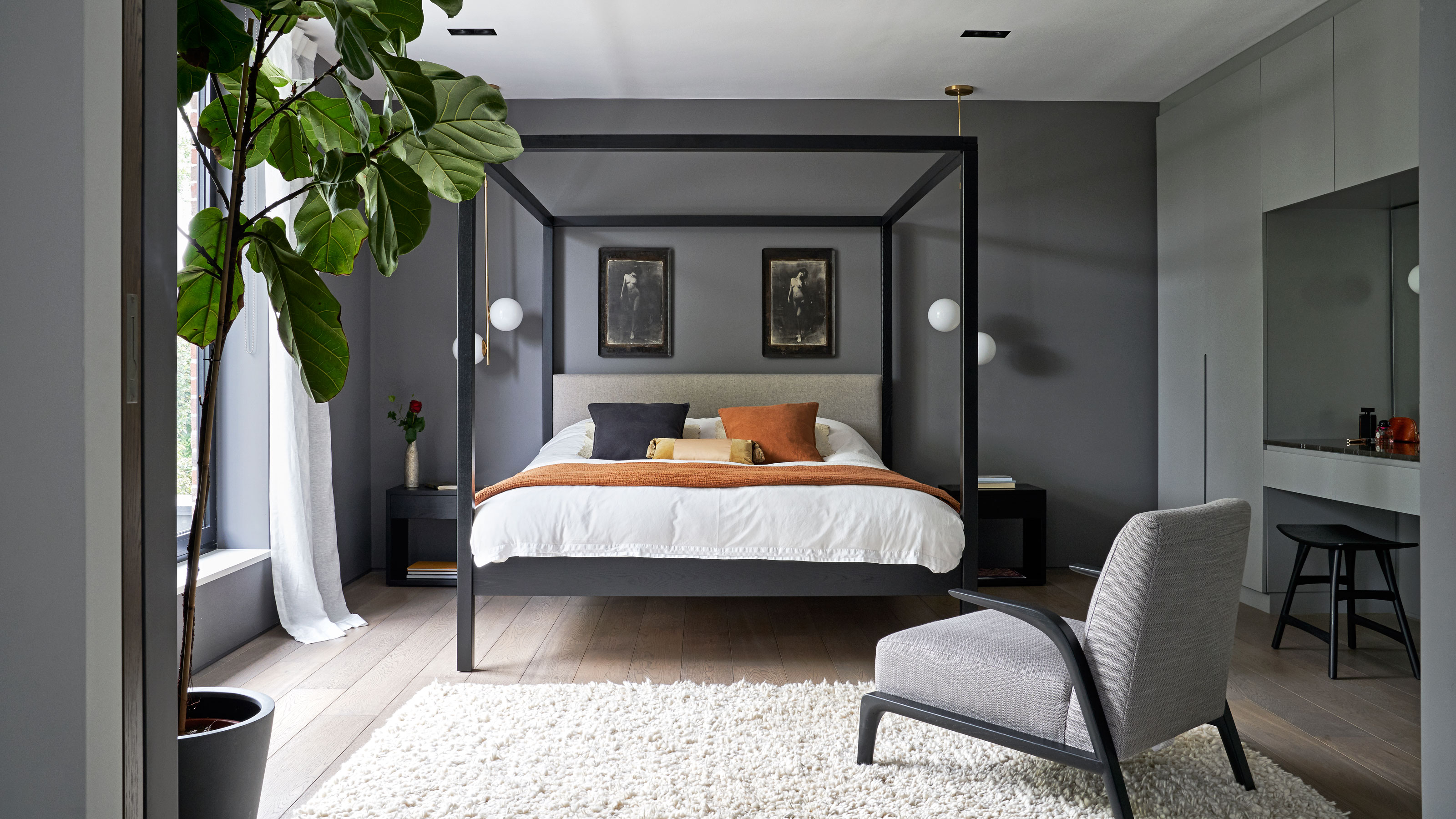
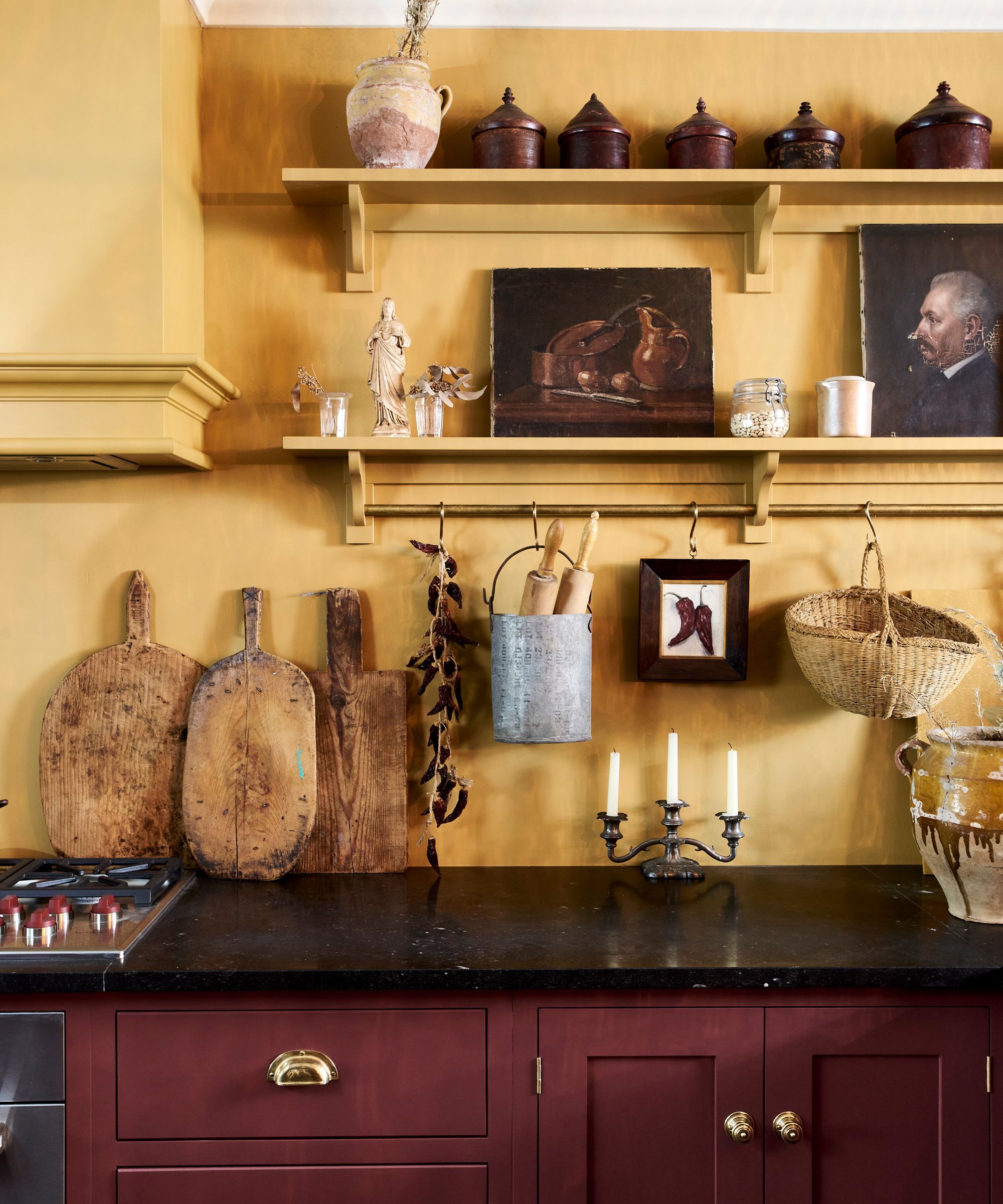
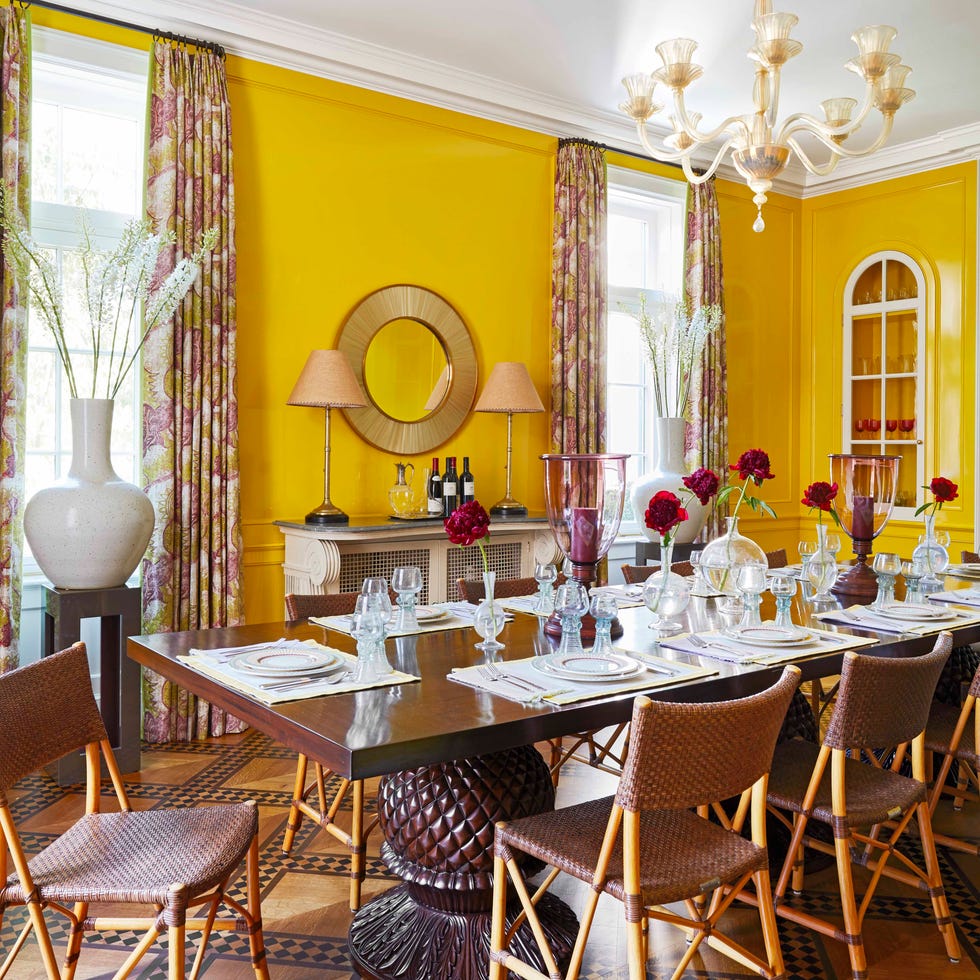
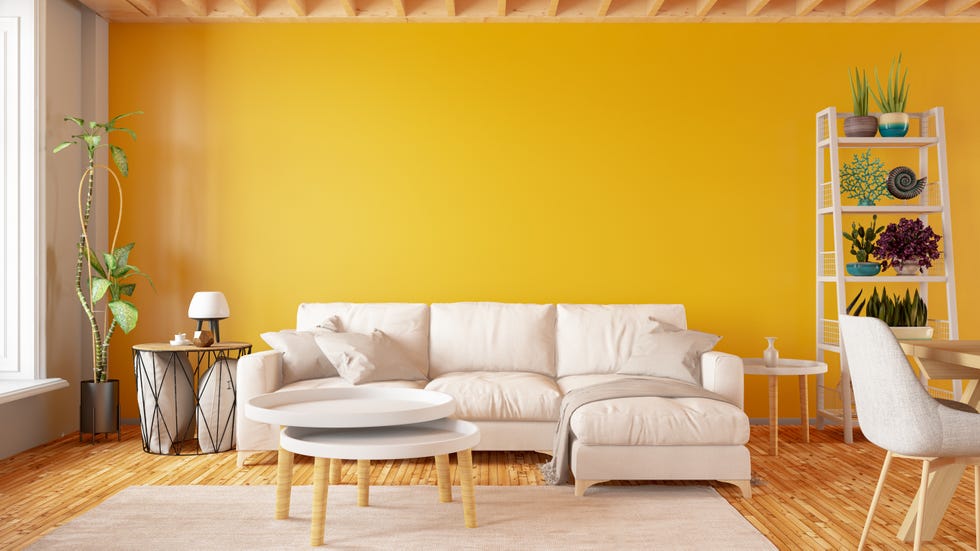
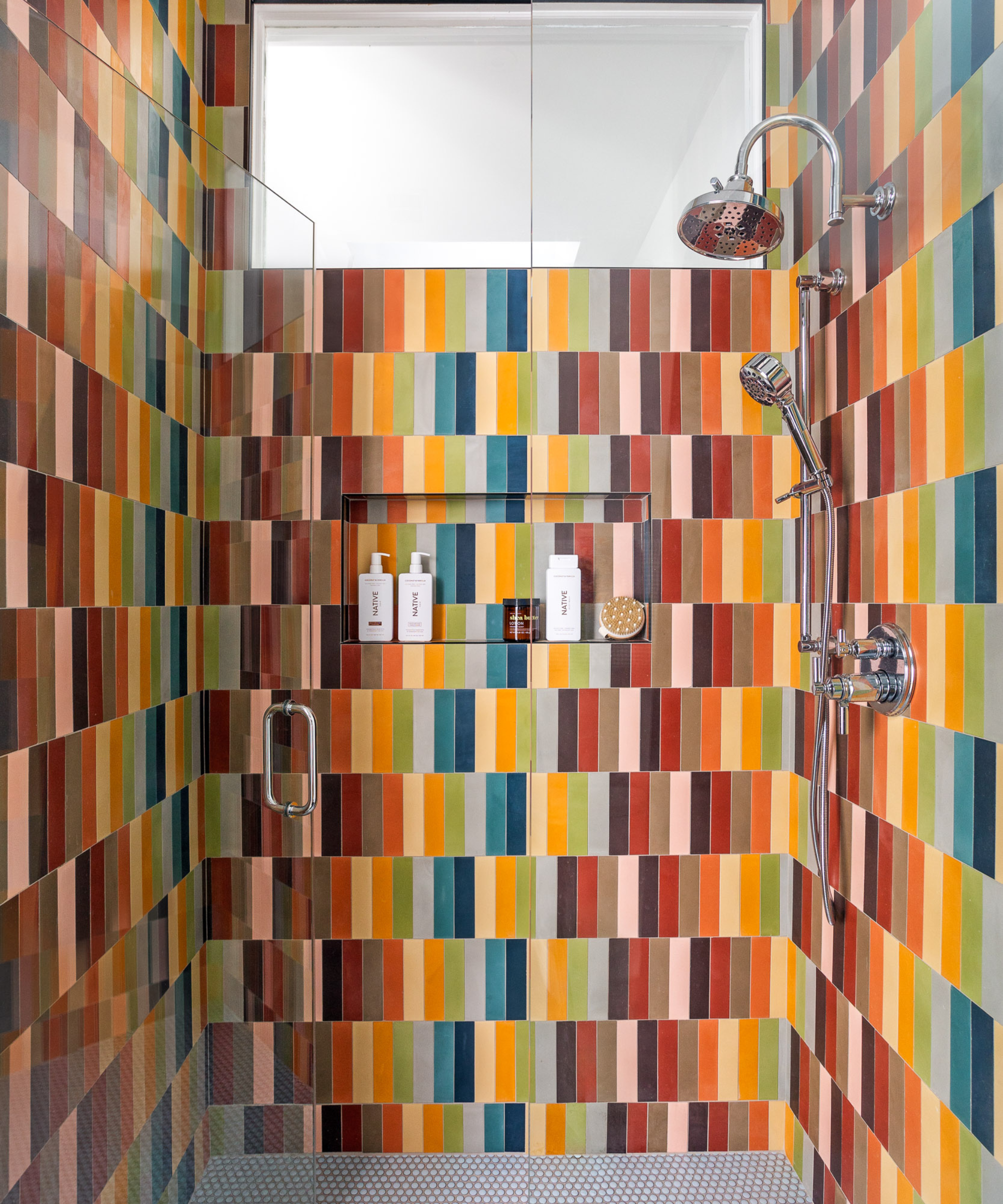
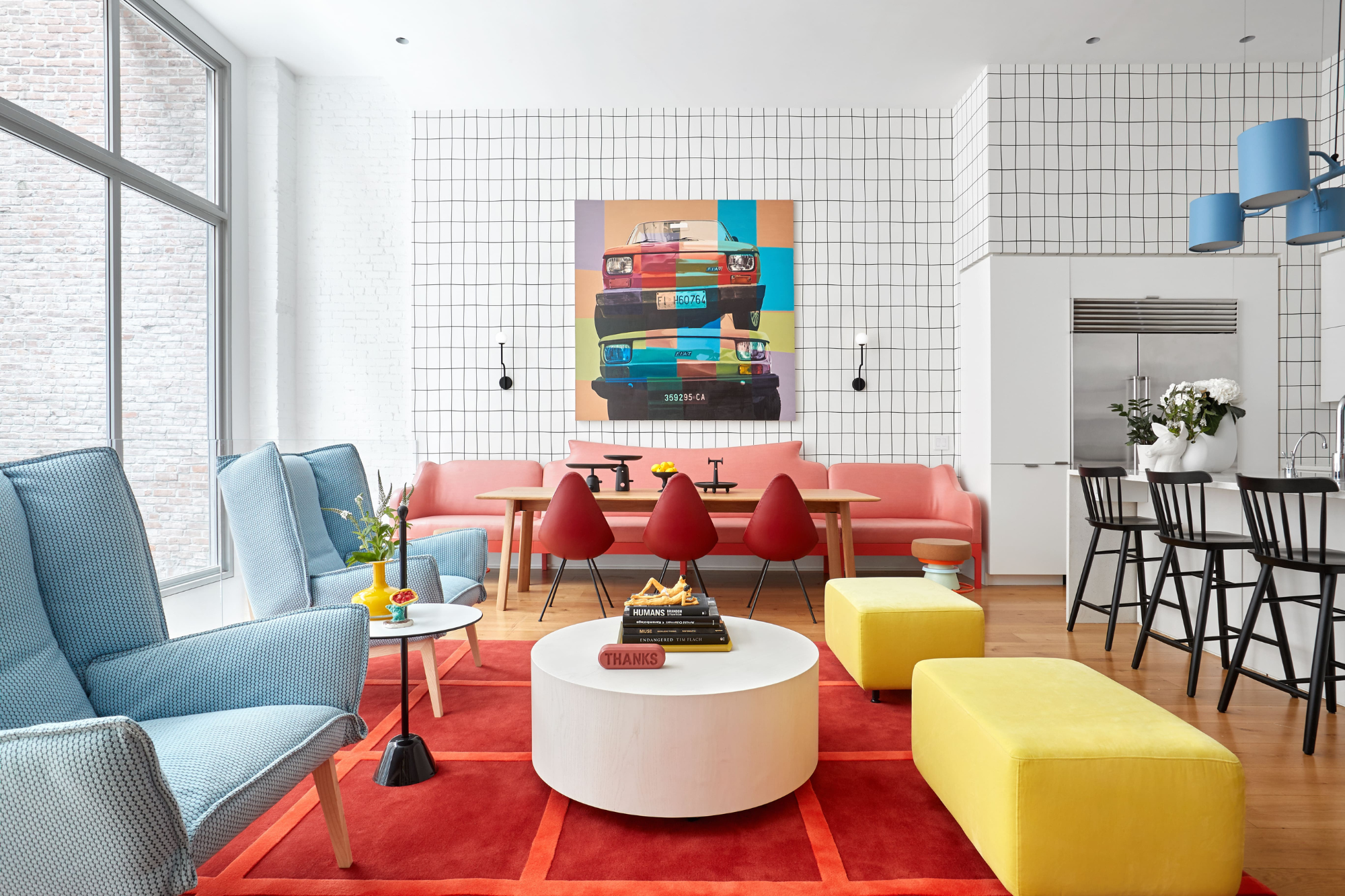
To effectively utilize color psychology, the process begins by identifying the desired emotional atmosphere and behavioral outcomes for each room. This involves asking questions such as whether a space should serve as a calming retreat, a stimulating hub for creativity, or a social environment for interaction. Once these objectives are clear, appropriate color palettes can be selected to achieve these specific outcomes. Key factors to consider include the context and purpose of each space, the positive emotions and behaviors to be encouraged, and the selection of color families that resonate with personal preferences. It is also crucial to acknowledge that every color possesses both positive and adverse traits. While colors can enhance well-being, their overuse, inappropriate selection, or application in unsuitable contexts can lead to discomfort, imbalance, or unintended emotional responses, such as overwhelm, fatigue, or stress. Therefore, balancing intensity and depth is essential, as strong, vibrant colors invigorate, while lighter, softer shades relax.
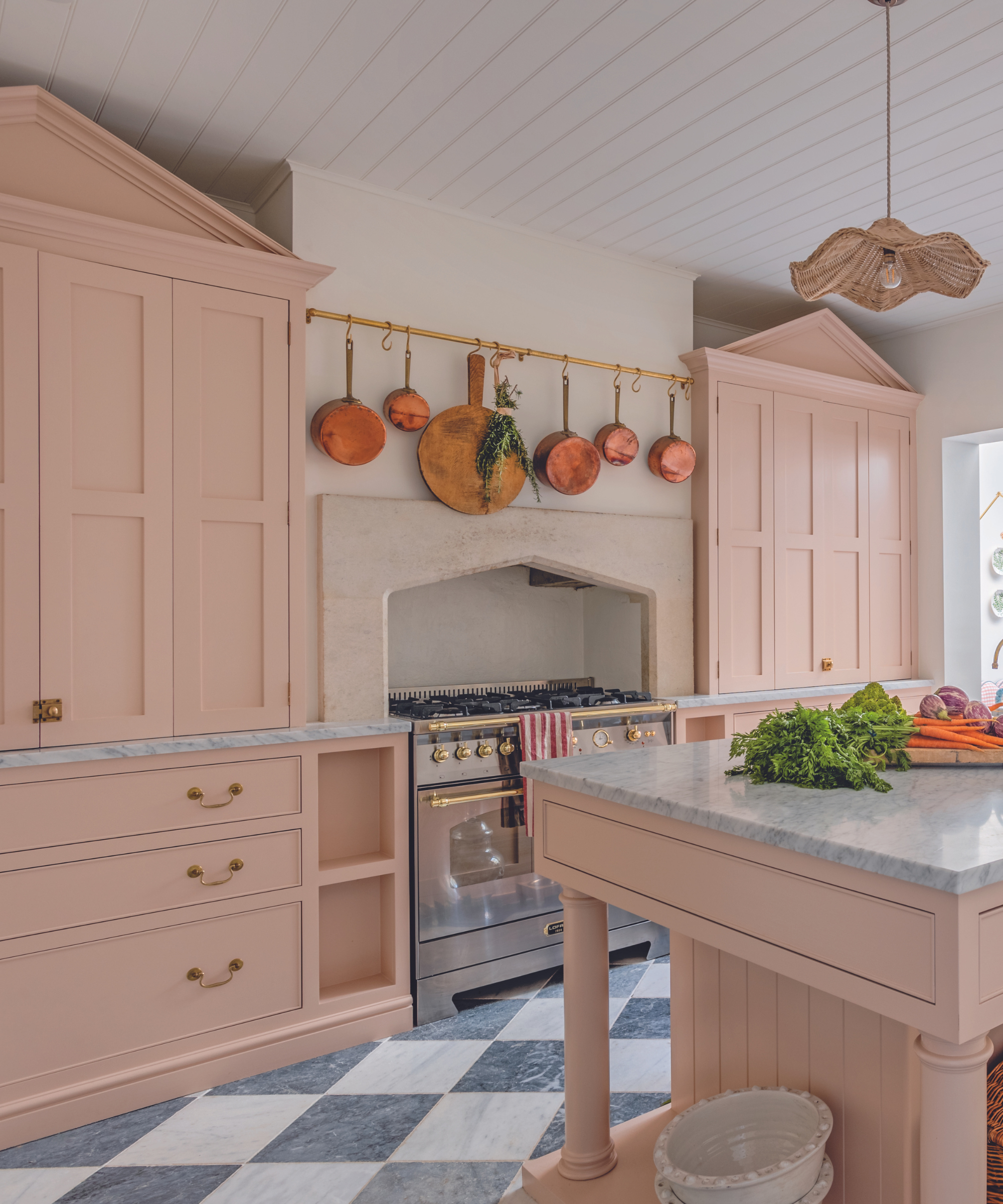
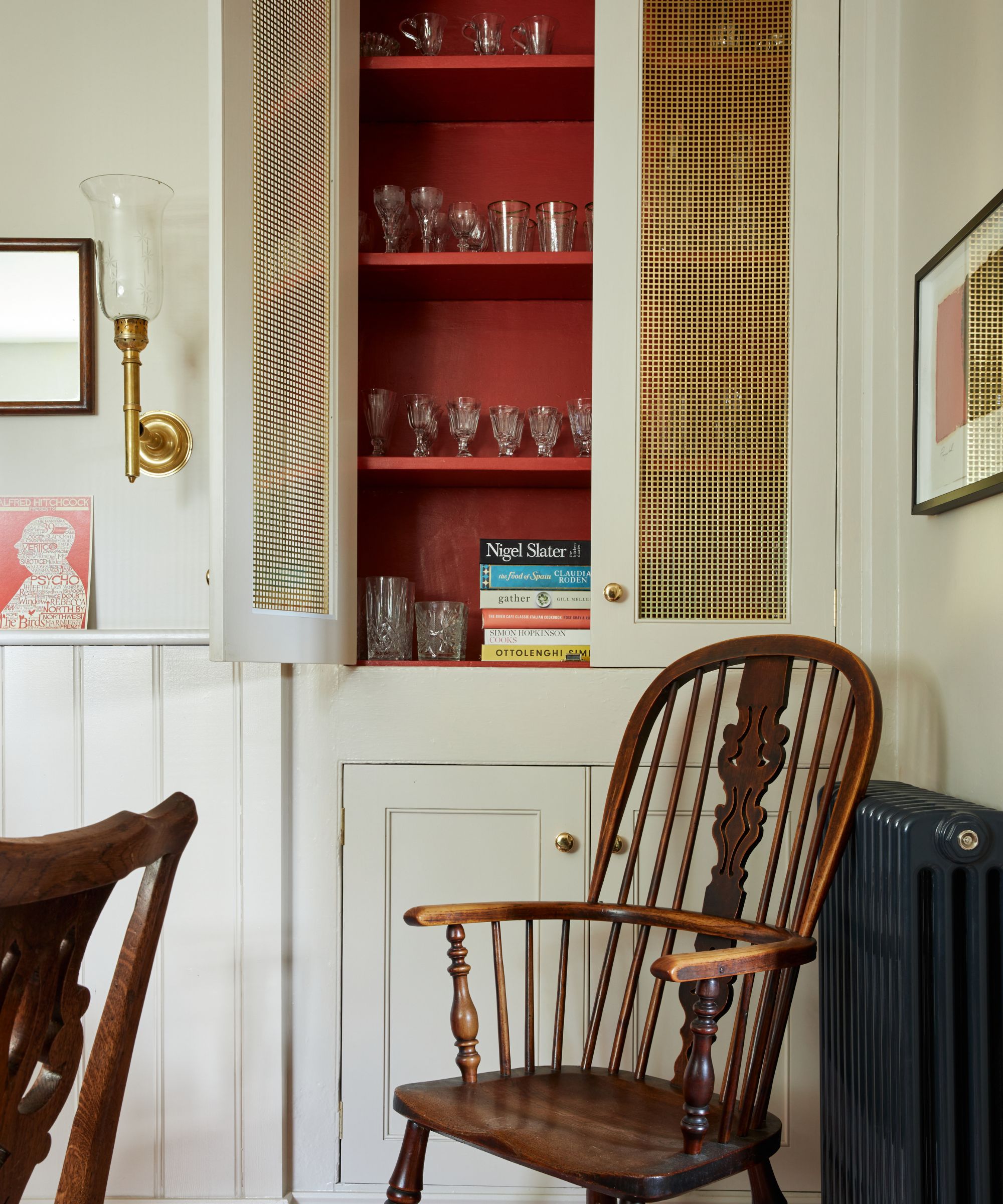
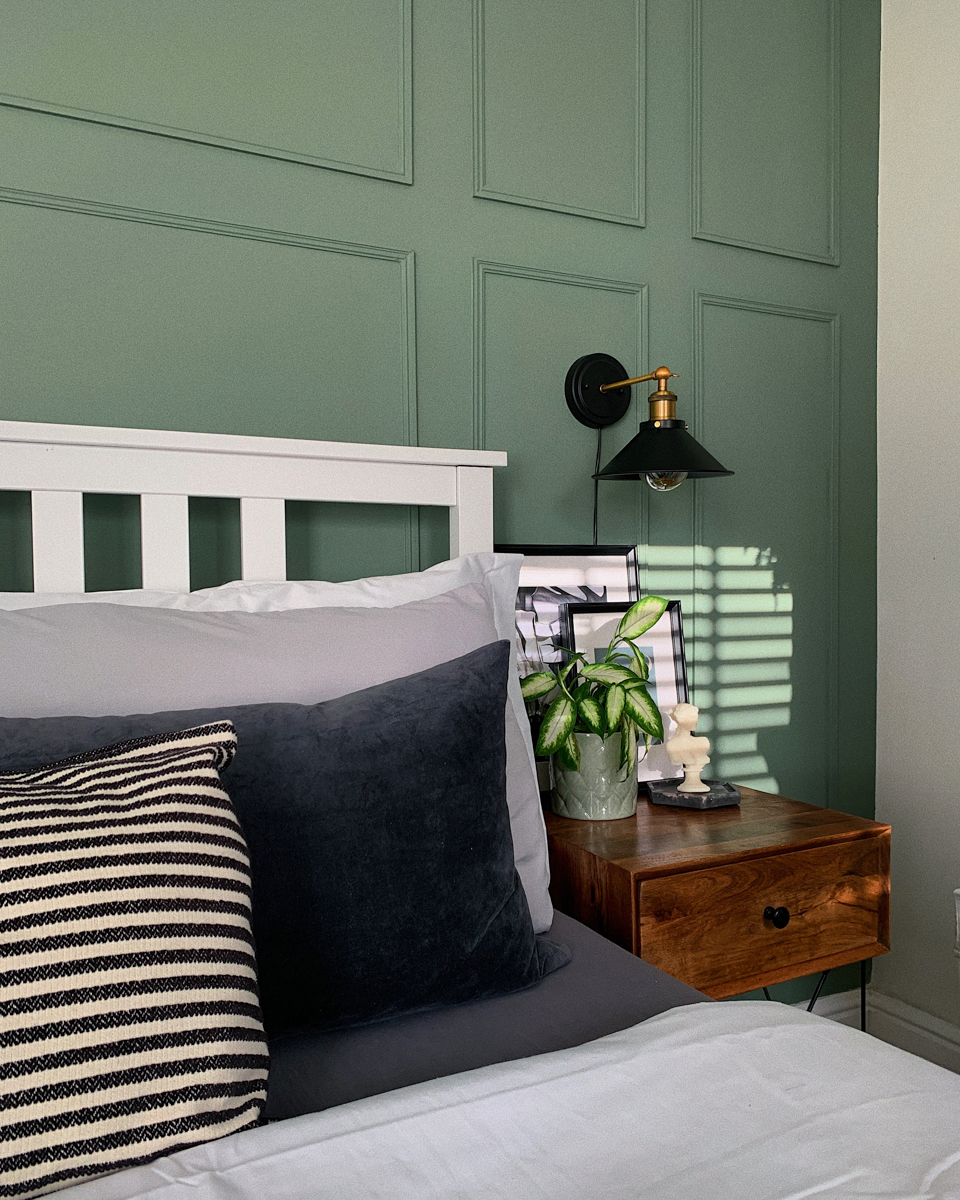
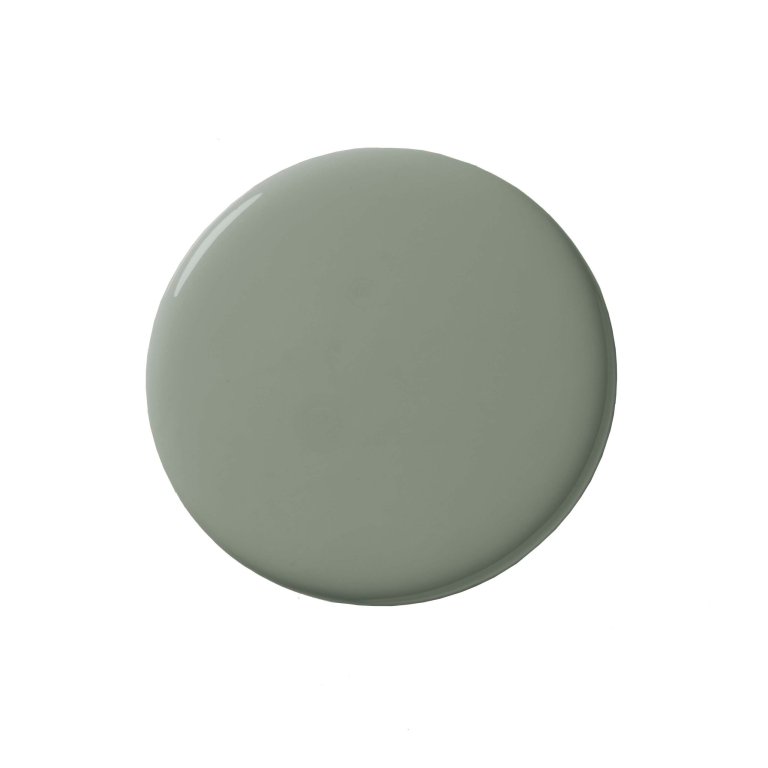
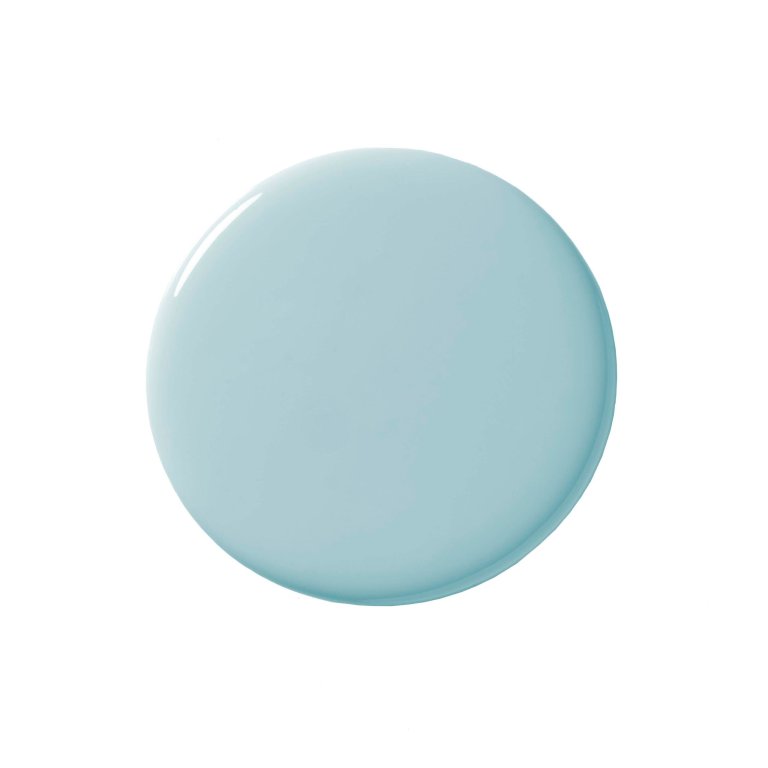
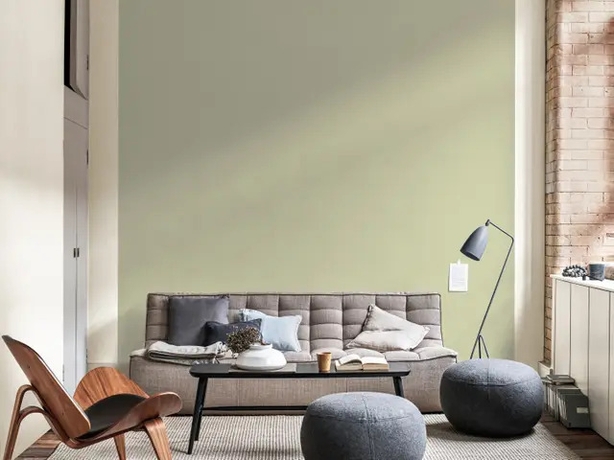
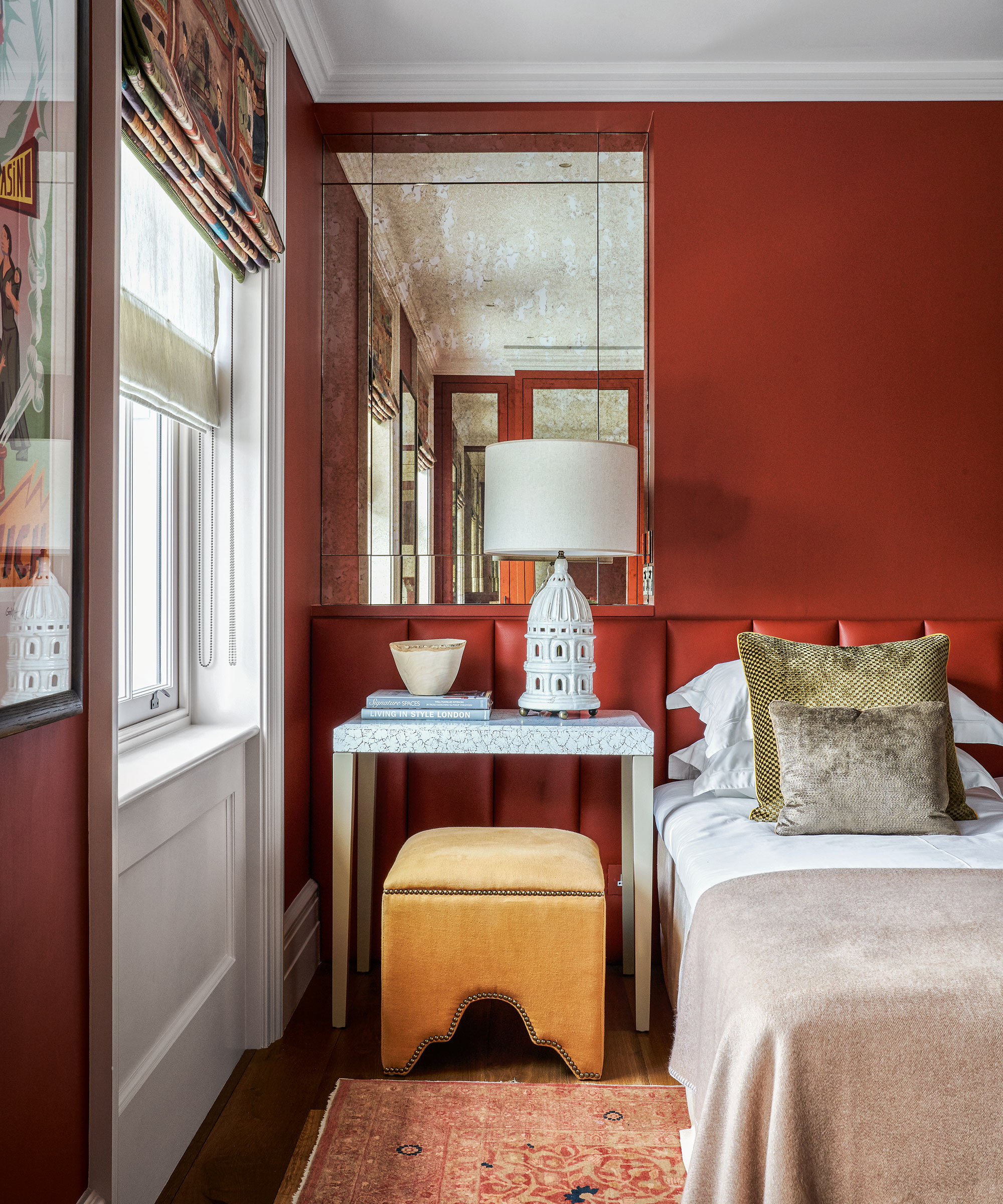
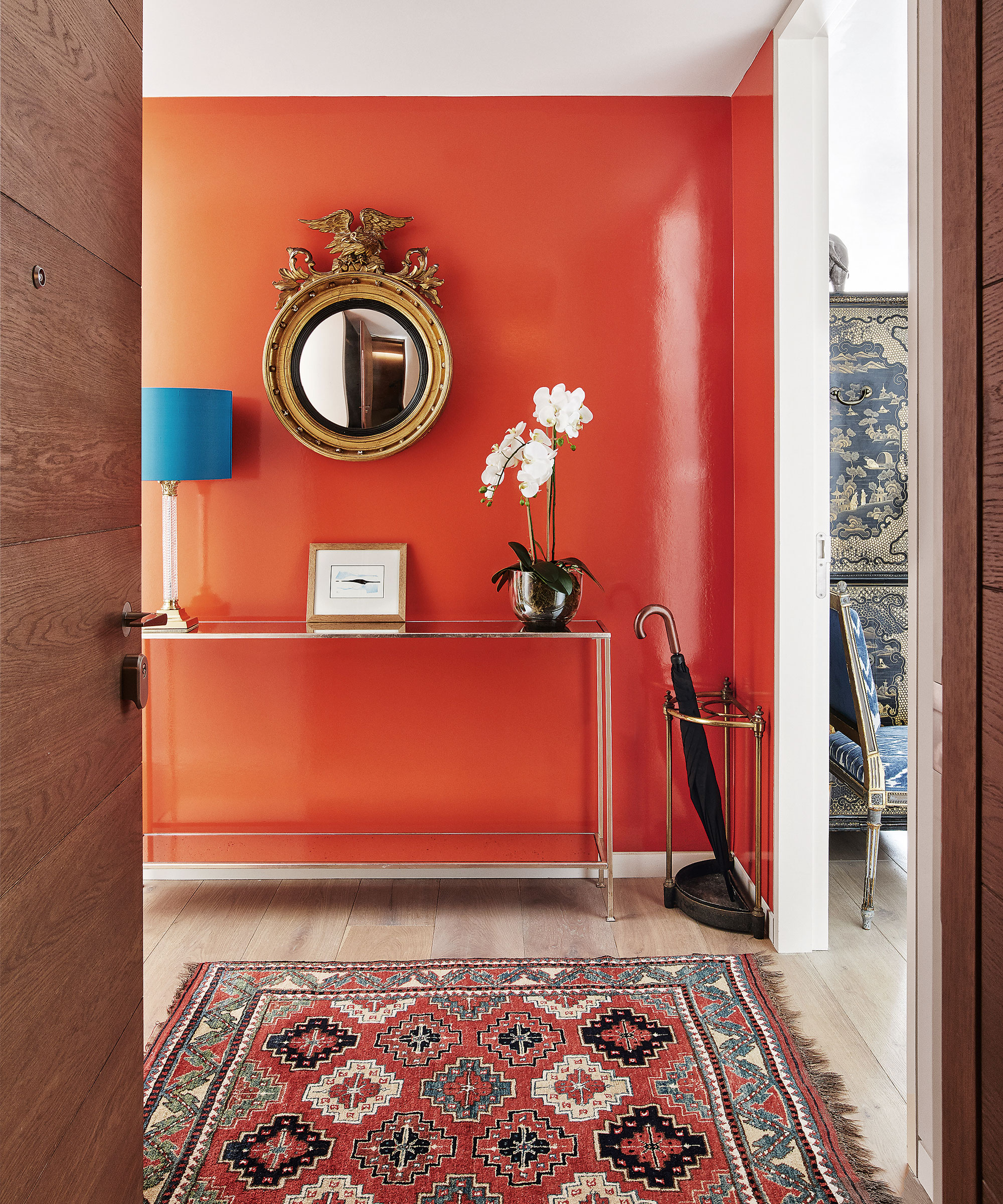
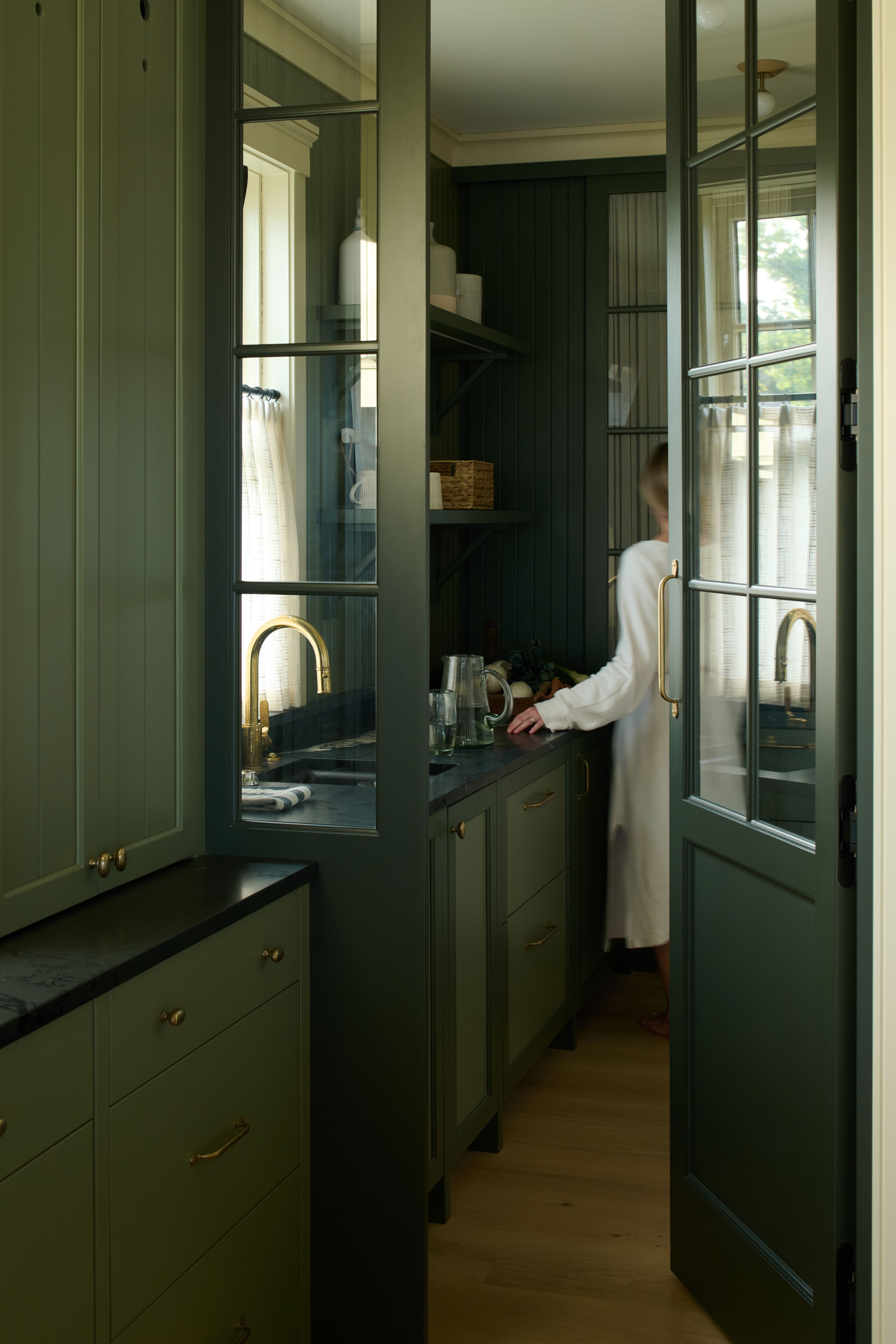
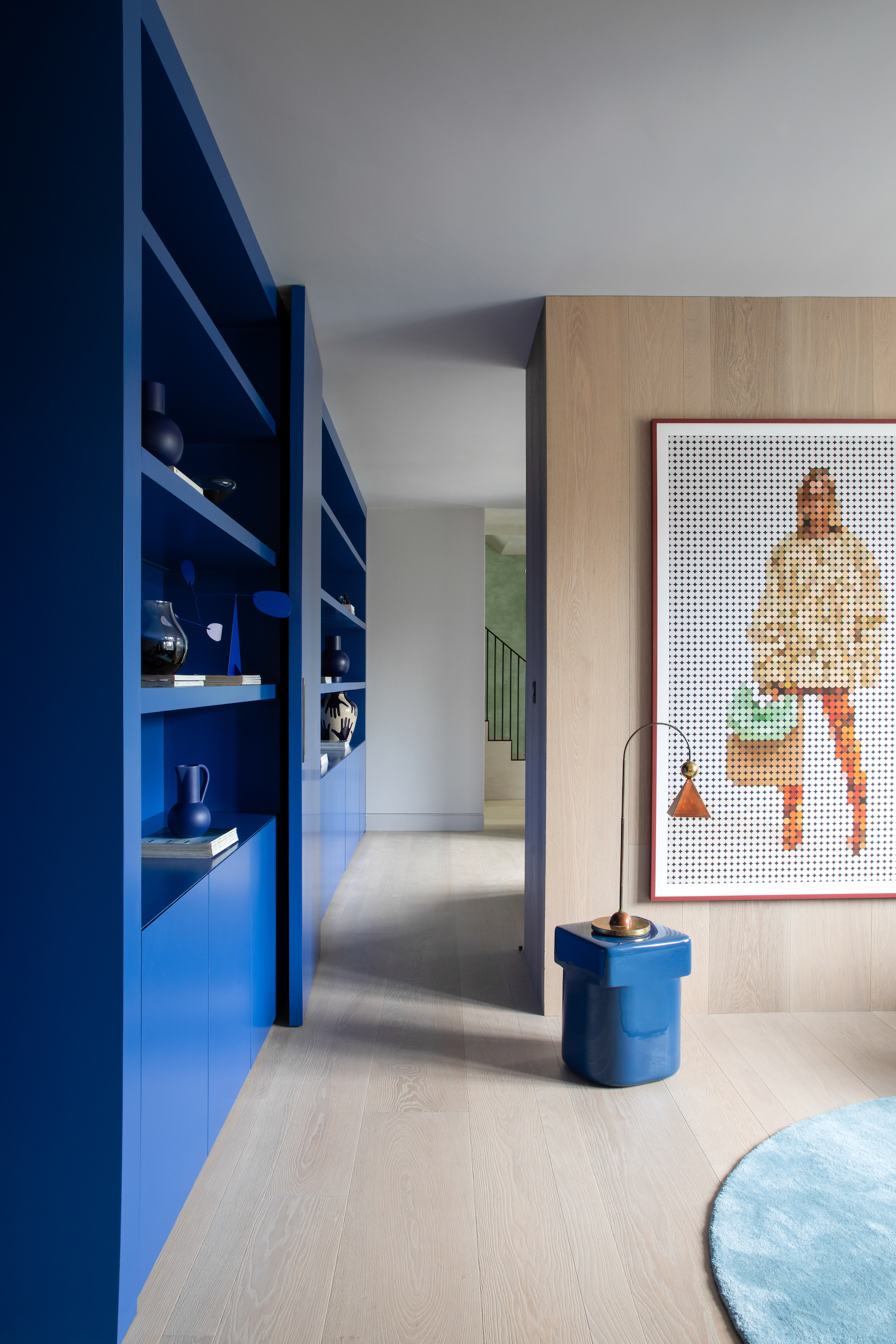
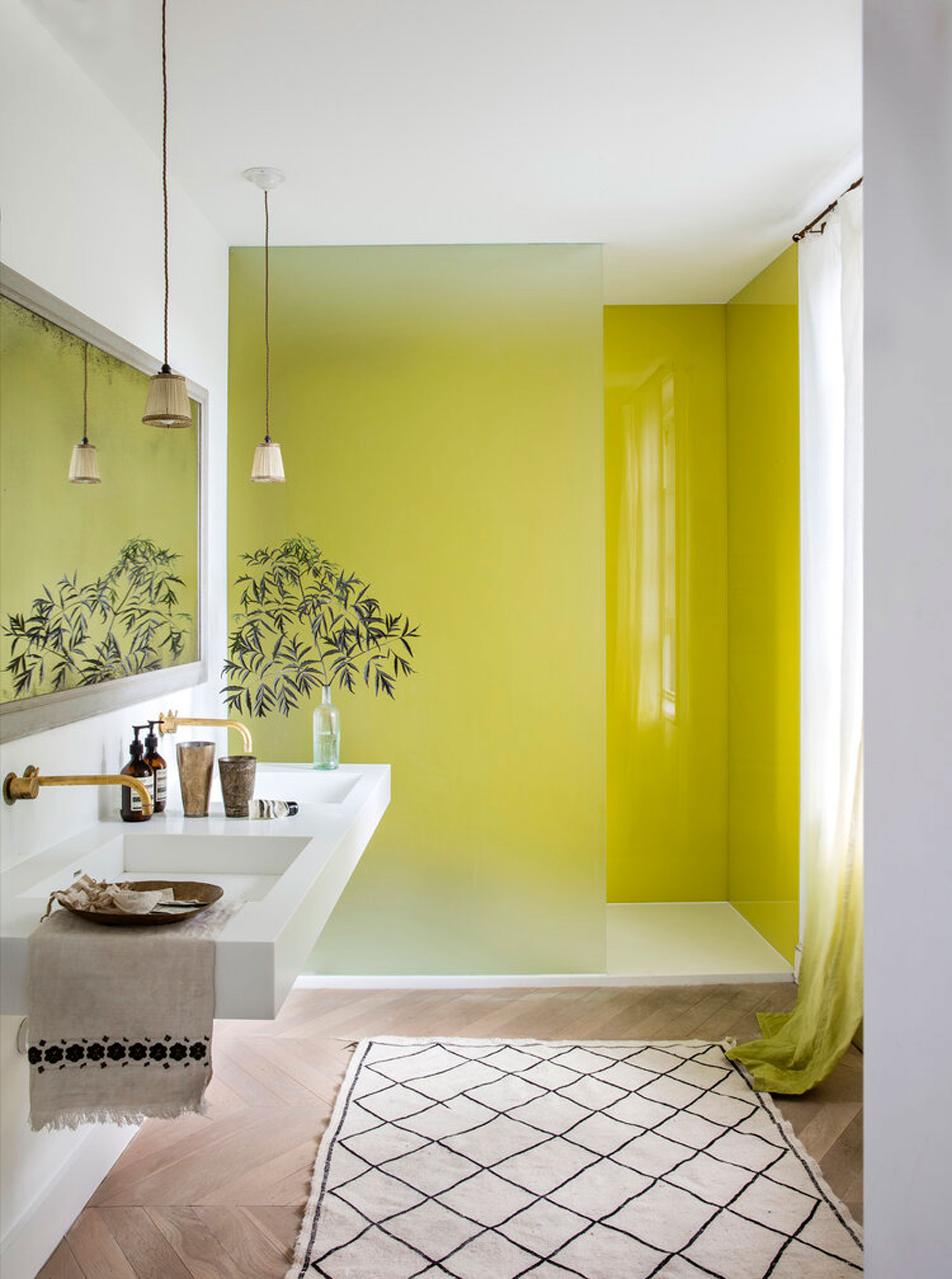
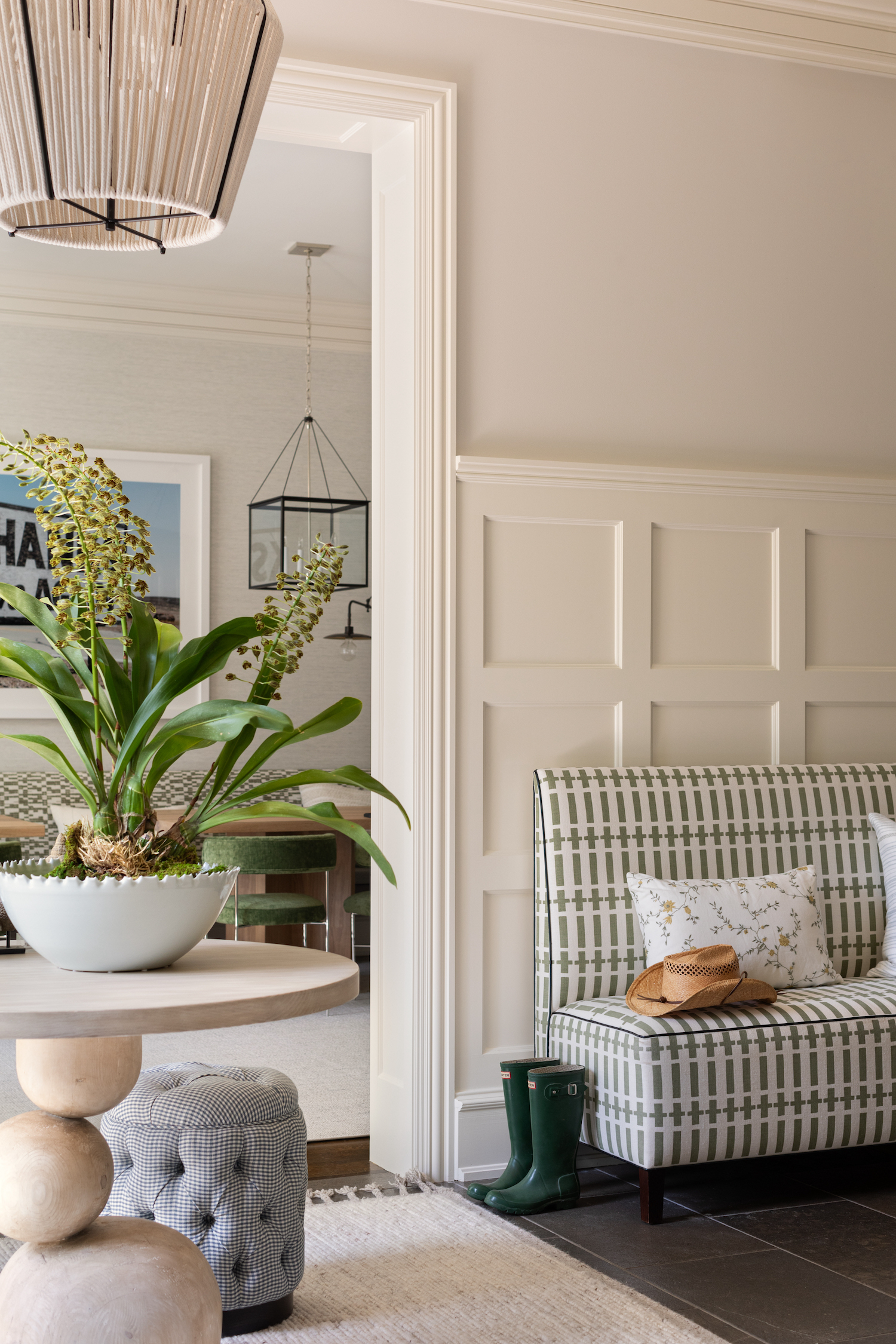
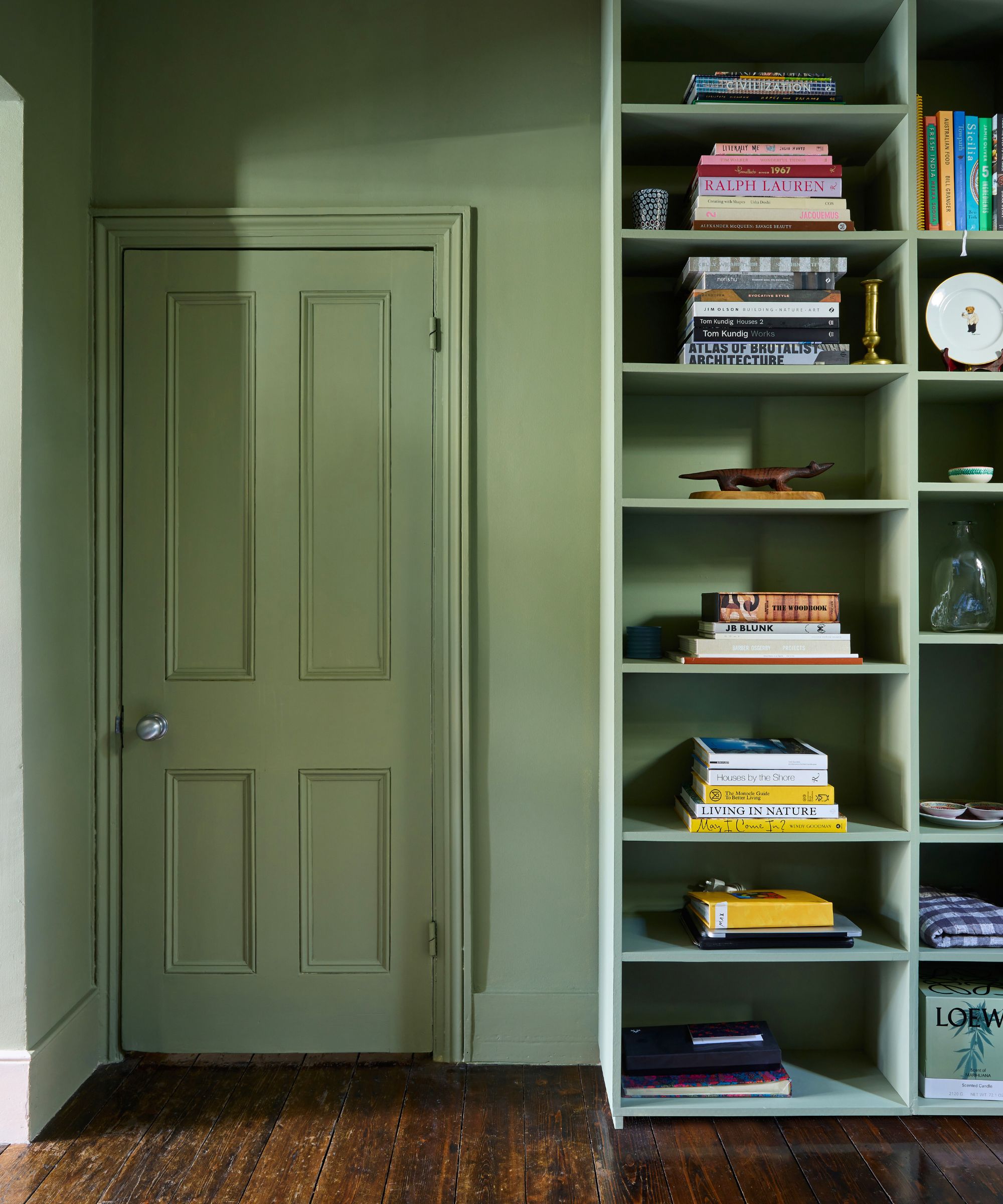
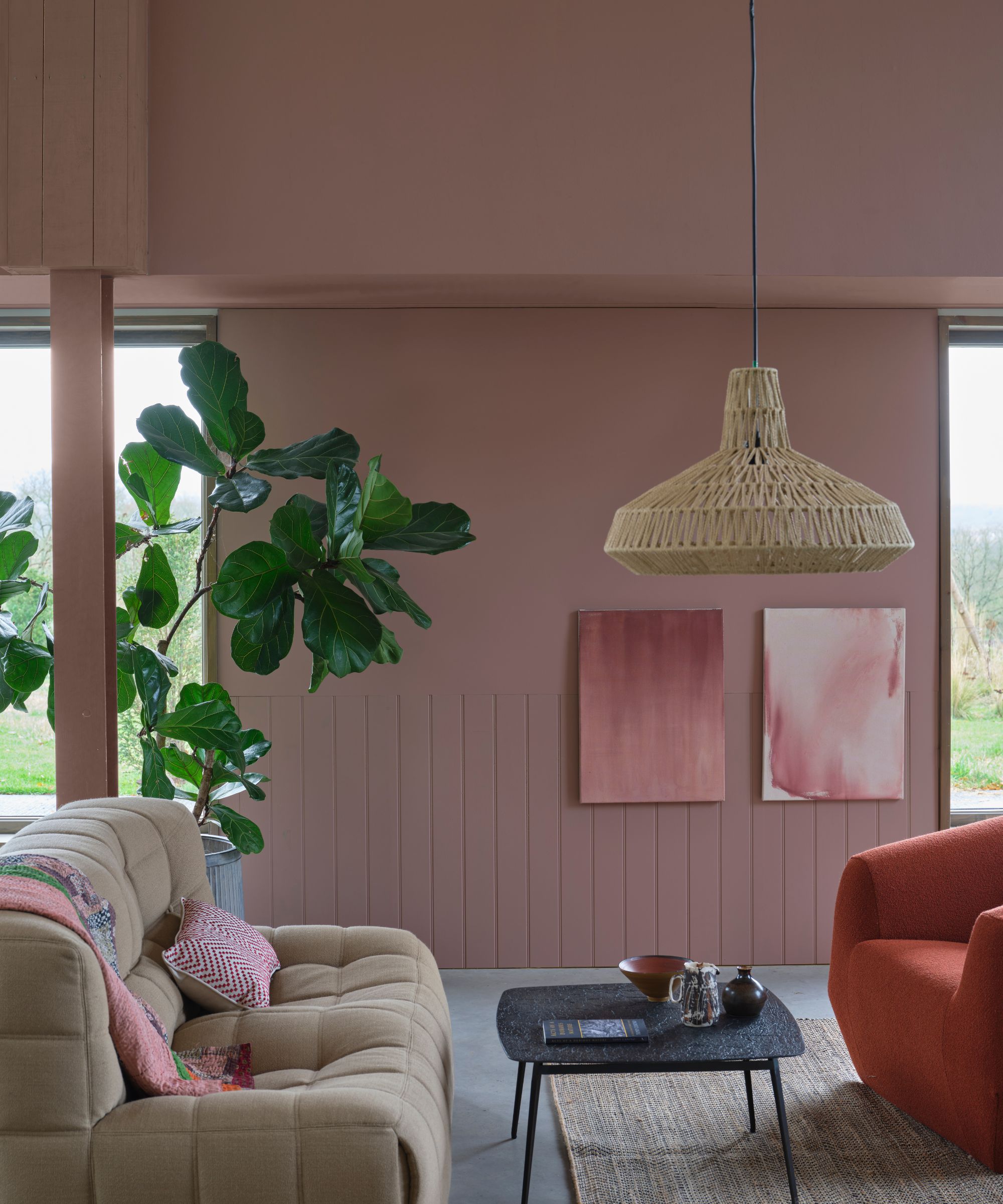
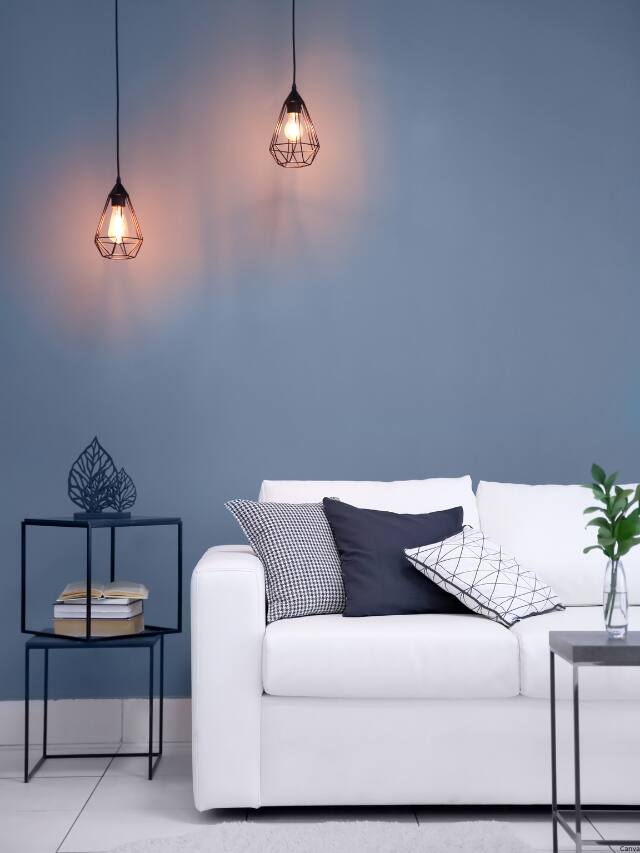
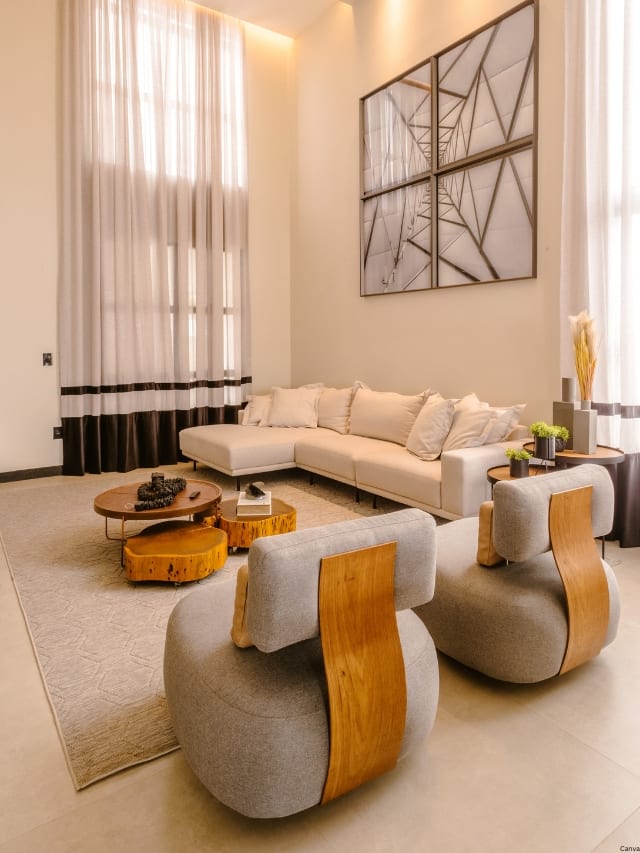
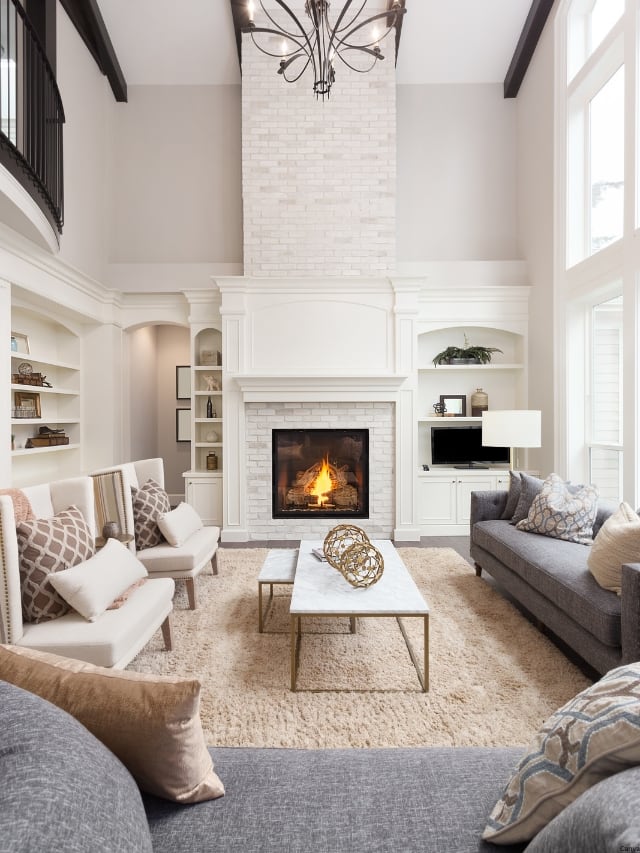
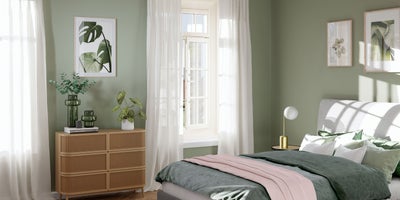
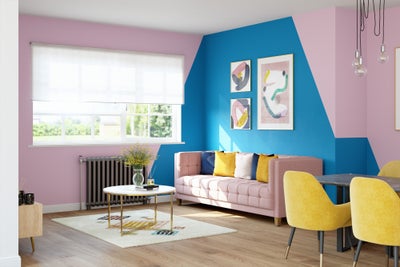
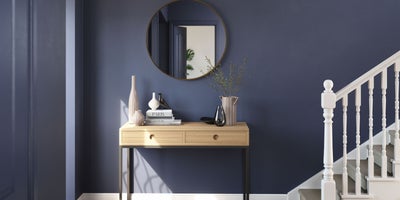
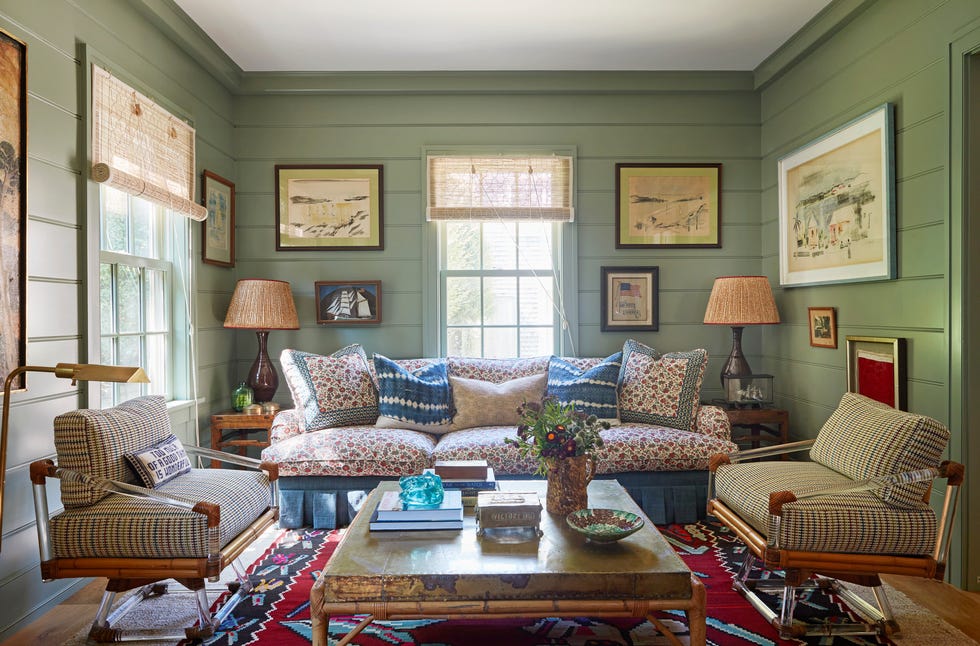
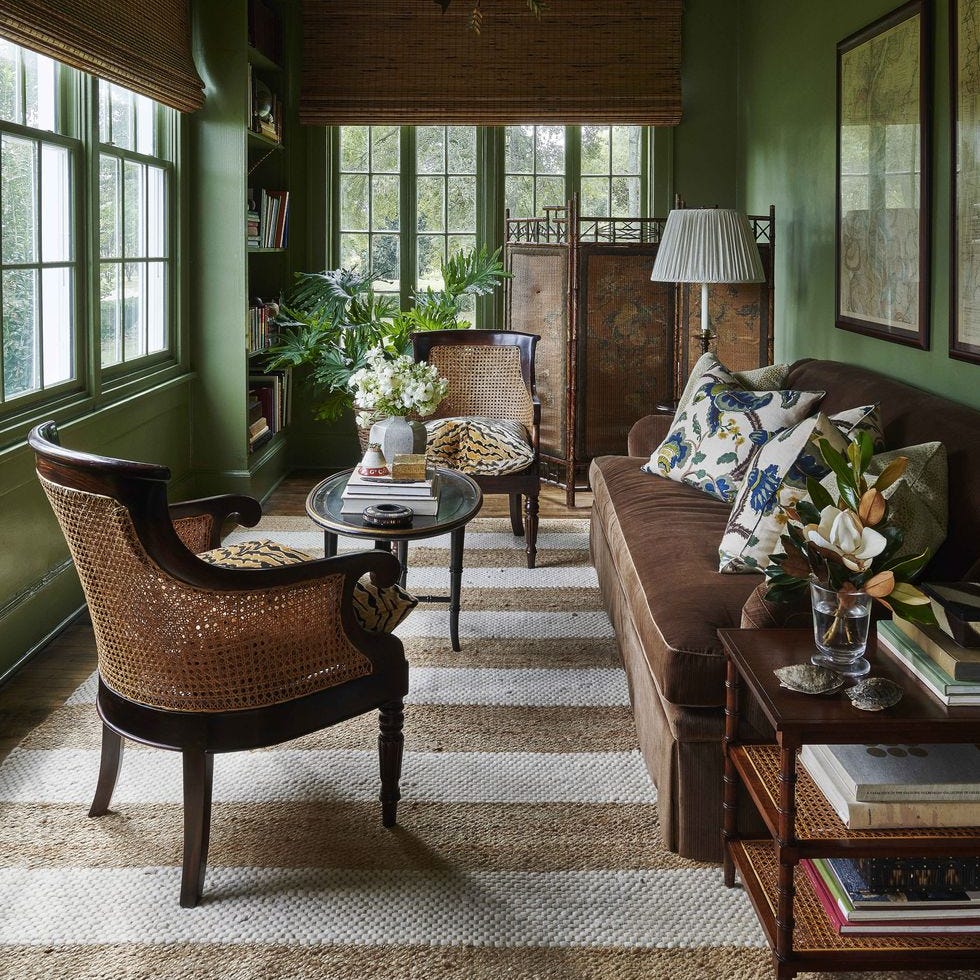
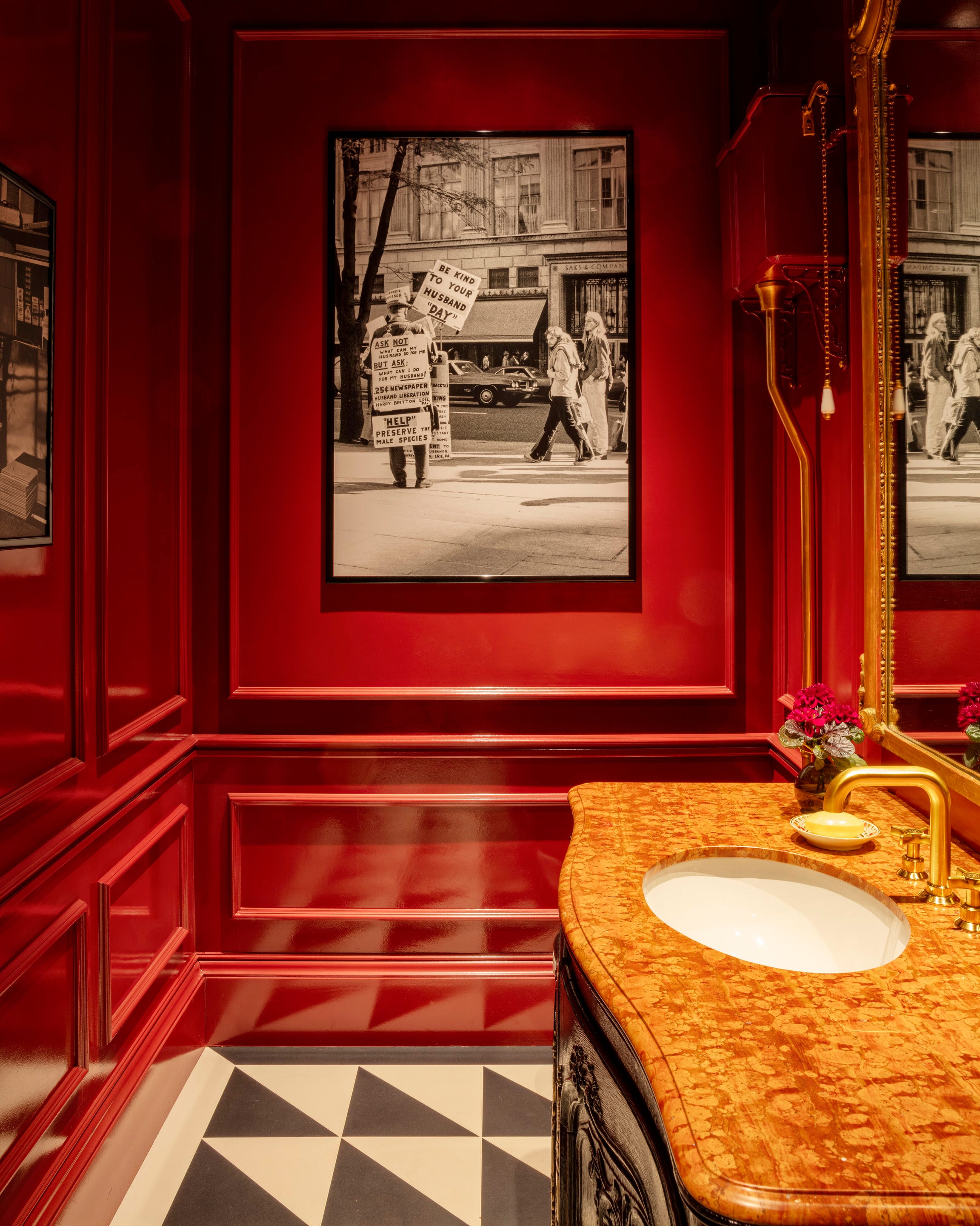
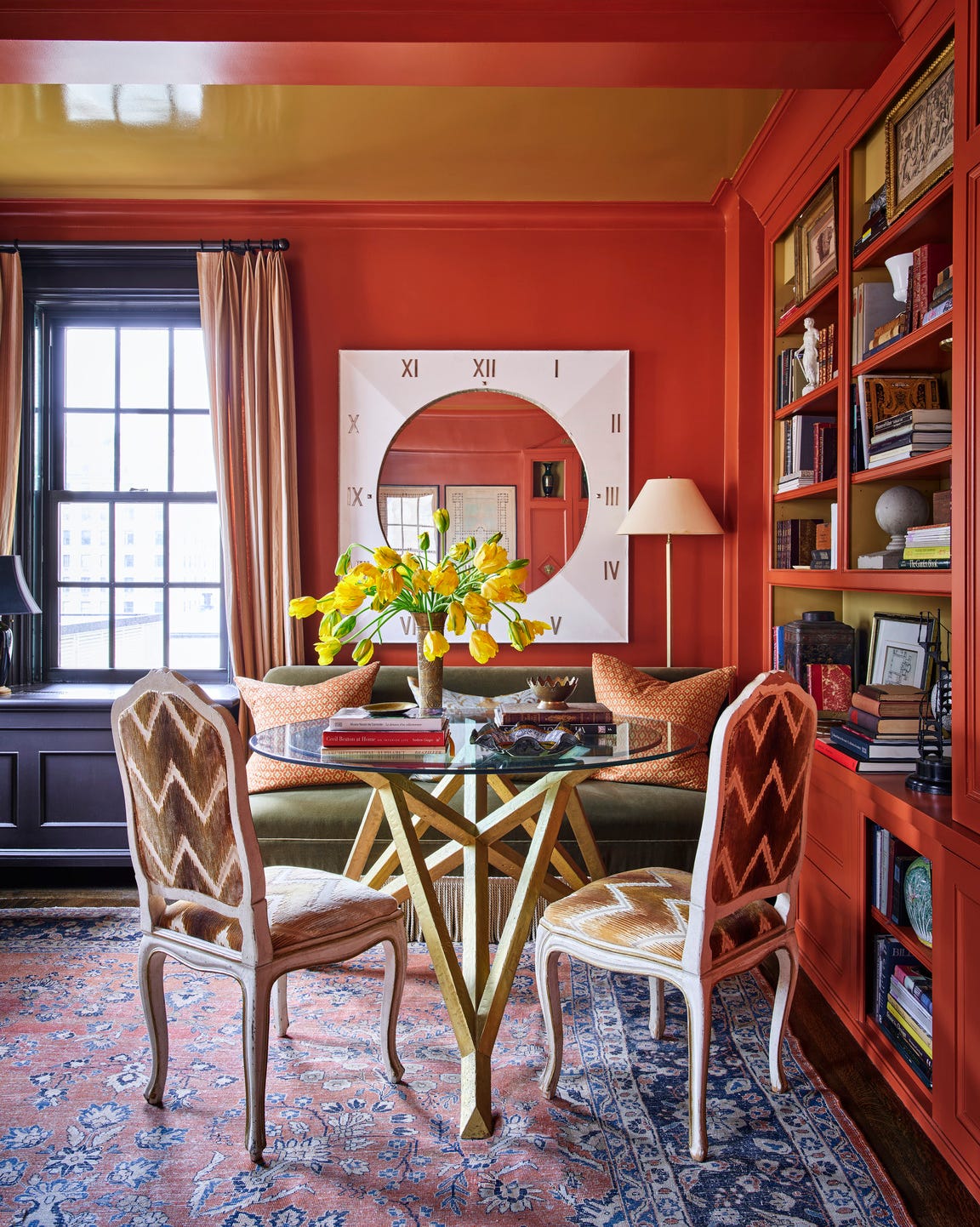
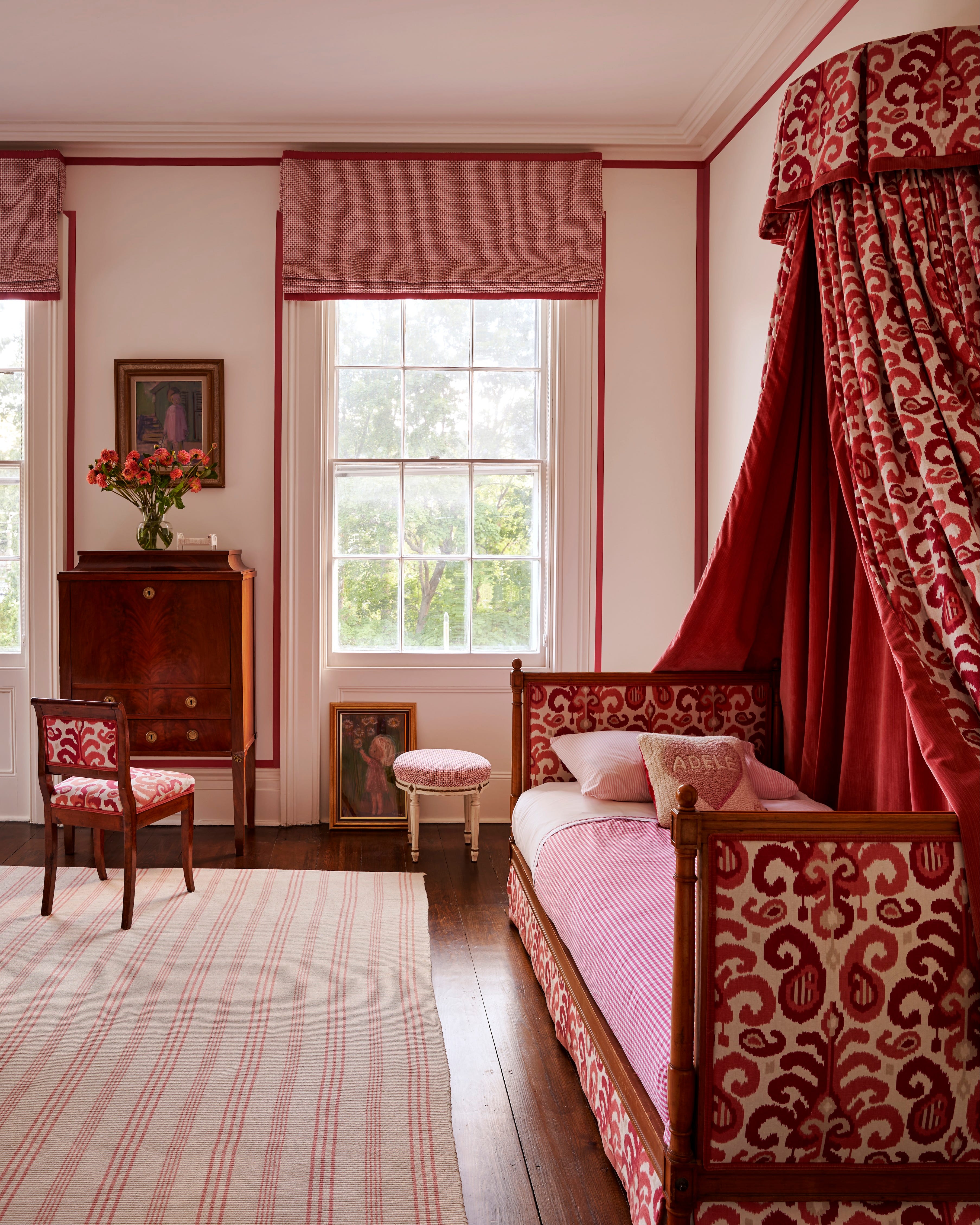
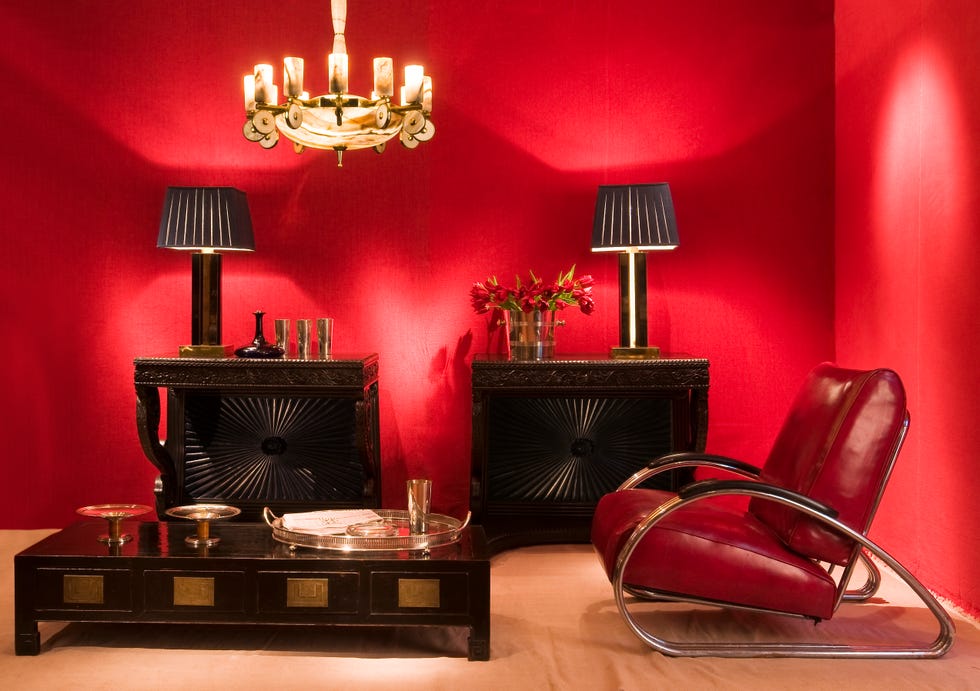
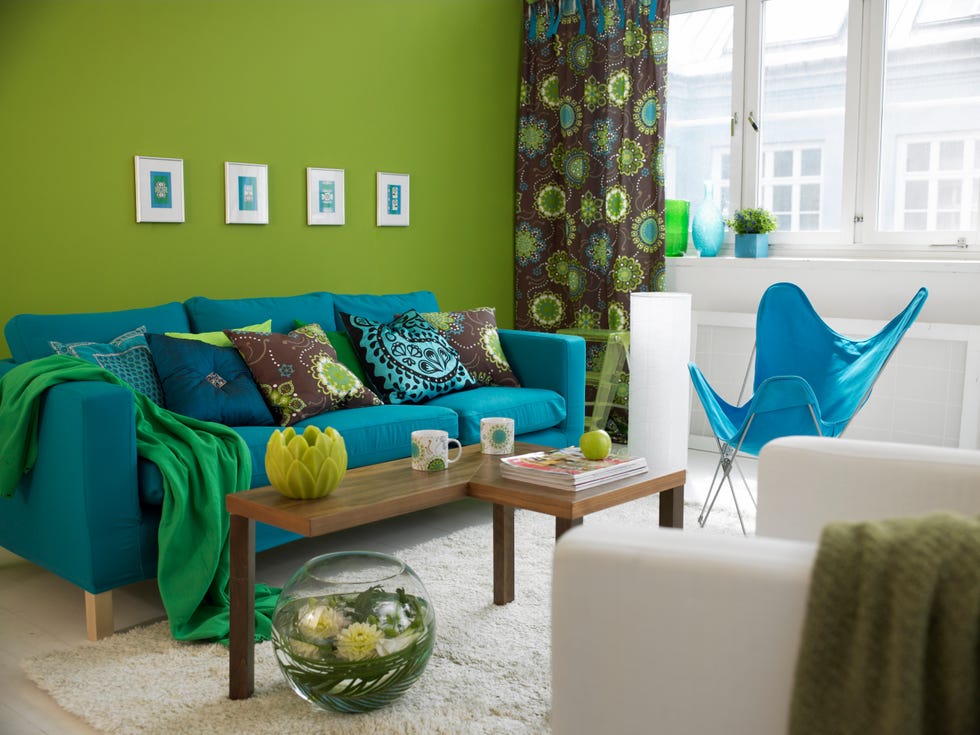
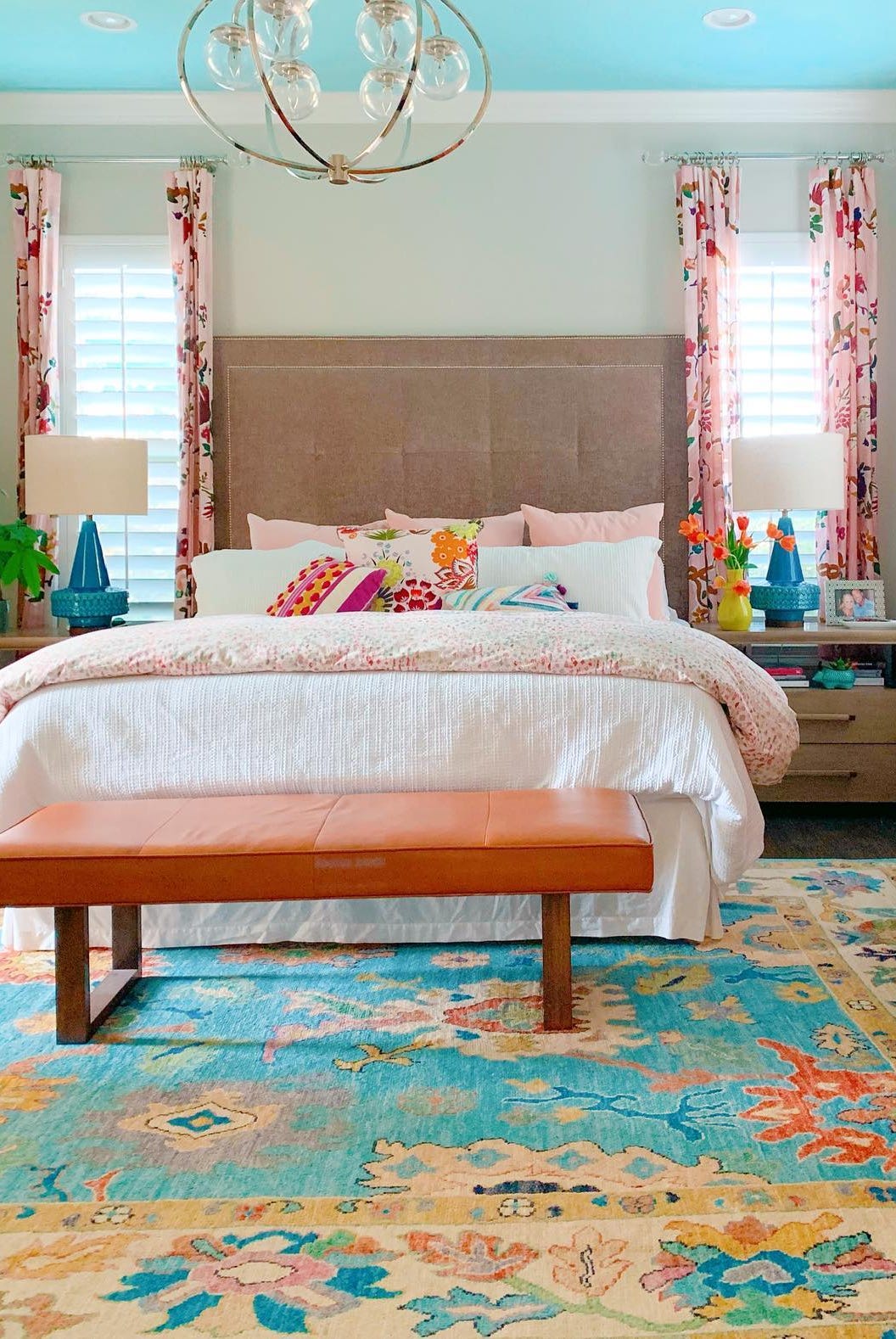
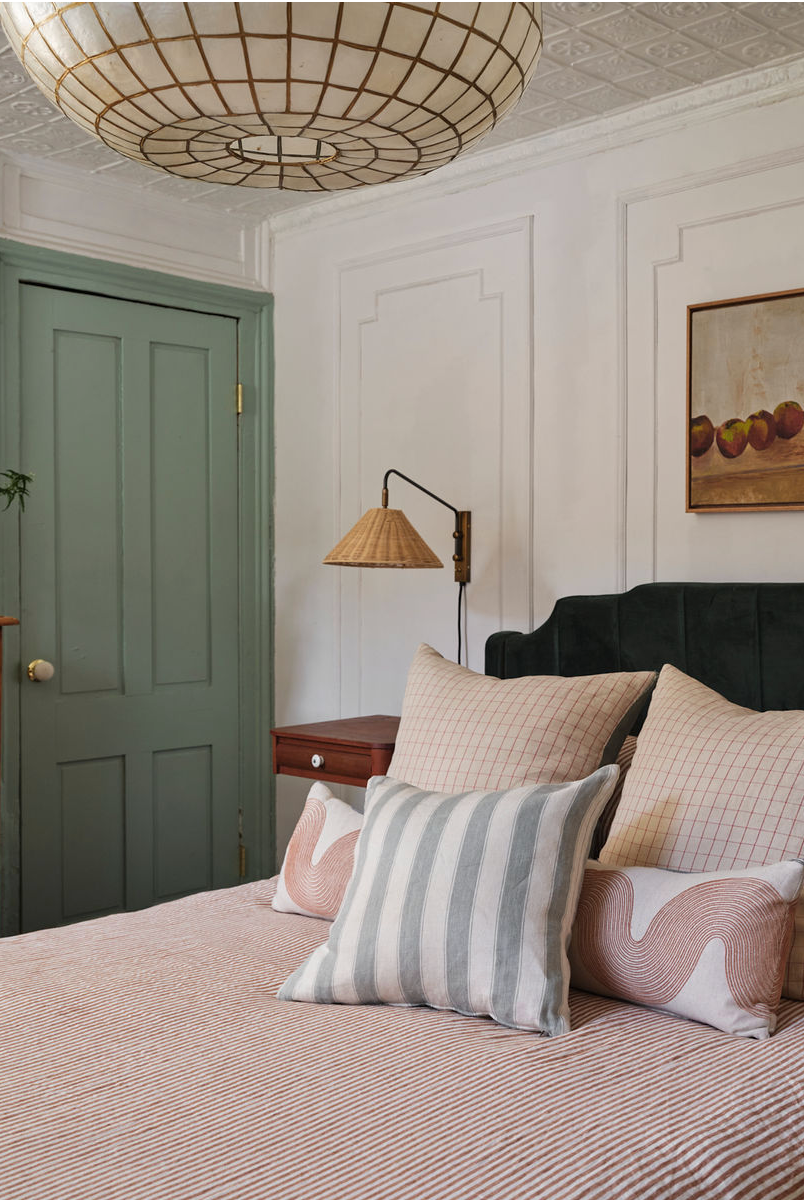
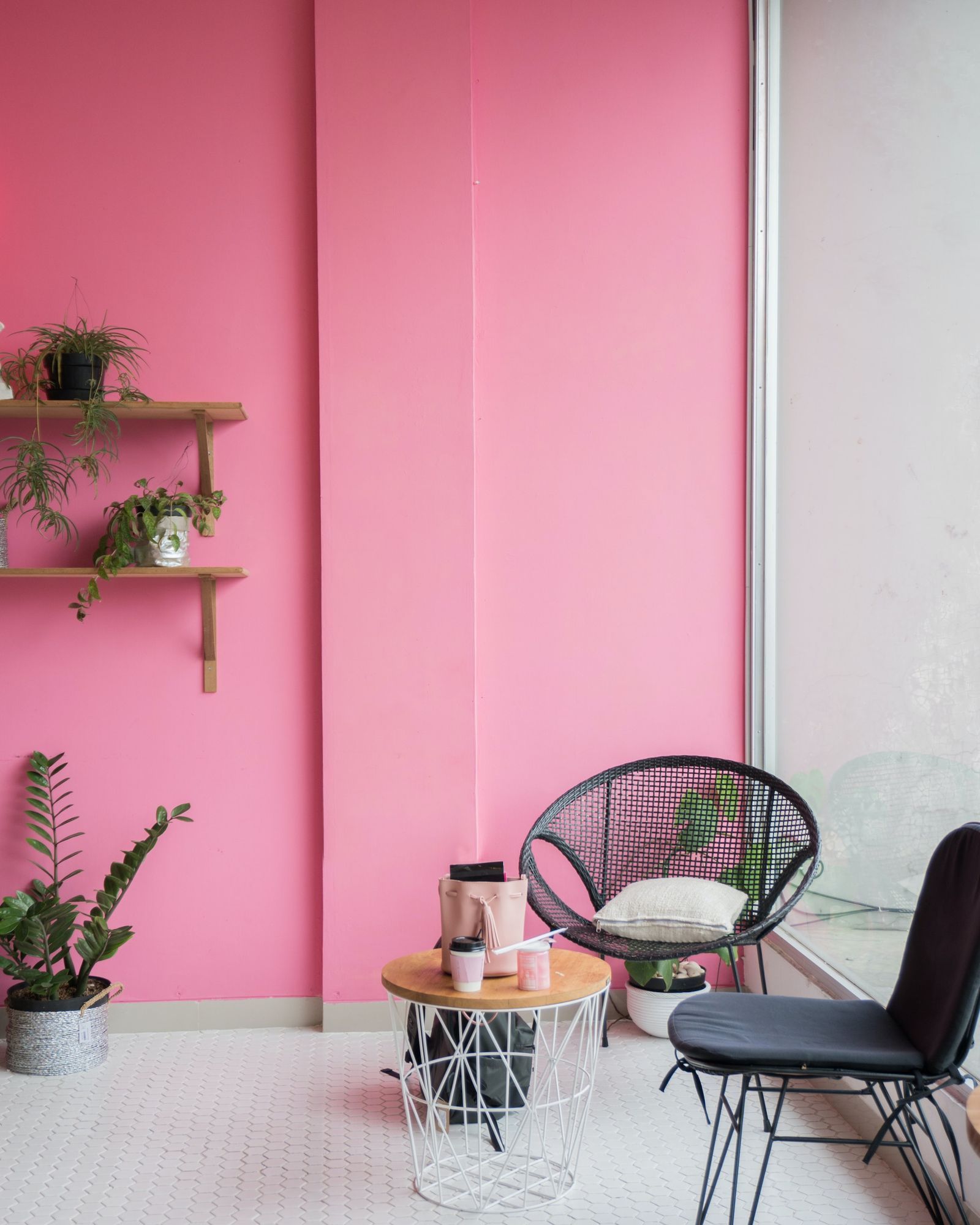
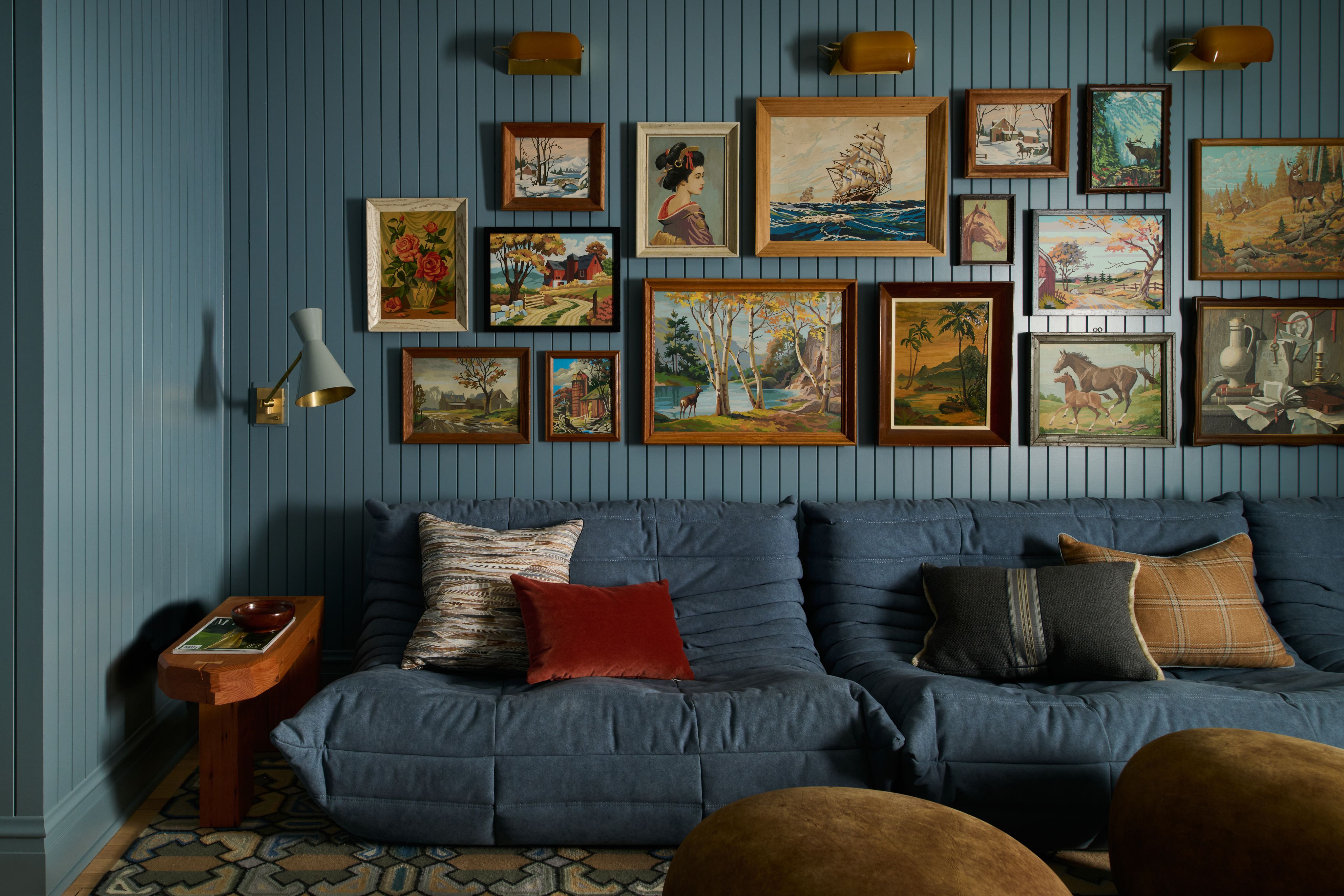
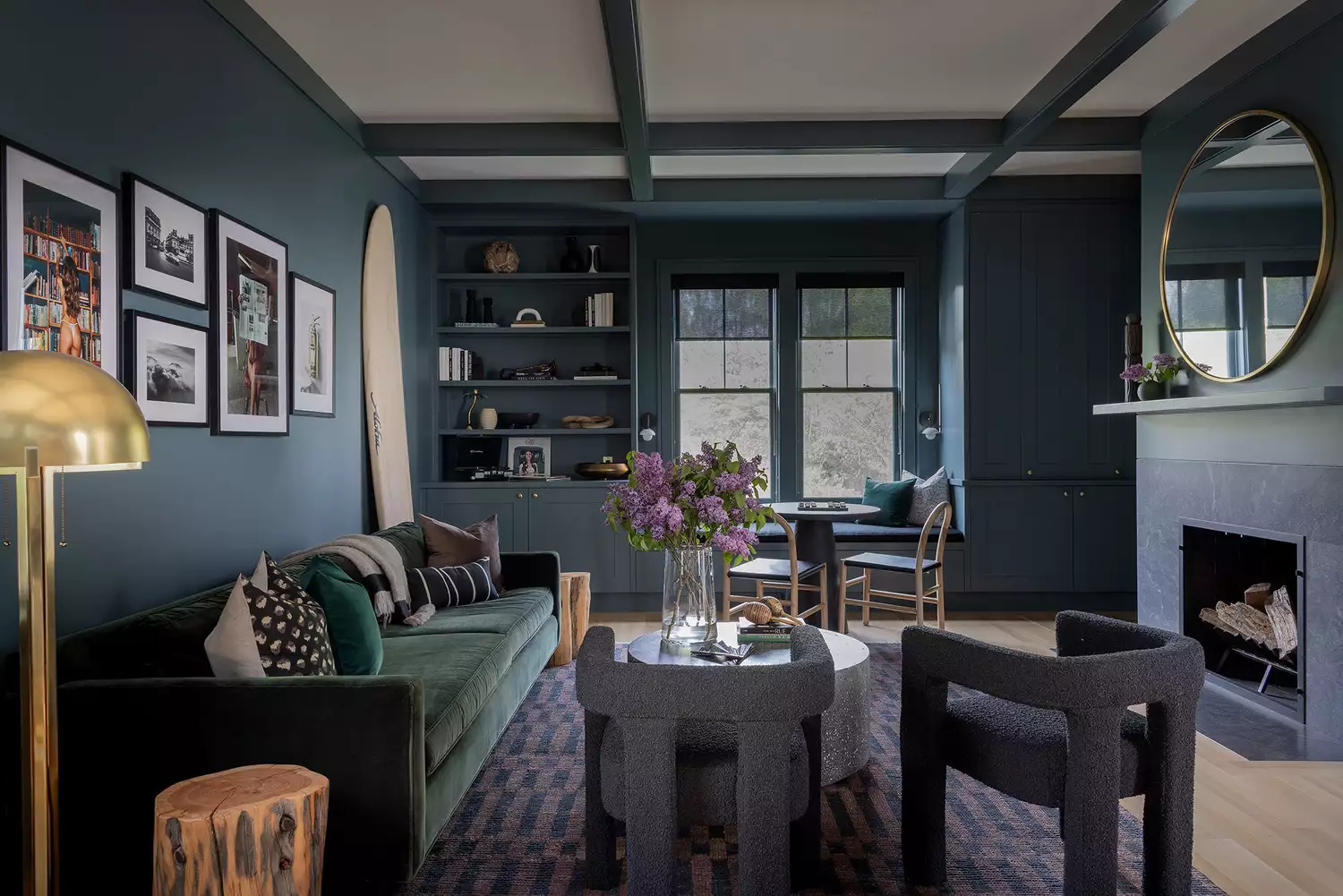
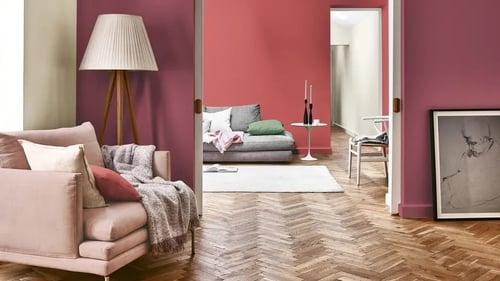
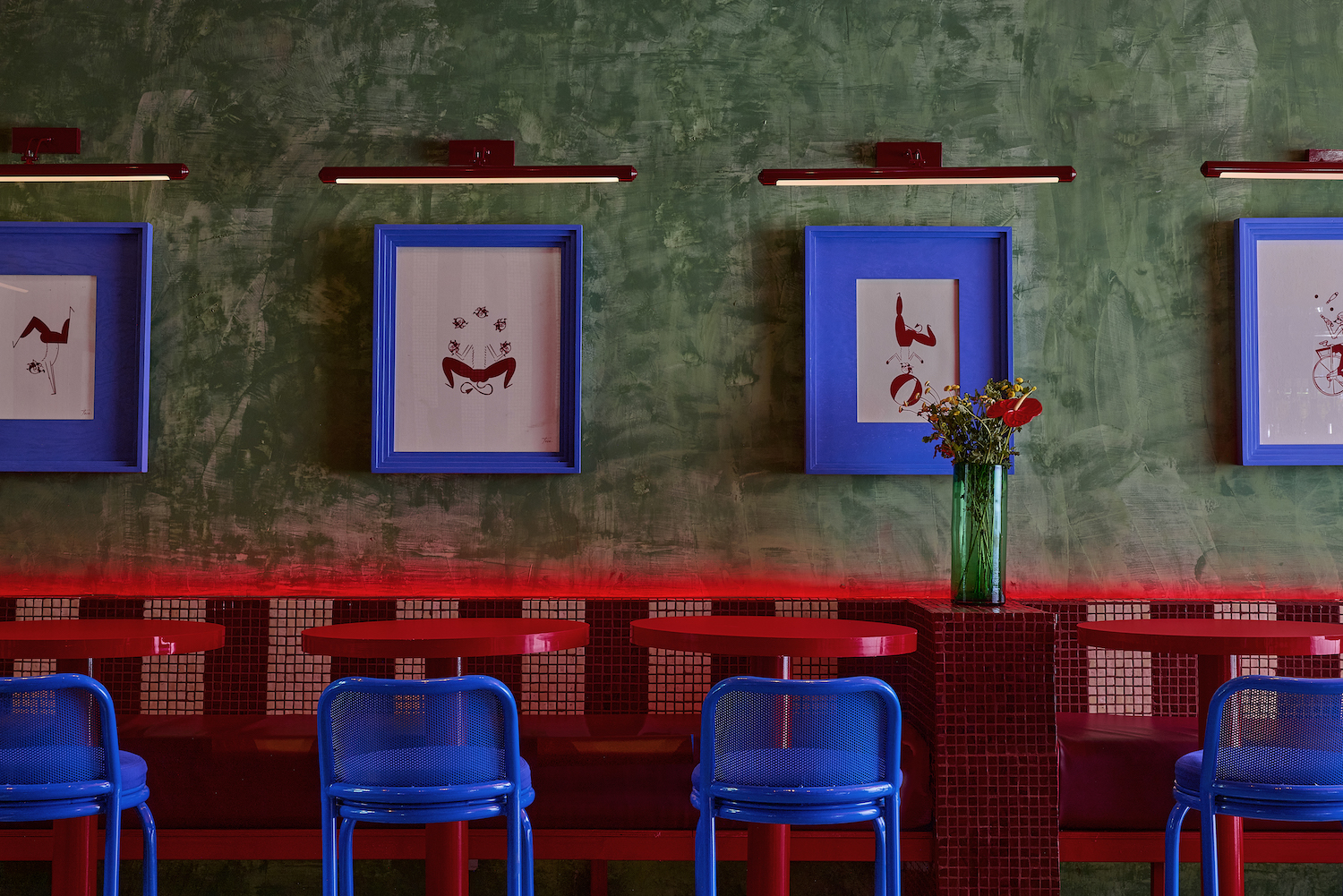
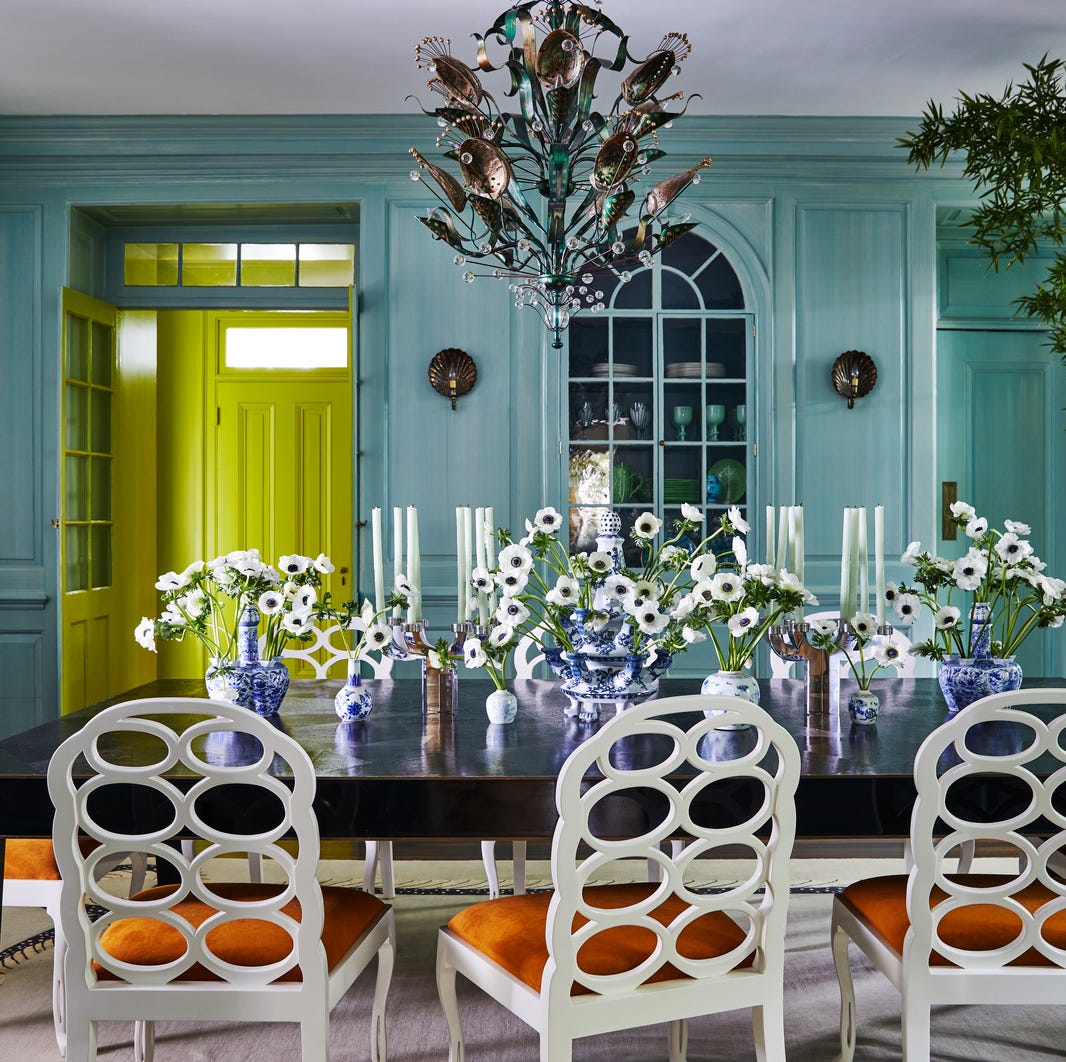
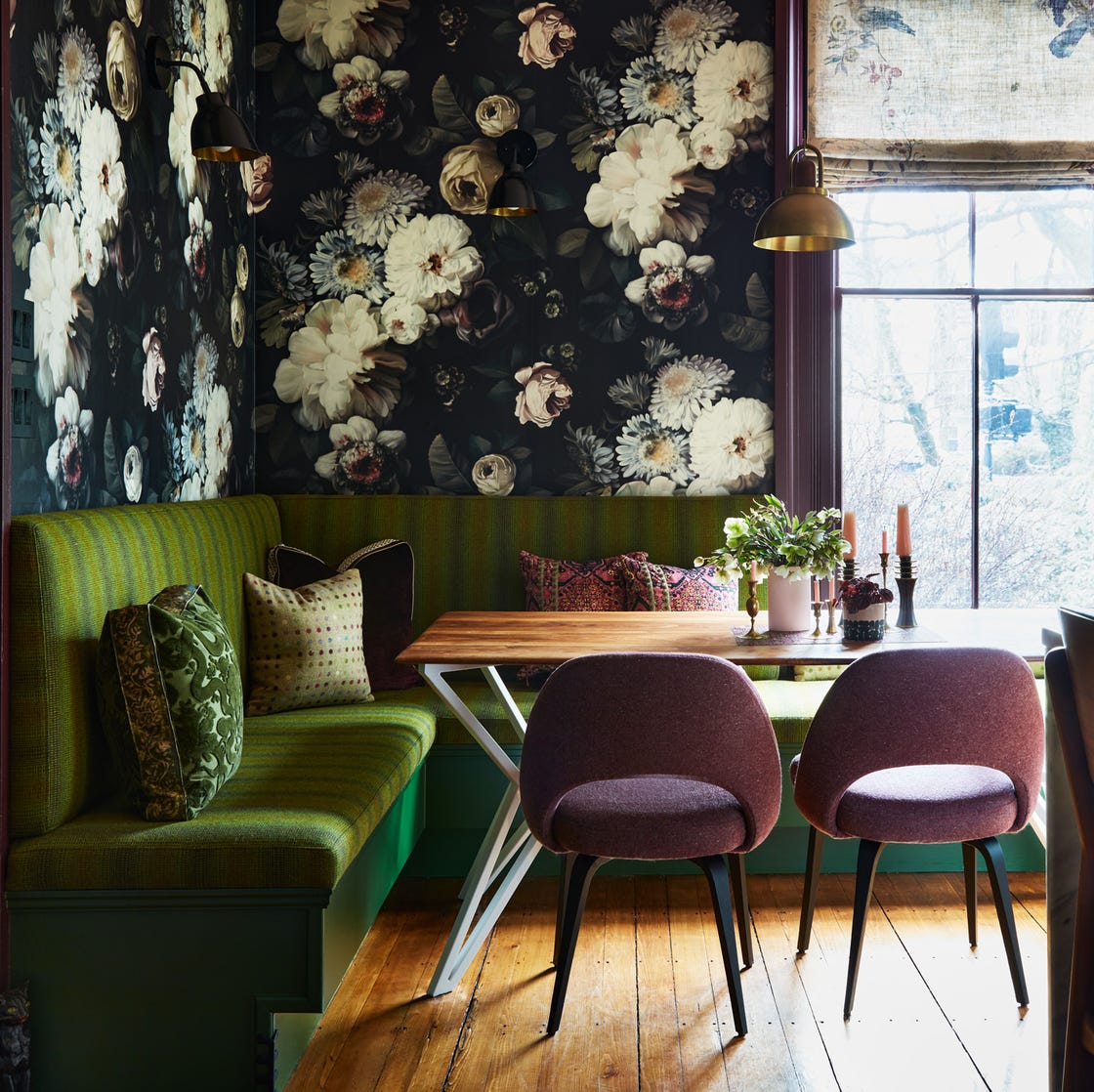
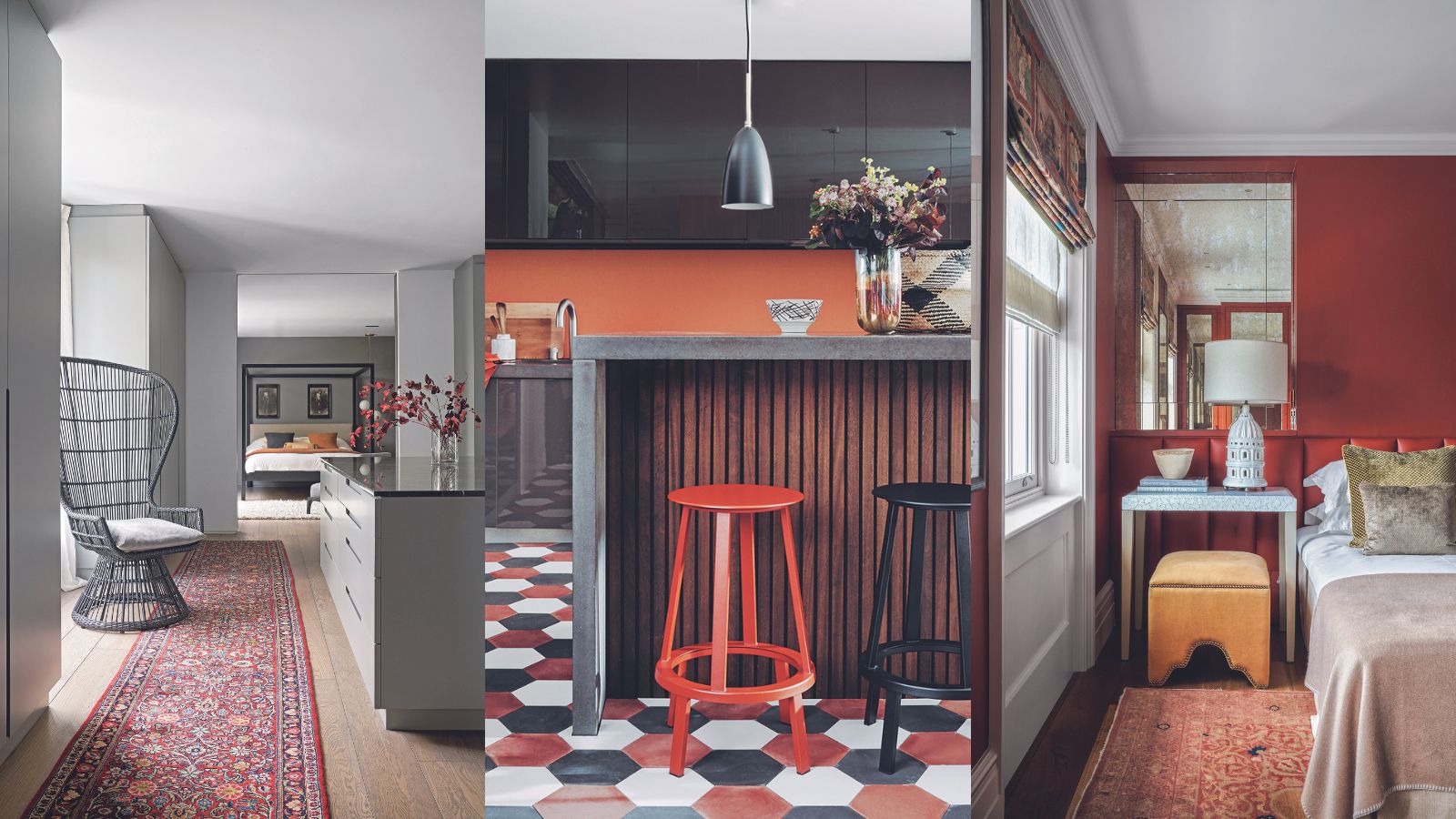
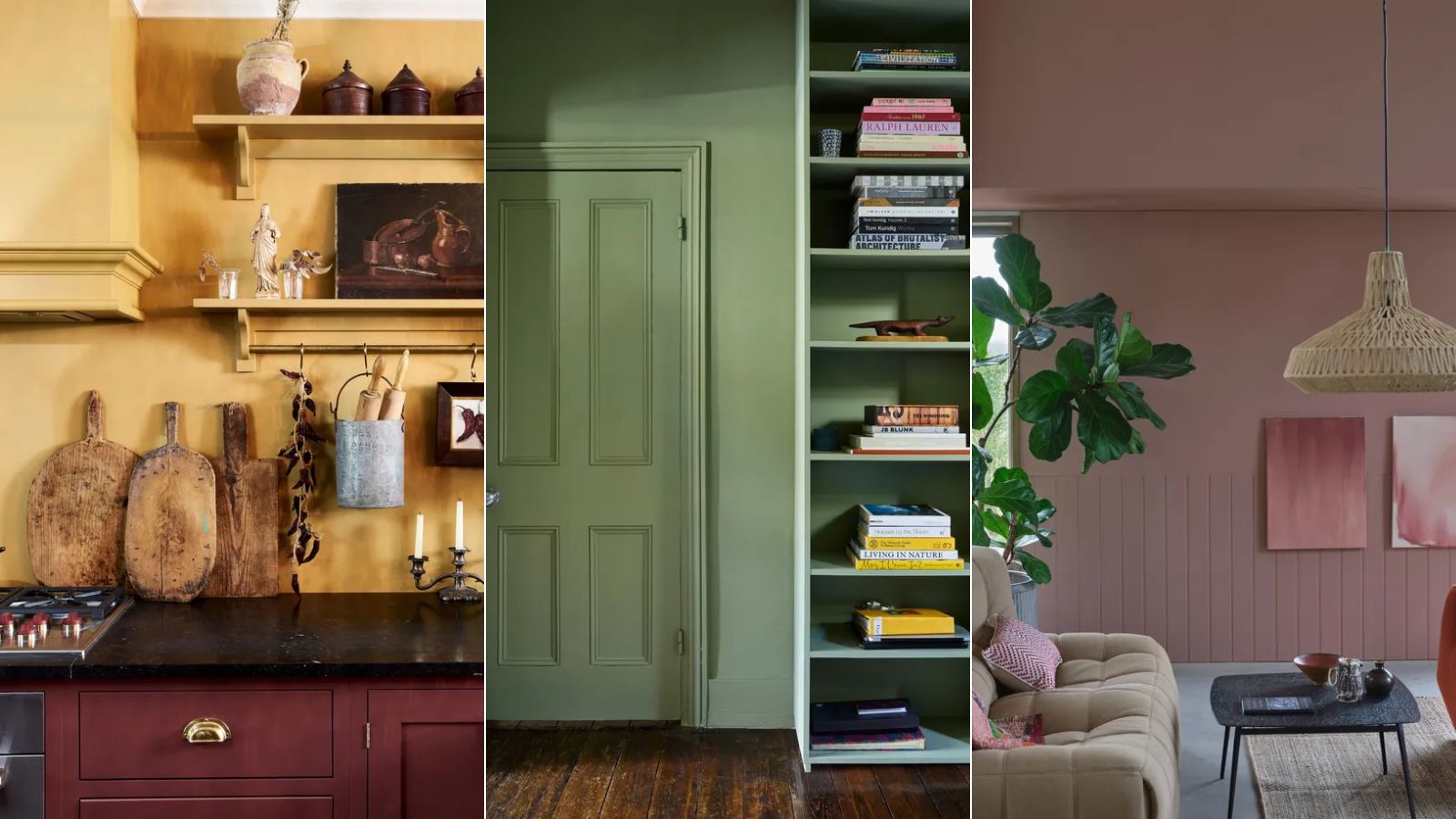
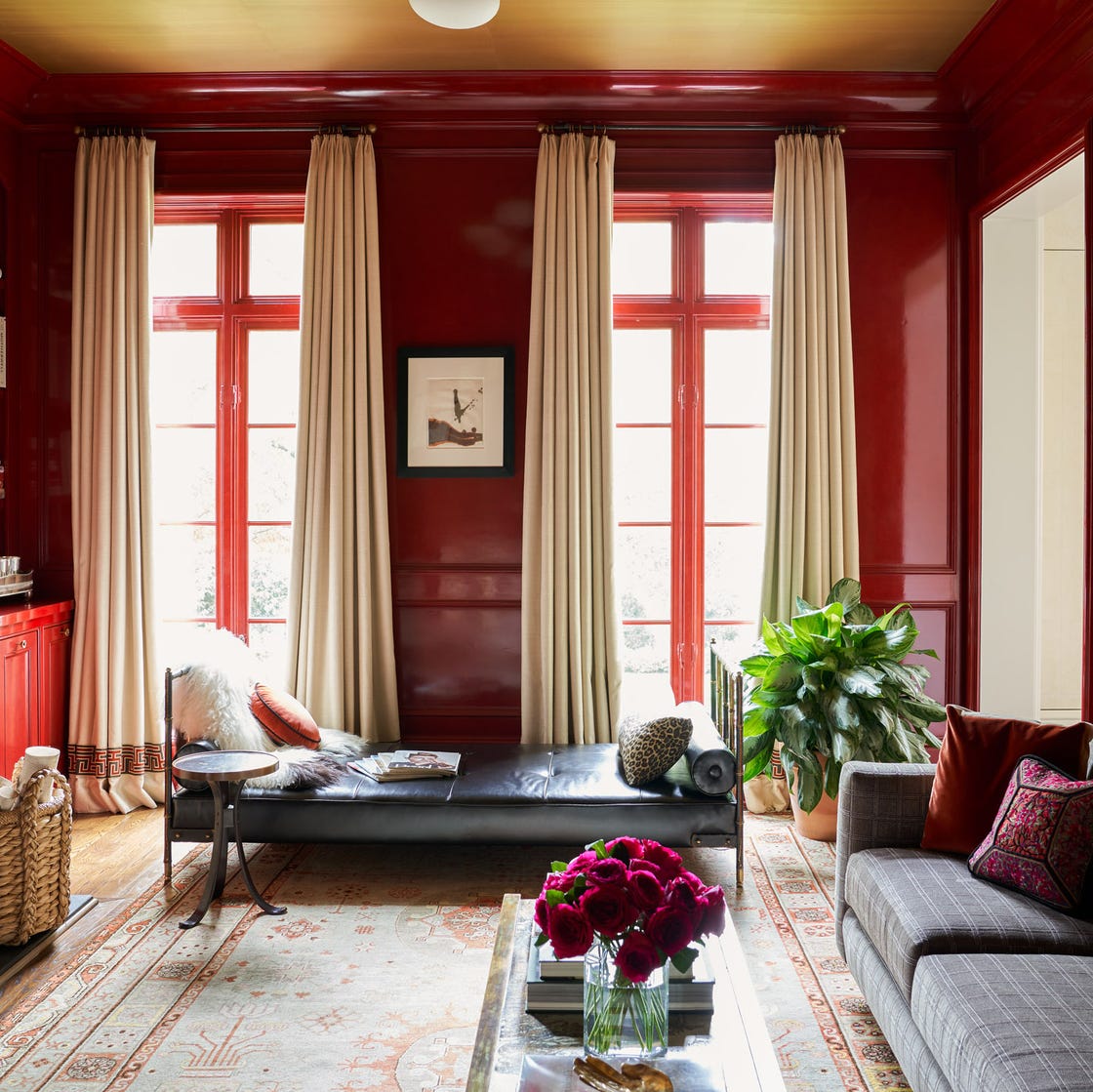
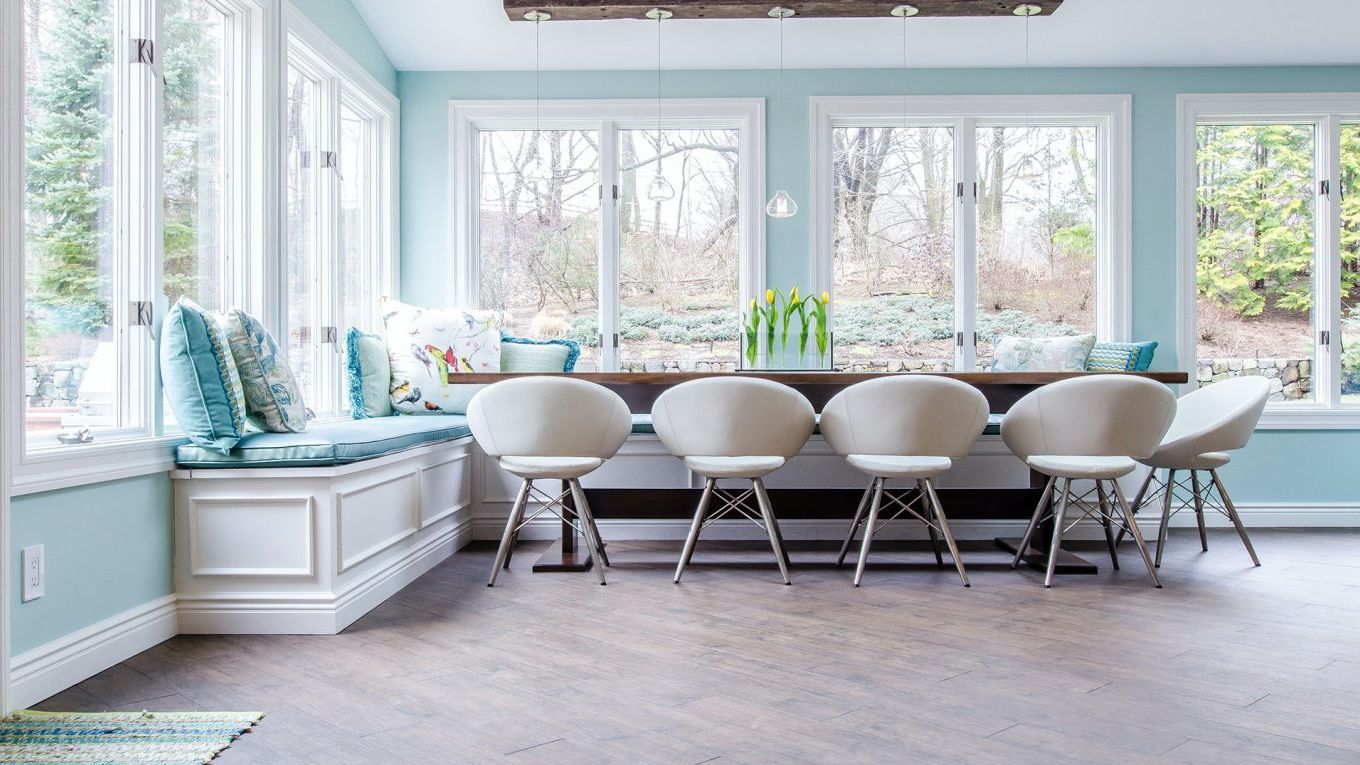
The article delves into the emotional impact of specific colors. Blue, for example, can be soothing and restful in soft tones like sky or duck egg, making it suitable for bedrooms. Darker blues such as navy and teal promote focus, ideal for home offices, while bright turquoises energize. However, blue can also appear cold or overstimulating if misused. Green, particularly soft shades like sage and eucalyptus, is known for its soothing properties for mind and body, making it perfect for relaxation areas. Darker greens are restorative, while bright greens can be invigorating but potentially irritating if overused. Red, a high-energy color, can raise pulse rates and create dynamic, stimulating atmospheres, best used as an accent due to its potential to be overpowering or aggressive. Soft pinks, such as blush and rose, offer comfort and nurturing, fostering feelings of being supported and relaxed. In contrast, vibrant pinks convey independence but can be overwhelming or cold. White is celebrated for its ability to create calm, clarity, and spaciousness, offering a sense of order and emotional respite. Yet, excessive use of white can result in spaces that feel cold, sterile, or emotionally detached.
In essence, applying color psychology in interior design allows for the creation of a home that transcends mere aesthetics, actively supporting emotional well-being and daily life. This approach encourages intentional color choices based on desired feelings and responses within a space, moving beyond transient trends to foster a truly functional and emotionally resonant living environment.
#ColorPsychology #InteriorDesign #HomeDecoration #EmotionalWellbeing #ColorTheory #DesignPrinciples #MoodEnhancement #LivingSpaces #HomeEnvironment #ColorPsychology #InteriorDesign #HomeDecoration #EmotionalWellbeing #ColorTheory #DesignPrinciples #MoodEnhancement #LivingSpaces #HomeEnvironment
0 comment in total
 No comments yet
You may also like
A color psychologist says these color schemes are the most likely to boost your mood

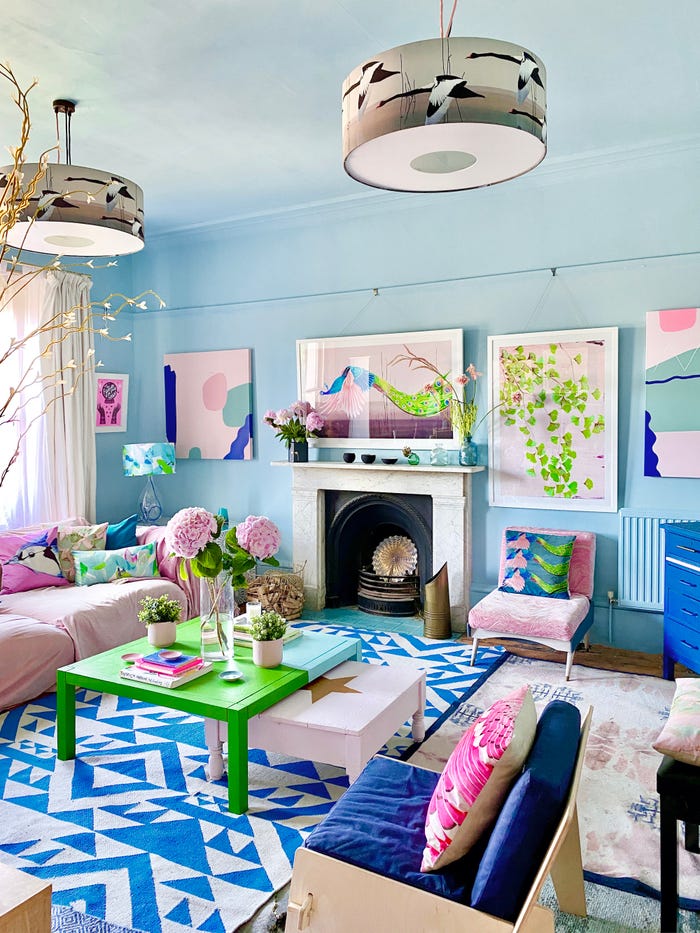
15 ways to add color to your home, according to interior designers
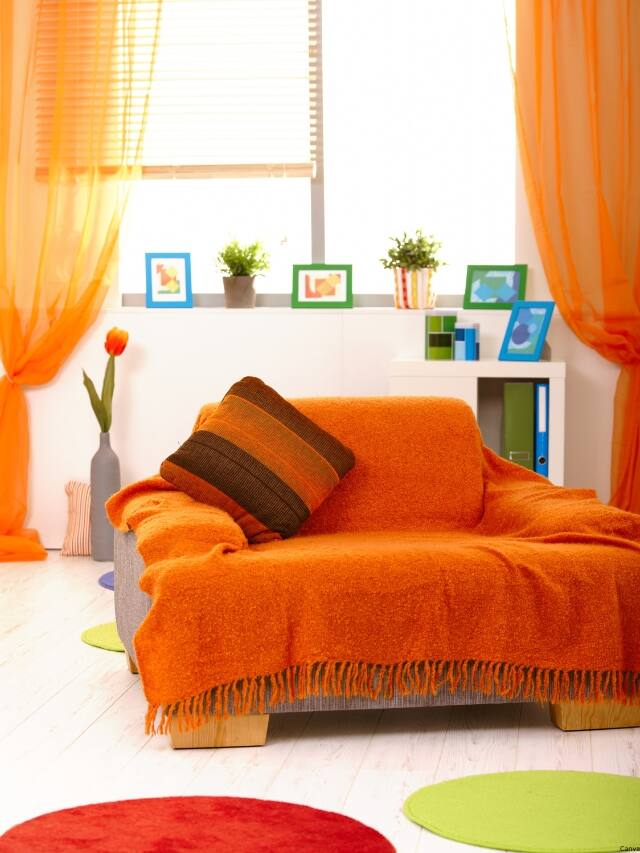
7 colour tricks to transform your mood and living room design

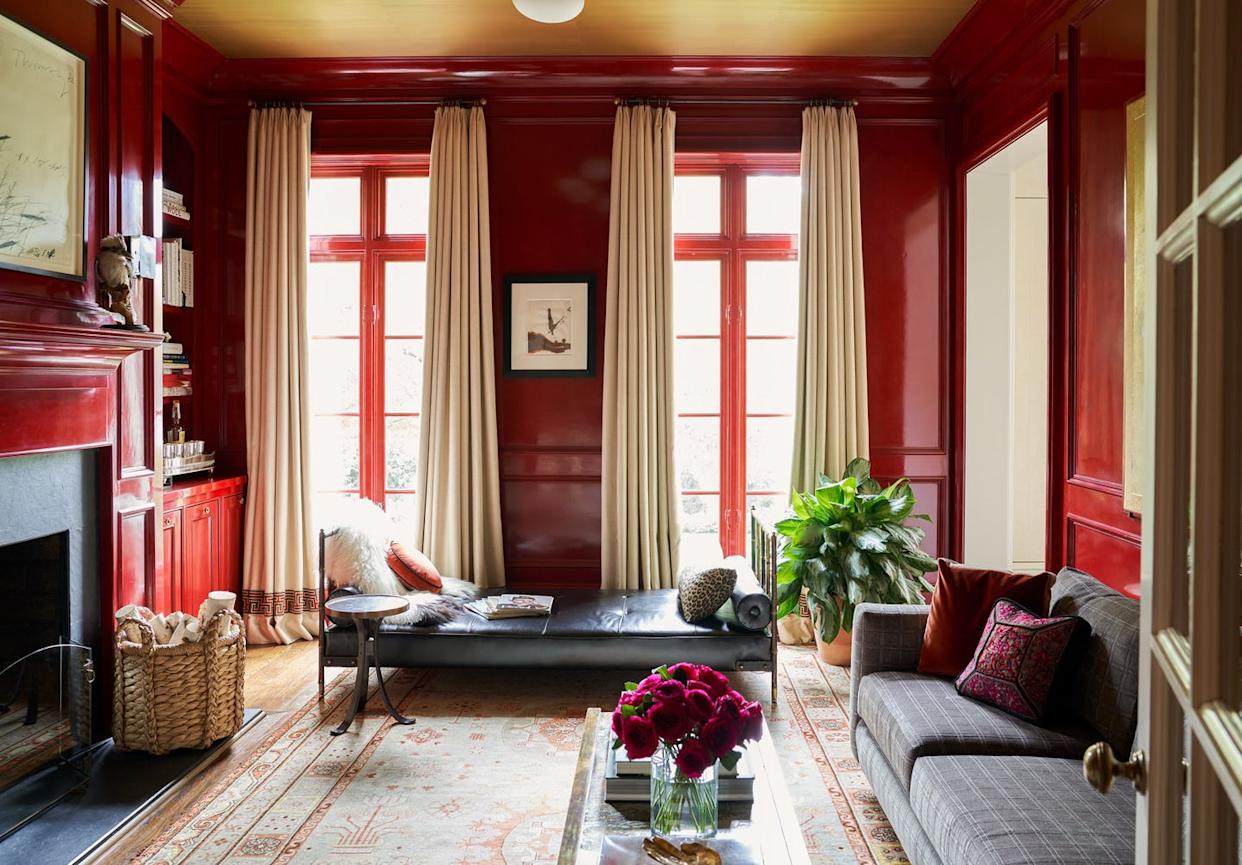
Why This Hue Is Suddenly Dominating Every Designer's Wishlist—Plus, How to Style It

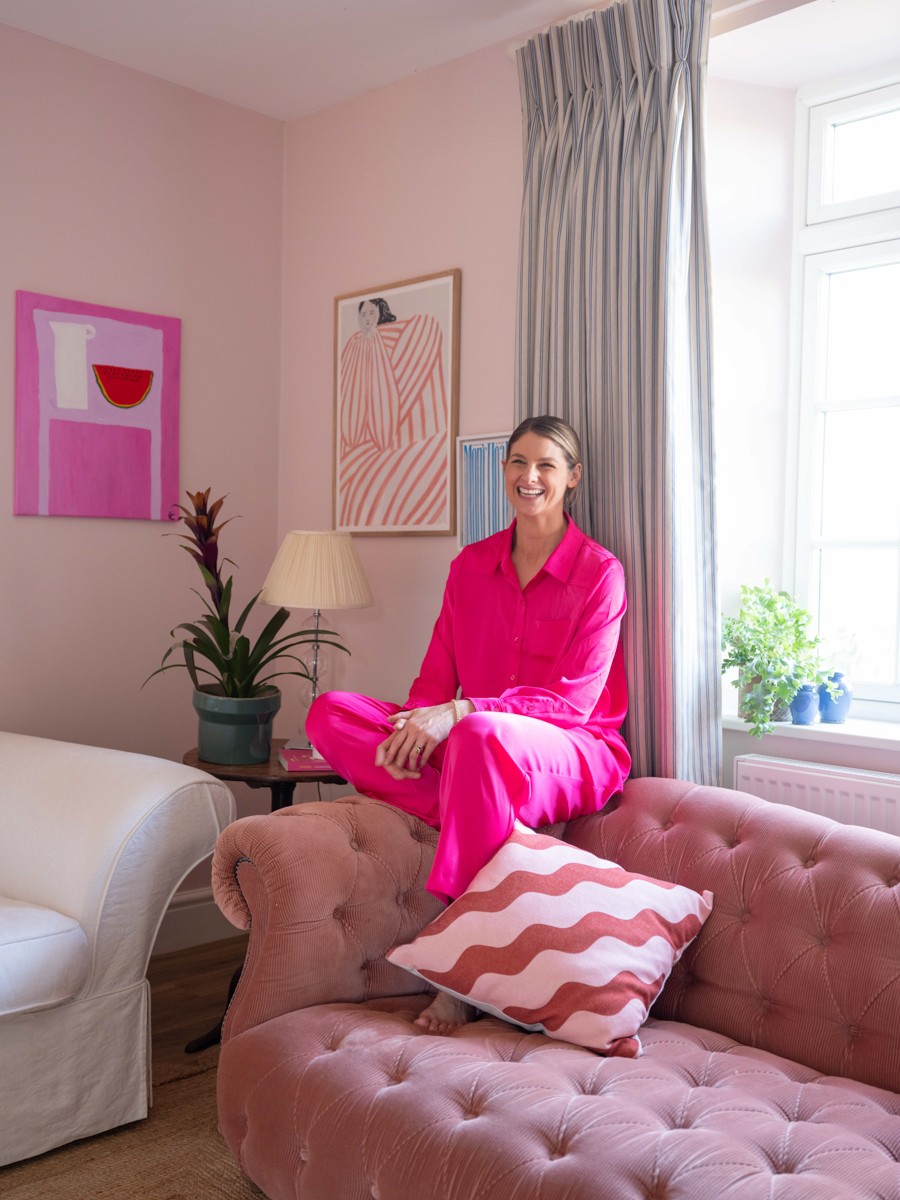
A Color Psychologist Says This Is the Most Relaxing Paint Color

Can’t Concentrate? Decorating Your Space With These Colors Can Sharpen Your Focus
These 5 Simple Questions Help Designers Pick the Perfect Paint Color Every Time
These Paint Colors Bring Hostility to Your Home, According to Experts

How paint colour in your home can affect your mood
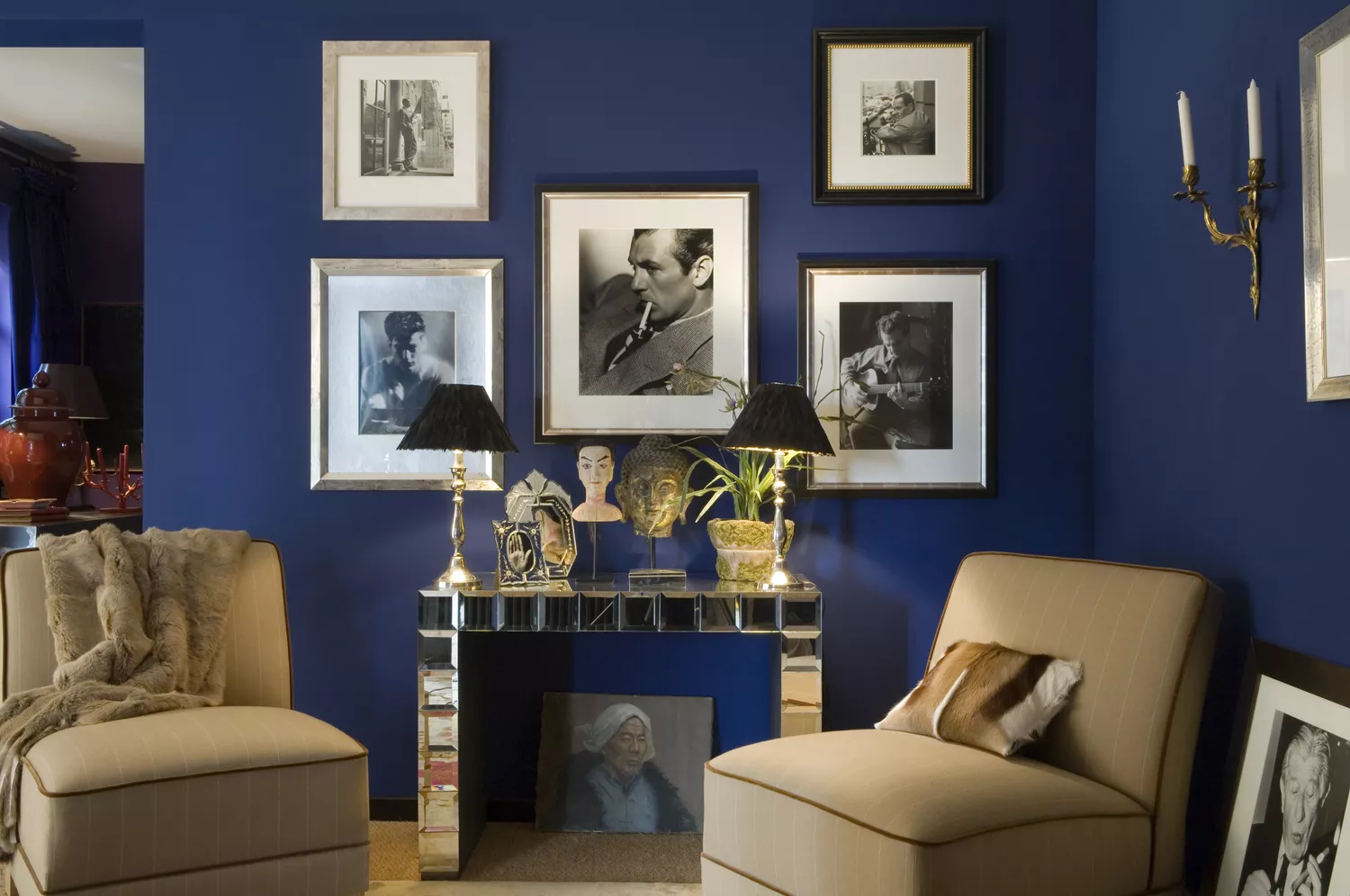
6 Paint Colors That Make Your Living Room Look Smaller, According to Interior Designers
Decorating with paint

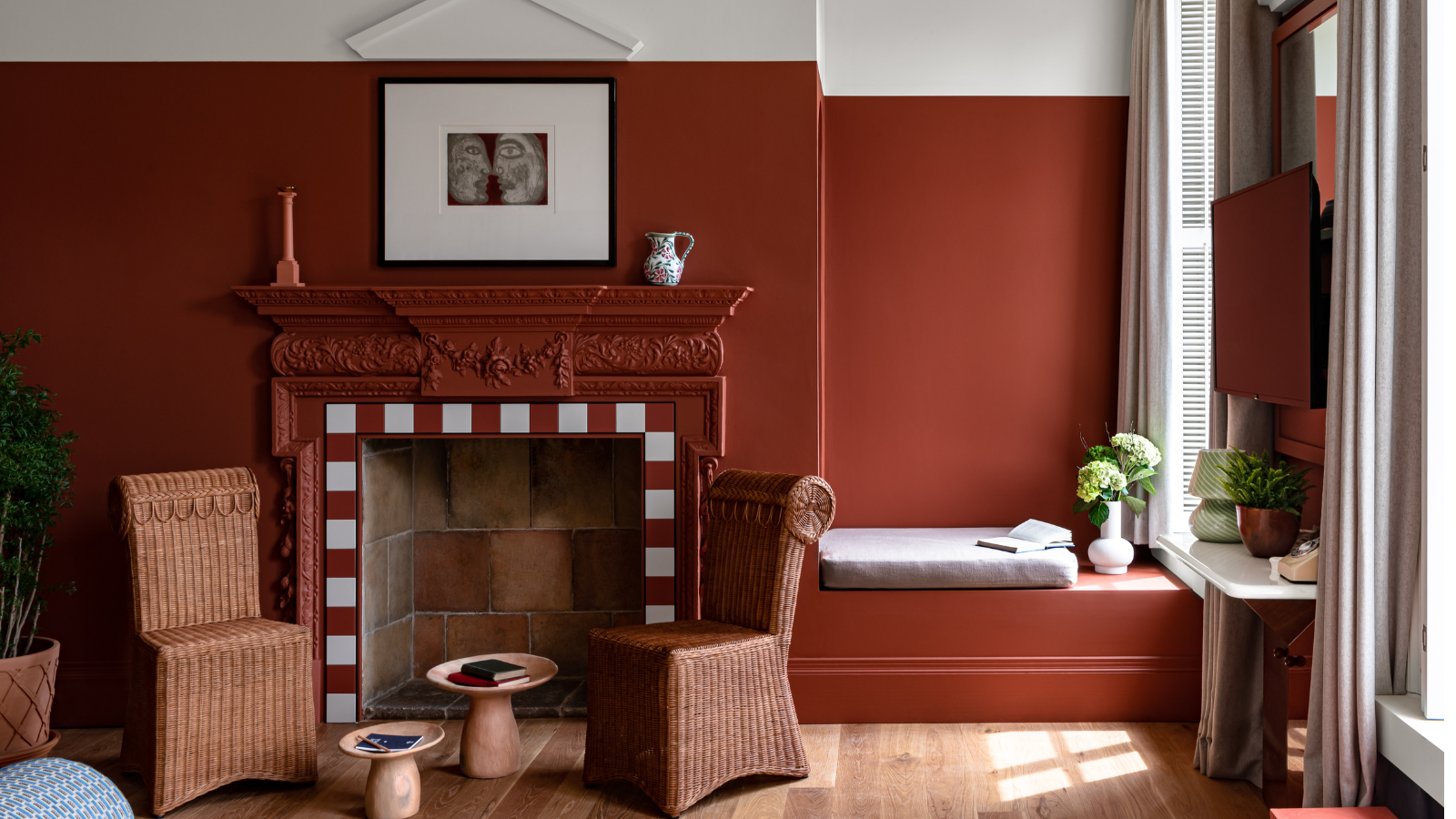
6 'Energetic Colors' for Vitality and "Sophisticated Interiors", According To Psychologists And Design Experts

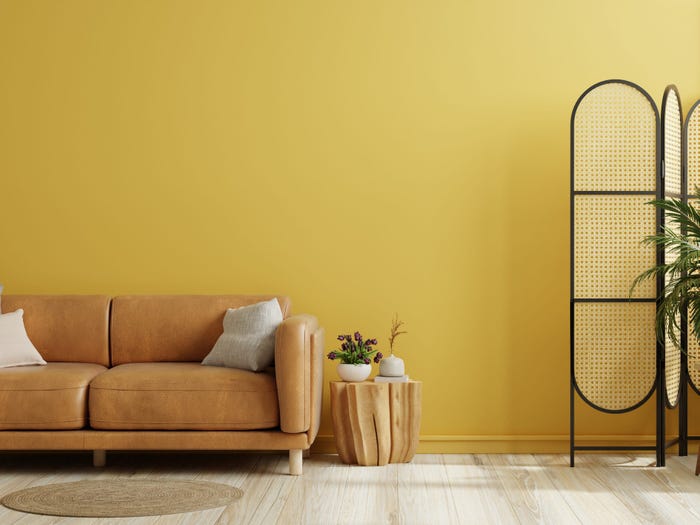
An expert in color psychology shares the 5 shades you should have in your living room
7 'Unhappy' Colors That Color Psychology Experts Would Never Paint Their Walls
How Your Home's Paint Colors Can Make You Happier, According to Experts

12 Color Schemes That Are Popping Off Right Now, According to Designers

What are the worst colors to paint a room? The shades experts say you should never use
My rented apartment follows the key rules of color psychology – here's why I'd never go back to an all-white home
Why This Hue Is Suddenly Dominating Every Designer's Wishlist—Plus, How to Style It

Expert Speak: What are the most soothing colours for the home?