1/11
A guide to collecting textiles: why every detail matters
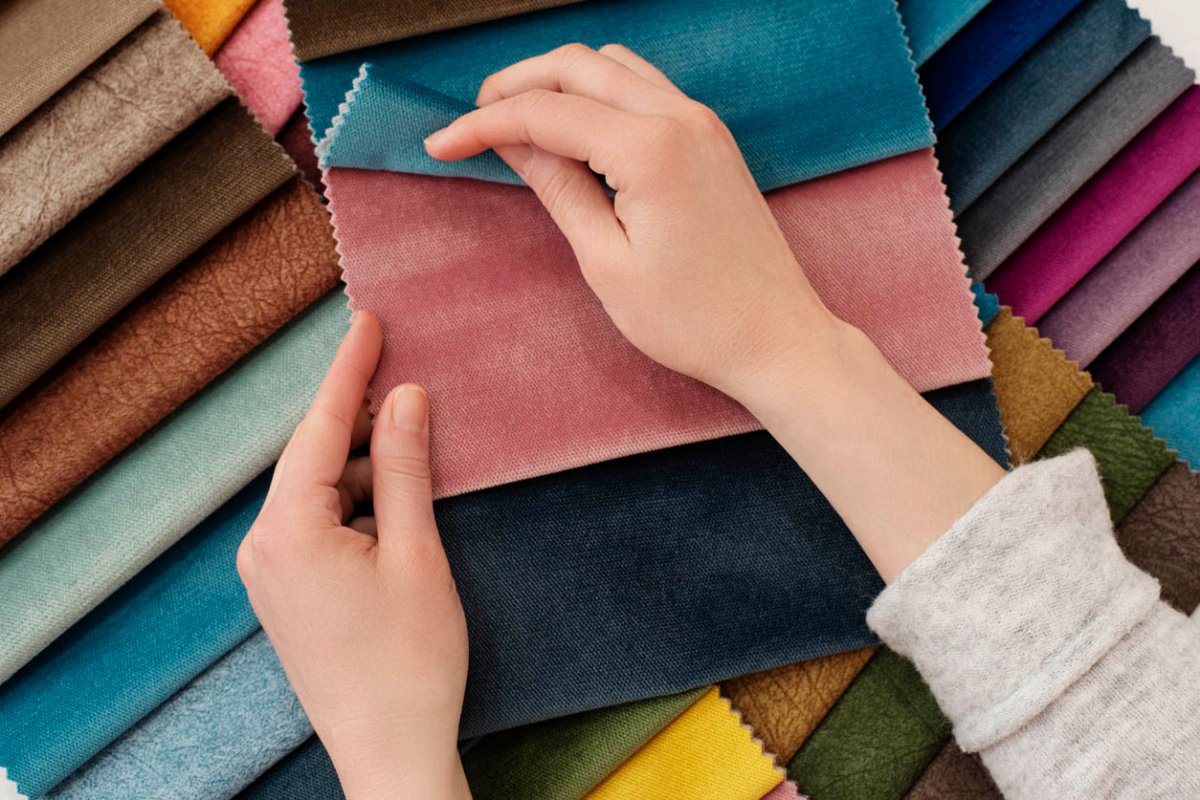
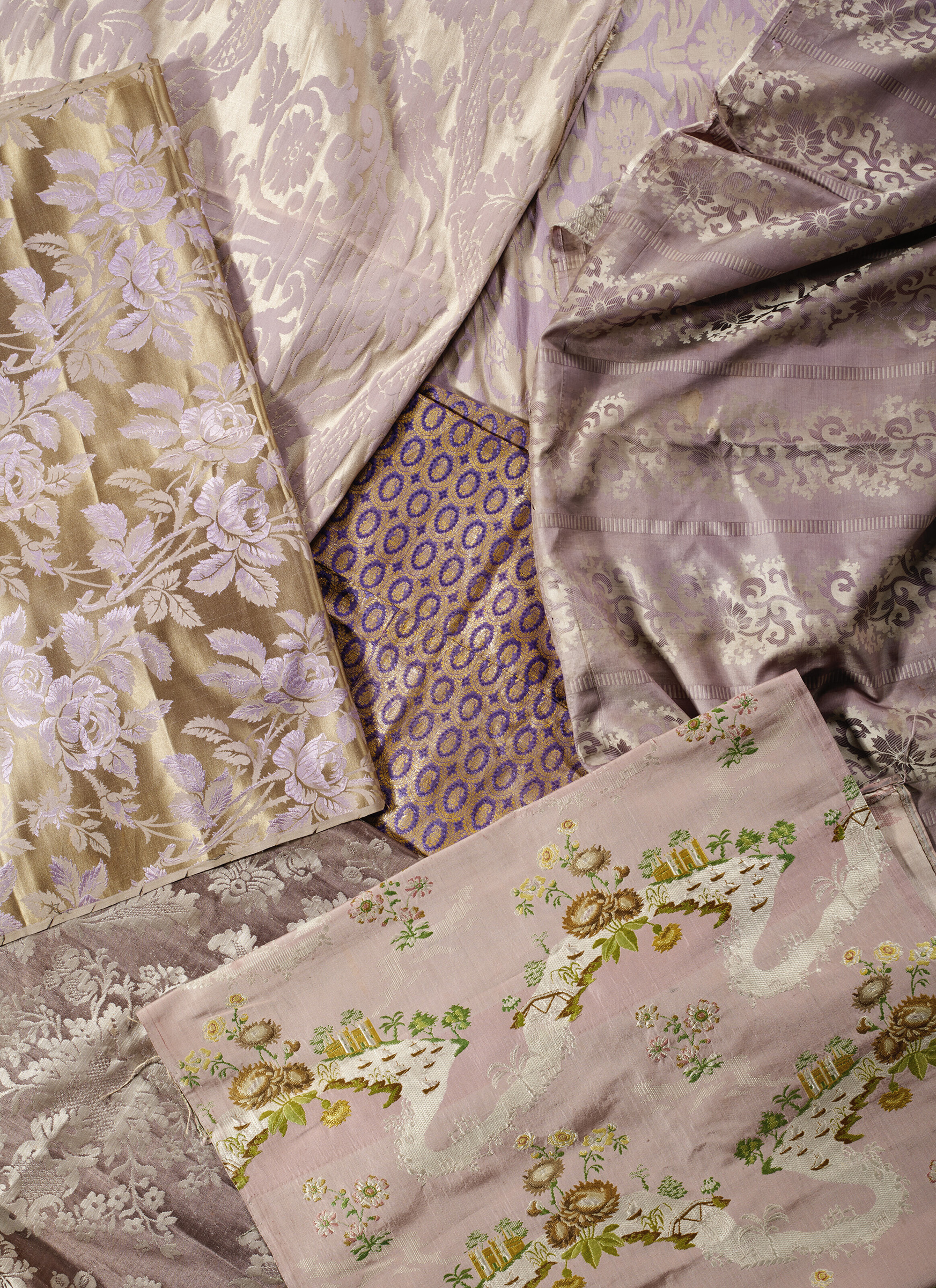
This article explores the intricate world of collecting historic textiles, emphasizing the unique value derived from their extraordinary technique, artistry, and cultural significance. Titi Halle, owner and director of Cora Ginsburg, a prominent textile gallery, provides expert insights into identifying, valuing, and understanding these delicate artifacts. The limited supply of high-quality historic textiles, owing to their inherent fragility and historical use in clothing and furnishings, contributes to their allure among a dedicated community of collectors.
The history of textile collecting began to gain public traction in the 19th century, with major museums establishing comprehensive textile and clothing collections by the early 20th century. Institutions like the Victoria and Albert Museum, Musée des Tissus, and the Textile Museum at George Washington University were instrumental in this movement. Private collectors also became active, with lace, for instance, being a popular item, even leading to the formation of clubs like the Needle and Bobbin Club. While European textiles once saw significant private interest, today, there's a greater focus on Asian textiles, with many collectors specializing in specific regions like Ottoman, Indonesian, or Indian, or particular types such as silks, cottons, ikats, or painted chintz. Religious textiles and attire also form a distinct collecting category.
The article highlights the textile collection of the late Ann Getty, an interior designer and philanthropist, which is notable for its immense volume and diversity. Comprising over 200 pieces from the 17th to 20th centuries, her collection spans global origins, including Asian, African, European, and American textiles, as well as religious garments. This collection, to be offered at Christie's New York, demonstrates the broad scope and richness possible in textile collecting.
Halle underscores the historical value of textiles, noting that in past centuries, they were far more costly and scarce than modern materials due to labor-intensive hand production. Textiles, especially royal or noble garb, could even surpass the value of precious metals. This inherent value led to textiles being continually reused and repurposed. For example, an 18th-century silk dress might be transformed into a church chasuble, then a coverlet, and eventually cushions, showcasing their longevity and adaptability. This cycle of reuse explains why well-preserved, pristine textiles are so rare today.
The fragility and condition of textiles are critical factors in their current market value. Many textiles are permanently removed from circulation once they enter museum collections or are repurposed for functional items. Maintaining these artifacts requires specialized conservation efforts. Exceptional condition significantly enhances a textile's rarity and value, as survival through centuries of daily use, travel, and conflicts is considered miraculous. Irreversible damage from stains or light exposure further emphasizes the importance of condition.
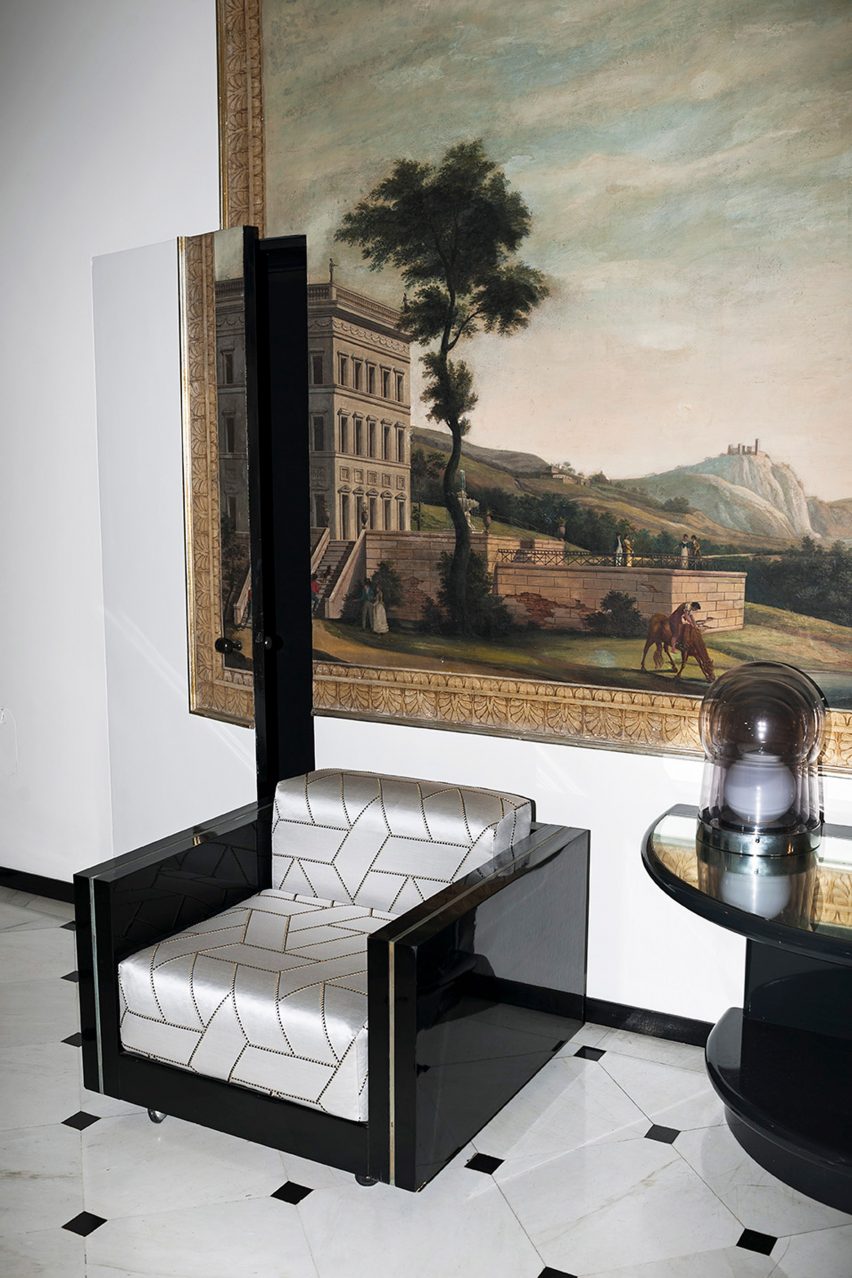
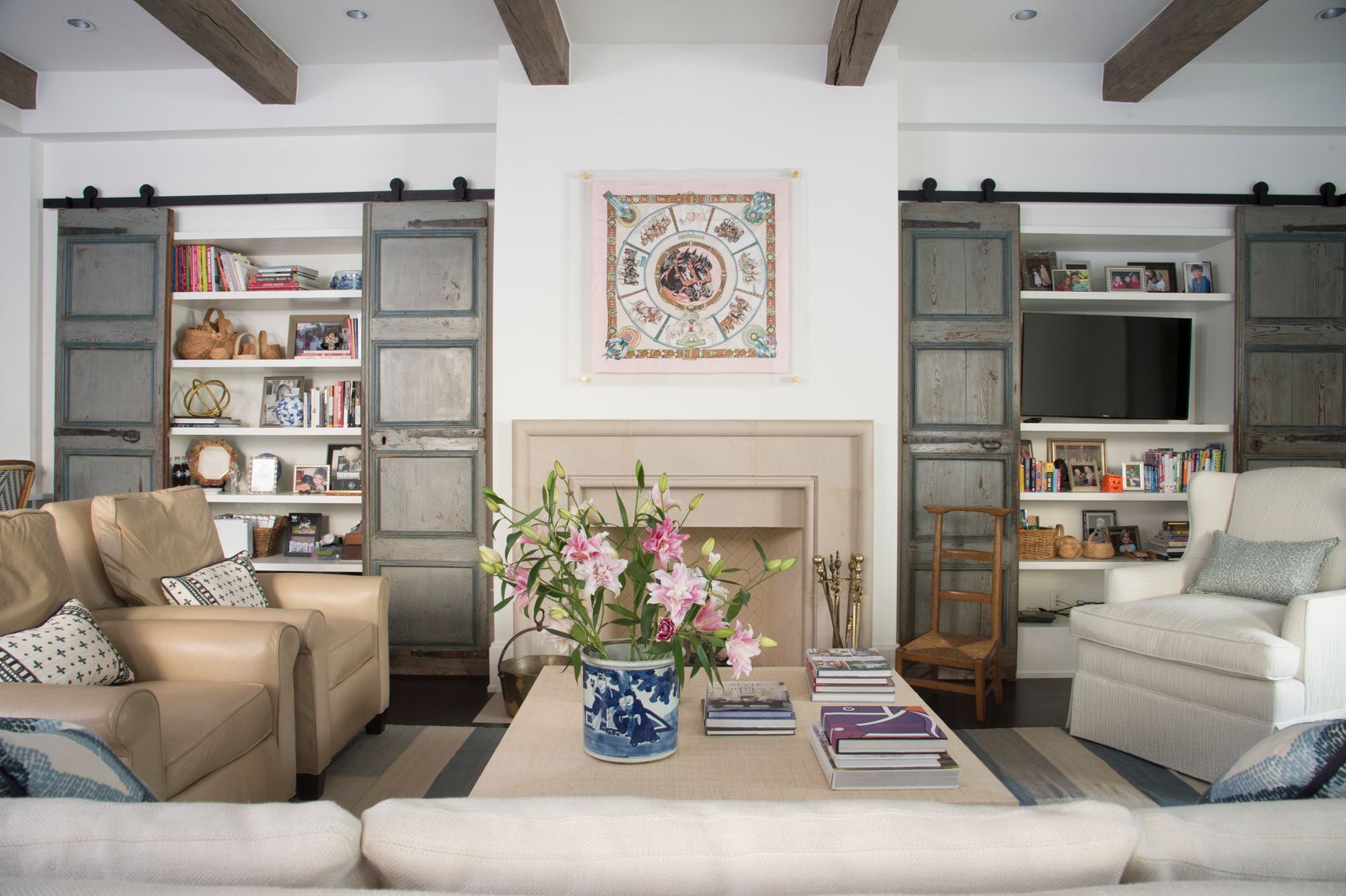
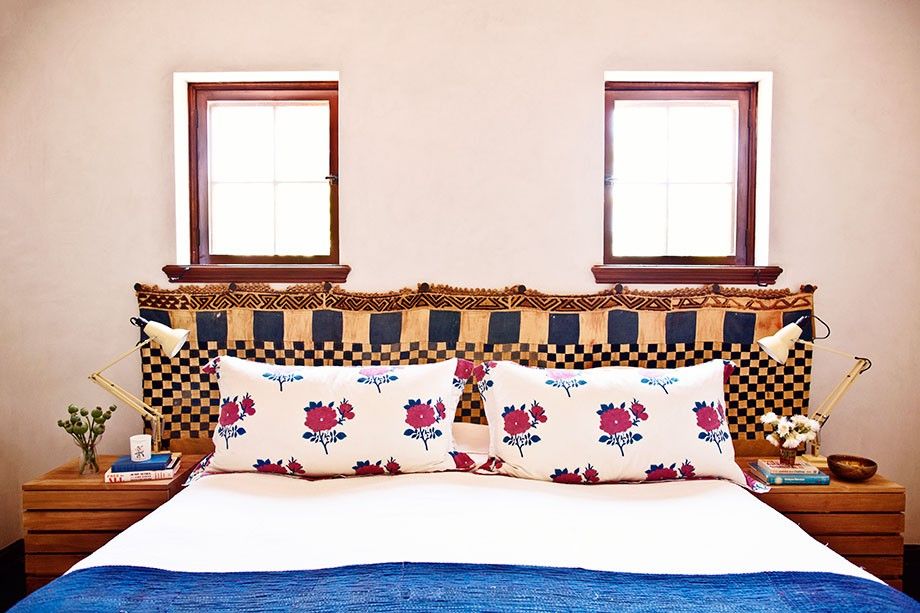
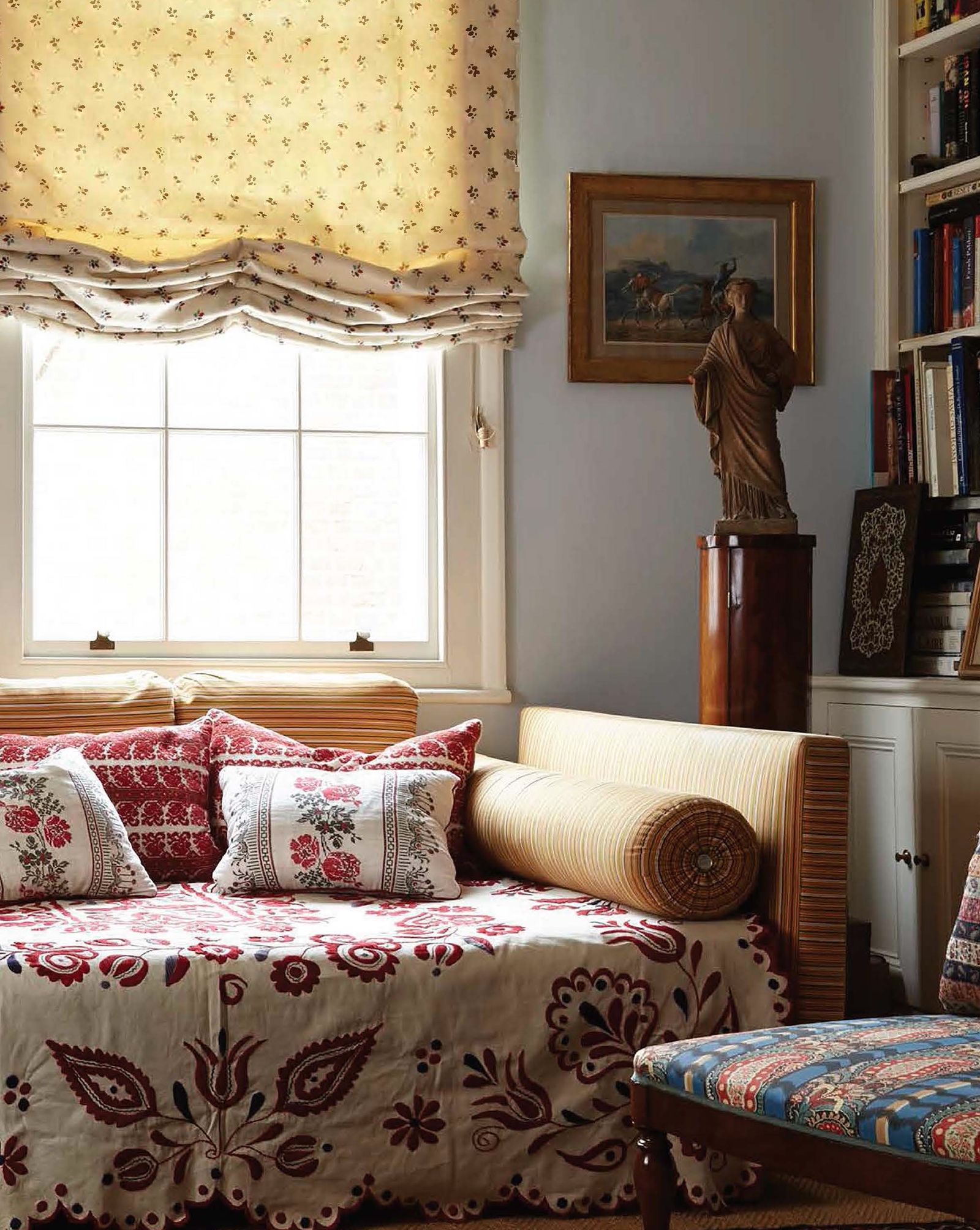
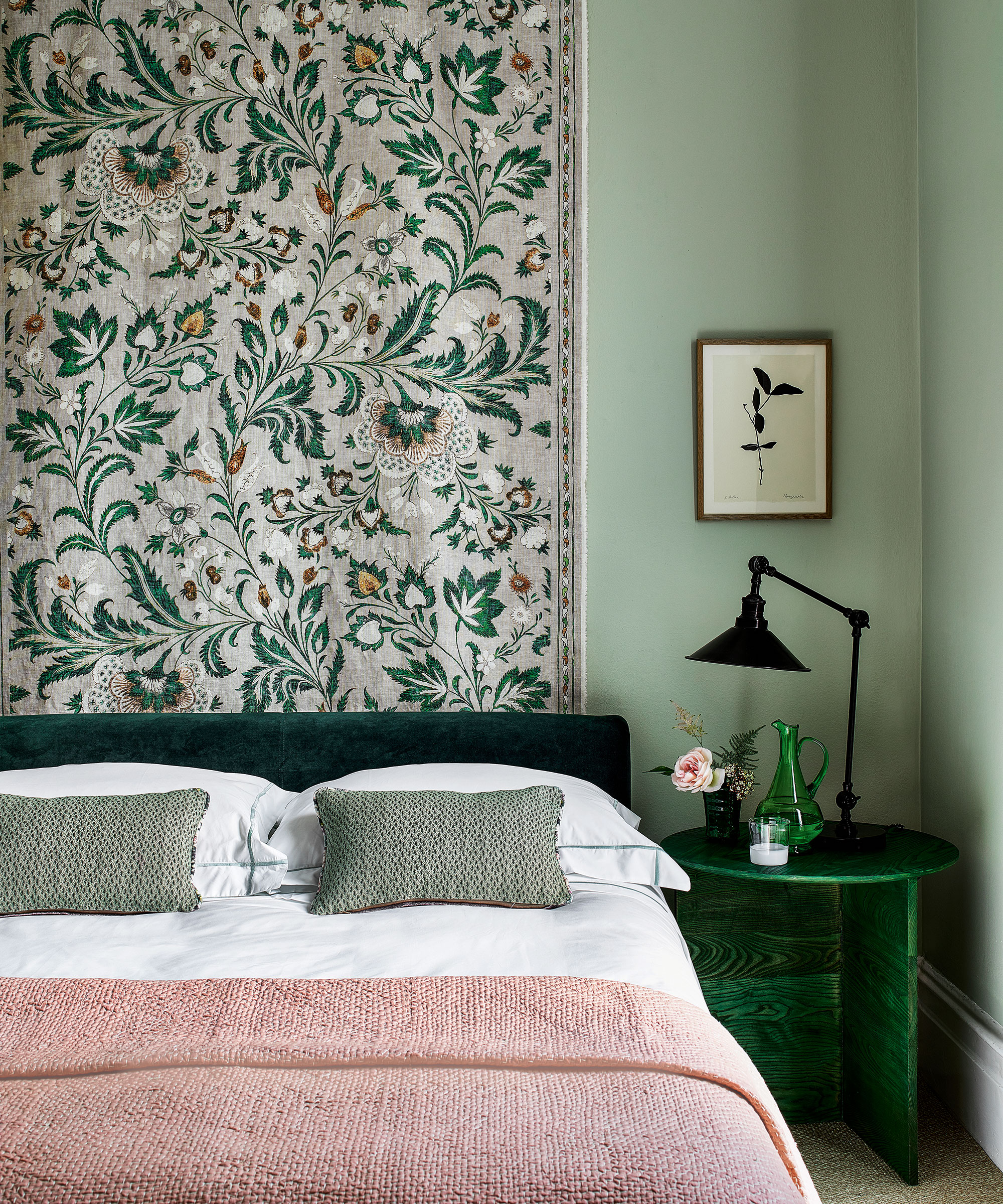
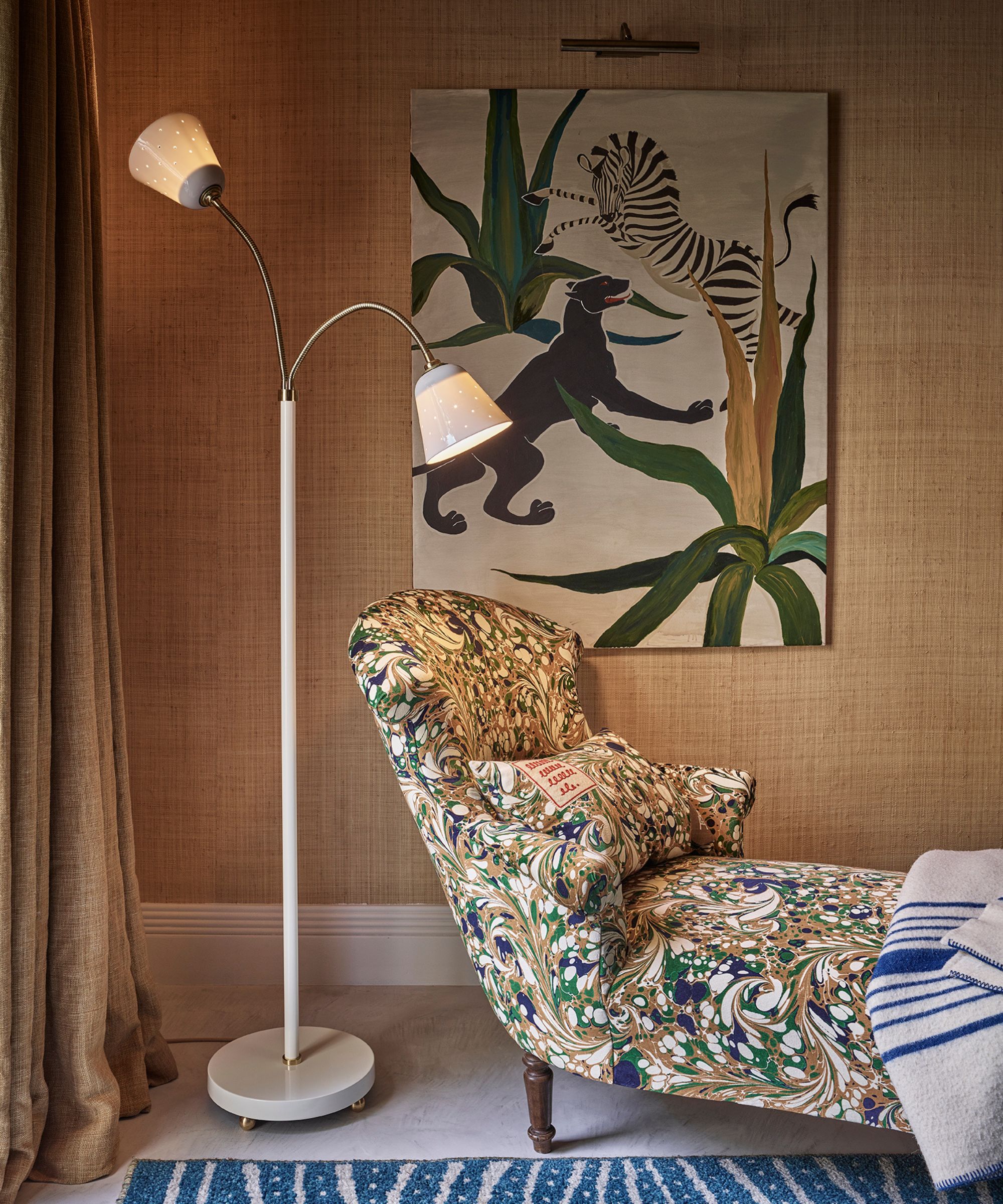
Identifying textiles involves meticulous examination of their structural characteristics. Clues such as weave structure, thread type (S or Z twist, single or double ply), and width can indicate origin and period. For instance, specific fabric widths often correspond to the loom technologies of certain countries in different eras. Microscopic analysis aids in identifying these details. Furthermore, historical palettes and dye types, distinguishing between natural and synthetic dyes, provide additional insights into a textile's provenance. While purists advocate for conservation to preserve textiles, their decorative potential is undeniable. Ann Getty's approach exemplified this, using diverse historic and international textiles to create opulent and unique interiors. She fearlessly repurposed items, even cutting a chasuble for a chair, and commissioned custom fabrics when necessary, demonstrating an original and bold vision for integrating textiles into design. This integration of textiles offers significant visual impact, making them a crucial element in interior decoration.
#TextileCollecting #HistoricTextiles #DecorativeArts #TextileConservation #AnnGettyCollection #CoraGinsburg #TextileIdentification #WeaveStructure #InteriorDesign #TextileCollecting #HistoricTextiles #DecorativeArts #TextileConservation #AnnGettyCollection #CoraGinsburg #TextileIdentification #WeaveStructure #InteriorDesign
0 comment in total
 No comments yet
You may also like
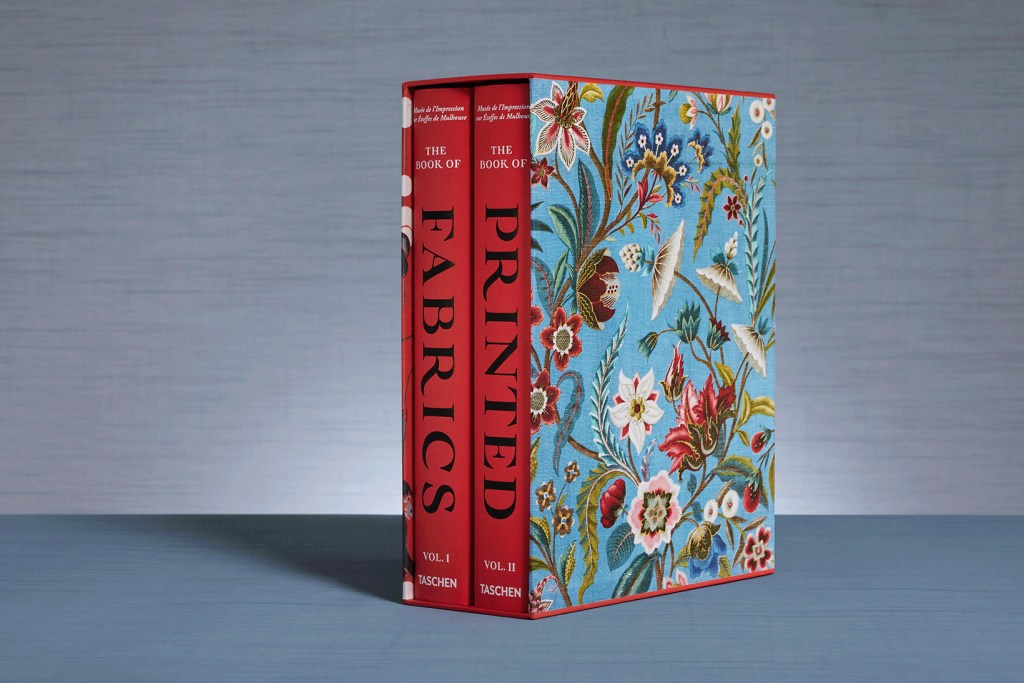
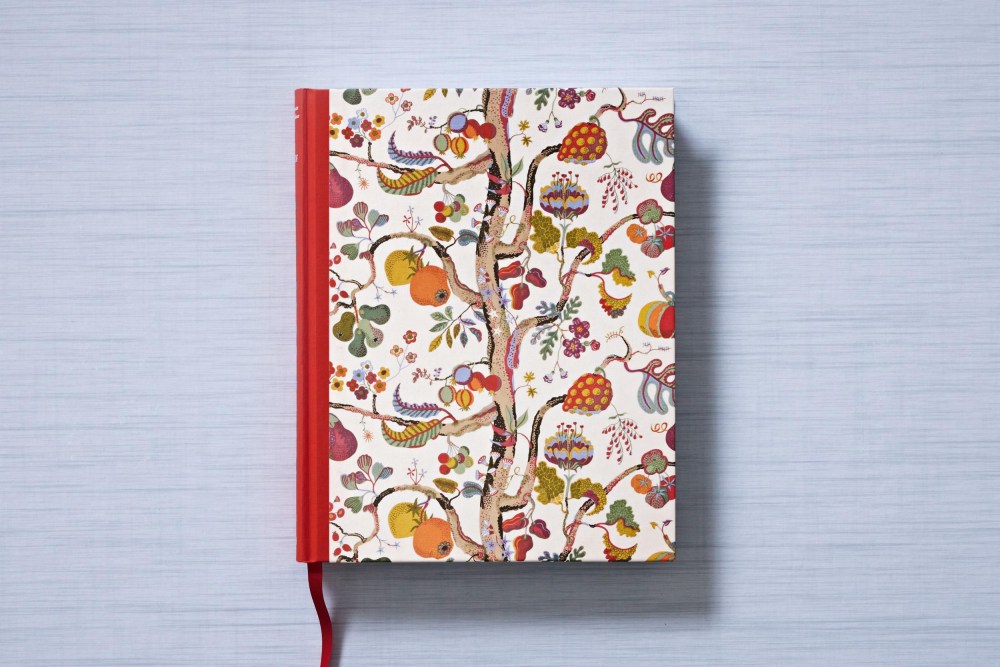
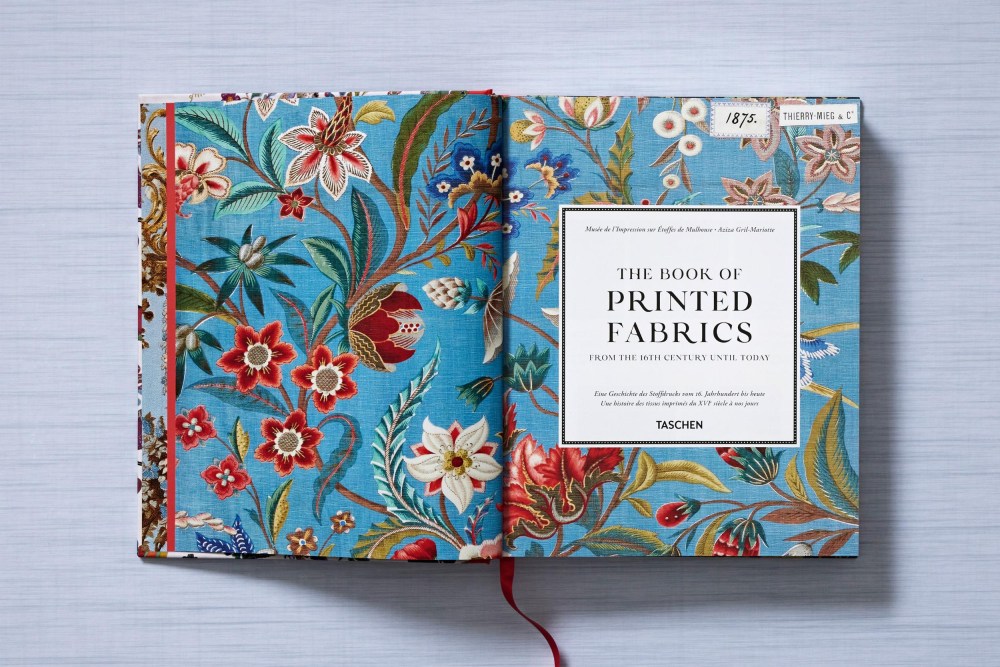
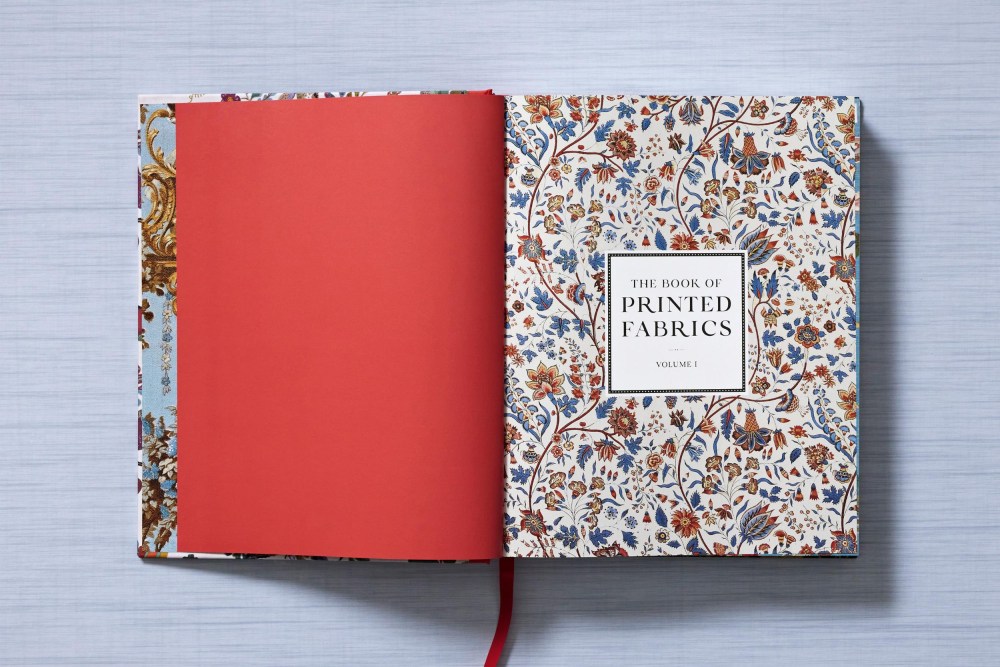
The History of Printed Fabrics in Two Splendid Volumes
Knowing the Ropes Explores the Textile Through a New Lens

How to store clothes long term: 7 ways pros love


How Often You Should Wash Your Sheets (And How to Get Them Really Clean) | Reviews by Wirecutter


The definitive textiles primer: Pollack’s fabric expert talks fibers, yarns and more


The Best Online Fabric Stores Today
How to Thrift Shop Like an Interior Designer
Tom Dixon uses tufting, printing and embroidery to create textile collection
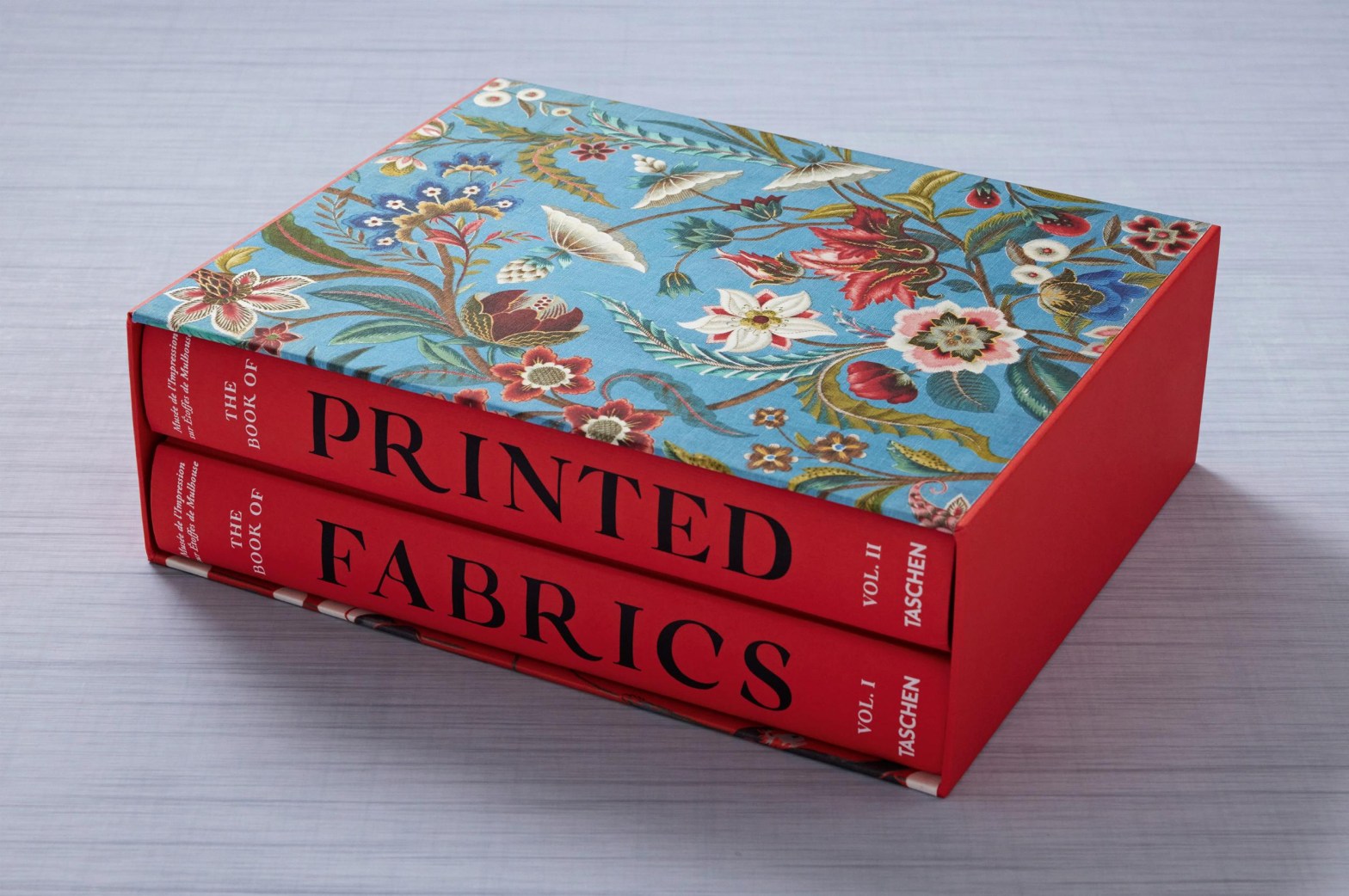
TASCHEN’s Two-Volume Textile Collection is Pure Coffee Table Eye Candy

How To Thrift Home Decor That Feels Personal And Polished, According To A Pro
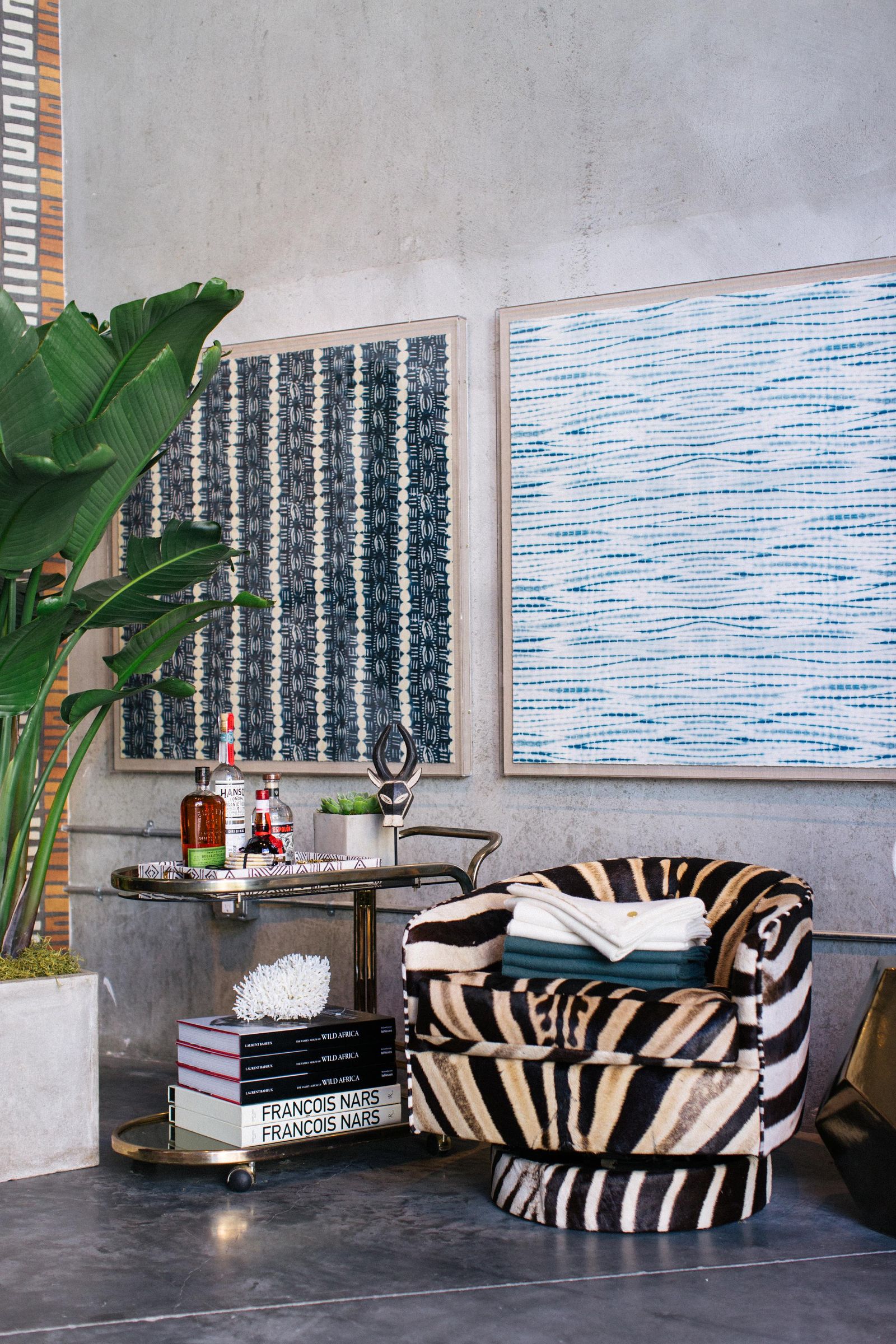
The Best Ways to Show Off a Textile in Your Home

The Best Online Fabric Stores to Make Your Sofa Look Bespoke

Woven Inspiration recovers the gilded age

Better Vintage: ‘A Patchwork of Place and Memory’ – Why Vintage Quilts Remain Collectible, Practical and Deeply Personal
Think twice before throwing out this often recycled item – it's the key to crease-free clothes in your closet
This Is the Right Way to Wash Your Curtains, According to Experts

When Hollywood Needs a Historically Accurate Outfit That Looks Just Right, It Turns to Rabbit Goody
The Art of Jacquard textile collection by Dedar

How to decorate with antique textiles – designers share their tips for adding character with old fabrics
6 Unexpected Spots to Shop for Fabric After Joann Closed