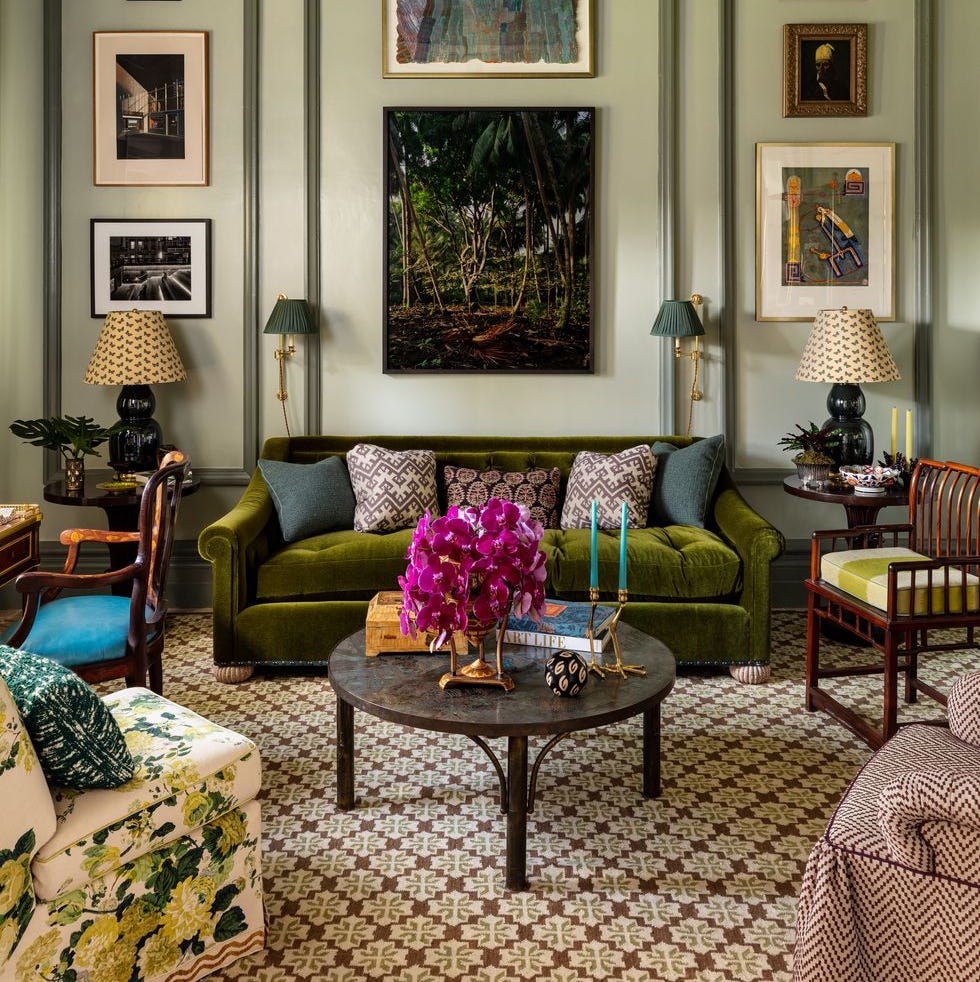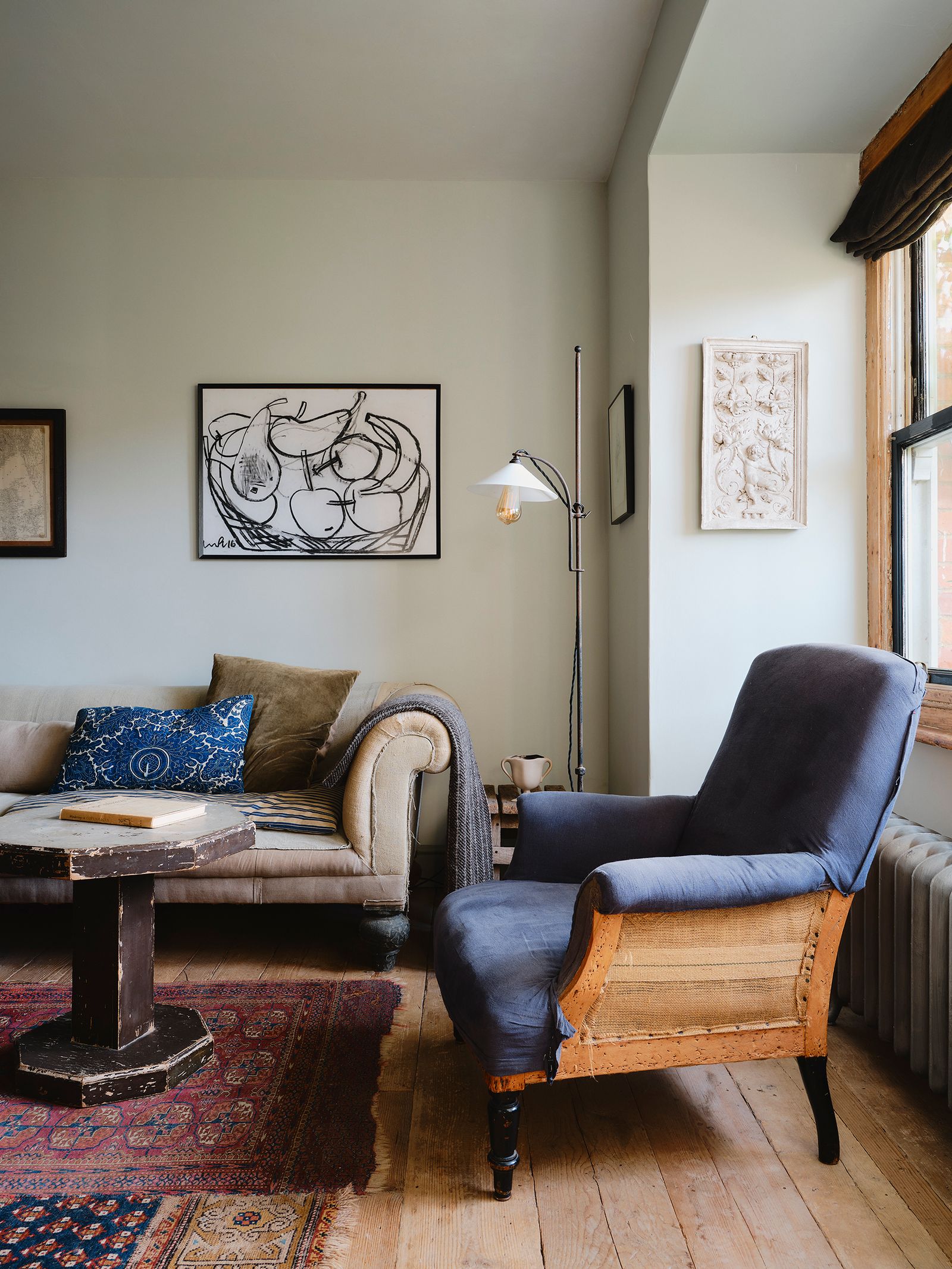
1/4
How to upholster with antique textiles without going too Miss Havisham
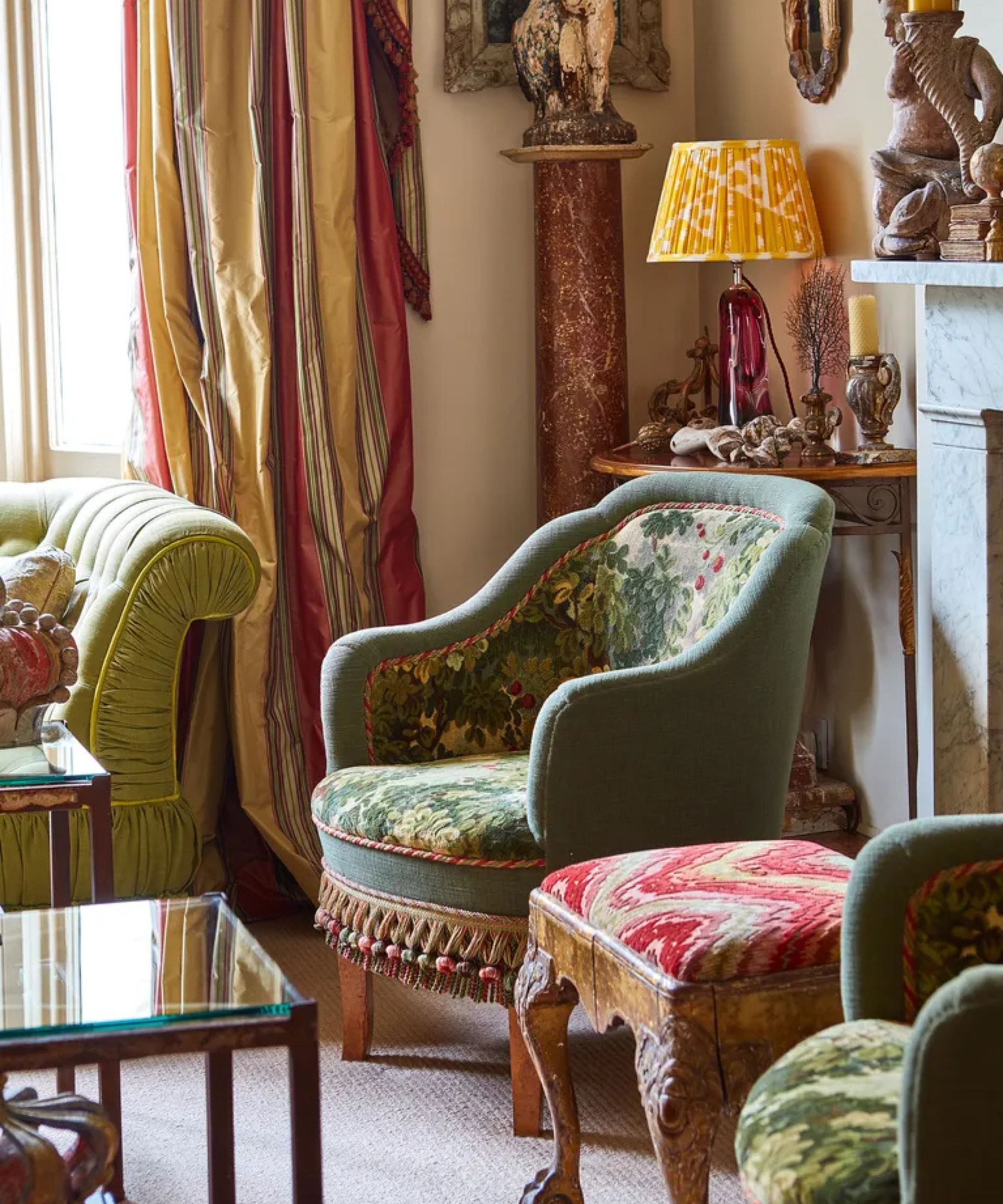
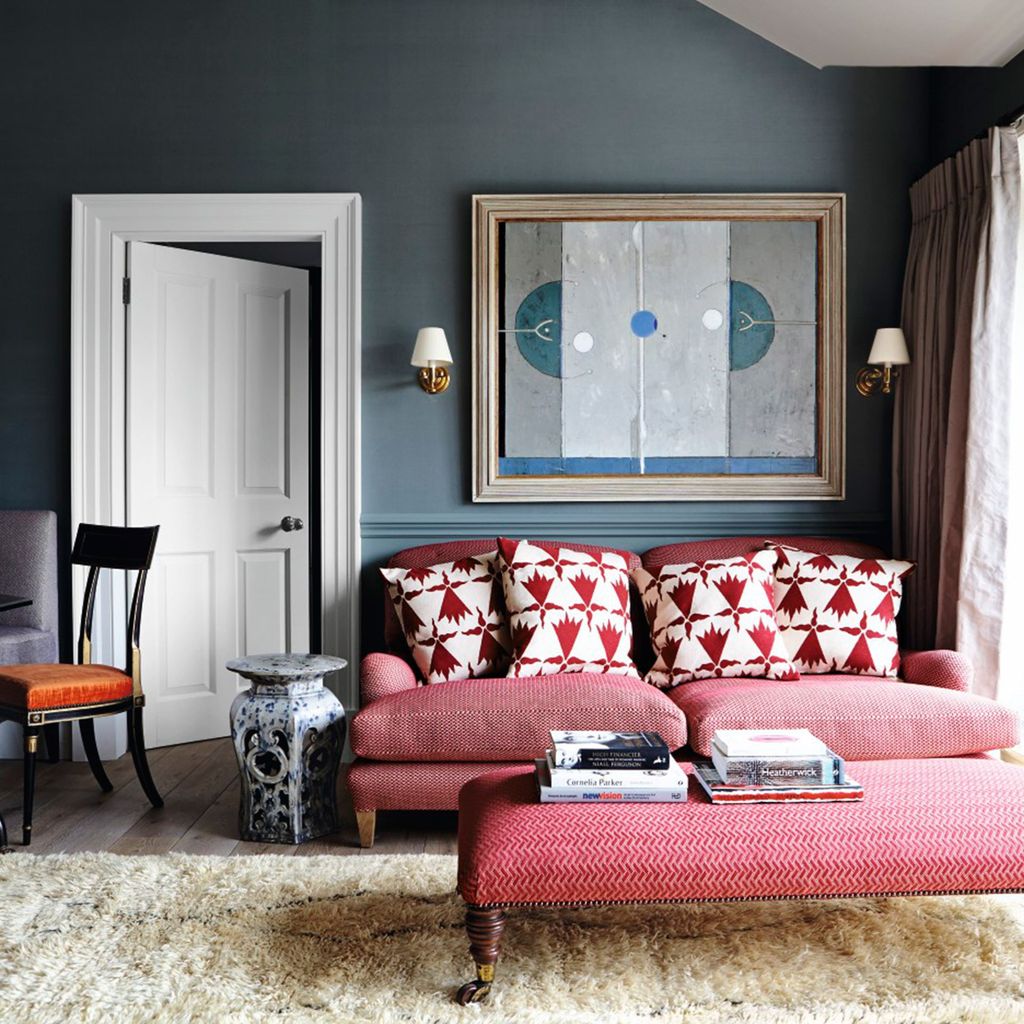
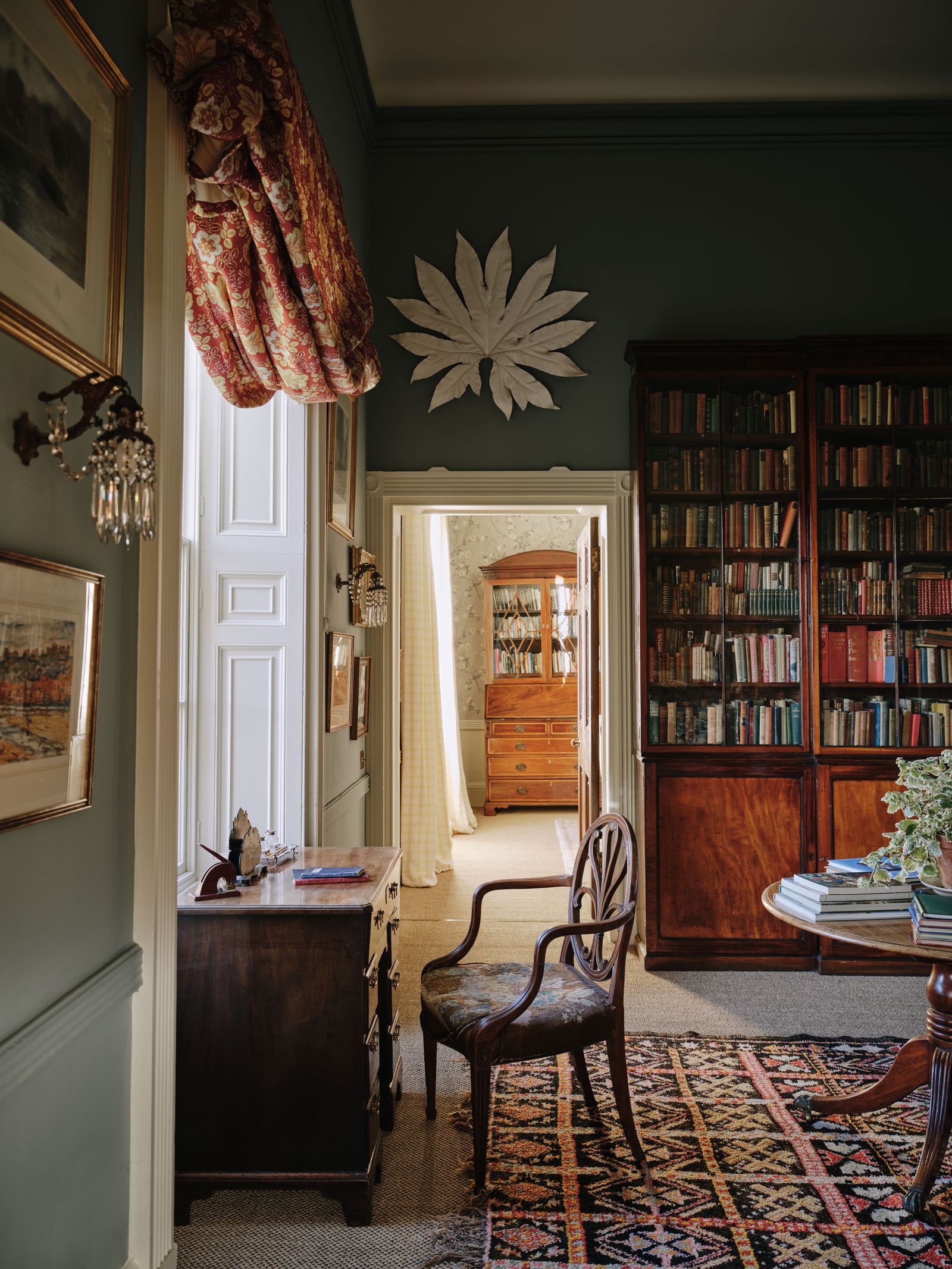
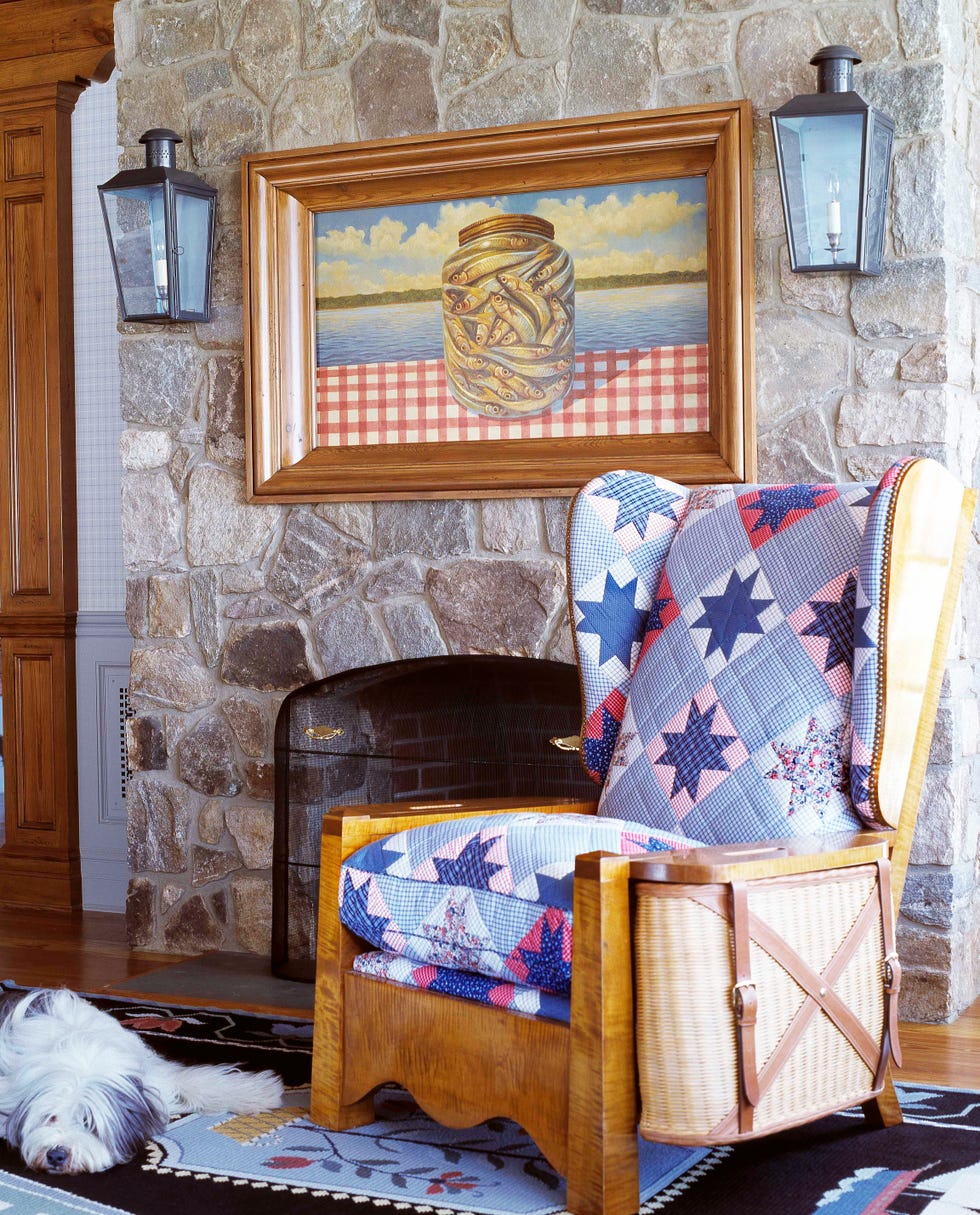
The use of vintage and antique textiles in interior design offers a unique way to imbue spaces with character and historical depth. However, integrating these fabrics effectively requires careful consideration to avoid a shabby or overly 'Miss Havisham' aesthetic. While an antique armchair with faded chintz might appear charming at first, its condition could reveal itself as truly worn or stained upon closer inspection. This article suggests that while a full reupholstering might sometimes be necessary, antique textiles can still be incorporated successfully into modern interiors.
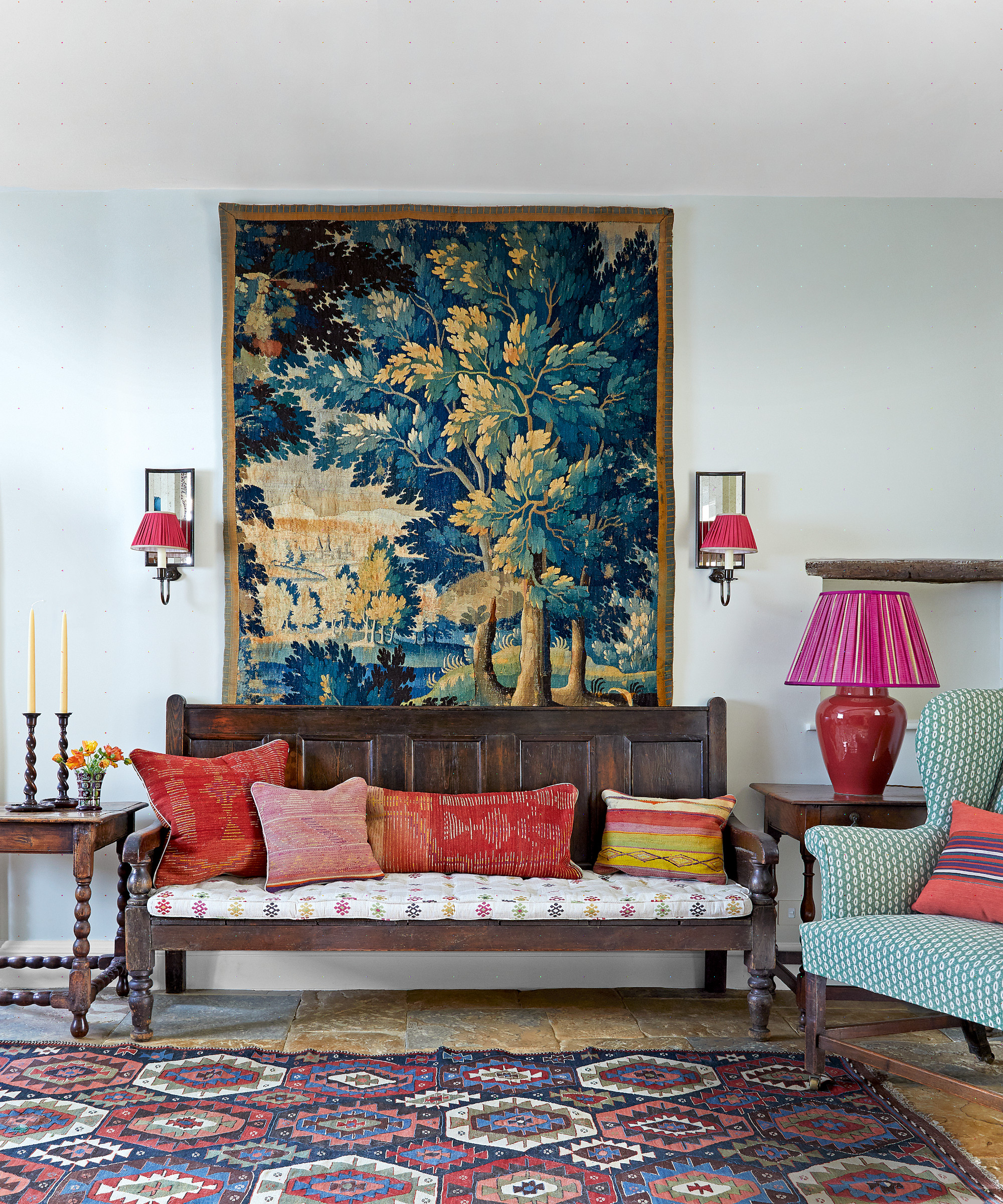
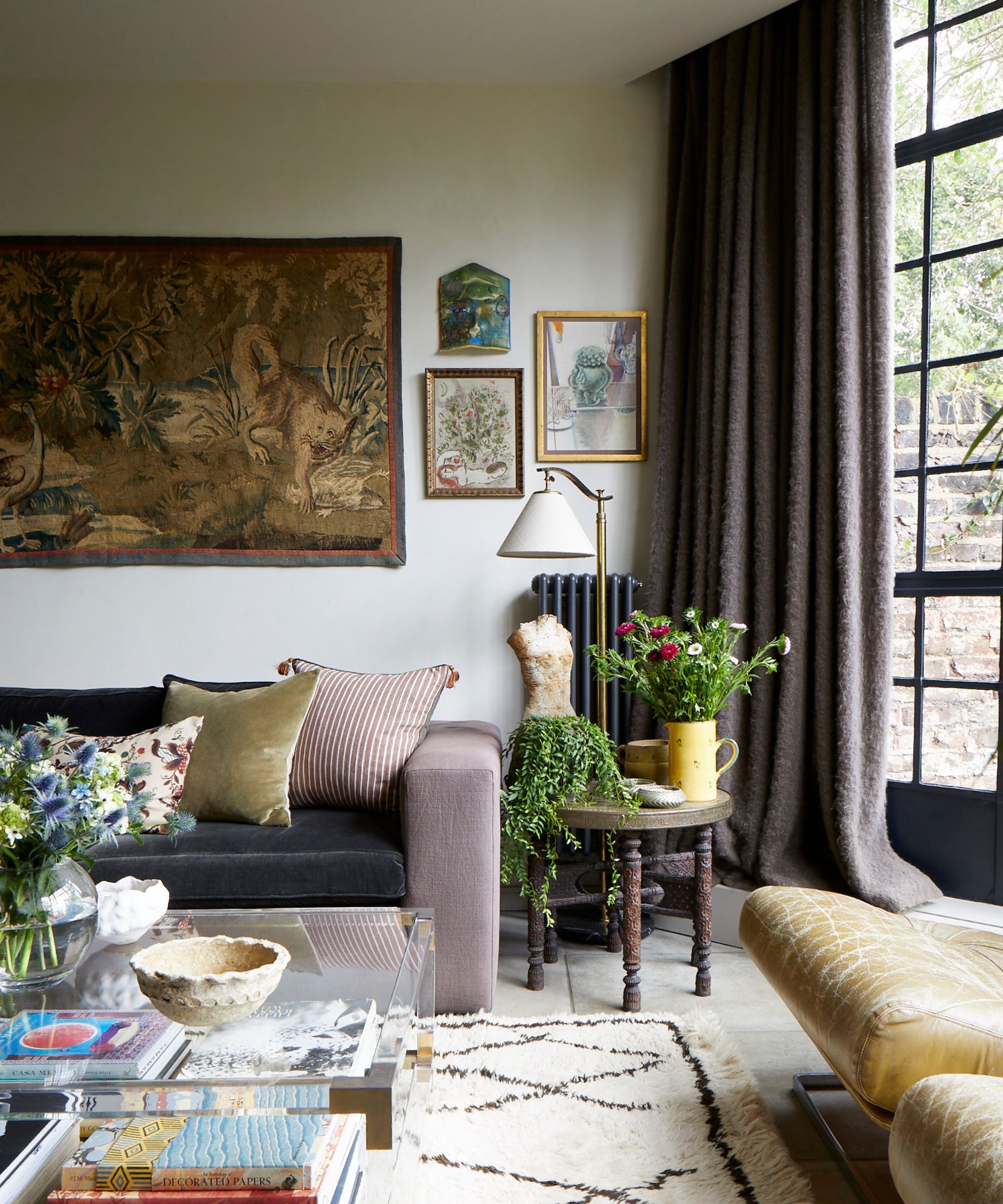
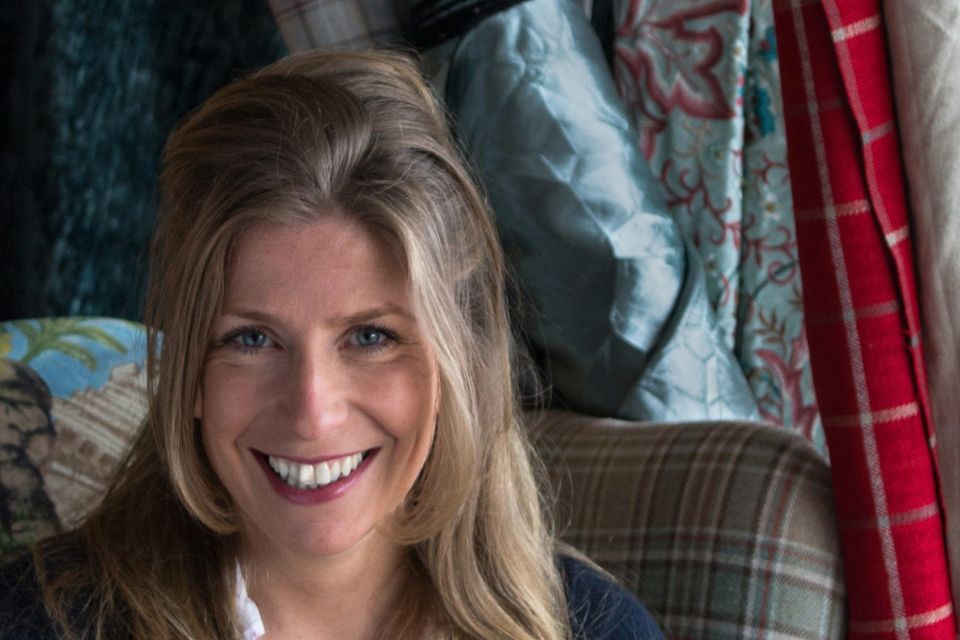
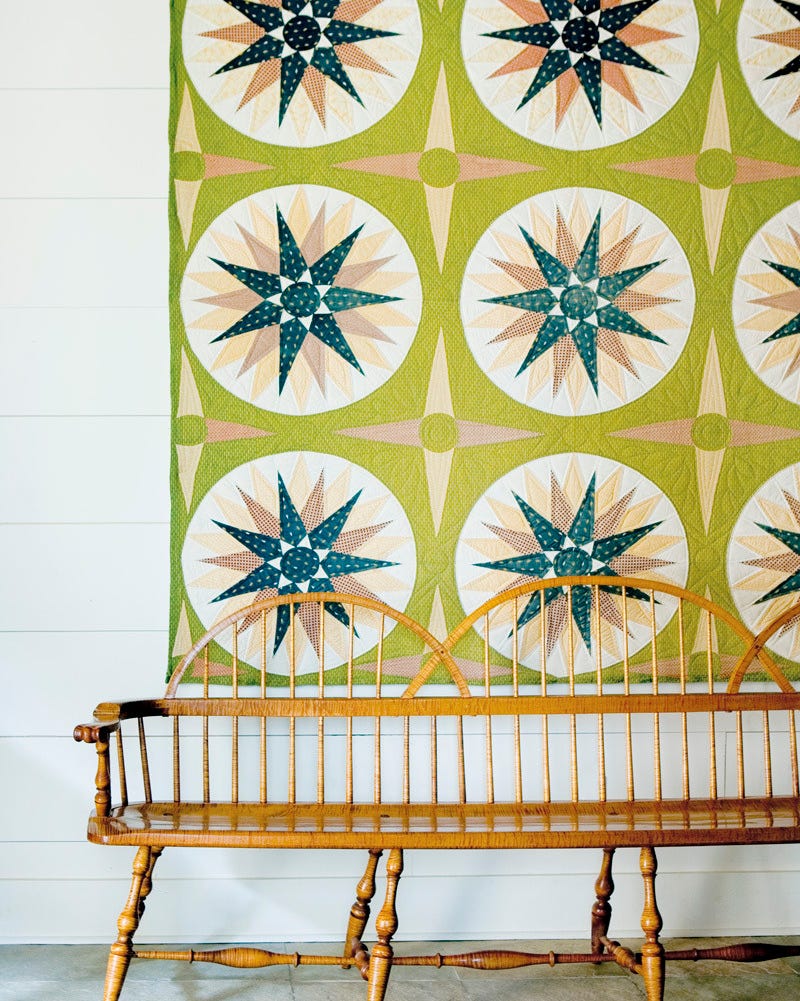
Experts like Cassandra Ellis, founder of Atelier Ellis, and interior designer Henriette von Stockhausen of VSP Interiors advocate for vintage fabrics due to their ability to provide a lived-in, comfortable, and softened feel to a room. These fabrics can make a formal space feel more relaxed and approachable. Ellis notes that old fabric can give life to a piece in a way modern fabrics cannot, highlighting the sustainability aspect as well, given the abundance of existing textiles. Von Stockhausen similarly emphasizes that vintage fabrics add depth to an interior.
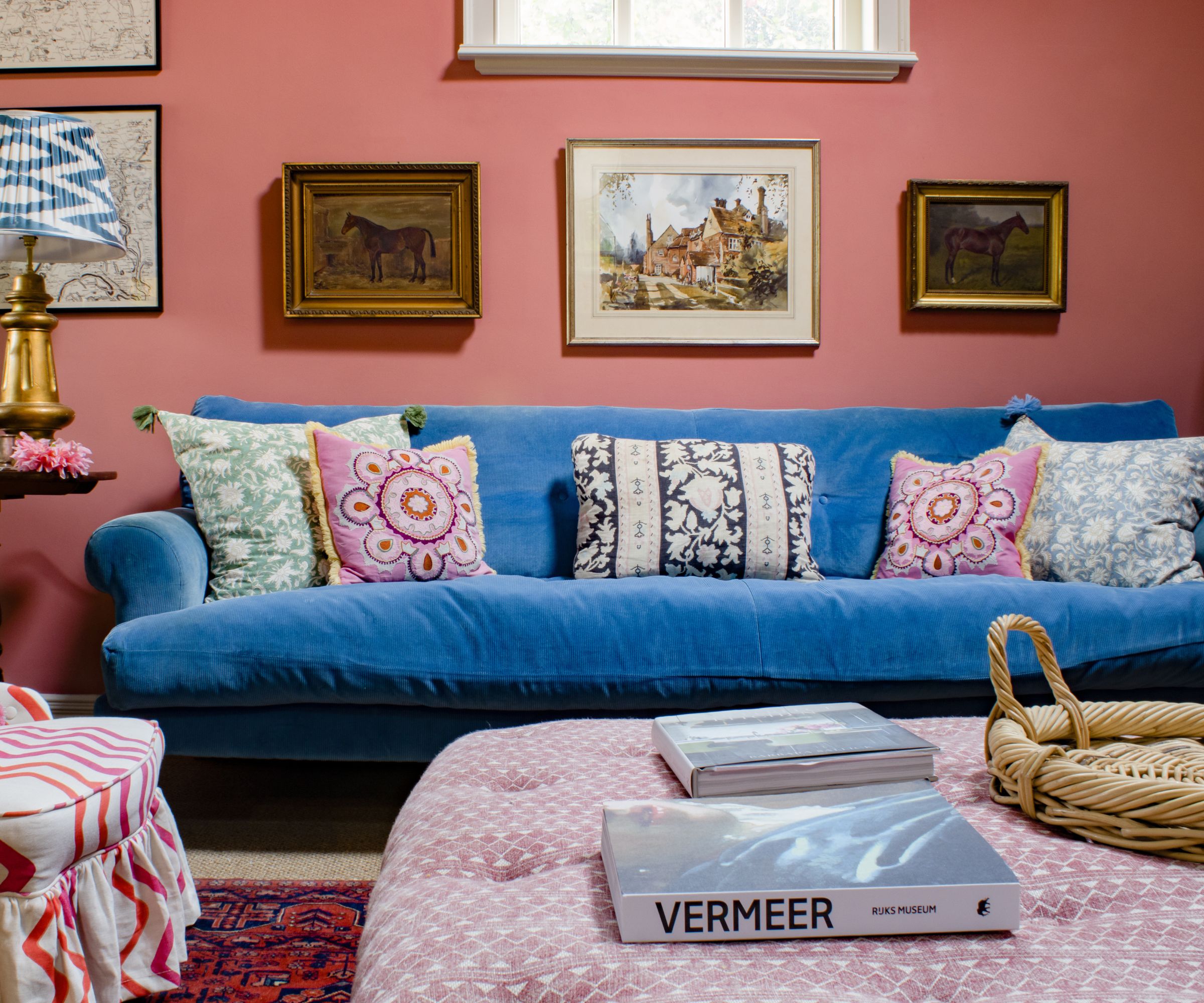
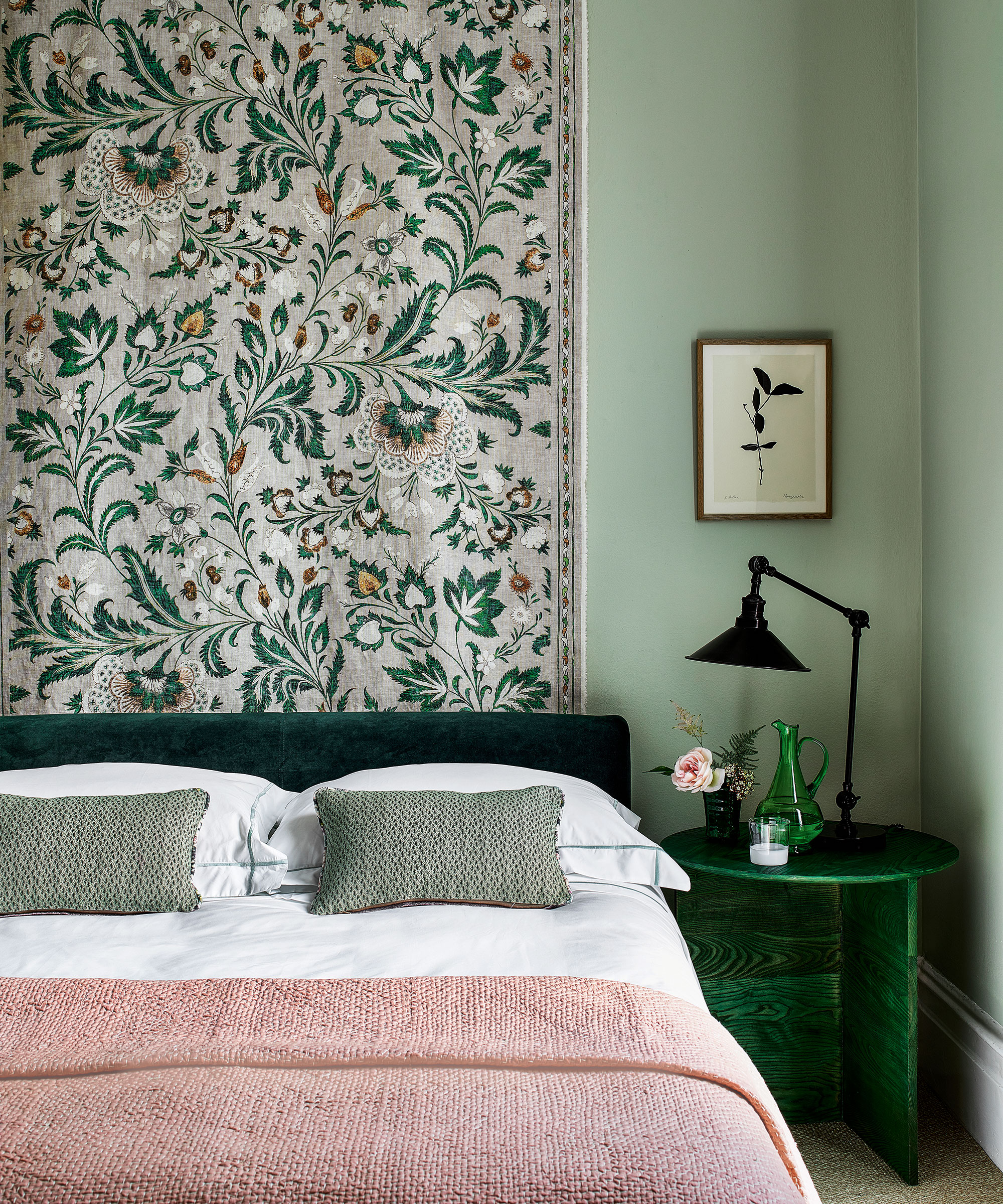
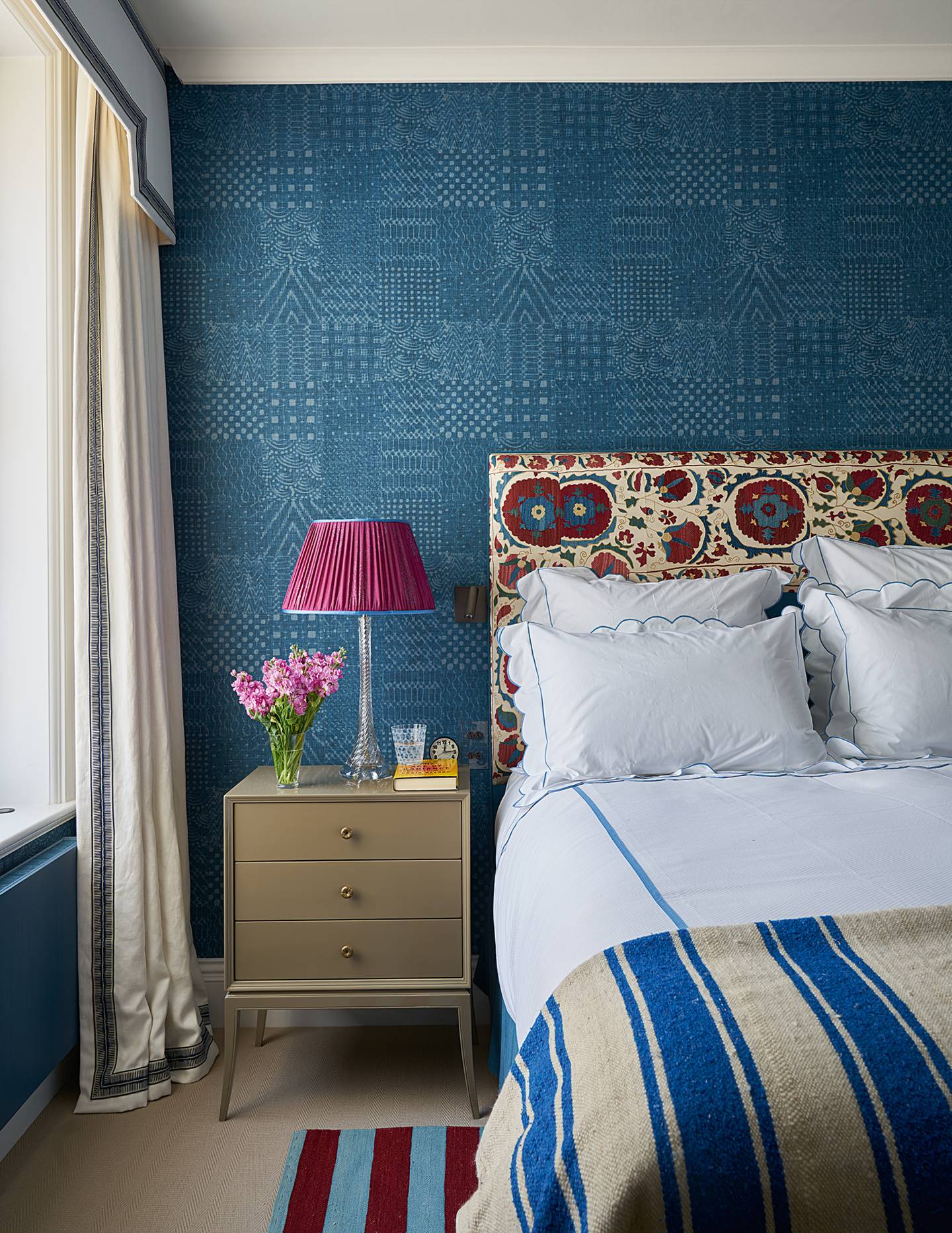
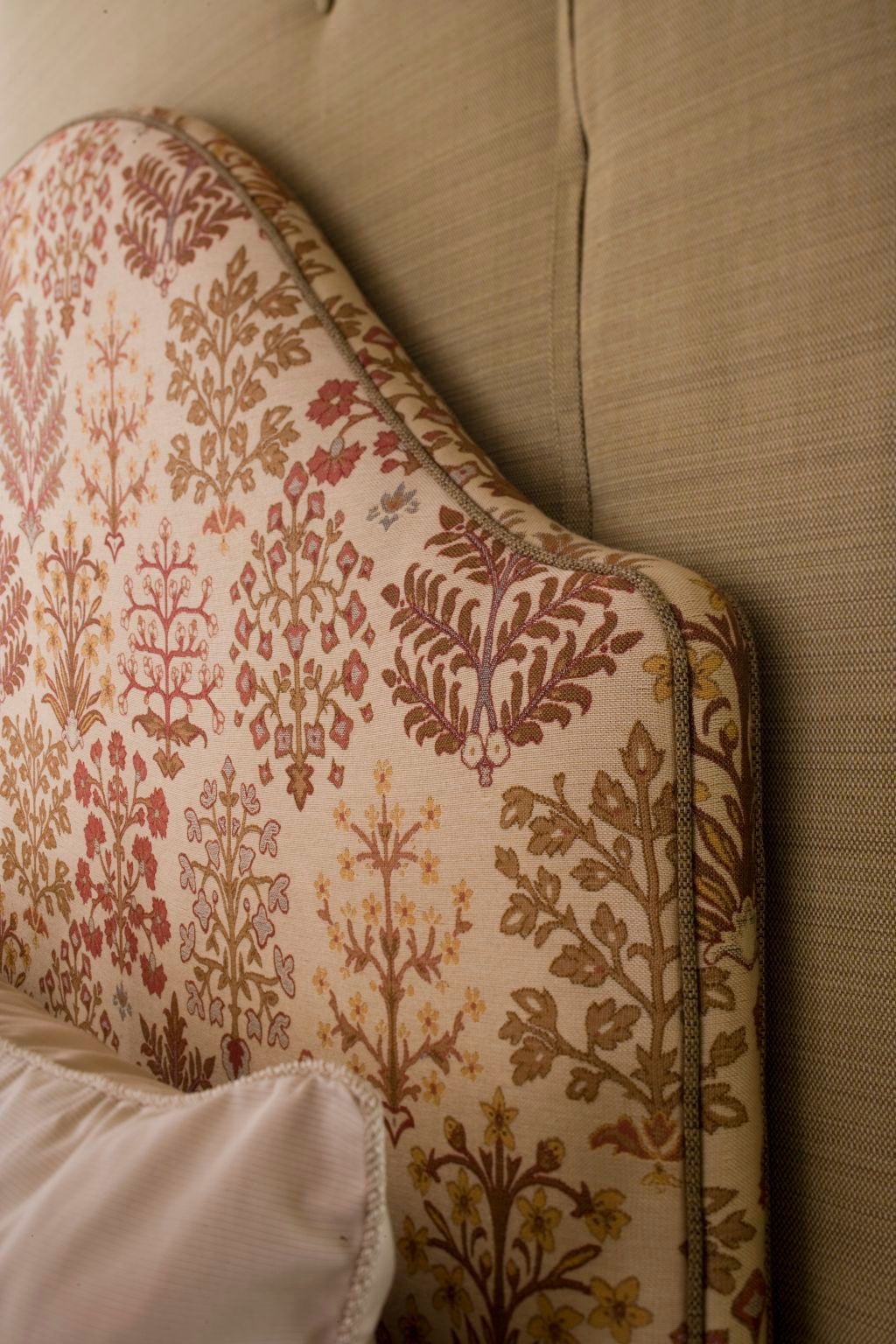
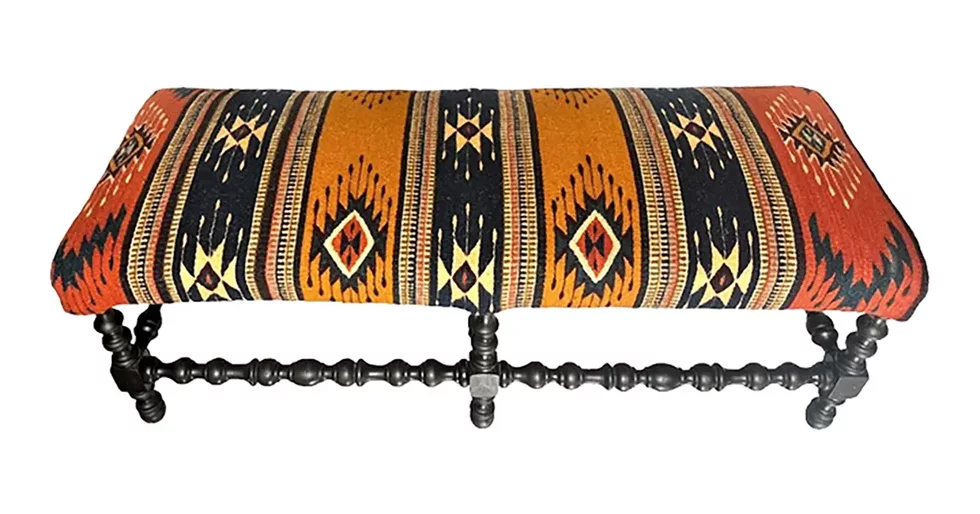
A crucial factor when using vintage textiles for upholstery is suitability. Joanna Plant, an interior designer who frequently uses these materials, advises assessing the fabric's weight and fragility. Robust woven fabrics are suitable for ottoman tops, while more delicate materials might be better for less-stressed areas like the sides of furniture or headboards. Ellis cautions against using fragile materials like 1940s French silk velvet on high-traffic items like family sofas, suggesting they are better suited for occasional pieces such as bedroom chairs. For items requiring durability, linen sheets or Hungarian cloth are recommended, as they can be pieced together and are robust.
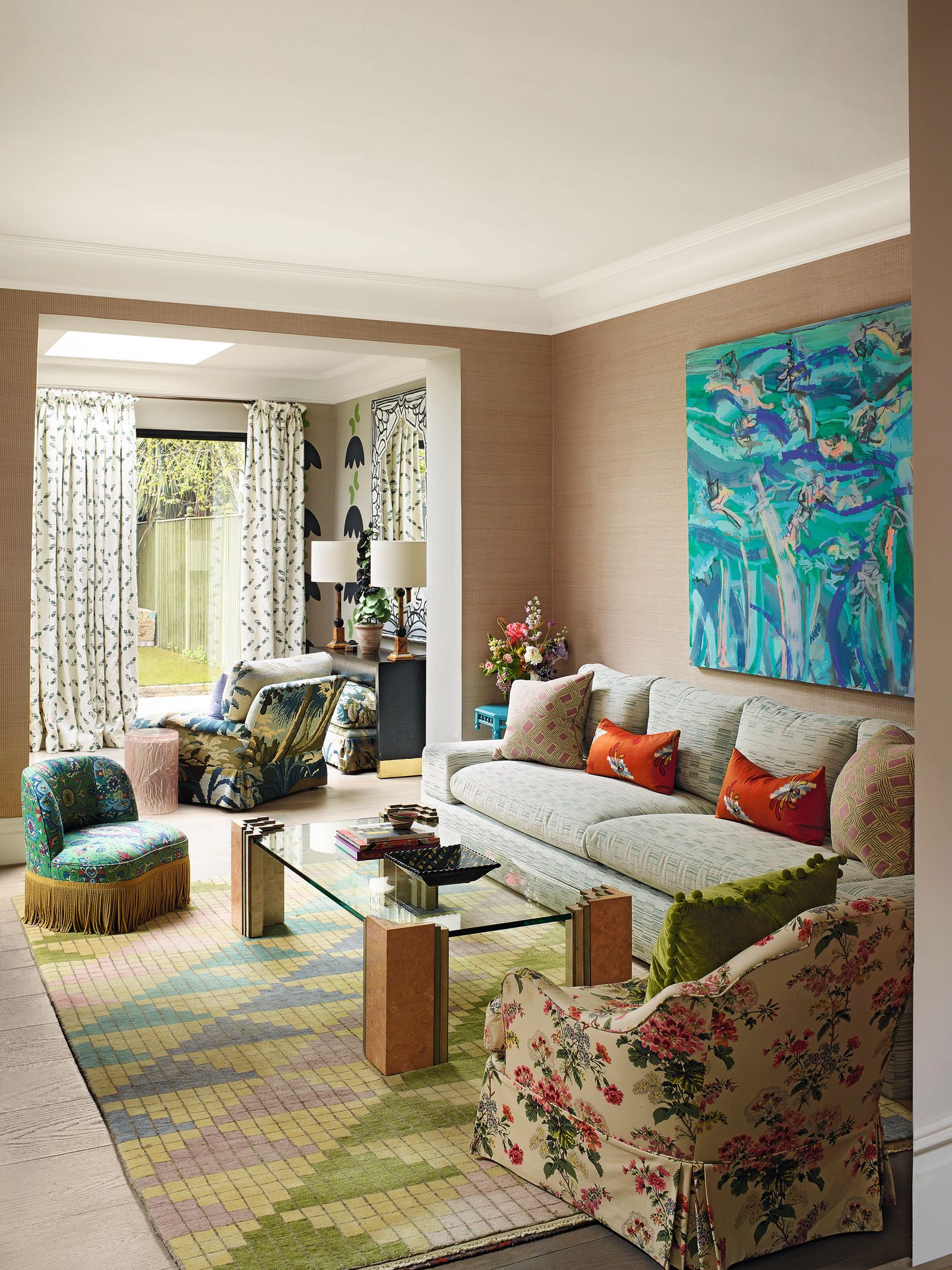
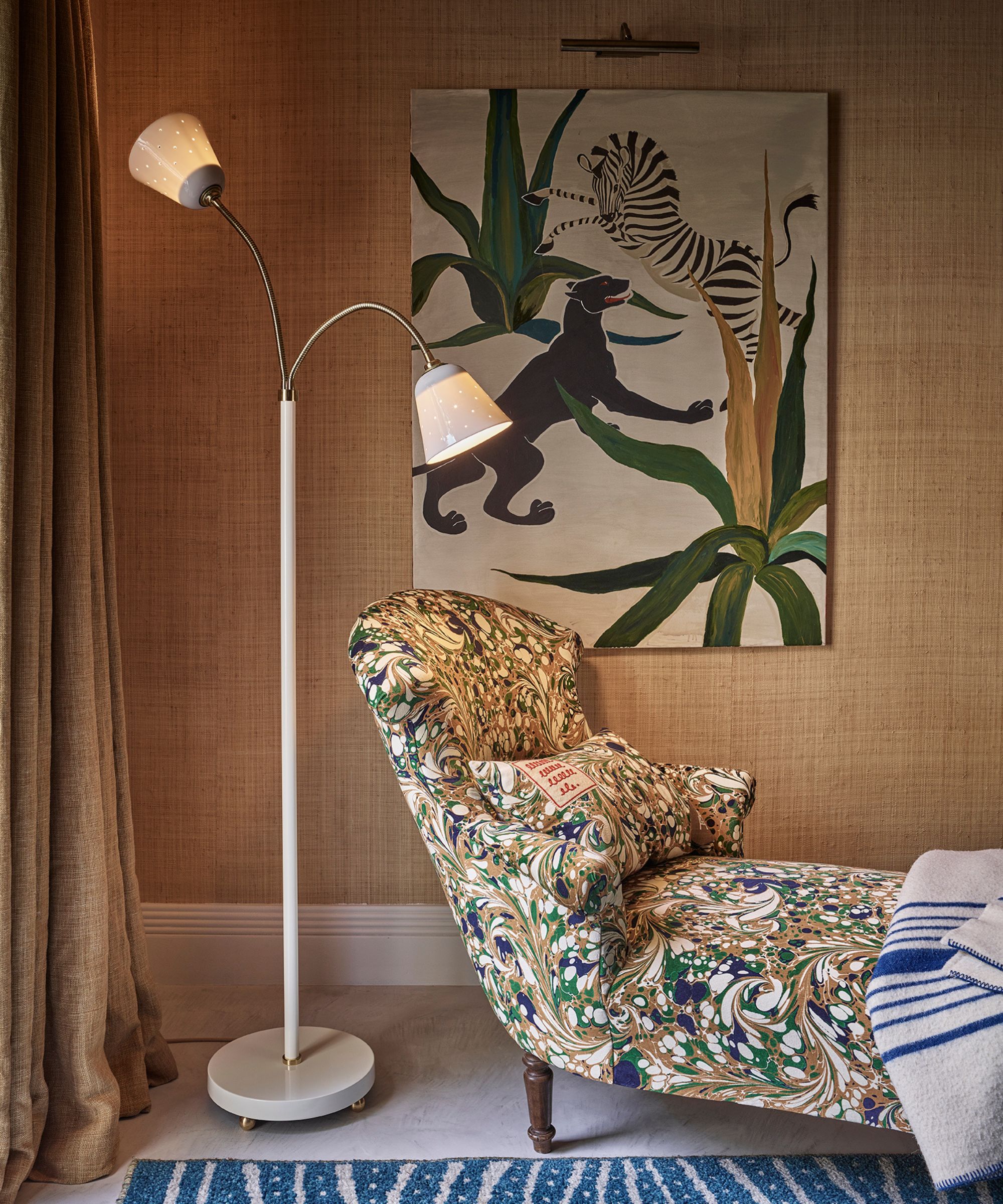
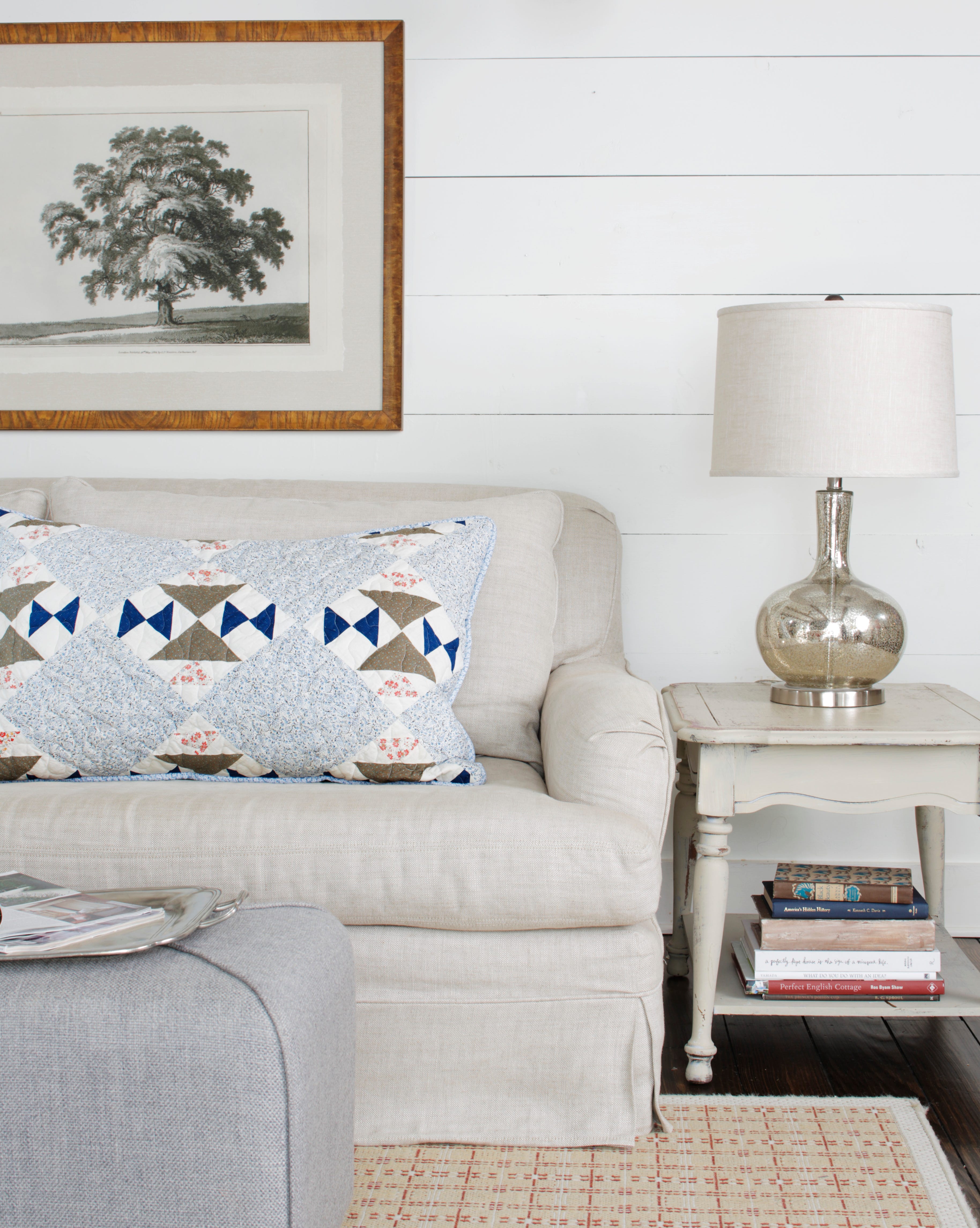
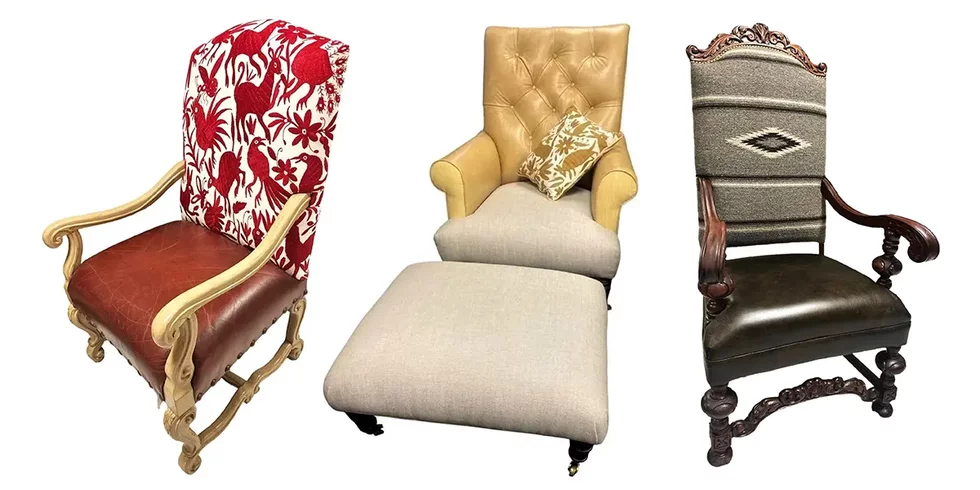
While embracing imperfections is part of the charm, Henriette von Stockhausen advises against using fabrics that are beyond repair. Instead, she suggests repurposing usable sections and praises the art of patchworking for its environmental and soulful benefits. Joanna Plant offers a clever solution to prevent a 'scruffy' look: combining vintage textiles with new fabrics. This approach allows for the use of vintage materials on less-used parts of a piece, such as the inside back or outside arm of a chair, while more durable new linens or cotton velvets are used for high-wear areas like seat covers or leading edges of curtains. Trims can also add a crispness to vintage textiles, preventing them from appearing too shabby.
Sourcing vintage textiles can be done through various channels, including specialized dealers like Katharine Pole, Amanda Leader, and The Dyeworks, as well as online platforms like Etsy and antique fairs such as Kempton or Ardingly. For fabrics that require minor restoration, a textile restorer is recommended, and dry-cleaning before upholstery is a vital step. The article highlights that Christopher Howe is known for his masterful use of antique textiles on furniture, creating beautiful examples.
Finally, selecting an experienced upholsterer is paramount when working with vintage textiles. A skilled craftsperson will understand the unique challenges and sensitivities of these materials. It is advisable to visit the upholsterer and place the textile on the furniture piece together to ensure the desired outcome. Upholsterers should be briefed that perfection is not expected, and minor flaws or even patches are acceptable, reflecting the inherent nature of working with old materials. The overarching philosophy when using vintage textiles is to embrace their fragility and imperfections, viewing their use as a celebration of their history rather than allowing them to remain unused.
#AntiqueTextiles #VintageFabrics #Upholstery #InteriorDesign #HomeDecoration #SustainableDesign #FurnitureRestoration #FabricSourcing #TextileArt #AntiqueTextiles #VintageFabrics #Upholstery #InteriorDesign #HomeDecoration #SustainableDesign #FurnitureRestoration #FabricSourcing #TextileArt
0 comment in total
 No comments yet
You may also like
How to upholster furniture without breaking the bank
7 Upholstery Details That Make Your House Look More Expensive, According to Experts

How much does it cost to reupholster a sofa? And why it's worth it

DIY Upholstery Is Easier Than You Think

How to decorate with antique textiles – designers share their tips for adding character with old fabrics

Is it Cheaper to Reupholster Antique Furniture or Buy New? Here's Everything Designers Say You Need to Know
Common Upholstery Techniques: What You Need to Know to Reupholster Furniture

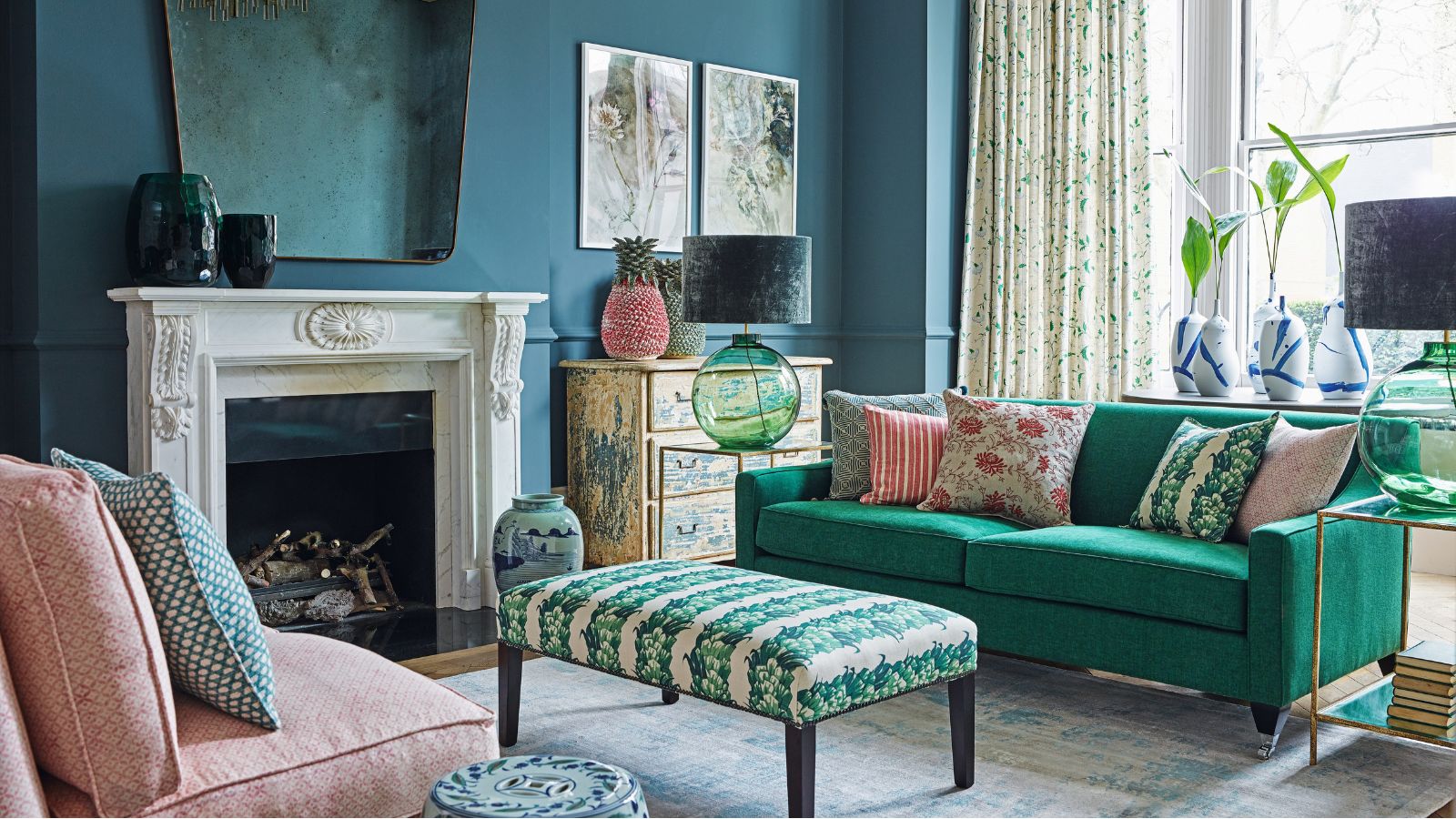
How to Modernize Antique Furniture for a Characterful and Cohesive Look
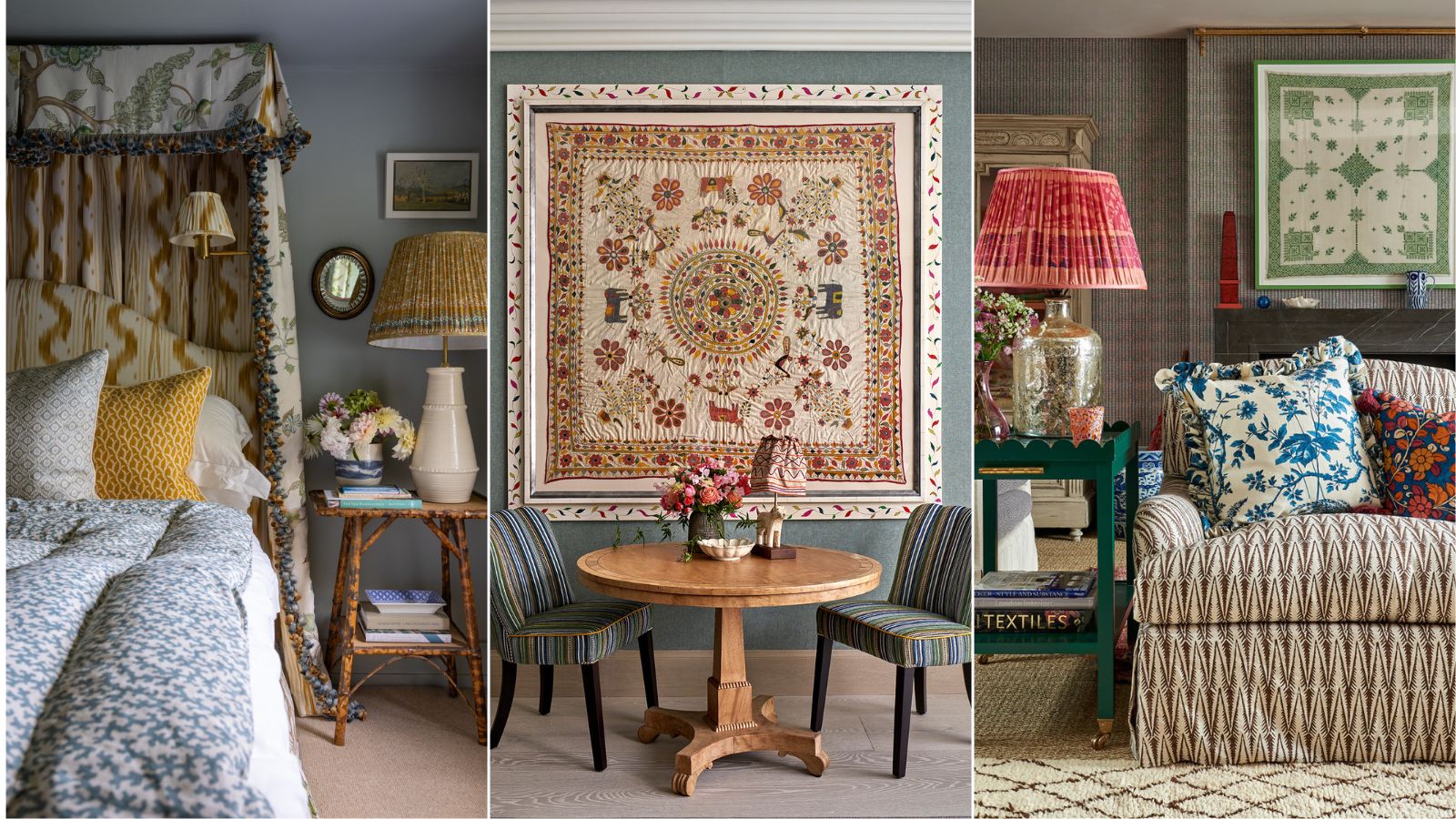
Decorating with vintage fabrics - 8 ways to inject color, texture and heritage style into your space
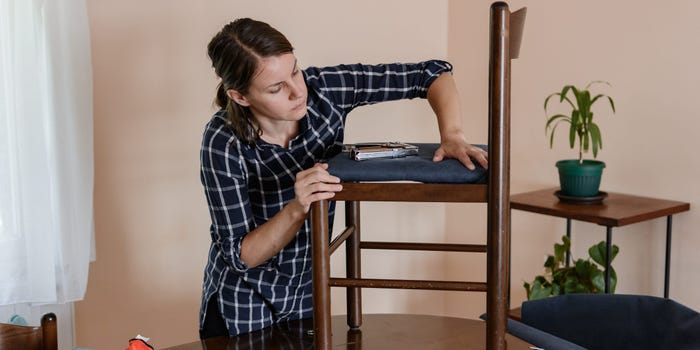
How to reupholster a chair and breathe new life into old furniture
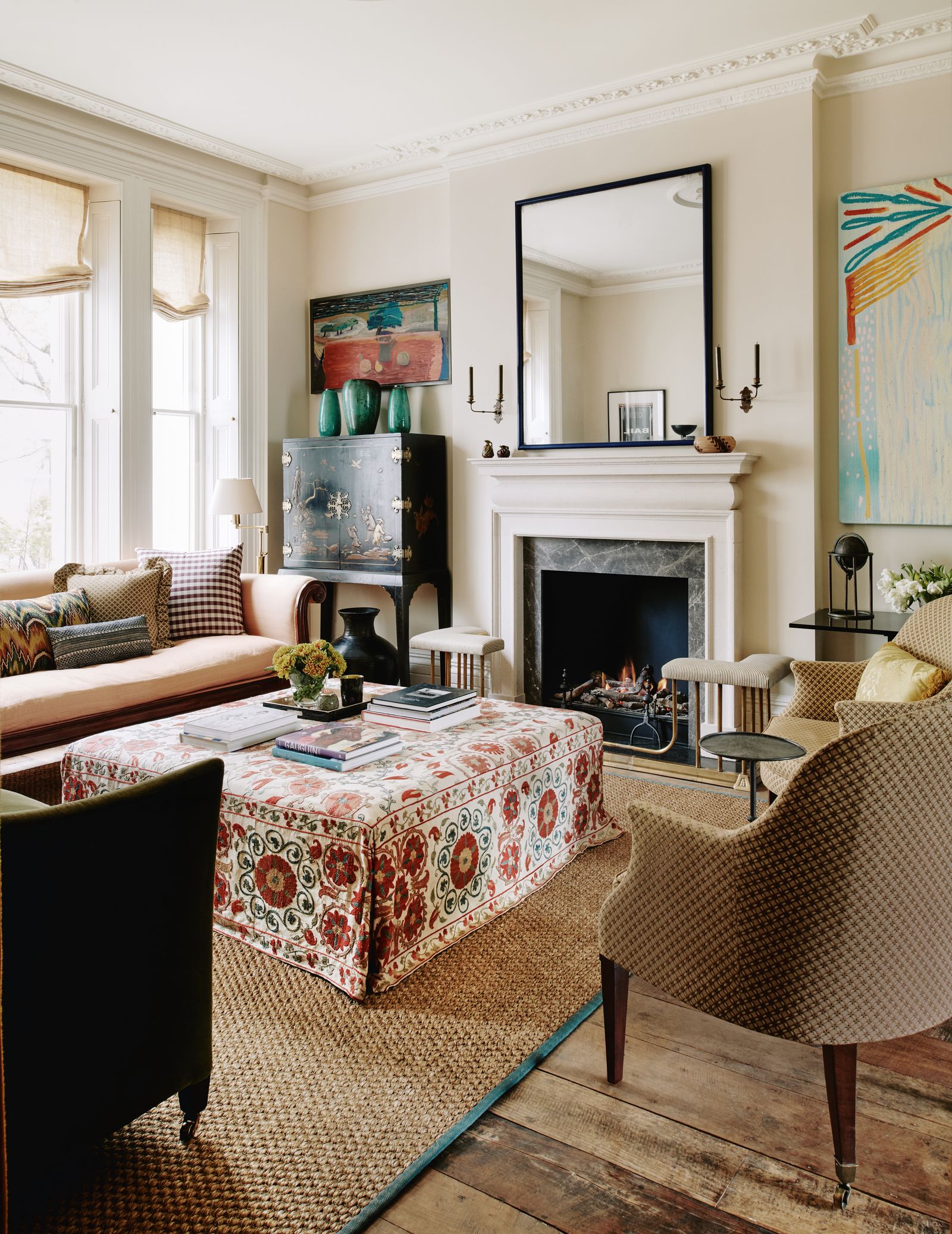
How to use antique furniture in a contemporary scheme
9 things you need to know before upholstering furniture
Michelle McClennan’s Love of Antique Design and Upholstery

These upholstery ideas are instant room refreshers
Interiors: Second skin... revive your favourite couch
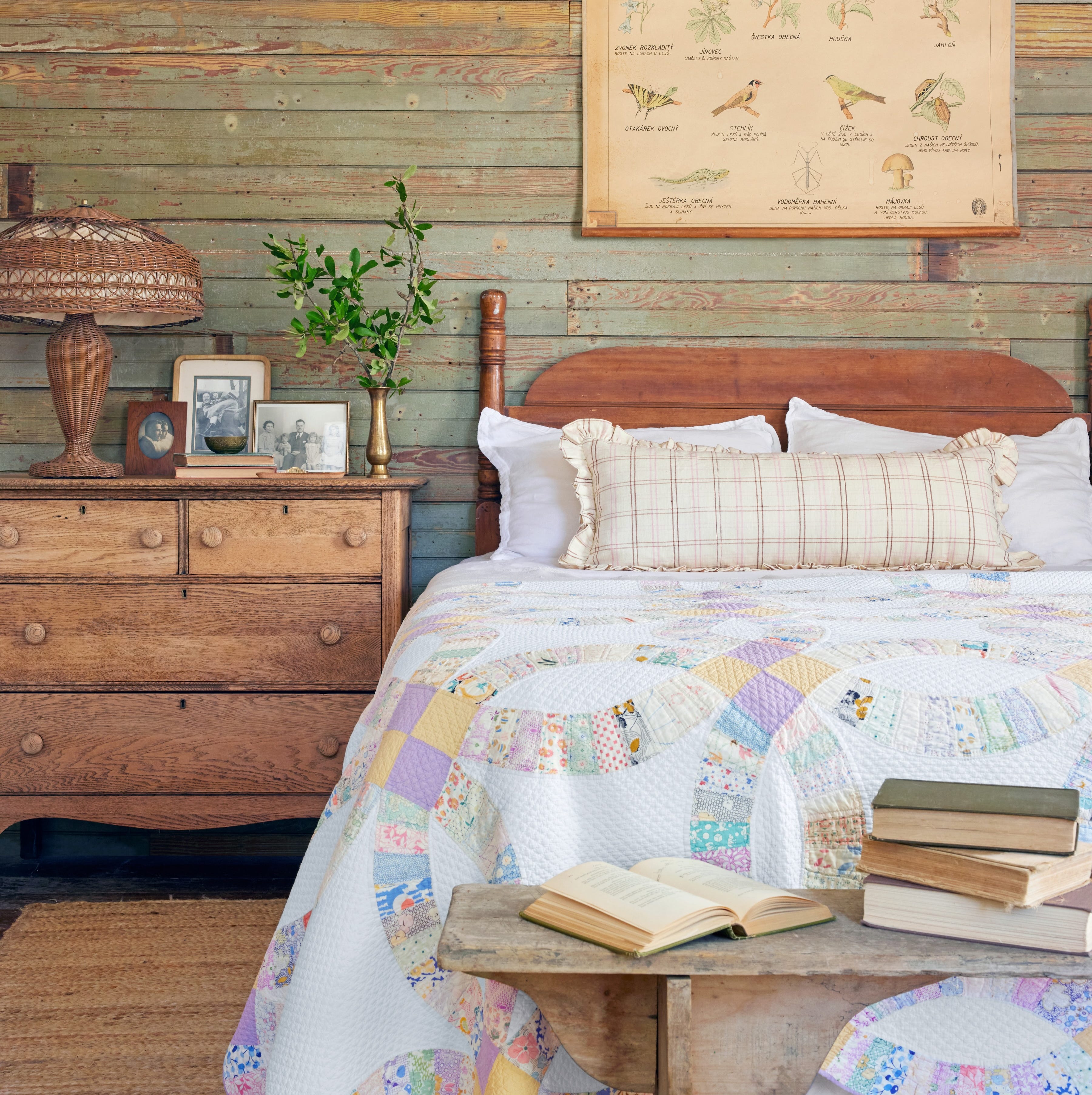
This Grandma-Beloved Decorating Staple Can Be Used in SO MANY Ways
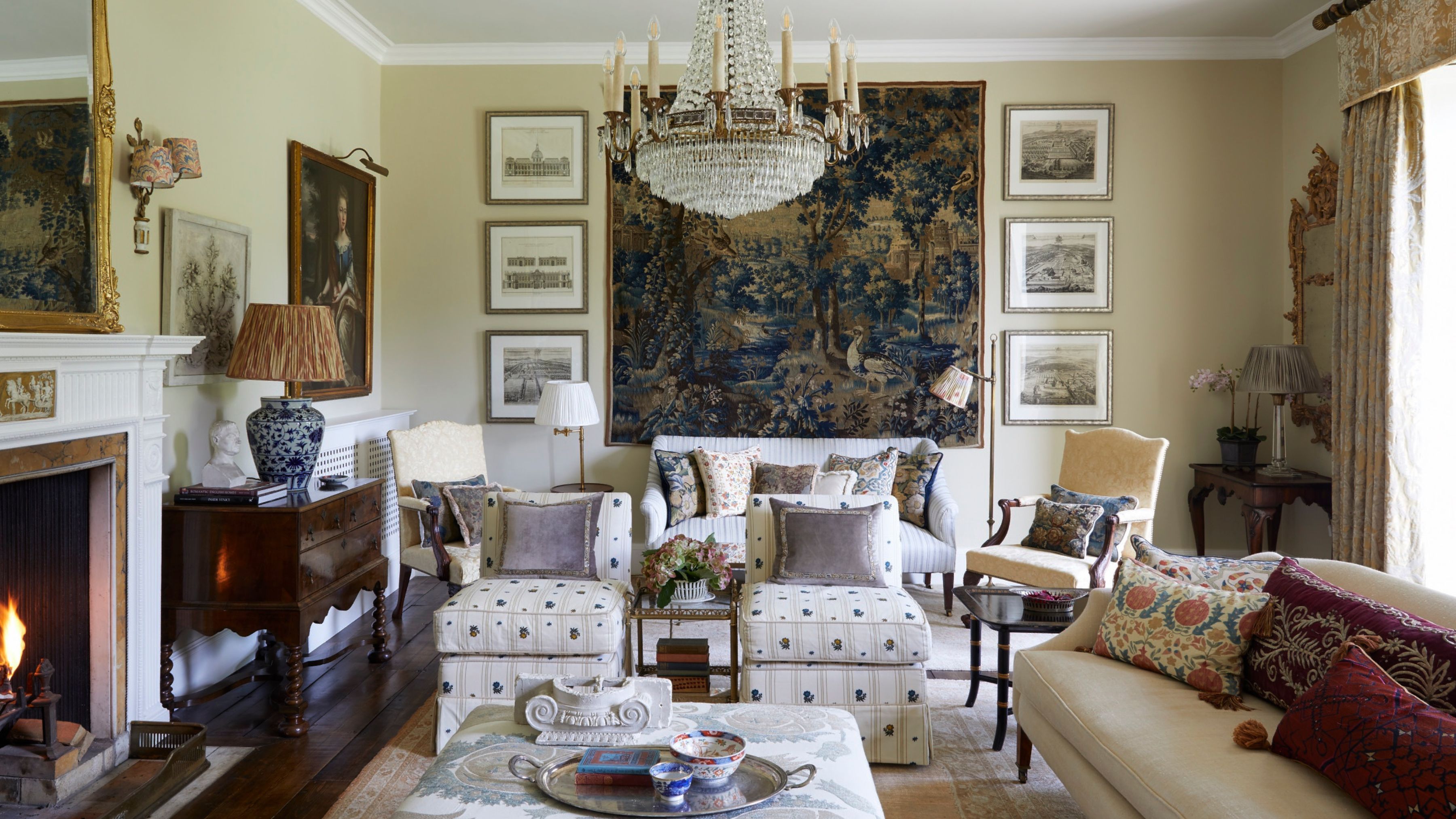
Better Vintage: ‘A Visual Language in Cloth’ – How Antique Tapestries Shape Rooms, Not Just Surfaces
How to Reupholster a Chair So You Can Revamp Rather Than Replace

Missing JoAnn Fabrics? The 13 Best Places To Buy Upholstery Fabric Now

Ask Veronica: How easy is it to recover a leatherbound chair with fabric upholstery?