1/2
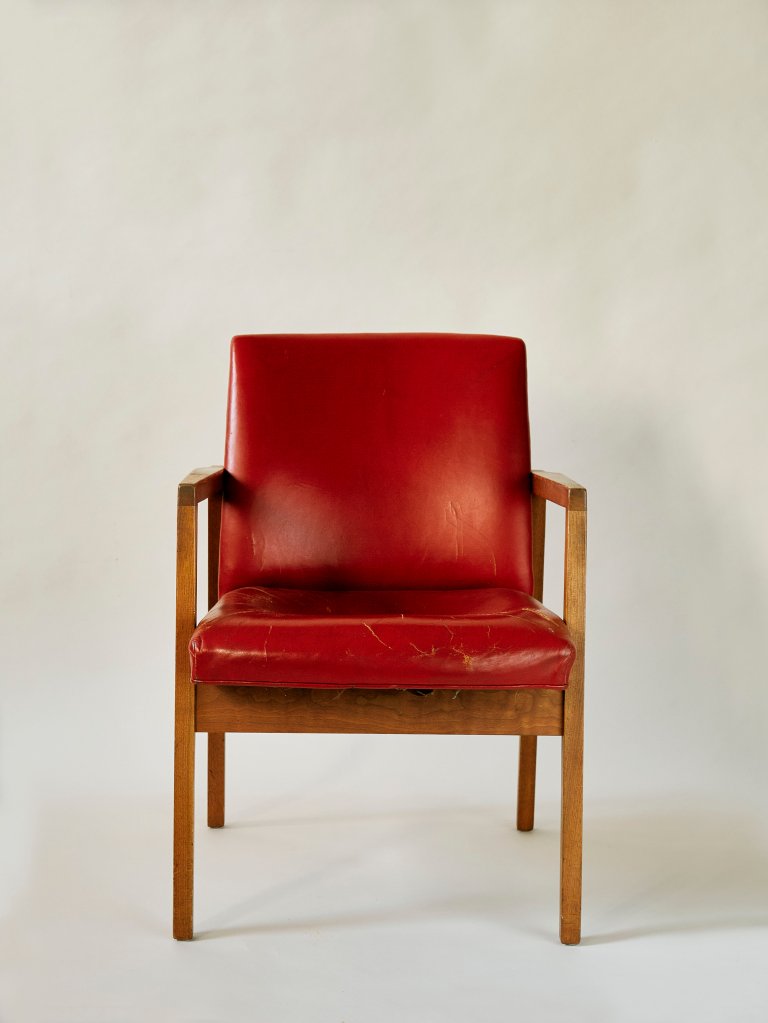
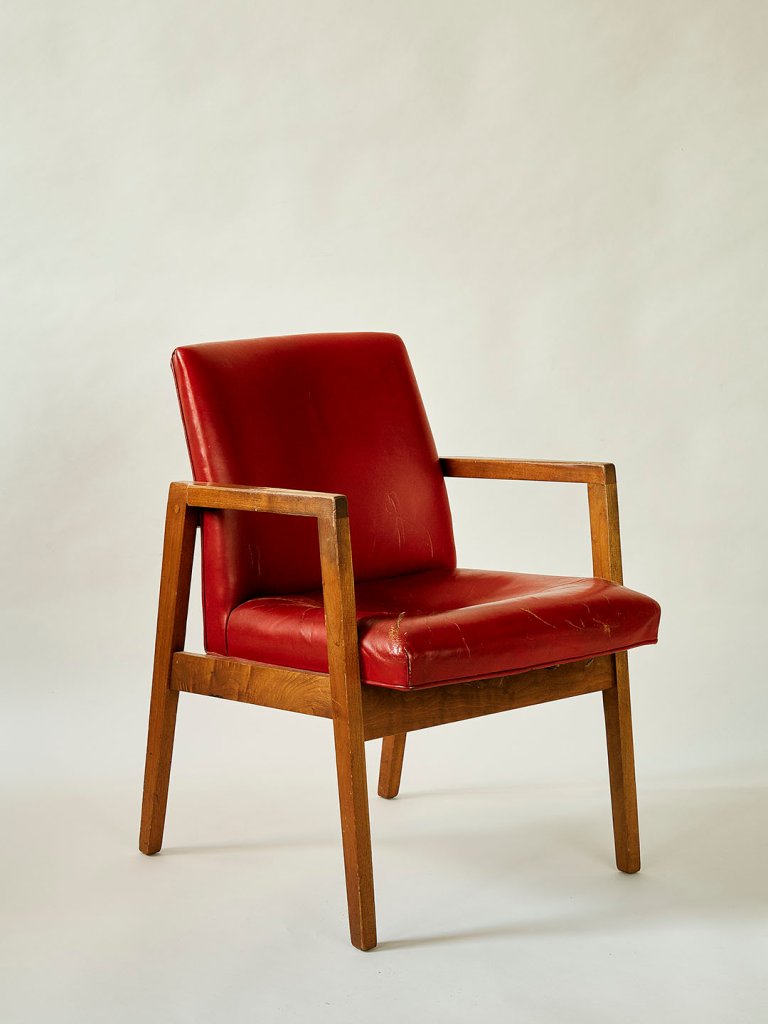
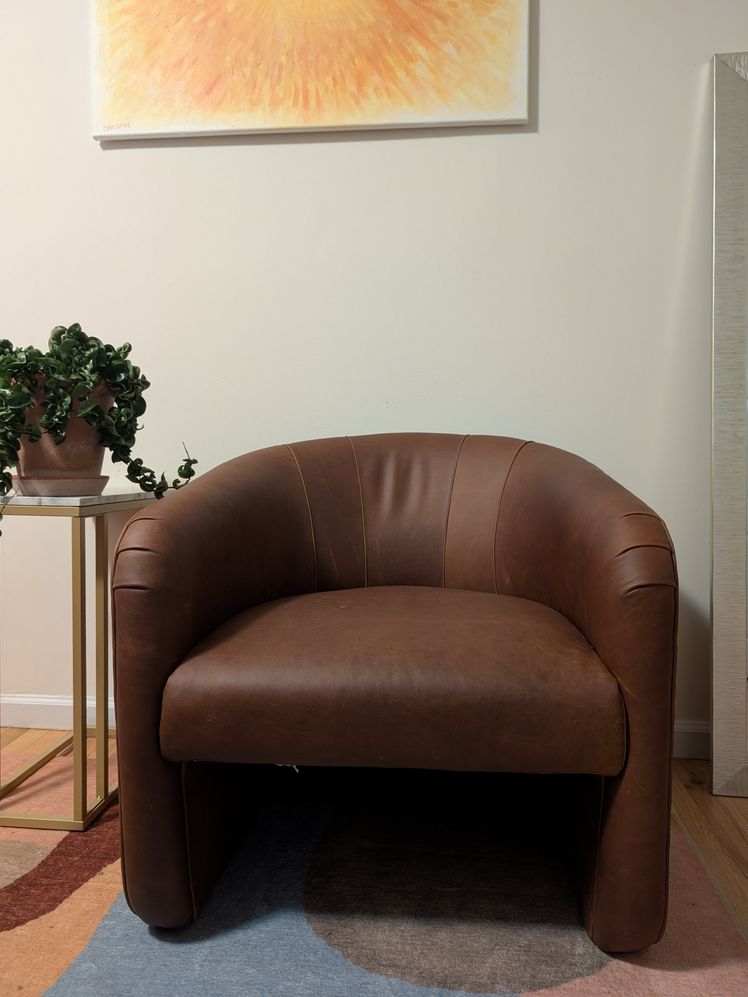
Ask Veronica: How easy is it to recover a leatherbound chair with fabric upholstery?
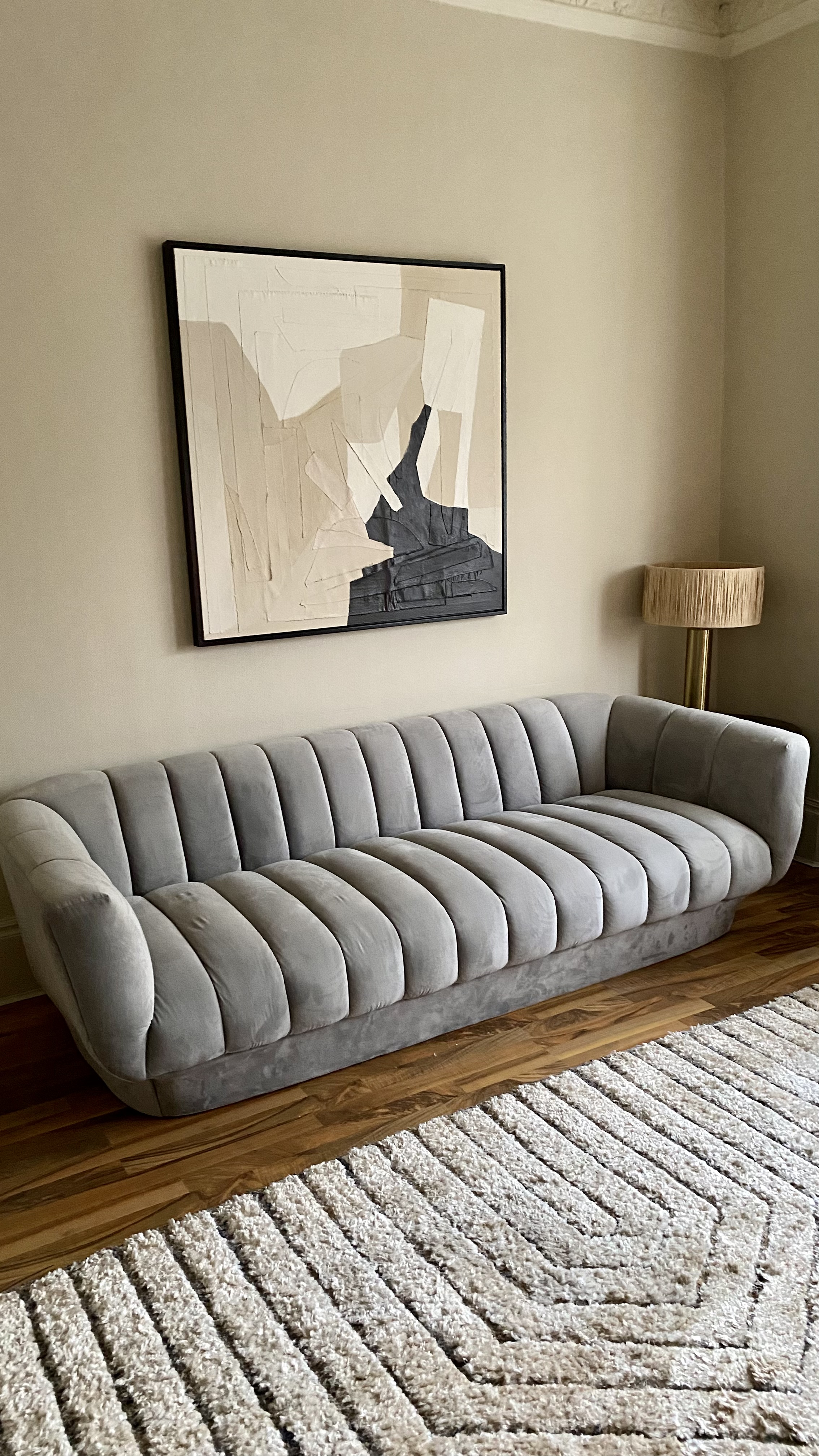
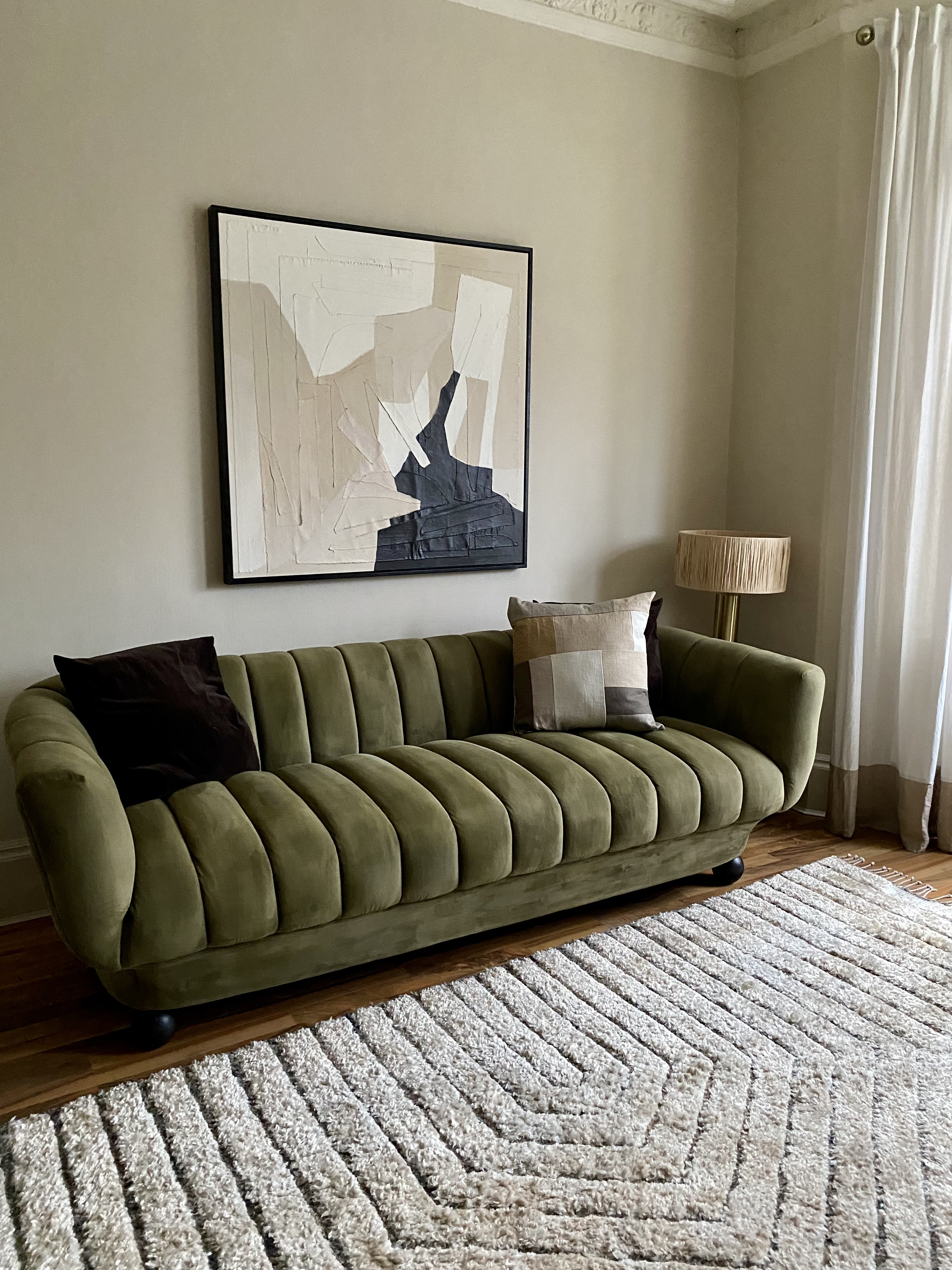
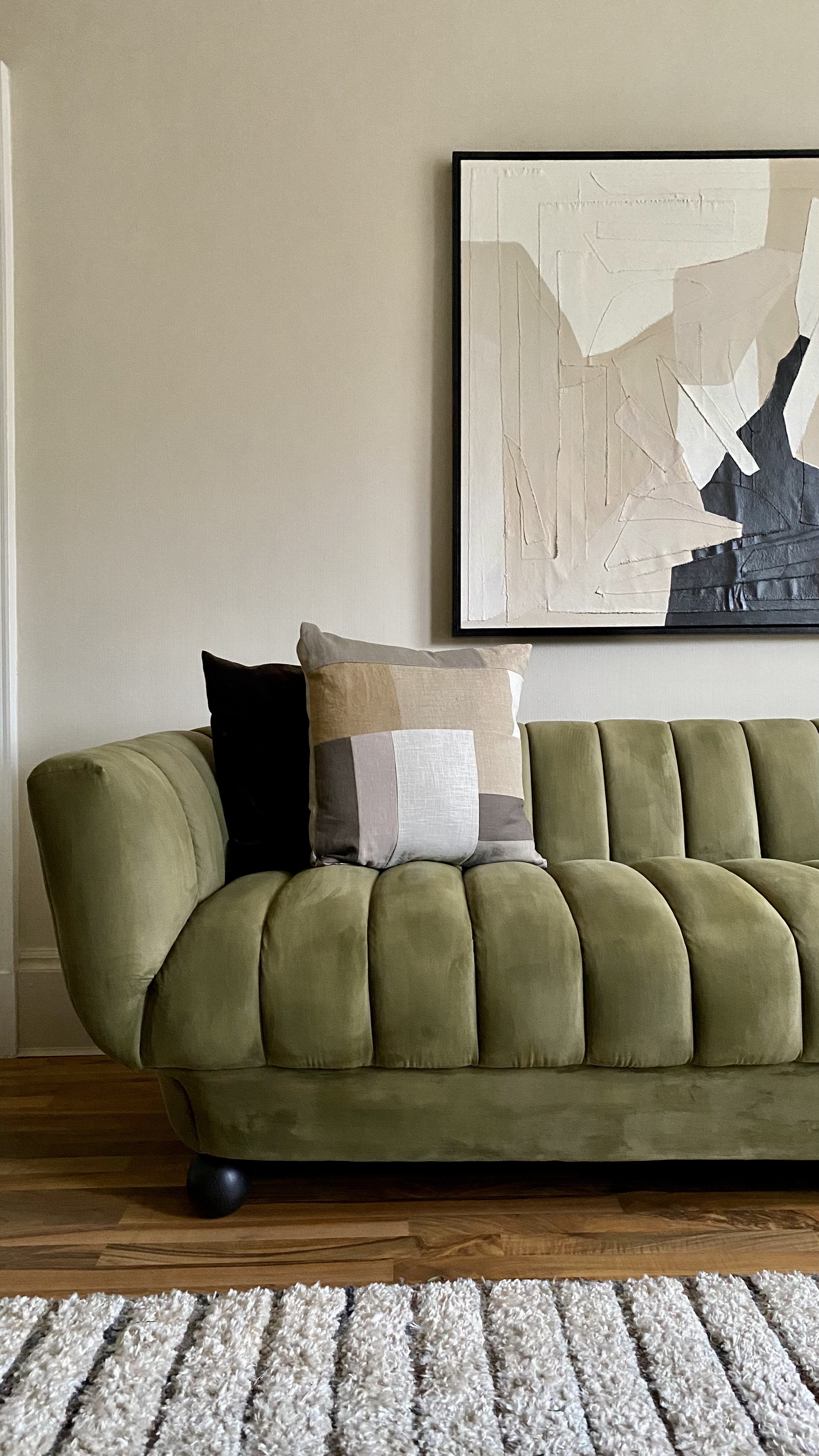
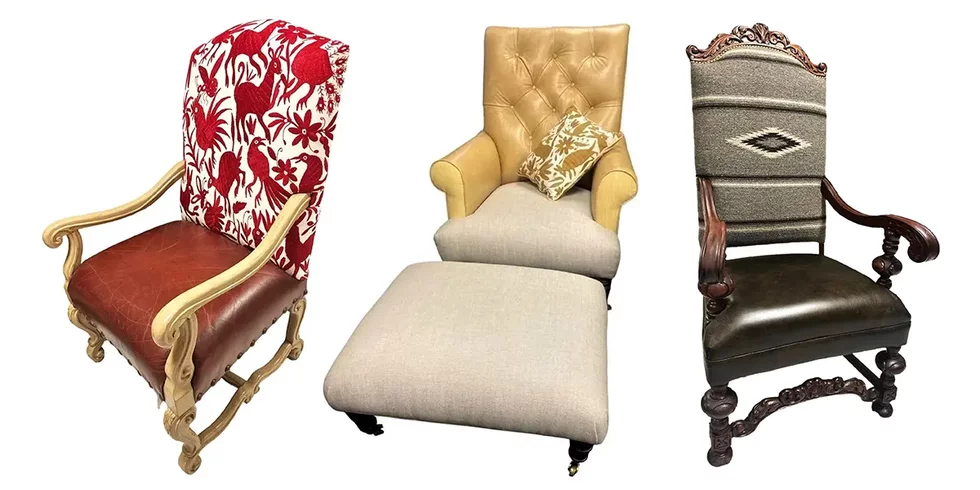
Reupholstering furniture, particularly transitioning a leather-bound chair to fabric upholstery, requires specific considerations and skills, as highlighted by Lucía Landa, owner of Lucía Landa Design. Landa, who has a background in collecting and reupholstering furniture as a hobby before launching her custom upholstery and furniture restoration company in 2020, emphasizes that while upholstery is generally versatile, the key to a successful material change lies in understanding the material's properties and the upholsterer's expertise.
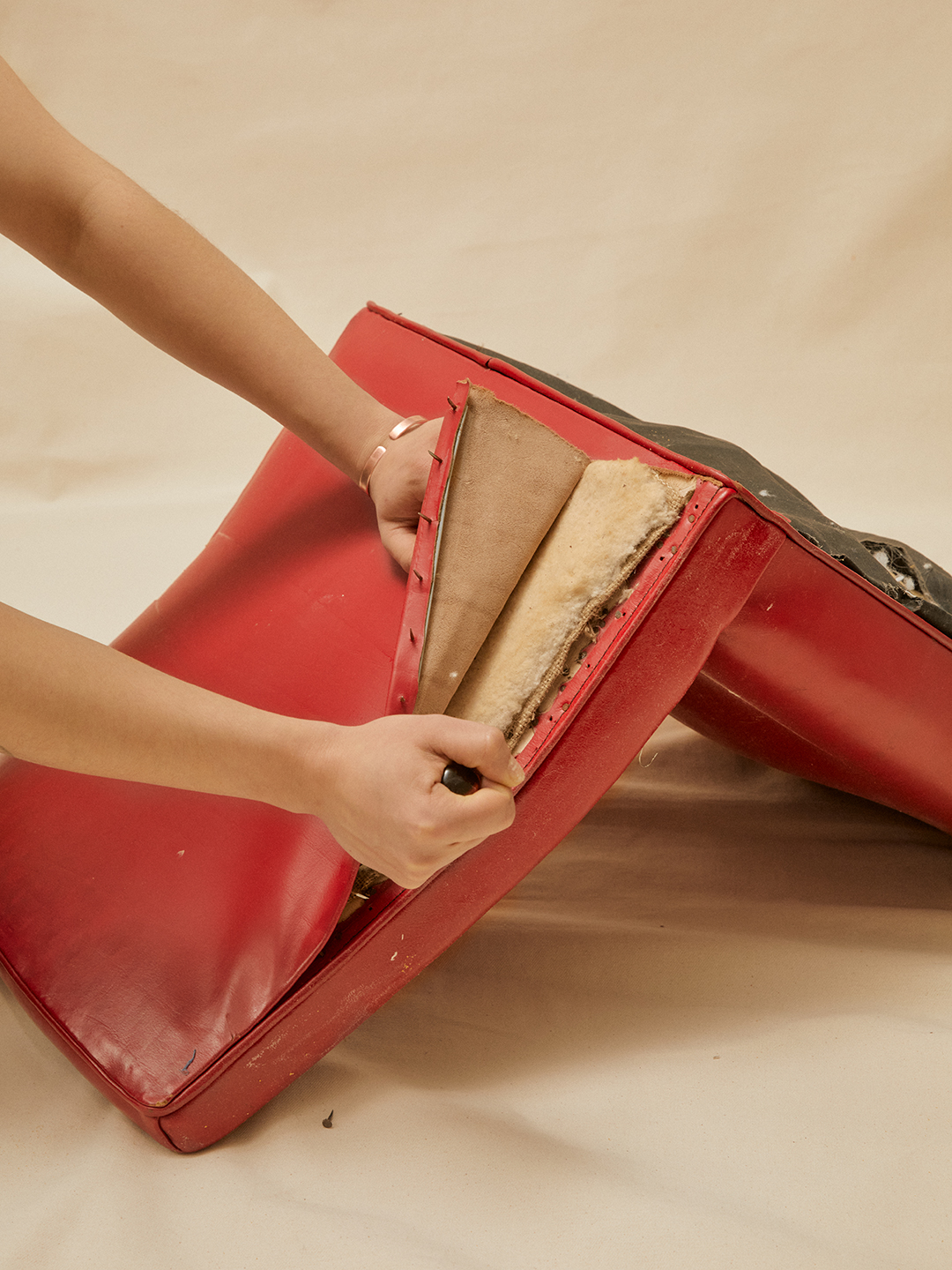
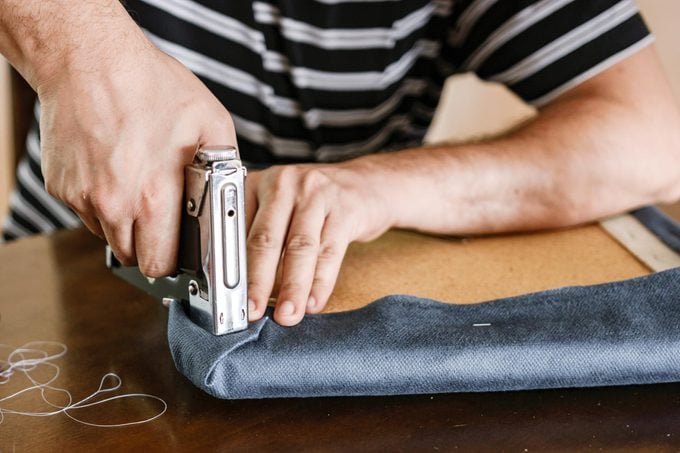
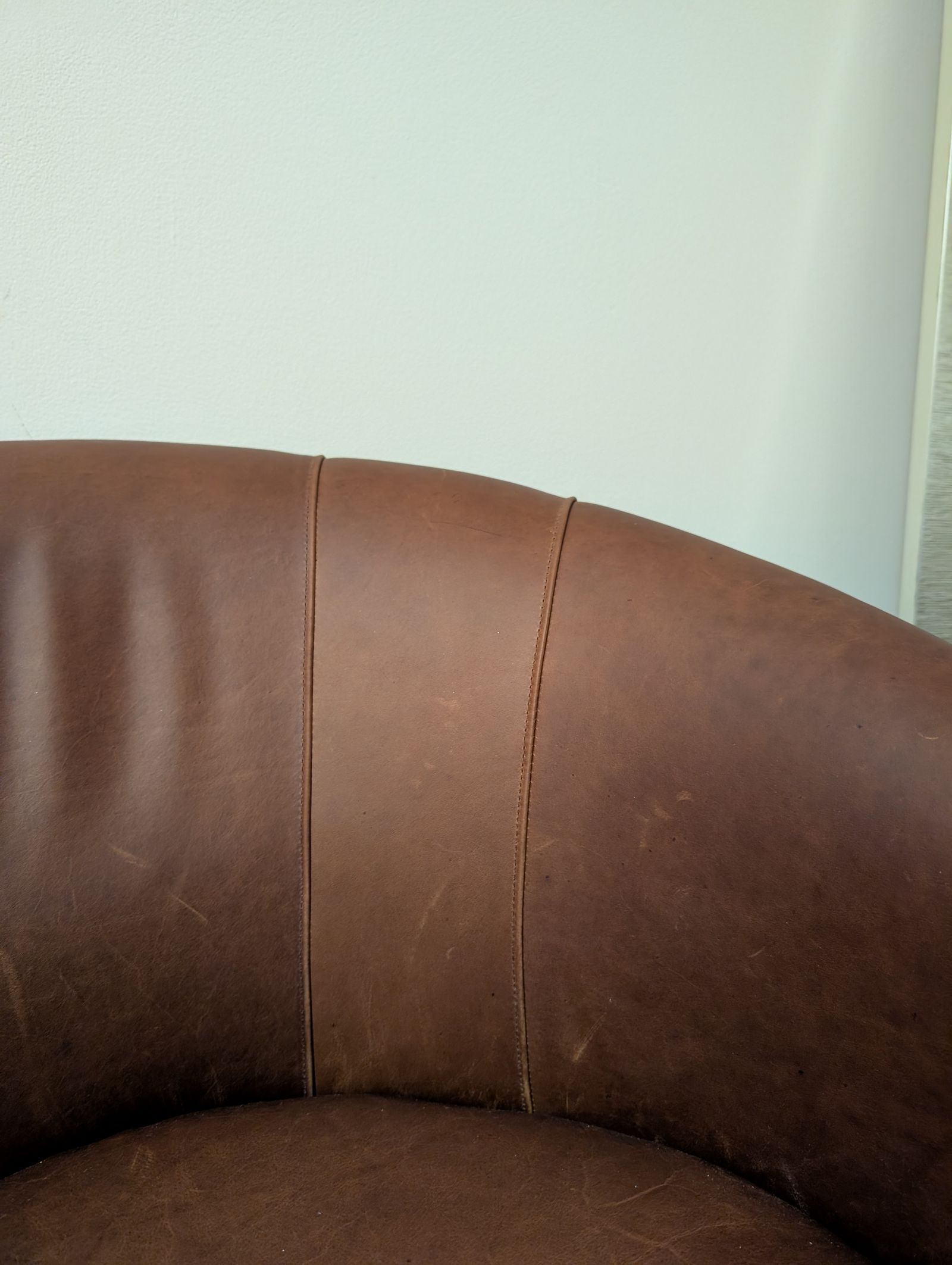
One crucial aspect is the weight and thickness of the chosen material. Landa states that nearly any material can be used for upholstery as long as it possesses adequate thickness. However, working with leather presents unique challenges. Leather requires significantly tighter stretching compared to fabric. If not stretched correctly, the material can loosen over time due to body heat, leading to wrinkles and potential damage, which would necessitate complete replacement. This delicate process underscores the importance of selecting an upholsterer who is proficient in handling leather and understands its specific requirements for cutting and stretching.
Another consideration when changing upholstery materials, especially from fabric to leather or vice versa, is the potential alteration to the furniture piece's overall feel. The padding underneath the upholstery needs to be adjusted by the upholsterer to compensate for the different stretching properties of various materials, ensuring the desired aesthetic and comfort are maintained.
Landa, drawing from her Mexican heritage, often incorporates a mix of materials in her designs. Her approach frequently involves combining bold, hand-embroidered fabrics, such as Otomi, with coordinating plain fabrics or leather. This technique aims to create a balanced aesthetic that integrates both feminine and masculine elements, as well as natural and manmade textures. For custom projects, she encourages clients to use fabrics with personal significance, like family heirlooms or culturally relevant patterns, pairing them with more durable materials like leather or solid fabrics. She suggests using these sentimental fabrics on areas of a chair that experience less wear and tear, such as the back, to preserve their integrity. This practice reflects a mindset of sustainability and adaptation, where existing items are updated rather than discarded, a concept Landa attributes to her upbringing in Mexico, where mixing fabrics is common due to the unavailability of original materials for repair.
#Upholstery #FurnitureRestoration #LeatherUpholstery #FabricUpholstery #InteriorDesign #CustomFurniture #HomeDecor #LuciaLandaDesign #ReupholsteringTips #Upholstery #FurnitureRestoration #LeatherUpholstery #FabricUpholstery #InteriorDesign #CustomFurniture #HomeDecor #LuciaLandaDesign #ReupholsteringTips
0 comment in total
 No comments yet
You may also like
How to Reupholster a Chair So You Can Revamp Rather Than Replace

Meet Das Upholstery’s Das Chunilall As He Brings A Rocking Chair Back To Life


How much does it cost to reupholster a sofa? And why it's worth it

How to Clean Upholstered Furniture the Right Way


The Best Leather Repair Kits


Interiors: Second skin... revive your favourite couch

DIY Upholstery Is Easier Than You Think


Is a Bouclé Sofa Worth it? Here's What You Should Know Before Buying
The Leather Furniture Repair Balm That Removed Years of Damage

Need to Restore Your Leather? These Are the 7 Repair Kits We Swear By
How to upholster furniture without breaking the bank
How to clean bouclé fabric in 4 simple steps

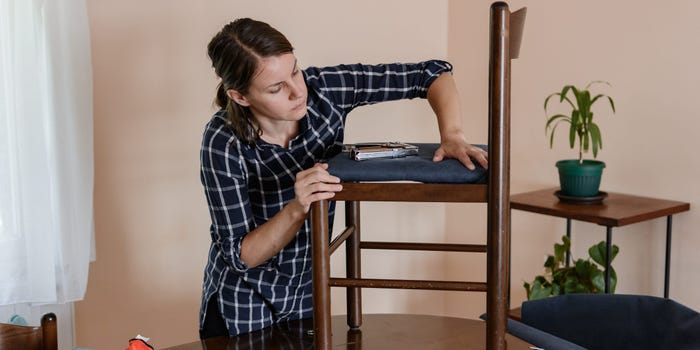
How to reupholster a chair and breathe new life into old furniture
Restoring a Chair Is Easier Than You Think. Ask the Brownstone Boys. (Published 2024)
I Tried It: The Rejuvenation Claude Accent Chair Looks Better the More Weathered It Gets
This interior designer’s once drab velvet sofa now looks brand new – the secret? A self-mixed fabric paint

Fixing Leather Damage Is Easier Than Ever—See the Repair Kits Our Experts Recommend

Beginner’s Guide To Reupholstering Furniture


How To Deep Clean a Couch: Expert Tips for Getting It To Look Like New

Take This Chair & Stuff It